Issue published July 22, 2026 Previous issue | Next issue

- Volume 11, Issue 14
On the cover:
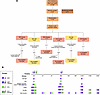
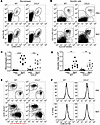
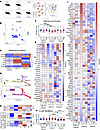
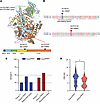
GZMK-expressing tissue-resident memory CD8+ T cells participate in human intestinal acute graft-versus-host disease
Sun et al. identified a GZMK-expressing tissue-resident memory CD8+ T cell subset linked to severe intestinal graft-versus-host disease after stem cell transplantation and poorer patient outcomes. Image generated using ChatGPT.
Sun et al. identified a GZMK-expressing tissue-resident memory CD8+ T cell subset linked to severe intestinal graft-versus-host disease after stem cell transplantation and poorer patient outcomes. Image generated using ChatGPT.
Go to section:
-
Research Articles
×
Abstract
Fibroblasts in the lung mesenchyme produce growth factors and extracellular matrix components that guide formation of distal airspaces during the saccular stage of lung development. Inflammation in preterm infants disrupts this process, leading to bronchopulmonary dysplasia (BPD). To examine how mesenchymal inflammation contributes to BPD pathogenesis, we developed a transgenic mouse model (IKKβTbx4) in which expression of activated human IκB kinase β (IKKβ), an upstream activator of NF-κB, was induced in Tbx4 lung enhancer–positive mesenchymal cells during the saccular stage of lung development (P0–P5). Saccular-stage IKKβTbx4 mice exhibited a BPD-like phenotype with interstitial thickening and reduced distal airspaces at P5, progressing to emphysematous enlargement of the distal lung at 2 months of age. Mesenchymal NF-κB activity upregulated the chemokines CCL2 and CCL7, recruiting CCR2pos monocyte-derived macrophages to the lung. Recruited macrophages disrupted the elastin scaffold and impaired microvascular organization with reductions in CAP2 endothelial cells and pericytes. Blocking CCR2-dependent monocyte recruitment with a small-molecule CCR2 antagonist rescued the abnormal lung phenotype. These findings identify mesenchyme-macrophage crosstalk as a mechanism by which inflammation disrupts saccular-stage lung development, suggesting a role for this signaling axis in BPD pathogenesis.
Authors
Benjamin C. Crawford, Jessica Chauviere Lee, Bertha C. Elias, Shivangi Dave, Riet van der Meer, Wei Han, Alexandria L. Sharkey, David S. Nichols, Charles Shissias, Lauren Pate, Hayden Tan, Dawn C. Newcomb, Wei Shi, Lawrence S. Prince, Erin J. Plosa, Bradley W. Richmond, Timothy S. Blackwell, Susan H. Guttentag, John T. Benjamin
×Abstract
Malattia Leventinese (MAL) is an inherited macular degeneration disorder characterized by retinal drusen formation in adolescence, leading to vision loss. A mutation in the fibulin-3 gene (EFEMP1) causes MAL; however, the mechanisms underlying disease onset and drusen formation remain unclear. In this study, we generated induced pluripotent stem cell–derived retinal pigment epithelial (iPSC-RPE) cells from a patient with MAL to investigate disease mechanisms and potential therapies. MAL iPSC-RPE exhibited fibulin-3 and apolipoprotein E (ApoE) aggregation, increased endoplasmic reticulum stress, and enhanced apoptosis. Long-term culture with photoreceptor outer segments led to drusen-like deposits containing ApoE, complement components, and collagen IV accumulation, and it showed activation of matrix metalloproteinase-2 (MMP2). Untargeted lipid analysis revealed increased hexosylceramide and bis-monoacylglycerophosphate levels in MAL iPSC-RPE cells. A key pathological feature was lysosomal dysfunction associated with altered regulation of lysosomal gene programs, including reduced transcription factor EB transcript levels. Treatment with trehalose, a lysosome-modulating compound, increased lysosomal content and function, reducing drusen-like deposit formation, inhibiting MMP2 activation, and suppressing apoptosis. This study highlighted lysosomal dysfunction as a contributor to RPE damage, drusen-like deposit accumulation, and extracellular matrix degradation. Pharmacological restoration of lysosomal function alleviated these defects, suggesting therapeutic potential for MAL and other drusen-related diseases, including age-related macular degeneration.
Authors
Yumi Inoue, Hanako O. Ikeda, Masayuki Hata, Yuto Iida, Keiko Okamoto-Furuta, Isao Asaka, Makoto Arita, Akitaka Tsujikawa
×Abstract
Tuberous sclerosis complex (TSC) and lymphangioleiomyomatosis (LAM) lack well-defined cellular origins, limiting treatment options. In this report, scRNA-seq of Tsc2+/– mouse renal cystadenomas revealed an 80-fold increase in a tumor cell subpopulation with neural crest features, expressing known cranial neural crest genes as SRY box transcription factor 9 (Sox9), transcription factor activator protein (Tfap2a), and candidate neurocristopathy markers, osteopontin (Spp1), lipocalin-2 (Lcn2), clusterin (Clu), and cytokeratin 18 (Krt18). These signatures were validated in mouse tumors and LAM patient lesions and serum, identifying a tumor phenotype distinct from traditional VEGFD detection. Pathway analysis indicated activation of WNT/SHH signaling, nephric duct formation, and protumorigenic signals, with transcription factor 7 (Tcf7) and ephrin-A ligands as key upstream regulators. Spp1 KO in cranial neural crest cells (CNCCs) significantly reduced proliferation (28%–33%), migration (54%–76%), and invasion (29%–64%) without affecting viability, while Tsc2 KO increased viability 3- to 6-fold with minimal effect on chemotaxis. Elevated serum levels of SPP1 and KRT18 in 1 subset of patients with LAM, decreased LCN2 in nearly all cases, and distinct increases in VEGFD in a separate subset suggest complementary roles for these biomarkers. Overall, findings support a neurocristopathic model of tumor development in TSC and LAM and identify potential biomarkers and therapeutic targets beyond mTOR inhibition.
Authors
Uchenna J. Unachukwu, Enio B. Garcia, Nooralam Rai, Jeanine M. D’Armiento
×Abstract
Immunosenescence, the biological aging of the immune system, leads to dysregulated immune responses, increasing susceptibility to infections and reducing vaccine efficacy in older adults, as seen with flu vaccines. In contrast, the AS01-adjuvanted recombinant herpes zoster vaccine (RZV) maintains high and sustained efficacy, offering 82% protection against herpes zoster at 11 years after vaccination in individuals over 50. To identify factors affecting age-dependent vaccine efficacy, we conducted a randomized, partially placebo-controlled clinical study. Young adults (18–35 years, n = 84) were randomized 3:3:1:1 to receive either RZV, an inactivated quadrivalent seasonal influenza vaccine (IIV4), or a placebo for RZV or for IIV4, and older adults (≥60, n = 63) were randomized 1:1 to receive RZV or IIV4. RZV elicited robust antibody production, antigen-specific polyfunctional CD4+ T cell responses, and IFN-γ from PBMCs in both age groups, while IIV4 increased antibody responses but induced fewer antigen-specific CD4+ T cells and no elevation of IFN-γ from PBMCs. Interestingly, RZV reduced systemic inflammation in older adults, particularly after the second injection. Baseline inflammation negatively correlated with antibody production and IFN-γ response, especially after RZV. Our findings suggest that RZV may help overcome immunosenescence by enhancing cellular responses and potentially decreasing systemic inflammation, deserving further investigation into the underlying molecular mechanisms.
Authors
Gizem Kilic, Esther J.M. Taks, Leonie S. Helder, Elisabeth A. Dulfer, Büsra Geckin, Liesbeth van Emst, Heidi Lemmers, Stefano Berrè, Adhidev Biswas, Mumin Ozturk, Yutaka Negishi, Wivine Burny, Sofia M. Buonocore, Jaap ten Oever, Musa M. Mhlanga, Mihai G. Netea
×Abstract
In chronic beryllium disease (CBD), elevated levels of the inflammatory chemokines CCL3 and CCL4 in the lungs coincide with expanded populations of CD4+ T cells specific to beryllium-modified (Be-modified) peptides derived from these chemokines. Here, we generated HLA-DP2 transgenic (Tg) CCL3-deficient mice (CCL3–/–) that also lack CCL4 to investigate their role in disease development. Be-exposed CCL3–/– mice maintained normal numbers of lung macrophages and dendritic cells (DCs) but exhibited significantly reduced total and HLA-DP2–CCL/Be tetramer-specific CD4+ T cells, IFN-γ–producing CD4+ T cells, and peribronchovascular aggregates, consistent with attenuated inflammation. CCL3 was predominantly expressed in macrophages and DCs, and bone marrow chimera studies confirm that hematopoietic-derived DCs are the key regulators of CCL/Be-specific CD4+ T cell responses. RNA-seq of lung-resident CCL4/Be tetramer+ CD4+ T cells revealed a transcriptional profile enriched for inflammatory and cholesterol-metabolism pathways, with elevated expression of Ifng, Tnf, and Il17a. Moreover, Be-exposed HLA-DP2 Tg mice lacking TNF-α or treated with peptide-MHCII CAR-T cells targeting CCL4/Be-specific CD4+ T cells showed reduced T cell responses and cellular aggregates. These findings demonstrate that CCL3 and CCL4 promote CCL/Be-specific CD4+ T cell responses and highlight peptide-MHCII CAR-T cells as a potentially novel strategy for depleting self-peptide/Be-specific CD4+ T cells in CBD.
Authors
Michael T. Falta, Masoom Raza, Caley J. Nevienski, Tonya M. Brunetti, Rui Fu, Rebecca M. Tucker, Joseph M. Gaballa, Faiz Minhajuddin, Kibrom M. Alula, Alberto Dinarello, Douglas G. Mack, Allison K. Martin, Joseph C. Onyiah, Michael Yarnell, Prashanth Francis, Terry J. Fry, Lisa A. Maier, Andrew P. Fontenot, Charles A. Dinarello, Shaikh M. Atif
×Abstract
Cellular senescence is an irreversible stress response, which leads to loss of cellular function and remodeling of the cellular secretory profile. In humans, pancreatic β cells undergo cellular senescence during the progression to type 2 diabetes (T2D). However, the mechanism linking β cell senescence to islet dysfunction remains unknown, and thus the therapeutic potential of targeting senescent cells in T2D is not established. Herein, we identified a subpopulation of senescent β cells expressing p21, which emerged early in the progression of T2D in humans and mice. Spatial transcriptomics and proteomics analyses confirmed senescence and loss of cellular identity in this subpopulation in humans. Functional analysis revealed lack of glucose responsiveness, high basal insulin secretion, and transcription of senescence-associated secretory phenotype (SASP) factors. SASP factors from p21+ β cells induced secondary senescence in neighboring cells, characterized by dysfunction and loss of identity. JAK inhibitors counteracted the induction of secondary senescence and restored β cell function in islets from humans with T2D and in mice fed a high-fat diet. These findings reveal the critical role of p21+ β cells in T2D pathogenesis and the therapeutic potential of targeting this pathophysiological process.
Authors
Kanako Iwasaki, Priscila Carapeto, Cristian Abarca, Francesko Hela, Stephanie Sanjines, Sebastian Pena, Sandra Le, Hui Pan, Maya Jackson, Christopher Cahill, Ayush Midha, Juliana Alcoforado Diniz, Dylan Baker, Sergii Domanskyi, Sara Espinoza, Alejandro Peña, Francisco G. Cigarroa, Jillian L. Woodworth, Jeffrey H. Chuang, Vesna D. Garovic, James L. Kirkland, Tamara Tchkonia, Nicolas Musi, George A. Kuchel, Paul Robson, Cristina Aguayo-Mazzucato
×Abstract
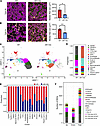
Intestinal acute graft-versus-host disease (aGVHD) is a common life-threatening complication of allogeneic hematopoietic stem cell transplantation (allo-HSCT). Although tissue-resident memory T (TRM) cells are thought to play a pathophysiological role in animal models of aGVHD, little is known about the role of distinct subsets of TRM cells in human intestinal aGVHD. Herein, we combined multiplex immunohistochemical staining with single-cell RNA sequencing to elucidate the differentiation trajectory, lineage commitment, clonal expansion, and functional properties of distinct CD8+ TRM cell subsets in human intestinal aGVHD. We identified a predominant GZMK+CD8+ TRM subset, characterized by the GZMK and CD49A markers. Intestinal aGVHD was associated with infiltration of GZMK+CD8+ T cells with TRM features, which showed enhanced clonal expansion, IFN signaling pathway–associated proinflammatory pathway expression, and lineage bifurcation differentiation properties. High GZMK+CD8+ TRM subset infiltration was associated with greater human intestinal aGVHD severity and poor prognosis. Together, our studies highlight the importance of the GZMK+CD8+ TRM subset in human intestinal aGVHD, and interest for designing GZMK+CD8+ TRM cell–targeted therapies.
Authors
Yiming Sun, Yutong Xue, Chenyuyao Song, Xinyu Liu, Ruoyang Shao, Zhiping Fan, Ren Lin, Fen Huang, Na Xu, Li Xuan, Min Dai, Jing Sun, Qifa Liu, Hua Jin
×Abstract
Mitochondrial gene expression is essential for oxidative phosphorylation that generates the bulk of the cellular ATP, and mitochondrial dysfunction is a common cause of human metabolic diseases. Recently, the first pathogenic variants in the only known mitochondrial RNA polymerase (POLRMT) were described in patients presenting with a wide variety of clinical manifestations, including hypotonia, short stature, and developmental delay. Here, we modeled two human pathogenic POLRMT variants by creating the corresponding substitutions in mice: the dominant S582F and the recessive R984C variant. Mice homozygous for the R984C variant showed perinatal lethality without apparent embryonic developmental defects, a finding consistent with a failure to adapt to the metabolic transition to oxidative metabolism at birth. Mice carrying the S582F variant were viable and exhibited decreased mitochondrial transcript levels due to impaired de novo transcription. However, mtDNA levels and in organello mtDNA replication remained normal, which recapitulates the molecular phenotypes observed in patients. Altogether, our findings indicate that the conserved arginine near the active site is essential for POLRMT function, while the serine in the intercalating hairpin of the N-terminal domain is required for near-genome length transcription but not primase activity. This study highlights genotype-phenotype differences and provides new insights into POLRMT function.
Authors
David Alsina, Diana Rubalcava-Gracia, Kristina Bubb, Rodolfo Garcia-Villegas, Akos Vegvari, Roberta Filograna, Florian A. Rosenberger, Camilla Koolmeister, Nils-Göran Larsson
×Abstract
Small bowel transplantation (SBT) is the only curative treatment for intestinal failure due to short bowel syndrome (SBS); however, the 10-year graft survival rate after SBT remains below 50%. Therefore, alternative treatments are required. We developed a potentially new therapeutic strategy for intestinal failure involving in vivo intestinal regeneration using a decellularized scaffold in a rat model. A 3 cm segment of decellularized small intestine was anastomosed to the jejunum for in vivo regeneration. After 4 weeks of regeneration, the entire native intestine was resected to induce SBS, and the regenerated intestine was transplanted into the same rat. Histological analysis revealed regeneration of mucosa, nerves, muscular layer, and crypts, consistent with autologous cell infiltration. An indocyanine green test confirmed blood flow from the adjacent mesentery into the regenerated intestine. The regenerated intestine exhibited absorption of nutrients in vivo, and ex vivo assessments confirmed peristalsis and absorptive capacity comparable with native intestine. Transplantation of the regenerated intestine significantly improved postoperative nutritional status in SBS rats. Our method, autogenic-regenerated intestinal transplantation, showed the therapeutic potential for intestinal failure. This is the first study to our knowledge to demonstrate a functionally integrated regenerated intestine, providing a foundation for future regenerative therapy.
Authors
Kentaro Iwaki, Takamichi Ishii, Hidenobu Kojima, Fumiaki Munekage, Hiroshi Horie, Kenta Makino, Takuma Karasuyama, Yusuke Hanabata, Elena Yukie Uebayashi, Satoshi Ogiso, Etsuro Hatano
×Abstract
The sodium-dependent multivitamin transporter, encoded by SLC5A6, mediates cellular uptake of biotin and pantothenic acid, essential cofactors for energy metabolism. We identified 2 families with SLC5A6 mutations presenting with early-onset dilated cardiomyopathy (DCM). To investigate the link between vitamin deficiency and cardiomyopathy, we generated a cardiac-specific SLC5A6-knockout (Slc5a6cKO) mouse model and evaluated the impact of vitamin supplementation. Slc5a6cKO mice developed progressive cardiac dysfunction, culminating in cardiac pathology and premature death at 26 weeks; earlier stages exhibited cardiomyocyte hypertrophy, fibrosis, impaired coenzyme A synthesis, and metabolic imbalance, indicating progression toward cardiomyopathy. Cardiac magnetic resonance imaging and ECG confirmed progressive functional decline. Proteomic analysis revealed early mitochondrial metabolic disruption and extracellular matrix protein upregulation at 8 weeks, preceding overt cardiac dysfunction. Strikingly, vitamin supplementation from preconception onwards prevented the cardiac phenotype, preserving cardiac structure, function, morphology and survival. This paralleled the clinical outcome in one patient who received early vitamin treatment, compared with another who required a heart transplant without vitamin treatment. This study establishes a direct link between SLC5A6-mediated vitamin transport, mitochondrial function, and cardiac health. It highlights how vitamin deficiency contributes to cardiomyopathy pathogenesis and supports early vitamin supplementation as a potential therapeutic strategy for metabolic cardiomyopathies.
Authors
Millie O. Fullerton, Lauren C. Phillips, Rachael E. Redgrave, Luke Spray, Vincent Haufroid, George Merces, Scott T. Kerridge, Gavin D. Richardson, Nathalie Mercier, Dominique Roland, Rebecca Crossley, Andrew D.H. Morgan, Joseph P. Dewulf, John Burn, Simon D. Bamforth, Helen M. Phillips
×Abstract
Spreading depolarizations (SDs) are propagating waves of near-complete breakdown of transmembrane ion gradients that occur during acute ischemic stroke and worsen outcome by driving calcium overload and glutamate release in neurons and astrocytes. The plasmalemmal sodium-calcium exchanger (NCX) plays a key role in such changes, in that the complex ionic disequilibrium during ischemia induces reverse-mode activity of NCX, leading to cellular calcium overload in exchange for sodium. However, the cell-type-specific roles of NCX in neurons and astrocytes during SDs remain unclear. Here, we used ion and glutamate reporters in an in vivo stroke model in mice carrying inducible, cell-specific deletions of NCX isoform 1. Neuronal NCX1 deletion reduced neuronal and astrocytic calcium transients, increased neuronal sodium transients, decreased extracellular glutamate levels, and raised SD initiation threshold. In contrast, astrocytic NCX1 deletion increased sodium transients in both neurons and astrocytes, and increased neuronal calcium as well as extracellular glutamate levels. A computational model of ischemia confirmed that these effects are consistent with reverse-mode NCX1 activity. Together, these findings indicate opposing roles of reverse-mode NCX1 during ischemia. Neuronal NCX1 promotes SD susceptibility, calcium overload, and glutamate release, whereas astrocytic NCX1 exerts protective effects by attenuating glutamate elevation and neuronal calcium accumulation.
Authors
Somayyeh Hamzei Taj, Pawan Kumar Thapaliya, Cordula Rakers, Niklas J. Gerkau, Christine R. Rose, Ghanim Ullah, Gabor C. Petzold
×Abstract
Vascular tortuosity (VT) is a critical biomarker of disease progression that informs the decision to treat ischemic retinal disorders, particularly retinopathy of prematurity (ROP). The murine oxygen-induced retinopathy (OIR) model is the most widely used model of ischemic retinopathy. Although VT has been described in OIR, its temporal dynamics have not been systematically defined. In this study, a semiautomated artificial intelligence–based (AI-based) pipeline was used to quantify VT throughout OIR. Retinal flat mounts from age-matched normoxic and OIR mice (P10–P56) underwent vessel segmentation using a generative adversarial network (GAN), and VT was quantified as a cumulative tortuosity index with the iROP-Assist algorithm. Concurrently, standard OIR outcomes of neovascularization (NV) and vaso-obliteration (VO) were quantified using the algorithm at http://oirseg.org/. NV peaked at P17 and resolved by P23, while VO regressed over a similar interval. VT peaked with NV at P17 but remained elevated through P56. These temporal changes mirror both the development of VT and its persistence after NV regression observed clinically in ROP. Collectively, these findings establish VT as a durable, quantifiable phenotype in OIR and expand the model’s utility beyond neovascular endpoints, providing a translational platform for investigating VT pathogenesis and evaluating the effects of therapeutic agents on VT.
Authors
Kyle V. Marra, Tomoya Murakami, Jimmy S. Chen, Edith Aguilar, Jacob Robinson, Maxwell Prenner, Richard Daneman, Martin Friedlander, Eric Nudleman
×Abstract
The induced membrane technique (IMT) is a 2-stage surgical intervention for critical-sized bone defects (CSBD), yet the metabolic mechanisms driving neovascularization within the induced membrane remain unclear. Here, we combined a rat IMT model, metabolomic profiling, and endothelial assays to delineate the role of purine metabolism in neovascularization of type H vessels. Using a rat IMT model and metabolomic profiling, we identified purine metabolism as the most substantial pathway during the formation of induced membranes, with consistent trends of adenosine, inosine, hypoxanthine, and xanthosine found in both serum and induced membranes. Histological analysis revealed abundant CD31hiEMCNhi type H vessels, critical for osteogenesis, within the induced membrane. Inhibition of purine metabolism suppressed the CD31hiEMCNhi type H phenotype in human umbilical vein endothelial cells, whereas treatment with inosine, hypoxanthine, or xanthosine promoted endothelial activation and the type H phenotype. Notably, inosine and hypoxanthine displayed parallel changes across consistent systemic (serum) and local alterations (induced membranes), highlighting their potential as serum indicators of induced membrane formation. Collectively, these findings uncover a previously unrecognized metabolic mechanism driving neovascularization of type H vessels in induced membranes and suggest purine metabolites as promising indicators and therapeutic targets for improving IMT outcomes as well as CBSD treatment.
Authors
Yung-Heng Hsu, Guan-Lin Lee, Yu-Chih Lin, Mei-Feng Chen, Yuhan Chang, Ying-Yu Wu, Chih-Chien Hu
×Abstract
Pulmonary alveolar proteinosis (PAP) is a rare pulmonary syndrome characterized by impaired surfactant clearance, driven by dysfunctional cholesterol efflux in alveolar macrophages (AMs). However, the molecular determinants governing AM cholesterol homeostasis remain incompletely defined. Here, through a genome-wide CRISPR screen in foamy macrophages and bulk RNA sequencing of AMs from PAP patients, we identify DTX4 as a pivotal regulator of cholesterol efflux in AMs. In mice, AAV-mediated silencing of DTX4 led to excessive AM lipid accumulation, exacerbated proteinosis, increased lung opacities, and deteriorated pulmonary function. Similarly, DTX4 depletion in primary AMs impaired cholesterol efflux and promoted intracellular lipid deposition. Conversely, AM-specific overexpression of DTX4 in the Csf2ra–/– PAP model markedly alleviated lipid accumulation, mitigated alveolar proteinosis, restored lung densities, and rescued pulmonary function. Mechanistically, DTX4 stabilizes the GM-CSF receptor via an E3-independent interaction to sustain JAK2/STAT5 signaling, which reciprocally maintains DTX4 transcription. This positive-feedback loop drives PPARγ expression, and its disruption in PAP impairs cholesterol efflux, a defect partially reversible by ectopic PPARγ expression. Collectively, our findings identify DTX4 as a central orchestrator of AM cholesterol efflux and surfactant homeostasis, positioning it as a promising therapeutic target for PAP.
Authors
Zimu Wang, Jingwei Shi, Xu Ye, Xinye Xia, Huihui Zhu, Qi Li, Min Chen, Yichao Zhao, Yingwei Zhang, Mengshu Cao, Yonglong Xiao, Xinmei Huang
×Abstract
A single-nucleotide missense polymorphism (rs1800449, R158Q) in the propeptide domain of lysyl oxidase (LOX-PP) is associated with increased risk of coronary artery disease (CAD) independent of changes in plasma lipid levels. Although the enzymatic function of LOX has an essential role for the cross-linking of extracellular matrix proteins in connective tissues, whether and how LOX-PP R158Q contributes to the development of atherosclerosis has not been clearly established. Here, hypercholesterolemia was induced in mice that were WT or homozygous for the LOX-PP R158Q polymorphism by adeno-associated virus-8–mediated overexpression of Pcsk9 followed by high-fat diet feeding for 16 weeks. We found that the R158Q polymorphism promoted atherosclerosis and induced proliferation of macrophages and vascular smooth muscle cells without altering LOX enzymatic activity. Using single-cell RNA sequencing, we found the transcriptional program of atherosclerotic plaques from mice harboring R158Q was strongly enriched for proliferation- and calcification-related genes in a regionally distinct manner. Together, these results establish an enzymatically independent proatherogenic role for the LOX-PP and suggest its potential as a novel therapeutic target.
Authors
In-Hyuk Jung, Junedh M. Amrute, Sofia E. Luna, Ryan E. Wagoner, Arturo Alisio, Paul C. Lee, Kendall H. Burks, Joohee Oh, Hannah C. Plunkett Paletta, Chul Joo Kang, Nathan O. Stitziel
×Abstract
Biallelic loss-of-function variants in adaptor protein complex 4 (AP-4) disrupt trafficking of transmembrane proteins at the trans-Golgi network, including autophagy-related protein 9A (ATG9A), leading to childhood-onset hereditary spastic paraplegia (AP-4-HSP). AP-4-HSP is characterized by features of both a neurodevelopmental and a degenerative neurological disease. To investigate the molecular mechanisms underlying AP-4-HSP and identify potential therapeutic targets, we conducted an arrayed CRISPR/Cas9 loss-of-function screen of 8,478 genes, targeting the “druggable genome,” in a human neuronal model of AP-4 deficiency. Through this phenotypic screen and subsequent experiments, key modulators of ATG9A trafficking were identified, and complementary pathway analyses provided insights into the regulatory landscape of ATG9A transport. Knockdown of ANPEP and NPM1 enhanced ATG9A availability outside the trans-Golgi network, suggesting that they regulate ATG9A localization. These findings deepen our understanding of ATG9A trafficking in the context of AP-4 deficiency and offer a framework for the development of targeted interventions for AP-4-HSP.
Authors
Marvin Ziegler, Cedric Günter, Julian E. Alecu, Xutong Xue, Hyo M. Kim, Afshin Saffari, Alexandra K. Davies, Mustafa Sahin, Darius Ebrahimi-Fakhari
×Abstract
Immune responses against transgene products can compromise adeno-associated virus–mediated (AAV-mediated) gene transfer. Although several factors influencing this immunogenicity have been described, the early in vivo events driving CD8+ T cell activation remain poorly defined. Here, we examined antigen presentation kinetics following intramuscular AAV administration in mice. Strikingly, viral genomes were detected in draining lymph nodes as early as 1 hour after injection, and transgene-derived peptides were presented to CD8+ T cells from day 1, resulting in progressive activation and first cell divisions detected at day 4. Removal of the injection site demonstrated that AAV particles reaching draining lymph nodes within the first hour were sufficient to induce cytotoxic transgene-specific CD8+ T cells. Finally, AAV vectors incorporating different muscle-specific promoters and regulatory sequences were evaluated. Although muscle specific, all promoters exhibited variable transgene expression in dendritic cells in vitro, correlating with early T cell activation in vivo; notably, those associated with higher early antigen presentation induced robust T cell response, whereas reduced presentation correlated with absence of CD8+ T cells. These findings reveal an unexpectedly early onset of transgene-derived epitope presentation, modulated by promoter specificity, which critically shapes CD8+ T cell response. This provides a rationale for evaluating and mitigating AAV immunogenicity in gene therapy design.
Authors
Lindsay Jeanpierre, Coralie Pecquet, Hanadi Saliba, Pauline Finard, Stéphane Terry, Gianni Tavella, Inès Guesmia, Sylvie Boutin, Bérangère Bertin, Sofia Benkhelifa-Ziyyat, Giuseppe Ronzitti, David-Alexandre Gross
×Abstract
Ubiquitin-Specific Protease 18 (USP18) is a deISGylation enzyme and antineoplastic target. To develop USP18 inhibitors, an enzymatically active human recombinant USP18 protein was engineered suitable for high-throughput screening of ~80,000 chemical compounds. Three of them substantially inhibited USP18 enzymatic activity, with β-lapachone having prominent antineoplastic activity. Independent β-lapachone treatments of murine and human lung cancer cell lines statistically significantly reduced proliferation and increased apoptosis. Gain of USP18 expression antagonized these effects. β-Lapachone treatments statistically significantly repressed lung cancer xenograft growth. β-Lapachone increased reactive oxygen species (ROS), but antineoplastic effects occurred at dosages with negligible ROS production. ROS scavenger treatments did not rescue β-lapachone effects at these concentrations, consistent with an ROS-independent mechanism. IFN-Stimulated Response Element (ISRE) reporter assays following β-lapachone treatment activated this reporter. USP18 cotransfection antagonized this activity. β-Lapachone treatments increased global ISGylation. RNA-seq of lung cancer cells engineered with or without enhanced USP18 expression showed specific pathways affected by β-lapachone treatment. Proteomic analysis of these treated cells revealed known and new ISGylated proteins. In silico modeling identified a unique USP18 pocket where these USP18 inhibitors bind. Engineered mutation of this pocket disrupted β-lapachone activity. Taken together, β-lapachone is an antineoplastic tool compound useful for USP18 inhibitor development.
Authors
Blessing O. Ogunlade, Kevin N. Dalby, Samuel C. Okpechi, Eun Jeong Cho, Liliya Tyutyunyk-Massey, Zibo Chen, Xiuxia Liu, Joseph Ivanic, Brian Luke, Shyamal D. Desai, Yair Alfaro, Ashwini K. Devkota, Rae M. Sammons, Gilbert G. Privé, Xi Liu, Ethan Dmitrovsky
×Abstract
Autoimmune polyendocrinopathy-candidiasis-ectodermal dystrophy (APECED/APS-1) is a monogenic autoimmune disorder of impaired central tolerance classically diagnosed by the presence of 2 out of 3 classic triad manifestations: chronic mucocutaneous candidiasis, hypoparathyroidism, and adrenal insufficiency. However, many patients develop non-triad manifestations years earlier, delaying recognition and care. In 2016, we proposed expanded diagnostic criteria incorporating 3 early clinical manifestations — APECED rash, autoimmune enteritis, and enamel hypoplasia — based on observations in 35 North American patients. Here, we provide further support for the clinical utility of these expanded diagnostic criteria in independent cohorts of 57 American and 12 European patients enrolled in a prospective natural history study at the NIH. Across all cohorts, the expanded diagnostic criteria decreased the time to diagnosis by half relative to the classic diagnostic criteria. Patients exhibited an enrichment of early non-endocrine autoimmune manifestations, underscoring disease heterogeneity and the potential for developing organ-specific autoimmunity before endocrine failure. These findings demonstrate the clinical utility of the expanded APECED diagnostic criteria and support the notion that their adoption might enable earlier disease recognition and timely immunomodulatory therapy to improve long-term outcomes.
Authors
Elise M.N. Ferré, Joseph Pechacek, Monica M. Schmitt, Taura Webb, Heather Moorman, Thomas DiMaggio, Princess Barber, Vasielios Oikonomou, Stacey R. Rose, Peter D. Burbelo, Lindsey B. Rosen, Amy P. Hsu, Jennifer Stoddard, Shakuntala Rampertaap, Sergio D. Rosenzweig, Anjali Rai, Maria Teresa Magone, Chantal Cousineau-Krieger, Niki M. Moutsopoulos, Pamela J. Gardner, Heidi H. Kong, Leslie Castelo-Soccio, Ariane Soldatos, Katherine R. Calvo, Meryl Waldman, Behdad Afzali, Stefania Pittaluga, David Kleiner, Steven M. Holland, Kevin Fennelly, Jill Rothschild, Bryce A. Seifert, Magdalena Walkiewicz-Yvon, Theo Heller, Karen Winer, Michail S. Lionakis
×Abstract
Skeletal muscle pathology is a critical but poorly understood contributor to neuromuscular degeneration in spinal and bulbar muscular atrophy (SBMA), a CAG/polyglutamine (polyQ) expansion disorder caused by mutation in the androgen receptor (AR). Using a gene-targeted SBMA mouse model, we applied single-nucleus RNA sequencing to identify a disease-specific population of skeletal muscle myonuclei that replaced normal myonuclear subtypes. This transition was associated with dysregulation of the pathway governed by PGC-1α, a central regulator of myofiber specification and metabolic identity. PGC-1α dysfunction in SBMA muscle was age, hormone, and polyQ length dependent and was partially rescued by subcutaneous delivery of AR-targeted antisense oligonucleotides. Integrated ChIP-seq and RNA-seq analyses revealed that aberrant PGC-1α activity promoted the expression of a distinct set of myofiber specification genes while downregulating those that define healthy Type IIb and Type IIx myonuclei. We propose a model in which this dysfunction arose downstream of polyQ-mediated sequestration of PGC-1α cofactors MEF2, CREB, and CBP, leading to transcriptional reprogramming and cellular dysfunction. These findings implicated PGC-1α dysregulation as a key event linking AR polyQ expansion to skeletal muscle degeneration and suggested a shared mechanism for polyQ-mediated muscle pathology across related neurodegenerative diseases.
Authors
Curtis J. Kuo, Laura B. Chopp, Zhigang Yu, Luhan Ni, Hien T. Zhao, Janghoo Lim, Andrew P. Lieberman
×Abstract
HLA-E–restricted HIV-specific T cells offer exciting possibilities for immunotherapy. However, HLA-E binding peptides are rare. A recent study showed that in HLA-B*57:01–positive people with HIV, the peptide that dominates the T cell response, KAFSPEVIPMF (KF11), also stimulates HLA-E–restricted T cells, even though direct binding of this peptide to HLA-E could not be demonstrated. We therefore changed position 2 alanine for methionine in the peptide (referred to as KMF11), which greatly enhanced binding to HLA-E. This enabled the generation of stabilized HLA-E-KMF11 tetramers, which were used to select and then grow specific T cell clones from T cells of HLA-B*57:01–negative blood donors primed with this peptide in vitro. Approximately 20% of these T cell clones reacted with HLA-E–positive cells presenting the native KF11 peptide. Furthermore, these T cells inhibited replication of HIV-1 NL4-3 in CD4+ T cells in vitro. Therefore, this native peptide can be presented by HLA-E to CD8+ T cells, although priming in vivo may depend on cross-reactivities to classical MHC-Ia types. Nevertheless, such T cells could be exploitable for immunotherapy given the conservation of this HIV-1 peptide epitope and the non-polymorphism in HLA-E.
Authors
Hong Sun, Hongbing Yang, Max N. Quastel, Simon Brackenridge, Wanlin He, Anna E. Kliszczak, Margarida Rei, Persephone Borrow, Geraldine M. Gillespie, Andrew J. McMichael
×Abstract
Virally suppressed people with HIV (PWH) remain at risk for developing comorbidities due to chronic inflammation with one potential contributor being the HIV reservoir. Associations between the CD4 reservoir and inflammation have been extensively characterized, while the role the monocyte reservoir is poorly understood despite evidence that inflammatory monocytes play a role in HIV-associated comorbidities. Additionally, most studies focus on a single cellular reservoir, while it is highly likely that these reservoirs are interdependent. In a cohort of 164 PWH, we used the intact proviral DNA assay to quantify cell-specific reservoirs, applied unsupervised clustering to identify reservoir phenotypes, and then determined if reservoir phenotypes were associated with distinct immune signatures compared with people without HIV. Five unique reservoir clusters emerged, driven primarily by variability in the monocyte reservoir, and each associated with a distinct immune landscape. These included profiles characterized by systemic inflammation, leukocyte–vascular activation, T cell activation with vascular and neuronal injury, enhanced CD8 activation and NK cell recovery, and altered monocyte survival, activation, and migration. This multidimensional approach provides a framework to identify reservoir-immune profiles that may explain heterogeneity in inflammation, despite viral suppression and may inform strategies to mitigate HIV-associated comorbidities.
Authors
Ruoyu Wang, Aparna Bhattacharyya, Lily Pohlenz, Erin N. Shirk, Hayley S. Romero, Katherine Haas, Jennifer Coughlin, Raha Dastgheyb, Leah Rubin, Rebecca T. Veenhuis
×Abstract
Acute lymphoblastic leukemia (ALL) is the most common pediatric cancer, arising from both B and T cell lineages (B-ALL and T-ALL). Current therapy exploits ALL cells’ low expression of asparagine synthetase (ASNS) by using L-asparaginase, a bacterial enzyme that depletes circulating asparagine. However, resistance can emerge through induction of ASNS, mediated in part by the amino acid stress sensor GCN2. In this study, we addressed the efficacy of L-asparaginase in combination with genetic or pharmacological inhibition of GCN2 and the ASNS inhibitor ASX-173. Using a KrasG12D-driven mouse model of T-ALL, we found that GCN2 is dispensable for leukemogenesis. However, genetic inactivation or pharmacologic inhibition of GCN2 sensitized ALL cells to asparagine depletion, correlating with impaired ASNS induction. While GCN2 targeting enhanced sensitivity to asparagine depletion, a subset of Gcn2–/– T-ALL cells retained high ASNS expression and remained resistant to L-asparaginase. Likewise, some human T-ALL cells with elevated ASNS levels were refractory to GCN2 inhibition even under asparagine-depleted conditions. When combined with L-asparaginase, ASX-173 effectively eliminated ASNShi leukemic cells in vitro and in vivo. These findings suggest that direct targeting of ASNS provides therapeutic benefit in leukemias that express high levels of ASNS and are resistant to GCN2 inhibition under asparagine-depleted conditions.
Authors
Rodney Claude, Sankalp Srivastava, Kirk A. Staschke, Carlos Mellado-Fritz, Shaoxiong Chen, Lei Liu, Minghua Zhong, Harish Kothandaraman, Nadia A. Lanman, Utpal Davé, Sandeep Batra, Jiehao Zhou, Yue Fang, Chi Zhang, Reuben Kapur, Jing Fan, Ronald C. Wek, Ji Zhang
×Abstract
Kawasaki disease (KD) is an acute febrile systemic vasculitis of unknown etiology and the leading cause of acquired heart disease among children. Complement activation has long been observed in patients with acute KD; however, its contribution to disease development remains unknown. Here, using publicly available datasets, we showed that patients with acute KD exhibited higher expression of complement products in whole blood, consistent with the activation of the complement pathway. Similarly, in the Lactobacillus casei cell wall extract (LCWE) murine model of KD, LCWE injection induced increased expression of complement products in cardiovascular tissues, suggestive of activation of the complement pathways. C3-deficient mice or WT mice treated with the complement C5a receptor 1 (C5ar1) antagonist developed significantly more severe LCWE-induced cardiovascular lesions and vasculitis. Furthermore, we observed that LCWE binds to serum C3, an opsonizing factor that labels microbial targets for clearance, and LCWE deposition in the liver was significantly higher in C3-deficient mice compared with WT mice. Overall, our data indicate that blocking the complement system significantly exacerbates LCWE-induced KD vasculitis, likely by impairing C3-mediated clearance of LCWE. These data suggest that the complement pathway may play a protective role in KD pathogenesis by promoting clearance of a potential bacterial or viral trigger of KD.
Authors
Asli E. Atici, Begüm Kocatürk, Benjamin L. Ross, Emily A. Aubuchon, Rebecca A. Porritt, Thacyana T. Carvalho, Takahiro Namba, Youngho Lee, Magali Noval Rivas, Moshe Arditi
×Abstract
Ischemia/reperfusion (IR) enhances oxidative stress, leading to myocardial injury. Although Perm1 promotes cytoprotective mechanisms, the underlying mechanisms are poorly understood. Cysteine oxidation of Keap1 alleviates Cul3-mediated ubiquitination/degradation of Nrf2 and promotes antioxidant transcription. Here we show that Perm1 activates Nrf2 through cysteine oxidation of Keap1 and stabilization of Nrf2. Endogenous Perm1 was downregulated during IR, whereas the rescue of Perm1 reduced IR injury. Downregulation of Perm1 exacerbated oxidative stress, whereas upregulation of Perm1 alleviated it, accompanied by downregulation and upregulation of Nrf2-regulated antioxidant genes, respectively. Perm1 promoted oxidation of cysteine residues in Keap1, possibly through thiol-disulfide exchange reactions, which decreases Keap1-Nrf2 interaction and inhibits Cul3-mediated degradation of Nrf2. We identified Cys121 and Cys746 in Perm1 as critical for Keap1 oxidation and cardioprotection. Thus, Perm1 induces cysteine oxidation of Keap1, thereby conferring myocardial resistance to IR injury by inducing Nrf2 stabilization and transcriptional activation of antioxidant genes.
Authors
Shin-ichi Oka, Chun-Yang Huang, Masato Matsushita, Allen Sam Titus, Yasuki Nakada, Risa Mukai, Samta Veera, Youssef Mourad, Ghassan Yehia, Peter Romanienko, Yimin Tian, Peiyong Zhai, Junichi Sadoshima
×Abstract
Identifying mechanisms of kidney disease commonly involves comparing diseased samples with healthy reference tissues; however, the effects of variability in tissue procurement, storage, and donor characteristics remain underexplored. In this study, we systematically evaluated 3 reference tissue types — tumor nephrectomy (TN), pretransplant biopsies from living donors (LD), and percutaneous biopsies from healthy control volunteers (HC) — to determine their impact on differential gene expression across 3 diabetic kidney disease states. We observed distinct injury markers, cell state proportions, and gene signatures associated with procurement method, sex, and donor age. Adjustment for these confounding factors significantly influenced pathway analysis results. Specifically, correcting for age and sex eliminated significant enrichment of IFN-γ response when comparing the diabetes mellitus–resilient group and HC group. Processes related to biological aging were enriched in older reference tissues, potentially confounding disease-specific interpretations. Importantly, TNF signaling via NF-κB remained enriched in LD and TN samples relative to HC, even after accounting for confounders. These results underscore the critical importance of selecting appropriate control tissues and rigorously adjusting for confounding variables to reliably discern the molecular mechanisms underlying kidney diseases.
Authors
Rajasree Menon, Paul L. Kimmel, Edgar A. Otto, Lalita Subramanian, Christopher L. O’Connor, Bradley Godfrey, Cathy Smith, Fadhl Alakwaa, Celine C. Berthier, Minnie M. Sarwal, E. Steve Woodle, Laura Pyle, Ye Ji Choi, Patricia Ladd, John R. Sedor, Sylvia E. Rosas, Sushrut S. Waikar, Abhijit S. Naik, Ricardo Melo Ferreira, Michael T. Eadon, Markus Bitzer, Petter Bjornstad, Jeffrey B. Hodgin, Matthias Kretzler, for the Kidney Precision Medicine Project (KPMP)
×Abstract
Serious non-AIDS events (SNAEs), including non-AIDS malignancies, cardiovascular disease, and hepatic complications, remain major causes of mortality in treated HIV infection. These outcomes are driven by persistent immune activation, systemic inflammation, and metabolic dysfunction despite effective viral suppression with antiretroviral therapy (ART). To investigate mechanisms underlying SNAE pathogenesis, we performed a cross-site multi-omic analysis integrating plasma proteins, plasma metabolites, and mucosal microbiomes in 82 ART-treated people with HIV (PWH) and 10 people without HIV from the United States and Mexico. Geography was the dominant source of variation, particularly across lipid classes. However, individuals at high risk for SNAEs, defined by low CD4+ T cell counts and low CD4/CD8 ratios, shared a consistent signature of systemic inflammation, mitochondrial dysfunction, and microbial dysbiosis, including elevated plasma IL-6 and ω-oxidation products (adipic and suberic acids) and depletion of short-chain fatty acid–producing commensals in the gut mucosa, including Akkermansia muciniphila, Bacteroides uniformis, and Ruminococcus. A. muciniphila abundance correlated with lower IL-6 levels, fewer HIV RNA-producing cells in lymph nodes, and higher CD4/CD8 ratios. These findings identify a shared inflammatory and metabolic phenotype in PWH and implicate A. muciniphila as a potential microbiome-based target to mitigate immune activation and SNAE risk in treated HIV.
Authors
Christopher M. Basting, Jodi Anderson, Kevin Escandón, Garritt Wieking, Candace Guerrero, Jarrett Reichel, Ross T. Cromarty, Erik Swanson, Ty Schroeder, Elaina Creagan, Maura Barrett, Fernanda Torres-Ruiz, Maribel Soto-Nava, Lady Carvajal-Ruiz, Karla Krystel Ordaz-Candelario, Olivia Briceño, Nicholas Funderburg, Melanie Graham, Peter Hunt, Santiago Avila-Rios, Gonzalo Salgado Montes de Oca, Timothy W. Schacker, Nichole R. Klatt
×Abstract
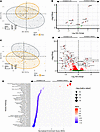
Systemic lupus erythematosus (SLE) is a heterogeneous systemic autoimmune disease, yet the molecular basis underlying this variability remains incompletely understood. We profiled the plasma proteome in 260 SLE patients and 86 healthy volunteers (HVs) using the SomaScan v4.1 platform, quantifying 7,288 analytes corresponding to 6,595 unique proteins. We identified 215 proteins that were robustly differentially abundant between SLE patients and HVs in both discovery (n = 207 SLE, n = 45 HVs) and validation sets (n = 53 SLE, n = 41 HVs). Within-cases analyses identified 421 proteins associated with disease activity. Network-based clustering delineated correlated protein modules, including an interferon-associated (IFN-associated) module and a kidney-associated module. Autoantibody-stratified analyses further uncovered distinct proteomic endotypes; positivity for antibodies targeting RNA-binding proteins (anti-Sm, anti–Ro-60, anti-RNP68, anti–RNP-A) was associated with increased IFN-stimulated protein levels (e.g., MX1, ISG15, and CXCL10), independent of disease activity. Anti-Sm, anti–RNP-A, and anti-Ro52 antibodies were associated with reduced plasma levels of their respective autoantigens. Anti-dsDNA antibodies were associated with elevated levels of CD40 ligand (CD40LG) and the neutrophil protease, proteinase-3. Moreover, we identified an association between CD40LG and disease activity specific to the anti-dsDNA–positive subgroup. Together, these data define plasma protein signatures of SLE and disease activity, highlight autoantibody-specific molecular phenotypes, and provide a basis for precision medicine.
Authors
Geoffrey H.D. Leung, Charlotte Bottomley, Norzawani Buang, Robert T. Maughan, Benjamin J. Whittle, Boroumand Zeidaabadi, Yun-Ju Huang, Tabitha Turner-Stokes, Marie Condon, Liz Lightstone, Tom Cairns, Marina Botto, Matthew C. Pickering, James E. Peters
×Abstract
Aging drives systemic metabolic dysfunction (SMD) and increases the risk of chronic illnesses such as metabolic dysfunction–associated steatotic liver disease (MASLD) and chronic kidney disease (CKD). However, mechanisms that connect aging to multiorgan deterioration are poorly understood. In this study, we identify hepatocyte Hedgehog signaling as a central regulator of ferroptosis. Using mice with hepatocyte-specific deletion of Smoothened (Smo), a key Hedgehog pathway component, we show that loss of hepatocyte Hedgehog signaling induces ferroptotic stress, lipid peroxidation, and cellular senescence. These changes were sufficient to cause spontaneous MASLD and to trigger secondary kidney injury. Smo deletion also disrupted systemic iron balance, increased hepatocyte production of angiotensinogen, and reduced liver perfusion. Similar responses (iron dysregulation, vascular dysfunction, and reduced Hedgehog signaling) were observed in patients with MASLD and advanced fibrosis. Inhibition of ferroptosis with ferrostatin-1 reversed hepatocyte senescence, restored hepatic blood flow, and improved both liver and kidney injury in Smo-deficient mice. Overall, these findings show that hepatocyte Hedgehog signaling preserves liver homeostasis by restraining ferroptotic stress and coordinating iron-dependent vasoactive pathways. The results reveal an unrecognized aging-related communication axis between the liver and kidney and identify the Hedgehog/ferroptosis pathway as a promising therapeutic target for age-associated metabolic diseases.
Authors
Ji Hye Jun, Rajesh Kumar Dutta, Soon-Woo Cho, Rui Yao, Seh Hoon Oh, Zhi Li, Kuo Du, David S. Umbaugh, Nanchao Wang, Yirui Xu, Jingting Li, Lingyan Shi, Jen-Tsan Chi, Junjie Yao, Anna Mae Diehl