Issue published May 22, 2026 Previous issue | Next issue

- Volume 11, Issue 10
On the cover:
Sex-specific disruptions in PKCγ signaling in a mouse model of spinocerebellar ataxia type 14
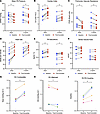
Wolfe et al. report underlying drivers of spinocerebellar ataxia type 14 and potential neuroprotection in females using a new mouse model with a clinically relevant mutation in PKCγ. The cover image show Purkinje cell staining in the cerebellum, a cell type and brain region strongly affected by spinocerebellar ataxia type 14. Image credit: Sarah A. Wolfe, Yuliang Ma, and Alexandra C. Newton.
Wolfe et al. report underlying drivers of spinocerebellar ataxia type 14 and potential neuroprotection in females using a new mouse model with a clinically relevant mutation in PKCγ. The cover image show Purkinje cell staining in the cerebellum, a cell type and brain region strongly affected by spinocerebellar ataxia type 14. Image credit: Sarah A. Wolfe, Yuliang Ma, and Alexandra C. Newton.
Go to section:
-
Research Letters
×
Abstract
Authors
William J. Crisler, Noor Sohail, Samuel J. Steuart, Maria Vazquez-Machado, Arjun Mahajan, Maureen Whittelsey, Alex Pickering, Michael J. Martinez, Theresa Hutchins, Jessica E. Teague, Qian Zhan, Shannan Ho Sui, Ruth Ann Vleugels, Kathryn S. Torok, Heidi Jacobe, Rachael A. Clark, Avery LaChance
×Abstract
Authors
Anna J. Son, Emmanuel Rapp, Alex Wiezorek, Max G. Leung, Ronadip R. Banerjee, Thomas H. Leung


-
Research Articles
×
Abstract
Subendothelial retention of cholesterol-rich apolipoprotein-B–containing lipoproteins drives atherosclerotic arterial disease. In peripheral interstitial fluid from patients with type 2 diabetes (T2D), levels of such particles have been shown to be paradoxically reduced relative to those in serum, presumably reflecting their increased retention within the arterial wall. To identify possible mechanisms involved in lipoprotein retention in T2D, we obtained serum and skin blister fluid from such patients and matched controls, together with skin biopsies in a subset of individuals. In T2D, smaller LDL and VLDL remnant particles were more prominent in serum but not in interstitial fluid, reflecting their enhanced vascular entrapment. The interstitial-fluid-to-serum ratio of apolipoprotein-B was 58% lower in T2D than in controls (0.14 versus 0.33), concomitant with increased susceptibility for LDL binding to proteoglycans. The most marked differences were seen in patients with clinically evident cardiovascular disease. The degree of transvascular retention was positively related to the propensity of isolated serum LDL to bind aortic proteoglycans, both in T2D and in controls. Skin unesterified cholesterol levels were higher in patients with T2D relative to healthy controls. With aging, both proteoglycan binding and apparent vascular retention of LDL increased in controls but not in T2D, indicating that these mechanisms may also be relevant for atherogenesis in nondiabetic individuals.
Authors
Pär Björklund, Jennifer Härdfeldt, Lauri Äikäs, Sara Straniero, Minna Holopainen, Katariina Öörni, Mats Rudling, Bo Angelin
×Abstract
In multiple sclerosis (MS) lesions, CD8 T cells outnumber CD4 T cells, suggesting that they contribute to MS pathology. However, little is known about the role of CD8 T cells in MS, partly due to the prevalent use of experimental autoimmune encephalomyelitis (EAE) models mediated by CD4 T cells, which have limited involvement of CD8 T cells. Importantly, MS and EAE differ in both their distribution of CNS lesions and neurologic deficits, indicating differences in CNS inflammation. MS lesions are more commonly found in the brain, whereas EAE lesions are more frequent in the spinal cord. Additionally, neurologic deficits in MS rarely parallel the ascending paralysis typical for CD4 T cell–mediated EAE (CD4-EAE). In contrast, CD8-EAE models suggest that CD8 T cells preferentially cause brain inflammation; however, little is known about how brain and spinal cord inflammation may differ, or how CD8 T cells contribute to these differences. We have established an adoptive CD8-EAE mouse model characterized by brain-centered inflammation, ataxia, and weight loss. CNS inflammation in the brain and spinal cord differed in immune cell numbers, cellular composition, and inflammatory signatures. CD8-EAE could be suppressed by blocking IFN-γ, and exacerbated by blocking PD-1, with concomitant changes in the numbers of CNS-infiltrating monocytes. Most CD8 T cells in the CNS were CD11c+, suggesting that they are the pathogenic subset. We describe a robust CD8-EAE model, identify differences between brain and spinal cord inflammation, and characterize mechanisms that control CD8 T cell–mediated neuroinflammation, thereby furthering understanding of EAE and MS.
Authors
Daniel Hwang, Gholamreza Azizi, Larissa Lumi Watanabe Ishikawa, Maryam Seyedsadr, Arin Cox, Soohwa Jang, Ezgi Kasimoglu, Abdolmohamad Rostami, Guang-Xian Zhang, Bogoljub Ciric
×Abstract
Acute kidney injury (AKI) is a common and fatal complication of severe pneumonia, yet the mechanisms linking pulmonary inflammation to remote kidney injury remain poorly understood. Multicenter cohort data (n = 300) revealed that the incidence of severe pneumonia–associated AKI (SP-AKI) was 53.6%, with a mortality rate of 24.2%. SP-AKI was associated with elevated circulating levels of HMGB1, NETs, and IL-33. Murine experiments demonstrated that alveolar HMGB1 triggers the formation of IL-33–enriched NETs, which migrate to the kidney and activate tubular ST2/NF-κB signaling, driving inflammation and apoptosis. Genetic knockout of IL-33, ST2, or the NET-forming key enzyme PAD4, as well as pharmacological inhibition of HMGB1, IL-33, or NETs, all attenuated lung and kidney injury. Exogenous HMGB1 amplified NET-mediated IL-33 release, establishing a self-sustaining HMGB1/NET/IL-33 feed-forward loop. PAD4 deficiency completely blocked NET generation and disrupted HMGB1/IL-33 signaling. This study identified and validated a damage-associated molecular pattern–driven (DAMP-driven) HMGB1/NET/IL-33 signaling axis that mediates remote kidney injury in SP-AKI, redefining NETs from local effectors to cross-organ pathogenic carriers, thereby providing potential DAMP-targeted therapeutic avenues for SP-AKI.
Authors
Mengqing Ma, Hao Zhang, Weijuan Deng, Xia Du, Mengxing Chen, Dawei Chen, Binbin Pan, Zhaowei Wang, Ting Chen, Caimei Chen, Xin Wan, Changchun Cao
×Abstract
Spinocerebellar ataxia type 14 (SCA14) is an autosomal dominant neurodegenerative disease caused by mutations in the gene encoding protein kinase C γ (PKCγ), a Ca2+- and diacylglycerol-dependent Ser/Thr kinase dominantly expressed in cerebellar Purkinje cells. These mutations impair autoinhibitory constraints to increase the basal activity of the kinase, resulting in deficits in the cerebellum that are not observed upon simple deletion of the gene, and severe ataxia. To better understand the impact of aberrant PKCγ signaling in disease pathology, we developed a knockin murine model of the SCA14 mutation ΔF48 in PKCγ. This fully penetrant mutation is severe in humans and is mechanistically informative, as it has high basal activity but is unresponsive to agonist stimulation. Genetic, behavioral, and molecular testing revealed that ΔF48 PKCγ mice have ataxia-related phenotypes and an altered cerebellar phosphoproteome driven primarily by enhanced Ca2+/calmodulin-dependent kinase 2 signaling, effects that were more severe in male mice. Analysis of existing human data revealed that SCA14 has a significantly earlier age of onset for males compared with females. Data from this clinically relevant mutation suggested that enhanced basal activity of PKCγ is sufficient to cause ataxia and that treatment strategies to modulate aberrant PKCγ may be particularly beneficial in males.
Authors
Sarah A. Wolfe, Yuliang Ma, Tomer M. Yaron-Barir, Carly Chang, Caila A. Pilo, Majid Ghassemian, Amanda J. Roberts, Sang Ryeul Lee, Benjamin A. Henson, Kristen Jepsen, Jared L. Johnson, Lewis C. Cantley, Susan S. Taylor, George Gorrie, Alexandra C. Newton
×Abstract
Dedifferentiated liposarcoma (DDLS), myxofibrosarcoma (MFS), and undifferentiated pleomorphic sarcoma (UPS) are the most common types of genetically complex sarcoma. There is an urgent need to develop effective targeted therapy for these deadly sarcoma types. Despite their genetic complexity, these sarcomas share genomic alterations causing PI3K/Akt/mTOR and MAPK pathway activation, and both pathways control translation mediated by the RNA helicase eIF4A. We therefore investigated eIF4A inhibition as a therapeutic strategy. The eIF4A inhibitor CR-1-31B effectively suppressed tumor growth and induced apoptosis in DDLS, MFS, and UPS patient–derived cell lines and mouse xenografts. Transcriptome-scale ribosome footprinting identified eIF4A-dependent mRNAs such as the Hippo pathway transcriptional coactivators YAP1 (YAP) and WWTR1 (TAZ). Combined knockdown of YAP and TAZ induced apoptosis in DDLS, MFS, and UPS cell lines, and their ectopic expression partially rescued cells from apoptosis induced by CR-1-31B. Genomic analysis of patient tumors revealed that YAP and WWTR1 were frequently amplified or gained in DDLS, MFS, and UPS and were associated with worse clinical outcomes. Together, our findings identify a strategy for targeting the Hippo pathway in incurable forms of sarcoma based on inhibition of eIF4A-dependent translation of the key oncogenic transcription factors YAP and TAZ.
Authors
Young-Mi Kim, Prathibha Mohan, Urmila Sehrawat, Evan Seffar, Rafaela Muniz De Queiroz, Kalyani Chadalavada, Nikita Persaud, Tomoyo Okada, Anirudh Kulkarni, Jianan Lin, Nathalie Lailler, Shaleigh Smith, Bhumika Jadeja, Nicholas D. Socci, Zhengqing Ouyang, Hans-Guido Wendel, Samuel Singer
×Abstract
We investigated whether destroying malignant cells and the associated tumor microenvironment (TME) by focal gene therapy would broaden immune checkpoint inhibitor (ICI) effectiveness. We show that ICI antitumor activity against syngeneic (murine) triple-negative breast cancer (TNBC) was augmented when a therapeutic transgene (purine nucleoside phosphorylase, referred to here as E. coli PNP) was used to cleave fludarabine (2-fluoro-arabinofuranosyl adenine) to the anticancer purine base, 2-fluoroadenine (F-Ade). We also established strong repression of anatomically distant, non-PNP-expressing tumors being treated by the same strategy. TNBC cytoreduction was associated with decreased intratumoral PD1+ Tregs, increased granzyme B+ NK cells, elevated MKI67+ T8 cells, and rapid immune clearance. Because F-Ade works by a mechanism that destroys quiescent neoplastic and supporting cells in the microenvironment, and since resistance to ICIs depends upon an intact TME, tumor killing by this approach offers a means to sensitize refractory malignancies to immune ablation and points to broad applicability against numerous cancer subtypes.
Authors
Regina Rab, Jeong S. Hong, Brendan L.C. Kinney, Nicole C. Schmitt, William B. Parker, Adrianna Westbrook, Kelsey B. Bennion, Mandy L. Ford, Douglas H. Weitzel, Paula L. Miliani de Marval, Eric J. Sorscher, Annette Ehrhardt
×Abstract
Bladder cancer (BCa) mortality is mainly driven by metastatic dissemination and an immunosuppressive tumor microenvironment. Here, we identify ELN (tropoelastin), an extracellular matrix protein abundantly secreted by cancer-associated fibroblasts (CAFs), as a critical determinant of these processes and a marker of poor prognosis. ELN promotes epithelial-mesenchymal transition (EMT), facilitates lymphatic spread, and induces immune dysfunction characterized by macrophage polarization toward an M2 phenotype and T cell exhaustion. Mechanistically, ELN functions as a binding partner of TGF-β receptor 2 (TGFBR2), thereby triggering SMAD2/3-dependent TGF-β1 secretion and establishing a feed forward signaling loop. This ELN/TGFBR2/TGF-β1 axis amplifies metastatic capacity and immunosuppressive signaling, ultimately accelerating disease progression and diminishing responsiveness to immune checkpoint blockade. Functional studies in BCa organoids and murine models demonstrated that pharmacologic blockade of the ELN-TGFBR2 interaction effectively suppressed tumor metastasis and restored antitumor immunity. Collectively, our findings establish ELN as a CAF-derived driver of metastasis and immune evasion in BCa. Targeting the ELN-TGFBR2 interaction offers a promising therapeutic strategy to limit metastatic progression and enhance the efficacy of immunotherapy in this lethal disease.
Authors
Wentao Xu, Jia Gao, Shanshan Wu, Jianshang Huang, Chenchen An, Chonggui Jiang, Nianping Liu, Chen Cheng, Zihan Wang, Zijian Dong, Yuchen Xu, Jun Zhou, Hanren Dai, Xiaolei Li, Honghai Xu, Songyun Zhao, Qianwen Fan, Yang Li, Ying Dai, Li Zuo, Hua Wang
×Abstract
Pancreatic ductal adenocarcinoma (PDAC) shows profound resistance to immunotherapy due to its immunosuppressive tumor microenvironment. Here, we studied the relationship between T cell infiltration and innate immune signaling in PDAC, identifying TLR2 as a key regulator of T cell exclusion. TLR2 expression correlated with T cell infiltration in both human and mouse PDAC tumors. Using genetic KO models and adoptive T cell transfer experiments, we found that TLR2 expression in both T cells and non–T cells contributes to T cell exclusion in PDAC. Notably, successful infiltration of adoptively transferred tumor-specific T cells required TLR2 deletion in both the transferred cells and the recipient host. The therapeutic implications of these findings are demonstrated through both genetic deletion and pharmacological inhibition of TLR2 using AAV-mediated and antibody-based approaches in murine models, resulting in decreased tumor growth and extended survival. Collectively, these findings identify TLR2 as a key modulator of T cell trafficking and immune suppression within the PDAC microenvironment, suggesting its potential as a therapeutic target for improving treatment outcomes.
Authors
Jacqueline Plesset, Meredith L. Stone, John C. McVey, Heather Coho, Kelly Markowitz, Kayjana Coho, Jesse Lee, Anna S. Thickens, Devora Delman, Gregory L. Beatty
×Abstract
Hyperglycemia is a principal driver of β cell failure and multiple-organ complications in diabetes. Chronic exposure to hyperglycemia overstimulates mTORC1, disrupting glucose metabolism and promoting ER stress, oxidative stress, and inflammation; however, the upstream metabolic signal(s) linking glucose to mTORC1 activation remains unclear. Here, we identified glucosamine as a key metabolite connecting elevated glucose to mTORC1 signaling in pancreatic islets and kidney, both major targets of hyperglycemic damage. Using 13C6-glucose metabolic labeling in diabetic rodents treated with or without the SGLT2 inhibitor dapagliflozin or insulin, combined with targeted metabolomics and metabolic flux analysis, we found that tissue glucose concentrations strongly correlated with glucosamine. A similar correlation with plasma glucose was conserved in humans with or without type 2 diabetes, and inversely associated with β cell function. In vitro, low-dose glucosamine stimulated mTORC1 in islets and kidney proximal tubule cells in an O-GlcNAcylation–dependent manner. Broad phosphoproteomics and transcriptomics analyses in β cells showed that glucosamine activated mTORC1-regulating pathways, induced oxidative stress, ER stress, and dedifferentiation. Genetic inhibition of β cell mTORC1 via heterozygous Raptor knockout, as well as pharmacologic inhibition of the glucosamine/mTORC1 axis through SGLT2 inhibition, alleviated β cell stress, improved glycemic control, and restored β cell function. These findings identified the glucosamine/mTORC1 pathway as an important mediator of β cell and kidney dysfunction in diabetes.
Authors
Yael Riahi, Aviram Kogot-Levin, Ziv Teselpapa, Elisheva Zemelman, Fatema Gamal, Tamar Cohen, Abed Nasereddin, Idit Shiff, Ifat Abramovich, Bella Agranovich, Dana Avrahami, Liad Hinden, Erol Cerasi, Daljeet Kaur, Lihi Grinberg, Ron Piran, Joseph Tam, Ernesto Bernal-Mizrachi, Erez Dror, Gil Leibowitz
×Abstract
Spinal muscular atrophy (SMA) is a devastating neuromuscular disorder caused by mutations in the survival motor neuron 1 (SMN1) gene leading to decreased SMN protein levels and motor neuron dysfunction. SMN-restoring therapies offer clinical benefit, but the downstream molecular consequences of SMN reduction remain incompletely understood. SMN deficiency resulted in downregulation of kinesin heavy chain isoform 5A (KIF5A) in human neurons and in a mouse model of SMA. SMN associated with KIF5A mRNA and contributed to its stability. Reduced SMN levels impaired axon regeneration, which was rescued by KIF5A overexpression. Because KIF5A has also been connected to ALS, these findings provide evidence of a molecular link between SMA and ALS pathophysiology, highlighting KIF5A as an SMN-regulated factor. Our findings suggest that SMN-independent interventions targeting KIF5A could represent a complementary therapeutic approach for SMA and other motor neuron diseases.
Authors
Tetsuya Akiyama, Yi Zeng, Caiwei Guo, Olivia Gautier, Lauren Koepke, Heankel Lyons, Elana Molotsky, Juliane S. Bombosch, Odilia Sianto, Jay P. Ross, Phuong Hoang, Luke Zhao, Cole Spencer, Charlotte J. Sumner, Michelle Monje, John W. Day, Aaron D. Gitler
×Abstract
β-Arrestins are ubiquitously expressed cytosolic adaptor proteins that regulate GPCR-dependent and -independent pathways essential for numerous physiological functions. This study investigated the role of β-arrestin1/2 in embryonic lymphatic vessel development and survival by generating and characterizing mice with lymphatic tamoxifen-inducible loss of the genes encoding β-arrestin1/2 (Arrb1/2ΔiLEC). At E15.5, Arrb1/2ΔiLEC embryos exhibited profound hydrops fetalis and increased embryonic mortality compared with control Arrb1/2fl/fl embryos. Edematous Arrb1/2ΔiLEC embryos, which were more often represented by the female sex, showed growth restriction and decreased lymphatic endothelial cell (LEC) proliferation in the jugular lymphatic sac compared with controls. In vitro knockdown of β-arrestin1 in LECs increased proliferation and increased activation of AKT, while knockdown of β-arrestin2 decreased proliferation and decreased activation of both ERK and CREB. Arrb1/2ΔiLEC embryos also exhibited dilated dermal lymphatics with decreased continuous VE-cadherin adherens junctions compared with controls. These results were recapitulated in vitro in β-arrestin1/2 knockdown human LECs, which showed a decrease in membrane VE-cadherin and β-catenin levels, in addition to prevention of adrenomedullin-induced linearization of VE-cadherin at endothelial cell–cell junctions. Collectively, these results demonstrate that loss of β-arrestin1/2 in lymphatics causes hydrops fetalis, midgestational growth arrest, and embryonic demise associated with reduced LEC proliferation and disrupted VE-cadherin adherens junctions.
Authors
Yanna Tian, D. Stephen Serafin, Monserrat Avila-Zozaya, Alyssa M. Tauro, Natalie M. Torres-Valle, Bryan M. Kistner, Danielle M. Dy, Elizabeth S. Douglas, Kathleen M. Caron
×Abstract
Chronic neuropathic pain is frequently comorbid with anxiety disorders, yet the neural circuits underlying this interaction remain poorly defined. The parafascicular nucleus (PF) of the thalamus integrates nociceptive and affective signals, but its specific regulatory mechanisms in pain-anxiety comorbidity are not well known. Using spared nerve injury (SNI) model mice, we combined viral neural tracing, chemogenetics, pharmacology, and electrophysiology to dissect the locus coeruleus (LC)–PF neural pathway. Viral tracing revealed monosynaptic projections from norepinephrinergic (NEergic) neurons in the dorsal LC to Ca2+/calmodulin–dependent protein kinase IIα–immunopositive (CaMKIIα+) neurons within the PF. Chemogenetic inhibition and activation of this pathway were performed in naive and SNI mice, alongside intra-PF microinjection of the α-2 adrenergic receptor (ADRA2) antagonist yohimbine. Behavioral tests assessed mechanical/thermal hypersensitivity and anxiety-like behaviors. Results showed that 92.1% of PF-projecting LC neurons were NEergic, with 70.1% localized dorsally. Chemogenetic inhibition of the LCNE-PFCaMKIIα neural pathway significantly alleviated both acute-phase mechanical hypersensitivity (<7 days after surgery) and chronic-phase anxiety-like behaviors in SNI mice, while activation of this pathway induced pain sensitization and anxiety-like behaviors in naive mice. Intra-PF yohimbine reversed SNI-induced allodynia and anxiety-like behaviors. Electrophysiology confirmed that yohimbine increased PF neuronal intrinsic excitability. These results suggest that the LCNE-PFCaMKIIα neural pathway promotes neuropathic pain and comorbid anxiety via ADRA2-mediated suppression of PF neuronal activity. Targeted inhibition of this circuit may represent a therapeutic strategy for pain-related affective disorders.
Authors
Zhong-Yi Liu, Fei Li, Li-Ming Liu, Yao-Hua Liu, Jia Li, Zi-Ang Li, Jin Cheng, Tian-Yu Zhao, Hui-Min Tian, Dong-Ning Li, Sha-Sha Tao, Hui Li, Fen-Sheng Huang, Yun-Qing Li
×Abstract
Hypoxia critically restricts the effectiveness of immunotherapy in triple-negative breast cancer (TNBC). Comprehensive bioinformatics analyses have demonstrated that highly hypoxic TNBC tumors exhibited elevated T cell exhaustion, increased immune checkpoint molecule expression, and diminished responsiveness to immune checkpoint blockade (ICB). Consequently, strategies aimed at alleviating tumor hypoxia may effectively augment ICB therapy. Although ultrasound-targeted microbubble cavitation (UTMC) has been shown to reduce tumor hypoxia, the precise molecular mechanisms remain unclear. Here, we provide evidence that UTMC activated endothelial nitric oxide synthase (eNOS) through G protein–coupled signaling, resembling pathways induced by fluid shear stress. UTMC-induced eNOS activation was largely Ca2+ dependent and resulted in increased nitric oxide production. Enhanced nitric oxide generation was associated with improved tumor perfusion and reduced hypoxia. Combining UTMC with anti–PD-L1 therapy markedly improved the tumor immune microenvironment, characterized by increased CD8+ T cell infiltration, reduced T cell exhaustion, diminished regulatory T cell infiltration, increased macrophage polarization from an M2 to M1 phenotype, and elevated production of proinflammatory cytokines. Collectively, our findings identified UTMC as a promising adjunctive therapeutic approach to mitigate hypoxia and enhance the efficacy of anti–PD-L1 immunotherapy in TNBC. These results support further translational evaluation of UTMC-based combination strategies in hypoxic TNBC.
Authors
Zhiyu Zhao, Li Ba, Siwei Li, Jianxin Wang, Yuzhou Luo, Sihan Wang, Yan Jin, Changjun Wu
×Abstract
Cytotoxic chemotherapy primarily targets rapidly proliferating cancer cells but also depletes normal myeloid cells. The resulting cell loss triggers reactive myelopoiesis, a compensatory process in which hematopoietic stem and progenitor cells in the bone marrow (BM) regenerate myeloid lineages. We previously showed that the alkylating agent cyclophosphamide (CTX) induces myelopoiesis, leading to the expansion of immunosuppressive monocytes in mice. However, the molecular features and clinical relevance of these cells remain poorly understood. Here, we report the emergence of immunosuppressive monocytes in the peripheral blood of lymphoma patients receiving CTX-containing chemotherapy. To gain mechanistic insight into CTX-induced myelopoiesis, we performed single-cell RNA sequencing (scRNA-seq) and assay for transposase-accessible chromatin using sequencing (ATAC-seq) on BM monocytes from CTX-treated mice. These analyses revealed a heterogeneous monocyte population and demonstrated that CTX skews myelopoiesis toward the generation of neutrophil-like monocytes (NeuMo). Moreover, CTX-induced NeuMo cells, enriched within the CXCR4+CX3CR1– monocyte subset, exhibited potent T cell–suppressive activity. Using the NeuMo gene signature, reanalysis of public scRNA-seq datasets identified a transcriptionally similar monocyte subset in chemotherapy-treated cancer patients. Collectively, our findings suggest that the expansion of NeuMo cells following chemotherapy represents a conserved immunoregulatory feedback mechanism with potential impact on tumor response to chemoimmunotherapy.
Authors
Huidong Shi, Zhi-Chun Ding, Ogacheko D. Okoko, Xin Wang, George Zhou, Yan Ye, Md Yeashin Gazi, Caitlin Brandle, Lirong Pei, Rafal Pacholczyk, Catherine C. Hedrick, Locke J. Bryan, Gang Zhou
×Abstract
X-linked myotubular myopathy (XLMTM) is a rare genetic disorder that typically presents at birth with progressive muscle weakness and respiratory difficulties and is caused by myotubularin 1 (MTM1) gene mutations. Here, we examine the role of phosphatidylinositol-4-phosphate 3-kinase catalytic subunit type 2-β (PIK3C2B), a lipid kinase that interacts with MTM1, in XLMTM in various models. We examined the effect of BLU3797, a highly potent, selective, orally bioavailable PIK3C2B inhibitor, on survival, muscle development, myofiber phenotypes, and gene expression in MTM1–/y mice. PIK3C2B-deficient XLMTM animals demonstrated increased survival, restored muscle function, fewer myofibers with centralized nuclei, and normalization of disease-associated molecular markers. BLU3797 alleviated the XLMTM phenotype in a dose-dependent and reversible manner. Loss of functional PIK3C2B in XLMTM mice promoted a more differentiated, adult-like myofiber profile, which was strongly associated with normalization of disease surrogates and a reduction in markers of early muscle development and regeneration. BLU3797 treatment appears to modulate the expression of miRNAs associated with satellite cell activation and myofiber fusion. These findings indicate that PIK3C2B inhibition with BLU3797 effectively reverses the XLMTM disease phenotype by enhancing muscle function and promoting development toward a more mature state.
Authors
Andrew Shearer, Melissa L. Brooks, Maxine M. Chen, Thiwanka Samarakoon, John Hsieh, Gramoz Kondakci, Emanuele Perola, Jason Brubaker, Kristina Fetalvero, Stefanie Schalm, Joana Caetano-Lopes
×Abstract
Brain metastases (BrMs) occur in approximately 30% of cancer patients, causing nearly one-fifth of cancer deaths. While immune checkpoint inhibitors (ICIs) benefit some BrM patients, responses remain highly variable. This variability partly reflects distinct histopathological growth patterns that include minimally invasive (MI) and highly invasive (HI) brain BrMs. Here we show that MI BrMs exhibit robust immune infiltration, whereas HI lesions are immunosuppressed. However, histological differentiation between MI and HI can be challenging because of subjective margin assessment. Here, using highly multiplexed spatial proteomics on 119 tumor sections from 46 patients with BrMs, we identify CHI3L1 as a key mediator of the immunosuppressive microenvironment in HI BrMs. In preclinical models, genetic deletion of CHI3L1 converts immune-cold metastases into lymphocyte-rich, ICI-responsive lesions infiltrated by granzyme B+ CD8+ T cells. In BrM patients treated with ICI, immunohistochemical quantification of CHI3L1 expression was a stronger predictor of ICI response than traditional MI/HI classification. Thus, CHI3L1 represents a promising biomarker and therapeutic target for BrMs.
Authors
Sarah M. Maritan, Elham Karimi, Matthew Dankner, Aldo Hernandez-Corchado, Miranda W. Yu, Matthew G. Annis, Yashar Aghazadeh Habashi, Morteza Rezanejad, Bridget Liu, Nebras Koudieh, Emilie Pichette, Parvaneh Fallah, Benoit Fiset, Yuhong Wei, Ali Nehme, Chun Geun Lee, Jack A. Elias, Morag Park, Yasser Riazalhosseini, Hamed Najafabadi, Kevin Petrecca, Marie-Christine Guiot, Daniela F. Quail, Logan A. Walsh, Peter M. Siegel
×Abstract
Small-conductance Ca2+-activated K+ (SK) channels regulate neuronal excitability and act as a feedback mechanism to limit firing during sustained stimulation. In the present study, we demonstrated that SK2 plays an important role in the control of bladder function and visceral pain processing. SK2 channels are expressed in bladder-innervating afferent neurons, and ablation of this subunit results in elevated afferent firing rates in response to physiological levels of bladder distension, supporting a role for SK2 in modulating mechanosensory excitability. Mice overexpressing SK2 exhibit increased bladder capacity and reduced voiding frequency. Furthermore, overexpression of SK2 prevents the onset of pelvic mechanical allodynia and attenuates the exaggerated visceromotor response to bladder distension seen in wild-type mice with chemical cystitis. Thus, SK2 may be a promising target for treating overactive bladder and pain originating from the urinary bladder and other pelvic organs.
Authors
Guadalupe Manrique-Maldonado, Xuejiao Sun, Allison L. Marciszyn, Nicolas Montalbetti, Marcelo D. Carattino
×Abstract
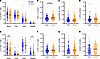
BACKGROUND Disseminated coccidioidomycosis (DCM) is an often fatal and otherwise intractable condition requiring lifelong antifungal treatment. We have previously shown that a deranged polarization of CD4+ T cells toward a Th2 phenotype can exist in the context of DCM. Here, we studied a large population to determine the frequency of abnormal Th2 skewing of CD4+ T cells in patients with coccidioidomycosis and to identify underlying genetic mechanisms supporting this phenotype.METHODS We collected PBMCs from 204 patients with coccidioidomycosis, including 96 patients with disseminated disease. We measured immune phenotypes and cytokine production by CD4+ T cells from patients and healthy controls, and comparisons between groups were made based on disease severity and demographics. Whole-genome sequencing was conducted on 180 individuals who also had cytokine profiling.RESULTS We found that approximately 25% of patients with DCM had a CD4+ T cell compartment that was abnormally skewed toward a Th2 phenotype, and Th2 skewing was highly correlated with male sex. Coculture of T cells with the IL-4R/IL-13R–blocking antibody dupilumab reduced Th2 skewing. Sequencing revealed rare variants in genes involved in the IL-12/IFN-γ axis in several Th2-skewed patients, and we validated one such variant in IFNGR1 as hypomorphic.CONCLUSION Patients with DCM, especially males, should be screened for Th2 skewing of CD4+ T cells. Patients with Th2 skewing should be additionally screened for genetic defects in the IL-12/IFN-γ axis. Our findings give a mechanistic rationale for blockade of IL-4R in Th2-skewed patients with refractory coccidioidomycosis.FUNDING National Institute of Allergy and Infectious Diseases/NIH grants R21 AI149654 and U19 AI166059 and University of California Office of the President grant VFR-19-633386.
Authors
Timothy J. Thauland, Smriti S. Nagarajan, Alexis V. Stephens, Samantha L. Jensen, Anviksha Srivastava, Miguel A. Moreno Lastre, Terrie S. Ahn, Chantana Bun, Michael T. Trump, Royce H. Johnson, George R. Thompson III, Maria I. Garcia-Lloret, Valerie A. Arboleda, Manish J. Butte
×Abstract
Systemic inflammation is now recognized as a key contributor to epilepsy pathophysiology, yet the role of innate immune cells, particularly neutrophils, remains poorly defined in epilepsy. Preclinical studies in rodent models have implicated neutrophils in seizure activity, but their phenotype in human epilepsy has not been thoroughly investigated. In this study, we aimed to characterize systemic inflammatory profiles and neutrophil-associated immune signatures in the blood of patients with drug-resistant epilepsy compared with healthy controls. We identified a systemic low-grade inflammatory profile in patients characterized by elevated neutrophil-to-lymphocyte ratio, C-reactive protein, proinflammatory cytokines (IL-6, CXCL8/IL-8, TNF-α), and activated neutrophils (CXCR4+CD62Llo). Neutrophil phenotyping revealed two distinct immune profiles. Patients with longer disease duration exhibited a more immature systemic signature characterized by immature neutrophils (CD15+CD10–), resting neutrophils (CXCR4+CD62L+), and elevated IL-6 levels. In contrast, patients with higher seizure frequency displayed a more inflammatory profile, marked by increased IL-12 and activated (CXCR4+CD62Llo) and hyperactivated (CXCR4hiCD62Llo) neutrophil subsets. Moreover, elevated presurgical levels of inflammatory profile TNF-α, IL-6, and hyperactivated CXCR4hiCD62Llo neutrophils were associated with seizure recurrence 1 year after surgery. This pioneering study highlights the heterogeneity of peripheral immune responses in drug-resistant epilepsy and identifies neutrophil-related signatures as promising prognostic biomarkers in this context.
Authors
Coraly Simoës Da Gama, Aurélie Hanin, Gwen Goudard, Véronique Masson, Aurore Besnard, Karim Dorgham, Guy Gorochov, Guillaume Dorothée, Valerio Frazzini, Vincent Navarro, Mélanie Morin-Brureau
×Abstract
HIV infection rapidly impairs the gastrointestinal barrier, contributing to persistent mucosal immune dysfunction, microbial translocation, and systemic inflammation despite antiretroviral therapy (ART). Using SIV-infected rhesus macaques on long-term ART, we investigated mechanisms underlying impairment in gut barrier–protective IL-17/IL-22 responses and the potential modulation of this pathway by dietary indoles. Longitudinal profiling of colonic epithelial and lamina propria cells revealed a selective loss of IL-17/IL-22–producing γδ T cells and type 3 innate lymphoid cells (ILC3s). This loss correlated with reduced expression of the transcription factors AHR and RORγt and was associated with elevated plasma markers of intestinal epithelial barrier disruption (IEBD), including intestinal fatty acid–binding protein (iFABP), zonulin, and LPS-binding protein (LBP). Targeting this transcriptional deficiency, dietary indole supplementation for 1 month restored colonic AHR+ IL-22–producing γδ T cells, RORγt+ ILC3s, and Vδ1 T cells, and was associated with reduced iFABP and zonulin levels. Immunohistochemical analyses further demonstrated enrichment of AHR/RORγt-coexpressing cells in the colon of indole-supplemented animals during chronic SIV infection on ART. Collectively, these findings indicate that disruption of the AHR-RORγt axis is a key pathogenic mechanism underlying persistent IEBD in chronic SIV/HIV infection. Modulation of AHR and RORγt signaling pathways in the gut may therefore represent a promising therapeutic strategy to reinforce mucosal barrier function and mitigate chronic inflammation in people living with HIV.
Authors
Siva Thirugnanam, Alison R. Van Zandt, Alexandra B. McNally, Victoria A. Hart, Isabelle Berthelot, Cecily C. Midkiff, Lara A. Doyle-Meyers, David A. Welsh, Robert V. Blair, Andrew G. MacLean, Namita Rout
×Abstract
Huntington’s disease (HD) is a fatal neurodegenerative disease caused by an expanded polyglutamine (CAG) repeat in the N-terminal of the huntingtin protein (HTT). Microglial activation and elevated proinflammatory cytokines are observed in HD brains, but the mechanisms regulating neuroinflammation and microglial activation are poorly understood. Metformin-mediated neuroprotection has been demonstrated in experimental models of neurodegeneration, including HD. We found that metformin inhibits mitochondrial DNA (mtDNA) release and subsequent neuroinflammation in the cortex and striatum of a mouse model of HD. Moreover, elevated proinflammatory cytokines and microglial activation are inhibited by metformin in HD transgenic mouse brains. Metformin reduced pathological microglial clusters and shifted toward a quiescent, homeostatic phenotype. Metformin improved aberrant immunometabolism in HD mouse brains and primary microglia. Mechanistically, we found that metformin regulates mitochondrial fission, reprograms deregulated metabolism in HD microglia, and controls microglial activation and inflammation in HD transgenic mice.
Authors
Abhishek Jauhari, Adam C. Monek, Olena S. Abakumova, Tanisha Singh, Sukhman Singh, Xiaomin Wang, Carley S. Clise, Diane L. Carlisle, Robert M. Friedlander
×Abstract
Preclinical studies suggest beneficial effects of GLP-1 agonists in pulmonary arterial hypertension (PAH). This first-in-disease study evaluated acute hemodynamic effects of GLP-1 agonist, exenatide administered i.v. in patients with idiopathic PAH and CTEPH as well as in a PAH rodent model. Seventeen patients (9 idiopathic PAH) received an exenatide infusion during right heart catheterization, which included multisite sampling for circulating metabolites. Acute effects of exenatide were also assessed by cardiac magnetic resonance imaging in monocrotaline (MCT) PAH and control rats. In the clinical study, exenatide was well tolerated, reduced mean pulmonary artery pressure (45 ± 15 mmHg versus 40 ± 18 mmHg), and improved cardiac index (2.1 ± 0.6 L/min versus 2.4 ± 0.9 L/min/m2) and pulmonary vascular resistance (7.8 ± 8.0 WU versus 5.9 ± 5.0 WU) across all patients. Right ventricular (RV) contractility and afterload improved in a subset of patients undergoing pressure-volume measurements. In an exploratory metabolomics analysis, 47 metabolite levels changed after exenatide infusion, predominantly in free fatty acid pathways. Six metabolites with prognostic relevance in PAH within myocardial glycolytic and lipid oxidation pathways were also altered after exenatide. In MCT rats, exenatide improved RV stroke-volume, RV ejection fraction, and RV-arterial coupling. These findings support the further evaluation of exenatide within chronic studies as a potentially novel pulmonary vasodilator therapy.
Authors
Chinthaka B. Samaranayake, Marili Niglas, Nicoleta Baxan, Alexander Kempny, Ali Ashek, Michael Gatzoulis, Laura C. Price, Konstantinos Dimopoulos, Martin R. Wilkins, Stephen Wort, Christopher J. Rhodes, Lan Zhao, Colm McCabe
×Abstract
BACKGROUND Coccidioidomycosis ranges from self-limiting uncomplicated Valley fever (UVF) in most cases to life-threatening disseminated coccidioidomycosis (DCM) in rare individuals. A few patterns of immunologic deficits allowing for dissemination have been identified, although the specific defects in most individuals with DCM remain undefined. We hypothesized that chronic antigen exposure in DCM engenders a state of T cell exhaustion.METHODS From a cohort of over 300 individuals with confirmed diagnoses of coccidioidomycosis, circulating T cell phenotypes were characterized via flow cytometry and Coccidioides-specific T cell responses were measured by activation-induced marker (AIM) assay.RESULTS Male sex was significantly associated with disseminated disease (OR 2.5, 95% CI 1.5–4.0). A majority (52%) of individuals showed Coccidioides-specific T cell responses in our AIM assay. We noted a significant difference in patients sampled in the first year of diagnosis, where only 8% of patients with DCM had T cell responses during this time, as compared with 44% of individuals with UVF (P = 0.04). Among DCM patients with detectable AIM responses, CD4+ T cells demonstrated an exhausted phenotype with elevated PD-1 expression compared with UVF individuals. In vitro PD-1 blockade augmented IFN-γ production in most tested individuals with DCM.CONCLUSION These findings suggest that dissemination may occur in some individuals during a period of impaired antigen-specific T cell activity. Importantly, these responses can be augmented in vitro by PD-1–blocking antibodies, supporting further study of immune checkpoint therapy as an adjunct to antifungal treatment in disseminated coccidioidomycosis.FUNDING National Institute of Allergy and Infectious Diseases grants U19 AI166059 and R21 AI149654 and University of California Office of the President grant VFR-19-633386.
Authors
Gregory D. Whitehill, Alexis V. Stephens, Timothy J. Thauland, Miguel A. Moreno Lastre, Matthew M. Tate, Sinem Beyhan, Royce H. Johnson, George R. Thompson III, Maria Garcia-Lloret, Manish J. Butte