
Research ArticleCell biologyEndocrinologyMetabolism
Open Access |  10.1172/jci.insight.197331
Glucosamine links hyperglycemia to mTORC1 activation and glucose toxicity in diabetes
Yael Riahi,1 Aviram Kogot-Levin,1 Ziv Teselpapa,1 Elisheva Zemelman,1 Fatema Gamal,1 Tamar Cohen,1 Abed Nasereddin,2 Idit Shiff,2 Ifat Abramovich,3 Bella Agranovich,3 Dana Avrahami,1,4 Liad Hinden,5 Erol Cerasi,1 Daljeet Kaur,6 Lihi Grinberg,6 Ron Piran,6 Joseph Tam,5 Ernesto Bernal-Mizrachi,7 Erez Dror,4 and Gil Leibowitz1
1Diabetes Unit and Endocrine Service, Hadassah Medical Center, The Hebrew University, Jerusalem, Israel.
2The Genomic Applications Laboratory, The Core Research Facility, Faculty of Medicine, The Hebrew University, Jerusalem, Israel.
3The Laboratory for Metabolism in Health and Disease, Ruth and Bruce Rappaport Faculty of Medicine, Technion-Israel Institute of Technology Haifa, Israel.
4Department of Developmental Biology and Cancer Research, The Institute for Medical Research Israel-Canada, The Hebrew University-Hadassah Medical School, Jerusalem, Israel.
5Obesity and Metabolism Laboratory, Institute for Drug Research, School of Pharmacy, Faculty of Medicine, The Hebrew University, Jerusalem, Israel.
6The Azrieli Faculty of Medicine Bar Ilan University, Safed, Israel.
7Department of Internal Medicine, Division of Endocrinology, Metabolism and Diabetes, Miller School of Medicine, University of Miami, Miami, Florida, USA.
Address correspondence to: Gil Leibowitz, Endocrinology and Metabolism Service, Department of Medicine, Hadassah - Hebrew University Medical Center, P.O. Box 12000, Jerusalem 91120, Israel. Phone: 972.2.6777951; Email: gleib@hadassah.org.il.
Authorship note: YR and AKL contributed equally to this work. GL and ED have been designated as co–senior authors.
Find articles by Riahi, Y. in: PubMed | Google Scholar
1Diabetes Unit and Endocrine Service, Hadassah Medical Center, The Hebrew University, Jerusalem, Israel.
2The Genomic Applications Laboratory, The Core Research Facility, Faculty of Medicine, The Hebrew University, Jerusalem, Israel.
3The Laboratory for Metabolism in Health and Disease, Ruth and Bruce Rappaport Faculty of Medicine, Technion-Israel Institute of Technology Haifa, Israel.
4Department of Developmental Biology and Cancer Research, The Institute for Medical Research Israel-Canada, The Hebrew University-Hadassah Medical School, Jerusalem, Israel.
5Obesity and Metabolism Laboratory, Institute for Drug Research, School of Pharmacy, Faculty of Medicine, The Hebrew University, Jerusalem, Israel.
6The Azrieli Faculty of Medicine Bar Ilan University, Safed, Israel.
7Department of Internal Medicine, Division of Endocrinology, Metabolism and Diabetes, Miller School of Medicine, University of Miami, Miami, Florida, USA.
Address correspondence to: Gil Leibowitz, Endocrinology and Metabolism Service, Department of Medicine, Hadassah - Hebrew University Medical Center, P.O. Box 12000, Jerusalem 91120, Israel. Phone: 972.2.6777951; Email: gleib@hadassah.org.il.
Authorship note: YR and AKL contributed equally to this work. GL and ED have been designated as co–senior authors.
Find articles by
Kogot-Levin, A.
in:
PubMed
|
Google Scholar
|

1Diabetes Unit and Endocrine Service, Hadassah Medical Center, The Hebrew University, Jerusalem, Israel.
2The Genomic Applications Laboratory, The Core Research Facility, Faculty of Medicine, The Hebrew University, Jerusalem, Israel.
3The Laboratory for Metabolism in Health and Disease, Ruth and Bruce Rappaport Faculty of Medicine, Technion-Israel Institute of Technology Haifa, Israel.
4Department of Developmental Biology and Cancer Research, The Institute for Medical Research Israel-Canada, The Hebrew University-Hadassah Medical School, Jerusalem, Israel.
5Obesity and Metabolism Laboratory, Institute for Drug Research, School of Pharmacy, Faculty of Medicine, The Hebrew University, Jerusalem, Israel.
6The Azrieli Faculty of Medicine Bar Ilan University, Safed, Israel.
7Department of Internal Medicine, Division of Endocrinology, Metabolism and Diabetes, Miller School of Medicine, University of Miami, Miami, Florida, USA.
Address correspondence to: Gil Leibowitz, Endocrinology and Metabolism Service, Department of Medicine, Hadassah - Hebrew University Medical Center, P.O. Box 12000, Jerusalem 91120, Israel. Phone: 972.2.6777951; Email: gleib@hadassah.org.il.
Authorship note: YR and AKL contributed equally to this work. GL and ED have been designated as co–senior authors.
Find articles by Teselpapa, Z. in: PubMed | Google Scholar
1Diabetes Unit and Endocrine Service, Hadassah Medical Center, The Hebrew University, Jerusalem, Israel.
2The Genomic Applications Laboratory, The Core Research Facility, Faculty of Medicine, The Hebrew University, Jerusalem, Israel.
3The Laboratory for Metabolism in Health and Disease, Ruth and Bruce Rappaport Faculty of Medicine, Technion-Israel Institute of Technology Haifa, Israel.
4Department of Developmental Biology and Cancer Research, The Institute for Medical Research Israel-Canada, The Hebrew University-Hadassah Medical School, Jerusalem, Israel.
5Obesity and Metabolism Laboratory, Institute for Drug Research, School of Pharmacy, Faculty of Medicine, The Hebrew University, Jerusalem, Israel.
6The Azrieli Faculty of Medicine Bar Ilan University, Safed, Israel.
7Department of Internal Medicine, Division of Endocrinology, Metabolism and Diabetes, Miller School of Medicine, University of Miami, Miami, Florida, USA.
Address correspondence to: Gil Leibowitz, Endocrinology and Metabolism Service, Department of Medicine, Hadassah - Hebrew University Medical Center, P.O. Box 12000, Jerusalem 91120, Israel. Phone: 972.2.6777951; Email: gleib@hadassah.org.il.
Authorship note: YR and AKL contributed equally to this work. GL and ED have been designated as co–senior authors.
Find articles by Zemelman, E. in: PubMed | Google Scholar
1Diabetes Unit and Endocrine Service, Hadassah Medical Center, The Hebrew University, Jerusalem, Israel.
2The Genomic Applications Laboratory, The Core Research Facility, Faculty of Medicine, The Hebrew University, Jerusalem, Israel.
3The Laboratory for Metabolism in Health and Disease, Ruth and Bruce Rappaport Faculty of Medicine, Technion-Israel Institute of Technology Haifa, Israel.
4Department of Developmental Biology and Cancer Research, The Institute for Medical Research Israel-Canada, The Hebrew University-Hadassah Medical School, Jerusalem, Israel.
5Obesity and Metabolism Laboratory, Institute for Drug Research, School of Pharmacy, Faculty of Medicine, The Hebrew University, Jerusalem, Israel.
6The Azrieli Faculty of Medicine Bar Ilan University, Safed, Israel.
7Department of Internal Medicine, Division of Endocrinology, Metabolism and Diabetes, Miller School of Medicine, University of Miami, Miami, Florida, USA.
Address correspondence to: Gil Leibowitz, Endocrinology and Metabolism Service, Department of Medicine, Hadassah - Hebrew University Medical Center, P.O. Box 12000, Jerusalem 91120, Israel. Phone: 972.2.6777951; Email: gleib@hadassah.org.il.
Authorship note: YR and AKL contributed equally to this work. GL and ED have been designated as co–senior authors.
Find articles by Gamal, F. in: PubMed | Google Scholar
1Diabetes Unit and Endocrine Service, Hadassah Medical Center, The Hebrew University, Jerusalem, Israel.
2The Genomic Applications Laboratory, The Core Research Facility, Faculty of Medicine, The Hebrew University, Jerusalem, Israel.
3The Laboratory for Metabolism in Health and Disease, Ruth and Bruce Rappaport Faculty of Medicine, Technion-Israel Institute of Technology Haifa, Israel.
4Department of Developmental Biology and Cancer Research, The Institute for Medical Research Israel-Canada, The Hebrew University-Hadassah Medical School, Jerusalem, Israel.
5Obesity and Metabolism Laboratory, Institute for Drug Research, School of Pharmacy, Faculty of Medicine, The Hebrew University, Jerusalem, Israel.
6The Azrieli Faculty of Medicine Bar Ilan University, Safed, Israel.
7Department of Internal Medicine, Division of Endocrinology, Metabolism and Diabetes, Miller School of Medicine, University of Miami, Miami, Florida, USA.
Address correspondence to: Gil Leibowitz, Endocrinology and Metabolism Service, Department of Medicine, Hadassah - Hebrew University Medical Center, P.O. Box 12000, Jerusalem 91120, Israel. Phone: 972.2.6777951; Email: gleib@hadassah.org.il.
Authorship note: YR and AKL contributed equally to this work. GL and ED have been designated as co–senior authors.
Find articles by Cohen, T. in: PubMed | Google Scholar
1Diabetes Unit and Endocrine Service, Hadassah Medical Center, The Hebrew University, Jerusalem, Israel.
2The Genomic Applications Laboratory, The Core Research Facility, Faculty of Medicine, The Hebrew University, Jerusalem, Israel.
3The Laboratory for Metabolism in Health and Disease, Ruth and Bruce Rappaport Faculty of Medicine, Technion-Israel Institute of Technology Haifa, Israel.
4Department of Developmental Biology and Cancer Research, The Institute for Medical Research Israel-Canada, The Hebrew University-Hadassah Medical School, Jerusalem, Israel.
5Obesity and Metabolism Laboratory, Institute for Drug Research, School of Pharmacy, Faculty of Medicine, The Hebrew University, Jerusalem, Israel.
6The Azrieli Faculty of Medicine Bar Ilan University, Safed, Israel.
7Department of Internal Medicine, Division of Endocrinology, Metabolism and Diabetes, Miller School of Medicine, University of Miami, Miami, Florida, USA.
Address correspondence to: Gil Leibowitz, Endocrinology and Metabolism Service, Department of Medicine, Hadassah - Hebrew University Medical Center, P.O. Box 12000, Jerusalem 91120, Israel. Phone: 972.2.6777951; Email: gleib@hadassah.org.il.
Authorship note: YR and AKL contributed equally to this work. GL and ED have been designated as co–senior authors.
Find articles by Nasereddin, A. in: PubMed | Google Scholar
1Diabetes Unit and Endocrine Service, Hadassah Medical Center, The Hebrew University, Jerusalem, Israel.
2The Genomic Applications Laboratory, The Core Research Facility, Faculty of Medicine, The Hebrew University, Jerusalem, Israel.
3The Laboratory for Metabolism in Health and Disease, Ruth and Bruce Rappaport Faculty of Medicine, Technion-Israel Institute of Technology Haifa, Israel.
4Department of Developmental Biology and Cancer Research, The Institute for Medical Research Israel-Canada, The Hebrew University-Hadassah Medical School, Jerusalem, Israel.
5Obesity and Metabolism Laboratory, Institute for Drug Research, School of Pharmacy, Faculty of Medicine, The Hebrew University, Jerusalem, Israel.
6The Azrieli Faculty of Medicine Bar Ilan University, Safed, Israel.
7Department of Internal Medicine, Division of Endocrinology, Metabolism and Diabetes, Miller School of Medicine, University of Miami, Miami, Florida, USA.
Address correspondence to: Gil Leibowitz, Endocrinology and Metabolism Service, Department of Medicine, Hadassah - Hebrew University Medical Center, P.O. Box 12000, Jerusalem 91120, Israel. Phone: 972.2.6777951; Email: gleib@hadassah.org.il.
Authorship note: YR and AKL contributed equally to this work. GL and ED have been designated as co–senior authors.
Find articles by Shiff, I. in: PubMed | Google Scholar
1Diabetes Unit and Endocrine Service, Hadassah Medical Center, The Hebrew University, Jerusalem, Israel.
2The Genomic Applications Laboratory, The Core Research Facility, Faculty of Medicine, The Hebrew University, Jerusalem, Israel.
3The Laboratory for Metabolism in Health and Disease, Ruth and Bruce Rappaport Faculty of Medicine, Technion-Israel Institute of Technology Haifa, Israel.
4Department of Developmental Biology and Cancer Research, The Institute for Medical Research Israel-Canada, The Hebrew University-Hadassah Medical School, Jerusalem, Israel.
5Obesity and Metabolism Laboratory, Institute for Drug Research, School of Pharmacy, Faculty of Medicine, The Hebrew University, Jerusalem, Israel.
6The Azrieli Faculty of Medicine Bar Ilan University, Safed, Israel.
7Department of Internal Medicine, Division of Endocrinology, Metabolism and Diabetes, Miller School of Medicine, University of Miami, Miami, Florida, USA.
Address correspondence to: Gil Leibowitz, Endocrinology and Metabolism Service, Department of Medicine, Hadassah - Hebrew University Medical Center, P.O. Box 12000, Jerusalem 91120, Israel. Phone: 972.2.6777951; Email: gleib@hadassah.org.il.
Authorship note: YR and AKL contributed equally to this work. GL and ED have been designated as co–senior authors.
Find articles by Abramovich, I. in: PubMed | Google Scholar
1Diabetes Unit and Endocrine Service, Hadassah Medical Center, The Hebrew University, Jerusalem, Israel.
2The Genomic Applications Laboratory, The Core Research Facility, Faculty of Medicine, The Hebrew University, Jerusalem, Israel.
3The Laboratory for Metabolism in Health and Disease, Ruth and Bruce Rappaport Faculty of Medicine, Technion-Israel Institute of Technology Haifa, Israel.
4Department of Developmental Biology and Cancer Research, The Institute for Medical Research Israel-Canada, The Hebrew University-Hadassah Medical School, Jerusalem, Israel.
5Obesity and Metabolism Laboratory, Institute for Drug Research, School of Pharmacy, Faculty of Medicine, The Hebrew University, Jerusalem, Israel.
6The Azrieli Faculty of Medicine Bar Ilan University, Safed, Israel.
7Department of Internal Medicine, Division of Endocrinology, Metabolism and Diabetes, Miller School of Medicine, University of Miami, Miami, Florida, USA.
Address correspondence to: Gil Leibowitz, Endocrinology and Metabolism Service, Department of Medicine, Hadassah - Hebrew University Medical Center, P.O. Box 12000, Jerusalem 91120, Israel. Phone: 972.2.6777951; Email: gleib@hadassah.org.il.
Authorship note: YR and AKL contributed equally to this work. GL and ED have been designated as co–senior authors.
Find articles by Agranovich, B. in: PubMed | Google Scholar
1Diabetes Unit and Endocrine Service, Hadassah Medical Center, The Hebrew University, Jerusalem, Israel.
2The Genomic Applications Laboratory, The Core Research Facility, Faculty of Medicine, The Hebrew University, Jerusalem, Israel.
3The Laboratory for Metabolism in Health and Disease, Ruth and Bruce Rappaport Faculty of Medicine, Technion-Israel Institute of Technology Haifa, Israel.
4Department of Developmental Biology and Cancer Research, The Institute for Medical Research Israel-Canada, The Hebrew University-Hadassah Medical School, Jerusalem, Israel.
5Obesity and Metabolism Laboratory, Institute for Drug Research, School of Pharmacy, Faculty of Medicine, The Hebrew University, Jerusalem, Israel.
6The Azrieli Faculty of Medicine Bar Ilan University, Safed, Israel.
7Department of Internal Medicine, Division of Endocrinology, Metabolism and Diabetes, Miller School of Medicine, University of Miami, Miami, Florida, USA.
Address correspondence to: Gil Leibowitz, Endocrinology and Metabolism Service, Department of Medicine, Hadassah - Hebrew University Medical Center, P.O. Box 12000, Jerusalem 91120, Israel. Phone: 972.2.6777951; Email: gleib@hadassah.org.il.
Authorship note: YR and AKL contributed equally to this work. GL and ED have been designated as co–senior authors.
Find articles by Avrahami, D. in: PubMed | Google Scholar
1Diabetes Unit and Endocrine Service, Hadassah Medical Center, The Hebrew University, Jerusalem, Israel.
2The Genomic Applications Laboratory, The Core Research Facility, Faculty of Medicine, The Hebrew University, Jerusalem, Israel.
3The Laboratory for Metabolism in Health and Disease, Ruth and Bruce Rappaport Faculty of Medicine, Technion-Israel Institute of Technology Haifa, Israel.
4Department of Developmental Biology and Cancer Research, The Institute for Medical Research Israel-Canada, The Hebrew University-Hadassah Medical School, Jerusalem, Israel.
5Obesity and Metabolism Laboratory, Institute for Drug Research, School of Pharmacy, Faculty of Medicine, The Hebrew University, Jerusalem, Israel.
6The Azrieli Faculty of Medicine Bar Ilan University, Safed, Israel.
7Department of Internal Medicine, Division of Endocrinology, Metabolism and Diabetes, Miller School of Medicine, University of Miami, Miami, Florida, USA.
Address correspondence to: Gil Leibowitz, Endocrinology and Metabolism Service, Department of Medicine, Hadassah - Hebrew University Medical Center, P.O. Box 12000, Jerusalem 91120, Israel. Phone: 972.2.6777951; Email: gleib@hadassah.org.il.
Authorship note: YR and AKL contributed equally to this work. GL and ED have been designated as co–senior authors.
Find articles by Hinden, L. in: PubMed | Google Scholar
1Diabetes Unit and Endocrine Service, Hadassah Medical Center, The Hebrew University, Jerusalem, Israel.
2The Genomic Applications Laboratory, The Core Research Facility, Faculty of Medicine, The Hebrew University, Jerusalem, Israel.
3The Laboratory for Metabolism in Health and Disease, Ruth and Bruce Rappaport Faculty of Medicine, Technion-Israel Institute of Technology Haifa, Israel.
4Department of Developmental Biology and Cancer Research, The Institute for Medical Research Israel-Canada, The Hebrew University-Hadassah Medical School, Jerusalem, Israel.
5Obesity and Metabolism Laboratory, Institute for Drug Research, School of Pharmacy, Faculty of Medicine, The Hebrew University, Jerusalem, Israel.
6The Azrieli Faculty of Medicine Bar Ilan University, Safed, Israel.
7Department of Internal Medicine, Division of Endocrinology, Metabolism and Diabetes, Miller School of Medicine, University of Miami, Miami, Florida, USA.
Address correspondence to: Gil Leibowitz, Endocrinology and Metabolism Service, Department of Medicine, Hadassah - Hebrew University Medical Center, P.O. Box 12000, Jerusalem 91120, Israel. Phone: 972.2.6777951; Email: gleib@hadassah.org.il.
Authorship note: YR and AKL contributed equally to this work. GL and ED have been designated as co–senior authors.
Find articles by
Cerasi, E.
in:
PubMed
|
Google Scholar
|
1Diabetes Unit and Endocrine Service, Hadassah Medical Center, The Hebrew University, Jerusalem, Israel.
2The Genomic Applications Laboratory, The Core Research Facility, Faculty of Medicine, The Hebrew University, Jerusalem, Israel.
3The Laboratory for Metabolism in Health and Disease, Ruth and Bruce Rappaport Faculty of Medicine, Technion-Israel Institute of Technology Haifa, Israel.
4Department of Developmental Biology and Cancer Research, The Institute for Medical Research Israel-Canada, The Hebrew University-Hadassah Medical School, Jerusalem, Israel.
5Obesity and Metabolism Laboratory, Institute for Drug Research, School of Pharmacy, Faculty of Medicine, The Hebrew University, Jerusalem, Israel.
6The Azrieli Faculty of Medicine Bar Ilan University, Safed, Israel.
7Department of Internal Medicine, Division of Endocrinology, Metabolism and Diabetes, Miller School of Medicine, University of Miami, Miami, Florida, USA.
Address correspondence to: Gil Leibowitz, Endocrinology and Metabolism Service, Department of Medicine, Hadassah - Hebrew University Medical Center, P.O. Box 12000, Jerusalem 91120, Israel. Phone: 972.2.6777951; Email: gleib@hadassah.org.il.
Authorship note: YR and AKL contributed equally to this work. GL and ED have been designated as co–senior authors.
Find articles by Kaur, D. in: PubMed | Google Scholar
1Diabetes Unit and Endocrine Service, Hadassah Medical Center, The Hebrew University, Jerusalem, Israel.
2The Genomic Applications Laboratory, The Core Research Facility, Faculty of Medicine, The Hebrew University, Jerusalem, Israel.
3The Laboratory for Metabolism in Health and Disease, Ruth and Bruce Rappaport Faculty of Medicine, Technion-Israel Institute of Technology Haifa, Israel.
4Department of Developmental Biology and Cancer Research, The Institute for Medical Research Israel-Canada, The Hebrew University-Hadassah Medical School, Jerusalem, Israel.
5Obesity and Metabolism Laboratory, Institute for Drug Research, School of Pharmacy, Faculty of Medicine, The Hebrew University, Jerusalem, Israel.
6The Azrieli Faculty of Medicine Bar Ilan University, Safed, Israel.
7Department of Internal Medicine, Division of Endocrinology, Metabolism and Diabetes, Miller School of Medicine, University of Miami, Miami, Florida, USA.
Address correspondence to: Gil Leibowitz, Endocrinology and Metabolism Service, Department of Medicine, Hadassah - Hebrew University Medical Center, P.O. Box 12000, Jerusalem 91120, Israel. Phone: 972.2.6777951; Email: gleib@hadassah.org.il.
Authorship note: YR and AKL contributed equally to this work. GL and ED have been designated as co–senior authors.
Find articles by Grinberg, L. in: PubMed | Google Scholar
1Diabetes Unit and Endocrine Service, Hadassah Medical Center, The Hebrew University, Jerusalem, Israel.
2The Genomic Applications Laboratory, The Core Research Facility, Faculty of Medicine, The Hebrew University, Jerusalem, Israel.
3The Laboratory for Metabolism in Health and Disease, Ruth and Bruce Rappaport Faculty of Medicine, Technion-Israel Institute of Technology Haifa, Israel.
4Department of Developmental Biology and Cancer Research, The Institute for Medical Research Israel-Canada, The Hebrew University-Hadassah Medical School, Jerusalem, Israel.
5Obesity and Metabolism Laboratory, Institute for Drug Research, School of Pharmacy, Faculty of Medicine, The Hebrew University, Jerusalem, Israel.
6The Azrieli Faculty of Medicine Bar Ilan University, Safed, Israel.
7Department of Internal Medicine, Division of Endocrinology, Metabolism and Diabetes, Miller School of Medicine, University of Miami, Miami, Florida, USA.
Address correspondence to: Gil Leibowitz, Endocrinology and Metabolism Service, Department of Medicine, Hadassah - Hebrew University Medical Center, P.O. Box 12000, Jerusalem 91120, Israel. Phone: 972.2.6777951; Email: gleib@hadassah.org.il.
Authorship note: YR and AKL contributed equally to this work. GL and ED have been designated as co–senior authors.
Find articles by Piran, R. in: PubMed | Google Scholar
1Diabetes Unit and Endocrine Service, Hadassah Medical Center, The Hebrew University, Jerusalem, Israel.
2The Genomic Applications Laboratory, The Core Research Facility, Faculty of Medicine, The Hebrew University, Jerusalem, Israel.
3The Laboratory for Metabolism in Health and Disease, Ruth and Bruce Rappaport Faculty of Medicine, Technion-Israel Institute of Technology Haifa, Israel.
4Department of Developmental Biology and Cancer Research, The Institute for Medical Research Israel-Canada, The Hebrew University-Hadassah Medical School, Jerusalem, Israel.
5Obesity and Metabolism Laboratory, Institute for Drug Research, School of Pharmacy, Faculty of Medicine, The Hebrew University, Jerusalem, Israel.
6The Azrieli Faculty of Medicine Bar Ilan University, Safed, Israel.
7Department of Internal Medicine, Division of Endocrinology, Metabolism and Diabetes, Miller School of Medicine, University of Miami, Miami, Florida, USA.
Address correspondence to: Gil Leibowitz, Endocrinology and Metabolism Service, Department of Medicine, Hadassah - Hebrew University Medical Center, P.O. Box 12000, Jerusalem 91120, Israel. Phone: 972.2.6777951; Email: gleib@hadassah.org.il.
Authorship note: YR and AKL contributed equally to this work. GL and ED have been designated as co–senior authors.
Find articles by
Tam, J.
in:
PubMed
|
Google Scholar
|
1Diabetes Unit and Endocrine Service, Hadassah Medical Center, The Hebrew University, Jerusalem, Israel.
2The Genomic Applications Laboratory, The Core Research Facility, Faculty of Medicine, The Hebrew University, Jerusalem, Israel.
3The Laboratory for Metabolism in Health and Disease, Ruth and Bruce Rappaport Faculty of Medicine, Technion-Israel Institute of Technology Haifa, Israel.
4Department of Developmental Biology and Cancer Research, The Institute for Medical Research Israel-Canada, The Hebrew University-Hadassah Medical School, Jerusalem, Israel.
5Obesity and Metabolism Laboratory, Institute for Drug Research, School of Pharmacy, Faculty of Medicine, The Hebrew University, Jerusalem, Israel.
6The Azrieli Faculty of Medicine Bar Ilan University, Safed, Israel.
7Department of Internal Medicine, Division of Endocrinology, Metabolism and Diabetes, Miller School of Medicine, University of Miami, Miami, Florida, USA.
Address correspondence to: Gil Leibowitz, Endocrinology and Metabolism Service, Department of Medicine, Hadassah - Hebrew University Medical Center, P.O. Box 12000, Jerusalem 91120, Israel. Phone: 972.2.6777951; Email: gleib@hadassah.org.il.
Authorship note: YR and AKL contributed equally to this work. GL and ED have been designated as co–senior authors.
Find articles by
Bernal-Mizrachi, E.
in:
PubMed
|
Google Scholar
|
1Diabetes Unit and Endocrine Service, Hadassah Medical Center, The Hebrew University, Jerusalem, Israel.
2The Genomic Applications Laboratory, The Core Research Facility, Faculty of Medicine, The Hebrew University, Jerusalem, Israel.
3The Laboratory for Metabolism in Health and Disease, Ruth and Bruce Rappaport Faculty of Medicine, Technion-Israel Institute of Technology Haifa, Israel.
4Department of Developmental Biology and Cancer Research, The Institute for Medical Research Israel-Canada, The Hebrew University-Hadassah Medical School, Jerusalem, Israel.
5Obesity and Metabolism Laboratory, Institute for Drug Research, School of Pharmacy, Faculty of Medicine, The Hebrew University, Jerusalem, Israel.
6The Azrieli Faculty of Medicine Bar Ilan University, Safed, Israel.
7Department of Internal Medicine, Division of Endocrinology, Metabolism and Diabetes, Miller School of Medicine, University of Miami, Miami, Florida, USA.
Address correspondence to: Gil Leibowitz, Endocrinology and Metabolism Service, Department of Medicine, Hadassah - Hebrew University Medical Center, P.O. Box 12000, Jerusalem 91120, Israel. Phone: 972.2.6777951; Email: gleib@hadassah.org.il.
Authorship note: YR and AKL contributed equally to this work. GL and ED have been designated as co–senior authors.
Find articles by Dror, E. in: PubMed | Google Scholar
1Diabetes Unit and Endocrine Service, Hadassah Medical Center, The Hebrew University, Jerusalem, Israel.
2The Genomic Applications Laboratory, The Core Research Facility, Faculty of Medicine, The Hebrew University, Jerusalem, Israel.
3The Laboratory for Metabolism in Health and Disease, Ruth and Bruce Rappaport Faculty of Medicine, Technion-Israel Institute of Technology Haifa, Israel.
4Department of Developmental Biology and Cancer Research, The Institute for Medical Research Israel-Canada, The Hebrew University-Hadassah Medical School, Jerusalem, Israel.
5Obesity and Metabolism Laboratory, Institute for Drug Research, School of Pharmacy, Faculty of Medicine, The Hebrew University, Jerusalem, Israel.
6The Azrieli Faculty of Medicine Bar Ilan University, Safed, Israel.
7Department of Internal Medicine, Division of Endocrinology, Metabolism and Diabetes, Miller School of Medicine, University of Miami, Miami, Florida, USA.
Address correspondence to: Gil Leibowitz, Endocrinology and Metabolism Service, Department of Medicine, Hadassah - Hebrew University Medical Center, P.O. Box 12000, Jerusalem 91120, Israel. Phone: 972.2.6777951; Email: gleib@hadassah.org.il.
Authorship note: YR and AKL contributed equally to this work. GL and ED have been designated as co–senior authors.
Find articles by
Leibowitz, G.
in:
PubMed
|
Google Scholar
|
Published May 22, 2026 - More info
JCI Insight. 2026;11(10):e197331. https://doi.org/10.1172/jci.insight.197331.
© 2026 Riahi et al. This work is licensed under the Creative Commons Attribution 4.0 International License. To view a copy of this license, visit http://creativecommons.org/licenses/by/4.0/.
Received: July 3, 2025; Accepted: March 24, 2026


-
Results
Glucosamine synthesis and metabolism in diabetes. We treated WT mice and diabetic Akita mice with dapagliflozin or insulin for 5–7 days followed by metabolic labeling with 13C6-glucose, and performed metabolomics and metabolic flux analysis in kidney cortex extracts, liver, heart, and plasma. The full list of metabolites in the different tissues of WT and diabetic animals and their response to treatment has been published and is available online (16).
Glucosamine was one of the top metabolites elevated in diabetic animals, showing 1.5- to 2-fold higher levels in kidney, liver, and heart extracts; treatment with dapagliflozin or insulin decreased the glucosamine levels (Figure 1, A–C), suggesting that this elevation is a consequence of hyperglycemia.
 Figure 1
Glucosamine synthesis and metabolism in diabetes. WT and Akita mice were treated with and without dapagliflozin or insulin for 1 week, followed by 13C-glucose injections and metabolomics analysis. (A–C) Relative abundance of 13C-labeled glucosamine levels in kidney cortex, liver, and heart. Data represent the mean ± SEM, n = 4–6 mice per group. A Student’s t test was used for 2-group comparisons, and 1-way ANOVA for multiple-group comparisons. (D) Schematic representation of Gn6P and UDP-GlcNAc synthesis through the canonical and non-canonical pathways. (E) Correlation between glucose and glucose-derived metabolites (glucosamine, F6P, DHAP, leucine, isoleucine, valine, glutamine, and S-adenosylmethionine [SAM] levels) in the kidney cortex, liver, and heart. Pearson’s correlation coefficient (r) was determined via linear regression. (F–J) Hexosamine pathway metabolites in plasma of human patients with different FBG categories (A: <5.6 mmol/L, B: 5.6–6.1 mmol/L, C: 6.1–7 mM (IFG), D: ≥7.0 mM [diabetes]). (F) Relative GlcNAc-1p levels; n = 20 per group. Data were analyzed by 1-way ANOVA. (G–J) Correlation between GlcNAc-1P and fasting blood glucose HbA1c, HOMA-B, and HOMA-IR. Pearson’s correlation coefficient (r) was determined via linear regression. (K–L) KPTCs and human islets were cultured at low glucose (LG, 5 mM) or high glucose (HG, 25 mM) for 48 hours, followed by labeling with 13C-glucose for 3 hours or with 4 mM L-glutamine-13C5,15N2 for 6 hours. (K) 13C-glucosamine and 15N-glucosamine levels in primary KPTCs (n = 3 per group). Data were analyzed by Student’s t test. (L) 13C-glucosamine and UDP-GlcNAc levels in islets. (M) RT-qPCR of enzymes involved in the hexosamine pathway in mouse islets incubated at 5 mM or 25 mM glucose for 72 hours (n = 3 per group). Data were analyzed by 1-tailed Student’s t test. *P < 0.05; **P < 0.01.
In humans, glucosamine is present in the form of glucosamine-6-phosphate (Gn6P). The current view is that Gn6P is synthesized from fructose-6-phosphate (F6P) and glutamine by glutamine-fructose-6-phosphate transaminase (GFAT) as the first step of the hexosamine pathway (Figure 1D) (21). The end-product of this pathway is uridine diphosphate–N-acetylglucosamine (UDP-GlcNAc), which is used for generating glycosaminoglycans, proteoglycans, and glycolipids, and for posttranslational modification by glycosylation (22).
Surprisingly, 13C6-glucose labeling showed that all 6 glucosamine carbons were labeled with the 13C-isotopologue, indicating that glucosamine is directly synthesized from glucose; the fraction of M+6 constituted 94.3%–100% of all labeled glucosamine (Figure 1, A–C). A summary of the full mass isotopologue distributions from all experiments is provided in Supplemental Table 1. Glucosamine levels in different tissues strongly correlated with the glucose concentration (r = 0.86–0.98) (Figure 1E). Of note, the correlation between tissue glucose and glycolytic intermediates, including F6P and dihydroxyacetone-phosphate (DHAP), branched-chain AAs and additional AAs that regulate mTORC1, was weaker than that of glucosamine and varied between tissues (Figure 1E). To explore the relevance of altered glucosamine metabolism to type 2 diabetes (T2D) in humans, we analyzed previously reported plasma metabolomics data of patients with impaired glucose tolerance (IGT) and/or impaired fasting glucose (IFG) and T2D (23). The glucosamine metabolite GlcNAc-1P was increased in the plasma of patients with IFG and T2D (Figure 1F). GlcNAc-1P correlated with fasting glucose, HbA1c, and homeostatic model assessment for insulin resistance (HOMA-IR) (Figure 1, G, H, and J), and was inversely correlated with HOMA-B, a marker of β cell function (Figure 1I). Collectively, these data suggest that glucosamine/GlcNAc is associated with both β cell dysfunction and insulin resistance.
We further studied glucosamine synthesis and metabolism in primary KPTCs (Figure 1K) and human islets (Figure 1L and Supplemental Figure 1; supplemental material available online with this article; https://doi.org/10.1172/jci.insight.197331DS1) cultured under chronic low glucose (LG) or high glucose (HG). Consistent with the in vivo data, exposure of both islets and KPTCs to HG markedly increased glucosamine levels and approximately 100% of the glucosamine molecules were labeled with the 13C-isotopologue at all 6 carbons (M+6), indicating endogenous synthesis from glucose. Exposure of KPTCs to HG increased 13C6-glucosamine levels by approximately 3-fold; metabolic labeling with L-glutamine-13C5,15N2 demonstrated that the amine group is derived from glutamine (Figure 1K). Similarly, in human islets, exposure to HG increased 13C6-labeled and total glucosamine by 6-fold and UDP-GlcNAc levels by 2-fold (Figure 1L and Supplemental Figure 1). Notably, chronic incubation of mouse islets under HG increased the expression of different hexosamine pathway enzymes, including Gfat1, Pgm3, and Oga, suggesting that chronic exposure to HG also modulates the activity of this pathway (Figure 1M).
We next investigated glucosamine metabolism in KPTCs and human islets treated with glucosamine followed by liquid chromatography–mass spectrometry (LCMS). Glucosamine markedly increased levels of Gn6P and UDP-GlcNAc in both KPTCs and human islets, indicating that glucosamine enters the hexosamine pathway via phosphorylation to Gn6P with subsequent generation of the end-product UDP-GlcNAc (Figure 2A and Supplemental Figure 1A). Importantly the area under the curve (AUC) of glucosamine levels in human islets incubated with 0.3 mM glucosamine was like that of human islets incubated with HG (25 mM; Supplemental Figure 1A). In extracts of human islets cultured under LG conditions, the intracellular glucose concentration was 25.4 nM/mg of protein. The corresponding glucosamine concentration was 0.98 nM/mg of protein, representing approximately 4% of the intracellular glucose level (Supplemental Figure 1B). This proportion is consistent with the established fraction of glucose metabolized through the hexosamine pathway (24), indicating that the exogenous glucosamine levels used in this study effectively mimic the intracellular environment seen in HG conditions in vitro and in vivo.
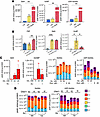 Figure 2
Hexosamine pathway metabolites. (A) Levels of glucosamine (GlcN) and hexosamine pathway metabolites in primary KPTCs cultured at LG, HG, or LG with GlcN (5 mM) for 48 hours (n = 4 per group). Data were analyzed by 1-way ANOVA. (B) Levels of F6P, GlcN, and Gn6P in primary KPTCs cultured at LG, LG with GlcN (5 mM), or GlcN and 2-DG (5 mM) for 6 hours (n = 3 per group). Data were analyzed by 1-way ANOVA. *P < 0.05; **P < 0.01; ***P < 0.001. (C) MIN6 cells were incubated at LG or at HG with or without the GFAT inhibitor azaserine (Az.) or 6-diazo-5-oxo-L-norleucine (DON) at the indicated concentrations followed by metabolic labeling with a similar concentration of 13C6-glucose for 3 hours. 13C-labeled hexosamine pathway metabolites are shown (n = 3 per group). (D) MIN6 cells were transfected with Gfat1 siRNA oligonucleotides (si) or with scrambled oligonucleotides (sc; control) and then treated with or without azaserine (5 mM). Forty-eight or 72 hours after transfection, metabolic labeling was performed as in C (n = 3 per group). 13C-labeled hexosamine pathway metabolites are shown.
It has been previously suggested that glucosamine is phosphorylated to Gn6P by hexokinases (25). Consistently, we found that treatment of KPTCs with the hexokinase inhibitor 2-deoxyglucose (2-DG) effectively inhibited glucosamine phosphorylation to Gn6P, although F6P levels increased (Figure 2B). 2-DG inhibits G6P isomerase, which may explain the accumulation of F6P despite hexokinase inhibition. In any case, the marked reduction of Gn6P by 2-DG under conditions where F6P is increased supports the hypothesis that Gn6P can be generated by direct phosphorylation of glucosamine, rather than via GFAT. To rigorously test this hypothesis and distinguish between the canonical GFAT-dependent pathway and this non-canonical route, we inhibited GFAT in MIN6 cells cultured under HG conditions using both pharmacological inhibitors and genetic knockdown. Treatment with the GFAT inhibitor azaserine or 6-diazo-5-oxo-L-norleucine (DON) did not alter the levels of 13C6-glucose–derived hexosamine metabolites (GlcN, Gn6P, GlcNAc, and UDP-GlcNAc) (Figure 2C). Additionally, siRNA-mediated knockdown of Gfat1 reduced its expression by approximately 40%; to compensate for the partial knockdown, we inhibited residual GFAT activity by cotreatment with azaserine. Neither Gfat1 knockdown alone nor in combination with azaserine affected GlcNAc or UDP-GlcNAc levels (Figure 2D). Taken together, these results provide strong evidence for a non-canonical, GFAT-independent hexosamine synthesis pathway.
Collectively, we show the presence of a non-canonical hexosamine pathway, in which glucosamine is generated de novo from glucose and glutamine followed by its phosphorylation to Gn6P to feed the hexosamine pathway (Figure 1D).
Phosphoproteomic analysis of the glucosamine-OGT effects on signal transduction focusing on mTORC1. O-GlcNAcylation is a posttranslational modification, responsive to nutrient availability and stress, involving the attachment of O-linked GlcNAc moieties to serine and threonine residues of cytoplasmic and mitochondrial proteins (26, 27). This process is regulated by a single pair of enzymes — O-GlcNAcyl transferase (OGT) and O-GlcNAcase (OGA) — that tightly control the dynamic cycling of this modification (28). Balanced O-GlcNAcylation is required for β cell and kidney function (29–34). Consistently, both hypo-O-GlcNAcylation by Ogt knockout (KO) or hyper-GlcNAcylation by Oga KO are deleterious (29–34). Mechanistically, OGT utilizes UDP-GlcNAc as a substrate, which is generated via the hexosamine biosynthetic pathway (HBP). Exogenous glucosamine enters the HBP downstream of the rate-limiting enzyme GFAT, rapidly elevating UDP-GlcNAc levels and driving global O-GlcNAcylation.
To study the downstream effect of this metabolic flux in β cells, we sought to investigate the changes in the immediate response to glucosamine and how it is affected by inhibition of OGT. Thus, we performed a phosphoproteomic analysis in cells treated with low-dose glucosamine with or without an OGT inhibitor (OGTi; ST 045849, 10 μM). Interestingly, gene set enrichment analysis (GSEA) revealed that glucosamine treatment significantly enriched the mTORC1 signaling pathway, an effect that was prevented by OGTi (Figure 3A). Focused analysis of this pathway discovered that the phosphorylation of key regulatory nodes of mTORC1 is regulated by glucosamine in an OGT-dependent manner (Figure 3B). Glucosamine increased the phosphorylation of upstream regulators of mTORC1, including the MAPK/ERK protein kinase Raf1 (35, 36) and the PKA-scaffolding protein Akap13, which mediates PKA signaling to mTORC1 (37). Additionally, phosphorylation of the phosphoinositide-producing kinase PIKFYVE (38, 39) was activated by glucosamine through O-GlcNAcylation. PIKFYVE regulates mTORC1 primarily through enzymatic production of phosphatidylinositol 3,5-biphsphate, which facilitates mTORC1 translocation to lysosomes, where mTORC1 is activated in response to nutrients. Glucosamine increased the phosphorylation of presenilin-1 (Psen1) at T370, a conserved residue within its cytosolic loop (40). Psen1 mutations account for the most common cause of familial Alzheimer disease. Of note, Psen1 knockin mutations have been shown to induce sustained activation of mTORC1 (31). Downstream effectors of mTORC1, including S6K1 and 4E-BP1, along with subunits of the EIF3 initiation factor (41), were hyperphosphorylated by glucosamine, whereas OGT inhibition abrogated it. Western blot analysis confirmed that glucosamine acutely stimulated mTORC1 activity in both MIN6 β cells and islets (Figure 3, C and D, and Supplemental Figure 2, A–C). Specifically, acute treatment with glucosamine or glucose increased the phosphorylation of S6 and 4EBP1 (without affecting ULK1 and AMPK phosphorylation; Figure 3, C and D). The OGTi inhibited mTORC1 (4EBP1 phosphorylation) in β cells treated with glucosamine (Figure 3E). Importantly, the GFAT inhibitor azaserine and the siRNA-mediated Gfat1 knockdown did not affect the mTORC1 response to glucose and glucosamine (Figure 3C and Supplemental Figure 3A).
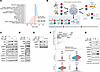 Figure 3
Regulation of β cell mTORC1 by glucosamine. Phosphoproteomics in MIN6 cells treated with glucosamine (GlcN) with or without the OGT inhibitor (OGTi) ST 045849. MIN6 cells were serum starved for 2 hours and stimulated for 30 minutes with GlcN (1 mM) ± OGTi (10 μM). In the OGTi group, cells were pretreated with OGTi for 2 hours. (A) Pathway enrichment analysis is shown, with bars representing processes that have significant phosphorylation changes (n = 3 per group). Data were analyzed by Student’s t test. Blue bars denote pathways where phosphorylation is increased by GlcN and reverted by OGTi; red bars denote the opposite pattern. (B) Schematic model of the mTORC1 signaling hub summarizing key GlcN-induced phosphorylation events (red arrows) and their reversal by OGTi (green arrows). (C and D) Western blot analysis of the mTORC1 and AMPK activity in MIN6 cells (C) and mouse islets (D). Following a 2-hour starvation, cells and islets were stimulated for 30 minutes with glucose (Glc) or GlcN. One group included azaserine throughout. Blots show phosphorylated and total S6, 4EBP1, ULK1, and AMPK (C, n = 3–7 per group; D, n = 2, 200 islets per treatment were pooled from 3 mice). (E) mTORC1 activity in MIN6 cells, incubated in starvation medium for 2 hours, followed by treatment with Glc (5 mM) or GlcN (0.5 mM), ± OGTi (10 mM) (n = 3 per group). (F) snRNA-seq on cells from islets chronically treated with GlcN. MA plot and violin plots showing GlcN’s effects on the expression of mTOR-regulating genes (n = 3 per group). DEGs, differentially expressed genes. Data were analyzed by the Wilcoxon rank-sum test. ***P < 0.001. (G) MIN6 cells were incubated at LG with or without GlcN or HG for 72 hours followed by a 1-hour incubation at 2 or 20 mM glucose. Western blotting for phosphorylated and total S6, 4EBP1, ULK1, and AMPK was conducted (n = 3 per group).
To evaluate potential changes in the transcriptome of β cells, we profiled dispersed islets at single-nucleus resolution (snRNA-seq). This approach enabled us to specifically analyze β cells following chronic glucosamine treatment, identifying transcriptional changes that may contribute to sustained activation of mTORC1. Of note, glucosamine increased the expression of mTOR, as well as genes involved in growth factor signaling, e.g., Igf1r (42), Pikfye (38), Fnip1 (folliculin-interacting peptide) (43, 44), and Lars1 (leucyl-tRNA synthetase 1, LARS1), which regulates nutrient sensing via the RAG protein complex (45) (Figure 3F). Western blot analysis confirmed that chronic treatment with glucosamine stimulated mTORC1, evident by increased S6 and 4EBP1 phosphorylation and protein levels (Figure 3G and Supplemental Figure 2C). Phosphorylation of 4E-BP1 causes its release from eIF4E to allow cap-dependent translation. We hypothesized that sustained phosphorylation of 4EBP1 requires an adaptive increase in 4EBP1 level to allow adequate regulation of protein synthesis under conditions of increased demand. We tested this hypothesis by incubating MIN6 cells with glucosamine with and without low-dose (10 nM) rapamycin for 48 hours. Treatment with rapamycin markedly decreased 4EBP1 levels, indicating that both 4EBP1 synthesis and phosphorylation are regulated by mTORC1 (Supplemental Figure 3B). Treatment with HG or glucosamine promoted mTORC1 localization to the lysosome, as evidenced by the increased colocalization of mTORC1 with LAMP2 (Supplemental Figure 3C), further suggesting mTORC1 activation.
Similarly, Western blotting in HK2 cells (human KPTC line) and in primary KPTCs and immunostaining showed that both HG and glucosamine stimulated mTORC1 in an OGT-dependent manner, whereas azaserine did not affect the glucose stimulation of mTORC1 (Figure 4, A–E). The OGA inhibitor TMG increased mTORC1 activity under LG, indicating that induction of O-linked GlcNAcylation is sufficient to activate mTORC1 (Figure 4F). We found that inhibiting hexokinase with 2-DG prevented glucosamine metabolism in the hexosamine pathway (Figure 2B). Consistently, 2-DG abrogated the stimulation of mTORC1 by glucosamine (Figure 4G). Collectively, we show that glucosamine induces sustained activation of mTORC1 in an OGT-dependent manner. The glucosamine regulation of mTORC1 is probably mediated through multiple effects on protein posttranslational modifications and gene expression.
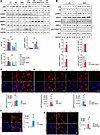 Figure 4
Regulation of mTORC1 by glucosamine in KPTCs. (A and B) mTORC1 activity in HK2 cells (A) and in primary KPTCs (B). Cells were starved for 2 hours, and then incubated at LG or HG, with or without glucosamine (GlcN), the OGA inhibitor (OGAi) TMG (15 μmol/L), OGTi (10 μM), or the GFAT inhibitor azaserine (5 μM) for 30 minutes (n = 2–3 per group). (C–G) Representative immunofluorescence images showing phosphorylated S6 (p-S6) in KPTCs after 48 hours of culture. KPTCs were incubated at LG or HG, with or without GlcN (5 mM), OGTi (10 μM), OGAi (15 μM), or 2-deoxyglucose (2-DG) (n = 3–6 per group). Images were acquired at ×60 magnification. *P < 0.05; **P < 0.01 by Student’s t test (B and F) or 1-way ANOVA (A, C, and G). Scale bars: 10 μm.
The glucosamine/mTORC1 pathway regulates glucose metabolism and mitochondrial function in KPTCs. Incubation of KPTCs in medium containing a high glucosamine concentration (5 mM) effectively stimulated mTORC1 (Figure 4, C, E, and G). Under these conditions, glycolysis and glucose oxidation downstream of phosphofructokinase (PFK) were inhibited, evident by decreased fructose 1,6-biphosphate (F1,6-BP), DHAP/glyceraldehyde-3-phosphate (G3P), phosphoenolpyruvate (PEP), and lactate, and of TCA cycle metabolites (Supplemental Figure 4, A and B), as was previously shown (46). Seahorse experiments further showed that lactate production (extracellular acidification rate) decreased, along with impaired basal and ATP-linked respiration (Supplemental Figure 4, C and D). These findings indicate that glucosamine stimulates mTORC1 even under conditions where glycolysis and glucose oxidation are inhibited.
In contrast, chronic exposure of KPTCs to HG or low-dose glucosamine (HG equivalent) increased glycolysis and basal and ATP-linked respiration, without affecting proton leak (Figure 5, A and B). Rapamycin prevented glucosamine stimulation of glycolysis and inhibited mitochondrial activity (Figure 5B). Metabolomics after 13C6-glucose labeling showed that exposure to HG increased the levels of labeled glucose and downstream glycolytic metabolites, including G6P, F6P, DHAP/G3P, and PEP, whereas the levels of pyruvate and lactate were unchanged, and certain TCA cycle intermediates (α-ketoglutarate and succinate) were reduced (Figure 5, C and D), suggesting dysregulation of glycolysis and glucose oxidation. Rapamycin markedly decreased G6P, F6P, pyruvate, and lactate, as well as glucose-derived acetyl CoA and malate, indicating inhibition of glycolysis and of glucose oxidation. Consistently, the levels of all glucose-derived AAs (serine, glycine, asparagine, aspartate, glutamate, and proline) were reduced (Supplemental Figure 5A). Treatment with rapamycin increased the levels of free fatty acids (FFAs) and glycerol, suggesting breakdown of triacylglycerols, along with increased availability of FFAs for energy production (Supplemental Figure 5B). Strikingly, treatment with rapamycin decreased NAD+ levels along with an increased NADH/NAD+ ratio (Figure 5E). A decreased NAD+ pool inhibits metabolic pathways, including glycolysis and the TCA cycle, resulting in decreased metabolic activity. Collectively, our findings suggest that inhibition of mTORC1 in KPTCs induces a protective metabolic reprogramming to manage the increased workload imposed by hyperglycemia. This adaptive shift is characterized by an inhibition of glycolysis and glucose oxidation, an enhanced reliance on fatty acid metabolism, and an overall reduction in mitochondrial work.
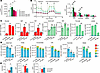 Figure 5
Regulation of glucose metabolism and mitochondrial function in KPTCs via the glucosamine/mTORC1 pathway. (A and B) Extracellular acidification rate (ECAR) (A) and oxygen consumption rate (OCR) (B) in KPTCs, measured using the Seahorse XF system. Primary KPTCs were cultured for 48 hours under the following conditions: LG, LG with glucosamine (GlcN, 250 or 500 μM), with or without rapamycin (rapa, 5 nM). OCR was measured at baseline, following 1.5 μM oligomycin, 1 μM FCCP, and 0.5 μM antimycin/rotenone treatment (n = 5 per group). (C and D) Relative abundance of 13C-labeled glucose and glycolytic intermediates (C) and tricarboxylic acid (TCA) cycle metabolites (D) in KPTCs. Primary KPTCs were cultured for 48 hours at LG, HG, or HG with rapamycin (rapa, 10 nM) (n = 4 per group). (E) NADH/NAD+ ratio, NAD+ levels (middle), and NADH levels (right) in KPTCs. Throughout the figure, data were analyzed by 1-way ANOVA. *P < 0.05; **P < 0.01.
Glucosamine regulation of mTORC1, insulin secretion, and mitochondrial activity in β cells. We further studied the link between the HBP, mTORC1 activation, and overall metabolic function in human islets that were incubated at LG or HG for 48 hours followed by metabolic labeling with ¹³C-glucose. Metabolomics analysis showed that the abundance of 13C-labeled glycolysis and TCA cycle metabolites increased (Supplemental Figure 6). The levels of 13C6-glucosamine and its downstream product, UDP-GlcNAc, were also increased (Figure 1L). Collectively, these findings indicate that chronic exposure to HG enhances glycolysis, glucose oxidation, and flux through the hexosamine pathway.
Next, we studied the effects of glucosamine on insulin secretion. Acute exposure to glucosamine did not affect glucose-stimulated insulin secretion (Figure 6A). On the contrary, chronic islet incubation under HG with glucosamine markedly increased basal and glucose-stimulated insulin secretion (Figure 6B). Strikingly, treatment with rapamycin markedly reduced the amplification of insulin secretion by glucosamine (Figure 6B), indicating that this amplification is mTORC1 dependent.
 Figure 6
Glucosamine regulation of mTORC1, insulin secretion, and mitochondrial activity in β cells. (A and B) Mouse islets were incubated with LG or HG (3.3 mM or 16.7 mM glucose [Glc], respectively) with or without glucosamine (GlcN, 1 mM) and rapamycin (rapa, 10 nM) for 1 hour (A) and 48 hours (B). Insulin content and the fold change in insulin secretion normalized to islet insulin content are shown (5–9 biological replicates per group in 2 independent experiments). Data were analyzed by 1-way (A) and 2-way ANOVA (B). (C) Oxygen consumption rate (OCR) in dispersed mouse islets, measured using the Seahorse XF system. Islets were cultured for 48 hours under the following conditions: LG, HG with GlcN (1 mM), with or without rapa (10 nM) (n = 2, 5 biological replicates per group). Data were analyzed by 2-way ANOVA. *P < 0.05; ***P < 0.001.
We further studied the effect of glucosamine on mitochondrial function. Seahorse experiments showed that islets incubated at HG with glucosamine tended to increase basal oxygen consumption rate and ATP-linked respiration (not significant), along with increased proton leak and decreased mitochondrial spare capacity (Figure 6C). Treatment with OGTi, but not with rapamycin, attenuated these changes. Collectively, these findings show that in islets exposed to HG, glucosamine augments mitochondrial respiration in an OGT-dependent manner, along with development of mitochondrial dysfunction, evident by increased proton leak. Rapamycin inhibited the amplification of insulin secretion by glucosamine without affecting mitochondrial respiration, suggesting that mTORC1 modulates insulin secretion downstream of mitochondrial respiration/ATP generation.
Effects of prolonged exposure to glucosamine on cellular stress and dysfunction. Hyperglycemia and glucosamine enhanced insulin secretion, mitochondrial respiration, and glucose metabolism, indicating increased β cell workload, which could eventually lead to cellular stress and dysfunction. Consistently, treatment with glucosamine increased mitochondrial ROS generation in MIN6 cells (Figure 7A), along with increased expression of Txnip, a central mediator of oxidative stress and inflammation in islets (47), as well as the proinflammatory genes Ccl2 and Il6 (Figure 7B).
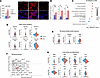 Figure 7
Effects of prolonged exposure to glucosamine on cellular stress and dysfunction. (A) MIN6 cells were treated with or without 1 mM glucosamine (GlcN) and MitoTEMPO, a specific scavenger of mitochondrial superoxide, for 24 hours. Cells were then stained with DAPI and MitoTracker Red CMXRos to assess mitochondrial membrane potential. Quantification of MitoTracker Red CMXRos fluorescence intensity and representative immunofluorescence images are shown (n = 3 per group). Data were analyzed by 1-way ANOVA. Original magnification, ×60. Scale bar: 20 μm. (B) Quantitative RT-PCR analysis of pro-oxidant (Txnip) and proinflammatory (Ccl2, Il6) gene expression in MIN6 cells following treatment with 1 mM GlcN for 24 hours (n = 3–9 per group). Data were analyzed by 1-sample Student’s t test. (C) Gene Ontology (GO) enrichment analysis of differentially expressed genes via hypergeometric testing. Dot size is proportional to the number of genes in each category, and color indicates net upregulation (orange) or downregulation (blue) of the pathway. (D, E, and G) Violin plots comparing control islets (blue) and GlcN-treated islets (orange) for gene expression associated with (D) cAMP and calcium signaling, (E) ER stress, and (G) β cell identity and function. (F) MA plot showing GlcN’s effect on the expression of genes encoding ribosomal subunits (n = 3 per group). Data were analyzed by the Wilcoxon rank-sum test.
Next, we employed analyses of the transcriptome (snRNA-seq) of β cells to clarify the mechanisms underlying the glucosamine effects. Gene expression analysis showed that treatment with glucosamine enriched the expression of genes associated with calcium and cAMP signaling, cytoskeleton organization, ER stress, and β cell function and differentiation (Figure 7C). Treatment with glucosamine increased the expression of Ppp3ca and Ppp3cb, which encode the catalytic subunits (α and β, respectively) of calcineurin, a Ca2+/calmodulin-dependent serine/threonine phosphatase that is essential for Ca2+-dependent signal transduction (48) (Figure 7D and Supplemental Figure 7A). The expression of Ca2+/calmodulin-activated kinase 1d (Camk1d) was also upregulated. Both calcineurin- and Ca2+/calmodulin-activated kinases are central regulators of insulin secretion, ER calcium homeostasis, and cellular stress adaptation, and play a role in diabetes pathophysiology (49). In contrast, the expression of Ca2+/calmodulin-dependent protein kinase II inhibitor 1 (CamK2n1) that acts as an endogenous inhibitor of CaMKII and of protein phosphatase 1 regulatory subunit 1A (Ppp1r1a) was downregulated. PPP1R1A acts as a cAMP/PKA-responsive inhibitor of protein phosphatase 1 (PP1), and its expression in β cells is required for optimal glucose-stimulated insulin secretion, biosynthesis, and for maintenance of β cell identity (50, 51).
Overall, the expression of central genes regulating calcium fluxes and signaling were altered, probably leading to β cell dysfunction, ER stress, and dedifferentiation. Consistently, the expression of key genes involved in the ER stress response/unfolded protein response (UPR), including Hspa5 (BIP), Ern1 (Ire1a), and Atf6, was increased (Figure 7E and Supplemental Figure 7B); this was accompanied by decreased expression of multiple ribosome subunits, probably as an adaptive response to ER stress (Figure 7F). In addition, genes involved in mitochondria function, redox state (Supplemental Figure 7C), and cytoskeleton remodeling (Supplemental Figure 7D) were upregulated. Strikingly, key genes regulating β cell function and differentiation, including Pdx1, Nkx6.1, Mafa, Glp1r, and Ins1/2, were downregulated (Figure 7G and Supplemental Figure 7E).
In summary, prolonged exposure to glucosamine stimulates mTORC1, along with dysregulation of mitochondrial function and the expression of key genes regulating calcium homeostasis, resulting in oxidative stress, ER stress, and β cell dysfunction, possibly via dedifferentiation.
Effects of inhibiting β cell mTORC1 activity in diabetes. We have previously shown that inhibiting mTORC1 by heterozygous KO of Raptor in KPTCs prevents kidney fibrosis in the Akita model of DKD, in which kidney dysfunction develops due to prolonged exposure to hyperglycemia (12). Here, we further studied the role of mTORC1 in mediating β cell dysfunction in this ER stress–induced neonatal diabetes model. mTORC1 plays a role in disease pathophysiology; it is inhibited during the neonatal period, thereby preventing β cell expansion in early life, followed by reactivation during adulthood in parallel with the development of hyperglycemia (15). We generated heterozygous β cell Raptor-KO (βRaptor+/–) Akita mice and confirmed successful recombination (Figure 8A); we then assessed the effects on diabetes and β cell function (Figure 8, B–F). Fasting blood glucose levels were lower in βRaptor+/– Akita mice when compared with their βRaptor+/+ littermates (Figure 8B). Intraperitoneal glucose tolerance test (IPGTT) showed that glucose tolerance was improved (Figure 8C), along with a tendency to increased islet insulin content (P = 0.1) (Figure 8D). Inhibition of mTORC1 increased the protein level of PDX-1 (Figure 8E), which plays an important role in the regulation of insulin synthesis in adult β cells. The expression of the ER stress marker BIP was decreased (Figure 8F). Collectively, these findings suggest that inhibiting mTORC1 improved diabetes and β cell function by reducing ER stress.
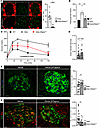 Figure 8
mTORC1 inhibition in Akita β cells improves diabetes and β cell function. Akita; MIP-CreER;Raptor+/fl mice were injected with tamoxifen to generate conditional heterozygous Raptor KO in β cells. (A) mTORC1 activity in β cells. Pancreatic sections from Akita mice and Akita; βRaptor+/− mice immunostained for p-S6 and insulin; quantification of p-S6+ β cells is shown (n = 1–2 mice; 189–439 cells analyzed per group). Each dot represents the percentage of positive cells. Data were analyzed by Student’s t test. (B–F) Effects on glucose tolerance and insulin production were assessed 14 days after tamoxifen injection. (B) Fasting blood glucose levels in WT, Akita, and Akita; βRaptor+/− mice (n = 5 per group). Data were analyzed by 1-way ANOVA. (C) IPGTT (n = 3–4 mice per group). Data were analyzed by 2-way ANOVA. (D) Insulin intensity per islet. (E) Percentage of PDX-1+ β cells, and (F) BIP intensity per islet area in sections from Akita and Akita; βRaptor+/− mice. D–F, n = 3–4 per group. Data were analyzed by Student’s t test. Pancreatic sections were immunostained for insulin and PDX-1 (743–1755 β cells counted) or BIP (330–677 β cells counted). *P < 0.05; **P < 0.01; ***P < 0.001.
The SGLT2i dapagliflozin effectively inhibited the glucosamine/mTORC1 pathway, evident by decreased glucosamine levels, along with inhibition of mTORC1. As previously shown (15), treatment with dapagliflozin decreased mTORC1 activity in Akita β cells (Supplemental Figure 8A). We treated Akita mice with dapagliflozin for 2–6 weeks, followed by washout leading to complete elimination of the drug (confirmed by LCMS) (Supplemental Figure 8B); glucose tolerance was improved (Figure 9A). Plasma insulin levels were increased in Akita mice treated with dapagliflozin compared with Akita controls (Figure 9B). β Cell area was decreased in Akita mice and was not affected by treatment with dapagliflozin (Supplemental Figure 8C). In Akita mice, pancreatic insulin content was decreased by approximately 90%, whereas treatment with dapagliflozin induced 2- and 3-fold increases in insulin and proinsulin content, respectively, indicating partial restoration of insulin production (Figure 9, C–E). Treatment with dapagliflozin did not affect the proinsulin/insulin ratio (Supplemental Figure 8D), suggesting that it mainly affected (pro)insulin synthesis without affecting the efficiency of proinsulin processing. PDX-1 and NKX6.1 protein levels were slightly decreased in Akita β cells, whereas treatment with dapagliflozin restored the expression of these transcription factors, which are required for adult β cell function (Supplemental Figure 8, E and F). Treatment with dapagliflozin decreased the expression of the ER stress marker BIP, along with increased pancreatic (pro)insulin content (Figure 9, C–F), indicating that dapagliflozin enhanced insulin production by alleviating ER stress.
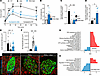 Figure 9
Dapagliflozin improves diabetes and β cell function, along with decreased ER stress and β cell inflammatory signature in Akita mice. Six-week-old Akita mice were treated with or without dapagliflozin (10 mg/kg/day in drinking water) for 6 weeks and compared to WT mice. (A) IPGTT (1.3 g/kg) (n = 3–6 mice per group). Data were analyzed by 1-way ANOVA. (B) Fed plasma insulin normalized to glucose (n = 8–10). Data were analyzed by Student’s t test. (C and D) Pancreatic insulin and proinsulin content measured by ELISA (n = 3–8). Data were analyzed by 1-way ANOVA. (E and F) Pancreatic sections stained for insulin and BIP. Quantification of insulin and BIP signal intensity per islet area is shown (n = 2–3 mice per group, 10 islets quantified per group). Data were analyzed by 2-way ANOVA. (G and H) Comparative transcriptome analysis based on RNA-seq data of islets from Akita mice treated with and without dapagliflozin and WT controls. (G) Akita compared to WT islets. (H) Akita mice treated with dapagliflozin compared to Akita controls. Differentially regulated pathways are shown (n = 3 per group, each repeat includes a pool of islets from 2–3 mice).
We performed bulk RNA-seq on Akita islets treated with and without dapagliflozin for 2 weeks and compared gene expression to WT islets. GSEA showed that genes involved in metabolism (oxidative phosphorylation/aerobic respiration/ATP synthesis–coupled electron transport), ER stress, DNA damage repair, apoptosis, inflammation, and mTORC1 signaling were enriched in Akita compared with WT islets, whereas genes associated with autophagy were downregulated (Figure 9G). Treatment with dapagliflozin enriched the expression of genes regulating exocytosis and actin filament network organization, whereas genes involved in metabolism (oxidative phosphorylation/aerobic respiration) and translation, along with DNA damage response, inflammation, and senescence were downregulated (Figure 9H). The expression of several genes involved in the ER stress response, including Sec61b, which is involved in ER protein translocation, Cops5, a positive regulator of E3 ubiquitin ligases that are involved in the degradation of cyclin inhibitor kinase CDKN1B/p27Kip1, Ufc1, Ude2J2, Ube2k (ubiquitination), and Psmc6 (proteasome function) were increased in Akita islets and decreased in response to treatment with dapagliflozin (Supplemental Figure 8G). In addition, the protein disulfide isomerase Erp44 that promotes protein folding in the ER, Ptpn2, a phosphatase that regulates cell growth, proliferation, and differentiation, and Xbp1 that plays a role in the regulation of the UPR and of the immune system were upregulated in Akita islets and decreased with dapagliflozin treatment (Supplemental Figure 8G). Interestingly, the expression of several genes that were not affected by diabetes in Akita mice were increased by dapagliflozin, e.g. Edem3, which regulates the degradation of misfolded glycoproteins in the ER, and the phospholipases Pla2g6 and Bhlha15, which are involved in several processes, including cellular response to glucose starvation and UPR (Supplemental Figure 8G).
The expression of proinflammatory genes, including Tnfa and Il6 and the chemokines Cxcl1 and Ccl2, were increased in Akita islets and decreased with dapagliflozin treatment (Supplemental Figure 8H). Key regulators of the cell cycle, including Cdkn1a (p21, a cyclin-dependent kinase inhibitor involved in senescence), as well as Cdkn1b and Ccna2 were increased in Akita and decreased with dapagliflozin treatment (Supplemental Figure 8I). Several genes involved in calcium signaling and secretory granule trafficking and fusion were downregulated in Akita islets and rescued by dapagliflozin treatment (Supplemental Figure 8J). In summary, treatment with an SGLT2i induces sustained improvement of diabetes and β cell function, along with modulation of the ER stress response, despite persistent proinsulin misfolding. Improved β cell function is explained by recovery of proinsulin synthesis and increased expression of genes regulating exocytosis, along with downregulation of the proinflammatory genes.
The genetic pathways that were altered in diabetic Akita β cells partially mimicked those induced by glucosamine. This aligns with our finding that intracellular glucosamine levels were elevated in Akita islets and normalized with dapagliflozin treatment (Figure 1A). Consistently, the beneficial effects of dapagliflozin resembled those observed by genetic inhibition of mTORC1 in diabetic β cells. Therefore, we suggest that the glucosamine/mTORC1 pathway contributes to glucotoxicity in diabetes. SGLT2is may exert their beneficial effects in different organs through inhibition of the glucosamine/mTORC1 pathway.


