
Research ArticleInflammationNephrologyPulmonology
Open Access |  10.1172/jci.insight.191979
HMGB1-mediated formation of IL-33–abundant NETs drives lung-to-kidney injury in severe pneumonia–associated acute kidney injury
Mengqing Ma,1,2,3 Hao Zhang,1 Weijuan Deng,3,4 Xia Du,3 Mengxing Chen,1 Dawei Chen,1 Binbin Pan,1 Zhaowei Wang,3 Ting Chen,3 Caimei Chen,5 Xin Wan,1 and Changchun Cao1,3
1Department of Nephrology, Nanjing First Hospital, Nanjing Medical University, Nanjing, Jiangsu, China.
²Department of Nephrology, Nanjing First Hospital, Nanjing University of Chinese Medicine, Nanjing, Jiangsu, China.
³Department of Nephrology, Sir Run Run Hospital, Nanjing Medical University, Nanjing, Jiangsu, China.
4Department of Nephrology, Jiujiang No. 1 People’s Hospital, Jiujiang, Jiangxi, China.
5Department of Nephrology, Wuxi People’s Hospital Affiliated with Nanjing Medical University, Wuxi, Jiangsu, China.
Address correspondence to: Changchun Cao, Department of Nephrology, Nanjing First Hospital, Nanjing Medical University, 68 Changle Road, Nanjing 210006, Jiangsu, China; Department of Nephrology, Sir Run Run Hospital, Nanjing Medical University, 109 Longmian Avenue, Nanjing 211166, Jiangsu, China. Phone: 86.18951670288; Email: caochangchun@njmu.edu.cn. Xin Wan, Department of Nephrology, Nanjing First Hospital, Nanjing Medical University, 68 Changle Road, Nanjing 210006, Jiangsu, China. Phone: 86.18951670991; Email: wanxin@njmu.edu.cn.
Authorship note: MM and HZ contributed equally to this work and are co–first authors.
Find articles by Ma, M. in: PubMed | Google Scholar
1Department of Nephrology, Nanjing First Hospital, Nanjing Medical University, Nanjing, Jiangsu, China.
²Department of Nephrology, Nanjing First Hospital, Nanjing University of Chinese Medicine, Nanjing, Jiangsu, China.
³Department of Nephrology, Sir Run Run Hospital, Nanjing Medical University, Nanjing, Jiangsu, China.
4Department of Nephrology, Jiujiang No. 1 People’s Hospital, Jiujiang, Jiangxi, China.
5Department of Nephrology, Wuxi People’s Hospital Affiliated with Nanjing Medical University, Wuxi, Jiangsu, China.
Address correspondence to: Changchun Cao, Department of Nephrology, Nanjing First Hospital, Nanjing Medical University, 68 Changle Road, Nanjing 210006, Jiangsu, China; Department of Nephrology, Sir Run Run Hospital, Nanjing Medical University, 109 Longmian Avenue, Nanjing 211166, Jiangsu, China. Phone: 86.18951670288; Email: caochangchun@njmu.edu.cn. Xin Wan, Department of Nephrology, Nanjing First Hospital, Nanjing Medical University, 68 Changle Road, Nanjing 210006, Jiangsu, China. Phone: 86.18951670991; Email: wanxin@njmu.edu.cn.
Authorship note: MM and HZ contributed equally to this work and are co–first authors.
Find articles by Zhang, H. in: PubMed | Google Scholar
1Department of Nephrology, Nanjing First Hospital, Nanjing Medical University, Nanjing, Jiangsu, China.
²Department of Nephrology, Nanjing First Hospital, Nanjing University of Chinese Medicine, Nanjing, Jiangsu, China.
³Department of Nephrology, Sir Run Run Hospital, Nanjing Medical University, Nanjing, Jiangsu, China.
4Department of Nephrology, Jiujiang No. 1 People’s Hospital, Jiujiang, Jiangxi, China.
5Department of Nephrology, Wuxi People’s Hospital Affiliated with Nanjing Medical University, Wuxi, Jiangsu, China.
Address correspondence to: Changchun Cao, Department of Nephrology, Nanjing First Hospital, Nanjing Medical University, 68 Changle Road, Nanjing 210006, Jiangsu, China; Department of Nephrology, Sir Run Run Hospital, Nanjing Medical University, 109 Longmian Avenue, Nanjing 211166, Jiangsu, China. Phone: 86.18951670288; Email: caochangchun@njmu.edu.cn. Xin Wan, Department of Nephrology, Nanjing First Hospital, Nanjing Medical University, 68 Changle Road, Nanjing 210006, Jiangsu, China. Phone: 86.18951670991; Email: wanxin@njmu.edu.cn.
Authorship note: MM and HZ contributed equally to this work and are co–first authors.
Find articles by Deng, W. in: PubMed | Google Scholar
1Department of Nephrology, Nanjing First Hospital, Nanjing Medical University, Nanjing, Jiangsu, China.
²Department of Nephrology, Nanjing First Hospital, Nanjing University of Chinese Medicine, Nanjing, Jiangsu, China.
³Department of Nephrology, Sir Run Run Hospital, Nanjing Medical University, Nanjing, Jiangsu, China.
4Department of Nephrology, Jiujiang No. 1 People’s Hospital, Jiujiang, Jiangxi, China.
5Department of Nephrology, Wuxi People’s Hospital Affiliated with Nanjing Medical University, Wuxi, Jiangsu, China.
Address correspondence to: Changchun Cao, Department of Nephrology, Nanjing First Hospital, Nanjing Medical University, 68 Changle Road, Nanjing 210006, Jiangsu, China; Department of Nephrology, Sir Run Run Hospital, Nanjing Medical University, 109 Longmian Avenue, Nanjing 211166, Jiangsu, China. Phone: 86.18951670288; Email: caochangchun@njmu.edu.cn. Xin Wan, Department of Nephrology, Nanjing First Hospital, Nanjing Medical University, 68 Changle Road, Nanjing 210006, Jiangsu, China. Phone: 86.18951670991; Email: wanxin@njmu.edu.cn.
Authorship note: MM and HZ contributed equally to this work and are co–first authors.
Find articles by Du, X. in: PubMed | Google Scholar
1Department of Nephrology, Nanjing First Hospital, Nanjing Medical University, Nanjing, Jiangsu, China.
²Department of Nephrology, Nanjing First Hospital, Nanjing University of Chinese Medicine, Nanjing, Jiangsu, China.
³Department of Nephrology, Sir Run Run Hospital, Nanjing Medical University, Nanjing, Jiangsu, China.
4Department of Nephrology, Jiujiang No. 1 People’s Hospital, Jiujiang, Jiangxi, China.
5Department of Nephrology, Wuxi People’s Hospital Affiliated with Nanjing Medical University, Wuxi, Jiangsu, China.
Address correspondence to: Changchun Cao, Department of Nephrology, Nanjing First Hospital, Nanjing Medical University, 68 Changle Road, Nanjing 210006, Jiangsu, China; Department of Nephrology, Sir Run Run Hospital, Nanjing Medical University, 109 Longmian Avenue, Nanjing 211166, Jiangsu, China. Phone: 86.18951670288; Email: caochangchun@njmu.edu.cn. Xin Wan, Department of Nephrology, Nanjing First Hospital, Nanjing Medical University, 68 Changle Road, Nanjing 210006, Jiangsu, China. Phone: 86.18951670991; Email: wanxin@njmu.edu.cn.
Authorship note: MM and HZ contributed equally to this work and are co–first authors.
Find articles by Chen, M. in: PubMed | Google Scholar
1Department of Nephrology, Nanjing First Hospital, Nanjing Medical University, Nanjing, Jiangsu, China.
²Department of Nephrology, Nanjing First Hospital, Nanjing University of Chinese Medicine, Nanjing, Jiangsu, China.
³Department of Nephrology, Sir Run Run Hospital, Nanjing Medical University, Nanjing, Jiangsu, China.
4Department of Nephrology, Jiujiang No. 1 People’s Hospital, Jiujiang, Jiangxi, China.
5Department of Nephrology, Wuxi People’s Hospital Affiliated with Nanjing Medical University, Wuxi, Jiangsu, China.
Address correspondence to: Changchun Cao, Department of Nephrology, Nanjing First Hospital, Nanjing Medical University, 68 Changle Road, Nanjing 210006, Jiangsu, China; Department of Nephrology, Sir Run Run Hospital, Nanjing Medical University, 109 Longmian Avenue, Nanjing 211166, Jiangsu, China. Phone: 86.18951670288; Email: caochangchun@njmu.edu.cn. Xin Wan, Department of Nephrology, Nanjing First Hospital, Nanjing Medical University, 68 Changle Road, Nanjing 210006, Jiangsu, China. Phone: 86.18951670991; Email: wanxin@njmu.edu.cn.
Authorship note: MM and HZ contributed equally to this work and are co–first authors.
Find articles by Chen, D. in: PubMed | Google Scholar
1Department of Nephrology, Nanjing First Hospital, Nanjing Medical University, Nanjing, Jiangsu, China.
²Department of Nephrology, Nanjing First Hospital, Nanjing University of Chinese Medicine, Nanjing, Jiangsu, China.
³Department of Nephrology, Sir Run Run Hospital, Nanjing Medical University, Nanjing, Jiangsu, China.
4Department of Nephrology, Jiujiang No. 1 People’s Hospital, Jiujiang, Jiangxi, China.
5Department of Nephrology, Wuxi People’s Hospital Affiliated with Nanjing Medical University, Wuxi, Jiangsu, China.
Address correspondence to: Changchun Cao, Department of Nephrology, Nanjing First Hospital, Nanjing Medical University, 68 Changle Road, Nanjing 210006, Jiangsu, China; Department of Nephrology, Sir Run Run Hospital, Nanjing Medical University, 109 Longmian Avenue, Nanjing 211166, Jiangsu, China. Phone: 86.18951670288; Email: caochangchun@njmu.edu.cn. Xin Wan, Department of Nephrology, Nanjing First Hospital, Nanjing Medical University, 68 Changle Road, Nanjing 210006, Jiangsu, China. Phone: 86.18951670991; Email: wanxin@njmu.edu.cn.
Authorship note: MM and HZ contributed equally to this work and are co–first authors.
Find articles by Pan, B. in: PubMed | Google Scholar
1Department of Nephrology, Nanjing First Hospital, Nanjing Medical University, Nanjing, Jiangsu, China.
²Department of Nephrology, Nanjing First Hospital, Nanjing University of Chinese Medicine, Nanjing, Jiangsu, China.
³Department of Nephrology, Sir Run Run Hospital, Nanjing Medical University, Nanjing, Jiangsu, China.
4Department of Nephrology, Jiujiang No. 1 People’s Hospital, Jiujiang, Jiangxi, China.
5Department of Nephrology, Wuxi People’s Hospital Affiliated with Nanjing Medical University, Wuxi, Jiangsu, China.
Address correspondence to: Changchun Cao, Department of Nephrology, Nanjing First Hospital, Nanjing Medical University, 68 Changle Road, Nanjing 210006, Jiangsu, China; Department of Nephrology, Sir Run Run Hospital, Nanjing Medical University, 109 Longmian Avenue, Nanjing 211166, Jiangsu, China. Phone: 86.18951670288; Email: caochangchun@njmu.edu.cn. Xin Wan, Department of Nephrology, Nanjing First Hospital, Nanjing Medical University, 68 Changle Road, Nanjing 210006, Jiangsu, China. Phone: 86.18951670991; Email: wanxin@njmu.edu.cn.
Authorship note: MM and HZ contributed equally to this work and are co–first authors.
Find articles by Wang, Z. in: PubMed | Google Scholar
1Department of Nephrology, Nanjing First Hospital, Nanjing Medical University, Nanjing, Jiangsu, China.
²Department of Nephrology, Nanjing First Hospital, Nanjing University of Chinese Medicine, Nanjing, Jiangsu, China.
³Department of Nephrology, Sir Run Run Hospital, Nanjing Medical University, Nanjing, Jiangsu, China.
4Department of Nephrology, Jiujiang No. 1 People’s Hospital, Jiujiang, Jiangxi, China.
5Department of Nephrology, Wuxi People’s Hospital Affiliated with Nanjing Medical University, Wuxi, Jiangsu, China.
Address correspondence to: Changchun Cao, Department of Nephrology, Nanjing First Hospital, Nanjing Medical University, 68 Changle Road, Nanjing 210006, Jiangsu, China; Department of Nephrology, Sir Run Run Hospital, Nanjing Medical University, 109 Longmian Avenue, Nanjing 211166, Jiangsu, China. Phone: 86.18951670288; Email: caochangchun@njmu.edu.cn. Xin Wan, Department of Nephrology, Nanjing First Hospital, Nanjing Medical University, 68 Changle Road, Nanjing 210006, Jiangsu, China. Phone: 86.18951670991; Email: wanxin@njmu.edu.cn.
Authorship note: MM and HZ contributed equally to this work and are co–first authors.
Find articles by Chen, T. in: PubMed | Google Scholar
1Department of Nephrology, Nanjing First Hospital, Nanjing Medical University, Nanjing, Jiangsu, China.
²Department of Nephrology, Nanjing First Hospital, Nanjing University of Chinese Medicine, Nanjing, Jiangsu, China.
³Department of Nephrology, Sir Run Run Hospital, Nanjing Medical University, Nanjing, Jiangsu, China.
4Department of Nephrology, Jiujiang No. 1 People’s Hospital, Jiujiang, Jiangxi, China.
5Department of Nephrology, Wuxi People’s Hospital Affiliated with Nanjing Medical University, Wuxi, Jiangsu, China.
Address correspondence to: Changchun Cao, Department of Nephrology, Nanjing First Hospital, Nanjing Medical University, 68 Changle Road, Nanjing 210006, Jiangsu, China; Department of Nephrology, Sir Run Run Hospital, Nanjing Medical University, 109 Longmian Avenue, Nanjing 211166, Jiangsu, China. Phone: 86.18951670288; Email: caochangchun@njmu.edu.cn. Xin Wan, Department of Nephrology, Nanjing First Hospital, Nanjing Medical University, 68 Changle Road, Nanjing 210006, Jiangsu, China. Phone: 86.18951670991; Email: wanxin@njmu.edu.cn.
Authorship note: MM and HZ contributed equally to this work and are co–first authors.
Find articles by Chen, C. in: PubMed | Google Scholar
1Department of Nephrology, Nanjing First Hospital, Nanjing Medical University, Nanjing, Jiangsu, China.
²Department of Nephrology, Nanjing First Hospital, Nanjing University of Chinese Medicine, Nanjing, Jiangsu, China.
³Department of Nephrology, Sir Run Run Hospital, Nanjing Medical University, Nanjing, Jiangsu, China.
4Department of Nephrology, Jiujiang No. 1 People’s Hospital, Jiujiang, Jiangxi, China.
5Department of Nephrology, Wuxi People’s Hospital Affiliated with Nanjing Medical University, Wuxi, Jiangsu, China.
Address correspondence to: Changchun Cao, Department of Nephrology, Nanjing First Hospital, Nanjing Medical University, 68 Changle Road, Nanjing 210006, Jiangsu, China; Department of Nephrology, Sir Run Run Hospital, Nanjing Medical University, 109 Longmian Avenue, Nanjing 211166, Jiangsu, China. Phone: 86.18951670288; Email: caochangchun@njmu.edu.cn. Xin Wan, Department of Nephrology, Nanjing First Hospital, Nanjing Medical University, 68 Changle Road, Nanjing 210006, Jiangsu, China. Phone: 86.18951670991; Email: wanxin@njmu.edu.cn.
Authorship note: MM and HZ contributed equally to this work and are co–first authors.
Find articles by Wan, X. in: PubMed | Google Scholar
1Department of Nephrology, Nanjing First Hospital, Nanjing Medical University, Nanjing, Jiangsu, China.
²Department of Nephrology, Nanjing First Hospital, Nanjing University of Chinese Medicine, Nanjing, Jiangsu, China.
³Department of Nephrology, Sir Run Run Hospital, Nanjing Medical University, Nanjing, Jiangsu, China.
4Department of Nephrology, Jiujiang No. 1 People’s Hospital, Jiujiang, Jiangxi, China.
5Department of Nephrology, Wuxi People’s Hospital Affiliated with Nanjing Medical University, Wuxi, Jiangsu, China.
Address correspondence to: Changchun Cao, Department of Nephrology, Nanjing First Hospital, Nanjing Medical University, 68 Changle Road, Nanjing 210006, Jiangsu, China; Department of Nephrology, Sir Run Run Hospital, Nanjing Medical University, 109 Longmian Avenue, Nanjing 211166, Jiangsu, China. Phone: 86.18951670288; Email: caochangchun@njmu.edu.cn. Xin Wan, Department of Nephrology, Nanjing First Hospital, Nanjing Medical University, 68 Changle Road, Nanjing 210006, Jiangsu, China. Phone: 86.18951670991; Email: wanxin@njmu.edu.cn.
Authorship note: MM and HZ contributed equally to this work and are co–first authors.
Find articles by Cao, C. in: PubMed | Google Scholar
Published May 22, 2026 - More info
JCI Insight. 2026;11(10):e191979. https://doi.org/10.1172/jci.insight.191979.
© 2026 Ma et al. This work is licensed under the Creative Commons Attribution 4.0 International License. To view a copy of this license, visit http://creativecommons.org/licenses/by/4.0/.
Received: February 4, 2025; Accepted: March 31, 2026


-
Results
Proteomics measurement and bioinformatics analysis conducted in patients with severe pneumonia. To identify molecular pathways associated with SP-AKI, we performed serum proteomic profiling in 10 patients with SP-AKI and 10 matched non-AKI controls. A total of 170 differentially expressed proteins were identified (122 upregulated, 48 downregulated) (Figure 1A). Notably, HMGB1 and HMGB2 ranked among the top 10 upregulated proteins, suggesting their potential involvement in SP-AKI pathogenesis (Figure 1B). Gene Ontology enrichment analysis revealed significant enrichment of immune-related biological processes, extracellular compartment localization, and binding-related molecular functions (Supplemental Figure 1A; supplemental material available online with this article; https://doi.org/10.1172/jci.insight.191979DS1). Kyoto Encyclopedia of Genes and Genomes (KEGG) pathway analysis further highlighted activation of multiple inflammatory and injury-related pathways, including complement and coagulation cascades, mRNA surveillance, and ECM-receptor interactions (Supplemental Figure 1B).
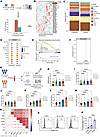 Figure 1
Elevated serum HMGB1, NET, and IL-33 levels are associated with SP-AKI in patients. (A) Schematic of serum proteomic analysis comparing patients with SP–non-AKI (n = 10) and SP-AKI (n = 10), showing upregulated and downregulated serum proteins. (B) Heatmap of differentially expressed proteins between SP–non-AKI and SP-AKI, with hierarchical clustering. Red, upregulated; blue, downregulated. (C) Public single-cell transcriptomic analysis of human lungs with bacterial and viral infections reveals major pulmonary cell populations (GSE268542). (D) Dot plot showing high-mobility group box 1 (HMGB1) expression across lung cell types in uninfected versus infected conditions. (E) Gene set enrichment analysis demonstrating significant enrichment of the neutrophil extracellular trap (NET) formation pathway. Normalized enrichment score (NES) and false discovery rate (FDR) are shown. (F) Violin plot showing IL-33 expression in neutrophils under uninfected and infected conditions. (G) Schematic diagram. Blood samples were collected upon admission from patients with SP-non-AKI (n = 139) and SP-AKI (n = 161), including ELISA measurement of serum HMGB1, IL-33, neutrophil gelatinase-associated lipocalin (NGAL), and NET-DNA complex levels, as well as flow cytometric analysis. (H) Serum concentrations of HMGB1 in patients without AKI and in patients with AKI stages 1–3 (total n = 300). (I–M) Serum levels of IL-33 (I), NGAL (J), citrullinated histone H3–DNA (CitH3-DNA) complexes (K), myeloperoxidase-DNA (MPO-DNA) complexes (L), and neutrophil elastase–DNA (NE-DNA) complexes (M). (N) Correlation matrix showing associations among circulating biomarkers, including IL-33, HMGB1, NGAL, NET-DNA markers, and clinical indices. (O and P) Representative flow cytometry plots and quantitative analysis of IL-33+ neutrophils (CD66b+IL-33+) in peripheral blood from healthy controls, SP–non-AKI patients, and SP-AKI patients (n = 5). Data are presented as mean ± SD. P values were calculated by 1-way ANOVA with post hoc Holm-Šídák test. ****P < 0.0001.
To identify key immune cell populations in disease progression, we analyzed single-cell RNA-seq (scRNA-seq) data from ex vivo–infected lung tissues of patients with COPD (14). Neutrophils emerged as the dominant immune population, with HMGB1 primarily expressed in alveolar epithelial cells (AT1 and AT2) and IL-33 highly enriched in neutrophils; NET-associated pathways were significantly activated (Figure 1, C and D). NET-associated pathways were significantly activated, and IL-33 was highly enriched in neutrophils (Figure 1, E and F). These findings were validated in independent scRNA-seq datasets from chemical-induced lung injury (GSE280922) (15) (Supplemental Figure 2, A–C) and COVID-19 pneumonia (GSE239835) (16) (Supplemental Figure 2, D–F), which consistently demonstrated enrichment of NET-related pathways and IL-33+ neutrophil accumulation (Supplemental Figure 2). Collectively, NET formation and neutrophil-derived IL-33 represent a conserved inflammatory signature across distinct lung injury etiologies.
Elevated serum HMGB1, NET, and IL-33 levels are associated with SP-AKI in patients. A multicenter cohort of 300 patients with severe pneumonia from 3 hospitals was enrolled to validate bioinformatics findings (Supplemental Figure 3 and Supplemental Table 1). The overall incidence of AKI was 53.6%, with 10.3% of patients requiring continuous renal replacement therapy (CRRT) and an in-hospital mortality rate of 14.6%. Compared with non-AKI patients, those with AKI exhibited significantly higher mortality (24.2% vs 3.6%, P < 0.001) and CRRT utilization rates (19.3% vs. 0.0%, P < 0.001). Although AKI incidence was higher in blood culture–positive patients, most AKI cases occurred in culture-negative patients, and blood culture status was not an independent risk factor on multivariable analysis (Supplemental Tables 1 and 2). Serum HMGB1, NET components (citrullinated histone H3–DNA [CitH3-DNA], neutrophil elastase–DNA [NE-DNA], and myeloperoxidase-DNA [MPO-DNA] complexes), IL-33, and neutrophil gelatinase-associated lipocalin (NGAL) were significantly elevated in patients with AKI, increased progressively with AKI severity, and positively correlated with each other and with renal function indices (Figure 1, G–N). Flow cytometry confirmed elevated IL-33 expression in circulating neutrophils from patients with SP-AKI (Figure 1, O and P).
To assess diagnostic performance, data from 1 center were divided into training and internal validation cohorts (70% and 30%, respectively), while patients from 2 additional hospitals constituted an external validation cohort (Supplemental Table 3). ROC analyses showed that NET markers and IL-33 consistently outperformed NGAL in discriminating SP-AKI. In the internal validation cohort, AUCs were 0.987 for IL-33, 0.958 for HMGB1, 0.914 for NE-DNA, 0.864 for MPO-DNA, and 0.822 for CitH3-DNA, versus 0.680 for NGAL. External validation yielded similar results, with NE-DNA achieving the highest AUC (0.974), followed by CitH3-DNA (0.948) and IL-33 (0.908) (Supplemental Figure 4 and Supplemental Tables 3 and 4). Optimal cutoff values derived from quartiles achieved clinically relevant sensitivity and specificity (Supplemental Table 4). Analysis of positive predictive value and negative predictive value across thresholds suggested that intermediate cutoffs were more suitable for identifying high-risk AKI patients, whereas lower or higher cutoffs favored AKI exclusion.
HMGB1 upregulation induces neutrophil recruitment and NET formation in injured lungs. In patients with SP-AKI, serum HMGB1 levels positively correlated with NET markers, suggesting a potential role for HMGB1 in promoting NET formation (Figure 1N). To investigate the underlying mechanism, we established a murine SP-AKI model and focused on pulmonary HMGB1 dynamics. SP-AKI mice exhibited marked lung enlargement, pulmonary congestion, increased alveolar neutrophil infiltration, and thickened alveolar septa (Supplemental Figure 5, A–C). Lung RNA-seq analysis revealed significantly elevated HMGB1 expression accompanied by robust activation of innate immune responses, particularly pathways related to neutrophil chemotaxis, migration, and NET formation (Supplemental Figure 5, D–H). Consistently, HMGB1 expression was markedly upregulated in injured alveolar epithelial cells, as confirmed by immunofluorescence, Western blotting, and quantitative PCR (Figure 2, A, G, and R). This was accompanied by extensive neutrophil accumulation and pronounced NET deposition in lung tissues (Figure 2, A–K). Moreover, HMGB1 and NET components were significantly elevated in bronchoalveolar lavage fluid (BALF) and serum from SP-AKI mice (Figure 2, L–Q). Injured lungs also exhibited activation of NF-κB signaling and increased expression of proinflammatory cytokines, including IL-6, IL-1β, and TNF-α (Supplemental Figure 5, I–Q).
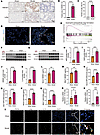 Figure 2
HMGB1 upregulation promotes neutrophil recruitment and IL-33–enriched NET formation in SP-AKI mouse lungs. (A) Representative immunohistochemical staining of HMGB1 and Ly6G in lung sections from sham and SP-AKI model mice. Negative staining controls are shown. Scale bars: 50 μm. (B and C) Quantification of HMGB1+ area and Ly6G+ neutrophils in lung sections from sham and SP-AKI model mice. (D) Representative immunofluorescence images showing Ly6G (green), MPO (pink), and DAPI (blue) staining in lung sections from sham and model mice. Scale bars: 25 μm. (E) Gene set enrichment analysis of RNA-seq data showing enrichment of the NET formation pathway in lung tissues from SP-AKI mice versus sham controls. (F and G) Western blots showing the expression of MPO, CitH3, HMGB1, and IL-33 in lung tissues. (H–K) Semiquantitative analysis of MPO (H), CitH3 (I), HMGB1(J), and IL-33 (K) protein levels. (L–Q) ELISA quantification of HMGB1, MPO-DNA complexes, and CitH3-DNA complexes in serum and BALF from sham and SP-AKI model mice. (R and S) Relative mRNA expression levels of HMGB1 (R) and IL-33 (S) in lung tissues. (T) Representative immunofluorescence images showing PAD4, Ly6G, and IL-33 expression in lung sections from sham and model mice, with merged and enlarged views. Scale bars: 50 μm. Enlarged panels show 5-fold magnification of boxed regions. Data are presented as mean ± SD. n = 5–7 per group. P values were calculated by 2-tailed Student’s t test. *P < 0.05, **P < 0.01, ***P < 0.001, ****P < 0.0001.
NETs serve as systemic carriers of IL-33, preferentially driving renal injury. In injured lung tissues, quantitative PCR analysis revealed a marked upregulation of IL33 expression (Figure 2S). Consistently, immunofluorescence analysis demonstrated strong colocalization of IL-33 with NETs, marked by Ly6G and PAD4, indicating that IL-33 is incorporated into the NET scaffold rather than being passively released (Figure 2T). Given that NETs can disseminate systemically, we hypothesized that IL-33–bearing NETs act as carriers of remote organ injury. Multiplex tissue imaging revealed minimal NET deposition in the heart, liver, and spleen, whereas the kidney exhibited the most pronounced NET accumulation and associated tissue damage, identifying it as the primary target of systemic NET-mediated injury (Figure 3A).
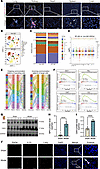 Figure 3
Accumulation of IL-33–enriched NETs in SP-AKI kidneys. (A) Representative confocal images of immunofluorescent staining of Ly6G (green), MPO (pink), IL-33 (red), and DAPI (blue) in the lung, kidney, heart, spleen, and liver from mice with severe pneumonia. Scale bars: 50 μm. The enlarged panels represent 3-fold magnification of the boxed regions. (B) Uniform manifold approximation and projection (UMAP) visualization of public scRNA-seq data showing major kidney cell populations in non-AKI and SP-AKI patients (GSE210622). (C) Relative proportions of major cell types in non-AKI and SP-AKI patient kidneys. (D) Violin plots showing differentially expressed genes (DEGs) across major kidney cell populations between SP-AKI and non-AKI conditions, presented as log2(fold change). (E) Cell-cell communication analysis showing outgoing signaling patterns of secreting cells (left) and incoming signaling patterns of target cells (right) in SP-AKI patient kidneys. (F) Gene set enrichment analysis of the leukocyte transendothelial migration pathway in distal convoluted tubule (DCT), thick ascending limb (TAL), connecting tubule (CNT), and collecting duct (CD). (G) Western blot showing the expression of MPO and CitH3 in SP-AKI mouse kidney. (H and I) Semiquantitative analysis of MPO (H) and CitH3 (I) protein levels. (J) Representative immunofluorescence images showing PAD4, IL-33, and Ly6G expression in SP-AKI mouse kidney sections from sham and model mice, with merged and enlarged views. Scale bars: 50 μm. Enlarged panels show 3-fold magnification of boxed regions. Data are presented as mean ± SD. n = 5 per group. P values were calculated by 2-tailed Student’s t test. ****P < 0.0001.
This renal vulnerability likely reflects its dense vascular network and high filtration capacity, which increase exposure to circulating inflammatory mediators. Consistent with this model, transcriptomic analysis of SP-AKI mouse kidneys showed robust activation of innate immune pathways (Supplemental Figure 6, A–D). scRNA-seq of renal autopsy tissues from patients with severe pneumonia (GSE210622) further revealed peritubular neutrophil accumulation in the kidneys (Figure 3, B–F) (17). Furthermore, NETs were readily detected in SP-AKI mouse kidneys, where IL-33 colocalized with NETs, implicating IL-33–enriched NETs in amplifying renal inflammation (Figure 3, G–J).
IL-33–abundant NETs from the lungs serve as key mediators of kidney damage. To validate the role of IL-33–enriched NETs in lung-kidney crosstalk, we performed in vivo neutrophil depletion using an anti-Ly6G antibody before and after SP-AKI induction. Neutrophil depletion effectively eliminated circulating and tissue-resident neutrophils, reduced IL-33 levels, attenuated lung and kidney injury, and significantly improved survival (Figure 4, A–F), demonstrating that IL-33 within NETs is a critical mediator of renal damage. To further confirm that IL-33–enriched NETs originating from injured lungs drive kidney injury, we isolated neutrophils from lung tissues of WT or IL-33–knockout (IL-33–/–) SP-AKI mice and adoptively transferred them into neutrophil-depleted WT recipients. Transfer of WT SP-AKI neutrophils restored lung and kidney injury, whereas IL-33–/– neutrophils failed to do so. Moreover, transfer of WT SP-AKI neutrophils into otherwise-protected IL-33–/– recipients reestablished significant organ damage (Figure 4, G–N).
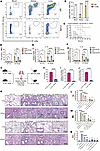 Figure 4
IL-33 from neutrophils is required for NET-driven lung and kidney injury in SP-AKI. (A and B) Representative flow cytometry plots and quantification of Ly6G+CD11b+ neutrophils in blood, kidney, and lung tissues following anti-Ly6G or IgG treatment. (C) Kaplan-Meier survival analysis of WT control mice, SP-AKI model mice, SP-AKI model mice treated with IgG, and SP-AKI model mice treated with anti-Ly6G antibody (250 μg/mouse) administered before (Pre-M) or after (Post-M) model induction. P value was determined by log-rank test. (D) Serum creatinine (Scr) levels in WT control and SP-AKI model mice treated with IgG, anti-Ly6G antibody Pre-M, or anti-Ly6G antibody Post-M. (E and F) Relative mRNA expression levels of IL-33 in lung (E) and kidney (F) tissues from each group. (G) Neutrophil adoptive transfer process in mouse lung tissues. IL-33+/+ mice representing the SP-AKI mouse model. All recipient mice for adoptive transfer underwent neutrophil depletion. (H) Scr levels were higher in IL-33+/+ model mice. (I and J) Relative IL-33 mRNA expression in lung (I) and kidney (J) tissues between IL-33+/+ and IL-33–/– model. (K) Representative H&E-stained sections of lung and kidney tissues from WT and IL-33–/– mice, as well as recipient mice following adoptive transfer of IL-33+/+ or IL-33–/– model neutrophils. Scale bars: 100 μm (lung) and 50 μm (kidney). The enlarged panels show 3-fold magnification of the boxed regions in the lung images and 2-fold magnification in the kidney images. (L and M) Histological injury scores of lung (L) and kidney (M) tissues in the indicated groups. (N) Serum creatinine levels in WT and IL-33–/– mice, as well as recipient mice following adoptive transfer of IL-33+/+ or IL-33–/– model neutrophils. Data are presented as mean ± SD. n = 5 per group. P values were calculated by 2-way ANOVA with post hoc Holm-Šídák test (B and D–F), 2-tailed Student’s t test (H–J), or 1-way ANOVA (L–N). *P < 0.05; **P < 0.01; ***P < 0.001; ****P < 0.0001. NS, no statistically significant difference.
Notably, previous studies have shown that neutrophils are short-lived innate immune cells, with a circulating half-life typically on the order of 6–8 hours (18). We found that neutrophils derived from injured lungs had a remarkably short half-life of less than 8 hours after adoptive transfer into the kidneys of recipient mice. In sharp contrast, neutrophils from healthy lungs remained detectable for over 24 hours after transfer. Despite their abbreviated survival, the injured lung–derived neutrophils exhibited significantly greater pathogenicity (Supplemental Figure 7).
IL-33 drives renal tubular injury via ST2/NF-κB activation in vivo. To investigate how IL-33–bearing NETs trigger kidney injury upon reaching the kidneys, we performed RNA-seq analysis of renal tissues from SP-AKI mice, which revealed pronounced enrichment of NF-κB, TNF-α, and IL-1β signaling pathways (Supplemental Figure 6). Elevated expression of ST2 and NF-κB components (RelA, P50/P105) in renal tissues suggested that IL-33 binds ST2 on tubular cells, activating downstream NF-κB signaling and driving proinflammatory cytokine transcription (IL-6, TNF-α), thereby exacerbating renal inflammation (Figure 5).
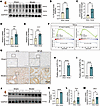 Figure 5
Activation of the IL-33/ST2/NF-κB signaling pathway in the kidneys during SP-AKI. (A) Western blot showing the expression of IL-33 and ST2 protein in kidney tissues from sham and SP-AKI model groups, with GAPDH as a loading control. (B and C) Semiquantitative analysis of IL-33 (B) and ST2 (C) protein levels. (D and E) Relative mRNA expression levels of IL-33 (D) and ST2 (E) in kidney tissues from sham and SP-AKI model mice. (F) Gene set enrichment analysis of a public scRNA-seq dataset (GSE210622) showing enrichment of the NF-κB and TNF signaling pathways in tubular epithelial cells (TECs). (G) Representative immunohistochemical staining of ST2 and NF-κB in kidney sections from sham and SP-AKI model mice. Scale bars: 50 μm. Enlarged panels show 3-fold magnification of boxed regions. (H and I) Quantification of ST2+ (H) and NF-κB+ (I) areas in kidney sections. (J) Western blot showing RelA (NF-κB subunit) expression in kidney tissues from sham and SP-AKI mice. (K) Semiquantitative analysis of RelA protein levels. (L and M) Relative mRNA expression levels of RelA (L) and NF-κB1 (M) in kidney tissues. Data are presented as mean ± SD. n = 5 per group. P values were calculated by 2-tailed Student’s t test. *P < 0.05, **P < 0.01, ***P < 0.001, ****P < 0.0001.
To further elucidate the bridging role of the IL-33/ST2 axis in NET-induced renal inflammation, we established SP-AKI models in IL-33–/– and ST2–/– mice and found that both NET formation and activation of the downstream NF-κB inflammatory pathway were significantly suppressed (Figure 6, A–O). These data further illustrated that NETs disseminate to the kidneys, where they activate the NF-κB pathway through the IL-33/ST2 axis, resulting in the release of proinflammatory factors that contribute to renal injury. Disruption of IL-33/ST2 signaling mitigated multiorgan damage in SP-AKI by abrogating NET-mediated inflammation.
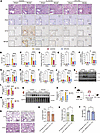 Figure 6
IL-33 and ST2 deficiency suppresses NET formation and NF-κB pathway activation in SP-AKI mice. (A) Representative H&E, periodic acid–Schiff (PAS), and immunohistochemical staining of ST2 and NF-κB in kidney sections from control, IL-33–knockout (IL-33 KO), and ST2-knockout (ST2 KO) mice under sham and SP-AKI model conditions. Scale bars: 50 μm. Enlarged panels show 4-fold magnification of boxed regions. (B and C) Serum creatinine (Scr) levels and renal tubular injury scores in each group. (D and E) Quantification of ST2+ (D) and NF-κB+ (E) areas in kidney sections. (F–J) Relative mRNA expression levels of IL-6 (F), IL-1β (G), TNF-α (H), RelA (I), and NF-κB1 (J) in kidney tissues of groups. (K) Western blot showing the expression of MPO and CitH3 in kidney tissues from control and IL-33 KO mice under sham and SP-AKI conditions, with GAPDH as a loading control. (L and M) Semiquantitative analysis of MPO (L) and CitH3 (M) protein levels. (N) Western blot showing the expression of RelA in kidney tissues from control and ST2 KO mice under sham and SP-AKI conditions, with GAPDH as a loading control. (O) Semiquantitative analysis of RelA protein levels. (P) Schematic illustration of adoptive transfer of neutrophils isolated from the lungs of IL-33+/+ or IL-33–/– model mice into ST2–/– recipient mice under SP-AKI conditions. (Q) Representative H&E-stained lung and kidney sections from ST2 KO mice receiving neutrophils from WT or IL-33–/– mice. Scale bars: 100 μm (lung) and 50 μm (kidney). The enlarged panels represent 3-fold magnification in the lung images and 2-fold magnification in the kidney images. (R–T) Quantification of lung injury scores (R), renal tubular injury scores (S), and serum creatinine levels (T) in ST2 KO recipient mice following adoptive transfer. Data are presented as mean ± SD. n = 5 per group. P values were calculated by 2-way ANOVA with post hoc Holm-Šídák test (B–J, L, M, and O) or 2-tailed Student’s t test (R and T). ***P < 0.001; ****P < 0.0001. NS, no statistically significant difference.
To determine whether this effect is mediated via the canonical IL-33/ST2 signaling axis, we adoptively transferred neutrophils from injured lung tissues isolated from WT or IL33–/– SP-AKI mice into ST2–/– recipients. Notably, ST2–/– mice were protected from renal injury regardless of whether the transferred neutrophils were IL-33–competent or –deficient, demonstrating that IL-33 must signal through ST2 to exert its pathological effects (Figure 6, P–T).
Taken together, these results demonstrate that IL-33–enriched NETs formed in injured lung tissue disseminate to the kidneys and induce tubular epithelial cell damage via the IL-33/ST2/NF-κB signaling axis.
HMGB1 amplifies renal inflammation by enhancing the NET/IL-33/ST2/NF-κB axis. To validate HMGB1’s role in promoting NETs and driving lung and kidney injury, we administered recombinant HMGB1 as an interventional challenge. Exogenous HMGB1 exacerbated kidney injury, increased IL-33 expression and NET formation in lung and kidney tissues, and activated ST2 and downstream NF-κB pathway markers in the kidneys. All effects were markedly reversed by glycyrrhizin, a functional HMGB1 inhibitor (Figure 7) (19), underscoring HMGB1’s pivotal role in driving the NET/IL-33/ST2/NF-κB axis.
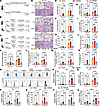 Figure 7
HMGB1 amplifies renal inflammation by enhancing the NET/IL-33/ST2/NF-κB axis. (A) Schematic illustration of the SP-AKI mouse model induced by intratracheal instillation of Pseudomonas aeruginosa or saline in WT mice. (B) Experimental design of recombinant HMGB1 (rHMGB1) administration (50 μg/kg) in sham and SP-AKI model mice. (C) Experimental design of HMGB1 neutralization using anti-HMGB1 antibody (glycyrrhizin, 50 mg/kg) in sham and SP-AKI model mice. (D) Representative H&E-stained sections of lung and kidney tissues from mice of different experimental groups. Scale bars: 100 μm (lung) and 50 μm (kidney). The enlarged panels show 3-fold magnification of the boxed regions in the lung images and 2-fold magnification in the kidney images. (E–G) Quantification of lung injury scores (E), renal tubular injury scores (F), and serum creatinine (Scr) levels (G) in WT control and SP-AKI model mice treated with rHMGB1 or anti-HMGB1 antibody. (H and I) Relative mRNA expression levels of HMGB1 (H) and IL-33 (I) in lung tissues from WT control and SP-AKI model mice following rHMGB1 administration or HMGB1 neutralization. (J and K) Serum MPO-DNA complex (J) and NE-DNA complex (K) levels in each group. (L and M) The percentage of neutrophils in whole blood cells (L) and BALF (M) of groups. (N) Representative flow cytometry plots showing CD11b+IL-33+ neutrophils in peripheral blood from the indicated groups. (O) Quantification of IL-33+ neutrophil percentages in groups from N. (P–U) Relative mRNA expression levels of IL-33 (P), ST2 (Q); inflammatory cytokines, including TNF-α (R) and IL-6 (S); and NF-κB pathway components, including RelA (T) and NF-κB1 (U), in kidney tissues from the indicated groups. Data are presented as mean ± SD. n = 5 per group. P values were calculated by 2-way ANOVA with post hoc Holm-Šídák test. *P < 0.05; **P < 0.01; ***P < 0.001; ****P < 0.0001. NS, no statistically significant difference.
Notably, this regulatory circuit is not unidirectional. Previous studies have shown that IL-33 can, in turn, activate HMGB1 release and exacerbate inflammatory responses (20). Consistent with this, we observed significantly reduced levels of HMGB1 and NET formation in the serum, BALF, and tissues of IL-33–/– mice under injury conditions (Supplemental Figure 8).
Importantly, therapeutic targeting of HMGB1, IL-33, or NETs initiated 6 hours after SP-AKI induction still significantly reduced NET levels in the circulation and BALF (Supplemental Figure 9, A–K), and concomitantly suppressed ST2/NF-κB activation in lung and kidney tissues, with efficacy comparable to preemptive intervention (Supplemental Figure 9, L and M).
Collectively, these data reveal a self-amplifying feedback loop in SP-AKI whereby HMGB1 promotes IL-33–enriched NET formation, activates renal ST2/NF-κB signaling, and is further amplified by IL-33–driven HMGB1 release, identifying both HMGB1 and IL-33 as dual therapeutic targets.
NET formation serves as a critical node in the HMGB1/IL-33 inflammatory loop. To determine whether NETs serve as a major source of IL-33, we analyzed scRNA-seq data from BALF of acute lung injury mice infected with Pseudomonas aeruginosa (PA) (GSE274823) (21). PA infection induced marked neutrophil recruitment, with IL-33 predominantly expressed by neutrophils. In PAD4/PAD2 double-knockout mice, although neutrophil infiltration persisted, NET formation was markedly reduced, and neutrophil IL-33 expression was nearly absent (Figure 8, A–D). Further analysis of immune cells from blood, lungs, and kidneys of WT sham, WT SP-AKI, IL-33–/– SP-AKI, and PAD4–/– SP-AKI mice confirmed injured neutrophils as the major source of IL-33 (Supplemental Figures 10–12). Importantly, PAD4 deficiency significantly reduced neutrophil-derived IL-33 release and alleviated kidney injury, indicating that neutrophil-derived IL-33 is dependent on NET formation (Figure 8, E–H).
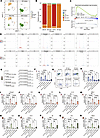 Figure 8
HMGB1 induces IL-33 release and aggravates SP-AKI through PAD4-dependent NET formation. (A) Uniform manifold approximation and projection (UMAP) visualization of public scRNA-seq data (GSE274823) derived from BALF in a murine model of acute lung injury (ALI) induced by intratracheal Pseudomonas aeruginosa (PA) infection. Comparative analysis between WT and PAD4/PAD2 double-knockout (DKO) mice reveals distinct cellular subpopulations. Each point represents a single cell, and clusters were identified based on gene expression profiles. Cell types are color-coded as indicated in the legend. (B) Stacked bar plot depicting the relative abundance of major cell types in BALF across each group. (C) Gene set enrichment analysis of the NET formation pathway (predominantly enriched in immature neutrophils) in BALF. (D) The expression levels of the IL-33 gene among various cell types across different groups. (E) Experimental design illustrating WT and PAD4-knockout (PAD4 KO) mice subjected to SP-AKI and treated with recombinant HMGB1 (rHMGB1, 50 μg/kg) or anti-HMGB1 antibody (glycyrrhizin, 50 mg/kg). (F) Serum creatinine (Scr) levels in WT and PAD4 KO mice with SP-AKI following rHMGB1 administration or HMGB1 neutralization. (G and H) Flow cytometry and quantitative analysis of IL-33+ in neutrophils of blood across each group. (I–M) Relative mRNA expression levels of HMGB1 (I), IL-33 (J), inflammatory cytokines IL-6 (K) and IL-1β (L), and NF-κB1 (M) in lung tissues from the indicated groups. (N–R) Relative mRNA expression levels of IL-33 (N), ST2 (O), inflammatory cytokines IL-6 (P) and IL-1β (Q), and NF-κB1 (R), in kidney tissues from the indicated groups. Data are presented as mean ± SD. n = 5 per group. P values were calculated by 1-way ANOVA with post hoc Holm-Šídák test. *P < 0.05; **P < 0.01; ***P < 0.001; ****P < 0.0001. NS, no statistically significant difference.
Moreover, PAD4 deficiency disrupted the HMGB1/NET/IL-33 inflammatory circuit and blunted the associated cytokine storm, as administration of exogenous recombinant HMGB1 failed to induce IL-33 overproduction. Notably, PAD4 deletion also abolished activation of the IL-33/ST2/NF-κB signaling pathway in the kidney (Figure 8, I–R). These findings establish NETs as both effector mediators and inflammatory amplifiers in SP-AKI lung-kidney crosstalk.
Anti-HMGB1 and anti–IL-33 interventions attenuate NET formation and tubular injury in vitro. To further investigate the pathogenic roles of HMGB1 and IL-33 in NET-mediated tubular injury, we established an in vitro model mimicking the inflammatory microenvironment of SP-AKI. Serum from blood culture–negative patients with severe pneumonia was used to stimulate neutrophils from healthy donors in vitro. Flow cytometric analysis revealed a marked NET increase, characterized by coexpression of CD66b and MPO, especially in those who progressed to SP-AKI (Figure 9, A and B). Scanning electron microscopy showed typical NET morphology, including neutrophil membrane rupture and extensive extracellular chromatin fiber release (Figure 9F).
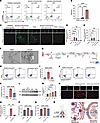 Figure 9
HMGB1/IL-33 neutralization reduces NETs and renal tubular damage in vitro. (A and B) Representative flow cytometry plots and quantification of NET formation in neutrophils from healthy donors, severe pneumonia patients without AKI, and SP-AKI patients, gated as CD66b+MPO+. (C) Immunofluorescence showing that IL-33 colocalized with MPO within NET structures. Pretreatment with anti–IL-33 (1 μg/mL) reduced the formation of NETs. Scale bars: 20 μm. (D and E) Quantification of mean fluorescence intensity of MPO (D) and IL-33 (E) in neutrophils under the indicated conditions. (F) Scanning electron microscopy showing the morphology of NETs after neutrophils were stimulated by serum from patients with SP-AKI. Scale bars: 50 μm (left) and 5 μm (right). (G) Schematic illustration of NET isolation from SP-AKI neutrophils and subsequent stimulation of HK-2 cells. (H) Flow cytometric analysis of apoptosis in HK-2 cells cocultured with healthy neutrophils, NETs, and anti-HMGB1–treated (glycyrrhizic acid, 200 μM) NETs. (I) Inhibition of NET-induced HK-2 cell apoptosis after anti-HMGB1 administration. (J) Flow cytometric analysis of apoptosis in HK-2 cells cocultured with healthy neutrophils, NETs, and anti–IL-33–treated NETs. (K) Inhibition of NET-induced HK-2 cell apoptosis after anti–IL-33 administration. (L and M) Western blot analysis and quantification of ST2 expression in HK-2 cells after stimulation with NETs from healthy donors, patients with SP-AKI, anti–IL-33–treated SP-AKI neutrophils, or PMA-treated neutrophils. (N and O) Immunofluorescence analysis of NF-κB activation in HK-2 cells following NET stimulation and quantification of fluorescence intensity. Scale bars: 20 μm. (P and Q) ELISA measurement of TNF-α and NGAL levels in cell culture supernatants following pretreatment with the NF-κB inhibitor Bay 11-7082 (2 μM). (R) Mechanisms of SP-AKI. Data are presented as mean ± SD. n = 5 per group. P values were calculated by 1-way ANOVA with post hoc Holm-Šídák test. *P < 0.05; **P < 0.01; ****P < 0.0001. NS, no statistically significant difference.
Coculture of patient serum–induced NETs with HK-2 cells caused significant tubular cell apoptosis, which was markedly attenuated by glycyrrhizin, implicating HMGB1 as a key mediator (Figure 9, G–I). Immunofluorescence analysis confirmed IL-33 incorporation into NETs, colocalizing with MPO, identifying IL-33 as both a structural and functional NET component; anti–IL-33 neutralization significantly suppressed NET formation and HK-2 apoptosis (Figure 9, C–E, J, and K).
Western blot and immunofluorescence analyses demonstrated that NET stimulation upregulated ST2 and activated NF-κB signaling in HK-2 cells, both of which were effectively reversed by anti–IL-33 treatment, reinforcing the pivotal role of IL-33/ST2/NF-κB signaling in NET-induced tubular injury (Figure 9, L–O). Consistent with this, pretreatment with NF-κB inhibitor Bay 11-7082 significantly alleviated NET-induced cytotoxicity, reducing NGAL levels and TNF-α secretion (Figure 9, P and Q).
Together, these findings strongly support the conclusion that NETs contribute to renal tubular injury through the IL-33/ST2/NF-κB axis and highlight the therapeutic potential of targeting HMGB1 or IL-33 to mitigate NET-associated renal damage in SP-AKI.
The proposed mechanism underlying SP-AKI is summarized in Figure 9R. Upon PAMP exposure, the lung mounts an immune response, releasing DAMPs such as HMGB1, NETs, and IL-33. HMGB1 promotes NET formation and IL-33 release, while IL-33 further damages epithelial cells, amplifying HMGB1 release — forming a self-sustaining HMGB1/NET/IL-33 loop. Notably, the release of IL-33 is dependent on HMGB1-induced NET activation. Circulating IL-33–enriched NETs drive systemic inflammation and, upon reaching the kidney, activate ST2/NF-κB signaling in tubular epithelial cells, causing inflammation and injury.


