
Research ArticleImmunologyOncology
Open Access |  10.1172/jci.insight.198360
Chemotherapy-induced reactive myelopoiesis promotes expansion of immunosuppressive neutrophil-like monocytes in mice and humans
Huidong Shi,1,2 Zhi-Chun Ding,1 Ogacheko D. Okoko,1 Xin Wang,1 George Zhou,1 Yan Ye,1 Md Yeashin Gazi,1 Caitlin Brandle,1 Lirong Pei,1 Rafal Pacholczyk,1 Catherine C. Hedrick,1,2 Locke J. Bryan,1 and Gang Zhou1,2
1Georgia Cancer Center, Medical College of Georgia, and
2Immunology Center of Georgia, Augusta University, Augusta, Georgia, USA.
Address correspondence to: Huidong Shi, Georgia Cancer Center, Augusta University, 1120 15th Street, CN-2138, Augusta, Georgia 30912, USA. Phone: 706.721.6000; Email: hshi@augusta.edu. Or to: Gang Zhou, Georgia Cancer Center, Augusta University, 1120 15th Street, CN-4140, Augusta, Georgia 30912, USA. Phone: 706.721.4472; Email: gzhou@augusta.edu.
Authorship note: HS and GZ contributed equally to this work.
Find articles by
Shi, H.
in:
PubMed
|
Google Scholar
|

1Georgia Cancer Center, Medical College of Georgia, and
2Immunology Center of Georgia, Augusta University, Augusta, Georgia, USA.
Address correspondence to: Huidong Shi, Georgia Cancer Center, Augusta University, 1120 15th Street, CN-2138, Augusta, Georgia 30912, USA. Phone: 706.721.6000; Email: hshi@augusta.edu. Or to: Gang Zhou, Georgia Cancer Center, Augusta University, 1120 15th Street, CN-4140, Augusta, Georgia 30912, USA. Phone: 706.721.4472; Email: gzhou@augusta.edu.
Authorship note: HS and GZ contributed equally to this work.
Find articles by Ding, Z. in: PubMed | Google Scholar
1Georgia Cancer Center, Medical College of Georgia, and
2Immunology Center of Georgia, Augusta University, Augusta, Georgia, USA.
Address correspondence to: Huidong Shi, Georgia Cancer Center, Augusta University, 1120 15th Street, CN-2138, Augusta, Georgia 30912, USA. Phone: 706.721.6000; Email: hshi@augusta.edu. Or to: Gang Zhou, Georgia Cancer Center, Augusta University, 1120 15th Street, CN-4140, Augusta, Georgia 30912, USA. Phone: 706.721.4472; Email: gzhou@augusta.edu.
Authorship note: HS and GZ contributed equally to this work.
Find articles by Okoko, O. in: PubMed | Google Scholar
1Georgia Cancer Center, Medical College of Georgia, and
2Immunology Center of Georgia, Augusta University, Augusta, Georgia, USA.
Address correspondence to: Huidong Shi, Georgia Cancer Center, Augusta University, 1120 15th Street, CN-2138, Augusta, Georgia 30912, USA. Phone: 706.721.6000; Email: hshi@augusta.edu. Or to: Gang Zhou, Georgia Cancer Center, Augusta University, 1120 15th Street, CN-4140, Augusta, Georgia 30912, USA. Phone: 706.721.4472; Email: gzhou@augusta.edu.
Authorship note: HS and GZ contributed equally to this work.
Find articles by Wang, X. in: PubMed | Google Scholar
1Georgia Cancer Center, Medical College of Georgia, and
2Immunology Center of Georgia, Augusta University, Augusta, Georgia, USA.
Address correspondence to: Huidong Shi, Georgia Cancer Center, Augusta University, 1120 15th Street, CN-2138, Augusta, Georgia 30912, USA. Phone: 706.721.6000; Email: hshi@augusta.edu. Or to: Gang Zhou, Georgia Cancer Center, Augusta University, 1120 15th Street, CN-4140, Augusta, Georgia 30912, USA. Phone: 706.721.4472; Email: gzhou@augusta.edu.
Authorship note: HS and GZ contributed equally to this work.
Find articles by Zhou, G. in: PubMed | Google Scholar
1Georgia Cancer Center, Medical College of Georgia, and
2Immunology Center of Georgia, Augusta University, Augusta, Georgia, USA.
Address correspondence to: Huidong Shi, Georgia Cancer Center, Augusta University, 1120 15th Street, CN-2138, Augusta, Georgia 30912, USA. Phone: 706.721.6000; Email: hshi@augusta.edu. Or to: Gang Zhou, Georgia Cancer Center, Augusta University, 1120 15th Street, CN-4140, Augusta, Georgia 30912, USA. Phone: 706.721.4472; Email: gzhou@augusta.edu.
Authorship note: HS and GZ contributed equally to this work.
Find articles by Ye, Y. in: PubMed | Google Scholar
1Georgia Cancer Center, Medical College of Georgia, and
2Immunology Center of Georgia, Augusta University, Augusta, Georgia, USA.
Address correspondence to: Huidong Shi, Georgia Cancer Center, Augusta University, 1120 15th Street, CN-2138, Augusta, Georgia 30912, USA. Phone: 706.721.6000; Email: hshi@augusta.edu. Or to: Gang Zhou, Georgia Cancer Center, Augusta University, 1120 15th Street, CN-4140, Augusta, Georgia 30912, USA. Phone: 706.721.4472; Email: gzhou@augusta.edu.
Authorship note: HS and GZ contributed equally to this work.
Find articles by Gazi, M. in: PubMed | Google Scholar
1Georgia Cancer Center, Medical College of Georgia, and
2Immunology Center of Georgia, Augusta University, Augusta, Georgia, USA.
Address correspondence to: Huidong Shi, Georgia Cancer Center, Augusta University, 1120 15th Street, CN-2138, Augusta, Georgia 30912, USA. Phone: 706.721.6000; Email: hshi@augusta.edu. Or to: Gang Zhou, Georgia Cancer Center, Augusta University, 1120 15th Street, CN-4140, Augusta, Georgia 30912, USA. Phone: 706.721.4472; Email: gzhou@augusta.edu.
Authorship note: HS and GZ contributed equally to this work.
Find articles by Brandle, C. in: PubMed | Google Scholar
1Georgia Cancer Center, Medical College of Georgia, and
2Immunology Center of Georgia, Augusta University, Augusta, Georgia, USA.
Address correspondence to: Huidong Shi, Georgia Cancer Center, Augusta University, 1120 15th Street, CN-2138, Augusta, Georgia 30912, USA. Phone: 706.721.6000; Email: hshi@augusta.edu. Or to: Gang Zhou, Georgia Cancer Center, Augusta University, 1120 15th Street, CN-4140, Augusta, Georgia 30912, USA. Phone: 706.721.4472; Email: gzhou@augusta.edu.
Authorship note: HS and GZ contributed equally to this work.
Find articles by Pei, L. in: PubMed | Google Scholar
1Georgia Cancer Center, Medical College of Georgia, and
2Immunology Center of Georgia, Augusta University, Augusta, Georgia, USA.
Address correspondence to: Huidong Shi, Georgia Cancer Center, Augusta University, 1120 15th Street, CN-2138, Augusta, Georgia 30912, USA. Phone: 706.721.6000; Email: hshi@augusta.edu. Or to: Gang Zhou, Georgia Cancer Center, Augusta University, 1120 15th Street, CN-4140, Augusta, Georgia 30912, USA. Phone: 706.721.4472; Email: gzhou@augusta.edu.
Authorship note: HS and GZ contributed equally to this work.
Find articles by Pacholczyk, R. in: PubMed | Google Scholar
1Georgia Cancer Center, Medical College of Georgia, and
2Immunology Center of Georgia, Augusta University, Augusta, Georgia, USA.
Address correspondence to: Huidong Shi, Georgia Cancer Center, Augusta University, 1120 15th Street, CN-2138, Augusta, Georgia 30912, USA. Phone: 706.721.6000; Email: hshi@augusta.edu. Or to: Gang Zhou, Georgia Cancer Center, Augusta University, 1120 15th Street, CN-4140, Augusta, Georgia 30912, USA. Phone: 706.721.4472; Email: gzhou@augusta.edu.
Authorship note: HS and GZ contributed equally to this work.
Find articles by Hedrick, C. in: PubMed | Google Scholar
1Georgia Cancer Center, Medical College of Georgia, and
2Immunology Center of Georgia, Augusta University, Augusta, Georgia, USA.
Address correspondence to: Huidong Shi, Georgia Cancer Center, Augusta University, 1120 15th Street, CN-2138, Augusta, Georgia 30912, USA. Phone: 706.721.6000; Email: hshi@augusta.edu. Or to: Gang Zhou, Georgia Cancer Center, Augusta University, 1120 15th Street, CN-4140, Augusta, Georgia 30912, USA. Phone: 706.721.4472; Email: gzhou@augusta.edu.
Authorship note: HS and GZ contributed equally to this work.
Find articles by Bryan, L. in: PubMed | Google Scholar
1Georgia Cancer Center, Medical College of Georgia, and
2Immunology Center of Georgia, Augusta University, Augusta, Georgia, USA.
Address correspondence to: Huidong Shi, Georgia Cancer Center, Augusta University, 1120 15th Street, CN-2138, Augusta, Georgia 30912, USA. Phone: 706.721.6000; Email: hshi@augusta.edu. Or to: Gang Zhou, Georgia Cancer Center, Augusta University, 1120 15th Street, CN-4140, Augusta, Georgia 30912, USA. Phone: 706.721.4472; Email: gzhou@augusta.edu.
Authorship note: HS and GZ contributed equally to this work.
Find articles by Zhou, G. in: PubMed | Google Scholar
Published April 7, 2026 - More info
JCI Insight. 2026;11(10):e198360. https://doi.org/10.1172/jci.insight.198360.
© 2026 Shi et al. This work is licensed under the Creative Commons Attribution 4.0 International License. To view a copy of this license, visit http://creativecommons.org/licenses/by/4.0/.
Received: July 28, 2025; Accepted: March 19, 2026

-
Results
Monocytes from lymphoma patients exhibit variable levels of immunosuppressive activity following chemotherapy. We previously reported that monocytes repopulating in mice after CTX chemotherapy acquire a neutrophil precursor gene signature and immunosuppressive activity (19, 20). CTX is a key component of several SOC chemotherapy regimens, including CHOP and EPOCH, which are widely used for the treatment of B cell lymphoma. However, whether chemotherapy-induced immunosuppressive monocytes arise in cancer patients receiving CTX-containing regimens remains unclear. To investigate this, we performed in vitro T cell suppression assays to evaluate the capacity of monocytes isolated from patient PBMCs to inhibit T cell activation. In this assay, responder T cells, containing both CD4+ and CD8+ T cells, were stimulated with anti-CD3 and anti-CD28 antibody–conjugated Dynabeads, either alone or in the presence of patient-derived monocytes. As shown in the schema in Figure 1A, deidentified, retrospective PBMC specimens collected from patients with B cell lymphoma before and after chemotherapy were used to sort HLA-DR–CD11b+CD33+ monocytes by FACS. To ensure consistency across experiments, the same responder T cells were isolated from the same healthy donor and used throughout. We analyzed monocytes collected from a total of 6 patients. As expected, CD4+ and CD8+ T cells proliferated robustly upon stimulation, with over 90% of cells undergoing cell division (Figure 1A). Addition of monocytes from a healthy donor had no effect on T cell proliferation (Figure 1A). Interestingly, monocytes from 3 patients exhibited de novo immunosuppressive activity after 4 cycles of chemotherapy, despite showing no suppressive capacity before treatment (Figure 1B). In the remaining 3 patients, monocytes already exhibited immunosuppressive activity before chemotherapy (Figure 1C, pretreatment samples). Notably, chemotherapy altered the suppressive capacity of these monocytes in different ways: in 2 patients (Pt. 16772 and Pt. 16518), immunosuppression was enhanced following treatment (Figure 1C, post-treatment samples), whereas in the third patient (Pt. 15874), monocyte-mediated suppression was reduced (Figure 1C, post-treatment sample). Our data suggest that the immunosuppressive status of monocytes in lymphoma patients is heterogeneous. Moreover, chemotherapy-induced myelopoiesis may contribute to the emergence of immunosuppressive monocytes in a subset of patients.
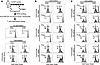 Figure 1
Emergence of immunosuppressive monocytes in the PBMCs of lymphoma patients following chemotherapy. (A) As depicted in the schema, patients received 6 cycles of standard-of-care chemotherapy. PBMC samples collected before chemotherapy and after 4 cycles of treatment were cryopreserved. HLA-DR–CD11b+CD14+CD33+ monocytes were FACS-sorted from pre- and post-chemotherapy PBMCs and used for in vitro T cell suppression assays. T cells isolated from a healthy donor were labeled with violet dye and used as responder cells. T cells were stimulated with Human T-Activator CD3/CD28 Dynabeads in the presence of pre- or post-chemotherapy monocytes. Cells were harvested 3 days later and evaluated for CD4+ and CD8+ T cell proliferation status by FACS. Violet dye histograms show T cell proliferation status under control cell culture conditions. The controls included T cells without stimulation (top row), T cells stimulated alone (middle row), and T cells stimulated in the presence of monocytes sorted from the PBMCs of a healthy donor (bottom row). (B) Patient samples showing that immunosuppressive monocytes were absent in pre-chemotherapy patient PBMCs but emerged in post-chemotherapy patient PBMCs. (C) Patient samples showing that immunosuppressive monocytes were present in pre-chemotherapy patient PBMCs. Post-chemotherapy monocytes from these patients showed either enhanced or reduced T cell suppression activities. Numbers in histograms represent percentage of divided T cells.
scRNA-seq analysis of BM cells reveals the dynamic changes in myeloid cell composition during CTX-induced myelopoiesis in mice. To better understand the dynamic changes in immune cell composition during CTX-induced myelopoiesis, we performed unbiased single-cell RNA sequencing (scRNA-seq) on BM cells from mice. As depicted in the schema in Figure 2A, BM samples were collected from mice 2 days (D2 CTX) and 7 days (D7 CTX) after CTX treatment, along with BM samples from untreated naive mice as controls. Across all conditions, we analyzed a total of 30,012 cells (10,890 naive, 9,765 D2 CTX, 9,357 D7 CTX), which were clustered into 20 distinct populations based on transcriptional profiles (Supplemental Figure 1, A–C; supplemental material available online with this article; https://doi.org/10.1172/jci.insight.198360DS1). Figure 2A illustrates the dynamic changes of major myeloid cell subtypes, which were identified using canonical marker genes shown in Figure 2B. To explore lineage relationships during myeloid reconstitution, we performed RNA velocity analysis, which infers cellular trajectories from spliced-to-unspliced transcript ratios. As shown in Figure 2C, GMPs were projected to differentiate into neutrophils through the progenitor neutrophil/pre-neutrophil/immature neutrophil pathway, while MDPs were predicted to give rise to monocytes and dendritic cells. These trajectory projections are consistent with the canonical hierarchy of myeloid differentiation, thereby validating our cell type annotations.
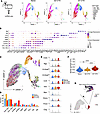 Figure 2
scRNA-seq analysis reveals the dynamic changes in immune composition in the BM following chemotherapy. (A) The procedures and timeline are depicted in the schema. Briefly, BM cells were collected from CTX-treated mice on days 2 and 7. BM cells from naive mice were used as controls. After removal of dead cells, the whole BM cells were subjected to 10x Genomics scRNA-seq analysis. UMAP plots show annotated myeloid cell populations based on gene expression profiles in BM samples from naive and day 2 and day 7 CTX-treated mice. (B) Dot plot of myeloid cell subtype–specific markers that distinguishes these cell populations. (C) RNA velocity and pseudotime analyses demonstrating lineage relationships and potential differentiation trajectories of myeloid cell subsets in response to chemotherapy. (D) Bar graph summarizing the proportions of each identified cell type across the 3 conditions. (E) Violin plots displaying expression levels of several known NeuMo marker genes in CD11b+ monocytes across naive and day 2 and day 7 samples. (F) Violin plot showing the NeuMo gene signature score, based on the gene set identified by Barman et al. (16). Pairwise comparisons were performed using 2-sided Wilcoxon’s rank-sum tests with Benjamini-Hochberg correction for multiple comparisons. **P < 0.01; ****P < 0.0001. (G) Nebulosa density plot illustrating the coexpression pattern of 4 NeuMo signature genes in monocyte subsets. High-density regions represent clusters of cells coexpressing these genes. mat_Neu, mature neutrophil; imm _Neu, immature neutrophil; preNeu, pre-neutrophil; proNeu, progenitor neutrophil; GMP, granulocyte-monocyte progenitor; MDP, monocyte–dendritic cell progenitor; DC, dendritic cell; Mo, monocyte; Mp, macrophage.
Assessment of BM cell composition over time revealed that CTX exposure led to the rapid depletion of multiple myeloid populations by day 2, including GMPs, progenitor neutrophils, pre-neutrophils, MDPs, and monocytes (Figure 2, A and D). By day 7, however, the frequencies of these myeloid subsets had rebounded and even exceeded pretreatment levels. The frequencies of T and B cells (with the exception of large pre–B cells) remained largely unaffected on day 2 but were substantially reduced by day 7 (Supplemental Figure 1B). To quantify these changes, total BM cell numbers were enumerated, and absolute numbers of T, B, and myeloid cells were calculated based on their frequencies determined by flow cytometry. Consistent with the scRNA-seq results, myeloid cell numbers, including both monocytes and neutrophils, declined 2 days after CTX but recovered and exceeded baseline levels by day 7, whereas B cell numbers remained robustly suppressed at this time point (Supplemental Figure 1, D and E). These results suggest that myelopoiesis precedes lymphopoiesis following CTX treatment, with monocytes and neutrophils rapidly repopulating the BM niche before the slower recovery of lymphoid cells.
Next, we investigated the presence and dynamics of neutrophil-like monocytes (NeuMo) in our dataset. Cells expressing a canonical NeuMo gene signature (Mpo+Elane+Prtn3+Ctsg+) were present in naive BM, decreased at day 2 after CTX, and re-emerged and expanded by day 7 (Figure 2, E and F). Notably, monocytes on day 7 also expressed elevated levels of Chil3 and Klf2, along with other neutrophil-associated genes, including Npg, S100a8, and S100a9 (Figure 2E). Cells coexpressing the NeuMo signature genes were identified within the monocyte cluster (Figure 2G) and displayed a temporal pattern consistent with depletion at day 2 and expansion at day 7 (Figure 2, E and F). Together, these findings demonstrate that CTX-induced myelopoiesis perturbs monocyte homeostasis and promotes the expansion of a transcriptionally distinct NeuMo-like population within the BM. This highlights a previously underappreciated aspect of chemotherapy-driven immune remodeling.
scRNA-seq analysis of classical monocytes in the BM identifies NeuMo and DCMo cell subsets. Recent studies have revealed heterogeneity within classical monocytes (CD11b+Ly6Chi), identifying at least 2 distinct subsets, i.e., NeuMo and DCMo, based on transcriptomic profiling (13, 16–18, 21). While our scRNA-seq analysis of whole BM provided valuable insights into CTX-induced changes in the myeloid compartment (Figure 2), the limited number of monocytes in those datasets restricted our ability to characterize monocyte heterogeneity in detail. To achieve higher resolution, we performed scRNA-seq on pre-enriched CD11b+Ly6Chi classical monocytes isolated from the BM of naive mice and mice 7 days after CTX treatment (schema in Figure 3A). A total of 15,135 monocytes were analyzed (6,512 from naive mice and 8,623 from D7 CTX mice). Using previously published NeuMo and DCMo gene signatures (12), we identified 2 monocyte clusters (clusters 2 and 3) that expressed high levels of NeuMo-associated genes, including Mpo, Elane, Prtn3, and Ctsg (Figure 3, A and B). Interestingly, cluster 3 NeuMo cells showed elevated expression of proliferation-related genes such as Mki67, Hmgb2, Ptma, Pclaf, and Tubb5, suggesting a more proliferative phenotype than cluster 2 NeuMo cells. In addition, we identified a small subset of cells (cluster 6) expressing the DCMo signature genes, including Cd74, H2-Aa, H2-Ab1, and Batf3. As shown in Figure 3C, both NeuMo and DCMo subsets were present in naive BM; however, the proportion of NeuMo cells (clusters 2 and 3 combined) increased by day 7 after CTX treatment, while DCMo cells remained a minor subset. These findings provide evidence that chemotherapy-induced myelopoiesis leads to preferential expansion of monocytes with a NeuMo transcriptional identity.
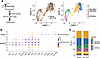 Figure 3
scRNA-seq analysis of pre-enriched monocytes (CD11b+Ly6Chi) identifies distinct cell subsets based on gene expression profiles. (A) The schema depicts the procedures of sample collection. Briefly, BM cells were collected from CTX-treated mice on day 7. BM cells from naive mice were used as controls. CD11b+Ly6Chi classical monocytes were isolated from BM by cell sorter. Sorted cells were subjected to scRNA-seq. UMAP plots show cell distribution by sample origin (left) and cell cluster/subset identity (right). (B) Dot plot highlighting representative marker genes for NeuMo (clusters 2 and 3) and DCMo (cluster 6). Dot color indicates the average expression level of each gene, while dot size reflects the proportion of cells within each cluster expressing that gene. (C) Bar graph summarizing the percentage distribution of each cluster across the analyzed samples. The proportions of clusters 2 and 3 (NeuMo populations) are indicated.
CTX-induced epigenetic changes in monocytes correlate with the expansion of NeuMo cells. Using a lineage tracing approach, a recent study revealed that monocyte fate is epigenetically predetermined at the progenitor stage, implying distinct epigenetic profiles among monocyte subtypes (22). We performed ATAC-seq on sorted CD11b+Ly6Chi BM monocytes from naive and CTX-treated mice to assess chromatin accessibility as a measure of epigenetic remodeling. Principal component analysis (PCA) revealed distinct chromatin accessibility profiles between monocytes from naive and CTX-treated mice (Figure 4A). Integrative analysis of ATAC-seq and scRNA-seq data of the sorted CD11b+Ly6Chi monocytes from the BM of naive and CTX-treated mice identified 618 differential ATAC peaks between the 2 groups that were positively correlated with the expression of their nearest genes. Notably, only about 5% of these peaks (cluster 1) were associated with both increased chromatin accessibility and elevated transcription, while the majority (clusters 2 and 3) showed reduced chromatin accessibility and decreased gene expression (Figure 4B). Consistent with our scRNA-seq findings of NeuMo expansion in CTX-treated mice (Figure 3), several NeuMo-associated genes, including Prtn3, Ctsg, Serpinb1a, and S100a9 (13), exhibited increased chromatin accessibility in monocytes following CTX treatment (Figure 4C). Additionally, proliferation-related genes such as Mki67 and Ezh2 were also among those with elevated chromatin accessibility and expression (Figure 4B), supporting the expansion of a proliferative NeuMo subset. Conversely, several inflammatory chemokines and chemokine receptors, such as Ccl4, Ccl6, Ccl9, Ccr1, and Ccrl2, were among those downregulated genes associated with loss of chromatin accessibility. Pathway enrichment analysis revealed that genes with increased accessibility were predominantly involved in cell cycle–related processes. In contrast, genes with reduced accessibility were enriched in inflammatory response, interferon signaling, and TNF-α signaling pathways (Figure 4D). These chromatin accessibility changes were further corroborated by gene set enrichment analysis (GSEA) (Figure 4E). Our results suggest that CTX remodels chromatin accessibility in gene loci linked to NeuMo differentiation and expansion within BM monocytes.
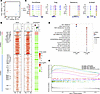 Figure 4
ATAC-seq analysis reveals chemotherapy-induced epigenetic changes in monocytes. Highly enriched monocytes (CD11b+Ly6Chi) from the BM of naive and CTX-treated mice were subjected to ATAC-seq. (A) Principal component analysis (PCA) plot of ATAC-seq data. The colors indicate the sample groups. (B) Heatmaps identifying differential chromatin accessibility (±2 kb windows centered at the summit of ATAC-seq peaks) between treated and untreated monocytes (left 2 columns) and gene expression fold changes from pseudo-bulk analysis of scRNA-seq data between these same 2 samples (fold change [FC] on the right). (C) BigWig plots of ATAC-seq data comparing chromatin accessibility in monocytes from control and CTX-treated mice. The representative loci (Prtn3/Elane, Ctsg, Serpinb1a, S100a9) that exhibit increased chromatin accessibility following CTX treatments are shown. (D) Dot plot of pathway enrichment analysis based on the rank of genes whose expression positively correlates with differential chromatin accessibility peaks between control and CTX-treated monocytes. Dot size represents the number of genes that overlap with pathway gene sets, while color represents adjusted P values. (E) Gene set enrichment analysis (GSEA) using all differentially expressed genes in BM monocytes from control and CTX-treated mice shows enriched pathways associated with E2F targets, cell cycle, and MYC target genes, with upregulation of these genes. In contrast, NF-κB–mediated TNF-α signaling–related genes are downregulated.
NeuMo cells in the BM of CTX-treated mice exhibit immunosuppressive activity. To enable the prospective enrichment of NeuMo cells for downstream functional studies, we interrogated our monocyte scRNA-seq dataset to identify genes differentially expressed in NeuMo cells compared with other classical monocytes (Figure 5A). From these differentially expressed genes, we prioritized those encoding surface proteins and selected a panel of candidate markers based on their expression patterns across monocyte clusters (Figure 5B). Among them, Cxcr4 and Cx3cr1 were chosen as potential markers owing to their largely non-overlapping expression between NeuMo and other classical monocyte populations (Figure 5C), as well as their previously established roles in monocyte subset differentiation and trafficking (23, 24). Flow cytometry analysis using antibodies against CD11b, Ly6C, CXCR4, and CX3CR1 can effectively distinguish putative NeuMo cells (CD11b+Ly6ChiCXCR4+CX3CR1lo) from other classical monocytes (Figure 5D). Further phenotypic analysis revealed that the putative NeuMo population exhibited increased forward scatter (FSC) and side scatter (SSC) values (Figure 5E), indicative of larger cell size and greater granularity, features consistent with previously reported characteristics of NeuMo cells (13). Notably, the NeuMo/classical monocyte ratio was markedly elevated in the BM of CTX-treated mice (Figure 5F). Quantification of NeuMo cells based on CD11b+Ly6ChiCXCR4+CX3CR1lo markers confirmed their expansion in the BM of CTX-treated mice (Figure 5G). Correspondingly, an increased frequency of CXCR4+CX3CR1lo monocytes was also observed in the peripheral blood of CTX-treated mice (Supplemental Figure 2), suggesting systemic dissemination of NeuMo cells. These results establish a flow cytometry–based strategy for isolating live NeuMo cells from BM, facilitating further investigation into their functional roles in chemotherapy-induced immune modulation.
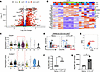 Figure 5
Identification of cell surface markers suitable for enrichment of CTX-induced NeuMo cells. (A) Volcano plot showing genes differentially expressed in NeuMo cells compared with other classified monocytes. Differential gene expression analysis was performed using the MAST test implemented in Seurat, and P values were adjusted for multiple testing using the Bonferroni method. (B) Heatmap of top 30 differentially expressed surface marker genes showing their expression levels across different monocyte clusters identified in Figure 3. (C) Violin plots illustrating the expression levels of Cxcr4 and Cx3cr1 used to define NeuMo cells. (D) The combination of CXCR4 and CX3CR1 can be used to distinguish NeuMo from other classical monocytes (cMo) within the BM monocyte population. The numbers in dot plots demarcate the percentages of NeuMo and other monocytes in BM-derived monocytes. (E) NeuMo cells show increased size (forward scatter [FSC]) and granularity (side scatter [SSC]) compared with other monocytes. (F) The ratio of NeuMo over other monocytes increases in the BM after CTX treatment. The ratio is calculated based on the data shown in D and shown as mean ± SEM with 3 mice in each group. (G) Absolute numbers of NeuMo-like cells in the BM were calculated based on cell percentages determined by flow cytometry and enumerated BM cells. The results are summarized in the bar graph (mean ± SEM). Data shown are representative of 2 independent experiments with similar results. Statistical analysis was performed using 2-tailed unpaired t test with Welch’s correction. *P < 0.05; ***P < 0.001.
Given previous reports demonstrating the immunoregulatory properties of NeuMo cells (14, 25), we investigated whether the NeuMo cells emerging in the BM following chemotherapy exhibit similar immunosuppressive functions. To this end, CD11b+Ly6Chi classical monocytes from the BM of CTX-treated mice were FACS-sorted into 3 fractions based on their CXCR4 and CX3CR1 expression profiles, with fraction A (CXCR4+CX3CR1–) being enriched for NeuMo cells (Figure 6A). To assess their immunomodulatory capacity, we cocultured sorted monocyte fractions with splenocytes from naive mice, which contained both CD4+ and CD8+ T cells, in the presence of anti-CD3 and anti-CD28 antibodies to stimulate T cell activation (Figure 6A, table). As expected, T cells activated in the absence of monocytes showed increased FSC, indicative of activation-induced cell enlargement. Notably, coculture with fraction A monocytes substantially reduced T cell FSC, suggesting impaired activation, whereas monocytes from other fractions had no such effect (Figure 6B). Further phenotypic analysis revealed that, under stimulation, both CD4+ and CD8+ T cells underwent robust proliferation and upregulated CD25 (IL-2 receptor α), a hallmark of productive T cell activation (Figure 6C, condition 2). However, in the presence of fraction A monocytes, proliferating T cells displayed a dramatic reduction in CD25 expression (Figure 6C, condition 3), indicating an abortive activation phenotype. In contrast, T cells cocultured with monocytes from other fractions retained CD25 expression in CD8+ T cells, and only a modest reduction in CD25 was observed in CD4+ T cells (Figure 6C, conditions 4 and 5). Moreover, cocultures containing fraction A monocytes (condition 3) produced substantially lower levels of cytokines, including IL-2, IL-4, IL-6, IL-9, IFN-γ, and TNF-α, compared with cultures containing other monocyte subsets (Figure 6D). Comparison of markers associated with antigen presentation revealed lower levels of MHC-II and CD80 in NeuMo cells compared with other classical monocytes (Supplemental Figure 3). Interestingly, the NeuMo cells (CD11b+Ly6ChiCXCR4+CX3CR1–) isolated from naive BM only slightly reduced T cell proliferation and had minimal effect on CD25 upregulation (Supplemental Figure 4A). Their suppressive potency was substantially weaker than that of NeuMo cells derived from CTX-treated mice (Supplemental Figure 4B). Together, these results demonstrate that chemotherapy induces the expansion of NeuMo cells, enriched within the CXCR4+CX3CR1– monocyte subset in the BM, where they acquire enhanced immunosuppressive activity capable of inhibiting T cell activation and cytokine production.
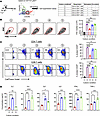 Figure 6
CTX-induced NeuMo cells possess the ability to suppress T cell activation. (A) Isolation of CTX-induced NeuMo cells for T cell suppression assays. The schema depicts the experimental procedures and timeline. Seven days after CTX treatment, BM monocytes (CD11b+Ly6Chi) were subjected to FACS sorting to isolate the indicated cell fractions based on CXCR4 and CX3CR1 expression patterns. The sorted monocytes were used for in vitro T cell suppression assay. The cell culture setup conditions are outlined in the table on the right. Three days after culture, cells were harvested for analysis. (B) Representative dot plots showing the size (FSC) and granularity (SSC) of cultured cells. Cells within the dashed red lines were primarily T cells. The median FSC values of the gated cells are summarized in the bar graph at right, shown as mean ± SEM of triplicate samples. (C) Cell division and activation status of the responder T cells. Cells were stained with antibodies against CD4, CD8, and CD25. Representative dot plots are gated on CD4+ (top panel) and CD8+ (bottom panel) T cells to show cell division status (violet dye dilution) and CD25 expression level. Numbers in dot plots represent percentage of fully activated T cells (divided CD25hi) under the specified culture condition. The results are summarized in the bar graphs at right, shown as mean ± SEM of triplicate samples. (D) Quantification of cytokines in cell culture. Supernatants from the indicated cell culture conditions were collected at time of cell harvest and subjected to LEGENDplex Multiplex Cytokine Assay to measure the concentrations of the indicated cytokines. Results are shown as mean ± SEM of triplicate samples. Data shown are representative of 2 independent experiments with similar results. Statistical analysis was performed using 1-way ANOVA with Tukey’s multiple-comparison test. *P < 0.05; ***P < 0.001; ****P < 0.0001.
Identification of NeuMo cells in patient PBMCs following chemotherapy. To validate our findings in a broader patient cohort, we analyzed 2 publicly available scRNA-seq datasets containing PBMCs collected from patients before and after chemotherapy. Specifically, we included 4 patients with paired pre- and post-treatment PBMC samples: 2 triple-negative breast cancer patients treated with CTX and doxorubicin (Gene Expression Omnibus [GEO] GSE263995) and 2 tongue squamous cell carcinoma patients treated with docetaxel, cisplatin, and 5-fluorouracil (GSE260953). Our objective was to determine whether NeuMo cells emerge following chemotherapy across distinct cancer types and therapeutic regimens. scRNA-seq data were downloaded from GEO and reference-mapped against publicly available PBMC scRNA-seq datasets from healthy donors (Supplemental Figure 5). From PBMC populations, we extracted 18,665 high-quality monocytes for further analysis (Figure 7A). Integration of the 8 scRNA-seq datasets revealed a unique monocyte population that emerged only after chemotherapy (Figure 7B). Pseudo-bulk differential expression analysis revealed upregulation of NeuMo gene signatures, including MMP8, CAMP, ELANE, and CTSG, in post-treatment monocytes (Figure 7C). Uniform manifold approximation and projection (UMAP) revealed classical CD14+ monocytes (cluster 0), non-classical CD16+ monocytes (cluster 1), and 2 minor populations expressing neutrophil lineage markers: one subpopulation characterized by CD16B and multiple CXCR receptors (cluster 2) and another characterized by NeuMo gene signatures (cluster 3) (Figure 7D). Notably, clusters 2 and 3 expanded following chemotherapy, increasing from 2.75% to 4.19% and from 0.2% to 4.78%, respectively, while classical (cluster 0) and non-classical (cluster 1) monocytes showed a modest decline (Figure 7E). Cluster 3 cells expressed CD24 but lacked CX3CR1, mirroring the murine NeuMo profile. However, unlike their murine counterparts, these cells did not express CXCR1, CXCR2, or CXCR4 (Figure 7F). In contrast, cluster 2 cells, which also expanded after chemotherapy, expressed these CXCR genes but also lacked CX3CR1. To further dissect the transcriptional differences between the cell clusters, we temporally broke down each cluster (pre- versus post-chemotherapy) and examined the expression levels of a selected panel of NeuMo-associated genes identified from murine scRNA-seq datasets (Figure 7G). Cluster 3 cells from post-chemotherapy samples exhibited elevated expression of genes associated with granulocyte-monocyte progenitors (MPO, ELANE, CTSG, PRTN3), proliferation (MKI67, TOP2A, STMN1), and immature neutrophil markers (CD177, CAMP, NKG7). Cell cycle analysis revealed an increased proportion of cluster 3 cells in the G2/M and S phases, indicating active proliferation (Figure 7H). Collectively, these findings demonstrate that cluster 3 monocytes from human PBMCs after chemotherapy share key transcriptional features with the NeuMo population identified in our murine model, supporting the emergence of a conserved, treatment-induced immunomodulatory monocyte subset.
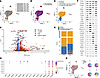 Figure 7
Reanalysis of publicly available scRNA-seq datasets identifies NeuMo-like cells emerging after chemotherapy in the PBMCs of cancer patients. (A) UMAP plot of 18,656 monocytes extracted from 2 publicly available scRNA-seq datasets of cancer patients, with cells colored by sample origin. (B) UMAP plot showing the same cells colored by chemotherapy treatment status. (C) Volcano plot displaying differentially expressed genes between pre- and post-chemotherapy monocytes. Differential gene expression analysis was performed using the MAST test implemented in Seurat, and P values were adjusted for multiple testing using the Bonferroni method. (D) UMAP clustering identifies 4 distinct monocyte subtypes, including classical (CD14+) and non-classical (CD16+) monocytes and 2 smaller clusters impacted by chemotherapy treatment. (E) Bar plot representing the proportions of each monocyte cluster in pre- and post-chemotherapy samples. (F) Violin plots showing expression of marker genes used to define the clusters in D. (G) Dot plot showing the expression of selected NeuMo-associated genes identified from mouse scRNA-seq datasets across the human monocyte subclusters, highlighting increased expression in cluster 3 cells following chemotherapy. (H) UMAP plot depicting the inferred cell cycle phase (G1, S, or G2/M) of each cell, with accompanying pie charts summarizing the distribution of cell cycle phases within each of the 4 monocyte clusters.


