
Research ArticleCell biologyHepatology
Open Access |  10.1172/jci.insight.196695
Mitochondrial retrograde signal through GCN5L1 transition–mediated PPARγ stabilization promotes MASLD development
Jiaqi Zhang,1 Danni Wang,2 Qiqi Tang,1 Yaoshu Yue,1 Xin Lu,2 Xiuya Hu,2 Yitong Han,3 Jiarun Chen,3 Zihan Wang,2 Xue Bai,4 Kai Zhang,4 Yongsheng Chang,1 Longhao Sun,3 Lu Zhu,1,2 and Lingdi Wang1
1Department of Physiology and Pathophysiology, State Key Laboratory of Experimental Hematology, Tianjin Key Laboratory of Inflammatory Biology, The Province and Ministry Co-sponsored Collaborative Innovation Center for Medical Epigenetics, NHC Key Laboratory of Hormones and Development, Chu Hsien-I Memorial Hospital and Tianjin Institute of Endocrinology, School of Basic Medical Sciences, Tianjin Medical University, Tianjin, China.
2Department of Pharmacology, School of Basic Medical Sciences, Tianjin Medical University, Tianjin, China.
3Department of General Surgery, Tianjin Medical University General Hospital, Tianjin, China.
4Department of Biochemistry and Molecular Biology, School of Basic Medical Sciences, Tianjin Medical University, Tianjin, China.
Address correspondence to: Lingdi Wang, Lu Zhu, or Yongsheng Chang, School of Basic Medical Sciences, Tianjin Medical University, 22 Qixiangtai Road, Tianjin, China 300070. Email: wanglingdi@tmu.edu.cn (LW); zhulu@tmu.edu.cn (LZ); changys@tmu.edu.cn (YC). Or to: Longhao Sun, Department of General Surgery, Tianjin Medical University General Hospital, 154 Anshan Road, Tianjin, China 300052. Email: sun_longhao@163.com.
Authorship note: JZ, DW, and QT have been designated as co–first authors and contributed equally to this work.
Find articles by Zhang, J. in: PubMed | Google Scholar
1Department of Physiology and Pathophysiology, State Key Laboratory of Experimental Hematology, Tianjin Key Laboratory of Inflammatory Biology, The Province and Ministry Co-sponsored Collaborative Innovation Center for Medical Epigenetics, NHC Key Laboratory of Hormones and Development, Chu Hsien-I Memorial Hospital and Tianjin Institute of Endocrinology, School of Basic Medical Sciences, Tianjin Medical University, Tianjin, China.
2Department of Pharmacology, School of Basic Medical Sciences, Tianjin Medical University, Tianjin, China.
3Department of General Surgery, Tianjin Medical University General Hospital, Tianjin, China.
4Department of Biochemistry and Molecular Biology, School of Basic Medical Sciences, Tianjin Medical University, Tianjin, China.
Address correspondence to: Lingdi Wang, Lu Zhu, or Yongsheng Chang, School of Basic Medical Sciences, Tianjin Medical University, 22 Qixiangtai Road, Tianjin, China 300070. Email: wanglingdi@tmu.edu.cn (LW); zhulu@tmu.edu.cn (LZ); changys@tmu.edu.cn (YC). Or to: Longhao Sun, Department of General Surgery, Tianjin Medical University General Hospital, 154 Anshan Road, Tianjin, China 300052. Email: sun_longhao@163.com.
Authorship note: JZ, DW, and QT have been designated as co–first authors and contributed equally to this work.
Find articles by Wang, D. in: PubMed | Google Scholar
1Department of Physiology and Pathophysiology, State Key Laboratory of Experimental Hematology, Tianjin Key Laboratory of Inflammatory Biology, The Province and Ministry Co-sponsored Collaborative Innovation Center for Medical Epigenetics, NHC Key Laboratory of Hormones and Development, Chu Hsien-I Memorial Hospital and Tianjin Institute of Endocrinology, School of Basic Medical Sciences, Tianjin Medical University, Tianjin, China.
2Department of Pharmacology, School of Basic Medical Sciences, Tianjin Medical University, Tianjin, China.
3Department of General Surgery, Tianjin Medical University General Hospital, Tianjin, China.
4Department of Biochemistry and Molecular Biology, School of Basic Medical Sciences, Tianjin Medical University, Tianjin, China.
Address correspondence to: Lingdi Wang, Lu Zhu, or Yongsheng Chang, School of Basic Medical Sciences, Tianjin Medical University, 22 Qixiangtai Road, Tianjin, China 300070. Email: wanglingdi@tmu.edu.cn (LW); zhulu@tmu.edu.cn (LZ); changys@tmu.edu.cn (YC). Or to: Longhao Sun, Department of General Surgery, Tianjin Medical University General Hospital, 154 Anshan Road, Tianjin, China 300052. Email: sun_longhao@163.com.
Authorship note: JZ, DW, and QT have been designated as co–first authors and contributed equally to this work.
Find articles by Tang, Q. in: PubMed | Google Scholar
1Department of Physiology and Pathophysiology, State Key Laboratory of Experimental Hematology, Tianjin Key Laboratory of Inflammatory Biology, The Province and Ministry Co-sponsored Collaborative Innovation Center for Medical Epigenetics, NHC Key Laboratory of Hormones and Development, Chu Hsien-I Memorial Hospital and Tianjin Institute of Endocrinology, School of Basic Medical Sciences, Tianjin Medical University, Tianjin, China.
2Department of Pharmacology, School of Basic Medical Sciences, Tianjin Medical University, Tianjin, China.
3Department of General Surgery, Tianjin Medical University General Hospital, Tianjin, China.
4Department of Biochemistry and Molecular Biology, School of Basic Medical Sciences, Tianjin Medical University, Tianjin, China.
Address correspondence to: Lingdi Wang, Lu Zhu, or Yongsheng Chang, School of Basic Medical Sciences, Tianjin Medical University, 22 Qixiangtai Road, Tianjin, China 300070. Email: wanglingdi@tmu.edu.cn (LW); zhulu@tmu.edu.cn (LZ); changys@tmu.edu.cn (YC). Or to: Longhao Sun, Department of General Surgery, Tianjin Medical University General Hospital, 154 Anshan Road, Tianjin, China 300052. Email: sun_longhao@163.com.
Authorship note: JZ, DW, and QT have been designated as co–first authors and contributed equally to this work.
Find articles by Yue, Y. in: PubMed | Google Scholar
1Department of Physiology and Pathophysiology, State Key Laboratory of Experimental Hematology, Tianjin Key Laboratory of Inflammatory Biology, The Province and Ministry Co-sponsored Collaborative Innovation Center for Medical Epigenetics, NHC Key Laboratory of Hormones and Development, Chu Hsien-I Memorial Hospital and Tianjin Institute of Endocrinology, School of Basic Medical Sciences, Tianjin Medical University, Tianjin, China.
2Department of Pharmacology, School of Basic Medical Sciences, Tianjin Medical University, Tianjin, China.
3Department of General Surgery, Tianjin Medical University General Hospital, Tianjin, China.
4Department of Biochemistry and Molecular Biology, School of Basic Medical Sciences, Tianjin Medical University, Tianjin, China.
Address correspondence to: Lingdi Wang, Lu Zhu, or Yongsheng Chang, School of Basic Medical Sciences, Tianjin Medical University, 22 Qixiangtai Road, Tianjin, China 300070. Email: wanglingdi@tmu.edu.cn (LW); zhulu@tmu.edu.cn (LZ); changys@tmu.edu.cn (YC). Or to: Longhao Sun, Department of General Surgery, Tianjin Medical University General Hospital, 154 Anshan Road, Tianjin, China 300052. Email: sun_longhao@163.com.
Authorship note: JZ, DW, and QT have been designated as co–first authors and contributed equally to this work.
Find articles by Lu, X. in: PubMed | Google Scholar
1Department of Physiology and Pathophysiology, State Key Laboratory of Experimental Hematology, Tianjin Key Laboratory of Inflammatory Biology, The Province and Ministry Co-sponsored Collaborative Innovation Center for Medical Epigenetics, NHC Key Laboratory of Hormones and Development, Chu Hsien-I Memorial Hospital and Tianjin Institute of Endocrinology, School of Basic Medical Sciences, Tianjin Medical University, Tianjin, China.
2Department of Pharmacology, School of Basic Medical Sciences, Tianjin Medical University, Tianjin, China.
3Department of General Surgery, Tianjin Medical University General Hospital, Tianjin, China.
4Department of Biochemistry and Molecular Biology, School of Basic Medical Sciences, Tianjin Medical University, Tianjin, China.
Address correspondence to: Lingdi Wang, Lu Zhu, or Yongsheng Chang, School of Basic Medical Sciences, Tianjin Medical University, 22 Qixiangtai Road, Tianjin, China 300070. Email: wanglingdi@tmu.edu.cn (LW); zhulu@tmu.edu.cn (LZ); changys@tmu.edu.cn (YC). Or to: Longhao Sun, Department of General Surgery, Tianjin Medical University General Hospital, 154 Anshan Road, Tianjin, China 300052. Email: sun_longhao@163.com.
Authorship note: JZ, DW, and QT have been designated as co–first authors and contributed equally to this work.
Find articles by Hu, X. in: PubMed | Google Scholar
1Department of Physiology and Pathophysiology, State Key Laboratory of Experimental Hematology, Tianjin Key Laboratory of Inflammatory Biology, The Province and Ministry Co-sponsored Collaborative Innovation Center for Medical Epigenetics, NHC Key Laboratory of Hormones and Development, Chu Hsien-I Memorial Hospital and Tianjin Institute of Endocrinology, School of Basic Medical Sciences, Tianjin Medical University, Tianjin, China.
2Department of Pharmacology, School of Basic Medical Sciences, Tianjin Medical University, Tianjin, China.
3Department of General Surgery, Tianjin Medical University General Hospital, Tianjin, China.
4Department of Biochemistry and Molecular Biology, School of Basic Medical Sciences, Tianjin Medical University, Tianjin, China.
Address correspondence to: Lingdi Wang, Lu Zhu, or Yongsheng Chang, School of Basic Medical Sciences, Tianjin Medical University, 22 Qixiangtai Road, Tianjin, China 300070. Email: wanglingdi@tmu.edu.cn (LW); zhulu@tmu.edu.cn (LZ); changys@tmu.edu.cn (YC). Or to: Longhao Sun, Department of General Surgery, Tianjin Medical University General Hospital, 154 Anshan Road, Tianjin, China 300052. Email: sun_longhao@163.com.
Authorship note: JZ, DW, and QT have been designated as co–first authors and contributed equally to this work.
Find articles by Han, Y. in: PubMed | Google Scholar
1Department of Physiology and Pathophysiology, State Key Laboratory of Experimental Hematology, Tianjin Key Laboratory of Inflammatory Biology, The Province and Ministry Co-sponsored Collaborative Innovation Center for Medical Epigenetics, NHC Key Laboratory of Hormones and Development, Chu Hsien-I Memorial Hospital and Tianjin Institute of Endocrinology, School of Basic Medical Sciences, Tianjin Medical University, Tianjin, China.
2Department of Pharmacology, School of Basic Medical Sciences, Tianjin Medical University, Tianjin, China.
3Department of General Surgery, Tianjin Medical University General Hospital, Tianjin, China.
4Department of Biochemistry and Molecular Biology, School of Basic Medical Sciences, Tianjin Medical University, Tianjin, China.
Address correspondence to: Lingdi Wang, Lu Zhu, or Yongsheng Chang, School of Basic Medical Sciences, Tianjin Medical University, 22 Qixiangtai Road, Tianjin, China 300070. Email: wanglingdi@tmu.edu.cn (LW); zhulu@tmu.edu.cn (LZ); changys@tmu.edu.cn (YC). Or to: Longhao Sun, Department of General Surgery, Tianjin Medical University General Hospital, 154 Anshan Road, Tianjin, China 300052. Email: sun_longhao@163.com.
Authorship note: JZ, DW, and QT have been designated as co–first authors and contributed equally to this work.
Find articles by Chen, J. in: PubMed | Google Scholar
1Department of Physiology and Pathophysiology, State Key Laboratory of Experimental Hematology, Tianjin Key Laboratory of Inflammatory Biology, The Province and Ministry Co-sponsored Collaborative Innovation Center for Medical Epigenetics, NHC Key Laboratory of Hormones and Development, Chu Hsien-I Memorial Hospital and Tianjin Institute of Endocrinology, School of Basic Medical Sciences, Tianjin Medical University, Tianjin, China.
2Department of Pharmacology, School of Basic Medical Sciences, Tianjin Medical University, Tianjin, China.
3Department of General Surgery, Tianjin Medical University General Hospital, Tianjin, China.
4Department of Biochemistry and Molecular Biology, School of Basic Medical Sciences, Tianjin Medical University, Tianjin, China.
Address correspondence to: Lingdi Wang, Lu Zhu, or Yongsheng Chang, School of Basic Medical Sciences, Tianjin Medical University, 22 Qixiangtai Road, Tianjin, China 300070. Email: wanglingdi@tmu.edu.cn (LW); zhulu@tmu.edu.cn (LZ); changys@tmu.edu.cn (YC). Or to: Longhao Sun, Department of General Surgery, Tianjin Medical University General Hospital, 154 Anshan Road, Tianjin, China 300052. Email: sun_longhao@163.com.
Authorship note: JZ, DW, and QT have been designated as co–first authors and contributed equally to this work.
Find articles by Wang, Z. in: PubMed | Google Scholar
1Department of Physiology and Pathophysiology, State Key Laboratory of Experimental Hematology, Tianjin Key Laboratory of Inflammatory Biology, The Province and Ministry Co-sponsored Collaborative Innovation Center for Medical Epigenetics, NHC Key Laboratory of Hormones and Development, Chu Hsien-I Memorial Hospital and Tianjin Institute of Endocrinology, School of Basic Medical Sciences, Tianjin Medical University, Tianjin, China.
2Department of Pharmacology, School of Basic Medical Sciences, Tianjin Medical University, Tianjin, China.
3Department of General Surgery, Tianjin Medical University General Hospital, Tianjin, China.
4Department of Biochemistry and Molecular Biology, School of Basic Medical Sciences, Tianjin Medical University, Tianjin, China.
Address correspondence to: Lingdi Wang, Lu Zhu, or Yongsheng Chang, School of Basic Medical Sciences, Tianjin Medical University, 22 Qixiangtai Road, Tianjin, China 300070. Email: wanglingdi@tmu.edu.cn (LW); zhulu@tmu.edu.cn (LZ); changys@tmu.edu.cn (YC). Or to: Longhao Sun, Department of General Surgery, Tianjin Medical University General Hospital, 154 Anshan Road, Tianjin, China 300052. Email: sun_longhao@163.com.
Authorship note: JZ, DW, and QT have been designated as co–first authors and contributed equally to this work.
Find articles by Bai, X. in: PubMed | Google Scholar
1Department of Physiology and Pathophysiology, State Key Laboratory of Experimental Hematology, Tianjin Key Laboratory of Inflammatory Biology, The Province and Ministry Co-sponsored Collaborative Innovation Center for Medical Epigenetics, NHC Key Laboratory of Hormones and Development, Chu Hsien-I Memorial Hospital and Tianjin Institute of Endocrinology, School of Basic Medical Sciences, Tianjin Medical University, Tianjin, China.
2Department of Pharmacology, School of Basic Medical Sciences, Tianjin Medical University, Tianjin, China.
3Department of General Surgery, Tianjin Medical University General Hospital, Tianjin, China.
4Department of Biochemistry and Molecular Biology, School of Basic Medical Sciences, Tianjin Medical University, Tianjin, China.
Address correspondence to: Lingdi Wang, Lu Zhu, or Yongsheng Chang, School of Basic Medical Sciences, Tianjin Medical University, 22 Qixiangtai Road, Tianjin, China 300070. Email: wanglingdi@tmu.edu.cn (LW); zhulu@tmu.edu.cn (LZ); changys@tmu.edu.cn (YC). Or to: Longhao Sun, Department of General Surgery, Tianjin Medical University General Hospital, 154 Anshan Road, Tianjin, China 300052. Email: sun_longhao@163.com.
Authorship note: JZ, DW, and QT have been designated as co–first authors and contributed equally to this work.
Find articles by Zhang, K. in: PubMed | Google Scholar
1Department of Physiology and Pathophysiology, State Key Laboratory of Experimental Hematology, Tianjin Key Laboratory of Inflammatory Biology, The Province and Ministry Co-sponsored Collaborative Innovation Center for Medical Epigenetics, NHC Key Laboratory of Hormones and Development, Chu Hsien-I Memorial Hospital and Tianjin Institute of Endocrinology, School of Basic Medical Sciences, Tianjin Medical University, Tianjin, China.
2Department of Pharmacology, School of Basic Medical Sciences, Tianjin Medical University, Tianjin, China.
3Department of General Surgery, Tianjin Medical University General Hospital, Tianjin, China.
4Department of Biochemistry and Molecular Biology, School of Basic Medical Sciences, Tianjin Medical University, Tianjin, China.
Address correspondence to: Lingdi Wang, Lu Zhu, or Yongsheng Chang, School of Basic Medical Sciences, Tianjin Medical University, 22 Qixiangtai Road, Tianjin, China 300070. Email: wanglingdi@tmu.edu.cn (LW); zhulu@tmu.edu.cn (LZ); changys@tmu.edu.cn (YC). Or to: Longhao Sun, Department of General Surgery, Tianjin Medical University General Hospital, 154 Anshan Road, Tianjin, China 300052. Email: sun_longhao@163.com.
Authorship note: JZ, DW, and QT have been designated as co–first authors and contributed equally to this work.
Find articles by Chang, Y. in: PubMed | Google Scholar
1Department of Physiology and Pathophysiology, State Key Laboratory of Experimental Hematology, Tianjin Key Laboratory of Inflammatory Biology, The Province and Ministry Co-sponsored Collaborative Innovation Center for Medical Epigenetics, NHC Key Laboratory of Hormones and Development, Chu Hsien-I Memorial Hospital and Tianjin Institute of Endocrinology, School of Basic Medical Sciences, Tianjin Medical University, Tianjin, China.
2Department of Pharmacology, School of Basic Medical Sciences, Tianjin Medical University, Tianjin, China.
3Department of General Surgery, Tianjin Medical University General Hospital, Tianjin, China.
4Department of Biochemistry and Molecular Biology, School of Basic Medical Sciences, Tianjin Medical University, Tianjin, China.
Address correspondence to: Lingdi Wang, Lu Zhu, or Yongsheng Chang, School of Basic Medical Sciences, Tianjin Medical University, 22 Qixiangtai Road, Tianjin, China 300070. Email: wanglingdi@tmu.edu.cn (LW); zhulu@tmu.edu.cn (LZ); changys@tmu.edu.cn (YC). Or to: Longhao Sun, Department of General Surgery, Tianjin Medical University General Hospital, 154 Anshan Road, Tianjin, China 300052. Email: sun_longhao@163.com.
Authorship note: JZ, DW, and QT have been designated as co–first authors and contributed equally to this work.
Find articles by Sun, L. in: PubMed | Google Scholar
1Department of Physiology and Pathophysiology, State Key Laboratory of Experimental Hematology, Tianjin Key Laboratory of Inflammatory Biology, The Province and Ministry Co-sponsored Collaborative Innovation Center for Medical Epigenetics, NHC Key Laboratory of Hormones and Development, Chu Hsien-I Memorial Hospital and Tianjin Institute of Endocrinology, School of Basic Medical Sciences, Tianjin Medical University, Tianjin, China.
2Department of Pharmacology, School of Basic Medical Sciences, Tianjin Medical University, Tianjin, China.
3Department of General Surgery, Tianjin Medical University General Hospital, Tianjin, China.
4Department of Biochemistry and Molecular Biology, School of Basic Medical Sciences, Tianjin Medical University, Tianjin, China.
Address correspondence to: Lingdi Wang, Lu Zhu, or Yongsheng Chang, School of Basic Medical Sciences, Tianjin Medical University, 22 Qixiangtai Road, Tianjin, China 300070. Email: wanglingdi@tmu.edu.cn (LW); zhulu@tmu.edu.cn (LZ); changys@tmu.edu.cn (YC). Or to: Longhao Sun, Department of General Surgery, Tianjin Medical University General Hospital, 154 Anshan Road, Tianjin, China 300052. Email: sun_longhao@163.com.
Authorship note: JZ, DW, and QT have been designated as co–first authors and contributed equally to this work.
Find articles by Zhu, L. in: PubMed | Google Scholar
1Department of Physiology and Pathophysiology, State Key Laboratory of Experimental Hematology, Tianjin Key Laboratory of Inflammatory Biology, The Province and Ministry Co-sponsored Collaborative Innovation Center for Medical Epigenetics, NHC Key Laboratory of Hormones and Development, Chu Hsien-I Memorial Hospital and Tianjin Institute of Endocrinology, School of Basic Medical Sciences, Tianjin Medical University, Tianjin, China.
2Department of Pharmacology, School of Basic Medical Sciences, Tianjin Medical University, Tianjin, China.
3Department of General Surgery, Tianjin Medical University General Hospital, Tianjin, China.
4Department of Biochemistry and Molecular Biology, School of Basic Medical Sciences, Tianjin Medical University, Tianjin, China.
Address correspondence to: Lingdi Wang, Lu Zhu, or Yongsheng Chang, School of Basic Medical Sciences, Tianjin Medical University, 22 Qixiangtai Road, Tianjin, China 300070. Email: wanglingdi@tmu.edu.cn (LW); zhulu@tmu.edu.cn (LZ); changys@tmu.edu.cn (YC). Or to: Longhao Sun, Department of General Surgery, Tianjin Medical University General Hospital, 154 Anshan Road, Tianjin, China 300052. Email: sun_longhao@163.com.
Authorship note: JZ, DW, and QT have been designated as co–first authors and contributed equally to this work.
Find articles by Wang, L. in: PubMed | Google Scholar
Published January 23, 2026 - More info
JCI Insight. 2026;11(2):e196695. https://doi.org/10.1172/jci.insight.196695.
© 2026 Zhang et al. This work is licensed under the Creative Commons Attribution 4.0 International License. To view a copy of this license, visit http://creativecommons.org/licenses/by/4.0/.
Received: June 12, 2025; Accepted: November 26, 2025


-
Results
GCN5L1 accumulates in cytoplasm during the development of MASLD in both HFD-fed mice and MASLD patients. As GCN5L1 expression has been reported to be upregulated in an acute HFD feeding murine model (16), we sought to explore the role of GCN5L1 in the progression of MASLD in human patients and mouse models. Analysis of the Gene Expression Omnibus (GEO) database revealed elevated GCN5L1 expression in individuals with MASLD (also referred to as non-alcoholic fatty liver disease) (Supplemental Figure 1A; supplemental material available online with this article; https://doi.org/10.1172/jci.insight.196695DS1). Given that both mitochondrial and lysosomal GCN5L1 regulates hepatic lipid homeostasis through distinct mechanisms (16, 18), we hypothesized that the subcellular localization of GCN5L1 is crucial for maintaining hepatic lipid homeostasis during MASLD progression. To test this, we evaluated GCN5L1 protein levels and localization in human liver biopsies from 8 healthy individuals and 8 MASLD patients. Metabolic parameters of these individuals are compared in Supplemental Table 1 to confirm their disease status. Consistent with the GEO analysis, both transcriptional and protein levels of GCN5L1 in liver lysates were significantly increased in MASLD patients. Notably, we observed a marked reduction in mitochondrial GCN5L1 levels in MASLD patients compared with healthy controls, while cytoplasmic GCN5L1 levels increased substantially, contributing to the overall elevation in total GCN5L1 protein (Figure 1A). In line with these findings in humans, this phenotype was recapitulated in a mouse model of MASLD, comparing the livers of mice fed an HFD for 16 weeks with those of mice fed normal chow (NC) (Figure 1B). Since GCN5L1 is a regulator of mitochondrial protein acetylation, we examined mitochondrial protein acetylation in patient biopsy and murine MASLD liver samples. As expected, the levels of mitochondrial protein acetylation were significantly decreased in MASLD livers from patients and HFD-fed mice compared with controls, indicating that reduced mitochondrial GCN5L1 levels were associated with decreased mitochondrial protein acetylation during MASLD progression (Supplemental Figure 1, B and C).
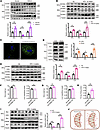 Figure 1
GCN5L1 accumulates in cytoplasm during development of MASLD in both HFD-fed mice and MASLD patients. (A) GCN5L1 protein levels and quantification of whole-cell lysate (WCL), mitochondrial (Mito), and cytoplasmic (Cyto) fractions of liver biopsies from healthy control (normal) or MASLD patients. n = 8 for each group. (B) GCN5L1 protein levels and quantification of WCL, Mito, and Cyto fractions of liver samples from mice fed normal chow (NC) or 16 weeks of high-fat diet (HFD). n = 6 mice per group. (C) Representative immunofluorescence of BODIPY and DAPI in primary hepatocytes with or without 0.4 mM PA/0.8 mM OA treatment overnight. (D) GCN5L1 protein levels and quantification of WCL, Mito, and Cyto fractions of primary hepatocytes treated with or without 0.4 mM PA/0.8 mM OA treatment overnight. Quantitation of 6 independent experiments is shown. (E) GCN5L1 protein levels and quantification of WCL, Mito, and Cyto fractions of liver samples from mice fed NC or 4 weeks of HFD. n = 6 mice per group. (F–H) Wild-type mice were injected with AAV-eGFP or AAV-GCN5L1-myc via tail vein and subjected to NC or HFD for 16 weeks. Body weight, liver/body weight ratio (F and G), and liver triglyceride content (H) were assessed. n = 5 for AAV-eGFP with NC, n = 8 for AAV-eGFP with HFD, n = 6 for AAV-GCN5L1-myc. (I) GCN5L1-myc protein levels and quantification of WCL, Mito, and Cyto fractions of liver samples from mice fed NC or 4 weeks of HFD. n = 6 mice per group. (J) Illustration of GCN5L1 protein distribution during MASLD or fatty acid incubation. Datasets in A, B, D, E, and I were analyzed by 2-way ANOVA with Bonferroni correction. F–H datasets were analyzed by 2-tailed Student’s t test. ns, P > 0.05; *P < 0.05, **P < 0.01, ***P < 0.001.
To further validate our findings, we incubated palmitic acid and oleic acid (PA/OA) with primary mouse hepatocytes to mimic MASLD development (19). Lipid accumulation induced by PA/OA treatment was visualized by BODIPY staining (Figure 1C), and immunoblotting confirmed the translocation of GCN5L1 from mitochondria to the cytoplasm (Figure 1D), consistent with our in vivo observations. Together, the results demonstrate that during MASLD progression, increased GCN5L1 expression coincides with cytoplasmic GCN5L1 accumulation, while reduced mitochondrial GCN5L1 levels may be linked to enhanced FAO. These findings suggest that the accumulation of cytoplasmic GCN5L1 during MASLD associates with lipid accumulation, potentially through mechanisms independent of mitochondrial lipid metabolism regulation, such as FAO.
To validate the link between cytoplasmic GCN5L1 accumulation and MASLD progression, we examined the critical time of GCN5L1 translocation and hepatic lipid accumulation during HFD feeding. In mice fed an HFD for 2 weeks, liver mitochondrial and cytoplasmic GCN5L1 protein levels remained similar to those of mice fed normal chow diet (NCD), as did hepatic triglyceride (TG) levels (Supplemental Figure 1, D and E). However, after 4 weeks of HFD feeding, mitochondrial GCN5L1 levels decreased slightly, while cytoplasmic and whole-liver-lysate GCN5L1 levels rose significantly, in line with increased hepatic TG content (Figure 1E and Supplemental Figure 1E). Meanwhile, GCN5L1 transcription increased in livers of mice fed an HFD for 4 weeks and 16 weeks, as well as in primary hepatocytes with PA/OA treatment compared with vehicle treatment (Supplemental Figure 1F), suggesting that HFD-induced GCN5L1 transcription correlated with cytoplasmic GCN5L1 accumulation and hepatic TG buildup.
The increased mitochondrial localization of GCN5L1 is observed in livers with acute HFD feeding, which regulates the acetylation of HADHA to modulate its function, and FAO substantially impacts MASLD progression (16). MASLD is characterized by mitochondrial dysfunction, including decreased membrane potential and ATP synthesis defects, which activates mitochondrial integrated stress response (ISR) to affect mitochondrial protein localization, e.g., DELE1 (10, 20). Meanwhile, mitochondrial membrane potential is crucial for protein import into mitochondrial matrix (12). To identify factors driving GCN5L1 translocation, especially decreased mitochondrial localized GCN5L1, two potential explanations were considered: reduced mitochondrial import of GCN5L1, and the release of GCN5L1 from mitochondrial matrix to cytoplasm. We first treated primary hepatocytes with oligomycin or FCCP overnight to abolish membrane potential and activate ISR. Immunoblotting revealed that these treatments did not alter GCN5L1 subcellular localization (Supplemental Figure 1G). However, GCN5L1 translocation was modulated by PA/OA treatment (Figure 1D), suggesting that the localization of GCN5L1 was regulated by fatty acid rather than mitochondrial ISR or dysfunction. The mechanisms of mitochondrial protein import have been well characterized (12). However, how mitochondrial proteins export to cytoplasm remains poorly understood. Given that the mitochondrial permeability transition pore (mPTP) is a Ca2+-dependent, cyclophilin D–facilitated (CypD-facilitated) channel in the inner mitochondrial membrane, its opening increases membrane permeability and permits the diffusion of molecules (e.g., mtDNA). We hypothesized that mitochondrial GCN5L1 could be released into the cytosol when the mPTP opens. The increased mPTP opening was confirmed by increased cytosolic mtDNA contents in PA/OA–treated hepatocytes. We found that cyclosporin A (CsA), a well-established inhibitor of mPTP opening (21), effectively reversed GCN5L1 mitochondrial localization in response to PA/OA treatment. Collectively, mPTP opening in response to PA/OA treatment mediates mitochondrial GCN5L1 release to cytoplasm, which would contribute to the increased cytosolic GCN5L1 in HFD feeding and PA/OA treatment (Supplemental Figure 1H).
In parallel, we generated an adeno-associated virus (AAV) with TBG promoter to overexpress GCN5L1-myc in mouse livers. When fed an NCD, AAV-GCN5L1-myc mice showed no significant difference in body weight or liver/body weight ratio, comparably to AAV-eGFP control mice. However, after 16 weeks of HFD, AAV-GCN5L1-myc mice exhibited higher body weight and liver/body weight ratio (Figure 1, F and G). Moreover, GCN5L1 overexpression significantly exacerbated HFD-induced hepatic TG content in comparison with controls (Figure 1H). Intriguingly, immunoblotting analysis revealed distinct localization patterns of GCN5L1-myc. In NCD-fed mice, GCN5L1-myc predominantly accumulated in mitochondria, whereas after HFD feeding, it showed minimal mitochondrial localization and was instead primarily present in the cytoplasm (Figure 1I). This striking correlation of cytoplasmic localization of GCN5L1 expression with hepatic lipid accumulation highlights an unrecognized role of GCN5L1 in MASLD (Figure 1J).
GCN5L1 deletion protects mice from HFD-induced liver steatosis but not liver injury. Given that GCN5L1 translocated from mitochondria to cytoplasm during lipid overload (PA/OA incubation and HFD feeding), we hypothesized that cytoplasmic GCN5L1 had a distinct function in MASLD progression, rather than regulating mitochondrial FAO. To elucidate the function of cytoplasmic GCN5L1, we employed mice with hepatocyte-specific GCN5L1 knockout (GCN5L1 LKO) with HFD feeding to induce MASLD. GCN5L1-LKO mice exhibited body weight gain similar to that of GCN5L1-flox/flox (CON) mice upon NCD feeding. However, GCN5L1-LKO mice had significantly lower body weight gain under HFD (Figure 2A). GCN5L1-LKO mice showed reduced body weight and liver/body weight ratios after 16 weeks of HFD (Figure 2, B and C). Markers of hepatic steatosis, including hepatic TG content, H&E staining, and Oil Red O staining, all indicated that GCN5L1-LKO mice were protected from HFD-induced hepatic steatosis (Figure 2, D–F), consistent with previous reports (16). Leveraging this model, we hypothesized that the overexpressed GCN5L1 under HFD could retain GCN5L1 in the cytoplasm and restore liver TG contents. To test this, we injected 6-week-old GCN5L1-LKO mice with AAV-GCN5L1-myc via the tail vein. Two weeks after injection, the mice were subjected to HFD for 16 weeks. The cytoplasmic accumulation of GCN5L1-myc in HFD-fed LKO livers was confirmed by immunoblotting (Figure 2G), similar to the pattern observed in wild-type mice with GCN5L1 overexpression. Notably, GCN5L1-myc restoration rescued the body weight, liver/body weight ratios, and hepatic TG content in GCN5L1-LKO mice (Figure 2, H–J). H&E and Oil Red O staining further demonstrated that GCN5L1 overexpression reversed liver steatosis in HFD-fed GCN5L1-LKO mice (Figure 2K). These results suggest that HFD-induced cytoplasmic retention of GCN5L1 is critical for regulating hepatic steatosis.
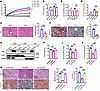 Figure 2
GCN5L1 deletion protects mice from HFD-induced liver steatosis but not liver injury. (A) Body weight gain of GCN5L1fl/fl (CON) and GCN5L1fl/fl-Alb-Cre (LKO) mice on NC or HFD diets for 16 weeks. n = 10, NC; n = 9, CON with HFD; n = 10, LKO with HFD. (B) Body weights of CON or LKO mice on NC or HFD for 16 weeks. n = 10, NC; n = 9, HFD. (C) Liver/body weight ratio of CON or LKO mice on NC or HFD for 16 weeks. n = 10, NC; n = 9, HFD. (D) Liver TG contents of CON or LKO mice on NC or HFD for 16 weeks. n = 10, NC; n = 9, HFD. (E) Representative images of H&E staining of livers from CON or LKO mice on HFD for 16 weeks. Scale bars: 50 μm; n = 8 mice/group. (F) Representative images of Oil Red O staining of CON or LKO mice on HFD for 16 weeks. Scale bars: 50 μm; n = 8 mice/group. (G) Representative Western blot analysis of GCN5L1-myc in WCL, Mito, and Cyto fractions of liver samples from GCN5L1-LKO mice with AAV-eGFP or AAV-GCN5L1-myc expression. (H–J) GCN5L1 CON or LKO mice were injected with AAV-eGFP or AAV-GCN5L1-myc, followed by HFD feeding for 16 weeks. Body weight (H), liver/body weight ratio (I), and liver TG contents (J) were determined (n = 6, CON with AAV-eGFP; n = 6, LKO with AAV-eGFP; n = 8, LKO with AAV-GCN5L1-myc). (K) Representative images of H&E staining (top) or Oil Red O staining (bottom) of liver sections from CON-eGFP, LKO-eGFP, or LKO-GCN5L1-myc mice on HFD for 16 weeks. Scale bars: 50 μm; n = 6 mice/group. Data in A–D were derived from a single cohort of mice. Data in H–J pertain to an independent cohort of mice. Datasets in A were analyzed by 2-factor repeated-measures ANOVA with Bonferroni correction; in B and H–K were analyzed by 1-way ANOVA with Bonferroni correction; in C and D were analyzed by Welch’s ANOVA with Games-Howell post hoc tests; in E and F were analyzed by 2-tailed Student’s t test. ns, P > 0.05; *P < 0.05, **P < 0.01, ***P < 0.001.
Beyond liver steatosis, liver injury and fibrosis are common characteristics of MASLD. We assessed plasma transaminase activities, lipid parameters, and Sirius red staining of liver sections to evaluate liver injury and fibrosis. Plasma TG and total cholesterol (TC) levels were increased in GCN5L1-LKO mice compared with control mice under HFD (Supplemental Figure 2, A and B), suggesting increased lipoprotein release in GCN5L1-deleted livers. Moreover, plasma aspartate transaminase (AST) and alanine transaminase (ALT) levels, markers of liver injury, were higher in GCN5L1-LKO mice on either NCD or HFD, suggesting that GCN5L1 ablation induced liver injury (Supplemental Figure 2C). However, the collagen deposition indicated by Sirius red staining showed that GCN5L1 deletion did not affect liver fibrosis upon HFD feeding (Supplemental Figure 2D).
To further evaluate the function of hepatocyte GCN5L1 in MASH in vivo, we subjected GCN5L1-LKO and GCN5L1-flox/flox mice to a high-fat/high-cholesterol plus high-fructose (HFF) diet. GCN5L1-LKO mice showed lower body weight gain, body weight, and liver/body weight ratios than controls (Supplemental Figure 2, E–G). Hepatic deletion of GCN5L1 ameliorated liver steatosis, as evidenced by liver TG content and improved H&E staining (Supplemental Figure 2, H and I). Sirius red staining, fibrotic marker gene expression, and collagen immunoblotting indicated that GCN5L1-LKO also attenuated liver fibrosis in response to HFF feeding (Supplemental Figure 2, J–L).
Collectively, these findings demonstrate that cytoplasmic localization of GCN5L1 is essential for HFD-induced liver steatosis. The underlying regulatory mechanism appears to be independent of mitochondrial FAO, which is modulated by mitochondrial GCN5L1.
GCN5L1 deletion inhibits de novo lipogenesis to reduce liver TG in response to HFD. Several processes are critical for liver steatosis, including increased de novo lipogenesis in hepatocytes and fatty acid uptake from circulation, decreased lipid catabolism through FAO, and very low-density lipoprotein release. To elucidate the pathway(s) mediating GCN5L1 deletion, which is attenuated in liver steatosis, we first measured fecal TG levels in GCN5L1-LKO and control mice, ruling out intestinal absorption as a confounding factor. The fecal levels were detected with no differences in TG levels (Figure 3A). We observed reduced hepatic TG content but increased plasma TG levels in GCN5L1-LKO mice with HFD, suggesting the imbalance of hepatic TG secretion and uptake by peripheral tissues, including muscle, adipose, and liver itself. Given cytoplasmic GCN5L1 accumulation starting at 4 weeks of HFD, we performed subsequent experiments with mice fed HFD for 4–8 weeks with comparable body weights. A lipid load assay showed that GCN5L1-LKO mice had higher baseline plasma TG, and their TG clearance rates were slightly worse than controls (Figure 3B).
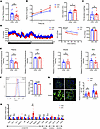 Figure 3
GCN5L1 deletion may inhibit de novo lipogenesis to reduce liver TG in response to HFD. (A) Feces TG of CON or LKO mice after 8 weeks of HFD (CON n = 14, LKO n = 12). (B) Plasma TG levels in HFD-fed CON or LKO mice (n = 8) orally receiving olive oil. (C) CON or LKO mice fed HFD for 8 weeks were fasted for 6 hours. Poloxamer 407 was administered via intraperitoneal injection (1 g/kg). Plasma TG levels were determined 2 hours after injection (CON n = 7, LKO n = 10). (D) Oxygen consumption was determined by metabolic cage experiments with CON or LKO mice on HFD. Oxygen consumption was normalized to body weight. ANCOVA analysis is shown on the right. (n = 6 mice per group.) (E) BODIPY-C16 fluorescence intensity in different tissues of CON or LKO mice (plasma, liver, muscle: CON n = 5, LKO n = 6; WAT: CON n = 4, LKO n = 5). WAT, white adipose tissue. (F) CON or LKO hepatocytes were analyzed by flow cytometry after incubation with 2 μM BODIPY-C16 for 10 minutes at 37°C (n = 3 mice per group). (G) Primary hepatocytes from CON and LKO mice were incubated with 40 mM acetate for 15 hours, followed by BODIPY staining and microscopy analysis; n > 10 cells from each group were analyzed. Scale bar: 20 μm. (H) Quantitative PCR detection of lipid metabolism–related genes in livers from CON or GCN5L1-LKO mice on HFD for 16 weeks (CON/LKO n = 8). Datasets in A, C, E, and H were analyzed by 2-tailed Student’s t test. Datasets in B were analyzed by 2-factor repeated-measures ANOVA with Bonferroni correction. Datasets in F were analyzed by non-parametric statistical tests. Datasets in G were analyzed by 2-way ANOVA with Bonferroni correction. ns, P > 0.05; *P < 0.05, **P < 0.01, ***P < 0.001.
Next, we examined TG secretion rate by injecting the mice with poloxamer 407, a non-ionic detergent that can block TG uptake in mice. Injection of poloxamer 407 confirmed unaltered hepatic TG secretion (Figure 3C). We then determined whether GCN5L1 deletion enhances FAO. The metabolic cage was introduced to detect oxygen consumption in GCN5L1-LKO and control mice upon HFD; the comparable ANCOVA of oxygen consumption rate between these 2 groups of mice excluded enhanced FAO as the primary mechanism of reduction of hepatic TG (Figure 3D). Our and others’ previous works demonstrate that mitochondrial GCN5L1 regulates FAO in HepG2 cells and primary hepatocytes in a manner partially dependent on the deacetylation regulation of mitochondrial proteins, e.g., CPT1, LCAD, and HADHA (16, 22). Therefore, during the development of MASLD, the decrease of mitochondrial localized GCN5L1 is thought to enhance FAO, which could not account for TG accumulation in MASLD, suggesting that cytoplasmic accumulated GCN5L1 plays a crucial role in mediating the impact of GCN5L1 on liver steatosis.
We aimed to elucidate whether the alleviated liver steatosis in GCN5L1-LKO mice resulted from decreased fatty acid uptake or de novo lipogenesis. BODIPY FL-C16, a fluorescent analog of long-chain fatty acids (23, 24), was used to monitor fatty acid uptake both in vivo and in vitro. GCN5L1-LKO and control mice were intraperitoneally injected with BODIPY FL-C16, and 2 hours later, plasma, liver, and other tissues were collected for fluorescence detection to assess fatty acid uptake. Fluorescence intensities in the plasma, liver, and other tissues were comparable between GCN5L1-LKO and CON mice (Figure 3E). In the in vitro assay, primary hepatocytes from GCN5L1-LKO and CON mice were incubated with BODIPY FL-C16, followed by flow cytometry analysis. The results showed a negligible reduction in hepatocyte uptake (Figure 3F). These data suggested that decreased FFA uptake did not account for reduced hepatic TG in GCN5L1-LKO mice.
Acetyl-CoA is the substrate for de novo lipogenesis, while acetate supplement increases acetyl-CoA levels in cytoplasm and enhances genome acetylation to activate lipogenesis (25, 26). Hepatocytes were incubated with 40 mM acetate for 15 hours, and lipid droplets were visualized by BODIPY staining. Acetate incubation significantly enhanced lipid accumulation in CON hepatocytes. In contrast, GCN5L1 deletion inhibited lipid droplet formation (Figure 3G), suggesting that GCN5L1 deletion inhibits de novo lipogenesis. The expression of key enzymes involved in de novo lipogenesis, fatty acid uptake, and TG secretion, such as Fasn, Scd1, Gpat, Cd36, and ApoE, was significantly downregulated in GCN5L1-LKO mice, whereas the expression of FAO showed no changes (Figure 3H). Collectively, these results demonstrate that GCN5L1 deletion suppresses de novo lipogenesis in the livers of HFD-fed mice.
GCN5L1 deletion reduces PPARγ and its downstream gene expression. To investigate the mechanism(s) by which GCN5L1 regulates hepatic steatosis, particularly the lipogenic pathway, we conducted a transcriptomic analysis of liver tissues from HFD-fed GCN5L1-LKO mice and control mice. The analysis revealed that 560 genes were upregulated and 289 genes were downregulated in GCN5L1-LKO livers. Kyoto Encyclopedia of Genes and Genomes (KEGG) analysis of downregulated genes showed a significant enrichment in PPAR signaling pathway, fatty acid metabolism, and biogenesis of unsaturated fatty acids (Figure 4, A and B). Further examination of lipid biosynthesis–related genes demonstrated that most of these genes were downregulated in GCN5L1-LKO mice, including key enzymes such as Scd1, Elov6, Acsl5, and Gpat (Figure 4C). Meanwhile, the upregulated genes were enriched in the phagosome and lysosome pathways (Supplemental Figure 3A). Based on these findings, we hypothesized that deletion of GCN5L1 inhibits the PPARγ pathway, thereby alleviating liver steatosis. Notably, the most predominant transcriptional factors involved in overnutrition-induced liver steatosis are Srebp1, ChREBP, FXR, etc. (27, 28). PPARγ is a key transcriptional factor to induce lipogenesis in adipose tissues (29), although its functions in the liver have been a subject of controversy (30–35). To explore whether and how the PPARγ pathway regulates lipid metabolism in GCN5L1-LKO livers, we first assessed the transcriptional activity of PPARγ in GCN5L1-deleted and control cells. The PPARγ activity luciferase construct was transfected into AML12 cells with GCN5L1 deletion by sgRNA or control. The transcriptional activity of PPARγ was found to be decreased in GCN5L1-knockout (KO) cells, and this difference was further amplified by incubation with PA/OA (Supplemental Figure 3B). Moreover, luciferase activity exhibited a proportional rise with GCN5L1 expression during PA/OA incubation (Supplemental Figure 3C). In addition, rosiglitazone, the PPARγ agonist, promoted PPARγ activity in both control and GCN5L1-KO cells (Supplemental Figure 3D); however, PPARγ activity in KO cells remained lower even after rosiglitazone treatment, suggesting that GCN5L1 deletion might affect the protein levels of PPARγ. Therefore, we evaluated the transcriptional and protein levels of PPARγ in GCN5L1-LKO livers. RNA sequencing data identified comparable RNA levels of PPARγ in GCN5L1-LKO and CON mice, which was confirmed by qPCR (Figure 4D). We then evaluated the protein levels of PPARγ in livers of GCN5L1-LKO and control mice fed an HFD, as well as in primary hepatocytes treated with PA/OA. The protein levels of PPARγ were significantly decreased in GCN5L1-LKO livers, and this decrease was reversed by AAV-GCN5L1-myc expression in livers (Figure 4E). GCN5L1 deletion also led to a reduction in PPARγ protein levels in response to PA/OA treatment (Supplemental Figure 3E). In parallel, the expression of PPARγ downstream genes, including Scd1, Fabp4, Cd36, Cidea, Cidec, and Mogat1 (33, 36), was confirmed by RT-PCR, which were downregulated in GCN5L1-LKO livers and restored by GCN5L1 overexpression (Figure 4F). These data indicate that the decreased protein level of PPARγ mediates the reduction of hepatic TG in GCN5L1-LKO mice upon HFD feeding.
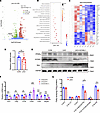 Figure 4
GCN5L1 deletion reduces PPARγ and its downstream gene expression. (A) RNA sequencing and analysis of differential gene expressions in livers from CON or GCN5L1-LKO mice on HFD for 16 weeks. (B) KEGG analysis of all downregulated genes from RNA sequencing. (C) Heatmap analysis of differential genes of lipid synthesis from RNA sequencing. (D) PPARγ RNA levels in CON or GCN5L1-LKO mice on HFD for 16 weeks (n = 9 mice per group). (E) PPARγ protein levels in livers from CON, GCN5L1-LKO, or LKO-AAV-GCN5L1 mice with HFD. (F) Quantitative PCR detection of target genes downstream of PPARγ in CON, GCN5L1-LKO, or LKO-AAV-GCN5L1 mice on HFD for 16 weeks (n = 5 mice per group). (G) Analysis of lipid profile in livers from CON and GCN5L1-LKO mice (n = 4 mice per group). For comparison between 2 groups in which n was 4, datasets were analyzed by 1-way ANOVA with Dunnett’s post hoc test. Datasets in D were analyzed by 2-tailed Student’s t test. Datasets in F were analyzed by 1-way ANOVA with Bonferroni correction. Datasets in G were analyzed by non-parametric statistical tests. ns, P > 0.05; *P < 0.05, **P < 0.01, ***P < 0.001.
Furthermore, the rate-limiting enzymes that regulate the synthesis of monounsaturated fatty acids — stearoyl-coenzyme A desaturases, especially SCD1, a classical target gene downstream of PPARγ — were dramatically decreased in GCN5L1-LKO livers (Figure 4A). Previous reports have associated SCD1 with the alleviation of liver steatosis but worse liver injury upon HFD (37–39). We hypothesized that the insufficient transcriptional levels of SCD1 inhibited lipid accumulation in GCN5L1-LKO livers with HFD feeding. To test this, we first examined the protein levels of SCD1, which was dramatically downregulated in GCN5L1-LKO livers (Supplemental Figure 4A). We then analyzed the lipid profile in livers from GCN5L1-LKO and CON mice. Liver extracts were subjected to LC-MS to quantify all fatty acids. The total hepatic fatty acid levels were comparable, and the levels of saturated fatty acids, such as palmitic acid, remained unchanged. However, the levels of unsaturated fatty acids, particularly C18:1 and C18:2, were significantly reduced in GCN5L1-LKO livers, indicating that the synthesis of unsaturated fatty acids was impaired in the absence of GCN5L1 (Figure 4G). We then investigated whether the decrease of Scd1 contributed to the attenuation of liver steatosis in GCN5L1-LKO mice on an HFD. We generated AAV-Scd1-FLAG and administered AAV-Scd1-FLAG or eGFP control to GCN5L1-LKO mice via tail vein injection. The mice were subsequently fed an HFD for 16 weeks, and the liver TG levels and plasma AST and ALT levels were measured. Scd1 expression could not restore the liver TG levels in GCN5L1-LKO mice; however, the deficiency of unsaturated fatty acids might be responsible for the liver injury observed in GCN5L1-LKO mice (Supplemental Figure 4, B–D).
GCN5L1 deletion modulates PPARγ stability via ubiquitylation-mediated proteasome degradation. Next, we investigated the mechanisms underlying the reduction of PPARγ protein levels in GCN5L1-LKO livers. Given that PPARγ protein levels but not RNA levels were decreased in GCN5L1-LKO livers, we hypothesized that GCN5L1 deletion impacts PPARγ protein stability. To test this, we used differentiated C3H10T1/2 cells to analyze PPARγ protein turnover. GCN5L1-KO and control cells were incubated with the protein synthesis inhibitor cycloheximide. Immunoblotting confirmed a decrease in PPARγ protein levels in C3H10T1/2 cells with or without GCN5L1 deletion (Supplemental Figure 5A). Notably, the rate of PPARγ degradation was significantly higher in GCN5L1-KO C3H10T1/2 cells and in primary hepatocytes from GCN5L1-LKO livers with PA/OA treatment (Figure 5, A and B). Exogenous PPARγ degradation was also observed in HepG2 cells with GCN5L1 deletion (Figure 5C). Collectively, these findings indicate that PPARγ protein stability is substantially reduced in GCN5L1-deleted cells.
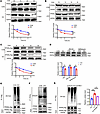 Figure 5
GCN5L1 deletion modulates PPARγ stability via ubiquitylation-mediated proteasome degradation. (A) GCN5L1 deletion (KO) or control (CON) C3H10T1/2 cells were stimulated with 50 μg/mL cycloheximide (CHX) for 0, 1, 2, and 4 hours, followed by Western blot analysis of PPARγ. Quantitation of 4 independent experiments is shown. (B) Primary hepatocytes from CON or GCN5L1-LKO mice were incubated with 0.4 mM PA/0.8 mM OA overnight, followed by stimulation with 50 μg/mL CHX for 0, 1, 2, and 4 hours. Western blot was used to detect PPARγ. Quantitation of 4 independent experiments is shown. (C) HepG2 cells with or without GCN5L1 deletion were transfected with PPARγ-FLAG. PPARγ-FLAG levels were assessed via Western blot analysis after CHX stimulation. Quantitation of 4 independent experiments is shown. (D) C3H10T1/2 cells with or without GCN5L1 deletion were incubated with MG132 (10 μM) or bafilomycin (20 nM). Western blot was used to detect PPARγ. Quantitation of 4 independent experiments is shown. (E) The PPARγ-FLAG and ubiquitin-myc (Ub-myc) plasmids were cotransfected into HepG2 CON or KO cells. PPARγ-FLAG was immunoprecipitated by anti-FLAG antibody. Ubiquitination levels were analyzed by immunoblotting with anti-myc antibody. (F) PPARγ antibody was used for immunoprecipitation of endogenous PPARγ. Ubiquitination levels were analyzed by immunoblotting in livers from CON or GCN5L1-LKO mice with 16-week HFD. (G) The PPARγ-FLAG and Ub-myc plasmids were cotransfected into HepG2 CON, GCN5L1-KO, or KO-lenti-GCN5L1 cells. PPARγ-FLAG was immunoprecipitated by anti-FLAG antibody. Ubiquitination levels were analyzed by immunoblotting with anti-myc antibody. Quantitation of 4 independent experiments is shown. Datasets in A–C were analyzed by 2-factor repeated-measures ANOVA with Bonferroni correction. Datasets in D were analyzed by 2-way ANOVA with Bonferroni correction. Datasets in G were analyzed by 1-way ANOVA with Bonferroni correction. ns, P > 0.05; *P < 0.05, **P < 0.01, ***P < 0.001.
The ubiquitin-proteasome system and the autophagy-lysosome system are the two major protein degradation pathways in cells (40). To determine the degradation pathway(s) involved following GCN5L1 depletion, we treated differentiated C3H10T1/2 cells with bafilomycin A1 (an endosome/lysosome inhibitor) or MG132 (a proteasome inhibitor) and then evaluated PPARγ protein levels. MG132, but not bafilomycin A1, prevented PPARγ degradation in GCN5L1-deleted cells (Figure 5D), suggesting that proteasomal degradation contributes to decreased PPARγ protein levels in GCN5L1-KO cells. As ubiquitination is the predominant factor in proteasome-mediated degradation (40), we assessed the extent of PPARγ ubiquitylation in the presence of MG132. A notable increase in the ubiquitination levels of PPARγ was observed in GCN5L1-KO HepG2 cells expressing PPARγ-FLAG (Figure 5E). Similarly, endogenous PPARγ was immunoprecipitated from HFD-fed mouse livers from GCN5L1-LKO and CON mice; PPARγ ubiquitination levels were markedly elevated in GCN5L1-LKO livers (Figure 5F). A similar result was obtained in differentiated C3H10T1/2 cells (Supplemental Figure 5B). Moreover, restoration of GCN5L1 expression in PA/OA–treated HepG2 cells reversed the increase in PPARγ ubiquitination levels (Figure 5G). Taken together, these results demonstrate that GCN5L1 deletion promotes PPARγ ubiquitination and subsequent degradation via the proteasome system.
GCN5L1 modulates PPARγ-K289 acetylation to prevent ubiquitination and degradation. Ubiquitination and acetylation are posttranslational modifications occurring on lysine residues. Given that GCN5L1 functions as a regulator of protein acetylation in mitochondria, we hypothesized that cytoplasmic GCN5L1 might modulate PPARγ acetylation, thereby competitively inhibiting ubiquitination on the same lysine residues. To test this hypothesis, we first investigated whether GCN5L1 regulates PPARγ acetylation. PPARγ-FLAG was transfected into HepG2 cells with or without GCN5L1 overexpression. Considering that PA/OA treatment mimics HFD feeding and promotes GCN5L1 cytoplasmic localization, the cells were treated with PA/OA for 16 hours. PPARγ was then immunoprecipitated using anti-FLAG resin, and its acetyl-lysine levels were evaluated by immunoblotting. GCN5L1 overexpression significantly enhanced PPARγ acetylation (Figure 6A). To further confirm this, we adapted an in vitro assay using purified proteins and acetyl-CoA in pH 7.4 buffer to mimic the cytosolic environment. FLAG-tagged PPARγ was incubated with BL21-derived GCN5L1 in the presence or absence of acetyl-CoA. Immunoblotting results indicated that significant levels of PPARγ acetylation were detectable under incubation with 1.5 mM acetyl-CoA. Coincubation with GCN5L1 further increased PPARγ acetylation (Supplemental Figure 6A). Next, we examined the interaction between GCN5L1 and PPARγ. Coimmunoprecipitation (co-IP) assays in HepG2 cells overexpressing both proteins confirmed their interaction (Figure 6, B and C). Additionally, GCN5L1 was immunoprecipitated by a myc antibody from livers of mice expressing AAV-GCN5L1-myc and fed an HFD for 4 weeks. Immunoblotting analysis further validated the interaction between GCN5L1 and PPARγ in these liver samples (Figure 6D). Interestingly, PPARγ protein levels were increased in livers of mice expressing GCN5L1-myc (Figure 6D). Collectively, these findings indicate that GCN5L1 interacts with PPARγ and modulates its acetylation.
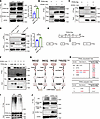 Figure 6
GCN5L1 modulates PPARγ-K289 acetylation to prevent ubiquitination and degradation. (A) HepG2 control or GCN5L1-myc–overexpressing cells were transfected with PPARγ-FLAG. Immunoprecipitation was performed using a FLAG antibody to detect the acetylation level of PPARγ-FLAG. Quantitation of 4 independent experiments is shown. (B) Coimmunoprecipitation (co-IP) was performed to validate the interaction between PPARγ-FLAG and GCN5L1-myc. Immunoprecipitation was conducted using an anti-myc antibody. (C) Co-IP assays were performed to validate the interaction between PPARγ-FLAG and GCN5L1-myc. Immunoprecipitation was conducted using an anti-FLAG antibody. (D) Co-IP was performed to validate the interaction between PPARγ and GCN5L1-myc. GCN5L1-myc was precipitated from AAV-GCN5L1-myc or AAV-eGFP mice. PPARγ was assessed by immunoblotting. Quantitation of input PPARγ levels in livers from AAV-GCN5L1-myc or AAV-eGFP mice is shown (right) (data from 4 independent experiments). (E) Illustration indicates domains of PPARγ. (F) Co-IP validation of the interaction of PPARγ-FLAG domains with GCN5L1-myc. (G) Illustration of the procedures to identify ubiquitination or acetylation residues of PPARγ by immunoprecipitation coupled with mass spectrometry. (H) PPARγ ubiquitination or acetylation residues were detected in HepG2 cells. Red marks the increased modification in GCN5L1-KO cells for ubiquitinated lysine residues or in GCN5L1-myc cells for acetylated lysine residues in D domain; blue-labeled K293 exhibited no significant variance between the control and GCN5L1 KO. PSM, peptide spectrum match. (I) PPARγ-wild-type or -K289R plasmids, along with the ubiquitin-myc (Ub-myc) plasmid, were cotransfected into HepG2 CON or GCN5L1-KO cells. PPARγ-FLAG or PPARγ-K289R-FLAG was immunoprecipitated to assess the ubiquitination levels by immunoblotting. (J) HepG2 CON or GCN5L1-myc–overexpressing cells were transfected with PPARγ-K289R-FLAG. PPARγ-K289R-FLAG was immunoprecipitated to assess the acetylation levels by immunoblotting. Datasets in A and D were analyzed by non-parametric statistical tests. *P < 0.05.
To determine whether GCN5L1 competitively regulates PPARγ acetylation to block its ubiquitination, we used proteomic analysis to study PPARγ modifications. As reported in the literature, PPARγ contains 4 domains: the A/B domain encompasses a ligand-independent transcriptional activation function; the C domain contains a DNA-binding domain capable of targeting specific DNA sequences; the D domain, constituting the hinge region, is critical for cofactor docking. The E/F region is a ligand-binding structural domain that can be activated by natural or synthetic ligands (41). We generated truncates of PPARγ containing the A/B, C, D, and E domains (Figure 6E). First, we identified the domains of PPARγ that interacted with GCN5L1. By expressing PPARγ truncates along with GCN5L1 in HepG2 cells and performing co-IP assays, we found that GCN5L1 primarily interacts with the C and D domains of PPARγ (Figure 6F). Then we used 2 systems to identify PPARγ modifications regulated by GCN5L1. In the first system, HepG2 cells were generated with stable expression of PPARγ-FLAG in GCN5L1-KO or CON backgrounds to analyze ubiquitination. In the second system, cells stably expressing PPARγ-FLAG and GCN5L1-myc were treated with PA/OA to mimic HFD feeding, enabling the analysis of acetylation. PPARγ-FLAG was accumulated by immunoprecipitation, and mass spectrometry was used to identify the modifications regulated by GCN5L1 (Figure 6G). Mass spectrometry analysis identified 11 lysine residues undergoing ubiquitination. Among them, 9 residues were uniquely ubiquitinated in GCN5L1-deleted cells, and 10 residues showed increased quantification in GCN5L1-KO cells compared with control cells. Lysine at positions K272, K289, and K303 exhibited the top 3 ubiquitination levels relative to other residues (Figure 6H). Additionally, 2 acetylated lysine residues were detected, and acetylation of PPARγ at K289 was increased in GCN5L1-overexpressed cells (Figure 6H). Interestingly, 7 of 11 ubiquitinated residues (including the top 3) were localized in the D domain, as was the only acetylation residue regulated by GCN5L1. This shared locus in both ubiquitination and acetylation analyses suggests its critical role as a key target of GCN5L1 in PPARγ regulation.
To further validate our findings, we constructed a plasmid with a mutation at the PPARγ 289 locus, altering the lysine to arginine to mimic deacetylation (Supplemental Figure 6B). PPARγ wild-type plasmid or PPARγ-K289R mutant construct was transfected into GCN5L1-KO or CON HepG2 cells, followed by overnight treatment with PA/OA and MG132. The results showed that the ubiquitination levels of wild-type PPARγ were significantly elevated in GCN5L1-deleted cells (Figure 6I). In contrast, the ubiquitination of PPARγ-K289R mutation was significantly downregulated in comparison with wild-type PPARγ in both CON and GCN5L1-KO cells, indicating that K289 is essential for PPARγ ubiquitination and degradation (Figure 6I). Moreover, when PPARγ-K289R was expressed in HepG2 cells with or without GCN5L1-myc overexpression, the acetylation levels of PPARγ-K289R were comparable between the two groups, further confirming that GCN5L1 regulates PPARγ acetylation at K289 (Figure 6J). In conclusion, GCN5L1 promotes acetylation of PPARγ at K289, which competitively blocks ubiquitination at this site, thereby reducing PPARγ degradation.
PPARγ-K289 mutation increases PPARγ stability and liver steatosis in HFD mice. To investigate the physiological function of PPARγ-K289, we generated AAV-TBG-PPARγ and AAV-TBG-PPARγ-K289R to express wild-type PPARγ and its mutant in mouse livers. Given our hypothesis that cytoplasmic GCN5L1 serves as a major regulator of PPARγ-K289 acetylation and considering that 4 weeks of HFD is required to ensure cytoplasmic GCN5L1 accumulation, we conducted the following experiments. Wild-type mice at 6 weeks were injected with AAV-TBG-PPARγ or AAV-TBG-PPARγ-K289R via tail vein and subjected to NCD or HFD for 4 weeks (Figure 7A). Two weeks after AAV injection, immunoblotting analysis confirmed the protein expression of both wild-type PPARγ and PPARγ-K289R in mice on the NCD (Supplemental Figure 7A). PPARγ-K289R mice exhibited comparable body weight and liver weight when the mice were on NCD. However, under HFD feeding, both groups exhibited increased body weight, with PPARγ-K289R mice showing significantly higher body weight and liver weight than wild-type mice (Figure 7, B and C). Notably, PPARγ wild-type expression enhanced hepatic TG content compared with eGFP control even when the mice were on NCD, suggesting that PPARγ promotes lipogenesis in livers (Figure 7D). HFD further exacerbated liver TG accumulation, which was significantly more pronounced in PPARγ-K289R–expressing mice than in wild-type mice (Figure 7D). This phenotype correlated with higher protein levels of PPARγ-K289R, which was confirmed to possess reduced ubiquitination (Figure 7E). Plasma TG levels remained unaffected by PPARγ-K289 mutation regardless of diet condition (Supplemental Figure 7B). However, plasma cholesterol levels and AST and ALT levels were significantly enhanced in PPARγ-K289R mice compared with PPARγ-wild-type mice on HFD (Supplemental Figure 7, C and D). These phenotypes were similar to those observations in GCN5L1-LKO mice, suggesting that deacetylation of PPARγ-K289 is a key mediator of GCN5L1-regulated hepatic lipid metabolic disorders. Collectively, these results demonstrate that the acetylation of PPARγ-K289 is critical for its stability in vivo and plays a pivotal role in promoting liver TG accumulation, particularly under HFD conditions.
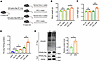 Figure 7
PPARγ-K289 mutation increases PPARγ stability and liver steatosis in HFD mice. (A) C57BL/6 mice were given AAV-PPARγ-FLAG or AAV-PPARγ-K289R-FLAG via tail vein injection. The mice were subjected to either NC or HFD for 4 weeks and analyzed for liver TG content and PPARγ ubiquitination (n = 5 mice per group for NC; n = 6 mice per group for HFD). (B) Body weights of PPARγ-FLAG or PPARγ-K289R-FLAG mice on NC or HFD for 4 weeks (n = 5 mice per group for NC; n = 6 mice per group for HFD). (C) Liver weights of PPARγ-FLAG or PPARγ-K289R-FLAG mice on NC or HFD for 4 weeks (n = 5 mice per group for NC; n = 6 mice per group for HFD). (D) Liver TG content of eGFP, PPARγ-FLAG, or PPARγ-K289R-FLAG mice on NC or HFD as indicated (n = 4 mice per group for AAV-eGFP mice on NC; n = 5 mice per group for AAV-PPARγ mice on NC; n = 6 mice per group for HFD). (E) PPARγ-FLAG and PPARγ-K289R-FLAG were precipitated from mouse livers, and ubiquitination levels were detected by immunoblotting. Quantitation of 4 independent experiments is shown. Datasets in B and C were analyzed by 2-way ANOVA with Bonferroni correction. Datasets in D were analyzed by Welch’s ANOVA with Games-Howell post hoc tests. Datasets in E were analyzed by non-parametric statistical tests. ns, P > 0.05; *P < 0.05, **P < 0.01, ***P < 0.001.


