
Research ArticleCell biologyGastroenterology
Open Access |  10.1172/jci.insight.191538
The septin cytoskeleton is a regulator of intestinal epithelial barrier integrity and mucosal inflammation
Nayden G. Naydenov,1 Gaizun Hu,2,3 Dominik Robak,2,3 Atif Zafar,1 Khosiyat Makhmudova,2,3 Susana Lechuga,1 Yuta Ohno,2,3 Naseer Sangwan,4 Saikat Bandyopadhyay,3 Ryan Musich,1 Erin Jeffery,2 Lei Sun,1 Armando Marino-Melendez,1 Florian Rieder,1,5 Gloria Sheynkman,2 Andrei I. Ivanov,1 and Seham Ebrahim2,3
1Department of Inflammation and Immunity, Lerner Research Institute, Cleveland Clinic Foundation, Cleveland, Ohio, USA.
2Center for Membrane and Cell Physiology, University of Virginia, Charlottesville, Virginia, USA.
3Department of Molecular Physiology and Biological Physics, University of Virginia School of Medicine, Charlottesville, Virginia, USA.
4Department of Cardiovascular and Metabolic Science, Lerner Research Institute, and
5Department of Gastroenterology, Hepatology and Nutrition, Digestive Diseases Institute, Cleveland Clinic Foundation, Cleveland, Ohio, USA.
Address correspondence to: Seham Ebrahim, Center for Membrane and Cell Physiology, Department of Molecular Physiology and Biological Physics, University of Virginia, Charlottesville, Virginia 22901, USA. Email: seham@virginia.edu. Or to: Andrei I. Ivanov, Department of Inflammation and Immunity, Lerner Research Institute, Cleveland Clinic Foundation, Cleveland, Ohio 44195, USA. Email: ivanova2@ccf.org.
Authorship note: NGN and GH contributed equally to this work. AII and SE are co–senior authors.
Find articles by Naydenov, N. in: PubMed | Google Scholar
1Department of Inflammation and Immunity, Lerner Research Institute, Cleveland Clinic Foundation, Cleveland, Ohio, USA.
2Center for Membrane and Cell Physiology, University of Virginia, Charlottesville, Virginia, USA.
3Department of Molecular Physiology and Biological Physics, University of Virginia School of Medicine, Charlottesville, Virginia, USA.
4Department of Cardiovascular and Metabolic Science, Lerner Research Institute, and
5Department of Gastroenterology, Hepatology and Nutrition, Digestive Diseases Institute, Cleveland Clinic Foundation, Cleveland, Ohio, USA.
Address correspondence to: Seham Ebrahim, Center for Membrane and Cell Physiology, Department of Molecular Physiology and Biological Physics, University of Virginia, Charlottesville, Virginia 22901, USA. Email: seham@virginia.edu. Or to: Andrei I. Ivanov, Department of Inflammation and Immunity, Lerner Research Institute, Cleveland Clinic Foundation, Cleveland, Ohio 44195, USA. Email: ivanova2@ccf.org.
Authorship note: NGN and GH contributed equally to this work. AII and SE are co–senior authors.
Find articles by Hu, G. in: PubMed | Google Scholar
1Department of Inflammation and Immunity, Lerner Research Institute, Cleveland Clinic Foundation, Cleveland, Ohio, USA.
2Center for Membrane and Cell Physiology, University of Virginia, Charlottesville, Virginia, USA.
3Department of Molecular Physiology and Biological Physics, University of Virginia School of Medicine, Charlottesville, Virginia, USA.
4Department of Cardiovascular and Metabolic Science, Lerner Research Institute, and
5Department of Gastroenterology, Hepatology and Nutrition, Digestive Diseases Institute, Cleveland Clinic Foundation, Cleveland, Ohio, USA.
Address correspondence to: Seham Ebrahim, Center for Membrane and Cell Physiology, Department of Molecular Physiology and Biological Physics, University of Virginia, Charlottesville, Virginia 22901, USA. Email: seham@virginia.edu. Or to: Andrei I. Ivanov, Department of Inflammation and Immunity, Lerner Research Institute, Cleveland Clinic Foundation, Cleveland, Ohio 44195, USA. Email: ivanova2@ccf.org.
Authorship note: NGN and GH contributed equally to this work. AII and SE are co–senior authors.
Find articles by Robak, D. in: PubMed | Google Scholar
1Department of Inflammation and Immunity, Lerner Research Institute, Cleveland Clinic Foundation, Cleveland, Ohio, USA.
2Center for Membrane and Cell Physiology, University of Virginia, Charlottesville, Virginia, USA.
3Department of Molecular Physiology and Biological Physics, University of Virginia School of Medicine, Charlottesville, Virginia, USA.
4Department of Cardiovascular and Metabolic Science, Lerner Research Institute, and
5Department of Gastroenterology, Hepatology and Nutrition, Digestive Diseases Institute, Cleveland Clinic Foundation, Cleveland, Ohio, USA.
Address correspondence to: Seham Ebrahim, Center for Membrane and Cell Physiology, Department of Molecular Physiology and Biological Physics, University of Virginia, Charlottesville, Virginia 22901, USA. Email: seham@virginia.edu. Or to: Andrei I. Ivanov, Department of Inflammation and Immunity, Lerner Research Institute, Cleveland Clinic Foundation, Cleveland, Ohio 44195, USA. Email: ivanova2@ccf.org.
Authorship note: NGN and GH contributed equally to this work. AII and SE are co–senior authors.
Find articles by Zafar, A. in: PubMed | Google Scholar
1Department of Inflammation and Immunity, Lerner Research Institute, Cleveland Clinic Foundation, Cleveland, Ohio, USA.
2Center for Membrane and Cell Physiology, University of Virginia, Charlottesville, Virginia, USA.
3Department of Molecular Physiology and Biological Physics, University of Virginia School of Medicine, Charlottesville, Virginia, USA.
4Department of Cardiovascular and Metabolic Science, Lerner Research Institute, and
5Department of Gastroenterology, Hepatology and Nutrition, Digestive Diseases Institute, Cleveland Clinic Foundation, Cleveland, Ohio, USA.
Address correspondence to: Seham Ebrahim, Center for Membrane and Cell Physiology, Department of Molecular Physiology and Biological Physics, University of Virginia, Charlottesville, Virginia 22901, USA. Email: seham@virginia.edu. Or to: Andrei I. Ivanov, Department of Inflammation and Immunity, Lerner Research Institute, Cleveland Clinic Foundation, Cleveland, Ohio 44195, USA. Email: ivanova2@ccf.org.
Authorship note: NGN and GH contributed equally to this work. AII and SE are co–senior authors.
Find articles by Makhmudova, K. in: PubMed | Google Scholar
1Department of Inflammation and Immunity, Lerner Research Institute, Cleveland Clinic Foundation, Cleveland, Ohio, USA.
2Center for Membrane and Cell Physiology, University of Virginia, Charlottesville, Virginia, USA.
3Department of Molecular Physiology and Biological Physics, University of Virginia School of Medicine, Charlottesville, Virginia, USA.
4Department of Cardiovascular and Metabolic Science, Lerner Research Institute, and
5Department of Gastroenterology, Hepatology and Nutrition, Digestive Diseases Institute, Cleveland Clinic Foundation, Cleveland, Ohio, USA.
Address correspondence to: Seham Ebrahim, Center for Membrane and Cell Physiology, Department of Molecular Physiology and Biological Physics, University of Virginia, Charlottesville, Virginia 22901, USA. Email: seham@virginia.edu. Or to: Andrei I. Ivanov, Department of Inflammation and Immunity, Lerner Research Institute, Cleveland Clinic Foundation, Cleveland, Ohio 44195, USA. Email: ivanova2@ccf.org.
Authorship note: NGN and GH contributed equally to this work. AII and SE are co–senior authors.
Find articles by Lechuga, S. in: PubMed | Google Scholar
1Department of Inflammation and Immunity, Lerner Research Institute, Cleveland Clinic Foundation, Cleveland, Ohio, USA.
2Center for Membrane and Cell Physiology, University of Virginia, Charlottesville, Virginia, USA.
3Department of Molecular Physiology and Biological Physics, University of Virginia School of Medicine, Charlottesville, Virginia, USA.
4Department of Cardiovascular and Metabolic Science, Lerner Research Institute, and
5Department of Gastroenterology, Hepatology and Nutrition, Digestive Diseases Institute, Cleveland Clinic Foundation, Cleveland, Ohio, USA.
Address correspondence to: Seham Ebrahim, Center for Membrane and Cell Physiology, Department of Molecular Physiology and Biological Physics, University of Virginia, Charlottesville, Virginia 22901, USA. Email: seham@virginia.edu. Or to: Andrei I. Ivanov, Department of Inflammation and Immunity, Lerner Research Institute, Cleveland Clinic Foundation, Cleveland, Ohio 44195, USA. Email: ivanova2@ccf.org.
Authorship note: NGN and GH contributed equally to this work. AII and SE are co–senior authors.
Find articles by Ohno, Y. in: PubMed | Google Scholar
1Department of Inflammation and Immunity, Lerner Research Institute, Cleveland Clinic Foundation, Cleveland, Ohio, USA.
2Center for Membrane and Cell Physiology, University of Virginia, Charlottesville, Virginia, USA.
3Department of Molecular Physiology and Biological Physics, University of Virginia School of Medicine, Charlottesville, Virginia, USA.
4Department of Cardiovascular and Metabolic Science, Lerner Research Institute, and
5Department of Gastroenterology, Hepatology and Nutrition, Digestive Diseases Institute, Cleveland Clinic Foundation, Cleveland, Ohio, USA.
Address correspondence to: Seham Ebrahim, Center for Membrane and Cell Physiology, Department of Molecular Physiology and Biological Physics, University of Virginia, Charlottesville, Virginia 22901, USA. Email: seham@virginia.edu. Or to: Andrei I. Ivanov, Department of Inflammation and Immunity, Lerner Research Institute, Cleveland Clinic Foundation, Cleveland, Ohio 44195, USA. Email: ivanova2@ccf.org.
Authorship note: NGN and GH contributed equally to this work. AII and SE are co–senior authors.
Find articles by Sangwan, N. in: PubMed | Google Scholar
1Department of Inflammation and Immunity, Lerner Research Institute, Cleveland Clinic Foundation, Cleveland, Ohio, USA.
2Center for Membrane and Cell Physiology, University of Virginia, Charlottesville, Virginia, USA.
3Department of Molecular Physiology and Biological Physics, University of Virginia School of Medicine, Charlottesville, Virginia, USA.
4Department of Cardiovascular and Metabolic Science, Lerner Research Institute, and
5Department of Gastroenterology, Hepatology and Nutrition, Digestive Diseases Institute, Cleveland Clinic Foundation, Cleveland, Ohio, USA.
Address correspondence to: Seham Ebrahim, Center for Membrane and Cell Physiology, Department of Molecular Physiology and Biological Physics, University of Virginia, Charlottesville, Virginia 22901, USA. Email: seham@virginia.edu. Or to: Andrei I. Ivanov, Department of Inflammation and Immunity, Lerner Research Institute, Cleveland Clinic Foundation, Cleveland, Ohio 44195, USA. Email: ivanova2@ccf.org.
Authorship note: NGN and GH contributed equally to this work. AII and SE are co–senior authors.
Find articles by Bandyopadhyay, S. in: PubMed | Google Scholar
1Department of Inflammation and Immunity, Lerner Research Institute, Cleveland Clinic Foundation, Cleveland, Ohio, USA.
2Center for Membrane and Cell Physiology, University of Virginia, Charlottesville, Virginia, USA.
3Department of Molecular Physiology and Biological Physics, University of Virginia School of Medicine, Charlottesville, Virginia, USA.
4Department of Cardiovascular and Metabolic Science, Lerner Research Institute, and
5Department of Gastroenterology, Hepatology and Nutrition, Digestive Diseases Institute, Cleveland Clinic Foundation, Cleveland, Ohio, USA.
Address correspondence to: Seham Ebrahim, Center for Membrane and Cell Physiology, Department of Molecular Physiology and Biological Physics, University of Virginia, Charlottesville, Virginia 22901, USA. Email: seham@virginia.edu. Or to: Andrei I. Ivanov, Department of Inflammation and Immunity, Lerner Research Institute, Cleveland Clinic Foundation, Cleveland, Ohio 44195, USA. Email: ivanova2@ccf.org.
Authorship note: NGN and GH contributed equally to this work. AII and SE are co–senior authors.
Find articles by
Musich, R.
in:
PubMed
|
Google Scholar
|

1Department of Inflammation and Immunity, Lerner Research Institute, Cleveland Clinic Foundation, Cleveland, Ohio, USA.
2Center for Membrane and Cell Physiology, University of Virginia, Charlottesville, Virginia, USA.
3Department of Molecular Physiology and Biological Physics, University of Virginia School of Medicine, Charlottesville, Virginia, USA.
4Department of Cardiovascular and Metabolic Science, Lerner Research Institute, and
5Department of Gastroenterology, Hepatology and Nutrition, Digestive Diseases Institute, Cleveland Clinic Foundation, Cleveland, Ohio, USA.
Address correspondence to: Seham Ebrahim, Center for Membrane and Cell Physiology, Department of Molecular Physiology and Biological Physics, University of Virginia, Charlottesville, Virginia 22901, USA. Email: seham@virginia.edu. Or to: Andrei I. Ivanov, Department of Inflammation and Immunity, Lerner Research Institute, Cleveland Clinic Foundation, Cleveland, Ohio 44195, USA. Email: ivanova2@ccf.org.
Authorship note: NGN and GH contributed equally to this work. AII and SE are co–senior authors.
Find articles by Jeffery, E. in: PubMed | Google Scholar
1Department of Inflammation and Immunity, Lerner Research Institute, Cleveland Clinic Foundation, Cleveland, Ohio, USA.
2Center for Membrane and Cell Physiology, University of Virginia, Charlottesville, Virginia, USA.
3Department of Molecular Physiology and Biological Physics, University of Virginia School of Medicine, Charlottesville, Virginia, USA.
4Department of Cardiovascular and Metabolic Science, Lerner Research Institute, and
5Department of Gastroenterology, Hepatology and Nutrition, Digestive Diseases Institute, Cleveland Clinic Foundation, Cleveland, Ohio, USA.
Address correspondence to: Seham Ebrahim, Center for Membrane and Cell Physiology, Department of Molecular Physiology and Biological Physics, University of Virginia, Charlottesville, Virginia 22901, USA. Email: seham@virginia.edu. Or to: Andrei I. Ivanov, Department of Inflammation and Immunity, Lerner Research Institute, Cleveland Clinic Foundation, Cleveland, Ohio 44195, USA. Email: ivanova2@ccf.org.
Authorship note: NGN and GH contributed equally to this work. AII and SE are co–senior authors.
Find articles by Sun, L. in: PubMed | Google Scholar
1Department of Inflammation and Immunity, Lerner Research Institute, Cleveland Clinic Foundation, Cleveland, Ohio, USA.
2Center for Membrane and Cell Physiology, University of Virginia, Charlottesville, Virginia, USA.
3Department of Molecular Physiology and Biological Physics, University of Virginia School of Medicine, Charlottesville, Virginia, USA.
4Department of Cardiovascular and Metabolic Science, Lerner Research Institute, and
5Department of Gastroenterology, Hepatology and Nutrition, Digestive Diseases Institute, Cleveland Clinic Foundation, Cleveland, Ohio, USA.
Address correspondence to: Seham Ebrahim, Center for Membrane and Cell Physiology, Department of Molecular Physiology and Biological Physics, University of Virginia, Charlottesville, Virginia 22901, USA. Email: seham@virginia.edu. Or to: Andrei I. Ivanov, Department of Inflammation and Immunity, Lerner Research Institute, Cleveland Clinic Foundation, Cleveland, Ohio 44195, USA. Email: ivanova2@ccf.org.
Authorship note: NGN and GH contributed equally to this work. AII and SE are co–senior authors.
Find articles by Marino-Melendez, A. in: PubMed | Google Scholar
1Department of Inflammation and Immunity, Lerner Research Institute, Cleveland Clinic Foundation, Cleveland, Ohio, USA.
2Center for Membrane and Cell Physiology, University of Virginia, Charlottesville, Virginia, USA.
3Department of Molecular Physiology and Biological Physics, University of Virginia School of Medicine, Charlottesville, Virginia, USA.
4Department of Cardiovascular and Metabolic Science, Lerner Research Institute, and
5Department of Gastroenterology, Hepatology and Nutrition, Digestive Diseases Institute, Cleveland Clinic Foundation, Cleveland, Ohio, USA.
Address correspondence to: Seham Ebrahim, Center for Membrane and Cell Physiology, Department of Molecular Physiology and Biological Physics, University of Virginia, Charlottesville, Virginia 22901, USA. Email: seham@virginia.edu. Or to: Andrei I. Ivanov, Department of Inflammation and Immunity, Lerner Research Institute, Cleveland Clinic Foundation, Cleveland, Ohio 44195, USA. Email: ivanova2@ccf.org.
Authorship note: NGN and GH contributed equally to this work. AII and SE are co–senior authors.
Find articles by
Rieder, F.
in:
PubMed
|
Google Scholar
|
1Department of Inflammation and Immunity, Lerner Research Institute, Cleveland Clinic Foundation, Cleveland, Ohio, USA.
2Center for Membrane and Cell Physiology, University of Virginia, Charlottesville, Virginia, USA.
3Department of Molecular Physiology and Biological Physics, University of Virginia School of Medicine, Charlottesville, Virginia, USA.
4Department of Cardiovascular and Metabolic Science, Lerner Research Institute, and
5Department of Gastroenterology, Hepatology and Nutrition, Digestive Diseases Institute, Cleveland Clinic Foundation, Cleveland, Ohio, USA.
Address correspondence to: Seham Ebrahim, Center for Membrane and Cell Physiology, Department of Molecular Physiology and Biological Physics, University of Virginia, Charlottesville, Virginia 22901, USA. Email: seham@virginia.edu. Or to: Andrei I. Ivanov, Department of Inflammation and Immunity, Lerner Research Institute, Cleveland Clinic Foundation, Cleveland, Ohio 44195, USA. Email: ivanova2@ccf.org.
Authorship note: NGN and GH contributed equally to this work. AII and SE are co–senior authors.
Find articles by Sheynkman, G. in: PubMed | Google Scholar
1Department of Inflammation and Immunity, Lerner Research Institute, Cleveland Clinic Foundation, Cleveland, Ohio, USA.
2Center for Membrane and Cell Physiology, University of Virginia, Charlottesville, Virginia, USA.
3Department of Molecular Physiology and Biological Physics, University of Virginia School of Medicine, Charlottesville, Virginia, USA.
4Department of Cardiovascular and Metabolic Science, Lerner Research Institute, and
5Department of Gastroenterology, Hepatology and Nutrition, Digestive Diseases Institute, Cleveland Clinic Foundation, Cleveland, Ohio, USA.
Address correspondence to: Seham Ebrahim, Center for Membrane and Cell Physiology, Department of Molecular Physiology and Biological Physics, University of Virginia, Charlottesville, Virginia 22901, USA. Email: seham@virginia.edu. Or to: Andrei I. Ivanov, Department of Inflammation and Immunity, Lerner Research Institute, Cleveland Clinic Foundation, Cleveland, Ohio 44195, USA. Email: ivanova2@ccf.org.
Authorship note: NGN and GH contributed equally to this work. AII and SE are co–senior authors.
Find articles by
Ivanov, A.
in:
PubMed
|
Google Scholar
|
1Department of Inflammation and Immunity, Lerner Research Institute, Cleveland Clinic Foundation, Cleveland, Ohio, USA.
2Center for Membrane and Cell Physiology, University of Virginia, Charlottesville, Virginia, USA.
3Department of Molecular Physiology and Biological Physics, University of Virginia School of Medicine, Charlottesville, Virginia, USA.
4Department of Cardiovascular and Metabolic Science, Lerner Research Institute, and
5Department of Gastroenterology, Hepatology and Nutrition, Digestive Diseases Institute, Cleveland Clinic Foundation, Cleveland, Ohio, USA.
Address correspondence to: Seham Ebrahim, Center for Membrane and Cell Physiology, Department of Molecular Physiology and Biological Physics, University of Virginia, Charlottesville, Virginia 22901, USA. Email: seham@virginia.edu. Or to: Andrei I. Ivanov, Department of Inflammation and Immunity, Lerner Research Institute, Cleveland Clinic Foundation, Cleveland, Ohio 44195, USA. Email: ivanova2@ccf.org.
Authorship note: NGN and GH contributed equally to this work. AII and SE are co–senior authors.
Find articles by Ebrahim, S. in: PubMed | Google Scholar
Published October 7, 2025 - More info
JCI Insight. 2025;10(22):e191538. https://doi.org/10.1172/jci.insight.191538.
© 2025 Naydenov et al. This work is licensed under the Creative Commons Attribution 4.0 International License. To view a copy of this license, visit http://creativecommons.org/licenses/by/4.0/.
Received: January 23, 2025; Accepted: October 2, 2025


-
Results
SEPT9 is expressed in different subtypes of IECs and localizes at epithelial junctions. A publicly available single-cell RNA dataset (GSE266616) was used to examine SEPT9 expression in different cell types in healthy human ileum and colon. SEPT9 was expressed in all major cell populations, including epithelial, immune, and stromal cells (Figure 1A). A deeper examination of different IEC subtypes revealed SEPT9 expression in all major differentiated and progenitor IECs in normal ileal and colonic mucosa being especially abundant in absorptive enterocytes (EC3, EC4), enterochromaffin cells (EEC1, EEC2), transient amplified cells (TA1-3), and an unidentified IEC population (Clus12) (Figure 1B). SEPT9 mRNA levels show positive correlation with the expression of other major septins, SEPT2, SEPT7, and SEPT11, in different ileal and colonic IEC subtypes (Supplemental Figure 1, A and B; supplemental material available online with this article; https://doi.org/10.1172/jci.insight.191538DS1), which could indicate coregulation and possible functional cooperation of these septin paralogs in human intestinal epithelium.
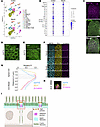 Figure 1
SEPT9 is enriched at epithelial cell-cell junctions in the intestine and overlaps with tight and adherens junctions. (A) UMAP plots showing only SEPT9-expressing cells (raw count > 0) from single-cell RNA-Seq of nondiseased human ascending colon and terminal ileum paired biopsies. Clusters corresponding to different populations of epithelial and nonepithelial cells are indicated and color coded. (B) Dot plot of SEPT9 transcript expression across annotated epithelial cell subtypes in human colon and ileum. Dot size reflects percentage of cells expressing SEPT9; color indicates average expression level. SEPT9 expression is enriched in several cell clusters (especially in EC and TA cells). (C) Confocal image of mouse small intestinal epithelium labeled for endogenous SEPT9 (magenta), F-actin (green), and merged image, showing junctional colocalization. Scale bar: 20 μm. (D and E) En face images of SEPT9 immunolabeling in ileal (D) and colonic (E) intestinal epithelium show continuous, junctional localization in differentiated epithelial cells. Scale bars: 50 μm (upper panels) and 10 μm (lower panels). (F) High-resolution confocal Z-stack images of ileal epithelial junctions showing localization of SEPT9 (cyan), ZO-1 (yellow), and β-catenin (magenta) in apical and basal optical sections. SEPT9 is enriched between tight (ZO-1) and adherens (β-catenin) junctions. Scale bars: 5 μm. (G) Quantification of fluorescence intensity profiles across the apical/basal axis shows that SEPT9 peaks between ZO-1 and β-catenin signals (n = 10 junctions from 3 mice). (H) Orthogonal (x–z) view of confocal stack at a position equivalent to dotted red box in (I), showing SEPT9-NG (cyan) localization relative to ZO-1 (yellow) and β-catenin (magenta). (I) Schematic model summarizing SEPT9 localization at epithelial junctions, associating with tight and adherens junctions and the cortical actin cytoskeleton.
The subcellular localization of endogenous SEPT9 in mouse intestinal mucosa was evaluated by immunofluorescence labeling in WT mice, revealing that SEPT9 is enriched at the perijunctional F-actin belt (Figure 1C). We then generated CRISPR/Cas9 engineered knockin reporter mice, where an mNeonGreen fluorescent protein was tagged to the C-terminus of endogenous SEPT9. There are several SEPT9 isoforms that differ at their N-termini (17). A C-terminal tagging strategy was thus chosen to ensure that all SEPT9 isoforms are labeled. Importantly, several studies have confirmed that tagging SEPT9 at either C- or N-terminus does not affect its localization or function in cell lines (32–35). SEPT9-mNeonGreen in the intestinal epithelia of the mNeonGreen-tagged SEPT9 (SEPT9mNG) mice was enriched at epithelial apical junctions in both the ileum (Figure 1D) and colon (Figure 1E), supporting the likelihood that the mNeonGreen tag does not affect the localization and function of the endogenous SEPT9. We next sought to delineate the specific localization of SEPT9 relative to the IEC TJs and AJs. We immunolabeled ileal tissue from SEPT9mNG mice for the major TJ protein, ZO-1, and the AJ protein, β-catenin, and imaged all 3 proteins relative to each other, using an approach used previously in inner ear epithelial tissue (14). Specifically, we acquired Z-stacks of confocal images of the apical junctional region of the ileal epithelium at 50 nm intervals (a subset of these images is shown in Figure 1F). To estimate the relative localization of each tagged protein along the z axis, we plotted the immunofluorescence intensity values and determined the points of fluorescence maxima. The immunofluorescence signal of ZO-1 along the z axis was most apical (Figure 1G), while β-catenin and SEPT9 were both more basal. Of note, the fluorescence intensity (FI) of SEPT9mNG overlapped partially with ZO-1 and more prominently with β-catenin immunofluorescence (Figure 1, G and H, and Supplemental Figure 1C). These results are consistent with a SEPT9 network that overlaps with both TJs and AJs (Figure 1I).
SEPT9 expression and localization are altered in the intestinal mucosa of patients with IBD. Drawing from our observations in mouse tissue, where SEPT9 associates with apical epithelial junctions, we analyzed SEPT9 expression and localization in human intestinal mucosa of patients with CD or UC (Supplemental Table 1). We performed dual immunofluorescence staining for SEPT9 and E-cadherin on cryosections (Figure 2A), and IHC in paraffin-embedded sections (Figure 2D), using tissue specimens from patients with diverticulitis and normal margins of resected colorectal cancers as controls.
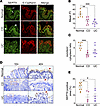 Figure 2
SEPT9 is downregulated and mislocalized from epithelial junctions in intestinal mucosa of patients with IBD. (A) Confocal images of human colonic mucosa from patients classified as healthy controls (Normal) or those with Crohn’s disease (CD) or ulcerative colitis (UC) immunolabeled for SEPT9 (green) and E-cadherin (red). In control samples, SEPT9 is prominently localized at apical junctions (arrows). In CD tissues, SEPT9 is mislocalized to the cytoplasm (arrowheads). Scale bar: 50 μm. (B) Quantification of mean fluorescence intensity (FI) of SEPT9 immunolabeling in normal and CD ileal and colonic tissue samples and UC colonic samples (n = 7–8 patients/group). (C) Quantification of junctional/cytoplasmic SEPT9 signal ratio across conditions (n = 7–8 patients/group). (D) Representative IHC images (10× and 40×) showing SEPT9 protein localization in colonic tissue of control and patients with IBD. Red arrowheads indicate SEPT9 signal in IECs. Dashed boxes in 10× panels denote regions shown at higher magnification. Scale bars: 50 μm (10×), 10 μm (40×). (E) Quantification of SEPT9+ epithelial area from IHC sections, showing decreased SEPT9 expression in CD and UC tissues (n = 5–9 patients/group). Data in B, C, and E are presented as mean ± SEM. *P < 0.05, **P < 0.01, ***P < 0.001 by 1-way ANOVA with Tukey’s multiple-comparison test.
To guarantee accurate analysis, we focused strictly on areas with well-preserved epithelium, identified by continuous E-cadherin labeling (IF) or confirmed by adjacent PAS staining (IHC; Supplemental Figure 2). In healthy intestinal epithelium, SEPT9 was enriched at E-cadherin–labeled junctions (Figure 2A, arrows), recapitulating its junctional localization in mouse intestine (Figure 1). However, overall SEPT9 intensity was significantly reduced in ileal and colonic segments of patients with CD and in colonic samples of patients with UC (Figure 2, B and E), consistent with recent reports of SEPT9 gene methylation and downregulation in inflamed mucosa (29). Notably, junction-to-cytoplasmic SEPT9 ratios were decreased in CD intestinal mucosa (Figure 2A arrowheads and 2C), indicating diminished junctional accumulation of this protein and corroborating our hypothesis that SEPT9 integrity at apical junctions may be compromised during IBD.
Loss of intestinal epithelial SEPT9 increases gut barrier permeability and alters junctional protein localization. Given the observed association of SEPT9 complexes with intestinal epithelial AJs and TJs in vivo, we next sought to investigate a potential role for SEPT9 in regulating gut barrier integrity using SEPT9fl/flVil1CreERT2 mice (referred to hereafter as SEPT9-KO), to enable tamoxifen-inducible IEC-specific KO of SEPT9. SEPT9fl/fl littermates were used as controls for this study. Immunoblotting analysis of isolated IECs demonstrated an almost complete loss of SEPT9 protein after tamoxifen-induced Cre recombinase activation (Figure 3, A and B). This loss of SEPT9 was also validated by en face imaging of immunolabeled colonic mucosa of SEPT9-KO animals (Figure 3C).
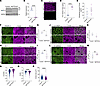 Figure 3
SEPT9 deletion in intestinal epithelium increases permeability and disrupts apical junction organization in vivo. (A) Representative immunoblot confirming loss of SEPT9 protein in colonic scrapes from SEPT9–conditional KO (SEPT9-KO) mice compared with control (fl/fl) littermates. GAPDH serves as a loading control (n = 4 mice per group). (B) Quantification of SEPT9 protein expression normalized to GAPDH from A (n = 8 mice per group). (C) Representative confocal images of SEPT9 immunostaining in colonic epithelium from control and SEPT9-KO mice. Scale bars: 10 μm. (D and E) Fluorescent tracer assays for intestinal permeability. SEPT9-KO mice show increased serum levels of orally administered FITC-dextran (4 kDa) (D), while no significant difference is observed for larger Rhodamine-dextran (70 kDa) (E). (F, H, J, and L) Confocal images of colon from control and SEPT9-KO mice immunolabeled for tight and adherens junction proteins (claudin-3, ZO-1, β-catenin, and E-cadherin; green), and F-actin (magenta) Scale bars: 5 μm. (G, I, K, and M) Quantification of junctional/cytoplasmic fluorescence intensity ratio (J/C ratio) for each marker (n = 3–7 mice per group). Statistical analysis was performed using nested ANOVA to account for multiple measurements per animal. (N–P) Morphometric analysis of IECs shows increased cell circularity (N), and decreased solidity (O) and apical surface area (P) in SEPT9-KO tissue, consistent with altered actomyosin tension. Data are presented as mean ± SEM. *P < 0.05, **P < 0.01, ****P < 0.0001.
SEPT9-KO mice did not show growth retardation or symptoms of spontaneous gastrointestinal disorders, such as diarrhea, rectal prolapses, or bleeding (data not shown). Consistently, they did not show gross abnormalities of their ileal and colonic mucosa (Supplemental Figure 3A) but did present with increases in Ki67+ proliferative cells (Supplemental Figure 3, B and C) and goblet cells (Supplemental Figure 3, D and E). To determine whether the intestinal epithelial barrier was compromised in SEPT9-KO mice, we used a fluorescent tracer-based gut barrier permeability assay. We observed an approximately 4-fold increase in the transmucosal flux of 4 kDa FITC-dextran in SEPT9-KO mice as compared with the control littermates (Figure 3D), indicating a leaky gut barrier in the absence of SEPT9. Intestinal permeability to a large tracer, 70 kDa Rhodamine-dextran, was not affected, suggesting that SEPT9-KO does not lead to nonspecific loss of IECs (Figure 3E).
We hypothesized that the observed increase in intestinal epithelial permeability can be attributed to dysfunctional IEC junctions, particularly TJs, in SEPT9-KO mice. Therefore, we used immunofluorescence labeling together with machine-learning image analysis (Figure 3, F–M, and Supplemental Figure 4, A and B) to examine the localization of key TJ and AJ proteins in mouse colonic mucosa. We observed mislocalization of TJ proteins claudin-3 and ZO-1 in IEC of SEPT9-KO mice, with decreased junctional enrichment of these proteins and their increased accumulation in small cytoplasmic vesicles (Figure 3, F–I). AJ proteins, β-catenin, and E-cadherin were differentially affected by loss of SEPT9, with β-catenin localization not affected (Figure 3, J and K) and increased junctional accumulation of E-cadherin (Figure 3, L and M). These observations are consistent with previous studies reporting increased internalization of TJ proteins in animal models with defective intestinal epithelial barrier and mucosal biopsies from patients with IBD (36–40). Of note, while their localization was affected, the expression levels of key AJ and TJ proteins were unchanged (Supplemental Figure 4, C and E). Furthermore, loss of SEPT9 did not affect expression of several other septin proteins in the colonic epithelium (Supplemental Figure 4, D and E).
In addition to mislocalization of junctional proteins in vivo, loss of SEPT9 caused noticeable alterations in IEC morphology (Figure 3, N–P). The shape of epithelial cell-cell contacts and the epithelial cell size is regulated by the tension in cell-cell junctions generated by the perijunctional actomyosin belt (41). We thus posited that alterations in the shape and size of SEPT9-depleted IEC cells could be a consequence of dysregulated junctional tension, which has also been shown to directly affect epithelial barrier permeability (16).
IEC-specific KO of SEPT9 alters the transcription program in intestinal epithelium in vivo. We next asked if the increased intestinal permeability in SEPT9-KO mice (Figure 3D) was accompanied by alterations in IEC homeostasis, using the cellular transcriptome as a readout. A bulk RNA-Seq (RNA-Seq) analysis was performed on epithelial cells isolated from the colon and ileum of SEPT9-KO mice and their control littermates. Principal component analysis (PCA) (Figure 4A) illustrated the clustering of the samples based on gene expression profiles, highlighting the distinct transcriptional landscapes in response to the SEPT9 KO. Loss of SEPT9 resulted in substantial transcriptional reprogramming of the colonic epithelium (Figure 4A) manifested by upregulation of 123 genes and downregulation of 18 genes in mouse colonic epithelial cells (Figure 4B). In mouse ileal epithelial cells, SEPT9 KO did not trigger global transcriptional changes (Figure 4A) but caused alterations of subset of genes (downregulation of 75 genes and upregulation of 59 genes) (Figure 4C). The list of the top 50 genes differentially expressed in SEPT9 versus control IECs is presented in the Supplemental Table 2. The pathway enrichment analysis revealed upregulation of transcripts related to acute phase response and acute inflammatory response and revealed downregulation of transcripts related to epidermal growth factor receptor signaling in colonic mucosa of SEPT9-KO mice (Figure 4D). In ileal epithelium, loss of SEPT9 increased expression of genes related to focal adhesions and other cell-matrix adhesions and downregulated microtubule-related genes (Figure 4E). These changes likely reflect both permeability-dependent and permeability-independent roles of SEPT9 in epithelial physiology. The observed alterations in microtubule, growth factor receptor, and matrix adhesion pathways are consistent with known septin functions in regulating other cytoskeletal elements and cell interactions with extracellular matrix (17–19).
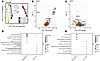 Figure 4
Loss of SEPT9 induces transcription reprogramming of intestinal epithelial cells in mice. (A) Principal Component Analysis (PCA) of gene expression profiles in colonic and ileal epithelial cells isolated from SEPT9-KO and control mice. (B and C) Volcano plots showing gene expression in colonic (B) and ileal (C) epithelium of SEPT9-KO as compared with control mice. Significant differentially (P value and log2FC cut-off) expressed genes are highlighted by red inverted triangles. (D and E) Bubble plots representing pathway enrichment analysis of genes with statistically significant differences in expression between the SEPT9-KO and control mice in the colonic (D) and ileal (E) epithelium. Each bubble corresponds to a specific pathway, with size indicating the gene ratio and color representing the significance of the enrichment. The analysis was performed using isolated IEC from 5 mice/group.
IEC-specific KO of SEPT9 exacerbates the severity of acute mucosal inflammation and cell death during experimental colitis. Increased permeability of the intestinal epithelial barrier is known to exacerbate inflammatory response in the gut (4, 5, 42). Therefore, we next investigated whether gut barrier disruption observed in SEPT9-KO mice could modulate mucosal inflammation and injury using a dextran sodium sulfate (DSS) model of acute colitis. Exposure to DSS resulted in more severe intestinal disease in SEPT9-KO mice, as compared with their control littermates (Figure 5, A and B). The exaggerated disease was characterized by more pronounced body weight loss (Figure 5A) and a significantly higher disease activity index (Figure 5B), which is a composite of body weight loss, occurrence of diarrhea, and intestinal bleeding. Furthermore, SEPT9-KO mice demonstrated higher intestinal permeability to low and high molecular weight tracers on day 7 of DSS colitis (Figure 5, C and D). The increased permeability to large (70 kDa) molecules could reflect higher mucosal erosion and IEC loss in SEPT9-KO mice. Surprisingly, a cumulative histology score reflecting tissue inflammation and injury and based on the evaluation of H&E-stained sections of distal colon was not significantly elevated in DSS-treated SEPT9-KO mice after 7 days of acute colitis (Supplemental Figure 5, A and B). This is consistent with converged disease activity indexes in 2 experimental groups and may reflect the eventual leveling of the disease symptoms in SEPT9-KO and control mice at late stages of DSS colitis (Figure 5B).
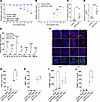 Figure 5
Loss of epithelial SEPT9 exacerbates colitis severity, intestinal barrier dysfunction, and mucosal inflammation. (A and B) DSS-induced colitis in control and SEPT9-KO mice. SEPT9-KO animals show significantly greater weight loss (A) and increased disease activity index (B) over 7 days of 3% DSS treatment. (C and D) Intestinal permeability assays showing increased serum concentrations of orally administered 4 kDa FITC-dextran (C) and 70 kDa Rhodamine-dextran (D) in DSS-treated SEPT9-KO mice compared with controls (n = 5–6 per group). (E) qPCR analysis of inflammatory cytokine and chemokine gene expression in colonic tissue following DSS treatment. SEPT9-KO mice exhibit significantly elevated levels of IL-1β, IL-10, IL-12, IL-17, IFN-γ, KC, and TNF-α (n = 5–6 mice per group). (F) Representative immunofluorescence images of colon sections stained for CD4+ T cells, F4/80+ macrophages, MPO+ neutrophils, and TUNEL+ apoptotic cells in water- or DSS-treated groups. Nuclei stained with DAPI (blue). Scale bar: 100 μm. (G–J) Quantification of immune cell infiltration and cell death in control and DSS-treated colons. Data are presented as mean ± SEM. *P < 0.05, **P < 0.01, ***P < 0.001, ****P < 0.0001 by unpaired 2-tailed t test or nested one-way ANOVA with Tukey’s multiple comparisons as appropriate.
Examining H&E-stained colonic tissue sections provides only a general snapshot of the intestinal architecture. Therefore, we next used a set of specific experimental approaches to evaluate important aspects of mucosal inflammation and tissue injury in DSS-treated animals. Expression of proinflammatory cytokines and chemokines was examined by quantitative PCR (qPCR) analysis in tissue samples of the distal colon collected on day 7 of DSS administration. mRNA expression of several major cytokines (TNF-α, IFN-γ, IL-1β, IL-10, IL-12, IL-17) and 1 keratinocyte-derived cytokine (KC), was significantly higher in tissue samples of DSS-treated SEPT9-KO mice, as compared with their control littermates (Figure 5E). Of note, mRNA levels of these mediators were not elevated in colonic tissue of control SEPT9-KO mice without DSS treatment (Figure 5E). This suggests that the increased permeability of the healthy gut barrier in these animals is insufficient to trigger spontaneous mucosal inflammation.
Since recruitment and activation of immune cells serve as a major driver of mucosal inflammation, we next examined whether loss of SEPT9 affects leukocyte infiltration into inflamed colonic tissue during DSS colitis. Immunofluorescence labeling of CD4, F4/80, and myeloperoxidase (MPO) antigens was utilized to detect T-lymphocytes, monocytes/macrophages, and neutrophils, respectively (Figure 5F). The number of monocytes/macrophages (Figure 5I), but not T cells (Figure 5G) or neutrophils (Figure 5H), was significantly increased in the unchallenged colonic mucosa of SEPT9-KO mice. While DSS colitis induced marked accumulation of all types in immune cells in inflamed colonic mucosa, only T cell numbers were significantly increased in SEPT9-KO mice compared with controls under DSS treatment (Figure 5, F–I). Immune cell infiltration and production of proinflammatory cytokines are known to cause excessive IEC death, thereby exacerbating epithelial barrier disruption and mucosal inflammation (38, 43). A TUNEL assay was used to allow detection of both apoptotic and nonapoptotic cell death (44). Expectedly, DSS administration caused a marked increase in TUNEL+ cells, indicating accelerated cell death (Figure 5, F and J). A predominant fraction of these TUNEL+ cells localized in the epithelial layer indicating IEC death in DSS-treated animals (Figure 5F). The magnitude of this mucosal cell death was significantly higher in DSS-treated SEPT9-KO mice compared with their controls (Figure 5, F and J). Together, our findings suggest that loss of SEPT9 in the intestinal epithelium markedly increases sensitivity to experimental colitis by propagating the inflammatory response and cell death in the intestinal mucosa.
SEPT9 loss increases epithelial barrier permeability and alters the assembly of IEC apical junctions in vitro. To establish whether the observed disruption of the gut barrier represents an autonomous effect of SEPT9 depletion in IECs and to develop an in vitro model system to probe the underlying molecular mechanisms, we created HT-29 cF8 human colonic epithelial cell lines with CRISPR/Cas9-mediated KO of SEPT9 (Figure 6A). Similar to the results obtained in murine intestinal mucosa, SEPT9-deficient IEC monolayers demonstrated significantly increased paracellular permeability based on TEER (Figure 6B) and FITC-dextran flux (Figure 6C) measurements. Barrier disruption in SEPT9 KO HT-29 cells was accompanied by decreased junctional accumulation of claudin-3, ZO-1, occludin and β-catenin and increased junctional recruitment of E-cadherin (Figure 6, D–K, and Supplemental Figure 6, A and B), without changes in expression levels of different AJ/TJ proteins (Supplemental Figure 6C). While the effects of SEPT9 deletion on apical junctions in model IEC monolayers were largely consistent with the in vivo effects of SEPT9 depletion in the intestinal epithelium, β-catenin expression at junctions was unchanged in SEPT9-KO colonic tissue but decreased in HT-29 cells. We hypothesize that this difference reflects cell type and tissue-context effects; in transformed HT-29 cells, SEPT9 loss may lead to destabilization of the cadherin–β-catenin complex at AJs, whereas in intact colonic epithelium, redundant pathways and tissue-level constraints likely buffer against such changes.
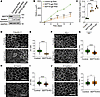 Figure 6
SEPT9 knockdown in model intestinal epithelial monolayers disrupts barrier function and apical junctional organization. (A) Immunoblot showing efficient SEPT9 knockdown in HT-29 cF8 cells using 2 independent sgRNAs (sg4 and sg6) compared with nontargeting control sgRNA. GAPDH serves as a loading control. Relative SEPT9 expression is normalized to control and GAPDH. (B) Transepithelial electrical resistance (TEER) measurements over 6 days show significantly impaired barrier formation in SEPT9-depleted HT-29 monolayers. (C) FITC-dextran (4 kDa) flux assay reveals increased paracellular permeability in SEPT9-KO monolayers (permeability data are representative of 3 independent experiments). (D–K) Representative confocal images (D, F, H, and J) and quantification (E, G, I, and K) of junction/cytoplasmic ratio (J/C ratio) of immunolabeled junctional markers in control and SEPT9-KO HT-29 cells, including claudin-3 (D and E), ZO-1 (F and G), β-catenin (H and I), and E-cadherin (J and K). Scale bars: 10 μm. Data are shown as mean ± SEM from ≥ 3 biological replicates. *P < 0.05, ***P < 0.001, ****P < 0.0001 by unpaired 2-tailed t test.
We next sought to assess the dynamics of TJ proteins as a readout of TJ stability. To do this, we expressed GFP-tagged claudin-7 in control and SEPT9-deficient HT-29 cells and performed live cell imaging. Strikingly, we found that, while claudin-7 was primarily localized at apical junctions in control cells, it was translocated into numerous cytoplasmic vesicles after SEPT9 depletion (Supplemental Video 1), supporting a role for SEPT9 in stabilizing IEC junctions. Since these claudin-7 containing vesicles predominantly accumulated in the vicinity of intercellular junctions, their appearance likely indicates either increased endocytosis or decreased recycling of claudin-7 at apical junctions of SEPT9-deficient IECs. In contrast to the increased proliferation observed in SEPT9-KO intestinal epithelia in vivo (Supplemental Figure 3, B and C), SEPT9 KO in HT-29 cells did not affect IEC proliferation (Supplemental Figure 6, D and E), potentially reflecting intrinsic differences between normal IECs and this colon cancer–derived cell line.
SEPT9 interacts with nonmuscle myosin IIC and regulates junctional localization of this actin motor. To investigate the mechanisms of SEPT9-dependent regulation of junctional stability and barrier permeability in the intestinal epithelium, we next determined the interactome of SEPT9 in IECs by performing affinity purification mass spectrometry (APMS) on pulldowns of SEPT9-GFP overexpressed in DLD-1 cells. In addition to interactions with several TJ and AJ proteins, analysis of the interactome revealed a strong association of IEC SEPT9 with several major components of the actomyosin cytoskeleton, including nonmuscle myosin II motors, NMIIC, and NMIIB (Supplemental Figure 7, A–C). These findings are consistent with our data showing altered cell shapes in the SEPT9-KO IECs (Figure 3, N–P), which could be due to altered actomyosin tension, as well as with reported interactions between septins and NMII in different mammalian cells (23, 45, 46). We next tested the hypotheses that loss of SEPT9 causes a reduction in NMII-associated forces at IEC apical junctions, leading to impaired TJ assembly. Since NMIIC is highly enriched in the murine intestinal epithelium in vivo (47), while NMIIB is not expressed (38), we focused on investigating the interactions between SEPT9 and NMIIC.
Superresolution microscopy revealed a precise and periodic pattern of SEPT9 interdigitating with NMIIC sarcomeres at IEC apical junctions (Figure 7, A and B), supporting the hypothesis that these proteins interact. Additionally, when coexpressed in COS7 cells lacking endogenous NMIIC, SEPT9 and NMIIC both showed extensive colocalization along actin-rich stress fibers (Supplemental Figure 7D); these cells were chosen due to their suitability for high-efficiency transfection and high-resolution imaging, allowing us to visualize protein localization and interactions more clearly. As further validation of interaction between SEPT9 and NMIIC in vivo and in vitro, we observed a significant reduction in junctional NMIIC localization in the intestinal epithelium of SEPT9-KO mice (Figure 7, C and D) and SEPT9-deficient HT-29 cell monolayers (Figure 7, E and F), which was not accompanied by the altered total cellular levels of NMIIC and NMIIA (Supplemental Figure 4, C and E and Supplemental Figure 6C). These data highlight the selective association of SEPT9 and NMIIC at IEC junctions. We next sought to test whether SEPT9 and NMIIC interact biochemically. To this end, we pulled down SEPT9-mNeonGreen, and its in vivo interactome, from colonic epithelial cells of the SEPT9nNG mouse using anti-NeonGreen antibody (Figure 7G). We confirmed a successful pulldown using antibodies against SEPT9; as expected, neither of these proteins was pulled down from tissue extracted from SEPT9fl/fl animals (Figure 7H). We then confirmed that NMIIC coimmunoprecipitated with the SEPT9-mNeonGreen, along with a known SEPT9 interactor, SEPT7, which served as a positive control (Figure 7H). These results demonstrate a biochemical interaction between SEPT9 and NMIIC in mouse intestine.
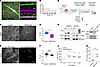 Figure 7
SEPT9 interacts with NMIIC and promotes its junctional enrichment in intestinal epithelial cells. (A) Superresolution microscopy image of SEPT9 (green) and NMIIC (magenta) in DLD-1 human colonic epithelial cells. (B) Fluorescence intensities profiles show SEPT9 and NMIIC signal intercalation along the cell-cell junction highlighted by the white arrow in A. (C and D) Representative image and junction/cytoplasmic ratio (J/C ratio) of immunolabeled NMIIC in colonic mucosa of SEPT9-KO and control mice. (E and F) Representative image and J/C ratio of immunolabeled NMIIC in control and SEPT9-KO HT-29 cF8 cells. (G) Schematics of in vivo interactome analysis using SEPT9mNG knockin mice. Mouse colonic epithelial cells were isolated, lysed, and incubated with anti-mNeonGreen–conjugated magnetic beads to purify the native SEPT9 interactome. (H) Immunoblot analysis of anti-NG antibody pulldowns from SEPT9fl/fl and SEPT9mNG mouse colonic epithelial cells probed with anti- SEPT9, NMIIC and SEPT7 antibodies. Input- total cell lysates; FT-flow through; PD-pull down. (I) Western blot confirming specific deletion of NMIIC (but not NMIIA) in CRISPR/Cas9-edited Caco-2BBE epithelial cells. (J and K)Transepithelial electrical resistance (TEER) and FITC-dextran permeability assays reveal impaired barrier formation in NMIIC-deficient cell monolayers compared with controls. Data are shown as mean ± SEM. *P < 0.05, ****P < 0.0001 by unpaired 2-tailed t test.
Finally, CRISPR/Cas9 dependent KO of NMIIC in Caco-2BBE cells (Figure 7I) recapitulated the effects of SEPT9 deletion, resulting in epithelial barrier disruption as measured by significantly decreased TEER (Figure 7J) and increased FITC-dextran flux (Figure 7K). Overall, these data suggest that SEPT9 enhances the integrity of the IEC barrier by recruiting/stabilizing NMIIC motor at epithelial TJs.


