
Research ArticleCell biologyNephrology
Open Access |  10.1172/jci.insight.199028
ATP7A-fibulin-4 complex delivers copper in the Golgi to activate LOX in renal fibrosis
Wenqian Zhou, Yan Zheng, Yuqing Liu, Jing Liu, Yiguo Liu, Yangyang Niu, Ying Yu, Xiaoqin Zhang, Yingying Zhang, and Chen Yu
Department of Nephrology, Tongji Hospital, School of Medicine, Tongji University, Shanghai, China
Address correspondence to: Chen Yu or Yingying Zhang, Department of Nephrology, Tongji Hospital, School of Medicine, Tongji University, Shanghai, No. 389 Xincun Road, Putuo District, Shanghai, 200092, China. Email: yuchen@tongji.edu.cn (CY); idklaa@tongji.edu.cn (Y Zhang).
Authorship note: WZ and Y Zheng contributed equally to this work and are co–first authors.
Find articles by Zhou, W. in: PubMed | Google Scholar
Department of Nephrology, Tongji Hospital, School of Medicine, Tongji University, Shanghai, China
Address correspondence to: Chen Yu or Yingying Zhang, Department of Nephrology, Tongji Hospital, School of Medicine, Tongji University, Shanghai, No. 389 Xincun Road, Putuo District, Shanghai, 200092, China. Email: yuchen@tongji.edu.cn (CY); idklaa@tongji.edu.cn (Y Zhang).
Authorship note: WZ and Y Zheng contributed equally to this work and are co–first authors.
Find articles by Zheng, Y. in: PubMed | Google Scholar
Department of Nephrology, Tongji Hospital, School of Medicine, Tongji University, Shanghai, China
Address correspondence to: Chen Yu or Yingying Zhang, Department of Nephrology, Tongji Hospital, School of Medicine, Tongji University, Shanghai, No. 389 Xincun Road, Putuo District, Shanghai, 200092, China. Email: yuchen@tongji.edu.cn (CY); idklaa@tongji.edu.cn (Y Zhang).
Authorship note: WZ and Y Zheng contributed equally to this work and are co–first authors.
Find articles by Liu, Y. in: PubMed | Google Scholar
Department of Nephrology, Tongji Hospital, School of Medicine, Tongji University, Shanghai, China
Address correspondence to: Chen Yu or Yingying Zhang, Department of Nephrology, Tongji Hospital, School of Medicine, Tongji University, Shanghai, No. 389 Xincun Road, Putuo District, Shanghai, 200092, China. Email: yuchen@tongji.edu.cn (CY); idklaa@tongji.edu.cn (Y Zhang).
Authorship note: WZ and Y Zheng contributed equally to this work and are co–first authors.
Find articles by Liu, J. in: PubMed | Google Scholar
Department of Nephrology, Tongji Hospital, School of Medicine, Tongji University, Shanghai, China
Address correspondence to: Chen Yu or Yingying Zhang, Department of Nephrology, Tongji Hospital, School of Medicine, Tongji University, Shanghai, No. 389 Xincun Road, Putuo District, Shanghai, 200092, China. Email: yuchen@tongji.edu.cn (CY); idklaa@tongji.edu.cn (Y Zhang).
Authorship note: WZ and Y Zheng contributed equally to this work and are co–first authors.
Find articles by Liu, Y. in: PubMed | Google Scholar
Department of Nephrology, Tongji Hospital, School of Medicine, Tongji University, Shanghai, China
Address correspondence to: Chen Yu or Yingying Zhang, Department of Nephrology, Tongji Hospital, School of Medicine, Tongji University, Shanghai, No. 389 Xincun Road, Putuo District, Shanghai, 200092, China. Email: yuchen@tongji.edu.cn (CY); idklaa@tongji.edu.cn (Y Zhang).
Authorship note: WZ and Y Zheng contributed equally to this work and are co–first authors.
Find articles by Niu, Y. in: PubMed | Google Scholar
Department of Nephrology, Tongji Hospital, School of Medicine, Tongji University, Shanghai, China
Address correspondence to: Chen Yu or Yingying Zhang, Department of Nephrology, Tongji Hospital, School of Medicine, Tongji University, Shanghai, No. 389 Xincun Road, Putuo District, Shanghai, 200092, China. Email: yuchen@tongji.edu.cn (CY); idklaa@tongji.edu.cn (Y Zhang).
Authorship note: WZ and Y Zheng contributed equally to this work and are co–first authors.
Find articles by Yu, Y. in: PubMed | Google Scholar
Department of Nephrology, Tongji Hospital, School of Medicine, Tongji University, Shanghai, China
Address correspondence to: Chen Yu or Yingying Zhang, Department of Nephrology, Tongji Hospital, School of Medicine, Tongji University, Shanghai, No. 389 Xincun Road, Putuo District, Shanghai, 200092, China. Email: yuchen@tongji.edu.cn (CY); idklaa@tongji.edu.cn (Y Zhang).
Authorship note: WZ and Y Zheng contributed equally to this work and are co–first authors.
Find articles by Zhang, X. in: PubMed | Google Scholar
Department of Nephrology, Tongji Hospital, School of Medicine, Tongji University, Shanghai, China
Address correspondence to: Chen Yu or Yingying Zhang, Department of Nephrology, Tongji Hospital, School of Medicine, Tongji University, Shanghai, No. 389 Xincun Road, Putuo District, Shanghai, 200092, China. Email: yuchen@tongji.edu.cn (CY); idklaa@tongji.edu.cn (Y Zhang).
Authorship note: WZ and Y Zheng contributed equally to this work and are co–first authors.
Find articles by Zhang, Y. in: PubMed | Google Scholar
Department of Nephrology, Tongji Hospital, School of Medicine, Tongji University, Shanghai, China
Address correspondence to: Chen Yu or Yingying Zhang, Department of Nephrology, Tongji Hospital, School of Medicine, Tongji University, Shanghai, No. 389 Xincun Road, Putuo District, Shanghai, 200092, China. Email: yuchen@tongji.edu.cn (CY); idklaa@tongji.edu.cn (Y Zhang).
Authorship note: WZ and Y Zheng contributed equally to this work and are co–first authors.
Find articles by Yu, C. in: PubMed | Google Scholar
Published May 8, 2026 - More info
JCI Insight. 2026;11(9):e199028. https://doi.org/10.1172/jci.insight.199028.
© 2026 Zhou et al. This work is licensed under the Creative Commons Attribution 4.0 International License. To view a copy of this license, visit http://creativecommons.org/licenses/by/4.0/.
Received: August 12, 2025; Accepted: March 16, 2026


-
Results
Increased LOX activity promotes ECM cross-linking in fibrotic kidneys. LOX catalyzes the covalent cross-linking of soluble collagens and elastin into insoluble and mature fibers (10). To identify the role of LOX in renal fibrosis, we first assessed the level of total LOX in human kidney biopsy tissues of patients by immunohistochemistry staining. Compared with the minimal change disease (MCD) group, increased LOX expression was observed in both tubular cells and interstitial tissue in fibrotic kidneys (Figure 1A and Supplemental Figure 1A; supplemental material available online with this article; https://doi.org/10.1172/jci.insight.199028DS1). LOX refers to the full-length protein, which lacks intrinsic catalytic activity. Upon proteolytic cleavage, the C-terminal fragment containing the lysine tyrosylquinone (LTQ) domain becomes enzymatically active in the presence of copper ions. LOX contributes to fibrosis through 2 steps: upregulated expression, followed by proteolytic activation. In order to explore the role of the LOX activity under the fibrotic condition, environment, the active LOX domains (aLOX) were detected by Western blot in the mouse kidney tissues from renal fibrosis models induced by ischemia/reperfusion (IR), unilateral urethral obstruction (UUO), and folic acid (FA) (Figure 1, B–D, and Supplemental Figure 1, B–D) (5). We found that aLOX, collagen I, and elastin were also markedly increased in kidneys with IR, UUO, and FA injury, compared with sham-operated kidneys, as determined by Western blotting (Figure 1, E–G, and Supplemental Figure 1, E–G).
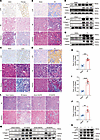 Figure 1
Expression of LOX and ECM cross-linking were markedly increased in fibrotic kidneys. (A) Representative images of immunohistochemical staining with LOX antibody, H&E, and Masson’s trichrome in kidney sections from patients with and without minimal change disease (MCD) group renal fibrosis (n = 5). Original magnification, ×200. Scale bar: 100 μm. (B–D) Representative images of immunohistochemical staining of LOX, H&E, and Masson’s trichrome in kidney sections from renal fibrosis models induced by IR, UUO, and FA (n = 5). Original magnification, ×200. Scale bar: 100 μm. (E–G) Western immunoblots of activated aLOX (aLOX), collagen I, and elastin levels in kidneys collected from mouse models induced by IR, UUO, and FA (n = 5). (H–J) The ratio of insoluble/soluble collagen was analyzed in kidneys collected from mouse models induced by IR, UUO, and FA (n = 5). (K) Western immunoblots of the expression of aLOX, collagen I, and elastin levels in NRK-52E cells treated with TGF-β1 (n = 3). For BAPN treatment, 4 groups (n = 5/each group) of C57BL/6 mice were prepared: sham + saline; sham + BAPN (100 mg/kg/d); IR + saline; and IR + BAPN. (L) Representative images of H&E and Masson’s trichrome staining of kidney sections. Original magnification, ×200. Scale bar: 100 μm. (M) Western immunoblots of aLOX, collagen I, and elastin levels in mouse kidneys. Data are shown as the mean ± SEM. Statistics used included a 2-tailed t test. **P < 0.01, ***P < 0.001, ****P < 0.0001. IR, ischemia/reperfusion injury; FA, folic acid; UUO, unilateral urethral obstruction.
Given the characteristic activity of LOX, a higher ratio of insoluble to soluble collagen indicated increased LOX activity. Furthermore, the ratios of insoluble collagen to soluble collagen in the IR, UUO, and FA groups were significantly higher than those in the sham-operated groups (Figure 1, H–J). Based on the subcellular localization of LOX, rat renal tubular epithelial cells (NRK-52E) were selected for in vitro experiments. aLOX expression, collagen I, and elastin were also upregulated in NRK-52E cells following treatment with TGF-β1 (Figure 1K and Supplemental Figure 1H).
β-Aminopropionitrile (BAPN) acts as a specific inhibitor of LOX activity by targeting the LTQ cofactor located within the catalytic and ubiquitination domains of the enzyme (14). To further assess the role of LOX activity in renal fibrosis, we examined the effect of BAPN on IR- and UUO-induced injury in mouse kidneys. We found that ECM proteins were extensively deposited within the interstitial spaces of either IR- or UUO-injured kidneys, whereas administration of BAPN significantly reduced collagen deposition (Figure 1, L and M, and Supplemental Figures 1 and 2). These results indicate that LOX expression and LOX activity are significantly upregulated in fibrotic kidneys and that suppression of LOX activity effectively attenuates ECM cross-linking and ameliorates renal fibrosis.
Reducing copper levels in Golgi apparatus can reduce LOX activity and improve renal fibrosis. Previous studies reported that LOX is activated in the Golgi apparatus, and copper is an essential metal ion for the activation of LOX (10). We found elevated copper levels in the Golgi apparatus extracted from fibrosis kidney tissues induced by IR in vivo as well as in tubule cells treated with TGF-β1 in vitro (Figure 2, A and G). In our previous study, we revealed that copper was significantly elevated in kidney fibrotic tissues, and this increase was mediated by the upregulation of copper transporter 1 (CTR1), a copper uptake transporter (6). CTR1 is mainly located in the renal tubular epithelial cells of the kidney, according to the analysis (RBK RID, 14-4KBC; Healthy Mouse Database, ref. 15; https://humphreyslab.com/SingleCell/) of kidney single-cell sequencing database and revealed high CTR1 expression in proximal tubular epithelial cells (Supplemental Figure 3A) (15). Immunofluorescence confirmed CTR1 colocalization with the proximal tubule marker aquaporin-1 (AQP1) but not with distal convoluted tubule markers (Supplemental Figure 3B). Next, we generated Ctr1fl/fl mice and crossed them with Ggt1-Cre mice to specifically knock-down Ctr1 expression in renal tubule epithelial cells (Supplemental Figure 3C). In renal tubular epithelial cells, Ctr1 knockout significantly reduced intracellular copper levels, including Golgi apparatus, in fibrotic renal tissues (Figure 2B). Fluorometric Lysyl Oxidase Assay and Western blot assay showed that renal LOX activity was downregulated following Ctr1 downregulation in fibrotic kidneys (Figure 2, C–E, and Supplemental Figure 4A). H&E staining and Masson’s trichrome staining revealed that the degree of tubular atrophy, dilatation, and collagen deposition induced by IR injury was markedly ameliorated in Ctr1fl/fl/Ggt1-Cre+ mice (Figure 2F and Supplemental Figure 4B). Downregulation of Ctr1 in Ctr1fl/fl/Ggt1-Cre+ mice also reduced protein levels of fibrotic markers, including collagen I and elastin (Figure 2D and Supplemental Figure 4A). To validate the relationship between LOX activity and copper ions, NRK-52E cells were treated with different concentrations of copper sulfate (CuSO4). Enzymatic assays revealed that LOX activity peaked at 25 μM CuSO4, started to decline at 50 μM, and was notably reduced compared with controls at 100 μM, indicating that copper ions promote LOX activation within an optimal concentration range (Figure 2K). Additionally, downregulation of Ctr1 significantly reduced the TGF-β1–induced increase in Golgi copper concentration and LOX activity (Figure 2, G–J, and Supplemental Figure 4C). Taken together, these results suggest that reducing renal Golgi copper by knocking down Ctr1 can effectively attenuates renal LOX activity and alleviates renal fibrosis.
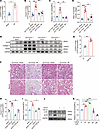 Figure 2
Reducing Golgi copper ion levels by downregulation of CTR1 decreases LOX activity and alleviates renal fibrosis. (A) The copper level was detected in the Golgi apparatus of kidney tissue collected from an IR-induced mouse model (n = 3). For the analyses of Ctr1-manipulated mice, Ctr1fl/fl/Cre– and Ctr1fl/fl/Cre+ mice were randomly divided into the following 4 groups (n = 5/each group): Ctr1fl/fl/Cre– mice + sham; Ctr1fl/fl/Cre– mice + IR; Ctr1fl/fl/Cre+ mice + sham; and Ctr1fl/fl/Cre+ mice + IR (B–F). (B) Inductively coupled plasma mass spectrometry (ICP-MS) analysis of copper concentrations of Golgi apparatus in kidney tissues. (C) LOX activity in kidney tissues was determined using the Fluorometric Lysyl Oxidase Assay Kit. (D) Western immunoblots of the expression of aLOX, collagen I, and elastin levels in mouse kidneys. (E) The ratio of insoluble/soluble collagen was analyzed in kidneys collected from IR-induced mice models. (F) Representative images of H&E and Masson’s trichrome staining of kidney sections. Original magnification, ×200. Scale bar: 100 μm. (G) The copper level was detected in the Golgi apparatus of NRK-52E cells treated with or without TGF-β1 (n = 3). (H) The copper level was detected in the Golgi apparatus of NRK-52E cells treated with TGF-β1 after downregulation of Ctr1(n = 3). (I) LOX activity was determined in the culture medium of NRK-52E cells treated with TGF-β1 after downregulation of Ctr1 using the Fluorometric Lysyl Oxidase Assay Kit (n = 3). (J) Western immunoblots analysis of aLOX and CTR1 in NRK-52E cells treated with TGF-β1 after downregulation of Ctr1 (n = 3). (K) LOX activity in NRK-52E cells treated with multiple concentrations of copper sulfate was determined using the Fluorometric Lysyl Oxidase Assay Kit (n = 3). Data are shown as the mean ± SEM. Statistics used included a 2-tailed t test (2 groups, in A and G) or 1-way ANOVA (multiple groups, in B, C, E, H, I, and K). *P < 0.05, **P < 0.01, ***P < 0.001, ****P < 0.0001.
Tetrathiomolybdate (TM), a copper chelating agent, chelates copper both intracellularly and extracellularly. We found that TM could reduce the IR-induced elevation of copper in the Golgi apparatus by pharmacological inhibition (Figure 3A). Compared with IR mice without TM treatment, TM treatment significantly ameliorated renal level of LOX activity (Figure 3, B and C, and Supplemental Figure 4D) and reduced the ratio of insoluble collagen to soluble collagen (Figure 3D). TM treatment alleviated IR-induced renal fibrosis, as shown by H&E and Masson staining (Figure 3E and Supplemental Figure 4E), and reduced collagen I and elastin expression in TM-treated mice compared with that in the sham group (Figure 3C and Supplemental Figure 4D). Consistent with in vivo findings, we found that in NRK-52E cells treated with TGF-β1, TM treatment resulted in lower Golgi copper concentration and recovered LOX activity (Figure 3, F–H, and Supplemental Figure 4F). These findings highlight the key role of Golgi copper ions in LOX activation.
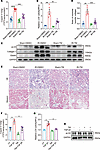 Figure 3
Reducing copper in Golgi apparatus with Cu chelators mitigated renal fibrosis via reducing LOX activity. For TM treatment, 4 groups of C57BL/6 mice were prepared (n = 5/each group): sham + DMSO; sham + TM (30 mg/kg); IR + DMSO; and IR + TM (A–E). (A) ICP-MS analysis of copper concentrations of Golgi apparatus in kidney tissues. (B) LOX activity in kidney tissues was determined using the Fluorometric Lysyl Oxidase Assay Kit. (C) Western immunoblots analysis of aLOX, collagen I, and elastin levels in mouse kidneys. (D) The ratio of insoluble/soluble collagen was analyzed in kidneys collected from IR-induced mouse models. (E) Representative images of H&E and Masson’s trichrome staining of kidney sections. Original magnification, ×200. Scale bar: 100 μm. (F) The copper level was detected in the Golgi apparatus of NRK-52E cells treated with or without (CT) TGF-β1 or TM (n = 3). (G) LOX activity was determined in the culture medium of NRK-52E cells treated with or without TM after stimulated with TGF-β1 using the Fluorometric Lysyl Oxidase Assay Kit (n = 3). (H) Western immunoblot analysis of aLOX in NRK-52E cells treated with or without TM after stimulated with TGF-β1 (n = 3). Data are shown as the mean ± SEM. Statistics used included 1-way ANOVA. *P < 0.05, **P < 0.01, ***P < 0.001, ****P < 0.0001.
ATP7A, but not ATP7B, modulates LOX activity through promoting Golgi copper overloads in renal fibrosis. ATP7A/7B is a well-established intracellular copper transporter responsible for delivering copper to the Golgi apparatus (16, 17). To investigate whether ATP7A/7B participates in the copper-dependent activation of LOX within cells, immunohistochemical analyses was conducted. We found ATP7A, but not ATP7B, was notably enhanced in human kidney tissues diagnosed with fibrosis when compared with those without fibrosis (Figure 4A and Supplemental Figure 5A). In mice, IR-induced renal fibrosis was also associated with upregulated ATP7A, but not ATP7B, particularly in tubular epithelial cells (Figure 4, B and C; Supplemental Figure 5, B and C; and Supplemental Figure 6). To determine the specific role of ATP7A in renal fibrosis, we generated renal-specific Atp7a knockdown mice as described in the Methods section (detailed information about AAV injection can be found in Supplemental Figure 7). We found a significant decrease in copper levels within the Golgi apparatus after knockdown of Atp7a (Figure 4D). Additionally, treating NRK-52E cells with TGF-β1 resulted in an increase in ATP7A expression, while ATP7B remained unchanged (Figure 4E and Supplemental Figure 5D). Immunofluorescence staining confirmed that ATP7A expression colocalized with Golgin-97 (the Golgi marker) in NRK-52E cells, and ATP7A expression was increased following TGF-β1 treatment (Figure 4F). Next, we knocked down Atp7a in NRK-52E cells and observed a significant reduction in copper levels of Golgi apparatus induced by TGF-β1 (Figure 4G). These results suggest that ATP7A, rather than ATP7B, mediates the increase in Golgi copper level in renal fibrosis.
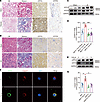 Figure 4
ATP7A mediates the increase of Golgi copper level in renal fibrosis. (A) Representative images of immunohistochemical staining with ATP7A, ATP7B, H&E, and Masson’s trichrome in kidney sections from patients with and without renal fibrosis (n = 5). Original magnification, ×200. Scale bar: 100 μm. (B) Representative images of immunohistochemical staining of ATP7A, ATP7B, H&E, and Masson’s trichrome in kidney sections from renal fibrosis models induced by IR (n = 5). Original magnification, ×200. Scale bar: 100 μm. (C) Western immunoblots analysis of ATP7A and ATP7B expression in mouse kidneys (n = 5). (D) The copper level was detected in the Golgi apparatus of kidneys collected from IR-induced mice with or without Atp7a downregulation (n = 5). (E) Western immunoblots analysis of ATP7A and ATP7B expression in NRK-52E cells treated with TGF-β1 (n = 3). (F) The colocalization of ATP7A with the Golgi apparatus was analyzed by immunofluorescent costaining in NRK-52E cells without (CT) or with TGF-β1 treatment (n = 3). Original magnification, ×1,000. Scale bar: 2.5 μm. (G) The copper level was detected in the Golgi apparatus of NRK-52E cells treated with TGF-β1 after downregulation of Atp7a (n = 3). Data are shown as the mean ± SEM. Statistics used included 1-way ANOVA. *P < 0.05, ***P < 0.001.
Then, we intended to investigate the role of ATP7A in the regulation of LOX activity. Downregulation of Atp7a in kidneys resulted in decreased LOX activity, reduced expression of aLOX, and a lower ratio of insoluble collagen to soluble collagen in IR-induced mice (Figure 5, A–C, and Supplemental Figure 5E). H&E staining and Masson’s trichrome staining revealed that the degree of tubular atrophy and dilatation and collagen deposition induced by IR was markedly ameliorated in Atp7afl/y mice carrying AAV-Cre (Figure 5D and Supplemental Figure 5F). Downregulation of Atp7a in the Atp7afl/y/Cre mice also reduced protein levels of fibrotic proteins, including collagen I and elastin (Figure 5C and Supplemental Figure 5E). In vitro, the downregulation of Atp7a in NRK-52E cells significantly reduced the TGF-β1–induced increase in LOX activity (Figure 5, E and F, and Supplemental Figure 5G). These findings indicate that Golgi ATP7A probably regulates LOX activity by transferring copper to LOX.
 Figure 5
Downregulation of ATP7A in renal fibrosis reduces copper-dependent LOX activity. Atp7afl/y mice injected with AAV-Con or AAV-Cre were divided into the following 4 groups (n = 5/each group): Atp7a+/y/Con mice after sham operation; Atp7a+/y/Con mice after IR treatment; Atp7afl/y/Cre mice after sham operation; and Atp7afl/y/Cre mice after IR treatment (A–D). (A) LOX activity in kidney tissues was determined using the Fluorometric Lysyl Oxidase Assay Kit. (B) The ratio of insoluble/soluble collagen was analyzed in kidneys collected from IR-induced mice. (C) Western immunoblots analysis ATP7A, aLOX, collagen I, and elastin expression in mouse kidneys among different groups. (D) Representative images of H&E and Masson’s trichrome staining of kidney sections. Original magnification, ×200. Scale bar: 100 μm. (E) LOX activity was determined in the culture medium of NRK-52E cells among different groups (n = 3). (F) Western immunoblots of ATP7A and aLOX in NRK-52E cells among different groups (n = 3). Data are shown as the mean ± SEM. Statistics used included 1-way ANOVA. *P < 0.05, ***P < 0.001, ****P < 0.0001.
FBLN4 serves as a critical mediator in the formation of ATP7A-LOX complex and modulates LOX activity. Docking analysis revealed that residues K644 and D79 in ATP7A can form hydrogen bonds with the residues Y172 and V112 in LOX, respectively (Figure 6A). The affinity is judged by binding energy, –151.3 kcal/mol, indicating relatively weak affinity. Based on this, it is speculated that there may be other factors involved. According to the protein-protein interaction (PPI) network analysis we found that FBLN4 showed the highest experimentally determined interaction score (Figure 6, B and C). Unexpected, in the presence of FBLN4, docking analysis revealed that the binding energy was markedly increased from the original –151.3 kcal/mol to –309.0 kcal/mol between ATP7A and LOX, with a larger absolute value indicating stronger binding (Figure 6D).
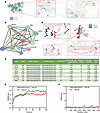 Figure 6
FBLN4 as a critical mediator of the ATP7A-LOX interaction by computational modeling analysis. (A) Molecular docking analysis of ATP7A and LOX. (B) The protein relationship between LOX and other proteins was forecasted using STRING tools (https://cn.string-db.org/). (C) The coexpression, experimentally determined interaction, database annotated, automated textmining, and combined score of aLOX and other molecules were calculated by STRING tools. (D) Molecular docking analysis of ATP7A, FBLN4, and LOX. (E) Molecular dynamics simulation stability analysis of the predicted ATP7A-FBLN4-LOX complex. Time-dependent root mean square deviation (RMSD) of backbone atoms for WT-FBLN4 (red curve) and the R88A/R95A/N97A-FBLN4 mutant (green curve) within the ternary complex. The trajectories reflect the overall conformational stability relative to the initial structure over a 100 ns simulation period. (F) Analysis of local residue flexibility within the predicted ATP7A-FBLN4-LOX complex. Per-residue root mean square fluctuation (RMSF) of backbone atoms for WT-FBLN4 (red curve) and the R88A/R95A/N97A-FBLN4 mutant (green curve).
To determine whether FBLN4 is essential for the ATP7A-LOX interaction, we generated mutant and WT FBLN4 proteins using GROMACS 2019.5, with the mutant variant containing alanine (A) substitutions at the R88, R95, and N97 sites. Molecular dynamics simulation demonstrated that the FBLN4 mutant reduced the stability of the ATP7A-LOX-FBLN4 complex compared with WT FBLN4, as evidenced by decreased root mean square deviation (RMSD) and root mean square fluctuation (Figure 6, E and F) (18).
Furthermore, we found a colocalization of FBLN4 and Goligin-97, the Golgi marker, in NRK-52E cells with TGF-β1 treatment (Figure 7A). Immunofluorescent assay revealed a marked increase in colocalization areas among FBLN4, ATP7A, and LOX upon TGF-β1 stimulation (Figure 7B). To demonstrate the physical interaction among ATP7A, FBLN4, and LOX, immunoprecipitation assay clearly showed that either ATP7A or FBLN4 could bind to LOX in NRK-52E cells (Figure 7C). Immunoprecipitation of ATP7A also confirmed the interaction among ATP7A, FBLN4, and LOX (Figure 7D), suggesting that these proteins may form a complex. Additionally, knockdown of Fbln4 abolished the interaction between LOX and ATP7A (Figure 7E).
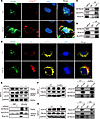 Figure 7
FBLN4 is essential for the formation of the ATP7A-LOX complex in renal fibrosis. (A) The colocalization of FBLN4 (green) with the Golgi apparatus (red) was analyzed by immunofluorescent costaining in NRK-52E cells without (CT) or with TGF-β1 treatment (n = 3). Original magnification, ×1,000. Scale bar: 2.5 μm. (B) The colocalization of FBLN4 (green) with ATP7A (yellow) and LOX (red) was analyzed by immunofluorescent costaining in NRK-52E cells without (CT) or with TGF-β1 treatment (n = 3). Original magnification, ×1,000. Scale bar: 2.5 μm. (C and D) Coimmunoprecipitation showing the interaction among ATP7A, FBLN4, and aLOX proteins in NRK-52 cells. (E) Coimmunoprecipitation showing the interaction among ATP7A, FBLN4, and aLOX after downregulating Fbln4. (F and G) Coimmunoprecipitation showing the interaction among ATP7A, FBLN4, and aLOX proteins in NRK-52 cells under CuSO4- and TM-treated conditions. INPUT indicates total protein. IP indicates the antibody used to pull down the interacting proteins. IgG represents the negative control.
To further investigate the regulatory mechanism of ATP7A-LOX complex stability, we explored the role of copper, a critical cofactor for LOX activity. Coimmunoprecipitation assays revealed that CuSO4 treatment enhanced the interaction between ATP7A and LOX, whereas copper chelation TM reduced their binding in a dose-dependent manner (Figure 7, F and G). These results uncovered the existence of a copper-dependent FBLN4/ATP7A/LOX pathway for promoting LOX activity.
Inhibition of FBLN4 disrupts copper transfer from ATP7A to LOX, thereby suppressing renal fibrosis. In this study, we clarify whether FBLN4 participates in the regulation of LOX activity by disrupting copper transfer in renal fibrosis. We observed an increased expression of FBLN4 in human kidney tissues diagnosed with fibrosis when compared with those with MCD (Figure 8A and Supplemental Figure 8A). In mice, IR-induced renal fibrosis was also associated with upregulated FBLN4 (Figure 8, B and C, and Supplemental Figure 8, B and C). To explore the role of FBLN4 in modulation of LOX activity, we depleted Fbln4 by delivering AAV9-sh Fbln4 into mice. AAV9-sh Fbln4 depleted FBLN4 efficiently in kidney tissues (Figure 8E and Supplemental Figure 8D). A reduction in renal LOX activity and aLOX expression in fibrotic kidney tissues were when Fbln4 was downregulated (Figure 8, D and E, and Supplemental Figure 8D). Consistently, downregulation of Fbln4 markedly exacerbated fibrotic protein deposition induced by IR injury (Figure 8, E and F, and Supplemental Figure 8, D and E). In vitro, the downregulation of Fbln4 in NRK-52E cells significantly reduced the TGF-β1–induced increase in LOX activity (Figure 8, G and H, and Supplemental Figure 8F). Knockdown of ATP7A with shRNA resulted in an upregulation of LOX activity, whereas double knockdown of ATP7A and FBLN4 failed to rescue LOX activity in CuSO4-treated NRK-52E cells (Figure 8, I and J). Interestingly, downregulation of Fbln4 did not significantly alter the mRNA expression level of LOX (Supplemental Figure 9), suggesting that FBLN4 regulates LOX activity through posttranslational modification rather than transcriptional regulation. Together, these results suggest that FBLN4 facilitates the transfer of copper from ATP7A to LOX, thereby promoting LOX activation and contributing to renal fibrosis.
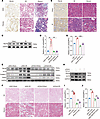 Figure 8
Disruption of FBLN4-mediated copper transfer from ATP7A to LOX suppresses renal fibrosis. (A) Representative images of immunohistochemical staining with FBLN4, H&E, and Masson’s trichrome in kidney sections from patients with and without renal fibrosis (n = 5). Original magnification, ×200. Scale bar: 100 μm. (B) Representative images of immunohistochemical staining with FBLN4, H&E, and Masson’s trichrome in kidney subjected to IR injury (n = 5). Original magnification, ×200. Scale bar: 100 μm. (C) Western immunoblots of FBLN4 in kidney tissues among different groups (n = 5). All mice were randomly divided into 4 groups (n = 5/each group): sham-operated mice treated with AAV9-Con (shNC + sham), sham-operated mice treated with AAV9-shFBLN4 (shFBLN4 + sham), IR mice treated with AAV9-Con (shNC + IR), and IR mice treated with AAV9- shFB LN4 (shFBLN4 + IR) (D–F). (D) LOX activity in kidney tissues was determined using the Fluorometric Lysyl Oxidase Assay Kit. (E) Western immunoblots analysis of FBLN4, aLOX, collagen I, and elastin expression in mouse kidneys among different groups. (F) Representative images of H&E and Masson’s trichrome staining of kidney sections. Original magnification, ×200. Scale bar: 100 μm. (G) LOX activity as determined using the Fluorometric Lysyl Oxidase Assay Kit in the culture medium of NRK-52E cells after Fbln4 knockdown (n = 3). (H) Western immunoblots of FBLN4 and aLOX in NRK-52E cells among different groups (n = 3). (I and J) LOX activity was determined in the culture medium of NRK-52E cells treated with CuSO4 after downregulation of Fbln4 alone and downregulation of both Atp7a and Fbln4 (n = 3). Data are shown as the mean ± SEM. Statistics used included 1-way ANOVA. **P < 0.01, ***P < 0.001.

-
Discussion
This study revealed an association of intra-Golgi apparatus copper accumulation with LOX activity–dependent ECM cross-linking and renal fibrosis. We showed that, in addition to LOX expression, LOX activity was increased during the process of renal fibrosis, accompanying an increase of intracellular copper levels, particularly within the Golgi apparatus. We further demonstrated that ATP7A regulates copper-dependent LOX activity through the induction of intra-Golgi copper accumulation and that this process was involved in copper-dependent FBLN4-mediated the interaction of ATP7A with LOX (Figure 9). This study demonstrates that the induction of copper accumulation within the Golgi apparatus, resulting in a reduction increase of LOX activity, contributes to reduced ECM degradation and enhanced renal fibrosis. Both reducing intracellular Golgi copper levels and targeting the inhibiting of copper transport in the Golgi apparatus can block this process.
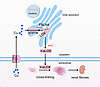 Figure 9
Diagram depicting the regulatory mechanism of LOX activity in renal fibrosis. The study illuminates the connection between LOX activity and copper in renal fibrosis, highlighting the mediation of LOX activity by copper through the ATP7A-FBLN4 complex (created using Figdraw; https://www.figdraw.com/).
Our previous studies show that upregulation of LOX expression contributes to ECM cross-linking and the progression of renal fibrosis in IR-induced mouse injury (5). However, the ECM serves as a dynamic structural and regulatory scaffold that is essential for cell fate determination, differentiation, and intercellular communication during development, tissue homeostasis, and repair (10, 11). Increasing studies reported that LOX activity, rather than LOX expression, plays a more critical role in fibrotic diseases, including inflammatory diseases, cancer metastasis, and progression (19–21). Cu-dependent LOX activity is considered as the primary role of the assembly of ECM. Among these, the main organelle in which LOX absorbs copper is the Golgi apparatus (12, 22). To our knowledge, the role of Cu-dependent LOX activity in renal fibrosis has not yet been reported. In the current study, our findings demonstrated that the copper level within the Golgi apparatus increases in a fibrotic environment. Both reduction of intracellular copper and depletion of Golgi copper inhibit LOX activity and ameliorate renal fibrosis, highlighting the essential role of Golgi-resident copper in LOX activation.
ATP7A and ATP7B are copper-chaperone proteins responsible for mediating the translocation of intracellular copper ions to the Golgi apparatus (11, 17, 22). Gene defect or mutation encoding ATP7A in intestinal epithelial cells on the X chromosome results in congenital copper metabolism disorders known as Menkes syndrome (13, 23). Hepatolenticular degeneration (Wilson’s disease) is an autosomal recessive genetic disorder caused by mutations in the ATP7B gene, leading to excessive copper accumulation in hepatocytes (24, 25). The loss of ATP7B function directly drives liver fibrosis through disrupted copper metabolism (26, 27). In our study, we demonstrated increased ATP7A, but not ATP7B, expression in renal fibrosis, with ATP7A upregulation induced by TGF-β1. ATP7A is the primary responder to transport copper to Golgi apparatus, which subsequently upregulates LOX activity and promotes renal fibrosis. This study suggests that both ATP7A and ATP7B contribute to organ fibrosis progression via distinct tissue-specific mechanisms.
Another important issue is how ATP7A transfers copper ions to LOX. To address this question, we assessed the binding affinity between ATP7A and LOX. Unfortunately, the binding activity between ATP7A and LOX was weak, which led us to hypothesize that there might be other accessory proteins involved. Based on protein interaction network analysis, we found that FBLN4 plays a pivotal role in the process of the copper transfer from ATP7A to LOX. Patients harboring mutations in the Fbln4 gene manifest clinical symptoms such as vascular malformations, aneurysms, and skin laxity (28–30). Similarly, Fbln4-deficient mice exhibit aortic aneurysms and emphysema, with notable damage to elastic fibers and abnormal collagen fibers (31). These pathological manifestations resemble the phenotype observed in Lox-deficient mice (32–34), suggesting a connection between FBLN4 and LOX. Researchers previously observed a decrease in LOX activity in connective tissues, including blood vessels, bones, and skin, in mice lacking FBLN4 (35). However, the role of FBLN4 in the regulation of LOX in renal fibrosis was unknown. In the presence of FBLN4, docking analysis revealed that the binding energy was markedly increased between ATP7A (Y970, A1374) and LOX (Q312, R313) (Figure 6D). In our study, we observed an elevated binding energy from –151.3 kcal/mol to –309.0 kcal/mol between ATP7A and LOX in the presence of FBLN4. To further elucidate these intricate interactions, coimmunoprecipitation and multi-immunofluorescent assays were employed to confirm the association among ATP7A, FBLN4, and LOX. Notably, both in vivo and in vitro downregulation of Fbln4 led to a marked decrease in LOX enzymatic activity. Intriguingly, this reduction in LOX activity following Fbln4 depletion was not reversed by copper supplementation, suggesting an essential role for FBLN4 in copper-dependent LOX activation. In contrast, partial restoration of LOX activity was observed after Atp7a knockdown followed by copper treatment. Further coimmunoprecipitation experiments demonstrated that Fbln4 knockdown significantly diminished the interaction between LOX and ATP7A.
There are still several limitations in this study, including (a) the lack of an effective method for specific conditional chelation of copper within the Golgi apparatus and (b) the requirement of a large sample size for LOX activity detection, which precludes validation in clinical spices. Our future research will focus on achieving precise, specific regulation of Golgi copper ions.
In conclusion, this study provides evidence that FBLN4-ATP7A delivers copper to the Golgi apparatus, where it interacts with and transfers copper to LOX, leading to LOX activation and, ultimately, promoting renal fibrosis. Our current study focuses on the role of LOX activity in renal fibrosis, and our findings provide insight and aim to provide a comprehensive elucidation of the regulatory mechanisms underlying LOX regulation from transcriptional expression to functional activation. Our findings suggest that inhibiting copper accumulation in the Golgi may represent a precise therapy for LOX-driven renal fibrosis.


