
Research ArticleEndocrinologyNeuroscience
Open Access |  10.1172/jci.insight.194445
Thyroid hormone promotes fetal neurogenesis
Federico Salas-Lucia,1,2 Sergio Escamilla,1,2 Amanda Charest,3 Hanzi Jiang,4 Randy Stout,3 and Antonio C. Bianco5
1Department of Medicine, Section of Adult and Pediatric Endocrinology and Metabolism, and
2Neuroscience Institute, University of Chicago, Chicago, Illinois, USA.
3New York Institute of Technology, New York, New York, USA.
4Institute for Public Health and Medicine, Feinberg School of Medicine, Northwestern University, Chicago, Illinois, USA.
5Department of Internal Medicine, The University of Texas Medical Branch, Galveston, Texas, USA.
Address correspondence to: Federico Salas-Lucia, Section of Adult and Pediatric Endocrinology and Metabolism, Department of Medicine, University of Chicago Medical Center, 5841 S. Maryland Ave. MC1027, Room M267, Chicago, Illinois 60637, USA. Phone: 773.702.4493; Email: fsalaslucia@uchicago.edu.
Find articles by
Salas-Lucia, F.
in:
PubMed
|
Google Scholar
|

1Department of Medicine, Section of Adult and Pediatric Endocrinology and Metabolism, and
2Neuroscience Institute, University of Chicago, Chicago, Illinois, USA.
3New York Institute of Technology, New York, New York, USA.
4Institute for Public Health and Medicine, Feinberg School of Medicine, Northwestern University, Chicago, Illinois, USA.
5Department of Internal Medicine, The University of Texas Medical Branch, Galveston, Texas, USA.
Address correspondence to: Federico Salas-Lucia, Section of Adult and Pediatric Endocrinology and Metabolism, Department of Medicine, University of Chicago Medical Center, 5841 S. Maryland Ave. MC1027, Room M267, Chicago, Illinois 60637, USA. Phone: 773.702.4493; Email: fsalaslucia@uchicago.edu.
Find articles by Escamilla, S. in: PubMed | Google Scholar
1Department of Medicine, Section of Adult and Pediatric Endocrinology and Metabolism, and
2Neuroscience Institute, University of Chicago, Chicago, Illinois, USA.
3New York Institute of Technology, New York, New York, USA.
4Institute for Public Health and Medicine, Feinberg School of Medicine, Northwestern University, Chicago, Illinois, USA.
5Department of Internal Medicine, The University of Texas Medical Branch, Galveston, Texas, USA.
Address correspondence to: Federico Salas-Lucia, Section of Adult and Pediatric Endocrinology and Metabolism, Department of Medicine, University of Chicago Medical Center, 5841 S. Maryland Ave. MC1027, Room M267, Chicago, Illinois 60637, USA. Phone: 773.702.4493; Email: fsalaslucia@uchicago.edu.
Find articles by Charest, A. in: PubMed | Google Scholar
1Department of Medicine, Section of Adult and Pediatric Endocrinology and Metabolism, and
2Neuroscience Institute, University of Chicago, Chicago, Illinois, USA.
3New York Institute of Technology, New York, New York, USA.
4Institute for Public Health and Medicine, Feinberg School of Medicine, Northwestern University, Chicago, Illinois, USA.
5Department of Internal Medicine, The University of Texas Medical Branch, Galveston, Texas, USA.
Address correspondence to: Federico Salas-Lucia, Section of Adult and Pediatric Endocrinology and Metabolism, Department of Medicine, University of Chicago Medical Center, 5841 S. Maryland Ave. MC1027, Room M267, Chicago, Illinois 60637, USA. Phone: 773.702.4493; Email: fsalaslucia@uchicago.edu.
Find articles by Jiang, H. in: PubMed | Google Scholar
1Department of Medicine, Section of Adult and Pediatric Endocrinology and Metabolism, and
2Neuroscience Institute, University of Chicago, Chicago, Illinois, USA.
3New York Institute of Technology, New York, New York, USA.
4Institute for Public Health and Medicine, Feinberg School of Medicine, Northwestern University, Chicago, Illinois, USA.
5Department of Internal Medicine, The University of Texas Medical Branch, Galveston, Texas, USA.
Address correspondence to: Federico Salas-Lucia, Section of Adult and Pediatric Endocrinology and Metabolism, Department of Medicine, University of Chicago Medical Center, 5841 S. Maryland Ave. MC1027, Room M267, Chicago, Illinois 60637, USA. Phone: 773.702.4493; Email: fsalaslucia@uchicago.edu.
Find articles by Stout, R. in: PubMed | Google Scholar
1Department of Medicine, Section of Adult and Pediatric Endocrinology and Metabolism, and
2Neuroscience Institute, University of Chicago, Chicago, Illinois, USA.
3New York Institute of Technology, New York, New York, USA.
4Institute for Public Health and Medicine, Feinberg School of Medicine, Northwestern University, Chicago, Illinois, USA.
5Department of Internal Medicine, The University of Texas Medical Branch, Galveston, Texas, USA.
Address correspondence to: Federico Salas-Lucia, Section of Adult and Pediatric Endocrinology and Metabolism, Department of Medicine, University of Chicago Medical Center, 5841 S. Maryland Ave. MC1027, Room M267, Chicago, Illinois 60637, USA. Phone: 773.702.4493; Email: fsalaslucia@uchicago.edu.
Find articles by
Bianco, A.
in:
PubMed
|
Google Scholar
|
Published September 4, 2025 - More info
JCI Insight. 2025;10(19):e194445. https://doi.org/10.1172/jci.insight.194445.
© 2025 Salas-Lucia et al. This work is licensed under the Creative Commons Attribution 4.0 International License. To view a copy of this license, visit http://creativecommons.org/licenses/by/4.0/.
Received: April 11, 2025; Accepted: August 28, 2025

-
Results
The progression of the dorsal projection trajectory of the human cerebral cortex depends on thyroid hormone. To understand the mechanistic basis of how maternal hypothyroxinemia (low T4 levels) affects early cerebral cortex development (7), we prepared 50-day-old (D50) COs using MCT8-deficient iPSCs prepared with cells from a 6-year-old boy with Allan-Herndon-Dudley syndrome (carrying the missense mutation P321L). iPSCs prepared with cells from the child’s father were used as controls. All COs were prepared in medium containing 20 pM free T3 (estimated free T3 concentration in fetal brain at gestational weeks 12–14: ~5 pM) (10, 15). A pool of 4 D50 COs was subsequently dissociated, and 2,427 single cells from the control and 1,655 from MCT8-deficient COs were processed for single-cell RNA-seq (scRNA-seq; Parse) (Figure 1A).
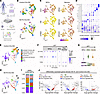 Figure 1
scRNA-seq analysis of D50 Control- and MCT8-COs. (A) Schematic representation of generating D50 MCT8-COs and obtaining single-cell suspension for sc-RNA-seq analysis. (B) UMAP plot showing the cell clusters identified by principal component analysis in the indicated COs. (C) UMAP plots showing the distribution of markers for NPCs and neurons. (D) Dot plot showing the relative expression levels of the gene markers used to identify each cell population. (E) UMAP plot showing the cell types identified by manual curation in control COs. (F) Dot plot showing the relative expression levels of SLC16A2, THRB, and THRA in each cell population of the dorsal projection trajectory. (G) Interpretation of sequential gene expression changes during dorsal projection trajectory progression. (H) UMAP plot showing the cell types identified by manual curation in MCT8-COs. (I) Histogram of the relative number of cells in control and MCT8-COs. (J) Volcano plots showing the distribution of differentially expressed genes in MCT8-deficient versus control COs. iPSCs, induced pluripotent stem cells; COs, cortical organoids; NPCs, neural precursor cells; IPCs, intermediate precursor cells; DPT, dorsal projection trajectory; UMAP, uniform manifold approximation and projection. The χ2 test was used for multiple comparisons and pairwise cell proportions. ****P < 0.0001. Differentially expressed gene thresholds: P < 0.05 and average log2(fold change) = 0.26.
Principal component analysis (PCA) of the transcriptome and expectation-maximization clustering based on their position in the principal component space led to the identification of cell clusters that share genetic developmental markers (Supplemental Figure 1, A–C, and Supplemental Table 1; supplemental material available online with this article; https://doi.org/10.1172/jci.insight.194445DS1), totaling 15 control and 16 MCT8-CO cell clusters (Figure 1B).
NPCs were contained in cell clusters 1, 5, 9, 10, and 13, expressing GLI3, VIM, and CCND2 (Figure 1C). In turn, cluster 7 contained intermediate progenitor cells (IPCs) expressing ELAVL4, LZTS1, and low levels of TBR1 (16–18), and the projection neurons were contained in clusters 2 and 8, expressing high levels of TBR1, BCL11B, and GRIA2 (Figure 1, C and D) (19). The other cell clusters contained neural cell types with non-dorsal projection trajectories, expressing the pan-neuronal markers RBFOX3 and SPOCK1 (Figure 1C) (20, 21). Among these non-dorsal neurons, clusters 3 and 6 contained interneurons expressing CA10, KCNC2, and SEMA3E (22), clusters 0 and 12 contained dopaminergic neurons expressing SEMA3A, COL25A1, and TAFA1 (23, 24), clusters 4 and 15 contained motor/spinal neurons expressing ROBO3, PAX2, and GAD2 (25, 26), and cluster 11 contained cerebellar Purkinje cells expressing GAD2, CA8, and CNTNAP4 (27, 28) (Figure 1, D and E).
To learn whether thyroid hormone signaling could influence the progression of the dorsal projection trajectory in our COs, we first looked for the expression of genes involved in thyroid hormone signaling and found that all 3 cell clusters belonging to the dorsal projection trajectory exhibited high SLC16A2 expression (encoding MCT8; Figure 1F). However, the expression of the thyroid hormone nuclear receptor isoform β (THRB) and α (THRA) was heterogeneous among cell types. NPCs exhibited the highest expression levels of THRB, while IPCs and projection neurons mainly expressed THRA, altogether indicating that cells of the dorsal projection trajectory are equipped to respond to thyroid hormone (Figure 1G).
Indeed, the analysis of MCT8-COs versus control-COs revealed substantial differences in the cellular composition of the cell clusters. The clusters of the dorsal projection trajectory were among the most affected (compare the Uniform Manifold Approximation and Projections [UMAPs] in Figure 1E with 1H). While MCT8-NPCs contained a similar relative number of cells, the subtypes of these cells among the different clusters were significantly different (χ2 test, P < 0.0001; Figure 1I). As an example, NPC clusters 5 and 9 (arrows in Figure 1, E and H) contained the largest number of cells in the control-COs but were markedly reduced in the MCT8-COs, revealing a very early deficit in the proliferation/differentiation capacity of NPCs (Supplemental Figure 1D). Furthermore, the IPCs and projection neurons in the MCT8-deficient COs had a reduction in the relative number of cells, with an approximately 90% drop in the latter cells (χ2 test, P < 0.0001; arrowheads in Figure 1, E and H). In contrast, MCT8-COs exhibited an increased relative number of interneurons, motor/spinal neurons, and cerebellar Purkinje cell clusters, with an altered distribution of these cells among clusters (χ2 test, P < 0.0001; Supplemental Figure 1E). A corollary of these experiments is that the progression of the dorsal projection trajectory depends on an MCT8-mediated transport of thyroid hormone, impacting the final number of projection neurons in the developing fetal cerebral cortex.
To understand which aspects of the progression of the dorsal projection trajectory were affected by thyroid hormone, we next studied the differentially expressed genes between MCT8-CO and control-CO dorsal clusters and found 597 differentially expressed genes in NPCs (339 upregulated), 327 genes in IPCs (186 upregulated), and 206 genes in projection neurons (124 upregulated) (Figure 1J and Supplemental Table 2). The gene ontology analysis of the MCT8-NPCs transcriptome identified 207 differentially expressed genes relevant to proliferation, regulation of neurogenesis, neuron differentiation, and axonogenesis. Furthermore, we also found differentially expressed genes involved in nuclear division, nuclear migration, and asymmetric cell division, which agrees with our previous observations that the plane of nuclear migration occurring during the translocation of the nuclei for mitosis is affected by a nonfunctional MCT8 transport of thyroid hormone (13). The differentially expressed genes found in the MCT8-IPCs belonged to 156 gene sets, including those regulating neuron projection development, neurogenesis, and neuron differentiation. Lastly, the differentially expressed genes in the projection neurons were contained in 82 gene sets, including those regulating glial cell differentiation, cell fate commitment, neuron differentiation and migration, and glutamatergic synapse (Supplemental Table 3). To further confirm these differences in gene expression in NPCs, IPCs, and projection neurons, and to test the contribution of genetic variance between control and MCT8-deficient cell lines, we measured changes in some top up- and downregulated genes in D50 CO samples obtained from previous studies (13). These samples included similar D50 control and MCT8-deficient COs, as well as an additional D50 MCT8-deficient CO from another patient with a different mutation (missense vs. nonsense), both of which caused severe neurodevelopmental delay. All the studied genes (NPCs: CREB5, NRG1, ERBB4; IPCs: GRIA1, ROBO3, GRIN2A; projection neurons: CAMKIV and BCL11B) exhibited expression changes that were similar to those observed in the scRNA-seq between D50 control and the 2 D50 MCT8-deficient COs (Supplemental Figure 2, A–C). In addition, we also identified 162 genes that were differentially expressed in bulk RNA-seq datasets from D65 control versus 2 different MCT8-deficient COs (Supplemental Figure 2, D–F, and Supplemental Table 4).
Overall, these studies provide an explanation for how an impaired thyroid hormone transport in MCT8-COs — which creates a state of localized hypothyroidism — leads to the arrested progression of the dorsal projection trajectory, resulting in a hindered differentiation of NPCs into projection neurons.
The effects of thyroid hormone on NPCs, IPCs, and neurons are independent of cell density. To obtain spatial information about NPCs, IPCs and neurons within the COs, we prepared two 5-μm-thick slices from D50 control-COs and two from D50 MCT8-COs and analyzed them using a spatial molecular imager that provides transcriptomic data at a cellular resolution (Figure 2, A and B). A universal cell characterization gene panel (Supplemental Table 5) was used to identify NPCs (expressing VIM, NOTCH1, and BMP7), IPCs (expressing EOMES, and BMP5), and neurons (expressing GATA3, DCN, SPOCK2, and SOX4) in control and MCT8-COs (Figure 2C and Supplemental Figure 3A). Undefined cells were considered altogether as a single group (Supplemental Figure 3, B and C). The expression level of 72 genes was affected in the 3 groups of cells (Figure 2D and Supplemental Table 6). The top up- or downregulated genes included GPX1, an antioxidant enzyme important for NPC survival (29); BCL2, a protein that protects neural cells from apoptosis during early brain development (30); and WNT7B, a signaling protein that directs neuronal differentiation (31).
 Figure 2
Spatial transcriptomics analysis of D50 Control- and MCT8-COs. (A) Schematic representation of obtaining spatial transcriptomic data. (B) Image showing the cell segmentation on the indicated COs, based on transcript localization data. Scale bars: 100 μm. (C) Heatmap showing the relative expression levels of the genes used to identify the indicated neural cell types. (D) Heatmap of the differentially expressed genes in the indicated neural cells between control versus MCT8-COs. (E) Same as in B, except the cells are classified into the indicated types. (F) Distribution of distances between the indicated cells and groups. (G) Histogram of the distribution of cell densities. Considering a radius of 100 μm, if only 1 cell was in contact with another cell, the distribution was considered sparse. If 1 cell was in contact with 5 or more cells, it was considered dense. (H) Violin plots show the expression levels of the indicated genes, considering the indicated cellular densities. **P < 0.01, ***P < 0.001 by multiple-testing P-value adjustments using the Benjamini-Hochberg method. The analysis of the differentially expressed genes was performed using the findMarkers function and Wilcoxon’s test. (I) Ligand-receptor interaction between the indicated neural cells in control and MCT8-deficient COs. Differentially expressed gene threshold: P < 0.05; the CellPhoneDB toolkit was used to assess significant receptor-ligand dyads.
The analysis of the distance between cells revealed a higher density of cells (NPCs, IPCs, and neurons) in control- versus the MCT8-COs (Figure 2, E and F). To explore whether the differences in cell density affected the transcriptome in control- and MCT8-COs, we first identified 2 groups of cells that cluster together with low (cells with 1 cell in a 100-μm radius) and high densities (cells with 5 or more cells in a 100-μm radius), which resulted in 36 cells in sparse clusters and 118 cells in dense clusters in the control-COs and 31 and 71 cells in the MCT8-deficient COs, respectively (Figure 2G). Nonetheless, cell density only altered the expression of 3 genes (SOX4, COL1A1, and COL1A3) in control-COs (no genes were found altered in MCT8-COs) (Figure 2H).
Next, we used CellPhoneDB, a bioinformatic toolkit designed to infer cell-cell communication (32, 33), to study the interactions of receptors and their respective ligands in nearby cells (receptor-ligand dyad). We found significant dyad differences between NPCs, IPCs, and neurons in control-COs and MCT8-COs (Figure 2I). In both COs, the most common dyad differences were DLL1-NOTCH1 and DLL4-NOTCH1, which provide neural differentiation information to new neurons, and inhibitory signals that maintain the pool of NPCs (34). Only in control-COs did we identify dyad differences between EFNA5-EPHB2 and -EPHA7, which are important for neuronal differentiation and axon guidance (35).
Overall, findings from the spatial transcriptomic analysis confirm the presence of NPCs, IPCs, and neurons within COs. In addition, it confirmed major differences in the gene expression profile between control- and MCT8-COs. Furthermore, these differences were not related to cell density, reinforcing the effect of an impaired thyroid hormone transport on fetal neurogenesis.
Thyroid hormone is critical for human NPCs to differentiate into neurons. To further explore the role of thyroid hormone on neurogenesis, we obtained a culture of iPSC-derived NPCs (Figure 3A). Our iPSC-derived NPCs are immunoreactive for NESTIN, SOX2, and MCT8 (Figure 3B) and express the nuclear receptor isoforms THRA and THRB (Figure 3C), indicating they can respond to thyroid hormone. Therefore, we used media containing 20 pM free T3 to establish conditions under which 2D cultures of iPSC-derived NPCs generate cortical neurons in 12 days. The importance of thyroid hormone to the differentiation of NPCs became apparent with the observation that the ability of MCT8-NPCs to differentiate into neurons was impaired, even though they express THRA and THRB, albeit at lower levels. In MCT8-deficient NPCs, the expression of 2 markers of neuronal identity and maturity, RBFOX3 and NEUROD1, remained steadily very low, indicating an arrested neurodifferentiation (Figure 3C).
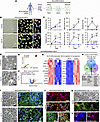 Figure 3
Control- and MCT8-deficient iPSC-derived neurons. (A) Schematic representation of generating NPCs from iPSCs and the subsequent differentiation of the NPCs into neurons. (B) Bright-field and confocal fluorescence images showing iPSC-derived NPCs stained for SOX2 (magenta), NESTIN (yellow), MCT8 (magenta), and with DAPI (blue; nuclear). (C) Relative mRNA levels of the indicated genes in control and MCT8-NPCs after 1, 6, and 12 days of neurodifferentiation. (D) Bright-field images showing NPCs after 6 days of neurodifferentiation. (E) Principal component plot illustrating differences between control and MCT8-deficient NPCs. (F) Volcano plots showing the distribution of differentially expressed genes in control versus MCT8-NPCs; each point represents the average of 5 control and 5 MCT8-deficient samples of pooled NPCs for each transcript. (G) Heatmap depicting the top 20 differentially expressed genes related to neurogenesis between control versus MCT8-NPCs identified by bulk RNA-seq. (H) Venn comparison of differentially expressed genes belonging to the gene set related to neurogenesis between control versus MCT8-NPCs identified by bulk RNA-seq (blue) and scRNA-seq analysis (green) and between control versus MCT8-IPCs identified by scRNA-seq analysis (purple); common differentially expressed genes were identified (gray box). (I) Bright-field images of control and MCT8-NPCs after 12 days of neurodifferentiation. TUJ1, green; DAPI, blue (nuclear). (J) The upper 2 panels are MCT8 staining in red, TUJ1 in green, and DAPI (blue); the lower panels are RBFOX3 staining in green, NEUROD1 in red, and DAPI in blue. (K) MCT8-NPCs after being treated with 60 nM T3 during the 12 days of neurodifferentiation. TUJ1, green; SOX2, red. (L) SOX2 staining (red) and DAPI (blue) on the indicated cells and treatments. Scale bars: 50 μm (B) and 100 μm (D, I, and J). Differentially expressed gene thresholds: P < 0.05 and average log2(fold change) = 1.5 in the Partek Flow platform. Expression values are mean ± SD of n = 3–6 RNA samples, each of them consisting of 2 pooled 6-well plates of NPCs from either control or MCT8-NPCs. **P < 0.01, ***P < 0.001 by 2-tailed Student’s t test for comparing DIO2 deiodination and relative mRNA expression between D1, D6, and D12 of neurodifferentiation.
Further analyses revealed additional mechanisms regulating thyroid hormone signaling during NPC differentiation. We detected a peak of the thyroid hormone–activating enzyme DIO2 six days into the neuronal differentiation (6-day NPCs). This enzyme normally activates endogenous T4 to T3, transiently magnifying the T3 signaling (36). The peak of DIO2 coincided with when the NPCs still exhibit normal morphology but are about to undergo major morphological changes typical of cortical neurons (Figure 3, A, B, and D). It is also notable that, all along the neuronal differentiation, there was a progressive increase in the expression of the thyroid hormone–inactivating enzyme DIO3. This is a typical neuronal marker that regulates access of T3 to the neuronal nucleus (37). In MCT8-NPCs, DIO2 and DIO3 levels also remained very low, indicating that changes in the expression of these enzymes are stage-specific.
We next processed control and MCT8 6-day NPCs for bulk RNA-seq analysis (these data sets clustered separately in a PCA plot; Figure 3, D and E) and found major differences in their transcriptome, i.e., a total of 2,523 differentially expressed genes (1,805 downregulated in MCT8 cells) (Figure 3F and Supplemental Table 7). Through gene set analysis (Supplemental Table 8), we identified the top 10 up- or downregulated genes associated with “regulation of neurogenesis” (Figure 3G), which include HES5 (a notch effector during neuronal differentiation) (38) and FOXG1, a transcription factor critical for expanding the NPC pool (39). FOXG1 heterozygous loss-of-function mutations cause FOXG1 syndrome, a severe neurological disorder where individuals frequently show absent speech, intractable seizure, and motor anomalies (40) — common changes in patients with MCT8 deficiency (41). A top upregulated gene in the MCT8-NPCs was BMAL1, a molecular clock that, when overexpressed, can lead to NPC pool exhaustion (42). These findings indicate that the transcriptome changes triggered by impaired T3 signaling in MCT8-NPCs are substantial and associated with genetic programs driving neurogenesis and neuronal differentiation. Indeed, within the gene set “regulation of neurogenesis,” we identified 19 genes that were also differentially expressed in the NPCs and IPCs within MCT8-COs (Figure 3H; green and purple circles, respectively).
After 12 days of culture, it became clear that a functional MCT8-mediated T3 transport is necessary to differentiate NPCs into neurons (Figure 3I). Indeed, only control cultures contained neurons that exhibited axons and other processes. Immunostaining for the postmitotic neuronal marker TUJ1 revealed robust neuronal processes in control neurons and short processes and projecting axons, all typically expressing MCT8 as described previously (37) (Figure 3J). Neuron identity was further confirmed by colocalizing the neuronal markers RBFOX3 and NEUROD1 (Figure 3J). In contrast, neurodifferentiation was arrested in MCT8-NPCs, maintaining the NPC morphology with minimal TUJ1+ neuronal processes (Figure 3I).
These findings in human NPCs constitute what we believe is a new model to test potential interventions that could rescue the devastating neurological phenotype seen in patients with MCT8 deficiency. With that in mind, we performed a proof-of-concept experiment in which the neural differentiation potential of the MCT8-NPCs was rescued by supplementing the medium with high concentrations of T3 (60 nM), which bypasses the MCT8 deficiency (Figure 3K). Remarkably, such treatment partially rescued the phenotype by promoting neuronal differentiation in MCT8-NPCs. Here, MCT8 neurons exhibited TUJ1+ neuronal processes (Figure 3K); however, all of these MCT8 neurons still retained a high expression of the NPC maker SOX2 (vs. only ~40% in control neurons; Figure 3L), suggesting that the MCT8 neurons, albeit partially rescued, were in a more immature state than controls. Overall, these findings indicate that the potential of NPCs to differentiate into neurons depends on an MCT8-mediated T3 transport and action.
DIO2-generated T3 in human NPCs triggers genetic programs driving neurogenesis. DIO2 is active in D20 COs, a time when a high number of NPCs is expected (13). This led us to hypothesize that the resulting intracellular accumulation of T3 could trigger developmental programs in these cells. To verify that NPCs exhibit DIO2 catalytic activity, we incubated 2D cultures of NPCs (obtained as in Figure 3A) for 24 hours with trace amounts of I125-labeled T4 (T4I125) (Figure 4A), which was deiodinated and led to a prominent peak of T3I125 (Figure 4B). As expected, T3I125 production was smaller in the MCT8-NPCs, indicating that T4 also uses MCT8 to enter NPCs (Figure 4B). Control-NPCs exhibit a DIO2 catalytic activity of 390 ± 140 pmol/mg T3/h, while MCT8-NPCs had approximately 10% of that in controls (37 ± 14 pmol/mg/h; Figure 4C).
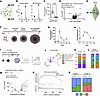 Figure 4
Studies on the presence and effect of the DIO2 pathway in iPSC-derived NPCs and COs. (A) Schematic representation of treating iPSC-derived NPCs with T4I125 to measure T3I125 production. (B) Representative chromatograms of the medium after control and MCT8-NPCs were incubated with T4I125 for 24 hours. (C) Quantitation of the DIO2 deiodination in control and MCT8-NPCs; n = 5 DIO2 assays. (D) Volcano plots showing the distribution of differentially expressed genes in Control + 1 nM T4 versus Control NPCs; each point represents the average of 5 WT + 1 nM T4 and 5 WT samples of pooled NPCs for each transcript. (E) Interpretation of the findings in A–D. (F) Schematic of the generation and timing of CO generation, starting with iPSCs to a culture of embryoid bodies, followed by neural induction, neuroepithelial bud expansion, and maturation. (G) Quantitation of DIO2 deiodination in control COs during their first 20 days in culture. n = 4 DIO2 assays per time point, each consisting of 4 pooled COs from control COs. (H) Relative SOX2 mRNA levels in control COs during their first 20 days in culture. Expression values are mean ± SD of n = 3–6 RNA samples, each of them consisting of 4 pooled COs from control COs. (I) Schematic representation of the experiment. COs were treated with 1 nM T4 from D7 to D50 and then dissociated into a single-cell suspension for scRNA-seq. (J) UMAP plot showing the cell types identified. (K) Histogram of the relative number of cells in T4-COs and control COs. (L) Histograms of the relative number of cells in clusters of NPCs. The identification number of each cell cluster is indicated at the bottom right corner of each rectangle. (M) Volcano plots showing the distribution of differentially expressed genes in T4-COs versus control COs. (N) Gene set enrichment analysis reveals gene ontology terms enriched in T4-COs. (O) Histograms of the relative number of cells undergoing the indicate cell cycle phase in clusters 1 and 9 of control and NPCs. ***P < 0.001 by 2-tailed Student’s t test for comparing DIO2 deiodination in iPSC-derived NPCs. Differentially expressed gene thresholds: P < 0.05 and average log2(fold change) = 0.26.
Based on other cell models (43), it is expected that substantial amounts of DIO2-generated T3 end up in the NPC nuclei, where it can then regulate (induction/repression) gene expression. To test whether that was the case, control NPCs were incubated with 1 nM T4 (free T4 of ~20 pM; estimated free T4 concentration in fetal brain at gestational weeks 12–14: ~10 pM) — the DIO2 pathway is only relevant if T4 is supplied in the medium (9, 44) — and 24 hours later, NPCs were harvested and processed for bulk RNA-seq analysis (Supplemental Figure 4A).
Incubation with 1 nM T4 resulted in 48 differentially expressed genes (30 upregulated) compared with the same cells not incubated with T4 (Figure 4D and Supplemental Table 9). The top gene PLD1 encodes a phospholipase that is important in regulating the neuronal differentiation of NPCs (45). Another top gene, BIRC3, encodes an E3 protein ubiquitin ligase that impacts neural cell survival (46). The gene PDGFA was also found to be among the top upregulated genes by T4, acting as a mitogen for NPCs and stimulating their proliferation (47). The remaining genes included DNAAF4, which is associated with dyslexia and neuronal migration in the developing neocortex (48); CXCL12, controlling neurite outgrowth and axonal guidance and enhancing NPC cell survival (49); and RELN, a well-known T3-regulated gene that acts as a critical choreographer of neuronal positioning (44). The top gene sets with enrichment scores greater than 6 were related to axon guidance, neuron migration, angiogenesis, cytoskeleton organization, forebrain cell migration, and neurogenesis (Supplemental Figure 4B).
Altogether, these results show that MCT8 function is critical for NPCs to take up T4 and — utilizing DIO2 — activate T3 signaling (T4 + DIO2 → T3 + I–). The DIO2-generated T3 reaches the NPCs’ nuclei, where T3 triggers transcriptional changes related to cerebral cortex development, including neurogenesis (Figure 4E).
Next, we returned to the human cortical organoid model to study the role of the DIO2-generated T3 in NPCs in a more physiological context. First, we confirmed the presence of DIO2 catalytic activity during the initial 20 days of maturation, i.e., D0 (iPSCs), D5 (embryonic bodies), D7 (neural induction), D10 (neuroepithelium expansion), D15 and D20 (maturation) (Figure 4F). We identified a peak of DIO2 catalytic activity at D7, reaching approximately 180 fmol T3/h/mg protein (40-fold higher than D5), coinciding with the appearance of the first NPCs; DIO2 activity decreased afterward, stabilizing at values approximately 10-fold higher than D5 (Figure 4G). Remarkably, a similar pattern was observed for the SOX2 mRNA levels, a constitutive marker of NPCs (Figure 4H), suggesting that DIO2-T3 is driving the proliferation of the NPCs. The induction of high DIO2 activity at times when NPCs are highly proliferative (in a 3-month human embryo, NPCs proliferate at a rate of approximately 4 million per hour) (50) suggests that the DIO2-generated T3 is invaluable for the cell cycle of NPCs.
To further explore this possibility, we studied developing COs that were treated with 20 pM free T3 plus 20 pM free T4 (T4-COs) from D7 to D50 and compared the results with COs prepared in the presence of 20 pM free T3 (Figure 4I). After a pool of 4 D50 T4-COs was dissociated, 1,089 single cells were processed for scRNA-seq, and cell clusters were identified as in Figure 1 (Figure 4J). The NPCs were the most affected by treatment with T4 (Supplemental Table 10). T4-NPCs clusters 1 and 9 exhibited a marked increase in the number of cells, while clusters 10 and 5 were significantly reduced, and 13 did not change (Figure 4, K and L). These changes in the number of cells were paralleled by changes in gene expression so that T4-NPCs exhibited 81 differentially expressed genes (66 upregulated; Figure 4M).
Through gene set analysis, we identified that the top 2 main gene sets enriched in the T4-CO NPCs (same for clusters 1 and 9) were associated with cell cycle progression, regulating G2/M transition and the nuclear mitotic spindle (Figure 4N). One example of the T4-CO NPC upregulated genes is DIAPH3, which encodes a protein that regulates the assembly and bipolarity of the mitotic spindle during neurogenesis (51). Another example is the gene MELK, which regulates the proliferation of NPCs (52). Further analysis confirmed that the treatment with T4 affected the NPC cell cycle, increasing the number of cells in cluster 1 in G2/M phase and the number of cells in cluster 9 in G1 phase (Figure 4O). A corollary of these experiments is that physiological levels of T4 affect NPC cell cycle and the plane of nuclear migration during the translocation of the nuclei for mitosis through the DIO2-generated T3.
DIO2-generated T3 in mouse NPCs promotes neurodifferentiation. We next studied the effects of T4 and DIO2-generated T3 in a mouse model of differentiating NPCs. The advantage of this model is that the effects of T4 can be studied in the absence of T3 in the medium. The model was developed by establishing a protocol to isolate primary NPCs from embryonic day 13.5 (E13.5) mouse pups (mNPCs) (Figure 5A). mNPCs were isolated as neurospheres in serum-free medium that contained the in-house–made supplement B26 (similar to B27 except that it does not contain T3; ref. 53) in the presence of epithelial growth factor (EGF) (Figure 5B). After dissociation, mNPCs exhibited their characteristic apical and basal cellular processes and expressed NESTIN and SOX2 (Figure 5, C and D) as well as MCT8, exhibiting a more intense immunofluorescence signal in the nuclei of mNPCs undergoing cell division (Figure 5E). mNPCs exhibited DIO2 catalytic activity (~6.5 fmol T3/h/mg protein) (Figure 5F). These findings indicate that mNPCs are equipped with the MCT8-DIO2 dyad, which allows them to take up T4 and build up intracellular levels of T3 to enhance thyroid hormone signaling.
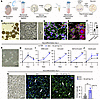 Figure 5
Studies on the presence and effect of the DIO2 pathway in primary mouse NPCs. (A) Schematic representation of the protocol to isolate mNPCs, propagate them in culture, and differentiate them into neurons. (B and C) Bright-field images showing representative neurospheres containing mNPCs (B) and the mNPCs cultured on poly-D-lysine–coated plates (C). (D–F) Confocal images showing mNPCs expressing Nestin (green) and Sox2 (red) (D) and Mct8 (red) (E). The insets in E depict 2 dividing mNPCs that exhibited higher intensity of Mct8 immunofluorescence. (F) Quantitation of the DIO2 deiodination in mNPCs; n = 6 DIO2 assays. The background condition includes all assay reagents except for the cell samples. (G) Bright-field images showing representative mNPCs after 2 days of neurodifferentiation. (H–J) Relative mRNA levels of the indicated genes in mNPCs under the indicated conditions; n = 4. (K) Bright-field images showing representative mNPCs after 4 days of neurodifferentiation. Note the neuronal process extension. (L) Tuj1+ cells under the indicated conditions and the quantitation of the percentage of Tuj1+ cells. Values are the mean ± SD of 5 replicates. Scale bars: 300 μm (B) and 25 μm (C–L). **P < 0.01; ***P < 0.001 by 2-tailed Student’s t test for comparing DIO2 deiodination in iPSC-derived NPCs.
The differentiation of mNPCs into neurons was started by removing EGF from the medium, and as soon as after 48 hours, mNPCs transitioned to a more neuron-like morphology with small cellular processes (Figure 5G). We documented that during this initial 48 hours of neurodifferentiation, mNPCs exhibited an increase in Dio2 levels, peaking at 24 hours and decreasing afterward (Figure 5H), indicating that during this period of neurodifferentiation, mNPCs can activate T4 into T3 via the DIO2 pathway. Therefore, we used media containing approximately 150 pM free T4 to establish conditions under which mNPCs can respond to T4 while undergoing neurodifferentiation. mNPCs treated with T4 exhibited similar levels of Dio2 (Figure 5H), but the expression of Klf9, Hairless, and Aldh1a1, 3 known T3-regulated genes (54), markedly increased in the mNPCs treated with T4 (Figure 5I). As expected, during the 48 hours of neurodifferentiation, there was a progressive increase in the expression of the thyroid hormone–inactivating enzyme Dio3 (Figure 5J), which is normally expressed in neurons. Considering the important role played by Klf9, Hairless, and Aldh1a1 during neurodifferentiation (55, 56), these findings confirm a role for DIO2-generated T3 in this process. Indeed, after 96 hours of neurodifferentiation (Figure 5K), the number of TUJ1+ neurons in the cells treated with T4 was 67.9% higher (Figure 5L). A corollary of these experiments is that the DIO2 pathway (T4 + DIO2 → T3 + I–) in mouse NPCs promotes neurodifferentiation.


