
Research ArticleInfectious diseaseInflammation
Open Access |  10.1172/jci.insight.192970
14-3-3ε–dependent deubiquitination and translocation of NLRP3 activates the inflammasome during sepsis
Xingyu Li,1 Siqi Ming,2 Can Cao,1 Yating Xu,3 Jingxian Shu,1 Ning Tan,4 Xi Huang,1,2 and Yongjian Wu1
1Center for Infection and Immunity and Guangdong Provincial Engineering Research Center of Molecular Imaging, the Fifth Affiliated Hospital of Sun Yat-sen University, Zhuhai, Guangdong Province, China.
2Department of Laboratory Medicine, Guangdong Provincial Hospital of Chinese Medicine, Zhuhai Hospital, Zhuhai, Guangdong Province, China.
3National Clinical Research Center for Infectious Disease, Shenzhen Third People’s Hospital, the Second Affiliated Hospital of Southern University of Science and Technology, Shenzhen, Guangdong Province, China.
4Department of Neonatology, the Fifth Affiliated Hospital, Sun Yat-sen University, Zhuhai, Guangdong Province, China.
Address correspondence to: Yongjian Wu, Xi Huang, or Ning Tan, Professor, Center for Infection and Immunity, The Fifth Affiliated Hospital of Sun Yat-sen University, No. 52 Meihua East Road, Xiangzhou District, Zhuhai City, Guangdong Province, China. 519000. Phone: 86.07562528315; Email: wuyj228@mail.sysu.edu.cn (YW); Email: huangxi6@mail.sysu.edu.cn (XH); Email: tann7@mail.sysu.edu.cn (NT).
Authorship note: XL and SM contributed equally to this work.
Find articles by Li, X. in: PubMed | Google Scholar
1Center for Infection and Immunity and Guangdong Provincial Engineering Research Center of Molecular Imaging, the Fifth Affiliated Hospital of Sun Yat-sen University, Zhuhai, Guangdong Province, China.
2Department of Laboratory Medicine, Guangdong Provincial Hospital of Chinese Medicine, Zhuhai Hospital, Zhuhai, Guangdong Province, China.
3National Clinical Research Center for Infectious Disease, Shenzhen Third People’s Hospital, the Second Affiliated Hospital of Southern University of Science and Technology, Shenzhen, Guangdong Province, China.
4Department of Neonatology, the Fifth Affiliated Hospital, Sun Yat-sen University, Zhuhai, Guangdong Province, China.
Address correspondence to: Yongjian Wu, Xi Huang, or Ning Tan, Professor, Center for Infection and Immunity, The Fifth Affiliated Hospital of Sun Yat-sen University, No. 52 Meihua East Road, Xiangzhou District, Zhuhai City, Guangdong Province, China. 519000. Phone: 86.07562528315; Email: wuyj228@mail.sysu.edu.cn (YW); Email: huangxi6@mail.sysu.edu.cn (XH); Email: tann7@mail.sysu.edu.cn (NT).
Authorship note: XL and SM contributed equally to this work.
Find articles by Ming, S. in: PubMed | Google Scholar
1Center for Infection and Immunity and Guangdong Provincial Engineering Research Center of Molecular Imaging, the Fifth Affiliated Hospital of Sun Yat-sen University, Zhuhai, Guangdong Province, China.
2Department of Laboratory Medicine, Guangdong Provincial Hospital of Chinese Medicine, Zhuhai Hospital, Zhuhai, Guangdong Province, China.
3National Clinical Research Center for Infectious Disease, Shenzhen Third People’s Hospital, the Second Affiliated Hospital of Southern University of Science and Technology, Shenzhen, Guangdong Province, China.
4Department of Neonatology, the Fifth Affiliated Hospital, Sun Yat-sen University, Zhuhai, Guangdong Province, China.
Address correspondence to: Yongjian Wu, Xi Huang, or Ning Tan, Professor, Center for Infection and Immunity, The Fifth Affiliated Hospital of Sun Yat-sen University, No. 52 Meihua East Road, Xiangzhou District, Zhuhai City, Guangdong Province, China. 519000. Phone: 86.07562528315; Email: wuyj228@mail.sysu.edu.cn (YW); Email: huangxi6@mail.sysu.edu.cn (XH); Email: tann7@mail.sysu.edu.cn (NT).
Authorship note: XL and SM contributed equally to this work.
Find articles by Cao, C. in: PubMed | Google Scholar
1Center for Infection and Immunity and Guangdong Provincial Engineering Research Center of Molecular Imaging, the Fifth Affiliated Hospital of Sun Yat-sen University, Zhuhai, Guangdong Province, China.
2Department of Laboratory Medicine, Guangdong Provincial Hospital of Chinese Medicine, Zhuhai Hospital, Zhuhai, Guangdong Province, China.
3National Clinical Research Center for Infectious Disease, Shenzhen Third People’s Hospital, the Second Affiliated Hospital of Southern University of Science and Technology, Shenzhen, Guangdong Province, China.
4Department of Neonatology, the Fifth Affiliated Hospital, Sun Yat-sen University, Zhuhai, Guangdong Province, China.
Address correspondence to: Yongjian Wu, Xi Huang, or Ning Tan, Professor, Center for Infection and Immunity, The Fifth Affiliated Hospital of Sun Yat-sen University, No. 52 Meihua East Road, Xiangzhou District, Zhuhai City, Guangdong Province, China. 519000. Phone: 86.07562528315; Email: wuyj228@mail.sysu.edu.cn (YW); Email: huangxi6@mail.sysu.edu.cn (XH); Email: tann7@mail.sysu.edu.cn (NT).
Authorship note: XL and SM contributed equally to this work.
Find articles by Xu, Y. in: PubMed | Google Scholar
1Center for Infection and Immunity and Guangdong Provincial Engineering Research Center of Molecular Imaging, the Fifth Affiliated Hospital of Sun Yat-sen University, Zhuhai, Guangdong Province, China.
2Department of Laboratory Medicine, Guangdong Provincial Hospital of Chinese Medicine, Zhuhai Hospital, Zhuhai, Guangdong Province, China.
3National Clinical Research Center for Infectious Disease, Shenzhen Third People’s Hospital, the Second Affiliated Hospital of Southern University of Science and Technology, Shenzhen, Guangdong Province, China.
4Department of Neonatology, the Fifth Affiliated Hospital, Sun Yat-sen University, Zhuhai, Guangdong Province, China.
Address correspondence to: Yongjian Wu, Xi Huang, or Ning Tan, Professor, Center for Infection and Immunity, The Fifth Affiliated Hospital of Sun Yat-sen University, No. 52 Meihua East Road, Xiangzhou District, Zhuhai City, Guangdong Province, China. 519000. Phone: 86.07562528315; Email: wuyj228@mail.sysu.edu.cn (YW); Email: huangxi6@mail.sysu.edu.cn (XH); Email: tann7@mail.sysu.edu.cn (NT).
Authorship note: XL and SM contributed equally to this work.
Find articles by Shu, J. in: PubMed | Google Scholar
1Center for Infection and Immunity and Guangdong Provincial Engineering Research Center of Molecular Imaging, the Fifth Affiliated Hospital of Sun Yat-sen University, Zhuhai, Guangdong Province, China.
2Department of Laboratory Medicine, Guangdong Provincial Hospital of Chinese Medicine, Zhuhai Hospital, Zhuhai, Guangdong Province, China.
3National Clinical Research Center for Infectious Disease, Shenzhen Third People’s Hospital, the Second Affiliated Hospital of Southern University of Science and Technology, Shenzhen, Guangdong Province, China.
4Department of Neonatology, the Fifth Affiliated Hospital, Sun Yat-sen University, Zhuhai, Guangdong Province, China.
Address correspondence to: Yongjian Wu, Xi Huang, or Ning Tan, Professor, Center for Infection and Immunity, The Fifth Affiliated Hospital of Sun Yat-sen University, No. 52 Meihua East Road, Xiangzhou District, Zhuhai City, Guangdong Province, China. 519000. Phone: 86.07562528315; Email: wuyj228@mail.sysu.edu.cn (YW); Email: huangxi6@mail.sysu.edu.cn (XH); Email: tann7@mail.sysu.edu.cn (NT).
Authorship note: XL and SM contributed equally to this work.
Find articles by Tan, N. in: PubMed | Google Scholar
1Center for Infection and Immunity and Guangdong Provincial Engineering Research Center of Molecular Imaging, the Fifth Affiliated Hospital of Sun Yat-sen University, Zhuhai, Guangdong Province, China.
2Department of Laboratory Medicine, Guangdong Provincial Hospital of Chinese Medicine, Zhuhai Hospital, Zhuhai, Guangdong Province, China.
3National Clinical Research Center for Infectious Disease, Shenzhen Third People’s Hospital, the Second Affiliated Hospital of Southern University of Science and Technology, Shenzhen, Guangdong Province, China.
4Department of Neonatology, the Fifth Affiliated Hospital, Sun Yat-sen University, Zhuhai, Guangdong Province, China.
Address correspondence to: Yongjian Wu, Xi Huang, or Ning Tan, Professor, Center for Infection and Immunity, The Fifth Affiliated Hospital of Sun Yat-sen University, No. 52 Meihua East Road, Xiangzhou District, Zhuhai City, Guangdong Province, China. 519000. Phone: 86.07562528315; Email: wuyj228@mail.sysu.edu.cn (YW); Email: huangxi6@mail.sysu.edu.cn (XH); Email: tann7@mail.sysu.edu.cn (NT).
Authorship note: XL and SM contributed equally to this work.
Find articles by Huang, X. in: PubMed | Google Scholar
1Center for Infection and Immunity and Guangdong Provincial Engineering Research Center of Molecular Imaging, the Fifth Affiliated Hospital of Sun Yat-sen University, Zhuhai, Guangdong Province, China.
2Department of Laboratory Medicine, Guangdong Provincial Hospital of Chinese Medicine, Zhuhai Hospital, Zhuhai, Guangdong Province, China.
3National Clinical Research Center for Infectious Disease, Shenzhen Third People’s Hospital, the Second Affiliated Hospital of Southern University of Science and Technology, Shenzhen, Guangdong Province, China.
4Department of Neonatology, the Fifth Affiliated Hospital, Sun Yat-sen University, Zhuhai, Guangdong Province, China.
Address correspondence to: Yongjian Wu, Xi Huang, or Ning Tan, Professor, Center for Infection and Immunity, The Fifth Affiliated Hospital of Sun Yat-sen University, No. 52 Meihua East Road, Xiangzhou District, Zhuhai City, Guangdong Province, China. 519000. Phone: 86.07562528315; Email: wuyj228@mail.sysu.edu.cn (YW); Email: huangxi6@mail.sysu.edu.cn (XH); Email: tann7@mail.sysu.edu.cn (NT).
Authorship note: XL and SM contributed equally to this work.
Find articles by
Wu, Y.
in:
PubMed
|
Google Scholar
|

Published January 9, 2026 - More info
JCI Insight. 2026;11(1):e192970. https://doi.org/10.1172/jci.insight.192970.
© 2026 Li et al. This work is licensed under the Creative Commons Attribution 4.0 International License. To view a copy of this license, visit http://creativecommons.org/licenses/by/4.0/.
Received: March 3, 2025; Accepted: November 4, 2025

-
Results
14-3-3ε is a binding protein of NLRP3 inflammasome and is positively correlated with disease severity in sepsis. To assess the mechanisms by which NLRP3 triggers inflammasome activation in macrophages during sepsis, we identified proteins that directly interact with it in CD11b+F4/80+ cells sorted from sham-operated or cecal ligation and puncture–challenged (CLP-challenged) mice using mass spectrometry (Supplemental Figure 1A; supplemental material available online with this article; https://doi.org/10.1172/jci.insight.192970DS1). Among the top-20 differential proteins, we noted that the chaperone molecule 14-3-3ε (also named Ywhae) exhibited increased interaction with NLRP3 (Supplemental Table 1). 14-3-3ε is a 246–amino acid protein with molecular weights between 28 and 33 kDa (20). Consistent with this, bands of differential protein that interacted with NLRP3 in the macrophages of sham and septic mice were observed at approximately 30 kDa via silver staining (Supplemental Figure 1B). To determine the association between 14-3-3ε and sepsis, we measured the plasma levels of 14-3-3ε and found that this protein was markedly upregulated in the plasma of patients with sepsis compared with that in healthy controls (Figure 1A). Correlation analysis revealed that plasma 14-3-3ε concentrations were positively correlated with not only sequential organ failure assessment (SOFA) scores (R = 0.7423), but also with IL-1β (R = 0.5428) and lactate dehydrogenase (LDH; R = 0.3754) plasma levels (Figure 1, B–D), indicating that 14-3-3ε correlated with inflammation and severity of sepsis. To investigate changes in 14-3-3ε expression within peripheral blood monocytes and neutrophils from patients with sepsis, we performed flow cytometry to analyze 14-3-3ε levels in CD15+CD16+ neutrophils and CD14+ monocytes. No statistically significant differences were found in either the positivity rate or mean fluorescence intensity (MFI) of 14-3-3ε in peripheral monocytes and neutrophils between patients with sepsis and healthy controls (Supplemental Figure 1, C–F). However, Western blot analysis revealed a substantial increase in 14-3-3ε levels in the supernatant of bone marrow–derived macrophages (BMDMs) following NLRP3 inflammasome activation induced by LPS and nigericin (Nig) (Supplemental Figure 2A). These findings suggest that the elevated plasma 14-3-3ε levels in patients with sepsis may originate from pyroptotic cell. Because levels of cleaved caspase 1 p20 (Casp-1 p20) and release of mature IL-1β are indicators of inflammasome activation (21), we further evaluated these 2 indicators to detect the regulatory effect of 14-3-3ε on NLRP3 inflammasome activation. Here, we transfected BMDMs with 14-3-3ε or negative control siRNA and infected them with Staphylococcus aureus (S.A.) or Pseudomonas aeruginosa (P.A.), the 2 commonly reported bacteria in sepsis. Using immunoblotting to detect the p20 fragment and ELISA to detect the IL-1β levels in cell-culture supernatants, we observed that the levels of Casp-1 p20 and IL-1β were increased at MOI of 10 and 15, and both levels decreased when 14-3-3ε was silenced (Figure 1, E and F). K+ efflux is an essential step in the activation of the NLRP3 inflammasome (22). When BMDMs from 14-3-3εfl/fl mice or 14-3-3εfl/fl Lyz2Cre mice (macrophage-conditional KO of 14-3-3ε) were cultured with medium containing or not containing K+ for the indicated time, the levels of Casp-1 p20 fragment and IL-1β in cell-culture supernatants decreased in 14-3-3ε–KO BMDMs (Figure 1, G and H). Next, we investigated whether 14-3-3ε affects other inflammasomes. BMDMs from 14-3-3εfl/fl mice or 14-3-3εfl/fl Lyz2Cre mice were preprimed with LPS and subsequently treated with Nig and ATP (NLRP3 inflammasome activators), or transfected with poly(dAdT) (an AIM2 inflammasome activator), flagellin (an NLRC4 inflammasome activator), or LPS (a caspase 11 inflammasome activator). The Western blot analysis and ELISA results show that 14-3-3ε KO only downregulated Casp-1 p20 and IL-1β levels in cells treated with NLRP3 inflammasome activators but had no effect in groups treated with other activators (Figure 1, I and J). The results in iBMDMs also revealed that 14-3-3ε silencing only inhibited NLRP3 inflammasome activation but did not affect the activation of AIM2, NLRC4, or caspase 11 inflammasomes (Figure 1, K and L). Since 14-3-3ε could regulate cell death or autophagy through interacting with the Bcl-2–associated death promoter (BAD) or protein phosphatase 1B (PPM1B) (23, 24), we then determined the apoptosis and autophagy in 14-3-3ε–KO BMDM upon LPS and Nig treatment. 14-3-3ε–KO did not affect LPS- and Nig-induced apoptosis (Supplemental Figure 3, A and B) or expression of microtubule-associated protein 1 light chain 3-II (LC3-II) (Supplemental Figure 3C). Taken together, these findings indicate that 14-3-3ε was associated with sepsis and promoted the activation of NLRP3 inflammasome.
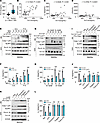 Figure 1
14-3-3ε specifically promotes the activation of NLRP3 inflammasome. (A) Levels of 14-3-3ε protein in the plasma of healthy controls (n = 29) and patients with sepsis (n = 60) determined using ELISA (HC, healthy control). (B–D) Pearson correlation between plasma14-3-3ε levels and SOFA score (B), IL-1β (C), or LDH (D) levels (n = 60). (E and F) BMDMs were transfected with si-NC or si–14-3-3ε for 24 hours and then infected with Staphylococcus aureus (S.A.) or Pseudomonas aeruginosa (P.A.) at the indicated MOI for 3 hours. The levels of indicated proteins were detected using western blot analysis (E) and the levels of IL-1β (n = 3) in culture supernatants were measured using ELISA (F). (G and H) BMDMs from 14-3-3εfl/fl mice or 14-3-3εfl/fl Lyz2Cre mice were induced and treated for different time periods with medium containing 0 or 5 mM K+. The levels of indicated proteins and the levels of IL-1β (n = 3) in culture supernatants were detected. (I and J) BMDMs from 14-3-3εfl/fl mice or 14-3-3εfl/fl Lyz2Cre mice were induced and treated with LPS and stimulated with Nig or ATP or transfected with poly(dAdT), flagellin, or LPS. The expression levels of the indicated proteins (I) and the levels of IL-1β (n = 3) in culture supernatants were detected (J). (K and L) iBMDMs were transfected with si-NC or si–14-3-3ε and were primed with LPS and stimulated with Nig or ATP or transfected with poly(dAdT), flagellin, or LPS. The expression levels of the indicated proteins (K) and the levels of IL-1β (n = 3) in culture supernatants were detected (L). Data are presented as mean ± SD and were analyzed using 2-tailed t test (A) and 2-way ANOVA with Tukey’s multiple-comparison test (F, H, J, and L). *P < 0.05; **P < 0.01; ***P < 0.001.
14-3-3ε facilitates the assembly of the NLRP3 inflammasome complex. The activation of NLRP3 inflammasome is involved in priming and activation phases, which include transcriptional upregulation of inflammasome components and formation of protein complex, respectively (25). Because the expression of inflammasome component genes is dependent on the activation of NF-κB/MAPKs signaling pathways (26), we first detected the role of 14-3-3ε in the regulation of NF-κB/MAPKs signaling pathways. Western blot analysis results show that LPS treatment remarkably increased ERK1/2, JNK, and p38 phosphorylation but KO of 14-3-3ε had no obvious effects on these phosphorylation (Supplemental Figure 4A). Consistent with this, 14-3-3ε KO did not affect the RNA expression levels of nlrp3, il1b, casp1, or asc (Supplemental Figure 4B). Next, we validated the regulatory effect of 14-3-3ε on the inflammasome components at the protein level and found that silencing 14-3-3ε did not influence the protein levels of Pro–casp-1 and NLRP3 but decreased the expression of the Pro–IL-1β protein (Supplemental Figure 4, C–E). Moreover, the reduction in Pro–IL-1β protein levels after 14-3-3ε silencing or KO was partly attenuated by treatment with the proteasome inhibitor MG132 (Supplemental Figure 4, F and G), suggesting that 14-3-3ε may preserve the protein levels of Pro–IL-1β by affecting its proteasomal degradation. Next, we investigated whether 14-3-3ε participates in the assembly of NLRP3 and ASC. The effect of 14-3-3ε on the endogenous NLRP3 oligomerization was confirmed using semidenaturing detergent agarose gel electrophoresis (SDD-AGE), a method for detecting large protein oligomers. The oligomerization of NLRP3 was markedly decreased in 14-3-3ε–deficient BMDMs (Figure 2A). FLAG- and HA-tagged NLRP3 plasmids and 14-3-3ε siRNA were transfected into HEK-293T cells. The NLRP3-NLRP3 interaction was found to be considerably weakened when 14-3-3ε expression was silenced (Figure 2B). Next, we examined the NLRP3-NLRP3 interaction by immunofluorescence staining of BMDMs from 14-3-3εfl/fl mice or 14-3-3εfl/fl Lyz2Cre mice subjected to LPS and Nig treatment. We found that 14-3-3ε KO suppressed the formation of the NLRP3 complex (Figure 2C). During NLRP3 inflammasome activation upon treatment of BMDMs with LPS and Nig, 14-3-3ε silencing notably weakened the NLRP3-ASC interaction (Figure 2D) and 14-3-3ε KO suppressed the formation of ASC oligomerization (Figure 2E). Consistent with this, 14-3-3ε KO decreased ASC-speck formation in BMDMs following LPS and Nig treatment, as observed with immunofluorescence staining (Figure 2F). Together, these results indicate that 14-3-3ε mainly promoted NLRP3 inflammasome assembly but did not induce transcriptional upregulation of the inflammasome components.
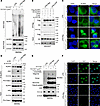 Figure 2
14-3-3ε facilitates the assembly of the NLRP3 inflammasome. (A) BMDMs from 14-3-3εfl/fl or 14-3-3εfl/fl Lyz2Cre mice were stimulated with LPS alone or with LPS and Nig; the NLRP3 oligomerization was then fractionated by SDD-AGE, and detected via western blot analysis. (B) Co-IP analysis of the interaction between FLAG tagged- and HA tagged-NLRP3 in HEK 293T cells transfected with si-NC or si–14-3-3ε and stimulated with LPS- and Nig or ATP. (C) BMDMs from14-3-3εfl/fl or 14-3-3εfl/fl Lyz2Cre mice were induced and treated with LPS and Nig, and NLRP3 was visualized using immunofluorescence staining and imaging using confocal microscopy. Scale bar:10 μm. (D) BMDMs were transfected with si-NC or si–14-3-3ε, and then NLRP3–ASC interactions in LPS and Nig-stimulated BMDMs were detected using co-IP analysis. (E and F) BMDMs from 14-3-3εfl/fl mice or 14-3-3εfl/fl Lyz2Cre mice were primed with LPS and stimulated with Nig or ATP. (E) ASC oligomerization was crosslinked by DSS and detected using western blot analysis. (F) ASC specks were detected using immunofluorescence staining with an anti-ASC antibody followed by confocal microscopy. Scale bar:10 μm.
NACHT domain of NLRP3 is necessary for 14-3-3ε interaction. To further confirm the interaction between NLRP3 and 14-3-3ε, coimmunoprecipitation (co-IP) was performed in human monocytes and mouse macrophages. Compared with those in monocytes sorted from healthy controls, increased NLRP3 expression levels and an enhanced interaction between NLRP3 and 14-3-3ε were observed in CD14+ monocytes from the peripheral blood of patients with sepsis (Figure 3A). Consistent with this, the NLRP3–14-3-3ε interaction was also augmented in CD11b+F4/80+ macrophages from septic mice (Figure 3B). Fluorescence microscopy showed colocalization of exogenously expressed NLRP3 (with HA tag) and 14-3-3ε (with FLAG tag) in the cytoplasm of HEK-293T cells (Figure 3C). In the best docking conformation of NLRP3 and 14-3-3ε, the corresponding binding free energy was −50.9595 KJ/mol, indicating strong binding potential for NLRP3 for 14-3-3ε binding (Figure 3D). NLRP3 consists of 3 domains: a pyrin domain (PYD) at the N-terminus, a central NACHT domain, and a leucine-rich repeat domain (LRR) at the C-terminus (7). To explore the specific domain of NLRP3 interacted by 14-3-3ε, we detected the interaction between 14-3-3ε and the 3 functional domains of NLRP3. Co-IP assay showed that 14-3-3ε specifically copurified with the NACHT domain but not with the PYD or LRR domain (Figure 3E). When the NACHT domain of NLRP3 was deleted, the NLRP3–14-3-3ε interaction was lost (Figure 3F). These results indicated that 14-3-3ε directly interacted with NLRP3 and that the major domain in NLRP3 mediating its interaction with 14-3-3ε is the NACHT domain.
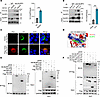 Figure 3
14-3-3ε interacts with the NACHT domain of NLRP3. (A) Co-IP analysis of the interaction between NLRP3 and 14-3-3ε in CD14+ cells sorted from the peripheral blood of healthy controls and patients with sepsis. The gray-scale values of 14-3-3ε protein bands were measured using the ImageJ software (NIH). (B) Co-IP analysis of the interaction between NLRP3 and 14-3-3ε in CD11b+F4/80+ cells sorted from the tissue of mouse subjected to sham or CLP surgery. The gray-scale values of 14-3-3ε protein bands were measured using the ImageJ software. (C) Confocal microscopy images of HEK-293T cells cotransfected with HA-tagged NLRP3 and FLAG-tagged 14-3-3ε plasmids. Scale bar: 10 μm. (D) Optimal conformation of the interaction between 14-3-3ε and NLRP3 predicted using AlphaFold3; molecular visualization was carried out using the PyMOL software. 14-3-3ε is presented in the surface potential mode and NLRP3 is presented in the stick mode. (E) Co-IP analysis of the interaction between 14-3-3ε and the different domains of NLRP3 in HEK-293T cells cotransfected with FLAG-tagged 14-3-3ε plasmid and plasmids containing HA-tagged full-length NLRP3 or the PYD, NACHT, or LRR domain. (F) Co-IP analysis of the interaction between FLAG-tagged 14-3-3ε and HA-tagged full-length NLRP3 or NLRP3 lacking the PYD (ΔPYD), NACHT (ΔNACHT), or LRR (ΔLRR) domain in HEK-293T cells. Data are presented as mean ± SD and were analyzed using 2-tailed t test (A and B). ***P < 0.001.
Interaction of 14-3-3ε with NLRP3 is dependent on the S194 phosphorylation of NLRP3. The interaction of 14-3-3ε with its chaperone proteins is dependent on the phosphorylation of serine residues (27). As 14-3-3ε interacts with NLRP3 through the NACHT domain, we observed 2 known serine phosphorylation sites, serine 194 (S194) and serine 291 (S291) on the NACHT domain of NLRP3 (Figure 4A). To clarify if the interaction between 14-3-3ε and NLRP3 is dependent on the phosphorylation of S194 or S291, the serine (S) was mutated to alanine (A) to abolish phosphorylation, or it was mutated to aspartate (D) to mimic phosphorylation (28–30). Co-IP assays in HEK-293T cells showed that the phosphomimetic mutation S194D of NLRP3 potentiated its interaction with 14-3-3ε, whereas the unphosphorylated mutation S194A weakened this interaction (Figure 4B). However, neither the phosphomimetic nor the unphosphorylated mutation on S291 affected the NLRP3-14-3-3ε interaction (Supplemental Figure 5A). The structure prediction of the protein complex showed that phosphorylation at S194 had a low binding free energy (Figure 4C). Using molecular docking to analyze the intermolecular interactions between NLRP3 and 14-3-3ε, we found that S194 phosphorylation greatly enhanced the binding affinity of NLRP3 for 14-3-3ε by increasing hydrophilic forces (Figure 4D). Phosphorylation of NLRP3 at S194 specifically depends on the activation of c-Jun N-terminal kinase (JNK). The JNK activator anisomycin promotes, whereas the JNK-specific inhibitor SP600125 inhibits, the phosphorylation of NLRP3 at S194 (30). Here, we found that anisomycin treatment augmented the 14-3-3ε–NLRP3 interaction (Figure 4E) and SP600125 treatment weakened the interaction in iBMDMs (Figure 4F). However, when S194 phosphorylation was abolished by mutating S194 to alanine, the strengthened interaction caused by anisomycin treatment was suppressed (Figure 4G). Corroborating this, the inhibitory effects of SP600125 on the 14-3-3ε–NLRP3 interaction were almost abolished when S194 was mutated to aspartate (Figure 4H). Together, these data indicate that the phosphorylation of S194 site of NLRP3 is critical for its interaction with 14-3-3ε.
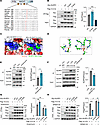 Figure 4
14-3-3ε–NLRP3 interaction depends on NLRP3 phosphorylation at S194 position. (A) Alignment of NLRP3 orthologs. S194 and S291 are marked in red. (B) Co-IP analysis of the interaction between 14-3-3ε and S194A or S194D NLRP3 protein. The gray-scale values of Myc-tagged NLRP3 protein bands were measured using the ImageJ software (n = 3). (C) Optimal conformation of the interaction between 14-3-3ε and NLRP3 188–212 amino acid sequence (without or with phosphorylation on S194) predicted using AlphaFold3; molecular visualization was carried out using the PyMOL software. (D) Residues in the protein complex subunits that form hydrogen bonds (yellow) presented in the stick mode. (E) Co-IP analysis of the endogenous interaction between 14-3-3ε and NLRP3 in iBMDMs with or without anisomycin treatment. The gray-scale values of NLRP3 protein bands were measured using the ImageJ software (n = 3). (F) iBMDMs were pretreated with SP600125 and then treated with LPS. Co-IP was performed and the gray-scale values of NLRP3 protein bands were measured using the ImageJ software (n = 3). (G) HEK-293T cells were transfected with FLAG-tagged 14-3-3ε and Myc-tagged NLRP3 plasmids with S194A mutation and then treated with anisomycin. The interaction between 14-3-3ε and NLRP3 was then detected using co-IP analysis. The gray-scale values of NLRP3 protein bands were measured using the ImageJ software (n = 3). (H) HEK-293T cells were transfected with FLAG-tagged 14-3-3ε and Myc-tagged NLRP3 plasmids with S194D mutation, before being treated with SP600125. The interaction between 14-3-3ε and NLRP3 was detected using co-IP analysis. The gray-scale values were measured using the ImageJ software (n = 3). Data are presented as mean ± SD and were analyzed using 1-way ANOVA with Tukey’s multiple-comparison test (B), 2-tailed t test (E and F), and 2-way ANOVA with Tukey’s multiple-comparison test (G and H). *P < 0.05; **P < 0.01; ***P < 0.001.
14-3-3ε triggers NLRP3 K63–linked deubiquitination via S194 phosphorylation of NLRP3. As a molecular chaperone, 14-3-3ε associates with and regulates the ubiquitination of its client proteins (31, 32). Moreover, NLRP3 deubiquitination is necessary for the assembly and activation of the NLRP3 inflammasome (33). We, therefore, checked whether 14-3-3ε influenced the deubiquitination of NLRP3. The co-IP revealed that the ubiquitination levels of NLRP3 were decreased upon LPS and Nig treatment, but when 14-3-3ε was knocked out, the reduction in NLRP3 ubiquitination was inhibited (Figure 5A). We also observed that when 14-3-3ε was exogenously expressed in HEK-293T cells, increased NLRP3 deubiquitination was associated with increased expression of 14-3-3ε (Figure 5B). K48 and K63 are the 2 most common sites of ubiquitination in NLRP3 (34). To determine whether the enhancement of NLRP3 deubiquitination by 14-3-3ε was K48 or K63 linked, we transfected HA-tagged ubiquitin (Ub) K48 and K63 plasmids, with FLAG-tagged 14-3-3ε and Myc-tagged NLRP3 plasmids into HEK-293T cells and assessed the Myc-immunoprecipitates for ubiquitinated NLRP3. The results show that 14-3-3ε overexpression enhanced the total and K63-linked deubiquitination, instead of K48-linked deubiquitination of NLRP3 (Figure 5C). NLRP3 ubiquitination on the sites in different domains is a dynamic process coordinated by ubiquitylating and deubiquitylating enzymes. Here, plasmids expressing HA-tagged domain deletion mutants were transfected into HEK-293T cells with plasmids expressing Myc-tagged Ub and FLAG-tagged 14-3-3ε, and the results revealed that deletion of the NACHT or LRR domain diminished the deubiquitination induced by 14-3-3ε overexpression, whereas deletion of the PYD retained the 14-3-3ε–induced deubiquitination (Figure 5D). Several E3 Ub ligases and deubiquitylases have been reported to regulate NLRP3 via the sites on NACHT or LRR domain (35). To identify the Ub-conjugating E3 enzyme that may be contributing to 14-3-3ε–related deubiquitination of NLRP3, we examined the mRNA levels of ubiquitylating (RNF 125, Pellino2, FBXL2, Cbl-b, CUL1, March7, and ARIK2) and deubiquitylating (USP7, USP47, and BRCC3) enzymes that were associated with NACHT or LRR domain in LPS- and Nig-treated BMDMs from 14-3-3εfl/fl or 14-3-3εfl/fl Lyz2Cre mice (34). We found that the treatment induced the downregulation of the ubiquitylating enzyme RNF125, and 14-3-3ε KO counteracted this inhibition (Supplemental Figure 6, A and B), which indicated that RNF125 might be one of the key enzymes involved in 14-3-3ε–induced NLRP3 deubiquitination. Because the ubiquitination of NLRP3 depended on its phosphorylation and 14-3-3ε interacted with NLRP3 through the phosphorylation on S194 of NLRP3, we detected whether S194 phosphorylation affected 14-3-3ε–induced NLRP3 ubiquitination. The co-IP results show that anisomycin and SP600125 promoted and inhibited NLRP3 deubiquitination, respectively (Figure 5E). However, when S194 of NLRP3 was mutated to S194A, the 14-3-3ε–induced NLRP3 deubiquitination was abolished (Figure 5F). Together, these results indicate that 14-3-3ε promoted NLRP3 K63 deubiquitination through interacting with S194 phosphorylated site of NLRP3.
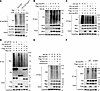 Figure 5
14-3-3ε promotes NLRP3 K63–linked deubiquitination via the phosphorylation of NLRP3 at S194. (A) BMDMs from 14-3-3εfl/fl mice or 14-3-3εfl/fl Lyz2Cre mice were treated with LPS alone or cotreated with LPS and Nig. Ubiquitination levels of NLRP3 were detected using co-IP analysis. (B) HEK-293T cells were cotransfected with Myc-tagged NLRP3 and HA-tagged Ub plasmids together with different amounts of FLAG-tagged 14-3-3ε plasmids (μg). Myc-NLRP3 was then immunoprecipitated with anti-Myc antibody to detect the ubiquitination levels of NLRP3. (C) Co-IP analysis was performed to detect the K48 or K63 ubiquitinated-NLRP3 in MG132-treated HEK-293T cells, which were transfected with FLAG-tagged 14-3-3ε, Myc-NLRP3, and HA-tagged K48/K63-linked Ub plasmids. (D) HEK-293T cells were cotransfected with FLAG-tagged 14-3-3ε, Myc-tagged Ub, and HA-tagged ΔPYD, ΔNACHT, and ΔLRR plasmids, after which they were treated with MG132 and the ubiquitination levels of NLRP3 truncations were detected using co-IP analysis. (E) HEK-293T cells were cotransfected with FLAG-tagged 14-3-3ε, Myc-tagged NLRP3, and HA-tagged Ub plasmids. The cells were then treated with anisomycin or SP100625 and subsequently with MG132. Whole cell lysates were prepared to detect the ubiquitination levels of NLRP3 using co-IP analysis. (F) HEK-293T cells were cotransfected with FLAG-tagged 14-3-3ε, Myc-tagged Ub, and HA-tagged WT or S194A mutated NLRP3 plasmids and treated with MG132. The ubiquitination levels of NLRP3 were detected using co-IP analysis.
14-3-3ε promotes NLRP3 trafficking to MAMs. Given that 14-3-3ε regulates intracellular localization of the client proteins and intracellular localization of NLRP3 affects its activation, we subsequently investigated whether 14-3-3ε affects subcellular redistribution of NLRP3. Thus, the organellar membranes and cytoplasmic fractions in LPS-treated or LPS and Nig-treated iBMDMs were separated by membrane flotation, and 8 fractions collected from top to bottom were used for Western blot analysis. We found that membrane organelles, including the mitochondrial membrane, ER and MAMs, were mostly present in fraction 3, whereas cytoplasmic proteins were present mainly in fractions 6, 7, and 8 (Figure 6A). 14-3-3ε and NLRP3 were mainly detected in the cytoplasm when treated with LPS alone but were transferred to organellar membrane (fraction 3) upon LPS- and Nig treatment (Figure 6A). We next isolated cytosol, ER, MAMs, and mitochondria and found that 14-3-3ε and NLRP3 were mainly transferred to MAMs and mitochondria (Figure 6B). Immunofluorescence staining revealed that the colocalization of 14-3-3ε and fatty acid CoA ligase 4 (FACL4, a MAMs marker) increased in the LPS and Nig group (Figure 6, C and D). We next sought to decipher whether the translocation of NLRP3 to MAMs is 14-3-3ε dependent. BMDMs from 14-3-3εfl/fl or 14-3-3εfl/fl Lyz2Cre mice were induced with LPS and Nig to activate the NLRP3 inflammasome, and the translocation of NLRP3 to MAMs was examined using immunofluorescence by staining with antibodies against NLRP3 and FACL4. NLRP3 was located in the cytoplasm of BMDMs when treated with LPS alone, and when stimulated with LPS and Nig, it colocalizes with FACL4. However, when 14-3-3ε was knocked out, the colocalization of NLRP3 and FACL4 was decreased (Figure 6E). Decreased level of NLRP3 in MAMs was also confirmed in 14-3-3ε KO BMDMs (Figure 6F). We next determined if the translocation of NLRP3 to MAMs was dependent on the S194 by expressing S194 mutated NLRP3 in HEK-293T cells. As evident from the Western blot analysis results, when S194 was mutated to S194A, the NLRP3 translocation to MAMs was decreased (Figure 6G). These results indicate that 14-3-3ε promoted the translocation of NLRP3 to MAMs, and the translocation of NLRP3 to MAMs was associated with S194 phosphorylation of NLRP3.
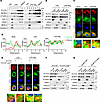 Figure 6
14-3-3ε promotes the translocation of NLRP3 proteins to mitochondria-associated membranes (MAMs). (A) iBMDMs were treated with LPS alone or co-treated with LPS and Nig. The cell lysate was used to isolate the membrane fractions via membrane flotation. The membrane markers (β-tubulin for cytosol, Cox-1 for inner mitochondrial membrane [mito], VDAC for outer mito, MFN-2 for MAMs), and calnexin for ER, 14-3-3ε, and NLRP3 in different fractions were probed with the indicated antibodies using Western blot. (B) iBMDMs were treated with LPS alone or cotreated with LPS and Nig. The cytosol, ER, MAMs, and mito were isolated using organelle isolation, and the levels of 14-3-3ε, NLRP3, and membrane markers in different fractions were detected using western blot analysis. (C) BMDMs were treated with LPS alone or cotreated with LPS and Nig, stained for FACL4 (red), and 14-3-3ε (green) and were observed by confocal microscopy. Scale bar: 5 μm. (D) The fluorescence intensity along the diagonal line from top left corner to the lower right corner of the bottom images in C were analyzed by ImageJ and were shown in the graphs. (E) BMDMs from 14-3-3εfl/fl or 14-3-3εfl/fl Lyz2Cre mice were induced and treated with LPS alone or cotreated with LPS and Nig. NLRP3 (red) and FACL4 (green) were stained and observed using confocal microscopy. Scale bar: 5 μm. (F) BMDMs from 14-3-3εfl/fl or 14-3-3εfl/fl Lyz2Cre mice were induced and treated with LPS and Nig. The cytosol, ER, MAMs, and mitochondria were isolated, and the protein levels of 14-3-3ε, NLRP3, and membrane markers were detected using western blot analysis. (G) HEK-293T cells were transfected with WT of S194A mutated Myc-tagged NLRP3 plasmids and treated with LPS and Nig. The cytosol, ER, MAMs, and mitochondria were isolated and detected using Western blot.
Macrophage-conditional KO of 14-3-3ε protects mice from polymicrobial sepsis. To investigate the effects of 14-3-3ε in sepsis, the 14-3-3ε flox (14-3-3εfl/fl) mice were crossed with Lyz2-Cre transgenic mice to generate 14-3-3εfl/fl Lyz2Cre mice (Supplemental Figure 7A). The Lyz2-Cre system typically was expressed in myeloid lineage cells, leading to deletion of target gene across myeloid cells (36). To assess KO efficiency, we performed flow cytometric analysis of 14-3-3ε expression in peritoneal macrophages, neutrophils, and dendritic cells (DCs) from 14-3-3εfl/fl and 14-3-3εfl/fl Lyz2Cre mice. The results confirm complete 14-3-3ε ablation in macrophages and neutrophils, but intact expression in DCs of 14-3-3εfl/fl Lyz2Cre mice (Supplemental Figure 7B). However, macrophage-conditional KO of 14-3-3ε did not affect frequencies of neutrophils and DCs in the peritoneal cavity of CLP mice (Supplemental Figure 7, C and D). Next, we performed CLP surgery in 14-3-3εfl/fl and 14-3-3εfl/fl Lyz2Cre mice and observed the survival rates within 120 hours of surgery. We found that macrophage-conditional KO of 14-3-3ε considerably increased the survival of mice (Figure 7A). 14-3-3ε KO also decreased the levels of liver and renal function indicators, including aspartate aminotransferase (AST), alanine aminotransferase (ALT), creatine kinase isoenzyme MB (CK-MB), creatinine (CREA), ureal (UREAL) and uric acid (UA; Figure 7, B–D, and Supplemental Figure 8A), which suggests that macrophage-conditional KO of 14-3-3ε attenuated the liver and renal damage in septic mice. The pulmonary injury in 14-3-3εfl/fl and 14-3-3εfl/fl Lyz2Cre mice upon CLP was detected using H&E staining and computed tomography (CT). H&E staining showed less infiltration of inflammatory cells and less injury in 14-3-3εfl/fl Lyz2Cre mice than that in 14-3-3εfl/fl mice (Figure 7E). The ground glass opacities were also reduced in the lungs of 14-3-3εfl/fl Lyz2Cre mice as observed in the CT scan (Figure 7F). Because CLP is a model of peritonitis, we collected peritoneal lavage fluid and measured the percentages of macrophages. The results of flow cytometric analysis showed that CD11b+F4/80+ macrophages tended to diminish (by approximately 15%–8%) in 14-3-3εfl/fl Lyz2Cre mice (Figure 7G and Supplemental Figure 8B). Macrophages in the mouse peritoneal cavity are divided into large peritoneal macrophages (LPMs) and small peritoneal macrophages (SPMs) (37). We also found that 14-3-3ε KO in macrophages mainly downregulated the percentage of F4/80–MHC-IIhi SPMs but had no effect on LPMs (Supplemental Figure 8, C–E). Furthermore, KO of 14-3-3ε in macrophages reduced serum levels of IL-1β and LDH in CLP mice (Figure 7H), but had no significant effects on IL-1α or IL-6 levels (Supplemental Figure 8F). However, KO of 14-3-3ε in macrophages did not affect their phagocytosis and intracellular killing of P.A. (Supplemental Figure 8G). Taken together, these results indicate that conditional KO of 14-3-3ε in macrophages inhibited inflammasome activation and protected against CLP-induced organ damage in septic mice.
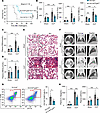 Figure 7
14-3-3ε deficiency in myeloid cells reduces organ damage and inflammatory injury in septic mice. (A) Survival rates of 14-3-3εfl/fl and 14-3-3εfl/fl Lyz2Cre mice subjected to CLP surgery. Statistical analysis was performed using the log-rank (Mantel–Cox) test. (B–D) Blood biochemical indices AST, ALT, CK-MB, CREA, and UREAL in serum after 24 hours of sham or CLP surgery. (E) Representative H&E images of lungs sections after 24 hours of sham or CLP surgery. Scale bar: 50 μm. (F) Representative CT images of lungs after 24 hours of sham or CLP surgery. (G) Flow cytometric analysis of macrophages (CD11b+F4/80+) from the peritoneal cavity after 24 hours of sham or CLP surgery. (H) IL-1β levels in mouse serum were measured by ELISA, while blood LDH levels were quantified using an automated biochemistry analyzer. Data are presented as mean ± SD and were analyzed using 2-way ANOVA with Tukey’s multiple-comparison test (B–D and H) and 2-tailed t test (G); *P < 0.05; **P < 0.01; ***P < 0.001.
Inhibition of 14-3-3 protects mice from polymicrobial sepsis. BV02 is a small-molecule inhibitor of 14-3-3 interactions that inhibits the binding of 14-3-3 to client proteins (38). We then induced sepsis using CLP and blocked 14-3-3 in vivo using BV02. The IC50 of BV02 for inflammasome inhibition was calculated to be 5.1 μM based on LDH levels in supernatants from LPS- and Nig-treated BMDMs (Supplemental Figure 9A).BV02-treated mice showed remarkably improved survival compared with DMSO-treated mice (Figure 8A). It also downregulated serum AST, ALT, CK-MB, CREA, UREAL, and UA levels (Figure 8, B and C), suggesting that BV02 attenuated the liver and renal damage in septic mice. For further analysis of the lung injury, H&E staining was performed, and the results show that BV02 treatment reduced the infiltration of inflammatory cells into the lungs (Figure 8D). CT scan also showed reduced ground-glass opacities in the lungs of BV02-treated mice (Figure 8E). Next, we assessed glucose metabolism using 18 F-FDG PET in view of the fact that elevated glucose metabolism in immune cells is a hallmark of sepsis (39, 40). The imaging results show that CLP promoted 18 F-FDG uptake in mouse brain, heart, and abdominal cavity, and BV02 reduced the promoted uptake in the whole body (Figure 8F). Flow cytometric analysis showed that CD11b+F4/80+ macrophages tended to diminish in BV02-treated mice (Figure 8G). Moreover, BV02 downregulated the percentage of F4/80–MHC-IIhi SPMs but had no obvious effect on LPMs (Supplemental Figure 9, B and C). In addition, BV02 treatment did not affect the proportion of CD11b+Ly6G+ neutrophils (Supplemental Figure 9D). BV02 treatment also reduced serum levels of IL-1β and LDH in CLP-modeled mice (Figure 8H) but had no significant effects on IL-1α or IL-6 levels (Supplemental Figure 9E). In addition, BV02 treatment did not affect the phagocytosis and intracellular killing of P.A. by macrophages (Supplemental Figure 9F). BV02 treatment inhibited inflammasome activation and decreased organ damage and systemic inflammatory responses in mice with sepsis.
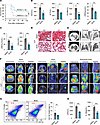 Figure 8
14-3-3 inhibitor protects mice from sepsis by alleviating organ injury and inhibiting inflammatory injury. (A) Mice were administered BV02 or DMSO (n = 13 per group) by i.p. injection at 12 hours after CLP, and the survival rates were observed. Statistical analysis was performed using the log-rank (Mantel-Cox) test. (B) Levels of AST, ALT, CK-MB, and CREA. (C) UREAL and UA in serum of septic mice 12 hours after treatment with DMSO or BV02 (n = 5 per group). (D) Representative H&E images of lung sections from DMSO or BV02-treated septic mice. Scale bar: 50 μm. (E) Representative CT images of lungs from DMSO or BV02-treated septic mice. (F) Representative PET scans of BV02-treated septic mice following 18 F-FDG treatment. (G) Flow cytometric analysis of macrophages (CD11b+F4/80+) from the peritoneal cavity. (H) IL-1β levels in mouse serum were measured by ELISA, while blood LDH levels were quantified using an automated biochemistry analyzer. Data are presented as mean ± SD and were analyzed using 2-tailed t test (B, C, G, and H); *P < 0.05; **P < 0.01; ***P < 0.001.


