
Research ArticleGeneticsNephrology
Open Access |  10.1172/jci.insight.191311
Kcnn4/KCa3.1 inhibition blunts polycystic kidney disease progression in mouse models
Guanhan Yao,1 Almira Kurbegovic,1 Camila Parrot,1 William Foley,1 William Roman,1 Seth L. Alper,2,3,4 and Marie Trudel1,5
1Molecular Genetics and Development, Institut de recherches cliniques de Montréal, Montréal, Québec, Canada.
2Division of Nephrology and Vascular Biology Research Center, Beth Israel Deaconess Medical Center, Boston, Massachusetts, USA.
3Department of Medicine, Harvard Medical School, Massachusetts, USA.
4Broad Institute of MIT and Harvard, Cambridge, Massachusetts, USA.
5Department of Medicine, Department of Biochemistry and Molecular Medicine, Faculty of Medicine, Université de Montréal, Montréal, Québec, Canada.
Address correspondence to: Marie Trudel, Molecular Genetics and Development, Universite de Montreal, Département de Médecine, CP 6128, Succursale Centre Ville, Montreal, Quebec H3C 3J7, Canada. Phone: 514.987.5712; Email: marie.trudel@umontreal.ca. Or to: Seth Alper, BIDMC, 99 Brookline Ave., Boston, Massachusetts 02215, USA. Email: salper@bidmc.harvard.edu.
Authorship note: GY and AK are co–first authors.
Find articles by Yao, G. in: PubMed | Google Scholar
1Molecular Genetics and Development, Institut de recherches cliniques de Montréal, Montréal, Québec, Canada.
2Division of Nephrology and Vascular Biology Research Center, Beth Israel Deaconess Medical Center, Boston, Massachusetts, USA.
3Department of Medicine, Harvard Medical School, Massachusetts, USA.
4Broad Institute of MIT and Harvard, Cambridge, Massachusetts, USA.
5Department of Medicine, Department of Biochemistry and Molecular Medicine, Faculty of Medicine, Université de Montréal, Montréal, Québec, Canada.
Address correspondence to: Marie Trudel, Molecular Genetics and Development, Universite de Montreal, Département de Médecine, CP 6128, Succursale Centre Ville, Montreal, Quebec H3C 3J7, Canada. Phone: 514.987.5712; Email: marie.trudel@umontreal.ca. Or to: Seth Alper, BIDMC, 99 Brookline Ave., Boston, Massachusetts 02215, USA. Email: salper@bidmc.harvard.edu.
Authorship note: GY and AK are co–first authors.
Find articles by Kurbegovic, A. in: PubMed | Google Scholar
1Molecular Genetics and Development, Institut de recherches cliniques de Montréal, Montréal, Québec, Canada.
2Division of Nephrology and Vascular Biology Research Center, Beth Israel Deaconess Medical Center, Boston, Massachusetts, USA.
3Department of Medicine, Harvard Medical School, Massachusetts, USA.
4Broad Institute of MIT and Harvard, Cambridge, Massachusetts, USA.
5Department of Medicine, Department of Biochemistry and Molecular Medicine, Faculty of Medicine, Université de Montréal, Montréal, Québec, Canada.
Address correspondence to: Marie Trudel, Molecular Genetics and Development, Universite de Montreal, Département de Médecine, CP 6128, Succursale Centre Ville, Montreal, Quebec H3C 3J7, Canada. Phone: 514.987.5712; Email: marie.trudel@umontreal.ca. Or to: Seth Alper, BIDMC, 99 Brookline Ave., Boston, Massachusetts 02215, USA. Email: salper@bidmc.harvard.edu.
Authorship note: GY and AK are co–first authors.
Find articles by Parrot, C. in: PubMed | Google Scholar
1Molecular Genetics and Development, Institut de recherches cliniques de Montréal, Montréal, Québec, Canada.
2Division of Nephrology and Vascular Biology Research Center, Beth Israel Deaconess Medical Center, Boston, Massachusetts, USA.
3Department of Medicine, Harvard Medical School, Massachusetts, USA.
4Broad Institute of MIT and Harvard, Cambridge, Massachusetts, USA.
5Department of Medicine, Department of Biochemistry and Molecular Medicine, Faculty of Medicine, Université de Montréal, Montréal, Québec, Canada.
Address correspondence to: Marie Trudel, Molecular Genetics and Development, Universite de Montreal, Département de Médecine, CP 6128, Succursale Centre Ville, Montreal, Quebec H3C 3J7, Canada. Phone: 514.987.5712; Email: marie.trudel@umontreal.ca. Or to: Seth Alper, BIDMC, 99 Brookline Ave., Boston, Massachusetts 02215, USA. Email: salper@bidmc.harvard.edu.
Authorship note: GY and AK are co–first authors.
Find articles by Foley, W. in: PubMed | Google Scholar
1Molecular Genetics and Development, Institut de recherches cliniques de Montréal, Montréal, Québec, Canada.
2Division of Nephrology and Vascular Biology Research Center, Beth Israel Deaconess Medical Center, Boston, Massachusetts, USA.
3Department of Medicine, Harvard Medical School, Massachusetts, USA.
4Broad Institute of MIT and Harvard, Cambridge, Massachusetts, USA.
5Department of Medicine, Department of Biochemistry and Molecular Medicine, Faculty of Medicine, Université de Montréal, Montréal, Québec, Canada.
Address correspondence to: Marie Trudel, Molecular Genetics and Development, Universite de Montreal, Département de Médecine, CP 6128, Succursale Centre Ville, Montreal, Quebec H3C 3J7, Canada. Phone: 514.987.5712; Email: marie.trudel@umontreal.ca. Or to: Seth Alper, BIDMC, 99 Brookline Ave., Boston, Massachusetts 02215, USA. Email: salper@bidmc.harvard.edu.
Authorship note: GY and AK are co–first authors.
Find articles by Roman, W. in: PubMed | Google Scholar
1Molecular Genetics and Development, Institut de recherches cliniques de Montréal, Montréal, Québec, Canada.
2Division of Nephrology and Vascular Biology Research Center, Beth Israel Deaconess Medical Center, Boston, Massachusetts, USA.
3Department of Medicine, Harvard Medical School, Massachusetts, USA.
4Broad Institute of MIT and Harvard, Cambridge, Massachusetts, USA.
5Department of Medicine, Department of Biochemistry and Molecular Medicine, Faculty of Medicine, Université de Montréal, Montréal, Québec, Canada.
Address correspondence to: Marie Trudel, Molecular Genetics and Development, Universite de Montreal, Département de Médecine, CP 6128, Succursale Centre Ville, Montreal, Quebec H3C 3J7, Canada. Phone: 514.987.5712; Email: marie.trudel@umontreal.ca. Or to: Seth Alper, BIDMC, 99 Brookline Ave., Boston, Massachusetts 02215, USA. Email: salper@bidmc.harvard.edu.
Authorship note: GY and AK are co–first authors.
Find articles by Alper, S. in: PubMed | Google Scholar
1Molecular Genetics and Development, Institut de recherches cliniques de Montréal, Montréal, Québec, Canada.
2Division of Nephrology and Vascular Biology Research Center, Beth Israel Deaconess Medical Center, Boston, Massachusetts, USA.
3Department of Medicine, Harvard Medical School, Massachusetts, USA.
4Broad Institute of MIT and Harvard, Cambridge, Massachusetts, USA.
5Department of Medicine, Department of Biochemistry and Molecular Medicine, Faculty of Medicine, Université de Montréal, Montréal, Québec, Canada.
Address correspondence to: Marie Trudel, Molecular Genetics and Development, Universite de Montreal, Département de Médecine, CP 6128, Succursale Centre Ville, Montreal, Quebec H3C 3J7, Canada. Phone: 514.987.5712; Email: marie.trudel@umontreal.ca. Or to: Seth Alper, BIDMC, 99 Brookline Ave., Boston, Massachusetts 02215, USA. Email: salper@bidmc.harvard.edu.
Authorship note: GY and AK are co–first authors.
Find articles by Trudel, M. in: PubMed | Google Scholar
Published October 22, 2025 - More info
JCI Insight. 2025;10(20):e191311. https://doi.org/10.1172/jci.insight.191311.
© 2025 Yao et al. This work is licensed under the Creative Commons Attribution 4.0 International License. To view a copy of this license, visit http://creativecommons.org/licenses/by/4.0/.
Received: January 27, 2025; Accepted: September 9, 2025

-
Results
Upregulation of renal KCNN4 in human ADPKD and Pkd1 mouse models. To assess a possible role for KCNN4 in human ADPKD progression, we first evaluated KCNN4 expression by quantitative PCR (qPCR) and digital droplet PCR in human kidney tissue resected from patients with or without ADPKD. ADPKD kidneys consistently exhibited KCNN4 RNA expression ~20-fold greater than did nominally normal kidneys (Figure 1A).
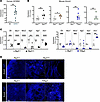 Figure 1
Selective upregulation of KCNN4 in kidneys from human patients with ADPKD and from Pkd1 mouse models. (A) Relative expression (qPCR) of human KCNN4 in ADPKD (filled teal circles) and normal kidneys (NK, open circles). **P < 0.01, Student’s t test 1-tailed, Welch-corrected. (B) qPCR of mouse Kcnn4 in kidneys from 4 Pkd1 models and age-matched Pkd1+/+ controls (open circles): Pkd1cko (black, P10), Pkd1V/V (caramel, P10) SBPkd1 (blue, 2 mo), and Pkd1wt (green, 7 mo). *P < 0.05; **P < 0.01, Student’s t test, 1-tailed. (C) qPCR of mouse Cftr, Nkcc1, Nkcc2, Aqp2, Aqp1, and Ano1 in P10 Pkd1cko kidneys (left, black) and 6–8 mo SBPkd1 kidneys (right, blue), versus age-matched Pkd1+/+ (open circles). **P < 0.01; ***P < 0.001; ****P < 0.0001, Student’s t test, 2-tail, Welch-corrected. (D) In situ hybridization of mouse kidney Kcnn4 (RNAScope) from P5 Pkd1cko, 4 mo SBPkd1, and age-matched Pkd1+/+, DAPI-counterstained. Scale bar: 100 μm.
We next investigated Kcnn4 expression in several Pkd1 murine models of ADPKD. The Polycystin-1 dosage-reduced model Pkd1f/f; KspCre mice (Pkd1cKO) exhibits cysts at P2, with rapid cyst growth leading to death by ~P17 (31). The hypomorphic Pkd1V/V mouse model develops cysts at P4 and dies at day 25.0 ± 3.3 with enlarged cystic kidneys (35). Renal expression of Kcnn4 in P10 Pkd1cko and Pkd1V/V mice was upregulated 2-fold compared with WT (Figure 1B). We also evaluated renal Kcnn4 RNA expression in 2 transgenic ADPKD mouse models with slower cyst expansion and disease progression, SBPkd1 mouse (37) and Pkd1wt (36) (Figure 1B). Kcnn4 RNA levels were ~5- to 6-fold higher than in WT counterparts. Similar renal Kcnn4 upregulation characterized the nonorthologous SBM PKD mouse model (30) (Supplemental Figure 1A; supplemental material available online with this article; https://doi.org/10.1172/jci.insight.191311DS1). In contrast, Kcnn4 RNA abundance was unchanged in liver, brain, heart, and spleen of Pkd1V/V and SBPkd1 mice and in Pkd1V/V pancreas (Supplemental Figure 1, B and C). Renal upregulation of KCNN4 RNA is, thus, a shared feature of human ADPKD and of mouse ADPKD models with reduced or increased Pkd1 gene dosage.
We assessed specificity of Kcnn4 upregulation by comparing renal expression changes of additional selected ion transporters/channels. Renal RNA levels of the Cftr, Nkcc1, Nkcc2, Aqp2, Aqp1, and Ano1 genes were all reduced in abundance in P10 Pkd1cKO versus WT mice, consistent with previous reports (44–46). Expression of these RNAs (except for ANO1) was reduced or unchanged versus WT in 4–6 months (mo) SBPkd1 kidneys (Figure 1C). Renal upregulation of Kcnn4 RNA is thus both reproducible and specific across multiple mouse models of ADPKD, supporting potential role(s) in cyst enlargement. To assess Kcnn4 spatial expression in cystic kidneys, we examined early- and adult-onset Pkd1 mouse models of ADPKD by RNAScope (Figure 1D). P5 and 4 mo WT Pkd1+/+ kidneys exhibited little or no Kcnn4 signal in cortical, medullary, or papillary regions. P5 Pkd1cKO kidney sections revealed Kcnn4 RNA signal in noncystic tubules, with increased Kcnn4 signal in some cyst-surrounding cells and in interstitial regions (Figure 1D). SBPkd1 kidneys (4 mo) exhibited increased Kcnn4 RNA signal versus WT, in cyst epithelial and surrounding cells (Figure 1D) with similar results in 6–7 mo Pkd1wt kidneys (not shown). Renal Kcnn4 upregulation in all tested Pkd1 mouse models of ADPKD suggests that Kcnn4 plausibly contributes to renal cyst growth in ADPKD.
Kcnn4 regulates cystogenesis in mouse metanephroi. Mouse WT Pkd1+/+ metanephroi cultured in vitro from E14.5 undergo cAMP-stimulated ureteric bud branching, tubule formation, and growth, without apparent morphological anomalies. Kcnn4 is expressed at E14.5 and E16.5 in developing Pkd1+/+ or Pkd1–/– kidneys (Supplemental Figure 1D), validating cultured metanephroi as an ex vivo experimental system in which to investigate KCa3.1 roles in cyst formation and enlargement. This pattern of embryonic Kcnn4 expression, together with its very low levels in adult kidney, reinforces the concept that cystogenesis in ADPKD may represent a failed developmental switch to the adult renal molecular program.
cAMP exposure of E14.5 Pkd1+/+ metanephroi elicits rare tubular dilatations and occasional small cysts, whereas cAMP-treated Pkd1–/– metanephroi develop multiple large cysts over 4–6 days in culture (Figure 2) (47). We therefore assessed whether the KCa3.1 agonist SKA-111 modulates cAMP-stimulated cystogenesis or cyst enlargement in Pkd1+/+ or Pkd1–/– metanephroi (Figure 2A). Treatment of Pkd1+/+ metanephroi with increasing SKA-111 concentrations led to dose-dependent cystogenesis and > 2-fold increased percentage of cyst area (cystic index) (Figure 2, B and C). SKA-111 treatment of Pkd1–/– metanephroi, already prone to larger cyst development, further increased cyst area ~34% and cyst number ~44% versus vehicle (Figure 2, D and E). Thus, KCa3.1 activity has the potential to modulate ex vivo cyst development and progression.
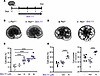 Figure 2
KCa3.1 activator SKA-111 promotes cystogenesis and/or cyst growth in metanephroi. (A) E14.5 (day 0) Pkd1+/+ and Pkd1–/– metanephroi were stimulated with 100 µM cAMP (thicker line) and treated with vehicle (veh) or KCa3.1 activator SKA-111 (arrow, days 1–4). (B) Representative Pkd1+/+ metanephroi after 4 days without or with SKA-111. (C) Cyst area (%) of Pkd1+/+ metanephroi without (open) or with vehicle (gray) or SKA-111 (violet, concentration-dependent intensity). ****P < 0.0001, ANOVA. (D) Representative Pkd1–/– metanephroi after 4 days without or with 10 µM SKA-111. (E) Cyst area (%) and number of Pkd1–/– metanephroi without (black) or with vehicle (gray) or SKA-111 (violet). ****P < 0.0001, ANOVA.
Although Kcnn4–/– mice were reported grossly normal (25), kidney histology was not examined. Absence of microscopic renal anomalies and apparent fibrosis in Kcnn4–/– adult mouse kidneys (Supplemental Figure 2) confirmed utility of testing effects of Kcnn4 inactivation on renal cyst appearance and enlargement. We therefore intercrossed Pkd1+/–;Kcnn4–/– mice to assess cyst formation in metanephroi (Figure 3A) from Pkd1–/–;Kcnn4–/– embryos and compared with metanephroi from Pkd1–/–;Kcnn4+/+ and Pkd1+/+;Kcnn4+/+ controls obtained from intercrosses of Pkd1+/–;Kcnn4+/+ mice. Pkd1–/–;Kcnn4–/– metanephroi (Figure 3B) exhibited ~40% lower cyst area (Figure 3C) and ~30% lower cyst number (Figure 3D) than in Pkd1–/–;Kcnn4+/+ metanephroi, suggesting that KCa3.1 expression contributes not only to cyst enlargement but perhaps also to cystogenesis.
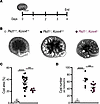 Figure 3
Genetic inactivation of Kcnn4 attenuates cyst development in mouse metanephroi. (A) Metanephroi were cAMP-stimulated (100 µM, days 1-4, thicker line). (B) Representative day 4 metanephroi: Pkd1+/+(open circles), Pkd1–/– (black), and Pkd1–/–;Kcnn4–/– (burgundy). (C) Cyst area (%) in metanephroi color-coded per B. **P < 0.01; ****P < 0.0001, ANOVA. (D) Cyst number color-coded per B. **P < 0.01; ****P < 0.0001, ANOVA.
We then questioned whether the well-tolerated KCa3.1 inhibitor senicapoc (24, 48, 49) could slow cyst growth in cultured metanephroi (Figure 4A), similarly to Pkd1 genetic inactivation. Pkd1–/– metanephroi cultured in the presence of 20 µM senicapoc (Figure 4B) exhibited ~90% reduction in both cyst area and number. The structurally related KCa3.1 inhibitor TRAM-34, effective in cultured cells (32, 50), also reduced cyst area of Pkd1–/– metanephroi by ~25%–30% at 20 and 40 µM (Figure 4, C and D, and Supplemental Figure 3). Senicapoc at these concentrations exhibits antiinflammatory and antiinnate immune activities as well as channel inhibition. The similar responses of Pkd1–/– metanephroi to both senicapoc and TRAM-34 support important contribution(s) of KCa3.1 function to cyst enlargement in metanephroi.
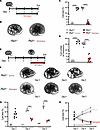 Figure 4
KCa3.1 antagonist senicapoc inhibits ex vivo cyst growth and promotes regression of preformed cysts. (A) cAMP-stimulated metanephroi (100 µM, thicker line) with vehicle or senicapoc (days 1–4, red arrow). (B) Representative day 4 Pkd1–/– metanephroi treated with vehicle or senicapoc (20 µM). (C) Cyst area (%) in day 4 metanephroi: Pkd1+/+ (open circles), Pkd1–/– (black), treated with vehicle (gray), or senicapoc (20 µM, red). ****P < 0.0001, ANOVA. (D) Cyst number in day 4 metanephroi color-coded per C. ****P < 0.0001, ANOVA. (E) Cyst reversal experiment (F–H): Pkd1–/– metanephroi cAMP-stimulated days 1–5 (thicker line) were treated days 3–5 with vehicle or 20 µM senicapoc (red arrow). (F) Time series of Pkd1–/– metanephroi treated with vehicle or 20 µM senicapoc from days 3–5. (G) Cyst area progression in day 3 Pkd1+/+ and Pkd1–/– metanephroi treated days 3–5 with vehicle (gray) or senicapoc (red). ***P < 0.001; ****P < 0.0001, ANOVA. (H) Cyst area progression time course of individual Pkd1 metanephroi treated with vehicle or senicapoc.
To more closely model treatment of patients with ADPKD, we evaluated senicapoc efficacy in established cysts. Pkd1–/– metanephroi underwent cyst growth for 72 hours (h) before 48h further supplementation with senicapoc or vehicle (Figure 4E). Whereas vehicle-treated cystic metanephroi displayed progressively increased cyst area and number, delayed senicapoc treatment was associated with marked regression of cyst area and number to near WT levels (Figure 4, F–H). These results provide further evidence of KCa3.1-dependent cyst growth activity in Pkd1–/– metanephroi.
Potentiation of senicapoc-mediated inhibition of ex vivo cyst growth by Cl– channel inhibitors. To gain insight into KCa3.1 interactions and mechanism in renal epithelial fluid secretion during cyst enlargement, we next evaluated cyst enlargement in Pkd1–/– metanephroi treated with senicapoc alone or in combination with inhibitors of apical Cl– channels TMEM16A/Ano1 and CFTR, previously shown to block cyst growth (51, 52). Senicapoc (5–20 µM) dose-dependently reduced cyst area in Pkd1–/– metanephroi (Supplemental Figure 4A). TMEM16a inhibitor CaCCinh-A01 (A01,10–30 µM) only minimally reduced cyst area in Pkd1–/– metanephroi. However, in the additional presence of 5 µM senicapoc (itself minimally inhibitory), 30 µM A01 substantially reduced cyst area, suggesting a synergistic effect (Supplemental Figure 4B). Treatment of Pkd1–/– metanephroi with 2–20 µM CFTR inhibitor PPQ102 progressively decreased cystic surface area. Senicapoc (5 µM) addition to these Pkd1–/– metanephroi potentiated inhibition of cyst enlargement (Supplemental Figure 4C), as with A01. Thus, metanephroi responses to these combined treatments highlight possible interactions of KCa3.1 and Cl– channels in transepithelial secretory ion transport driving cyst enlargement.
Upregulated signaling pathways associated with cyst enlargement in 4 Pkd1 mouse models. Kcnn4 upregulation in 4 orthologous mouse models of ADPKD, together with KCa3.1’s role in ex vivo cyst enlargement, prompted our systematic assessment of several major effectors of the fluid secretion pathways driving cyst growth. Elevated renal cAMP levels are associated with ADPKD progression, and cAMP has been reported in some conditions to activate KCa3.1 (17). We therefore measured cAMP levels in kidney extracts from mouse ADPKD models with different rates of disease progression. Compared with age-matched controls, renal cAMP levels were elevated up to 25-fold in extracts from the rapidly progressive Pkd1cKO model (Figure 5A). In extracts from more slowly progressive SBPkd1 and Pkd1wt models, cAMP was also elevated ~4- and ~2.6-fold. The nonorthologous SBM mouse model also showed markedly increased cAMP levels (Supplemental Figure 5). Thus, renal cAMP content was increased in multiple ADPKD mouse models of differing rates of progression.
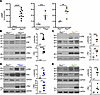 Figure 5
Signaling effectors associated with cyst enlargement in kidneys of 4 Pkd1 models. (A) Renal cAMP in P10 WT Pkd1+/+ (open circles) and Pkd1cko mice (black); 5–6 wk Pkd1+/+ and SBPkd1 mice (blue); 6–8 mo Pkd1+/+ and Pkd1wt mice (green). **P < 0.01; ***P < 0.001; ****P < 0.0001. (B) Immunoblots of pERK/ERK and c-Myc (left) and densitometric quantitation (right) in P10 Pkd1+/+ (open circles) and Pkd1cko kidneys (black). ***P < 0.001; ****P < 0.0001. (C) Immunoblots of pERK/ERK and c-Myc in P10 Pkd1+/+ (open circles) and Pkd1V/V kidneys (caramel), quantitated as in B. **P < 0.01; ***P < 0.001. (D) Immunoblots of pERK/ERK and c-Myc in 5–6 wk Pkd1+/+ (open circles) and SBPkd1 kidneys (blue) quantitated per B. *P < 0.05; **P < 0.01. (E) Immunoblots of pERK/ERK and c-Myc in 6–8 mo Pkd1+/+ (open circles) and Pkd1wt kidneys (green) quantitated per B. ***P < 0.001, A–E, Student’s t test, 1-tailed.
Since ERK and c-Myc are both downstream mediators of cAMP signaling and contribute to PKD-associated cell proliferation (53, 54), we next examined ERK and c-Myc activation states in ADPKD mouse models. Pkd1cKO and Pkd1V/V (P10) kidneys with rapidly progressive disease showed 4- to 5-fold greater increases in phospho-ERK (pERK)/total ERK compared with control Pkd1+/+ kidneys and showed up to 10-fold higher levels of c-Myc (Figure 5, B and C, and Supplemental Figure 6). Similarly, kidneys from SBPkd1 and Pkd1wt mice with moderately progressive disease exhibited 5- to 10-fold increased pERK/ERK ratio and increased c-Myc expression versus age- and strain-matched Pkd1+/+ kidneys (Figure 5, D and E, and Supplemental Figure 6), consistent with our previous demonstration of c-MYC upregulation in human ADPKD (29). The above data emphasize the similarity of these regulatory responses in all ADPKD mouse models tested.
Genetic inactivation of Kcnn4 attenuates severity of cystic disease in an early-onset Pkd1 mouse model. Delayed cyst growth in Pkd1–/– metanephroi genetically deficient in Kcnn4 spurred in vivo studies of KCa3.1 function in mouse ADPKD models by generating Pkd1cko mice with inactivated Kcnn4 alleles. Pkd1cko;Kcnn4–/– (P10) kidneys were smaller than those of Pkd1cko, with greater parenchymal preservation (Figure 6, A and B), consistent with decreased P5 and P10 respective kidney/body weight ratios (2KW/BW) of ~30% and ~20%, versus Pkd1cko (Figure 6C). Semiquantitative histologic analysis of Pkd1cko;Kcnn4–/– kidneys revealed 20% reduction in cyst area and number versus Pkd1cko (Figure 6, D and E).
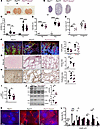 Figure 6
Kcnn4 genetic inactivation attenuates PKD pathology in Pkd1cko mice. (A) Representative P10 kidneys from Pkd1+/+ (open circles), Pkd1cko (black), and Pkd1cko;Kcnn4–/– mice (burgundy). Scale bar: 5 mm. (B) Representative H&E stained axial sections of P10 Pkd1+/+, Pkd1cko, and Pkd1cko;Kcnn4–/– kidneys. Scale bar: 1 mm. (C) 2KW/BW (%) in P5 and P10 mice, color-coded as in A, Pkd1+/+ (P5, n = 39; P10, n = 117), Pkd1cko (P5, n = 38; P10, n = 98), and Pkd1cko;Kcnn4–/ – (P5, n = 26; P10, n = 110). **P < 0.01; ****P < 0.0001, ANOVA. (D) Kidney cyst area color-coded as in A. *P < 0.05; ***P < 0.001; ****P < 0.0001, ANOVA. (E) Kidney cyst number color-coded as in A. **P < 0.01, Student’s t test, 1-tailed. (F) Merged images of cystic tubules in P5 Pkd1+/+, Pkd1cko, and Pkd1cko;Kcnn4–/– kidneys stained with nephron segment–specific lectin markers for proximal (LTL), distal (LEL), and collecting duct (DBA) (Supplemental Figure 7A for unmerged images). Graph shows percent lectin-positive cystic tubules, genotypes color-coded as in A. *P < 0.05; **P < 0.01, Student’s t test, 1-tailed. Proximal tubule dilatation was subthreshold for cyst designation. (G) Sirius red staining of renal fibrosis in P10 Pkd1+/+, Pkd1cko and Pkd1cko;Kcnn4–/– mice. Graph shows percent fibrotic index, genotypes color-coded as in A. *P < 0.05; ***P < 0.001, ANOVA. (H) Epithelial cell proliferation (Ki67+) in P10 Pkd1+/+, Pkd1cko, and Pkd1cko;Kcnn4–/– kidneys. Graph shows Ki67+ cells/mm2, genotypes color-coded as in A. *P < 0.05; **P < 0.01, ANOVA. (I) Kidney cAMP in P10 Pkd1cko; Kcnn4–/– (burgundy circles) versus Pkd1cko mice (black, data from Figure 5A). **P < 0.01, Student’s t test, 1-tailed. (J) pERK/ERK and c-Myc immunoblots of P10 Pkd1cko and Pkd1cko;Kcnn4–/– kidneys, GAPDH loading control. Graph of normalized pERK/ERK and c-Myc levels, genotypes color-coded as in A. *P < 0.05; **P < 0.01, Student’s t test, 1-tailed. (K) α-Acetylated tubulin in cilia of P10 Pkd1+/+, Pkd1cko and Pkd1cko;Kcnn4–/– kidneys. (L) Binned ciliary lengths in P10 Pkd1+/+, Pkd1cko, and Pkd1cko;Kcnn4–/– kidney sections, color-coded as in A. *P < 0.05; **P < 0.01; ***P < 0.001; ****P < 0.0001, ANOVA. Scale bars: 6 µm.
Pkd1cko kidneys developed cysts and tubular ectasia in distal tubules and collecting ducts (Figure 6F), whereas proximal cysts were absent or infrequent (not shown), as detected by costaining with nephron segment markers, Lotus tetragonolobus lectin (LTL; proximal tubules), Lycopersicon esculentum lectin (LEL; distal convoluted tubules), and Dolichos biflorus agglutinin (DBA; collecting duct) (Figure 6F and Supplemental Figure 7A). Genetic inactivation of Kcnn4 in Pkd1cko kidneys did not alter this segmental pattern, but it did reduce by ~30% the number of cysts of distal tubule or collecting duct origin (Figure 6F). Despite attenuation of the cystic phenotype, Pkd1cko;Kcnn4–/– lifespan was not prolonged, nor was blood urea nitrogen (BUN) significantly lower, compared with Pkd1cko mice. Nonetheless, the up to ~5-fold increased fibrosis (Sirius red) in P10 Pkd1cko kidneys was significantly reduced by Kcnn4 inactivation (Figure 6G). Proliferative index (Ki67 positivity) in Pkd1cko kidney tubular epithelial and interstitial cells was also strongly attenuated in Pkd1cko;Kcnn4–/– kidneys (Figure 6H). These results support Kcnn4’s important contributions to both PKD renal fibrosis and proliferation.
PKD-associated upregulation of cAMP levels in Pkd1cko kidneys was strikingly decreased by Kcnn4 inactivation (Figure 6I). Molecular signaling responses of elevated ERK and c-Myc in Pkd1cko kidneys were also markedly diminished in the absence of Kcnn4 expression (Figure 6J), suggesting KCa3.1 involvement in the cAMP proliferative pathway. As increased cAMP levels elongate primary cilia in IMCD cells (55), we noted that cilia of P10 Pkd1cko tubular epithelial cells were consistently longer than in Pkd1+/+ kidneys (Figure 6, K and L). Notably, Pkd1cko;Kcnn4–/– renal tubular cells exhibited a significant leftward shift in ciliary length distribution towards] the WT pattern (Figure 6L), consistent with reduction of mean ciliary length (3.76 ± 0.57 µm; P < 0.005) versus P10 Pkd1cko (5.08 ± 0.67 µm). These results support a role of Kcnn4-encoded KCa3.1 in cAMP signaling, cyst enlargement, cyst cell proliferation, and ciliary length determination in rapidly progressive mouse models of ADPKD.
Genetic inactivation of Kcnn4 markedly improves kidney disease in an adult Pkd1 mouse model. To investigate a potential role of KCa3.1 in the more slowly progressive mouse ADPKD model SBPkd1, we generated SBPkd1 mice with genetic inactivation of Kcnn4. SBPkd1;Kcnn4–/– mouse kidneys were smaller (Figure 7A), with fewer cysts (Figure 7B) and ~44% lower 2KW/BW ratio than SBPkd1 kidneys (Figure 7C). Cyst area and cyst number were both lower in SBPkd1;Kcnn4–/– kidneys than in SBPkd1 kidneys (Figure 7, D and E). Increased BUN in SBPkd1 was ~60% reduced in the absence of Kcnn4 expression (Figure 7F). Genetic inactivation of Kcnn4 decreased the proportions of cystic distal tubules and collecting ducts (Figure 7G and Supplemental Figure 7B). Interstitial fibrosis evident in aging SBPkd1 kidneys was reduced ~50% in the absence of Kcnn4 (Figure 7H). Elevated renal cell proliferation in SBPkd1 mice, as evidenced by Ki67 staining, was nearly normalized in SBPkd1 mice lacking Kcnn4 expression (Figure 7I). Pathologically increased renal cAMP content, pERK/ERK ratio, and c-Myc abundance in SBPkd1 kidneys were reduced in the absence of Kcnn4 expression (Figure 7, J and K). Typically elongated primary cilia of SBPkd1 kidneys were normalized by genetic ablation of Kcnn4, as measured by ciliary length distribution in renal epithelial cells (Figure 7, L and M). Most dramatically, Kcnn4 genetic inactivation in SBPkd1 mice extended median lifespan by ~40% and maximal lifespan by 58% (Figure 7N). As SBPkd1 mice display no extrarenal pathology (37), their delayed demise was plausibly attributable to slowed onset of renal failure. These data demonstrate a crucial role for Kcnn4 in regulation of multiple cellular indices of PKD progression in the slowly progressive SBPkd1 mouse model of ADPKD, including cyst enlargement, cell proliferation, renal fibrosis, and ciliary length control. The beneficial effects of Kcnn4 genetic inhibition in orthologous Pkd1 mouse models, therefore, prompted tests of KCa3.1 pharmacologic inhibition on disease progression.
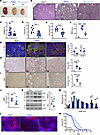 Figure 7
Kcnn4 inactivation in SBPkd1 mice attenuates cellular and molecular indices of disease progression, kidney function decline, and extends lifespan. (A) Kidneys from 6–8 mo Pkd1+/+(open circles), SBPkd1 (blue), and SBPkd1;Kcnn4–/– mice (light blue). Scale bar: 5 mM. (B) Histologic sections (H&E) of Pkd1+/+, SBPkd1 and SBPkd1;Kcnn4–/– kidneys. Scale bar: 100 µM. (C) 2KW/BW ratio in 6 mo mice, genotypes color-coded as in A. **P < 0.01, Student’s t test, 1-tailed. (D) Cyst area in Pkd1+/+, SBPkd1, and SBPkd1;Kcnn4–/– kidney sections, color-coded as in A. ***P < 0.001, Student’s t test, 1-tailed. Scale bar: 100 µM. (E) Cyst number/mm2 in Pkd1+/+, SBPkd1, and SBPkd1;Kcnn4–/– kidneys color-coded as in A. ****P < 0.0001, Student’s t test, 1-tailed. (F) Blood urea nitrogen (BUN) in 6 mo Pkd1+/+, SBPkd1, and SBPkd1;Kcnn4–/– mice color-coded as in A. ****P < 0.0001, ANOVA. (G) Merged images (unmerged in Supplemental Figure 7B) of cystic tubules from 2 mo Pkd1+/+, SBPkd1 and SBPkd1;Kcnn4–/– mice stained by segment-specific lectin markers LTL, LEL, and DBA. Graph shows percent lectin-positive cystic tubules, genotypes color-coded as in A. ***P < 0.001, Student’s t test, 1-tailed. Proximal tubule dilatation was below detection threshold. (H) Sirius red staining of fibrosis in 6–8 mo Pkd1+/+, SBPkd1 and SBPkd1;Kcnn4–/– kidneys. Scale bar: 100 µM. Graph shows percent fibrotic index, genotypes color-coded as in A. **P < 0.01; ****P < 0.0001, ANOVA. (I) Ki67 immunostaining of 6–8 mo Pkd1+/+, SBPkd1 and SBPkd1;Kcnn4–/– kidneys. Graph shows Ki67+ cells/mm2, genotypes color-coded as in A. ***P < 0.001; ****P < 0.0001, ANOVA. Scale bar: 100 µM. (J) Kidney cAMP in 2 mo SBPkd1;Kcnn4–/– versus SBPkd1 mice (data from Figure 5A), genotypes color-coded as in A. *P < 0.05, Student’s t test, 1-tailed. (K) pERK/ERK ratio and c-Myc immunoblots of 6 mo SBPkd1 and SBPkd1;Kcnn4–/– kidneys. Graph of normalized pERK/ERK ratio and c-Myc levels, genotypes color-coded as in A; ***P < 0.001, Student’s t test, 1-tailed. (L) α-Acetylated tubulin in cilia (arrowheads) of Pkd1+/+, SBPkd1 and SBPkd1;Kcnn4–/– kidneys. Scale bar: 20 µM. (M) Binned ciliary lengths in Pkd1+/+, SBPkd1 and SBPkd1;Kcnn4–/– kidney sections, color-coded as in A. *P < 0.05; **P < 0.01; ***P < 0.001; ****P < 0.0001, ANOVA. (N) Kaplan-Meier survival curves of SBPkd1 (blue, n = 115) and SBPkd1;Kcnn4–/– mice (light blue, n = 121). P < 0.0001, Log-rank test.
KCa3.1 inhibitor senicapoc attenuates the course of PKD progression in 4 mouse models. We tested senicapoc efficacy in early-onset, rapidly progressive loss-of-function Pkd1cko and Pkd1V/V mice and in slowly or moderately progressive SBPkd1 and Pkd1wt transgenic PKD models with gradual disease progression more closely resembling human PKD1-mutant ADPKD. Initiation times and durations of senicapoc treatment were chosen according to phenotype severity and to minimize attrition in vehicle-treated groups. Senicapoc (120 mg/kg/day) or vehicle (PEG/cremophor) was delivered orally to pups of both sexes from P2 to P5 for Pkd1cko (Figure 8A) or to P10 for Pkd1V/V (Figure 8D), concomitant with gavage of suckling dams from birth to P5 or P10, respectively. Mouse pups maintained normal growth without apparent adverse effects. Senicapoc treatment decreased cyst number ~20%–25% in P5 Pkd1cko mice without parallel decrease in cyst area or 2KW/BW ratio but reduced renal fibrosis ~50% (Figure 8, B and C). Longer senicapoc treatment of P10 Pkd1V/V mice reduced 2KW/BW ratio and cyst area ~25%–30% and reduced fibrosis ~85% versus vehicle-treated Pkd1V/V mice (Figure 8, E and F).
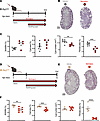 Figure 8
KCa3.1 inhibitor senicapoc reduces cyst growth in 2 early-onset Pkd1 mouse models. (A) Oral treatment of Pkd1cko mice (black-rimmed circle) with 120 mg/kg senicapoc (red arrow). Senicapoc or vehicle was administered daily by oral gavage to suckling mothers from P0 to P5 and, in addition, directly into mouths of suckling pups from P2 to P5. (B) H&E kidney sections from P5 Pkd1cko mice treated with vehicle (PEG/Cremophor; black-rimmed gray circle) or senicapoc (120 mg/kg; black-rimmed red circle). Scale bar: 1 mm. (C) 2KW/BW ratios, percent cyst area, cyst number, and fibrotic index in vehicle- or senicapoc-treated Pkd1cko pups, color-coded per B. **P < 0.01; ***P < 0.001, Student’s t test, 1-tailed. (D) Oral treatment of Pkd1V/V mice (caramel-rimmed circle) with 120 mg/kg senicapoc (red arrow). Senicapoc or vehicle was administered daily by oral gavage to suckling mothers from P0 to P10 and, in addition, directly into mouths of suckling pups from P2 to P10. (E) H&E kidney sections of P10 Pkd1V/V mice treated with vehicle (caramel-rimmed gray circle) or senicapoc (caramel-rimmed red circle). Scale bar: 1 mm. (F) The 2KW/BW ratios, percent cyst area, cyst number, and fibrotic index in vehicle- or senicapoc-treated Pkd1V/V pups, color-coded per E. **P < 0.01; ***P < 0.001; ****P < 0.0001, Student’s t test, 1-tailed.
SBPkd1 mice (from age 3 weeks [wk]) and Pkd1wt mice (from age 6 wk) were treated 12 wk by daily gavage with 120 mg/kg senicapoc or vehicle (PEG/cremophor) (Figure 9, A and D). The different ages of treatment initiation reflect the times at which detectable cysts appear in the 2 models. Growth curves of mice treated 12 wk with drug or vehicle were very similar (Supplemental Figure 8). BUN was unchanged in senicapoc-treated SBPkd1 mice, but 2KW/BW ratio, cyst area, and cyst number decreased (or trended so), with ~50% reduced fibrosis (Figure 9, B and C). Whereas senicapoc treatment did not decrease 2KW/BW ratio in Pkd1wt mice, cyst area and numbers were reduced 40%–60%, with renal fibrosis reduced 50%–60% (Figure 9, E and F). Notably, BUN was reduced 40% in Pkd1wt mice treated 12 wk with 120 mg/kg/day senicapoc, consistent with slowed renal functional decline (Figure 9F). These results document that pharmacological inhibition of KCa3.1 partially phenocopies genetic inactivation of Kcnn4 in slowing PKD progression in mouse models. The data provide the first in vivo evidence to our knowledge supporting therapeutic potential of senicapoc as a well-tolerated oral treatment to slow cyst growth and slow total kidney volume increase in patients with ADPKD.
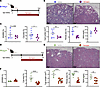 Figure 9
KCa3.1 inhibitor senicapoc reduces cyst growth in 2 late-onset Pkd1 mouse models. (A) Treatment of postweaning (3 wk) SBPkd1 mice (blue-rimmed circle) with 120 mg/kg senicapoc (red arrow, 12 wk daily oral gavage). (B) H&E kidney sections from 15 wk SBPkd1 mice treated 12 wk with vehicle (blue-rimmed gray circle) or senicapoc (120 mg/kg, blue-rimmed red circle). Scale bar: 200 μm. (C) The 2KW/BW ratio, percent cyst area and number, fibrotic index, and BUN in vehicle- or senicapoc-treated SBPkd1 mice color-coded per B. *P < 0.05; **P < 0.01, Student’s t test, 1-tailed, Welch-corrected. (D) Treatment of 6 wk Pkd1wt mice (green-rimmed circle) with 120 mg/kg senicapoc (red arrow, 12 wk daily oral gavage). (E) H&E kidney sections from 18 wk Pkd1wt mice treated 12 wk with vehicle (green-rimmed gray circle) or senicapoc (120 mg/kg, green-rimmed red circle). Scale bar: 200 μm. (F) The 2KW/BW ratio, percent cyst area and number, fibrotic index, and BUN in vehicle- or senicapoc-treated Pkd1wt mice, color-coded per E. **P < 0.01; ****P < 0.0001, Student’s t test, 1-tailed.


