
Research ArticleImmunologyOncology
Open Access |  10.1172/jci.insight.190716
FXR shapes an immunosuppressive microenvironment in PD-L1lo/– non-small cell lung cancer by upregulating HVEM
Xiaolong Xu,1,2,3 Bin Shang,4,5,6,7 Hancheng Wu,1,2,6,7 Xiuye Jin,1,2,8 Junren Wang,1,2,6,7 Jing Li,9 Daowei Li,1,2,6,7 Bin Liang,1,2,6,7 Xingguang Wang,1,2,6,7 Lili Su,1,2,6,7 Wenjie You,1,2,6,7,10 and Shujuan Jiang1,2,6,7
1Department of Respiratory and Critical Care Medicine, Shandong Provincial Hospital affiliated to Shandong First Medical University, Jinan, Shandong, China.
2Department of Respiratory and Critical Care Medicine, Shandong Provincial Hospital, Shandong University, Jinan, Shandong, China.
3Department of Respiratory and Critical Care Medicine, the Second Hospital of Shandong University, Jinan, Shandong, China.
4Department of Thoracic Surgery, Shandong Provincial Hospital affiliated to Shandong First Medical University, Jinan, Shandong, China.
5Department of Thoracic Surgery, Shandong Provincial Hospital, Shandong University, Jinan, Shandong, China.
6Shandong Key Laboratory of Infectious Respiratory Disease, Jinan, Shandong, China.
7Medical Science and Technology Innovation Center, Shandong First Medical University & Shandong Academy of Medical Sciences, Jinan, Shandong, China.
8Department of Respiratory and Critical Care Medicine, Xi’an Chest Hospital, Shanxi, China.
9Department of Respiratory and Critical Care Medicine, Shandong Provincial Public Health Clinical Center, Jinan, Shandong, China.
10Departments of Thoracic Surgery and State Key Laboratory of Genetic Engineering, Fudan University Shanghai Cancer Center, Shanghai, China.
Address correspondence to: Wenjie You or Shujuan Jiang, Department of Respiratory and Critical Care Medicine, Shandong Provincial Hospital affiliated to Shandong First Medical University, Jingwu Road 324#, Jinan 250021, China. Phone: 86.0531.68776360; Email: youwenjie655@163.com (WY). Phone: 86.0531.68776332; Email: docjiangshujuan@163.com (SJ).
Authorship note: XX and BS contributed equally to this work.
Find articles by Xu, X. in: PubMed | Google Scholar
1Department of Respiratory and Critical Care Medicine, Shandong Provincial Hospital affiliated to Shandong First Medical University, Jinan, Shandong, China.
2Department of Respiratory and Critical Care Medicine, Shandong Provincial Hospital, Shandong University, Jinan, Shandong, China.
3Department of Respiratory and Critical Care Medicine, the Second Hospital of Shandong University, Jinan, Shandong, China.
4Department of Thoracic Surgery, Shandong Provincial Hospital affiliated to Shandong First Medical University, Jinan, Shandong, China.
5Department of Thoracic Surgery, Shandong Provincial Hospital, Shandong University, Jinan, Shandong, China.
6Shandong Key Laboratory of Infectious Respiratory Disease, Jinan, Shandong, China.
7Medical Science and Technology Innovation Center, Shandong First Medical University & Shandong Academy of Medical Sciences, Jinan, Shandong, China.
8Department of Respiratory and Critical Care Medicine, Xi’an Chest Hospital, Shanxi, China.
9Department of Respiratory and Critical Care Medicine, Shandong Provincial Public Health Clinical Center, Jinan, Shandong, China.
10Departments of Thoracic Surgery and State Key Laboratory of Genetic Engineering, Fudan University Shanghai Cancer Center, Shanghai, China.
Address correspondence to: Wenjie You or Shujuan Jiang, Department of Respiratory and Critical Care Medicine, Shandong Provincial Hospital affiliated to Shandong First Medical University, Jingwu Road 324#, Jinan 250021, China. Phone: 86.0531.68776360; Email: youwenjie655@163.com (WY). Phone: 86.0531.68776332; Email: docjiangshujuan@163.com (SJ).
Authorship note: XX and BS contributed equally to this work.
Find articles by Shang, B. in: PubMed | Google Scholar
1Department of Respiratory and Critical Care Medicine, Shandong Provincial Hospital affiliated to Shandong First Medical University, Jinan, Shandong, China.
2Department of Respiratory and Critical Care Medicine, Shandong Provincial Hospital, Shandong University, Jinan, Shandong, China.
3Department of Respiratory and Critical Care Medicine, the Second Hospital of Shandong University, Jinan, Shandong, China.
4Department of Thoracic Surgery, Shandong Provincial Hospital affiliated to Shandong First Medical University, Jinan, Shandong, China.
5Department of Thoracic Surgery, Shandong Provincial Hospital, Shandong University, Jinan, Shandong, China.
6Shandong Key Laboratory of Infectious Respiratory Disease, Jinan, Shandong, China.
7Medical Science and Technology Innovation Center, Shandong First Medical University & Shandong Academy of Medical Sciences, Jinan, Shandong, China.
8Department of Respiratory and Critical Care Medicine, Xi’an Chest Hospital, Shanxi, China.
9Department of Respiratory and Critical Care Medicine, Shandong Provincial Public Health Clinical Center, Jinan, Shandong, China.
10Departments of Thoracic Surgery and State Key Laboratory of Genetic Engineering, Fudan University Shanghai Cancer Center, Shanghai, China.
Address correspondence to: Wenjie You or Shujuan Jiang, Department of Respiratory and Critical Care Medicine, Shandong Provincial Hospital affiliated to Shandong First Medical University, Jingwu Road 324#, Jinan 250021, China. Phone: 86.0531.68776360; Email: youwenjie655@163.com (WY). Phone: 86.0531.68776332; Email: docjiangshujuan@163.com (SJ).
Authorship note: XX and BS contributed equally to this work.
Find articles by Wu, H. in: PubMed | Google Scholar
1Department of Respiratory and Critical Care Medicine, Shandong Provincial Hospital affiliated to Shandong First Medical University, Jinan, Shandong, China.
2Department of Respiratory and Critical Care Medicine, Shandong Provincial Hospital, Shandong University, Jinan, Shandong, China.
3Department of Respiratory and Critical Care Medicine, the Second Hospital of Shandong University, Jinan, Shandong, China.
4Department of Thoracic Surgery, Shandong Provincial Hospital affiliated to Shandong First Medical University, Jinan, Shandong, China.
5Department of Thoracic Surgery, Shandong Provincial Hospital, Shandong University, Jinan, Shandong, China.
6Shandong Key Laboratory of Infectious Respiratory Disease, Jinan, Shandong, China.
7Medical Science and Technology Innovation Center, Shandong First Medical University & Shandong Academy of Medical Sciences, Jinan, Shandong, China.
8Department of Respiratory and Critical Care Medicine, Xi’an Chest Hospital, Shanxi, China.
9Department of Respiratory and Critical Care Medicine, Shandong Provincial Public Health Clinical Center, Jinan, Shandong, China.
10Departments of Thoracic Surgery and State Key Laboratory of Genetic Engineering, Fudan University Shanghai Cancer Center, Shanghai, China.
Address correspondence to: Wenjie You or Shujuan Jiang, Department of Respiratory and Critical Care Medicine, Shandong Provincial Hospital affiliated to Shandong First Medical University, Jingwu Road 324#, Jinan 250021, China. Phone: 86.0531.68776360; Email: youwenjie655@163.com (WY). Phone: 86.0531.68776332; Email: docjiangshujuan@163.com (SJ).
Authorship note: XX and BS contributed equally to this work.
Find articles by Jin, X. in: PubMed | Google Scholar
1Department of Respiratory and Critical Care Medicine, Shandong Provincial Hospital affiliated to Shandong First Medical University, Jinan, Shandong, China.
2Department of Respiratory and Critical Care Medicine, Shandong Provincial Hospital, Shandong University, Jinan, Shandong, China.
3Department of Respiratory and Critical Care Medicine, the Second Hospital of Shandong University, Jinan, Shandong, China.
4Department of Thoracic Surgery, Shandong Provincial Hospital affiliated to Shandong First Medical University, Jinan, Shandong, China.
5Department of Thoracic Surgery, Shandong Provincial Hospital, Shandong University, Jinan, Shandong, China.
6Shandong Key Laboratory of Infectious Respiratory Disease, Jinan, Shandong, China.
7Medical Science and Technology Innovation Center, Shandong First Medical University & Shandong Academy of Medical Sciences, Jinan, Shandong, China.
8Department of Respiratory and Critical Care Medicine, Xi’an Chest Hospital, Shanxi, China.
9Department of Respiratory and Critical Care Medicine, Shandong Provincial Public Health Clinical Center, Jinan, Shandong, China.
10Departments of Thoracic Surgery and State Key Laboratory of Genetic Engineering, Fudan University Shanghai Cancer Center, Shanghai, China.
Address correspondence to: Wenjie You or Shujuan Jiang, Department of Respiratory and Critical Care Medicine, Shandong Provincial Hospital affiliated to Shandong First Medical University, Jingwu Road 324#, Jinan 250021, China. Phone: 86.0531.68776360; Email: youwenjie655@163.com (WY). Phone: 86.0531.68776332; Email: docjiangshujuan@163.com (SJ).
Authorship note: XX and BS contributed equally to this work.
Find articles by Wang, J. in: PubMed | Google Scholar
1Department of Respiratory and Critical Care Medicine, Shandong Provincial Hospital affiliated to Shandong First Medical University, Jinan, Shandong, China.
2Department of Respiratory and Critical Care Medicine, Shandong Provincial Hospital, Shandong University, Jinan, Shandong, China.
3Department of Respiratory and Critical Care Medicine, the Second Hospital of Shandong University, Jinan, Shandong, China.
4Department of Thoracic Surgery, Shandong Provincial Hospital affiliated to Shandong First Medical University, Jinan, Shandong, China.
5Department of Thoracic Surgery, Shandong Provincial Hospital, Shandong University, Jinan, Shandong, China.
6Shandong Key Laboratory of Infectious Respiratory Disease, Jinan, Shandong, China.
7Medical Science and Technology Innovation Center, Shandong First Medical University & Shandong Academy of Medical Sciences, Jinan, Shandong, China.
8Department of Respiratory and Critical Care Medicine, Xi’an Chest Hospital, Shanxi, China.
9Department of Respiratory and Critical Care Medicine, Shandong Provincial Public Health Clinical Center, Jinan, Shandong, China.
10Departments of Thoracic Surgery and State Key Laboratory of Genetic Engineering, Fudan University Shanghai Cancer Center, Shanghai, China.
Address correspondence to: Wenjie You or Shujuan Jiang, Department of Respiratory and Critical Care Medicine, Shandong Provincial Hospital affiliated to Shandong First Medical University, Jingwu Road 324#, Jinan 250021, China. Phone: 86.0531.68776360; Email: youwenjie655@163.com (WY). Phone: 86.0531.68776332; Email: docjiangshujuan@163.com (SJ).
Authorship note: XX and BS contributed equally to this work.
Find articles by Li, J. in: PubMed | Google Scholar
1Department of Respiratory and Critical Care Medicine, Shandong Provincial Hospital affiliated to Shandong First Medical University, Jinan, Shandong, China.
2Department of Respiratory and Critical Care Medicine, Shandong Provincial Hospital, Shandong University, Jinan, Shandong, China.
3Department of Respiratory and Critical Care Medicine, the Second Hospital of Shandong University, Jinan, Shandong, China.
4Department of Thoracic Surgery, Shandong Provincial Hospital affiliated to Shandong First Medical University, Jinan, Shandong, China.
5Department of Thoracic Surgery, Shandong Provincial Hospital, Shandong University, Jinan, Shandong, China.
6Shandong Key Laboratory of Infectious Respiratory Disease, Jinan, Shandong, China.
7Medical Science and Technology Innovation Center, Shandong First Medical University & Shandong Academy of Medical Sciences, Jinan, Shandong, China.
8Department of Respiratory and Critical Care Medicine, Xi’an Chest Hospital, Shanxi, China.
9Department of Respiratory and Critical Care Medicine, Shandong Provincial Public Health Clinical Center, Jinan, Shandong, China.
10Departments of Thoracic Surgery and State Key Laboratory of Genetic Engineering, Fudan University Shanghai Cancer Center, Shanghai, China.
Address correspondence to: Wenjie You or Shujuan Jiang, Department of Respiratory and Critical Care Medicine, Shandong Provincial Hospital affiliated to Shandong First Medical University, Jingwu Road 324#, Jinan 250021, China. Phone: 86.0531.68776360; Email: youwenjie655@163.com (WY). Phone: 86.0531.68776332; Email: docjiangshujuan@163.com (SJ).
Authorship note: XX and BS contributed equally to this work.
Find articles by Li, D. in: PubMed | Google Scholar
1Department of Respiratory and Critical Care Medicine, Shandong Provincial Hospital affiliated to Shandong First Medical University, Jinan, Shandong, China.
2Department of Respiratory and Critical Care Medicine, Shandong Provincial Hospital, Shandong University, Jinan, Shandong, China.
3Department of Respiratory and Critical Care Medicine, the Second Hospital of Shandong University, Jinan, Shandong, China.
4Department of Thoracic Surgery, Shandong Provincial Hospital affiliated to Shandong First Medical University, Jinan, Shandong, China.
5Department of Thoracic Surgery, Shandong Provincial Hospital, Shandong University, Jinan, Shandong, China.
6Shandong Key Laboratory of Infectious Respiratory Disease, Jinan, Shandong, China.
7Medical Science and Technology Innovation Center, Shandong First Medical University & Shandong Academy of Medical Sciences, Jinan, Shandong, China.
8Department of Respiratory and Critical Care Medicine, Xi’an Chest Hospital, Shanxi, China.
9Department of Respiratory and Critical Care Medicine, Shandong Provincial Public Health Clinical Center, Jinan, Shandong, China.
10Departments of Thoracic Surgery and State Key Laboratory of Genetic Engineering, Fudan University Shanghai Cancer Center, Shanghai, China.
Address correspondence to: Wenjie You or Shujuan Jiang, Department of Respiratory and Critical Care Medicine, Shandong Provincial Hospital affiliated to Shandong First Medical University, Jingwu Road 324#, Jinan 250021, China. Phone: 86.0531.68776360; Email: youwenjie655@163.com (WY). Phone: 86.0531.68776332; Email: docjiangshujuan@163.com (SJ).
Authorship note: XX and BS contributed equally to this work.
Find articles by Liang, B. in: PubMed | Google Scholar
1Department of Respiratory and Critical Care Medicine, Shandong Provincial Hospital affiliated to Shandong First Medical University, Jinan, Shandong, China.
2Department of Respiratory and Critical Care Medicine, Shandong Provincial Hospital, Shandong University, Jinan, Shandong, China.
3Department of Respiratory and Critical Care Medicine, the Second Hospital of Shandong University, Jinan, Shandong, China.
4Department of Thoracic Surgery, Shandong Provincial Hospital affiliated to Shandong First Medical University, Jinan, Shandong, China.
5Department of Thoracic Surgery, Shandong Provincial Hospital, Shandong University, Jinan, Shandong, China.
6Shandong Key Laboratory of Infectious Respiratory Disease, Jinan, Shandong, China.
7Medical Science and Technology Innovation Center, Shandong First Medical University & Shandong Academy of Medical Sciences, Jinan, Shandong, China.
8Department of Respiratory and Critical Care Medicine, Xi’an Chest Hospital, Shanxi, China.
9Department of Respiratory and Critical Care Medicine, Shandong Provincial Public Health Clinical Center, Jinan, Shandong, China.
10Departments of Thoracic Surgery and State Key Laboratory of Genetic Engineering, Fudan University Shanghai Cancer Center, Shanghai, China.
Address correspondence to: Wenjie You or Shujuan Jiang, Department of Respiratory and Critical Care Medicine, Shandong Provincial Hospital affiliated to Shandong First Medical University, Jingwu Road 324#, Jinan 250021, China. Phone: 86.0531.68776360; Email: youwenjie655@163.com (WY). Phone: 86.0531.68776332; Email: docjiangshujuan@163.com (SJ).
Authorship note: XX and BS contributed equally to this work.
Find articles by Wang, X. in: PubMed | Google Scholar
1Department of Respiratory and Critical Care Medicine, Shandong Provincial Hospital affiliated to Shandong First Medical University, Jinan, Shandong, China.
2Department of Respiratory and Critical Care Medicine, Shandong Provincial Hospital, Shandong University, Jinan, Shandong, China.
3Department of Respiratory and Critical Care Medicine, the Second Hospital of Shandong University, Jinan, Shandong, China.
4Department of Thoracic Surgery, Shandong Provincial Hospital affiliated to Shandong First Medical University, Jinan, Shandong, China.
5Department of Thoracic Surgery, Shandong Provincial Hospital, Shandong University, Jinan, Shandong, China.
6Shandong Key Laboratory of Infectious Respiratory Disease, Jinan, Shandong, China.
7Medical Science and Technology Innovation Center, Shandong First Medical University & Shandong Academy of Medical Sciences, Jinan, Shandong, China.
8Department of Respiratory and Critical Care Medicine, Xi’an Chest Hospital, Shanxi, China.
9Department of Respiratory and Critical Care Medicine, Shandong Provincial Public Health Clinical Center, Jinan, Shandong, China.
10Departments of Thoracic Surgery and State Key Laboratory of Genetic Engineering, Fudan University Shanghai Cancer Center, Shanghai, China.
Address correspondence to: Wenjie You or Shujuan Jiang, Department of Respiratory and Critical Care Medicine, Shandong Provincial Hospital affiliated to Shandong First Medical University, Jingwu Road 324#, Jinan 250021, China. Phone: 86.0531.68776360; Email: youwenjie655@163.com (WY). Phone: 86.0531.68776332; Email: docjiangshujuan@163.com (SJ).
Authorship note: XX and BS contributed equally to this work.
Find articles by Su, L. in: PubMed | Google Scholar
1Department of Respiratory and Critical Care Medicine, Shandong Provincial Hospital affiliated to Shandong First Medical University, Jinan, Shandong, China.
2Department of Respiratory and Critical Care Medicine, Shandong Provincial Hospital, Shandong University, Jinan, Shandong, China.
3Department of Respiratory and Critical Care Medicine, the Second Hospital of Shandong University, Jinan, Shandong, China.
4Department of Thoracic Surgery, Shandong Provincial Hospital affiliated to Shandong First Medical University, Jinan, Shandong, China.
5Department of Thoracic Surgery, Shandong Provincial Hospital, Shandong University, Jinan, Shandong, China.
6Shandong Key Laboratory of Infectious Respiratory Disease, Jinan, Shandong, China.
7Medical Science and Technology Innovation Center, Shandong First Medical University & Shandong Academy of Medical Sciences, Jinan, Shandong, China.
8Department of Respiratory and Critical Care Medicine, Xi’an Chest Hospital, Shanxi, China.
9Department of Respiratory and Critical Care Medicine, Shandong Provincial Public Health Clinical Center, Jinan, Shandong, China.
10Departments of Thoracic Surgery and State Key Laboratory of Genetic Engineering, Fudan University Shanghai Cancer Center, Shanghai, China.
Address correspondence to: Wenjie You or Shujuan Jiang, Department of Respiratory and Critical Care Medicine, Shandong Provincial Hospital affiliated to Shandong First Medical University, Jingwu Road 324#, Jinan 250021, China. Phone: 86.0531.68776360; Email: youwenjie655@163.com (WY). Phone: 86.0531.68776332; Email: docjiangshujuan@163.com (SJ).
Authorship note: XX and BS contributed equally to this work.
Find articles by You, W. in: PubMed | Google Scholar
1Department of Respiratory and Critical Care Medicine, Shandong Provincial Hospital affiliated to Shandong First Medical University, Jinan, Shandong, China.
2Department of Respiratory and Critical Care Medicine, Shandong Provincial Hospital, Shandong University, Jinan, Shandong, China.
3Department of Respiratory and Critical Care Medicine, the Second Hospital of Shandong University, Jinan, Shandong, China.
4Department of Thoracic Surgery, Shandong Provincial Hospital affiliated to Shandong First Medical University, Jinan, Shandong, China.
5Department of Thoracic Surgery, Shandong Provincial Hospital, Shandong University, Jinan, Shandong, China.
6Shandong Key Laboratory of Infectious Respiratory Disease, Jinan, Shandong, China.
7Medical Science and Technology Innovation Center, Shandong First Medical University & Shandong Academy of Medical Sciences, Jinan, Shandong, China.
8Department of Respiratory and Critical Care Medicine, Xi’an Chest Hospital, Shanxi, China.
9Department of Respiratory and Critical Care Medicine, Shandong Provincial Public Health Clinical Center, Jinan, Shandong, China.
10Departments of Thoracic Surgery and State Key Laboratory of Genetic Engineering, Fudan University Shanghai Cancer Center, Shanghai, China.
Address correspondence to: Wenjie You or Shujuan Jiang, Department of Respiratory and Critical Care Medicine, Shandong Provincial Hospital affiliated to Shandong First Medical University, Jingwu Road 324#, Jinan 250021, China. Phone: 86.0531.68776360; Email: youwenjie655@163.com (WY). Phone: 86.0531.68776332; Email: docjiangshujuan@163.com (SJ).
Authorship note: XX and BS contributed equally to this work.
Find articles by Jiang, S. in: PubMed | Google Scholar
Published September 23, 2025 - More info
JCI Insight. 2025;10(18):e190716. https://doi.org/10.1172/jci.insight.190716.
© 2025 Xu et al. This work is licensed under the Creative Commons Attribution 4.0 International License. To view a copy of this license, visit http://creativecommons.org/licenses/by/4.0/.
Received: January 17, 2025; Accepted: August 6, 2025


-
Results
HVEM is positively correlated with FXR but is inversely correlated with PD-L1 in NSCLC. First, to determine whether FXR correlates with HVEM expression in NSCLC, we examined clinical NSCLC samples and analyzed public datasets from The Cancer Genome Atlas (TCGA). Nuclear staining of FXR and membrane staining of HVEM were scored in respect to their subcellular locations in tumor cells (19, 25). As shown in Figure 1, A and B, HVEM was significantly higher in patients with FXRhi NSCLC as compared with patients with FXRlo NSCLC. χ2 analysis found that the mean percentage of HVEMhi tumors was significantly increased in patients with FXRhi NSCLC than in those with FXRlo profiles (Figure 1C). Additionally, Spearman’s correlation test discovered a significant positive correlation between the expression of FXR and HVEM in clinical NSCLC cohort (Figure 1D). In order to validate our findings, we analyzed the available datasets of TCGA. There was a significant positive correlation between NR1H4 (gene that encodes FXR) and TNFRSF14 (gene that encodes HVEM) expression in 994 NSCLC samples of TCGA cohort (Supplemental Figure 1A; supplemental material available online with this article; https://doi.org/10.1172/jci.insight.190716DS1). Subgroup analysis revealed a similar positive correlation between the gene expression of NR1H4 and TNFRSF14 either in 510 adenocarcinoma or in 484 squamous cell carcinoma samples (Supplemental Figure 1, B and C). Collectively, these results indicate that FXR is positively correlated with the expression of HVEM in NSCLC.
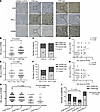 Figure 1
HVEM is positively correlated with FXR, but inversely correlated with PD-L1 in NSCLC. A total of 178 clinical NSCLC samples were subjected to IHC staining. (A) Representative images showing the expression of FXR, PD-L1, and HVEM in serial sections of FXRhi vs. FXRlo NSCLC samples at low (×80) and high (×320) magnifications. Nonspecific mouse or rabbit IgG was used as an isotype control antibody. Scale bar: 50 μm. (B) IHC score of HVEM in patients with NSCLC with FXRhi vs. FXRlo profiles (P < 0.0001, Mann-Whitney U test). (C) The number of HVEM high or low tumors in patients with NSCLC with FXRhi vs. FXRlo profiles (P = 0.0016, χ2 test). (D) Spearman’s rank correlation test showed a significant positive correlation between the expression of FXR and HVEM in 178 clinical NSCLC samples (r = 0.275, P = 0.002). (E) IHC score of HVEM in patients with NSCLC with PD-L1hi vs. PD-L1lo profiles (P = 0.0369, Mann-Whitney U test). (F) The number of HVEM high or low tumors in patients with NSCLC with PD-L1hi vs. PD-L1lo profiles (P = 0.048, χ2 test). (G) Spearman’s rank correlation test revealed a significant inverse correlation between the expression of PD-L1 and HVEM in 178 NSCLC samples (r = –0.213, P = 0.0043). (H) IHC score of HVEM in NSCLC samples divided into 4 subgroups based on FXR and PD-L1 expression (FXRhiPD-L1lo vs. FXRloPD-L1lo, P = 0.0655, Kruskal-Wallis rank sum test followed by Dunnett’s post hoc test). (I) The number of HVEM high or low tumors in NSCLC samples divided into 4 subgroups based on FXR and PD-L1 expression (FXRhiPD-L1lo vs. FXRloPD-L1lo, P = 0.234, χ2 test followed by Bonferroni post hoc test). In B, E, and H, the line and error bars represent the median and interquartile range.
To date, IHC-based detection of PD-L1 on tumor cells is the best predictive marker for anti–PD-1/PD-L1 immunotherapy in treating NSCLC (26). We then examined the correlation between PD-L1 and HVEM, and we showed that both the expression level of HVEM and the percentage of HVEMhi tumors were significantly increased in patients with PD-L1lo NSCLC as compared with PD-L1hi patients (Figure 1, E and F). Importantly, Spearman’s correlation test discovered a significant inverse correlation between the expression of HVEM and PD-L1 in NSCLC samples (Figure 1G), suggesting that the immune checkpoints HVEM and PD-L1 are mutually exclusive. Furthermore, the clinical NSCLC samples were stratified according to FXR and PD-L1 status. When we paid attention to tumors with PD-L1lo profiles, high FXR-expressing NSCLC (characterized by FXRhiPD-L1lo) had a nonsignificant higher level of HVEM, as well as a higher percentage of HVEMhi tumors, than low FXR-expressing patients with NSCLC (characterized by FXRloPD-L1lo) (Figure 1, H and I). This suggests to us that HVEM may be a key immuosuppressive factor in this subgroup (characterized by FXRhiPD-L1lo) of patients with PD-L1lo/– NSCLC.
FXR upregulates HVEM expression in NSCLC cells. Next, we explored whether the correlation between the levels of FXR and HVEM in patients with NSCLC implies a positive regulation. The functional relevance of FXR antagonists was determined in NSCLC cells. The results show that 3 antagonists of FXR, ursodeoxycholic acid (UDCA), 16-dehydropregnenolone (DHP), and Z-guggulsterone (Z-GS), could inhibit HVEM surface and mRNA expression in A549 cells in a dose-dependent manner (Figure 2, A–D, and Supplemental Figure 2, A–C). UDCA is a clinically used drug to treat human obesity, primary biliary cholangitis, and COVID-19 via decreasing FXR signaling (27–29). The effects of FXR antagonists on HVEM expression were also evaluated in vivo. Consistent with the above findings, UDCA, DHP, and Z-GS dose-dependently decreased HVEM membrane and mRNA expression in immune-competent mouse LLC tumor models (Figure 2, E–G, and Supplemental Figure 2, D–F). We found that both UDCA and DHP significantly reduced the in vivo tumor growth in mouse LLC tumor models in a dose-dependent manner (Figure 2, H and I). This is in line with our previous findings of Z-GS (30).
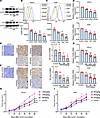 Figure 2
FXR antagonists dose-dependently inhibit HVEM expression in NSCLC. A549 cells were treated with concentration gradients of UDCA (0, 50, 100, and 200 μM) and DHP (0, 0.5, 1, and 5 μM) for 48 h. (A) The protein levels of FXR in A549 cells were examined by Western blotting. (B and C) Representative histograms and mean fluorescence intensity (MFI) quantifications for HVEM membrane staining in A549 cells treated with UDCA (B) and DHP (C) were analyzed by flow cytometry. (D) Relative mRNA levels of HVEM in A549 cells were examined by q-PCR. β-Actin served as an internal control. C57BL/6 mice were inoculated s.c. with 1 × 10⁶ LLC cells, and injected i.p. with increasing doses of UDCA (0, 50, 100, and 150 mg/kg) and DHP (0, 10, 20, and 40 mg/kg) every 3 days for 15 days when the tumor volume reached ~100 mm3. (E and F) Representative IHC images (magnification, ×200) and IHC score of HVEM expression in mouse LLC tumors treated with UDCA (E) and DHP (F) are shown. Nonspecific rabbit IgG was used as an isotype control antibody. Scale bar: 50 μm. (G) Relative mRNA levels of HVEM in mouse LLC tumors of each group were compared. (H and I) The tumor volume was monitored every 3 days after UDCA (H) and DHP (I) administration. Each experiment was conducted independently at least 3 times. Data are shown as mean ± SD from 3 biological replicates. For E–I, n = 5 mice/group. Statistical significance was assessed with 1-way ANOVA followed by Tukey’s post hoc test (B–D and G–I) or Kruskal-Wallis rank sum test followed by Dunnett’s post hoc test (E and F). *P < 0.05, **P < 0.01, ***P < 0.001, compared with control group.
Moreover, the expression of HVEM in FXR-overexpressed or -silenced NSCLC cells was determined. The results indicate that stable overexpression of FXR led to an increased surface and mRNA expression of HVEM in A549 cells, which could be reversed by the treatment of either UDCA, DHP, or Z-GS (Figure 3, A–F, and Supplemental Figure 3, A–C). In comparison, FXR knockdown significantly downregulated both the cell surface protein and mRNA levels of HVEM in H1975 cells (Figure 3, G–I).
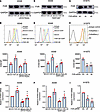 Figure 3
FXR upregulates HVEM expression in NSCLC cells. (A–F) A549 cells were infected with mock or FXR-overexpressed lentiviral vectors to establish stable cell lines, followed by treatment with 100 μM UDCA or 1 μM DHP for 48 h. (G–I) H1975 cells were transfected with NC- or FXR-siRNAs for 48 h. The protein levels of FXR in A549 stable cells treated with UDCA (A) or DHP (D) and H1975 cells (G) were examined by Western blotting. Representative histograms and MFI quantifications for HVEM membrane staining in A549 stable cells treated with UDCA (B) or DHP (E) and H1975 cells (H) were analyzed by flow cytometry. Relative mRNA levels of HVEM in A549 stable cells treated with UDCA (C) or DHP (F) and H1975 cells (I) were examined by qPCR. β-Actin served as an internal control. Each experiment was conducted independently at least 3 times. Data are shown as mean ± SD from 3 biological replicates. Statistical significance was assessed with 1-way ANOVA followed by Tukey’s post hoc test (B, C, E, F, H, and I). *P < 0.05, **P < 0.01, ***P < 0.001, compared with mock or NC group. In B, C, E, and F, †P < 0.05, ††P < 0.01, compared with control group. OE, overexpression.
Collectively, these findings suggest that FXR upregulates HVEM expression in NSCLC cells.
FXR inhibits cytokine production and cytotoxicity of CD8+ T cells through HVEM/BTLA checkpoint pathway. We then performed an in-depth study to evaluate the functional role of the FXR/HVEM axis in antitumor immunity in NSCLC. Since the cytotoxic CD8+ T cells are the central effectors in antitumor immunity (31), the effect of the FXR/HVEM axis on cytokine production and cytotoxicity of CD8+ T cells was evaluated in vitro. NSCLC cells with FXR/HVEM silencing or overexpression were cocultured with purified CD8+ T cells at a 1:25 target-to-effector cell ratio (Supplemental Figure 4, A and B), as described in our previous study (16). Cells were treated with or without anti-BTLA, a specific monoclonal antibody targeting HVEM/BTLA checkpoint pathway (32). The results show that knockdown of FXR in H1975 resulted in an increased proportion of IFN-γ+ or TNF-α+ cocultured CD8+ T cells, which was largely compromised by HVEM overexpression (Figure 4, A, C and D, and Supplemental Figure 4C). Conversely, enforced FXR expression in A549 significantly decreased the number of IFN-γ+ or TNF-α+ CD8+ T cells in cocultures (Figure 4, B, E, and F, and Supplemental Figure 4D). This decrease was reversed with the treatment of either anti-BTLA antibody or HVEM small interfering RNAs (siRNAs) (Figure 4, B, E, and F, and Supplemental Figure 4D). An opposite trend was observed for the apoptotic rate of cocultured CD8+ T cells (Figure 4, G and I, and Supplemental Figure 4, E and F). The cytotoxicity evoked by CD8+ T cells was also evaluated. We detected an enhanced cytotoxic activity of CD8+ T cells cocultured with FXR-silenced H1975 cells, as evidenced by the significantly increased supernatant lactate dehydrogenase (LDH) and the decreased cell viability in cocultured H1975 cells (Figure 4, H and K). Cytotoxic activity of CD8+ T cells was weakened by the introduction of HVEM in H1975 cells (Figure 4, H and K). In comparison, CD8+ T cells cocultured with FXR-overexpressed A549 led to a significantly decreased LDH release and increased cell viability in cocultured A549 cells (Figure 4, J and L). This effect was markedly abrogated by HVEM knockdown or the addition of anti-BTLA antibody in cocultures (Figure 4, J and L). These data collectively suggest that FXR inhibits cytokine production and cytotoxicity of cocultured CD8+ T cells through HVEM/BTLA checkpoint pathway.
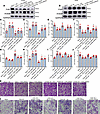 Figure 4
FXR inhibits cytokine production and cytotoxic activity of cocultured CD8+ T cells through HVEM/BTLA checkpoint pathway. Purified human CD8+ T cells were cocultured with HVEM-overexpressed H1975 stable cells which were transfected with FXR-siRNAs, or FXR-overexpressed A549 stable cells which were transfected with HVEM-siRNAs in the presence or absence of anti-BTLA antibody for 3 days. (A and B) The protein levels of FXR and HVEM in the cocultured H1975 stable cells (A) and A549 stable cells (B) were examined by Western blotting. (C–F) Intracellular TNF-α and IFN-γ expression levels in CD8+ T cells cocultured with H1975 stable cells (C and D) or A549 stable cells (E and F) was analyzed by flow cytometry. (G and I) The apoptotic rate of CD8+ T cells cocultured with H1975 stable cells (G) or A549 stable cells (I) was determined by flow cytometry using annexin V-FITC/PI staining assay. (H and J) The amounts of LDH released into the medium from the cocultured H1975 stable cells (H) or A549 stable cells (J) were measured. (K and L) The cell viability of cocultured H1975 stable cells (K) and A549 stable cells (L) was measured via crystal violet staining. Each experiment was conducted independently at least 3 times. Data are shown as mean ± SD from 3 biological replicates. Statistical significance was assessed with 1-way ANOVA followed by Tukey’s post hoc test (C–J). In C, D, G, and H, *P < 0.05, **P < 0.01, compared with NC group. †P < 0.05, ††P < 0.01, compared with mock group. In E, F, I, and J, *P < 0.05, **P < 0.01, ***P < 0.001, compared with mock, isotype control, or NC group.
The FXR/HVEM axis is associated with immunoevasive TME and poor survival prognosis in patients with NSCLC. To examine the clinical significance of the FXR/HVEM axis’s immunosuppressive effect, we evaluated tumor immune infiltration by IHC in the same cohort of patients with NSCLC. As expected, the number of infiltrating CD8+ T cells was significantly lower in FXRhi NSCLC and HVEMhi NSCLC, as compared with the FXRlo subgroup and HVEMlo subgroup, respectively (Figure 5, A and B, and Supplemental Figure 5). In contrast, a significant increase of immunosuppressive myeloid-derived suppressor cells (MDSCs) and tumor-associated macrophages (TAMs) were observed in FXRhi NSCLC and HVEMhi NSCLC as compared with those with FXRlo profile or HVEMlo profile, respectively (Figure 5, A, C, and D). The correlations between the levels of tumoral FXR and HVEM, and those immune infiltrations were analyzed. We found that both the expression levels of FXR and HVEM were inversely correlated with infiltrating CD8+ T cells in clinical NSCLC samples (Figure 5E). On the contrary, we observed a significant positive correlation either between the expression level of FXR and the proportions of MDSCs and TAMs, or between the expression of HVEM and the proportions of MDSCs and TAMs in the same cohort (Figure 5, F and G). Those clinical NSCLC samples were further stratified by FXR and HVEM expression levels. Consistently, immune composition data indicate that patients with high tumoral FXR and HVEM expression levels (FXRhiHVEMhi) had the lowest number of infiltrating CD8+ T cells and the highest number of infiltrating MDSCs and TAMs among all NSCLC subgroups (Figure 5, H–J). Investigation of the prognosis demonstrated that the FXRhiHVEMhi subgroup was associated with the poorest progression-free survival (PFS) and OS among all NSCLC patient subgroups (Figure 5, K and L). These findings clearly suggest that the FXR/HVEM axis is correlated with immunoevasive TME and adverse clinical prognosis in patients with NSCLC.
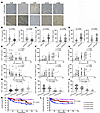 Figure 5
Correlation of FXR/HVEM axis with tumor immune infiltration and clinical prognosis in NSCLC. The enrolled 178 NSCLC samples in Figure 1 were subjected to IHC staining of CD8, CD33 and CD68. (A) Representative images showing FXR, HVEM, CD8, CD33, and CD68 expression in patients with NSCLC with FXRhiHVEMhi vs. FXRloHVEMlo profiles (magnification, ×80). Nonspecific mouse or rabbit IgG was used as an isotype control antibody. Scale bar: 50 μm. (B–D) The number of infiltrating CD8+ T cells (B), CD33+ MDSCs (C), and CD68+ TAMs (D) in FXRhi NSCLC vs. FXRlo NSCLC (all P < 0.0001, Mann-Whitney U test; left graphs), or in HVEMhi NSCLC vs. HVEMlo NSCLC (P = 0.0005, 0.0069, < 0.0001, respectively, Mann-Whitney U test; right graphs). (E–G) Correlation analysis between the expression levels of FXR (upper graphs) and HVEM (lower graphs) and the proportions of infiltrating CD8+ T cells (E), CD33+ MDSCs (F) and CD68+ TAMs (G) in 178 NSCLC samples. Spearman’s rank correlation coefficients and statistical significance are shown. (H–J) The number of infiltrating CD8+ T cells (H), CD33+ MDSCs (I), and CD68+ TAMs (J) in NSCLC samples divided into 4 subgroups based on FXR and HVEM expression (all P < 0.0001, Kruskal-Wallis rank sum test). (K and L) Kaplan-Meier survival curves for OS (K, P < 0.0001, log-rank test) and PFS (L, P < 0.0001, log-rank test) in patients with NSCLC according to FXR and HVEM levels. In B–D and H–J, data are shown as mean ± SD.
Molecular mechanisms accounting for FXR-upregulated HVEM in NSCLC. The mechanisms underlying FXR-induced HVEM in NSCLC were subsequently investigated. Considering that FXR is a transcription factor (11, 12), we examined the function of FXR in transcriptional control of TNFRSF14 expression in NSCLC cells. Twenty pairs of primers were designed to cover the promoter region of TNFRSF14 from –3,911 to +40 bp upstream of transcription start site (TSS) (Figure 6A and Supplemental Table 1). Primers corresponding to the FXR-binding site in the promoter of SHP, a downstream target gene of FXR, were used as positive control. ChIP analysis shows that the occupancy of FXR was significantly enriched in the sequence covered by Primer 18 from –3,537 to –3,319, as compared with the resting promoter region covered by other ChIP–quantitative PCR (ChIP-qPCR) primers (Figure 6, A and B). Notably, stable overexpression of FXR in A549 resulted in an increased binding of FXR to the nucleotide –3,537/–3,319 sequence in the promoter region of TNFRSF14, whereas the silencing of FXR significantly reduced FXR’s recruitment to this part of TNFRSF14 promoter region in H1975 cells (Figure 6, C and D). Then, the functional relevance of FXR in TNFRSF14 transcription was evaluated via luciferase reporter experiments by using constructs containing the TNFRSF14 promoter with or without the nucleotide –3,537/–3,319 sequence. We found a significant increase of TNFRSF14 transcription activity in FXR-overexpressed A549 and H1975 cells transfected with construct harboring the WT TNFRSF14 promoter as compared with those with nucleotide –3,537/–3,319 sequence-deleted TNFRSF14 promoter vector (Figure 6, E and F). Consistently, overexpression of FXR in A549 significantly promoted the transcription activity of the WT TNFRSF14 promoter without extensively changing the transcription activity of the nucleotide –3,537/–3,319 sequence-deleted TNFRSF14 promoter (Figure 6E). In comparison, FXR knockdown significantly decreased the transcription activity of the WT TNFRSF14 promoter in H1975 cells, while the activity of the nucleotide –3,537/–3,319 sequence-deleted TNFRSF14 promoter remained unchanged (Figure 6F). These data suggest that FXR transcriptionally activates HVEM expression in NSCLC cells.
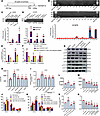 Figure 6
Molecular mechanisms by which FXR upregulates HVEM in NSCLC. (A) The region covered by 20 pairs of ChIP-qPCR primers in human TNFRSF14 promoter. (B–D) ChIP was performed in H1975 using the above ChIP-qPCR primers (B) or in FXR-overexpressed A549 (C) and FXR-silenced H1975 (D) using Primer 18 covering -3,537/-3,319 sequence. Representative gels (upper panels) and enrichments of FXR in each examined region (lower graphs) are shown. Input: non-immunoprecipitated chromatin. Negative control: isotype IgG. Positive control: primers covering FXR-binding site in SHP promoter. (E and F) FXR-overexpressed A549 (E) and FXR-silenced H1975 (F) were cotransfected with a WT or –3,537/–3,319 sequence-deleted TNFRSF14 promoter vector to examine luciferase activity. Negative control: basic vector. (G–I) FXR-overexpressed A549 was exposed to 0.3 µM MK2206, 0.3 µM PD0325901, or 4 µM Stattic for 48 h. (G) The expression of FXR, p-Akt (Ser473), t-Akt, p-Erk1/2 (Thr202/Tyr204), t-Erk1/2, p-STAT3 (Tyr705), and t-STAT3 were examined by Western blotting. (H) MFI quantifications of HVEM were analyzed by flow cytometry. (I) Relative HVEM mRNA levels were examined by qPCR. (J–O) FXR-overexpressed A549 and FXR-silenced H1975 were treated with 0.5 µM PD0332991 for 48 h. Cell cycle distributions and MFI quantifications of HVEM in A549 (J and L) and H1975 (K and M) were analyzed by flow cytometry. Relative HVEM mRNA levels in A549 (N) and H1975 (O) were examined by qPCR. Data are shown as mean ± SD from 3 biological replicates. Statistics were assessed with Student t test (C and E) or 1-way ANOVA followed by Tukey’s post hoc test (B, D, F, and H–O). In B, ***P < 0.001, compared with Primer 1–17, 19, and 20. In C–F, **P < 0.01, ***P < 0.001, compared with isotype IgG or –3,537/–3,319 sequence-deleted TNFRSF14 promoter vector. †P < 0.05, ††P < 0.01, compared with mock or NC. In H–O, *P < 0.05, **P < 0.01, ***P < 0.001, compared with mock or NC. †P < 0.05, †† P < 0.01, compared with control group.
We also examined the intracellular Akt, Erk1/2, and STAT3 signals, which were demonstrated to be downstream pathways of FXR (33). As shown in Figure 6G, the phosphorylated Akt (at Ser473), Erk1/2 (at Thr202/Tyr204), and STAT3 (at Tyr705) were increased in FXR-overexpressed A549 cells, implying the activation of intracellular Akt, Erk1/2, and STAT3. To determine whether these intracellular signals are involved in FXR-induced HVEM upregulation, we incubated NSCLC cells in the presence of selective Akt (MK2206), Erk1/2 (PD0325901), and STAT3 (Stattic) inhibitors. Since those signaling pathway inhibitors may affect cell proliferation and thereby yield an indirect effect on HVEM expression (34), the concentrations of MK2206, PD0325901, and Stattic that do not affect the proliferation of NSCLC cells were determined. As indicated, treatment with MK2206, PD0325901, or Stattic no more than 0.3 μM, 0.3 μM, and 4 μM, respectively, did not clearly inhibit the proliferation of A549 cells (Supplemental Figure 6A). Our results show that 0.3 μM MK2206, 0.3 μM PD0325901, and 4 μM Stattic effectively reduced the phosphorylation of Akt (Ser473), Erk1/2 (Thr202/Tyr204), and STAT3 (Tyr705) and partly abolished the increased HVEM surface and mRNA expression in FXR-overexpressed A549 cells (Figure 6, G–I). These data suggest that HVEM induction by FXR was partly explained by the activated Akt, Erk1/2, and STAT3 pathways in NSCLC.
Prior studies described the mutual regulation between immune checkpoints and cell proliferation in tumors (35, 36). We have reported that FXR promoted NSCLC cell proliferation via driving the cell cycle G1/S transition (15). Herein, we evaluated whether FXR-induced HVEM upregulation was due to cell cycle progression of NSCLC. As expected, overexpression of FXR decreased the proportion of A549 cells in G0/G1 phase (Figure 6J and Supplemental Figure 6B). This effect was reversed by the treatment of PD0332991, a specific CDK4/6 inhibitor (Figure 6J and Supplemental Figure 6B). Conversely, FXR silencing led to a significantly delayed G1/S transition in H1975 cells, which was further enhanced by PD0332991 (Figure 6K and Supplemental Figure 6C). The expression of HVEM was then determined. The results show that FXR-induced HVEM upregulation, either as protein at the cell surface or as mRNA, was significantly suppressed by PD0332991 in A549 cells (Figure 6, L and N). On the other hand, HVEM expression was further downregulated at both protein and mRNA levels in FXR-silenced H1975 cells treated with PD0332991 (Figure 6, M and O). These data suggest that FXR promotes cell cycle G1/S progression, which contributes to HVEM expression in NSCLC.
Taken together, these results demonstrate that FXR upregulates HVEM via transcriptional activation; intracellular Akt, Erk1/2, and STAT3 signaling pathways; and cell cycle G1/S progression in NSCLC.
HVEM/BTLA blockade immunotherapy reactivates TME and exhibits antitumor activity against FXRhiPD-L1lo mouse LLC tumors. In regard to the suppressive effect of FXR/HVEM axis on antitumor CD8+ T cells, we investigated whether targeting the immune checkpoint HVEM/BTLA complex could evoke antitumor immunity and produce antitumor activity in the context of FXRhiPD-L1lo NSCLC in vivo. FXR-overexpressed or mock murine LLC cells were inoculated s.c. into C57BL/6 mice, which were then treated i.p. with anti-BTLA or isotype control antibodies. Consistent with our previous work (16), the downregulation of PD-L1 was recapitulated in FXR-overexpressed LLC cells both in vitro and in vivo, suggesting an FXRhiPD-L1lo signature (Figure 7, A and B). As shown in Figure 7A, enforced FXR overexpression resulted in an increased HVEM surface expression in LLC cells. IHC staining confirmed the in vivo upregulation of HVEM in mouse LLC-FXR tumors, as compared with mock LLC tumors (Figure 7B). We observed a significantly increased tumor volume and a significantly worse OS in mice bearing LLC-FXR tumors as compared with those bearing LLC-Mock tumors (Figure 7, C and D). Importantly, anti-BTLA significantly decreased tumor growth and improved OS in LLC-FXR tumor–bearing mice, while this treatment was less effective against LLC-Mock tumors (Figure 7, C and D). These data suggest that the FXRhiPD-L1lo phenotype confers a high sensitivity to HVEM/BTLA blockade immunotherapy in mouse LLC tumors.
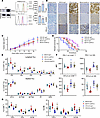 Figure 7
HVEM/BTLA blockade immunotherapy reactivates TME and produces antitumor activity against FXRhiPD-L1lo mouse LLC tumors. (A) Mouse LLC cells were infected with mock or FXR-overexpressed lentiviral constructs to establish stable cells. The protein levels of FXR were examined using Western blotting (left panels). Representative histograms and MFI quantifications for HVEM and PD-L1 membrane staining were analyzed using flow cytometry (middle and right graphs). Each experiment was conducted independently at least 3 times. Data are shown as mean ± SD from 3 biological replicates. (B–G) C57BL/6 mice were inoculated s.c. with 1 × 10⁶ FXR-overexpressed or mock LLC cells, and injected i.p. with 200 μg anti–mouse BTLA/CD272 or mouse IgG1 isotype control every 3 days when the tumors reached a volume of ~100 mm3. (B) Representative IHC pictures showing the expression of FXR, HVEM, and PD-L1 in mouse LLC tumors of each group (magnification, ×200). Nonspecific rabbit IgG was used as an isotype control antibody. Scale bar: 50 μm. (C) Tumor volume was measured every 3 days after drug treatment. (D) Kaplan-Meier curves indicating percent survivals among each group. In C and D, n = 10 mice/group. (E) The percentages of tumor-infiltrating CD3+ T cells, CD8+ cytotoxic T cells, CD4+ Th cells, NK cells, Tregs, CD11b+ cells, MHC-II+ M1-TAMs, CD206+ M2-TAMs, DCs, and MDSCs in CD45+ cells in each group were determined using flow cytometry. (F and G) Surface staining of PD-1 and BTLA (F), as well as intracellular staining of TNF-α, IFN-γ, and GzmB (G), in tumor-infiltrating CD8+ cytotoxic T cells and NK cells of each group were examined using flow cytometry. In E–G, n = 6 mice/group. Data are presented as mean ± SD. Statistical significance was assessed with Student t test (A), log-rank test (D), or 1-way ANOVA followed by Tukey’s post hoc test (C and E–G). *P < 0.05, **P < 0.01, ***P < 0.001, compared with mock group. †P < 0.05, ††P < 0.01, †††P < 0.001, compared with isotype control. TIL, tumor-infiltrating lymphocyte.
To clarify the mechanism underlying the antitumor activity of BTLA inhibition, we examined immune cells in the TME of mouse LLC tumors via flow cytometry (Supplemental Figure 7A). The data show that mouse LLC-FXR tumors displayed significantly lower numbers of lymphoid cells, including cytotoxic CD8+ T cells, CD4+ Th cells, and NK cells in comparison with mock LLC tumors (Figure 7E and Supplemental Figure 7B). In contrast, the Tregs were significantly increased in LLC-FXR tumors as compared with mock LLC tumors. Analysis of myeloid cells revealed significantly increased infiltration of CD11b+ cells and CD206+ M2 phenotype TAMs (M2-TAMs), and a trend of decreased infiltration of MHC-II+ M1 phenotype TAMs (M1-TAMs) in LLC-FXR tumors compared with the mock group. This indicated an M1-to-M2 TAM polarization. As expected, we detected significantly increased infiltrations of CD3+ T cells, CD4+ Th cells, cytotoxic CD8+ T cells, and NK cells in mouse LLC-FXR tumors after receiving anti-BTLA antibody (Figure 7E and Supplemental Figure 7B). Conversely, a significant decline in the frequency of Tregs was detected in anti-BTLA–treated mouse LLC-FXR tumors. BTLA blockade also increased the infiltrating CD3+ T cells, CD4+ T cells, and CD8+ T cells, and it decreased the number of Tregs in mouse LLC-Mock tumors but to a lower degree in comparison with LLC-FXR tumors. As for the myeloid cells, anti-BTLA treatment resulted in a trend of decreased infiltration of CD11b+ cells and M2-TAMs and increased infiltration of M1-TAMs in mouse LLC-FXR tumors. This implies a repolarization of TAMs from an M2 to M1 phenotype. In comparison, only decreased CD11b+ cells and MDSCs were observed in mouse LLC-Mock tumors following the treatment with anti-BTLA.
The molecule features of infiltrating immune cells from mouse LLC tumors were characterized. PD-1 and BTLA represent 2 key immune inhibitory checkpoints in tumor immune evasion (37). The results show that mouse LLC-FXR tumors had significantly higher frequencies of PD-1+ NK cells and BTLA+CD8+ cytotoxic T cells than LLC-Mock tumors (Figure 7F and Supplemental Figure 7C). We observed a trend toward increased, but not significant, expression of PD-1 on CD8+ T cells and expression of BTLA on NK cells in LLC-FXR tumors as compared with mock tumors. This indicates an exhausted status of these 2 tumoricidal effector cells. In addition, CD8+ T cells and NK cells from LLC-FXR tumors exhibited a depressed effector function, as evidenced by significantly reduced TNF-α and IFN-γ in CD8+ T cells, and significantly reduced TNF-α in NK cells as compared with those from LLC-Mock tumors (Figure 7G and Supplemental Figure 7, D and E). Notably, BTLA blockade led to a nonsignificant downregulation of PD-1 and BTLA in NK cells from mouse LLC-FXR tumors (Figure 7F and Supplemental Figure 7C). CD8+ T cells in anti-BTLA–treated LLC-FXR tumors had a weak downregulation of PD-1 and BTLA. Moreover, we detected a significant concordant upregulation of TNF-α and IFN-γ in CD8+ T cells as well as an upregulation of TNF-α in NK cells in mouse LLC-FXR tumors after receiving anti-BTLA antibody (Figure 7G and Supplemental Figure 7, D and E). There was also a trend toward decreased PD-1 and BTLA either in CD8+ T cells or in NK cells, as well as increased TNF-α, IFN-γ, and granzyme B (GzmB) in CD8+ T cells and NK cells. This effect was seen to a lesser degree in anti-BTLA–treated mouse LLC-Mock tumors (Figure 7, F and G, and Supplemental Figure 7, C–E). In combination, the above data suggest that FXR shapes an immunosuppressive TME in FXRhiPD-L1lo mouse LLC tumors, which is reactivated by the treatment of HVEM/BTLA blockade immunotherapy.


