
Research ArticleCell biologyVascular biology
Open Access |  10.1172/jci.insight.190089
NEXN regulates vascular smooth muscle cell phenotypic switching and neointimal hyperplasia
Zexuan Lin,1,2 Chaojie Wang,3 Zhuohua Wen,4 Zhaohui Cai,5 Wenjie Guo,1,2 Xin Feng,4 Zengyan Huang,6 Rongjun Zou,3 Xiaoping Fan,3 Canzhao Liu,1,2 and Hanyan Yang1,2
1Department of Cardiology, Laboratory of Heart Center, Translational Medicine Research Center, Zhujiang Hospital, Southern Medical University, Guangzhou, China.
2Guangdong Provincial Key Laboratory of Cardiac Function and Microcirculation, Guangdong Provincial Biomedical Engineering Technology Research Center for Cardiovascular Disease, Guangzhou, China.
3Department of Cardiovascular Surgery, Guangdong Provincial Hospital of Chinese Medicine, The Second Affiliated Hospital of Guangzhou University of Chinese Medicine, Guangzhou, China.
4Neurosurgery Center, Department of Cerebrovascular Surgery, Engineering Technology Research Center of Education Ministry of China on Diagnosis and Treatment of Cerebrovascular Disease, Zhujiang Hospital, Southern Medical University, Guangzhou, China.
5Department of Pharmacology, Zhongshan School of Medicine, Sun Yat-sen University, Guangzhou, China.
6Department of Traditional Chinese Medicine, Zhujiang Hospital, Southern Medical University, Guangzhou, China.
Address correspondence to: Hanyan Yang or Canzhao Liu, Department of Cardiology, Zhujiang Hospital, Southern Medical University, 253 Gongye Middle Avenue, Haizhu District, Guangzhou, Guangdong, China 510280. Email: hanyanyang58@163.com (HY); Email: liucanzhao@smu.edu.cn (CL). Or to: Xiaoping Fan, Department of Cardiovascular Surgery, Guangdong Provincial Hospital of Chinese Medicine, The Second Affiliated Hospital of Guangzhou University of Chinese Medicine, 55th Neihuan western road, Guangzhou 510120, Guangdong, China. Email: fukui-hanson@hotmail.com.
Authorship note: ZL, CW, and ZW contributed equally to this work as co–first authors.
Find articles by Lin, Z. in: PubMed | Google Scholar
1Department of Cardiology, Laboratory of Heart Center, Translational Medicine Research Center, Zhujiang Hospital, Southern Medical University, Guangzhou, China.
2Guangdong Provincial Key Laboratory of Cardiac Function and Microcirculation, Guangdong Provincial Biomedical Engineering Technology Research Center for Cardiovascular Disease, Guangzhou, China.
3Department of Cardiovascular Surgery, Guangdong Provincial Hospital of Chinese Medicine, The Second Affiliated Hospital of Guangzhou University of Chinese Medicine, Guangzhou, China.
4Neurosurgery Center, Department of Cerebrovascular Surgery, Engineering Technology Research Center of Education Ministry of China on Diagnosis and Treatment of Cerebrovascular Disease, Zhujiang Hospital, Southern Medical University, Guangzhou, China.
5Department of Pharmacology, Zhongshan School of Medicine, Sun Yat-sen University, Guangzhou, China.
6Department of Traditional Chinese Medicine, Zhujiang Hospital, Southern Medical University, Guangzhou, China.
Address correspondence to: Hanyan Yang or Canzhao Liu, Department of Cardiology, Zhujiang Hospital, Southern Medical University, 253 Gongye Middle Avenue, Haizhu District, Guangzhou, Guangdong, China 510280. Email: hanyanyang58@163.com (HY); Email: liucanzhao@smu.edu.cn (CL). Or to: Xiaoping Fan, Department of Cardiovascular Surgery, Guangdong Provincial Hospital of Chinese Medicine, The Second Affiliated Hospital of Guangzhou University of Chinese Medicine, 55th Neihuan western road, Guangzhou 510120, Guangdong, China. Email: fukui-hanson@hotmail.com.
Authorship note: ZL, CW, and ZW contributed equally to this work as co–first authors.
Find articles by Wang, C. in: PubMed | Google Scholar
1Department of Cardiology, Laboratory of Heart Center, Translational Medicine Research Center, Zhujiang Hospital, Southern Medical University, Guangzhou, China.
2Guangdong Provincial Key Laboratory of Cardiac Function and Microcirculation, Guangdong Provincial Biomedical Engineering Technology Research Center for Cardiovascular Disease, Guangzhou, China.
3Department of Cardiovascular Surgery, Guangdong Provincial Hospital of Chinese Medicine, The Second Affiliated Hospital of Guangzhou University of Chinese Medicine, Guangzhou, China.
4Neurosurgery Center, Department of Cerebrovascular Surgery, Engineering Technology Research Center of Education Ministry of China on Diagnosis and Treatment of Cerebrovascular Disease, Zhujiang Hospital, Southern Medical University, Guangzhou, China.
5Department of Pharmacology, Zhongshan School of Medicine, Sun Yat-sen University, Guangzhou, China.
6Department of Traditional Chinese Medicine, Zhujiang Hospital, Southern Medical University, Guangzhou, China.
Address correspondence to: Hanyan Yang or Canzhao Liu, Department of Cardiology, Zhujiang Hospital, Southern Medical University, 253 Gongye Middle Avenue, Haizhu District, Guangzhou, Guangdong, China 510280. Email: hanyanyang58@163.com (HY); Email: liucanzhao@smu.edu.cn (CL). Or to: Xiaoping Fan, Department of Cardiovascular Surgery, Guangdong Provincial Hospital of Chinese Medicine, The Second Affiliated Hospital of Guangzhou University of Chinese Medicine, 55th Neihuan western road, Guangzhou 510120, Guangdong, China. Email: fukui-hanson@hotmail.com.
Authorship note: ZL, CW, and ZW contributed equally to this work as co–first authors.
Find articles by Wen, Z. in: PubMed | Google Scholar
1Department of Cardiology, Laboratory of Heart Center, Translational Medicine Research Center, Zhujiang Hospital, Southern Medical University, Guangzhou, China.
2Guangdong Provincial Key Laboratory of Cardiac Function and Microcirculation, Guangdong Provincial Biomedical Engineering Technology Research Center for Cardiovascular Disease, Guangzhou, China.
3Department of Cardiovascular Surgery, Guangdong Provincial Hospital of Chinese Medicine, The Second Affiliated Hospital of Guangzhou University of Chinese Medicine, Guangzhou, China.
4Neurosurgery Center, Department of Cerebrovascular Surgery, Engineering Technology Research Center of Education Ministry of China on Diagnosis and Treatment of Cerebrovascular Disease, Zhujiang Hospital, Southern Medical University, Guangzhou, China.
5Department of Pharmacology, Zhongshan School of Medicine, Sun Yat-sen University, Guangzhou, China.
6Department of Traditional Chinese Medicine, Zhujiang Hospital, Southern Medical University, Guangzhou, China.
Address correspondence to: Hanyan Yang or Canzhao Liu, Department of Cardiology, Zhujiang Hospital, Southern Medical University, 253 Gongye Middle Avenue, Haizhu District, Guangzhou, Guangdong, China 510280. Email: hanyanyang58@163.com (HY); Email: liucanzhao@smu.edu.cn (CL). Or to: Xiaoping Fan, Department of Cardiovascular Surgery, Guangdong Provincial Hospital of Chinese Medicine, The Second Affiliated Hospital of Guangzhou University of Chinese Medicine, 55th Neihuan western road, Guangzhou 510120, Guangdong, China. Email: fukui-hanson@hotmail.com.
Authorship note: ZL, CW, and ZW contributed equally to this work as co–first authors.
Find articles by Cai, Z. in: PubMed | Google Scholar
1Department of Cardiology, Laboratory of Heart Center, Translational Medicine Research Center, Zhujiang Hospital, Southern Medical University, Guangzhou, China.
2Guangdong Provincial Key Laboratory of Cardiac Function and Microcirculation, Guangdong Provincial Biomedical Engineering Technology Research Center for Cardiovascular Disease, Guangzhou, China.
3Department of Cardiovascular Surgery, Guangdong Provincial Hospital of Chinese Medicine, The Second Affiliated Hospital of Guangzhou University of Chinese Medicine, Guangzhou, China.
4Neurosurgery Center, Department of Cerebrovascular Surgery, Engineering Technology Research Center of Education Ministry of China on Diagnosis and Treatment of Cerebrovascular Disease, Zhujiang Hospital, Southern Medical University, Guangzhou, China.
5Department of Pharmacology, Zhongshan School of Medicine, Sun Yat-sen University, Guangzhou, China.
6Department of Traditional Chinese Medicine, Zhujiang Hospital, Southern Medical University, Guangzhou, China.
Address correspondence to: Hanyan Yang or Canzhao Liu, Department of Cardiology, Zhujiang Hospital, Southern Medical University, 253 Gongye Middle Avenue, Haizhu District, Guangzhou, Guangdong, China 510280. Email: hanyanyang58@163.com (HY); Email: liucanzhao@smu.edu.cn (CL). Or to: Xiaoping Fan, Department of Cardiovascular Surgery, Guangdong Provincial Hospital of Chinese Medicine, The Second Affiliated Hospital of Guangzhou University of Chinese Medicine, 55th Neihuan western road, Guangzhou 510120, Guangdong, China. Email: fukui-hanson@hotmail.com.
Authorship note: ZL, CW, and ZW contributed equally to this work as co–first authors.
Find articles by Guo, W. in: PubMed | Google Scholar
1Department of Cardiology, Laboratory of Heart Center, Translational Medicine Research Center, Zhujiang Hospital, Southern Medical University, Guangzhou, China.
2Guangdong Provincial Key Laboratory of Cardiac Function and Microcirculation, Guangdong Provincial Biomedical Engineering Technology Research Center for Cardiovascular Disease, Guangzhou, China.
3Department of Cardiovascular Surgery, Guangdong Provincial Hospital of Chinese Medicine, The Second Affiliated Hospital of Guangzhou University of Chinese Medicine, Guangzhou, China.
4Neurosurgery Center, Department of Cerebrovascular Surgery, Engineering Technology Research Center of Education Ministry of China on Diagnosis and Treatment of Cerebrovascular Disease, Zhujiang Hospital, Southern Medical University, Guangzhou, China.
5Department of Pharmacology, Zhongshan School of Medicine, Sun Yat-sen University, Guangzhou, China.
6Department of Traditional Chinese Medicine, Zhujiang Hospital, Southern Medical University, Guangzhou, China.
Address correspondence to: Hanyan Yang or Canzhao Liu, Department of Cardiology, Zhujiang Hospital, Southern Medical University, 253 Gongye Middle Avenue, Haizhu District, Guangzhou, Guangdong, China 510280. Email: hanyanyang58@163.com (HY); Email: liucanzhao@smu.edu.cn (CL). Or to: Xiaoping Fan, Department of Cardiovascular Surgery, Guangdong Provincial Hospital of Chinese Medicine, The Second Affiliated Hospital of Guangzhou University of Chinese Medicine, 55th Neihuan western road, Guangzhou 510120, Guangdong, China. Email: fukui-hanson@hotmail.com.
Authorship note: ZL, CW, and ZW contributed equally to this work as co–first authors.
Find articles by Feng, X. in: PubMed | Google Scholar
1Department of Cardiology, Laboratory of Heart Center, Translational Medicine Research Center, Zhujiang Hospital, Southern Medical University, Guangzhou, China.
2Guangdong Provincial Key Laboratory of Cardiac Function and Microcirculation, Guangdong Provincial Biomedical Engineering Technology Research Center for Cardiovascular Disease, Guangzhou, China.
3Department of Cardiovascular Surgery, Guangdong Provincial Hospital of Chinese Medicine, The Second Affiliated Hospital of Guangzhou University of Chinese Medicine, Guangzhou, China.
4Neurosurgery Center, Department of Cerebrovascular Surgery, Engineering Technology Research Center of Education Ministry of China on Diagnosis and Treatment of Cerebrovascular Disease, Zhujiang Hospital, Southern Medical University, Guangzhou, China.
5Department of Pharmacology, Zhongshan School of Medicine, Sun Yat-sen University, Guangzhou, China.
6Department of Traditional Chinese Medicine, Zhujiang Hospital, Southern Medical University, Guangzhou, China.
Address correspondence to: Hanyan Yang or Canzhao Liu, Department of Cardiology, Zhujiang Hospital, Southern Medical University, 253 Gongye Middle Avenue, Haizhu District, Guangzhou, Guangdong, China 510280. Email: hanyanyang58@163.com (HY); Email: liucanzhao@smu.edu.cn (CL). Or to: Xiaoping Fan, Department of Cardiovascular Surgery, Guangdong Provincial Hospital of Chinese Medicine, The Second Affiliated Hospital of Guangzhou University of Chinese Medicine, 55th Neihuan western road, Guangzhou 510120, Guangdong, China. Email: fukui-hanson@hotmail.com.
Authorship note: ZL, CW, and ZW contributed equally to this work as co–first authors.
Find articles by Huang, Z. in: PubMed | Google Scholar
1Department of Cardiology, Laboratory of Heart Center, Translational Medicine Research Center, Zhujiang Hospital, Southern Medical University, Guangzhou, China.
2Guangdong Provincial Key Laboratory of Cardiac Function and Microcirculation, Guangdong Provincial Biomedical Engineering Technology Research Center for Cardiovascular Disease, Guangzhou, China.
3Department of Cardiovascular Surgery, Guangdong Provincial Hospital of Chinese Medicine, The Second Affiliated Hospital of Guangzhou University of Chinese Medicine, Guangzhou, China.
4Neurosurgery Center, Department of Cerebrovascular Surgery, Engineering Technology Research Center of Education Ministry of China on Diagnosis and Treatment of Cerebrovascular Disease, Zhujiang Hospital, Southern Medical University, Guangzhou, China.
5Department of Pharmacology, Zhongshan School of Medicine, Sun Yat-sen University, Guangzhou, China.
6Department of Traditional Chinese Medicine, Zhujiang Hospital, Southern Medical University, Guangzhou, China.
Address correspondence to: Hanyan Yang or Canzhao Liu, Department of Cardiology, Zhujiang Hospital, Southern Medical University, 253 Gongye Middle Avenue, Haizhu District, Guangzhou, Guangdong, China 510280. Email: hanyanyang58@163.com (HY); Email: liucanzhao@smu.edu.cn (CL). Or to: Xiaoping Fan, Department of Cardiovascular Surgery, Guangdong Provincial Hospital of Chinese Medicine, The Second Affiliated Hospital of Guangzhou University of Chinese Medicine, 55th Neihuan western road, Guangzhou 510120, Guangdong, China. Email: fukui-hanson@hotmail.com.
Authorship note: ZL, CW, and ZW contributed equally to this work as co–first authors.
Find articles by Zou, R. in: PubMed | Google Scholar
1Department of Cardiology, Laboratory of Heart Center, Translational Medicine Research Center, Zhujiang Hospital, Southern Medical University, Guangzhou, China.
2Guangdong Provincial Key Laboratory of Cardiac Function and Microcirculation, Guangdong Provincial Biomedical Engineering Technology Research Center for Cardiovascular Disease, Guangzhou, China.
3Department of Cardiovascular Surgery, Guangdong Provincial Hospital of Chinese Medicine, The Second Affiliated Hospital of Guangzhou University of Chinese Medicine, Guangzhou, China.
4Neurosurgery Center, Department of Cerebrovascular Surgery, Engineering Technology Research Center of Education Ministry of China on Diagnosis and Treatment of Cerebrovascular Disease, Zhujiang Hospital, Southern Medical University, Guangzhou, China.
5Department of Pharmacology, Zhongshan School of Medicine, Sun Yat-sen University, Guangzhou, China.
6Department of Traditional Chinese Medicine, Zhujiang Hospital, Southern Medical University, Guangzhou, China.
Address correspondence to: Hanyan Yang or Canzhao Liu, Department of Cardiology, Zhujiang Hospital, Southern Medical University, 253 Gongye Middle Avenue, Haizhu District, Guangzhou, Guangdong, China 510280. Email: hanyanyang58@163.com (HY); Email: liucanzhao@smu.edu.cn (CL). Or to: Xiaoping Fan, Department of Cardiovascular Surgery, Guangdong Provincial Hospital of Chinese Medicine, The Second Affiliated Hospital of Guangzhou University of Chinese Medicine, 55th Neihuan western road, Guangzhou 510120, Guangdong, China. Email: fukui-hanson@hotmail.com.
Authorship note: ZL, CW, and ZW contributed equally to this work as co–first authors.
Find articles by Fan, X. in: PubMed | Google Scholar
1Department of Cardiology, Laboratory of Heart Center, Translational Medicine Research Center, Zhujiang Hospital, Southern Medical University, Guangzhou, China.
2Guangdong Provincial Key Laboratory of Cardiac Function and Microcirculation, Guangdong Provincial Biomedical Engineering Technology Research Center for Cardiovascular Disease, Guangzhou, China.
3Department of Cardiovascular Surgery, Guangdong Provincial Hospital of Chinese Medicine, The Second Affiliated Hospital of Guangzhou University of Chinese Medicine, Guangzhou, China.
4Neurosurgery Center, Department of Cerebrovascular Surgery, Engineering Technology Research Center of Education Ministry of China on Diagnosis and Treatment of Cerebrovascular Disease, Zhujiang Hospital, Southern Medical University, Guangzhou, China.
5Department of Pharmacology, Zhongshan School of Medicine, Sun Yat-sen University, Guangzhou, China.
6Department of Traditional Chinese Medicine, Zhujiang Hospital, Southern Medical University, Guangzhou, China.
Address correspondence to: Hanyan Yang or Canzhao Liu, Department of Cardiology, Zhujiang Hospital, Southern Medical University, 253 Gongye Middle Avenue, Haizhu District, Guangzhou, Guangdong, China 510280. Email: hanyanyang58@163.com (HY); Email: liucanzhao@smu.edu.cn (CL). Or to: Xiaoping Fan, Department of Cardiovascular Surgery, Guangdong Provincial Hospital of Chinese Medicine, The Second Affiliated Hospital of Guangzhou University of Chinese Medicine, 55th Neihuan western road, Guangzhou 510120, Guangdong, China. Email: fukui-hanson@hotmail.com.
Authorship note: ZL, CW, and ZW contributed equally to this work as co–first authors.
Find articles by Liu, C. in: PubMed | Google Scholar
1Department of Cardiology, Laboratory of Heart Center, Translational Medicine Research Center, Zhujiang Hospital, Southern Medical University, Guangzhou, China.
2Guangdong Provincial Key Laboratory of Cardiac Function and Microcirculation, Guangdong Provincial Biomedical Engineering Technology Research Center for Cardiovascular Disease, Guangzhou, China.
3Department of Cardiovascular Surgery, Guangdong Provincial Hospital of Chinese Medicine, The Second Affiliated Hospital of Guangzhou University of Chinese Medicine, Guangzhou, China.
4Neurosurgery Center, Department of Cerebrovascular Surgery, Engineering Technology Research Center of Education Ministry of China on Diagnosis and Treatment of Cerebrovascular Disease, Zhujiang Hospital, Southern Medical University, Guangzhou, China.
5Department of Pharmacology, Zhongshan School of Medicine, Sun Yat-sen University, Guangzhou, China.
6Department of Traditional Chinese Medicine, Zhujiang Hospital, Southern Medical University, Guangzhou, China.
Address correspondence to: Hanyan Yang or Canzhao Liu, Department of Cardiology, Zhujiang Hospital, Southern Medical University, 253 Gongye Middle Avenue, Haizhu District, Guangzhou, Guangdong, China 510280. Email: hanyanyang58@163.com (HY); Email: liucanzhao@smu.edu.cn (CL). Or to: Xiaoping Fan, Department of Cardiovascular Surgery, Guangdong Provincial Hospital of Chinese Medicine, The Second Affiliated Hospital of Guangzhou University of Chinese Medicine, 55th Neihuan western road, Guangzhou 510120, Guangdong, China. Email: fukui-hanson@hotmail.com.
Authorship note: ZL, CW, and ZW contributed equally to this work as co–first authors.
Find articles by Yang, H. in: PubMed | Google Scholar
Published May 29, 2025 - More info
JCI Insight. 2025;10(13):e190089. https://doi.org/10.1172/jci.insight.190089.
© 2025 Lin et al. This work is licensed under the Creative Commons Attribution 4.0 International License. To view a copy of this license, visit http://creativecommons.org/licenses/by/4.0/.
Received: December 10, 2024; Accepted: May 21, 2025


-
Results
Integrative transcriptomics data analysis identifies candidate genes potentially associated with VSMC phenotypic switching. To identify candidate genes associated with the cellular heterogeneity of VSMCs during vascular injury, we analyzed single-cell transcriptomic data from injured mouse femoral arteries (GSE182232) (17). The dataset included samples from sham-operated mice and mice subjected to wire-induced injury for 2 or 4 weeks. After quality control, we obtained 24,962 cells and grouped them into 19 clusters through unsupervised clustering using Seurat (Supplemental Figure 1, A and B; supplemental material available online with this article; https://doi.org/10.1172/jci.insight.190089DS1), consistent with the original study (17). Among these, 4 clusters were identified as VSMCs, which were specially enriched for classical contractile genes including myosin heavy chain 11 (MYH11); actin alpha 2, smooth muscle (ACTA2); and transgelin (TAGLN) (Supplemental Figure 1B). These 4 clusters comprised 5,990 cells. We then calculated a contraction score for each single cell based on these contractile gene signatures.
We ranked 595 genes expressed in at least 20% of VSMCs by their correlation coefficients with the contraction score, estimated using linear mixed effects model adjusted for housekeeping genes and including mouse samples as a random effect term. Applying a stringent statistical threshold (adjusted P < 0.05 and correlation coefficients > 0.2 or < –0.2), we identified 31 genes positively correlated and 49 negatively correlated with contraction scores (Figure 1A). Among these, 17 positively correlated genes were significantly downregulated and 16 negatively correlated genes were upregulated after wire-induced injury of the femoral arteries compared with sham-operated controls (adjusted P < 0.05 and |log2FC| > 1; Figure 1A).
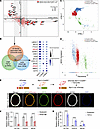 Figure 1
Integrative transcriptomics data analysis predicts candidate proteins associated with the VSMC phenotype. (A) Genes expressed in at least 20% of VSMCs, showing correlation coefficients with contraction scores and the log2(fold-change) (log2FC) after wire-induced femoral artery injury compared with sham-operated controls. Genes with adjusted P < 0.05 and correlation coefficients > 0.2 or < –0.2 are highlighted in red. (B) Left, Venn diagram illustrating the overlap of 13 candidate genes significantly correlated with contraction scores and differentially expressed in TGF-β–treated or PDGF-BB–treated rat VSMCs. Right, expression of these 13 candidate genes at different time points in femoral arteries (sham-operated, 2-week wire-induced injury, or 4-week wire-induced injury). DEGs, differentially expressed genes. (C) Trajectory analysis of reclustered VSMCs differentially enriched for contractile and synthetic markers as shown in Supplemental Figure 1C. (D) NEXN expression along the pseudotime trajectory of VSMC clusters. (E) Upper, strategy for generating Myh11-Cre/ERT2 R26-tdTomato mice. Lower, representative immunofluorescence images of NEXN (green), tdTomato (red), and ACTA2 (white) in the normal carotid artery of Myh11-Cre/ERT2 tdTomato mice. Scale bar: 100 μm. (F and G) Quantitative real-time PCR (qRT-PCR) was conducted to measure the mRNA levels of NEXN, ACTA2, and TAGLN in HASMCs treated with PDGF-BB (F) or TGF-β (G) for 24 hours. n = 4 for each group. Data are represented as mean ± SEM. Statistical analyses were performed using unpaired, 2-tailed Student’s t test. ***P < 0.001, ****P < 0.0001 for indicated comparisons.
To further validate the changes in candidate genes associated with VSMCsʼ phenotypic switching, we compared our findings with differential gene expression data from TGF-β–treated and PDGF-BB–treated rat VSMCs provided in the study by Wei et al. (18). We found that 13 of out candidate genes overlapped with 2,388 upregulated and 2,429 downregulated genes from these treatments (Figure 1B). Among these 13 genes, LMOD1, MYL9, PTGIS, HSPB1, CNN1, OGN, MYLK, CXCL12, APOE, MMP2, and CD74 are well-established markers associated with VSMC phenotypic switching. The remaining 2 genes, NEXN and SRGN, are less characterized in this context. To further characterize NEXN expression across VSMC lineages, we reclustered the VSMC population into 3 groups: contractile VSMCs, dedifferentiated VSMCs, and synthetic/proliferative VSMCs, based on their enrichment for contractile and synthetic gene signatures (Supplemental Figure 1C). Using the unsupervised inference method Monocle, we identified a clear directional trajectory where contractile VSMCs were positioned at the opposite end of the synthetic/proliferative clusters (Figure 1C). Along this trajectory, NEXN expression decreased from the quiescent contractile state toward the synthetic/proliferative state (Figure 1D), suggesting a strong association between NEXN expression and VSMC phenotypic switching.
To validate the localization and expression of NEXN mouse vessels, we found that NEXN was mainly localized to VSMCs within the media layer of mouse arteries using the Myh11-Cre/ERT2 Rosa26-tdTomato (Myh11-Cre/ERT2 tdTomato) lineage-tracing mice (Figure 1E). Subsequent quantitative reverse transcription PCR (qRT-PCR) analysis revealed a decrease in NEXN mRNA levels alongside VSMC contractile markers following PDGF-BB stimulation in HASMCs (Figure 1F). Conversely, HASMCs treated with TGF-β exhibited increased mRNA levels of both NEXN and contractile markers (Figure 1G). These integrative transcriptomics analyses and lineage-tracing results further support the role of NEXN as a critical regulatory factor in VSMC phenotypic transition.
NEXN reduction correlates with VSMC phenotypic switching and neointimal hyperplasia. Western blot analysis revealed an increase in NEXN protein levels in HASMCs treated with TGF-β (Figure 2A). In contrast, PDGF-BB treatment significantly downregulated NEXN expression, consistent with the transdifferentiation status of VSMCs and the observed changes in contractile marker expression (Figure 2B). Notably, we verified a pronounced reduction in NEXN protein levels in mouse carotid arteries at 28 days following wire-induced injury compared with sham-operated arteries. This reduction was associated with decreased expression of contractile markers in VSMCs and an expansion of neointimal areas (Figure 2, C and D). To investigate our understanding of cellular alterations of NEXN during intimal hyperplasia following vascular injury, we utilized VSMC lineage-tracing Myh11-Cre/ERT2 tdTomato mice to establish a carotid artery guide wire injury model. Immunostaining of NEXN, ACTA2, and tdTomato in the carotid arteries of Myh11-Cre/ERT2 tdTomato mice revealed that, in the injured carotid arteries, tdTomato positivity and ACTA2 low-expression regions consisted of synthetic VSMCs, which exhibited lower NEXN expression levels compared with uninjured carotid arteries (Figure 2E). Consistently, immunofluorescence analysis revealed a substantial decrease in NEXN expression in stented human arteries compared with control human arteries (Figure 2F). These findings suggest that downregulation of NEXN is associated with VSMC phenotypic switching and contributes to neointimal hyperplasia.
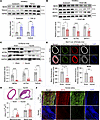 Figure 2
The expression of NEXN is significantly diminished during the processes of VSMC phenotypic switching and neointimal hyperplasia. (A and B) Immunoblotting and quantification of NEXN and the VSMC contractile proteins (ACTA2, TAGLN, and MYH11) in lysates of HASMCs treated with 10 ng/mL TGF-β for 24 hours (A) or 20 ng/mL PDGF-BB for 24 hours (B). n = 4 for each group. (C) Representative Western blotting and quantification of NEXN and the VSMC contractile proteins (ACTA2 and TAGLN) in the lysates extracted from sham-operated or wire-injured carotid arteries of C57BL/6J mice. n = 8 for each group. (D) Upper, representative cross sections of H&E-stained sham-operated and wire-injured carotid arteries from C57BJ/6L mice. Scale bar: 100 μm. Lower, quantitative analysis of the neointima area and media area in histological staining sections. n = 8 for each group. (E) Representative immunofluorescence images and quantification of NEXN (green), tdTomato (red), and ACTA2 (white) in the sham or injured carotid arteries of Myh11-CreERT2 tdTomato mice. Scale bar: 100 μm. n = 3 for each group. (F) Representative immunofluorescence images of NEXN (red) and ACTA2 (green) in control (Ctrl) human artery and stented human artery. Scale bar: 100 μm. Data are represented as mean ± SEM. Statistical analyses were performed using unpaired, 2-tailed Student’s t tests. *P < 0.05, **P < 0.01, ***P < 0.001, ****P < 0.0001 for indicated comparisons.
NEXN maintains the contractile phenotype of VSMCs in vitro. VSMCs exhibit significant phenotypic modulation, ranging from a contractile state in quiescent mature arteries to a proliferative and synthetic state in neointimal hyperplasia. To investigate the effects of elevated NEXN levels on VSMC phenotype, we employed NEXN adenovirus to overexpress NEXN in HASMCs (Supplemental Figure 2). NEXN overexpression attenuated PDGF-BB–induced VSMC phenotypic switching, as evidenced by an increase in the mRNA and protein levels of contractile markers (Figure 3, A–C). In a scratch wound–healing assay, NEXN overexpression significantly inhibited the migration of VSMCs, both in resting and in PDGF-BB–stimulated HASMCs (Figure 3D). F-actin staining revealed that NEXN overexpression increased F-actin levels in resting VSMCs. It also counteracted the decrease in F-actin levels caused by PDGF-BB stimulation, thus maintaining the contractile phenotype (Figure 3, E and F). These findings indicate that increased NEXN plays a protective role in maintaining the contractile phenotype of VSMCs.
 Figure 3
NEXN maintains the contractile phenotype of VSMCs in vitro. (A and B) Immunoblotting (A) and quantification (B) of the VSMC contractile proteins (ACTA2, CNN1, and MYH11) and NEXN in lysates of HASMCs preinfected with CTRL (control), VEC (vector), or NEXN adenovirus (Ad-NEXN) treated with PDGF-BB for 24 hours. n = 5 for each group. (C) qRT-PCR analysis of mRNA levels of VSMC contractile marker (ACTA2 and CNN1) in VEC- or Ad-NEXN–preinfected HASMCs treated with PDGF-BB for 24 hours. n = 6 for each group. (D) Representative images and quantitative analysis of scratch wound–healing analysis for HASMCs preinfected with VEC or Ad-NEXN stimulated with PDGF-BB for 24 hours. Images were taken at 0, 6, and 16 hours after scratching and PDGF-BB stimulating. Scale bar: 500 μm. n = 5 for each group. (E) Representative immunofluorescence images and (F) quantification of F-actin (red) stained with phalloidin in HASMCs preinfected with VEC or Ad-NEXN for 48 hours followed by PDGF-BB treatment for another 24 hours. Scale bar: 20 μm. n = 5 for each group. Data are represented as mean ± SEM. Statistical analyses were performed using unpaired, 2-tailed Student’s t tests (C, D, and F) or 1-way ANOVA (B). *P < 0.05, **P < 0.01, ***P < 0.001, ****P < 0.0001 for indicated comparisons.
NEXN silencing exacerbates the phenotypic switching of VSMCs in vitro. Next, we investigated the effects of NEXN silencing on VSMC phenotypic transition using small interfering RNA (siRNA) targeting NEXN (Supplemental Figure 3). Knockdown of NEXN induced a switch from a contractile to a synthetic phenotype in both resting and PDGF-BB–stimulated HASMCs, as evidenced by decreased expression of contractile phenotype markers, such as MYH11, ACTA2, CNN1, and TAGLN (Figure 4, A–C). Meanwhile, in vitro scratch assays were performed to investigate the role of NEXN in VSMC migration in response to PDGF-BB. Our results showed that NEXN deletion enhanced the migration of VSMCs induced by PDGF-BB (Figure 4D). F-actin staining demonstrated that silencing NEXN reduced F-actin levels and promoted a phenotypic switch in VSMCs from an elongated contractile phenotype to a polygonal synthetic phenotype (Figure 4E). Collectively, these findings suggest that NEXN is both necessary and sufficient for maintaining the contractile phenotype of VSMCs in vitro.
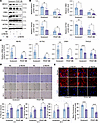 Figure 4
NEXN knockdown in VSMCs aggravates VSMCsʼ phenotypic switching in vitro. (A and B) Immunoblotting (A) and quantification (B) of the VSMC contractile proteins (MYH11, CNN1, TAGLN, and ACTA2) in lysates of HASMCs pretransfected with NC (negative control) or NEXN siRNA (si-NEXN) treated with PDGF-BB for 24 hours. n = 5 for each group. (C) qRT-PCR analysis of mRNA levels of VSMC contractile markers (MYH11, CNN1, TAGLN, and ACTA2) in NC- or si-NEXN–preinfected HASMCs treated with PDGF-BB for 24 hours. n = 5 for each group. (D) Representative images and quantitative analysis of scratch wound–healing analysis for HASMCs pretransfected with NC or si-NEXN stimulated with PDGF-BB for 24 hours. Images were taken at 0, 6, 12, and 24 hours after scratching and PDGF-BB stimulating. Scale bar: 500 μm. n = 5 for each group. (E) Representative immunofluorescence images and quantification of F-actin (red) stained with phalloidin in HASMCs transfected with NC or si-NEXN for 48 hours followed by PDGF-BB for another 24 hours. Scale bar: 20 μm. n = 5 for each group. Data are represented as mean ± SEM. Statistical analyses were performed using unpaired, 2-tailed Student’s t tests. *P < 0.05, **P < 0.01, ***P < 0.001, ****P < 0.0001 for indicated comparisons.
NEXN deficiency in VSMCs exacerbates postinjury neointima formation in vivo. To further evaluate the involvement of NEXN in VSMC phenotypic transition and subsequent neointima formation in vivo, Nexn-floxed (Nexnfl/fl) mice were generated and interbred with Myh11-Cre/ERT2 mice to produce Nexn smooth muscle–specific knockout mice with tamoxifen-inducible deletion, termed NexnismKO mice (Figure 5A). Western blot analysis confirmed that Nexn expression in the aorta was specifically eliminated in NexnismKO mice compared with Ctrl mice (Figure 5B).
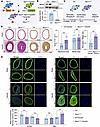 Figure 5
VSMC-specific deletion of NEXN aggravates neointima formation following vascular injury in mice. (A) Strategy for generating NexnismKO mice by crossing Nexnfl/fl mice with Myh11-Cre/ERT2 mice. (B) Immunoblotting and quantification of the knockout efficiency of NEXN in the aorta of Ctrl and NexnismKO mice. n = 6 for each group. (C) Schematic timeline of tamoxifen treatment and carotid artery wire injury model. (D) Left, representative cross sections of H&E- and VVG-stained sham-operated and wire-injured carotid arteries from the Ctrl and NexnismKO mice. Scale bar: 100 μm. Right, quantitative analysis of the neointima area, media area, and neointima area to medial area ratio in histological staining sections. n = 8 for each group. (E) Immunostaining and quantification of the VSMC contractile protein (ACTA2) and synthetic protein (vimentin, VIM) on sections of uninjured right common carotid artery or injured left common carotid artery from the Ctrl and NexnismKO mice. Scale bar: 100 μm. n = 5 for each group. Data are represented as mean ± SEM. Statistical analyses were performed using unpaired, 2-tailed Student’s t tests. ***P < 0.001, ****P < 0.0001 for indicated comparisons.
To investigate the impact of Nexn deficiency on arterial neointima formation, NexnismKO and Ctrl mice were subjected to left common carotid artery wire injury following tamoxifen administration. The right common carotid artery served as the sham operation group, undergoing no surgical intervention. The common carotid arteries were harvested 28 days after surgery (Figure 5C). Hematoxylin-eosin (H&E) and Verhoeff–Van Gieson (VVG) staining of serial cross sections of the left injured carotid artery and the right uninjured carotid artery revealed a significantly increased neointima area and neointima/media ratio in NexnismKO mice compared with Ctrl mice (Figure 5D). However, there was no difference in the media area between NexnismKO mice and Ctrl mice (Figure 5D). Immunostaining showed a reduction in the contractile protein ACTA2 and an increase in the synthetic protein VIM in the medial and neointimal layers of carotid arteries from NexnismKO mice compared with those from Ctrl mice (Figure 5E). These findings are consistent with the in vitro data, indicating that VSMC-specific deletion of NEXN in mice exacerbates the development and severity of postinjury neointima formation.
NEXN is primarily involved in regulating ER stress and cell cycle progression during phenotypic switching of VSMCs. To elucidate the role of NEXN in VSMC phenotypic switching and postinjury neointima formation, we performed bulk RNA-Seq of PDGF-BB–stimulated HASMCs transfected with NC and NEXN siRNA. The high quality of the RNA-Seq was evidenced by the reproducibility between independent experiments (Supplemental Figure 4A). DEGs were identified with a |log2FC|>1 (FC > 2 or < 0.5) and a P < 0.05. Our research identified significant alterations in gene expression profiles between si-NEXN+PDGF-BB and NC+PDGF-BB HASMCs. Specifically, 150 genes were upregulated, while 197 genes were downregulated in si-NEXN+PDGF-BB HASMCs compared with NC+PDGF-BB (Supplemental Figure 4B). Functional annotation of DEGs was performed using gene ontology biological processes (GOBPs) analysis and Kyoto Encyclopedia of Genes and Genomes (KEGG) pathway analysis. GOBPs analysis revealed that the DEGs were primarily enriched in the following biological processes: GPCR signaling pathway, regulation of DNA-templated transcription, cell differentiation, and cell cycle (Figure 6A). KEGG analysis indicated significant enrichment of DEGs in pyrimidine metabolism, purine metabolism, the Hippo signaling pathway, and protein processing in the ER (Figure 6A). To further investigate the molecular mechanisms by which NEXN regulates the phenotypic switching of VSMCs, we performed the overall analysis for gene set enrichment analysis–based (GSEA-based) GO analysis (Supplemental Table 6). Among these, DNA replication-dependent chromatin organization plays a crucial role in regulating the phenotype of VSMCs (19, 20). Figure 6, B and C, revealed that interfering with NEXN significantly inhibited vascular associated smooth muscle contraction while promoting DNA replication-dependent chromatin organization in PDGF-BB–stimulated HASMCs, compared with the NC group. The ER occupies a unique position because of its proximity to the nucleus, which is essential for coordinating cellular events, such as protein synthesis and cell cycle processes (21–23). The cell cycle is dispensable for the migration and proliferation of VSMCs involved in proliferative vascular diseases such as in-stent restenosis and atherosclerosis. Based on unbiased RNA-Seq data and our previous studies, we hypothesize that NEXN deficiency induces ER stress, leading to enhanced proliferation of VSMCs and exacerbating the phenotypic switch that contributes to intimal hyperplasia.
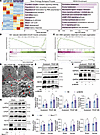 Figure 6
NEXN knockdown in VSMCs augments ER stress, modulating the VSMC phenotype via the ATF4/Krüppel-like factor 4 signaling axis. (A) GOBPs and KEGG enrichment analysis of DEGs in NC- or si-NEXN–pretransfected HASMCs treated with PDGF-BB. n = 3 for each group. (B) GSEA-based GO analysis enrichment plots of vascular associated smooth muscle contraction. (C) GSEA-based GO analysis enrichment plots of DNA replication-dependent chromatin organization. (D) Transmission electron microscopy images of VEC- or Ad-NEXN–preinfected HASMCs treated with PDGF-BB. Arrows indicate the ER. Scale bar: top = 5 μm; bottom = 1 μm. (E) Immunoblotting and quantification of ER stress indicators (ATF4 and CHOP) in lysates of NC or si-NEXN pretransfected HASMCs treated with PDGF-BB for 24 hours. n = 6 for each group. KLF4, Krüppel-like factor 4. (F) Immunoblotting and quantification of KLF4 in lysates of NC- or si-NEXN–pretransfected HASMCs treated with PDGF-BB for 24 hours. n = 3 for each group. (G and H) Immunoblotting (G) and quantification (H) of ER stress indicators (ATF4 and CHOP) and KLF4 expression in lysates prepared from either sham-operated right common carotid arteries or injured left common carotid arteries of Ctrl and NexnismKO mice. n = 6 for each group. Data are represented as mean ± SEM. Statistical analyses were performed using unpaired, 2-tailed Student’s t tests. *P < 0.05, **P < 0.01 for indicated comparisons.
ER stress is characterized by increased expression of ER stress markers and abnormal ER morphology. To further elucidate the impact of NEXN on ER function, we employed transmission electron microscopy (TEM) to examine the morphology of PDGF-BB–stimulated HASMCs transfected with VEC and NEXN adenoviruses. TEM revealed markedly enhanced ER stress in PDGF-BB–stimulated HASMCs, as evidenced by more extensive and abundant expansion of the ER membrane. Overexpression of NEXN markedly attenuated PDGF-BB–induced ER stress, resulting in reduced ER expansion, diminished membrane vesicles, and improved membrane integrity (Figure 6D). We also analyzed ER stress signaling in both resting and PDGF-BB–stimulated HASMCs using immunoblotting. Our findings revealed that NEXN knockdown significantly elevated the levels of ER stress indicators activating transcription factor 4 (ATF4) and DNA-damage inducible transcript 3 (CHOP, also known as DDIT3) (Figure 6E). Kaw et al. demonstrated that augmented ER stress modulates VSMCsʼ phenotype via the ATF4/KLF4 signaling axis (24). Correspondingly, we also found that interfering with NEXN could significantly increase the expression of KLF4 in resting conditions and during PDGF-BB stimulation in HASMCs (Figure 6F). Furthermore, we validated the role of NEXN in regulating VSMCsʼ phenotypic switching via the ATF4/KLF4 signaling axis in the carotid artery wire injury model using NEXN VSMC-specific knockout and control mice. Our results demonstrate that VSMC-specific deletion of NEXN significantly elevated the levels of ER stress markers, including ATF4 and CHOP, as well as the expression of KLF4, in both sham-operated and injured common carotid arteries (Figure 6, G and H). These findings provide strong in vivo evidence supporting the molecular mechanisms by which NEXN regulates VSMCsʼ phenotypic switching and postinjury neointima formation via the ATF4/KLF4 signaling axis.
We used flow cytometry to investigate the effect of NEXN on the cell cycle of VSMCs. The results demonstrated that NEXN overexpression (Ad-NEXN) markedly reduced the S phase cell population in both resting and PDGF-BB–stimulated HASMCs compared with the VEC group (Figure 7A). Conversely, NEXN knockdown (si-NEXN) led to the accumulation of cell populations in S phase, accompanied by a decrease in the G0/G1 population compared with the NC group (Figure 7B). The precise transition from the G1 phase to the S phase of the cell cycle is crucial for regulating eukaryotic cell proliferation. To determine whether NEXN regulates VSMCs proliferation, we performed 5-ethynyl-2′-deoxyuridine (EdU) cell proliferation assays. NEXN overexpression reduced the proliferation of both quiescent and PDGF-BB–stimulated HASMCs (Figure 7C). In contrast, NEXN knockdown increased the percentage of EdU-positive cells in both quiescent and PDGF-BB–treated HASMCs (Figure 7D). These data provide compelling evidence that NEXN plays a key role in regulating ER stress and cell cycle progression during phenotypic switching of VSMCs.
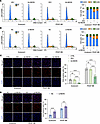 Figure 7
NEXN is primarily responsible for regulating cell cycle progression and cell proliferation. (A) Flow cytometry analysis of cell cycle transition in VEC- or Ad-NEXN–preinfected HASMCs treated with PDGF-BB for 24 hours. n = 6 for each group. (B) Flow cytometry analysis of cell cycle transition in NC- or si-NEXN–pretransfected HASMCs treated with PDGF-BB for 24 hours. n = 6 for each group. (C) Representative EdU staining and quantification in CTRL-, VEC-, or Ad-NEXN–preinfected HASMCs treated with PDGF-BB for 24 hours. Scale bar: 100 μm. n = 6 for each group. (D) Representative EdU staining and quantification in NC- or si-NEXN–pretransfected HASMCs treated with PDGF-BB for 24 hours. Scale bar: 100 μm. n = 6 for each group. Data are represented as mean ± SEM. Statistical analyses were performed using unpaired, 2-tailed Student’s t tests (D) or 1-way ANOVA (C). ***P < 0.001, ****P < 0.0001 for indicated comparisons.
NEXN modulates the phenotypic transition and proliferation of VSMCs through ER stress. To verify the role of NEXN in regulating VSMCsʼ phenotypic transition and vascular neointimal hyperplasia through ER stress, we utilized 4-phenylbutyric acid (4-PBA), an inhibitor of ER stress, to treat PDGF-BB–stimulated HASMCs that were transfected with NC and NEXN siRNA. The treatment with 4-PBA effectively prevented the phenotypic transition of VSMCs, as demonstrated by the increased expression of contractile protein markers in both the NC and si-NEXN groups in PDGF-BB–stimulated HASMCs (Figure 8, A and B). Flow cytometry analysis demonstrated 4-PBA treatment markedly reduced the accumulation of cell populations in the S phase of PDGF-BB–treated HASMCs triggered by NEXN silencing (Figure 8C). Correspondingly, the elevated EdU-positive cells in PDGF-BB–treated HASMCs after NEXN knockdown were significantly suppressed by 4-PBA treatment (Figure 8D). To further investigate the role of ER stress in NEXN-mediated neointima formation, we treated NexnismKO mice with the ER stress inhibitor 4-PBA following carotid artery wire injury. H&E and VVG staining revealed that 4-PBA treatment significantly reduced wire injury–induced neointima formation in carotid arteries from NexnismKO mice, as evidenced by a decrease in both neointima area and neointima/media ratio (Figure 8, E and F). Consistently, the increased expression of ATF4, CHOP, and KLF4 in postinjury carotid arteries induced by NEXN knockout was significantly inhibited by 4-PBA treatment (Figure 8, G and H). Collectively, these findings strongly suggest that dysregulated ER stress is pivotal for the uncontrolled VSMC proliferation and vascular neointimal hyperplasia induced by NEXN deficiency. Targeting ER stress is thus a potential therapeutic strategy for NEXN-related vascular proliferative diseases.
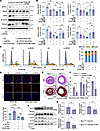 Figure 8
Inhibiting ER stress could ameliorate VSMC proliferation and phenotypic transition induced by NEXN deficiency. (A and B) Immunoblotting (A) and quantification (B) of NEXN and the VSMC contractile proteins (MYH11, CNN1, TAGLN) expression in lysates of NC- or si-NEXN–pretransfected HASMCs treated with PDGF-BB (20 ng/mL) and 4-PBA (2.5 mM) for 24 hours. (C) Flow cytometry analysis of cell cycle transition in NC- or si-NEXN–pretransfected HASMCs treated with PDGF-BB and 4-PBA for 24 hours. n = 6 for each group. (D) Representative EdU staining and quantification in NC- or si-NEXN–pretransfected HASMCs treated with PDGF-BB and 4-PBA for 24 hours. Scale bar: 100 μm. n = 6 for each group. (E–H) NexnismKO mice were subjected to a carotid artery wire injury model for a duration of 4 weeks. Throughout this period, the mice were randomly assigned to receive either saline or 4-PBA at a dosage of 20 mg/kg/d via injection. (E) Representative cross sections of H&E- and VVG-stained wire-injured carotid arteries from the NexnismKO mice with or without 4-PBA administration. Scale bar: 100 μm. (F) Quantitative analysis of the neointima area, media area, and neointima area to medial area ratio in histological staining sections depicted in E. n = 4 for each group. (G and H) Immunoblotting (G) and quantification (H) of ER stress indicators (ATF4 and CHOP) and KLF4 expression in lysates from injured left common carotid arteries of NexnismKO mice with or without 4-PBA administration. n = 6 for each group. Data are represented as mean ± SEM. Statistical analyses were performed using unpaired, 2-tailed Student’s t tests (F and H) or 1-way ANOVA (B and D). *P < 0.05, **P < 0.01, ***P < 0.001, ****P < 0.0001 for indicated comparisons.


