
Research ArticleInflammationPulmonology
Open Access |  10.1172/jci.insight.187172
Involvement of lncRNA MIR205HG in idiopathic pulmonary fibrosis and IL-33 regulation via Alu elements
Tsuyoshi Takashima,1 Chao Zeng,2 Eitaro Murakami,3 Naoko Fujiwara,4 Masaharu Kohara,1 Hideki Nagata,5 Zhaozu Feng,1 Ayako Sugai,3 Yasue Harada,3 Rika Ichijo,6 Daisuke Okuzaki,7,8 Satoshi Nojima,1 Takahiro Matsui,1 Yasushi Shintani,5 Gota Kawai,6 Michiaki Hamada,2,9 Tetsuro Hirose,4,8 Kazuhiko Nakatani,3,8 and Eiichi Morii1,8
1Department of Pathology, Osaka University Graduate School of Medicine, Osaka, Japan.
2Faculty of Science and Engineering, Waseda University, Tokyo, Japan.
3Department of Regulatory Bioorganic Chemistry, SANKEN (the Institute of Scientific and Industrial Research), Osaka, Japan.
4Graduate School of Frontier Biosciences, Osaka University, Osaka, Japan.
5Department of General Thoracic Surgery, Osaka University Graduate School of Medicine, Osaka, Japan.
6Department of Life Science, Graduate School of Advanced Engineering, Chiba Institute of Technology, Chiba, Japan.
7Laboratory of Human Immunology (Single Cell Genomics), WPI Immunology Frontier Research Center, and
8Institute for Open and Transdisciplinary Research Initiatives, Osaka University, Osaka, Japan.
9AIST-Waseda University Computational Bio Big-Data Open Innovation Laboratory (CBBD-OIL), National Institute of Advanced Industrial Science and Technology, Tokyo, Japan.
Address correspondence to: Eiichi Morii, Department of Pathology, Osaka University Graduate School of Medicine. 2-2 Yamada-Oka, Suita, Osaka 565-0871, Japan. Phone: 81.6.6879.3871; Email: morii@molpath.med.osaka-u.ac.jp.
Find articles by Takashima, T. in: PubMed | Google Scholar
1Department of Pathology, Osaka University Graduate School of Medicine, Osaka, Japan.
2Faculty of Science and Engineering, Waseda University, Tokyo, Japan.
3Department of Regulatory Bioorganic Chemistry, SANKEN (the Institute of Scientific and Industrial Research), Osaka, Japan.
4Graduate School of Frontier Biosciences, Osaka University, Osaka, Japan.
5Department of General Thoracic Surgery, Osaka University Graduate School of Medicine, Osaka, Japan.
6Department of Life Science, Graduate School of Advanced Engineering, Chiba Institute of Technology, Chiba, Japan.
7Laboratory of Human Immunology (Single Cell Genomics), WPI Immunology Frontier Research Center, and
8Institute for Open and Transdisciplinary Research Initiatives, Osaka University, Osaka, Japan.
9AIST-Waseda University Computational Bio Big-Data Open Innovation Laboratory (CBBD-OIL), National Institute of Advanced Industrial Science and Technology, Tokyo, Japan.
Address correspondence to: Eiichi Morii, Department of Pathology, Osaka University Graduate School of Medicine. 2-2 Yamada-Oka, Suita, Osaka 565-0871, Japan. Phone: 81.6.6879.3871; Email: morii@molpath.med.osaka-u.ac.jp.
Find articles by Zeng, C. in: PubMed | Google Scholar
1Department of Pathology, Osaka University Graduate School of Medicine, Osaka, Japan.
2Faculty of Science and Engineering, Waseda University, Tokyo, Japan.
3Department of Regulatory Bioorganic Chemistry, SANKEN (the Institute of Scientific and Industrial Research), Osaka, Japan.
4Graduate School of Frontier Biosciences, Osaka University, Osaka, Japan.
5Department of General Thoracic Surgery, Osaka University Graduate School of Medicine, Osaka, Japan.
6Department of Life Science, Graduate School of Advanced Engineering, Chiba Institute of Technology, Chiba, Japan.
7Laboratory of Human Immunology (Single Cell Genomics), WPI Immunology Frontier Research Center, and
8Institute for Open and Transdisciplinary Research Initiatives, Osaka University, Osaka, Japan.
9AIST-Waseda University Computational Bio Big-Data Open Innovation Laboratory (CBBD-OIL), National Institute of Advanced Industrial Science and Technology, Tokyo, Japan.
Address correspondence to: Eiichi Morii, Department of Pathology, Osaka University Graduate School of Medicine. 2-2 Yamada-Oka, Suita, Osaka 565-0871, Japan. Phone: 81.6.6879.3871; Email: morii@molpath.med.osaka-u.ac.jp.
Find articles by Murakami, E. in: PubMed | Google Scholar
1Department of Pathology, Osaka University Graduate School of Medicine, Osaka, Japan.
2Faculty of Science and Engineering, Waseda University, Tokyo, Japan.
3Department of Regulatory Bioorganic Chemistry, SANKEN (the Institute of Scientific and Industrial Research), Osaka, Japan.
4Graduate School of Frontier Biosciences, Osaka University, Osaka, Japan.
5Department of General Thoracic Surgery, Osaka University Graduate School of Medicine, Osaka, Japan.
6Department of Life Science, Graduate School of Advanced Engineering, Chiba Institute of Technology, Chiba, Japan.
7Laboratory of Human Immunology (Single Cell Genomics), WPI Immunology Frontier Research Center, and
8Institute for Open and Transdisciplinary Research Initiatives, Osaka University, Osaka, Japan.
9AIST-Waseda University Computational Bio Big-Data Open Innovation Laboratory (CBBD-OIL), National Institute of Advanced Industrial Science and Technology, Tokyo, Japan.
Address correspondence to: Eiichi Morii, Department of Pathology, Osaka University Graduate School of Medicine. 2-2 Yamada-Oka, Suita, Osaka 565-0871, Japan. Phone: 81.6.6879.3871; Email: morii@molpath.med.osaka-u.ac.jp.
Find articles by Fujiwara, N. in: PubMed | Google Scholar
1Department of Pathology, Osaka University Graduate School of Medicine, Osaka, Japan.
2Faculty of Science and Engineering, Waseda University, Tokyo, Japan.
3Department of Regulatory Bioorganic Chemistry, SANKEN (the Institute of Scientific and Industrial Research), Osaka, Japan.
4Graduate School of Frontier Biosciences, Osaka University, Osaka, Japan.
5Department of General Thoracic Surgery, Osaka University Graduate School of Medicine, Osaka, Japan.
6Department of Life Science, Graduate School of Advanced Engineering, Chiba Institute of Technology, Chiba, Japan.
7Laboratory of Human Immunology (Single Cell Genomics), WPI Immunology Frontier Research Center, and
8Institute for Open and Transdisciplinary Research Initiatives, Osaka University, Osaka, Japan.
9AIST-Waseda University Computational Bio Big-Data Open Innovation Laboratory (CBBD-OIL), National Institute of Advanced Industrial Science and Technology, Tokyo, Japan.
Address correspondence to: Eiichi Morii, Department of Pathology, Osaka University Graduate School of Medicine. 2-2 Yamada-Oka, Suita, Osaka 565-0871, Japan. Phone: 81.6.6879.3871; Email: morii@molpath.med.osaka-u.ac.jp.
Find articles by Kohara, M. in: PubMed | Google Scholar
1Department of Pathology, Osaka University Graduate School of Medicine, Osaka, Japan.
2Faculty of Science and Engineering, Waseda University, Tokyo, Japan.
3Department of Regulatory Bioorganic Chemistry, SANKEN (the Institute of Scientific and Industrial Research), Osaka, Japan.
4Graduate School of Frontier Biosciences, Osaka University, Osaka, Japan.
5Department of General Thoracic Surgery, Osaka University Graduate School of Medicine, Osaka, Japan.
6Department of Life Science, Graduate School of Advanced Engineering, Chiba Institute of Technology, Chiba, Japan.
7Laboratory of Human Immunology (Single Cell Genomics), WPI Immunology Frontier Research Center, and
8Institute for Open and Transdisciplinary Research Initiatives, Osaka University, Osaka, Japan.
9AIST-Waseda University Computational Bio Big-Data Open Innovation Laboratory (CBBD-OIL), National Institute of Advanced Industrial Science and Technology, Tokyo, Japan.
Address correspondence to: Eiichi Morii, Department of Pathology, Osaka University Graduate School of Medicine. 2-2 Yamada-Oka, Suita, Osaka 565-0871, Japan. Phone: 81.6.6879.3871; Email: morii@molpath.med.osaka-u.ac.jp.
Find articles by Nagata, H. in: PubMed | Google Scholar
1Department of Pathology, Osaka University Graduate School of Medicine, Osaka, Japan.
2Faculty of Science and Engineering, Waseda University, Tokyo, Japan.
3Department of Regulatory Bioorganic Chemistry, SANKEN (the Institute of Scientific and Industrial Research), Osaka, Japan.
4Graduate School of Frontier Biosciences, Osaka University, Osaka, Japan.
5Department of General Thoracic Surgery, Osaka University Graduate School of Medicine, Osaka, Japan.
6Department of Life Science, Graduate School of Advanced Engineering, Chiba Institute of Technology, Chiba, Japan.
7Laboratory of Human Immunology (Single Cell Genomics), WPI Immunology Frontier Research Center, and
8Institute for Open and Transdisciplinary Research Initiatives, Osaka University, Osaka, Japan.
9AIST-Waseda University Computational Bio Big-Data Open Innovation Laboratory (CBBD-OIL), National Institute of Advanced Industrial Science and Technology, Tokyo, Japan.
Address correspondence to: Eiichi Morii, Department of Pathology, Osaka University Graduate School of Medicine. 2-2 Yamada-Oka, Suita, Osaka 565-0871, Japan. Phone: 81.6.6879.3871; Email: morii@molpath.med.osaka-u.ac.jp.
Find articles by Feng, Z. in: PubMed | Google Scholar
1Department of Pathology, Osaka University Graduate School of Medicine, Osaka, Japan.
2Faculty of Science and Engineering, Waseda University, Tokyo, Japan.
3Department of Regulatory Bioorganic Chemistry, SANKEN (the Institute of Scientific and Industrial Research), Osaka, Japan.
4Graduate School of Frontier Biosciences, Osaka University, Osaka, Japan.
5Department of General Thoracic Surgery, Osaka University Graduate School of Medicine, Osaka, Japan.
6Department of Life Science, Graduate School of Advanced Engineering, Chiba Institute of Technology, Chiba, Japan.
7Laboratory of Human Immunology (Single Cell Genomics), WPI Immunology Frontier Research Center, and
8Institute for Open and Transdisciplinary Research Initiatives, Osaka University, Osaka, Japan.
9AIST-Waseda University Computational Bio Big-Data Open Innovation Laboratory (CBBD-OIL), National Institute of Advanced Industrial Science and Technology, Tokyo, Japan.
Address correspondence to: Eiichi Morii, Department of Pathology, Osaka University Graduate School of Medicine. 2-2 Yamada-Oka, Suita, Osaka 565-0871, Japan. Phone: 81.6.6879.3871; Email: morii@molpath.med.osaka-u.ac.jp.
Find articles by Sugai, A. in: PubMed | Google Scholar
1Department of Pathology, Osaka University Graduate School of Medicine, Osaka, Japan.
2Faculty of Science and Engineering, Waseda University, Tokyo, Japan.
3Department of Regulatory Bioorganic Chemistry, SANKEN (the Institute of Scientific and Industrial Research), Osaka, Japan.
4Graduate School of Frontier Biosciences, Osaka University, Osaka, Japan.
5Department of General Thoracic Surgery, Osaka University Graduate School of Medicine, Osaka, Japan.
6Department of Life Science, Graduate School of Advanced Engineering, Chiba Institute of Technology, Chiba, Japan.
7Laboratory of Human Immunology (Single Cell Genomics), WPI Immunology Frontier Research Center, and
8Institute for Open and Transdisciplinary Research Initiatives, Osaka University, Osaka, Japan.
9AIST-Waseda University Computational Bio Big-Data Open Innovation Laboratory (CBBD-OIL), National Institute of Advanced Industrial Science and Technology, Tokyo, Japan.
Address correspondence to: Eiichi Morii, Department of Pathology, Osaka University Graduate School of Medicine. 2-2 Yamada-Oka, Suita, Osaka 565-0871, Japan. Phone: 81.6.6879.3871; Email: morii@molpath.med.osaka-u.ac.jp.
Find articles by Harada, Y. in: PubMed | Google Scholar
1Department of Pathology, Osaka University Graduate School of Medicine, Osaka, Japan.
2Faculty of Science and Engineering, Waseda University, Tokyo, Japan.
3Department of Regulatory Bioorganic Chemistry, SANKEN (the Institute of Scientific and Industrial Research), Osaka, Japan.
4Graduate School of Frontier Biosciences, Osaka University, Osaka, Japan.
5Department of General Thoracic Surgery, Osaka University Graduate School of Medicine, Osaka, Japan.
6Department of Life Science, Graduate School of Advanced Engineering, Chiba Institute of Technology, Chiba, Japan.
7Laboratory of Human Immunology (Single Cell Genomics), WPI Immunology Frontier Research Center, and
8Institute for Open and Transdisciplinary Research Initiatives, Osaka University, Osaka, Japan.
9AIST-Waseda University Computational Bio Big-Data Open Innovation Laboratory (CBBD-OIL), National Institute of Advanced Industrial Science and Technology, Tokyo, Japan.
Address correspondence to: Eiichi Morii, Department of Pathology, Osaka University Graduate School of Medicine. 2-2 Yamada-Oka, Suita, Osaka 565-0871, Japan. Phone: 81.6.6879.3871; Email: morii@molpath.med.osaka-u.ac.jp.
Find articles by Ichijo, R. in: PubMed | Google Scholar
1Department of Pathology, Osaka University Graduate School of Medicine, Osaka, Japan.
2Faculty of Science and Engineering, Waseda University, Tokyo, Japan.
3Department of Regulatory Bioorganic Chemistry, SANKEN (the Institute of Scientific and Industrial Research), Osaka, Japan.
4Graduate School of Frontier Biosciences, Osaka University, Osaka, Japan.
5Department of General Thoracic Surgery, Osaka University Graduate School of Medicine, Osaka, Japan.
6Department of Life Science, Graduate School of Advanced Engineering, Chiba Institute of Technology, Chiba, Japan.
7Laboratory of Human Immunology (Single Cell Genomics), WPI Immunology Frontier Research Center, and
8Institute for Open and Transdisciplinary Research Initiatives, Osaka University, Osaka, Japan.
9AIST-Waseda University Computational Bio Big-Data Open Innovation Laboratory (CBBD-OIL), National Institute of Advanced Industrial Science and Technology, Tokyo, Japan.
Address correspondence to: Eiichi Morii, Department of Pathology, Osaka University Graduate School of Medicine. 2-2 Yamada-Oka, Suita, Osaka 565-0871, Japan. Phone: 81.6.6879.3871; Email: morii@molpath.med.osaka-u.ac.jp.
Find articles by
Okuzaki, D.
in:
PubMed
|
Google Scholar
|

1Department of Pathology, Osaka University Graduate School of Medicine, Osaka, Japan.
2Faculty of Science and Engineering, Waseda University, Tokyo, Japan.
3Department of Regulatory Bioorganic Chemistry, SANKEN (the Institute of Scientific and Industrial Research), Osaka, Japan.
4Graduate School of Frontier Biosciences, Osaka University, Osaka, Japan.
5Department of General Thoracic Surgery, Osaka University Graduate School of Medicine, Osaka, Japan.
6Department of Life Science, Graduate School of Advanced Engineering, Chiba Institute of Technology, Chiba, Japan.
7Laboratory of Human Immunology (Single Cell Genomics), WPI Immunology Frontier Research Center, and
8Institute for Open and Transdisciplinary Research Initiatives, Osaka University, Osaka, Japan.
9AIST-Waseda University Computational Bio Big-Data Open Innovation Laboratory (CBBD-OIL), National Institute of Advanced Industrial Science and Technology, Tokyo, Japan.
Address correspondence to: Eiichi Morii, Department of Pathology, Osaka University Graduate School of Medicine. 2-2 Yamada-Oka, Suita, Osaka 565-0871, Japan. Phone: 81.6.6879.3871; Email: morii@molpath.med.osaka-u.ac.jp.
Find articles by
Nojima, S.
in:
PubMed
|
Google Scholar
|
1Department of Pathology, Osaka University Graduate School of Medicine, Osaka, Japan.
2Faculty of Science and Engineering, Waseda University, Tokyo, Japan.
3Department of Regulatory Bioorganic Chemistry, SANKEN (the Institute of Scientific and Industrial Research), Osaka, Japan.
4Graduate School of Frontier Biosciences, Osaka University, Osaka, Japan.
5Department of General Thoracic Surgery, Osaka University Graduate School of Medicine, Osaka, Japan.
6Department of Life Science, Graduate School of Advanced Engineering, Chiba Institute of Technology, Chiba, Japan.
7Laboratory of Human Immunology (Single Cell Genomics), WPI Immunology Frontier Research Center, and
8Institute for Open and Transdisciplinary Research Initiatives, Osaka University, Osaka, Japan.
9AIST-Waseda University Computational Bio Big-Data Open Innovation Laboratory (CBBD-OIL), National Institute of Advanced Industrial Science and Technology, Tokyo, Japan.
Address correspondence to: Eiichi Morii, Department of Pathology, Osaka University Graduate School of Medicine. 2-2 Yamada-Oka, Suita, Osaka 565-0871, Japan. Phone: 81.6.6879.3871; Email: morii@molpath.med.osaka-u.ac.jp.
Find articles by Matsui, T. in: PubMed | Google Scholar
1Department of Pathology, Osaka University Graduate School of Medicine, Osaka, Japan.
2Faculty of Science and Engineering, Waseda University, Tokyo, Japan.
3Department of Regulatory Bioorganic Chemistry, SANKEN (the Institute of Scientific and Industrial Research), Osaka, Japan.
4Graduate School of Frontier Biosciences, Osaka University, Osaka, Japan.
5Department of General Thoracic Surgery, Osaka University Graduate School of Medicine, Osaka, Japan.
6Department of Life Science, Graduate School of Advanced Engineering, Chiba Institute of Technology, Chiba, Japan.
7Laboratory of Human Immunology (Single Cell Genomics), WPI Immunology Frontier Research Center, and
8Institute for Open and Transdisciplinary Research Initiatives, Osaka University, Osaka, Japan.
9AIST-Waseda University Computational Bio Big-Data Open Innovation Laboratory (CBBD-OIL), National Institute of Advanced Industrial Science and Technology, Tokyo, Japan.
Address correspondence to: Eiichi Morii, Department of Pathology, Osaka University Graduate School of Medicine. 2-2 Yamada-Oka, Suita, Osaka 565-0871, Japan. Phone: 81.6.6879.3871; Email: morii@molpath.med.osaka-u.ac.jp.
Find articles by
Shintani, Y.
in:
PubMed
|
Google Scholar
|
1Department of Pathology, Osaka University Graduate School of Medicine, Osaka, Japan.
2Faculty of Science and Engineering, Waseda University, Tokyo, Japan.
3Department of Regulatory Bioorganic Chemistry, SANKEN (the Institute of Scientific and Industrial Research), Osaka, Japan.
4Graduate School of Frontier Biosciences, Osaka University, Osaka, Japan.
5Department of General Thoracic Surgery, Osaka University Graduate School of Medicine, Osaka, Japan.
6Department of Life Science, Graduate School of Advanced Engineering, Chiba Institute of Technology, Chiba, Japan.
7Laboratory of Human Immunology (Single Cell Genomics), WPI Immunology Frontier Research Center, and
8Institute for Open and Transdisciplinary Research Initiatives, Osaka University, Osaka, Japan.
9AIST-Waseda University Computational Bio Big-Data Open Innovation Laboratory (CBBD-OIL), National Institute of Advanced Industrial Science and Technology, Tokyo, Japan.
Address correspondence to: Eiichi Morii, Department of Pathology, Osaka University Graduate School of Medicine. 2-2 Yamada-Oka, Suita, Osaka 565-0871, Japan. Phone: 81.6.6879.3871; Email: morii@molpath.med.osaka-u.ac.jp.
Find articles by Kawai, G. in: PubMed | Google Scholar
1Department of Pathology, Osaka University Graduate School of Medicine, Osaka, Japan.
2Faculty of Science and Engineering, Waseda University, Tokyo, Japan.
3Department of Regulatory Bioorganic Chemistry, SANKEN (the Institute of Scientific and Industrial Research), Osaka, Japan.
4Graduate School of Frontier Biosciences, Osaka University, Osaka, Japan.
5Department of General Thoracic Surgery, Osaka University Graduate School of Medicine, Osaka, Japan.
6Department of Life Science, Graduate School of Advanced Engineering, Chiba Institute of Technology, Chiba, Japan.
7Laboratory of Human Immunology (Single Cell Genomics), WPI Immunology Frontier Research Center, and
8Institute for Open and Transdisciplinary Research Initiatives, Osaka University, Osaka, Japan.
9AIST-Waseda University Computational Bio Big-Data Open Innovation Laboratory (CBBD-OIL), National Institute of Advanced Industrial Science and Technology, Tokyo, Japan.
Address correspondence to: Eiichi Morii, Department of Pathology, Osaka University Graduate School of Medicine. 2-2 Yamada-Oka, Suita, Osaka 565-0871, Japan. Phone: 81.6.6879.3871; Email: morii@molpath.med.osaka-u.ac.jp.
Find articles by Hamada, M. in: PubMed | Google Scholar
1Department of Pathology, Osaka University Graduate School of Medicine, Osaka, Japan.
2Faculty of Science and Engineering, Waseda University, Tokyo, Japan.
3Department of Regulatory Bioorganic Chemistry, SANKEN (the Institute of Scientific and Industrial Research), Osaka, Japan.
4Graduate School of Frontier Biosciences, Osaka University, Osaka, Japan.
5Department of General Thoracic Surgery, Osaka University Graduate School of Medicine, Osaka, Japan.
6Department of Life Science, Graduate School of Advanced Engineering, Chiba Institute of Technology, Chiba, Japan.
7Laboratory of Human Immunology (Single Cell Genomics), WPI Immunology Frontier Research Center, and
8Institute for Open and Transdisciplinary Research Initiatives, Osaka University, Osaka, Japan.
9AIST-Waseda University Computational Bio Big-Data Open Innovation Laboratory (CBBD-OIL), National Institute of Advanced Industrial Science and Technology, Tokyo, Japan.
Address correspondence to: Eiichi Morii, Department of Pathology, Osaka University Graduate School of Medicine. 2-2 Yamada-Oka, Suita, Osaka 565-0871, Japan. Phone: 81.6.6879.3871; Email: morii@molpath.med.osaka-u.ac.jp.
Find articles by Hirose, T. in: PubMed | Google Scholar
1Department of Pathology, Osaka University Graduate School of Medicine, Osaka, Japan.
2Faculty of Science and Engineering, Waseda University, Tokyo, Japan.
3Department of Regulatory Bioorganic Chemistry, SANKEN (the Institute of Scientific and Industrial Research), Osaka, Japan.
4Graduate School of Frontier Biosciences, Osaka University, Osaka, Japan.
5Department of General Thoracic Surgery, Osaka University Graduate School of Medicine, Osaka, Japan.
6Department of Life Science, Graduate School of Advanced Engineering, Chiba Institute of Technology, Chiba, Japan.
7Laboratory of Human Immunology (Single Cell Genomics), WPI Immunology Frontier Research Center, and
8Institute for Open and Transdisciplinary Research Initiatives, Osaka University, Osaka, Japan.
9AIST-Waseda University Computational Bio Big-Data Open Innovation Laboratory (CBBD-OIL), National Institute of Advanced Industrial Science and Technology, Tokyo, Japan.
Address correspondence to: Eiichi Morii, Department of Pathology, Osaka University Graduate School of Medicine. 2-2 Yamada-Oka, Suita, Osaka 565-0871, Japan. Phone: 81.6.6879.3871; Email: morii@molpath.med.osaka-u.ac.jp.
Find articles by Nakatani, K. in: PubMed | Google Scholar
1Department of Pathology, Osaka University Graduate School of Medicine, Osaka, Japan.
2Faculty of Science and Engineering, Waseda University, Tokyo, Japan.
3Department of Regulatory Bioorganic Chemistry, SANKEN (the Institute of Scientific and Industrial Research), Osaka, Japan.
4Graduate School of Frontier Biosciences, Osaka University, Osaka, Japan.
5Department of General Thoracic Surgery, Osaka University Graduate School of Medicine, Osaka, Japan.
6Department of Life Science, Graduate School of Advanced Engineering, Chiba Institute of Technology, Chiba, Japan.
7Laboratory of Human Immunology (Single Cell Genomics), WPI Immunology Frontier Research Center, and
8Institute for Open and Transdisciplinary Research Initiatives, Osaka University, Osaka, Japan.
9AIST-Waseda University Computational Bio Big-Data Open Innovation Laboratory (CBBD-OIL), National Institute of Advanced Industrial Science and Technology, Tokyo, Japan.
Address correspondence to: Eiichi Morii, Department of Pathology, Osaka University Graduate School of Medicine. 2-2 Yamada-Oka, Suita, Osaka 565-0871, Japan. Phone: 81.6.6879.3871; Email: morii@molpath.med.osaka-u.ac.jp.
Find articles by
Morii, E.
in:
PubMed
|
Google Scholar
|
Published March 10, 2025 - More info
JCI Insight. 2025;10(5):e187172. https://doi.org/10.1172/jci.insight.187172.
© 2025 Takashima et al. This work is licensed under the Creative Commons Attribution 4.0 International License. To view a copy of this license, visit http://creativecommons.org/licenses/by/4.0/.
Received: September 20, 2024; Accepted: January 22, 2025


-
Results
lncRNA MIR205HG is highly expressed in basal cells and an independent poor prognostic factor in IPF. We examined the differences in histological features in alveolar regions between healthy lungs and IPF patient samples. In healthy lungs, alveoli beneath the pleura were lined with AT1 and AT2 cells, whereas in patients with IPF, these alveoli were lined with basophilic bronchial cells due to metaplasia (Figure 1A). The lining cells of normal lungs were positive for SFTPC, whereas those of patients with IPF were positive for KRT5 (Figure 1A). We analyzed public scRNA-Seq data from National Center for Biotechnology Information (NCBI) Gene Expression Omnibus (GEO) (GSE136831) (7), which included samples from healthy lungs (n = 28) and patients with IPF (n = 32) (Figure 1B and Supplemental Figure 1A; supplemental material available online with this article; https://doi.org/10.1172/jci.insight.187172DS1), and found that the number of alveolar epithelial cells (including AT2 cells) decreased whereas the number of airway epithelial cells (including basal cells) increased in IPF (Figure 1C). These findings, including the histological features, were consistent with the previous report (7).
 Figure 1
lncRNA MIR205HG is upregulated in basal cells. (A) Representative images of HE, SFTPC IHC, and KRT5 IHC staining in alveoli beneath the pleura of healthy and IPF lungs. Scale bar: 100 μm. HE, hematoxylin and eosin; SFTPC, surfactant protein C; KRT5, keratin 5. (B) Uniform manifold approximation and projection (UMAP) visualization of cell types in healthy and IPF lungs. (C) Proportion of epithelial cell type distribution in healthy and IPF lungs. (D) Volcano plot and bar graph (basal cell enriched lncRNA) of DEGs in AT2 cells and basal cells. The cutoff values were log2FC > 1, FDR < 0.05. (E) UMAP visualization of MIR205HG expression. (F) Expression of MIR205HG in healthy control and IPF patients. Public bulk RNA-Seq datasets (GSE92592, ref. 19, and GSE124685, ref. 20) were used. Data represent mean ± SD. **P < 0.01, ***P < 0.001; P values were determined by 2-tailed Mann-Whitney U test. (B–E) Public scRNA-Seq data (GSE136831) (7) were used for analysis.
Next, we searched for lncRNAs preferentially expressed in basal cells by comparing AT2 cells and basal cells in public scRNA-Seq data, identifying MIR205HG as the most significant differentially expressed gene (DEG) in basal cells (Figure 1D). Among the lncRNAs expressed in basal cells, MIR205HG was localized to the epithelial cluster and was particularly highly expressed in basal cells (Figure 1E and Supplemental Figure 1B). We sorted AT2 cells and basal cells from metaplastic lesions of 2 IPF cases and performed RNA-Seq, which verified that MIR205HG was among the DEGs preferentially expressed in basal cells (Supplemental Figure 2, A–G). Bulk RNA-Seq data also showed significantly higher expression of MIR205HG in patients with IPF than in healthy controls (GSE92592, ref. 19, and GSE124685, ref. 20) (Figure 1F). These findings indicate that MIR205HG is highly expressed in basal cells within metaplastic lesions.
To assess the clinical implications of MIR205HG in IPF, we conducted in situ hybridization (ISH) on 29 samples from patients with IPF (Figure 2A). The expression level of MIR205HG was scored using HALO software (Figure 2B), and patients were divided into a high-MIR205HG group (n = 15) and a low-MIR205HG group (n = 14) based on the median value (Figure 2C). Kaplan-Meier analysis revealed that the high-MIR205HG group had a significantly lower overall survival (OS) rate than the low-MIR205HG group (HR, 5.23; 95% CI, 1.80–15.17; P = 0.0042) (Figure 2D). Univariate and multivariate Cox regression analyses further demonstrated that MIR205HG was an independent risk factor affecting the OS of patients with IPF (Figure 2E). To reconfirm the significance of MIR205HG in the prognosis of IPF, we compared the expression of MIR205HG between 2 groups of IPF patients: the favorable-prognosis group (n = 16) (survival ≥ 3 years) and the unfavorable-prognosis group (n = 19) (survival < 3 years, n = 13, and lung transplant recipients, n = 6). The expression level of MIR205HG was significantly higher in the unfavorable- than favorable-prognosis group (Figure 2F).
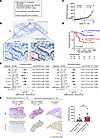 Figure 2
lncRNA MIR205HG is an independent poor prognostic factor in patients with IPF. (A) Overview of clinical implication assessment based on MIR205HG expression in patients with IPF (n = 29). UIP, usual interstitial pneumonia. (B) Representative images of MIR205HG ISH staining in patients with IPF. Scale bar: 10 mm. Zoomed image and virtual composite image after HALO software analysis are shown. Scale bar: 50 μm. (C) Plots of MIR205HG expression in patients with IPF (n = 29). The median was used as a cutoff value. (D) Kaplan-Meier curves for OS rate (%) in patients with IPF (n = 29) divided into high-MIR205HG group (n = 15) and low-MIR205HG group (n = 14). HR, 5.23; 95% CI, 1.80–15.17; P = 0.0042. P values were determined by log-rank test. (E) Forest plots of univariate and multivariate Cox regression analysis in the correlation between MIR205HG expression and other clinical factors. P values were determined by Cox proportional hazards method. (F) Representative of whole image of HE and MIR205HG ISH staining. Bar graph of MIR205HG expression in patients with IPF of the favorable-prognosis group (survival ≥ 3 years, n = 16) and the unfavorable-prognosis group (survival < 3 years, n = 13, and lung transplant recipients [LTx recipients], n = 6). Scale bar: 10 mm. Data represent mean ± SD. **P < 0.01; P values were determined by 2-tailed Mann-Whitney U test.
The MIR205HG+IL33+ cell subset in the alveolar region increases in IPF. To clarify the detailed spatial expression of MIR205HG in IPF, we conducted MIR205HG ISH combined with IHC for SFTPC (an AT2 cell marker) and KRT5 (a basal cell marker). The MIR205HG ISH signal exhibited a nuclear staining pattern and was predominantly detected in KRT5+ cells within fibrotic areas but not in SFTPC+ cells of nonfibrotic areas (Figure 3A). The number of MIR205HG ISH signal-positive cells was higher in fibrotic areas than in nonfibrotic areas (Figure 3B).
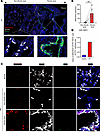 Figure 3
A subset of MIR205HG+ abnormal AT2 cells is increased in patients with IPF. (A) Representative confocal images of MIR205HG ISH, SFTPC IHC, and KRT5 IHC staining in nonfibrotic and fibrotic areas of patients with IPF (n = 6). Scale bars: 500 μm (upper) and 50 μm (lower). (B) Quantification of MIR205HG expression in nonfibrotic and fibrotic areas. Data represent mean ± SD. **P < 0.01; P values were determined by 2-tailed paired t test. (C) Representative confocal images of MIR205HG ISH, SFTPC IHC, and KRT5 IHC staining in healthy (n = 6) and nonfibrotic or fibrotic area of patients with IPF (n = 6). Scale bar: 50 μm. (D) Ratio of MIR205HG+SFTPC+KRT5– cells in SFTPC+ epithelial cell population in healthy and IPF lungs. Public scRNA-Seq data (GSE136831) were used for analysis.
Notably, we found that MIR205HG+ cells were detected in the alveolar region and that these cells were also positive for SFTPC, indicating that abnormal AT2 cells expressing MIR205HG were present in the alveolar region of patients with IPF (Figure 3C). These MIR205HG+ abnormal AT2 cells were negative for KRT5, and such cells were not detected in the nonfibrotic areas of patients or in alveolar normal lungs (Figure 3, A and C, and Supplemental Figure 3A). Consistent with this finding, public scRNA-Seq data (GSE136831) revealed that the proportion of MIR205HG+ abnormal AT2 cells was higher in IPF than in healthy lungs (Figure 3D).
Gene ontology (GO) analysis indicated that signatures involved in the inflammatory response were mainly enriched in MIR205HG+ AT2 cells relative to MIR205HG– AT2 cells in IPF (Figure 4A). We then constructed a putative cell–cell communication network by mapping known receptor–ligand pairs across cell types. MIR205HG+ AT2 cells were revealed to interact with a variety of immune cells, including B cells, monocytes, and innate lymphoid cells (Figure 4B and Supplemental Figure 3B). Among the cytokines and chemokines inducing these immune cells, the IL33 gene was identified as the most DEG, being highly expressed in MIR205HG+ AT2 cells (Figure 4C). Another scRNA-Seq dataset (GSE159354) (21) also revealed that MIR205HG+ AT2 cells found in IPF expressed high levels of IL33 mRNA (Supplemental Figure 3, C and D). Indeed, MIR205HG+HTII-280+ (another AT2 marker) cells expressed IL-33 protein in IPF, whereas such MIR205HG+HTII-280+IL-33+ cells were not detected in healthy lungs (Figure 4, D and E). IL-33 is known to induce ILC2s (22–24), and scRNA-Seq data (GSE136831) showed that CD127+GATA3+ ILC2s were significantly increased in IPF (Figure 4F). Furthermore, we found CD127+GATA3+ ILC2s in proximity to MIR205HG+ cells (Figure 4G), suggesting that MIR205HG+ abnormal AT2 cells in IPF may be involved in the regulation of ILC2s via IL-33.
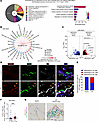 Figure 4
A subset of MIR205HG+ abnormal AT2 cells express IL-33 and exist in close proximity to ILC2s in patients with IPF. (A) GO analysis of biological processes upregulated in MIR205HG+SFTPC+KRT5– epithelial cells compared with MIR205HG–SFTPC+KRT5– epithelial cells. Pie chart showing 39 processes with significant differences. The parentheses indicate the number of enrichment terms that belong to the process. Significant differences were determined using an enrichment score > 0.7, P < 0.005. Bar graph showing 6 inflammation-related processes among 39 processes. (B) Cell–cell communication network showing the ratio of receptor–ligand pairs between the MIR205HG+SFTPC+KRT5– cells (MIR205HG+ AT2 cells) and other meta cell types, classified as lymphoid, myeloid, stromal, and endothelial cell clusters (Figure 1B) compared with MIR205HG–SFTPC+KRT5– cells (MIR205HG– AT2 cells). P values were determined by the permutation test. (C) Volcano plot of DEGs in MIR205HG–SFTPC+KRT5– cells and MIR205HG+SFTPC+KRT5– cells. The cutoff values were log2FC > 1, FDR < 0.05. (D) Representative confocal images of MIR205HG ISH, HTII-280 IHC, and IL-33 IHC staining in control (n = 3) and IPF patients (n = 3). Orange arrows indicate MIR205HG+HTII-280+IL-33+ AT2 cells. Scale bar: 50 μm. (E) Quantification of AT2 cells expressing MIR205HG and IL-33 in healthy and IPF patients in D. (F) Number of CD127+GATA3+CD45+ cells in healthy (n = 28) and IPF (n = 32) lungs. Bars represent the median and 95% CI. **P < 0.01; P values were determined by 2-tailed Mann-Whitney U test. (G) Representative images of MIR205HG ISH, CD127 IHC, and GATA3 IHC staining in control (n = 4) and IPF patients (n = 4). Scale bar: 50 μm. (A, B, E, and F) Public scRNA-Seq data (GSE136831) were used for analysis.
Overexpression of lncRNA MIR205HG increases IL33 mRNA expression in alveolar organoids. To more precisely examine the role of MIR205HG in IL-33 expression, we established alveolar organoids from the healthy lungs of 3 independent cases (Supplemental Figure 4A). The established alveolar organoids expressed AT2 cell markers (SFTPC and HTII-280) but not basal cell markers, including MIR205HG, as verified by IHC and ISH (Supplemental Figure 4, B and C). We then overexpressed MIR205HG in the established alveolar organoids, creating MIR205HG-overexpressing (MIR205HG-OE) alveolar organoids (Figure 5, A–C). When MIR205HG was overexpressed, the number of organoids increased compared with the control (Figure 5D). Next, we performed RNA-Seq (GSE275717) in MIR205HG-OE alveolar organoids generated from 3 independent cases. As observed in basal cells (NGFR+) cells (Supplemental Figure 2G), we confirmed that MIR205HG-OE alveolar organoids have transcripts of MIR205HG (Supplemental Figure 5A). GO analysis revealed that processes related to the inflammatory response were enriched in the upregulated genes of the MIR205HG-OE alveolar organoids (Supplemental Figure 5B). Among the inflammatory response genes, IL33 was consistently enriched in MIR205HG-OE alveolar organoids (Figure 5E and Supplemental Figure 5C). Indeed, quantitative reverse transcription polymerase chain reaction (qRT-PCR) revealed a significant increase in IL33 mRNA expression in MIR205HG-OE alveolar organoids (Figure 5F). In addition to genetic manipulation such as overexpression, the correlation of MIR205HG and IL33 expression was evaluated by treatment with reagents. We searched for reagents and found that bleomycin treatment increased MIR205HG expression. When treated with bleomycin, IL33 was highly expressed as well as MIR205HG (Supplemental Figure 4D). These findings were consistent with the earlier results showing that the IL33 gene was highly expressed in MIR205HG+ AT2 cells but not in MIR205HG– AT2 cells.
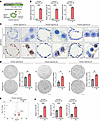 Figure 5
Overexpression of lncRNA MIR205HG upregulates IL33 mRNA in alveolar organoids. (A) Schematic of experimental design for identification of MIR205HG-regulated genes in MIR205HG-OE alveolar organoids. (B) qRT-PCR showing MIR205HG expression in negative vector (NV) and MIR205HG-OE alveolar organoids. (C) Representative images of MIR205HG ISH staining in NV and MIR205HG-OE alveolar organoids. Orange arrows indicate MIR205HG signals, which are detected in nuclei (circled by orange dotted line). Scale bar: 20 μm. (D) Quantification of organoid number in NV and MIR205HG-OE alveolar organoids. Scale bar: 1 mm. (E) Volcano plot of DEGs in NV and MIR205HG-OE alveolar organoids. Top 40 DEGs are shown. The IL33 gene is indicated among upregulated genes in MIR205HG-OE alveolar organoids. The cutoff values were log2FC > 2, P < 0.05. (F) qRT-PCR showing IL33 expression in NV and MIR205HG-OE alveolar organoids. (B, D, and F) Data represent mean ± SD. *P < 0.05, **P < 0.01, ***P < 0.001; P values were determined by 2-tailed t test.
Because transcripts of MIR205HG contained the region coding microRNA-205 (miR-205) (25), it is possible that miR-205 but not MIR205HG affects IL33 expression. To exclude this possibility, we investigated public data from miRDB (26) and TargetMiner (27); we did not find IL33 among the target genes of miR-205-3p and miR-205-5p (Figure 6A and Supplemental Figure 6). For experimental validation, we overexpressed pre–miR-205 in alveolar organoids (miR-205–OE alveolar organoids) (Figure 6B). Even when miR-205-3p and miR-205-5p were overexpressed (Figure 6C), the expression levels of MIR205HG (Figure 6D) and IL33 (Figure 6E) were not affected. These results indicated that the lncRNA MIR205HG is involved in the increased expression of IL33 and that miR-205 is not involved in this process.
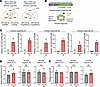 Figure 6
Overexpression of pre–miR-205 does not upregulate IL33 mRNA in alveolar organoids. (A) Venn diagram showing DEGs of MIR205HG-OE alveolar organoids (upper) and target genes of miR-205 with miRDB (26) (lower left) and TargetMiner (27) (lower right) datasets. (B) Schematic of experimental design for identification of pre–mir-205 regulated genes in miR-205–OE alveolar organoids. (C) qRT-PCR showing miR-205-3p and miR-205-5p expression in NV and miR-205–OE alveolar organoids. Data represent mean ± SD. N.D., not detected. (D) qRT-PCR showing MIR205HG expression in NV and miR-205–OE alveolar organoids. (E) qRT-PCR showing IL33 expression in NV and miR-205–OE alveolar organoids. (D and E) Data represent mean ± SD. P values were determined by 2-tailed t test.
Knockdown of MIR205HG reduces IL33 mRNA and IL33 protein expression levels in basal cells. To clarify the relationship between MIR205HG and IL33 expression, we knocked down MIR205HG in human bronchial epithelial (NHBE) primary cells exhibiting the basal cell phenotype using the CRISPR interference/dCas9-KRAB (CRISPR/dCas9) system (Figure 7A and Supplemental Figure 7, A and B). The knockdown of MIR205HG (MIR205HG-KD) was verified in NHBE cells by qRT-PCR and ISH (Figure 7B and Supplemental Figure 7C). MIR205HG-KD significantly reduced cell proliferation in NHBE cells (Figure 7C).
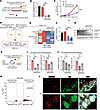 Figure 7
Downregulation of MIR205HG decreases IL33 mRNA and IL-33 protein expression in basal cells. (A) Experimental procedure for the identification of genes positively regulated by MIR205HG in NHBE cells using the CRISPR interference/dCas9-KRAB (CRISPR/dCas9) system. (B) qRT-PCR showing MIR205HG expression in NV and MIR205HG-KD NHBE cells. NC, negative control. (C) Cell growth assay in NV and MIR205HG-KD NHBE cells. (D) Venn diagram showing downregulated genes in MIR205HG-KD NHBE cells (bulk RNA-Seq, left) and basal cell enriched genes in Figure 1D (scRNA-Seq, right). The cutoff values were log2FC > 1 (bulk RNA-Seq and scRNA-Seq). Two common mRNAs are listed below. (E) Heatmap showing common mRNAs that are downregulated genes in MIR205HG-KD NHBE cells and basal cell enriched genes shown in D. Fragments per kilobase of exon per million mapped fragment (FPKM) > 0.5 mRNAs were visualized. (F) qRT-PCR showing IL33 mRNA expression in NV and MIR205HG-KD NHBE cells. (G) Western blot showing IL-33 protein expression in NV and MIR205HG-KD NHBE cells. (H) Schematic of experimental design for identification of MIR205HG-regulated genes in IPF patient–derived airway organoids using the CRISPR/dCas9 system. (I) qRT-PCR showing MIR205HG expression in NV and MIR205HG-KD IPF patient–derived airway organoids. (J) qRT-PCR showing IL33 mRNA expression in NV and MIR205HG-KD of IPF patient–derived airway organoids. (K) Volcano plot of DEGs in MIR205HG– basal cell and MIR205HG+ basal cell in public scRNA-Seq data (GSE136831). The cutoff values were log2FC > 1, FDR < 0.05. (L) Representative images of MIR205HG ISH and IL-33 IHC staining in patients with IPF. Scale bar: 10 μm. (B, C, F, I, and J) Data represent mean ± SD. *P < 0.05, **P < 0.01, ***P < 0.001; P values were determined by 1-way ANOVA with Holm-Šídák post hoc test.
We performed RNA-Seq (GSE275709) on MIR205HG-KD NHBE cells. Among 1,465 genes highly expressed in basal cells identified by scRNA-Seq (Figure 1D, GSE136831), 11 genes were downregulated after MIR205HG-KD: CCDC138, GLMN, IL33, MICOS10-NBL1, PTPRZ1, RGCC, TNXB, TSHZ2, ASTN2, WDR49, and PLEKHS1 (Figure 7, D and E). Among them, 4 genes (IL33, PLEKHS1, PTPRZ1, and RGCC) were upregulated in the MIR205HG-OE alveolar organoids. These findings indicate that the expression level of IL33 was correlated with that of MIR205HG. Indeed, the downregulation of IL33 mRNA and IL-33 protein in MIR205HG-KD cells was verified by qRT-PCR, Western blot, and IHC (Figure 7, F and G, and Supplemental Figure 7D).
To validate these results, we established IPF patient–derived airway organoids that expressed basal cell markers (Supplemental Figure 8, A–C), and MIR205HG-KD was performed in these organoids using the CRISPR/dCas9 system (Figure 7H). The qRT-PCR results revealed that IL33 mRNA was downregulated in MIR205HG-KD IPF patient–derived airway organoids (Figure 7, I and J). Consistent with this finding, public scRNA-Seq data (GSE136831) showed enrichment of IL33 expression in MIR205HG+ basal cells (Figure 7K). Histologically, we found that basal cells and aberrant basaloid cells with high MIR205HG expression coexpressed IL-33 protein in patients with IPF (Figure 7L and Supplemental Figure 8D). These results indicate that MIR205HG is responsible for regulating IL-33 expression in basal cells as well as alveolar cells affected by IPF.
Fused in sarcoma RNA-binding protein stabilizes MIR205HG and IL33 mRNA in NHBE cells and IPF patient–derived airway organoids. We next investigated the molecular mechanisms by which MIR205HG regulates IL-33 expression. Because several known lncRNAs cooperate with RNA-binding proteins (RBPs) (28–31), we searched for RBPs commonly bound by MIR205HG and IL33 RNA using starBase v2.0 (32) (Figure 8A). In the public HITS-CLIP dataset (GSE43308) (33), fused in sarcoma (FUS) was identified as an RBP that binds to both MIR205HG and IL33 mRNA (Figure 8B). The FUS-binding sequence on MIR205HG did not contain the miR-205 locus (Figure 8B).
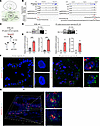 Figure 8
MIR205HG and IL33 mRNA binds to fused in sarcoma RBP in NHBE cells and IPF patient–derived airway organoids. (A) Schematic illustration for the identification of RBPs common to MIR205HG and IL33 using starBase v2.0 (32). (B) Integrative Genomics Viewer (IGV) showing MIR205HG and IL33 loci in NV and MIR205HG-KD NHBE cells. The motif sequences of the respective MIR205HG and IL33 recognized by the FUS protein are shown. Motif sequences were obtained from public HITS-CLIP dataset (GSE43308) (33). (C) RIP workflow to examine the binding of the respective MIR205HG and IL33 to the FUS protein. Immunoprecipitation (IP) was performed using an FUS antibody and an IgG antibody as control. RNA enrichment in the FUS antibody was calculated using the IgG antibody as control. (D) Western blot showing FUS protein expression in FUS IP using NHBE cells and IPF patient–derived airway organoids. (E) qRT-PCR showing MIR205HG and IL33 in FUS RIP using NHBE cells and IPF patient–derived airway organoids. N.D., not detected. Data represent mean ± SD. ***P < 0.001; P values were determined by 2-tailed t test. (F) Representative images of MIR205HG and IL33 double ISH staining in alveolar organoids and IPF patient–derived airway organoids. Scale bar: 10 μm. (G) Representative images of MIR205HG and IL33 double ISH staining in IPF tissue samples. Scale bar: 10 μm.
We then performed RNA-immunoprecipitation (RIP) in NHBE cells and IPF patient–derived airway organoids (Figure 8C). FUS protein–enriched samples contained significantly higher amounts of MIR205HG and IL33 mRNA relative to control IgG samples in both NHBE cells and IPF patient–derived airway organoids (Figure 8, D and E, and Supplemental Figure 9, A and B). In IPF patient–derived airway organoids, MIR205HG and IL33 double ISH staining revealed that MIR205HG was localized in proximity to IL33 mRNA (Figure 8F). This observation was also found in patients with IPF (Figure 8G).
Because FUS protein contributes to RNA stabilization (34–36), we hypothesized that FUS-KD could affect the amounts of MIR205HG and IL33 mRNA. As expected, FUS-KD significantly decreased MIR205HG and IL33 mRNA amounts in NHBE cells and IPF patient–derived airway organoids, indicating the role of FUS in stabilizing MIR205HG and IL33 mRNA (Figure 9A and Supplemental Figure 9C). We then hypothesized that MIR205HG regulates IL33 mRNA expression by affecting FUS expression. To examine this hypothesis, we investigated the relationship between FUS expression and the amounts of MIR205HG and IL33 mRNA. However, FUS mRNA and FUS protein expression were not affected in MIR205HG-KD NHBE cells (Supplemental Figure 9, D and E). Moreover, there was no difference in FUS mRNA and FUS protein expression in IPF patient–derived airway organoids with high MIR205HG and IL-33 expression relative to alveolar organoids with low MIR205HG and IL-33 expression (Figure 9B and Supplemental Figure 9, F and G). Additionally, IHC showed that FUS protein was expressed in almost all cells, including the alveolar and airway epithelium, with no obvious difference in FUS expression between healthy lungs and patients with IPF (Figure 9C). Therefore, it is unlikely that MIR205HG affects IL33 mRNA expression by modulating FUS expression. Instead, FUS protein itself stabilized MIR205HG and IL33 mRNA, pointing to another mechanism such as a direct interaction between MIR205HG and IL33 mRNA (Figure 9D).
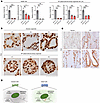 Figure 9
Knockdown of FUS protein reduces expression of MIR205HG and IL33 mRNA. (A) qRT-PCR showing FUS, MIR205HG, and IL33 expression of FUS-KD NHBE cells and IPF patient–derived airway organoids using shRNA. Data represent mean ± SD. *P < 0.05, **P < 0.01, ***P < 0.001; P values were determined by 1-way ANOVA with Holm-Šídák post hoc test. (B) Representative images of FUS IHC staining in alveolar organoids and IPF patient–derived airway organoids. Scale bar: 100 μm. (C) Representative images of FUS IHC staining in healthy and IPF tissue samples. Scale bar: 100 μm. (D) Schematic illustration showing predictions from the experimental results.
The AluJb element of MIR205HG is essential for regulation of IL33 expression. To investigate the direct interaction between MIR205HG and IL33 mRNA, we performed chromatin isolation via RNA precipitation (ChIRP) experiments (Figure 10A). In these ChIRP experiments, the MIR205HG probe coprecipitated more IL33 mRNA compared with the control LacZ probe in NHBE cells and IPF patient–derived airway organoids (Figure 10B). We next examined sequence similarity between MIR205HG and IL33 in genes enriched in basal cells (1,465 genes). The sequence similarity between these 2 is among the top 20% of the 1,465 genes (Supplemental Figure 10, A and B). When searching for motifs of sequence similarity, the AluJb element of MIR205HG was found to possess similarity to 9 (6 sense and 3 antisense) sites of Alu elements located in the intron region of the IL33 gene (Figure 10C and Supplemental Figure 11A). These Alu elements were not found in the exon regions of the IL33 gene, indicating that IL33 pre-mRNA but not IL33 mRNA possessed these elements. Because Alu elements have been reported to interact with each other (37–39), it is possible that the AluJb element of MIR205HG may be responsible for the interaction between MIR205HG and IL33 pre-mRNA.
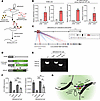 Figure 10
AluJb element of MIR205HG regulates IL33 expression. (A) Workflow of ChIRP for binding of IL33 using the MIR205HG probe. (B) qRT-PCR of MIR205HG and IL33 in ChIRP for MIR205HG enrichment in NHBE cells and IPF patient–derived airway organoids. ChIRP was performed using MIR205HG probe and LacZ probe as control. Data represent mean ± SD. N.D., not detected. (C) Predicted binding sites of the AluJb element of MIR205HG and the Alu elements (intron) of IL33. A total of 9 sites with similarity to AluJb or Alu elements were found in the Alu element of IL33. Blue and red indicate sequence similarity between the AluJb element of MIR205HG and the sense/antisense strand of the Alu elements of IL33, respectively. (D) Vector design for functional analysis of the AluJb element of MIR205HG. (E) RT-PCR products obtained by transfection of NHBE cells with primers shown in D. Deletion of the AluJb element (ΔAluJb) of MIR205HG was confirmed. (F) qRT-PCR showing IL33 mRNA and IL33 pre-mRNA expression under E conditions. Data represent mean ± SD. **P < 0.01, ***P < 0.001; P values were determined by 1-way ANOVA with Holm-Šídák post hoc test. (G) Schematic illustration of the experimental results.
We then investigated whether the AluJb element of MIR205HG affected IL33 mRNA amount (Figure 10, D and E). When the full-length MIR205HG vector was transfected into MIR205HG-KD NHBE cells, it restored IL33 mRNA and pre-mRNA amounts (Figure 10F). In contrast, the ΔAluJb element vector, in which the AluJb element of MIR205HG was deleted, did not upregulate IL33 mRNA and pre-mRNA amounts compared to full-length vector (Figure 10F), indicating that the AluJb element of MIR205HG was responsible for regulating IL-33 mRNA amount. Hi-C public data showed that MIR205HG (located on chromosome 1) and IL33 gene (located on chromosome 9) were in close genomic proximity in cells expressing MIR205HG and IL33 mRNA (Supplemental Figure 11B). These results suggest that MIR205HG might stabilize IL33 pre-mRNA through its AluJb element immediately after the transcription of the IL33 gene, thereby upregulating IL33 mRNA amounts (Figure 10G).
Small molecule DQzG targets the AluJb element of MIR205HG and reduces IL-33 expression. Furthermore, to complement the relevance of the AluJb element of MIR205HG, we explored small molecules that could target the AluJb element to inhibit IL-33 expression (Figure 11A). To identify binding molecules using SPR, we selected 7 internal and hairpin loop motifs from the secondary structure predicted by CentroidFold (40) and designed SPR-measurable RNA sequences (Figure 11, B and C, and Supplemental Figure 12A). SPR-based screening with a library of 1,273 small molecules identified ANP77 (41), DQzG (42), and TO239 as promising candidates that showed strong binding to the AluJb element (Supplemental Figure 12, A and B). These molecules were then screened for their suppressive effect on IL33 expression in NHBE cells; DQzG exhibited the greatest inhibitory effect on IL33 mRNA expression (Figure 11D and Supplemental Figure 12C). Nuclear magnetic resonance (NMR) and SPR analysis at multiple concentrations further supported the ability of DQzG to bind to the AluJb element (Supplemental Figure 12, B and D).
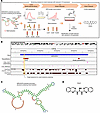 Figure 11
Screening of small molecules that reduce IL-33 expression by targeting the AluJb element. (A) Overview of the screening scheme for the identification of small molecules that reduce IL33 expression. surface plasmon resonance (SPR) experiments were carried out on 7 motifs from the MIR205HG predicted secondary structure containing the AluJb element. The SPR experiments identified 3 small molecules (ANP77, DQzG, and TO239) from a library of 1,273 small molecules. These 3 small molecules were assessed for IL33 expression in NHBE cells. (B) IGV plot showing the target sequence region for small molecule screening. The target sequence was selected as the yellow background region containing the AluJb element. (C) Predicted secondary structure containing AluJb element of MIR205HG. RNA secondary structure was predicted with RNAfold and visualized with forna. (D) The structure of the small molecule DQzG.
We comprehensively examined DEGs in NHBE cells and IPF patient–derived airway organoids treated with DQzG using RNA-Seq analysis. DQzG treatment identified several DEGs and identified IL33 as one of the genes common to both NHBE cells and IPF patient–derived airway organoids (Supplemental Figure 13A). We verified time- and concentration-dependent suppression of IL33 mRNA, IL33 pre-mRNA, and IL-33 protein in NHBE cells and IPF patient–derived airway organoids (Figure 12, A–D). Interestingly, MIR205HG expression was also slightly reduced in NHBE cells and IPF patient–derived airway organoids following DQzG treatment (Figure 12, A and B). We verified that cell numbers were not affected under these conditions (Supplemental Figure 13B). As a control experiment, we treated NHBE cells and IPF patient–derived airway organoids with DNpG, a small molecule without binding that does not bind to the sequence in the AluJb element recognized by DQzG. Treatment with DNpG had no effect on IL33 mRNA, IL33 pre-mRNA, or MIR205HG expression (Supplemental Figure 14, A–C). Taken together, these results highlight the important role of the AluJb element of MIR205HG in the regulation of IL33 expression (Figure 12E).
 Figure 12
Small molecule DQzG targets the AluJb element of MIR205HG and reduces IL-33 expression. (A and B) qRT-PCR showing MIR205HG, IL33 mRNA, and IL33 pre-mRNA expression in NHBE cells (24 hours and 48 hours) and IPF patient–derived airway organoids (48 hours and 72 hours) after 3 μM and 5 μM DQzG treatment. Data represent mean ± SD. *P < 0.05, **P < 0.01, ***P < 0.001; P values were determined by 1-way ANOVA with Holm-Šídák post hoc test. (C and D) Western blot showing IL-33 protein expression in NHBE cells (24 hours and 48 hours) and IPF patient–derived airway organoids (48 hours and 72 hours) after 3 μM and 5 μM DQzG treatment. IL-33 expression levels in the western blot were quantified using ImageJ software (NIH). (E) Schematic illustration of the experimental results.
The high-MIR205HG group shows high IL-33 expression and increased number of ILC2s compared with the low-MIR205HG group in IPF. We investigated the clinical significance of elevated IL-33 expression in IPF. IL-33 IHC was performed on the same healthy lungs (n = 15) and patients with IPF (n = 29) as used in Figure 2A (Supplemental Figure 15A). The results revealed that IL-33 protein expression was significantly higher in IPF than in normal lungs (Supplemental Figure 15B). However, IL-33 protein expression was comparable between the low-MIR205HG and high-MIR205HG groups used in Figure 2C (Supplemental Figure 15C). Additionally, Kaplan-Meier analysis showed that IL-33 expression was not associated with the OS rate when the low–IL-33 group was compared with the high–IL-33 group (Supplemental Figure 15, D and E).
UMAP analysis of scRNA-Seq data (GSE136831) showed that IL33 mRNA expression was detected in various cells, such as epithelial cells, fibroblasts, and endothelial cells (Supplemental Figure 15, F–H). Previous studies have reported that increased IL-33 expression in the epithelium contributes to long-term innate immune activity and pathogenesis in diseases such as chronic obstructive pulmonary disease and emphysema (43–46). When healthy lungs were compared with IPF patient scRNA-Seq data (GSE136831), the difference in the IL33 expression level was most pronounced in epithelial clusters (Figure 13A and Supplemental Figure 15I). Consequently, we focused on epithelial IL-33 expression. In the same samples as in Supplemental Figure 15A, double IHC staining with EpCAM (an epithelial marker) and IL-33 was performed (Figure 13B). The number of EpCAM+ and IL-33+ cells was significantly higher in IPF than in normal lungs (Figure 13C). Furthermore, the number of EpCAM+ and IL-33+ cells was higher in the high-MIR205HG group than in the low-MIR205HG group (Figure 13D). We divided the cases into 2 groups: those with high EpCAM+ and IL-33+ epithelial cells, and those with low EpCAM+ and IL-33+ epithelial cells (Figure 13E). Kaplan-Meier analysis showed that the former group had significantly lower OS rates than the latter group (HR, 4.49; 95% CI, 1.57–12.86; P = 0.011) (Figure 13F).
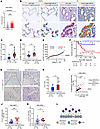 Figure 13
The high-MIR205HG group exhibits high IL-33 expression and increased number of ILC2s compared with the low-MIR205HG group in patients with IPF. (A) Plot of IL33 expression for healthy lungs (n = 28) and patients with IPF (n = 32) in epithelial cell cluster. (B) Representative images of EpCAM IHC and IL-33 IHC staining in healthy lungs (n = 15) and patients with IPF (n = 29) in the cohort from Supplemental Figure 15A. Scale bar: 100 μm. (C) Plot of EpCAM+ and IL-33+ expression in B. (D) Plot of EpCAM+ and IL-33+ expression in high-MIR205HG group (n = 15) and low-MIR205HG group (n = 14). The 2 groups based on expression of MIR205HG in Figure 1I were used. (E) Plots of EpCAM+ and IL-33+ expression in patients with IPF (n = 29). The median was used as the cutoff value of EpCAM+ and IL-33+ expression. (F) Kaplan-Meier curves for OS rate (%) in patients with IPF (n = 29) divided into high-EpCAM+ and IL-33+ group (n = 15) and low-EpCAM+ and IL-33+ group (n = 14). HR, 4.49; 95% CI, 1.57–12.86; P = 0.0011; P values determined by log-rank test. (G) Representative images of CD127 IHC and GATA3 IHC staining in high-MIR205HG group (n = 15) and low-MIR205HG group (n = 14). Scale bar: 100 μm. (H) Plot of number of ILC2s (CD127+ and GATA3+) in G. *P < 0.05; P values determined by 2-tailed Student’s t test. (I) Correlation analysis of MIR205HG+ and IL33+ epithelial cells using patients with IPF (n = 32). Pearson’s r = 0.799 and P < 0.0001; P values are 2 sided. (J) Plot of IL33+ epithelial cells in high-MIR205HG group (n = 16) and low-MIR205HG group (n = 16). (K) Number of ILC2s (CD127+GATA3+CD45+ cells) in high-MIR205HG group (n = 16) and low-MIR205HG group (n = 16). (L) Schematic illustration of the experimental results. (A, C, D, J, and K) *P < 0.05, ***P < 0.001; P values were determined by 2-tailed Mann-Whitney U test. (J and K) Bars represent the median and 95% CI. (A and I–K) Public scRNA-Seq data (GSE136831) were used for analysis.
Finally, we examined the relationship between MIR205HG-expressing cells and ILC2s. The number of CD127+GATA3+ ILC2s was immunohistochemically examined in the low-MIR205HG group and the high-MIR205HG group (Figure 13G). The results revealed that the number of CD127+GATA3+ ILC2s was significantly higher in the high-MIR205HG group than in the low-MIR205HG group (Figure 13H). Additionally, the expression of MIR205HG and IL33 in epithelial cells was plotted for patients with IPF (n = 32), demonstrating a positive correlation between MIR205HG and IL33 expression in epithelial cells using public scRNA-Seq data (GSE136931) (Figure 13I). When these 32 patients with IPF were divided into low-MIR205HG (n = 16) and high-MIR205HG (n = 16) groups, the high-MIR205HG group showed significantly increased expression of IL33 in epithelial cells and increased numbers of ILC2s (Figure 13, J–L). In summary, we revealed that MIR205HG plays a crucial role in regulating epithelial IL-33 expression and is involved in the pathogenesis of IPF.


