
Research ArticleInflammationNephrology
Open Access |  10.1172/jci.insight.173742
CCL5 paradoxically regulates glomerular injury by skewing macrophage polarization
Ika N. Kadariswantiningsih,1,2 Issei Okunaga,1 Kaho Yamasaki,1 Maulana A. Empitu,1,2 Hiroyuki Yamada,1,3 Shin-ichi Makino,1 Akitsu Hotta,4 Hideo Yagita,5 Masashi Aizawa,1 Ryo Koyama-Nasu,6 Motoko Y. Kimura,6 Narihito Tatsumoto,1 and Katsuhiko Asanuma1
1Department of Nephrology, Graduate School of Medicine, Chiba University, Chiba, Japan.
2Faculty of Medicine, Airlangga University, Surabaya, Indonesia.
3Department of Nephrology, Kyoto University Hospital, Kyoto, Japan.
4Department of Reprogramming Science, Center for iPS Cell Research and Application (CiRA), Kyoto University, Kyoto, Japan.
5Division of Cell Biology, Biomedical Research Center, Juntendo University Graduate School of Medicine, Tokyo, Japan.
6Department of Experimental Immunology, Graduate School of Medicine, Chiba University, Chiba, Japan.
Address correspondence to: Katsuhiko Asanuma, Department of Nephrology, Graduate School of Medicine, Chiba University, 1-8-1 Inohana, Chuo-ku, Chiba 260-8670, Japan. Phone: 81.43.222.7171; Email: kasanuma@chiba-u.jp.
Authorship note: INK, IO, and KY contributed equally to this work and are co–first authors.
Find articles by Kadariswantiningsih, I. in: PubMed | Google Scholar
1Department of Nephrology, Graduate School of Medicine, Chiba University, Chiba, Japan.
2Faculty of Medicine, Airlangga University, Surabaya, Indonesia.
3Department of Nephrology, Kyoto University Hospital, Kyoto, Japan.
4Department of Reprogramming Science, Center for iPS Cell Research and Application (CiRA), Kyoto University, Kyoto, Japan.
5Division of Cell Biology, Biomedical Research Center, Juntendo University Graduate School of Medicine, Tokyo, Japan.
6Department of Experimental Immunology, Graduate School of Medicine, Chiba University, Chiba, Japan.
Address correspondence to: Katsuhiko Asanuma, Department of Nephrology, Graduate School of Medicine, Chiba University, 1-8-1 Inohana, Chuo-ku, Chiba 260-8670, Japan. Phone: 81.43.222.7171; Email: kasanuma@chiba-u.jp.
Authorship note: INK, IO, and KY contributed equally to this work and are co–first authors.
Find articles by
Okunaga, I.
in:
PubMed
|
Google Scholar
|

1Department of Nephrology, Graduate School of Medicine, Chiba University, Chiba, Japan.
2Faculty of Medicine, Airlangga University, Surabaya, Indonesia.
3Department of Nephrology, Kyoto University Hospital, Kyoto, Japan.
4Department of Reprogramming Science, Center for iPS Cell Research and Application (CiRA), Kyoto University, Kyoto, Japan.
5Division of Cell Biology, Biomedical Research Center, Juntendo University Graduate School of Medicine, Tokyo, Japan.
6Department of Experimental Immunology, Graduate School of Medicine, Chiba University, Chiba, Japan.
Address correspondence to: Katsuhiko Asanuma, Department of Nephrology, Graduate School of Medicine, Chiba University, 1-8-1 Inohana, Chuo-ku, Chiba 260-8670, Japan. Phone: 81.43.222.7171; Email: kasanuma@chiba-u.jp.
Authorship note: INK, IO, and KY contributed equally to this work and are co–first authors.
Find articles by Yamasaki, K. in: PubMed | Google Scholar
1Department of Nephrology, Graduate School of Medicine, Chiba University, Chiba, Japan.
2Faculty of Medicine, Airlangga University, Surabaya, Indonesia.
3Department of Nephrology, Kyoto University Hospital, Kyoto, Japan.
4Department of Reprogramming Science, Center for iPS Cell Research and Application (CiRA), Kyoto University, Kyoto, Japan.
5Division of Cell Biology, Biomedical Research Center, Juntendo University Graduate School of Medicine, Tokyo, Japan.
6Department of Experimental Immunology, Graduate School of Medicine, Chiba University, Chiba, Japan.
Address correspondence to: Katsuhiko Asanuma, Department of Nephrology, Graduate School of Medicine, Chiba University, 1-8-1 Inohana, Chuo-ku, Chiba 260-8670, Japan. Phone: 81.43.222.7171; Email: kasanuma@chiba-u.jp.
Authorship note: INK, IO, and KY contributed equally to this work and are co–first authors.
Find articles by
Empitu, M.
in:
PubMed
|
Google Scholar
|
1Department of Nephrology, Graduate School of Medicine, Chiba University, Chiba, Japan.
2Faculty of Medicine, Airlangga University, Surabaya, Indonesia.
3Department of Nephrology, Kyoto University Hospital, Kyoto, Japan.
4Department of Reprogramming Science, Center for iPS Cell Research and Application (CiRA), Kyoto University, Kyoto, Japan.
5Division of Cell Biology, Biomedical Research Center, Juntendo University Graduate School of Medicine, Tokyo, Japan.
6Department of Experimental Immunology, Graduate School of Medicine, Chiba University, Chiba, Japan.
Address correspondence to: Katsuhiko Asanuma, Department of Nephrology, Graduate School of Medicine, Chiba University, 1-8-1 Inohana, Chuo-ku, Chiba 260-8670, Japan. Phone: 81.43.222.7171; Email: kasanuma@chiba-u.jp.
Authorship note: INK, IO, and KY contributed equally to this work and are co–first authors.
Find articles by
Yamada, H.
in:
PubMed
|
Google Scholar
|
1Department of Nephrology, Graduate School of Medicine, Chiba University, Chiba, Japan.
2Faculty of Medicine, Airlangga University, Surabaya, Indonesia.
3Department of Nephrology, Kyoto University Hospital, Kyoto, Japan.
4Department of Reprogramming Science, Center for iPS Cell Research and Application (CiRA), Kyoto University, Kyoto, Japan.
5Division of Cell Biology, Biomedical Research Center, Juntendo University Graduate School of Medicine, Tokyo, Japan.
6Department of Experimental Immunology, Graduate School of Medicine, Chiba University, Chiba, Japan.
Address correspondence to: Katsuhiko Asanuma, Department of Nephrology, Graduate School of Medicine, Chiba University, 1-8-1 Inohana, Chuo-ku, Chiba 260-8670, Japan. Phone: 81.43.222.7171; Email: kasanuma@chiba-u.jp.
Authorship note: INK, IO, and KY contributed equally to this work and are co–first authors.
Find articles by
Makino, S.
in:
PubMed
|
Google Scholar
|
1Department of Nephrology, Graduate School of Medicine, Chiba University, Chiba, Japan.
2Faculty of Medicine, Airlangga University, Surabaya, Indonesia.
3Department of Nephrology, Kyoto University Hospital, Kyoto, Japan.
4Department of Reprogramming Science, Center for iPS Cell Research and Application (CiRA), Kyoto University, Kyoto, Japan.
5Division of Cell Biology, Biomedical Research Center, Juntendo University Graduate School of Medicine, Tokyo, Japan.
6Department of Experimental Immunology, Graduate School of Medicine, Chiba University, Chiba, Japan.
Address correspondence to: Katsuhiko Asanuma, Department of Nephrology, Graduate School of Medicine, Chiba University, 1-8-1 Inohana, Chuo-ku, Chiba 260-8670, Japan. Phone: 81.43.222.7171; Email: kasanuma@chiba-u.jp.
Authorship note: INK, IO, and KY contributed equally to this work and are co–first authors.
Find articles by Hotta, A. in: PubMed | Google Scholar
1Department of Nephrology, Graduate School of Medicine, Chiba University, Chiba, Japan.
2Faculty of Medicine, Airlangga University, Surabaya, Indonesia.
3Department of Nephrology, Kyoto University Hospital, Kyoto, Japan.
4Department of Reprogramming Science, Center for iPS Cell Research and Application (CiRA), Kyoto University, Kyoto, Japan.
5Division of Cell Biology, Biomedical Research Center, Juntendo University Graduate School of Medicine, Tokyo, Japan.
6Department of Experimental Immunology, Graduate School of Medicine, Chiba University, Chiba, Japan.
Address correspondence to: Katsuhiko Asanuma, Department of Nephrology, Graduate School of Medicine, Chiba University, 1-8-1 Inohana, Chuo-ku, Chiba 260-8670, Japan. Phone: 81.43.222.7171; Email: kasanuma@chiba-u.jp.
Authorship note: INK, IO, and KY contributed equally to this work and are co–first authors.
Find articles by
Yagita, H.
in:
PubMed
|
Google Scholar
|
1Department of Nephrology, Graduate School of Medicine, Chiba University, Chiba, Japan.
2Faculty of Medicine, Airlangga University, Surabaya, Indonesia.
3Department of Nephrology, Kyoto University Hospital, Kyoto, Japan.
4Department of Reprogramming Science, Center for iPS Cell Research and Application (CiRA), Kyoto University, Kyoto, Japan.
5Division of Cell Biology, Biomedical Research Center, Juntendo University Graduate School of Medicine, Tokyo, Japan.
6Department of Experimental Immunology, Graduate School of Medicine, Chiba University, Chiba, Japan.
Address correspondence to: Katsuhiko Asanuma, Department of Nephrology, Graduate School of Medicine, Chiba University, 1-8-1 Inohana, Chuo-ku, Chiba 260-8670, Japan. Phone: 81.43.222.7171; Email: kasanuma@chiba-u.jp.
Authorship note: INK, IO, and KY contributed equally to this work and are co–first authors.
Find articles by Aizawa, M. in: PubMed | Google Scholar
1Department of Nephrology, Graduate School of Medicine, Chiba University, Chiba, Japan.
2Faculty of Medicine, Airlangga University, Surabaya, Indonesia.
3Department of Nephrology, Kyoto University Hospital, Kyoto, Japan.
4Department of Reprogramming Science, Center for iPS Cell Research and Application (CiRA), Kyoto University, Kyoto, Japan.
5Division of Cell Biology, Biomedical Research Center, Juntendo University Graduate School of Medicine, Tokyo, Japan.
6Department of Experimental Immunology, Graduate School of Medicine, Chiba University, Chiba, Japan.
Address correspondence to: Katsuhiko Asanuma, Department of Nephrology, Graduate School of Medicine, Chiba University, 1-8-1 Inohana, Chuo-ku, Chiba 260-8670, Japan. Phone: 81.43.222.7171; Email: kasanuma@chiba-u.jp.
Authorship note: INK, IO, and KY contributed equally to this work and are co–first authors.
Find articles by Koyama-Nasu, R. in: PubMed | Google Scholar
1Department of Nephrology, Graduate School of Medicine, Chiba University, Chiba, Japan.
2Faculty of Medicine, Airlangga University, Surabaya, Indonesia.
3Department of Nephrology, Kyoto University Hospital, Kyoto, Japan.
4Department of Reprogramming Science, Center for iPS Cell Research and Application (CiRA), Kyoto University, Kyoto, Japan.
5Division of Cell Biology, Biomedical Research Center, Juntendo University Graduate School of Medicine, Tokyo, Japan.
6Department of Experimental Immunology, Graduate School of Medicine, Chiba University, Chiba, Japan.
Address correspondence to: Katsuhiko Asanuma, Department of Nephrology, Graduate School of Medicine, Chiba University, 1-8-1 Inohana, Chuo-ku, Chiba 260-8670, Japan. Phone: 81.43.222.7171; Email: kasanuma@chiba-u.jp.
Authorship note: INK, IO, and KY contributed equally to this work and are co–first authors.
Find articles by Kimura, M. in: PubMed | Google Scholar
1Department of Nephrology, Graduate School of Medicine, Chiba University, Chiba, Japan.
2Faculty of Medicine, Airlangga University, Surabaya, Indonesia.
3Department of Nephrology, Kyoto University Hospital, Kyoto, Japan.
4Department of Reprogramming Science, Center for iPS Cell Research and Application (CiRA), Kyoto University, Kyoto, Japan.
5Division of Cell Biology, Biomedical Research Center, Juntendo University Graduate School of Medicine, Tokyo, Japan.
6Department of Experimental Immunology, Graduate School of Medicine, Chiba University, Chiba, Japan.
Address correspondence to: Katsuhiko Asanuma, Department of Nephrology, Graduate School of Medicine, Chiba University, 1-8-1 Inohana, Chuo-ku, Chiba 260-8670, Japan. Phone: 81.43.222.7171; Email: kasanuma@chiba-u.jp.
Authorship note: INK, IO, and KY contributed equally to this work and are co–first authors.
Find articles by Tatsumoto, N. in: PubMed | Google Scholar
1Department of Nephrology, Graduate School of Medicine, Chiba University, Chiba, Japan.
2Faculty of Medicine, Airlangga University, Surabaya, Indonesia.
3Department of Nephrology, Kyoto University Hospital, Kyoto, Japan.
4Department of Reprogramming Science, Center for iPS Cell Research and Application (CiRA), Kyoto University, Kyoto, Japan.
5Division of Cell Biology, Biomedical Research Center, Juntendo University Graduate School of Medicine, Tokyo, Japan.
6Department of Experimental Immunology, Graduate School of Medicine, Chiba University, Chiba, Japan.
Address correspondence to: Katsuhiko Asanuma, Department of Nephrology, Graduate School of Medicine, Chiba University, 1-8-1 Inohana, Chuo-ku, Chiba 260-8670, Japan. Phone: 81.43.222.7171; Email: kasanuma@chiba-u.jp.
Authorship note: INK, IO, and KY contributed equally to this work and are co–first authors.
Find articles by Asanuma, K. in: PubMed | Google Scholar
Published September 23, 2025 - More info
JCI Insight. 2025;10(21):e173742. https://doi.org/10.1172/jci.insight.173742.
© 2025 Kadariswantiningsih et al. This work is licensed under the Creative Commons Attribution 4.0 International License. To view a copy of this license, visit http://creativecommons.org/licenses/by/4.0/.
Received: August 25, 2023; Accepted: September 18, 2025

-
Results
CCL5 is expressed in podocytes and upregulated in human and mouse glomerular injury. To investigate the role of CCL5 in glomerular injury, we analyzed its expression in human kidney biopsies and ADR-induced nephropathy mice. Kidney biopsy samples from patients with minimal change disease (MCD), characterized by minor glomerular abnormalities, mild clinical symptoms, steroid responsiveness, and no relapse, were used as controls. In patients with FSGS, IgA nephropathy (IgAN), and lupus nephritis (LN), CCL5 was highly expressed in the glomeruli and showed a capillary pattern that colocalized with synaptopodin, a podocyte-specific marker (Figure 1A). Quantitative analysis revealed significantly higher CCL5 intensity in FSGS, IgAN, and LN compared with MCD (Figure 1B), and the degree of CCL5 and synaptopodin colocalization was also increased (Figure 1C), suggesting upregulation of CCL5 in glomerular disease. To provide an overview of the study population, we have included a table summarizing the clinical characteristics of the biopsy samples (Supplemental Table 1; supplemental material available online with this article; https://doi.org/10.1172/jci.insight.173742DS1).
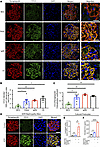 Figure 1
CCL5 expression in podocytes of human glomerular diseases and ADR-induced nephropathy mice. (A) Representative glomerular immunofluorescence images of synaptopodin (red) and CCL5 (green) in human glomerular diseases of MCD (n = 3), FSGS (n = 6), IgAN (n = 3), and LN (n = 3). (B and C) Quantification of CCL5 immunofluorescence intensity and colocalization of synaptopodin and CCL5 in human glomerular diseases. (D) Glomerular immunofluorescence images of synaptopodin (red) and CCL5 (green) in control or WT mice 3 days after ADR injection. (E) Relative mRNA expression of Ccl5 in cultured podocytes that were untreated (n = 3) or stimulated with 0.15 μg/mL ADR (n = 3) or a combination of 0.15 μg/mL ADR and 50 μg/mL αNotch2 (n = 3) for 6 hours. Measured values were normalized to Gapdh and calculated by the ΔΔCt method. (F) The concentration of CCL5 secreted by cultured podocytes that were untreated (n = 3) or stimulated with 0.15 μg/mL ADR (n = 3) or a combination of 0.15 μg/mL ADR and 50 μg/mL αNotch2 (n = 3) for 12 hours. All data are expressed as mean ± SEM. Unpaired 2-tailed t tests; 1-way ANOVA; Dunnett’s multiple comparison test for B, C, and F; and Tukey’s multiple comparison test for E were performed to calculate the P values. *P < 0.05; **P < 0.01; ****P < 0.0001. Scale bars: 20 μm.
To further contextualize CCL5 expression in diseased glomeruli, we examined CCL5 staining in normal human kidney samples. Immunofluorescence analysis revealed that CCL5 expression was minimal to undetectable in normal glomeruli (Supplemental Figure 1), suggesting that CCL5 is expressed at low levels under physiological conditions but becomes upregulated in response to glomerular injury. These findings provide a baseline reference for CCL5 expression in healthy kidneys, further highlighting its induction in glomerular diseases.
A similar pattern was observed in ADR-induced nephropathy mice, where CCL5 was upregulated in podocytes 3 days after ADR injection, showing a capillary pattern colocalized with synaptopodin (Figure 1D). To ensure antibody specificity, we performed immunofluorescent staining of CCL5 in ADR-injected Ccl5-KO mice, confirming the expected absence of CCL5 signal (Supplemental Figure 2). These results suggested that CCL5 expression is upregulated in podocytes in response to glomerular injury in both human disease and ADR nephropathy models.
Previous studies have linked increased C-C motif proteins, such as CCL5, to the activation of Notch receptors (14, 15), and Notch2 signaling has been shown to protect podocytes and glomeruli from ADR-induced injury (16). Therefore, we hypothesized that ADR-induced CCL5 upregulation in podocytes might follow a Notch2 activation pattern.
To evaluate this, we treated murine cultured podocytes with ADR or ADR plus an anti-Notch2 agonist antibody (αNotch2) and measured Ccl5 mRNA expression (quantitative real-time PCR, qPCR) and protein secretion (ELISA) (Figure 1, E and F). CCL5 expression significantly increased following ADR treatment and was further enhanced by αNotch2 stimulation (Figure 1, E and F). This pattern closely mirrored Notch2 activation in podocytes, as previously described by Tanaka et al. (16), suggesting a potential link between ADR-induced CCL5 expression and Notch2 signaling.
To further confirm that podocytes express CCL5, we performed immunofluorescent staining of CCL5 and synaptopodin in WT cultured podocytes. CCL5 was detected intracellularly and colocalized with synaptopodin, demonstrating that CCL5 is expressed in podocytes under baseline conditions, even in the absence of injury (Supplemental Figure 3). These findings align with our mRNA expression and protein secretion analyses, further validating that podocytes are a key source of CCL5 in the glomerulus.
Since CCL5 can signal through multiple GPCRs, we examined podocyte mRNA expression of Ccr1, Ccr3, Ccr5, and Gpr75, which are all known CCL5 receptors (17, 18). Among these, only mRNA expression of Gpr75 was detected in cultured podocytes (Supplemental Figure 4), suggesting that CCL5 primarily signals via GPR75 in podocytes rather than through CCR1, CCR3, or CCR5.
Together, these findings demonstrate that CCL5 is upregulated in podocytes in both human and mouse models of glomerular injury, with its expression in ADR-induced nephropathy following a pattern similar to Notch2 activation. Moreover, the data suggest that CCL5 likely signals via GPR75 in podocytes during glomerular injury, highlighting its potential role in disease progression.
Exogenous and endogenous CCL5 protects podocytes from apoptosis. Since CCL5 is induced in ADR-treated podocytes, similar to Notch2 activation, we investigated whether CCL5 plays a protective role in ADR-induced nephropathy by assessing podocyte apoptosis. We included the full gating strategy used in the Annexin V/7-AAD analysis for evaluating apoptosis (Supplemental Figure 5).
We treated WT cultured podocytes with ADR alone or a combination of ADR and exogenous CCL5, and then analyzed the apoptosis markers Annexin V and 7-AAD (Figure 2A). As expected, ADR treatment significantly increased apoptosis (Figure 2, B–D). However, exogenous CCL5 treatment enhanced podocyte viability and reduced apoptosis in ADR-treated podocytes (Figure 2, C and D), suggesting that CCL5 protects podocytes from ADR-induced apoptosis.
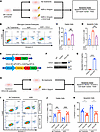 Figure 2
The effect of exogenous and endogenous CCL5 in the apoptosis of podocytes. (A) Experimental scheme of the apoptosis assay in WT murine cultured podocytes that were untreated (n = 3) or treated with 0.15 μg/mL ADR (n = 3) or a combination of 0.15 μg/mL ADR and 5 nM CCL5 (n = 3). (B) Representative result of the flow cytometry–based apoptosis assay, measuring death cell marker 7-AAD and apoptosis marker Annexin V in untreated, ADR-treated, and ADR+CCL5-treated WT cultured podocytes. (C and D) Percentage of viable and apoptotic cells in untreated, ADR-treated, and ADR+CCL5-treated cultured podocytes. (E) Schematic design of transfected plasmid DNA of control and CCL5-OE cultured podocytes. (F) Western blot analysis of WT, control, and CCL5-OE cultured podocytes. (G) Concentration of CCL5 secreted by control and CCL5-OE cultured podocytes. (H) Experimental scheme of the apoptosis assay in the untreated control (n = 6), untreated CCL5-OE (n = 6), ADR-treated control (n = 6), and ADR-treated CCL5-OE cultured podocytes (n = 6). (I) Representative flow cytometry–based apoptosis assay result, measuring death cell marker 7-AAD and apoptosis marker Annexin V in untreated and ADR-treated control and CCL5-OE cultured podocytes. (J and K) Percentage of viable and apoptotic cells in untreated control, untreated CCL5-OE, ADR-treated control, and ADR-treated CCL5-OE cultured podocytes. All data are expressed as mean ± SEM. Unpaired 2-tailed t tests, 1-way ANOVA tests, and Tukey’s multiple comparison test for panels C, D, J, and K were performed to calculate the P values. **P < 0.01; ***P < 0.001; ****P < 0.0001. IRES, internal ribosome entry site; Puro, puromycin.
To assess the effect of endogenous CCL5, we generated CCL5-OE podocytes using the piggyBac transposon system (Figure 2E). Western blotting and ELISA confirmed that CCL5-OE podocytes expressed and secreted a significantly higher level of CCL5 protein than control podocytes (Figure 2, F and G).
We then conducted an apoptosis assay comparing CCL5-OE podocytes and control podocytes, both under normal conditions and ADR treatment (Figure 2, H and I). CCL5 overexpression significantly increased podocyte viability and reduced apoptosis, even in ADR-treated cells (Figure 2, J and K). Early apoptotic cells (Annexin V+7-AAD–) were also significantly reduced in CCL5-OE podocytes under both conditions, further supporting the protective role of CCL5 (Supplemental Figure 6).
These findings demonstrate that both exogenous and endogenous CCL5 protect podocytes from ADR-induced apoptosis, reinforcing its potential role in maintaining podocyte survival during glomerular injury.
CCL5 deficiency increases ADR-induced apoptosis in cultured podocytes. To investigate the role of CCL5 in podocyte survival, we generated Ccl5-KO podocytes using the clustered regular interspaced short palindromic repeats (CRISPR)/Cas9 gene editing system. To assess the specificity of CRISPR editing, we analyzed predicted off-target sites using Cas-OFFinder (Supplemental Table 2). Here we found that none of the predicted off-targets were located in genes directly related to kidney function, suggesting a low likelihood of unintended gene disruptions influencing our findings at the podocyte level. Sequencing confirmed a 37–base pair deletion in the target sequence (Figure 3A); Western blot and ELISA validated that Ccl5-KO podocytes did not express or secrete CCL5 protein (Figure 3, B and C).
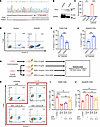 Figure 3
The effect of CCL5 deficiency in ADR-treated cultured podocytes. (A) Sanger sequence analysis of Ccl5-KO podocytes. Red box indicates target site of sgRNA. (B) Western blot analysis of control and Ccl5-KO cultured podocytes. (C) The concentration of CCL5 secreted by control and Ccl5-KO cultured podocytes under untreated conditions or stimulation with 50 μg/mL αNotch2. (D) Representative result of the flow cytometry–based apoptosis assay measuring the death cell marker 7-AAD and the apoptosis marker Annexin V in untreated control and Ccl5-KO cultured podocytes. (E and F) Percentage of viable and apoptotic cells in untreated control and Ccl5-KO cultured podocytes. (G) Experimental scheme of the apoptosis assay in control and Ccl5-KO cultured podocytes. Apoptosis assay was performed in the untreated control (n = 6), untreated Ccl5-KO (n = 6), ADR-treated control (n = 3), ADR-treated Ccl5-KO (n = 3), and in Ccl5-KO cultured podocytes treated with a combination of ADR and 25 nM CCL5 (n = 3) or a combination of ADR and 50 nM CCL5 (n = 4). (H) Representative result of the flow cytometry–based apoptosis assay measuring the death cell marker 7-AAD and the apoptosis marker Annexin V in ADR-treated control, ADR-treated Ccl5-KO cultured podocytes, and in Ccl5-KO cultured podocytes treated with a combination of ADR and CCL5. (I and J) Percentage of viable and apoptotic cells in ADR-treated control, ADR-treated Ccl5-KO cultured podocytes, and Ccl5-KO cultured podocytes treated with a combination of ADR and CCL5. All data are expressed as mean ± SEM. Unpaired 2-tailed t tests, 1-way ANOVA, and Tukey’s multiple comparison test for panels I and J were performed to calculate the P values. **P < 0.01; ***P < 0.001; ****P < 0.0001. NS, not significant.
We then evaluated the impact of CCL5 deficiency on podocyte viability and apoptosis. Under physiological conditions, Ccl5-KO podocytes exhibited reduced viability and increased spontaneous apoptosis (Figure 3, D–F), indicating that CCL5 is necessary for maintaining podocyte survival.
To further evaluate this effect under stress conditions, we treated Ccl5-KO and control podocytes with ADR and measured apoptosis (Figure 3, G and H). Loss of CCL5 exacerbated ADR-induced apoptosis and further reduced podocyte viability (Figure 3, I and J). However, when Ccl5-KO podocytes were treated with both ADR and exogenous CCL5, apoptosis was significantly reduced, and podocyte viability was restored to levels comparable to control podocytes (Figure 3, I and J).
We also evaluated early apoptotic events defined as Annexin V+7-AAD– cells. The percentage of early apoptotic cells was significantly higher in Ccl5-KO podocytes with ADR compared with control treated with ADR. Treatment with exogenous CCL5 significantly decreased early apoptosis in Ccl5-KO podocytes, restoring it to levels comparable to control cells (Supplemental Figure 7). These findings demonstrate that CCL5 plays a crucial role in protecting podocytes from both spontaneous and ADR-induced apoptosis, as its deficiency increases cell death while exogenous CCL5 restores podocyte survival.
CCL5 deficiency ameliorates ADR-induced nephropathy in mice. To evaluate the in vivo role of CCL5 in ADR-induced nephropathy, we injected WT and Ccl5-KO mice with ADR and then compared the glomerular pathology (Figure 4A). After ADR injection, WT mice showed more severe body weight loss than Ccl5-KO mice (Figure 4B), suggesting a more severe systemic response. Although plasma creatinine levels remained similar between groups 28 days after injection (Figure 4C), Ccl5-KO mice showed significantly milder albuminuria than WT mice (Figure 4D).
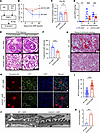 Figure 4
The effect of CCL5 deficiency in ADR-induced nephropathy mice. (A) ADR-induced nephrosis was induced in Ccl5-KO mice (n = 12) and their WT littermates (n = 12). (B) Percentage of body weight change from the initial body weight after ADR injection. (C) Plasma creatinine on day 28 after ADR injection. (D) Urine ACR of Ccl5-KO and WT mice treated with ADR. (E) Representative PAS staining image of kidney, sacrificed on day 28 after ADR injection. Scale bars: 30 μm. (F) Quantification of sclerotic glomeruli per total glomeruli. (G) Representative Masson’s trichrome staining of kidney, sacrificed on day 28 after ADR injection. (H) Representative confocal microscopy analysis of WT-1 and synaptopodin immunofluorescent staining in ADR-treated WT and Ccl5-KO mice. Scale bars: 30 μm. (I) Quantification of the number of cells with positive WT-1 staining per glomerulus from Ccl5 -KO and WT mice treated with ADR (7–8 glomeruli counted per mouse), analyzed by confocal microscopy of immunofluorescent staining. (J) Representative electron microscopy analysis of kidney, sacrificed on day 28 after ADR injection. Scale bars: 500 nm. (K) Quantification of the number of foot process per μm of glomerular basement membrane from Ccl5-KO and WT mice treated with ADR. All data are presented as mean ± SEM. Unpaired 2-tailed t tests were performed to calculate the P values. *P < 0.05, **P < 0.01, ***P < 0.001, ****P < 0.0001. Urine ACR, urine albumin-to-creatinine ratio; NS, not significant.
Histological analysis further revealed that Ccl5-KO mice had fewer sclerotic glomeruli than WT mice, indicating reduced kidney injury (Figure 4, E and F). Additionally, Masson’s trichrome staining confirmed less glomerular fibrosis in Ccl5-KO mice (Figure 4G), consistent with milder structural injury in the absence of CCL5.
To evaluate podocyte loss, we performed immunofluorescent staining for Wilms tumor protein 1 (WT-1) and synaptopodin, markers of podocyte nuclei. Ccl5-KO mice retained more WT-1+ podocytes per glomerulus than WT mice (Figure 4, H and I), demonstrating that CCL5 deficiency reduced podocyte loss in ADR-induced nephropathy.
To further investigate the structural integrity of podocytes, we analyzed electron microscopy images of glomeruli. Ccl5-KO mice exhibited a higher number of podocyte foot processes per area of glomerular basement membrane (GBM) than WT mice following ADR treatment, suggesting that CCL5 deficiency helps preserve podocyte morphology and prevents foot process effacement (Figure 4, J and K).
Together, these findings indicate that CCL5 deficiency provides a protective effect in ADR-induced nephropathy by reducing albuminuria, glomerular sclerosis, podocyte loss, and foot process effacement, suggesting that CCL5 contributes to the progression of glomerular injury.
CCL5 deficiency in BM-derived cells ameliorates ADR-induced nephropathy. While in vitro findings demonstrated that CCL5 protects podocytes from apoptosis, in vivo results revealed that CCL5 exacerbated ADR-induced nephropathy in mice. Since our model used global Ccl5-KO mice, the observed effects could stem from CCL5 loss in both podocytes and immune cells, particularly BM-derived cells, which may play a dominant role in disease progression.
These immune cells might potentially be involved in modulating the outcome of ADR-induced nephropathy. Therefore, we hypothesized that the discrepancy between in vitro and in vivo findings might be attributable to the influence of CCL5 in BM-derived cells. The deleterious effect of CCL5 in the glomeruli could be caused by the CCL5 effect on BM-derived cells that overpowers its effect on podocytes.
To distinguish the effects of CCL5 in BM-derived cells versus kidney-resident cells, we performed BMT experiments. WT or Ccl5-KO BM was transplanted into WT or Ccl5-KO host mice, generating 4 experimental groups (Figure 5A). Eight weeks after BMT, we verified the successful engraftment of donor BM in host mice (Supplemental Figure 8) before inducing ADR nephropathy. Glomerular pathology was analyzed on day 28 after ADR injection to determine the contribution of CCL5 in different cell populations.
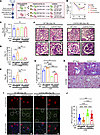 Figure 5
The effect of CCL5 deficiency in BM-derived cells on ADR-induced nephropathy. (A) Experimental diagram of the establishment of ADR-induced nephropathy in BMT mice. (B) Percentage of body weight change from the initial body weight after ADR injection. (C) Plasma creatinine on day 28 after ADR injection. (D and E) Urine ACR of BMT mice treated with ADR on day 14 and 28 after ADR injection. (F) Representative PAS staining image of the kidney of ADR-injected BMT mice, sacrificed on day 28 after ADR injection. Scale bars: 50 μm. (G) Quantification of sclerotic glomeruli per total glomeruli. (H) Representative Masson’s trichrome staining of kidney, sacrificed on day 28 after ADR injection. (I) Representative confocal microscopy analysis of WT-1 and synaptopodin immunofluorescent staining in ADR-treated BMT mice. Scale bars: 50 μm. (J) Quantification of the number of cells with positive WT-1 staining per glomerulus from ADR-treated BMT mice (10 glomeruli counted per mouse), analyzed by confocal microscopy of immunofluorescent staining. All data are represented as mean ± SEM. One-way ANOVA tests were performed to calculate the P values. All panels with multiple comparison bar graphs are using 1-way ANOVA. Tukey’s multiple comparison test for panels C and G; Uncorrected Fisher’s LSD for D, E, and J. *P < 0.05; **P < 0.01; ***P < 0.001; ****P < 0.0001. Urine ACR, urine albumin-to-creatinine ratio; NS, not significant.
There were no significant differences in body weight loss or plasma creatinine levels among the 4 groups (Figure 5, B and C). However, mice that received Ccl5-KO BM exhibited significantly less albuminuria, fewer sclerotic glomeruli, and a greater number of WT-1+ podocytes per glomerulus, regardless of host type, compared with those that received WT BM (Figure 5, D–I). Masson’s trichrome staining further confirmed that mice transplanted with Ccl5-KO BM had reduced glomerular fibrosis compared with those with WT BM (Figure 5H), supporting the notion that CCL5 in BM-derived cells drives fibrotic and structural injury in the glomeruli. These findings indicate that CCL5 deficiency in BM-derived cells protects against ADR-induced nephropathy.
In contrast, Ccl5-KO host mice exhibited more severe albuminuria, increased glomerulosclerosis, and fewer WT-1+ podocytes per glomerulus, regardless of BM donor type (Figure 5, D and F–I). These results suggest that CCL5 deficiency in kidney-resident cells worsens ADR-induced nephropathy, indicating a potentially protective function of CCL5 within the glomerular microenvironment.
Comparing nephropathy severity across groups, mice with CCL5 expression restricted to kidney-resident cells exhibited the mildest nephropathy, suggesting that CCL5 in kidney-resident cells may play a protective role against ADR-induced nephropathy. In contrast, mice with CCL5 expression only in BM-derived cells developed the most severe nephropathy, highlighting BM-derived CCL5 as the primary driver of ADR-induced glomerular injury (Figure 5, D–J).
These findings indicated that the detrimental effects of CCL5 in ADR-induced nephropathy are largely driven by its presence in BM-derived cells. This deleterious influence outweighs the potentially protective role of CCL5 in kidney-resident cells, highlighting BM-derived CCL5 as a dominant contributor to glomerular injury.
CCL5 in BM-derived cells limits glomerular M2 macrophage accumulation in ADR nephropathy. To determine which BM-derived cell type contributes to the deleterious effects of CCL5 in ADR-induced nephropathy, we investigated its role in macrophage polarization. Previous studies have shown that CCL5 is strongly associated with macrophages (19, 20). CCL5 plays an essential role in macrophage survival and monocyte-macrophage trafficking into inflamed sites (21, 22). In response to kidney injury, chemokines induce naive monocyte infiltration, which differentiate into M0 macrophages and subsequently polarize into proinflammatory M1 macrophages or antiinflammatory M2 macrophages (23). While M1 macrophages drive inflammation, M2 macrophages promote tissue repair (24), and the balance between these phenotypes is critical for organ recovery (25). Given CCL5’s established role in macrophage regulation, we hypothesized that CCL5 exacerbates ADR-induced nephropathy by skewing macrophage polarization toward the proinflammatory M1 phenotype, thereby reducing reparative M2 macrophages.
To test this hypothesis, we injected WT and Ccl5-KO mice with ADR and examined M2 macrophage presence in glomeruli using CD11b (pan-macrophage marker) and CD206 (M2 macrophage marker, encoded by Mrc1) staining. Immunofluorescence analysis on day 28 after ADR injection revealed CD11b and CD206 colocalization in the glomeruli of both WT and Ccl5-KO mice (Figure 6A), as well as in BMT mice (Figure 6B), confirming the presence of glomerular M2 macrophages in ADR nephropathy.
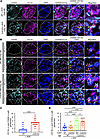 Figure 6
CCL5 in BM-derived cells limits glomerular M2 macrophage accumulation in ADR-induced nephropathy. ADR-injected mouse kidneys were stained for CD11b (pan macrophage marker) and CD206 (M2 macrophage marker) to evaluate M2 macrophages in the glomeruli. The dashed white line circle represents the glomerulus. (A) Representative image of M2 macrophage infiltration in the glomeruli of WT (n = 3) and Ccl5-KO mice (n = 3) treated after ADR injection. (B) Representative images of M2 macrophage in the glomeruli of ADR-treated BMT mice (n = 3 for each group). (C) Quantification of M2 macrophage per glomeruli in WT and Ccl5-KO mice treated with ADR (7 glomeruli counted per mouse). (D) Quantification of M2 macrophages per glomeruli in ADR-treated BMT mice (7 glomeruli counted per mouse). All data are represented as mean ± SEM. Unpaired 2-tailed t tests and 1-way ANOVA with uncorrected Fisher’s LSD were performed to calculate the P values. NS, not significant. ****P < 0.0001.
Quantitative analysis showed that 28 days after ADR injection, WT mice had a lower number of glomerular M2 macrophages compared with Ccl5-KO mice (Figure 6C). Similarly, in BMT mice, host mice with WT BM exhibited fewer glomerular M2 macrophages than those transplanted with Ccl5-KO BM (Figure 6D). These findings indicated that CCL5 in the BM-derived cells reduced the glomerular M2 macrophage population, potentially limiting the reparative response in ADR-induced nephropathy.
CCL5 in macrophages exacerbates ADR-induced nephropathy by limiting glomerular M2 macrophage accumulation. Macrophages play a crucial role in kidney repair, shifting between proinflammatory M1 and repair-promoting M2 phenotypes depending on the disease stage (26). Impaired M1-to-M2 transition can lead to persistent inflammation and tissue damage (27). To examine how CCL5 in macrophages influences glomerular injury, we induced ADR nephropathy in Ccl5-KO mice and injected them with M2 macrophages from either WT or Ccl5-KO mice (Figure 7A).
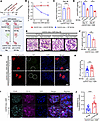 Figure 7
CCL5 in macrophages exacerbates ADR-induced nephropathy by limiting glomerular M2 macrophage accumulation. (A) Experimental diagram of the adoptive transfer of M2 macrophages in ADR-treated Ccl5-KO mice. ADR-treated Ccl5-KO mice were injected with WT M2 macrophages (n = 3) or with Ccl5-KO M2 macrophages (n = 3). (B) Percentage of body weight change from the initial body weight of ADR-induced nephropathy Ccl5-KO mice receiving WT M2 macrophages and Ccl5-KO M2 macrophages. (C) Plasma creatinine on day 28 after ADR injection. (D) Urine ACR on day 14 and 28 after ADR injection. (E) Representative PAS staining image of the kidney, sacrificed on day 28 after ADR injection. Scale bars: 50 μm. (F) Quantification of sclerotic glomeruli per total glomeruli. (G) Representative confocal microscopy analysis of WT-1 and synaptopodin immunofluorescent staining in ADR-induced nephropathy Ccl5-KO mice receiving WT M2 macrophages and Ccl5-KO M2 macrophages. Scale bars: 50 μm. (H) Quantification of the number of cells with positive WT-1 staining per glomerulus (10 glomeruli counted per mouse), analyzed by confocal microscopy of immunofluorescent staining. (I) Representative confocal microscopy analysis of CD11b and CD206 immunofluorescent staining in ADR-induced nephropathy Ccl5-KO mice receiving WT M2 macrophages or Ccl5-KO M2 macrophages. Original magnification, ×40. (J) Quantification of CD11b and CD 206 colocalization in ADR-induced nephropathy Ccl5-KO mice receiving WT M2 macrophages and Ccl5-KO M2 macrophages. All data are expressed as mean ± SEM. Unpaired 2-tailed t tests were performed to calculate the P values. *P < 0.05, **P < 0.01, ***P < 0.001, ****P < 0.0001. NS, not significant; Mφ, macrophages; urine ACR, urine albumin-to-creatinine ratio.
Following ADR injection, Ccl5-KO mice that received WT M2 macrophages experienced more severe weight loss compared with those injected with Ccl5-KO M2 macrophages (Figure 7B). Although there were no differences in plasma creatinine (Figure 7C), mice receiving WT M2 macrophages developed significantly more severe albuminuria (Figure 7D), a higher number of sclerotic glomeruli (Figure 7, E and F), and greater podocyte loss (Figure 7, G and H) than those injected with Ccl5-KO M2 macrophages. Masson’s trichrome staining further confirmed increased fibrotic lesions in glomeruli of mice receiving WT M2 macrophages compared with those receiving Ccl5-KO M2 macrophages (Supplemental Figure 9). These findings suggest that the presence of CCL5 in macrophages contributes to the exacerbation of ADR-induced glomerular injury.
To explore the underlying mechanisms, we assessed whether CCL5 in macrophages affects glomerular M2 macrophage presence. Immunofluorescent staining for CD11b and CD206 revealed significantly more CD11b+CD206+ cells in the glomeruli of mice injected with Ccl5-KO M2 macrophages than in those receiving WT M2 macrophages (Figure 7, I and J). These results indicate that CCL5 in BM-derived macrophages (BMDMs) actively limits M2 macrophage accumulation in the glomeruli, potentially skewing the immune environment toward a more proinflammatory phenotype that aggravates nephropathy.
CCL5 skews macrophage polarization toward the M1 phenotype. To investigate the mechanism by which CCL5 influences macrophage function in ADR nephropathy, we hypothesized that endogenous CCL5 promotes a proinflammatory macrophage profile by directing macrophage polarization toward the M1 phenotype, thereby reducing the reparative M2 population. To test this, we performed a series of in vitro polarization assays using BMDMs from WT and Ccl5-KO mice.
BMDMs were cultured for 6 days, and macrophages were isolated using anti-CD11b magnetic beads with an AutoMACS separator (Figure 8A). Flow cytometry confirmed the purity of CD11b+ cells (Supplemental Figure 10). Prior to polarization, we measured the M2 macrophage marker Mrc1 in unpolarized macrophages and found no significant differences between WT and Ccl5-KO macrophages (Figure 8B), indicating similar baseline M2 profiles.
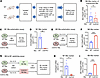 Figure 8
CCL5 skews macrophage polarization toward the M1 phenotype and inhibits M2 polarization. (A) Experimental diagram of macrophage isolation from BM cells of WT mice or Ccl5-KO mice. (B) Relative mRNA expression of M2 macrophage marker Mrc1 in unpolarized macrophages from WT and Ccl5-KO mice. (C) Experimental diagram of the M1 macrophage polarization assay using macrophages from WT (n = 3) and Ccl5-KO mice (n = 3). (D) Relative mRNA expression of M1 macrophage marker Il1b in macrophages from WT and Ccl5-KO mice in M1 macrophage polarization assay. (E) Experimental diagram of the M2 macrophage polarization assay using macrophages from WT (n = 3) and Ccl5-KO mice (n = 3). (F) Relative mRNA expression of M2 macrophage marker Mrc1 in macrophages from WT and Ccl5-KO mice in M2 macrophage polarization assay. (G) Experimental diagram of the M2-to-M1 shifting assay using macrophages from WT (n = 3) and Ccl5-KO mice (n = 3). (H) Relative mRNA expression of M1 macrophage marker Il1b in macrophages from WT and Ccl5-KO mice in M2-to-M1 shifting assay. (I) Relative mRNA expression of M2 macrophage marker in macrophages from WT and Ccl5-KO mice in M2-to-M1 shifting assay. The measured values were normalized to Gapdh and calculated using the ΔΔCt method. All data are expressed as mean ± SEM. Unpaired 2-tailed t tests were performed to calculate the P values. *P < 0.05, **P < 0.01, ***P < 0.001. NS, not significant; Mφ, macrophages; urine ACR, urine albumin-to-creatinine ratio.
We then conducted 3 polarization assays. First, to assess M1 polarization capacity, macrophages from WT and Ccl5-KO mice were treated with M1-polarizing stimuli (Figure 8C). WT macrophages showed significantly higher expression of M1 marker Il1b compared with Ccl5-KO macrophages (Figure 8D), suggesting that endogenous CCL5 promotes M1 polarization.
Second, to evaluate M2 polarization, WT and Ccl5-KO macrophages were exposed to M2-polarizing stimuli (IL-4 and IL-13) (Figure 8E). WT macrophages exhibited significantly lower expression of the M2 marker Mrc1 than Ccl5-KO macrophages (Figure 8F); flow cytometry analysis of CD206 expression also showed similar results (Supplemental Figure 11). These results suggest that endogenous CCL5 suppresses M2 polarization.
Third, to examine the M2-to-M1 transition, we recultured previously polarized M2 macrophages from WT and Ccl5-KO mice without polarizing cytokines (Figure 8G). WT M2 macrophages demonstrated increased expression of the M1 marker Il1b and reduced expression of the M2 marker Mrc1 compared with Ccl5-KO M2 macrophages (Figure 8, H and I), indicating a phenotypic shift from M2 to M1 in the presence of CCL5.
Together, these data demonstrate that endogenous CCL5 skews macrophage polarization toward the M1 phenotype by enhancing M1 polarization, inhibiting M2 polarization, and promoting M2-to-M1 transition. These mechanistic findings provide compelling evidence that CCL5 actively drives a proinflammatory macrophage phenotype, thereby limiting the reparative M2 response and amplifying immune-mediated glomerular injury in ADR-induced nephropathy.


