
Research ArticleAgingBone biology
Open Access |  10.1172/jci.insight.190598
GDF15 induces excessive activation of osteoclasts within the vertebral endplates leading to early endplate degeneration
Xiaoqun Li,1 Jinhui Wu,2 Qingjie Kong,3 Miao Hu,2 Yuhong Li,1 Ziheng Wei,3 Heng Jiang,2 Xuhui Zhou,2,3 and Jun Ma3
1Department of Orthopedics, Shanghai Changhai Hospital, Naval Medical University, Shanghai, China.
2Department of Orthopedics, Shanghai Changzheng Hospital, Naval Medical University, Shanghai, China.
3Department of Orthopedics, Shanghai General Hospital, Shanghai Jiao Tong University School of Medicine, Shanghai, China.
Address correspondence to: Jun Ma or Xiaoqun Li, Department of Orthopedics, Shanghai General Hospital, Shanghai Jiao Tong University School of Medicine, No. 85 Wujin Road, Shanghai, China. Phone: 86.21.63240090.6322; Email: ma1997juns@163.com (JM); drlixiaoqun@163.com (XL).
Authorship note: XL, JW, QK, and MH contributed equally to this work.
Find articles by Li, X. in: PubMed | Google Scholar
1Department of Orthopedics, Shanghai Changhai Hospital, Naval Medical University, Shanghai, China.
2Department of Orthopedics, Shanghai Changzheng Hospital, Naval Medical University, Shanghai, China.
3Department of Orthopedics, Shanghai General Hospital, Shanghai Jiao Tong University School of Medicine, Shanghai, China.
Address correspondence to: Jun Ma or Xiaoqun Li, Department of Orthopedics, Shanghai General Hospital, Shanghai Jiao Tong University School of Medicine, No. 85 Wujin Road, Shanghai, China. Phone: 86.21.63240090.6322; Email: ma1997juns@163.com (JM); drlixiaoqun@163.com (XL).
Authorship note: XL, JW, QK, and MH contributed equally to this work.
Find articles by Wu, J. in: PubMed | Google Scholar
1Department of Orthopedics, Shanghai Changhai Hospital, Naval Medical University, Shanghai, China.
2Department of Orthopedics, Shanghai Changzheng Hospital, Naval Medical University, Shanghai, China.
3Department of Orthopedics, Shanghai General Hospital, Shanghai Jiao Tong University School of Medicine, Shanghai, China.
Address correspondence to: Jun Ma or Xiaoqun Li, Department of Orthopedics, Shanghai General Hospital, Shanghai Jiao Tong University School of Medicine, No. 85 Wujin Road, Shanghai, China. Phone: 86.21.63240090.6322; Email: ma1997juns@163.com (JM); drlixiaoqun@163.com (XL).
Authorship note: XL, JW, QK, and MH contributed equally to this work.
Find articles by Kong, Q. in: PubMed | Google Scholar
1Department of Orthopedics, Shanghai Changhai Hospital, Naval Medical University, Shanghai, China.
2Department of Orthopedics, Shanghai Changzheng Hospital, Naval Medical University, Shanghai, China.
3Department of Orthopedics, Shanghai General Hospital, Shanghai Jiao Tong University School of Medicine, Shanghai, China.
Address correspondence to: Jun Ma or Xiaoqun Li, Department of Orthopedics, Shanghai General Hospital, Shanghai Jiao Tong University School of Medicine, No. 85 Wujin Road, Shanghai, China. Phone: 86.21.63240090.6322; Email: ma1997juns@163.com (JM); drlixiaoqun@163.com (XL).
Authorship note: XL, JW, QK, and MH contributed equally to this work.
Find articles by Hu, M. in: PubMed | Google Scholar
1Department of Orthopedics, Shanghai Changhai Hospital, Naval Medical University, Shanghai, China.
2Department of Orthopedics, Shanghai Changzheng Hospital, Naval Medical University, Shanghai, China.
3Department of Orthopedics, Shanghai General Hospital, Shanghai Jiao Tong University School of Medicine, Shanghai, China.
Address correspondence to: Jun Ma or Xiaoqun Li, Department of Orthopedics, Shanghai General Hospital, Shanghai Jiao Tong University School of Medicine, No. 85 Wujin Road, Shanghai, China. Phone: 86.21.63240090.6322; Email: ma1997juns@163.com (JM); drlixiaoqun@163.com (XL).
Authorship note: XL, JW, QK, and MH contributed equally to this work.
Find articles by Li, Y. in: PubMed | Google Scholar
1Department of Orthopedics, Shanghai Changhai Hospital, Naval Medical University, Shanghai, China.
2Department of Orthopedics, Shanghai Changzheng Hospital, Naval Medical University, Shanghai, China.
3Department of Orthopedics, Shanghai General Hospital, Shanghai Jiao Tong University School of Medicine, Shanghai, China.
Address correspondence to: Jun Ma or Xiaoqun Li, Department of Orthopedics, Shanghai General Hospital, Shanghai Jiao Tong University School of Medicine, No. 85 Wujin Road, Shanghai, China. Phone: 86.21.63240090.6322; Email: ma1997juns@163.com (JM); drlixiaoqun@163.com (XL).
Authorship note: XL, JW, QK, and MH contributed equally to this work.
Find articles by Wei, Z. in: PubMed | Google Scholar
1Department of Orthopedics, Shanghai Changhai Hospital, Naval Medical University, Shanghai, China.
2Department of Orthopedics, Shanghai Changzheng Hospital, Naval Medical University, Shanghai, China.
3Department of Orthopedics, Shanghai General Hospital, Shanghai Jiao Tong University School of Medicine, Shanghai, China.
Address correspondence to: Jun Ma or Xiaoqun Li, Department of Orthopedics, Shanghai General Hospital, Shanghai Jiao Tong University School of Medicine, No. 85 Wujin Road, Shanghai, China. Phone: 86.21.63240090.6322; Email: ma1997juns@163.com (JM); drlixiaoqun@163.com (XL).
Authorship note: XL, JW, QK, and MH contributed equally to this work.
Find articles by Jiang, H. in: PubMed | Google Scholar
1Department of Orthopedics, Shanghai Changhai Hospital, Naval Medical University, Shanghai, China.
2Department of Orthopedics, Shanghai Changzheng Hospital, Naval Medical University, Shanghai, China.
3Department of Orthopedics, Shanghai General Hospital, Shanghai Jiao Tong University School of Medicine, Shanghai, China.
Address correspondence to: Jun Ma or Xiaoqun Li, Department of Orthopedics, Shanghai General Hospital, Shanghai Jiao Tong University School of Medicine, No. 85 Wujin Road, Shanghai, China. Phone: 86.21.63240090.6322; Email: ma1997juns@163.com (JM); drlixiaoqun@163.com (XL).
Authorship note: XL, JW, QK, and MH contributed equally to this work.
Find articles by Zhou, X. in: PubMed | Google Scholar
1Department of Orthopedics, Shanghai Changhai Hospital, Naval Medical University, Shanghai, China.
2Department of Orthopedics, Shanghai Changzheng Hospital, Naval Medical University, Shanghai, China.
3Department of Orthopedics, Shanghai General Hospital, Shanghai Jiao Tong University School of Medicine, Shanghai, China.
Address correspondence to: Jun Ma or Xiaoqun Li, Department of Orthopedics, Shanghai General Hospital, Shanghai Jiao Tong University School of Medicine, No. 85 Wujin Road, Shanghai, China. Phone: 86.21.63240090.6322; Email: ma1997juns@163.com (JM); drlixiaoqun@163.com (XL).
Authorship note: XL, JW, QK, and MH contributed equally to this work.
Find articles by Ma, J. in: PubMed | Google Scholar
Published November 11, 2025 - More info
JCI Insight. 2026;11(1):e190598. https://doi.org/10.1172/jci.insight.190598.
© 2025 Li et al. This work is licensed under the Creative Commons Attribution 4.0 International License. To view a copy of this license, visit http://creativecommons.org/licenses/by/4.0/.
Received: December 26, 2024; Accepted: November 6, 2025

-
Results
Bone resorption activity was found to be more pronounced in patients with MC-1 and MC-2 changes. MCs, identifiable on MRI, represent pathological alterations in the vertebral bone marrow adjacent to the cartilaginous endplates of intervertebral discs. Modic type 1 is characterized by hypointense signals on T1-weighted images and hyperintense signals on T2-weighted images, indicative of bone marrow edema and inflammation. In contrast, Modic type 2 exhibits hyperintense signals on both T1- and T2-weighted images, reflecting fatty replacement of the bone marrow. Modic type 3 is marked by hypointense signals on both T1- and T2-weighted images, corresponding to bone sclerosis. In this study, endplate tissues were harvested from patients with CLBP undergoing lumbar spinal fusion surgery. Based on preoperative MRI findings, samples were stratified into 4 groups: control (no MCs), Modic type 1, Modic type 2, and Modic type 3 (Figure 1A).
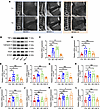 Figure 1
Upregulated expression of bone resorption–associated genes in patients with Modic type 1 and type 2 changes. (A) Representative sagittal T1- and T2-weighted MRI images from patients exhibiting Modic type 1, type 2, and type 3 changes. (B) Western blot analysis of protein expression of TNF-α, MMP13, cathepsin K, OCN, and VEGF in endplate tissues. (C–L) Quantitative RT-PCR analysis of mRNA expression levels of proinflammatory cytokines IL-6 (C), IL-1β (D), TNF-α (E); cartilage catabolic markers MMP13 (F) and COX2 (G); bone resorption markers TRACP (H) and CTX (I); bone formation markers OPG (J) and OCN (K); and angiogenic factor VEGF (L) in endplate tissues obtained from patients with different Modic types and individuals in the control group. Data are presented as mean ± SD. Statistical analysis was performed using 2-tailed ANOVA with Tukey’s test for differences among groups. *P < 0.05, **P < 0.01, ***P < 0.001.
Gene expression analyses were subsequently performed on the collected endplate tissues. The expression levels of proinflammatory cytokines — IL-6, IL-1β, and TNF- — were elevated in the Modic type 1 group and progressively decreased in Modic types 2 and 3, aligning with the degree of inflammatory activity observed in imaging (Figure 1, C–E). Markers of cartilage degradation, MMP13 and COX2, were most highly expressed in Modic type 2 samples, suggesting peak cartilage matrix destruction at this stage (Figure 1, F and G). Analysis of bone metabolism markers revealed that bone resorption indicators — C-terminal telopeptide of type I collagen (CTX) and tartrate-resistant acid phosphatase (TRACP) — were upregulated in Modic types 1 and 2, while they declined in Modic type 3. Conversely, markers of bone formation — osteocalcin (OCN) and osteoprotegerin (OPG) — showed only a modest increase in Modic type 3, implying a transition from bone resorption to sclerosis during the course of degeneration (Figure 1, H–K). Additionally, VEGF, a key mediator of angiogenesis, demonstrated the highest expression in Modic type 1 and the lowest in Modic type 3, indicating elevated bone remodeling activity in the early stages of endplate degeneration (Figure 1L).
To further validate these findings, we performed Western blot analysis to assess the protein expression levels of TNF-α, MMP13, cathepsin K, OCN, and VEGF. The results corroborated the transcriptional data, highlighting increased inflammatory and degenerative activity, along with enhanced osteoclastogenesis and angiogenesis during the early phases of endplate degeneration. In contrast, late-stage degeneration was associated with a modest upregulation of osteogenic markers, suggesting a shift toward bone formation and sclerosis (Figure 1B).
Lumbar spine instability induces early endplate degeneration in a murine model. Previous studies have demonstrated that mechanical instability of the spinal facet joints can lead to aberrant osteoclast activation and subsequent degeneration of the vertebral endplates (9, 25). To elucidate the pathological mechanisms involved in early-stage endplate degeneration, we established a lumbar spine instability (LSI) mouse model by performing bilateral facet joint transection. This model mimics mechanical instability–induced stress on the vertebral column and facilitates the investigation of degenerative changes in the intervertebral unit.
Behavioral assessments were conducted to evaluate mechanical hyperalgesia associated with LBP following LSI surgery. Mice subjected to LSI exhibited significant pain-like behaviors, with maximal responses observed at 8 weeks after operation, indicating the development of chronic lumbar hyperalgesia (Figure 2, A–F). T2-weighted MRI revealed the emergence of high signal intensity regions beneath the endplates at 4 and 8 weeks in LSI-treated mice, suggestive of inflammatory changes characteristic of early endplate degeneration (Figure 2, G and H). Micro-computed tomography (micro-CT) analysis further confirmed progressive deterioration of endplate architecture in the LSI group, evidenced by increased endplate porosity and a marked rise in trabecular separation (Tb.Sp) over time (Figure 2, I and J). Histological evaluation using H&E as well as safranin O/fast green staining demonstrated notable structural disruption, including endplate perforation and sclerosis, at both 4 and 8 weeks following LSI surgery (Figure 2, K–M).
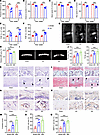 Figure 2
Lumbar spine instability induces early endplate degeneration in mice. (A–D) Evaluation of spontaneous locomotor activity at various time points following LSI surgery using behavioral metrics: pressure tolerance (A), total distance traveled (B), mean velocity (C), and maximum speed (D). (E and F) Mechanical allodynia was assessed by measuring hind paw withdrawal frequency in response to von Frey filament stimulation (0.7 mN and 3.9 mN) following sham or LSI surgery. (G) Representative sagittal T2-weighted MRI images of lumbar spine from sham and LSI mice at indicated time point. Arrows indicate the high signal. (H) Quantitative MRI signal intensity analysis of endplate regions. (I) Representative 3D micro-CT reconstructions of lumbar vertebral endplates in sham and LSI mice. (J) Quantitative micro-CT analysis of endplate total porosity and trabecular separation (Tb.Sp). (K and L) Representative histological images of endplates stained with H&E (K) and safranin O/fast green (L). Arrows indicate the degeneration area. Scale bars: 100 μm. (M) Quantification of endplate degeneration scores based on safranin O/fast green staining. (N and P) Immunohistochemical staining of COX2 (N) and MMP13 (P) in endplates from sham and LSI mice. Scale bars: 50 μm. (O and Q) Quantification of COX2+ (O) and MMP13+ (Q) cells per field of view. Data are presented as mean ± SD. Statistical analysis was performed using 2-tailed Student’s t tests (A–F) or 2-tailed ANOVA with Tukey’s test (H, J, M, O, and Q) for differences among groups. *P < 0.05, **P < 0.01, ***P < 0.001.
Immunohistochemical and PCR analysis revealed upregulated expression of cartilage catabolic enzymes MMP13 and COX2 in the endplates of LSI mice, with peak levels detected at 8 weeks. Quantitative analysis confirmed the temporal pattern of inflammatory and catabolic activity, reinforcing the role of inflammation-mediated cartilage degradation during the early phase of degeneration (Figure 2, N–Q and Supplemental Figure 1, A and B; supplemental material available online with this article; https://doi.org/10.1172/jci.insight.190598DS1). Collectively, these findings provide compelling evidence that LSI induces progressive structural and molecular changes in vertebral endplates, culminating in early degenerative alterations within 8 weeks after surgery.
Osteoclast overactivation and GDF15 upregulation coordinate early endplate degeneration. To investigate the role of osteoclast-mediated bone resorption in the early stages of endplate degeneration, we first assessed osteoclast distribution via tartrate-resistant acid phosphatase (TRAP) staining. The results demonstrated a marked increase in the number of TRAP+ osteoclasts in the endplates following LSI surgery, with the highest number observed at 8 weeks after surgery (Figure 3, A and B). To further evaluate osteoclastogenesis, we quantified key bone resorption markers — TRACP and C-terminal telopeptide of type I collagen (CTX-1) — using ELISA and RT-PCR. Both markers were elevated at 4 and 8 weeks after LSI, confirming enhanced osteoclast differentiation and activity during this period (Figure 3, C and D, and Supplemental Figure 2, A and B). We next examined the presence of type H vessels — specialized capillaries characterized by high expression of platelet endothelial cell adhesion molecule-1 (CD31) and endomucin (EMCN) — which are known to be associated with osteoclast activity and couple angiogenesis with bone remodeling. Immunofluorescence staining revealed an increase in CD31hiEmcnhi vessels in the endplates of LSI-treated mice compared with sham-operated controls (Figure 3, E and F). Given that osteoclasts have been implicated in nociceptive signaling through the promotion of sensory nerve growth, we also assessed pain-related nerve fiber innervation. Immunofluorescence staining showed increased expression of the pan-neuronal marker PGP9.5 and the nociceptive neuropeptide CGRP in the endplates of LSI mice, particularly at 8 weeks, indicating enhanced sensory innervation associated with pain generation during early degeneration (Figure 3, G–I). Collectively, these findings suggest that early endplate degeneration is characterized by pathological overactivation of osteoclasts, accompanied by vascular and sensory remodeling.
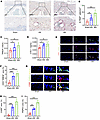 Figure 3
Osteoclastogenesis is overactivated in the endplates of LSI mice. (A) Representative images of TRAP staining in lumbar endplates from LSI and sham mice. Scale bars: 100 μm. (B) Quantification of TRAP+ osteoclasts per endplate section. (C and D) Serum levels of osteoclast activity markers, TRACP (C) and CTX-1 (D), measured at the indicated time points after surgery. (E) Representative immunofluorescence images showing CD31 (red), endomucin (Emcn, green), and merged CD31hiEmcnhi (yellow) type H vessels in endplates of LSI and sham mice. Scale bars: 20 μm. (F) Quantitative analysis of CD31hiEmcnhi vessel area in the endplates. (G) Representative immunofluorescence staining of sensory nerve markers PGP9.5 and CGRP in endplates of LSI and sham mice. Scale bars: 10 μm. (H and I) Quantitative analysis of PGP9.5+ (H) and CGRP+ (I) fiber area in endplates. Data are presented as mean ± SD. Statistical analysis was performed using 2-tailed ANOVA with Tukey’s test for differences among groups. *P < 0.05, **P < 0.01, ***P < 0.001.
To further validate the role of osteoclast overactivation in early endplate degeneration, we administered alendronate, a pharmacological inhibitor of osteoclast activity, to suppress osteoclast overactivation within the vertebral endplates following LSI surgery (Supplemental Figure 3, A–D). Compared with the untreated LSI group, mice treated with alendronate exhibited a reduction in the number of type H vessels in the endplates at both 4 and 8 weeks after surgery (Supplemental Figure 3, E and F). Histological assessments using safranin O/fast green and H&E staining demonstrated that inhibition of osteoclast activity markedly preserved endplate structural integrity, with improved histological scores (Supplemental Figure 3, G–I). Furthermore, RT-PCR analysis revealed that expression levels of cartilage catabolic markers Cox2 and Mmp13 were substantially reduced following osteoclast inhibition, indicating attenuation of cartilage matrix degradation (Supplemental Figure 3, J and K). Consistently, T2-weighted MRI scans showed a notable reduction in abnormally elevated signal intensity beneath the endplates, suggesting alleviation of inflammation-associated degeneration (Supplemental Figure 3, L and M). Micro-CT analysis further supported these findings, showing decreased endplate porosity and a reduction in Tb.Sp over time in the alendronate-treated group (Supplemental Figure 3, N–O). Collectively, these results strongly indicate that excessive osteoclast activation is a key pathological driver of early endplate degeneration, and its inhibition can effectively mitigate structural and molecular deterioration of the endplate.
To further delineate the molecular changes underlying osteoclast overactivation, we performed RNA sequencing of monocytes isolated from the endplate and subchondral bone of both LSI-treated and sham-operated mice. Differential gene expression analysis revealed 272 upregulated and 523 downregulated genes in the LSI group compared with the control group (Figure 4A). Gene Ontology (GO) enrichment analysis indicated that the upregulated genes were primarily involved in NF-κB signaling, MAPK pathways, and bone resorption processes (Figure 4B). Kyoto Encyclopedia of Genes and Genomes (KEGG) pathway analysis confirmed marked enrichment of genes related to osteoclast differentiation in the LSI group (Supplemental Figure 4A). Among the differentially expressed genes, Gdf15 emerged as the most markedly upregulated gene associated with osteoclastogenesis (log2 fold change > 1.5; Supplemental Figure 4B). GOChord analysis revealed that Gdf15 participates in over 40 biological processes and is positively correlated with osteoclast-related pathways (Figure 4C). Temporal expression analysis showed that GDF15 levels were elevated at 4 weeks after LSI and further increased at 8 weeks (Figure 4, D and E). To assess the clinical relevance of these findings, we examined GDF15 expression in endplate tissues from patients with MCs. RT-PCR and Western blot analysis showed that GDF15 expression was markedly increased in endplates from patients with MC-1 and MC-2 changes, further supporting its involvement in early-stage degeneration (Figure 4, F and G).
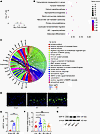 Figure 4
GDF15 is upregulated in the endplates of LSI mice. (A) Volcano plot of differentially expressed genes (DEGs) in monocytes isolated from endplates of LSI vs. sham mice. (B) Gene Ontology (GO) enrichment analysis of upregulated DEGs. (C) GOChord plot linking selected GO terms with corresponding DEGs. (D) Representative immunofluorescence images of GDF15+ cells in endplates. Scale bars: 20 μm. (E) Quantitative analysis of GDF15+ cell area in endplates. (F) Relative mRNA expression of Gdf15 in endplates from LSI and sham mice. (G) Western blot analysis of GDF15 protein levels in human endplate tissues across different Modic types. Data are presented as mean ± SD. Statistical analysis was performed using 2-tailed ANOVA with Tukey’s test for differences among groups. *P < 0.05, ***P < 0.001.
In summary, these results demonstrate that early endplate degeneration is characterized by excessive osteoclast activation and upregulation of GDF15, which may contribute to both bone resorption and associated inflammatory and nociceptive changes.
Conditional knockout of Gdf15 inhibited osteoclastogenesis in endplates and alleviated the symptoms of early endplate degeneration in mice. To investigate the functional role of Gdf15 in osteoclastogenesis and early endplate degeneration, we generated monocyte-specific Gdf15 conditional knockout mice (Lysmcre; Gdf15fl/fl; Gdf15 cKO mice). Immunofluorescence staining confirmed successful deletion of Gdf15 in monocyte-lineage cells within the endplate tissue (Supplemental Figure 5A). Importantly, Gdf15 cKO mice exhibited comparable body weight, body length, and organ development relative to Gdf15fl/fl controls, indicating that monocyte-specific deletion of Gdf15 does not impair general development or systemic health (Supplemental Figure 5, B–D).
Behavioral analysis revealed that Gdf15 cKO alleviated mechanical hypersensitivity and pain-like behaviors associated with early endplate degeneration following LSI surgery (Supplemental Figure 6). Histological TRAP staining showed a marked reduction in the number of TRAP+ osteoclasts within the endplates of Gdf15 cKO mice after LSI surgery (Figure 5, A and B). Additionally, the osteoclast activity markers, TRACP-5b and CTX-1, were lower in the Gdf15 cKO group (Supplemental Figure 7, A–D).
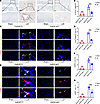 Figure 5
Conditional knockout of Gdf15 inhibits osteoclastogenesis in the endplates of mice. (A) Representative images of TRAP staining showing osteoclast activity in endplates of Gdf15fl/fl and Gdf15 cKO (LysM-Cre; Gdf15fl/fl) mice following LSI or sham surgery. Scale bars: 100 μm. (B) Quantification of TRAP+ osteoclasts in the endplates. (C) Representative immunofluorescence staining for CD31 (red), endomucin (green), and merged CD31hiEmcnhi (yellow) type H vessels in endplates. Scale bars: 20 μm. (D) Quantitative analysis of the area occupied by CD31hiEmcnhi vessels in the endplate. (E) Representative immunofluorescence images of sensory nerve markers CGRP and PGP9.5 in Gdf15fl/fl and Gdf15 cKO mice. Scale bars: 10 μm. (F and G) Quantitative analysis of CGRP+ (F) and PGP9.5+ (G) nerve fibers in the endplate region. Data are presented as mean ± SD. Statistical analysis was performed using 2-tailed Student’s t tests. ***P < 0.001.
Immunohistochemical staining revealed a decrease in the number of type H vessels within the endplates of Gdf15 cKO mice compared with Gdf15fl/fl controls after LSI, suggesting reduced angiogenesis associated with osteoclast activity (Figure 5, C and D). Furthermore, expression of sensory nerve markers PGP9.5 and CGRP was also reduced in the endplates of Gdf15-deficient mice, indicating impaired sensory innervation during degeneration (Figure 5, E–G).
To further assess the structural effects of Gdf15 deletion, we performed T2-weighted MRI and micro-CT analyses. MRI scans showed that Gdf15 knockout alleviated the abnormal hyperintense signal beneath the endplates, indicative of reduced inflammation (Figure 6, A and B). Micro-CT analysis demonstrated reductions in endplate porosity and Tb.Sp in Gdf15 cKO mice compared with WT counterparts (Figure 6, C–E).
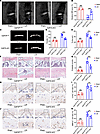 Figure 6
Conditional knockout of Gdf15 attenuates endplate degeneration in mice. (A) Representative T2-weighted MRI images of lumbar spines in Gdf15fl/fl and Gdf15 cKO mice after LSI surgery. Arrows indicate the high signal. (B) Quantitative analysis of MRI signal intensity reflecting inflammatory changes in the endplates. (C) Representative 3D micro-CT reconstructions of lumbar endplates. (D and E) Quantitative micro-CT analysis of endplate total porosity and trabecular separation (Tb.Sp). (F) Representative histological images of endplates stained with safranin O/fast green. Scale bars: 100 μm. (G) Histological scoring of endplate degeneration based on safranin O/fast green staining. (H) Representative images of COX2 staining. Scale bars: 50 μm. (I) Quantitative analysis of COX2+ cells. (J) Representative images of MMP13 staining after treatment with control IgG or anti-GDF15 mAb of sham mice and mice after LSI surgery. Scale bars: 100 μm. (K) Quantitative analysis of MMP13+ cells. Data are presented as mean ± SD. Statistical analysis was performed using 2-tailed Student’s t tests. **P < 0.01, ***P < 0.001.
Histological analysis using H&E and safranin O/fast green staining further confirmed that Gdf15 deletion preserved endplate structural integrity and reduced degeneration scores (Figure 6, F and G, and Supplemental Figure 8). In addition, immunohistochemistry and quantitative PCR revealed decreased expression of cartilage catabolic markers MMP13 and COX2 in the Gdf15 cKO group, suggesting attenuation of matrix degradation (Figure 6, H–K, and Supplemental Figure 9, A and B).
Taken together, these findings demonstrate that monocyte-specific deletion of Gdf15 suppresses osteoclastogenesis and associated pathological features — including angiogenesis, sensory nerve ingrowth, and matrix degradation — thereby mitigating early endplate degeneration in mice.
Gdf15 promotes the fusion of preosteoclasts by regulating the expression of small Rho GTPases. To elucidate the molecular mechanisms by which GDF15 regulates osteoclast differentiation, we isolated bone marrow–derived mononuclear cells (BMMs) from Gdf15fl/fl and Gdf15 cKO mice. These BMMs were cultured with macrophage colony-stimulating factor (M-CSF) and RANKL to induce osteoclastogenesis, and TRAP staining was performed on days 3 and 6. At day 3, no substantial difference in the number of TRAP+ preosteoclasts was observed between the Gdf15fl/fl and Gdf15 cKO groups, indicating that GDF15 does not affect the early commitment or proliferation of osteoclast precursors (Figure 7, A and B). However, by day 6, the number of mature multinucleated osteoclasts was reduced in the Gdf15 cKO group, suggesting that GDF15 plays a critical role in later stages of osteoclast differentiation (Figure 7, C and D). Actin ring formation, a hallmark of osteoclast function, was assessed via fluorescence staining. Gdf15 deficiency markedly impaired actin ring structure and reduced actin ring area in mature osteoclasts (Figure 7, E and F). To determine whether GDF15 regulates preosteoclast fusion, we performed a cell fusion assay using dual membrane dyes PKH67 (green) and PKH26 (red) to label separate preosteoclast populations. Coculture and subsequent imaging revealed that Gdf15 knockout impaired preosteoclast fusion, as evidenced by a reduced number of fused cells (Figure 7, G–I). Consistently, RT-PCR analysis revealed lower mRNA expression of osteoclastogenesis-related genes — including cathepsin K, DC-Stamp, Nfatc1, and Trap — in Gdf15 cKO cells, further confirming GDF15’s role in promoting osteoclast maturation (Supplemental Figure 10, A–D). These findings suggest that GDF15 facilitates osteoclastogenesis predominantly by enhancing the fusion of preosteoclasts.
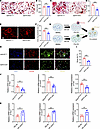 Figure 7
GDF15 regulates preosteoclast fusion by modulating the expression of small rho GTPases. (A) Representative TRAP staining images of bone marrow–derived mononuclear cells (BMMs) from Gdf15fl/fl and Gdf15 cKO mice after 3 days of RANKL induction, highlighting mononuclear TRAP+ osteoclast precursors. Scale bar: 50 μm. (B) Quantitative analysis of mononuclear TRAP+ cells. (C) Representative TRAP staining of BMMs after 6 days of RANKL induction, indicating mature multinucleated osteoclasts. Scale bar: 50 μm. (D) Quantification of multinucleated TRAP+ cells. (E) Representative images of F-actin ring staining in osteoclasts on day 6 after RANKL induction. Scale bar: 50 μm. (F) Quantification of F-actin ring area. (G) Schematic illustration of the preosteoclast membrane fusion assay using dual-fluorescence labeling (PKH26/PKH67). (H) Representative fluorescence images of fused BMMs at day 3. Scale bar: 100 μm. (I) Quantification of membrane merge rate. (J) Relative mRNA expression of Rho family GTPases Rac1, Cdc42, and Pak under Gdf15-knockout conditions. (K) Relative mRNA expression of Rac1, Cdc42, and Pak following GDF15 overexpression. Data are presented as mean ± SD. Statistical analysis was performed using 2-tailed Student’s t tests. **P < 0.01, ***P < 0.001.
GDF15 has been previously reported to regulate cytoskeletal dynamics via activation of small Rho GTPases, particularly Rac1 and Cdc42 (26), which are known to mediate osteoclast morphology and motility (27, 28). Pak, a downstream effector of Rac1/Cdc42, is also involved in cytoskeletal reorganization during osteoclast differentiation (29). To explore whether GDF15 acts through this signaling axis, we assessed the expression of Rac1, Cdc42, and Pak under RANKL stimulation. Gdf15 knockout reduced the expression of all 3 genes (Figure 7J). Conversely, lentiviral overexpression of GDF15 in BMMs (Supplemental Figure 11, A–C) upregulated Rac1, Cdc42, and Pak expression under RANKL stimulation (Figure 7K). To confirm the functional relevance of these GTPases in GDF15-mediated osteoclast fusion, preosteoclasts were treated with specific inhibitors: ZCL278 (Cdc42 inhibitor), NSC23766 (Rac1 inhibitor), and FRAX597 (Pak inhibitor). While GDF15 overexpression enhanced preosteoclast fusion, treatment with these inhibitors abolished the GDF15-induced increase in fusion efficiency (Figure 8, A and B). Furthermore, TRAP staining demonstrated that the formation of mature osteoclasts induced by GDF15 overexpression was also impaired by these inhibitors (Figure 8, C and D). Actin ring staining revealed that GDF15 overexpression enhanced actin ring area, a phenotype reversed by inhibition of Rac1, Cdc42, or Pak (Figure 8, E and F). RT-PCR analysis confirmed that GDF15-induced upregulation of osteoclast-related genes (cathepsin K, DC-Stamp, Nfatc1, Trap) was suppressed following pharmacological inhibition of the Rac1/Cdc42/Pak pathway (Supplemental Figure 12, A–D). Taken together, these results demonstrate that GDF15 promotes osteoclast differentiation and maturation by enhancing preosteoclast fusion, primarily through activation of the Rac1/Cdc42/Pak signaling pathway.
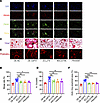 Figure 8
Inhibition of Rho GTPases alleviates osteoclast overactivation induced by GDF15 overexpression. (A) Representative dual-fluorescence images of BMMs on day 3 after GDF15 overexpression or inhibition, following RANKL induction. Scale bar: 100 μm. (B) Quantification of membrane merge rate following GDF15 overexpression and treatment with specific inhibitors: ZCL278 (Cdc42 inhibitor), NSC23766 (Rac1 inhibitor), and FRAX597 (Pak inhibitor). (C) Representative TRAP staining images of BMMs at day 6 after RANKL induction and pharmacological inhibition. Scale bar: 50 μm. (D) Quantification of multinucleated TRAP+ cells after inhibitor treatment. (E) Representative F-actin ring staining images under Gdf15 overexpression with or without inhibitors. Scale bar: 50 μm. (F) Quantification of F-actin ring area. Data are presented as mean ± SD. Statistical analysis was performed using 2-tailed ANOVA with Tukey’s test for differences among groups. *P < 0.05, **P < 0.01, ***P < 0.001.
Targeting GDF15 could suppress the overactivation of osteoclastogenesis in the endplates and alleviated the progression of early endplate degeneration. Based on the above findings, we hypothesized that therapeutically targeting GDF15 may offer a novel strategy for the treatment of MC-associated LBP. To investigate this, we generated a humanized GDF15 mouse model (B6-hGDF15), in which the endogenous coding region of the murine Gdf15 gene was replaced with the corresponding human GDF15 coding sequence via gene editing (Supplemental Figure 13A), thereby enabling tissue-specific expression of human GDF15 protein in mice. RT-qPCR analysis confirmed that human GDF15 was robustly expressed in the liver, heart, brain, colon, and bone marrow of B6-hGDF15 mice, whereas no such expression was detected in WT controls. Conversely, expression of murine Gdf15 was observed in these same tissues in WT mice but was absent in B6-hGDF15 mice, confirming successful replacement (Supplemental Figure 13D). Moreover, B6-hGDF15 mice displayed normal growth parameters, including body weight, length, and organ development, compared with WT controls, indicating that humanized GDF15 does not interfere with general development (Supplemental Figure 13, B, C, and E).
To assess the therapeutic potential of GDF15 inhibition, B6-hGDF15 mice were administered anti-GDF15 monoclonal antibody (CTL-002) weekly following LSI surgery. Immunohistochemical analysis revealed a marked increase in GDF15 expression within the endplates at 8 weeks after LSI, which was attenuated by CTL-002 treatment (Supplemental Figure 14, A and B). TRAP staining showed that neutralization of GDF15 reduced the number of TRAP+ osteoclasts in the endplate region (Figure 9, A and B), accompanied by decreased osteoclast activity markers TRACP-5b and CTX-1 (Supplemental Figure 15, A and B). Furthermore, CTL-002 treatment led to a reduction in the number of type H vessels as well as PGP9.5+ and CGRP+ sensory nerve fibers in the endplates, indicating suppression of both angiogenesis and nociceptive nerve infiltration (Figure 9, C–G). These data suggest that GDF15 neutralization mitigates osteoclast-driven pathological changes in early endplate degeneration.
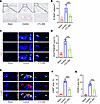 Figure 9
Targeting GDF15 suppresses the overactivation of osteoclastogenesis in the endplates. (A) Representative TRAP staining images of sham and LSI-operated mice in both control IgG or anti-GDF15 mAb treatment groups. Scale bars: 100 μm. (B) Quantitative analysis of the number of TRAP+ cells in endplates. (C) Representative immunofluorescence images of CD31 (red), endomucin (green), and CD31hiEMCNhi (yellow) cells of sham and LSI-operated mice in both control IgG or anti-GDF15 mAb treatment groups. Scale bars: 20 μm. (D) Quantitative analysis of the areas of CD31hiEMCNhi (yellow) cells in endplates (E) Representative immunofluorescence images of CGRP+and PGP9.5+ cells of sham and LSI-operated mice in both control IgG or anti-GDF15 mAb treatment groups. Scale bars: 10 μm. (F and G) Quantitative analysis of the areas of CGRP+ and PGP9.5+ cells in endplates. Data are presented as mean ± SD. Statistical analysis was performed using 2-tailed ANOVA with Tukey’s test for differences among groups. ***P < 0.001.
Behavioral testing demonstrated that mice receiving CTL-002 exhibited improved pain-related behaviors compared with untreated LSI controls (Supplemental Figure 16, A–F). Consistent with these findings, T2-weighted MRI scans revealed reduced inflammatory signal intensity in the endplates of GDF15-neutralized mice (Figure 10, A and C). Micro-CT analysis confirmed decreased endplate destruction and reduced trabecular bone loss in the treatment group (Figure 10, B, D, and E). Histological evaluation using H&E and safranin O/fast green staining showed preservation of endplate architecture and decreased degenerative changes following GDF15 neutralization (Figure 10, F, G, and J). Immunohistochemical and RT-PCR analysis revealed markedly decreased expression of the cartilage catabolic enzymes COX2 and MMP13 (Figure 10, H, I, K, and L, and Supplemental Figure 17, A and B) in the treatment group.
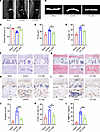 Figure 10
Targeting GDF15 alleviates the early endplate degeneration. (A and C) T2-weighted images of sham mice and mice after LSI surgery and after treatment with control IgG or anti-GDF15 mAb and MRI analysis. (B) Representative 3D micro-CT images of sham mice and mice after LSI surgery and after treatment with control IgG or anti-GDF15 mAb. (D and E) Quantitative analysis of the total porosity and trabecular separation (Tb. Sp) determined by micro-CT. (F) Representative images of H&E staining of sham mice and mice after LSI surgery and after treatment with control IgG or anti-GDF15 mAb. Scale bars: 100 μm. (G) Representative images of safranin O and fast green staining of sham mice and mice after LSI surgery and after treatment with control IgG or anti-GDF15 mAb. Scale bars: 100 μm. (J) Endplate scores based on safranin O and fast green staining. (H) Representative images of COX2 staining. Scale bars: 50 μm. (K) Quantitative analysis of COX2+ cells. (I) Representative images of MMP13 staining of sham mice and mice after LSI surgery and after treatment with control IgG or anti-GDF15 mAb. Scale bars: 100 μm. (L) Quantitative analysis of MMP13+ cells. Data are presented as mean ± SD. Statistical analysis was performed using 2-tailed ANOVA with Tukey’s test for differences among groups. **P < 0.01, ***P < 0.001.
In conclusion, these results demonstrate that targeting GDF15 effectively suppresses osteoclast overactivation and downstream degenerative events in the endplate microenvironment. This highlights GDF15 as a promising therapeutic target for the treatment of early endplate degeneration and MC-associated LBP.
-
Methods
Sex as a biological variable. Specifically, for the human MC samples, sex was not considered as a biological variable during sample selection. In the animal experiments, our study exclusively examined male mice; it is unknown whether the findings are relevant for female mice.
Patient samples. This study involved the collection of human endplate samples from patients undergoing lumbar disc herniation surgery (n = 40). Clinical sample inclusion criteria included that samples were from patients who were hospitalized and underwent lumbar fusion surgery due to lumbar disc herniation or lumbar spinal stenosis, meeting surgical indications between January 2016 and December 2022. Exclusion criteria for clinical samples included a history of prior spinal surgery; presence of spinal deformities or tumors; metabolic bone diseases, such as osteoporosis; and comorbid psychiatric disorders or cognitive impairments that could affect functional assessments. The experimental group consisted of patients with LBP symptoms, a visual analogue score (VAS) ≥ 4, and lumbar MRI showing MCs in the vertebrae above or/and below the fusion segment. The experimental group consisted of patients with LBP symptoms, a visual analogue score (VAS) ≥ 4, and lumbar MRI showing MCs in the vertebrae above or/and below the fusion segment.
The study population included individuals with or without confirmed MCs as identified by spine MRI. According to the criteria and classifications described by de Roos and Modic, Udby et al. suggested that when different or mixed types of MC are present within the same functional spinal unit, the MC with the most clinical significance should be described first (i.e., MC-1, followed by MC-2, and then MC-3) (58–60). Therefore, our diagnosis of mixed-type MC in certain clinical patients is based on the most clinically significant MC. During specimen collection, MRI was used preoperatively to locate the MC-affected tissue to ensure more accurate sampling of the corresponding MC-affected tissue. Intraoperatively, spinal canal decompression was first performed, followed by the complete removal of disc tissue and exposure of the upper and lower endplates. The Medtronic O-arm navigation (StealthStation S8) system was used for pedicle screw placement and to simultaneously identify the sampling site. Endplate tissue was scraped from the designated location using a curette for RT-PCR analysis.
RNA isolation and quantitative RT-PCR. Total RNA was isolated from the various groups using TRIzol reagent (Invitrogen), and residual genomic DNA was removed by DNase I treatment (Thermo Fisher Scientific) according to the manufacturer’s protocol. RNA concentration and purity were determined using a spectrophotometer (NanoDrop 2000, Thermo Fisher Scientific). Reverse transcription was performed using PrimeScript RT MasterMix (TaKaRa Bio) to synthesize complementary DNA from 1 μg total RNA.
Quantitative real-time PCR (RT-qPCR) was conducted using SYBR Green qPCR Master Mix (Applied Biosystems) on a StepOnePlus Real-Time PCR System (Applied Biosystems). Primers were designed to span exon-exon junctions to avoid genomic DNA amplification. The RT-qPCR protocol included an initial denaturation at 95°C for 5 minutes, followed by 40 cycles of amplification (95°C for 15 seconds and 60°C for 60 seconds). Melting curve analysis was performed at the end of each run (95°C for 15 seconds and 60°C for 60 seconds) to confirm the specificity of the amplification products.
All reactions were run in triplicate, and expression levels were normalized to the internal control gene β-actin using the 2–ΔΔCt method. No-template controls and no–reverse transcription (no-RT) controls, in which reverse transcriptase was omitted during cDNA synthesis, were included to exclude contamination and amplification of genomic DNA. The primer sequences are shown in Table 1.
Mouse models and in vivo experiments. The Gdf15-floxed mouse line (catalog NM-CKO-232914) used in our experiments was purchased from Shanghai Model Organisms, and B6-hGDF15 mice were provided by Cyagen Biotechnology Company. The transgenic mice used in this study were bred on a C57BL/6 pure strain background and kept under specific pathogen–free conditions. They were housed in a controlled environment with a temperature of approximately 22°C and a 12-hour light/dark cycle. WT littermates of the same sex were used as controls for all experiments. Eight-week-old C57BL/6 male mice were used for the in vivo experiments. In general, mice were first anesthetized by pentobarbital sodium (10 mg/kg, intraperitoneally). Then, animals from both the LSI and sham models were operated on, with excision of the L3–L5 spinous process to result in the LSI as reported previously (41). For the sham group, the operations were conducted by only detachment of the posterior paravertebral muscles from L3–L5 vertebral body. Therapeutic administration of control IgG (AstraZeneca, NIP228, 10 mg/kg) or anti-GDF15 mAb (10 mg/kg, MEC, HY-P99100) was administrated by tail vein injection 3 times a week for 2 weeks.
Micro-CT analyses. For quantitative micro-CT assays, mice were anesthetized with overdose of pentobarbital sodium. The lumbar spines were dissected and stored in 100% ethyl alcohol for 24 hours and then stored in PBS solutions. All of the data were analyzed by a high-resolution micro-CT (Skyscan 1076, Bruker). As reported previously (61), the scanner was set at a resolution of 8 m per pixel, a voltage of 80 kV, and a current of 124 A. The 3D models were analyzed by CTAn and CTVol. Two hundred section planes below the growth plate were observed.
Immunofluorescence and histomorphometry. For immunofluorescence images, the full lumbar spines were removed from the mice and fixed in 4% paraformaldehyde at 4°C for 72 hours. Then, the spine tissues were decalcified with EDTA (0.5 M; pH 7.4) solutions for 72 hours with continuous shaking. After that, the tissues were washed for at least 3 times with PBS solutions and embedded in paraffin or OCT compound. Sections of 30 μm thickness were used for CD31 and EMCN immunofluorescence images. All of the experiments were conducted following the procedures of previous studies (61, 62). Rat anti-EMCN antibody (1:100; sc-65495, Santa Cruz Biotechnology) and rabbit anti-CD31 antibody (1:20; ab28364, Abcam) were used for CD31 and EMCN immunofluorescence images. Specifically, we used a negative control in which the primary antibody was replaced with a species- and isotype-matched nonimmune IgG at the same concentration. These controls were processed under identical conditions as the experimental samples. No specific fluorescence signal was detected in the negative control samples, confirming the specificity of the primary antibody staining. Sections of 5 μm thickness were used for safranin O, fast green, and TRAP (Sigma-Aldrich) staining. We calculated endplate scores as described previously (63, 64). Sections of 5 μm thickness were used for the CGRP sensory nerve immunofluorescence staining (1:100, ab81887, Abcam). All of the experiments were conducted following the methods of previous studies (65).
ELISA. The serum levels of CTX-1 and TRACP-5 were examined by ELISA using a CTX-1 ELISA kit (NBP2- 69074, Novus) and a TRACP-5b ELISA kit (EK7661, SAB). All ELISAs were performed in accordance with the manufacturer’s instructions.
RNA sequencing of monocytes from endplates and subchondral bone of endplate. We first obtained the endplates and subchondral bone tissue using tissue scissors. The samples were then prepared as a cell suspension in a solution containing sterile PBS (pH 7.2) and 2 mM EDTA, kept at 2°C–8°C. The cell suspension was subsequently filtered through a 100 μm mesh to remove bone debris and cell clumps. Following this, we performed gradient centrifugation, first centrifuging the cell suspension at 500g for 20 minutes at 25°C. The supernatant was then removed, and the pellet was centrifuged at 300g for 10 minutes at 20°C. CD14 microbeads were added to the cell suspension and mixed thoroughly, followed by incubation at 4°C for 15 minutes. After adding the buffer, the suspension was centrifuged at 300g for 10 minutes. The cell pellet was resuspended and sorted using a flow cytometer. The cells were then treated with Trizol reagent to extract total RNA, which was sequenced using the BGI sequencing platform. Differentially expressed genes were identified using the criteria of FDR < 0.05 and log2FC > 1 or log2FC < –1. To elucidate the biological significance of these differentially expressed genes, GO analysis was performed using the R-package cluster profiler. Additionally, pathway analysis was conducted on these genes to determine the substantially affected pathways, using the KEGG database via the R-package clusterProfiler. Visualization of the data, including a circular heatmap of selected differentially expressed genes, a classification summary plot of KEGG pathway analysis, and a GOChord plot, was created using an online platform for data analysis and visualization (http://www.bioinformatics.com.cn). The data have been submitted to Sequence Read Archive (SRA) and are fully accessible to the public. The accession number for the dataset is PRJNA1328439.
Cell culture and transfection. Bone marrow stromal cells were isolated from the femurs of 8-week-old C57BL/6 mice. The cells were then cultured for 3 days in α-MEM medium supplemented with 15% fetal bovine serum and 30 ng/mL M-CSF. Adherent cells were subsequently collected and seeded into 24-well plates. The cells were incubated at 37°C in a humidified atmosphere with 5% CO2. Transfection was performed by circ– control, circ-GDF15. The forward oligonucleotide sequence is TAATACGACTCACTATAGGGCCACCATGCCCGGGCAAGAACTCAG, and the reverse oligonucleotide is TCTGAGATGAGTTTTTGTTCTATGCAGTGGCAGTCTTTGGCT.
Osteoclast differentiation experiments and actin ring staining. The bone marrow stromal cells were flushed out from the femurs of 8-week-old C57BL/6 mice as described previously (66). Then, cells were cultured for 3 days in α-MEM medium with 15% fetal bovine serum and 30 ng/mL M-CSF. Adherent cells were then collected and seeded into a 24-well plates. Cells were then incubated with M-CSF (30 ng/mL) and RANKL (100 ng/mL) for 3 (preosteoclast) and 6 (osteoclast) days, respectively. Then, TRAP staining (Sigma-Aldrich) was conducted following the manufacturer’s instructions. TRAP+ cells with more than 3 nuclei were regarded as mature osteoclasts. For actin-ring formation assay, the osteoclasts were fixed and stained with Phalloidin (Alexa Fluor 488 Phalloidin, catalog 8878, Thermo Scientific; dilution 1:60) at room temperature for 1 hour to visualize actin rings. The number of actin rings was analyzed by ImageJ (NIH) software.
Osteoclastic fusion assays. The preosteoclasts were obtained as described above. The preosteoclasts were labeled with the red fluorescent dye PKH26 (Sigma-Aldrich) or the green florescent dye PKH67 (Sigma-Aldrich) following the manufacturer’s instructions. Then, the 2 groups of preosteoclasts were seeded together on the 24-well plate for 2 hours. The liquid supernatant was removed, and fluorescence microscopy was conducted. The membrane merge rate was evaluated using the ImageJ as reported previously (67).
Behavioral testing. All behavioral tests were conducted by the same investigator, who was blinded to the research groups.
Pressure tolerance was detected by the vocalization thresholds (as a nociceptive threshold) using a force gauge as described previously (65). C57BL/6 mice were gently restrained and received the pressure force by a sensor on their skin above the L4–L5 spine. A cumulative increase of pressure force (50 g/s) was conducted on the mice until the animals showed an audible vocalization.
Spontaneous running activity was measured by several indicators (including distance traveled, mean speed, and maximum speed) by the activity wheels. C57BL/6 mice were placed in cages that were similar to their home cages, and the wheels of the device could be used by the mice from all directions. The software of the equipment could show the real-time information of the spontaneous activity of the mice.
The pain hypersensitivity in response to external stimulation was detected by hind paw withdrawal frequency (PWF) using the von Frey test with 0.7 mN and 3.9 mN. C57BL/6 mice were put in a transparent plastic cage, which was put on a metal mesh grid. The midplantar position of the mice’s hind paw was stimulated by 0.7 mN or 3.9 mN. The frequency of mechanical stimulus was 10 times at a 1-second interval. When the hind paw was withdrawn after the stimulation by von Frey filaments, the data were taken down.
Statistics. We performed data analyses with Graphpad Prism software. Data were presented as mean ± SD. We used unpaired 2-sample (2-tailed) t test to compare the data from 2 groups. We performed the 1-way ANOVA to compare the data from multiple groups. P < 0.05 was regarded as statistically significance for all experiments.
Study approval. The animal studies in this research were approved by the Ethics Committee of Shanghai Changhai Hospital. The Ethics Committee of Shanghai General Hospital approved this research (2023AWS094, Shanghai, China), and written informed consent was obtained from all patients or their relatives prior to surgery.
Data availability. The data have been submitted to SRA and are fully accessible to the public (accession PRJNA1328439). Values for all data points in graphs are reported in the Supporting Data Values file. Additional datasets generated and/or analyzed during the current study are available from the corresponding author upon reasonable request.


