
Research ArticleCell biologyOncology
Open Access |  10.1172/jci.insight.188051
Imlunestrant a next-generation oral SERD overcomes ESR1 mutant resistance in estrogen receptor–positive breast cancer
Shira Sherman,1 Zachary M. Sandusky,1,2 Douglas Russo,1,3,4 David Zak,5 Agostina Nardone,1 Delia Friel,1,2 Francisco Hermida-Prado,1 Capucine Heraud,1 Genevra Kuziel,1 Ana Verma,3,6,7 Giorgio Gaglia,3,6,7 Sheheryar Kabraji,1,3,8 Quang-De Nguyen,9 Sandro Santagata,3,6,7 Sean W. Fanning,5 and Rinath Jeselsohn1,2,3,8
1Department of Medical Oncology and
2Center for Functional Cancer Epigenetics, Dana-Farber Cancer Institute, Boston, Massachusetts, USA.
3Harvard Medical School, Boston, Massachusetts, USA.
4Department of Data Science, Dana-Farber Cancer Institute, Boston, Massachusetts, USA.
5Department of Cancer Biology, Loyola University Stritch School of Medicine, Maywood, Illinois, USA.
6Ludwig Center at Harvard and
7Department of Pathology, Brigham and Women’s Hospital, Harvard Medical School, Boston, Massachusetts, USA.
8Susan F. Smith Center for Women’s Cancers and
9Lurie Family Imaging Center, Center for Biomedical Imaging in Oncology, Dana-Farber Cancer Institute, Boston, Massachusetts, USA.
Address correspondence to: Rinath Jeselsohn, Dana-Farber Cancer Institute, 450 Brookline Ave, Boston, Massachusetts, 02215, USA. Email: Rinath_jeselsohn@dfci.harvard.edu.
Authorship note: SS and ZMS contributed equally to this work.
Find articles by Sherman, S. in: PubMed | Google Scholar
1Department of Medical Oncology and
2Center for Functional Cancer Epigenetics, Dana-Farber Cancer Institute, Boston, Massachusetts, USA.
3Harvard Medical School, Boston, Massachusetts, USA.
4Department of Data Science, Dana-Farber Cancer Institute, Boston, Massachusetts, USA.
5Department of Cancer Biology, Loyola University Stritch School of Medicine, Maywood, Illinois, USA.
6Ludwig Center at Harvard and
7Department of Pathology, Brigham and Women’s Hospital, Harvard Medical School, Boston, Massachusetts, USA.
8Susan F. Smith Center for Women’s Cancers and
9Lurie Family Imaging Center, Center for Biomedical Imaging in Oncology, Dana-Farber Cancer Institute, Boston, Massachusetts, USA.
Address correspondence to: Rinath Jeselsohn, Dana-Farber Cancer Institute, 450 Brookline Ave, Boston, Massachusetts, 02215, USA. Email: Rinath_jeselsohn@dfci.harvard.edu.
Authorship note: SS and ZMS contributed equally to this work.
Find articles by Sandusky, Z. in: PubMed | Google Scholar
1Department of Medical Oncology and
2Center for Functional Cancer Epigenetics, Dana-Farber Cancer Institute, Boston, Massachusetts, USA.
3Harvard Medical School, Boston, Massachusetts, USA.
4Department of Data Science, Dana-Farber Cancer Institute, Boston, Massachusetts, USA.
5Department of Cancer Biology, Loyola University Stritch School of Medicine, Maywood, Illinois, USA.
6Ludwig Center at Harvard and
7Department of Pathology, Brigham and Women’s Hospital, Harvard Medical School, Boston, Massachusetts, USA.
8Susan F. Smith Center for Women’s Cancers and
9Lurie Family Imaging Center, Center for Biomedical Imaging in Oncology, Dana-Farber Cancer Institute, Boston, Massachusetts, USA.
Address correspondence to: Rinath Jeselsohn, Dana-Farber Cancer Institute, 450 Brookline Ave, Boston, Massachusetts, 02215, USA. Email: Rinath_jeselsohn@dfci.harvard.edu.
Authorship note: SS and ZMS contributed equally to this work.
Find articles by Russo, D. in: PubMed | Google Scholar
1Department of Medical Oncology and
2Center for Functional Cancer Epigenetics, Dana-Farber Cancer Institute, Boston, Massachusetts, USA.
3Harvard Medical School, Boston, Massachusetts, USA.
4Department of Data Science, Dana-Farber Cancer Institute, Boston, Massachusetts, USA.
5Department of Cancer Biology, Loyola University Stritch School of Medicine, Maywood, Illinois, USA.
6Ludwig Center at Harvard and
7Department of Pathology, Brigham and Women’s Hospital, Harvard Medical School, Boston, Massachusetts, USA.
8Susan F. Smith Center for Women’s Cancers and
9Lurie Family Imaging Center, Center for Biomedical Imaging in Oncology, Dana-Farber Cancer Institute, Boston, Massachusetts, USA.
Address correspondence to: Rinath Jeselsohn, Dana-Farber Cancer Institute, 450 Brookline Ave, Boston, Massachusetts, 02215, USA. Email: Rinath_jeselsohn@dfci.harvard.edu.
Authorship note: SS and ZMS contributed equally to this work.
Find articles by Zak, D. in: PubMed | Google Scholar
1Department of Medical Oncology and
2Center for Functional Cancer Epigenetics, Dana-Farber Cancer Institute, Boston, Massachusetts, USA.
3Harvard Medical School, Boston, Massachusetts, USA.
4Department of Data Science, Dana-Farber Cancer Institute, Boston, Massachusetts, USA.
5Department of Cancer Biology, Loyola University Stritch School of Medicine, Maywood, Illinois, USA.
6Ludwig Center at Harvard and
7Department of Pathology, Brigham and Women’s Hospital, Harvard Medical School, Boston, Massachusetts, USA.
8Susan F. Smith Center for Women’s Cancers and
9Lurie Family Imaging Center, Center for Biomedical Imaging in Oncology, Dana-Farber Cancer Institute, Boston, Massachusetts, USA.
Address correspondence to: Rinath Jeselsohn, Dana-Farber Cancer Institute, 450 Brookline Ave, Boston, Massachusetts, 02215, USA. Email: Rinath_jeselsohn@dfci.harvard.edu.
Authorship note: SS and ZMS contributed equally to this work.
Find articles by Nardone, A. in: PubMed | Google Scholar
1Department of Medical Oncology and
2Center for Functional Cancer Epigenetics, Dana-Farber Cancer Institute, Boston, Massachusetts, USA.
3Harvard Medical School, Boston, Massachusetts, USA.
4Department of Data Science, Dana-Farber Cancer Institute, Boston, Massachusetts, USA.
5Department of Cancer Biology, Loyola University Stritch School of Medicine, Maywood, Illinois, USA.
6Ludwig Center at Harvard and
7Department of Pathology, Brigham and Women’s Hospital, Harvard Medical School, Boston, Massachusetts, USA.
8Susan F. Smith Center for Women’s Cancers and
9Lurie Family Imaging Center, Center for Biomedical Imaging in Oncology, Dana-Farber Cancer Institute, Boston, Massachusetts, USA.
Address correspondence to: Rinath Jeselsohn, Dana-Farber Cancer Institute, 450 Brookline Ave, Boston, Massachusetts, 02215, USA. Email: Rinath_jeselsohn@dfci.harvard.edu.
Authorship note: SS and ZMS contributed equally to this work.
Find articles by Friel, D. in: PubMed | Google Scholar
1Department of Medical Oncology and
2Center for Functional Cancer Epigenetics, Dana-Farber Cancer Institute, Boston, Massachusetts, USA.
3Harvard Medical School, Boston, Massachusetts, USA.
4Department of Data Science, Dana-Farber Cancer Institute, Boston, Massachusetts, USA.
5Department of Cancer Biology, Loyola University Stritch School of Medicine, Maywood, Illinois, USA.
6Ludwig Center at Harvard and
7Department of Pathology, Brigham and Women’s Hospital, Harvard Medical School, Boston, Massachusetts, USA.
8Susan F. Smith Center for Women’s Cancers and
9Lurie Family Imaging Center, Center for Biomedical Imaging in Oncology, Dana-Farber Cancer Institute, Boston, Massachusetts, USA.
Address correspondence to: Rinath Jeselsohn, Dana-Farber Cancer Institute, 450 Brookline Ave, Boston, Massachusetts, 02215, USA. Email: Rinath_jeselsohn@dfci.harvard.edu.
Authorship note: SS and ZMS contributed equally to this work.
Find articles by Hermida-Prado, F. in: PubMed | Google Scholar
1Department of Medical Oncology and
2Center for Functional Cancer Epigenetics, Dana-Farber Cancer Institute, Boston, Massachusetts, USA.
3Harvard Medical School, Boston, Massachusetts, USA.
4Department of Data Science, Dana-Farber Cancer Institute, Boston, Massachusetts, USA.
5Department of Cancer Biology, Loyola University Stritch School of Medicine, Maywood, Illinois, USA.
6Ludwig Center at Harvard and
7Department of Pathology, Brigham and Women’s Hospital, Harvard Medical School, Boston, Massachusetts, USA.
8Susan F. Smith Center for Women’s Cancers and
9Lurie Family Imaging Center, Center for Biomedical Imaging in Oncology, Dana-Farber Cancer Institute, Boston, Massachusetts, USA.
Address correspondence to: Rinath Jeselsohn, Dana-Farber Cancer Institute, 450 Brookline Ave, Boston, Massachusetts, 02215, USA. Email: Rinath_jeselsohn@dfci.harvard.edu.
Authorship note: SS and ZMS contributed equally to this work.
Find articles by Heraud, C. in: PubMed | Google Scholar
1Department of Medical Oncology and
2Center for Functional Cancer Epigenetics, Dana-Farber Cancer Institute, Boston, Massachusetts, USA.
3Harvard Medical School, Boston, Massachusetts, USA.
4Department of Data Science, Dana-Farber Cancer Institute, Boston, Massachusetts, USA.
5Department of Cancer Biology, Loyola University Stritch School of Medicine, Maywood, Illinois, USA.
6Ludwig Center at Harvard and
7Department of Pathology, Brigham and Women’s Hospital, Harvard Medical School, Boston, Massachusetts, USA.
8Susan F. Smith Center for Women’s Cancers and
9Lurie Family Imaging Center, Center for Biomedical Imaging in Oncology, Dana-Farber Cancer Institute, Boston, Massachusetts, USA.
Address correspondence to: Rinath Jeselsohn, Dana-Farber Cancer Institute, 450 Brookline Ave, Boston, Massachusetts, 02215, USA. Email: Rinath_jeselsohn@dfci.harvard.edu.
Authorship note: SS and ZMS contributed equally to this work.
Find articles by Kuziel, G. in: PubMed | Google Scholar
1Department of Medical Oncology and
2Center for Functional Cancer Epigenetics, Dana-Farber Cancer Institute, Boston, Massachusetts, USA.
3Harvard Medical School, Boston, Massachusetts, USA.
4Department of Data Science, Dana-Farber Cancer Institute, Boston, Massachusetts, USA.
5Department of Cancer Biology, Loyola University Stritch School of Medicine, Maywood, Illinois, USA.
6Ludwig Center at Harvard and
7Department of Pathology, Brigham and Women’s Hospital, Harvard Medical School, Boston, Massachusetts, USA.
8Susan F. Smith Center for Women’s Cancers and
9Lurie Family Imaging Center, Center for Biomedical Imaging in Oncology, Dana-Farber Cancer Institute, Boston, Massachusetts, USA.
Address correspondence to: Rinath Jeselsohn, Dana-Farber Cancer Institute, 450 Brookline Ave, Boston, Massachusetts, 02215, USA. Email: Rinath_jeselsohn@dfci.harvard.edu.
Authorship note: SS and ZMS contributed equally to this work.
Find articles by Verma, A. in: PubMed | Google Scholar
1Department of Medical Oncology and
2Center for Functional Cancer Epigenetics, Dana-Farber Cancer Institute, Boston, Massachusetts, USA.
3Harvard Medical School, Boston, Massachusetts, USA.
4Department of Data Science, Dana-Farber Cancer Institute, Boston, Massachusetts, USA.
5Department of Cancer Biology, Loyola University Stritch School of Medicine, Maywood, Illinois, USA.
6Ludwig Center at Harvard and
7Department of Pathology, Brigham and Women’s Hospital, Harvard Medical School, Boston, Massachusetts, USA.
8Susan F. Smith Center for Women’s Cancers and
9Lurie Family Imaging Center, Center for Biomedical Imaging in Oncology, Dana-Farber Cancer Institute, Boston, Massachusetts, USA.
Address correspondence to: Rinath Jeselsohn, Dana-Farber Cancer Institute, 450 Brookline Ave, Boston, Massachusetts, 02215, USA. Email: Rinath_jeselsohn@dfci.harvard.edu.
Authorship note: SS and ZMS contributed equally to this work.
Find articles by Gaglia, G. in: PubMed | Google Scholar
1Department of Medical Oncology and
2Center for Functional Cancer Epigenetics, Dana-Farber Cancer Institute, Boston, Massachusetts, USA.
3Harvard Medical School, Boston, Massachusetts, USA.
4Department of Data Science, Dana-Farber Cancer Institute, Boston, Massachusetts, USA.
5Department of Cancer Biology, Loyola University Stritch School of Medicine, Maywood, Illinois, USA.
6Ludwig Center at Harvard and
7Department of Pathology, Brigham and Women’s Hospital, Harvard Medical School, Boston, Massachusetts, USA.
8Susan F. Smith Center for Women’s Cancers and
9Lurie Family Imaging Center, Center for Biomedical Imaging in Oncology, Dana-Farber Cancer Institute, Boston, Massachusetts, USA.
Address correspondence to: Rinath Jeselsohn, Dana-Farber Cancer Institute, 450 Brookline Ave, Boston, Massachusetts, 02215, USA. Email: Rinath_jeselsohn@dfci.harvard.edu.
Authorship note: SS and ZMS contributed equally to this work.
Find articles by Kabraji, S. in: PubMed | Google Scholar
1Department of Medical Oncology and
2Center for Functional Cancer Epigenetics, Dana-Farber Cancer Institute, Boston, Massachusetts, USA.
3Harvard Medical School, Boston, Massachusetts, USA.
4Department of Data Science, Dana-Farber Cancer Institute, Boston, Massachusetts, USA.
5Department of Cancer Biology, Loyola University Stritch School of Medicine, Maywood, Illinois, USA.
6Ludwig Center at Harvard and
7Department of Pathology, Brigham and Women’s Hospital, Harvard Medical School, Boston, Massachusetts, USA.
8Susan F. Smith Center for Women’s Cancers and
9Lurie Family Imaging Center, Center for Biomedical Imaging in Oncology, Dana-Farber Cancer Institute, Boston, Massachusetts, USA.
Address correspondence to: Rinath Jeselsohn, Dana-Farber Cancer Institute, 450 Brookline Ave, Boston, Massachusetts, 02215, USA. Email: Rinath_jeselsohn@dfci.harvard.edu.
Authorship note: SS and ZMS contributed equally to this work.
Find articles by Nguyen, Q. in: PubMed | Google Scholar
1Department of Medical Oncology and
2Center for Functional Cancer Epigenetics, Dana-Farber Cancer Institute, Boston, Massachusetts, USA.
3Harvard Medical School, Boston, Massachusetts, USA.
4Department of Data Science, Dana-Farber Cancer Institute, Boston, Massachusetts, USA.
5Department of Cancer Biology, Loyola University Stritch School of Medicine, Maywood, Illinois, USA.
6Ludwig Center at Harvard and
7Department of Pathology, Brigham and Women’s Hospital, Harvard Medical School, Boston, Massachusetts, USA.
8Susan F. Smith Center for Women’s Cancers and
9Lurie Family Imaging Center, Center for Biomedical Imaging in Oncology, Dana-Farber Cancer Institute, Boston, Massachusetts, USA.
Address correspondence to: Rinath Jeselsohn, Dana-Farber Cancer Institute, 450 Brookline Ave, Boston, Massachusetts, 02215, USA. Email: Rinath_jeselsohn@dfci.harvard.edu.
Authorship note: SS and ZMS contributed equally to this work.
Find articles by Santagata, S. in: PubMed | Google Scholar
1Department of Medical Oncology and
2Center for Functional Cancer Epigenetics, Dana-Farber Cancer Institute, Boston, Massachusetts, USA.
3Harvard Medical School, Boston, Massachusetts, USA.
4Department of Data Science, Dana-Farber Cancer Institute, Boston, Massachusetts, USA.
5Department of Cancer Biology, Loyola University Stritch School of Medicine, Maywood, Illinois, USA.
6Ludwig Center at Harvard and
7Department of Pathology, Brigham and Women’s Hospital, Harvard Medical School, Boston, Massachusetts, USA.
8Susan F. Smith Center for Women’s Cancers and
9Lurie Family Imaging Center, Center for Biomedical Imaging in Oncology, Dana-Farber Cancer Institute, Boston, Massachusetts, USA.
Address correspondence to: Rinath Jeselsohn, Dana-Farber Cancer Institute, 450 Brookline Ave, Boston, Massachusetts, 02215, USA. Email: Rinath_jeselsohn@dfci.harvard.edu.
Authorship note: SS and ZMS contributed equally to this work.
Find articles by Fanning, S. in: PubMed | Google Scholar
1Department of Medical Oncology and
2Center for Functional Cancer Epigenetics, Dana-Farber Cancer Institute, Boston, Massachusetts, USA.
3Harvard Medical School, Boston, Massachusetts, USA.
4Department of Data Science, Dana-Farber Cancer Institute, Boston, Massachusetts, USA.
5Department of Cancer Biology, Loyola University Stritch School of Medicine, Maywood, Illinois, USA.
6Ludwig Center at Harvard and
7Department of Pathology, Brigham and Women’s Hospital, Harvard Medical School, Boston, Massachusetts, USA.
8Susan F. Smith Center for Women’s Cancers and
9Lurie Family Imaging Center, Center for Biomedical Imaging in Oncology, Dana-Farber Cancer Institute, Boston, Massachusetts, USA.
Address correspondence to: Rinath Jeselsohn, Dana-Farber Cancer Institute, 450 Brookline Ave, Boston, Massachusetts, 02215, USA. Email: Rinath_jeselsohn@dfci.harvard.edu.
Authorship note: SS and ZMS contributed equally to this work.
Find articles by Jeselsohn, R. in: PubMed | Google Scholar
Published May 6, 2025 - More info
JCI Insight. 2025;10(12):e188051. https://doi.org/10.1172/jci.insight.188051.
© 2025 Sherman et al. This work is licensed under the Creative Commons Attribution 4.0 International License. To view a copy of this license, visit http://creativecommons.org/licenses/by/4.0/.
Received: November 7, 2024; Accepted: May 1, 2025

-
Introduction
Estrogen receptor α (ER) is a nuclear hormone receptor and a key driver of tumorigenesis and tumor progression in most breast cancers. Estrogen binding to ER leads to its activation, a process that involves ER dimerization, phosphorylation, and translocation to the nucleus where ER binds to cofactors and chromatin at estrogen response element (ERE) sites and directly mediates the transcription of hundreds of genes. The transcriptional activity of ER is dictated by other transcription factors, such as the pioneer transcription factor FOXA1, and is tightly regulated by coregulators that either activate or repress ER activity (1, 2).
Endocrine therapy that targets ER is the mainstay treatment in hormone receptor–positive (HR+) breast cancers, which express ER and/or the progesterone receptor (PR). There are several classes of endocrine therapies, including selective estrogen receptor modulators (SERMs), such as tamoxifen; aromatase inhibitors that suppress the conversion of androgens to estrogen and production of estrogen from peripheral tissue; selective estrogen receptor degraders (SERD) that are pure ER antagonists and enhance the proteasomal degradation of ER; and suppression of ovarian estrogen production in premenopausal women with GNRH analogs or bilateral salpingo-oophorectomy. Currently, the only SERD that is approved for all patients with metastatic HR+ breast cancer is fulvestrant. Although endocrine therapy has a substantial impact on outcomes in early and advanced stages of HR+ breast cancer, endocrine resistance is a major clinical obstacle. Multiple mechanisms of endocrine resistance exist, and several are unique to a specific class of endocrine therapy (3). As an example, the agonistic activity that drives resistance is unique to tamoxifen, and, in the clinic, is evidenced by the tumor response detected after tamoxifen withdrawal (4).
Estrogen independent activity of ER is a mechanism of resistance that is more specific to aromatase inhibitors. Several studies have shown that the crosstalk between ER and receptor tyrosine kinase signaling followed by activation of the PI3Kinase-AKT-MTOR and MAPK pathways results in estrogen-independent phosphorylation and activation of ER (5, 6). ESR1 ligand binding missense mutations are predominantly acquired during treatment with aromatase inhibitors in metastatic disease, and, after such treatment in metastatic disease, these alterations are detected in more than 50% of patients when testing circulating tumor DNA (ctDNA) (7). These mutations, especially Y537S, reduce binding affinities of SERMs and SERDs while also impairing their abilities to engage the therapeutic conformation of the ligand binding domain (8–10). Overall, in preclinical studies the Y537S ESR1 mutation was found to possess the most potent resistance to ER antagonists and ligand independent activity (11). Clinical observations further support the relative resistance to fulvestrant in the presence of a Y537S ESR1 mutation (12), which is likely attributed to the poor bioavailability of this drug coupled with the increased quantities required to saturate the mutant receptor (10).
Preclinical studies have shown that ESR1 mutations have neomorphic properties that promote a metastatic phenotype, and targeting these mutations leads to metastatic regression (13). Thus, ESR1 mutations are a biomarker of an active but altered ER axis and a therapeutic target. Taken together, the high prevalence of these mutations and their biological implications warrant the development of novel endocrine therapies that have superior pharmacokinetics and/or better affinity mutant ER capable of destabilizing WT and mutant ER. Recently, elacestrant, a next-generation endocrine therapy with SERD activity, was approved for the treatment of ESR1 mutant metastatic breast cancer (14). Additionally, there are several other novel endocrine therapies in clinical development (15). Imlunestrant is a novel SERD in clinical development with an excellent safety profile and a strong signal of activity in metastatic HR+ breast cancer (16, 17). In this study, we investigated the preclinical anticancer activities of imlunestrant with an emphasis on its effectiveness in the presence of the Y537S ESR1 mutation.
Imlunestrant has pure antagonistic activity and is a potent degrader of mutant ER. To characterize the preclinical activity of imlunestrant, we used MCF7 and T47D ER+ breast cancer model cell lines without and with doxycycline (DOX) induction of the Y537S ESR1 mutation (13). We first evaluated the activity of imlunestrant on cell growth and observed dose-dependent growth suppression with significant activity at a concentration of 1 nM. The IC50 concentrations were 0.34 nM and 5.2 nM in T47D and MCF7 cells, respectively, which were lower compared with fulvestrant (fulvestrant IC50 was 2.2 nM and 19 nM in T47D and MCF7 cells, respectively) (Figure 1, A and B, and Supplemental Figure 1, A–C; supplemental material available online with this article; https://doi.org/10.1172/jci.insight.188051DS1). Off-target effects were assessed in the triple-negative breast cancer cell line, MDAMB231, in which imlunestrant did not affect cell proliferation (Supplemental Figure 1D). Given the importance of the pure antagonistic activity of a SERD, we tested the effects of imlunestrant in MCF7 cells overexpressing ERE-luciferase in apo and ligand-bound states (Figure 1, C–E). We observed strong antagonistic activity of imlunestrant in E2-treated conditions already after 6 hours of treatment, without evidence of agonistic activity in both states when testing imlunestrant at a concentration up to 1,000 nM and up to treatment for 24 hours. Similar results were seen with fulvestrant (Supplemental Figure 1F). In aggregate, these results indicate that imlunestrant is an ER antagonist without agonistic activity in breast cancer cells.
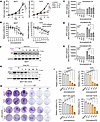 Figure 1
Antagonistic and ER degradation activity of imlunestrant. (A) Cell growth studies depicted as cell number fold change for MCF7 (left) or T47D (right) cells during treatment up to 8 days with DMSO or imlunestrant (IML). Error bars denote ± SD. Two-way ANOVA with Dunnett’s multiple comparisons test. (B) Normalized cell proliferation for MCF7 (left) or T47D (right) cells expressing ER-WT or ER-Y537S and treated with a dose-response of imlunestrant for 5 days. Error bars with average ± SD. Two-way ANOVA with Šidák’s multiple comparisons test. (C) Normalized luciferase signal in MCF7 ERE-LUC cells after hormone deprivation (HD) and treatment with or without E2 (1 nM) and imlunestrant (0, 50 nM, 500 nM, or 1,000 nM) for 1 hour, (D) 6 hours, or (E) 24 hours. Bar graph with averages. Error bars denote ± SD. Two-way ANOVA with Tukey’s multiple comparisons test. (F) Western blot of whole cell lysates for ER and GAPDH in MCF7 cells in HD media treated with fulvestrant (FULV; 100 nM, 24 hours) or imlunestrant (IML; 100 nM from 0–72 hours), as indicated. Densitometry of ER levels normalized to DMSO and GAPDH. (G) Western blot for ER WT (lower band) and ER mutant (HA-tagged, upper band) and GAPDH in MCF7 ER-Y537S cells in HD media treated with FULV (100 nM, 24 hours) or IML (100 nM, 0 to 72 hours), as indicated. Densitometry of ER mutant levels normalized to DMSO and GAPDH. (H) Colony assay crystal violet staining results from MCF7 or T47D cells with ER WT or ER-Y537S expression and treatment with imlunestrant (0 to 100 nM, as indicated) for 2 weeks in full media. (I) Relative confluency of colony assay crystal violet staining in H. Bar graph with average ± SD. One-way ANOVA with Dunnett’s multiple comparisons test. *P < 0.05, **P < 0.01, ***P < 0.001, ****P < 0.0001.
Next, we examined the ability of imlunestrant to degrade WT and Y537S ER by immunoblotting. Initial degradation of WT-ER was observed as early as 6 hours with the magnitude of ER degradation continuously increasing up to 48 hours and retained at 72 hours. Although, at 24 hours, the degradation of WT-ER was overall comparable between fulvestrant treatment and imlunestrant, mutant-ER protein degradation was superior with imlunestrant treatment versus fulvestrant (Figure 1, F and G). Furthermore, mutant ER degradation persisted beyond 24 hours with imlunestrant treatment. Despite the evidence of mutant and endogenous WT-ER degradation by imlunestrant and fulvestrant within 24 hours, the dose-response curves of imlunestrant and fulvestrant on day 5 shifted with the expression of the Y537S ER mutations (Figure 1B and Supplemental Figure 1, A–C). Longer term in vitro experiments with colony assays of WT and mutant ER cells showed that, at day 14, higher concentrations of imlunestrant were able to suppress cell confluency in the presence of the ER mutation (Figure 1, H and I). Taken together, these in vitro studies suggest that imlunestrant effectively degrades mutant ER; however, the ER mutations likely diminish the antagonistic activity of imlunestrant and this can be circumvented by a higher concentration.
To test for the selective activity of imlunestrant on transcription in a nonbiased, genome-wide manner, we performed RNA-seq experiments in hormone-deprived conditions without and with the induction of the Y537S ER mutation. The DOX-inducible cells were cultured in hormone-deprived (HD) conditions for 3 days and then treated with either vehicle (DMSO), E2, imlunestrant, or fulvestrant for 6 and 12 hours. Additionally, cells were first stimulated with DOX to induce the Y537S ER mutation followed by culture in HD conditions and then treatment with DMSO, imlunestrant, or fulvestrant for 6 and 12 hours (Figure 2A and Supplemental Table 1). As expected, E2 treatment of HD cells led to significant transcriptional changes, including the upregulation of canonical ER transcriptional targets (Figure 2B). In addition, induction of the Y537S ER mutation in HD conditions resulted in significant gene expression changes, including canonical ER transcription targets among other genes (Figure 2C), as we previously described (13). We next tested the transcriptional effects of imlunestrant and fulvestrant. In cells with WT ER after culture in HD conditions, imlunestrant and fulvestrant had no transcriptional effects, since ER is inactive in these conditions, highlighting the specificity of these two ER antagonists. In contrast, in MCF7 and T47D cells expressing the Y537S ER mutation in HD conditions, imlunestrant and fulvestrant treatment resulted in significant transcriptional changes, including the down regulation of genes of the estrogen response and cell cycle pathways (Figure 2, D and E, Supplemental Figure 2, A–D, and Supplemental Table 2). Overall, when comparing the pathways modulated by imlunestrant and fulvestrant treatment at 6 and 12 hours in MCF and T47D cells expressing the Y537S ER mutation in HD conditions, we observed comparable effects. Both drugs led to the downregulation of expected pathways, such as estrogen response early and late, E2F targets, G2M checkpoint, and MYC targets (Figure 2F). In aggregate, our results revealed highly selective on-target activity of imlunestrant in the presence of WT and mutant ER.
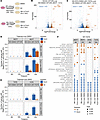 Figure 2
Transcriptional effects of imlunestrant. (A) Cartoon schematic of the RNA-seq treatment conditions. (B) Volcano plot of the differentially expressed genes following estradiol treatment or (C) doxycycline induction of ER-Y537S in MCF7 cells. Dotted lines denote chosen cutoffs |log2FC| ≥ 1 and FDR < 10%. Orange is upregulated and blue is downregulated following treatment. n = 2 replicates per group. ESR1 and estrogen-regulated genes are labeled with gene names when significant. (D) Bar plot of the number of differentially expressed genes in MCF7 or (E) T47D cells following IML or FULV treatment in cells expressing WT-ER or ER-Y537S. (F) Dot plot of gene set testing results in ER-Y537S-expressing cells for the Hallmark gene collection using cameraPR (10% FDR threshold per column).
Increased cell cycle arrest results in superior suppression of tumor growth. To evaluate the in vivo activity of imlunestrant, we turned to a PDX model derived from a liver metastasis from a patient who was heavily pretreated. This PDX has high ER expression, harbors a Y537S ESR1 mutation, and is E2 independent (18). As shown in Figure 3A, the tumors were resistant to fulvestrant but were highly sensitive to imlunestrant. Already at day 10, treatment with imlunestrant as a single agent led to significant tumor regression, which persisted until the end of the experiment, at day 28. The mice tolerated imlunestrant treatment well without a significant weight change (Figure 3B). In line with the tumor growth results, ER, PR, and Ki67 levels were significantly lower in tumors treated with imlunestrant compared with fulvestrant and vehicle control at day 10 (Figure 3, C–F). Although, at day 28, in the residual tumors, ER levels were marginally higher in imlunestrant compared with fulvestrant treatment, Ki67 levels remained significantly lower with imlunestrant treatment (Figure 3, G–J).
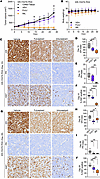 Figure 3
Imlunestrant treatment leads to decreased proliferation and tumor regression. (A) Tumor volumes of ER-Y537S PDX treated with vehicle (VEH, black), 5 mg subcutaneous fulvestrant (FULV, purple) per week, or 15mg/kg oral daily imlunestrant (IML, orange). Error bars denote ± SD. Two-way ANOVA with Dunnett’s multiple comparisons test. n = 3 mice/treatment on day 10 and n = 5 mice/treatment on day 28. (B) Body weight of the PDX-bearing mice treated with VEH, FULV, or IML. Error bars denote ± SD. One-way ANOVA with Tukey’s multiple comparisons test. (C) Representative images of IHC staining on ER-Y537S PDX day 10 for ER or PR or Ki67; scale bar: 100 μm. (D) IHC staining index for ER or (E) PR or (F) % Ki67 positive on ER-Y537S PDX day 10 tissue. Box and whisker plot with maximum and minimum. One-way ANOVA with Tukey’s multiple comparisons test, n = 2 mice, 4–5 images from each mouse. (G) Representative images of IHC staining on ER-Y537S PDX tissue treatment day 28 stained for ER or PR or Ki67. 20× magnification, scale bar: 100 μm. (H) IHC staining index for ER or (I) PR or (J) % Ki67 positive on day 28 ER-Y537S PDX tissue. Box and whisker plot with maximum and minimum. One-way ANOVA with Tukey’s multiple comparisons test, n = 2 mice, 4–5 images from each mouse. *P < 0.05, **P < 0.01, ***P < 0.001, ****P < 0.0001.
Next, we performed multiplexed immunofluorescence to calculate the Multivariate Proliferation Index (MPI) on PDX tumors harvested after treatment for 10 days (an early time point to assess direct effects) and 28 days. MPI is calculated based on expression of several distinct proliferative markers, including Ki67, PCNA, MCM2, and the 2 markers of cell-cycle arrest p21 and p27. MPI classifies each cell as either proliferative, if the cell expresses a positive balance of the proliferation markers; nonproliferative; for a cell that lacks the expression of proliferative markers; and arrested, if the cell expresses 1 or 2 of the cell-cycle arrest markers, irrespective of the expression of the proliferation markers, providing a comprehensive measure of the tumor proliferation state at the single-cell level (19). Imlunestrant treatment resulted in a significantly greater suppression of Ki67 and phospho-Rb compared with fulvestrant. Remarkably, on days 10 and 28, the percentage of proliferating cells was significantly decreased by imlunestrant, the nonproliferating tumor cells (Ki67- and phospho-Rb-) were significantly increased, and there was no impact of treatment on percentage of arrested cells (Figure 4, A–D). To further investigate the impact of imlunestrant on the cell cycle, the distribution of the cells was separated by pseudotime. In vehicle-treated tumors, the cells were equally distributed across the cell cycle in pseudotime. While fulvestrant treatment partially suppressed cell cycle progression, imlunestrant nearly completely blocked the cell cycle and cells accumulated in one area of pseudotime, which is most consistent with the G1 cell cycle phase (Figure 4, E and F).
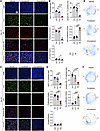 Figure 4
Multiparametric immunofluorescence analysis. (A) Representative immunofluorescence images for DAPI, Ki67, p21, Rb phosphorylated at Serines 807/811 (phospho-Rb), and merged staining from ER-Y537S patient-derived xenograft (PDX) treated for 10 days with vehicle, fulvestrant, or imlunestrant. n = 3 mice/treatment. Scale bar: 50 μm. (B) Multivariate proliferation index (MPI) quantification of proliferative fraction, nonproliferative fraction, and arrested fraction of epithelial cells after treatment with VEH (vehicle), FULV (fulvestrant), or IML (imlunestrant) for 10 days. Each point represents 1 mouse. Bar plot with average ± SD. One-way ANOVA with Tukey’s multiple comparisons test. (C) Representative immunofluorescent images after 28 days of treatment. n ≥ 4 mice/treatment. Scale bar: 100 μm. (D) MPI quantification of immunofluorescence after treatment for 28 days. One-way ANOVA with Tukey’s multiple comparisons test. (E) Pseudotime circle-fitted distribution of proliferative cells from ER-Y537S PDX tumors treated with VEH, FULV, or IML for 10 days or (F) 28 days. Scatter plot, each point represents a cell with n ≥ 1,909 cells/treatment. Orange circle indicates G1 cell cycle arrest in IML treated tumors. *P < 0.05, **P < 0.01, ***P < 0.001, ****P < 0.0001.
The PDX tumors treated for 10 and 28 days with vehicle control, fulvestrant, and imlunestrant were subjected to RNA-seq analysis. Differential gene expression comparing treatment with vehicle control and imlunestrant or fulvestrant revealed a higher number of significant changes with imlunestrant versus fulvestrant treatment on day 10 and day 28 (Figure 5A and Supplemental Table 3). In addition, K-medoids (KM) clustering of the RNA-seq as early as day 10 and after 28 days detected 2 main gene clusters that segregated the tumors treated with imlunestrant from fulvestrant and vehicle control, highlighting the differences between these two ER antagonists in vivo (Figure 5, B and C). Pathway analysis showed that, overall, imlunestrant and fulvestrant impacted similar pathways, such as the downregulation of pathways related to estrogen response and the cell cycle. Additionally, there were a number of pathways that were uniquely modulated by imlunestrant, as an example, the upregulation of NFKB signaling and IFN-γ response, a pathway that was reported to be regulated by ET (20), was observed only with imlunestrant in this model. However, direct comparison of the tumors after imlunestrant and fulvestrant treatments at both time points showed that imlunestrant had more robust effects on the Hallmark pathways of cell cycle, estrogen response late (see Methods) and MYC targets pathways (Figure 5D). Taken together, these results demonstrate that, in vivo, better ER targeting with imlunestrant results in superior cell cycle suppression and enhanced tumor regression.
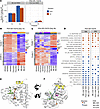 Figure 5
Transcriptomic effects of imlunestrant. (A) Bar plot of the number of differentially expressed genes in ER-Y537S patient-derived xenograft (PDX) treated with fulvestrant (FULV) or imlunestrant (IML) versus vehicle (VEH). Bars are orange for upregulated genes and blue for downregulated genes. Treatment duration for 10 days or 28 days. n ≥ 3 mice per group. (B) Heatmap of the row-centered variance-stabilized counts for the top 500 variable genes in ER-Y537S PDX tumors treated for 10 days with VEH, FULV, or IML. k-medoids clustering on 2 clusters with predominantly IML-downregulated genes and IML-upregulated genes following treatment for 10 days or (C) PDX treatment for 28 days. (D) Dot plot of gene set testing results for the Hallmark gene collection using cameraPR (10% FDR threshold per column). (E) Imlunestrant (green) docked to x-ray crystal structure of the ER LBD harboring the Y537S mutation (PDB: 9bu1). Proximity to residues important for ligation (orange) reveals imlunestrant occupation of ligand binding pocket. (F) Ligand binding pose comparison between imlunestrant and a derivative of the aliphatic SERD ICI 164,384 (PDB: 7r62, a derivative of estradiol that is closely related to fulvestrant) in cyan illustrates side arm conformation in relation to D351 (magenta) and S537 mutation (yellow).
Molecular docking in the presence of the Y537S mutant ligand binding domain reveals differences between imlunestrant and fulvestrant. SERDs classically function by competitively binding to the ER ligand binding domain orthosteric hormone binding pocket. This action favors helix 12 binding within the activating function 2 (AF-2) cleft, blocking coactivator binding and increasing the dynamics of this region to promote proteasomal degradation of the receptor (21). Since imlunestrant exhibited superior Y537S ESR1 mutant protein degradation and enhanced suppression of tumor growth in the Y537S ESR1 mutant PDX model compared with fulvestrant, even with a fulvestrant dose considered above the clinically relevant therapeutic range (22), we hypothesized that imlunestrant impacts helix 12 differently than fulvestrant.
Due to our inability to obtain diffraction-quality crystals to understand the structural basis of imlunestrant’s and fulvestrant’s activities, we employed molecular docking to the Y537S ER ligand binding domain to test this hypothesis. At the most favorable binding energies, imlunestrant was predicted to occupy the orthosteric hormone binding pocket of ER LBD Y537S. Interestingly, a bifurcated E353 and R394 hydrogen bond is predicted like other SERDs, however, it was not predicted to bind D351 (Figure 5E).
We then sought to compare this predicted structure to that of fulvestrant. However, no cocrystal structure has been published to date. To address this, we aligned imlunestrant with a desmethyl derivative of ICI 164,384, which is an estradiol derivative chemically similar to fulvestrant (PDB: 7R62) (23). In this case, the aliphatic ICI molecule appears to directly perturb helix 12, while imlunestrant is predicted to mobilize the preceding loop. This destabilization of the loop that connects helix 11 to helix 12 has been previously shown to be sufficient to induce proteasomal degradation of the receptor (21, 24) (Figure 5F). Taken together, these data suggest that imlunestrant is likely to target the Y537S mutant ER ligand binding domain structural features that are different from fulvestrant.
Genome-wide CRISPR screen to detect potential novel therapeutics in combination with imlunestrant. We performed a genome-wide CRISPR/Cas9-knockout screen with the following aims: to further test the on-target effects of imlunestrant and to identify acquired vulnerabilities in the presence of imlunestrant that are putative therapeutic targets in combination with imlunestrant, which could potentiate the activity of a single-agent SERD. Cells induced with the genome-wide CRISPR/Cas9 library were treated with DMSO or imlunestrant and collected on days 0, 14, and 31 (at which point there were 10 cell doublings), followed by the analysis of gRNA-positive or -negative selection using the Mageck algorithm (25) (Figure 6A). Essentiality was determined based on the day 31 results and we included the results of day 14 to illustrate the kinetics of the screen (Supplemental Table 4). As expected, we detected positive enrichment of gRNAs targeting tumor suppressors, PTEN, TSC1, and TSC2, in both DMSO- and imlunestrant-treated cells on days 14 and 31, indicating that loss of PTEN and TSC1/2 enhance tumor cell growth without and with imlunestrant treatment (Figure 6, B–E). Conversely, we found that the essentiality score (β-score) of several genes with key functions in HR+ breast cancer was different after imlunestrant treatment and DMSO control conditions (both compared with day 0). The ESR1 gene was not significantly essential after 31 days of imlunestrant treatment (β-score, –0.88), whereas in cells treated with DMSO for 31 days ESR1 was essential (β-score, –2.05) (Figure 6E). This result suggests that, with long-term treatment with imlunestrant, ER is not essential in providing a signal of adaptation to the treatment and supporting the on-target activity of imlunestrant. Interestingly, after 31 days of treatment with imlunestrant or DMSO, the essentiality score of FOXA1 increased, whereas the essentiality score of GATA3 increased only after imlunestrant treatment (Figure 6F). These different dynamics in the essentiality scores highlight the unique functions of these lineage-defining transcription factors. Genes related to the cyclin D1-Rb1 axis, such as CCND1, CDK4, and CDK2 were among the most essential genes in DMSO-treated cells. These genes remained essential after imlunestrant treatment, albeit with lower essentiality scores when compared with DMSO treatment. Notably, CDK7, a master regulator of the cell cycle and transcription, and an essential gene in ER-Y537S cells and CDK4/6i resistance (13, 18), was essential with imlunestrant treatment (Figure 6G). In addition, a number of genes that were essential in DMSO-treated cells that can be targeted by drugs that are approved for the treatment of HR+ breast cancer retained essentiality after imlunestrant treatment, such as PIK3CA, MTOR1, and AKT1 (26–28) (Figure 6H). In summary, these results validate our CRISPR screening approach, highlight the on-target activity of imlunestrant, and offer potential therapeutic combinations to enhance the activity of imlunestrant.
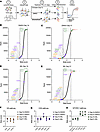 Figure 6
Genome-wide CRISPR screen in the presence of imlunestrant treatment. (A) Cartoon schematic of the genome-wide CRISPR/Cas9-knockout (KO) screen; (step 1) T47D cells are infected with the H3 lentiviral library of gRNAs, (step 2) infected cells are selected using puromycin, (step 3) cells are collected for untreated baseline (Day 0), or treated with DMSO or 1 nM imlunestrant, (step 4) after treatment for 14 or 31 days cells are collected, gRNAs amplified, and sequenced, followed by (step 5) gRNA analysis using MAGeCK algorithm. (B) MAGeCK β score and ranking results for gRNAs enriched or depleted after treatment with DMSO versus Day 0 for 14 days or (C) 31 days. (D) MAGeCK β score and ranking results for gRNAs enriched or depleted after treatment with imlunestrant versus Day 0 for 14 days or (E) 31 days. Scatter plot with each dot represents a gene in the genome-wide gRNA library, red are enriched after treatment (β ≥ +1), blue are depleted after treatment (β ≤ –1), black are insignificant after treatment, genes in the ER pathway are orange, the CDK pathway are purple, and the MTORC1 pathway are green. (F) β scores for individual genes depleted after imlunestrant treatment in the ER pathway, (G) the CDK pathway, or (H) the MTORC1 pathway.
We next compared the essentiality scores (β-score) of the CRISPR screens after 31 days of DMSO control and imlunestrant (Figure 7A). This comparison identified a set of genes that gained essentiality only after imlunestrant treatment (lower β-scores) or decreased dependency (higher β-scores). Pathway analysis revealed that the genes with increased essentiality are involved in pathways that are known to be associated with resistance to endocrine therapy, such as MTOR1 signaling and MYC targets (3, 29) (Figure 7B). Interestingly, multiple genes related to reactive oxygen species (ROS) and oxidative phosphorylation pathway (OXPHOS) were among the top-ranked genes that gained essentiality after 31 days of imlunestrant treatment (Figure 7, B and C). The OXPHOS metabolic pathway enables the production of ATP by the transport of electrons through a series of transmembrane protein complexes in the mitochondrial membrane. ROS are byproducts of the OXPHOS pathway, and, therefore, these pathways are highly connected. Several cancers were shown to be reliant on OXPHOS, and upregulation of OXPHOS was shown to be a mechanism of drug resistance in several cancers (30, 31). Specifically, the genes with the most significant β-score in these pathways that also gained essentiality after imlunestrant treatment included SOD1, NDUFSA3, NDUFC1,and NDUFS2 (Figure 7C). These genes are critical components of mitochondrial energy metabolism and cellular redox balance. SOD1 is a Cu/Zn superoxide dismutase that plays a major role in redox balance and protects against superoxide radicals (32). NDUFA3 (NADH:ubiquinone oxidoreductase subunit A3 and C1) is predicted to be involved in assembly of complex I in the mitochondrial OXPHOS respiratory chain, and NDUFC1 and NDUFS2 are complex I core components. Taken together, these genes are key components of redox balance and mitochondria OXPHOS, and these results provide a rationale for testing inhibitors of these pathways, particularly inhibitors of the OXPHOS complex 1, in combination with imlunestrant.
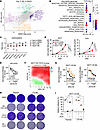 Figure 7
Imlunestrant treatment increases the essentiality of genes related to oxidative phosphorylation. (A) Nine-square scatter plot of the gene β scores in day 31 IML or day 31 DMSO treated T47D cells compared with day 0. Vertical and horizontal dotted lines denote ± 1 SD of DMSO or IML β scores, respectively, and diagonal dotted lines denote ± 1 SD of the difference in β scores (IML – DMSO). Green are gRNAs enriched in only IML (IML up; IML β score > 1 and DMSO β score < 1) and orange are gRNAs depleted only in IML (IML down; IML β score < –1 and DMSO β score > –1 and < 1). (B) Balloon plot of Hallmark GSEA results for genes in IML up or IML down. Circle size is the number of overlapping genes and circle color is the FDR q-value. (C) Individual gene β scores that are depleted in IML treated cells from the HALLMARK_OXIDATIVE_PHOSPHORYLATION and HALLMARK_REACTIVE_OXYGEN_SPECIES pathways. (D) Fold change for MCF7 (left) or T47D (right) cells during treatment up to 8 days with DMSO, IACS (10 nM), IML (100 nM), or IACS and IML. Growth curve with average ± SD. One-way ANOVA with Tukey’s multiple comparisons test. (E) Normalized cell proliferation for MCF7 (circle) or T47D (square) cells expressing ER-Y537S and treated with a dose-response of IACS for 5 days. Growth curves with average ± SD. Two-way ANOVA with Šidák’s multiple comparisons test. (F) Synergy distribution analysis in MCF7 ER-Y537S cells treated with a dose response matrix of IACS and IML. Loewe synergy score using the synergyfinder tool. Red indicates synergism. (G) Normalized cell proliferation for MCF7 parental (black) or MCF7 LTE-IML (orange) cells treated with IML (left) or IACS (right). Growth curve with average ± SD. Two-way ANOVA with Šidák’s multiple comparisons test. (H) Colony assay crystal violet staining results from MCF7 parental or LTE-IML cells treated with imlunestrant (100 nM), IACS (10 nM), IML and IACS for 2 weeks in full media. (I) Relative confluency of colony assay crystal violet staining in H. Bar graph with average ± SD. Two-way ANOVA with Dunnett’s multiple comparisons test. *P < 0.05, **P < 0.01, ***P < 0.001, ****P < 0.0001.
To follow up on our CRISPR screen results and test the effect of pharmacological inhibition of OXPHOS, we used the small molecule inhibitor of OXPHOS complex I, IACS-010759 (IACS) (33). We did not observe a substantial effect on growth after 9 days of treatment with IACS alone at a concentration of 10 nM or when IACS was added to imlunestrant in MCF7 cells (Figure 7D). In contrast, in T47D cells, IACS alone suppressed cell growth and there was a small added effect when combined with imlunestrant. In the MCF7 and T47D endocrine-resistant cells expressing the Y537S ESR1 mutation, we observed a dose-response effect with IACS in both MCF7 and T47D cells, and again with superior activity in the T47D cells (Figure 7E). Importantly, there was significant synergy between IACS and imlunestrant in the MCF7 cells expressing the Y537S mutation (Figure 7F). Finally, imlunestrant-resistant cells were generated by culturing MCF7 in the presence of escalating doses of imlunestrant. As expected, imlunestrant-resistant cells displayed an increased IC50 and increased confluency of colonies after imlunestrant treatment (Figure 7, G–I). While IACS alone already resulted in a significant decrease in the colony confluency in the imlunestrant-resistant cells, the addition of imlunestrant to IACS enhanced this effect (Figure 7, H and I). In aggregate, these results provide evidence for the tumor-suppressive effect of OXPHOS complex I inhibition in combination with imlunestrant as a potential strategy to enhance the activity of imlunestrant and overcome resistance to imlunestrant in ER+ breast cancer.


