
Research ArticleTherapeuticsVascular biology
Open Access |  10.1172/jci.insight.184444
METTL14 promotes intimal hyperplasia through m6A-mediated control of vascular smooth muscle dedifferentiation genes
Grace Chensee,1 Bob S.L. Lee,1,2 Immanuel D. Green,3 Jessica Tieng,3 Renhua Song,3 Natalia Pinello,3 Quintin Lee,3 Majid Mehravar,3 David A. Robinson,4,5 Mian Wang,6 Mary M. Kavurma,5,7 Jun Yu,8 Justin J.L. Wong,3 and Renjing Liu1,2
1Vascular Epigenetics Laboratory, Victor Chang Cardiac Research Institute, Darlinghurst, New South Wales, Australia.
2School of Clinical Medicine, Faculty of Medicine and Health, University of New South Wales, Sydney, New South Wales, Australia.
3Epigenetics and RNA Biology Laboratory, School of Medical Sciences, Faculty of Medicine and Health, The University of Sydney, Camperdown, New South Wales, Australia.
4Royal Prince Alfred Hospital, Sydney, New South Wales, Australia.
5Centre for Peripheral Artery Disease, Heart Research Institute, Newtown, New South Wales, Australia.
6Department of Vascular Surgery, National Guangdong Joint Engineering Laboratory for Diagnosis and Treatment of Vascular Diseases, the First Affiliated Hospital for Sun Yat-Sen University, Guangzhou, China.
7School of Medical Sciences, Faculty of Medicine and Health, The University of Sydney, Camperdown, New South Wales, Australia.
8Center for Metabolic Disease Research and Department of Cardiovascular Sciences, Lewis Katz School of Medicine, Temple University, Philadelphia, Pennsylvania, USA.
Address correspondence to: Justin J.L. Wong, School of Medical Sciences, Charles Perkins Centre – Building D17, The University of Sydney, Camperdown 2050, New South Wales. Australia. Phone: 612.8627.7434; Email: justin.wong@sydney.edu.au. Or to: Renjing Liu, Victor Chang Cardiac Research Institute, Lowy Packer Building, 405 Liverpool Street, Darlinghurst, 2010, New South Wales, Australia. Phone: 612.9295.8644; Email: r.liu@victorchang.edu.au.
Authorship note: GC and BSLL contributed equally to this work and have been designated as co–first authors.
Find articles by Chensee, G. in: PubMed | Google Scholar
1Vascular Epigenetics Laboratory, Victor Chang Cardiac Research Institute, Darlinghurst, New South Wales, Australia.
2School of Clinical Medicine, Faculty of Medicine and Health, University of New South Wales, Sydney, New South Wales, Australia.
3Epigenetics and RNA Biology Laboratory, School of Medical Sciences, Faculty of Medicine and Health, The University of Sydney, Camperdown, New South Wales, Australia.
4Royal Prince Alfred Hospital, Sydney, New South Wales, Australia.
5Centre for Peripheral Artery Disease, Heart Research Institute, Newtown, New South Wales, Australia.
6Department of Vascular Surgery, National Guangdong Joint Engineering Laboratory for Diagnosis and Treatment of Vascular Diseases, the First Affiliated Hospital for Sun Yat-Sen University, Guangzhou, China.
7School of Medical Sciences, Faculty of Medicine and Health, The University of Sydney, Camperdown, New South Wales, Australia.
8Center for Metabolic Disease Research and Department of Cardiovascular Sciences, Lewis Katz School of Medicine, Temple University, Philadelphia, Pennsylvania, USA.
Address correspondence to: Justin J.L. Wong, School of Medical Sciences, Charles Perkins Centre – Building D17, The University of Sydney, Camperdown 2050, New South Wales. Australia. Phone: 612.8627.7434; Email: justin.wong@sydney.edu.au. Or to: Renjing Liu, Victor Chang Cardiac Research Institute, Lowy Packer Building, 405 Liverpool Street, Darlinghurst, 2010, New South Wales, Australia. Phone: 612.9295.8644; Email: r.liu@victorchang.edu.au.
Authorship note: GC and BSLL contributed equally to this work and have been designated as co–first authors.
Find articles by Lee, B. in: PubMed | Google Scholar
1Vascular Epigenetics Laboratory, Victor Chang Cardiac Research Institute, Darlinghurst, New South Wales, Australia.
2School of Clinical Medicine, Faculty of Medicine and Health, University of New South Wales, Sydney, New South Wales, Australia.
3Epigenetics and RNA Biology Laboratory, School of Medical Sciences, Faculty of Medicine and Health, The University of Sydney, Camperdown, New South Wales, Australia.
4Royal Prince Alfred Hospital, Sydney, New South Wales, Australia.
5Centre for Peripheral Artery Disease, Heart Research Institute, Newtown, New South Wales, Australia.
6Department of Vascular Surgery, National Guangdong Joint Engineering Laboratory for Diagnosis and Treatment of Vascular Diseases, the First Affiliated Hospital for Sun Yat-Sen University, Guangzhou, China.
7School of Medical Sciences, Faculty of Medicine and Health, The University of Sydney, Camperdown, New South Wales, Australia.
8Center for Metabolic Disease Research and Department of Cardiovascular Sciences, Lewis Katz School of Medicine, Temple University, Philadelphia, Pennsylvania, USA.
Address correspondence to: Justin J.L. Wong, School of Medical Sciences, Charles Perkins Centre – Building D17, The University of Sydney, Camperdown 2050, New South Wales. Australia. Phone: 612.8627.7434; Email: justin.wong@sydney.edu.au. Or to: Renjing Liu, Victor Chang Cardiac Research Institute, Lowy Packer Building, 405 Liverpool Street, Darlinghurst, 2010, New South Wales, Australia. Phone: 612.9295.8644; Email: r.liu@victorchang.edu.au.
Authorship note: GC and BSLL contributed equally to this work and have been designated as co–first authors.
Find articles by Green, I. in: PubMed | Google Scholar
1Vascular Epigenetics Laboratory, Victor Chang Cardiac Research Institute, Darlinghurst, New South Wales, Australia.
2School of Clinical Medicine, Faculty of Medicine and Health, University of New South Wales, Sydney, New South Wales, Australia.
3Epigenetics and RNA Biology Laboratory, School of Medical Sciences, Faculty of Medicine and Health, The University of Sydney, Camperdown, New South Wales, Australia.
4Royal Prince Alfred Hospital, Sydney, New South Wales, Australia.
5Centre for Peripheral Artery Disease, Heart Research Institute, Newtown, New South Wales, Australia.
6Department of Vascular Surgery, National Guangdong Joint Engineering Laboratory for Diagnosis and Treatment of Vascular Diseases, the First Affiliated Hospital for Sun Yat-Sen University, Guangzhou, China.
7School of Medical Sciences, Faculty of Medicine and Health, The University of Sydney, Camperdown, New South Wales, Australia.
8Center for Metabolic Disease Research and Department of Cardiovascular Sciences, Lewis Katz School of Medicine, Temple University, Philadelphia, Pennsylvania, USA.
Address correspondence to: Justin J.L. Wong, School of Medical Sciences, Charles Perkins Centre – Building D17, The University of Sydney, Camperdown 2050, New South Wales. Australia. Phone: 612.8627.7434; Email: justin.wong@sydney.edu.au. Or to: Renjing Liu, Victor Chang Cardiac Research Institute, Lowy Packer Building, 405 Liverpool Street, Darlinghurst, 2010, New South Wales, Australia. Phone: 612.9295.8644; Email: r.liu@victorchang.edu.au.
Authorship note: GC and BSLL contributed equally to this work and have been designated as co–first authors.
Find articles by Tieng, J. in: PubMed | Google Scholar
1Vascular Epigenetics Laboratory, Victor Chang Cardiac Research Institute, Darlinghurst, New South Wales, Australia.
2School of Clinical Medicine, Faculty of Medicine and Health, University of New South Wales, Sydney, New South Wales, Australia.
3Epigenetics and RNA Biology Laboratory, School of Medical Sciences, Faculty of Medicine and Health, The University of Sydney, Camperdown, New South Wales, Australia.
4Royal Prince Alfred Hospital, Sydney, New South Wales, Australia.
5Centre for Peripheral Artery Disease, Heart Research Institute, Newtown, New South Wales, Australia.
6Department of Vascular Surgery, National Guangdong Joint Engineering Laboratory for Diagnosis and Treatment of Vascular Diseases, the First Affiliated Hospital for Sun Yat-Sen University, Guangzhou, China.
7School of Medical Sciences, Faculty of Medicine and Health, The University of Sydney, Camperdown, New South Wales, Australia.
8Center for Metabolic Disease Research and Department of Cardiovascular Sciences, Lewis Katz School of Medicine, Temple University, Philadelphia, Pennsylvania, USA.
Address correspondence to: Justin J.L. Wong, School of Medical Sciences, Charles Perkins Centre – Building D17, The University of Sydney, Camperdown 2050, New South Wales. Australia. Phone: 612.8627.7434; Email: justin.wong@sydney.edu.au. Or to: Renjing Liu, Victor Chang Cardiac Research Institute, Lowy Packer Building, 405 Liverpool Street, Darlinghurst, 2010, New South Wales, Australia. Phone: 612.9295.8644; Email: r.liu@victorchang.edu.au.
Authorship note: GC and BSLL contributed equally to this work and have been designated as co–first authors.
Find articles by
Song, R.
in:
PubMed
|
Google Scholar
|

1Vascular Epigenetics Laboratory, Victor Chang Cardiac Research Institute, Darlinghurst, New South Wales, Australia.
2School of Clinical Medicine, Faculty of Medicine and Health, University of New South Wales, Sydney, New South Wales, Australia.
3Epigenetics and RNA Biology Laboratory, School of Medical Sciences, Faculty of Medicine and Health, The University of Sydney, Camperdown, New South Wales, Australia.
4Royal Prince Alfred Hospital, Sydney, New South Wales, Australia.
5Centre for Peripheral Artery Disease, Heart Research Institute, Newtown, New South Wales, Australia.
6Department of Vascular Surgery, National Guangdong Joint Engineering Laboratory for Diagnosis and Treatment of Vascular Diseases, the First Affiliated Hospital for Sun Yat-Sen University, Guangzhou, China.
7School of Medical Sciences, Faculty of Medicine and Health, The University of Sydney, Camperdown, New South Wales, Australia.
8Center for Metabolic Disease Research and Department of Cardiovascular Sciences, Lewis Katz School of Medicine, Temple University, Philadelphia, Pennsylvania, USA.
Address correspondence to: Justin J.L. Wong, School of Medical Sciences, Charles Perkins Centre – Building D17, The University of Sydney, Camperdown 2050, New South Wales. Australia. Phone: 612.8627.7434; Email: justin.wong@sydney.edu.au. Or to: Renjing Liu, Victor Chang Cardiac Research Institute, Lowy Packer Building, 405 Liverpool Street, Darlinghurst, 2010, New South Wales, Australia. Phone: 612.9295.8644; Email: r.liu@victorchang.edu.au.
Authorship note: GC and BSLL contributed equally to this work and have been designated as co–first authors.
Find articles by Pinello, N. in: PubMed | Google Scholar
1Vascular Epigenetics Laboratory, Victor Chang Cardiac Research Institute, Darlinghurst, New South Wales, Australia.
2School of Clinical Medicine, Faculty of Medicine and Health, University of New South Wales, Sydney, New South Wales, Australia.
3Epigenetics and RNA Biology Laboratory, School of Medical Sciences, Faculty of Medicine and Health, The University of Sydney, Camperdown, New South Wales, Australia.
4Royal Prince Alfred Hospital, Sydney, New South Wales, Australia.
5Centre for Peripheral Artery Disease, Heart Research Institute, Newtown, New South Wales, Australia.
6Department of Vascular Surgery, National Guangdong Joint Engineering Laboratory for Diagnosis and Treatment of Vascular Diseases, the First Affiliated Hospital for Sun Yat-Sen University, Guangzhou, China.
7School of Medical Sciences, Faculty of Medicine and Health, The University of Sydney, Camperdown, New South Wales, Australia.
8Center for Metabolic Disease Research and Department of Cardiovascular Sciences, Lewis Katz School of Medicine, Temple University, Philadelphia, Pennsylvania, USA.
Address correspondence to: Justin J.L. Wong, School of Medical Sciences, Charles Perkins Centre – Building D17, The University of Sydney, Camperdown 2050, New South Wales. Australia. Phone: 612.8627.7434; Email: justin.wong@sydney.edu.au. Or to: Renjing Liu, Victor Chang Cardiac Research Institute, Lowy Packer Building, 405 Liverpool Street, Darlinghurst, 2010, New South Wales, Australia. Phone: 612.9295.8644; Email: r.liu@victorchang.edu.au.
Authorship note: GC and BSLL contributed equally to this work and have been designated as co–first authors.
Find articles by Lee, Q. in: PubMed | Google Scholar
1Vascular Epigenetics Laboratory, Victor Chang Cardiac Research Institute, Darlinghurst, New South Wales, Australia.
2School of Clinical Medicine, Faculty of Medicine and Health, University of New South Wales, Sydney, New South Wales, Australia.
3Epigenetics and RNA Biology Laboratory, School of Medical Sciences, Faculty of Medicine and Health, The University of Sydney, Camperdown, New South Wales, Australia.
4Royal Prince Alfred Hospital, Sydney, New South Wales, Australia.
5Centre for Peripheral Artery Disease, Heart Research Institute, Newtown, New South Wales, Australia.
6Department of Vascular Surgery, National Guangdong Joint Engineering Laboratory for Diagnosis and Treatment of Vascular Diseases, the First Affiliated Hospital for Sun Yat-Sen University, Guangzhou, China.
7School of Medical Sciences, Faculty of Medicine and Health, The University of Sydney, Camperdown, New South Wales, Australia.
8Center for Metabolic Disease Research and Department of Cardiovascular Sciences, Lewis Katz School of Medicine, Temple University, Philadelphia, Pennsylvania, USA.
Address correspondence to: Justin J.L. Wong, School of Medical Sciences, Charles Perkins Centre – Building D17, The University of Sydney, Camperdown 2050, New South Wales. Australia. Phone: 612.8627.7434; Email: justin.wong@sydney.edu.au. Or to: Renjing Liu, Victor Chang Cardiac Research Institute, Lowy Packer Building, 405 Liverpool Street, Darlinghurst, 2010, New South Wales, Australia. Phone: 612.9295.8644; Email: r.liu@victorchang.edu.au.
Authorship note: GC and BSLL contributed equally to this work and have been designated as co–first authors.
Find articles by Mehravar, M. in: PubMed | Google Scholar
1Vascular Epigenetics Laboratory, Victor Chang Cardiac Research Institute, Darlinghurst, New South Wales, Australia.
2School of Clinical Medicine, Faculty of Medicine and Health, University of New South Wales, Sydney, New South Wales, Australia.
3Epigenetics and RNA Biology Laboratory, School of Medical Sciences, Faculty of Medicine and Health, The University of Sydney, Camperdown, New South Wales, Australia.
4Royal Prince Alfred Hospital, Sydney, New South Wales, Australia.
5Centre for Peripheral Artery Disease, Heart Research Institute, Newtown, New South Wales, Australia.
6Department of Vascular Surgery, National Guangdong Joint Engineering Laboratory for Diagnosis and Treatment of Vascular Diseases, the First Affiliated Hospital for Sun Yat-Sen University, Guangzhou, China.
7School of Medical Sciences, Faculty of Medicine and Health, The University of Sydney, Camperdown, New South Wales, Australia.
8Center for Metabolic Disease Research and Department of Cardiovascular Sciences, Lewis Katz School of Medicine, Temple University, Philadelphia, Pennsylvania, USA.
Address correspondence to: Justin J.L. Wong, School of Medical Sciences, Charles Perkins Centre – Building D17, The University of Sydney, Camperdown 2050, New South Wales. Australia. Phone: 612.8627.7434; Email: justin.wong@sydney.edu.au. Or to: Renjing Liu, Victor Chang Cardiac Research Institute, Lowy Packer Building, 405 Liverpool Street, Darlinghurst, 2010, New South Wales, Australia. Phone: 612.9295.8644; Email: r.liu@victorchang.edu.au.
Authorship note: GC and BSLL contributed equally to this work and have been designated as co–first authors.
Find articles by Robinson, D. in: PubMed | Google Scholar
1Vascular Epigenetics Laboratory, Victor Chang Cardiac Research Institute, Darlinghurst, New South Wales, Australia.
2School of Clinical Medicine, Faculty of Medicine and Health, University of New South Wales, Sydney, New South Wales, Australia.
3Epigenetics and RNA Biology Laboratory, School of Medical Sciences, Faculty of Medicine and Health, The University of Sydney, Camperdown, New South Wales, Australia.
4Royal Prince Alfred Hospital, Sydney, New South Wales, Australia.
5Centre for Peripheral Artery Disease, Heart Research Institute, Newtown, New South Wales, Australia.
6Department of Vascular Surgery, National Guangdong Joint Engineering Laboratory for Diagnosis and Treatment of Vascular Diseases, the First Affiliated Hospital for Sun Yat-Sen University, Guangzhou, China.
7School of Medical Sciences, Faculty of Medicine and Health, The University of Sydney, Camperdown, New South Wales, Australia.
8Center for Metabolic Disease Research and Department of Cardiovascular Sciences, Lewis Katz School of Medicine, Temple University, Philadelphia, Pennsylvania, USA.
Address correspondence to: Justin J.L. Wong, School of Medical Sciences, Charles Perkins Centre – Building D17, The University of Sydney, Camperdown 2050, New South Wales. Australia. Phone: 612.8627.7434; Email: justin.wong@sydney.edu.au. Or to: Renjing Liu, Victor Chang Cardiac Research Institute, Lowy Packer Building, 405 Liverpool Street, Darlinghurst, 2010, New South Wales, Australia. Phone: 612.9295.8644; Email: r.liu@victorchang.edu.au.
Authorship note: GC and BSLL contributed equally to this work and have been designated as co–first authors.
Find articles by Wang, M. in: PubMed | Google Scholar
1Vascular Epigenetics Laboratory, Victor Chang Cardiac Research Institute, Darlinghurst, New South Wales, Australia.
2School of Clinical Medicine, Faculty of Medicine and Health, University of New South Wales, Sydney, New South Wales, Australia.
3Epigenetics and RNA Biology Laboratory, School of Medical Sciences, Faculty of Medicine and Health, The University of Sydney, Camperdown, New South Wales, Australia.
4Royal Prince Alfred Hospital, Sydney, New South Wales, Australia.
5Centre for Peripheral Artery Disease, Heart Research Institute, Newtown, New South Wales, Australia.
6Department of Vascular Surgery, National Guangdong Joint Engineering Laboratory for Diagnosis and Treatment of Vascular Diseases, the First Affiliated Hospital for Sun Yat-Sen University, Guangzhou, China.
7School of Medical Sciences, Faculty of Medicine and Health, The University of Sydney, Camperdown, New South Wales, Australia.
8Center for Metabolic Disease Research and Department of Cardiovascular Sciences, Lewis Katz School of Medicine, Temple University, Philadelphia, Pennsylvania, USA.
Address correspondence to: Justin J.L. Wong, School of Medical Sciences, Charles Perkins Centre – Building D17, The University of Sydney, Camperdown 2050, New South Wales. Australia. Phone: 612.8627.7434; Email: justin.wong@sydney.edu.au. Or to: Renjing Liu, Victor Chang Cardiac Research Institute, Lowy Packer Building, 405 Liverpool Street, Darlinghurst, 2010, New South Wales, Australia. Phone: 612.9295.8644; Email: r.liu@victorchang.edu.au.
Authorship note: GC and BSLL contributed equally to this work and have been designated as co–first authors.
Find articles by Kavurma, M. in: PubMed | Google Scholar
1Vascular Epigenetics Laboratory, Victor Chang Cardiac Research Institute, Darlinghurst, New South Wales, Australia.
2School of Clinical Medicine, Faculty of Medicine and Health, University of New South Wales, Sydney, New South Wales, Australia.
3Epigenetics and RNA Biology Laboratory, School of Medical Sciences, Faculty of Medicine and Health, The University of Sydney, Camperdown, New South Wales, Australia.
4Royal Prince Alfred Hospital, Sydney, New South Wales, Australia.
5Centre for Peripheral Artery Disease, Heart Research Institute, Newtown, New South Wales, Australia.
6Department of Vascular Surgery, National Guangdong Joint Engineering Laboratory for Diagnosis and Treatment of Vascular Diseases, the First Affiliated Hospital for Sun Yat-Sen University, Guangzhou, China.
7School of Medical Sciences, Faculty of Medicine and Health, The University of Sydney, Camperdown, New South Wales, Australia.
8Center for Metabolic Disease Research and Department of Cardiovascular Sciences, Lewis Katz School of Medicine, Temple University, Philadelphia, Pennsylvania, USA.
Address correspondence to: Justin J.L. Wong, School of Medical Sciences, Charles Perkins Centre – Building D17, The University of Sydney, Camperdown 2050, New South Wales. Australia. Phone: 612.8627.7434; Email: justin.wong@sydney.edu.au. Or to: Renjing Liu, Victor Chang Cardiac Research Institute, Lowy Packer Building, 405 Liverpool Street, Darlinghurst, 2010, New South Wales, Australia. Phone: 612.9295.8644; Email: r.liu@victorchang.edu.au.
Authorship note: GC and BSLL contributed equally to this work and have been designated as co–first authors.
Find articles by Yu, J. in: PubMed | Google Scholar
1Vascular Epigenetics Laboratory, Victor Chang Cardiac Research Institute, Darlinghurst, New South Wales, Australia.
2School of Clinical Medicine, Faculty of Medicine and Health, University of New South Wales, Sydney, New South Wales, Australia.
3Epigenetics and RNA Biology Laboratory, School of Medical Sciences, Faculty of Medicine and Health, The University of Sydney, Camperdown, New South Wales, Australia.
4Royal Prince Alfred Hospital, Sydney, New South Wales, Australia.
5Centre for Peripheral Artery Disease, Heart Research Institute, Newtown, New South Wales, Australia.
6Department of Vascular Surgery, National Guangdong Joint Engineering Laboratory for Diagnosis and Treatment of Vascular Diseases, the First Affiliated Hospital for Sun Yat-Sen University, Guangzhou, China.
7School of Medical Sciences, Faculty of Medicine and Health, The University of Sydney, Camperdown, New South Wales, Australia.
8Center for Metabolic Disease Research and Department of Cardiovascular Sciences, Lewis Katz School of Medicine, Temple University, Philadelphia, Pennsylvania, USA.
Address correspondence to: Justin J.L. Wong, School of Medical Sciences, Charles Perkins Centre – Building D17, The University of Sydney, Camperdown 2050, New South Wales. Australia. Phone: 612.8627.7434; Email: justin.wong@sydney.edu.au. Or to: Renjing Liu, Victor Chang Cardiac Research Institute, Lowy Packer Building, 405 Liverpool Street, Darlinghurst, 2010, New South Wales, Australia. Phone: 612.9295.8644; Email: r.liu@victorchang.edu.au.
Authorship note: GC and BSLL contributed equally to this work and have been designated as co–first authors.
Find articles by Wong, J. in: PubMed | Google Scholar
1Vascular Epigenetics Laboratory, Victor Chang Cardiac Research Institute, Darlinghurst, New South Wales, Australia.
2School of Clinical Medicine, Faculty of Medicine and Health, University of New South Wales, Sydney, New South Wales, Australia.
3Epigenetics and RNA Biology Laboratory, School of Medical Sciences, Faculty of Medicine and Health, The University of Sydney, Camperdown, New South Wales, Australia.
4Royal Prince Alfred Hospital, Sydney, New South Wales, Australia.
5Centre for Peripheral Artery Disease, Heart Research Institute, Newtown, New South Wales, Australia.
6Department of Vascular Surgery, National Guangdong Joint Engineering Laboratory for Diagnosis and Treatment of Vascular Diseases, the First Affiliated Hospital for Sun Yat-Sen University, Guangzhou, China.
7School of Medical Sciences, Faculty of Medicine and Health, The University of Sydney, Camperdown, New South Wales, Australia.
8Center for Metabolic Disease Research and Department of Cardiovascular Sciences, Lewis Katz School of Medicine, Temple University, Philadelphia, Pennsylvania, USA.
Address correspondence to: Justin J.L. Wong, School of Medical Sciences, Charles Perkins Centre – Building D17, The University of Sydney, Camperdown 2050, New South Wales. Australia. Phone: 612.8627.7434; Email: justin.wong@sydney.edu.au. Or to: Renjing Liu, Victor Chang Cardiac Research Institute, Lowy Packer Building, 405 Liverpool Street, Darlinghurst, 2010, New South Wales, Australia. Phone: 612.9295.8644; Email: r.liu@victorchang.edu.au.
Authorship note: GC and BSLL contributed equally to this work and have been designated as co–first authors.
Find articles by Liu, R. in: PubMed | Google Scholar
Published April 23, 2025 - More info
JCI Insight. 2025;10(10):e184444. https://doi.org/10.1172/jci.insight.184444.
© 2025 Chensee et al. This work is licensed under the Creative Commons Attribution 4.0 International License. To view a copy of this license, visit http://creativecommons.org/licenses/by/4.0/.
Received: July 5, 2024; Accepted: April 10, 2025


-
Results
METTL14 expression is associated with VSMC phenotypic modulation and intimal thickening. To determine the role of mRNA modification in modulating the VSMC phenotype, we induced differentiation and dedifferentiation in murine primary VSMCs using rapamycin and platelet-derived growth factor BB (PDGF-BB), respectively. Gene expression analysis of key m6A readers (Ythdc1, Ythdf1, Ythdf2), writers (Mettl3, Mettl14, Virma, Wtap), and erasers (Fto, Alkbh5) revealed a significant upregulation in transcript levels of m6A writers Mettl3 and Mettl14 in PDGF-BB–treated VSMCs compared with control VSMC cultures (Figure 1A). The gene expression levels of Virma, Wtap, and m6A readers and erasers remained largely unaffected with rapamycin or PDGF-BB treatment. Immunoblotting confirmed the increase in Mettl3 and Mettl14 protein levels following PDGF-BB treatment (Figure 1B and Supplemental Figure 1A; supplemental material available online with this article; https://doi.org/10.1172/jci.insight.184444DS1). This increase coincided with reduced expression of the VSMC contractile marker, α-smooth muscle actin (Acta2), and elevated expression of the synthetic markers non-myosin smooth muscle heavy chain 10 (Myh10) and osteopontin (Opn) (Figure 1B). PDGF-BB is released following vascular injury and is a well-recognized inducer for VSMC proliferation and migration leading to intimal hyperplasia and neointima formation (23). We next induced neointima formation in mouse femoral arteries using a wire injury model (8) to assess the role of Mettl3 and Mettl14 in VSMC phenotypic modulation in vivo. Under physiological/uninjured conditions wherein the majority of VSMCs are in a contractile state, no Mettl3- or Mettl14-expressing cells were detected in the arterial media (Figure 1C and Supplemental Figure 1B). In contrast, the injured media and the neointima formed 21 days after injury was abundant in perinuclear-localized Mettl3+ and Mettl14+ cells, with the most prevalent and intense staining observed in the neointima (Figure 1C and Supplemental Figure 1B). Over 80% of cells in the neointima expressed Mettl14 compared with approximately 54% of cells being Mettl3+ in the injured tissues (Figure 1D and Supplemental Figure 1C). A higher number of Mettl14+ cells compared with Mettl3+ cells were similarly detected in the injured media (61.22% Mettl14+ vs. 35.8% Mettl3+ cells; Figure 1D and Supplemental Figure 1C). Considering the more pronounced change was observed with Mettl14 expression, we directed our focus to elucidating its role in VSMC plasticity.
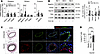 Figure 1
Mettl14 expression is increased in dedifferentiated VSMCs in vitro and following injury. (A) mRNA expression of m6A modification complex proteins in murine VSMCs treated with rapamycin (50 nM) or PDGF-BB (20 ng/mL) versus control (2% FBS). n = 4 independent samples. (B) Western blot and quantification of Mettl14 and VSMC markers in murine VSMCs treated without and with PDGF-BB. n = 3 biologically independent repeats. (C) Representative images of elastin van Gieson (EVG) and immunofluorescently stained cross sections of murine femoral artery 21 days after femoral artery wire injury. Insets were further magnified and presented in the right panels. Mettl14, red; elastin autofluorescence, green; DAPI, blue. M, media; N, neointima. Scale bars: 100 μm. (D) Quantification of Mettl14+ nuclei in the media of uninjured femoral arteries and in the media and neointima of injured femoral arteries. n = 6 biologically independent samples. *P < 0.05; ***P < 0.005; ****P < 0.001 by 2-way ANOVA with Šidák’s multiple-comparison test (A), multiple unpaired, 2-tailed Student’s t test with Šidák’s multiple-comparison test (B), or 1-way ANOVA with Tukey’s multiple-comparison test (D). Data are presented as mean ± SD.
METTL14 levels were increased in PDGF-BB–stimulated human artery smooth muscle cultures from 4 different donors (Figure 2A). We also determined the expression of METTL14 in human restenotic samples of superficial femoral arteries obtained from patients with chronic limb-threatening ischemia (CLTI). These arteries underwent percutaneous transluminal angioplasty and stenting prior to amputation and artery collection. For normal artery comparison, femoral arteries were collected from areas of amputated legs that did not undergo stenting and with no evidence of restenosis. No METTL14+ cells were identified in the media of nonrestenotic control samples (Figure 2B). Low to negligible METTL14 staining was detected in the SMA-rich media of patient tissues (Figure 2B). In agreement with the mouse data, immunohistochemical staining demonstrated upregulation of METTL14+ cells in the neointimal regions (Figure 2C). These METTL14+ regions did not overlap with SMA expression. Collectively, these in vitro and in vivo findings indicate that METTL14 may be a key regulator in VSMC phenotypic modulation and is associated with the synthetic VSMC phenotype.
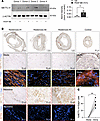 Figure 2
Increased METTL14 expression in the neointima of human restenotic samples. (A) Western blot and quantification of METTL14 expression from 4 independent human coronary artery VSMC lines treated with PDGF-BB. (B) Representative immunohistochemical staining of METTL14 and immunofluorescent staining of Acta2 in serial sections of femoral arteries from patients. Control arteries were taken from nonrestenotic areas of patients (n = 2) and compared to areas with restenosis from patients with arteriosclerosis obliterans (n = 5). Top panel: Low magnification of whole femoral artery shown. Middle panel: Magnification of media (black boxed area). Bottom panel: Magnification of neointimal region (red boxed area). METTL14, brown; nuclei, blue; Acta2, red; DAPI, blue. Scale bars: 1 mm (top left 3 images) and 50 μm (all other images). (C) Quantification of number of METTL14-expressing cells versus total number of cells from 4 randomly taken images from the media and intimal regions. Each dot represents an individual patient. *P < 0.05; **P < 0.005 by unpaired, 2-tailed Student’s t test (A) or paired, 2-tailed Student’s t test (C). Data are presented as mean ± SD.
Mettl14 promotes VSMC dedifferentiation. To assess the causal role of Mettl14 in VSMC phenotypic modulation, loss-of-function studies were performed using 2 different short hairpin RNAs (shRNAs) to silence Mettl14 expression in mouse primary VSMCs. Knockdown of Mettl14 reduced the expression levels of Myh10 and Opn and resulted in the upregulation of Acta2 and calponin (Cnn1) (Figure 3A). shMettl14-2 showed greater knockdown efficiency and was used in all subsequent phenotypic analyses (Figure 3A). Consistent with the increase in contractile protein expression, an approximately 40% increase in VSMC contractility consequent to Mettl14 suppression was observed (Figure 3B). To further examine the impact of reduced Mettl14 expression levels on VSMC function, we next examined changes in cellular proliferation and migration. VSMCs cultured in normal growth medium and transduced with virus expressing a nontargeting control (shCtrl) showed steady cell growth over time (Figure 3C). Proliferation was minimal in the shMettl14-2–transduced group cultured under the same medium conditions (Figure 3C). Using scratch wound and Transwell migration assays, knockdown of Mettl14 reduced migratory potential of VSMCs compared with shCtrl cultures (Figure 3, D and E). VSMC migration and proliferation is dependent on the ECM; in particular, the matrix metalloproteinases (MMPs) have established roles in promoting migration and proliferation of VSMCs (24). Quantitative real-time PCR (qRT-PCR) of key MMPs revealed significantly reduced levels of many MMPs in the shMettl14-2 VSMC cultures compared with the shCtrl cells (Figure 3F). These results further suggest that Mettl14 of the m6A writer complex may be involved in promoting a synthetic, injury-responsive phenotype in VSMCs through increased migration, proliferation, and matrix secretion.
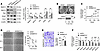 Figure 3
Mett14 silencing promotes VSMC differentiation in vitro. (A) Representative Western blot and quantification of Mettl14 expression and VSMC markers in mouse primary VSMCs transduced with lentiviral vectors expressing nontargeting short hairpin RNA (shCtrl) or Mettl14 shRNA. Two different shMettl14 viruses were tested (shMettl14-1 and shMettl14-2) and proteins were analyzed 72 hours after transduction. (B) Top: Representative image of collagen gel contraction assay of shCtrl- or shMettl14-2-transduced VSMCs at 72 hours. Bottom: Quantification of gel area. n = 3 independent repeats. Scale bars: 5 mm. (C) MTS cell proliferation assay of shCtrl- or shMettl14-2-transduced VSMCs at 0, 24, 48, 72, 96, 120, and 148 hours. n = 4 independent repeats. (D) Representative images of scratch assay for cellular migration of shCtrl- or shMettl14-2-transduced VSMCs at 0, 24, and 48 hours. Lines mark the wound edges of the cultures. Quantification of percentage of wounded area shown on the right. n = 4 independent repeats. Scale bars: 50 μm. (E) Representative images of Transwell migration assay and quantification of average number of migrated shCtrl- and shMettl14-2-transduced VSMCs after 48 hours. n = 5 independent repeats. Scale bars: 50 μm. (F) mRNA expression of matrix metalloproteinases (MMP) in shCtrl- or shMettl14-2-transduced VSMCs. n = 3 independent repeats. *P < 0.05, **P < 0.01, ***P < 0.005, ****P < 0.001 by 2-way ANOVA with Šidák’s multiple-comparison test (A, C, and F), unpaired, 2-tailed Student’s t test (B and E), or repeated measures 2-way ANOVA (D). Data are presented as mean ± SD.
Essential VSMC gene networks and functional pathways are subject to altered m6A regulation. The effects of Mettl14 deficiency on VSMC phenotypic modulation in vitro and in vivo suggest the possibility of a direct interaction between Mettl14 and key VSMC genes that regulate VSMC dedifferentiation and the injury response. To identify genes that were modified by m6A to control VSMC plasticity, we performed and integrated high-throughput mRNA-seq and methylated-RNA immunoprecipitation sequencing (m6A-RIP-seq) to determine how m6A deficiency affected the VSMC transcriptome in mouse primary VSMCs transduced with virus expressing shCtrl and shMettl14-2.
m6A-RIP-seq revealed that the m6A modification was enriched proximal to transcript stop codons (Figure 4A), consistent with previously reported analyses of the m6A epitranscriptome (25, 26). Gene ontology (GO) analyses further revealed that m6A-modified genes with reduced expression and m6A peaks following Mettl14 depletion were genes involved in ECM production and remodeling (Col1a1, Col18a1, Col5a2, Fbln2, Lpar2, and Serpine1) and injury response such as PDGF-BB, -AA, and -AB signaling (Pdgfra and Pdgfrb) (Figure 4B, Supplemental Figure 2, and Supplemental Table 1). Most notably, Klf4 was m6A modified and downregulated in Mettl14-deficient cells (Figure 4, B and C). Our results indicate m6A may be deposited on key VSMC transcripts to control their expression.
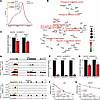 Figure 4
Mettl14 knockdown downregulates the expression of m6A-modified mRNAs that control VSMC plasticity. (A) Metagene plots showing the distribution of m6A peaks detected using m6A-RIP-seq and their enrichment within the DRACH motifs in primary mouse VSMCs expressing shMettl14-2 and shCtrl. (B) Cytoscape-generated (https://cytoscape.org/) network map showing m6A-modified genes within specific functional pathways that are up- or downregulated in Mettl14-knockdown primary mouse VSMCs (shMettl14-2) compared with control (shCtrl). Up- and downregulated genes are shown in red and green, respectively, and shaded based on the log2(fold change) (log2FC) values. (C) Expression of Klf4 and Serpine1 transcripts in primary mouse VSMCs transduced with virus expressing shMettl14-2 and shCtrl measured using qRT-PCR. (D) Integrative Genome Viewer (https://igv.org) plots showing m6A peaks on Klf4 and Serpine1 mRNAs and the corresponding mRNA expression data in shMettl14-2–transduced primary mouse VSMCs (red) and shCtrl (black). The m6A peaks near stop codons of genes are shown in the orange boxes. (E) Levels of Mettl14 knockdown in cells detected using qRT-PCR at 0, 2, and 4 hours following actinomycin D treatment. (F and G) RNA stability plots for Klf4 and Serpine1 transcripts in Mettl14-knockdown VSMCs compared to controls, with decay trend (dotted lines), half-life (t1/2), and goodness of fit (r2) shown. (H) 4-Thiouridine–labeled (4sU-labeled) nascent RNA transcripts encoded by the Klf4 and Serpine1 genes in Mettl14-knockdown VSMCs compared to controls. Data acquired using qRT-PCR were in triplicate from 3 independent experiments. **P < 0.01; ***P < 0.001; ****P < 0.0001 by unpaired, 2-tailed Student’s t test. Data presented as mean ± SD.
We further investigated how Mettl14-mediated m6A regulation impacted expression of Klf4 and Serpine1 that play major roles in VSMC phenotypic plasticity. KLF4 is a well-recognized factor that drives contractile VSMCs to the synthetic phenotype by repressing contractile gene transcription activation through suppression of MYOCD-SRF complex formation (5, 6, 9). Serpine1 is a serine protease inhibitor found in the ECM and is expressed by VSMCs where it can promote migration and ECM remodeling (27). Each candidate transcript showed a significant (~50%–90%) de-enrichment of m6A near the stop codon following Mettl14 knockdown, concomitant with a decrease in their transcript levels (Figure 4, C and D). Given that m6A methylation is known to promote mRNA degradation (15, 28), we performed RNA stability assays following inhibition of transcription using actinomycin D to investigate whether Mettl14 depletion affects the stability of Klf4 and Serpine1 transcripts. Mettl14 deficiency, maintained over the duration of the RNA stability assay (Figure 4E), did not have a notable effect on Klf4 and Serpine1 transcript stability (Figure 4, F and G), suggesting that the expression of these transcripts may be regulated through the alternative function of m6A as a transcriptional regulator (29, 30). Indeed, we observed a reduction in 4 thiouridine–labeled (4sU-labeled) nascent Klf4 and Serpine1 transcripts in Mettl14-knockdown VSMCs compared with control cultures (Figure 4H), supporting the hypothesis that the expression of these transcripts is determined by Mettl14-m6A–mediated transcriptional control.
Inhibition of Mettl14 prevents intimal hyperplasia by reducing Klf4 and Serpine1 expression. We validated in 2 independent sets of shMettll14-2 knockdown VSMC cultures that Klf4 and Serpine1 protein levels were also reduced compared with shCtrl cells (Figure 5A), consistent with the decreased Klf4 and Serpine1 mRNA expression (Figure 4C). To further assess the role of Mettl14 in VSMC-driven neointima formation, lentiviruses encoding shCtrl or shMettl14-2 were delivered to femoral arteries of wild-type mice using a pluronic gel viral delivery system during wire injury (8). Analysis of femoral arteries collected 21 days after injury showed that knockdown of Mettl14 markedly inhibited intimal hyperplasia (Figure 5B) and led to significantly reduced neointimal area (Figure 5C). Immunofluorescent staining confirmed that the reduction in neointimal area coincided with efficient knockdown of Mettl14 in both the media and neointima of the shMettl14-2–transduced injured arteries (Figure 5D). Furthermore, significantly fewer numbers of Klf4-expressing cells were observed in the shMettl14-2–transduced arteries compared with the shCtrl group (Figure 5E). This loss of Klf4 expression correlated with elevated Acta2 staining in the shMettl14-2–transduced arteries (Figure 5F), in agreement with our in vitro studies that showed Mettl14 knockdown could rescue VSMC contractile gene expression (Figure 3A). Moreover, both the neointima and the media of the shMettl14-2–transduced femoral arteries contained fewer Serpine1+ cells compared with arteries transduced with the shCtrl viruses (Figure 5G). Serpine1 can stimulate VSMC proliferation and migration through activation of Janus kinase/signal transducer and activator of transcription (Jak/Stat) signaling (27). In support of this, shMettl14-2–transduced mice had reduced p-Stat1 (Tyr701) immunostaining, approximately 50% in the injured arteries, a finding also observed in transduced VSMCs (Figure 5I). Collectively, our data suggest that Mettl14, through direct regulation of Klf4 and Serpine1, can impact VSMC phenotype, including contractile gene expression, proliferation, and migration, and extent of intimal hyperplasia.
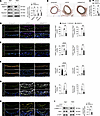 Figure 5
Knockdown of Mettl14 significantly reduced neointima formation in a murine femoral artery wire injury model. (A) Representative Western blots and quantification of Mettl14, Klf4, and Serpine1 expression in shCtrl- or shMettl14-2–transduced VSMCs 48 hours after infection. n = 3 independent repeats. (B) Representative EVG-stained cross sections of femoral arteries transduced with shCtrl or shMettl14-2 viruses 3 weeks after wire injury. Scale bars: 100 μm. (C) Quantification of neointimal ratio in B. n = 6 biologically independent samples. (D–G) Representative Mettl14, Klf4, Acta2, and Serpine1 immunofluorescent staining of murine femoral arteries 21 days after wire injury. Mettl14, purple; Klf4, red; Acta2, orange; Serpine1, white; elastin autofluorescence, green; DAPI, blue. Scale bars: 50 μm. Quantification of cell number or stained area in D–G is shown on the right. n = 5–8 biologically independent samples. MFI, mean fluorescence intensity. (H) Representative immunofluorescence images of murine femoral arteries 21 days after wire injury stained for p-Stat1 (Tyr701). p-Stat1, yellow; elastin autofluorescence, green; DAPI, blue. Scale bars: 50 μm. n = 5 biologically independent samples. (I) Representative Western blot of p-Stat1 and Stat1 expression and their quantification in shCtrl- or shMettl14-2–transduced VSMCs. n = 3 independent repeats. *P < 0.05; **P < 0.01; ****P < 0.001 by multiple unpaired, 2-tailed Student’s t test (A), 1-way ANOVA with Tukey’s multiple-comparison test (C and D–G), or unpaired, 2-tailed Student’s t test (I). Data are presented as mean ± SD.
Reducing Mettl14 expression in synthetic VSMCs restores characteristics of the differentiated phenotype. Our data so far demonstrate that the loss of Mettl14 expression can reduce VSMC dedifferentiation (Figure 3) and prevent neointima formation (Figure 5). To enhance the clinical relevance, we aimed to assess whether inhibiting Mettl14 expression in phenotypically modulated VSMCs could restore genetic and functional homeostasis to these synthetic VSMCs, ultimately rescuing intimal hyperplasia in restenotic vessels. To address this, we initially treated VSMCs with PDGF-BB for 72 hours to induce the synthetic state, followed by transduction with either the shCtrl or shMettl14-2 viruses to determine the effects of Mettl14 loss on VSMC marker expression and functionality. We observed robust knockdown of Mettl14 protein in the PDGF-BB–treated VSMCs that coincided with significant reductions in Klf4 and Serpine1 levels to similar levels as the untreated shCtrl cultures (Figure 6A). Stimulation with PDGF-BB induced high proliferation in the shCtrl VSMC cultures (Figure 6B) consistent with increased cyclin D1 (Ccnd1) and reduced expression of cyclin-dependent kinase inhibitor 1A (Cdkn1a) (Figure 6C). Conversely, knockdown of Mettl14 in the PDGF-BB–activated cultures almost completely abrogated mitogen-induced cell proliferation while upregulating Cdkn1a expression (Figure 6, B and C). PDGF-BB–induced migration and secretion of Mmp2 were similarly inhibited in the shMettl14-2–transduced cultures compared with shCtrl-transduced cells (Figure 6, D and E). Treatment with PDGF-BB did affect Stat1 protein expression, but rapidly increased Stat1 phosphorylation at Tyr701, an effect in the shMettl14-2–transduced cultures (Figure 6F). Importantly, inhibiting Mettl14 in synthetic VSMCs could partially restore VSMC contractile marker expression and rescue contractility in the PDGF-BB–treated, shMettl14-2–transduced VSMC cultures (Figure 6, G and H).
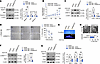 Figure 6
Mettl14 silencing suppresses injury-induced VSMC dedifferentiation in vitro. (A) Immunoblotting and quantification of Mettl14, Klf4, and Serpine1 levels in VSMCs pretreated with PDGF-BB or not for 72 hours, followed by transduction with shCtrl or shMettl14-2 viruses. n = 4 independent repeats. (B) MTS cell proliferation assay performed on murine VSMCs treated with PDGF-BB for 72 hours and then transduced with shCtrl or shMettl14-2 viruses over 148 hours. n = 3 independent repeats. (C) Representative Western blot and quantification of Ccnd1 and Cdkn1a in shCtrl- and shMettl14-2–transduced VSMCs following 72 hours of PDGF-BB pretreatment. n = 3 independent repeats. (D) Representative images of scratch assay assessing cellular migration of PDGF-B–pretreated murine VSMCs transduced with shCtrl or shMettl14-2 at 0, 24, and 48 hours. Lines mark the wound edges of the cultures. Scale bars: 50 μm. Quantification of percentage of wounded area shown on the right. n = 3 independent repeats. (E) Representative image of gelatin zymography stained with Coomassie blue assessing Mmp2 activity in PDGF-BB–pretreated murine VSMCs transduced with shCtrl or shMettl14-2. Each lane represents 1 individual sample. n = 5 biologically independent samples. Quantification of enzymatic activity in 3D plot shown below. (F) Representative Western blot and quantification of p-Stat1 (Tyr701) and Stat1 in PDGF-BB–pretreated murine VSMCs transduced with shCtrl or shMettl14-2. n = 4 independent repeats. (G) Representative Western blot and quantification of contractile VSMC markers in PDGF-BB–pretreated murine VSMCs transduced with shCtrl or shMettl14-2. n = 4 independent repeats. (H) Representative images of collagen gel contraction assay of PDGF-BB–pretreated murine VSMCs transduced with shCtrl or shMettl14-2. n = 3 independent repeats. Scale bars: 5 mm. *P < 0.05, ***P < 0.005 by 2-way ANOVA with Šidák’s multiple-comparison test (A–C and G), repeated measures 2-way ANOVA (D), 1-way ANOVA with Tukey’s multiple-comparison test (F), or unpaired, 2-tailed Student’s t test (H). Data are presented as mean ± SD.
Mettl14 inhibition halts intimal hyperplasia in a developing neointima. The above in vitro data serve as a proof-of-principle demonstration that by reducing the elevated Mettl14 expression gained during VSMC dedifferentiation, it is possible to restore the contractility, proliferation, and migratory capabilities of synthetic VSMCs to that of a more differentiated cell type. To determine whether redifferentiation of synthetic VSMCs was also possible in vivo, we repeated the femoral artery wire injury experiments in wild-type mice, followed 3 days later by viral knockdown of Mettl14 3, a time when VSMCs are in a state that is primed for proliferation and migration to initiate neointima formation (31, 32) (Figure 7A). Delivery of the shMettl14-2 virus subsequent to femoral wire injury effectively suppressed the formation of neointima compared with the shCtrl-transduced injured group (Figure 7B). Immunofluorescent staining confirmed significant knockdown of Mettl14 in synthetic VSMCs in vivo (Figure 7C), where this loss of Mettl14 was particularly evident in the neointimal regions. Reduction of Mettl14 in injured arteries resulted in strong reductions in Klf4 and Serpine1 levels in both the media and neointima (Figure 7, C–E). We demonstrate that these reductions in Klf4 and Serpine1 led to upregulation of Acta2 (Figure 7F). To further investigate whether Mettl14 knockdown could rescue an artery with more advanced neointima formation, we delivered shMettl14-2 viruses to femoral arteries 7 days after injury. A thin layer of neointima was already evident at this time point (Figure 8A). Similar to day 3 intervention, knockdown of Mettl14 in arteries 7 days after injury significantly attenuated neointima formation (Figure 8, B and C). Similarly, we observed a reduction in Klf4 and Serpine1 levels that coincided with an increase in Acta2 expression (Figure 8, D–F). Furthermore, p-Stat1 expression was also reduced (Figure 8G). We propose a model wherein Mettl14 inhibition simultaneously promotes VSMC contractile gene expression via reduced Klf4 activation while limiting VSMC proliferation and migration through reduced Serpine1 and Jak/Stat1 signaling (Figure 8H).
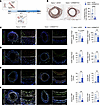 Figure 7
Injury-induced neointima formation can be prevented with early Mettl14 silencing. (A) Schematic representation of study design to determine whether METTL14 knockdown in preinjured femoral arteries could attenuate intimal hyperplasia and neointima formation. Viruses were pasted around the injured regions of the femoral arteries 3 days following initial wire injury. Samples were harvested 21 days following injury. (B) Representative EVG-stained cross sections of femoral arteries 3 weeks after injury. Quantification of neointimal area shown on the right. Scale bars: 100 μm. (C–F) Representative immunofluorescence images of murine femoral arteries 21 days after wire injury stained for Mettl14, Klf4, Acta2, and Serpine1. Insets represent zoomed-in neointimal regions that are enlarged in each corresponding right panel. Mettl14, purple; Klf4, red; Acta2, orange; Serpine1, white; elastin autofluorescence, green; DAPI, blue. Scale bars: 100 μm. Quantification of cell number or stained area in C–F shown on the right. MFI, mean fluorescence intensity. *P < 0.05, **P < 0.01, ****P < 0.001 by 2-way ANOVA with Šidák’s multiple-comparison test. Data are presented as mean ± SD.
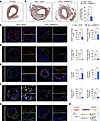 Figure 8
Knockdown of Mettl14 can rescue intimal hyperplasia. (A) Representative EVG-stained cross section of day 7 injured femoral arteries. (B) Representative EVG-stained cross sections of femoral arteries collected at 3 weeks from arteries treated with shCtrl or shMettl14-2 viruses 7 days after wire injury. Quantification of neointimal area shown on the right. Scale bars: 100 μm. (C–F) Representative immunofluorescence images of murine femoral arteries 21 days after wire injury stained for Mettl14, Klf4, Acta2, and Serpine1. Insets represent zoomed-in neointimal regions that are enlarged in each corresponding right panel. Mettl14, purple; Klf4, red; Acta2, orange; Serpine1, white; elastin autofluorescence, green; DAPI, blue. Scale bars: 100 μm. Quantification of cell number or stained area in C–F is shown on the right. (G) Representative immunofluorescence images of murine femoral arteries 21 days after wire injury stained for p-Stat1 (Tyr701). Insets represent zoomed-in neointimal regions shown on right. p-Stat1, yellow; elastin autofluorescence, green; DAPI, blue. Scale bars: 100 μm. (H) Proposed schematic model of the regulatory effect of Mettl14 on VSMC phenotype. Mettl14 expression is low in abundance in contractile VSMCs and in healthy arteries. Levels of Mettl14 are elevated following injury and lead to increased m6A modification of Klf4 and Serpine1, which in turn results in decreased contractile VSMC markers and increased proliferation, migration, and ECM remodeling capabilities As a result, VSMCs change to the synthetic phenotype and participate in intimal hyperplasia. MFI, mean fluorescence intensity. *P < 0.05 by 2-way ANOVA with Šidák’s multiple-comparison test. Data are presented as mean ± SD.


