
Research ArticleImmunologyInfectious diseaseVirology
Open Access |  10.1172/jci.insight.182836
Limited nasal IFN production contributes to delayed respiratory virus clearance and suboptimal vaccine responses
Jorna Sojati,1 Olivia B. Parks,1 Taylor Eddens,1 Jie Lan,1 Monika Johnson,1 and John V. Williams1,2,3,4
1Department of Pediatrics and
2Department of Microbiology & Molecular Genetics, University of Pittsburgh School of Medicine, Pittsburgh, Pennsylvania, USA.
3Institute for Infection, Immunity, and Inflammation in Children, UPMC Children’s Hospital of Pittsburgh, Pittsburgh, Pennsylvania, USA.
4University of Wisconsin–Madison School of Medicine and Public Health, Madison, Wisconsin, USA.
Address correspondence to: John V. Williams, Department of Pediatrics, University of Wisconsin–Madison School of Medicine and Public Health, 1675 Highland Ave., Madison, Wisconsin, 53792, USA. Email: jvwilliams2@wisc.edu.
Find articles by Sojati, J. in: PubMed | Google Scholar
1Department of Pediatrics and
2Department of Microbiology & Molecular Genetics, University of Pittsburgh School of Medicine, Pittsburgh, Pennsylvania, USA.
3Institute for Infection, Immunity, and Inflammation in Children, UPMC Children’s Hospital of Pittsburgh, Pittsburgh, Pennsylvania, USA.
4University of Wisconsin–Madison School of Medicine and Public Health, Madison, Wisconsin, USA.
Address correspondence to: John V. Williams, Department of Pediatrics, University of Wisconsin–Madison School of Medicine and Public Health, 1675 Highland Ave., Madison, Wisconsin, 53792, USA. Email: jvwilliams2@wisc.edu.
Find articles by Parks, O. in: PubMed | Google Scholar
1Department of Pediatrics and
2Department of Microbiology & Molecular Genetics, University of Pittsburgh School of Medicine, Pittsburgh, Pennsylvania, USA.
3Institute for Infection, Immunity, and Inflammation in Children, UPMC Children’s Hospital of Pittsburgh, Pittsburgh, Pennsylvania, USA.
4University of Wisconsin–Madison School of Medicine and Public Health, Madison, Wisconsin, USA.
Address correspondence to: John V. Williams, Department of Pediatrics, University of Wisconsin–Madison School of Medicine and Public Health, 1675 Highland Ave., Madison, Wisconsin, 53792, USA. Email: jvwilliams2@wisc.edu.
Find articles by Eddens, T. in: PubMed | Google Scholar
1Department of Pediatrics and
2Department of Microbiology & Molecular Genetics, University of Pittsburgh School of Medicine, Pittsburgh, Pennsylvania, USA.
3Institute for Infection, Immunity, and Inflammation in Children, UPMC Children’s Hospital of Pittsburgh, Pittsburgh, Pennsylvania, USA.
4University of Wisconsin–Madison School of Medicine and Public Health, Madison, Wisconsin, USA.
Address correspondence to: John V. Williams, Department of Pediatrics, University of Wisconsin–Madison School of Medicine and Public Health, 1675 Highland Ave., Madison, Wisconsin, 53792, USA. Email: jvwilliams2@wisc.edu.
Find articles by Lan, J. in: PubMed | Google Scholar
1Department of Pediatrics and
2Department of Microbiology & Molecular Genetics, University of Pittsburgh School of Medicine, Pittsburgh, Pennsylvania, USA.
3Institute for Infection, Immunity, and Inflammation in Children, UPMC Children’s Hospital of Pittsburgh, Pittsburgh, Pennsylvania, USA.
4University of Wisconsin–Madison School of Medicine and Public Health, Madison, Wisconsin, USA.
Address correspondence to: John V. Williams, Department of Pediatrics, University of Wisconsin–Madison School of Medicine and Public Health, 1675 Highland Ave., Madison, Wisconsin, 53792, USA. Email: jvwilliams2@wisc.edu.
Find articles by Johnson, M. in: PubMed | Google Scholar
1Department of Pediatrics and
2Department of Microbiology & Molecular Genetics, University of Pittsburgh School of Medicine, Pittsburgh, Pennsylvania, USA.
3Institute for Infection, Immunity, and Inflammation in Children, UPMC Children’s Hospital of Pittsburgh, Pittsburgh, Pennsylvania, USA.
4University of Wisconsin–Madison School of Medicine and Public Health, Madison, Wisconsin, USA.
Address correspondence to: John V. Williams, Department of Pediatrics, University of Wisconsin–Madison School of Medicine and Public Health, 1675 Highland Ave., Madison, Wisconsin, 53792, USA. Email: jvwilliams2@wisc.edu.
Find articles by Williams, J. in: PubMed | Google Scholar
Published September 16, 2025 - More info
JCI Insight. 2025;10(20):e182836. https://doi.org/10.1172/jci.insight.182836.
© 2025 Jorna Sojati et al. This work is licensed under the Creative Commons Attribution 4.0 International License. To view a copy of this license, visit http://creativecommons.org/licenses/by/4.0/.
Received: May 8, 2024; Accepted: September 9, 2025

-
Results
Nasal airways show delayed viral clearance, minimal IFN production, and limited immune response to infection. We first sought to establish the kinetics of HMPV replication in the upper airways using a well-established mouse model of acute upper and lower tract infection. We infected mice intratracheally with virulent strain C2-202 at an inoculum that causes clinical disease (~10% weight loss) and resolves within 10–14 days, similar to human infection (14, 15, 23). High HMPV titers in both upper and lower airways were detected early postinfection (Figure 1, A and B). However, while HMPV was cleared from the lungs by day 7, virus was not cleared from the nose until day 10 postinfection (Figure 1B). We also examined HMPV replication kinetics at several earlier time points in upper and lower airways, showing that lung HMPV titers peak by 6 hours postinfection, while nasal airways show increasing titers out to 12 hours postinfection (Figure 1C). We assessed inflammatory cytokine profiles in the upper and lower airways of HMPV-infected mice by Luminex immunoassay. While lower airways showed upregulation of several inflammatory cytokines with HMPV infection, upper airways maintained a minimal cytokine profile despite high HMPV burden (Figure 1D). We then sought to assess whether this observed quiescent nasal landscape correlated with expression of IFN. We measured levels of type I (IFN-β), type II (IFN-γ), and type III (IFN-λ) IFN transcripts by quantitative PCR (qPCR), observing high upregulation of type I and III IFN and mild upregulation of type II IFN in mouse lungs by day 1 postinfection (Figure 1E). In contrast, nasal IFN upregulation was not observed and IFN transcripts were minimally detectable in nasal turbinates (Figure 1E). We also measured nasal IFNs at several time points postinfection by Luminex assay and observed little or undetectable levels of IFN-β, IFN-γ, or IFN-λ to day 7, suggesting this was not limited to day 1 postinfection (Supplemental Figure 1; supplemental material available online with this article; https://doi.org/10.1172/jci.insight.182836DS1). To verify the downstream signaling effects, we measured ISG and found lung upregulation of IFN-stimulated genes (ISGs) MX1 and IRF9 but little ISG expression in the nose (Figure 1F). Taken together, these data show that in contrast with lower airways, the upper respiratory tract showed minimal inflammatory cytokine and IFN expression despite high HMPV burden.
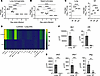 Figure 1
Upper airways show delayed HMPV clearance, minimal IFN production, and a quiescent immune profile. Mice were infected with 5 × 10⁵ PFU C2-202 HMPV. HMPV titer (PFU/g) was measured in lung homogenates (A) or nasal turbinates (B) of HMPV-infected mice out to day 14 postinfection. (C) HMPV titer (PFU/g) was also measured in lung homogenates (left) or nasal turbinates (right) at early time points of 3, 6, and 12 hours postinfection. Limit of detection noted by dashed black line. Analyses for A–C done by 1-way ANOVA. (D) Protein expression levels (ng/mL) of inflammatory cytokines in lung or nasal turbinate homogenates collected day 5 postinfection were assessed by Thermo Fisher Scientific Luminex immunoassay and represented by heatmap. (E) Ifng, Ifnb1, and Ifnl3 and (F) Irf9 and Mx1 expression in lung and nasal turbinate homogenates of HMPV-infected mice was measured by qPCR day 1 postinfection. Data were normalized to the HPRT1 gene and mock-infected mice using the 2–ΔΔCt method. Analyses done by Student’s t test. **P < 0.01, ***P < 0.001, ****P < 0.0001.
We next characterized innate and adaptive immune subsets in the upper airway using flow cytometry. We developed a new protocol for obtaining nasal immune cells from processing of turbinates for flow cytometric analysis of myeloid cells and lymphocytes (Supplemental Figure 2, A and B). In contrast with prior data showing an increase in lung DCs, macrophages, and monocytes on day 1 postinfection, we found here that, despite the presence of basal nasal myeloid cells, there was no upregulation of nasal DCs, macrophages, or monocytes with HMPV (Supplemental Figure 3, A–G). Similarly, we did not observe increase of nasal lymphocyte subsets, including B cells, NK cells, and CD4+ and CD8+ T cells, by day 10 postinfection (Supplemental Figure 3, H–L). Collectively, these data indicate a quiescent nasal environment with low IFN and inflammatory cytokine expression and minimal immune cell recruitment in HMPV infection.
Human and mouse sequencing data verify low IFN response in upper airway. To further compare the immune landscape of the upper and lower airway, we performed single-cell RNA sequencing (scRNA-Seq) of lung and nasal cells from HMPV-infected mice day 1 postinfection. We observed the presence of 18 cell populations combined (Figure 2A and Supplemental Figure 4A). While some populations were shared, there were noticeable differences in cell subsets and abundance between upper and lower airway. Many cell populations, including fibroblasts, monocytes, B and T lymphocytes, NK cells, and neutrophils, were present in both the lung and nose, while some neuronal and neuroendocrine populations (likely from olfactory mucosa) were found only in nasal samples (Figure 2B and Supplemental Figure 4, A and B). HMPV-infected mouse lungs were enriched in NK cells, macrophages, monocytes, and T cells, while HMPV-infected mouse noses were enriched in nasal specific neuronal, epithelial, and B cells (Figure 2C). Furthermore, while HMPV infection led to a robust increase in monocyte, macrophage, and neutrophil populations in lungs, this was not observed in the nose (Figure 2, B and C, and Supplemental Figure 4C). We saw modest HMPV-induced increases in expression of several ISGs in mouse lung but not nasal airway with HMPV infection (Figure 2D). Gene Ontology analysis showed fewer genes enriched in upper airway with HMPV infection (Figure 2E). However, some of the most highly enriched genes in nasal airway function to negatively regulate type III IFN and the cyclic GMP-AMP synthase (cGAS)/stimulator of interferon genes (STING) pathway, both critical for promoting IFN responses (Figure 2E). Thus, nasal airway failed to recruit myeloid cells, showed low ISG expression, and enriched genes that negatively regulate innate immune responses.
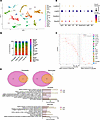 Figure 2
Upper airways of HMPV-infected mice are enriched for genes negatively regulating IFN expression. Single-cell RNA sequencing (scRNA-Seq) was performed on cells isolated from nasal turbinates or lungs of mice infected with 5 × 10⁵ PFU C2-202 HMPV (or mock-infected with LLC-MK2 cell lysate) and harvested day 1 postinfection. Two mice per group (2 mock-infected, 2 HMPV-infected) were used for the scRNA-Seq experiment. (A) A total of 18 distinct subpopulations of immune and epithelial cells were defined and represented by Uniform manifold approximation and projection (UMAP). (B) Differential abundance of immune cell populations shown for lung and nasal samples from mock- or HMPV-infected mice. (C) Relative abundance levels for lung versus nasal samples from HMPV-infected mice. (D) Expression of several ISGs shown by dot plots for lung and nasal samples from mock- or HMPV-infected mice. (E) Gene Ontology enrichment analysis was done for 2 predominant immune cell subpopulations in both lung and nasal samples, and top 10 differentially expressed genes are shown. Fibroblasts and monocytes in nasal airway showed enrichment for pathways that negatively regulate IFN production. SkMC, skeletal muscle cells; SmMC, smooth muscle cells.
To test whether these findings were observed with human respiratory virus infection, we analyzed an existing scRNA-Seq dataset of bronchoalveolar lavage (BAL) and nasal swab (NS) samples collected from the same patients with severe COVID-19 infection (41). Similar to the mouse data, many immune cell populations were present in both upper and lower airway but with distinct differences in cell abundance (Figure 3A). Lower airways of patients with COVID-19 had increased abundance of macrophages, CTLs (CD8+ T cells), and NK cells compared with upper airway, which exhibited smaller but detectable populations of these cell types (Figure 3B). Similar to the analysis previously performed, we assessed CTLs and macrophages for changes related to ISGs. CTLs and macrophages from BAL showed higher ISG expression than cells from NS, suggesting greater IFN responses in the lower airways of patients with COVID-19 (Figure 3C).
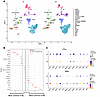 Figure 3
Upper airways of patients with severe COVID-19 show reduced IFN responses. We analyzed an existing scRNA-Seq dataset of samples collected from the lower airway (bronchoalveolar lavage; BL) and upper airway (nasal swab; NS) of the same patient for 2 patients with severe COVID-19. (A) A total of 19 distinct subpopulations of immune and epithelial cells were defined, represented by UMAP. (B) Differential abundance of immune cell populations for BL and NS from patients with COVID-19. (C) Expression of several ISGs in cytotoxic T lymphocytes (CTLs) and macrophages shown by dot plots for BL and NS of patients with COVID-19. PC, plasma cell; Ma, macrophage.
Taken together, these mouse and human sequencing data provide support for the presence of a quiescent nasal immune environment and suggest that this quiescent landscape may affect immune responses to other respiratory viruses. Furthermore, these data suggest that the observed quiescent nasal immune environment is modulated, in part, by a diminished IFN response, with mouse scRNA-Seq highlighting nasal enrichment of genes that negatively regulate IFN production.
IRF3 production is suppressed during HMPV infection in nasal airways. To understand the low nasal IFN production during HMPV infection, we measured transcripts of IRF3 and IRF7, transcription factors directly upstream of IFN production. Both IRF3 and IRF7 were upregulated in lungs, but not nose, with infection (Figure 4, A and B, and Supplemental Figure 5). In contrast, IRF7 showed no upregulation in nasal airways. Moreover, nasal IRF3 transcript levels were downregulated by HMPV infection (Figure 4A). We verified these findings in the nose and lungs by both qPCR and Western blot analysis, notably showing negative fold-change values for IRF3 expression in the nose and confirming suppressed nasal IRF3 production with HMPV infection (Figure 4C and Supplemental Figure 5). This provides a possible mechanism of suppressed IFN production, and subsequently minimal IFN response, in HMPV-infected nasal airways.
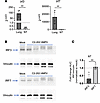 Figure 4
HMPV-infected upper airways suppress IFN production through downregulation of IRF3. Mice were infected with 5 × 10⁵ PFU C2-202 HMPV, and expression of Irf3 and Irf7 was assessed day 1 postinfection in lungs and nasal turbinates by qPCR (A). Data were normalized to the HPRT1 gene and mock-infected mice by the 2–ΔΔCt method. (B) IRF3 and IRF7 protein levels were measured in nasal turbinates of mice infected with HMPV or mock-infected by Western blot. Data were normalized to vinculin. (C) Fold-change in AUC measurements of normalized IRF3 and IRF7 expression in mock- versus HMPV-infected nasal turbinates. Samples from 4 HMPV-infected mice were used for this experiment. Analyses done by Student’s t test. **P < 0.01.
To further support a role for IRF3 in potential suppression of IFN, we performed siRNA-mediated knockdown studies of Irf3 in C10 mouse alveolar type II cells, a well-validated in vitro model of HMPV infection (15). We first confirmed knockdown of Irf3 by qPCR, showing no expression of Irf3 in siRNA-treated C10 cells (Supplemental Figure 6A). Using this model, we measured levels of type I and III IFN by qPCR. While expression of type I (Ifnb1) and III (Ifnl3) IFN transcripts was increased in response to HMPV infection, levels of both IFNs were diminished in Irf3-siRNA knockdown cells infected with HMPV (Supplemental Figure 6, B and C). These data support a key role for IRF3 in promoting type I and III IFN production in response to HMPV infection.
Additional studies were done to assess the role of IRF3 downregulation and its impact on antiviral function. To better understand kinetics of the observed IRF3 downregulation in response to HMPV infection, we measured levels of IRF3 and IRF7 by qPCR at earlier time points postinfection. In the lungs, IRF3 and IRF7 expression were both increased by 12 hours postinfection (Supplemental Figure 7A). In the nasal airway, IRF7 expression remained unchanged, while IRF3 expression was initially upregulated at 3 hours postinfection but significantly decreased by 12 hours postinfection (Supplemental Figure 7B). While IRF3 (and IRF7) have well-known roles in upstream promotion of IFNs, we also tested whether IRF3 and IRF7 expression increased in response to direct IFN treatment. We treated uninfected mice with either type I or III IFN (delivered intranasally in 50 μL volume for whole airway administration), and measured levels of IRF3 and IRF7 by qPCR. Notably, both IRF3 and IRF7 levels were increased by type I or III IFN treatment (Supplemental Figure 7C).
These data highlight a possible mechanism of IFN downregulation through IRF3 suppression in response to HMPV infection and highlight a critical role for IRF3 in antiviral immunity by promoting expression of type I and III IFNs.
Priming of nasal airways with type I or III IFN enhances antiviral immunity. We next tested whether we could improve nasal immune responses by priming with recombinant IFN. We previously showed that type I and III IFN in the lower airways drastically increase by day 1 postinfection and diminish afterward (15). We sought to mimic lung dynamics of IFN upregulation by delivering IFN in an upper tract–restricted fashion day 1 postinfection (15). We adapted this method to deliver recombinant IFN, optimizing delivery dose based on nasal ISG induction (Supplemental Figure 8). We first tested IFN-λ treatment, as IFN-λ is shown to cause fewer side effects than type I IFN (Figure 5A) (15, 42, 43). Although there was no reduction of clinical disease, nasal HMPV burden was significantly reduced with IFN-λ treatment (Figure 5, B and C). Additionally, IFN-λ treatment led to an increase in both total and virus-specific nasal CD8+ T cells on day 7 postinfection (Figure 5D). Day 7 was chosen as a time point that highlights activation of adaptive immune responses, as evidenced by rapid viral clearance from the lungs because of T and B cell–driven antiviral immunity (Figure 1A). In HMPV-specific CD8+ T cells from IFN-λ–treated mice, there was increased expression of PD-1 and Tim3 (Figure 5D), as well as decreased degranulation and IFN-γ in CD8+ T cells stimulated with HMPV peptide (Figure 5E). These findings suggest IFN-λ treatment promoted CD8+ T cell recruitment and activation, but also induced acute CD8+ T cell impairment, as we previously described (21). While there was no increase in total CD4+ T cells, IFN-λ treatment promoted skewing of nasal CD4+ populations to a pro-inflammatory Th1 phenotype (Figure 5F). Eomesodermin (EOMES), a marker of CD8+ T cell terminal differentiation and exhaustion, was upregulated in IFN-λ–treated total and HMPV-specific CD8+ T cells (Figure 5G). Collectively, priming of the nasal airways with IFN-λ treatment resulted in enhanced viral clearance, recruitment and activation (along with subsequent acute impairment) of virus-specific CD8+ T cells, and skewing of CD4+ to pro-inflammatory Th1 T cells, suggesting a more efficient antiviral response. Similar findings were observed by priming the upper airway with type I IFN (IFN-β) treatment (Supplemental Figure 9), showing that both type I and III IFN can promote upper airway immunity. Furthermore, these phenotypes could also be observed with nasal type I or III IFN treatment at a later time point of day 10 postinfection (Supplemental Figure 10). Day 10 was chosen as a time point that represents rapid clearance of HMPV in nasal airways and presumed activation of adaptive immunity in the upper tract. Thus, delivery of type I or III IFN to the upper tract enhanced viral clearance, drove adaptive antiviral responses, and rescued the quiescent immune phenotype of nasal airway.
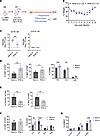 Figure 5
Type III IFN treatment of upper airway increases HMPV-specific CD8+ T cell recruitment and enhances viral clearance. Mice were first infected with 5 × 10⁵ PFU C2-202 HMPV intratracheally, followed by an intranasal treatment with recombinant mouse IFN-λ (1 μg in 10 μL) on day 1 postinfection (or mock treatment with same volume 0.1% BSA) as shown by schematic (A). Disease was assessed by measuring weight (B) to day 10 postinfection, represented as % of day 0. HMPV titer (PFU/g) was measured in nasal turbinates of mock- or IFN-λ–treated mice on day 7 (C) and 10 (D) postinfection. Limit of detection noted by dashed black line. (D–G) HMPV-infected mice receiving either mock or IFN-λ treatment were euthanized day 7 postinfection, and immune responses were assessed. (D) Frequency of total nasal (left), virus-specific (M94+) (middle), and inhibitory receptor–expressing HMPV-specific CD8+ T cells (right). (E) Frequency of nasal CD8+ T cells expressing CD107a (left) or IFN-γ (right) after 5-hour ex vivo stimulation with HMPV M94 peptide. (F) Frequency of total nasal CD4+ T cells (left) and CD4+ subsets (right) Th1 (% Tbet+ of CD4), Th2 (% GATA3+ of CD4), Th17 (% RORγT+ of CD4), and Treg (% FoxP3+ of CD4). (G) Frequency of EOMES expression (of total CD4, of total CD8, and of total M94-specific CD8). For this experiment 5 mock-treated and 5 mouse IFN-λ-treated mice were used. Analyses by Student’s t test (C–E) or 2-way ANOVA (F and G). *P < 0.05, **P < 0.01, ***P < 0.001, ****P < 0.0001. Tim3, T cell immunoglobulin mucin receptor 3; Lag3, lymphocyte activation gene 3.
IFN augmentation bolsters mucosal vaccine efficacy through innate and adaptive immune mechanisms. We next sought to determine what implications the observed immune quiescence of the upper airway had for mucosal vaccination, as well as whether IFN could boost vaccine efficacy. To do so, we developed a protocol for intranasal immunization by delivery of a low HMPV dose in an upper respiratory tract–restricted fashion 21 days prior to primary challenge as mock immunization, immunization with HMPV alone, or immunization with HMPV adjuvanted with type I (IFN-β) or III (IFN-λ) IFN (Figure 6A). All groups received primary challenge on day 0 with whole-airway HMPV infection as done for prior experiments. Only groups receiving HMPV immunization adjuvanted with IFN-λ and IFN-β showed less weight loss with primary challenge, suggesting IFN adjuvant was required to reduce clinical disease by vaccination (Figure 6B). While groups receiving HMPV immunization alone had lower lung and nose HMPV titers compared with mock vaccination, most mice that received HMPV adjuvanted with type I or III IFN showed no detectable HMPV burden in upper or lower airways by day 5 postinfection (Figure 6, C and D). No differences in CD4+ frequency were observed by immunization (Figure 6E). All groups receiving HMPV immunization showed an increase in total nasal CD8+ T cells by day 10 postinfection; however, groups adjuvanted with IFN showed higher levels of nasal virus-specific CD8+ T cells compared with HMPV vaccine alone (Figure 6F). However, these virus-specific cells did not exhibit increased levels of PD-1, Tim3, or Lag3 (Figure 6G). Mice receiving IFN-λ– and IFN-β–adjuvanted HMPV immunization demonstrated increases in both nasal CD8+ and CD4+ resident memory T cell (TRM) populations, showing greater memory responses with IFN adjuvant (Figure 6H). We also measured levels of serum neutralizing antibodies in different immunization groups. Mice receiving HMPV with IFN-λ or IFN-β adjuvant showed increased neutralizing antibody titer compared with HMPV vaccine alone (P = 0.0068 and P = 0.0092, respectively) (Figure 6I).
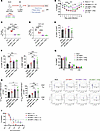 Figure 6
IFN adjuvant of nasal HMPV immunization enhances memory T cell responses and neutralizing antibody capacity to reduce clinical disease and viral burden. (A) Schematic of nasal immunization models. Mice were intranasally immunized with low-dose C2-202 HMPV (UR-HMPV), low-dose HMPV + adjuvant with IFN-λ (0.5 μg), low-dose HMPV + adjuvant with IFN-β (0.5 μg), or mock-immunized with LLC-MK2 cell lysate. Mice were challenged with HMPV infection 21 days postinoculation, and nasal responses to primary challenge were assessed. (B) Disease was assessed by measuring body weight to day 10 postinfection, represented as % of day 0. *P < 0.05, ***P < 0.001, ****P < 0.0001 for IFN-β– and IFN-λ–adjuvanted groups versus low-dose HMPV alone (UR-HMPV). #P < 0.05, ##P < 0.01 for IFN-λ–adjuvanted group versus mock immunization. HMPV titer (PFU/g) was measured in lungs (C) and nasal turbinates (D) of immunized mice day 5 postinfection. Limit of detection noted by dashed black line. (E–H) Immunized mice were euthanized day 10 postinfection and immune responses assessed. For this experiment 5 mock-immunized, 6 HMPV-immunized, 6 IFN-λ–adjuvanted, and 6 IFN-β–adjuvanted mice were used. (E) Frequency of total nasal CD4+ T cells, (F) total nasal CD8+ T cells (left) and virus-specific (M94+) CD8+ T cells (right). (G) Frequency of inhibitory receptor–expressing M94+CD8+ T cells. (H) Frequency of nasal CD4+ and CD8+ TRM cells (left) with representative flow cytometry plots (right). (I) Serum was collected from immunized mice day 5 postinfection, and neutralizing antibody responses were assessed by plaque reduction neutralization assay. Dashed black line denotes 50% inhibitory capacity (IC50). Analyses by 1-way or 2-way ANOVA. *P < 0.05, **P < 0.01, ***P < 0.001, ****P < 0.0001.
Given that HMPV clearance in both upper and lower airways was enhanced by intranasal immunization, we also assessed lung responses in mice immunized with HMPV (Supplemental Figure 11A). We did not observe increases in lung CD4+ or CD8+ T cells in immunized groups (Supplemental Figure 11, B and C). However, mice receiving IFN-λ– and IFN-β–adjuvanted immunization showed higher levels of lung HMPV-specific CD8+ T cells compared with HMPV alone (Supplemental Figure 11D). Furthermore, mice immunized with IFN-adjuvanted HMPV had increased lung CD4+ TRM, though levels of lung CD8+ TRM did not increase with immunization (Supplemental Figure 11, E and F).
To employ a second and more clinically relevant model of HMPV vaccination, we delivered UV-inactivated HMPV (UV-HMPV) in a low dose using the same method of upper respiratory tract–restricted administration 21 days before primary challenge, creating groups of mock vaccination, vaccination with UV-HMPV alone, or vaccination with UV-HMPV adjuvanted with type I or III IFN. Similar to the first immunization model, we saw that only HMPV vaccine groups adjuvanted with type I or III IFN showed less weight loss with primary challenge, further supporting that type I and III IFN adjuvant is required to reduce clinical disease (Supplemental Figure 12A). All HMPV vaccine groups had decreased nasal titers, although notably a few mice in the IFN-adjuvanted groups showed no detectable HMPV titers in the upper airway by day 7 postinfection (Supplemental Figure 12B). Additionally, more mice in the IFN-adjuvanted group cleared HMPV in the lungs by day 7 postinfection, though this did not reach statistical significance (Supplemental Figure 12C). These data support a role for type I and III IFN adjuvant in reducing clinical disease and decreasing HMPV burden in upper and lower airways in an HMPV vaccine model.
We next sought to determine whether this decrease in clinical disease and viral burden was truly by adjuvant effects of IFN on HMPV immunization or was driven by IFN alone. We treated mice intranasally in an upper tract–restricted fashion with type I or III IFN alone 21 days prior to primary challenge. Mice receiving solely type I or III IFN intranasally before infection showed no changes in weight loss or in HMPV burden in upper and lower airways (Supplemental Figure 12, D–F). Thus, type I and III IFN act through an adjuvant effect on HMPV immunization to reduce clinical disease and HMPV burden.
To uncover how IFN supplementation priming led to more efficient adaptive responses, we analyzed nasal myeloid cell subsets in groups receiving either upper tract–restricted HMPV alone or HMPV with IFN-λ or IFN-β adjuvant 1 day postimmunization. IFN-adjuvanted immunized groups showed upregulation of an MHCII+CD24+ DC progenitor population though not macrophage or monocyte precursors (Figure 7, A–C). Specifically, increases were seen in pro-inflammatory CD103+XCR1+ cDC1 and IFN-producing Ly6C+SiglecH+ pDC but not cDC2 (Figure 7, D–F). There were no differences in other macrophage and monocyte populations (Figure 7, G–I). Thus, IFN adjuvant primes adaptive immunity and enhances antiviral responses through upregulation of antigen-presenting cells, particularly cDC1 and pDC subsets.
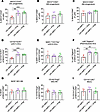 Figure 7
IFN adjuvant of nasal HMPV immunization increases nasal recruitment of cDC1 and pDC. Mice were immunized as described in Figure 6A with low-dose HMPV alone (UR-HMPV), HMPV adjuvanted with IFN-λ, or HMPV adjuvanted with IFN-β. 5 mice per group were used for this experiment. Mice were euthanized day 1 postimmunization, and nasal myeloid cell populations were quantified by flow cytometry. (A–C) Frequency of myeloid cell progenitors, including progenitors for DC (A), macrophage (B), and monocyte (C) lineages. (D–F) Frequency of DC subsets, including cDC1 (D), cDC2 (E), and pDC (F). (G–I) Frequency of macrophage and monocyte subsets, including M1 macrophages (G), M2 macrophages (H), and inflammatory monocytes (I). Analyses by 1-way ANOVA. **P < 0.01, ***P < 0.001. cDC1, conventional type I DC; pDC, plasmacytoid DC.
To test whether these findings were specific to HMPV, we used a mouse whole-airway infection model with influenza virus A/PR/8/34 (PR8) (Supplemental Figure 13A). We observed high influenza virus burden in both upper and lower airway by day 5 postinfection (Supplemental Figure 13A). Similar to HMPV, there was mild weight loss (~10%) and clinical disease with PR8 (Supplemental Figure 13, B and C). Moreover, type I (IFN-β), type II (IFN-γ), and type III (IFN-λ) IFN transcripts were upregulated in the lung but not the nose, despite high nasal viral burden (Supplemental Figure 13, D–F).
We next adapted the intranasal IFN-adjuvanted immunization method to influenza. A low PR8 inoculum was delivered intranasally in an upper respiratory tract–restricted fashion 21 days prior to primary challenge as mock immunization, immunization with PR8 influenza virus alone, or immunization with PR8 adjuvanted with type III (IFN-λ). Although mice showed mildly reduced clinical disease and decreased viral burden with PR8 immunization alone, those receiving PR8 with IFN-λ adjuvant showed no weight loss with primary challenge and nearly undetectable virus in upper and lower airway by day 5 postinfection (Supplemental Figure 13, G–J). These findings using a complementary approach suggest that the minimal IFN expression in the upper airway contributes to suboptimal immunization responses in 2 separate models of respiratory virus infection.
Both T cell–mediated and humoral immunity contribute to IFN-driven improvements in mucosal vaccine responses. We sought to identify which aspect of adaptive immunity is critical for this IFN-driven augmentation of vaccine responses using HMPV infection and immunization of muMt– mice, which lack mature B cells (Figure 8A). We and others have also shown that both CD4+ and CD8+ T cells contribute to HMPV clearance (20, 44). Thus, in parallel, we developed a model of T cell deficiency by antibody depletion of CD8+ and CD4+ T cells prior to primary challenge, confirming T cell depletion by flow cytometry (Figure 8B and Supplemental Figure 14). B cell–deficient HMPV-vaccinated mice, but not T cell–deficient mice, exhibited increased lung and nasal titers (Figure 8, C and D). However, T cell–deficient HMPV-vaccinated mice showed complete abolishment of clinical disease, while B cell–deficient mice (with intact T cell responses) exhibited worsened clinical disease (Figure 8E). Thus, both T and B cells contributed to adaptive responses to HMPV but in different capacities, with B cells being important to reduce viral burden and T cells promoting inflammatory antiviral responses that also contribute to pathology.
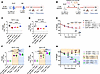 Figure 8
T cell–mediated and humoral immunity are both required for improved nasal HMPV vaccine response with IFN adjuvant. Mice were immunized as described in Figure 6A with low-dose HMPV (UR-HMPV) in either a B cell–deficient model of muMt- (muMT) mice (A) or a T cell–deficient model with neutralizing CD4+ and CD8+ antibody depletion (B). IgG isotype control antibody was used as a negative control. HMPV titer (PFU/g) was measured in lungs (C) and nasal turbinates (D) of immunized mice day 5 postinfection. Limit of detection noted by dashed black line. (E) Disease was assessed by measuring body weight to day 5 postinfection, represented as % of day 0. ***P < 0.001, ****P < 0.0001 for T cell–deficient immunized mice versus other groups. ###P < 0.001, ####P < 0.0001 for B cell–deficient immunized mice versus other groups. (F–H) Mice received HMPV immunization adjuvanted with IFN-λ or IFN-β as previously described, in a T cell–deficient model (orange), or in a B cell–deficient model (blue). HMPV titer (PFU/g) was measured in lungs (F) and nasal turbinates (G) of IFN-adjuvanted immunized mice day 5 postinfection. Limit of detection noted by dashed black line. (H) Disease was assessed by measuring body weight to day 5 postinfection, represented as % of day 0. **P < 0.01, ****P < 0.0001 for B cell–deficient groups versus other groups. #P < 0.05, ##P < 0.01, ####P < 0.0001 for IFN-λ–adjuvanted T cell–deficient mice versus other IFN-adjuvanted immunized mice groups. Analyses by 1-way or 2-way ANOVA. **P < 0.01, ***P < 0.001, ****P < 0.0001.
We next delivered IFN-λ– and IFN-β–adjuvanted vaccine in T cell– or B cell–deficient models and assessed HMPV burden. HMPV clearance from lungs and nasal airways by day 5 postinfection with IFN-adjuvanted vaccine delivery was abolished in both T and B cell–deficient mice (Figure 8, F and G). This verifies that both T cell–mediated and humoral immunity are essential for the observed decrease in HMPV burden, and thus improved mucosal vaccine response, with IFN augmentation. When assessing clinical disease, similar phenotypes were observed of complete disease reduction in T cell–deficient mice and worsened disease in B cell–deficient mice (with intact T cell response), with minimal effect by IFN adjuvant (Figure 8H). We also tested whether CD4+ or CD8+ T cells were more important for mucosal vaccine responses using separate models of CD4+ or CD8+ T cell depletion. Loss of CD4+ T cells resulted in complete disease reduction with IFN-adjuvanted HMPV vaccine, while CD8+ T cell–depleted mice still showed mild disease (Supplemental Figure 15, A and B). Both CD8+ and CD4+ T cell depletion abolished HMPV clearance from upper and lower tracts by day 5 postinfection with IFN-adjuvanted vaccine delivery, though CD8+-depleted mice showed a greater increase in lung and nasal HMPV burden (Supplemental Figure 15, C and D). Collectively, these data show that IFN adjuvant bolstered intranasal vaccine efficacy and antiviral immunity by promoting both T cell–mediated and humoral responses.


