
Research ArticleCell biologyGenetics
Open Access |  10.1172/jci.insight.179474
B3GALT6 mutations lead to compromised connective tissue biomechanics in Ehlers-Danlos syndrome
Roméo Milan Diana,1 Benjamin Jolivet,1 Jean-Baptiste Vincourt,1 Sébastien Hergalant,2 Grégory Francius,3 Yasaman Karami,4 Hamed Khakzad,4 Rebekka Wild,5 Marie Bourgeais,5 Anne Robert,1 Alison Wurtz,1 Guillermo Barreto,1 Nick Ramalanjaona,1 Déborah Helle,1 Rachel Onifarasoaniaina,6 Sophie Front,7 Chrystel Lopin-Bon,7 Delfien Syx,8 Fransiska Malfait,8 Sylvie Fournel-Gigleux,1 Sandrine Gulberti,1 and Catherine Bui1
1Université de Lorraine, CNRS, IMoPA, UMR 7365, F-54000 Nancy, France.
2Université de Lorraine, Inserm, NGERE, U1256, F-54000 Nancy, France.
3Université de Lorraine, CNRS, LCPME, UMR 7564, F-54000 Nancy, France.
4Université de Lorraine, CNRS, Inria, LORIA, F-54000 Nancy, France.
5Institut de Biologie Structurale, UMR 5075, Université Grenoble Alpes, CNRS, CEA, 38000 Grenoble, France.
6Institut Cochin, INSERM U1016, CNRS UMR 8104, Université de Paris, Paris, France.
7Institut de Chimie Organique et Analytique, UMR 7311, Université d’Orléans et CNRS, Rue de Chartres, BP 6759, 45067 Orléans Cedex 2, France.
8Center for Medical Genetics, Ghent University Hospital, and Department of Biomolecular Medicine, Ghent University, Belgium.
Address correspondence to: Catherine Bui or Sandrine Gulberti, Laboratoire IMoPA - UMR 7365, CNRS-UL Biopôle - Campus Brabois-Santé, 9 avenue de la Forêt de Haye, 54505 Vandœuvre-lès-Nancy cedex, France. Phone: 00.33.3.72.74.65.44; Email: Catherine.Bui@univ-lorraine.fr (CB). Phone: 00.33.3.72.74.65.41; Email: Sandrine.Gulberti@univ-lorraine.fr (SG).
Authorship note: RMD, BJ, and JBV contributed equally to this work.
Find articles by Diana, R. in: PubMed | Google Scholar
1Université de Lorraine, CNRS, IMoPA, UMR 7365, F-54000 Nancy, France.
2Université de Lorraine, Inserm, NGERE, U1256, F-54000 Nancy, France.
3Université de Lorraine, CNRS, LCPME, UMR 7564, F-54000 Nancy, France.
4Université de Lorraine, CNRS, Inria, LORIA, F-54000 Nancy, France.
5Institut de Biologie Structurale, UMR 5075, Université Grenoble Alpes, CNRS, CEA, 38000 Grenoble, France.
6Institut Cochin, INSERM U1016, CNRS UMR 8104, Université de Paris, Paris, France.
7Institut de Chimie Organique et Analytique, UMR 7311, Université d’Orléans et CNRS, Rue de Chartres, BP 6759, 45067 Orléans Cedex 2, France.
8Center for Medical Genetics, Ghent University Hospital, and Department of Biomolecular Medicine, Ghent University, Belgium.
Address correspondence to: Catherine Bui or Sandrine Gulberti, Laboratoire IMoPA - UMR 7365, CNRS-UL Biopôle - Campus Brabois-Santé, 9 avenue de la Forêt de Haye, 54505 Vandœuvre-lès-Nancy cedex, France. Phone: 00.33.3.72.74.65.44; Email: Catherine.Bui@univ-lorraine.fr (CB). Phone: 00.33.3.72.74.65.41; Email: Sandrine.Gulberti@univ-lorraine.fr (SG).
Authorship note: RMD, BJ, and JBV contributed equally to this work.
Find articles by Jolivet, B. in: PubMed | Google Scholar
1Université de Lorraine, CNRS, IMoPA, UMR 7365, F-54000 Nancy, France.
2Université de Lorraine, Inserm, NGERE, U1256, F-54000 Nancy, France.
3Université de Lorraine, CNRS, LCPME, UMR 7564, F-54000 Nancy, France.
4Université de Lorraine, CNRS, Inria, LORIA, F-54000 Nancy, France.
5Institut de Biologie Structurale, UMR 5075, Université Grenoble Alpes, CNRS, CEA, 38000 Grenoble, France.
6Institut Cochin, INSERM U1016, CNRS UMR 8104, Université de Paris, Paris, France.
7Institut de Chimie Organique et Analytique, UMR 7311, Université d’Orléans et CNRS, Rue de Chartres, BP 6759, 45067 Orléans Cedex 2, France.
8Center for Medical Genetics, Ghent University Hospital, and Department of Biomolecular Medicine, Ghent University, Belgium.
Address correspondence to: Catherine Bui or Sandrine Gulberti, Laboratoire IMoPA - UMR 7365, CNRS-UL Biopôle - Campus Brabois-Santé, 9 avenue de la Forêt de Haye, 54505 Vandœuvre-lès-Nancy cedex, France. Phone: 00.33.3.72.74.65.44; Email: Catherine.Bui@univ-lorraine.fr (CB). Phone: 00.33.3.72.74.65.41; Email: Sandrine.Gulberti@univ-lorraine.fr (SG).
Authorship note: RMD, BJ, and JBV contributed equally to this work.
Find articles by Vincourt, J. in: PubMed | Google Scholar
1Université de Lorraine, CNRS, IMoPA, UMR 7365, F-54000 Nancy, France.
2Université de Lorraine, Inserm, NGERE, U1256, F-54000 Nancy, France.
3Université de Lorraine, CNRS, LCPME, UMR 7564, F-54000 Nancy, France.
4Université de Lorraine, CNRS, Inria, LORIA, F-54000 Nancy, France.
5Institut de Biologie Structurale, UMR 5075, Université Grenoble Alpes, CNRS, CEA, 38000 Grenoble, France.
6Institut Cochin, INSERM U1016, CNRS UMR 8104, Université de Paris, Paris, France.
7Institut de Chimie Organique et Analytique, UMR 7311, Université d’Orléans et CNRS, Rue de Chartres, BP 6759, 45067 Orléans Cedex 2, France.
8Center for Medical Genetics, Ghent University Hospital, and Department of Biomolecular Medicine, Ghent University, Belgium.
Address correspondence to: Catherine Bui or Sandrine Gulberti, Laboratoire IMoPA - UMR 7365, CNRS-UL Biopôle - Campus Brabois-Santé, 9 avenue de la Forêt de Haye, 54505 Vandœuvre-lès-Nancy cedex, France. Phone: 00.33.3.72.74.65.44; Email: Catherine.Bui@univ-lorraine.fr (CB). Phone: 00.33.3.72.74.65.41; Email: Sandrine.Gulberti@univ-lorraine.fr (SG).
Authorship note: RMD, BJ, and JBV contributed equally to this work.
Find articles by Hergalant, S. in: PubMed | Google Scholar
1Université de Lorraine, CNRS, IMoPA, UMR 7365, F-54000 Nancy, France.
2Université de Lorraine, Inserm, NGERE, U1256, F-54000 Nancy, France.
3Université de Lorraine, CNRS, LCPME, UMR 7564, F-54000 Nancy, France.
4Université de Lorraine, CNRS, Inria, LORIA, F-54000 Nancy, France.
5Institut de Biologie Structurale, UMR 5075, Université Grenoble Alpes, CNRS, CEA, 38000 Grenoble, France.
6Institut Cochin, INSERM U1016, CNRS UMR 8104, Université de Paris, Paris, France.
7Institut de Chimie Organique et Analytique, UMR 7311, Université d’Orléans et CNRS, Rue de Chartres, BP 6759, 45067 Orléans Cedex 2, France.
8Center for Medical Genetics, Ghent University Hospital, and Department of Biomolecular Medicine, Ghent University, Belgium.
Address correspondence to: Catherine Bui or Sandrine Gulberti, Laboratoire IMoPA - UMR 7365, CNRS-UL Biopôle - Campus Brabois-Santé, 9 avenue de la Forêt de Haye, 54505 Vandœuvre-lès-Nancy cedex, France. Phone: 00.33.3.72.74.65.44; Email: Catherine.Bui@univ-lorraine.fr (CB). Phone: 00.33.3.72.74.65.41; Email: Sandrine.Gulberti@univ-lorraine.fr (SG).
Authorship note: RMD, BJ, and JBV contributed equally to this work.
Find articles by Francius, G. in: PubMed | Google Scholar
1Université de Lorraine, CNRS, IMoPA, UMR 7365, F-54000 Nancy, France.
2Université de Lorraine, Inserm, NGERE, U1256, F-54000 Nancy, France.
3Université de Lorraine, CNRS, LCPME, UMR 7564, F-54000 Nancy, France.
4Université de Lorraine, CNRS, Inria, LORIA, F-54000 Nancy, France.
5Institut de Biologie Structurale, UMR 5075, Université Grenoble Alpes, CNRS, CEA, 38000 Grenoble, France.
6Institut Cochin, INSERM U1016, CNRS UMR 8104, Université de Paris, Paris, France.
7Institut de Chimie Organique et Analytique, UMR 7311, Université d’Orléans et CNRS, Rue de Chartres, BP 6759, 45067 Orléans Cedex 2, France.
8Center for Medical Genetics, Ghent University Hospital, and Department of Biomolecular Medicine, Ghent University, Belgium.
Address correspondence to: Catherine Bui or Sandrine Gulberti, Laboratoire IMoPA - UMR 7365, CNRS-UL Biopôle - Campus Brabois-Santé, 9 avenue de la Forêt de Haye, 54505 Vandœuvre-lès-Nancy cedex, France. Phone: 00.33.3.72.74.65.44; Email: Catherine.Bui@univ-lorraine.fr (CB). Phone: 00.33.3.72.74.65.41; Email: Sandrine.Gulberti@univ-lorraine.fr (SG).
Authorship note: RMD, BJ, and JBV contributed equally to this work.
Find articles by Karami, Y. in: PubMed | Google Scholar
1Université de Lorraine, CNRS, IMoPA, UMR 7365, F-54000 Nancy, France.
2Université de Lorraine, Inserm, NGERE, U1256, F-54000 Nancy, France.
3Université de Lorraine, CNRS, LCPME, UMR 7564, F-54000 Nancy, France.
4Université de Lorraine, CNRS, Inria, LORIA, F-54000 Nancy, France.
5Institut de Biologie Structurale, UMR 5075, Université Grenoble Alpes, CNRS, CEA, 38000 Grenoble, France.
6Institut Cochin, INSERM U1016, CNRS UMR 8104, Université de Paris, Paris, France.
7Institut de Chimie Organique et Analytique, UMR 7311, Université d’Orléans et CNRS, Rue de Chartres, BP 6759, 45067 Orléans Cedex 2, France.
8Center for Medical Genetics, Ghent University Hospital, and Department of Biomolecular Medicine, Ghent University, Belgium.
Address correspondence to: Catherine Bui or Sandrine Gulberti, Laboratoire IMoPA - UMR 7365, CNRS-UL Biopôle - Campus Brabois-Santé, 9 avenue de la Forêt de Haye, 54505 Vandœuvre-lès-Nancy cedex, France. Phone: 00.33.3.72.74.65.44; Email: Catherine.Bui@univ-lorraine.fr (CB). Phone: 00.33.3.72.74.65.41; Email: Sandrine.Gulberti@univ-lorraine.fr (SG).
Authorship note: RMD, BJ, and JBV contributed equally to this work.
Find articles by Khakzad, H. in: PubMed | Google Scholar
1Université de Lorraine, CNRS, IMoPA, UMR 7365, F-54000 Nancy, France.
2Université de Lorraine, Inserm, NGERE, U1256, F-54000 Nancy, France.
3Université de Lorraine, CNRS, LCPME, UMR 7564, F-54000 Nancy, France.
4Université de Lorraine, CNRS, Inria, LORIA, F-54000 Nancy, France.
5Institut de Biologie Structurale, UMR 5075, Université Grenoble Alpes, CNRS, CEA, 38000 Grenoble, France.
6Institut Cochin, INSERM U1016, CNRS UMR 8104, Université de Paris, Paris, France.
7Institut de Chimie Organique et Analytique, UMR 7311, Université d’Orléans et CNRS, Rue de Chartres, BP 6759, 45067 Orléans Cedex 2, France.
8Center for Medical Genetics, Ghent University Hospital, and Department of Biomolecular Medicine, Ghent University, Belgium.
Address correspondence to: Catherine Bui or Sandrine Gulberti, Laboratoire IMoPA - UMR 7365, CNRS-UL Biopôle - Campus Brabois-Santé, 9 avenue de la Forêt de Haye, 54505 Vandœuvre-lès-Nancy cedex, France. Phone: 00.33.3.72.74.65.44; Email: Catherine.Bui@univ-lorraine.fr (CB). Phone: 00.33.3.72.74.65.41; Email: Sandrine.Gulberti@univ-lorraine.fr (SG).
Authorship note: RMD, BJ, and JBV contributed equally to this work.
Find articles by Wild, R. in: PubMed | Google Scholar
1Université de Lorraine, CNRS, IMoPA, UMR 7365, F-54000 Nancy, France.
2Université de Lorraine, Inserm, NGERE, U1256, F-54000 Nancy, France.
3Université de Lorraine, CNRS, LCPME, UMR 7564, F-54000 Nancy, France.
4Université de Lorraine, CNRS, Inria, LORIA, F-54000 Nancy, France.
5Institut de Biologie Structurale, UMR 5075, Université Grenoble Alpes, CNRS, CEA, 38000 Grenoble, France.
6Institut Cochin, INSERM U1016, CNRS UMR 8104, Université de Paris, Paris, France.
7Institut de Chimie Organique et Analytique, UMR 7311, Université d’Orléans et CNRS, Rue de Chartres, BP 6759, 45067 Orléans Cedex 2, France.
8Center for Medical Genetics, Ghent University Hospital, and Department of Biomolecular Medicine, Ghent University, Belgium.
Address correspondence to: Catherine Bui or Sandrine Gulberti, Laboratoire IMoPA - UMR 7365, CNRS-UL Biopôle - Campus Brabois-Santé, 9 avenue de la Forêt de Haye, 54505 Vandœuvre-lès-Nancy cedex, France. Phone: 00.33.3.72.74.65.44; Email: Catherine.Bui@univ-lorraine.fr (CB). Phone: 00.33.3.72.74.65.41; Email: Sandrine.Gulberti@univ-lorraine.fr (SG).
Authorship note: RMD, BJ, and JBV contributed equally to this work.
Find articles by Bourgeais, M. in: PubMed | Google Scholar
1Université de Lorraine, CNRS, IMoPA, UMR 7365, F-54000 Nancy, France.
2Université de Lorraine, Inserm, NGERE, U1256, F-54000 Nancy, France.
3Université de Lorraine, CNRS, LCPME, UMR 7564, F-54000 Nancy, France.
4Université de Lorraine, CNRS, Inria, LORIA, F-54000 Nancy, France.
5Institut de Biologie Structurale, UMR 5075, Université Grenoble Alpes, CNRS, CEA, 38000 Grenoble, France.
6Institut Cochin, INSERM U1016, CNRS UMR 8104, Université de Paris, Paris, France.
7Institut de Chimie Organique et Analytique, UMR 7311, Université d’Orléans et CNRS, Rue de Chartres, BP 6759, 45067 Orléans Cedex 2, France.
8Center for Medical Genetics, Ghent University Hospital, and Department of Biomolecular Medicine, Ghent University, Belgium.
Address correspondence to: Catherine Bui or Sandrine Gulberti, Laboratoire IMoPA - UMR 7365, CNRS-UL Biopôle - Campus Brabois-Santé, 9 avenue de la Forêt de Haye, 54505 Vandœuvre-lès-Nancy cedex, France. Phone: 00.33.3.72.74.65.44; Email: Catherine.Bui@univ-lorraine.fr (CB). Phone: 00.33.3.72.74.65.41; Email: Sandrine.Gulberti@univ-lorraine.fr (SG).
Authorship note: RMD, BJ, and JBV contributed equally to this work.
Find articles by Robert, A. in: PubMed | Google Scholar
1Université de Lorraine, CNRS, IMoPA, UMR 7365, F-54000 Nancy, France.
2Université de Lorraine, Inserm, NGERE, U1256, F-54000 Nancy, France.
3Université de Lorraine, CNRS, LCPME, UMR 7564, F-54000 Nancy, France.
4Université de Lorraine, CNRS, Inria, LORIA, F-54000 Nancy, France.
5Institut de Biologie Structurale, UMR 5075, Université Grenoble Alpes, CNRS, CEA, 38000 Grenoble, France.
6Institut Cochin, INSERM U1016, CNRS UMR 8104, Université de Paris, Paris, France.
7Institut de Chimie Organique et Analytique, UMR 7311, Université d’Orléans et CNRS, Rue de Chartres, BP 6759, 45067 Orléans Cedex 2, France.
8Center for Medical Genetics, Ghent University Hospital, and Department of Biomolecular Medicine, Ghent University, Belgium.
Address correspondence to: Catherine Bui or Sandrine Gulberti, Laboratoire IMoPA - UMR 7365, CNRS-UL Biopôle - Campus Brabois-Santé, 9 avenue de la Forêt de Haye, 54505 Vandœuvre-lès-Nancy cedex, France. Phone: 00.33.3.72.74.65.44; Email: Catherine.Bui@univ-lorraine.fr (CB). Phone: 00.33.3.72.74.65.41; Email: Sandrine.Gulberti@univ-lorraine.fr (SG).
Authorship note: RMD, BJ, and JBV contributed equally to this work.
Find articles by Wurtz, A. in: PubMed | Google Scholar
1Université de Lorraine, CNRS, IMoPA, UMR 7365, F-54000 Nancy, France.
2Université de Lorraine, Inserm, NGERE, U1256, F-54000 Nancy, France.
3Université de Lorraine, CNRS, LCPME, UMR 7564, F-54000 Nancy, France.
4Université de Lorraine, CNRS, Inria, LORIA, F-54000 Nancy, France.
5Institut de Biologie Structurale, UMR 5075, Université Grenoble Alpes, CNRS, CEA, 38000 Grenoble, France.
6Institut Cochin, INSERM U1016, CNRS UMR 8104, Université de Paris, Paris, France.
7Institut de Chimie Organique et Analytique, UMR 7311, Université d’Orléans et CNRS, Rue de Chartres, BP 6759, 45067 Orléans Cedex 2, France.
8Center for Medical Genetics, Ghent University Hospital, and Department of Biomolecular Medicine, Ghent University, Belgium.
Address correspondence to: Catherine Bui or Sandrine Gulberti, Laboratoire IMoPA - UMR 7365, CNRS-UL Biopôle - Campus Brabois-Santé, 9 avenue de la Forêt de Haye, 54505 Vandœuvre-lès-Nancy cedex, France. Phone: 00.33.3.72.74.65.44; Email: Catherine.Bui@univ-lorraine.fr (CB). Phone: 00.33.3.72.74.65.41; Email: Sandrine.Gulberti@univ-lorraine.fr (SG).
Authorship note: RMD, BJ, and JBV contributed equally to this work.
Find articles by
Barreto, G.
in:
PubMed
|
Google Scholar
|

1Université de Lorraine, CNRS, IMoPA, UMR 7365, F-54000 Nancy, France.
2Université de Lorraine, Inserm, NGERE, U1256, F-54000 Nancy, France.
3Université de Lorraine, CNRS, LCPME, UMR 7564, F-54000 Nancy, France.
4Université de Lorraine, CNRS, Inria, LORIA, F-54000 Nancy, France.
5Institut de Biologie Structurale, UMR 5075, Université Grenoble Alpes, CNRS, CEA, 38000 Grenoble, France.
6Institut Cochin, INSERM U1016, CNRS UMR 8104, Université de Paris, Paris, France.
7Institut de Chimie Organique et Analytique, UMR 7311, Université d’Orléans et CNRS, Rue de Chartres, BP 6759, 45067 Orléans Cedex 2, France.
8Center for Medical Genetics, Ghent University Hospital, and Department of Biomolecular Medicine, Ghent University, Belgium.
Address correspondence to: Catherine Bui or Sandrine Gulberti, Laboratoire IMoPA - UMR 7365, CNRS-UL Biopôle - Campus Brabois-Santé, 9 avenue de la Forêt de Haye, 54505 Vandœuvre-lès-Nancy cedex, France. Phone: 00.33.3.72.74.65.44; Email: Catherine.Bui@univ-lorraine.fr (CB). Phone: 00.33.3.72.74.65.41; Email: Sandrine.Gulberti@univ-lorraine.fr (SG).
Authorship note: RMD, BJ, and JBV contributed equally to this work.
Find articles by Ramalanjaona, N. in: PubMed | Google Scholar
1Université de Lorraine, CNRS, IMoPA, UMR 7365, F-54000 Nancy, France.
2Université de Lorraine, Inserm, NGERE, U1256, F-54000 Nancy, France.
3Université de Lorraine, CNRS, LCPME, UMR 7564, F-54000 Nancy, France.
4Université de Lorraine, CNRS, Inria, LORIA, F-54000 Nancy, France.
5Institut de Biologie Structurale, UMR 5075, Université Grenoble Alpes, CNRS, CEA, 38000 Grenoble, France.
6Institut Cochin, INSERM U1016, CNRS UMR 8104, Université de Paris, Paris, France.
7Institut de Chimie Organique et Analytique, UMR 7311, Université d’Orléans et CNRS, Rue de Chartres, BP 6759, 45067 Orléans Cedex 2, France.
8Center for Medical Genetics, Ghent University Hospital, and Department of Biomolecular Medicine, Ghent University, Belgium.
Address correspondence to: Catherine Bui or Sandrine Gulberti, Laboratoire IMoPA - UMR 7365, CNRS-UL Biopôle - Campus Brabois-Santé, 9 avenue de la Forêt de Haye, 54505 Vandœuvre-lès-Nancy cedex, France. Phone: 00.33.3.72.74.65.44; Email: Catherine.Bui@univ-lorraine.fr (CB). Phone: 00.33.3.72.74.65.41; Email: Sandrine.Gulberti@univ-lorraine.fr (SG).
Authorship note: RMD, BJ, and JBV contributed equally to this work.
Find articles by Helle, D. in: PubMed | Google Scholar
1Université de Lorraine, CNRS, IMoPA, UMR 7365, F-54000 Nancy, France.
2Université de Lorraine, Inserm, NGERE, U1256, F-54000 Nancy, France.
3Université de Lorraine, CNRS, LCPME, UMR 7564, F-54000 Nancy, France.
4Université de Lorraine, CNRS, Inria, LORIA, F-54000 Nancy, France.
5Institut de Biologie Structurale, UMR 5075, Université Grenoble Alpes, CNRS, CEA, 38000 Grenoble, France.
6Institut Cochin, INSERM U1016, CNRS UMR 8104, Université de Paris, Paris, France.
7Institut de Chimie Organique et Analytique, UMR 7311, Université d’Orléans et CNRS, Rue de Chartres, BP 6759, 45067 Orléans Cedex 2, France.
8Center for Medical Genetics, Ghent University Hospital, and Department of Biomolecular Medicine, Ghent University, Belgium.
Address correspondence to: Catherine Bui or Sandrine Gulberti, Laboratoire IMoPA - UMR 7365, CNRS-UL Biopôle - Campus Brabois-Santé, 9 avenue de la Forêt de Haye, 54505 Vandœuvre-lès-Nancy cedex, France. Phone: 00.33.3.72.74.65.44; Email: Catherine.Bui@univ-lorraine.fr (CB). Phone: 00.33.3.72.74.65.41; Email: Sandrine.Gulberti@univ-lorraine.fr (SG).
Authorship note: RMD, BJ, and JBV contributed equally to this work.
Find articles by Onifarasoaniaina, R. in: PubMed | Google Scholar
1Université de Lorraine, CNRS, IMoPA, UMR 7365, F-54000 Nancy, France.
2Université de Lorraine, Inserm, NGERE, U1256, F-54000 Nancy, France.
3Université de Lorraine, CNRS, LCPME, UMR 7564, F-54000 Nancy, France.
4Université de Lorraine, CNRS, Inria, LORIA, F-54000 Nancy, France.
5Institut de Biologie Structurale, UMR 5075, Université Grenoble Alpes, CNRS, CEA, 38000 Grenoble, France.
6Institut Cochin, INSERM U1016, CNRS UMR 8104, Université de Paris, Paris, France.
7Institut de Chimie Organique et Analytique, UMR 7311, Université d’Orléans et CNRS, Rue de Chartres, BP 6759, 45067 Orléans Cedex 2, France.
8Center for Medical Genetics, Ghent University Hospital, and Department of Biomolecular Medicine, Ghent University, Belgium.
Address correspondence to: Catherine Bui or Sandrine Gulberti, Laboratoire IMoPA - UMR 7365, CNRS-UL Biopôle - Campus Brabois-Santé, 9 avenue de la Forêt de Haye, 54505 Vandœuvre-lès-Nancy cedex, France. Phone: 00.33.3.72.74.65.44; Email: Catherine.Bui@univ-lorraine.fr (CB). Phone: 00.33.3.72.74.65.41; Email: Sandrine.Gulberti@univ-lorraine.fr (SG).
Authorship note: RMD, BJ, and JBV contributed equally to this work.
Find articles by Front, S. in: PubMed | Google Scholar
1Université de Lorraine, CNRS, IMoPA, UMR 7365, F-54000 Nancy, France.
2Université de Lorraine, Inserm, NGERE, U1256, F-54000 Nancy, France.
3Université de Lorraine, CNRS, LCPME, UMR 7564, F-54000 Nancy, France.
4Université de Lorraine, CNRS, Inria, LORIA, F-54000 Nancy, France.
5Institut de Biologie Structurale, UMR 5075, Université Grenoble Alpes, CNRS, CEA, 38000 Grenoble, France.
6Institut Cochin, INSERM U1016, CNRS UMR 8104, Université de Paris, Paris, France.
7Institut de Chimie Organique et Analytique, UMR 7311, Université d’Orléans et CNRS, Rue de Chartres, BP 6759, 45067 Orléans Cedex 2, France.
8Center for Medical Genetics, Ghent University Hospital, and Department of Biomolecular Medicine, Ghent University, Belgium.
Address correspondence to: Catherine Bui or Sandrine Gulberti, Laboratoire IMoPA - UMR 7365, CNRS-UL Biopôle - Campus Brabois-Santé, 9 avenue de la Forêt de Haye, 54505 Vandœuvre-lès-Nancy cedex, France. Phone: 00.33.3.72.74.65.44; Email: Catherine.Bui@univ-lorraine.fr (CB). Phone: 00.33.3.72.74.65.41; Email: Sandrine.Gulberti@univ-lorraine.fr (SG).
Authorship note: RMD, BJ, and JBV contributed equally to this work.
Find articles by Lopin-Bon, C. in: PubMed | Google Scholar
1Université de Lorraine, CNRS, IMoPA, UMR 7365, F-54000 Nancy, France.
2Université de Lorraine, Inserm, NGERE, U1256, F-54000 Nancy, France.
3Université de Lorraine, CNRS, LCPME, UMR 7564, F-54000 Nancy, France.
4Université de Lorraine, CNRS, Inria, LORIA, F-54000 Nancy, France.
5Institut de Biologie Structurale, UMR 5075, Université Grenoble Alpes, CNRS, CEA, 38000 Grenoble, France.
6Institut Cochin, INSERM U1016, CNRS UMR 8104, Université de Paris, Paris, France.
7Institut de Chimie Organique et Analytique, UMR 7311, Université d’Orléans et CNRS, Rue de Chartres, BP 6759, 45067 Orléans Cedex 2, France.
8Center for Medical Genetics, Ghent University Hospital, and Department of Biomolecular Medicine, Ghent University, Belgium.
Address correspondence to: Catherine Bui or Sandrine Gulberti, Laboratoire IMoPA - UMR 7365, CNRS-UL Biopôle - Campus Brabois-Santé, 9 avenue de la Forêt de Haye, 54505 Vandœuvre-lès-Nancy cedex, France. Phone: 00.33.3.72.74.65.44; Email: Catherine.Bui@univ-lorraine.fr (CB). Phone: 00.33.3.72.74.65.41; Email: Sandrine.Gulberti@univ-lorraine.fr (SG).
Authorship note: RMD, BJ, and JBV contributed equally to this work.
Find articles by Syx, D. in: PubMed | Google Scholar
1Université de Lorraine, CNRS, IMoPA, UMR 7365, F-54000 Nancy, France.
2Université de Lorraine, Inserm, NGERE, U1256, F-54000 Nancy, France.
3Université de Lorraine, CNRS, LCPME, UMR 7564, F-54000 Nancy, France.
4Université de Lorraine, CNRS, Inria, LORIA, F-54000 Nancy, France.
5Institut de Biologie Structurale, UMR 5075, Université Grenoble Alpes, CNRS, CEA, 38000 Grenoble, France.
6Institut Cochin, INSERM U1016, CNRS UMR 8104, Université de Paris, Paris, France.
7Institut de Chimie Organique et Analytique, UMR 7311, Université d’Orléans et CNRS, Rue de Chartres, BP 6759, 45067 Orléans Cedex 2, France.
8Center for Medical Genetics, Ghent University Hospital, and Department of Biomolecular Medicine, Ghent University, Belgium.
Address correspondence to: Catherine Bui or Sandrine Gulberti, Laboratoire IMoPA - UMR 7365, CNRS-UL Biopôle - Campus Brabois-Santé, 9 avenue de la Forêt de Haye, 54505 Vandœuvre-lès-Nancy cedex, France. Phone: 00.33.3.72.74.65.44; Email: Catherine.Bui@univ-lorraine.fr (CB). Phone: 00.33.3.72.74.65.41; Email: Sandrine.Gulberti@univ-lorraine.fr (SG).
Authorship note: RMD, BJ, and JBV contributed equally to this work.
Find articles by Malfait, F. in: PubMed | Google Scholar
1Université de Lorraine, CNRS, IMoPA, UMR 7365, F-54000 Nancy, France.
2Université de Lorraine, Inserm, NGERE, U1256, F-54000 Nancy, France.
3Université de Lorraine, CNRS, LCPME, UMR 7564, F-54000 Nancy, France.
4Université de Lorraine, CNRS, Inria, LORIA, F-54000 Nancy, France.
5Institut de Biologie Structurale, UMR 5075, Université Grenoble Alpes, CNRS, CEA, 38000 Grenoble, France.
6Institut Cochin, INSERM U1016, CNRS UMR 8104, Université de Paris, Paris, France.
7Institut de Chimie Organique et Analytique, UMR 7311, Université d’Orléans et CNRS, Rue de Chartres, BP 6759, 45067 Orléans Cedex 2, France.
8Center for Medical Genetics, Ghent University Hospital, and Department of Biomolecular Medicine, Ghent University, Belgium.
Address correspondence to: Catherine Bui or Sandrine Gulberti, Laboratoire IMoPA - UMR 7365, CNRS-UL Biopôle - Campus Brabois-Santé, 9 avenue de la Forêt de Haye, 54505 Vandœuvre-lès-Nancy cedex, France. Phone: 00.33.3.72.74.65.44; Email: Catherine.Bui@univ-lorraine.fr (CB). Phone: 00.33.3.72.74.65.41; Email: Sandrine.Gulberti@univ-lorraine.fr (SG).
Authorship note: RMD, BJ, and JBV contributed equally to this work.
Find articles by Fournel-Gigleux, S. in: PubMed | Google Scholar
1Université de Lorraine, CNRS, IMoPA, UMR 7365, F-54000 Nancy, France.
2Université de Lorraine, Inserm, NGERE, U1256, F-54000 Nancy, France.
3Université de Lorraine, CNRS, LCPME, UMR 7564, F-54000 Nancy, France.
4Université de Lorraine, CNRS, Inria, LORIA, F-54000 Nancy, France.
5Institut de Biologie Structurale, UMR 5075, Université Grenoble Alpes, CNRS, CEA, 38000 Grenoble, France.
6Institut Cochin, INSERM U1016, CNRS UMR 8104, Université de Paris, Paris, France.
7Institut de Chimie Organique et Analytique, UMR 7311, Université d’Orléans et CNRS, Rue de Chartres, BP 6759, 45067 Orléans Cedex 2, France.
8Center for Medical Genetics, Ghent University Hospital, and Department of Biomolecular Medicine, Ghent University, Belgium.
Address correspondence to: Catherine Bui or Sandrine Gulberti, Laboratoire IMoPA - UMR 7365, CNRS-UL Biopôle - Campus Brabois-Santé, 9 avenue de la Forêt de Haye, 54505 Vandœuvre-lès-Nancy cedex, France. Phone: 00.33.3.72.74.65.44; Email: Catherine.Bui@univ-lorraine.fr (CB). Phone: 00.33.3.72.74.65.41; Email: Sandrine.Gulberti@univ-lorraine.fr (SG).
Authorship note: RMD, BJ, and JBV contributed equally to this work.
Find articles by Gulberti, S. in: PubMed | Google Scholar
1Université de Lorraine, CNRS, IMoPA, UMR 7365, F-54000 Nancy, France.
2Université de Lorraine, Inserm, NGERE, U1256, F-54000 Nancy, France.
3Université de Lorraine, CNRS, LCPME, UMR 7564, F-54000 Nancy, France.
4Université de Lorraine, CNRS, Inria, LORIA, F-54000 Nancy, France.
5Institut de Biologie Structurale, UMR 5075, Université Grenoble Alpes, CNRS, CEA, 38000 Grenoble, France.
6Institut Cochin, INSERM U1016, CNRS UMR 8104, Université de Paris, Paris, France.
7Institut de Chimie Organique et Analytique, UMR 7311, Université d’Orléans et CNRS, Rue de Chartres, BP 6759, 45067 Orléans Cedex 2, France.
8Center for Medical Genetics, Ghent University Hospital, and Department of Biomolecular Medicine, Ghent University, Belgium.
Address correspondence to: Catherine Bui or Sandrine Gulberti, Laboratoire IMoPA - UMR 7365, CNRS-UL Biopôle - Campus Brabois-Santé, 9 avenue de la Forêt de Haye, 54505 Vandœuvre-lès-Nancy cedex, France. Phone: 00.33.3.72.74.65.44; Email: Catherine.Bui@univ-lorraine.fr (CB). Phone: 00.33.3.72.74.65.41; Email: Sandrine.Gulberti@univ-lorraine.fr (SG).
Authorship note: RMD, BJ, and JBV contributed equally to this work.
Find articles by Bui, C. in: PubMed | Google Scholar
Published August 22, 2025 - More info
JCI Insight. 2025;10(16):e179474. https://doi.org/10.1172/jci.insight.179474.
© 2025 Diana et al. This work is licensed under the Creative Commons Attribution 4.0 International License. To view a copy of this license, visit http://creativecommons.org/licenses/by/4.0/.
Received: January 22, 2024; Accepted: July 10, 2025

-
Results
Disease-associated missense mutations impair β3GalT6 activity due to common structural defects. To determine the consequences of the mutations p.(Y182C), p.(D207H), and p.(G217S) encountered in spEDS-B3GALT6 patients (P2, P3 and P5, [14]) or SEMD-JL1 (PVII.1) (16) (Supplemental Table 1), we expressed and purified the recombinant WT and mutant β3GalT6 proteins in E. coli. We analyzed their activity and determined, when possible, their kinetic parameters. β3GalT6 is a type II transmembrane protein with a cytoplasmic (Ct) N-terminus (Nter) domain, a single pass transmembrane (TM) helix, an unstructured stem region, and a globular catalytic luminal domain. Two constructs lacking both the Ct domain and the TM helix (MBP-DNter29-WT), or in addition, the stem region (MBP-DNter50-WT), were generated (Figure 1A) and led to the expression of soluble proteins (Figure 1B). Both truncated proteins were active towards the disaccharide Gal-β1,4-Xyl(2-O-phosphate)-O-7-methoxy-naphthyle (Gal-Xyl(2P)-OMN) (Figure 1C), but MBP-DNter29-WT activity was higher (Figure 1D and Supplemental Figure 2). Km value towards Gal-Xyl-(2P)-OMN was similar to those previously reported (24) (Table 1). Therefore, mutant proteins were generated from this construct and produced to similar yields as the WT (Figure 1B). Strikingly, all 3 pathogenic variants, p.(G217S) (homozygous in patient P5), p.(D207H) (homozygous in patient P2 and heterozygous with a frameshift mutation in patient P3), and p.(Y182C) (homozygous in patient PVII.1) caused a complete LOF of the recombinant enzymes (Table 1). This result is consistent with the conserved status of these 3 residues across species (Figure 1E), emphasizing their key functional and/or structural role. To assess whether they may induce large structural protein alterations, circular dichroism (CD) experiments were performed. The far-UV spectra of β3GalT6 mutants were similar to the WT and display a classic α-helix signature with a maximum at approximately 190 nm and 2 minima at approximately 210 nm and approximately 220 nm (Figure 1F). This suggests that the overall conformation of each mutant is comparable to the WT, ruling out the hypothesis of large structural changes causing the LOF.
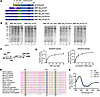 Figure 1
Mutant β3GalT6 proteins were purified at similar yields as the WT and display a loss of enzymatic activity without large structural protein alterations. (A) Schematic representation of the WT and mutant b3GalT6 proteins. The maltose-binding protein (MBP) is in purple. (B) Expression of WT and mutant MBP-ΔNter29-b3GalT proteins in E. coli. From left to right, cell lysates (L) before and after induction with IPTG, supernatant (S), and purified protein fraction (P). (C) Chemical structure of the synthetic phosphorylated acceptor substrate Gal-Xyl(2P)-OMN used in GT assays. (D) Michaelis-Menten kinetics of MBP-b3GalT6ΔNter29-WT toward the donor substrate UDP-Gal and the acceptor substrate Gal-Xyl(2P)-OMN. Data are expressed as mean ± SD (n = 3 protein batches in duplicate). (E) Multiple sequence alignment of the catalytic domain of WT β3GalT6 from different species. Protein sequences are from Homo sapiens (UniProtKB:Q96L58), Pan troglodytes (UniProtKB:H2PXT4), Macaca mulatta (UniProtKB:F7CX70), Canis familiaris (UniProtKB:Q257A0), Bos taurus (UniProtKB:F1MVH6), Mus musculus (UniProtKB:Q91Z92), Rattus norvegicus (UniProtKB:D3ZQC1), Gallus gallus (UniProtKB:A0A8V0ZK44), Danio rerio (UniProtKB:Q256Z7), Anopheles gambiae (NCBI:XP_319940.4), Caenorhabditis elegans (UniProtKB:Q9N491), Xenopus tropicalis (UniProtKB:Q5BL85), Drosophilia melanogaster (UniProtKB:A1Z7G9). Residues are coloured according to their physicochemical properties by the Clustal Omega software (68). The mutated residues are framed. (F) Far-UV CD spectra of MBP-b3GalT6ΔNter29-WT (black), MBP-b3GalT6ΔNter29-Y182C (blue), MBP-b3GalT6ΔNter29-D207H (green) and MBP-b3GalT6ΔNter29-G217S (red). Data are mean of 3 measurements per protein.
Since the structure of β3GalT6 is unresolved, molecular modeling was used to localize disease-associated mutations. AlphaFold predictions suggest an α/β/α-like organization characteristic of GTs with a GT-A fold (Figure 2A) (24), with 9 α-helices and 2 β-sheets: one with strands β1–β4 and β6–β8, and a second with β5 and β9 (Supplemental Figure 3, A and B). The positions of the disease-associated mutations (Y182C, D207H, and G217S) are shown in the 3D model, as well as the sequence alignment with β1,3-N-acetylglucosaminyltransferase 2 (B3GNT2) (Figure 2A and Supplemental Figure 3C). The G217 residue lies in the strand β7 buried in the active site, near the D×D motif (156DDD158), critical for Mn²+ coordination and UDP-Gal binding (25). Y182 is within β6, also buried in the active site, while D207 is located in a loop (G188-P211) at the periphery of the catalytic domain (Figure 2A).
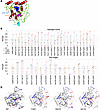 Figure 2
Structure prediction of the interaction network of WT and mutant β3GalT6. (A) AlphaFold model of β3GalT6. The 156DDD158 motif is shown as blue spheres; mutated residues Y182C, D207H, and G217S are in purple, turquoise, and orange, respectively. (B) H-bond (top) and salt bridge (bottom) strengths, shown as the percentage of conformations in which each interaction occurs for WT and mutants. (C) Interaction networks of WT and mutants. Key interacting residues are shown as magenta spheres and the 156DDD158 motif as a green line. Red and blue lines indicate H-bonds and salt bridges, respectively, with line thickness proportional to interaction frequency. Interacting residues are labeled on the WT model.
To assess the impact of these mutations on β3GalT6 dynamics, for each of the WT and three mutants (Y182C, D207H and G217S) we performed three replicates of 1 μs MD simulations, leading to a total of 12 μs simulation time. Analysis of hydrogen bonds (H-bonds) and salt bridges revealed interaction networks within the catalytic domain. Figure 2B (upper panel) shows H-bonds with greater than or equal to 40% strength variation in at least one system; salt bridges occurring in more than 40% of simulation time are shown in the lower panel. These interactions were mapped onto the protein structures (Figure 2C).
Comparison of WT and mutants revealed the consistent loss of a K193–D242 salt bridge in all 3 variants (Figure 2C). This salt bridge links the G188–P211 loop (between β6 (L181-S187) and β7 (Y212-S221)) and helix α8 (E241–L249), likely contributing to local structural stability and ligand interactions. Its loss may underlie the LOF phenotype induced by the pathogenic variants. Supporting this, residual fluctuations analysis (Supplemental Figure 4) showed the R191–D207 segment within the G188–P211 loop exhibited high fluctuations, with reduced amplitudes in the mutants relative to WT. These changes of dynamic behavior could critically alter β3GalT6 function.
Some interactions were mutation specific. Y182C and G217S showed slightly fewer interactions than WT, while D207H showed the least (Figure 2, B and C). Regarding the 156DDD158 motif, WT featured 2 salt bridges (K154–D156 and D158–K280) and 1 H-bond (D156–G216), which were retained in G217S and D207H but reduced or absent in Y182C. Overall, disruption of the K193–D242 critical salt bridge that stabilizes the G188-P211 flexible long loop and mutation-specific changes in interaction strength likely contribute to the LOF observed in the 3 variants. Further structural studies, including crystallization of WT β3GalT6, are needed to confirm these findings.
β3GalT6 LOF in patient fibroblasts and in B3GALT6-KO cells is partially compensated and depends on the cellular context. To investigate the striking effect of these mutations on the activity of purified β3GalT6, we used the B3GALT6-KO H7 clone as a KO model, for which the galactosyltransferase activity was very low and protein expression undetectable (Supplemental Figure 5B and Supplemental Figure 6A). After reexpression of the different enzymes in this model, we measured the activities toward Gal-Xyl(2P)-OMN using the cell lysates. Our results indicate that enzyme activity could only be detected in B3GALT6-KO cells expressing the WT form, whereas the mutant-expressing and H7-mock cells had similar enzymatic activities, just above the detection level (Figure 3A). Similarly, the enzyme activity in patient fibroblasts (P2, P3, and P5) was dramatically reduced and considered as residual activity (Supplemental Figure 7). We also confirmed that the protein expression of WT and β3GalT6 mutants was similar and that proteins were colocalized with the cis-Golgi marker GM130 (Supplemental Figure 6). Taken together, our data confirm that the 3 mutations cause a complete LOF of β3GalT6 in purified proteins and barely detectable enzyme activities in patient fibroblasts and mutant-expressing B3GALT6-KO cells.
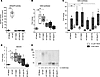 Figure 3
GAG synthesis is strongly reduced but not abolished in B3GALT6-KO H7. (A) In vitro β3GalT6 activities using total cell lysates. Data are presented as a box plot with the mean symbolized by an X (n = 3 independent experiments in triplicate). (B) Level of radiolabeled endogenous GAG chains in B3GALT6-KO cells expressing WT, mutant β3GalT6, and GlcAT-I. (C) Level of radiolabeled 4-MUX-primed GAG chains in B3GALT6-KO cells expressing WT, mutant β3GalT6, and GlcAT-I. (D) Level of radiolabeled decorin in cotransfected B3GALT6-KO cells. For B–D, data are presented as a box plot with the mean fold-change symbolized by a cross (n = 3 independent experiments in triplicate). All fold-changes were calculated by dividing the radioactivity level (dpm/ng of DNA) for each GT to the value obtained for H7-Mock cells. (E) Representative immunoblot of decorin in cotransfected B3GALT6-KO cells. CS/DS-Dec corresponds to the GAG-substituted decorin (n = 3 independent experiments); *P < 0.05; **P < 0.01; ***P < 0.001 (1-way ANOVA).
Previous analyses of CS/DS and HS in patient fibroblasts by us and others suggested that GAG synthesis was strongly impaired but still present (14–16) (Supplemental Table 1). To investigate this discrepancy, we analyzed the capacity of the B3GALT6-KO cells to synthesize GAGs after the reexpression of WT or β3GalT6 mutants. Figure 3B shows that the endogenous GAG synthesis was significantly increased in the H7-WT (4-fold), in the H7-Y182C (3-fold) cells compared with the H7-mock cells, indicating either a residual enzyme activity that couldn’t be detected in vitro previously and/or the existence of a compensation mechanism in cellulo. On the other hand, an endogenous and residual GAG synthesis was also observed in the cells expressing H7-D207H, H7-G217S, and GlcAT-I, but no significant increase was measured. Then, the exogenous xyloside 4-methylumbelliferyl-β-D-xylopyranoside (4-MUX) was used to initiate GAG synthesis via β4GalT7, the enzyme preceding β3GalT6 in the GAG synthesis. The results showed that the synthesis of the GAG chains primed by 4-MUX (2.5 μM) was significantly increased for the WT, the H7-182C, and the H7-GlcAT-I cells, which previously had the lowest endogenous GAG synthesis (Figure 3C). Our results demonstrate that the synthesis of GAG chains is increased in a dose-dependent manner in transfected B3GALT6-KO, including the H7-mock cells. However, the differences in GAG synthesis were no longer significant at the highest dose of 4-MUX.
To further analyze how B3GALT6 inactivation or mutations affect in cellulo CS/DS synthesis, we examined the level of radiolabeled decorin (Figure 3D) and its glycosylation by immunoblot (Figure 3E). In Figure 3D, the fold-changes in the level of radiolabeled decorin were consistent with the immunoblot analysis, where higher fold-changes were associated with GAG-substituted decorin. Immunoblot analysis of the decorin in H7-WT cells exhibited a major broad band (> 100 kDa), corresponding to the GAG-substituted PG and a faint signal (~ 50 kDa) corresponding to the unsubstituted core protein (Figure 3E). Consistent with the endogenous GAG synthesis and the level of radiolabeled decorin, the H7-Y182C cells exhibited a major band corresponding to the GAG-substituted decorin, which also appears to have longer GAG chains. In the H7-mock cells, the unmodified core-protein was the major band as well as in the H7-D207H and H7-G217S, although notably, the presence of a broad band of lower intensity was clearly seen for these mutants (Figure 3E). Consistent with Figure 3, B–D, small quantity of GAGs was detected in H7-GlcAT-I cells. However, GAG biosynthesis was restored in the presence of an excess of 4-MUX, suggesting that the compensation mechanism occurring in H7-GlcAT-I cells is likely dependent on the nature and availability of the acceptor substrate.
The radiolabeled GAG chains of decorin were also analyzed in electrophoretic gels (Supplemental Figure 8) and show that the H7-mock cells and those transiently expressing the different GT, are still able to initiate GAG synthesis onto the core protein of decorin to various degrees in cellulo despite the LOF observed in vitro. This suggests that the residual GAG synthesis is maintained via an alternative pathway and highlights the fine-tuning of this process, depending on the level of GTs expression and the availability and the nature of the acceptor substrate.
A plausible hypothesis is the formation of a noncanonical trisaccharide linker (GlcA-β1,3-Gal-β1,4-Xyl-β1) as an alternate primer for GAG synthesis, as reported in B3GALT6-deficient patient urine (26) and in a KO-zebrafish model (27). To confirm this, patient fibroblasts P2, P3 and P5 were transfected by a silencing RNA (siRNA) targeting B3GAT3 mRNA. Results show that, upon knockdown, the GAG-substitution of decorin was further reduced (Figure 4A). We next expressed and purified a truncated GlcAT-I and evaluated its activity towards the Gal-β1,3-Gal-β1,4-Xyl-β-O-7-methoxynaphthyle (Gal-Gal-Xyl-OMN) and Gal-β1,4-Xyl-β-O-7-methoxynaphthyle (Gal-Xyl-OMN) analogue substrates. Results in Figure 4B indicate that GlcAT-I was highly active towards the trisaccharide Gal-Gal-Xyl-OMN, which mimics the canonical linker. In addition, the enzyme exhibited a lower (about 5-times) but significant activity towards the disaccharide Gal-Xyl-OMN (1mM). Next, in vitro glycosylation assays were performed as shown in Figure 4C. The step-wise addition of the first 3 glycans, leading to the formation of a [Galβ1–3Galβ1–4Xyl]-peptide, resulted in slower migration due to the increased molecular mass (Figure 4D). In presence of GlcAT-I, the full native linker, [GlcAβ1–3Galβ1–3Galβ1–4Xyl] was produced, as observed by an increase in migration speed due to the addition of a negative charge. Interestingly, for reaction mix 6 (which was without β3GalT6), the partial conversion of the [Galβ1–4Xyl]-peptide by GlcAT-I was observed as an additional band on the gel. The identities of the reaction products were confirmed by MALDI-TOF analysis (Supplemental Figure 9). Taken together, our data demonstrate that GlcAT-I can produce a noncanonical trisaccharide linker from different acceptor substrates when β3GalT6 activity is defective, and it contributes to residual GAG synthesis in a pathological context.
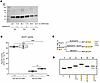 Figure 4
GlcAT-I is implicated in the synthesis of the noncanonical trisaccharide linkage region and contributes to residual GAG synthesis. (A) Representative immunoblot of endogenous decorin in spEDS patient fibroblasts following B3GAT3 silencing. CS/DS-Dec corresponds to the GAG-substituted decorin (n = 3 independent experiments). (B) In vitro activity of the recombinant purified GlcAT-I. Data are presented as box plot with the mean symbolized by an X (n = 3 assays, one triplicate per concentration) *P < 0.05; ***P < 0.001 (1-way ANOVA). (C) Diagram of enzymatic reaction steps to produce the native tetrasaccharide linker [GlcAβ1–3Galβ1–3Galβ1–4Xyl] (reaction 5) or the noncanonical trisaccharide [GlcA-3Galβ1-4Xyl] linker (reaction 6). Monosaccharide symbols follow the symbol nomenclature for Glycans system (69) (D) Stepwise glycan addition onto the peptide (P). Lane 1 contains the unmodified peptide (P) while lanes 2–6 contain reaction products as outlined in C. Lane 6 contains the [Galβ1–4Xyl]-peptide (blue asterisks) and the [GlcA-3Galβ1-4Xyl]-peptide products (purple asterisks).
Transcriptomics reveals dysregulated collagen maturation in fibroblasts from patients with spEDS. We next examined the global impact of B3GALT6 pathogenic variants on biological pathways. We performed a gene expression profiling of fibroblasts from patients P2 and P5 (homozygous for p.(D207H) and p(G217S), respectively), and P3 (harboring p.(D207H) and p.(A108Gfs*163) mutations) (Supplemental Table 1) versus 6 individuals who acted as controls. Comparison of transcriptomes from controls and patients with spEDS revealed 2 groups of dysregulated genes (differentially expressed genes (DEG), false discovery rate (FDR) < 0.1) with 11 genes reaching transcriptome-wide statistical significance (FDR < 0.05, in red dots, Figure 5A and Supplemental Table 3). Among them, LOXL1, LOXL2, LOX, and PLOD1, coding for Lysyl Oxidase Homolog 1, Lysyl Oxidase Homolog 2, Lysyl Oxidase, and procollagen-lysine 2-oxoglutarate 5-dioxygenase 1 (LH1), respectively, all involved in collagen maturation, exhibited higher expression in spEDS samples compared with controls. Using targeted quantitative PCR (qPCR), we showed a decreased expression of LOXL1 mRNA in fibroblasts from patient P2 while an increased expression of both LOXL1 and LOXL2 mRNA in fibroblasts from patients P3 and P5 (Supplemental Figure 10).
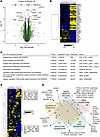 Figure 5
Transcriptome analysis of dermal fibroblasts from patients with spEDS reveals dysregulated collagen maturation and developmental pathways. (A) Volcano-plot displaying the most differentially expressed genes (DEG) between spEDS (B3GALT6) patient and control individual fibroblasts. Each dot represents a transcript probe set. X-axis, differential expressions (fold-changes); Y-axis, differential statistics (moderated t-tests). FC, fold-change; FDR, false discovery rate. (B) Hierarchical clustering heat map showing a signature of 52 significantly dysregulated transcripts between patients with spEDS (B3GALT6, n = 4 samples from 3 spEDS patients, including one replicate) and control individuals (n = 6 samples). Yellow, upregulated genes; blue, downregulated genes; black, median expression level. (C) Top functional annotations and affected pathways in patients with spEDS. (D) Hierarchical clustering heat map showing relative expression levels of 107 mRNAs representing the spondylodysplastic signature (as accessed from the OpenTargets database in July 2022). Yellow, upregulated genes; blue, downregulated genes; black, median expression level. (E) Venn diagram depicting the amount of DEG overlap and uniqueness between EDS transcriptome microarray experiments (human Affymetrix platform) performed from dermal fibroblasts. DEG list cutoffs: P < 0.005, with a maximum of 700 genes. See Methods for information on each transcriptome.
In addition, HOXC9, HOXC10, as well as TBX5, all coding for transcription factors playing wide roles in morphogenesis during development, were among the most up- and downregulated genes in spEDS fibroblasts. Further hierarchical clustering of the top DEG (FDR < 0.1) clearly delineated 2 clusters of strongly correlated gene expression profiles, with a majority of upregulated genes in patients who had B3GALT6-spEDS (Figure 5B). This set of dysregulated genes, including those highlighted in the volcano plot (Figure 5A), i.e., LOXL1, LOXL2, LOX, HOXC9, HOXC10, and TBX5, represents a specific transcriptomic signature for these patients with spEDS. Subsequent gene ontology (GO) and pathway analyses of DEG pointed out enriched biological processes relevant to collagen maturation and organization, such as peptidyl-lysine oxidation, collagen fibril organization, and peptidyl-lysine modification (Figure 5C and Supplemental Table 4). The GO analyses revealed a disturbance in the Rho signaling pathway, consistent with the role of Rho GTPases as key integrators of ECM signaling (28). This observation is relevant to the disturbed ECM assembly in patients with spEDS.
We also evaluated our results against a spEDS gene signature compiled from the literature and comprising 107 genes known to be associated with spEDS (from the OpenTargets platform, under EDS, spondylodysplastic type, score>0.02; https://platform.opentargets.org/). Hierarchical clustering performed with this gene set allowed the extraction of 2 different gene clusters, corresponding to a quarter of the public spEDS signature. Therefore, a specific spEDS profile (Figure 5D) could be refined from our study, allowing the identification of genes relevant in the pathogenesis of spEDS. From this analysis, COL12A1 was identified in the upregulated gene cluster, emphasizing the potential role of Col XII in matrix alteration.
We next compared our data to 4 other microarray transcriptomes from previous studies, including (a) 2 B3GALT6-deficient siblings (29), GSE58312), (b) a cohort of patients with joint hypermobility syndrome/EDS hypermobility type (JHS/EDS-HT) (30), PMID: 27518164, GSE77753), (c) a group with vascular EDS (vEDS) (31), PMID: 29346445, GSE102042), and (d) a cohort of patients suffering from classical EDS (cEDS) (32), PMID: 30716086, GSE117680), which carry distinct but overlapping symptoms with spEDS. Results present the DEG overlap and uniqueness between the 5 transcriptomes (Figure 5E). There were no genes common to the 5 studies, and only 11.2% (247 of 2,194) of genes overlapping between at least 2 experiments, indicating that each transcriptome is highly specific to the different subtypes of pathologies, concordant with the fact that they originate from separate molecular defects. Twelve genes were shared between our study and the one published by Ritelli et al. (29), which include patients carrying a p.(R256W) and the frameshift p.(I76Thrfs*202) mutations in β3GalT6. The 12 genes also included ARHGEF3 (involved in bone biology), HOXD10 and HOXD11 (limb development), CSRP2 (vascular system), NLGN1 and GRIK2 (nervous system), all involved in various aspects of the developmental process. In addition, SULF1, coding for Sulf1, is involved in HS-GAG chains maturation and was also dysregulated in JHS/EDS-HT, which may affect cell signaling, depending on heparin-binding growth factors. Altogether, our analysis reveals a transcriptomic signature specific for patients with B3GALT6-spEDS and suggests that collagen maturation is an essential dysregulated process along with several altered developmental pathways.
B3galt6-deficiency impairs Col XII GAG substitution and alters ECM structure and mechanical properties. We used the ATDC5 chondrogenic cell line as a 3D model of matrix synthesis to investigate the interplay between GAGs, collagens, and ECM defects (33, 34). Following B3galt6 invalidation, ATDC5 cells were grown in chondrogenic media to allow matrix synthesis, resulting in the formation of a coherent structure referred to as a “pseudotissue.” Guanidine extracts (corresponding to noncrosslinked ECM components, essentially PGs and glycoproteins) were prepared from this material. In Figure 6A, SDS-PAGE analysis of this fraction showed a reduced abundance of GAG chains from large PGs (mainly aggrecan, as previously identified by mass spectrometry [MS]) (33). Glycosylation of endogenous decorin was also barely detectable in the B3galt6-KO cells (Figure 6B). Similarly, the glycosylation of decorin in spEDS fibroblasts was dramatically reduced compared with control individuals (Figure 6C). It is noteworthy that the size of the remaining CS/DS chains was increased in patients P2 and P5, but not in P3.
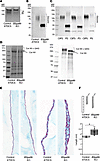 Figure 6
B3galt6 invalidation in ATDC5 cells reveals defective glycosylation of Col XII and matrix alterations. (A) Representative image of the large PGs (mostly aggrecan, Agg) using Alcian Blue staining (n = 3 pseudotissues). (B) Representative immunoblot of decorin in control and B3galt6-KO pseudotissues (n = 3 independent experiments). (C) Representative immunoblot of decorin in control and spEDS patient fibroblasts treated with ascorbic acid. CtP2, CtP3, and CtP5 are the respective controls for patients P2, P3, and P5 (n = 3 independent experiments). (D) Representative protein profile of guanidine extracts (left panel) and immunoblot analysis of Col XII in pseudotissues (right panel) (n = 3 pseudotissues). (E) Histological staining of pseudotissues with Alcian Blue. Images were obtained with optical microscope at 10× (left) and 60× (right) magnification. Images are representative of staining on 3 pseudotissues. (F) Illustration of gravity assay on pseudotissues (upper panel). Length of the pseudotissues (lower panel). Data are presented as box plot with the mean symbolized by an X (n = 3 independent experiments); *P < 0.05 (Student’s t test).
Analysis of the guanidine extracts from the pseudotissues revealed an additional band (> 250 kDa) in the B3galt6-KO cells (Figure 6D). The band was identified as the Col XII, also known as a PG, through MS analysis. Immunoblot analysis showed that the control ATDC5 cells expressed the GAG-substituted long form, visible as a smeary band more than 250 kDa, and possibly the short form (devoid of GAG-glycosylation sites) (Figure 6D). In B3galt6-KO cells, immunoblot analysis showed the presence of a sharp band corresponding to the long form of Col XII without GAG chain(s) and possibly the short form. It is noteworthy that analysis of the cyanogen bromide (CnBr) extracts that contain fibrillar and cross-linked collagens didn’t reveal obvious changes in the electrophoretic profile (Supplemental Figure 11).
Histological analyses show that the surface of the B3galt6-KO pseudotissue was irregular and contained a less coherent matrix, suggesting an alteration of ECM integrity upon gene KO (Figure 6E).
Gravity assays showed a significant increase in extensibility (~ 27%) of the B3galt6-KO pseudotissue compared with the control (Figure 6F), indicating a disturbed mechanical behavior. Overall, B3galt6 invalidation resulted in significant GAG defects, including Col XII, that could be associated with critical structural and mechanical disturbances of the ECM during spEDS.
Atomic Force Microscopy analyses reveal altered ECM biomechanical properties upon B3galt6-KO in ATDC5 cells. To assess the impact of impaired GAG-collagen interactions on the ECM, we performed atomic force microscopy (AFM) experiments on control and B3galt6-KO pseudotissues. Height and stiffness of the pseudotissues were assessed using nanoindentation (Figure 7). Spatial mapping of tissue height indicated that control pseudotissue exhibited lower values than B3galt6-KO, for which a higher range of values was observed. Concomitantly, stiffness mapping indicated that B3galt6-KO pseudotissues exhibited significantly higher Young’s moduli (median 13.95 kPa) than control (10.50 kPa), despite large variations within a same pseudotissue (Figure 7). Indeed, both pseudotissues presented heterogenous distribution of Young’s moduli with stiffer zones corresponding to higher heights, that probably correspond to cell nuclei. These observations are concordant with the composition of the pseudotissues, which consist of differentiated ATDC5 cells surrounded by fibrillar collagens and noncollagenous proteins, namely PGs and glycoproteins. Altogether, our data suggested that the B3galt6-KO pseudotissue presented large variations in Young’s moduli and higher tissue stiffness compared with control, due to the loss of PG-GAGs and subsequent changes in collagen microarchitecture due to their absence.
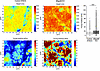 Figure 7
B3galt6 invalidation in ATDC5 cells reveal alterations in ECM nanomechanical properties. Representative maps of the height (in nm) and the Young’s modulus (in kPa) of control and B3galt6-KO pseudotissues. Distribution of Young’s moduli in control and B3galt6-KO pseudotissues (left panel). Data are presented as box plot with the mean symbolized by an X (measurements on at least 5 pseudotissues); ***P < 0.001 (Student’s t test).


