
Research ArticleImmunologyPulmonology
Open Access |  10.1172/jci.insight.197579
Single-cell dissection of chronic lung allograft dysfunction reveals convergent and distinct fibrotic mechanisms
Yuanqing Yan,1 Taisuke Kaihou,1 Emilia Lecuona,1 Xin Wu,1 Masahiko Shigemura,1 Haiying Sun,1 Chitaru Kurihara,1 Ruli Gao,2 Felix L. Nunez-Santana,1 G.R. Scott Budinger,3 and Ankit Bharat1
1Department of Surgery, Division of Thoracic Surgery;
2Department of Biochemistry and Molecular Genetics; and
3Department of Medicine, Division of Pulmonary and Critical Care Medicine, Feinberg School of Medicine, Northwestern University, Chicago, Illinois, USA.
Address correspondence to: Ankit Bharat, Northwestern University Feinberg School of Medicine, 676 N. Saint Clair, Chicago, Illinois 60611, USA. Phone: 312.926.7552; Email: Ankit.bharat@nm.org.
Find articles by
Yan, Y.
in:
PubMed
|
Google Scholar
|

1Department of Surgery, Division of Thoracic Surgery;
2Department of Biochemistry and Molecular Genetics; and
3Department of Medicine, Division of Pulmonary and Critical Care Medicine, Feinberg School of Medicine, Northwestern University, Chicago, Illinois, USA.
Address correspondence to: Ankit Bharat, Northwestern University Feinberg School of Medicine, 676 N. Saint Clair, Chicago, Illinois 60611, USA. Phone: 312.926.7552; Email: Ankit.bharat@nm.org.
Find articles by Kaihou, T. in: PubMed | Google Scholar
1Department of Surgery, Division of Thoracic Surgery;
2Department of Biochemistry and Molecular Genetics; and
3Department of Medicine, Division of Pulmonary and Critical Care Medicine, Feinberg School of Medicine, Northwestern University, Chicago, Illinois, USA.
Address correspondence to: Ankit Bharat, Northwestern University Feinberg School of Medicine, 676 N. Saint Clair, Chicago, Illinois 60611, USA. Phone: 312.926.7552; Email: Ankit.bharat@nm.org.
Find articles by
Lecuona, E.
in:
PubMed
|
Google Scholar
|
1Department of Surgery, Division of Thoracic Surgery;
2Department of Biochemistry and Molecular Genetics; and
3Department of Medicine, Division of Pulmonary and Critical Care Medicine, Feinberg School of Medicine, Northwestern University, Chicago, Illinois, USA.
Address correspondence to: Ankit Bharat, Northwestern University Feinberg School of Medicine, 676 N. Saint Clair, Chicago, Illinois 60611, USA. Phone: 312.926.7552; Email: Ankit.bharat@nm.org.
Find articles by Wu, X. in: PubMed | Google Scholar
1Department of Surgery, Division of Thoracic Surgery;
2Department of Biochemistry and Molecular Genetics; and
3Department of Medicine, Division of Pulmonary and Critical Care Medicine, Feinberg School of Medicine, Northwestern University, Chicago, Illinois, USA.
Address correspondence to: Ankit Bharat, Northwestern University Feinberg School of Medicine, 676 N. Saint Clair, Chicago, Illinois 60611, USA. Phone: 312.926.7552; Email: Ankit.bharat@nm.org.
Find articles by
Shigemura, M.
in:
PubMed
|
Google Scholar
|
1Department of Surgery, Division of Thoracic Surgery;
2Department of Biochemistry and Molecular Genetics; and
3Department of Medicine, Division of Pulmonary and Critical Care Medicine, Feinberg School of Medicine, Northwestern University, Chicago, Illinois, USA.
Address correspondence to: Ankit Bharat, Northwestern University Feinberg School of Medicine, 676 N. Saint Clair, Chicago, Illinois 60611, USA. Phone: 312.926.7552; Email: Ankit.bharat@nm.org.
Find articles by Sun, H. in: PubMed | Google Scholar
1Department of Surgery, Division of Thoracic Surgery;
2Department of Biochemistry and Molecular Genetics; and
3Department of Medicine, Division of Pulmonary and Critical Care Medicine, Feinberg School of Medicine, Northwestern University, Chicago, Illinois, USA.
Address correspondence to: Ankit Bharat, Northwestern University Feinberg School of Medicine, 676 N. Saint Clair, Chicago, Illinois 60611, USA. Phone: 312.926.7552; Email: Ankit.bharat@nm.org.
Find articles by Kurihara, C. in: PubMed | Google Scholar
1Department of Surgery, Division of Thoracic Surgery;
2Department of Biochemistry and Molecular Genetics; and
3Department of Medicine, Division of Pulmonary and Critical Care Medicine, Feinberg School of Medicine, Northwestern University, Chicago, Illinois, USA.
Address correspondence to: Ankit Bharat, Northwestern University Feinberg School of Medicine, 676 N. Saint Clair, Chicago, Illinois 60611, USA. Phone: 312.926.7552; Email: Ankit.bharat@nm.org.
Find articles by Gao, R. in: PubMed | Google Scholar
1Department of Surgery, Division of Thoracic Surgery;
2Department of Biochemistry and Molecular Genetics; and
3Department of Medicine, Division of Pulmonary and Critical Care Medicine, Feinberg School of Medicine, Northwestern University, Chicago, Illinois, USA.
Address correspondence to: Ankit Bharat, Northwestern University Feinberg School of Medicine, 676 N. Saint Clair, Chicago, Illinois 60611, USA. Phone: 312.926.7552; Email: Ankit.bharat@nm.org.
Find articles by
Nunez-Santana, F.
in:
PubMed
|
Google Scholar
|
1Department of Surgery, Division of Thoracic Surgery;
2Department of Biochemistry and Molecular Genetics; and
3Department of Medicine, Division of Pulmonary and Critical Care Medicine, Feinberg School of Medicine, Northwestern University, Chicago, Illinois, USA.
Address correspondence to: Ankit Bharat, Northwestern University Feinberg School of Medicine, 676 N. Saint Clair, Chicago, Illinois 60611, USA. Phone: 312.926.7552; Email: Ankit.bharat@nm.org.
Find articles by
Budinger, G.
in:
PubMed
|
Google Scholar
|
1Department of Surgery, Division of Thoracic Surgery;
2Department of Biochemistry and Molecular Genetics; and
3Department of Medicine, Division of Pulmonary and Critical Care Medicine, Feinberg School of Medicine, Northwestern University, Chicago, Illinois, USA.
Address correspondence to: Ankit Bharat, Northwestern University Feinberg School of Medicine, 676 N. Saint Clair, Chicago, Illinois 60611, USA. Phone: 312.926.7552; Email: Ankit.bharat@nm.org.
Find articles by Bharat, A. in: PubMed | Google Scholar
Published October 22, 2025 - More info
JCI Insight. 2025;10(20):e197579. https://doi.org/10.1172/jci.insight.197579.
© 2025 Yan et al. This work is licensed under the Creative Commons Attribution 4.0 International License. To view a copy of this license, visit http://creativecommons.org/licenses/by/4.0/.

-
Results
Assembly of CLAD transcriptomic datasets with comparative fibrotic lung disease cohorts
To comprehensively characterize CLAD at the molecular level, we first assembled single-cell transcriptomic datasets from CLAD lungs and integrated these with comparative datasets from other fibrotic lung diseases. Given the scarcity of CLAD tissue, we generated single-cell RNA-Seq (scRNA-Seq) data from 4 CLAD explants obtained at retransplantation at Northwestern University (NU), including 3 cases of bronchiolitis obliterans syndrome (BOS) and 1 of restrictive allograft syndrome (RAS). All diagnoses were confirmed by pulmonary pathologist examination. We supplemented our CLAD cohort with previously published CLAD single-cell data from Khatri et al. (13), yielding 8 total CLAD samples for analysis.
To compare CLAD-specific molecular features with the broader fibrotic mechanisms, we developed SingleGEO, a computational toolkit for systematic identification of publicly available single-cell transcriptomic datasets (Supplemental Figure 1; supplemental material available online with this article; https://doi.org/10.1172/jci.insight.197579DS1). Using keywords related to pulmonary fibrosis, we identified 13 relevant studies encompassing IPF (5, 7, 14–18), non-IPF interstitial lung disease (ILD) (7, 16, 17, 19), COPD (5), ILD (7, 16, 17, 19), hypersensitivity pneumonitis (HP) (7, 17), nonspecific interstitial pneumonia (NSIP) (7), scleroderma (SCD) (15), and sarcoidosis (7) (Supplemental Figure 2A and Supporting Data Values). We additionally included COVID-19–associated fibrosis datasets (6, 18, 20–22), given the contemporary relevance and severe fibrotic phenotype, and generated single-nucleus RNA-Seq (snRNA-Seq) data from 3 COVID-19 explants obtained at transplantation from patients with fibroproliferative acute respiratory distress syndrome (6, 18, 20–22) (Supporting Data Values).
Our integrated analysis encompassed 1,576,567 cells total, including 141,734 newly generated cells from our CLAD and COVID-19 datasets. To validate spatial distribution of key cellular interactions identified in CLAD, we performed image-based spatial transcriptomics using the Xenium platform on formalin-fixed, paraffin-embedded lung samples from 3 patients with IPF, selected as a comparator given the shared fibrotic pathways between CLAD and IPF. This comprehensive dataset enabled systematic comparison of CLAD-specific versus conserved fibrotic mechanisms across multiple disease etiologies.
Data integration and technical optimization for CLAD transcriptomic analysis
To enable robust molecular characterization of CLAD, we first addressed critical technical challenges in integrating diverse single-cell datasets. We performed data integration using scvi-tools (23), employing the Leiden clustering approach for cell identification (Supplemental Figure 2, A–D). Integration quality metrics confirmed successful batch effect removal (silhouette score: 0.72) while preserving biological variation (normalized mutual information: 0.79) (24), essential for distinguishing CLAD-specific signals from technical artifacts. We verified unbiased cell distribution across datasets and appropriate segregation into distinct populations (Supplemental Figure 2, E–G).
Cell type annotation was performed using established markers (5, 7, 25–28) and validated against the Human Lung Atlas using CellTypist (27, 29, 30), achieving high concordance (Figure 1A, Supplemental Figure 3, Supplemental Figure 4A, and Supporting Data Values). Cell abundance hierarchies aligned with expected lung composition across all datasets, with AMs consistently representing the predominant immune population (Figure 1B and Supporting Data Values). Notably, we observed method-dependent recovery biases, with scRNA-Seq detecting higher AM proportions than snRNA-Seq (Supplemental Figure 4B), a critical consideration given our CLAD samples were processed using scRNA-Seq.
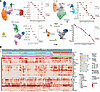 Figure 1
Integrated object of single-cell transcriptome from multiple datasets. (A) Uniform manifold approximation and projection (UMAP) plot displaying cell types, accompanied by a dot plot showing the expression levels of key marker genes. The expression level was z-score–transformed. AMs, alveolar macrophages; IM, interstitial macrophages; MoM, monocyte-derived macrophages. (B) Heatmap of cell type proportions across samples, where each row represents a cell type, and each column represents a sample. Diff_Ciliated, differentiating ciliated; PNEC_Ionocyte, pulmonary neuroendocrine cells and ionocyte; ASM, airway smooth muscle; VSM, vascular smooth muscle; FibM, fibromyocyte; LipF, lipofibroblast; PC_NAF, perichondrial or nerve-associated fibroblast; Cap, general capillary endothelial cells; Cap-a, capillary aerocyte; NCM, nonclassical monocytes; Act_NK, activated NK; pDC, plasmacytoid dendritic cells; Prolif.Imm, proliferative immune cells.
Given the limited CLAD sample availability, maximizing data quality through rigorous technical assessment was paramount. We systematically evaluated multiple sources of technical variation that could confound CLAD-specific molecular signatures (Supplemental Figure 5). These included genome reference versions (outdated gene symbols like SEPP1 versus SELENOP; Supplemental Figure 5A and Supplemental Figure 6, A and B), sequencing methods (scRNA-Seq versus snRNA-Seq, showing distinct transcriptomic profiles even in identical samples; Supplemental Figure 5B and Supplemental Figure 6, C and D), single-cell chemistry platforms (3′V2 versus 5′, identifying 274 chemistry-biased genes; Supplemental Figure 5C and Supplemental Figure 6, E and F), and data processing pipelines (revealing clear batch effects in pseudo-bulk analyses; Supplemental Figure 5D and Supplemental Figure 6G).
Understanding these technical factors was essential for accurate interpretation of CLAD-specific findings. For instance, the enrichment of cytoplasmic genes in scRNA-Seq versus nuclear genes in snRNA-Seq could artifactually influence pathway analyses. Similarly, chemistry-specific biases in genes like SFTPC (5′ chemistry) or MALAT1 (3′V2 chemistry) required careful consideration when comparing CLAD samples with datasets using different platforms. By comprehensively characterizing these technical variables, we established a framework for distinguishing true CLAD-associated molecular features from technical artifacts, enabling reliable identification of disease-specific signatures despite the heterogeneous nature of the integrated datasets.
Molecular signatures distinguishing CLAD from conserved fibrotic pathways
To identify molecular mechanisms specific to CLAD versus those shared across fibrotic lung diseases, we implemented rigorous batch correction to account for technical variation between datasets. Given the limited CLAD sample size, distinguishing true biological signals from technical artifacts was critical. We employed a pseudo-bulk approach with offsets, which effectively controls FDRs while maintaining statistical power comparable to generalized linear mixed models (31, 32), essential for analyzing our previous CLAD samples (Supplemental Figure 7A). We excluded datasets incompatible with CLAD analysis, such as Sun et al. (16), which used transplant rejection lungs as controls. After filtering, 37 cell types had sufficient representation for CLAD-comparative analysis.
We benchmarked 4 batch correction methods using AT2 cells, selecting ComBat-seq package for optimal performance with small sample sizes, which was crucial given our 8 CLAD samples (Supplemental Figure 7B). Validation against FACS-sorted AT2 cells from IPF verified high concordance in differential gene expression, supporting our methodology’s reliability for CLAD analysis (Supplemental Figure 8).
Applying this framework to CLAD samples revealed both unique and shared molecular features across 37 cell types. In CLAD AT2 cells, we identified 6 genes commonly upregulated across all fibrotic diseases, including defense response and programmed cell death pathways, suggesting these represent core fibrotic mechanisms rather than CLAD-specific alterations (Figure 2A and Supporting Data Values). CLAD also showed shared immune patterns: MoMs upregulated SLAMF6 and TNFSF13B, genes critical for mononuclear cell differentiation and immune regulation; IMs expressed VAMP5 and TNFSF13B; and AMs overproduced ANKRD22 and CTSG.
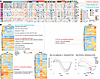 Figure 2
Shared molecular signature between CLAD and other disease etiologies. (A) Heatmap showing the expression levels of common genes across different cell types, with z-score–transformed values. Missing data are represented in gray. (B) Heatmap of commonly up- and downregulated Reactome pathways across the 5 disease etiologies. snRNA, single-nucleus RNA.
Gene set enrichment analysis revealed both shared and distinct pathway activation patterns in CLAD compared with other fibrotic diseases (Figure 2B). In AT2 cells, CLAD shared upregulation of collagen formation and ECM proteoglycan pathways with other fibrotic conditions. Similarly, NCMs and AMs exhibited common enrichment of interferon signaling and immunoregulatory interaction pathways, respectively, highlighting conserved immune programs across fibrotic lung diseases. By contrast, CLAD displayed unique immune features: Neutrophil degranulation was substantially upregulated in CLAD (along with IPF and non-IPF ILD) but downregulated in COPD and COVID-19, suggesting distinct inflammatory mechanisms in allograft dysfunction. These results indicate that while CLAD shares both fibrotic and immune pathways with other conditions, it also harbors disease-specific immune alterations that could represent therapeutic targets unique to allograft dysfunction.
CLAD-specific transcriptional signatures and comparative disease profiling
To identify molecular signatures unique to CLAD, we performed comprehensive transcriptional profiling using disease-unique gene (DUG) identification and pairwise comparisons across cell types. Despite rigorous analysis across 37 cell types, we did not detect significantly upregulated DUGs specific to CLAD (Figure 3A and Supporting Data Values). This may suggest that CLAD pathogenesis may involve dysregulation of shared fibrotic pathways rather than entirely unique molecular programs.
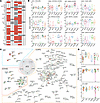 Figure 3
Transcriptomic divergence across disease etiologies. (A) Heatmap illustrating the number of differentially upregulated DUGs identified in each disease state, categorized by cell type. NA indicates that no analysis was performed due to insufficient sample size. (B) Box plots depicting the expression levels of selected DUGs across epithelial (AT2), endothelial, stromal (AlvF and AdvF), and immune (CD4T) compartments. Each dot represents an individual, with colors indicating the same dataset. Box plots show the interquartile range, median (line), and minimum and maximum (whiskers). CPM, counts per million. (C) Protein-protein interaction (PPI) network for DUGs in AT2 cells across IPF, COVID-19, and COPD. Genes involved in KRAS signaling in IPF are highlighted in red, genes in the G2M checkpoint pathway in COVID-19 in green, and genes in the allograft rejection pathway in COPD in orange. Genes without interactions or not part of signaling pathways are excluded. (D) Violin plot comparing expression levels of 3 representative genes across disease etiologies in pairwise comparisons. Violin plots show the full distribution of the data, with the width representing the density of values.
To contextualize CLAD within the broader fibrotic landscape, we characterized DUGs in comparator diseases. IPF showed CTSK overexpression in AT2 cells, COPD exhibited NLRP3 activation, and COVID-19 displayed viral defense gene SAMD9 upregulation (Figure 3B). These disease-specific signatures highlight distinct pathogenic mechanisms absent in CLAD, suggesting that allograft dysfunction may operate through different molecular pathways. Notably, protein-protein interaction (PPI) analysis revealed that COPD unexpectedly showed significant upregulation of allograft rejection gene sets (q value = 0.018), despite not involving transplantation, indicating potential shared immunological mechanisms with CLAD (Figure 3C and Supplemental Figure 9).
Given the absence of CLAD-specific DUGs, we employed pairwise comparisons to identify genes differentially expressed in CLAD relative to other diseases. Focusing on MoMs, critical mediators of fibrosis (33), we identified several CLAD-associated alterations (Supporting Data Values). CSTB, a cysteine protease inhibitor implicated in inflammation, was significantly upregulated in CLAD compared with controls and showed distinct expression patterns when compared with COPD (Figure 3D). Importantly, PLA2G7, encoding a phospholipase involved in inflammatory signaling, was significantly elevated in CLAD, with expression levels comparable to IPF but substantially higher than COPD. LGALS3BP, a galectin-binding protein involved in immune modulation, showed significantly higher expression in CLAD than IPF, suggesting enhanced immune activation in the allograft environment.
These pairwise comparisons reveal that while CLAD may not exhibit entirely unique gene programs, it displays distinctive expression patterns of immune and inflammatory mediators that differentiate it from other fibrotic diseases. The combination of elevated CSTB, PLA2G7, and LGALS3BP in CLAD MoM cells suggests a specific inflammatory-fibrotic signature in allograft dysfunction. These findings indicate that CLAD therapeutic strategies might benefit from targeting these differentially expressed inflammatory mediators, rather than searching for entirely novel pathways, and support the potential repurposing of existing antiinflammatory agents for CLAD treatment.
Defining pathogenic signatures of KRT17+KRT5– cells in CLAD
To understand aberrant epithelial responses in CLAD, we characterized keratin 17–positive, keratin 5–negative (KRT17+KRT5–) cells, which represent pathogenic epithelial cells previously identified in fibrotic lungs (5–7) but not yet examined in the transplant context. These cells, known to localize to fibrotic niches (8, 10, 34), may represent a common pathogenic mechanism linking CLAD to other fibrotic diseases. Importantly, by incorporating CLAD samples into our analysis, we could determine whether these cells emerge in the unique immunological environment of lung allografts and identify their potential contribution to CLAD pathogenesis.
Leveraging our integrated dataset with CLAD samples, we defined a refined 360-gene core signature for KRT17+KRT5– cells using pseudo-bulk RNA-Seq with rigorous batch correction (Figure 4A, Supporting Data Values, and Supplemental Figure 10A). The inclusion of CLAD data was critical for ensuring this signature captured features relevant to allograft dysfunction, not just native lung fibrosis. Top differentially expressed genes included CDH2, CPA6, CAPN6, and SPINK1, alongside established fibrosis mediators COL1A1 and PDGFA. Epithelial-mesenchymal transition (EMT) emerged as the most enriched pathway (Supplemental Figure 10B), suggesting these cells undergo phenotypic transformation relevant to CLAD’s fibrotic remodeling. Pathway analysis revealed enrichment for collagen formation, ECM organization, and multiple cell-cell communication networks, processes central to CLAD pathogenesis.
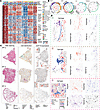 Figure 4
Core gene signature of KRT17+KRT5– cells regardless of disease states and technical effects. (A) Heatmap of the expression levels of 360 core genes across different epithelial cell types, with selected gene symbols labeled. The average expression per gene was calculated for each sample from the normalized data matrix and further normalized per row, scaling the expression range between 0 and 1. Each column represents an individual sample. (B) Circle plot illustrating significant ligand-receptor pairs involved in PDGF, GDF, IL-4, and TWEAK signaling across diseases. Significant ligand-receptor interactions are connected by lines for each disease. (C) H&E staining and spatial distribution of cell types in 3 IPF lung samples. (D) Spatial niches enriched by KRT17+KRT5–cells, along with the expression of ligand-receptor pairs activated by these cells. The cellular composition varied across niches: niche1 contained 56 KRT17+KRT5– cells, 59 MyoF cells, and 39 Macrophages; niche2 contained 218 KRT17+KRT5– cells, 105 MyoF cells, and 12 Macrophages; and niche3 contained 172 KRT17+KRT5– cells, 393 MyoF cells, and 195 Macrophages.
Analysis of KRT17+KRT5– cell interactions revealed signaling mechanisms potentially targetable in CLAD. While our CLAD cohort size limited direct cell-cell interaction analysis, the conserved signaling pathways identified across IPF, non-IPF ILD, and COVID-19 provide insights into likely CLAD mechanisms (Supplemental Figure 10, C–E). KRT17+KRT5– cells consistently activated pro-fibrotic pathways (PDGF, TGF-β, GDF) and immune-regulatory signals (IL-4), both critical in CLAD progression. The PDGF pathway, with KRT17+KRT5– cells overexpressing PDGFA, PDGFB, and PDGFD, represents a particularly attractive target given existing FDA-approved PDGFR inhibitors like nintedanib (Figure 4B). Similarly, GDF15 overexpression and CSF2-mediated signaling suggest additional therapeutic avenues for CLAD.
Spatial transcriptomic validation in IPF lungs, selected as a CLAD surrogate given shared fibrotic mechanisms, verified KRT17+KRT5– cells cluster within fibrotic foci with enriched myofibroblast and immune cell populations (Figure 4, C and D, and Supplemental Figure 11). The localized PDGFA/PDGFRA signaling to adjacent myofibroblasts and TNFRSF12A-mediated immune crosstalk demonstrate these cells orchestrate local fibrotic niches through paracrine signaling. These spatial relationships likely occur similarly in CLAD lungs, where KRT17+KRT5– cells could contribute to both airway-centered fibrosis (BOS phenotype) and parenchymal scarring (RAS phenotype).
The identification of KRT17+KRT5– cells sharing core signatures across CLAD and other fibrotic diseases has important therapeutic implications. Rather than requiring entirely novel treatments, patients with CLAD might benefit from existing antifibrotic strategies targeting these cells, such as PDGFR inhibition or anti-EMT approaches. Our findings suggest KRT17+KRT5– cells represent a convergent pathogenic mechanism in lung fibrosis, making them attractive therapeutic targets for CLAD, where treatment options remain severely limited.
Molecular dissection of CLAD pathogenesis at single-cell resolution
Donor-recipient chimerism reveals potentially unique CLAD cellular architecture. To elucidate CLAD pathogenesis, we performed comprehensive single-cell analysis of end-stage CLAD lungs obtained at retransplantation, representing a rare opportunity given that fewer than 3% of patients with CLAD undergo retransplantation. By leveraging genetic variant calling to distinguish donor from recipient cells, we uncovered the chimeric cellular landscape unique to transplanted lungs (Figure 5A and Supporting Data Values).
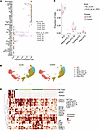 Figure 5
Single-cell transcriptomic landscape of epithelial cells in CLAD. (A) Box plot of the proportion of recipient cells for each cell type. (B) UMAP visualization of different subsets of alveolar epithelial cells between CLAD and control groups. (C) Box plot of the relative abundance of each AT2 subset within individual samples. Box plots show the interquartile range, median (line), and minimum and maximum (whiskers). (D) Heatmap illustrating the normalized gene expression of top 10 marker genes for each AT2 subset. Normalization was performed within each individual to a 0–1 range. Marker genes were selected based on differential expression analysis of scRNA-Seq data using FindAllMarkers in Seurat with an adjusted P value cutoff of 0.05.
The pattern of chimerism revealed fundamental insights into CLAD pathobiology. While epithelial and endothelial compartments remained predominantly donor derived, preserving allograft structure, the stromal compartment (AdvF, LipF, PB-Fibro) exhibited extensive recipient infiltration. Most strikingly, immune cells were overwhelmingly recipient derived, except for residual donor plasma cells. This architecture with donor structural cells surrounded by recipient immune and stromal cells creates a unique pathogenic microenvironment absent in native lung fibrosis.
CLAD-specific epithelial reprogramming links coagulation to fibrosis. Analysis of the epithelial compartment identified 3 AT2 subsets emerging specifically in CLAD (Figure 5, B–D, and Supplemental Figure 12). Most notably, Fibro.AT2 cells, characterized by massive upregulation of coagulation cascade genes (FGG, FGA, HP), appeared consistently across all CLAD samples. While present in other fibrotic diseases, their universal presence in CLAD suggests coagulation dysregulation as a core pathogenic mechanism in allograft dysfunction.
Two sex-specific subsets, Attrac.AT2_M (male, DDX3Y+) and Attrac.AT2_F (female, XIST+), exhibited distinct chemokine profiles driving immune recruitment, with maximal enrichment for allograft rejection pathways (Supplemental Figure 12, B–E). This sex-specific epithelial response may explain reported sex disparities in transplant outcomes and suggests personalized therapeutic approaches based on donor-recipient sex matching.
Recipient cells drive inflammatory amplification across compartments. Comparative analysis of donor versus recipient cells within identical cell types revealed fundamental differences in inflammatory activation. Recipient-derived bronchial endothelial cells — unexpectedly present in CLAD samples — showed dramatic upregulation of monocyte activation, T cell differentiation, and chemokine signaling compared with donor endothelium (Figure 6, A and B, and Supplemental Figure 13). This challenges the paradigm that endothelial rejection targets only donor cells.
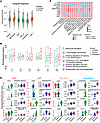 Figure 6
Single-cell transcriptomic landscape of endothelial and stromal cells in CLAD. (A) Violin plot of allograft rejection scores among different endothelial cell types. Violin plots show the full distribution of the data, with the width representing the density of values. Adjusted P value was obtained from the Wilcoxon rank-sum test for the comparison between CLAD and control. (B) Box plot of biological process scores in bronchial endothelial cells of scRNA-Seq data, distinguishing donor and recipient cells. Box plots show the interquartile range, median (line), and minimum and maximum (whiskers). A linear mixed effects model was fitted using the lmerTest package in R, with different datasets treated as a random effect. Pairwise comparisons were conducted using Tukey’s post hoc analysis. Biological processes with an adjusted P < 0.05 were considered statistically significant. (C) Dot plot of enrichment scores for different pathways across various stromal cells. The pink background indicates higher scores in the CLAD group, while the light blue background indicates higher scores in the control group. Dot size is proportional to the absolute coefficient value from the linear regression, and filled dot color corresponds to different FDR values. (D) Violin plot of significant genes and pathways between donor and recipient cells across different stromal cell types. The selected genes were the significant ones with FDR < 0.05 calculated from differential expression analysis of scRNA-Seq data using FindAllMarkers in Seurat. For the pathway comparison between 3 groups, the Kruskal-Wallis analysis followed by pairwise Wilcoxon rank-sum tests at cell level was performed. The Benjamini-Hochberg (BH) method was used for P value adjustment, and pathways with FDR < 0.05 were selected for plotting.
Within stromal compartments, recipient-derived fibroblasts exhibited a hyperactivated phenotype with enhanced expression of IFI27 (immune response), TWIST1 (EMT), TFPI2 (coagulation), and COL1A1 (fibrosis) compared with donor fibroblasts (Figure 6, C and D). These recipient stromal cells showed the strongest allograft rejection signatures, positioning them as active mediators rather than bystanders in CLAD progression.
Exhausted T cells define CLAD-specific adaptive immunity. Among lymphoid populations, exhausted CD8+ T cells emerged as a defining feature of CLAD, consistently enriched across all samples (Figure 7, A–C, and Supplemental Figure 14A). These cells uniquely coexpressed exhaustion markers (HAVCR2, LAG3, PD1) alongside active cytotoxic programs (TNFRSF9, GZMK, GZMH), validated by immunofluorescence (Supplemental Figure 14, B–D, and Supplemental Figure 15).
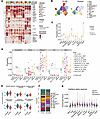 Figure 7
Single-cell transcriptomic landscape of lymphoid cells in CLAD. (A) Heatmap of gene expression across T cell subtypes. The average expression per gene was calculated for each individual and further normalized within each row to a 0–1 range. (B) UMAP visualization of T cell subtypes, separated by CLAD and control groups. (C) Box plot showing the proportion of different T cell subtypes. Box plots show the interquartile range, median (line), and minimum and maximum (whiskers). (D) Box plot showing the proportion of each CD8+ T cell subtype per sample across multiple diseases. (E) Violin plot of pathway enrichment scores comparing CLAD and COVID-19 in exhausted CD8+ T cells. Violin plots show the full distribution of the data, with the width representing the density of values. (F) Stacked bar chart illustrating the distribution of T cell subtypes within donor and recipient cell groups. (G) Violin plot comparing IFN-α response scores across T cell subtypes in donor and recipient cells: Trm (tissue-resident memory T cells), TEM (effector memory T cells), TCM (central memory T cells), γδT (gamma delta T cells), Reg.T (regulatory T cells), Effector.T (effector CD8+ T cells), MAIT (mucosal-associated invariant T cells), Temra (terminally differentiated effector memory T cells). For comparisons between 2 groups, the Wilcoxon test was used. For comparisons involving more than 2 groups, the Kruskal-Wallis test was followed by pairwise Wilcoxon rank-sum tests. P values were adjusted using the BH method, and FDR < 0.05 was considered statistically significant.
Exhausted T cells appeared exclusively in CLAD and COVID-19 among all fibrotic diseases analyzed but with distinct functional profiles (Figure 7D). CLAD Exhausted.T cells showed maximal allograft rejection and interferon responses, whereas COVID-19 cells exhibited oxidative phosphorylation and TNF-α activation (Figure 7E). This CLAD-specific exhaustion signature likely reflects chronic alloantigen exposure unique to transplantation.
Remarkably, donor-derived T cells — passenger lymphocytes persisting in allografts — maintained significantly higher interferon responses than recipient T cells (Figure 7, F and G), suggesting sustained activation despite being outnumbered, potentially perpetuating allograft injury.
Superactivated macrophages orchestrate CLAD inflammation. Within myeloid compartments, we identified superactivated macrophages (Super.Macro) as a distinct population enriched in CLAD, expressing SLAMF7, a marker of extreme activation (35) (Figure 8, A and B). These cells exhibited unprecedented upregulation of immunoregulatory genes (IDO1, CALHM6, VAMP5) and chemokines (CXCL9, CXCL10, CXCL11), creating the pro-inflammatory milieu characteristic of CLAD (Figure 8B).
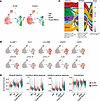 Figure 8
Single-cell transcriptomic landscape of myeloid cells in CLAD. (A) UMAP visualization of macrophage subsets, separated by CLAD and control groups. Arrow shows where the cell type is. (B) Feature plot highlighting the overexpression of key genes in the Super.Macro subset. (C) Alluvial plot illustrating the proportion of Super.Macro within the IM and MoM populations per sample across different fibrotic disease types. Only scRNA-Seq datasets were included in this analysis, excluding Adam et al. 2020 due to differences in data processing pipelines. (D) Violin plot of pathway enrichment scores across different macrophage subsets.
While Super.Macro cells appeared in other fibrotic diseases, their abundance and activation profile peaked in CLAD with maximal allograft rejection pathway enrichment (Figure 8, C and D). Classical monocytes in CLAD showed complement activation and adhesion programs, while NCMs exhibited apoptotic signatures, revealing compartment-specific myeloid dysfunction (Supplemental Figure 16).
Donor-recipient crosstalk creates pathogenic signaling circuits. Cell interaction analysis revealed an unexpected signaling hierarchy unique to CLAD’s chimeric environment (Figure 9). Donor adventitial fibroblasts emerged as major regulators, sending signals to CLAD-specific populations (Fibro.AT2, KRT17+KRT5– cells) via the HGF-MET pathway, positioning donor stroma as active participants in allograft dysfunction rather than passive victims.
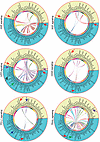 Figure 9
Donor-recipient crosstalk in CLAD. Circle plot depicting the signal flow of cell-cell interactions in CLAD, distinguishing donor from recipient cells.
Critical pathogenic circuits included (a) Exhausted.T cells regulating CD4+ T cells through OX40, perpetuating T cell dysfunction; (b) Super.Macro cells targeting epithelium via TRAIL, linking inflammation to epithelial injury; and (c) failed immune checkpoints through programmed cell death ligand 1/programmed cell death 1 (PD-L1/PD-1) interactions between Attrac.AT2 and Exhausted.T cells (Supplemental Figure 17). These donor-recipient signaling networks, impossible in native lung diseases, define CLAD as a disease of cellular miscommunication with specific therapeutic targets (HGF-MET, TRAIL, PD-L1/PD-1) for interrupting progression.


