
Research ArticleImmunologyNephrology
Open Access |  10.1172/jci.insight.194570
NaCl and urea modulate CD8+ T cell survival, renal accumulation, and response to BK virus
Peyman Falahat,1 Adrian Goldspink,1 Lucia Oehler,2 Jessica Schmitz,3 Julia Miranda,1 Islem Gammoudi,4 Jan Hinrich Bräsen,3 Niklas Klümper,5 Olena Babyak,6 Christian Kurts,6 Herrmann Haller,2 Marieta Toma,7 and Sibylle von Vietinghoff1,2
1Nephrology Section, Medical Clinic I, University Hospital Bonn, Rheinische Friedrich-Wilhelms Universität, Bonn, Germany.
2Division of Nephrology and Hypertension, Department of Internal Medicine, and
3Nephropathology Unit, Institute for Pathology, Hannover Medical School, Hannover, Germany.
4Hepatology Section, Medical Clinic I, University Hospital Bonn;
5Department of Urology;
6Institute of Molecular Medicine and Experimental Immunology, University Hospital Bonn; and
7Institute for Pathology, University Hospital Bonn, Rheinische Friedrich-Wilhelms Universität, Bonn, Germany.
Address correspondence to: Sibylle von Vietinghoff, Nephrology Section, Medical Clinic I, University Hospital Bonn, Venusberg Campus 1, D-53127 Bonn, Germany. Phone: 49.0.228.287.15767; Email: Sibylle.von_Vietinghoff@ukbonn.de.
Authorship note: PF and AG contributed equally to this work.
Find articles by Falahat, P. in: PubMed | Google Scholar
1Nephrology Section, Medical Clinic I, University Hospital Bonn, Rheinische Friedrich-Wilhelms Universität, Bonn, Germany.
2Division of Nephrology and Hypertension, Department of Internal Medicine, and
3Nephropathology Unit, Institute for Pathology, Hannover Medical School, Hannover, Germany.
4Hepatology Section, Medical Clinic I, University Hospital Bonn;
5Department of Urology;
6Institute of Molecular Medicine and Experimental Immunology, University Hospital Bonn; and
7Institute for Pathology, University Hospital Bonn, Rheinische Friedrich-Wilhelms Universität, Bonn, Germany.
Address correspondence to: Sibylle von Vietinghoff, Nephrology Section, Medical Clinic I, University Hospital Bonn, Venusberg Campus 1, D-53127 Bonn, Germany. Phone: 49.0.228.287.15767; Email: Sibylle.von_Vietinghoff@ukbonn.de.
Authorship note: PF and AG contributed equally to this work.
Find articles by Goldspink, A. in: PubMed | Google Scholar
1Nephrology Section, Medical Clinic I, University Hospital Bonn, Rheinische Friedrich-Wilhelms Universität, Bonn, Germany.
2Division of Nephrology and Hypertension, Department of Internal Medicine, and
3Nephropathology Unit, Institute for Pathology, Hannover Medical School, Hannover, Germany.
4Hepatology Section, Medical Clinic I, University Hospital Bonn;
5Department of Urology;
6Institute of Molecular Medicine and Experimental Immunology, University Hospital Bonn; and
7Institute for Pathology, University Hospital Bonn, Rheinische Friedrich-Wilhelms Universität, Bonn, Germany.
Address correspondence to: Sibylle von Vietinghoff, Nephrology Section, Medical Clinic I, University Hospital Bonn, Venusberg Campus 1, D-53127 Bonn, Germany. Phone: 49.0.228.287.15767; Email: Sibylle.von_Vietinghoff@ukbonn.de.
Authorship note: PF and AG contributed equally to this work.
Find articles by Oehler, L. in: PubMed | Google Scholar
1Nephrology Section, Medical Clinic I, University Hospital Bonn, Rheinische Friedrich-Wilhelms Universität, Bonn, Germany.
2Division of Nephrology and Hypertension, Department of Internal Medicine, and
3Nephropathology Unit, Institute for Pathology, Hannover Medical School, Hannover, Germany.
4Hepatology Section, Medical Clinic I, University Hospital Bonn;
5Department of Urology;
6Institute of Molecular Medicine and Experimental Immunology, University Hospital Bonn; and
7Institute for Pathology, University Hospital Bonn, Rheinische Friedrich-Wilhelms Universität, Bonn, Germany.
Address correspondence to: Sibylle von Vietinghoff, Nephrology Section, Medical Clinic I, University Hospital Bonn, Venusberg Campus 1, D-53127 Bonn, Germany. Phone: 49.0.228.287.15767; Email: Sibylle.von_Vietinghoff@ukbonn.de.
Authorship note: PF and AG contributed equally to this work.
Find articles by
Schmitz, J.
in:
PubMed
|
Google Scholar
|

1Nephrology Section, Medical Clinic I, University Hospital Bonn, Rheinische Friedrich-Wilhelms Universität, Bonn, Germany.
2Division of Nephrology and Hypertension, Department of Internal Medicine, and
3Nephropathology Unit, Institute for Pathology, Hannover Medical School, Hannover, Germany.
4Hepatology Section, Medical Clinic I, University Hospital Bonn;
5Department of Urology;
6Institute of Molecular Medicine and Experimental Immunology, University Hospital Bonn; and
7Institute for Pathology, University Hospital Bonn, Rheinische Friedrich-Wilhelms Universität, Bonn, Germany.
Address correspondence to: Sibylle von Vietinghoff, Nephrology Section, Medical Clinic I, University Hospital Bonn, Venusberg Campus 1, D-53127 Bonn, Germany. Phone: 49.0.228.287.15767; Email: Sibylle.von_Vietinghoff@ukbonn.de.
Authorship note: PF and AG contributed equally to this work.
Find articles by Miranda, J. in: PubMed | Google Scholar
1Nephrology Section, Medical Clinic I, University Hospital Bonn, Rheinische Friedrich-Wilhelms Universität, Bonn, Germany.
2Division of Nephrology and Hypertension, Department of Internal Medicine, and
3Nephropathology Unit, Institute for Pathology, Hannover Medical School, Hannover, Germany.
4Hepatology Section, Medical Clinic I, University Hospital Bonn;
5Department of Urology;
6Institute of Molecular Medicine and Experimental Immunology, University Hospital Bonn; and
7Institute for Pathology, University Hospital Bonn, Rheinische Friedrich-Wilhelms Universität, Bonn, Germany.
Address correspondence to: Sibylle von Vietinghoff, Nephrology Section, Medical Clinic I, University Hospital Bonn, Venusberg Campus 1, D-53127 Bonn, Germany. Phone: 49.0.228.287.15767; Email: Sibylle.von_Vietinghoff@ukbonn.de.
Authorship note: PF and AG contributed equally to this work.
Find articles by Gammoudi, I. in: PubMed | Google Scholar
1Nephrology Section, Medical Clinic I, University Hospital Bonn, Rheinische Friedrich-Wilhelms Universität, Bonn, Germany.
2Division of Nephrology and Hypertension, Department of Internal Medicine, and
3Nephropathology Unit, Institute for Pathology, Hannover Medical School, Hannover, Germany.
4Hepatology Section, Medical Clinic I, University Hospital Bonn;
5Department of Urology;
6Institute of Molecular Medicine and Experimental Immunology, University Hospital Bonn; and
7Institute for Pathology, University Hospital Bonn, Rheinische Friedrich-Wilhelms Universität, Bonn, Germany.
Address correspondence to: Sibylle von Vietinghoff, Nephrology Section, Medical Clinic I, University Hospital Bonn, Venusberg Campus 1, D-53127 Bonn, Germany. Phone: 49.0.228.287.15767; Email: Sibylle.von_Vietinghoff@ukbonn.de.
Authorship note: PF and AG contributed equally to this work.
Find articles by
Bräsen, J.
in:
PubMed
|
Google Scholar
|
1Nephrology Section, Medical Clinic I, University Hospital Bonn, Rheinische Friedrich-Wilhelms Universität, Bonn, Germany.
2Division of Nephrology and Hypertension, Department of Internal Medicine, and
3Nephropathology Unit, Institute for Pathology, Hannover Medical School, Hannover, Germany.
4Hepatology Section, Medical Clinic I, University Hospital Bonn;
5Department of Urology;
6Institute of Molecular Medicine and Experimental Immunology, University Hospital Bonn; and
7Institute for Pathology, University Hospital Bonn, Rheinische Friedrich-Wilhelms Universität, Bonn, Germany.
Address correspondence to: Sibylle von Vietinghoff, Nephrology Section, Medical Clinic I, University Hospital Bonn, Venusberg Campus 1, D-53127 Bonn, Germany. Phone: 49.0.228.287.15767; Email: Sibylle.von_Vietinghoff@ukbonn.de.
Authorship note: PF and AG contributed equally to this work.
Find articles by
Klümper, N.
in:
PubMed
|
Google Scholar
|
1Nephrology Section, Medical Clinic I, University Hospital Bonn, Rheinische Friedrich-Wilhelms Universität, Bonn, Germany.
2Division of Nephrology and Hypertension, Department of Internal Medicine, and
3Nephropathology Unit, Institute for Pathology, Hannover Medical School, Hannover, Germany.
4Hepatology Section, Medical Clinic I, University Hospital Bonn;
5Department of Urology;
6Institute of Molecular Medicine and Experimental Immunology, University Hospital Bonn; and
7Institute for Pathology, University Hospital Bonn, Rheinische Friedrich-Wilhelms Universität, Bonn, Germany.
Address correspondence to: Sibylle von Vietinghoff, Nephrology Section, Medical Clinic I, University Hospital Bonn, Venusberg Campus 1, D-53127 Bonn, Germany. Phone: 49.0.228.287.15767; Email: Sibylle.von_Vietinghoff@ukbonn.de.
Authorship note: PF and AG contributed equally to this work.
Find articles by Babyak, O. in: PubMed | Google Scholar
1Nephrology Section, Medical Clinic I, University Hospital Bonn, Rheinische Friedrich-Wilhelms Universität, Bonn, Germany.
2Division of Nephrology and Hypertension, Department of Internal Medicine, and
3Nephropathology Unit, Institute for Pathology, Hannover Medical School, Hannover, Germany.
4Hepatology Section, Medical Clinic I, University Hospital Bonn;
5Department of Urology;
6Institute of Molecular Medicine and Experimental Immunology, University Hospital Bonn; and
7Institute for Pathology, University Hospital Bonn, Rheinische Friedrich-Wilhelms Universität, Bonn, Germany.
Address correspondence to: Sibylle von Vietinghoff, Nephrology Section, Medical Clinic I, University Hospital Bonn, Venusberg Campus 1, D-53127 Bonn, Germany. Phone: 49.0.228.287.15767; Email: Sibylle.von_Vietinghoff@ukbonn.de.
Authorship note: PF and AG contributed equally to this work.
Find articles by
Kurts, C.
in:
PubMed
|
Google Scholar
|
1Nephrology Section, Medical Clinic I, University Hospital Bonn, Rheinische Friedrich-Wilhelms Universität, Bonn, Germany.
2Division of Nephrology and Hypertension, Department of Internal Medicine, and
3Nephropathology Unit, Institute for Pathology, Hannover Medical School, Hannover, Germany.
4Hepatology Section, Medical Clinic I, University Hospital Bonn;
5Department of Urology;
6Institute of Molecular Medicine and Experimental Immunology, University Hospital Bonn; and
7Institute for Pathology, University Hospital Bonn, Rheinische Friedrich-Wilhelms Universität, Bonn, Germany.
Address correspondence to: Sibylle von Vietinghoff, Nephrology Section, Medical Clinic I, University Hospital Bonn, Venusberg Campus 1, D-53127 Bonn, Germany. Phone: 49.0.228.287.15767; Email: Sibylle.von_Vietinghoff@ukbonn.de.
Authorship note: PF and AG contributed equally to this work.
Find articles by Haller, H. in: PubMed | Google Scholar
1Nephrology Section, Medical Clinic I, University Hospital Bonn, Rheinische Friedrich-Wilhelms Universität, Bonn, Germany.
2Division of Nephrology and Hypertension, Department of Internal Medicine, and
3Nephropathology Unit, Institute for Pathology, Hannover Medical School, Hannover, Germany.
4Hepatology Section, Medical Clinic I, University Hospital Bonn;
5Department of Urology;
6Institute of Molecular Medicine and Experimental Immunology, University Hospital Bonn; and
7Institute for Pathology, University Hospital Bonn, Rheinische Friedrich-Wilhelms Universität, Bonn, Germany.
Address correspondence to: Sibylle von Vietinghoff, Nephrology Section, Medical Clinic I, University Hospital Bonn, Venusberg Campus 1, D-53127 Bonn, Germany. Phone: 49.0.228.287.15767; Email: Sibylle.von_Vietinghoff@ukbonn.de.
Authorship note: PF and AG contributed equally to this work.
Find articles by Toma, M. in: PubMed | Google Scholar
1Nephrology Section, Medical Clinic I, University Hospital Bonn, Rheinische Friedrich-Wilhelms Universität, Bonn, Germany.
2Division of Nephrology and Hypertension, Department of Internal Medicine, and
3Nephropathology Unit, Institute for Pathology, Hannover Medical School, Hannover, Germany.
4Hepatology Section, Medical Clinic I, University Hospital Bonn;
5Department of Urology;
6Institute of Molecular Medicine and Experimental Immunology, University Hospital Bonn; and
7Institute for Pathology, University Hospital Bonn, Rheinische Friedrich-Wilhelms Universität, Bonn, Germany.
Address correspondence to: Sibylle von Vietinghoff, Nephrology Section, Medical Clinic I, University Hospital Bonn, Venusberg Campus 1, D-53127 Bonn, Germany. Phone: 49.0.228.287.15767; Email: Sibylle.von_Vietinghoff@ukbonn.de.
Authorship note: PF and AG contributed equally to this work.
Find articles by
von Vietinghoff, S.
in:
PubMed
|
Google Scholar
|
Published August 26, 2025 - More info
JCI Insight. 2025;10(19):e194570. https://doi.org/10.1172/jci.insight.194570.
© 2025 Falahat et al. This work is licensed under the Creative Commons Attribution 4.0 International License. To view a copy of this license, visit http://creativecommons.org/licenses/by/4.0/.
Received: April 15, 2025; Accepted: August 20, 2025


-
Results
Loop diuretic therapy negatively associates with BK viremia in renal transplant recipients. We analyzed the relation of BK viremia to established risk factors and loop diuretic use in kidney allograft recipients during the chief BKV reactivation period, the first year after Ktx (Table 1) (5, 6, 8, 36). Among the 649 patients transplanted 2008–2017 at Hannover Medical School, Germany, who participated in at least 12 months of urine and blood BKV screening by PCR and follow-up at our institution as detailed in Methods, 23% developed viruria and 10% viremia. Loop diuretic–treated patients were significantly underrepresented among the group who developed viremia (Figure 1A). BK viremia significantly negatively associated with loop diuretic therapy (r = –0.09, P = 0.025) and its dose (r = –0.1, P = 0.007, Spearman’s).
 Figure 1
BKV reactivation, outcome, and renal CD8+ T cell accumulation in kidney transplant recipients with and without loop diuretic therapy. (A) Proportion of loop diuretic–treated (LD-treated) patients among BKV-negative (199 without, 300 with LD); viruric, but not viremic (27 without, 57 with LD); and viremic (35 without, 31 with LD) patients (Fisher’s exact test). (B and C) Multiple logistic regression odds ratios with 95% confidence interval of BK viremia development of major variables in univariable regression, including age (B: 1.02 [1.0–1.05], C: 1.02 [1.0–1.05]), sex (B: 0.5 [0.27–0.88], C: 0.48 [0.26–0.85]), type of calcineurin inhibitor (CNI, 0.72 [0.41–1.32]), delayed graft function (DGF, 0.32 [0.09–0.85]), estimated glomerular filtration rate (eGFR, CKD-EPI, 1.0 [0.98–1.02]), donor type (0.95 [0.39–1.76]), and LD use (B: 0.47 [0.25–0.86], C: 0.44 [0.24–0.78]). (D) eGFR development during the first year after Ktx in patients with and without BK viruria and LD therapy (Mann-Whitney test). (E and F) Cytotoxic CD8+ T cell densities of 3-month postimplantation kidney allograft biopsies were quantified as proportion of all nuclei. Computer-assisted annotations are shown in the lower panel (E, bars indicate 100 μm). Patients were stratified according to LD use (F, statistical analysis by Mann-Whitney test). *P < 0.05.
The relation of BK viremia to this and other, previously established clinical risk factors and characteristics that differed significantly between patients receiving loop diuretic was analyzed in more detail. Table 2 shows the results of regression analysis of known BKV reactivation risk factors, including graft rejection. There were significant negative correlations of BK viremia with female sex, delayed graft function (DGF), and loop diuretic use. These and the other factors with a P < 0.3, namely age, use of tacrolimus as calcineurin inhibitor (CNI), and eGFR, were tested in a multivariable logistic regression analysis. Resulting odds ratios and 95% confidence intervals are shown in Figure 1B. Sex, DGF, and loop diuretic therapy remained significant. Given that a living donor is a major predictor of eGFR, DGF, cold ischemia time, and ABO blood group incompatibility, all of which differed in incidence between loop diuretic recipients and other patients (Table 1), we also recalculated odds ratios after replacing these by the factor “living donor.” Also in this model, female sex and loop diuretic use were significant protective factors against BK viremia (Figure 1C). After propensity score matching for age at transplantation, recipient sex, cold ischemia time, living versus deceased donor type, HLA mismatches, ABO incompatibility, CNI use, tacrolimus use, mTOR inhibitor use, baseline eGFR, DGF, and occurrence of rejection (Methods), the odds ratio to develop BK viremia also was significantly lower in the loop diuretic group (OR = 0.44, 95% CI [0.20, 0.91], P = 0.030).
These data propose a to the best of our knowledge novel protective association of loop diuretic therapy with BK viremia after Ktx.
Less loss of eGFR upon BK viruria during loop diuretic therapy. We next addressed renal outcome after BKV reactivation. Viral loads in plasma, urine, and biopsy results did not differ significantly between the loop diuretic–treated and untreated groups (Supplemental Table 1; supplemental material available online with this article; https://doi.org/10.1172/jci.insight.194570DS1). Therapeutic measures taken in viremic patients followed local standards and included mycophenolate dose reduction, switch from mycophenolate to an mTOR inhibitor, CNI cessation, and high-dose intravenous immunoglobulin in this order. They were similarly applied in both groups (Supplemental Table 1). There was no recorded graft loss due to BKVn in either group. Patients receiving loop diuretic nonsignificantly trended to be biopsied and switched from mycophenolate to mTOR inhibitor more often, possibly because of a lower starting eGFR already before viremia onset. Long-term eGFR development was nominally but nonsignificantly more stable in the loop diuretic–treated group (Supplemental Figure 1).
Urinary viral shedding was universally detectable before viremia in our cohort. It may be considered a milder stage of locally controlled BKV reactivation (1, 5, 6). Kidney functional development in the viruric group receiving loop diuretic was significantly better than in viruric patients without loop diuretic (Figure 1D and Supplemental Table 2). In the absence of BKV reactivation, eGFR development did not differ between loop diuretic–treated and nontreated patients. The baseline eGFR values of the loop diuretic recipients with and without subsequent viruria did not differ (37 ± 15 vs. 39 ± 15 mL/min/1.73 m², P = 0.55). Similar effects were seen in males and females (Supplemental Figure 2).
The protective associations of loop diuretic use with viremia development and eGFR loss during viruria are consistent. They may imply a pathophysiologic relevance of loop diuretic effects for renal host response during viral reactivation.
Increased CD8+ T cell frequency in human kidney grafts with loop diuretic therapy. As antiviral responses rely on antigen presentation to lymphocytes, namely cytotoxic CD8+ T cells (14, 15), we analyzed renal T cell subpopulations in grafts with and without loop diuretic therapy. Immunostainings and computer-assisted quantification were conducted in all available 3 months posttransplantation biopsies from a 2-year subcohort (staining examples and tissue areas in Supplemental Figure 3). A total of 65 patients’ tissues were assessed, chiefly surveillance biopsies at a mean of 92.9 ± 2.6 days after Ktx. Time after Ktx and Banff classifications did not significantly differ between patients receiving loop diuretic and not (Supplemental Tables 3 and 4). Significantly higher CD8+ cytotoxic T cell densities compared with total cell numbers were found in loop diuretic–treated patients’ medulla (Figure 1, E and F, and Supplemental Table 5). In contrast, medullary pan–T cell marker CD3 and TH cell marker CD4 densities decreased with loop diuretic use (Supplemental Figure 4). Professional antigen-presenting cells expressing DC-SIGN (CD209+) were unaffected by loop diuretic therapy (Supplemental Figure 5). Six T cell– and 2 antibody-mediated rejections and 1 case of BKVn were diagnosed, with 8 cases classified as borderline. The principal observation of higher medullary CD8+ T cell and decreased CD4+ T cell densities during loop diuretic therapy remained similarly apparent if these were excluded (Supplemental Figure 6). It also persisted for females and males, and deceased and living donor kidneys, despite marked variations in absolute values (Supplemental Figure 7).
These results suggest that CD8+ T cells’ response to renal osmolytes should be investigated in vivo and in vitro.
Lower CD8+ T cell densities in human and murine kidney medulla than cortex. To test for a relation of the kidney osmotic gradient and CD8+ T cell densities, we first assessed healthy human kidney cortex and medulla in patients without loop diuretic therapy. In all donors, cortical CD8+ T cell density was higher than medullary (Figure 2, A and B). In mice, a similar gradient was observed (Figure 2, C and D). In addition, in murine histology allowing reliable distinction, the inner medulla contained even lower counts than the outer medulla (Figure 2E). Next, mice were treated with loop diuretic. This significantly increased medullary CD8+ T densities by both histology and flow cytometry. The gradient between the compartments disappeared (Figure 2, F–I).
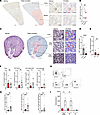 Figure 2
CD8+ T cell distribution in human and murine kidney compartments. (A and B) CD8+ T cell densities were quantified after immunostaining and computer-assisted annotation in cortex and medulla of healthy human kidney tissues (example of a whole-slide scan, region annotation, nuclear and CD8 staining, and annotation in A; bars indicate 1 mm and 100 μm, respectively; B, ratio-paired Student’s t test, n = 6 donors). (C–G) CD8+ T cell densities were assessed in murine kidney cortex and outer (OM) and inner (IM) medulla by histology (examples of staining and annotation in C; bars indicate 1 mm and 100 μm; D and E: statistical analysis of n = 19 mice, Mann-Whitney tests). (F and G) CD8+ T cell densities in the indicated compartments (F) and their ratios to the cortex (G) were compared with kidneys from LD furosemide–pretreated mice (n = 18). Mann-Whitney tests LD versus non-LD (significant P values indicated by *). Dashed lines indicate equal density in cortex and medulla (Wilcoxon test against 1, significant P values indicated by #). (H and I) CD8+ T cells were enumerated by flow cytometry in total OM and IM from mice with and without LD pretreatment (H, flow cytometric gating strategy; I, statistical analysis of n = 5 per group, Student’s t tests with Welch’s correction by Kruskal-Wallis test). *P < 0.05, **P < 0.01, ***P < 0.001, ****P < 0.0001. #P < 0.05, ###P < 0.001.
The observed dynamic response to loop diuretic therapy in healthy kidney is consistent with CD8+ T cell modulation by environmental osmolytes.
Renal osmolytes NaCl and urea modulate CD8+ T cell proliferation and survival. To address possible underlying factors of the renal CD8+ T cell gradient, proliferation and cell death modulation were investigated. To this end, human primary CD8+ T cell cultures with an alloimmune stimulus, HK2 renal tubular epithelial cells, were performed in the presence of elevated NaCl and urea in concentrations and total osmolarity comparable to the human kidney medulla (20, 37, 38). On day 3 of culture, significantly fewer total and live CD8+ T cells were recovered from cultures with additional 80 mM NaCl (224 mM total extracellular Na+, total osmolarity 472 mOsm) compared with control with added 40 mM NaCl or equimolar 160 mM urea (Figure 3, A–C). This phenotype was further aggravated at an additional 120 mM NaCl but not induced by mannitol tonicity control (Supplemental Figure 8A). HK2 cell phenotype was unaffected by additional 80 mM NaCl (Supplemental Figure 8B). The number of CD8+ T cells expressing the effector marker KLRG1 (15) was significantly lower (Figure 3D).
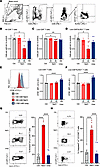 Figure 3
Kidney medullary level of NaCl and urea modulates T cell proliferation and survival. (A–H) Human adhesion-depleted PBMCs were cultured with allogeneic stimulation by HK2 human tubular epithelial cells with and without addition of NaCl and urea in the indicated concentrations (baseline NaCl 144.4 mM, 312 mOsm total osmolarity, final NaCl 184.4 and 224.4 mM, final osmolarities 392 und 472 mOsm). (A–D) Numbers of all CD8+ T cells (B), live CD8+ T cells (C), and live CD8+KLRG1+ T cells (D) were enumerated by flow cytometry on day 3 (gating in A, n = 8 from 4 donors in 2 independent experiments, Dunn’s). (E and F) PBMCs were labeled with CFSE before start of the experiment, and its dilution in live CD8+ T cells (E) and live CD8+KLRG1+ T cells (F) was assessed on day 3 (flow cytometric example, n = 8 from 4 donors in 2 independent experiments, Dunnett’s after ANOVA). (G and H) Apoptosis markers annexin V binding (G) and caspase-3 (H) were assessed by flow cytometry after 20 hours of culture with and without additional 80 mM NaCl or equimolar urea (160 mM, examples and n = 8 from 4 donors in 2 independent experiments, Dunnett’s). *P < 0.05, **P < 0.01, ****P < 0.0001.
Proliferation and cell death were explored as potential underlying mechanisms. CD8+ T cell proliferation studied by CFSE dilution was inhibited by urea (Figure 3, E and F) but not NaCl. In contrast, NaCl, but not urea, dose-dependently induced CD8+ T cell death characterized by annexin V binding and caspase-3 cleavage, consistent with apoptosis (Figure 3, G and H). Neither sodium channel NCX inhibitors K-BR and SEA, Na+K+ATPase inhibitor digitoxin, calcium chelation, PAD4 inhibitor GSK484, nor gasdermin D inhibitor disulfiram changed overall cell survival (data not shown), arguing for a major upstream mediator.
These results demonstrate differential mechanisms for how NaCl and urea affect CD8+ T cell numbers.
Differential regulation of CD8+ T cell gene expression by NaCl and urea. To detect potentially mechanistically underlying alterations and to obtain a more complete view of gene regulation patterns exercised by NaCl and urea, RNA sequencing was performed. Viable CD8+ T cells were examined after 3 days’ culture and 6 hours’ restimulation (Supplemental Figure 9A). Very similar total read counts were obtained (Supplemental Figure 9B). A total of 12,352 genes were expressed in at least 1 control sample and included in the analysis (Figure 4). With additional NaCl, 189 genes were upregulated and 186 downregulated at least 2-fold and analyzed further (Figure 4A). With urea, such upregulation was observed for 148 and downregulation for 188 genes (Figure 4B). Investigation of functional gene groups revealed IFN-signaling genes as the most abundant group among downregulated genes in both NaCl and urea conditions (Figure 4C). However, the individual genes differed between them. In addition, mitochondrial and cellular transport molecules were downregulated by NaCl, and RNA modification and metabolic genes by urea. A number of interaction networks were discovered, and transcriptional and translational mediators were most prominent in the NaCl condition. Regarding common regulation in NaCl and urea, 22 genes were upregulated and 50 downregulated in both conditions (Figure 4D, also annotated in the volcano plots of Figure 4, A and B, and full gene lists in Supplemental Tables 6 and 7). No significantly contrarily regulated genes were observed. Small functional gene groups among the coregulated 72 genes affected translational regulation (Figure 4E). Extent of gene regulation by NaCl and urea was very similar, both overall and for the functional groups (Figure 4F).
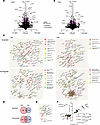 Figure 4
Differential modulation of human CD8+ T cell gene expression by NaCl and urea. (A–F) Human adhesion-depleted PBMCs were cultured with allogeneic stimulation by HK2 human tubular epithelial cells with and without addition of 80 mM NaCl or 160 mM urea for 72 hours. After 6 hours of allogeneic restimulation with fresh tubular epithelial cells, viable CD8+ T cells were isolated by flow cytometry and subjected to RNA sequencing (n = 4 donors). (A and B) Volcano plots of regulated genes in NaCl (A) and urea (B) conditions compared with control (dotted lines indicate a raw P < 0.05 and 2-fold increase or decrease). (C) Natural clustering analysis of gene groups regulated more than 2-fold up or down in either NaCl or urea condition was performed, and names of clusters with 5 or more genes are shown as proposed by String. (D) Venn diagram of parallel up- and downregulated genes for the NaCl and urea conditions (2-fold regulation, raw P < 0.05). (E) Natural clustering analysis of parallel regulated genes was performed by String, and clusters with 3 or more genes are shown as proposed by String. (F) Correlation of fold-change expression change of commonly regulated genes (n = 72). The subgroups defined by natural clustering (E) are shown separately.
In summary, NaCl and urea regulate multiple and diverse gene groups in CD8+ T cells, with a functional overlap in downregulation of IFN signaling and antiviral response.
CD8+ T cell gene regulation by NaCl and urea corresponds to surface protein expression, renal regulation, and impact on cell death. To investigate the relevance of gene for protein regulation, we quantified T cell surface proteins by flow cytometry. Downregulation of surface receptor CD27, an important factor in CD8+ T cell memory formation (39), and its interaction partner β7 integrin by NaCl was equally detected on the protein level (Figure 5, A–D). Adhesion molecule ICAM1 (CD54) was upregulated by NaCl on both mRNA and protein levels (Figure 5, E and F), consistent with an impact on gene expression regulation for surface protein levels.
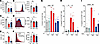 Figure 5
Regulation of surface protein expression and response of NaCl-induced cell death to p53 and SNAT2 pharmacologic inhibition. (A–F) Regulation of CD27 (A and B), ITGb7 (C and D), and ICAM1 (E and F) mRNA assessed by RNA sequencing (A, C, and E, experimental setup in Figure 3, n = 4 donors, Dunnett’s after ANOVA) and surface expression on live CD8+CD3+CD11b– T cells after overnight incubation with additional NaCl (80 mM) or urea (160 mM) (B, D, and F, n = 8 from 4 donors in 2 experiments, Dunnett’s after ANOVA). (G and H) Apoptosis markers annexin V binding (G) and caspase-3 (H) were assessed by flow cytometry after 20 hours culture with and without additional 80 mM NaCl or equimolar urea (160 mM) in the presence of p53 inhibitor pifithrin (30 μM) or DMSO solvent control (n = 8 from 4 donors in 2 independent experiments, Šídák’s after ANOVA). (I) Apoptosis marker caspase-3 was assessed by flow cytometry after 6 hours’ culture with and without additional 80 mM NaCl or equimolar urea (160 mM) in the presence of SNAT2 (gene name SLC38A2) blocker HgCl2 (10 μM, n = 6 from 3 donors in 2 independent experiments, Šídák’s after ANOVA). *P < 0.05, **P < 0.01, ***P < 0.001, ****P < 0.0001. Pif, pifithrin.
To test for renal relevance, we investigated genes regulated in parallel by NaCl and urea for their expressional ratio between total healthy medulla and cortex (Supplemental Figure 10). Extent of regulation aligned significantly for genes regulated by NaCl (r2 = 0.143, P = 0.0037) and urea (r2 = 0.116, P = 0.0087). Regulated genes were also analyzed in relation to data from naive antibody-stimulated CD8+ T cells (Supplemental Figure 11) (34, 35). Among the few parallel regulated genes with more than 2-fold change (Supplemental Table 8) were membrane transporter and channel subunits (ATP1B3, SLC5A3), amino acid uptake and metabolism (PGPG, SLC5A3, CTPS1), a few immune genes (CD27, JAK3, LMBR1L, downregulated), apoptosis protection (NUAK2, downregulated), histone methylation genes (KDM7A, PRMT1, ASRGL1, AKAP1), and mitochondrial genes (MRPS6, RBFA, both upregulated), as well as cell cycle inhibitor CDK2AP1 (upregulated). Extent of regulation between upregulated genes was very similar (Supplemental Figure 11, C and D). However, NaCl-induced gene regulation in both datasets of naive antibody-stimulated CD8+ T cells failed to associate with the kidney (Supplemental Figure 11E). Urea upregulated CD8+ T cell exhaustion marker HAVCR2 and NaCl SLAMF6, but other exhaustion markers described in tolerated murine kidney allografts (40) were unaltered (Supplemental Figure 12).
Cell death inducer AEN was upregulated, a finding also applicable to naive T cells (Supplemental Figure 13, A and B) (34, 35). AEN is regulated by tumor suppressor p53 (41). Indeed, p53 inhibition with pifithrin significantly improved cell survival in the presence of elevated NaCl and decreased annexin V binding and caspase-3 activation (Figure 5, G and H). In relation to the kidney gradient, among the most prominent coregulated gene was Na–amino acid co-transporter SNAT2 (gene name SLC38A2), which was equally regulated in naive T cells (Supplemental Figure 13, C and D) (34, 35). SNAT2 recently was implicated in T cell differentiation (42) and protection of kidney medullary epithelium from ferroptosis (43). Mercury is the most specific available pharmacologic blocker (44). While toxic upon long-term application, SNAT2 inhibition by mercury significantly inhibited caspase-3 cleavage after 6 hours in response to elevated NaCl (Figure 5I).
Impact on CD8+ T cell protein expression and cell death, together with parallel regulatory patterns in the kidney, suggest that osmolyte-induced gene expression changes may be relevant for CD8+ T cell function in the renal environment.
Diminished allogeneic tubular cell killing and antiviral-peptide response by NaCl-exposed CD8+ T cells. To start to address the mechanistic impact of NaCl and urea on T cell functions preventing BKVn, allogeneic epithelial cell killing and response to BKV peptide were studied.
Human primary CD8+ T cells were precultured in control or high-NaCl or -urea conditions, which were also applied during the killing assay (experimental setup in Figure 6A). CFSE-stained human tubular epithelial cells were enumerated after coincubation. NaCl abolished tubular epithelial cell killing, while acute exposure did not significantly impair their cytotoxicity (Figure 6B). Very similar results were seen for urea (Figure 6C). Cytokines were measured in the supernatants (Figure 6, D and E). TNF-α, but not other T cell cytokines, was significantly suppressed by elevated NaCl concentration during initial CD8+ T cell culture but unaffected during restimulation (Figure 6, D and E).
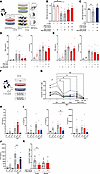 Figure 6
Response to BKV peptide and tubular epithelial cell killing are dampened by environmental NaCl and urea. (A–E) After 3 days’ culture with additional 80 mM NaCl, 160 mM urea, or control, adhesion-depleted PBMCs were added to CFSE-labeled allogeneic HK2 human tubular epithelial cells with and without addition of NaCl as outlined in A. (B and C) After 16 hours, live HK2 cell counts were assessed by flow cytometry for NaCl (B, n = 4 from 2 donors in 2 independent experiments) and urea (n = 12 from 6 donors in 3 independent experiments, Šídák’s after ANOVA). (D and E) After 3 days’ culture with additional 80 mM NaCl or control, equal numbers of magnetically enriched CD8+ T cells were added to fresh allogeneic HK2 human tubular epithelial cells with and without additional 80 mM NaCl. After 16 hours, supernatant TNF-α, IL-1β, IFN-γ, and IL-10 were assessed by cytometric bead assay (n = 6 T cell donors in 3 independent experiments, Dunn’s). (F–J) PBMCs were cultured with and without stimulation with BKV peptide in the absence or presence of additional 80 mM NaCl, equimolar 160 mM urea, their combinations or control for 3 days (experimental setup in F). (G) The proportion of responsive CD137hiCD8+ T cells was quantified by flow cytometry (gating in Supplemental Figure 16A) (statistical analysis of n = 8 from 4 donors in 2 independent experiments, #paired Student’s t test of stimulation, *Dunnett’s after ANOVA of peptide conditions). Supernatant IFN-γ (H), IL-1β, IL-18, IL-8 (I), and CCL2 (J) were assessed by cytometric bead assay (n = 5 T cell donors in independent experiments, Dunn’s of peptide conditions). (K) In single-cell suspensions of human kidney cortex and medulla, proportion of responsive CD137hi among CD8+ T cells was assessed after 3 days of stimulation with BKV peptide during culture in control and additional 80 mM NaCl conditions (gating in Supplemental Figure 16B; n = 6 experiments from n = 4 donors, Dunn’s). *P < 0.05, **P < 0.01. #P < 0.05.
Figure 6Response to BKV peptide and tubular epithelial cell killing are dampened by environmental NaCl and urea. (A–E) After 3 days’ culture with additional 80 mM NaCl, 160 mM urea, or control, adhesion-depleted PBMCs were added to CFSE-labeled allogeneic HK2 human tubular epithelial cells with and without addition of NaCl as outlined in A. (B and C) After 16 hours, live HK2 cell counts were assessed by flow cytometry for NaCl (B, n = 4 from 2 donors in 2 independent experiments) and urea (n = 12 from 6 donors in 3 independent experiments, Šídák’s after ANOVA). (D and E) After 3 days’ culture with additional 80 mM NaCl or control, equal numbers of magnetically enriched CD8+ T cells were added to fresh allogeneic HK2 human tubular epithelial cells with and without additional 80 mM NaCl. After 16 hours, supernatant TNF-α, IL-1β, IFN-γ, and IL-10 were assessed by cytometric bead assay (n = 6 T cell donors in 3 independent experiments, Dunn’s). (F–J) PBMCs were cultured with and without stimulation with BKV peptide in the absence or presence of additional 80 mM NaCl, equimolar 160 mM urea, their combinations or control for 3 days (experimental setup in F). (G) The proportion of responsive CD137hiCD8+ T cells was quantified by flow cytometry (gating in Supplemental Figure 16A) (statistical analysis of n = 8 from 4 donors in 2 independent experiments, #paired Student’s t test of stimulation, *Dunnett’s after ANOVA of peptide conditions). Supernatant IFN-γ (H), IL-1β, IL-18, IL-8 (I), and CCL2 (J) were assessed by cytometric bead assay (n = 5 T cell donors in independent experiments, Dunn’s of peptide conditions). (K) In single-cell suspensions of human kidney cortex and medulla, proportion of responsive CD137hi among CD8+ T cells was assessed after 3 days of stimulation with BKV peptide during culture in control and additional 80 mM NaCl conditions (gating in Supplemental Figure 16B; n = 6 experiments from n = 4 donors, Dunn’s). *P < 0.05, **P < 0.01. #P < 0.05.
To study specific antiviral response, CD137 upregulation in response to BKV peptide was assessed (45). Primary human T cells were investigated after culture with BKV peptide in total PBMCs required for presence of antigen-presenting cells (Figure 6F). The proportion of CD137hi responder CD8+ T cell increased after stimulation, with the expected wide range of absolute values in different donors (paired Student’s 2-tailed t test). CD137hi response was significantly blunted after culture with additional NaCl or urea (Figure 6G). This is consistent with its trend toward mRNA downregulation after allogeneic stimulation (Supplemental Figure 14A). Combinations of NaCl and urea, tested in the same total osmolarity and the same individual concentrations, suppressed CD137 even more, suggesting cooperative effects (Figure 6G). NaCl similarly impaired response to EBV peptide (Supplemental Figure 15). Culture supernatants were assessed for BKV peptide–induced cytokine production. Typical secondary mediators of dendritic cells were detectable. Among mediators significantly regulated by BKV peptide in control conditions (Figure 6, H–J), differential patterns were observed. IFN-γ was similarly upregulated by BKV peptide in elevated NaCl and in control but not in urea (Figure 6H). IFN-γ, IL-1β, IL-8, IL-18, and CCL2 baseline levels in NaCl tended to be higher than in controls and to decrease in urea (Figure 6, H–J). This pattern was previously reported for CCL2 in human monocyte-derived macrophages (24). While IL-1β, IL-8, IL-18, and CCL2 increased in response to BKV peptide in control conditions, there was a blunted response with added NaCl. With added urea, principal cytokine regulation by BKV peptide appeared to be sustained (Figure 6, H and J). Consistent trends were observed with EBV peptide (Supplemental Figure 15B) and for IL1b and CCL2 gene expression in allogeneically stimulated CD8+ T cells (Supplemental Figure 14, B and C). It is of note that other mediators, including TNF-α, were below the detection limit, likely because of the low number of BKV peptide–reactive T cells.
To start to investigate the situation in the human kidney, primary CD8+ T cells from histologically healthy human kidney cortex and medulla were studied after culture in elevated NaCl and in control conditions. Also here, NaCl significantly decreased cortical but not medullary BKV-reactive CD8+ T cell numbers (Figure 6K).
These data showing impaired allogeneic cell killing, response to BKV peptide, and secondary cytokine production provide a mechanistic basis for how the osmolyte gradient impacts local T cell response.


