
Research ArticleCardiologyImmunologyInfectious disease
Open Access |  10.1172/jci.insight.193164
Innate immune activation and mitochondrial ROS induce acute and persistent cardiac conduction system dysfunction after COVID-19
Deepthi Ashok,1 Ting Liu,1 Misato Nakanishi-Koakutsu,2,3 Joseph Criscione,4 Meghana Prakash,1 Alexis Tensfeldt,1,4 Byunggik Kim,5 Bryan Ho,4 Julian Chow,6 Morgan Craney,7 Mark J. Ranek,1 Brian L. Lin,1 Kyriakos Papanicolaou,1 Agnieszka Sidor,1 D. Brian Foster,1 Hee Cheol Cho,2,3 Andrew Pekosz,8 Jason Villano,7,9 Deok-Ho Kim,1,4,10 and Brian O’Rourke1,4,10
1Division of Cardiology, Department of Medicine, and
2Department of Surgery, Johns Hopkins University School of Medicine, Baltimore, Maryland, USA.
3Blalock-Taussig-Thomas Pediatric and Congenital Heart Center, Johns Hopkins Children’s Center, Baltimore, Maryland, USA.
4Department of Biomedical Engineering, Johns Hopkins University School of Medicine, Baltimore, Maryland, USA.
5Department of Mechanical Engineering and
6Department of Chemical and Biomolecular Engineering, Whiting School of Engineering, Johns Hopkins University, Baltimore, Maryland, USA.
7Research Animal Resources, Johns Hopkins University School of Medicine, Baltimore, Maryland, USA.
8Department of Molecular Microbiology and Immunology, Johns Hopkins Bloomberg School of Public Health, Baltimore, Maryland, USA.
9Department of Molecular and Comparative Pathobiology, Johns Hopkins University School of Medicine, Baltimore, Maryland, USA.
10Johns Hopkins Center for Microphysiological Systems, Baltimore, Maryland, USA.
Address correspondence to: Brian O’Rourke, Division of Cardiology, Johns Hopkins University Department of Medicine, 720 Rutland Ave., 1060 Ross Bldg., Baltimore, Maryland, 21205, USA. Phone: 410.614.0034; Email: bor@jhmi.edu.
Authorship note: DA and TL contributed equally to this work.
Find articles by
Ashok, D.
in:
PubMed
|
Google Scholar
|

1Division of Cardiology, Department of Medicine, and
2Department of Surgery, Johns Hopkins University School of Medicine, Baltimore, Maryland, USA.
3Blalock-Taussig-Thomas Pediatric and Congenital Heart Center, Johns Hopkins Children’s Center, Baltimore, Maryland, USA.
4Department of Biomedical Engineering, Johns Hopkins University School of Medicine, Baltimore, Maryland, USA.
5Department of Mechanical Engineering and
6Department of Chemical and Biomolecular Engineering, Whiting School of Engineering, Johns Hopkins University, Baltimore, Maryland, USA.
7Research Animal Resources, Johns Hopkins University School of Medicine, Baltimore, Maryland, USA.
8Department of Molecular Microbiology and Immunology, Johns Hopkins Bloomberg School of Public Health, Baltimore, Maryland, USA.
9Department of Molecular and Comparative Pathobiology, Johns Hopkins University School of Medicine, Baltimore, Maryland, USA.
10Johns Hopkins Center for Microphysiological Systems, Baltimore, Maryland, USA.
Address correspondence to: Brian O’Rourke, Division of Cardiology, Johns Hopkins University Department of Medicine, 720 Rutland Ave., 1060 Ross Bldg., Baltimore, Maryland, 21205, USA. Phone: 410.614.0034; Email: bor@jhmi.edu.
Authorship note: DA and TL contributed equally to this work.
Find articles by Liu, T. in: PubMed | Google Scholar
1Division of Cardiology, Department of Medicine, and
2Department of Surgery, Johns Hopkins University School of Medicine, Baltimore, Maryland, USA.
3Blalock-Taussig-Thomas Pediatric and Congenital Heart Center, Johns Hopkins Children’s Center, Baltimore, Maryland, USA.
4Department of Biomedical Engineering, Johns Hopkins University School of Medicine, Baltimore, Maryland, USA.
5Department of Mechanical Engineering and
6Department of Chemical and Biomolecular Engineering, Whiting School of Engineering, Johns Hopkins University, Baltimore, Maryland, USA.
7Research Animal Resources, Johns Hopkins University School of Medicine, Baltimore, Maryland, USA.
8Department of Molecular Microbiology and Immunology, Johns Hopkins Bloomberg School of Public Health, Baltimore, Maryland, USA.
9Department of Molecular and Comparative Pathobiology, Johns Hopkins University School of Medicine, Baltimore, Maryland, USA.
10Johns Hopkins Center for Microphysiological Systems, Baltimore, Maryland, USA.
Address correspondence to: Brian O’Rourke, Division of Cardiology, Johns Hopkins University Department of Medicine, 720 Rutland Ave., 1060 Ross Bldg., Baltimore, Maryland, 21205, USA. Phone: 410.614.0034; Email: bor@jhmi.edu.
Authorship note: DA and TL contributed equally to this work.
Find articles by Nakanishi-Koakutsu, M. in: PubMed | Google Scholar
1Division of Cardiology, Department of Medicine, and
2Department of Surgery, Johns Hopkins University School of Medicine, Baltimore, Maryland, USA.
3Blalock-Taussig-Thomas Pediatric and Congenital Heart Center, Johns Hopkins Children’s Center, Baltimore, Maryland, USA.
4Department of Biomedical Engineering, Johns Hopkins University School of Medicine, Baltimore, Maryland, USA.
5Department of Mechanical Engineering and
6Department of Chemical and Biomolecular Engineering, Whiting School of Engineering, Johns Hopkins University, Baltimore, Maryland, USA.
7Research Animal Resources, Johns Hopkins University School of Medicine, Baltimore, Maryland, USA.
8Department of Molecular Microbiology and Immunology, Johns Hopkins Bloomberg School of Public Health, Baltimore, Maryland, USA.
9Department of Molecular and Comparative Pathobiology, Johns Hopkins University School of Medicine, Baltimore, Maryland, USA.
10Johns Hopkins Center for Microphysiological Systems, Baltimore, Maryland, USA.
Address correspondence to: Brian O’Rourke, Division of Cardiology, Johns Hopkins University Department of Medicine, 720 Rutland Ave., 1060 Ross Bldg., Baltimore, Maryland, 21205, USA. Phone: 410.614.0034; Email: bor@jhmi.edu.
Authorship note: DA and TL contributed equally to this work.
Find articles by Criscione, J. in: PubMed | Google Scholar
1Division of Cardiology, Department of Medicine, and
2Department of Surgery, Johns Hopkins University School of Medicine, Baltimore, Maryland, USA.
3Blalock-Taussig-Thomas Pediatric and Congenital Heart Center, Johns Hopkins Children’s Center, Baltimore, Maryland, USA.
4Department of Biomedical Engineering, Johns Hopkins University School of Medicine, Baltimore, Maryland, USA.
5Department of Mechanical Engineering and
6Department of Chemical and Biomolecular Engineering, Whiting School of Engineering, Johns Hopkins University, Baltimore, Maryland, USA.
7Research Animal Resources, Johns Hopkins University School of Medicine, Baltimore, Maryland, USA.
8Department of Molecular Microbiology and Immunology, Johns Hopkins Bloomberg School of Public Health, Baltimore, Maryland, USA.
9Department of Molecular and Comparative Pathobiology, Johns Hopkins University School of Medicine, Baltimore, Maryland, USA.
10Johns Hopkins Center for Microphysiological Systems, Baltimore, Maryland, USA.
Address correspondence to: Brian O’Rourke, Division of Cardiology, Johns Hopkins University Department of Medicine, 720 Rutland Ave., 1060 Ross Bldg., Baltimore, Maryland, 21205, USA. Phone: 410.614.0034; Email: bor@jhmi.edu.
Authorship note: DA and TL contributed equally to this work.
Find articles by Prakash, M. in: PubMed | Google Scholar
1Division of Cardiology, Department of Medicine, and
2Department of Surgery, Johns Hopkins University School of Medicine, Baltimore, Maryland, USA.
3Blalock-Taussig-Thomas Pediatric and Congenital Heart Center, Johns Hopkins Children’s Center, Baltimore, Maryland, USA.
4Department of Biomedical Engineering, Johns Hopkins University School of Medicine, Baltimore, Maryland, USA.
5Department of Mechanical Engineering and
6Department of Chemical and Biomolecular Engineering, Whiting School of Engineering, Johns Hopkins University, Baltimore, Maryland, USA.
7Research Animal Resources, Johns Hopkins University School of Medicine, Baltimore, Maryland, USA.
8Department of Molecular Microbiology and Immunology, Johns Hopkins Bloomberg School of Public Health, Baltimore, Maryland, USA.
9Department of Molecular and Comparative Pathobiology, Johns Hopkins University School of Medicine, Baltimore, Maryland, USA.
10Johns Hopkins Center for Microphysiological Systems, Baltimore, Maryland, USA.
Address correspondence to: Brian O’Rourke, Division of Cardiology, Johns Hopkins University Department of Medicine, 720 Rutland Ave., 1060 Ross Bldg., Baltimore, Maryland, 21205, USA. Phone: 410.614.0034; Email: bor@jhmi.edu.
Authorship note: DA and TL contributed equally to this work.
Find articles by Tensfeldt, A. in: PubMed | Google Scholar
1Division of Cardiology, Department of Medicine, and
2Department of Surgery, Johns Hopkins University School of Medicine, Baltimore, Maryland, USA.
3Blalock-Taussig-Thomas Pediatric and Congenital Heart Center, Johns Hopkins Children’s Center, Baltimore, Maryland, USA.
4Department of Biomedical Engineering, Johns Hopkins University School of Medicine, Baltimore, Maryland, USA.
5Department of Mechanical Engineering and
6Department of Chemical and Biomolecular Engineering, Whiting School of Engineering, Johns Hopkins University, Baltimore, Maryland, USA.
7Research Animal Resources, Johns Hopkins University School of Medicine, Baltimore, Maryland, USA.
8Department of Molecular Microbiology and Immunology, Johns Hopkins Bloomberg School of Public Health, Baltimore, Maryland, USA.
9Department of Molecular and Comparative Pathobiology, Johns Hopkins University School of Medicine, Baltimore, Maryland, USA.
10Johns Hopkins Center for Microphysiological Systems, Baltimore, Maryland, USA.
Address correspondence to: Brian O’Rourke, Division of Cardiology, Johns Hopkins University Department of Medicine, 720 Rutland Ave., 1060 Ross Bldg., Baltimore, Maryland, 21205, USA. Phone: 410.614.0034; Email: bor@jhmi.edu.
Authorship note: DA and TL contributed equally to this work.
Find articles by Kim, B. in: PubMed | Google Scholar
1Division of Cardiology, Department of Medicine, and
2Department of Surgery, Johns Hopkins University School of Medicine, Baltimore, Maryland, USA.
3Blalock-Taussig-Thomas Pediatric and Congenital Heart Center, Johns Hopkins Children’s Center, Baltimore, Maryland, USA.
4Department of Biomedical Engineering, Johns Hopkins University School of Medicine, Baltimore, Maryland, USA.
5Department of Mechanical Engineering and
6Department of Chemical and Biomolecular Engineering, Whiting School of Engineering, Johns Hopkins University, Baltimore, Maryland, USA.
7Research Animal Resources, Johns Hopkins University School of Medicine, Baltimore, Maryland, USA.
8Department of Molecular Microbiology and Immunology, Johns Hopkins Bloomberg School of Public Health, Baltimore, Maryland, USA.
9Department of Molecular and Comparative Pathobiology, Johns Hopkins University School of Medicine, Baltimore, Maryland, USA.
10Johns Hopkins Center for Microphysiological Systems, Baltimore, Maryland, USA.
Address correspondence to: Brian O’Rourke, Division of Cardiology, Johns Hopkins University Department of Medicine, 720 Rutland Ave., 1060 Ross Bldg., Baltimore, Maryland, 21205, USA. Phone: 410.614.0034; Email: bor@jhmi.edu.
Authorship note: DA and TL contributed equally to this work.
Find articles by Ho, B. in: PubMed | Google Scholar
1Division of Cardiology, Department of Medicine, and
2Department of Surgery, Johns Hopkins University School of Medicine, Baltimore, Maryland, USA.
3Blalock-Taussig-Thomas Pediatric and Congenital Heart Center, Johns Hopkins Children’s Center, Baltimore, Maryland, USA.
4Department of Biomedical Engineering, Johns Hopkins University School of Medicine, Baltimore, Maryland, USA.
5Department of Mechanical Engineering and
6Department of Chemical and Biomolecular Engineering, Whiting School of Engineering, Johns Hopkins University, Baltimore, Maryland, USA.
7Research Animal Resources, Johns Hopkins University School of Medicine, Baltimore, Maryland, USA.
8Department of Molecular Microbiology and Immunology, Johns Hopkins Bloomberg School of Public Health, Baltimore, Maryland, USA.
9Department of Molecular and Comparative Pathobiology, Johns Hopkins University School of Medicine, Baltimore, Maryland, USA.
10Johns Hopkins Center for Microphysiological Systems, Baltimore, Maryland, USA.
Address correspondence to: Brian O’Rourke, Division of Cardiology, Johns Hopkins University Department of Medicine, 720 Rutland Ave., 1060 Ross Bldg., Baltimore, Maryland, 21205, USA. Phone: 410.614.0034; Email: bor@jhmi.edu.
Authorship note: DA and TL contributed equally to this work.
Find articles by Chow, J. in: PubMed | Google Scholar
1Division of Cardiology, Department of Medicine, and
2Department of Surgery, Johns Hopkins University School of Medicine, Baltimore, Maryland, USA.
3Blalock-Taussig-Thomas Pediatric and Congenital Heart Center, Johns Hopkins Children’s Center, Baltimore, Maryland, USA.
4Department of Biomedical Engineering, Johns Hopkins University School of Medicine, Baltimore, Maryland, USA.
5Department of Mechanical Engineering and
6Department of Chemical and Biomolecular Engineering, Whiting School of Engineering, Johns Hopkins University, Baltimore, Maryland, USA.
7Research Animal Resources, Johns Hopkins University School of Medicine, Baltimore, Maryland, USA.
8Department of Molecular Microbiology and Immunology, Johns Hopkins Bloomberg School of Public Health, Baltimore, Maryland, USA.
9Department of Molecular and Comparative Pathobiology, Johns Hopkins University School of Medicine, Baltimore, Maryland, USA.
10Johns Hopkins Center for Microphysiological Systems, Baltimore, Maryland, USA.
Address correspondence to: Brian O’Rourke, Division of Cardiology, Johns Hopkins University Department of Medicine, 720 Rutland Ave., 1060 Ross Bldg., Baltimore, Maryland, 21205, USA. Phone: 410.614.0034; Email: bor@jhmi.edu.
Authorship note: DA and TL contributed equally to this work.
Find articles by Craney, M. in: PubMed | Google Scholar
1Division of Cardiology, Department of Medicine, and
2Department of Surgery, Johns Hopkins University School of Medicine, Baltimore, Maryland, USA.
3Blalock-Taussig-Thomas Pediatric and Congenital Heart Center, Johns Hopkins Children’s Center, Baltimore, Maryland, USA.
4Department of Biomedical Engineering, Johns Hopkins University School of Medicine, Baltimore, Maryland, USA.
5Department of Mechanical Engineering and
6Department of Chemical and Biomolecular Engineering, Whiting School of Engineering, Johns Hopkins University, Baltimore, Maryland, USA.
7Research Animal Resources, Johns Hopkins University School of Medicine, Baltimore, Maryland, USA.
8Department of Molecular Microbiology and Immunology, Johns Hopkins Bloomberg School of Public Health, Baltimore, Maryland, USA.
9Department of Molecular and Comparative Pathobiology, Johns Hopkins University School of Medicine, Baltimore, Maryland, USA.
10Johns Hopkins Center for Microphysiological Systems, Baltimore, Maryland, USA.
Address correspondence to: Brian O’Rourke, Division of Cardiology, Johns Hopkins University Department of Medicine, 720 Rutland Ave., 1060 Ross Bldg., Baltimore, Maryland, 21205, USA. Phone: 410.614.0034; Email: bor@jhmi.edu.
Authorship note: DA and TL contributed equally to this work.
Find articles by
Ranek, M.
in:
PubMed
|
Google Scholar
|
1Division of Cardiology, Department of Medicine, and
2Department of Surgery, Johns Hopkins University School of Medicine, Baltimore, Maryland, USA.
3Blalock-Taussig-Thomas Pediatric and Congenital Heart Center, Johns Hopkins Children’s Center, Baltimore, Maryland, USA.
4Department of Biomedical Engineering, Johns Hopkins University School of Medicine, Baltimore, Maryland, USA.
5Department of Mechanical Engineering and
6Department of Chemical and Biomolecular Engineering, Whiting School of Engineering, Johns Hopkins University, Baltimore, Maryland, USA.
7Research Animal Resources, Johns Hopkins University School of Medicine, Baltimore, Maryland, USA.
8Department of Molecular Microbiology and Immunology, Johns Hopkins Bloomberg School of Public Health, Baltimore, Maryland, USA.
9Department of Molecular and Comparative Pathobiology, Johns Hopkins University School of Medicine, Baltimore, Maryland, USA.
10Johns Hopkins Center for Microphysiological Systems, Baltimore, Maryland, USA.
Address correspondence to: Brian O’Rourke, Division of Cardiology, Johns Hopkins University Department of Medicine, 720 Rutland Ave., 1060 Ross Bldg., Baltimore, Maryland, 21205, USA. Phone: 410.614.0034; Email: bor@jhmi.edu.
Authorship note: DA and TL contributed equally to this work.
Find articles by
Lin, B.
in:
PubMed
|
Google Scholar
|
1Division of Cardiology, Department of Medicine, and
2Department of Surgery, Johns Hopkins University School of Medicine, Baltimore, Maryland, USA.
3Blalock-Taussig-Thomas Pediatric and Congenital Heart Center, Johns Hopkins Children’s Center, Baltimore, Maryland, USA.
4Department of Biomedical Engineering, Johns Hopkins University School of Medicine, Baltimore, Maryland, USA.
5Department of Mechanical Engineering and
6Department of Chemical and Biomolecular Engineering, Whiting School of Engineering, Johns Hopkins University, Baltimore, Maryland, USA.
7Research Animal Resources, Johns Hopkins University School of Medicine, Baltimore, Maryland, USA.
8Department of Molecular Microbiology and Immunology, Johns Hopkins Bloomberg School of Public Health, Baltimore, Maryland, USA.
9Department of Molecular and Comparative Pathobiology, Johns Hopkins University School of Medicine, Baltimore, Maryland, USA.
10Johns Hopkins Center for Microphysiological Systems, Baltimore, Maryland, USA.
Address correspondence to: Brian O’Rourke, Division of Cardiology, Johns Hopkins University Department of Medicine, 720 Rutland Ave., 1060 Ross Bldg., Baltimore, Maryland, 21205, USA. Phone: 410.614.0034; Email: bor@jhmi.edu.
Authorship note: DA and TL contributed equally to this work.
Find articles by Papanicolaou, K. in: PubMed | Google Scholar
1Division of Cardiology, Department of Medicine, and
2Department of Surgery, Johns Hopkins University School of Medicine, Baltimore, Maryland, USA.
3Blalock-Taussig-Thomas Pediatric and Congenital Heart Center, Johns Hopkins Children’s Center, Baltimore, Maryland, USA.
4Department of Biomedical Engineering, Johns Hopkins University School of Medicine, Baltimore, Maryland, USA.
5Department of Mechanical Engineering and
6Department of Chemical and Biomolecular Engineering, Whiting School of Engineering, Johns Hopkins University, Baltimore, Maryland, USA.
7Research Animal Resources, Johns Hopkins University School of Medicine, Baltimore, Maryland, USA.
8Department of Molecular Microbiology and Immunology, Johns Hopkins Bloomberg School of Public Health, Baltimore, Maryland, USA.
9Department of Molecular and Comparative Pathobiology, Johns Hopkins University School of Medicine, Baltimore, Maryland, USA.
10Johns Hopkins Center for Microphysiological Systems, Baltimore, Maryland, USA.
Address correspondence to: Brian O’Rourke, Division of Cardiology, Johns Hopkins University Department of Medicine, 720 Rutland Ave., 1060 Ross Bldg., Baltimore, Maryland, 21205, USA. Phone: 410.614.0034; Email: bor@jhmi.edu.
Authorship note: DA and TL contributed equally to this work.
Find articles by Sidor, A. in: PubMed | Google Scholar
1Division of Cardiology, Department of Medicine, and
2Department of Surgery, Johns Hopkins University School of Medicine, Baltimore, Maryland, USA.
3Blalock-Taussig-Thomas Pediatric and Congenital Heart Center, Johns Hopkins Children’s Center, Baltimore, Maryland, USA.
4Department of Biomedical Engineering, Johns Hopkins University School of Medicine, Baltimore, Maryland, USA.
5Department of Mechanical Engineering and
6Department of Chemical and Biomolecular Engineering, Whiting School of Engineering, Johns Hopkins University, Baltimore, Maryland, USA.
7Research Animal Resources, Johns Hopkins University School of Medicine, Baltimore, Maryland, USA.
8Department of Molecular Microbiology and Immunology, Johns Hopkins Bloomberg School of Public Health, Baltimore, Maryland, USA.
9Department of Molecular and Comparative Pathobiology, Johns Hopkins University School of Medicine, Baltimore, Maryland, USA.
10Johns Hopkins Center for Microphysiological Systems, Baltimore, Maryland, USA.
Address correspondence to: Brian O’Rourke, Division of Cardiology, Johns Hopkins University Department of Medicine, 720 Rutland Ave., 1060 Ross Bldg., Baltimore, Maryland, 21205, USA. Phone: 410.614.0034; Email: bor@jhmi.edu.
Authorship note: DA and TL contributed equally to this work.
Find articles by
Foster, D.
in:
PubMed
|
Google Scholar
|
1Division of Cardiology, Department of Medicine, and
2Department of Surgery, Johns Hopkins University School of Medicine, Baltimore, Maryland, USA.
3Blalock-Taussig-Thomas Pediatric and Congenital Heart Center, Johns Hopkins Children’s Center, Baltimore, Maryland, USA.
4Department of Biomedical Engineering, Johns Hopkins University School of Medicine, Baltimore, Maryland, USA.
5Department of Mechanical Engineering and
6Department of Chemical and Biomolecular Engineering, Whiting School of Engineering, Johns Hopkins University, Baltimore, Maryland, USA.
7Research Animal Resources, Johns Hopkins University School of Medicine, Baltimore, Maryland, USA.
8Department of Molecular Microbiology and Immunology, Johns Hopkins Bloomberg School of Public Health, Baltimore, Maryland, USA.
9Department of Molecular and Comparative Pathobiology, Johns Hopkins University School of Medicine, Baltimore, Maryland, USA.
10Johns Hopkins Center for Microphysiological Systems, Baltimore, Maryland, USA.
Address correspondence to: Brian O’Rourke, Division of Cardiology, Johns Hopkins University Department of Medicine, 720 Rutland Ave., 1060 Ross Bldg., Baltimore, Maryland, 21205, USA. Phone: 410.614.0034; Email: bor@jhmi.edu.
Authorship note: DA and TL contributed equally to this work.
Find articles by Cho, H. in: PubMed | Google Scholar
1Division of Cardiology, Department of Medicine, and
2Department of Surgery, Johns Hopkins University School of Medicine, Baltimore, Maryland, USA.
3Blalock-Taussig-Thomas Pediatric and Congenital Heart Center, Johns Hopkins Children’s Center, Baltimore, Maryland, USA.
4Department of Biomedical Engineering, Johns Hopkins University School of Medicine, Baltimore, Maryland, USA.
5Department of Mechanical Engineering and
6Department of Chemical and Biomolecular Engineering, Whiting School of Engineering, Johns Hopkins University, Baltimore, Maryland, USA.
7Research Animal Resources, Johns Hopkins University School of Medicine, Baltimore, Maryland, USA.
8Department of Molecular Microbiology and Immunology, Johns Hopkins Bloomberg School of Public Health, Baltimore, Maryland, USA.
9Department of Molecular and Comparative Pathobiology, Johns Hopkins University School of Medicine, Baltimore, Maryland, USA.
10Johns Hopkins Center for Microphysiological Systems, Baltimore, Maryland, USA.
Address correspondence to: Brian O’Rourke, Division of Cardiology, Johns Hopkins University Department of Medicine, 720 Rutland Ave., 1060 Ross Bldg., Baltimore, Maryland, 21205, USA. Phone: 410.614.0034; Email: bor@jhmi.edu.
Authorship note: DA and TL contributed equally to this work.
Find articles by
Pekosz, A.
in:
PubMed
|
Google Scholar
|
1Division of Cardiology, Department of Medicine, and
2Department of Surgery, Johns Hopkins University School of Medicine, Baltimore, Maryland, USA.
3Blalock-Taussig-Thomas Pediatric and Congenital Heart Center, Johns Hopkins Children’s Center, Baltimore, Maryland, USA.
4Department of Biomedical Engineering, Johns Hopkins University School of Medicine, Baltimore, Maryland, USA.
5Department of Mechanical Engineering and
6Department of Chemical and Biomolecular Engineering, Whiting School of Engineering, Johns Hopkins University, Baltimore, Maryland, USA.
7Research Animal Resources, Johns Hopkins University School of Medicine, Baltimore, Maryland, USA.
8Department of Molecular Microbiology and Immunology, Johns Hopkins Bloomberg School of Public Health, Baltimore, Maryland, USA.
9Department of Molecular and Comparative Pathobiology, Johns Hopkins University School of Medicine, Baltimore, Maryland, USA.
10Johns Hopkins Center for Microphysiological Systems, Baltimore, Maryland, USA.
Address correspondence to: Brian O’Rourke, Division of Cardiology, Johns Hopkins University Department of Medicine, 720 Rutland Ave., 1060 Ross Bldg., Baltimore, Maryland, 21205, USA. Phone: 410.614.0034; Email: bor@jhmi.edu.
Authorship note: DA and TL contributed equally to this work.
Find articles by Villano, J. in: PubMed | Google Scholar
1Division of Cardiology, Department of Medicine, and
2Department of Surgery, Johns Hopkins University School of Medicine, Baltimore, Maryland, USA.
3Blalock-Taussig-Thomas Pediatric and Congenital Heart Center, Johns Hopkins Children’s Center, Baltimore, Maryland, USA.
4Department of Biomedical Engineering, Johns Hopkins University School of Medicine, Baltimore, Maryland, USA.
5Department of Mechanical Engineering and
6Department of Chemical and Biomolecular Engineering, Whiting School of Engineering, Johns Hopkins University, Baltimore, Maryland, USA.
7Research Animal Resources, Johns Hopkins University School of Medicine, Baltimore, Maryland, USA.
8Department of Molecular Microbiology and Immunology, Johns Hopkins Bloomberg School of Public Health, Baltimore, Maryland, USA.
9Department of Molecular and Comparative Pathobiology, Johns Hopkins University School of Medicine, Baltimore, Maryland, USA.
10Johns Hopkins Center for Microphysiological Systems, Baltimore, Maryland, USA.
Address correspondence to: Brian O’Rourke, Division of Cardiology, Johns Hopkins University Department of Medicine, 720 Rutland Ave., 1060 Ross Bldg., Baltimore, Maryland, 21205, USA. Phone: 410.614.0034; Email: bor@jhmi.edu.
Authorship note: DA and TL contributed equally to this work.
Find articles by Kim, D. in: PubMed | Google Scholar
1Division of Cardiology, Department of Medicine, and
2Department of Surgery, Johns Hopkins University School of Medicine, Baltimore, Maryland, USA.
3Blalock-Taussig-Thomas Pediatric and Congenital Heart Center, Johns Hopkins Children’s Center, Baltimore, Maryland, USA.
4Department of Biomedical Engineering, Johns Hopkins University School of Medicine, Baltimore, Maryland, USA.
5Department of Mechanical Engineering and
6Department of Chemical and Biomolecular Engineering, Whiting School of Engineering, Johns Hopkins University, Baltimore, Maryland, USA.
7Research Animal Resources, Johns Hopkins University School of Medicine, Baltimore, Maryland, USA.
8Department of Molecular Microbiology and Immunology, Johns Hopkins Bloomberg School of Public Health, Baltimore, Maryland, USA.
9Department of Molecular and Comparative Pathobiology, Johns Hopkins University School of Medicine, Baltimore, Maryland, USA.
10Johns Hopkins Center for Microphysiological Systems, Baltimore, Maryland, USA.
Address correspondence to: Brian O’Rourke, Division of Cardiology, Johns Hopkins University Department of Medicine, 720 Rutland Ave., 1060 Ross Bldg., Baltimore, Maryland, 21205, USA. Phone: 410.614.0034; Email: bor@jhmi.edu.
Authorship note: DA and TL contributed equally to this work.
Find articles by
O’Rourke, B.
in:
PubMed
|
Google Scholar
|
Published December 22, 2025 - More info
JCI Insight. 2025;10(24):e193164. https://doi.org/10.1172/jci.insight.193164.
© 2025 Ashok et al. This work is licensed under the Creative Commons Attribution 4.0 International License. To view a copy of this license, visit http://creativecommons.org/licenses/by/4.0/.
Received: March 7, 2025; Accepted: November 4, 2025


-
Results
Effects of SARS-CoV-2 infection on systemic and pulmonary function in hamsters. In humans, systemic inflammatory responses to pathogens often involve either hyper- or hypothermia, tachypnea, and weight loss (38). While the majority (~80%) of patients with COVID-19 present with early fever, hypothermia (39) and weight loss (40) are also associated with poor prognosis. In the hamster COVID-19 model, intranasal inoculation with SARS-CoV-2 (Delta strain) resulted in weight loss, tachypnea, and hypothermia within the first 7 days postinfection (dpi). Consistent with a previous study from our institution (41), weight loss was maximal at 6 dpi, with a 14% ± 1% decrease compared with baseline, followed by reversion to a normal rate of growth by 28 dpi compared with the mock-infected group (Figure 1A).
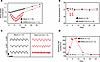 Figure 1
SARS-CoV-2 infection causes weight loss, hypothermia, and tachypnea in the hamster model. (A) Body weight decreased after infection, reached a minimum at 6–7 dpi, and then recovered back to normal. (B) SARS-CoV-2 infection induced a transient decrease in body temperature peaking at 3 dpi and recovering by 7 dpi. (C) Representative traces of subpleural pressure recorded in mock-infected (left) and SARS-CoV-2 (right) –infected hamsters at 0 (upper), 3 (middle), and 7 (lower) dpi. Vertical bar: 10 mmHg; horizontal bar: 1 second. (D) Breathing rate increased following SARS-CoV-2 infection, peaked at 7 dpi, and recovered by 14 dpi. †P < 0.01; ‡P < 0.0001.
Dual biopotential/pressure radiotelemetry devices were used to monitor the electrocardiogram (ECG), subpleural pressure, and body temperature simultaneously in freely moving animals. Body temperature decreased after infection, reaching a minimum at 3–5 dpi (37.1 ± 0.1°C mean ± SEM at baseline vs. 36.4 ± 0.1°C at 3 dpi), then recovered to 37.0 ± 0.1°C by 7 dpi (Figure 1B). Tachypnea developed rapidly between 1 and 5 dpi, from 81 ± 6 breaths/min at baseline to 276 ± 18 and 272 ± 11 breaths/min at 5 and 7 dpi, respectively, then recovered to 101 ± 3 breaths/min by day 14 (Figure 1, C and D).
Triphasic effects of COVID-19 infection on cardiac arrhythmias. ECG analysis revealed that SARS-CoV-2 infection resulted in multiple types of cardiac arrhythmias linked to CCS dysfunction, including bradycardia, sinus pauses, and second- and third-degree atrioventricular (AV) block (Figure 2, A–E). The effects had a triphasic pattern: an early peak at 1–3 dpi, a recovery phase by 7 dpi, and arrhythmia redevelopment that persisted through 28 dpi. As early as 1 day after SARS-CoV-2 infection, marked bradycardia was observed. Compared with baseline, RR interval increased by 39% ± 6% at 1 dpi and peaked at 3 dpi, with an increase of 44% ± 3%, which then reverted to near-baseline levels by 7 dpi (Figure 2F). This was followed by a linear increase in RR interval extending to 4 weeks postinfection that was statistically significant after 21 dpi (11% ± 1%, P < 0.001 at 21 dpi and 14% ± 1%, P < 0.0001 at 28 dpi) (Figure 2F). The incidence of beat-to-beat pauses longer than the RR interval mean+100 ms (RR100) spiked early at 1 dpi (4.5-fold higher than 0 dpi, P < 0.0001), dropped below baseline at 5–7 dpi, and then increased above baseline at 28 dpi (2.6-fold higher than baseline) (Figure 2G).
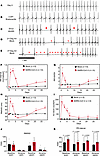 Figure 2
Effects of SARS-CoV-2 infection on cardiac electrophysiology in the hamster model. (A–E) Representative ECG recording showing normal baseline rhythm (A) and arrhythmias induced by SARS-CoV-2 infection, including bradycardia (B), sinus pauses (C; arrows), second-degree AV block (D), and third-degree AV block (E). Arrowheads indicate P waves. (F–I) Analysis of ECGs from 0 to 28 dpi typically showed a triphasic pattern of SARS-CoV-2 effects on cardiac rhythm: an acute peak within 7 dpi; recovery to, or below, baseline; and a long-term effect developing between 7 dpi and 28 dpi. Mean RR interval (normalized to 0 dpi) (F), incidence of long sinus pauses (RR > meanRR+100 ms; normalized to 0 dpi) (G), and RMSSD (H) peaked at 1–3 dpi; returned to levels close to or lower than baseline; and then gradually increased to levels significantly higher than baseline at 21 and 28 dpi. The rate of AV block events (I) peaked early and did not return to baseline level, remaining significantly higher than baseline between 7 and 28 dpi. Red symbols denoting P values *P < 0.05; †P < 0.01; ‡P < 0.0001 on the figures compare mock- vs. SARS-CoV-2–infected groups. P values comparing SARS-CoV-2 data from day 0 through day 28 are available in Supplemental Table 4. (J) Atropine decreased RMSSD to a similar extent at 5 dpi and 28 dpi in SARS-CoV-2– (red bars) and mock-infected (black bars) hamsters. (K) The increased PR interval in the SARS-CoV-2 group was not abolished by atropine at 5 dpi or at 28 dpi (right). (Two-way ANOVA was performed with α = 0.05.)
Evidence of autonomic nervous system dysfunction was also observed but could only partly explain the phenotype. Heart rate variability analysis revealed that the root mean square of the successive RR differences (RMSSD) was significantly higher than baseline at 1 and 3 dpi and lower at 5 and 7 dpi (74.9 ± 5.7 ms at 1 dpi; 60.3 ± 4.9 ms at 3 dpi; 30.4 ± 1.7 ms at 5 dpi; 26.1 ± 1.4 ms at 7 dpi vs. 38.1 ± 1.6 ms at 0 dpi), suggesting increased parasympathetic activity followed by decreased vagal activity during the subacute COVID-19 phase (Figure 2H). RMSSD then increased to levels significantly higher than baseline by 21 and 28 dpi. AV block frequency peaked at 1 dpi (179.50 ± 44.53 vs. 0.19 ± 0.09 at 0 dpi, P < 0.0001) and gradually decreased to 33.56 ± 18.54 (P < 0.0001 compared with 0 dpi) at 7 dpi but remained elevated through 28 dpi (Figure 2I). Notably, both the bradycardia and AV block events were still present at time points (e.g., 5 dpi) when RMSSD was not significantly different from the mock-infected group, indicating that increased vagal tone alone could not account for the electrophysiological phenotype. To determine whether the CCS was dysfunctional in the SARS-CoV-2–infected hamsters, we performed additional experiments with the cholinergic muscarinic antagonist atropine to block parasympathetic responses at 5 and 28 dpi (Figure 2, J and K). Inhibition of parasympathetic activity by atropine decreased RMSSD to a similar extent in SARS-CoV-2– and mock-infected hamsters, whereas the increased PR interval in the SARS-CoV-2 group was not abolished by atropine. Thus, we conclude that while autonomic dysfunction contributes to SARS-CoV-2–induced arrhythmias, intrinsic CCS dysfunction is also present.
Immune cell remodeling in the CCS. Previous reports highlighted the important role of colocalized macrophages in the modulation of specialized pacemaker and conduction system cells in the heart. Resident macrophages were shown to facilitate cardiac conduction (42) and enable mitochondrial quality control (43), while recruited macrophages contribute to inflammation and cardiac arrhythmias (44). Hence, we examined whether immune cell remodeling took place in hearts during COVID-19. Tissue slices encompassing conduction system structures at the AV septum (at the level of the His bundle) were positive for the conduction system marker contactin2 (Cntn2) (Figure 3A) (42, 45). The total numbers of macrophages (Iba1+) and those expressing CD163+, a marker of antiinflammatory or resident macrophages (46), were counted and normalized to tissue pixel area in the AV node/His bundle region at both the acute phase (4 dpi) and postinfection phase (28 dpi) (Figure 3, B–D). In the mock-infected control heart, the relative densities of Iba1+ and CD163+ macrophages were higher in the AV/bundle region compared with ventricles (Iba1+ macrophages: 0.37 ± 0.01 in bundle vs. 0.09 ± 0.01 in ventricles, P < 0.0001; CD163+ macrophages: 0.16 ± 0.02 in bundle vs. 0.03 ± 0.01 in ventricles, P < 0.005; see Supplemental Figure 2; supplemental material available online with this article; https://doi.org/10.1172/jci.insight.193164DS1). Following SARS-CoV-2 infection at 4 dpi, significant macrophage infiltration was observed throughout the heart, and the density of Iba1+ macrophages increased by 78% in the AV node/His bundle region of COVID-19 animals compared with mock-infected controls (Figure 3C). Despite the increase in macrophage infiltration, the density of CD163+ macrophages decreased by 74% in the AV node/His bundle region. After the acute phase, at 28 dpi, Iba1+ macrophage density declined to levels not significantly different from controls (Figure 3C). CD163+ macrophage density was also not significantly different from controls at 28 dpi, in part because of a decrease in the mock-infected group (Figure 3D).
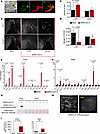 Figure 3
Macrophage remodeling in the CCS. (A) Representative images showing the conduction tissue marker contactin 2 (red) and the distribution of Iba1+ macrophages (green) in the region. (B) Representative images showing Iba1+ and CD163+ macrophages in the conduction region in mock- or SARS-CoV-2–infected hearts at 4 and 28 dpi. (C and D) Density of Iba1+ cells and CD163+ cells in CCS region of the mock- or SARS-CoV-2–infected hearts at 4 and 28 dpi. (E and F) Gene expression of cytokines and IFN-stimulated genes in lung (E) and heart (F) at 4 dpi, evaluated with qPCR. Unpaired 2-tailed t test was used to test for significance in normally distributed lung data in E. Mann-Whitney U test was used as the nonparametric significance test in heart data in F. (G and H) SARS-CoV-2 nucleocapsid protein was detected in lung, but not in the heart, by Western blot (G) or by immunofluorescence (H) at 4 dpi. (I) Viral spike protein mRNA was detected in lung, but not in the heart, by qPCR at 4 dpi. Unpaired 2-tailed t test.
IFN-stimulated gene and cytokine expression in lung and heart. RT-PCR was used to characterize cytokine expression the lung and the heart. In the lung at 4 dpi, we observed pronounced increases in the antiinflammatory cytokine IL-10 (150-fold), the monocyte chemoattractant CCL2 (12-fold), and IFN-γ (12-fold), as well as downstream IFN-stimulated genes, including the immune cell chemoattractants CXCL11 (241-fold) and CXCL10 (45-fold) (Figure 3E), previously linked to poor outcomes in patients with COVID-19 (47–50). Antiviral innate immune response dsRNA pattern recognition receptors, OAS1 (8-fold) and RIG-I (75-fold), were also elevated in the lung (Figure 3E). Despite the lack of evidence of widespread myocardial SARS-CoV-2 infection (see below), a significant cytokine response, including marked activation of the IFN-stimulated gene response, was observed in the heart at 4 dpi (Figure 3F). Significant increases in RIG-I (18-fold), OAS1 (2-fold), CXCL10 (7-fold), and CCL2 (2-fold) were observed. There were no significant changes in IL-10, TGF-β, or TNF-α in the heart. Although previous reports showed IL-6 elevation with COVID-19 in humans (51), in our study, IL-6 expression was not significantly increased in the lungs or hearts (Figure 3, E and F) of SARS-CoV-2–infected hamsters. Plasma cytokine levels were assessed and significant increases were observed for IFN-γ and monocyte chemoattractant protein-1 after SARS-CoV-2 infection (Supplemental Figure 3).
Viral protein expression in lung but not heart. To test whether SARS-CoV-2 was directly infecting the heart, we probed for viral nucleocapsid expression in whole heart and lung homogenates by Western blot or by immunofluorescence in lung or myocardial tissue slices (Figure 3, G and H). Western blot showed no detectable viral nucleocapsid protein in myocardial lysates at 4 dpi, while 2 bands were readily detected in infected lungs (Figure 3G). Widespread nucleocapsid expression was evident in the lung at 4 dpi (Figure 3H) but was absent in the myocardium (Figure 3H). Consistent with protein expression, quantitative measurement with qPCR also revealed significant viral RNA expression in the infected lung at 4 dpi, while no viral RNA was detectable in heart or mock-infected lung (Figure 3I). Although we found no evidence of viral replication in the myocardium, SARS-CoV-2 RNA was present in the serum 4 days postinfection (Supplemental Figure 4), consistent with a previous report in the hamster COVID-19 model (52). These data suggest that the cardiac effects of SARS-CoV-2 infection are an indirect end organ or systemic inflammatory response to pattern recognition receptor activation rather than to direct viral infection and replication in cardiomyocytes.
Effects of viral dsRNA activation of innate immune response on cardiac electrophysiology in guinea pigs. The strong activation of antiviral IFN signaling in the hamster COVID-19 model, in the absence of direct evidence of cardiac viral infection, raised the question of whether the ECG phenotype might be indirectly linked to the innate immune response to circulating viral RNA or myocardial viral infiltrates (19). Hence, we sought to determine if a viral dsRNA mimetic (polyinosinic:polycytidylic acid, PIC) was sufficient to mimic the cardiac electrophysiological phenotype. We utilized naive guinea pigs for a onetime direct myocardial injection of PIC into the left ventricular free wall. This species was used because of the similarity of its electrophysiological profile to humans, including a long action potential plateau, and repolarizing currents dominated by the rapid and slow components of the delayed rectifier potassium channels (53–55), thereby enabling a closer analysis of repolarization. Remarkably, bradycardia, sinus pauses, and AV nodal dysfunction were observed in PIC-treated guinea pigs but not vehicle-injected controls (Figure 4, A–D). Mean RR was significantly increased by PIC treatment compared with controls (225.9 ± 7.7 ms in control vs. 268.0 ± 8.7 ms in PIC, P < 0.05) (Figure 4E). The incidence of sinus pauses in the PIC group (RR>RRmean+2SD) increased by 17-fold (15.9 ± 3.7 in PIC vs. 0.9 ± 0.7 in control, P < 0.05) (Figure 4F). Significant increases in QT corrected (233.9 ± 8.5 ms in control and 274 ± 3.08 in PIC) and QT interval (113.2 ± 5.07 ms in control and 143.2 ± 2.09 ms in PIC, P < 0.05) (Figure 4, H and I) were observed. However, the PR interval was not significantly different between control and PIC treatment (Figure 4G). PIC treatment evoked a cardiac innate immune response, with elevated expression of OAS1, CCL2, TGF-β, IL-1β, TNF-α, and caspase-3 (Casp3) mRNAs (Figure 4J). Further, in vivo myocardial PIC injection altered Ca2+ handling in cardiomyocytes isolated from the guinea pig hearts. Hearts injected with PIC+AdV-GFP (an adenoviral vector expressing GFP) were compared with those injected with AdV-GFP alone. The AdV-GFP was used to mark cells near the injection sites. Ca2+ transient duration at 90% of decay was increased and Ca2+ transient amplitude was decreased in myocytes from PIC-injected hearts (Figure 4K).
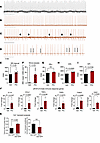 Figure 4
The dsRNA mimetic PIC induces cardiac arrhythmias and innate immune responses in the absence of viral infection in guinea pigs. (A–D) Representative ECG traces showing regular cardiac rhythm in a vehicle-injected control (A) and bradycardia (B), sinus pauses (C; marked by arrows), and AV block (D) after cardiac injection of polyinosinic:polycytidylic acid (PIC) in guinea pigs (arrowheads in D indicate abnormal P waves; horizontal bar equals 2 seconds). (E–I) Summary data showing increase in RR interval (E), sinus pauses longer than mean RR+2SD (F), corrected QT (H), and QT interval (I) but no increase in PR interval (G) 4 days after myocardial PIC injection in guinea pigs. Welch’s 2-tailed t test was done for B–F. (J) Increased expression of innate immune response genes induced by PIC, expressed as fold-change from vehicle-injected controls, was observed. Mann-Whitney test was done for IL-1β, CCL2, and TNF-α. Welch’s 2-tailed t test was performed for TGF-β, Casp3, and OAS1. (K) Ca2+ transient analysis of adult cardiomyocytes isolated from guinea pig hearts injected with either PIC+AdV-GFP or AdV-GFP alone (AdV-GFP was used to identify myocytes near the injection site; unpaired 2-tailed t test).
Effects of innate immune activation on hiPSC-CM. PIC treatment was used to examine the effects of activating the viral RNA-dependent innate immune response, independent of viral infection, on IFN signaling, cytokine release, and function. In hiPSC-CM monolayers, which are differentiated toward a ventricular phenotype, PIC activated IFN-stimulated protein expression. Significant increases in MX1, OAS2 and -3 isoforms, and interferon regulatory factor 9 (IRF9) and increases in STAT1 protein expression and phosphorylation were observed (Figure 5A). To examine electrophysiological effects, we performed microelectrode array experiments in hiPSC-CM monolayers and found that field potential duration, a surrogate for action potential duration, was significantly increased as early as 24 hours after PIC treatment (Figure 5B). To determine the effects of dsRNA innate immune activation on cardiac excitation-contraction coupling, we measured Ca2+ transients in hiPSC-CM monolayers treated with PIC. Innate immune activation resulted in a significant decrease in Ca2+ transient peak amplitude (Figure 5C) with no significant effect on diastolic Ca2+ or spontaneous beating rate (Supplemental Figure 5). To assess PIC effects on hiPSC-derived pacemaker cells, we employed an additional retinoic acid treatment protocol to differentiate the hiPSCs toward a sinoatrial node/atrial myocyte phenotype, which induced them to express pacemaker cell-specific markers (Supplemental Figure 6). Microelectrode array analysis of sinoatrial/atrial monolayers showed that PIC significantly increased RR interval at 96 hours (Figure 5D).
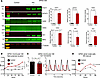 Figure 5
PIC increases expression of antiviral interferon signaling proteins and alters excitation-contraction coupling in human ventricular and sinoatrial nodal myocytes. (A) Activation of interferon signaling pathway proteins in hiPSC-CM with PIC treatment (200 µg/mL for 72 hours). Left panel: Western blot; right panels: quantification of proteins after normalizing to total protein. (n = 3; unpaired 2-tailed t test.) (B) Field potential durations in hiPSC ventricular myocytes were significantly increased by 24 hours after PIC treatment (n = 11 for control and n = 12 for PIC treated; 2-way repeated measures ANOVA with Holm-Šídák’s multiple-comparison test for panels B and D). Multielectrode array measurements were taken at the indicated times before and after treatment. (C) Left: Ca2+ transient peak amplitudes were significantly reduced 5 days after PIC treatment in monolayers of hiPSC-CM (data points represent 20–30 replicates from 3 independent experiments; a nested analysis with Mann-Whitney 2-tailed test was used). Right: Ca2+ transient recordings in PIC-treated (red trace) and control (black trace) monolayers. (D) In hiPSC-CM atrial/sinoatrial nodal cell monolayers, RR intervals significantly increased 96 hours after PIC treatment (n = 6,6). IRF3, interferon response factor 3; pIRF3, phosphorylated IRF3; IFN-β1, interferon β1; Stat1, signal transducer and activator of transcription 1; pStat1, phosphorylated Stat1; OAS1, 2′-5′-oligoadenylate synthase 1; MX1, MX dynamin like GTPase 1; IRF9, interferon response factor 9.
Innate immune activation suppresses mitochondrial respiration in a lung epithelial cell model. In a human lung epithelial cell line, A549, representing a frontline target of SARS-CoV-2, PIC treatment activated the RNA pattern recognition pathway and the IFN response. IRF3 and STAT1 phosphorylation were increased, together with increases in STAT1, IFN-β1, and OAS1, -2, and -3 protein expression (Supplemental Figure 7A). In addition, RNA degradation was elevated by PIC, consistent with activation of RNase L (Supplemental Figure 7B). Furthermore, we observed that mitochondrial oxidative phosphorylation was markedly suppressed in A549 cells. Both basal and maximal (uncoupled) oxygen consumption rate were decreased, nearly eliminating spare respiratory capacity (Supplemental Figure 7C). The bioenergetic dysfunction after the immune challenge was mediated by excess mitochondrial ROS, as pretreatment with the mitochondrially targeted antioxidant mitoTEMPO (56, 57) enhanced basal, maximal, and spare respiratory capacity to levels even higher than the control group (Supplemental Figure 7C).
In vitro assessment of JAK/STAT inhibition or mitochondrial ROS scavenging. Ruxolitinib (Ruxo) is a potent antiinflammatory and immunosuppressive agent, clinically used as a JAK1/JAK2 inhibitor, and is commonly prescribed for autoimmune diseases (58, 59). While JAK/STAT inhibitors (e.g., baricitinib or Ruxo) showed some positive outcomes in the treatment of hospitalized patients with COVID-19 (60), the need for additional well-designed randomized trials was emphasized. This has been a challenge because (a) the level of baseline immunity to SARS-CoV-2 changed after vaccines were developed, and (b) the nature of the virus has changed due to mutation and will continue to do so in the future. Hence, the animal model remains a powerful tool to test mechanistic hypotheses. Oxidative stress plays a role in the innate immune response and the cytokine storm, and several antioxidant strategies were tested as potential treatments for complications associated with COVID-19 (61). To target these 2 important nodes (Figure 6A), we tested whether JAK/STAT inhibition with Ruxo or mitochondrially targeted antioxidant therapy (mitoTEMPO) altered the innate immune response in vitro or abrogated COVID-19 effects in vivo.
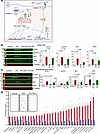 Figure 6
JAK/STAT inhibition, but not mitochondrial antioxidant treatment, suppresses interferon responses in hiPSC-CM. (A) Schematic of molecular mechanisms of COVID-19 and dsRNA induced IFN response. Ruxolitinib suppresses IFN-stimulated response and mitoTEMPO suppresses mitochondrial damage and oxidative stress. (Created with BioRender.com.) (B and C) Inhibition of JAK/STAT signaling with ruxolitinib (Rux) (1 μM) significantly suppressed PIC-mediated induction of the interferon response signaling proteins STAT1, p-STAT1, IRF9, and MX1 in hiPSC-CM monolayers. MitoTEMPO (MT) (1 μM) does not significantly suppress the IFN response. Bar graphs show relative band intensity normalized to total protein loading (1-way ANOVA with Tukey’s multiple-comparison test). Lysates were from 3–5 different hiPSC-CM samples. (C) Inhibition of JAK/STAT signaling in hiPSC-derived engineered heart tissues (EHTs) with ruxolitinib, but not mitoTEMPO (MT), decreased the interferon response of signaling proteins STAT1, pSTAT1, IRF9, and MX1. Lysates loaded for the Western blot in C were from 3 different EHTs. (D) Cytokine secretion into the media induced by PIC, measured using a human Proteome Profiler array (inset shows exemplar blots), was greatly suppressed by Rux treatment in hiPSC-CM.
In hiPSC-CM, JAK/STAT inhibition with Ruxo (1 μM) suppressed IFN-stimulated protein expression (STAT1, p-STAT1, MX1, IRF9) and cytokine responses induced by PIC (Figure 6B). To understand the extent of oxidative stress in the cellular innate immune response, we treated hiPSC-CM with mitoTEMPO (1 μM) and found that it did not significantly suppress the IFN-stimulated protein expression (Figure 6B). We also assessed mitoTEMPO and Ruxo effects on engineered heart tissues (EHTs). Ruxo significantly inhibited PIC-induced increases in STAT1, MX1, and IRF9, while mitoTEMPO treatment had no effect (Figure 6C). Using a human cytokine antibody array (Proteome Profiler, R&D Systems), we found that PIC induced the secretion of a plethora of cytokines into the media from hiPSC-CM, including a >2-fold increase in 36 of the 105 cytokines assayed (Figure 6D and Supplemental Table 3). The most abundant cytokine secreted by the hiPSC-CM was CXCL10 (IP-10), which increased ~90-fold. This finding suggests that myocytes themselves could contribute to the whole-heart increase in CXCL10 expression shown earlier (Figure 3F). Interestingly, CXCL10 was recently linked to the cytokine storm in adults infected with SARS-CoV-2 (48, 50) and is a biomarker of multisystem inflammatory syndrome and left ventricular dysfunction in children with COVID-19 (47). Several other cytokines thought to contribute to the cytokine storm in patients with COVID-19 were secreted by hiPSC-CM after the PIC challenge, including CXCL11 (41.7 ± 33.2-fold; SEM), IL-6 (10.4 ± 7.2-fold) (49), VEGF (7.2 ± 2.6-fold) (62), HGF (6 ± 2.9-fold) (63), CXCL5 (17.3 ± 5.3-fold) (64), IL-8 (11.8 ± 4.2-fold) (65), and CXCL1 (6.3 ± 1.8-fold) (65), potentially representing local mediators of myocardial inflammation, along with CCL5 (17.8 ± 5.5-fold), which was associated with COVID-19 severity (66). Ruxo suppressed cytokine secretion to near control levels (Figure 6D).
Connexin dysregulation in vitro and in vivo upon activation of the innate immune response. The increased arrhythmias and altered ECG parameters in the animal models suggested that cardiac conduction might be altered by innate immune activation. Hence, we tested whether PIC treatment alters connexin expression or conduction velocity in hiPSC-CM. At 72 hours after exposure to PIC, connexin 43 (Cx43) and Cx45 mRNA expression was markedly decreased, which was prevented by Ruxo but not mitoTEMPO (Figure 7A). PIC treatment also significantly decreased conduction velocity measured by high-speed optical mapping of FluoVolt-loaded hiPSC-CM monolayers (Figure 7B). To determine if IL-6 was involved in the reduction in connexin expression induced by PIC, we tested whether the inhibitor tocilizumab (2.5 μg/mL) had any effect, and it did not (Supplemental Figure 8).
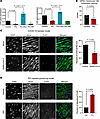 Figure 7
Connexin dysregulation in vitro and in vivo after innate immune activation. (A) In hiPSC-CM, Cx43 and Cx45 gene expression was suppressed by PIC (72 hours) and prevented by concomitant ruxolitinib treatment, but not by mitoTEMPO (n = 3, 1-way ANOVA with Holm-Šídák’s multiple comparisons test). (B) Optical mapping of hiPSC-CM monolayers showed that 4–5 days of PIC treatment significantly decreased conduction velocity (n = 7; unpaired nested t test). (C) Images: Aberrant Cx43 localization in the ventricular myocardium 4 days after SARS-CoV-2 infection in the hamster COVID-19 model. Cx43 was mislocalized away from the intercalated discs (ICD) and toward the nuclear/perinuclear domains. Right-hand panel: Percentage of Cx43 at the ICD. DAPI, nuclear stain; WGA, wheat germ agglutinin membrane marker; Cx43, connexin 43. (D) Images: In PIC-injected guinea pig myocardium, Cx43 decreased at the ICD and increased at lateral membranes. Right-hand panel: Percentage of lateralized Cx43 in PIC-injected guinea pig hearts.
Ruxo also significantly suppressed PIC-induced increases in STAT1 and p-STAT1 proteins in A549 cells, but mitoTEMPO did not (Supplemental Figure 9). Overall, the results demonstrated that JAK/STAT inhibition using Ruxo significantly reduces IFN signaling and restores gap junctional gene expression in vitro.
Next, we examined Cx43 distribution in the in vivo animal models. In control (mock-infected) hamster hearts, Cx43 was broadly distributed at the intercalated discs (ICD), lateral membranes, and intracellular locations of the ventricular myocardium, whereas at 4 days after SARS-CoV-2 infection, the percentage of Cx43 at the ICD was significantly decreased, with the remaining Cx43 signal appearing to be localized close to the cell nuclei (Figure 7C). Sterile innate immune activation also resulted in aberrant Cx43 localization. In control (vehicle-injected) guinea pig hearts, Cx43 was predominantly localized to the ICD domains, but PIC-injected hearts displayed prominent relocation of Cx43 to lateral membranes (Figure 7D).
Taken together, our results indicate that innate immune activation disrupts gap junctions in vitro and in vivo and thus could be a key contributor to the increased vulnerability to arrhythmias observed in COVID-19.
Effects of JAK/STAT inhibition or mitochondrial ROS scavenging on COVID-19–induced pulmonary and cardiac dysfunction. The effects of activation of dsRNA-triggered innate immune signaling on hiPSC-CM function provided motivation to test the therapeutic potential of systemic inhibition of JAK/STAT signaling in the COVID-19 hamster model. Ruxo is one of several clinically utilized JAK/STAT inhibitors (specifically, a JAK1/JAK2 inhibitor) that are potent antiinflammatory and immunosuppressive agents commonly prescribed for autoimmune disease (58, 59). A clinical trial for its use in COVID-19 was initiated, but prematurely truncated by the sponsor, due to low statistical power (67) and FDA approval of the alternative JAK/STAT inhibitor baricitinib for combination therapy, which reduced mortality in hospitalized patients with COVID-19 (68). Oxidative stress also contributes to the innate immune response and the cytokine storm, so antioxidant interventions have been proposed as potential treatments for COVID-19 complications (69–71). To assess the impact of inhibiting JAK/STAT or mitochondrial ROS on pulmonary and cardiac functional parameters in the hamster COVID-19 model, we implanted osmotic pumps for chronic intraperitoneal delivery of Ruxo (2 mg/kg/d) or mitoTEMPO (1.1 mg/kg/d) 4 days prior to SARS-CoV-2 infection and continued until 10 dpi, covering the acute phase of infection. Pulmonary function and ECG analyses were carried out as described above. The results for the 2 treatments are shown (Figure 8) superimposed on the data for the untreated SARS-CoV-2–infected group (replotted from Figures 1 and 2).
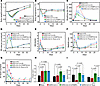 Figure 8
Effects of mitochondrial ROS scavenging or JAK/STAT inhibition on pulmonary and cardiac sequelae of COVID-19. (A and B) COVID-19–induced changes in body weight (A) or temperature (B) were not significantly altered by mitoTEMPO (mTEMPO) or ruxolitinib (Ruxo) treatments. (C) SARS-CoV-2–induced tachypnea was significantly attenuated by both mTEMPO and Ruxo treatments. †P < 0.005, ‡P < 0.0001. (D) mTEMPO, but not Ruxo, attenuated the increase in RR interval at 1 and 3 dpi. After returning to baseline level at 7 dpi, both treatments showed no impact on the redeveloped bradycardia. *P < 0.05, ‡P < 0.0001. (E and F) The early spike in sinus pauses (E) and RMSSD (F) at 1 dpi were not significantly decreased by either treatment. Both Ruxo and mTEMPO attenuated the late effects of SARS-CoV-2 infection on sinus pauses at 21 or 28 dpi, respectively (*P < 0.05). Only mTEMPO significantly suppressed RMSSD at 28 dpi (*P < 0.05). (G) Both treatments significantly attenuated the incidence of AV block 1–7 dpi and abrogated the sustained increase in AV block at 14–28 dpi. (*P < 0.05, †P < 0.01; compared with SARS-CoV-2 alone, blue symbols are Ruxo treatment, green symbols are mTEMPO treatment; see Supplemental Table 4 for additional within group comparisons with 0 dpi.) (H) Iba1+ macrophage density increased in the CCS region in all SARS-CoV-2–infected groups, regardless of treatment at 4 dpi, and returned to baseline level at 28 dpi, except in the mTEMPO-treated group). (I) Treatment with either mTEMPO or Ruxo prevented the decrease in CD163+ macrophage density in the conduction region at 4 dpi. Two-way mixed-effect ANOVA was performed for H and I. We analyzed 3–11 hamsters per group per parameter. n = 3 for groups of 4 dpi and n = 4 for groups of 28 dpi. Each heart has 3 repeats. Ruxo and mitoTEMPO treatment data are superimposed on that of mock- and untreated SARS-CoV-2–infected groups reproduced from Figures 1 and 2.
Ruxo or mitoTEMPO treatments had minimal effect on the decreases in body weight or body temperature observed after SARS-CoV-2 infection (Figure 8, A and B); however, both treatments significantly inhibited the tachypnea associated with COVID-19 (Figure 8C). Ruxo treatment decreased the peak breathing rate by 27% and 34% at 5 and 7 dpi, respectively, compared with SARS-CoV-2 infection alone. MitoTEMPO treatment decreased the peak breathing rate by 36% and 48% at 5 and 7 dpi, compared with untreated infected animals. MitoTEMPO treatment was more effective than Ruxo treatment at suppressing tachypnea, and the recovery to baseline was faster (Figure 8C). Interestingly, mitoTEMPO treatment improved the cardiac electrophysiological phenotype, blunting the increase in RR interval over the first 7 dpi (Figure 8D). Although mitoTEMPO was only administered during the acute phase, its effect extended to postinfection phase. The prolonged response of RR100 and RMSSD to SARS-CoV-2 infection was suppressed, and there was no significant difference in RR100 or RMSSD at 21 or 28 dpi, as compared with 0 dpi (Figure 8, E and F). Ruxo had no significant effect on sinus bradycardia and autonomic dysfunction associated with COVID-19; however, both mitoTEMPO and Ruxo prevented AV block in the postinfection phase from 7–28 dpi, where the incidence of AV block remained higher than baseline in the group with SARS-CoV-2 infection alone (Figure 8G). We next examined macrophage densities and found that the increase in Iba1+ macrophages in the CCS in the COVID-19 group at 4 dpi was not prevented by either of the treatments (Figure 8H); however, both treatments prevented the early decline in CD163+ macrophages (resident or M2-type macrophages) (Figure 8I). At 28 dpi, Iba1+ and CD613+ macrophage counts reverted to the levels of uninfected controls in all the SARS-CoV-2 groups except the mitoTEMPO treated.


