
Go to The Journal of Clinical Investigation
  • About
  • Editors
  • Consulting Editors
  • For authors
  • Publication ethics
  • Publication alerts by email
  • Transfers
  • Advertising
  • Job board
  • Contact
  • Physician-Scientist Development
  • Current issue
  • Past issues
  • By specialty
    • COVID-19
    • Cardiology
    • Immunology
    • Metabolism
    • Nephrology
    • Oncology
    • Pulmonology
    • All ...
  • Videos
  • Collections
    • In-Press Preview
    • Resource and Technical Advances
    • Clinical Research and Public Health
    • Research Letters
    • Editorials
    • Perspectives
    • Physician-Scientist Development
    • Reviews
    • Top read articles

  • Current issue
  • Past issues
  • Specialties
  • In-Press Preview
  • Resource and Technical Advances
  • Clinical Research and Public Health
  • Research Letters
  • Editorials
  • Perspectives
  • Physician-Scientist Development
  • Reviews
  • Top read articles
  • About
  • Editors
  • Consulting Editors
  • For authors
  • Publication ethics
  • Publication alerts by email
  • Transfers
  • Advertising
  • Job board
  • Contact
Top
  • View PDF
  • Download citation information
  • Send a comment
  • Terms of use
  • Standard abbreviations
  • Need help? Email the journal
  • Top
  • Abstract
  • Introduction
  • Results
  • Discussion
  • Methods
  • Author contributions
  • Funding support
  • Supplemental material
  • Acknowledgments
  • Footnotes
  • References
  • Version history
  • Article usage
  • Citations to this article
Advertisement

Research ArticleMetabolismMuscle biology Open Access | 10.1172/jci.insight.192376

A role for the transcriptional coregulator RIP140 in the control of muscle endurance fitness

Elizabeth Pruzinsky,1 Kirill Batmanov,1 Denis M. Medeiros,2 Sarah M. Sulon,1 Brian P. Sullivan,1 Tomoya Sakamoto,1 Teresa C. Leone,1 Tejvir S. Khurana,3 and Daniel P. Kelly1

1Cardiovascular Institute, Perelman School of Medicine, University of Pennsylvania, Philadelphia, Pennsylvania, USA.

2Division of Biological and Biomedical Systems, School of Science and Engineering, The University of Missouri-Kansas City, Kansas City, Missouri, USA.

3Pennsylvania Muscle Institute, Department of Physiology, Perelman School of Medicine, University of Pennsylvania, Philadelphia, Pennsylvania, USA.

Address correspondence to: Daniel P. Kelly, Perelman School of Medicine, University of Pennsylvania, 3400 Civic Center Blvd., Smilow Translational Research Center, Room 11-122, Philadelphia, Pennsylvania 19104, USA. Phone: 215.898.0768; Email: dankelly@pennmedicine.upenn.edu.

Find articles by Pruzinsky, E. in: PubMed | Google Scholar |

1Cardiovascular Institute, Perelman School of Medicine, University of Pennsylvania, Philadelphia, Pennsylvania, USA.

2Division of Biological and Biomedical Systems, School of Science and Engineering, The University of Missouri-Kansas City, Kansas City, Missouri, USA.

3Pennsylvania Muscle Institute, Department of Physiology, Perelman School of Medicine, University of Pennsylvania, Philadelphia, Pennsylvania, USA.

Address correspondence to: Daniel P. Kelly, Perelman School of Medicine, University of Pennsylvania, 3400 Civic Center Blvd., Smilow Translational Research Center, Room 11-122, Philadelphia, Pennsylvania 19104, USA. Phone: 215.898.0768; Email: dankelly@pennmedicine.upenn.edu.

Find articles by Batmanov, K. in: PubMed | Google Scholar |

1Cardiovascular Institute, Perelman School of Medicine, University of Pennsylvania, Philadelphia, Pennsylvania, USA.

2Division of Biological and Biomedical Systems, School of Science and Engineering, The University of Missouri-Kansas City, Kansas City, Missouri, USA.

3Pennsylvania Muscle Institute, Department of Physiology, Perelman School of Medicine, University of Pennsylvania, Philadelphia, Pennsylvania, USA.

Address correspondence to: Daniel P. Kelly, Perelman School of Medicine, University of Pennsylvania, 3400 Civic Center Blvd., Smilow Translational Research Center, Room 11-122, Philadelphia, Pennsylvania 19104, USA. Phone: 215.898.0768; Email: dankelly@pennmedicine.upenn.edu.

Find articles by Medeiros, D. in: PubMed | Google Scholar

1Cardiovascular Institute, Perelman School of Medicine, University of Pennsylvania, Philadelphia, Pennsylvania, USA.

2Division of Biological and Biomedical Systems, School of Science and Engineering, The University of Missouri-Kansas City, Kansas City, Missouri, USA.

3Pennsylvania Muscle Institute, Department of Physiology, Perelman School of Medicine, University of Pennsylvania, Philadelphia, Pennsylvania, USA.

Address correspondence to: Daniel P. Kelly, Perelman School of Medicine, University of Pennsylvania, 3400 Civic Center Blvd., Smilow Translational Research Center, Room 11-122, Philadelphia, Pennsylvania 19104, USA. Phone: 215.898.0768; Email: dankelly@pennmedicine.upenn.edu.

Find articles by Sulon, S. in: PubMed | Google Scholar

1Cardiovascular Institute, Perelman School of Medicine, University of Pennsylvania, Philadelphia, Pennsylvania, USA.

2Division of Biological and Biomedical Systems, School of Science and Engineering, The University of Missouri-Kansas City, Kansas City, Missouri, USA.

3Pennsylvania Muscle Institute, Department of Physiology, Perelman School of Medicine, University of Pennsylvania, Philadelphia, Pennsylvania, USA.

Address correspondence to: Daniel P. Kelly, Perelman School of Medicine, University of Pennsylvania, 3400 Civic Center Blvd., Smilow Translational Research Center, Room 11-122, Philadelphia, Pennsylvania 19104, USA. Phone: 215.898.0768; Email: dankelly@pennmedicine.upenn.edu.

Find articles by Sullivan, B. in: PubMed | Google Scholar

1Cardiovascular Institute, Perelman School of Medicine, University of Pennsylvania, Philadelphia, Pennsylvania, USA.

2Division of Biological and Biomedical Systems, School of Science and Engineering, The University of Missouri-Kansas City, Kansas City, Missouri, USA.

3Pennsylvania Muscle Institute, Department of Physiology, Perelman School of Medicine, University of Pennsylvania, Philadelphia, Pennsylvania, USA.

Address correspondence to: Daniel P. Kelly, Perelman School of Medicine, University of Pennsylvania, 3400 Civic Center Blvd., Smilow Translational Research Center, Room 11-122, Philadelphia, Pennsylvania 19104, USA. Phone: 215.898.0768; Email: dankelly@pennmedicine.upenn.edu.

Find articles by Sakamoto, T. in: PubMed | Google Scholar |

1Cardiovascular Institute, Perelman School of Medicine, University of Pennsylvania, Philadelphia, Pennsylvania, USA.

2Division of Biological and Biomedical Systems, School of Science and Engineering, The University of Missouri-Kansas City, Kansas City, Missouri, USA.

3Pennsylvania Muscle Institute, Department of Physiology, Perelman School of Medicine, University of Pennsylvania, Philadelphia, Pennsylvania, USA.

Address correspondence to: Daniel P. Kelly, Perelman School of Medicine, University of Pennsylvania, 3400 Civic Center Blvd., Smilow Translational Research Center, Room 11-122, Philadelphia, Pennsylvania 19104, USA. Phone: 215.898.0768; Email: dankelly@pennmedicine.upenn.edu.

Find articles by Leone, T. in: PubMed | Google Scholar

1Cardiovascular Institute, Perelman School of Medicine, University of Pennsylvania, Philadelphia, Pennsylvania, USA.

2Division of Biological and Biomedical Systems, School of Science and Engineering, The University of Missouri-Kansas City, Kansas City, Missouri, USA.

3Pennsylvania Muscle Institute, Department of Physiology, Perelman School of Medicine, University of Pennsylvania, Philadelphia, Pennsylvania, USA.

Address correspondence to: Daniel P. Kelly, Perelman School of Medicine, University of Pennsylvania, 3400 Civic Center Blvd., Smilow Translational Research Center, Room 11-122, Philadelphia, Pennsylvania 19104, USA. Phone: 215.898.0768; Email: dankelly@pennmedicine.upenn.edu.

Find articles by Khurana, T. in: PubMed | Google Scholar

1Cardiovascular Institute, Perelman School of Medicine, University of Pennsylvania, Philadelphia, Pennsylvania, USA.

2Division of Biological and Biomedical Systems, School of Science and Engineering, The University of Missouri-Kansas City, Kansas City, Missouri, USA.

3Pennsylvania Muscle Institute, Department of Physiology, Perelman School of Medicine, University of Pennsylvania, Philadelphia, Pennsylvania, USA.

Address correspondence to: Daniel P. Kelly, Perelman School of Medicine, University of Pennsylvania, 3400 Civic Center Blvd., Smilow Translational Research Center, Room 11-122, Philadelphia, Pennsylvania 19104, USA. Phone: 215.898.0768; Email: dankelly@pennmedicine.upenn.edu.

Find articles by Kelly, D. in: PubMed | Google Scholar |

Published October 21, 2025 - More info

Published in Volume 10, Issue 22 on November 24, 2025
JCI Insight. 2025;10(22):e192376. https://doi.org/10.1172/jci.insight.192376.
© 2025 Pruzinsky et al. This work is licensed under the Creative Commons Attribution 4.0 International License. To view a copy of this license, visit http://creativecommons.org/licenses/by/4.0/.
Published October 21, 2025 - Version history
Received: February 14, 2025; Accepted: September 25, 2025
View PDF
Abstract

Poor skeletal muscle fitness contributes to many chronic disease states, including obesity, heart failure, primary muscle disorders, and age-related sarcopenia. Receptor-interacting protein 140 (RIP140) is a striated muscle–enriched nuclear receptor coregulator known to suppress mitochondrial oxidative capacity. To investigate the role of RIP140 in skeletal muscle, striated muscle–specific RIP140-deficient (strNrip1–/–) mice were generated and characterized. strNrip1–/– mice displayed an enhanced endurance performance phenotype. RNA-sequence (RNA-seq) analysis of glycolytic fast-twitch muscle from strNrip1–/– mice identified a broad array of differentially upregulated metabolic and structural muscle genes known to be induced by endurance training, including pathways involved in mitochondrial biogenesis and respiration, fatty acid oxidation, slow muscle fiber type, and angiogenesis. In addition, muscle RIP140 deficiency induced expansive neuromuscular junction (NMJ) remodeling. Integration of RNA-seq results with CUT&RUN analysis of strNrip1–/– myotubes identified Wnt16 as a candidate effector for the NMJ biogenesis in RIP140-deficient skeletal myotubes. We conclude that RIP140 serves as a physiological “rheostat” for a broad coordinated network of metabolic and structural genes involved in skeletal muscle fitness.

Graphical Abstract
graphical abstract
Introduction

Poor muscle fitness, largely as a result of physical inactivity, occurs with many chronic diseases including obesity, cancer, heart failure, and age-related sarcopenia states. Enhancing muscle functional fitness through regular aerobic exercise training regimens in patients with chronic disease has been shown to improve quality of life, functionality, and health outcomes (1–4). Delineation of the molecular regulatory mechanisms involved in exercise-induced skeletal muscle fitness could lead to new strategies aimed at enhancing and maintaining optimal muscle function in the context of aging and chronic diseases.

Regular aerobic exercise has been shown to elicit an array of stereotypic physiologic, metabolic, and structural adaptive changes in skeletal muscle, including enhanced endurance performance, increased mitochondrial functional capacity, a shift toward oxidative fibers, and angiogenesis (5). The mechanisms involved in the integrative control of these processes with regular physical activity are incompletely understood. Previous studies have shown an important role for the nuclear receptors, the peroxisome proliferator-activated receptor (PPAR) and the estrogen-related receptor (ERR), in transducing exercise to the transcriptional control of muscle fuel metabolism, mitochondrial function, and the oxidative fiber program (6, 7). We and others have shown that transgenic overexpression of PPARδ (8–10) and ERRα and -γ (11–15) in mice results in an impressive endurance phenotype with evidence of increased capacity for fatty acid oxidation, and a shift toward oxidative fiber types, key signatures of endurance fitness. In addition, muscle overexpression of the transcriptional coregulator PPARγ coactivator-1α (PGC-1α), an exercise-induced coactivator of ERR and PPAR (16), also results in an endurance phenotype (17, 18).

The impressive phenotypes of the PPARδ, ERRα/γ, and PGC-1α transgenic mouse lines have provided important insight into transcriptional drivers of muscle metabolic fitness. However, these studies relied on overexpression techniques that are supraphysiologic and difficult to translate into therapeutic strategies. We hypothesized that endogenous coregulators of the PGC-1/nuclear receptor axis modulate this circuitry. If so, targeting such regulators may prove to be a means of enhancing the integrated endurance response within a physiological range, in contrast with the supraphysiological effects of transcription factor overexpression. To this end, we focused on the nuclear receptor coregulator, receptor-interacting protein 140 (RIP140), encoded by Nrip1. RIP140 has been shown to act as a corepressor for PPAR and ERR in adipose and other cell types (19–24). Generalized RIP140-null mice display resistance to diet-induced obesity related to enhanced mitochondrial oxidative capacity and uncoupling in brown and white adipose tissue (20, 21). Notably, skeletal muscle of generalized RIP140-null mice exhibit an increased proportion of oxidative fibers (19). However, the direct effect of RIP140 deficiency on muscle metabolism and structure has not been defined. Herein, we demonstrate that mice with muscle-specific RIP140 deficiency exhibit an endurance phenotype that is further enhanced by exercise training. Genomic and phenotypic interrogation of the RIP140-deficient muscle demonstrated activation of a wide array of metabolic and structural endurance fitness signatures, including the surprising finding of neuromuscular junction (NMJ) expansion. Transcriptional enhancer profiling of skeletal myocytes isolated from striated muscle–specific RIP140-deficient (strNrip1–/–) mice using H3K27ac cleavage under target and release using nuclease (CUT&RUN) analysis identified Wnt16 as a potential regulator of NMJ biogenesis downstream of the suppressive effect of RIP140.

Results

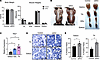
strNrip1–/– mice display an oxidative muscle phenotype that is prominent in fast-twitch muscle. strNrip1–/– mice were generated as we have previously described using a muscle creatine kinase (MCK) promoter–driven Cre recombinase that targets heart and skeletal muscle (25). The strNrip1–/– mice have similar body and muscle weights compared to age-matched littermate WT controls (Figure 1A). The gross appearance of the strNrip1–/– muscle was significantly darker and red in color compared with WT controls (Figure 1B). This difference was most apparent in fast-twitch muscles such as extensor digitalis longus (EDL), tibialis anterior (TA), and gastrocnemius compared with the more oxidative fiber–enriched soleus (Figure 1B), consistent with the greater expression of Nrip1 in glycolytic, fast-twitch muscle (Figure 1C). Corroborating these results, available single-nucleus RNA-sequencing (RNA-seq) data showed higher Nrip1 expression in type 2B myonuclei in TA muscle and low expression in type 1 and 2A myonuclei in soleus muscle (26). These results are indicative of a shift toward more oxidative fibers, particularly in fast-twitch muscle. This conclusion was further supported by the observation that succinate dehydrogenase (SDH) staining, a measure of mitochondrial oxidative capacity, is increased in strNrip1–/– muscle (Figure 1, D and E). The increased SDH staining was more evident in the strNrip1–/– TA compared with soleus, further indicating a greater impact of Nrip1 KO in fast-twitch compared with slow-twitch muscle (Figure 1, D and E).
Striated muscle–specific RIP140-KO (strNrip1–/–) mice display an oxidativeFigure 1

Striated muscle–specific RIP140-KO (strNrip1–/–) mice display an oxidative muscle phenotype that is prominent in fast-twitch muscles. (A) Body and muscle weights comparing 8-week-old WT control and strNrip1–/– (strKO) male mice (n = 5 mice per group). (B) Photographs of whole body and individual muscles of 8-week-old WT control and strKO male mouse muscle. Gastrocnemius (gastroc), tibialis anterior (TA), extensor digitalis longus (EDL), and soleus. (C) Nrip1 gene expression in soleus (slow-twitch), EDL (fast-twitch), and TA (fast-twitch) muscle in 8-week-old WT control male mice (n = 6 mice per group). (D) Representative images of succinate dehydrogenase (SDH) staining of WT control and strKO TA and soleus muscle (n = 4 animals per group per muscle type). Scale bars: 50 μm. (E) Quantification of SDH-positive fibers in soleus and TA muscle comparing control and strKO male mice (n = 4 animals per group). Values shown are mean ± SEM. *P < 0.05 versus control by 2-tailed, unpaired Student’s t test (A, C, and E).

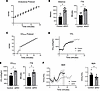
Deficiency of RIP140 in skeletal muscle results in enhanced endurance performance. The exercise performance of strNrip1–/– and WT controls was assessed utilizing an endurance protocol on a motorized treadmill (Figure 2A). Approximately 8% of mice were deemed non-runners in this mouse line. Male strNrip1–/– mice displayed an enhanced endurance performance, indicated by a significant increase in distance and time to exhaustion (Figure 2B). To further investigate this phenotype, the maximum rate of oxygen consumption (VO2max) was assessed during exercise to exhaustion as shown in Figure 2C. Male strNrip1–/– mice exhibited a markedly greater VO2max compared with WT controls, as well as increased time to exhaustion (Figure 2, D and E). The respiratory exchange ratio (RER) was determined during the VO2max protocol as a general measure of fuel utilization. Compared with WT controls, RER was maintained at a significantly lower level in strNrip1–/– mice during the exercise period indicative of greater reliance on fatty acid oxidation during exercise, consistent with a trained phenotype (Figure 2F). This was confirmed by calculating the percentage of carbohydrate and fat oxidation throughout the VO2max exercise protocol, indicating strNrip1–/– mice utilize fatty acids as fuel to a greater degree compared with WT control mice (Supplemental Figure 1, A and B; supplemental material available online with this article; https://doi.org/10.1172/jci.insight.192376DS1).
strNrip1–/– mice display enhanced endurance performance.Figure 2

strNrip1–/– mice display enhanced endurance performance. (A) Schematic of the motorized treadmill endurance performance protocol. (B) Endurance performance results showing distance and time to exhaustion (TTE) of 8-week-old WT control and strNrip1–/– (strKO) male mice (n = 8 mice per group). (C) Schematic of the motorized treadmill VO2max protocol. (D) VO2 of 8-week-old male WT control and strKO mice plotted against time using the VO2max exercise protocol (n = 9 mice per group). (E) VO2max and TTE comparing WT control and strKO mice from the VO2max exercise protocol. (F) Respiratory exchange ratio (RER) of WT control and strKO mice throughout the VO2max protocol. The averaged point of WT control exhaustion is shown as the shaded region in light gray and shown as a comparative plot (n = 9 mice per group). Values represent mean ± SEM. *P < 0.05 versus control by 2-tailed, unpaired Student’s t test (B, E, and F).

Female strNrip1–/– mice displayed a similar exercise phenotype to that observed in the male strNrip1–/– mice (Supplemental Figure 2, A–E); however, the effect of RIP140 depletion was less pronounced due to enhanced endurance performance in WT control female mice at baseline compared with male mice likely due to greater baseline fatty acid oxidation capacity, as described previously (27, 28). Concordantly, Nrip1 expression levels were lower in WT control female mice compared with males (Supplemental Figure 2F).

Given that RIP140 was depleted in both heart and skeletal muscle in the strNrip1–/– mice, we sought to determine the relative contribution of RIP140 deficiency in heart and skeletal muscle to the endurance phenotype of strNrip1–/– mice. As a first step, ex vivo muscle fatiguability and force generation studies were performed in fast-twitch (EDL) and slow-twitch (soleus) muscle isolated from male strNrip1–/– and WT control mice. strNrip1–/– EDL displayed decreased fatiguability compared with WT control EDL, while soleus showed no significant change (Supplemental Figure 3, A and B). This result is concordant with the greater effect of RIP140 depletion on fast-twitch skeletal muscle. Interestingly, recovery of force generation following completion of the fatigue protocol was also improved in strNrip1–/– EDL compared with WT control EDL (Supplemental Figure 3C). No significant change was seen in maximum tetanic force in either EDL or soleus between strNrip1–/– and WT control mice (Supplemental Figure 3D). These results indicate a skeletal muscle–autonomous contribution to the endurance phenotype observed in the strNrip1–/– mouse.

To further evaluate the contribution of muscle RIP140 depletion to the endurance phenotype of strNrip1–/– mice, skeletal muscle–specific RIP140-deficient mice (skmNrip1–/– mice) were generated using a myogenin-Cre recombinase driver (29) (Supplemental Figure 4, A and B). The general phenotype of skmNrip1–/– mice phenocopied that of the strNrip1–/– mice, including normal growth, muscle weight, and appearance (Supplemental Figure 4, C and D). Approximately 11% of mice were deemed non-runners in this mouse line. Notably, skmNrip1–/– mice exhibit enhanced endurance performance like that of strNrip1–/– mice, including an increase in distance and time to exhaustion (Supplemental Figure 5A), a significantly greater VO2max, and decreased RER compared with WT controls (Supplemental Figure 5, B–D). Additionally, skmNrip1–/– mice display greater utilization of fatty acids and subsequently less carbohydrate utilization during exercise compared with WT control mice (Supplemental Figure 5, E and F). Directly comparing VO2max levels, time to exhaustion, and RER from strNrip1–/– and skmNrip1–/– mice showed no difference between these models (Supplemental Figure 6, A–E). Taken together, these findings indicate that depletion of RIP140 in skeletal muscle drives the enhanced endurance phenotype of strNrip1–/– mice.

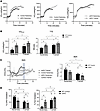
Augmentation of the endurance phenotype of strNrip1–/– mice by exercise training. Given the impressive endurance performance of the strNrip1–/– mice, we next determined whether endurance training could further enhance this phenotype. To this end, 8-week-old male strNrip1–/– and WT control littermate mice were subjected to either nocturnal voluntary wheel running or sedentary conditions for 8 weeks. strNrip1–/– and WT control littermate mice ran similar distances per night (Supplemental Figure 7A). Body composition measurements did not display significant differences between any groups (Supplemental Figure 7B). At the completion of the training period, the 4 groups (sedentary WT control, sedentary strNrip1–/–, WT control trained, and strNrip1–/– trained) underwent VO2max testing. The data revealed significant effects of training (P = 0.0002) and genotype (P < 0.0001) on VO2max and time to exhaustion, with no significant training × genotype interaction (Figure 3, A and B). Thus, training increased endurance similarly in both WT and strNrip1–/– mice, and strNrip1–/– animals exhibited higher values overall. Similar results were observed in distance and time to exhaustion in treadmill endurance testing (Supplemental Figure 7C). A comparable pattern was observed for RER (Figure 3C; training effect, P = 0.0002; genotype effect, P = 0.02; no interaction). Consistent with the RER results, the calculated percentage of fatty acid oxidation during the exercise protocol was further increased by training in WT and strNrip1–/– mice (Figure 3D). Concordantly, the percentage of carbohydrate oxidation was further decreased by training in both genotypes (Figure 3D). Notably, Nrip1 expression was not significantly different between WT control trained and sedentary muscle (Supplemental Figure 7D). Altogether, these data indicate that the enhanced endurance phenotype of strNrip1–/– mice can be further improved by exercise.
strNrip1–/– mice are capable of training to a VO2max beyond baseline enduraFigure 3

strNrip1–/– mice are capable of training to a VO2max beyond baseline endurance phenotype. (A) VO2 plotted against time of the VO2max exercise protocol comparing WT control sedentary and strNrip1–/– (strKO) sedentary mice, WT control sedentary and trained WT control mice, and strKO sedentary and strKO trained mice (n = 6–7 mice per group). (B) VO2max and time-to-exhaustion (TTE) values from the VO2max exercise protocol comparing WT control sedentary versus trained, and strKO sedentary versus trained male mice (n = 6–7 mice per group). (C) Respiratory exchange ratio (RER) derived from the VO2max exercise protocol comparing WT control sedentary, WT control trained, strKO sedentary, and strKO trained male mice at 16 weeks of age and plotted at the averaged point of WT control exhaustion shaded in gray (n = 6–7 mice per group). (D) Percentage carbohydrate (CHO) and fat oxidation calculated from RER measurements derived from the VO2max testing protocol comparing WT control sedentary, WT control trained, strKO sedentary, and strKO trained male mice (n = 6–7 mice per group). Values are the mean ± SEM. #P < 0.05 comparing genotypes and †P < 0.05 comparing training by 2-way ANOVA displaying main effects (B–D).

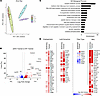
Muscle RIP140 deficiency activates a broad muscle endurance fitness network. Previous studies have demonstrated that loss of RIP140 increases mitochondrial oxidative capacity in adipocytes (30, 31). In addition, we have shown that cardiac-specific deletion of RIP140 increases cardiomyocyte mitochondrial respiratory capacity and fatty acid oxidation rates (25). Concordantly, the robust endurance phenotype of the strNrip1–/– and skmNrip1–/– mice suggested that processes in addition to fuel and energy metabolism were induced in muscle of these mice. Indeed, a variety of cellular and structural processes are known to be transcriptionally regulated in response to endurance training such as fiber type, mitochondrial biogenesis, and angiogenesis (32). Given that RIP140 often serves as a transcriptional corepressor, we first sought to delineate the genes and pathways that were induced in strNrip1–/– muscle. RNA-seq was conducted on EDL of all 4 groups in the training study: WT control sedentary, strNrip1–/– sedentary, WT control trained, and strNrip1–/– trained. Principal component analysis (PCA) displayed distinct separation between WT control and strNrip1–/– groups (Figure 4A). The groups aligned largely along genotypes; WT control sedentary and WT control trained groups were distinct from strNrip1–/– sedentary and strNrip1–/– trained groups (Figure 4A). The impact of RIP140 on gene expression in the sedentary groups was first assessed. Differential expression analysis comparing strNrip1–/– and WT control sedentary groups revealed 421 upregulated genes and 288 downregulated genes (fold change [FC] > 1.2 and FDR < 0.05) (Supplemental Figure 8A). As expected, Gene Ontology (GO) pathway analysis demonstrated upregulation of many energy metabolic processes, including mitochondrial respiration and electron transport, fatty acid β-oxidation, tricarboxylic acid cycle, and triglyceride/lipid droplet dynamics (Supplemental Figure 8B). Downregulated pathways included fast-twitch skeletal muscle fiber contraction, glucose catabolic process to lactate via pyruvate (glycolysis), and other glucose metabolic processes (Supplemental Figure 8C). Similar RNA-seq results were found in sedentary skmNrip1–/– TA (Supplemental Figure 9, A–D). We next compared the gene expression profiles of strNrip1–/– trained and WT control trained mice. This comparison identified 616 upregulated and 506 downregulated differentially expressed genes (DEGs) in strNrip1–/– trained EDL compared with WT control trained EDL (FC > 1.2 and FDR < 0.05) (Figure 4B). GO pathway analysis of strNrip1–/– trained EDL compared with WT control trained EDL revealed differential upregulation of many of the same genes and pathways that are upregulated in sedentary strNrip1–/– EDL (Figure 4, C and D). Interestingly, several canonical non-metabolic muscle fitness genes were also upregulated in the sedentary and trained strNrip1–/– muscle, including angiogenesis and NMJ biosynthesis (Figure 4D). These results provide evidence that RIP140 serves to repress genes involved in a larger network of muscle processes involved in the fitness phenotype, ranging from energy metabolism and structural adaptive responses, such as angiogenesis and NMJ remodeling.
RIP140 regulates an array of pathways/processes known to be involved in musFigure 4

RIP140 regulates an array of pathways/processes known to be involved in muscle endurance. (A) PCA plot displaying WT control sedentary (WT_S), WT control trained (WT_TR), strNrip1–/– (strKO) sedentary (KO_S), and strNrip1–/– trained (KO_TR) groups from RNA-seq of EDL muscle (n = 3 per group). (B) Volcano plot comparing strKO trained and WT control trained differentially expressed genes (DEGs) from RNA-seq of EDL muscle. (C) Gene Ontology (GO) pathway analysis of upregulated Biological Process pathways in strKO trained EDL compared to WT control trained EDL. (D) Heatmap of upregulated DEGs at sedentary and trained conditions in strKO EDL muscle compared to corresponding WT controls. Fold change (FC) > 1.2, FDR < 0.05.

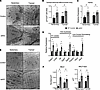
We sought to assess structural correlates of the activated gene regulatory pathways in strNrip1–/– mice at baseline and with training, starting with the well-known adaptive increase in capacity for mitochondrial energy transduction. Many of the genes upregulated in the muscle of the strNrip1–/– mouse model are involved in mitochondrial fuel and energy transduction. Endurance training has been shown to induce mitochondrial biogenesis in rodent and human skeletal muscle (33–36). Quantitative electron microscopy analyses demonstrated significantly increased subsarcolemmal mitochondrial area in strNrip1–/– EDL at baseline compared with WT controls, which was not significantly increased with training (Figure 5, A and B). This corresponded to EDL mitochondrial DNA (mtDNA) content (Figure 5C). Measurement of intermyofibrillar (IMF) mitochondria displayed an increase in strNrip1–/– trained EDL compared with sedentary strNrip1–/– EDL (strNrip1–/– trained: 0.060 ± 0.02; strNrip1–/– sedentary: 0.022 ± 0.004; P = 0.03), while all other group comparisons showed no significant difference (WT trained: 0.046 ± 0.014; WT sedentary: 0.039 ± 0.01).
The ultrastructure of strNrip1–/– EDL reveals increased subsarcolemmal mitoFigure 5

The ultrastructure of strNrip1–/– EDL reveals increased subsarcolemmal mitochondria and intramyocellular lipid droplets (IMLDs) in close apposition. (A) Representative electron micrographs of subsarcolemmal mitochondria in EDL muscle from 16-week-old male strNrip1–/– (strKO) sedentary, WT control sedentary, strNrip1–/– trained, and WT control trained mice. Scale bars: 1 μm. (B) Subsarcolemmal mitochondrial density quantified from the electron micrograph images from strKO sedentary, WT control sedentary, strKO trained, and WT control trained mice (n = 4–5 mice per group, 5 images analyzed per mouse). (C) Mitochondrial DNA (mtDNA) quantified from EDL muscle from male strKO sedentary, WT control sedentary, strKO trained, and WT control trained mice (n = 4–5 mice per group). (D) Expression of genes involved in triglyceride dynamics comparing strKO and WT control EDL muscle measured by qPCR (n = 5–6 mice per group). TAG, triacylglycerol; FA, fatty acid. (E) Representative electron micrographs of EDL muscle from male strKO sedentary, control sedentary, strKO trained, and WT control trained mice depicting lipid droplets (n = 4 mice per group). Scale bars: 1 μm. (F) IMLD number and size measured from the electron micrographs in EDL muscle from male strKO sedentary, control sedentary, strKO trained, and WT control trained mice (n = 4 per group, 5 images analyzed per mouse). Values are the mean ± SEM. #P < 0.05 comparing genotypes and †P < 0.05 comparing training by 2-way ANOVA displaying main effects (B, C, and F) or by 2-tailed, unpaired Student’s t test (D).

Several highly regulated transcriptional pathways in the strNrip1–/– EDL involve triglyceride and lipid droplet dynamics, including fatty acid uptake, lipid biosynthetic processes, and lipid droplet remodeling (Figure 5D). This is interesting given that with endurance exercise training, an increase in lipid droplet storage occurs, presumably to meet the increased demand for mitochondrial fatty acid oxidation (37, 38). Electron microscopy revealed occasional intramyocellular lipid droplets (IMLDs) in contact with IMF mitochondria in sedentary WT control EDL (Figure 5E). In contrast, a significantly greater number of lipid droplets, juxtaposed to IMF mitochondria, were observed in sedentary strNrip1–/– muscle (Figure 5E). Quantification of the lipid droplets in contact with IMF mitochondria confirmed a significantly greater number of lipid droplets in strNrip1–/– muscle compared with WT muscle (Figure 5F). Average lipid droplet size was also larger in strNrip1–/– muscle compared with WT control muscle (Figure 5F). Training did not significantly alter lipid droplet number or size (Figure 5F). These collective results provide structural correlates for the induction of genes involved in fatty acid storage and lipolysis as well as an increase in mitochondrial capacity for oxidation in strNrip1–/– muscle, consistent with the observed endurance phenotype.

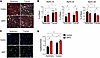
Canonical changes in fiber type involving a shift from fast glycolytic fibers (MyHC-2B) to intermediate and oxidative fibers (MyHC-2X, MyHC-2A, and MyHC-1) occur in endurance-trained muscle (39, 40). Consistent with such a shift, the gene expression profiling indicated that expression of a subset of fast intermediate gene isoforms was increased and fast glycolytic isoforms decreased in sedentary strNrip1–/– muscle (Figure 4D). Fiber type composition was determined using myosin immunostaining in strNrip1–/– muscle. A significant increase in type 2X fibers (MyHC-2X) and a decrease in type 2B fibers (MyHC-2B) was observed in strNrip1–/– EDL at baseline compared with WT controls (Figure 6, A and B). Training induced an increase in type 2A fibers (MyHC-2A) in both genotypes along with a further decrease in type 2B fibers (Figure 6, A and B). The fiber type shift patterns were similar in a second fast glycolytic muscle, TA muscle, with a trend toward increased type 2A fibers at baseline in strNrip1–/– mice compared with WT control sedentary mice (Supplemental Figure 10, A and B). Taken together, these results indicate that fast-twitch muscles of the strNrip1–/– mice display a shift away from the fast glycolytic fiber type (type 2B) toward intermediate (type 2X) and oxidative (type 2A) fibers.
strNrip1–/– mice display a shift in fiber type and increased angiogenesis.Figure 6

strNrip1–/– mice display a shift in fiber type and increased angiogenesis. (A) Fiber type staining of EDL muscle from 16-week-old male strNrip1–/– (strKO) sedentary, control sedentary, strNrip1–/– trained, and control trained mice (n = 5–7 mice per group). Scale bars: 50 μm. (B) Quantification of myosin expression (MyHC-2A, MyHC-2X, and MyHC-2B) from EDL fiber type images of male strKO sedentary, control sedentary, strKO trained, and control trained mice (n = 5–7 mice per group). (C) CD31 staining (green) of EDL muscle from 16-week-old male strKO sedentary, control sedentary, strKO trained, and control trained mice (n = 4–5 mice per group). Scale bars: 50 μm. (D) Quantification of capillaries per fiber from CD31-immunostained EDL images from strKO sedentary, control sedentary, strKO trained, and control trained mice (n = 4–5 mice per group). Values are the mean ± SEM. #P < 0.05 comparing genotypes and †P < 0.05 comparing training by 2-way ANOVA displaying main effects (B) or *P < 0.05 by 2-way ANOVA with Tukey’s multiple-comparison test (D).

Skeletal muscle capillary density increases in response to endurance training as an adaptation for higher oxygen delivery for aerobic respiration (41–43). Notably, expression of a subset of angiogenic genes (Vegfa, Atp5b, Egln1, Epas1, Fgfbp1, Tie1, and Plk2) was increased in strNrip1–/– EDL at baseline, with an even greater number increased with training (Figure 4D). Capillary density was assessed via CD31 immunostaining, a marker of endothelial cells, in muscles from all 4 groups of the training study. CD31 staining of EDL and TA muscle revealed an increase in capillary number per muscle fiber in sedentary strNrip1–/– mice compared with WT control mice (Figure 6, C and D, and Supplemental Figure 10, C and D). Training further increased capillary number in the strNrip1–/– TA and EDL (Figure 6, C and D, and Supplemental Figure 10, C and D). These results indicate strNrip1–/– muscle displays increased angiogenesis compared with WT controls and is potentiated with training.

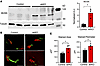
The NMJ is known to undergo adaptive remodeling in response to endurance training, including an increase in the area and density of clustered acetylcholine receptors within the motor end plate (44–48). A group of genes involved in NMJ biogenesis were significantly upregulated in sedentary and trained strNrip1–/– EDL, including Musk, Chrna4, Chrna2, Grm1, Zmynd8, Unc13c, Wnt16, and Pde4a (Figure 4D) (49–51). One of the most highly regulated genes was muscle-specific kinase, or Musk, a tyrosine kinase responsible for clustering of the acetylcholine receptors at the motor end plate (52–54). Immunoblotting confirmed increased MUSK protein levels in strNrip1–/– EDL muscle (Figure 7A). Given the role MUSK plays in acetylcholine receptor clustering at the motor end plate, we next examined the acetylcholine receptor density in strNrip1–/– and WT control EDL muscle using α-bungarotoxin (α-BTX) immunostaining. The area and perimeter of α-BTX staining was significantly increased in sedentary strNrip1–/– EDL muscle compared with WT control EDL muscle (Figure 7, B and C). These results demonstrate that sedentary strNrip1–/– mice exhibit NMJ remodeling in fast-twitch muscle, akin to what occurs with exercise training.
Neuromuscular junction (NMJ) remodeling in sedentary strNrip1–/– mouse muscFigure 7

Neuromuscular junction (NMJ) remodeling in sedentary strNrip1–/– mouse muscle. (A) MUSK Western blot comparing WT control and strNrip1–/– (strKO) EDL muscle and quantification (normalized to tubulin) from 8-week-old male mice (n = 3 mice per group). (B) α-Bungarotoxin (α-BTX; motor end plate, red) and neurofilament (NF; nerve terminal, green) staining in WT control and strKO EDL muscle from 8-week-old male mice. Scale bars: 50 μm. (C) Stained area and stained perimeter measured from α-BTX (motor end plate) staining from WT control and strKO EDL muscle (n = 4 mice per group, 12–15 NMJs measured per mouse). Values are the mean ± SEM. *P < 0.05 versus control by 2-tailed, unpaired Student’s t test (A and C).

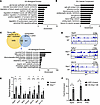
RIP140 regulates the transcription of a network of muscle genes involved in NMJ biosynthesis and remodeling. To further assess the direct transcriptional control of muscle RIP140 gene targets, we performed CUT&RUN sequencing using an antibody against the known histone enhancer mark, H3K27ac, in Nrip1–/– and WT control primary mouse myotubes isolated from gastrocnemius muscle. H3K27ac peaks that were significantly increased in Nrip1–/– myotubes compared with WT control myotubes were identified and the nearest genes were annotated. GO analysis of the annotated nearest genes demonstrated enrichment in biological process pathways involved in muscle, vascular, and neuronal development, including striated muscle cell differentiation, endothelial cell migration, and regulation of NMJ assembly (Figure 8, A and B). Intersection of this dataset with DEGs identified within an in vivo RNA-seq dataset of Nrip1–/– and WT control gastrocnemius muscle (25) identified overlap of 105 genes (Figure 8C). GO biological process pathway analysis of the intersected genes revealed pathway enrichment in metabolic (fatty-acyl-CoA metabolic process and respiratory electron transport chain), and developmental (circulatory system development and animal organ morphogenesis) processes (Figure 8C). Metabolic genes included a subset involved in fatty acid metabolism, including Acsl1, Dgat2, and Echs1, known targets of PPARα, a nuclear receptor known to be modulated by RIP140 (23, 55–57). Developmental pathway genes included those involved in angiogenesis (Fgfbp1, Esm1, and Epas1) and NMJ formation (Wnt16, Stat3, Bdnf, Unc13c, Slc16a7, and Abhd17c). Representative genomic browser shots displaying the CUT&RUN sequences mapped to the mouse genome comparing Nrip1–/– and control groups showing the differences in H3K27ac deposition for representative genes are shown in Figure 8D.
CUT&RUN sequencing reveals RIP140 targets involved in mitochondrial functioFigure 8

CUT&RUN sequencing reveals RIP140 targets involved in mitochondrial function, angiogenesis, and the NMJ. (A) GO Biological Process pathways and (B) Cellular Component pathways based on analysis of genes near increased H3K27ac peaks in Nrip1–/– myotubes compared to WT control primary myotubes. (C) Intersection analysis of upregulated H3K27ac gene annotated peaks in Nrip1–/– myotubes and upregulated differentially expressed genes (DEGs) in strKO gastrocnemius compared to their corresponding controls. GO biological process pathways are represented from the intersected gene list. (D) Representative CUT&RUN sequencing browser tracks from Dgat2, Fgfbp1, and Wnt16 comparing Nrip1–/– and WT control. Browser tracks were obtained utilizing the Integrative Genomics Viewer (https://igv.org/) displayed as sequence reads mapped to the reference genome (mouse mm10). The gene locus is represented in the bottom segment of each browser track and exon 1 (ex. 1) is labeled. Sequence read peaks are represented on a log scale. (E) Gene expression of fatty acid metabolic and NMJ genes denoted at the bottom comparing Nrip1–/– and WT control myotubes (n = 6–7 samples per group). (F) ChIP-qPCR enrichment at Dgat2 and Wnt16 H3K27ac peaks identified by CUT&RUN analyses and Hnfa (negative control) in 3x-HA-Nrip1–overexpressing (OE) and GFP control C2C12 myotubes (n = 4 samples per group). Values are the mean ± SEM. *P < 0.05 versus control by 2-tailed, unpaired Student’s t test (E and F).

The identification of the genes involved in NMJ biogenesis was of particular interest given the observation that the RIP140-deficient muscle exhibited an expansion of NMJ structure and less is known about the gene regulation of this process compared with the metabolic pathways. Increased expression of Wnt16, Chrna2, Bdnf, and Unc13c was confirmed in Nrip1–/– myotubes along with the expected upregulation of the lipid metabolic genes Dgat2 and Acsl1 (Figure 8E). In contrast with the other NMJ genes, the expression of Musk was not increased in Nrip1–/– myotubes, concordant with no change in H3K27ac deposition (Figure 8E). This was surprising given the significant induction of Musk mRNA and protein levels in Nrip1–/– EDL muscle. We next sought to determine whether the regulation of the NMJ program was a direct effect of transcriptional regulation by RIP140. We focused on Wnt16 because it has been implicated in the process of acetylcholine receptor clustering (49). Given that antibodies available for RIP140 are not suitable for ChIP, ChIP-qPCR was performed on 3x-HA-Nrip1–overexpressing C2C12 myotubes compared to backbone vector–infected control myotubes utilizing an anti-HA antibody. As expected, RIP140 occupation was confirmed on the Dgat2 promoter within the H3K27ac peak region (Figure 8F). Notably, this region contains a known PPAR binding motif (58). Importantly, direct occupation of RIP140 within the Wnt16 H3K27ac deposition region was also demonstrated (Figure 8F). These results indicate that Wnt16 is a direct target of RIP140 and likely plays a key role upstream of NMJ biogenesis.
Discussion

Transcriptional regulatory mechanisms driving muscle endurance fitness have begun to be unraveled over the past decade. The exercise-inducible transcriptional coregulator, PGC-1α, and its downstream nuclear receptors, ERR and PPAR, were shown to be necessary for the increase in skeletal muscle mitochondrial fatty acid oxidation and respiration capacity with endurance exercise training (59–61). Here, we demonstrate the impact of inhibiting a natural “brake” on this exercise-induced transcriptional regulatory axis, the coregulator RIP140, in mouse skeletal muscle. We found that skeletal muscle–specific depletion of RIP140 in mice triggers an array of downstream metabolic and structural responses that comprise an enhanced endurance phenotype in the absence of exercise training. In addition to the augmentation of muscle oxidative metabolism, as might be predicted based on the function of RIP140 in other tissues, downstream structural changes were observed in RIP140-deficient muscle, including angiogenesis and expansion of the NMJ. These findings were most pronounced in fast-twitch, glycolytic muscles where Nrip1 expression is higher compared with oxidative muscles.

An increase in the capacity for mitochondrial respiration and oxidation of fatty acids to generate ATP is a well-defined adaptive response of skeletal muscle to endurance exercise training. The RIP140-deficient state resulted in an augmentation of muscle oxidative capacity, including mitochondrial biogenesis, induction of fatty acid oxidation genes, and expansion of IMLDs. The high capacity to oxidize fat in Nrip1–/– mice was demonstrated by the maintenance of a low RER and high percentage of fatty acid oxidation throughout the exercise period. However, muscle adaptations beyond fuel utilization are required for enhanced endurance performance. Indeed, structural changes occurred in the RIP140-deficient muscle, including a shift to more oxidative muscle fiber types and an angiogenic response. These changes may be mediated by the nuclear receptors PPAR and ERR, given RIP140 has been shown to modulate these transcription factors in other cell types. In addition, similar effects have been shown with transgenic overexpression of PPAR and ERR (10, 11).

An interesting finding in this study was the observation of expansive NMJ remodeling in the RIP140-deficient muscle. Expansion of the NMJ occurs with exercise training, including increased density and clustering of acetylcholine receptors at the motor end plate (44, 45, 47, 62). Conversely, the density of the acetylcholine receptors at the motor end plate decreases and fragments with aging and muscular dystrophies (63, 64). We found that NMJ genes involved in formation and maintenance of the motor end plate were upregulated in RIP140-deficient muscle, including Musk, Chrna4, Chrna2, and Wnt16. Staining of acetylcholine receptors in strNrip1–/– EDL muscle demonstrated increased density and area of the motor end plate. Our integrated CUT&RUN and RNA-seq results identified genes near upregulated H3K27ac peaks in Nrip–/– muscle that are known to be involved in the formation of the motor end plate. This analysis identified Wnt16 as a gene of interest. Wnt16 is downstream of a region of increased H3K27ac deposition and is expressed at increased levels in Nrip1–/– primary myotubes and Nrip1–/– skeletal muscle in vivo. Members of the Wnt family, including Wnt16b, have been implicated in NMJ biosynthesis and acetylcholine receptor clustering at the motor end plate (49). Taken together, our results indicate that RIP140 serves as a repressor of Wnt16 transcription. However, the transcription factor targets involved in this regulation remain unknown. Notably, overexpression of PGC-1α in muscle has been shown to upregulate a subset of NMJ genes in mice, a mechanism that is dependent on the transcription factor GABPA (50). Several putative GABPA binding sites are present within the genomic region that RIP40 occupies on Wnt16, suggesting that RIP140 may modulate the PGC-1/GABP axis (65). Further delineation of the mechanism whereby RIP140 deficiency activates Wnt16 and downstream NMJ biogenesis will be of interest.

Our results raise the question of the normal physiological role of RIP140 in muscle and other tissues. Why is a repressor of muscle endurance machinery necessary? The answer to this question is unknown but several functions are possible. First, RIP140 can serve as a transcriptional coactivator or corepressor depending on cell context and developmental stage (19, 20, 66–70). It is possible that the most important function is during development where it has been shown to be involved in cellular proliferation and differentiation (71–76). Accordingly, perhaps the postnatal phenotype of RIP140-deficient muscle reflects changes during development. The strong enrichment of developmental programs in our CUT&RUN data are consistent with this hypothesis. A second possibility is that RIP140 serves a key physiologic homeostatic function in striated muscle by acting as a rheostat for endurance muscle function balanced against the need for recruitment of fast-twitch muscle for rapid sprinting. Depending on the environmental circumstance, demands for endurance performance versus “fight-or-flight” responses may be determined in part via coregulators such as RIP140. Consistent with this proposed role, Nrip1 begins to appear in the evolutionary tree in organisms capable of extensive locomotion and travel across environments. Nrip1 orthologs are present in Xenopus (gene ID: 100037834), zebrafish (gene ID: 796407), and mammals but not in lower organisms such as yeast, Drosophila, or C. elegans (sources mined by GeneCards [https://www.genecards.org/], updated Dec 25, 2024). Notably, the mechanisms involved in the regulation of RIP140 activity under physiological conditions are poorly understood. We have found no regulation of transcript levels in response to exercise training (Supplemental Figure 7D), which is consistent across the literature (77–79). However, RIP140 transcript and protein levels are induced in response to acute exercise, likely regulating oxidative versus glycolytic metabolism during exercise (77–79). It appears that RIP140 is more likely controlled at a posttranslational level, as suggested by several potential phosphorylation and acetylation sites (80–83). Defining the regulation of posttranslational modifications in response to exercise training will further elucidate the role of RIP140 in controlling muscle endurance.

Our results have translational implications. Physical inactivity related to chronic disease or primary muscle diseases leads to a vicious cycle of reduced muscle function and mass. The effects of targeting RIP140 in muscle suggest that inhibition of its corepressor function may prove to be a fruitful therapeutic avenue, particularly in conjunction with anabolic agents. In addition, the impact of RIP140 inhibition on converting glycolytic fibers to a more oxidative phenotype suggests that targeting this coregulator may be useful for chronic diseases disproportionately affecting fast-twitch muscle including Duchenne’s muscular dystrophy, age-related sarcopenia, and amyotrophic lateral sclerosis (84). The effects of RIP140 deficiency on neuromuscular remodeling could also translate to conditions that impact the motor end plate, including aging-induced fragmentation of the NMJ, recovery from muscle injury, and primary neuromyopathies.

Several caveats regarding translational potential should be noted. First, RIP140 is active in many tissues and has been shown to function both as a corepressor and coactivator, the latter often in developmental functions in females such as mammary gland development and ovulation through interaction with the estrogen receptor (66, 85, 86). Secondly, the phenotype described herein is based on prenatal disruption of the Nrip1 gene. To date, we have had difficulty achieving an inducible postnatal Nrip1 knockout using traditional approaches, which would be more relevant for studies aimed at the impact of RIP140 inhibition in disease states. Lastly, given that aging results in a reduction in strength related to reduced type 2 fibers, it is possible that RIP140 could further exacerbate this transition given its effects shift fast fibers to more oxidative fibers.

Methods

Sex as a biological variable. Both male and female strNrip1–/– and control mice were included in phenotype testing. Only male mice were utilized in further training studies due to a greater observed phenotype compared with females.

General protocol for mouse studies. Mouse studies were performed on male or female mice 8–16 weeks of age. Mice were housed in a facility with a 12-hour light/12-hour dark cycle. Tissues were harvested between 12 and 3 pm. Mice were anesthetized with pentobarbital (Sagent; 100 mg/kg) prior to tissue removal. In some cases, separate cohorts of mice were utilized for physiological testing and other endpoints due to the need for sacrifice for the measurement or for practical reasons related to fatigue or stress that can confound the interpretation of the second assessment.

Generation of mouse models. Nrip1fl/fl mice (C57BL/6J) were generated and provided by Zhenji Gan (National Resource Center for Mutant Mice, Model Animal Research Center of Nanjing University, Nanjing, China) (25). Briefly, Nrip1fl/fl mice were generated via CRISPR/Cas9 targeting. The Nrip1 (RIP140) gene has 4 exons, with the ATG start codon in exon 4 and TAA stop codon in exon 4. Cas9 mRNA, sgRNA, and donor were coinjected into zygotes. sgRNA directed Cas9 endonuclease cleavage targeted introns 3–4, downstream of the 3′-UTR, to create a double-strand break. This double-strand break was repaired and resulted in loxP sites inserted into introns 3–4 and downstream of the 3′-UTR by homologous recombination. The Nrip1fl/fl mice were bred with C57BL/6JN mice expressing Cre recombinase under control of either the MCK (The Jackson Laboratory, stock 006475) or myogenin (29) promoter to generate strNrip1–/– and skmNrip1–/– RIP140-deficient mice. Male and female littermate mice were genotyped as Cre-positive or Cre-negative (littermate controls) and group housed.

Endurance performance treadmill testing. Mice were acclimated for 2 days at 10 m/min for 9 minutes with a 5° incline and then the speed was increased to 20 m/min for 1 minute for a total of 10 minutes. Mice that did not run by the second acclimation day were deemed non-runners and removed from the study. On day 3, the mice were subjected to running for 10 minutes at 10 m/min at 5° incline. At 10 minutes, the speed increased by 2 m/min for 15 minutes, and then increased 2 m/min every 15 minutes until exhaustion. Exhaustion was deemed as 5 consecutive attempts to keep the mouse on the treadmill without any effort given by the mouse or spending over 50% of running time at the back of the treadmill (10).

VO2max testing. Mice were exercised in an enclosed treadmill connected by tubes to a CLAMS (Colombus Instruments) machine. Mice were acclimatized to the motorized treadmill prior to the procedure. For the VO2max protocol, mice were exposed to the treadmill for 5 minutes at 0 m/min. The VO2max protocol was as follows: 5 m/min at a 5° incline for 2 minutes, 20 m/min at 10° incline for 2 minutes, 22 m/min at 10° incline for 2 minutes, 24 m/min at a 15° incline for 2 minutes, 26 m/min at 20° incline for 2 minutes, 28 m/min at 25° incline for 2 minutes, and increasing 2 m/min at this incline every 2 minutes until exhaustion. Exhaustion was defined as greater than 20 seconds on the shock grid without treadmill reengagement or spending greater than 50% of their time on the shock grid. VCO2 and VO2 readings were taken every 15 seconds of the protocol in which VO2max and RER values could be obtained, as previously described (36, 87). Fatty acid and carbohydrate oxidation percentages were calculated as previously described (88). Anaerobic threshold was demonstrated by the crossover of fatty acid oxidation to a sharp increase in carbohydrate oxidation (88).

RNA isolation and qRT-PCR. Total RNA was isolated using the RNeasy Mini Kit (Qiagen) following the manufacturer’s protocol. dsDNA was made from extracted RNA using the Affinity Script cDNA synthesis kit (Agilent Technologies) using 0.5 μg RNA. Brilliant III Ultra-Fast SYBR Green QPCR Master Mix (Agilent Technologies) was used to perform qPCR reactions on a QuantStudio 6 Flex Real-Time PCR System (Applied Biosystems) using specific primer sets designed for each gene. Primer sets are listed in Supplemental Table 1. All target mRNA expression was normalized to Rplp0 (36B4).

Ex vivo muscle physiological analysis. The Aurora Mouse 1200A System equipped with Dynamic Muscle Control v.5.415 software was utilized for all measurements, as previously described (89). EDL and soleus muscles were maintained in oxygenated Ringer’s solution (100 mM NaCl, 4.7 mM KCl, 3.4 mM CaCl2, 1.2 mM KH2PO4, 1.2 mM MgSO4, 25 mM HEPES, and 5.5 mM D-glucose) at 24°C. For maximal tetanic measurements, a stimulus was repeated at 120 Hz (EDL) or 80 Hz (soleus) for 500 ms. Fatigue measurements were performed 5 minutes after the last tetanic stimulation. Fatigue was induced by stimulation every second for 5 minutes using 40-Hz pulses lasting 330 ms. Recovery was determined after a 5-minute rest following the fatigue protocol. Six tetanic measurements were performed with 2 minutes of rest between each stimulus. Recovery was determined by the tetanic force generated after the fatigue protocol divided by the initial tetanic force represented as a percentage. The muscle cross-sectional area (CSA) was determined by dividing muscle mass by the product of the muscle density coefficient (1.06 g/cm3), optimal muscle fiber length for producing muscle optimal length (L0), and the fiber length coefficient (0.45 for EDL, 0.69 for soleus). Maximum isometric tetanic force measurements were normalized to CSA to determine specific force.

Mouse voluntary wheel training. Mice at 8 weeks of age were subject to voluntary wheel running for 8 weeks using wire wheels and pedometer trackers (36). Mice that ran less than 5 km/night after the first adjustment week were removed from the study and deemed non-runners. Wheels were removed from the cages for 48 hours prior to any exercise testing or other testing endpoints.

Electron microscopy preparation. Tissues for electron microscopic examination were fixed with 2.5% glutaraldehyde and 2.0% paraformaldehyde in 0.1 M sodium cacodylate buffer, pH 7.4, overnight at 4°C. After subsequent buffer washes, the samples were postfixed in 2.0% osmium tetroxide with 1.5% K3Fe(CN)6 for 1 hour at room temperature and rinsed in DH2O. After dehydration through a graded ethanol series, the tissues were infiltrated and embedded in EMbed-812 (Electron Microscopy Sciences). Sections were stained with uranyl acetate and SATO lead and examined with a JEOL 1010 electron microscope fitted with a Hamamatsu digital camera and AMT Advantage Nano Sprint 500 software.

Quantification of mitochondria and lipid droplets. The density of mitochondria within the myocytes was expressed as μm2 area occupied by mitochondria/μm2 myocyte and as number of mitochondria per μm2 myocyte (90, 91). Images at relatively high and low magnifications were used from areas rich in subsarcolemmal or IMF mitochondria. The mitochondria and cell areas were assessed using ImageJ (NIH) (92). The perimeter of the cell and mitochondria areas were traced and computed. Lipid droplets were measured in a similar manner and represented by number per cell area and lipid size.

Histology. TA, EDL, and soleus muscle were harvested and immersed in gum tragacanth and frozen on a histology block in liquid nitrogen–cooled isopentane. Muscle cross or longitudinal sections were cut on a Leica cryostat at either 10, 14, or 20 μm. Slides were imaged using a Zeiss widefield microscope.

SDH staining was performed on 14-μm frozen muscle sections. Nitro blue tetrazolium (NBT) was prepared in 0.2 M phosphate buffer and incubated on the muscle sections for 30 minutes at 37°C. Unbound NBT was removed by exchanges of 30%, 60%, and 90% acetone in ascending order. Slides were mounted with aqueous mounting medium.

Fiber type staining was performed using 10-μm frozen sections, as previously described (93). The following myosin heavy chain antibodies were purchased from the Development Studies Hybridoma Bank (DSHB): MyHC-1 (BA-D5), MyHC-2A (SC-71), MyHC-2X (unstained), and MyHC-2B (BF-F3). Secondary antibodies were purchased from Jackson ImmunoResearch: goat anti-mouse IgG2b DyLight 405 (for BA-D5; 115-475-207); goat anti-mouse IgG1 Alexa Fluor 488 (for SC-71; 115-545-205); and goat anti-mouse IgM Alexa Fluor 594 (for BF-F3; 115-585-020). Fiber type analysis was performed by ImageJ utilizing the Myosight program to identify the predominant myosin expressed in each fiber (94).

CD31 staining was performed using 10-μm frozen sections fixed with 10% neutral-buffered formalin. CD31 antibody (CM303A, Biocare) was used at a 1:50 dilution. VECTASHIELD Vibrance Antifade Mounting Medium with DAPI (H-1800, Vector Laboratories) was used for DAPI staining. Capillaries per fiber were measured in ImageJ.

α-BTX staining was performed on 20-μm longitudinal sections. Sections were fixed in 4% paraformaldehyde and permeabilized with 0.1% Triton X-100/5% BSA. Sections were incubated with anti-neurofilament (2H3, DSBH) and anti–α-BTX (B13423, Thermo Fisher Scientific) at 1:1000 dilutions. Slides were analyzed using ImageJ as previously described (46).

RNA-seq library preparation and sequencing. The EDL muscle was isolated from an independent cohort of mice from the training study that was not subject to additional testing. RNA library preparations and sequencing were conducted at AZENTA. RNA integrity was measured prior to submission using Agilent TapeStation 4200 (Agilent Technologies). RNA-seq libraries were created utilizing the NEBNext Ultra RNA Library Prep Kit for Illumina (New England BioLabs). The sequencing library was quantified using a Qubit 2.0 Fluorometer (Life Technologies) and validated on the Agilent TapeStation (Agilent Technologies). The sequencing libraries were clustered on a single lane of a flow cell and loaded onto the Illumina HiSeq instrument (model 4000 or equivalent) according to manufacturer’s instructions. The samples were sequenced using a 2 × 150-bp paired-end configuration. HiSeq Control Software was utilized for image analysis and base calling. Raw sequence data generated by the Illumina HiSeq were converted into fastq files and demultiplexed using Illumina’s bcl2fastq 2.17 software.

RNA-seq data processing and differential expression analysis. Raw RNA-seq reads were quantified using Salmon (v1.10.2) (95) with the mm10 reference genome. The transcript-level quantifications were summarized to gene-level counts using tximport in R.

Differential gene expression analysis was performed using DESeq2 (v1.44.0) (96). Genes with an adjusted P value (FDR) of 0.05 or less and an absolute fold change of at least 1.2 were considered DEGs.

Quantification of mtDNA. Genomic/mtDNA was isolated using QIAzol (Qiagen). Back extraction was performed using 4 mol/L guanidine thiocyanate, 50 mM sodium citrate, and 1 mol/L Tris followed by isopropanol DNA precipitation, as previously described (25). mtDNA content was analyzed by SYBR green (Stratagene) using primers to identify NADH dehydrogenase subunit 1 (mt-Nd1), encoded in mtDNA, and lipoprotein lipase (Ldl), encoded in genomic DNA. mt-Nd1 expression levels were normalized to Ldl expression levels to determine mtDNA content.

Immunoblot analysis. SDS-PAGE was performed on whole tissue or nuclear protein lysates and transferred to a nitrocellulose membrane, as previously described (97). Whole tissue lysates were extracted using RIPA buffer (50 mM Tris-HCl pH 7.4, 150 mM NaCl, 1 mM EDTA, 1% Triton X-100, 0.1% NP-40). Nuclear lysates were extracted using NE-PER Nuclear and Cytoplasmic Extraction Reagents (Thermo Fisher Scientific). Primary antibodies used were as follows: MUSK (Invitrogen, PA1-1741; 1:1000 dilution); RIP140 (Santa Cruz Biotechnology, sc-81370; 1:200 dilution); α-tubulin (Cell Signaling Technology, 3873; 1:5000 dilution); and lamin A/C (Cell Signaling Technology, 4777; 1:1000 dilution). Western blots were quantified using ImageStudio software (LICORbio).

Satellite cell isolation and culture. Satellite cells were isolated from the gastrocnemius muscles. Briefly, the muscle was incubated in collagenase type II (Life Technologies) and Dispase type II (Sigma-Aldrich) until most muscle was digested. The digested solution was passed through a cell strainer. Cells were plated in preplating medium (1 g/L glucose DMEM, 10% FBS, 1× Pen/Strep) on non-coated plates for 3 hours to remove non-satellite cells. Satellite cells were plated in growth media (Ham’s F-10, 20% FBS, 10 ng/mL EGF, 1 μg/mL insulin, 0.39 μg/mL dexamethasone, 1× Pen/Strep) and expanded. Two additional preplating steps were performed to remove non-satellite cells. Differentiation was performed between passages 6 and 9. Cells were differentiated in differentiation media (1 g/L glucose DMEM, 2% horse serum, 1× Pen/Strep) for 4 days before experimentation.

CUT&RUN sequencing. CUT&RUN sequencing was completed using the CUTANA ChIC/CUT&RUN Kit Version 4 (EpiCypher, New England Biolabs) following the manufacturer’s instructions. Briefly, nuclei were isolated from primary myotubes following the nuclei extraction protocol. Nuclei were pooled and split between antibody conditions. Nuclei were bound to ConA beads and incubated overnight with antibody (H3K27ac, Cell Signaling Technology, 4353; IgG, 13-0042, EpiCypher). The next day, nuclei were permeabilized, treated with 2.5 μL pAG-MNase and incubated at 4°C for 1 hour. For chromatin digestion, 1 μL of 100 mM calcium chloride was added and incubated at 4°C for 2 hours. DNA was purified and library preparation was performed following manufacturer’s instructions using the CUTANA CUT&RUN Library Prep Kit. Briefly, 5 ng of eluted DNA was end repaired and subjected to the protocol’s thermocycler program. Adapter ligation for Illumina followed by U-excision was completed and unique combinations of i5 and i7 indexing primers were used to amplify during PCR. PCR cleanup was completed, and samples were measured for concentration using a Qubit 2.0 Fluorometer. Samples were submitted to AZENTA and sequenced as described for RNA-seq.

CUT&RUN data processing and peak analysis. CUT&RUN sequencing data for H3K27Ac histone modifications were processed using a standardized pipeline. Paired-end reads were aligned to the mm10 reference genome using BWA-MEM2 (v2.2.1) (98) with default settings. Broad peak calling was performed using HOMER (v4.11) (99) to identify regions enriched for H3K27Ac modifications. Peaks were annotated with their nearest genes using HOMER’s annotation tools. To identify differentially acetylated regions between control and KO samples, HOMER was used with a 2-fold change or greater cutoff for peak intensity differences. Differential peaks were then mapped to their nearest genes, which were cross-referenced with the differential gene expression data from the RNA-seq analysis to assess transcriptional changes associated with H3K27Ac modifications.

Generation of stable HA-Nrip1 C2C12 cell line. HA-RIP140 lentivirus was generated by transfecting subconfluent C2C12 cells (ATCC) cultured in a gelatin-coated T25 flask with Lipofectamine 2000 (Thermo Fisher Scientific) according to the manufacturer’s instructions and the following plasmids: 3 μg psPAX2, 2 μg pMDG.2, and 4 μg of pLVX-3XHA-RIP140. The next day, medium was exchanged for DMEM containing 30% FBS. After 48 hours, medium was harvested and stored at 4°C, replacing with fresh DMEM supplemented with 30% FBS. The next day, the medium was harvested, pooled, and virus concentrated using LentiX (Takara) according to the manufacturer’s instructions. The viral pellet was resuspended in 300 μL PBS and stored at –80°C. Stable HA-RIP140 C2C12 cells were generated by adding 100 μL of concentrated lentivirus to subconfluent C2C12 cells cultured in a 6-well plate with DMEM, 10% FBS, and 8 μg/mL polybrene. The next day, cells were selected for stable plasmid integration with DMEM, 10% FBS, and 3 μg/mL puromycin. Selection media were exchanged daily until all non-infected control cells were dead.

ChIP-qPCR. ChIP was performed as previously described (100). Briefly, differentiated C2C12 myotubes were crosslinked with disuccinimidyl glutarate (DSG) for 45 minutes. DSG was removed and additional crosslinking performed using formaldehyde for 10 minutes. Cells were harvested and lysed. Lysates were sonicated using a Covaris sonicator. Proteins were immunoprecipitated using anti-HA tag (Proteintech, 51064-2-AP) overnight at 4°C. Purification of DNA fragments was completed using the QIAquick PCR purification kit (Qiagen). ChIP-qPCR primers are displayed in Supplemental Table 2.

Statistics. A Student’s t test was used for all 2-group comparisons when data were normally distributed based on a Shapiro-Wilk test (α = 0.05). We used 2-way ANOVA to analyze the effect of training and RIP140 deficiency on each dependent variable. When the interaction was found significant at a P value of less than 0.05, we explored simple effects with Tukey’s post hoc comparisons of the 4 group means. GraphPad Prism was used for graphical and statistical analysis (version 10.2.3).

Study approval. All animal studies were performed in accordance with NIH Guide for the Care and Use of Laboratory Animals (National Academies Press, 2011) and approved by the IACUC at the University of Pennsylvania.

Data availability. All genomics data generated in this study have been deposited in NCBI’s Gene Expression Omnibus (GEO). The skmNrip1–/– RNA-seq data are available under accession GSE289576. The strNrip1–/– with training RNA-seq data are available under accession GSE289569. The H3K27Ac CUT&RUN data for Nrip1–/– primary skeletal muscle myotubes are available under accession GSE289567. Values for all data points in graphs are present in the Supporting Data Values file.

Author contributions

EP and DPK conceptualized the project. EP conducted experiments. DMM conducted the mitochondrial density calculations. SMS generated and validated the C2C12 RIP140 stable overexpression line. BPS performed the Musk Westerns and analysis. KB specifically conducted bioinformatics analyses. TSK assisted with ex vivo muscle physiology and histology experiments. TS assisted with the ChIP-qPCR experiments. TCL advised on in vivo experimental design and execution and assisted with data analysis and interpretation. EP and DPK wrote the manuscript. All authors participated in scientific discussions, including data analysis, and edited and approved the manuscript.

Funding support

This work is supported, in part, by NIH funding and is subject to the NIH Public Access Policy. The NIH has been given the right to make the work publicly available in PubMed Central.

  • NIH grants R01HL128349 and R35HL177035 (to DPK).
  • NIH grant S10-OD025098 (to the Rodent Metabolic Phenotyping Core at the Perelman School of Medicine).
Supplemental material

View Supplemental data

View Unedited blot and gel images

View Supporting data values

Acknowledgments

We thank the Cell and Development Biology Microscopy Core at the Perelman School of Medicine for use of their Zeiss widefield microscope (RRID: SCR_022373), the Rodent Metabolic Phenotyping Core (RRID: SCR_022427), the Cox Institute, and the Institute for Diabetes, Obesity and Metabolism (Perelman School of Medicine) for performing VO2max experiments. We would like to thank Peihong Ma and Russell Callaway for expert assistance with mouse husbandry. The graphical abstract was created using BioRender (https://BioRender.com/5gan1v2).

Address correspondence to: Daniel P. Kelly, Perelman School of Medicine, University of Pennsylvania, 3400 Civic Center Blvd., Smilow Translational Research Center, Room 11-122, Philadelphia, Pennsylvania 19104, USA. Phone: 215.898.0768; Email: dankelly@pennmedicine.upenn.edu.

Footnotes

Conflict of interest: DPK is on Scientific Advisory Boards for Pfizer and Amgen.

Copyright: © 2025, Pruzinsky et al. This is an open access article published under the terms of the Creative Commons Attribution 4.0 International License.

Reference information: JCI Insight. 2025;10(22):e192376.https://doi.org/10.1172/jci.insight.192376.

References
  1. Cattadori G, et al. Exercise and heart failure: an update. ESC Heart Fail. 2018;5(2):222–232.
    View this article via: CrossRef PubMed Google Scholar
  2. De Labra C, et al. Effects of physical exercise interventions in frail older adults: a systematic review of randomized controlled trials. BMC Geriatr. 2015;15:154.
    View this article via: CrossRef PubMed Google Scholar
  3. Maddocks M. Physical activity and exercise training in cancer patients. Clin Nutr ESPEN. 2020;40:1–6.
    View this article via: CrossRef PubMed Google Scholar
  4. Shen Y, et al. Exercise for sarcopenia in older people: a systematic review and network meta-analysis. J Cachexia Sarcopenia Muscle. 2023;14(3):1199–1211.
    View this article via: CrossRef PubMed Google Scholar
  5. Holloszy JO, Coyle EF. Adaptations of skeletal muscle to endurance exercise and their metabolic consequences. J Appl Physiol Respir Environ Exerc Physiol. 1984;56(4):831–838.
    View this article via: CrossRef PubMed Google Scholar
  6. Vega RB, et al. Molecular mechanisms underlying cardiac adaptation to exercise. Cell Metab. 2017;25(5):1012–1026.
    View this article via: CrossRef PubMed Google Scholar
  7. Fan W, et al. Road to exercise mimetics: targeting nuclear receptors in skeletal muscle. J Mol Endocrinol. 2013;51(3):T87–T100.
    View this article via: CrossRef PubMed Google Scholar
  8. Fan W, et al. PPARδ promotes running endurance by preserving glucose. Cell Metab. 2017;25(5):1186–1193.
    View this article via: CrossRef PubMed Google Scholar
  9. Wang YX, et al. Regulation of muscle fiber type and running endurance by PPARdelta. PLoS Biol. 2004;2(10):e294.
    View this article via: CrossRef PubMed Google Scholar
  10. Gan Z, et al. The nuclear receptor PPARβ/δ programs muscle glucose metabolism in cooperation with AMPK and MEF2. Genes Dev. 2011;25(24):2619–2630.
    View this article via: CrossRef PubMed Google Scholar
  11. Arany Z, et al. HIF-independent regulation of VEGF and angiogenesis by the transcriptional coactivator PGC-1alpha. Nature. 2008;451(7181):1008–1012.
    View this article via: CrossRef PubMed Google Scholar
  12. Gan Z, et al. Nuclear receptor/microRNA circuitry links muscle fiber type to energy metabolism. J Clin Invest. 2013;123(6):2564–2575.
    View this article via: JCI CrossRef PubMed Google Scholar
  13. Sopariwala DH, et al. Estrogen-related receptor α is involved in angiogenesis and skeletal muscle revascularization in hindlimb ischemia. FASEB J. 2021;35(5):e21480.
    View this article via: CrossRef PubMed Google Scholar
  14. Xia H, et al. ERRα fosters running endurance by driving myofiber aerobic transformation and fuel efficiency. Mol Metab. 2023;78:101814.
    View this article via: CrossRef PubMed Google Scholar
  15. Rangwala SM, et al. Estrogen-related receptor gamma is a key regulator of muscle mitochondrial activity and oxidative capacity. J Biol Chem. 2010;285(29):22619–22629.
    View this article via: CrossRef PubMed Google Scholar
  16. Finck BN, Kelly DP. PGC-1 coactivators: inducible regulators of energy metabolism in health and disease. J Clin Invest. 2006;116(3):615–622.
    View this article via: JCI CrossRef PubMed Google Scholar
  17. Wong KE, et al. Muscle-specific overexpression of PGC-1α does not augment metabolic improvements in response to exercise and caloric restriction. Diabetes. 2015;64(5):1532–1543.
    View this article via: CrossRef PubMed Google Scholar
  18. Lin J, et al. Transcriptional co-activator PGC-1 alpha drives the formation of slow-twitch muscle fibres. Nature. 2002;418(6899):797–801.
    View this article via: CrossRef PubMed Google Scholar
  19. Seth A, et al. The transcriptional corepressor RIP140 regulates oxidative metabolism in skeletal muscle. Cell Metab. 2007;6(3):236–245.
    View this article via: CrossRef PubMed Google Scholar
  20. Leonardsson G, et al. Nuclear receptor corepressor RIP140 regulates fat accumulation. Proc Natl Acad Sci U S A. 2004;101(22):8437–8442.
    View this article via: CrossRef PubMed Google Scholar
  21. Kiskinis E, et al. RIP140 represses the “brown-in-white” adipocyte program including a futile cycle of triacylglycerol breakdown and synthesis. Mol Endocrinol. 2014;28(3):344–356.
    View this article via: CrossRef PubMed Google Scholar
  22. Debevec D, et al. Receptor interacting protein 140 regulates expression of uncoupling protein 1 in adipocytes through specific peroxisome proliferator activated receptor isoforms and estrogen-related receptor alpha. Mol Endocrinol. 2007;21(7):1581–1592.
    View this article via: CrossRef PubMed Google Scholar
  23. Treuter E, et al. A regulatory role for RIP140 in nuclear receptor activation. Mol Endocrinol. 1998;12(6):864–881.
    View this article via: CrossRef PubMed Google Scholar
  24. Hallberg M, et al. A functional interaction between RIP140 and PGC-1alpha regulates the expression of the lipid droplet protein CIDEA. Mol Cell Biol. 2008;28(22):6785–6795.
    View this article via: CrossRef PubMed Google Scholar
  25. Yamamoto T, et al. RIP140 deficiency enhances cardiac fuel metabolism and protects mice from heart failure. J Clin Invest. 2023;133(9):e162309.
    View this article via: JCI CrossRef PubMed Google Scholar
  26. Petrany MJ, et al. Single-nucleus RNA-seq identifies transcriptional heterogeneity in multinucleated skeletal myofibers. Nat Commun. 2020;11(1):6374.
    View this article via: CrossRef PubMed Google Scholar
  27. Holcomb LE, et al. Sex differences in endurance exercise capacity and skeletal muscle lipid metabolism in mice. Physiol Rep. 2022;10(3):e15174.
    View this article via: CrossRef PubMed Google Scholar
  28. Rosenfeld CS. Sex-dependent differences in voluntary physical activity. J Neurosci Res. 2017;95(1–2):279–290.
    View this article via: CrossRef PubMed Google Scholar
  29. Li S, et al. Requirement for serum response factor for skeletal muscle growth and maturation revealed by tissue-specific gene deletion in mice. Proc Natl Acad Sci U S A. 2005;102(4):1082–1087.
    View this article via: CrossRef PubMed Google Scholar
  30. Christian M, et al. RIP140-targeted repression of gene expression in adipocytes. Mol Cell Biol. 2005;25(21):9383–9391.
    View this article via: CrossRef PubMed Google Scholar
  31. Powelka AM, et al. Suppression of oxidative metabolism and mitochondrial biogenesis by the transcriptional corepressor RIP140 in mouse adipocytes. J Clin Invest. 2006;116(1):125–136.
    View this article via: JCI CrossRef PubMed Google Scholar
  32. Amar D, et al. The mitochondrial multi-omic response to exercise training across rat tissues. Cell Metab. 2024;36(6):1411–1429.
    View this article via: CrossRef PubMed Google Scholar
  33. Li J, et al. Endurance exercise-induced histone methylation modification involved in skeletal muscle fiber type transition and mitochondrial biogenesis. Sci Rep. 2024;14(1):21154.
    View this article via: CrossRef PubMed Google Scholar
  34. Irrcher I, et al. Regulation of mitochondrial biogenesis in muscle by endurance exercise. Sports Med. 2003;33(11):783–793.
    View this article via: CrossRef PubMed Google Scholar
  35. Memme JM, et al. Exercise and mitochondrial health. J Physiol. 2021;599(3):803–817.
    View this article via: CrossRef PubMed Google Scholar
  36. Lee S, et al. Skeletal muscle PGC-1β signaling is sufficient to drive an endurance exercise phenotype and to counteract components of detraining in mice. Am J Physiol Endocrinol Metab. 2017;312(5):E394–E406.
    View this article via: CrossRef PubMed Google Scholar
  37. Goodpaster BH, et al. Skeletal muscle lipid content and insulin resistance: evidence for a paradox in endurance-trained athletes. J Clin Endocrinol Metab. 2001;86(12):5755–5761.
    View this article via: CrossRef PubMed Google Scholar
  38. Li X, et al. Skeletal muscle lipid droplets and the athlete’s paradox. Cells. 2019;8(3):249.
    View this article via: CrossRef PubMed Google Scholar
  39. Plotkin DL, et al. Muscle fiber type transitions with exercise training: shifting perspectives. Sports (Basel). 2021;9(9):127.
    View this article via: CrossRef PubMed Google Scholar
  40. Russell AP, et al. Endurance training in humans leads to fiber type-specific increases in levels of peroxisome proliferator-activated receptor-gamma coactivator-1 and peroxisome proliferator-activated receptor-alpha in skeletal muscle. Diabetes. 2003;52(12):2874–2881.
    View this article via: CrossRef PubMed Google Scholar
  41. Andersen P, Henriksson J. Capillary supply of the quadriceps femoris muscle of man: adaptive response to exercise. J Physiol. 1977;270(3):677–690.
    View this article via: CrossRef PubMed Google Scholar
  42. Huber-Abel FA, et al. Exercise-induced angiogenesis correlates with the up-regulated expression of neuronal nitric oxide synthase (nNOS) in human skeletal muscle. Eur J Appl Physiol. 2012;112(1):155–162.
    View this article via: CrossRef PubMed Google Scholar
  43. Carrow RE, et al. Fiber sizes and capillary to fiber ratios in skeletal muscle of exercised rats. Anat Rec. 1967;159(1):33–39.
    View this article via: CrossRef PubMed Google Scholar
  44. Deschenes MR, et al. Effects of exercise training on neuromuscular junctions and their active zones in young and aged muscles. Neurobiol Aging. 2020;95:1–8.
    View this article via: CrossRef PubMed Google Scholar
  45. Huertas AM, et al. Modification of neuromuscular junction protein expression by exercise and doxorubicin. Med Sci Sports Exerc. 2020;52(7):1477–1484.
    View this article via: CrossRef PubMed Google Scholar
  46. Deschenes MR, et al. Effects of exercise training on neuromuscular junction morphology and pre- to post-synaptic coupling in young and aged rats. Neuroscience. 2016;316:167–177.
    View this article via: CrossRef PubMed Google Scholar
  47. Fahim MA. Endurance exercise modulates neuromuscular junction of C57BL/6NNia aging mice. J Appl Physiol (1985). 1997;83(1):59–66.
    View this article via: CrossRef PubMed Google Scholar
  48. Deschenes MR, et al. The effects of exercise training of different intensities on neuromuscular junction morphology. J Neurocytol. 1993;22(8):603–615.
    View this article via: CrossRef PubMed Google Scholar
  49. Zhang B, et al. Wnt proteins regulate acetylcholine receptor clustering in muscle cells. Mol Brain. 2012;5:7.
    View this article via: CrossRef PubMed Google Scholar
  50. Handschin C, et al. PGC-1alpha regulates the neuromuscular junction program and ameliorates Duchenne muscular dystrophy. Genes Dev. 2007;21(7):770–783.
    View this article via: CrossRef PubMed Google Scholar
  51. Hui T, et al. Neuromuscular junction-specific genes screening by deep RNA-seq analysis. Cell Biosci. 2021;11(1):81.
    View this article via: CrossRef PubMed Google Scholar
  52. Fuhrer C, et al. Association of muscle-specific kinase MuSK with the acetylcholine receptor in mammalian muscle. EMBO J. 1997;16(16):4951–4960.
    View this article via: CrossRef PubMed Google Scholar
  53. Ghazanfari N, et al. Muscle specific kinase: organiser of synaptic membrane domains. Int J Biochem Cell Biol. 2011;43(3):295–298.
    View this article via: CrossRef PubMed Google Scholar
  54. Kummer TT, et al. Nerve-independent formation of a topologically complex postsynaptic apparatus. J Cell Biol. 2004;164(7):1077–1087.
    View this article via: CrossRef PubMed Google Scholar
  55. Miyata KS, et al. Receptor-interacting protein 140 interacts with and inhibits transactivation by, peroxisome proliferator-activated receptor alpha and liver-X-receptor alpha. Mol Cell Endocrinol. 1998;146(1–2):69–76.
    View this article via: CrossRef PubMed Google Scholar
  56. Yan ZH, et al. Regulation of peroxisome proliferator-activated receptor alpha-induced transactivation by the nuclear orphan receptor TAK1/TR4. J Biol Chem. 1998;273(18):10948–10957.
    View this article via: CrossRef PubMed Google Scholar
  57. Lim HJ, et al. Transcriptional cofactors exhibit differential preference toward peroxisome proliferator-activated receptors alpha and delta in uterine cells. Endocrinology. 2004;145(6):2886–2895.
    View this article via: CrossRef PubMed Google Scholar
  58. Nielsen R, et al. Genome-wide profiling of PPARgamma:RXR and RNA polymerase II occupancy reveals temporal activation of distinct metabolic pathways and changes in RXR dimer composition during adipogenesis. Genes Dev. 2008;22(21):2953–2967.
    View this article via: CrossRef PubMed Google Scholar
  59. Lira VA, et al. PGC-1alpha regulation by exercise training and its influences on muscle function and insulin sensitivity. Am J Physiol Endocrinol Metab. 2010;299(2):E145–E161.
    View this article via: CrossRef PubMed Google Scholar
  60. Manickam R, Wahli W. Roles of peroxisome proliferator-activated receptor β/δ in skeletal muscle physiology. Biochimie. 2017;136:42–48.
    View this article via: CrossRef PubMed Google Scholar
  61. Sopariwala D, et al. Estrogen-related receptor signaling in skeletal muscle fitness. Int J Sports Med. 2023;44(9):609–617.
    View this article via: CrossRef PubMed Google Scholar
  62. Deschenes MR, et al. Aging influences adaptations of the neuromuscular junction to endurance training. Neuroscience. 2011;190:56–66.
    View this article via: CrossRef PubMed Google Scholar
  63. Deschenes MR, et al. Adaptive remodeling of the neuromuscular junction with aging. Cells. 2022;11(7):1150.
    View this article via: CrossRef PubMed Google Scholar
  64. Rudolf R, et al. Degeneration of neuromuscular junction in age and dystrophy. Front Aging Neurosci. 2014;6:99.
    View this article via: CrossRef PubMed Google Scholar
  65. Valouev A, et al. Genome-wide analysis of transcription factor binding sites based on ChIP-Seq data. Nat Methods. 2008;5(9):829–834.
    View this article via: CrossRef PubMed Google Scholar
  66. Nautiyal J, et al. The nuclear receptor cofactor receptor-interacting protein 140 is a positive regulator of amphiregulin expression and cumulus cell-oocyte complex expansion in the mouse ovary. Endocrinology. 2010;151(6):2923–2932.
    View this article via: CrossRef PubMed Google Scholar
  67. Rosell M, et al. Complex formation and function of estrogen receptor α in transcription requires RIP140. Cancer Res. 2014;74(19):5469–5479.
    View this article via: CrossRef PubMed Google Scholar
  68. Zschiedrich I, et al. Coactivator function of RIP140 for NFkappaB/RelA-dependent cytokine gene expression. Blood. 2008;112(2):264–276.
    View this article via: CrossRef PubMed Google Scholar
  69. Nautiyal J, et al. Distinct functions for RIP140 in development, inflammation, and metabolism. Trends Endocrinol Metab. 2013;24(9):451–459.
    View this article via: CrossRef PubMed Google Scholar
  70. Lapierre M, et al. The emerging role of the transcriptional coregulator RIP140 in solid tumors. Biochim Biophys Acta. 2015;1856(1):144–150.
    View this article via: PubMed CrossRef Google Scholar
  71. Jacquier V, et al. RIP140 inhibits glycolysis-dependent proliferation of breast cancer cells by regulating GLUT3 expression through transcriptional crosstalk between hypoxia induced factor and p53. Cell Mol Life Sci. 2022;79(5):270.
    View this article via: CrossRef PubMed Google Scholar
  72. Zhao ZR, et al. Correlation between receptor-interacting protein 140 expression and directed differentiation of human embryonic stem cells into neural stem cells. Neural Regen Res. 2017;12(1):118–124.
    View this article via: CrossRef PubMed Google Scholar
  73. Jacquier V, et al. The transcription coregulator RIP140 inhibits cancer cell proliferation by targeting the pentose phosphate pathway. Int J Mol Sci. 2022;23(13):7419.
    View this article via: CrossRef PubMed Google Scholar
  74. Sixou S, et al. Importance of RIP140 and LCoR sub-cellular localization for their association with breast cancer aggressiveness and patient survival. Transl Oncol. 2018;11(5):1090–1096.
    View this article via: CrossRef PubMed Google Scholar
  75. Hu Y, et al. Deletion of Nrip1 delays skin aging by reducing adipose-derived mesenchymal stem cells (ADMSCs) senescence, and maintaining ADMSCs quiescence. Geroscience. 2021;43(4):1815–1833.
    View this article via: CrossRef PubMed Google Scholar
  76. Wu CY, et al. Retinoic acid induces ubiquitination-resistant RIP140/LSD1 complex to fine-tune Pax6 gene in neuronal differentiation. Stem Cells. 2016;34(1):114–123.
    View this article via: CrossRef PubMed Google Scholar
  77. Frier BC, et al. Reductions in RIP140 are not required for exercise- and AICAR-mediated increases in skeletal muscle mitochondrial content. J Appl Physiol (1985). 2011;111(3):688–695.
    View this article via: CrossRef PubMed Google Scholar
  78. Gidlund EK, et al. Rapidly elevated levels of PGC-1α-b protein in human skeletal muscle after exercise: exploring regulatory factors in a randomized controlled trial. J Appl Physiol (1985). 2015;119(4):374–384.
    View this article via: CrossRef PubMed Google Scholar
  79. Stepto NK, et al. Short-term intensified cycle training alters acute and chronic responses of PGC1α and cytochrome C oxidase IV to exercise in human skeletal muscle. Plos One. 2012;7(12):e53080.
    View this article via: CrossRef PubMed Google Scholar
  80. Huq MD, et al. Mapping of phosphorylation sites of nuclear corepressor receptor interacting protein 140 by liquid chromatography-tandem mass spectroscopy. Proteomics. 2005;5(8):2157–2166.
    View this article via: CrossRef PubMed Google Scholar
  81. Huq MD, Wei LN. Post-translational modification of nuclear co-repressor receptor-interacting protein 140 by acetylation. Mol Cell Proteomics. 2005;4(7):975–983.
    View this article via: CrossRef PubMed Google Scholar
  82. Gupta P, et al. Regulation of co-repressive activity of and HDAC recruitment to RIP140 by site-specific phosphorylation. Mol Cell Proteomics. 2005;4(11):1776–1784.
    View this article via: CrossRef PubMed Google Scholar
  83. Rytinki MM, Palvimo JJ. SUMOylation modulates the transcription repressor function of RIP140. J Biol Chem. 2008;283(17):11586–11595.
    View this article via: CrossRef PubMed Google Scholar
  84. Lloyd EM, et al. Slow or fast: implications of myofibre type and associated differences for manifestation of neuromuscular disorders. Acta Physiol (Oxf). 2023;238(4):e14012.
    View this article via: CrossRef PubMed Google Scholar
  85. Nautiyal J, et al. The transcriptional co-factor RIP140 regulates mammary gland development by promoting the generation of key mitogenic signals. Development. 2013;140(5):1079–1089.
    View this article via: CrossRef PubMed Google Scholar
  86. White R, et al. The nuclear receptor co-repressor nrip1 (RIP140) is essential for female fertility. Nat Med. 2000;6(12):1368–1374.
    View this article via: CrossRef PubMed Google Scholar
  87. Calvo JA, et al. Muscle-specific expression of PPARgamma coactivator-1alpha improves exercise performance and increases peak oxygen uptake. J Appl Physiol (1985). 2008;104(5):1304–1312.
    View this article via: CrossRef PubMed Google Scholar
  88. Petrosino JM, et al. Graded maximal exercise testing to assess mouse cardio-metabolic phenotypes. PLoS One. 2016;11(2):e0148010.
    View this article via: CrossRef PubMed Google Scholar
  89. Yang S, et al. Functional effects of muscle PGC-1alpha in aged animals. Skelet Muscle. 2020;10(1):14.
    View this article via: CrossRef PubMed Google Scholar
  90. Weibel ER, et al. Practical stereological methods for morphometric cytology. J Cell Biol. 1966;30(1):23–38.
    View this article via: CrossRef PubMed Google Scholar
  91. Medeiros DM. Assessing mitochondria biogenesis. Methods. 2008;46(4):288–294.
    View this article via: CrossRef PubMed Google Scholar
  92. Lam J, et al. A universal approach to analyzing transmission electron microscopy with ImageJ. Cells. 2021;10(9):2177.
    View this article via: CrossRef PubMed Google Scholar
  93. Loro E, et al. Mitochondrial ultrastructural adaptations in fast muscles of mice lacking IL15RA. J Cell Sci. 2018;131(21):jcs218313.
    View this article via: CrossRef PubMed Google Scholar
  94. Babcock LW, et al. MyoSight-semi-automated image analysis of skeletal muscle cross sections. Skelet Muscle. 2020;10(1):33.
    View this article via: CrossRef PubMed Google Scholar
  95. Patro R, et al. Salmon provides fast and bias-aware quantification of transcript expression. Nat Methods. 2017;14(4):417–419.
    View this article via: CrossRef PubMed Google Scholar
  96. Love MI, et al. Moderated estimation of fold change and dispersion for RNA-seq data with DESeq2. Genome Biol. 2014;15(12):550.
    View this article via: CrossRef PubMed Google Scholar
  97. Horton JL, et al. Mitochondrial protein hyperacetylation in the failing heart. JCI Insight. 2016;2(1):e84897.
    View this article via: JCI Insight PubMed CrossRef Google Scholar
  98. Vasimuddin M, et al. Efficient Architecture-Aware Acceleration of BWA-MEM for Multicore Systems. https://arxiv.org/abs/1907.12931 Accessed October 7, 2025.
  99. Heinz S, et al. Simple combinations of lineage-determining transcription factors prime cis-regulatory elements required for macrophage and B cell identities. Mol Cell. 2010;38(4):576–589.
    View this article via: CrossRef PubMed Google Scholar
  100. Ahn B, et al. MondoA drives muscle lipid accumulation and insulin resistance. JCI Insight. 2019;5(15):e129119.
    View this article via: JCI Insight CrossRef PubMed Google Scholar
Version history
  • Version 1 (October 21, 2025): In-Press Preview
  • Version 2 (November 24, 2025): Electronic publication

Article tools

  • View PDF
  • Download citation information
  • Send a comment
  • Terms of use
  • Standard abbreviations
  • Need help? Email the journal

Metrics

  • Article usage
  • Citations to this article

Go to

  • Top
  • Abstract
  • Introduction
  • Results
  • Discussion
  • Methods
  • Author contributions
  • Funding support
  • Supplemental material
  • Acknowledgments
  • Footnotes
  • References
  • Version history
Advertisement
Advertisement

Copyright © 2025 American Society for Clinical Investigation
ISSN 2379-3708

Sign up for email alerts