
Research ArticlePulmonologyVascular biology
Open Access |  10.1172/jci.insight.191780
Combination of Orai1 inhibitor CM5480 with specific therapy mitigates pulmonary hypertension and its cardiac dysfunction
Anaïs Saint-Martin Willer,1 Grégoire Ruffenach,1 Bastien Masson,1 Kristelle El Jekmek,1 Angèle Boët,1 Rui Adão,2,3,4,5 Mathieu Gourmelon,1 Antoine Beauvais,1 Jessica Sabourin,6 Mary Dutheil,1 Maria-Rosa Ghigna,1 Laurent Tesson,7 Séverine Ménoret,7,8 Ignacio Anegon,7 Fabrice Bauer,1,9 Vincent de Montpréville,10 Sudarshan Hebbar,11 Carmen Brás-Silva,2 Kenneth Stauderman,11 Marc Humbert,1 Olaf Mercier,1 David Montani,1 Véronique Capuano,1 and Fabrice Antigny1
1Université Paris-Saclay, INSERM, UMR_S 999, Hypertension Pulmonaire, Physiopathologie and Innovation Thérapeutique (HPPIT), AP-HP, Hôpital Bicêtre, Hôpital Marie Lannelongue (Groupe Hospitalier Paris Saint Joseph), FHU André Cournand, ERN-LUNG, Le Plessis-Robinson, France.
2RISE-Health, Department of Surgery and Physiology, Faculty of Medicine, University of Porto, Alameda Prof. Hernâni Monteiro, Portugal.
3Department of Pharmacology and Toxicology, School of Medicine, Universidad Complutense de Madrid, Madrid, Spain.
4CIBER Enfermedades Respiratorias (Ciberes), Madrid, Spain.
5Instituto de Investigación Sanitaria Gregorio Marañón (IiSGM), Madrid, Spain.
6Inserm, UMR-S 1180, Signalisation et Physiopathologie Cardiovasculaire, Université Paris-Saclay, Orsay, France.
7INSERM, Nantes Université, CHU Nantes, Center for Research in Transplantation and Translational Immunology, UMR 1064, Nantes, France.
8Nantes Université, CHU Nantes, INSERM, CNRS, SFR Santé, Inserm UMS 016 CNRS UMS 3556, Nantes, France.
9Cardiology Department, Bicêtre University Hospital, Le Kremlin-Bicêtre, France.
10Department of Pathology, Groupe Hospitalier-Marie Lannelongue, Le Plessis-Robinson, France.
11CalciMedica Inc., La Jolla, California, USA.
Address correspondence to: Fabrice Antigny, INSERM UMR_S 999, Hôpital Marie Lannelongue, 133, Avenue de la Résistance, F-92350 Le Plessis Robinson, France. Phone: 33.1.40.94.22.99; Email: fabrice.antigny@inserm.fr.
Find articles by Willer, A. in: PubMed | Google Scholar
1Université Paris-Saclay, INSERM, UMR_S 999, Hypertension Pulmonaire, Physiopathologie and Innovation Thérapeutique (HPPIT), AP-HP, Hôpital Bicêtre, Hôpital Marie Lannelongue (Groupe Hospitalier Paris Saint Joseph), FHU André Cournand, ERN-LUNG, Le Plessis-Robinson, France.
2RISE-Health, Department of Surgery and Physiology, Faculty of Medicine, University of Porto, Alameda Prof. Hernâni Monteiro, Portugal.
3Department of Pharmacology and Toxicology, School of Medicine, Universidad Complutense de Madrid, Madrid, Spain.
4CIBER Enfermedades Respiratorias (Ciberes), Madrid, Spain.
5Instituto de Investigación Sanitaria Gregorio Marañón (IiSGM), Madrid, Spain.
6Inserm, UMR-S 1180, Signalisation et Physiopathologie Cardiovasculaire, Université Paris-Saclay, Orsay, France.
7INSERM, Nantes Université, CHU Nantes, Center for Research in Transplantation and Translational Immunology, UMR 1064, Nantes, France.
8Nantes Université, CHU Nantes, INSERM, CNRS, SFR Santé, Inserm UMS 016 CNRS UMS 3556, Nantes, France.
9Cardiology Department, Bicêtre University Hospital, Le Kremlin-Bicêtre, France.
10Department of Pathology, Groupe Hospitalier-Marie Lannelongue, Le Plessis-Robinson, France.
11CalciMedica Inc., La Jolla, California, USA.
Address correspondence to: Fabrice Antigny, INSERM UMR_S 999, Hôpital Marie Lannelongue, 133, Avenue de la Résistance, F-92350 Le Plessis Robinson, France. Phone: 33.1.40.94.22.99; Email: fabrice.antigny@inserm.fr.
Find articles by Ruffenach, G. in: PubMed | Google Scholar
1Université Paris-Saclay, INSERM, UMR_S 999, Hypertension Pulmonaire, Physiopathologie and Innovation Thérapeutique (HPPIT), AP-HP, Hôpital Bicêtre, Hôpital Marie Lannelongue (Groupe Hospitalier Paris Saint Joseph), FHU André Cournand, ERN-LUNG, Le Plessis-Robinson, France.
2RISE-Health, Department of Surgery and Physiology, Faculty of Medicine, University of Porto, Alameda Prof. Hernâni Monteiro, Portugal.
3Department of Pharmacology and Toxicology, School of Medicine, Universidad Complutense de Madrid, Madrid, Spain.
4CIBER Enfermedades Respiratorias (Ciberes), Madrid, Spain.
5Instituto de Investigación Sanitaria Gregorio Marañón (IiSGM), Madrid, Spain.
6Inserm, UMR-S 1180, Signalisation et Physiopathologie Cardiovasculaire, Université Paris-Saclay, Orsay, France.
7INSERM, Nantes Université, CHU Nantes, Center for Research in Transplantation and Translational Immunology, UMR 1064, Nantes, France.
8Nantes Université, CHU Nantes, INSERM, CNRS, SFR Santé, Inserm UMS 016 CNRS UMS 3556, Nantes, France.
9Cardiology Department, Bicêtre University Hospital, Le Kremlin-Bicêtre, France.
10Department of Pathology, Groupe Hospitalier-Marie Lannelongue, Le Plessis-Robinson, France.
11CalciMedica Inc., La Jolla, California, USA.
Address correspondence to: Fabrice Antigny, INSERM UMR_S 999, Hôpital Marie Lannelongue, 133, Avenue de la Résistance, F-92350 Le Plessis Robinson, France. Phone: 33.1.40.94.22.99; Email: fabrice.antigny@inserm.fr.
Find articles by Masson, B. in: PubMed | Google Scholar
1Université Paris-Saclay, INSERM, UMR_S 999, Hypertension Pulmonaire, Physiopathologie and Innovation Thérapeutique (HPPIT), AP-HP, Hôpital Bicêtre, Hôpital Marie Lannelongue (Groupe Hospitalier Paris Saint Joseph), FHU André Cournand, ERN-LUNG, Le Plessis-Robinson, France.
2RISE-Health, Department of Surgery and Physiology, Faculty of Medicine, University of Porto, Alameda Prof. Hernâni Monteiro, Portugal.
3Department of Pharmacology and Toxicology, School of Medicine, Universidad Complutense de Madrid, Madrid, Spain.
4CIBER Enfermedades Respiratorias (Ciberes), Madrid, Spain.
5Instituto de Investigación Sanitaria Gregorio Marañón (IiSGM), Madrid, Spain.
6Inserm, UMR-S 1180, Signalisation et Physiopathologie Cardiovasculaire, Université Paris-Saclay, Orsay, France.
7INSERM, Nantes Université, CHU Nantes, Center for Research in Transplantation and Translational Immunology, UMR 1064, Nantes, France.
8Nantes Université, CHU Nantes, INSERM, CNRS, SFR Santé, Inserm UMS 016 CNRS UMS 3556, Nantes, France.
9Cardiology Department, Bicêtre University Hospital, Le Kremlin-Bicêtre, France.
10Department of Pathology, Groupe Hospitalier-Marie Lannelongue, Le Plessis-Robinson, France.
11CalciMedica Inc., La Jolla, California, USA.
Address correspondence to: Fabrice Antigny, INSERM UMR_S 999, Hôpital Marie Lannelongue, 133, Avenue de la Résistance, F-92350 Le Plessis Robinson, France. Phone: 33.1.40.94.22.99; Email: fabrice.antigny@inserm.fr.
Find articles by El Jekmek, K. in: PubMed | Google Scholar
1Université Paris-Saclay, INSERM, UMR_S 999, Hypertension Pulmonaire, Physiopathologie and Innovation Thérapeutique (HPPIT), AP-HP, Hôpital Bicêtre, Hôpital Marie Lannelongue (Groupe Hospitalier Paris Saint Joseph), FHU André Cournand, ERN-LUNG, Le Plessis-Robinson, France.
2RISE-Health, Department of Surgery and Physiology, Faculty of Medicine, University of Porto, Alameda Prof. Hernâni Monteiro, Portugal.
3Department of Pharmacology and Toxicology, School of Medicine, Universidad Complutense de Madrid, Madrid, Spain.
4CIBER Enfermedades Respiratorias (Ciberes), Madrid, Spain.
5Instituto de Investigación Sanitaria Gregorio Marañón (IiSGM), Madrid, Spain.
6Inserm, UMR-S 1180, Signalisation et Physiopathologie Cardiovasculaire, Université Paris-Saclay, Orsay, France.
7INSERM, Nantes Université, CHU Nantes, Center for Research in Transplantation and Translational Immunology, UMR 1064, Nantes, France.
8Nantes Université, CHU Nantes, INSERM, CNRS, SFR Santé, Inserm UMS 016 CNRS UMS 3556, Nantes, France.
9Cardiology Department, Bicêtre University Hospital, Le Kremlin-Bicêtre, France.
10Department of Pathology, Groupe Hospitalier-Marie Lannelongue, Le Plessis-Robinson, France.
11CalciMedica Inc., La Jolla, California, USA.
Address correspondence to: Fabrice Antigny, INSERM UMR_S 999, Hôpital Marie Lannelongue, 133, Avenue de la Résistance, F-92350 Le Plessis Robinson, France. Phone: 33.1.40.94.22.99; Email: fabrice.antigny@inserm.fr.
Find articles by Boët, A. in: PubMed | Google Scholar
1Université Paris-Saclay, INSERM, UMR_S 999, Hypertension Pulmonaire, Physiopathologie and Innovation Thérapeutique (HPPIT), AP-HP, Hôpital Bicêtre, Hôpital Marie Lannelongue (Groupe Hospitalier Paris Saint Joseph), FHU André Cournand, ERN-LUNG, Le Plessis-Robinson, France.
2RISE-Health, Department of Surgery and Physiology, Faculty of Medicine, University of Porto, Alameda Prof. Hernâni Monteiro, Portugal.
3Department of Pharmacology and Toxicology, School of Medicine, Universidad Complutense de Madrid, Madrid, Spain.
4CIBER Enfermedades Respiratorias (Ciberes), Madrid, Spain.
5Instituto de Investigación Sanitaria Gregorio Marañón (IiSGM), Madrid, Spain.
6Inserm, UMR-S 1180, Signalisation et Physiopathologie Cardiovasculaire, Université Paris-Saclay, Orsay, France.
7INSERM, Nantes Université, CHU Nantes, Center for Research in Transplantation and Translational Immunology, UMR 1064, Nantes, France.
8Nantes Université, CHU Nantes, INSERM, CNRS, SFR Santé, Inserm UMS 016 CNRS UMS 3556, Nantes, France.
9Cardiology Department, Bicêtre University Hospital, Le Kremlin-Bicêtre, France.
10Department of Pathology, Groupe Hospitalier-Marie Lannelongue, Le Plessis-Robinson, France.
11CalciMedica Inc., La Jolla, California, USA.
Address correspondence to: Fabrice Antigny, INSERM UMR_S 999, Hôpital Marie Lannelongue, 133, Avenue de la Résistance, F-92350 Le Plessis Robinson, France. Phone: 33.1.40.94.22.99; Email: fabrice.antigny@inserm.fr.
Find articles by Adão, R. in: PubMed | Google Scholar
1Université Paris-Saclay, INSERM, UMR_S 999, Hypertension Pulmonaire, Physiopathologie and Innovation Thérapeutique (HPPIT), AP-HP, Hôpital Bicêtre, Hôpital Marie Lannelongue (Groupe Hospitalier Paris Saint Joseph), FHU André Cournand, ERN-LUNG, Le Plessis-Robinson, France.
2RISE-Health, Department of Surgery and Physiology, Faculty of Medicine, University of Porto, Alameda Prof. Hernâni Monteiro, Portugal.
3Department of Pharmacology and Toxicology, School of Medicine, Universidad Complutense de Madrid, Madrid, Spain.
4CIBER Enfermedades Respiratorias (Ciberes), Madrid, Spain.
5Instituto de Investigación Sanitaria Gregorio Marañón (IiSGM), Madrid, Spain.
6Inserm, UMR-S 1180, Signalisation et Physiopathologie Cardiovasculaire, Université Paris-Saclay, Orsay, France.
7INSERM, Nantes Université, CHU Nantes, Center for Research in Transplantation and Translational Immunology, UMR 1064, Nantes, France.
8Nantes Université, CHU Nantes, INSERM, CNRS, SFR Santé, Inserm UMS 016 CNRS UMS 3556, Nantes, France.
9Cardiology Department, Bicêtre University Hospital, Le Kremlin-Bicêtre, France.
10Department of Pathology, Groupe Hospitalier-Marie Lannelongue, Le Plessis-Robinson, France.
11CalciMedica Inc., La Jolla, California, USA.
Address correspondence to: Fabrice Antigny, INSERM UMR_S 999, Hôpital Marie Lannelongue, 133, Avenue de la Résistance, F-92350 Le Plessis Robinson, France. Phone: 33.1.40.94.22.99; Email: fabrice.antigny@inserm.fr.
Find articles by Gourmelon, M. in: PubMed | Google Scholar
1Université Paris-Saclay, INSERM, UMR_S 999, Hypertension Pulmonaire, Physiopathologie and Innovation Thérapeutique (HPPIT), AP-HP, Hôpital Bicêtre, Hôpital Marie Lannelongue (Groupe Hospitalier Paris Saint Joseph), FHU André Cournand, ERN-LUNG, Le Plessis-Robinson, France.
2RISE-Health, Department of Surgery and Physiology, Faculty of Medicine, University of Porto, Alameda Prof. Hernâni Monteiro, Portugal.
3Department of Pharmacology and Toxicology, School of Medicine, Universidad Complutense de Madrid, Madrid, Spain.
4CIBER Enfermedades Respiratorias (Ciberes), Madrid, Spain.
5Instituto de Investigación Sanitaria Gregorio Marañón (IiSGM), Madrid, Spain.
6Inserm, UMR-S 1180, Signalisation et Physiopathologie Cardiovasculaire, Université Paris-Saclay, Orsay, France.
7INSERM, Nantes Université, CHU Nantes, Center for Research in Transplantation and Translational Immunology, UMR 1064, Nantes, France.
8Nantes Université, CHU Nantes, INSERM, CNRS, SFR Santé, Inserm UMS 016 CNRS UMS 3556, Nantes, France.
9Cardiology Department, Bicêtre University Hospital, Le Kremlin-Bicêtre, France.
10Department of Pathology, Groupe Hospitalier-Marie Lannelongue, Le Plessis-Robinson, France.
11CalciMedica Inc., La Jolla, California, USA.
Address correspondence to: Fabrice Antigny, INSERM UMR_S 999, Hôpital Marie Lannelongue, 133, Avenue de la Résistance, F-92350 Le Plessis Robinson, France. Phone: 33.1.40.94.22.99; Email: fabrice.antigny@inserm.fr.
Find articles by Beauvais, A. in: PubMed | Google Scholar
1Université Paris-Saclay, INSERM, UMR_S 999, Hypertension Pulmonaire, Physiopathologie and Innovation Thérapeutique (HPPIT), AP-HP, Hôpital Bicêtre, Hôpital Marie Lannelongue (Groupe Hospitalier Paris Saint Joseph), FHU André Cournand, ERN-LUNG, Le Plessis-Robinson, France.
2RISE-Health, Department of Surgery and Physiology, Faculty of Medicine, University of Porto, Alameda Prof. Hernâni Monteiro, Portugal.
3Department of Pharmacology and Toxicology, School of Medicine, Universidad Complutense de Madrid, Madrid, Spain.
4CIBER Enfermedades Respiratorias (Ciberes), Madrid, Spain.
5Instituto de Investigación Sanitaria Gregorio Marañón (IiSGM), Madrid, Spain.
6Inserm, UMR-S 1180, Signalisation et Physiopathologie Cardiovasculaire, Université Paris-Saclay, Orsay, France.
7INSERM, Nantes Université, CHU Nantes, Center for Research in Transplantation and Translational Immunology, UMR 1064, Nantes, France.
8Nantes Université, CHU Nantes, INSERM, CNRS, SFR Santé, Inserm UMS 016 CNRS UMS 3556, Nantes, France.
9Cardiology Department, Bicêtre University Hospital, Le Kremlin-Bicêtre, France.
10Department of Pathology, Groupe Hospitalier-Marie Lannelongue, Le Plessis-Robinson, France.
11CalciMedica Inc., La Jolla, California, USA.
Address correspondence to: Fabrice Antigny, INSERM UMR_S 999, Hôpital Marie Lannelongue, 133, Avenue de la Résistance, F-92350 Le Plessis Robinson, France. Phone: 33.1.40.94.22.99; Email: fabrice.antigny@inserm.fr.
Find articles by Sabourin, J. in: PubMed | Google Scholar
1Université Paris-Saclay, INSERM, UMR_S 999, Hypertension Pulmonaire, Physiopathologie and Innovation Thérapeutique (HPPIT), AP-HP, Hôpital Bicêtre, Hôpital Marie Lannelongue (Groupe Hospitalier Paris Saint Joseph), FHU André Cournand, ERN-LUNG, Le Plessis-Robinson, France.
2RISE-Health, Department of Surgery and Physiology, Faculty of Medicine, University of Porto, Alameda Prof. Hernâni Monteiro, Portugal.
3Department of Pharmacology and Toxicology, School of Medicine, Universidad Complutense de Madrid, Madrid, Spain.
4CIBER Enfermedades Respiratorias (Ciberes), Madrid, Spain.
5Instituto de Investigación Sanitaria Gregorio Marañón (IiSGM), Madrid, Spain.
6Inserm, UMR-S 1180, Signalisation et Physiopathologie Cardiovasculaire, Université Paris-Saclay, Orsay, France.
7INSERM, Nantes Université, CHU Nantes, Center for Research in Transplantation and Translational Immunology, UMR 1064, Nantes, France.
8Nantes Université, CHU Nantes, INSERM, CNRS, SFR Santé, Inserm UMS 016 CNRS UMS 3556, Nantes, France.
9Cardiology Department, Bicêtre University Hospital, Le Kremlin-Bicêtre, France.
10Department of Pathology, Groupe Hospitalier-Marie Lannelongue, Le Plessis-Robinson, France.
11CalciMedica Inc., La Jolla, California, USA.
Address correspondence to: Fabrice Antigny, INSERM UMR_S 999, Hôpital Marie Lannelongue, 133, Avenue de la Résistance, F-92350 Le Plessis Robinson, France. Phone: 33.1.40.94.22.99; Email: fabrice.antigny@inserm.fr.
Find articles by Dutheil, M. in: PubMed | Google Scholar
1Université Paris-Saclay, INSERM, UMR_S 999, Hypertension Pulmonaire, Physiopathologie and Innovation Thérapeutique (HPPIT), AP-HP, Hôpital Bicêtre, Hôpital Marie Lannelongue (Groupe Hospitalier Paris Saint Joseph), FHU André Cournand, ERN-LUNG, Le Plessis-Robinson, France.
2RISE-Health, Department of Surgery and Physiology, Faculty of Medicine, University of Porto, Alameda Prof. Hernâni Monteiro, Portugal.
3Department of Pharmacology and Toxicology, School of Medicine, Universidad Complutense de Madrid, Madrid, Spain.
4CIBER Enfermedades Respiratorias (Ciberes), Madrid, Spain.
5Instituto de Investigación Sanitaria Gregorio Marañón (IiSGM), Madrid, Spain.
6Inserm, UMR-S 1180, Signalisation et Physiopathologie Cardiovasculaire, Université Paris-Saclay, Orsay, France.
7INSERM, Nantes Université, CHU Nantes, Center for Research in Transplantation and Translational Immunology, UMR 1064, Nantes, France.
8Nantes Université, CHU Nantes, INSERM, CNRS, SFR Santé, Inserm UMS 016 CNRS UMS 3556, Nantes, France.
9Cardiology Department, Bicêtre University Hospital, Le Kremlin-Bicêtre, France.
10Department of Pathology, Groupe Hospitalier-Marie Lannelongue, Le Plessis-Robinson, France.
11CalciMedica Inc., La Jolla, California, USA.
Address correspondence to: Fabrice Antigny, INSERM UMR_S 999, Hôpital Marie Lannelongue, 133, Avenue de la Résistance, F-92350 Le Plessis Robinson, France. Phone: 33.1.40.94.22.99; Email: fabrice.antigny@inserm.fr.
Find articles by Ghigna, M. in: PubMed | Google Scholar
1Université Paris-Saclay, INSERM, UMR_S 999, Hypertension Pulmonaire, Physiopathologie and Innovation Thérapeutique (HPPIT), AP-HP, Hôpital Bicêtre, Hôpital Marie Lannelongue (Groupe Hospitalier Paris Saint Joseph), FHU André Cournand, ERN-LUNG, Le Plessis-Robinson, France.
2RISE-Health, Department of Surgery and Physiology, Faculty of Medicine, University of Porto, Alameda Prof. Hernâni Monteiro, Portugal.
3Department of Pharmacology and Toxicology, School of Medicine, Universidad Complutense de Madrid, Madrid, Spain.
4CIBER Enfermedades Respiratorias (Ciberes), Madrid, Spain.
5Instituto de Investigación Sanitaria Gregorio Marañón (IiSGM), Madrid, Spain.
6Inserm, UMR-S 1180, Signalisation et Physiopathologie Cardiovasculaire, Université Paris-Saclay, Orsay, France.
7INSERM, Nantes Université, CHU Nantes, Center for Research in Transplantation and Translational Immunology, UMR 1064, Nantes, France.
8Nantes Université, CHU Nantes, INSERM, CNRS, SFR Santé, Inserm UMS 016 CNRS UMS 3556, Nantes, France.
9Cardiology Department, Bicêtre University Hospital, Le Kremlin-Bicêtre, France.
10Department of Pathology, Groupe Hospitalier-Marie Lannelongue, Le Plessis-Robinson, France.
11CalciMedica Inc., La Jolla, California, USA.
Address correspondence to: Fabrice Antigny, INSERM UMR_S 999, Hôpital Marie Lannelongue, 133, Avenue de la Résistance, F-92350 Le Plessis Robinson, France. Phone: 33.1.40.94.22.99; Email: fabrice.antigny@inserm.fr.
Find articles by Tesson, L. in: PubMed | Google Scholar
1Université Paris-Saclay, INSERM, UMR_S 999, Hypertension Pulmonaire, Physiopathologie and Innovation Thérapeutique (HPPIT), AP-HP, Hôpital Bicêtre, Hôpital Marie Lannelongue (Groupe Hospitalier Paris Saint Joseph), FHU André Cournand, ERN-LUNG, Le Plessis-Robinson, France.
2RISE-Health, Department of Surgery and Physiology, Faculty of Medicine, University of Porto, Alameda Prof. Hernâni Monteiro, Portugal.
3Department of Pharmacology and Toxicology, School of Medicine, Universidad Complutense de Madrid, Madrid, Spain.
4CIBER Enfermedades Respiratorias (Ciberes), Madrid, Spain.
5Instituto de Investigación Sanitaria Gregorio Marañón (IiSGM), Madrid, Spain.
6Inserm, UMR-S 1180, Signalisation et Physiopathologie Cardiovasculaire, Université Paris-Saclay, Orsay, France.
7INSERM, Nantes Université, CHU Nantes, Center for Research in Transplantation and Translational Immunology, UMR 1064, Nantes, France.
8Nantes Université, CHU Nantes, INSERM, CNRS, SFR Santé, Inserm UMS 016 CNRS UMS 3556, Nantes, France.
9Cardiology Department, Bicêtre University Hospital, Le Kremlin-Bicêtre, France.
10Department of Pathology, Groupe Hospitalier-Marie Lannelongue, Le Plessis-Robinson, France.
11CalciMedica Inc., La Jolla, California, USA.
Address correspondence to: Fabrice Antigny, INSERM UMR_S 999, Hôpital Marie Lannelongue, 133, Avenue de la Résistance, F-92350 Le Plessis Robinson, France. Phone: 33.1.40.94.22.99; Email: fabrice.antigny@inserm.fr.
Find articles by Ménoret, S. in: PubMed | Google Scholar
1Université Paris-Saclay, INSERM, UMR_S 999, Hypertension Pulmonaire, Physiopathologie and Innovation Thérapeutique (HPPIT), AP-HP, Hôpital Bicêtre, Hôpital Marie Lannelongue (Groupe Hospitalier Paris Saint Joseph), FHU André Cournand, ERN-LUNG, Le Plessis-Robinson, France.
2RISE-Health, Department of Surgery and Physiology, Faculty of Medicine, University of Porto, Alameda Prof. Hernâni Monteiro, Portugal.
3Department of Pharmacology and Toxicology, School of Medicine, Universidad Complutense de Madrid, Madrid, Spain.
4CIBER Enfermedades Respiratorias (Ciberes), Madrid, Spain.
5Instituto de Investigación Sanitaria Gregorio Marañón (IiSGM), Madrid, Spain.
6Inserm, UMR-S 1180, Signalisation et Physiopathologie Cardiovasculaire, Université Paris-Saclay, Orsay, France.
7INSERM, Nantes Université, CHU Nantes, Center for Research in Transplantation and Translational Immunology, UMR 1064, Nantes, France.
8Nantes Université, CHU Nantes, INSERM, CNRS, SFR Santé, Inserm UMS 016 CNRS UMS 3556, Nantes, France.
9Cardiology Department, Bicêtre University Hospital, Le Kremlin-Bicêtre, France.
10Department of Pathology, Groupe Hospitalier-Marie Lannelongue, Le Plessis-Robinson, France.
11CalciMedica Inc., La Jolla, California, USA.
Address correspondence to: Fabrice Antigny, INSERM UMR_S 999, Hôpital Marie Lannelongue, 133, Avenue de la Résistance, F-92350 Le Plessis Robinson, France. Phone: 33.1.40.94.22.99; Email: fabrice.antigny@inserm.fr.
Find articles by Anegon, I. in: PubMed | Google Scholar
1Université Paris-Saclay, INSERM, UMR_S 999, Hypertension Pulmonaire, Physiopathologie and Innovation Thérapeutique (HPPIT), AP-HP, Hôpital Bicêtre, Hôpital Marie Lannelongue (Groupe Hospitalier Paris Saint Joseph), FHU André Cournand, ERN-LUNG, Le Plessis-Robinson, France.
2RISE-Health, Department of Surgery and Physiology, Faculty of Medicine, University of Porto, Alameda Prof. Hernâni Monteiro, Portugal.
3Department of Pharmacology and Toxicology, School of Medicine, Universidad Complutense de Madrid, Madrid, Spain.
4CIBER Enfermedades Respiratorias (Ciberes), Madrid, Spain.
5Instituto de Investigación Sanitaria Gregorio Marañón (IiSGM), Madrid, Spain.
6Inserm, UMR-S 1180, Signalisation et Physiopathologie Cardiovasculaire, Université Paris-Saclay, Orsay, France.
7INSERM, Nantes Université, CHU Nantes, Center for Research in Transplantation and Translational Immunology, UMR 1064, Nantes, France.
8Nantes Université, CHU Nantes, INSERM, CNRS, SFR Santé, Inserm UMS 016 CNRS UMS 3556, Nantes, France.
9Cardiology Department, Bicêtre University Hospital, Le Kremlin-Bicêtre, France.
10Department of Pathology, Groupe Hospitalier-Marie Lannelongue, Le Plessis-Robinson, France.
11CalciMedica Inc., La Jolla, California, USA.
Address correspondence to: Fabrice Antigny, INSERM UMR_S 999, Hôpital Marie Lannelongue, 133, Avenue de la Résistance, F-92350 Le Plessis Robinson, France. Phone: 33.1.40.94.22.99; Email: fabrice.antigny@inserm.fr.
Find articles by Bauer, F. in: PubMed | Google Scholar
1Université Paris-Saclay, INSERM, UMR_S 999, Hypertension Pulmonaire, Physiopathologie and Innovation Thérapeutique (HPPIT), AP-HP, Hôpital Bicêtre, Hôpital Marie Lannelongue (Groupe Hospitalier Paris Saint Joseph), FHU André Cournand, ERN-LUNG, Le Plessis-Robinson, France.
2RISE-Health, Department of Surgery and Physiology, Faculty of Medicine, University of Porto, Alameda Prof. Hernâni Monteiro, Portugal.
3Department of Pharmacology and Toxicology, School of Medicine, Universidad Complutense de Madrid, Madrid, Spain.
4CIBER Enfermedades Respiratorias (Ciberes), Madrid, Spain.
5Instituto de Investigación Sanitaria Gregorio Marañón (IiSGM), Madrid, Spain.
6Inserm, UMR-S 1180, Signalisation et Physiopathologie Cardiovasculaire, Université Paris-Saclay, Orsay, France.
7INSERM, Nantes Université, CHU Nantes, Center for Research in Transplantation and Translational Immunology, UMR 1064, Nantes, France.
8Nantes Université, CHU Nantes, INSERM, CNRS, SFR Santé, Inserm UMS 016 CNRS UMS 3556, Nantes, France.
9Cardiology Department, Bicêtre University Hospital, Le Kremlin-Bicêtre, France.
10Department of Pathology, Groupe Hospitalier-Marie Lannelongue, Le Plessis-Robinson, France.
11CalciMedica Inc., La Jolla, California, USA.
Address correspondence to: Fabrice Antigny, INSERM UMR_S 999, Hôpital Marie Lannelongue, 133, Avenue de la Résistance, F-92350 Le Plessis Robinson, France. Phone: 33.1.40.94.22.99; Email: fabrice.antigny@inserm.fr.
Find articles by de Montpréville, V. in: PubMed | Google Scholar
1Université Paris-Saclay, INSERM, UMR_S 999, Hypertension Pulmonaire, Physiopathologie and Innovation Thérapeutique (HPPIT), AP-HP, Hôpital Bicêtre, Hôpital Marie Lannelongue (Groupe Hospitalier Paris Saint Joseph), FHU André Cournand, ERN-LUNG, Le Plessis-Robinson, France.
2RISE-Health, Department of Surgery and Physiology, Faculty of Medicine, University of Porto, Alameda Prof. Hernâni Monteiro, Portugal.
3Department of Pharmacology and Toxicology, School of Medicine, Universidad Complutense de Madrid, Madrid, Spain.
4CIBER Enfermedades Respiratorias (Ciberes), Madrid, Spain.
5Instituto de Investigación Sanitaria Gregorio Marañón (IiSGM), Madrid, Spain.
6Inserm, UMR-S 1180, Signalisation et Physiopathologie Cardiovasculaire, Université Paris-Saclay, Orsay, France.
7INSERM, Nantes Université, CHU Nantes, Center for Research in Transplantation and Translational Immunology, UMR 1064, Nantes, France.
8Nantes Université, CHU Nantes, INSERM, CNRS, SFR Santé, Inserm UMS 016 CNRS UMS 3556, Nantes, France.
9Cardiology Department, Bicêtre University Hospital, Le Kremlin-Bicêtre, France.
10Department of Pathology, Groupe Hospitalier-Marie Lannelongue, Le Plessis-Robinson, France.
11CalciMedica Inc., La Jolla, California, USA.
Address correspondence to: Fabrice Antigny, INSERM UMR_S 999, Hôpital Marie Lannelongue, 133, Avenue de la Résistance, F-92350 Le Plessis Robinson, France. Phone: 33.1.40.94.22.99; Email: fabrice.antigny@inserm.fr.
Find articles by Hebbar, S. in: PubMed | Google Scholar
1Université Paris-Saclay, INSERM, UMR_S 999, Hypertension Pulmonaire, Physiopathologie and Innovation Thérapeutique (HPPIT), AP-HP, Hôpital Bicêtre, Hôpital Marie Lannelongue (Groupe Hospitalier Paris Saint Joseph), FHU André Cournand, ERN-LUNG, Le Plessis-Robinson, France.
2RISE-Health, Department of Surgery and Physiology, Faculty of Medicine, University of Porto, Alameda Prof. Hernâni Monteiro, Portugal.
3Department of Pharmacology and Toxicology, School of Medicine, Universidad Complutense de Madrid, Madrid, Spain.
4CIBER Enfermedades Respiratorias (Ciberes), Madrid, Spain.
5Instituto de Investigación Sanitaria Gregorio Marañón (IiSGM), Madrid, Spain.
6Inserm, UMR-S 1180, Signalisation et Physiopathologie Cardiovasculaire, Université Paris-Saclay, Orsay, France.
7INSERM, Nantes Université, CHU Nantes, Center for Research in Transplantation and Translational Immunology, UMR 1064, Nantes, France.
8Nantes Université, CHU Nantes, INSERM, CNRS, SFR Santé, Inserm UMS 016 CNRS UMS 3556, Nantes, France.
9Cardiology Department, Bicêtre University Hospital, Le Kremlin-Bicêtre, France.
10Department of Pathology, Groupe Hospitalier-Marie Lannelongue, Le Plessis-Robinson, France.
11CalciMedica Inc., La Jolla, California, USA.
Address correspondence to: Fabrice Antigny, INSERM UMR_S 999, Hôpital Marie Lannelongue, 133, Avenue de la Résistance, F-92350 Le Plessis Robinson, France. Phone: 33.1.40.94.22.99; Email: fabrice.antigny@inserm.fr.
Find articles by Brás-Silva, C. in: PubMed | Google Scholar
1Université Paris-Saclay, INSERM, UMR_S 999, Hypertension Pulmonaire, Physiopathologie and Innovation Thérapeutique (HPPIT), AP-HP, Hôpital Bicêtre, Hôpital Marie Lannelongue (Groupe Hospitalier Paris Saint Joseph), FHU André Cournand, ERN-LUNG, Le Plessis-Robinson, France.
2RISE-Health, Department of Surgery and Physiology, Faculty of Medicine, University of Porto, Alameda Prof. Hernâni Monteiro, Portugal.
3Department of Pharmacology and Toxicology, School of Medicine, Universidad Complutense de Madrid, Madrid, Spain.
4CIBER Enfermedades Respiratorias (Ciberes), Madrid, Spain.
5Instituto de Investigación Sanitaria Gregorio Marañón (IiSGM), Madrid, Spain.
6Inserm, UMR-S 1180, Signalisation et Physiopathologie Cardiovasculaire, Université Paris-Saclay, Orsay, France.
7INSERM, Nantes Université, CHU Nantes, Center for Research in Transplantation and Translational Immunology, UMR 1064, Nantes, France.
8Nantes Université, CHU Nantes, INSERM, CNRS, SFR Santé, Inserm UMS 016 CNRS UMS 3556, Nantes, France.
9Cardiology Department, Bicêtre University Hospital, Le Kremlin-Bicêtre, France.
10Department of Pathology, Groupe Hospitalier-Marie Lannelongue, Le Plessis-Robinson, France.
11CalciMedica Inc., La Jolla, California, USA.
Address correspondence to: Fabrice Antigny, INSERM UMR_S 999, Hôpital Marie Lannelongue, 133, Avenue de la Résistance, F-92350 Le Plessis Robinson, France. Phone: 33.1.40.94.22.99; Email: fabrice.antigny@inserm.fr.
Find articles by
Stauderman, K.
in:
PubMed
|
Google Scholar
|

1Université Paris-Saclay, INSERM, UMR_S 999, Hypertension Pulmonaire, Physiopathologie and Innovation Thérapeutique (HPPIT), AP-HP, Hôpital Bicêtre, Hôpital Marie Lannelongue (Groupe Hospitalier Paris Saint Joseph), FHU André Cournand, ERN-LUNG, Le Plessis-Robinson, France.
2RISE-Health, Department of Surgery and Physiology, Faculty of Medicine, University of Porto, Alameda Prof. Hernâni Monteiro, Portugal.
3Department of Pharmacology and Toxicology, School of Medicine, Universidad Complutense de Madrid, Madrid, Spain.
4CIBER Enfermedades Respiratorias (Ciberes), Madrid, Spain.
5Instituto de Investigación Sanitaria Gregorio Marañón (IiSGM), Madrid, Spain.
6Inserm, UMR-S 1180, Signalisation et Physiopathologie Cardiovasculaire, Université Paris-Saclay, Orsay, France.
7INSERM, Nantes Université, CHU Nantes, Center for Research in Transplantation and Translational Immunology, UMR 1064, Nantes, France.
8Nantes Université, CHU Nantes, INSERM, CNRS, SFR Santé, Inserm UMS 016 CNRS UMS 3556, Nantes, France.
9Cardiology Department, Bicêtre University Hospital, Le Kremlin-Bicêtre, France.
10Department of Pathology, Groupe Hospitalier-Marie Lannelongue, Le Plessis-Robinson, France.
11CalciMedica Inc., La Jolla, California, USA.
Address correspondence to: Fabrice Antigny, INSERM UMR_S 999, Hôpital Marie Lannelongue, 133, Avenue de la Résistance, F-92350 Le Plessis Robinson, France. Phone: 33.1.40.94.22.99; Email: fabrice.antigny@inserm.fr.
Find articles by Humbert, M. in: PubMed | Google Scholar
1Université Paris-Saclay, INSERM, UMR_S 999, Hypertension Pulmonaire, Physiopathologie and Innovation Thérapeutique (HPPIT), AP-HP, Hôpital Bicêtre, Hôpital Marie Lannelongue (Groupe Hospitalier Paris Saint Joseph), FHU André Cournand, ERN-LUNG, Le Plessis-Robinson, France.
2RISE-Health, Department of Surgery and Physiology, Faculty of Medicine, University of Porto, Alameda Prof. Hernâni Monteiro, Portugal.
3Department of Pharmacology and Toxicology, School of Medicine, Universidad Complutense de Madrid, Madrid, Spain.
4CIBER Enfermedades Respiratorias (Ciberes), Madrid, Spain.
5Instituto de Investigación Sanitaria Gregorio Marañón (IiSGM), Madrid, Spain.
6Inserm, UMR-S 1180, Signalisation et Physiopathologie Cardiovasculaire, Université Paris-Saclay, Orsay, France.
7INSERM, Nantes Université, CHU Nantes, Center for Research in Transplantation and Translational Immunology, UMR 1064, Nantes, France.
8Nantes Université, CHU Nantes, INSERM, CNRS, SFR Santé, Inserm UMS 016 CNRS UMS 3556, Nantes, France.
9Cardiology Department, Bicêtre University Hospital, Le Kremlin-Bicêtre, France.
10Department of Pathology, Groupe Hospitalier-Marie Lannelongue, Le Plessis-Robinson, France.
11CalciMedica Inc., La Jolla, California, USA.
Address correspondence to: Fabrice Antigny, INSERM UMR_S 999, Hôpital Marie Lannelongue, 133, Avenue de la Résistance, F-92350 Le Plessis Robinson, France. Phone: 33.1.40.94.22.99; Email: fabrice.antigny@inserm.fr.
Find articles by Mercier, O. in: PubMed | Google Scholar
1Université Paris-Saclay, INSERM, UMR_S 999, Hypertension Pulmonaire, Physiopathologie and Innovation Thérapeutique (HPPIT), AP-HP, Hôpital Bicêtre, Hôpital Marie Lannelongue (Groupe Hospitalier Paris Saint Joseph), FHU André Cournand, ERN-LUNG, Le Plessis-Robinson, France.
2RISE-Health, Department of Surgery and Physiology, Faculty of Medicine, University of Porto, Alameda Prof. Hernâni Monteiro, Portugal.
3Department of Pharmacology and Toxicology, School of Medicine, Universidad Complutense de Madrid, Madrid, Spain.
4CIBER Enfermedades Respiratorias (Ciberes), Madrid, Spain.
5Instituto de Investigación Sanitaria Gregorio Marañón (IiSGM), Madrid, Spain.
6Inserm, UMR-S 1180, Signalisation et Physiopathologie Cardiovasculaire, Université Paris-Saclay, Orsay, France.
7INSERM, Nantes Université, CHU Nantes, Center for Research in Transplantation and Translational Immunology, UMR 1064, Nantes, France.
8Nantes Université, CHU Nantes, INSERM, CNRS, SFR Santé, Inserm UMS 016 CNRS UMS 3556, Nantes, France.
9Cardiology Department, Bicêtre University Hospital, Le Kremlin-Bicêtre, France.
10Department of Pathology, Groupe Hospitalier-Marie Lannelongue, Le Plessis-Robinson, France.
11CalciMedica Inc., La Jolla, California, USA.
Address correspondence to: Fabrice Antigny, INSERM UMR_S 999, Hôpital Marie Lannelongue, 133, Avenue de la Résistance, F-92350 Le Plessis Robinson, France. Phone: 33.1.40.94.22.99; Email: fabrice.antigny@inserm.fr.
Find articles by
Montani, D.
in:
PubMed
|
Google Scholar
|
1Université Paris-Saclay, INSERM, UMR_S 999, Hypertension Pulmonaire, Physiopathologie and Innovation Thérapeutique (HPPIT), AP-HP, Hôpital Bicêtre, Hôpital Marie Lannelongue (Groupe Hospitalier Paris Saint Joseph), FHU André Cournand, ERN-LUNG, Le Plessis-Robinson, France.
2RISE-Health, Department of Surgery and Physiology, Faculty of Medicine, University of Porto, Alameda Prof. Hernâni Monteiro, Portugal.
3Department of Pharmacology and Toxicology, School of Medicine, Universidad Complutense de Madrid, Madrid, Spain.
4CIBER Enfermedades Respiratorias (Ciberes), Madrid, Spain.
5Instituto de Investigación Sanitaria Gregorio Marañón (IiSGM), Madrid, Spain.
6Inserm, UMR-S 1180, Signalisation et Physiopathologie Cardiovasculaire, Université Paris-Saclay, Orsay, France.
7INSERM, Nantes Université, CHU Nantes, Center for Research in Transplantation and Translational Immunology, UMR 1064, Nantes, France.
8Nantes Université, CHU Nantes, INSERM, CNRS, SFR Santé, Inserm UMS 016 CNRS UMS 3556, Nantes, France.
9Cardiology Department, Bicêtre University Hospital, Le Kremlin-Bicêtre, France.
10Department of Pathology, Groupe Hospitalier-Marie Lannelongue, Le Plessis-Robinson, France.
11CalciMedica Inc., La Jolla, California, USA.
Address correspondence to: Fabrice Antigny, INSERM UMR_S 999, Hôpital Marie Lannelongue, 133, Avenue de la Résistance, F-92350 Le Plessis Robinson, France. Phone: 33.1.40.94.22.99; Email: fabrice.antigny@inserm.fr.
Find articles by Capuano, V. in: PubMed | Google Scholar
1Université Paris-Saclay, INSERM, UMR_S 999, Hypertension Pulmonaire, Physiopathologie and Innovation Thérapeutique (HPPIT), AP-HP, Hôpital Bicêtre, Hôpital Marie Lannelongue (Groupe Hospitalier Paris Saint Joseph), FHU André Cournand, ERN-LUNG, Le Plessis-Robinson, France.
2RISE-Health, Department of Surgery and Physiology, Faculty of Medicine, University of Porto, Alameda Prof. Hernâni Monteiro, Portugal.
3Department of Pharmacology and Toxicology, School of Medicine, Universidad Complutense de Madrid, Madrid, Spain.
4CIBER Enfermedades Respiratorias (Ciberes), Madrid, Spain.
5Instituto de Investigación Sanitaria Gregorio Marañón (IiSGM), Madrid, Spain.
6Inserm, UMR-S 1180, Signalisation et Physiopathologie Cardiovasculaire, Université Paris-Saclay, Orsay, France.
7INSERM, Nantes Université, CHU Nantes, Center for Research in Transplantation and Translational Immunology, UMR 1064, Nantes, France.
8Nantes Université, CHU Nantes, INSERM, CNRS, SFR Santé, Inserm UMS 016 CNRS UMS 3556, Nantes, France.
9Cardiology Department, Bicêtre University Hospital, Le Kremlin-Bicêtre, France.
10Department of Pathology, Groupe Hospitalier-Marie Lannelongue, Le Plessis-Robinson, France.
11CalciMedica Inc., La Jolla, California, USA.
Address correspondence to: Fabrice Antigny, INSERM UMR_S 999, Hôpital Marie Lannelongue, 133, Avenue de la Résistance, F-92350 Le Plessis Robinson, France. Phone: 33.1.40.94.22.99; Email: fabrice.antigny@inserm.fr.
Find articles by Antigny, F. in: PubMed | Google Scholar
Published November 10, 2025 - More info
JCI Insight. 2025;10(21):e191780. https://doi.org/10.1172/jci.insight.191780.
© 2025 Willer et al. This work is licensed under the Creative Commons Attribution 4.0 International License. To view a copy of this license, visit http://creativecommons.org/licenses/by/4.0/.
Received: February 4, 2025; Accepted: September 18, 2025

-
Results
Preventive selective inhibition of Orai1 with CM5480 curbs the development of experimental PAH. To determine whether Orai1 contributes to the development of PAH induced by MCT exposure, we first assessed the consequences of in vivo pharmacological inhibition of Orai1 by CM5480 by a preventive approach. We administered CM5480 daily at 20 mg/kg by oral gavage from week 1 to week 3 to MCT-PAH rats (Supplemental Table 3; supplemental material available online with this article; https://doi.org/10.1172/jci.insight.191780DS1). We found significant improvement in RV systolic pressure (RVSP), PVR, and RV hypertrophy as assessed by the Fulton index and the morphometric ratio (RV/tibia length) in MCT rats treated with CM5480 compared with MCT+Vehicle rats (Supplemental Table 3).
Curative inhibition of Orai1 with the selective inhibitor CM5480 lessens the severity of experimental PAH. In order to determine whether Orai1 inhibition with CM5480 monotherapy could be considered as a new therapeutic avenue to reduce the development of MCT-PAH, we administered CM5480 in vivo from week 2 to week 3 to control and MCT-PAH male and female rats when PAH was established (Figure 1A). In control animals, we found that CM5480 treatment in males had no hemodynamic or morphological effect (Figure 1, B–H, and Supplemental Figure 1). In MCT-PAH male rats, CM5480 therapy reduced RVSP (Figure 1B) and normalized cardiac output (CO) to control values (Figure 1C). Moreover, CM5480 therapy reduced pulmonary neomuscularization, as indicated by the increased nonmuscularized vessels and decreased muscularized vessels in MCT+CM5480 rats versus MCT+Vehicle rats (Figure 1, D and E). Associated with these results, PVR was strongly reduced by CM5480 therapy in PAH rats (Figure 1F). RV hypertrophy was also strongly reduced by CM5480 therapy (Figure 1, G and H).
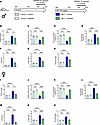 Figure 1
CM5480 monotherapy reduces the severity of PAH induced by MCT exposure in male and female rats considering lung parameters. (A) In vivo experimental design. Control and MCT rats (male and female) were treated with vehicle or CM5480 (20 mg/kg/day) by oral gavage for 7 days between week 2 and week 3. (B–H) Parameters for male rats: RV systolic pressure (RVSP) in mmHg; (n = 6 for Control+Vehicle, Control+CM5480, MCT+Vehicle, n = 7 for MCT+CM5480), cardiac output (CO) in mL/min (n = 6 for Control+Vehicle, Control+CM5480 n = 7 for MCT+Vehicle, n = 6 for MCT+CM5480), nonmuscularized vessels (n = 6 for Control+Vehicle, n = 5 for Control+CM5480 and MCT+Vehicle, n = 6 for MCT+CM5480), muscularized vessels (n = 6 for Control+Vehicle, n = 5 for control+CM5480 and MCT+Vehicle, n = 6 for MCT+CM5480), RVSP/CO (n = 6 for all groups), Fulton index [RV/(LV+septum)] (n=6 for Control+Vehicle, and control+CM5480, n = 8 for MCT+Vehicle, n = 7 for MCT+CM5480), RV/tibia length (n = 6 for all groups) of male control and MCT-rats treated with vehicle or CM5480. (I–O) Parameters for female rats: RVSP in mmHg; (n = 5 for Control+Vehicle, n = 4 for control+CM5480, n = 10 for MCT+Vehicle, n = 9 for MCT+CM5480), CO in mL/min (n = 5 for Control+Vehicle, n = 3 for Control+CM5480 n = 9 for MCT+vehicle, n = 6 for MCT+CM5480), nonmuscularized vessels (n = 5 for Control+Vehicle, n = 4 for control+CM5480, n = 7 for MCT+Vehicle and MCT+CM5480), muscularized vessels (n = 5 for Control+Vehicle, n = 5 for Control+CM5480, n = 7 for MCT+Vehicle, n = 6 for MCT+CM5480), RVSP/CO (n = 5 for Control+Vehicle, n = 3 for control+CM5480, n = 5 for MCT+Vehicle, n = 7 for MCT+CM5480), Fulton index (n = 5 for Control+Vehicle and Control+CM5480, n = 11 for MCT+Vehicle, n = 12 for MCT+CM5480), RV/tibia length (n = 5 for Control+Vehicle, Control+CM5480 and MCT+Vehicle, n = 6 for MCT+CM5480). Mean ± SEM. One-way ANOVA, Tukey post hoc. *P < 0.05, **P < 0.01, ***P < 0.001, ****P < 0.0001.
One notable feature of PAH is its predominance in women (9). Therefore, we assessed the consequences of CM5480 therapy in control and PAH female rats. As in males, CM5480 treatment in control female animals had no hemodynamic and morphological effect (Figure 1 and Supplemental Figure 2). CM5480 therapy in female PAH reduced elevated RVSP (Figure 1I), improved CO (Figure 1J), reduced pulmonary vessel neomuscularization (Figure 1, K and L), and reduced PVR (Figure 1M). RV remodeling was also reduced by CM5480 therapy (Figure 1, N and O). These results demonstrate that CM5480 is an effective therapy for male and female rats with experimental PAH.
CM5480 treatments reduce RV remodeling and dysfunction in established PAH induced by MCT exposure. In the curative in vivo protocol (Figure 2A), echocardiography analysis revealed that CM5480 in male and female control rats had no effecrt on PA acceleration time (PAAT), RV end-systolic diameter (RVesD), RV end-diastolic diameter (RVedD), RV end-systolic diameter (RVesD), RV fractional shortening (RV FS), RV free wall thickness, RV cardiomyocyte cross-section area (CSA), and RV fibrosis and left ventricle (LV) FS (Figure 2, B–Q).
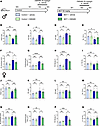 Figure 2
CM5480 monotherapy reduces RV remodeling and dysfunction of MCT-PAH in male and female rats. (A) In vivo experimental design. Control and MCT rats (male and female) were treated with vehicle or CM5480 (20 mg/kg/day) between week 2 and week 3. (B–I) Male rats: PA acceleration time (PAAT) (n = 6 for Control group, n = 8 for MCT group), RV end-systolic diameter (n = 6 for Control group, n = 8 for MCT group), RV end-diastolic diameter (RV esD) (n = 6 for Control group, n = 8 fro MCT group), RV fractional shortening (n = 6 for Control group, n = 8 for MC group), RV thickness n = 6 for control group, n = 8 for MCT group), quantification of cardiomyocytes cross-section area (CSA, n = 50 cardiomyocytes from 6 rats for control group, 8 rats for MCT+Vehicle and 7 rats for MCT+CM5480). (H) Quantification of RV fibrosis by Sirius red staining (n = 6 for Control+Vehicle, n = 3 for Control+CM5480, n = 5 for MCT+Vehicle, n = 5 for MCT+CM5480). (I) Left ventricle fractional shortening (LV FS) (n = 6 for Control group, n = 8 for MC group). (J–Q) Female rats: PAAT (n = 5 for Control group, n = 11 for MCT+Vehicle, n = 12 for MCT+CM5480), RV end systolic diameter (n = 5 for Control group, n = 12 for MCT group), RV esD (n = 5 for Control group, n = 12 for MCT group), RV fractional shortening (n = 5 for Control group, n = 12 for MCT group, RV thickness (n = 5 for Control group, n = 11 for MCT+Vehicle, n = 12 for MCT+CM5480). (O) Quantification of CSA (n = 50 cardiomyocytes from 4 rats for Control+Vehicle, 6 for Control+CM5480, 8 rats for MCT+Vehicle, and 10 rats for MCT+CM5480). (P) Quantification of RV fibrosis (n = 4 for Control group, n = 8 for MCT+Vehicle, n = 11 for MCT+CM5480). (Q) LV FS (n = 5 for Control group, n = 12 for MCT group). Mean ± SEM. One-way ANOVA, Tukey post hoc. *P < 0.05, **P < 0.01, ***P < 0.001, ****P < 0.0001.
In PAH male rats, CM5480 therapy restored PAAT, RVedD, RVesD, RV FS, and RV-free wall thickness (Figure 2, B–F). In addition, we observed a decrease in RV CSA and RV fibrosis in CM5480-treated PAH animals (Figure 2, G and H). No significant changes in heart rate, LV parameters, or stroke volume were observed between the vehicle and CM5480 groups (Figure 2I and Supplemental Figure 2).
In PAH females, CM5480 therapy restored PAAT values (Figure 2J). Moreover, despite less RV remodeling in MCT female rats than in MCT male rats (unchanged RV diameter, RV thickness, and RV FS in females) (Figure 2, K–N), we observed a decrease in RV CSA and RV fibrosis in female PAH animals treated by CM5480 (Figure 2, O and P). As in males, no significant change in heart rate, LV parameters, or stroke volume were observed between the vehicle and CM5480 conditions (control and MCT) (Figure 2Q and Supplemental Figure 3). In addition to the effect of CM5480 on pulmonary vasculature, these results demonstrate that CM5480 reduces RV remodeling and dysfunction in male and female rats exposed to MCT.
Analysis of the consequences of CM5480 treatment on lung transcriptome from control and MCT rats. To determine the molecular consequences of CM5480 therapy in the lung, RNA-Seq analysis was conducted to profile the transcriptome of lung tissues from 5 Control+Vehicle, 5 Control+CM5480, 5 MCT+Vehicle, and 5 MCT+CM5480 male rats. CM5480 minimally altered gene expression in lungs from control rats, supporting the safety of CM5480 in healthy rats (Supplemental Figure 4A). To understand the effect of CM5480 treatment on lung transcriptomic profiles, we first evaluated the putative modification of lung transcriptome in MCT versus control and MCT+CM5480 versus MCT+Vehicle (Figure 3, A and B, and Supplemental Table 4). Then, we assessed the capacity of CM5480 treatment to reverse the altered PAH transcriptomic profile (Figure 3, C and D). Genes were considered significantly dysregulated if the absolute fold change was above 1.5 and the P value was below 0.05. This analysis demonstrated that the expression of 305 genes was reversed by CM5480 treatment in experimental PAH. In addition, 100 genes saw the dysregulation amplified by CM5480 (Figure 3C).
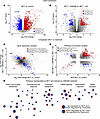 Figure 3
Analysis of the lung RNA-Seq from male rats with CM5480 monotherapy. (A) Volcano plot showing gene differentially expressed MCT versus control expressed as –Log10 (P value) over Log2FC. In red, 1,681 upregulated genes (FC > 1.5 and P < 0.05). In blue, 1,578 genes were downregulated (FC < 1.5 and P < 0.05). (B) Volcano plot showing gene differentially expressed MCT+CM5480 versus MCT+Vehicle as –Log10 (P-value) over Log2FC. In red, 524 genes upregulated (FC > 1.5 and P < 0.05). In blue, 454 genes were downregulated (FC < 1.5 and P < 0.05). (C) Gene expression variation for comparison between MCT and treatment expressed as Log2FC MCT+CM5480 versus MCT+Vehicle over Log2FC MCT versus Control. In red, in the same direction in both comparisons with FC < or > 1.5 and P value 0.05. In blue, in the opposite direction in both comparisons with FC < or > 1.5 and P value 0.05. For all the RNA-Seq analysis, 5 rats of each group were used. (D) Pathway enrichment variation expressed as NES MCT+CM5480 versus MCT+Vehicle over NES MCT versus Control. In red, pathways dysregulated in the same direction in both comparisons: NES > or < 0 and FDR < 0.25. In blue, pathways dysregulated in the opposite direction in both comparisons: NES > or < 0 and FDR < 0.25. (E) Pathways dysregulated by MCT and restored by CM5480 treatments. Circles with red on the left and blue on the right for pathways upregulated by MCT and downregulated by CM5480 treatment. Circles with blue on the left and red on the right for pathways downregulated by MCT and upregulated by treatment. Statistical hypothesis testing used Deseq2 R package with Wald test and the Benjamini-Hochberg method for multiple testing.
Next, we identified the biological pathways modified in PAH and reversed by CM5480 therapy. For this, we used the gene set enrichment analysis (GSEA) algorithm (10, 11) on biological processes from gene ontology gene sets (12, 13) that were considered significantly dysregulated for an FDR < 0.25, as described by the authors of the GSEA algorithm. The lung analysis revealed that pathways such as amino acids and lipids metabolism, immune response, energetic metabolism, and mRNA splicing were among the ones restored by treatment (Figure 3, D and E). These data support a strong therapeutic potential of Orai1 inhibition by CM5480 for the treatment of PAH.
Analysis of the consequences of CM5480 treatment on the RV transcriptome from control and MCT rats. To determine the molecular consequences of CM5480 therapy in the RV, we conducted RNA-Seq to profile the transcriptome of RV tissues from the same cohort of animals as the lung RNA-Seq experiment (Figure 4 and Supplemental Table 5). First, treating control rats with CM5480 induced minimal gene expression alterations, which supports the safety of CM5480 in rats at the RV level (Supplemental Figure 4B). To understand the effect of CM5480 treatment on the RV transcriptome, we evaluated the modifications of the RV transcriptome in MCT versus control and MCT+CM5480 versus MCT+Vehicle (Figure 4, A and B). Then, we assessed the capacity of CM5480 to reverse the altered PAH transcriptomic profile (Figure 4, C and D). To analyze differentially expressed genes, we considered the same fold change and P value as lung samples. In RV, the expression of 2,358 genes was reversed by CM5480 therapy in experimental PAH. In addition, only 9 genes exhibited a dysregulation that was amplified by CM5480 treatment (Figure 4C).
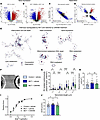 Figure 4
CM5480 monotherapy has a positive effect on RV remodeling in male MCT rats. (A and B) Volcano plot. In red, upregulated genes (FC > 1.5 and P < 0.05). In blue, downregulated genes (FC < 1.5 and P < 0.05). (C) Gene expression variation between MCT and treatment. In red, genes differentially expressed in the same direction. In blue, genes differentially expression in the opposite direction. (D) Pathway enrichment variation expressed as NES MCT+CM5480 versus MCT+Vehicle over NES MCT versus Control. In red, pathways dysregulated in the same direction in both comparisons: NES > or < 0 and FDR < 0.25. In blue, pathways dysregulated in the opposite direction in both comparisons: NES > or < 0 and FDR < 0.25. (E) Pathways dysregulated by MCT and restored by CM5480 treatments. Circles with red on the left and blue on the right for pathways upregulated by MCT and downregulated by CM5480 treatment. Circles with blue on the left and red on the right for pathways downregulated by MCT and upregulated by treatment. For all the RNA-Seq analysis, 5 rats of each group were used (same cohort as for lung RNA-Seq). Statistical hypothesis testing used Deseq2 R package with Wald test and the Benjamini-Hochberg method for multiple testing. Experiments performed on frozen RV samples from male rats. (F) Image of a single cardiomyocyte attached to a force transducer and a length controller. Scale bar: 1.9 μm. (G–J) Passive tension in function of sarcomere length (n = 32 for each group), maximal active tension (n = 28 for Control+Vehicle, n = 32 for MCT+Vehicle, n = 29 for MCT+CM5480), relative force in function of [Ca2+] (n same as H), EC50 (n = 27 for Control+Vehicle, n = 32 for MCT+Vehicle and n = 29 for MCT+CM5480). (G) Mean ± SEM. Two-way ANOVA. (H and J) 1-way ANOVA. *P < 0.05, **P < 0.01, ****P < 0.0001.
We identified biological pathways modified in PAH and reversed by CM5480 treatment. In RV, where the restoration of gene expression was the most striking, we found restoration of pathways involved in inflammation and heart contraction (Figure 4, D and E). Together, these data support a strong therapeutic potential of Orai1 inhibition with CM5480 for treating PAH by restoring most dysregulated pathways involved in RV dysfunction in experimental PAH.
CM5480 therapy restores the contractile capacity of RV cardiomyocytes from MCT-PAH rats. In MCT-PAH rats, CM5480 monotherapy reversed abnormalities in cardiac remodeling and function. The active tension of isolated cardiomyocytes was measured using frozen RV samples from Control+Vehicle, MCT+Vehicle, and MCT+CM5480 groups, which we next measured. Single isolated RV cardiomyocytes from MCT+Vehicle animals showed increased passive tension compared with cells isolated from control animals (Figure 4F). In single RV cells isolated from MCT+CM5480 animals, we found that CM5480 treatment partly restored the changes in passive tension (Figure 4G), whereas CM5480 treatment was not able to reduce the increased maximal active tension following the development of PAH (Figure 4H). In addition, RV cardiomyocytes from MCT+Vehicle animals showed increased sensitivity to Ca2+ (Figure 4, I and J) compared with Control+Vehicle, which was normalized by CM5480 monotherapy (Figure 4, I and J).
Histological analyses demonstrated that CM5480 treatment preserves liver, kidney, and spleen structures. As illustrated in Supplemental Figure 5, the renal architecture is intact, displaying numerous glomeruli with normal morphology. The tubular compartment shows no significant alterations, with no signs of interstitial inflammation or tubular necrosis. Renal vessels are unremarkable and exhibit no observed pathological changes (Supplemental Figure 5A). Moreover, the liver architecture is well preserved in the 4 experimental groups (Control+Vehicle, Control+CM5480, MCT+Vehicle, and MCT+CM5480), with normal alternating portal spaces and centrolobular veins. Portal spaces appear thin, without evidence of inflammatory infiltrates or ductular proliferation. Hepatocytes are arranged in single-cell or double-cell trabeculae within the liver lobule, with no sinusoidal dilation or inflammatory infiltration. There are no signs of steatosis or hepatocellular necrosis. Centrolobular veins remain patent and undilated (Supplemental Figure 5B). In addition, the splenic tissue demonstrates the normal distribution of red and white pulp without notable abnormalities. Megakaryocytes are present within the red pulp. No evidence of pathological lymphoid or inflammatory infiltration was observed (Supplemental Figure 5C). In combination with the data presented in Figures 1–4, these results confirm the safety of CM5480 in control and MCT-PAH rats.
Orai1 knockdown in PECs from patients with PAH (PAH-hPECs) reduces endothelial cell dysfunction. Lung RNA-Seq experiments demonstrate the dysregulation of several genes involved in endothelial cell function. The role of Orai1 was investigated in PAH-hPECs using a siRNA strategy to knock down Orai1. Orai1 immunostaining in paraffin-embedded lung sections from control and patients with PAH indicated that Orai1 is expressed in hPECs (Figure 5A), with similar levels between control and PAH. The use of siRNA against Orai1 (siOrai1) reduced store-operated Ca2+ entry (SOCE) by 55% in comparison with the siControl condition (Figure 5B) and reduced by 55% the histamine-induced intracellular Ca2+ mobilization (Figure 5C). BrdU assay showed that the inhibition of Orai1 reduced PAH-hPEC proliferation by 30% (Figure 5D) as well as PAH-hPEC migration by 20% compared with siControl condition (Figure 5E), without affecting in vitro PAH-hPEC angiogenesis capacity (Supplemental Figure 6A).
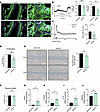 Figure 5
Orai1 knockdown by siRNA on PAH-hPECs reduces pulmonary endothelial dysfunction. (A) Localization of Orai1 expression by immunofluorescence staining of paraffin-embedded lung sections from control and patients with PAH. Orai1 is green, vWF is red to localize hPECs, and nuclei are blue (DAPI). Scale bars: 50 μm. (B) Consequences of Orai1 knockdown in PAH-hPECs on ER Ca2+ release (n = 6 patients) and on SOCE amplitude triggered by Thapsigargin (Tg) (n = 7 patients). (C) Consequences of Orai1 knockdown in PAH-hPECs on the area under the curve after histamine 10 μmol/L stimulation (n = 6 patients). (D) Consequence of Orai1 knockdown on the proliferation rate (BrdU assay) of PAH-hPECs (n = 8 patients). (E) Consequences of Orai1 knockdown on PAH-hPECs migration. Wound closure images at time 0 and time 8 hours. Scale bar: 750 μm (n = 5 patients). (F) Consequence of Orai1 knockdown on the proliferation of control-hPASMCs exposed to PAH-hPECs culture supernatant (n = 8 patients). (G–J) Consequences of Orai1 knockdown in PAH-hPECs on IFNA1 (n = 6 patients), PTGFR (n = 6 patients), IL-18 (n = 5 patients), and BMPR2 (n = 5 patients) mRNA expression. Mean ± SEM. Two-tailed Student’s t test or Mann-Whitney U test. *P < 0.05, **P < 0.01, ***P < 0.001.
We measured the role of Orai1 in the crosstalk between PAH-hPECs and control hPASMCs. The proliferation of hPASMCs was measured by transferring PAH-hPECs medium conditioned with siControl or with siOrai1 to control hPASMCs cultures. Orai1 knockdown has no effect on mitogenic crosstalk in the PAH-hPECs medium (Figure 5F). To better decipher the role of Orai1 in PAH-hPECs function, we performed quantitative PCR (qPCR) assay with 90 endothelial markers. We found that Orai1 knockdown increased mRNA expression of IFNA1, prostaglandin F receptor (PTGFR), IL-18, and bone morphogenetic protein receptor type 2 (BMPR2) (Figure 5, G–J). These results indicate that Orai1 inhibition partly improves PAH-hPECs function.
Moreover, no change was observed in the expression of the other 86 endothelial markers, including endothelin1 (EDN), endothelin receptor type A and B (EDNRA, EDNRB), vascular endothelial growth factor a (VEGFA), angiotensin-converting enzyme 2 (ACE2), angiotensin 1 converting enzyme (ACE), ICAM1, and PECAM1 (Supplemental Figure 6, B–L). We also found that CM5480 reduced SOCE by 85% in PAH-hPECs, without any changes in ER-Ca2+ release (Supplemental Figure 7A).
Role of Orai2 and Orai3 in PAH-hPECs. Coimmunofluorescence staining with vWF in human lung sections demonstrated that, in addition to Orai1, hPECs from control and patients with PAH expressed Orai2 and Orai3 (Supplemental Figure 7B). In hPECs, we found that Orai2 protein expression was unchanged in PAH-hPECs compared with control-hPECs, while Orai3 protein expression was increased in PAH-hPECs versus control-hPECs (Supplemental Figure 7C). To determine their implication in Ca2+ signaling, we used a siRNA strategy to reduce Orai2 or Orai3 expression (Supplemental Figure 7D). As presented in Supplemental Figure 7, E and F, the knockdown of Orai2 or Orai3 had no effect on ER Ca2+ release and no effect on SOCE in PAH-hPECs. In addition, in PAH-hPECs treated with siOrai2 or siOrai3, we found that CM5480 strongly reduced SOCE, demonstrating that SOCE in PAH-hPECs is mainly due to Orai1 (Supplemental Figure 7, G and H).
Role of Orai2 and Orai3 in PAH-hPASMCs. Coimmunofluorescence staining with α-smooth muscle actin (α-SMA) in human lung sections demonstrated that, in addition to Orai1, hPASMCs also expressed Orai2 and Orai3 in control and patients with PAH (Supplemental Figure 8A). We previously demonstrated by immunoblot experiments that Orai2 protein expression was unchanged in PAH-hPASMCs while Orai3 protein expression was decreased in comparison with control-hPASMCs. As presented in Supplemental Figure 8, D and E, the knockdown of Orai2 or Orai3 had no effect on ER Ca2+ release or on SOCE in PAH-hPASMCs. In addition, in PAH-hPASMCs treated with siOrai2 or siOrai3, we found that CM5480 strongly reduced SOCE, demonstrating that SOCE in PAH-hPASMCs is mainly due to Orai1 (Supplemental Figure 8, F and G).
Orai1 SMC deletion reduced the severity of PAH. In lung RNA-Seq experiments, we found that CM5480 monotherapy restores some pathways involved in SMC differentiation. We then analyzed the consequences of specific SMC-Orai1 deficiency using unique transgenic rats. We generated conditional Orai1-KO rats targeting specifically SMC using ACTA2 tamoxifen-inducible Cre recombinase (Supplemental Figure 9, A–E). Four weeks after tamoxifen exposure, the quantity of Orai1 protein was reduced by 50% compared with exposure to vehicle (Supplemental Figure 9F). The role of Orai1 in PA tone was assessed using myograph experiments. We found that Orai1 is not involved in contraction evoked by cell membrane depolarization (KCl evoked PA contraction) (Supplemental Figure 9G). Orai1 deficiency induced a significant shift to the right of the dose-response curve for U46619, a thromboxane A2 receptor agonist, indicating that the Orai1 Ca2+ channel contributes to PA constriction induced by thromboxane A2 (Supplemental Figure 9H). Three weeks after MCT exposure, we found that inducible specific Orai1 SMC deletion reduced the severity of PAH induced by MCT exposure, as indicated by the reduction of RVSP (Supplemental Figure 9, I–K), confirming that Orai1 dysregulation is a crucial contributor to PAH pathobiology.
Orai1 pathway is independent of standard PAH-targeted pathways in hPASMCs. Since PAH-hPASMCs are characterized by the overactivation of Orai1 (7), we investigated whether Orai1 interferes with crucial PAH signaling pathways. As presented in Figure 6, Orai1 knockdown did not induce a change in expression of EDNRA, EDNRB (Figure 6A), or phosphodiesterase 5 (PDE5) mRNA and protein expression (Figure 6, B and C). mRNA expression of BMPR2, BMPR1A, TGFBR2, and TGFBR3 were unchanged by Orai1 knockdown (Figure 6, D and E), while TGFBR1 mRNA expression was decreased (Figure 6E). No change in phosphorylation status of SMAD1/5/9 and SMAD2/3 was observed (Figure 6, F and G).
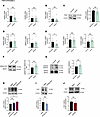 Figure 6
Orai1 pathway is independent of PAH-targeted pathways in PAH-hPASMCs. (A and B) mRNA expression of EDNRA (n = 6 patients), EDNRB (n = 5 patients), and PDE5 (n = 6 patients). (C) Immunoblot images and quantification of PDE5 protein expression in PAH-hPASMCs transfected with siControl or siOrai1 (n = 5 patients). (D) mRNA expression of BMPR2 (n = 6 patients) and BMPR1A (n = 6 patients). (E) mRNA expression of TGFBR1, TGFBR2 and TGFBR3 (n = 6 patients). (F) Immunoblot images and quantification of pSMAD1/5/9 / SMAD1 ratio in PAH-hPASMCs transfected with siControl or siOrai1 (n = 5 patients). (G) Immunoblot images and quantification of pSMAD2/3 / SMAD2/3 ratio in PAH-hPASMCs transfected with siControl or siOrai1 (n = 3 patients). (H) Immunoblot images and quantification of Orai1 protein expression in PAH-hPASMCs treated with sildenafil (100 μM) and ambrisentan (50 nM) for 48 hours (n = 5 patients). (I) Immunoblot images and quantification of Orai1 protein expression in PAH-hPASMCs treated with bimagrumab for 48 hours (n = 5 patients). (J) Immunoblot images and quantification of Orai1 protein expression in PAH-hPASMCs treated with Imatinib (5 μM) (n = 4 patients). Mean ± SEM. Two-tailed Student’s t test or Mann-Whitney test. *P < 0.05.
Conversely, we investigated whether approved PAH treatments modulate Orai1 overexpression in PAH-hPASMCs (Figure 6, H–J). The amount of Orai1 protein was increased in PAH-hPASMCs treated with the PDE5 inhibitor (sildenafil). In contrast, an endothelin-1 receptor inhibitor (ambrisentan), a monoclonal antibody inhibitor of activin type II receptors (bimagrumab), and a PDGFR inhibitor (Imatinib) had no consequence on the amount of Orai1 protein expression (Figure 6, H–J).
Aldosterone and mineralocorticoid receptors were demonstrated to contribute to PAH pathogenesis (14) and modulate Orai1 protein expression in cardiomyocytes (15). Nevertheless, we found that treatment with an aldosterone inhibitor (spironolactone 10 μmol/L) or glucocorticoid receptor inhibitors (RU486, 10 μmol/L) did not affect Orai1 protein expression in hPASMCs (Supplemental Figure 10).
These results suggest that the Orai1 pathway did not interfere with the dysregulated pathways already described in PAH-hPASMCs. Alternatively, Orai1 expression is not regulated by these pathways, indicating that Orai1 inhibition is complementary to standard PAH treatments.
Effect of dual therapy CM5480+ambrisentan or CM5480+sildenafil in comparison with ambrisentan and sildenafil monotherapies in experimental PAH. Our in vitro results suggest that Orai1 inhibition is complementary to endothelin-1 receptor inhibitor (ambrisentan) or PDE5 inhibition (sildenafil) used in standard PAH therapy (Figure 7A). Ambrisentan or sildenafil with monotherapy induced a significant reduction of the elevated RSVP in the MCT rats (Figure 7B) without any consequence on CO, PVR, and RV hypertrophy (Figure 7, C–F). We then determined the putative benefit of dual therapy, CM5480+ambrisentan or CM5480+sildenafil, compared with ambrisentan or sildenafil monotherapy. Compared with their respective monotherapies, the CM5480+ambrisentan or CM5480+sildenafil dual therapy induced a more pronounced reduction in RVSP and PVR and an improvement of CO.
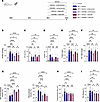 Figure 7
Dual therapy CM5480+sildenafil or CM5480+ambrisentan shows a better efficiency in reducing MCT-induced PAH. (A) In vivo experimental design. MCT-rats (male) were treated with vehicle, Vehicle+ambrisentan (10 mg/kg/day), CM5480+ambrisentan (20 mg/kg/day and 10 mg/kg/day, respectively), Vehicle+sildenafil (10 mg/kg/day), or CM5480+sildenafil (20 mg/kg/day and 10 mg/kg/day, respectively), by oral gavage during 7 days between day 14 and day 21. (B) RVSP (n = 6 for control, n = 19 for MCT+Vehicle, n = 12 for Vehicle+ambrisentan, n = 8 for CM5480+ambrisentan, n = 8 for Vehicle+sildenafil, n = 9 for CM5480+sildenafil). (C) Cardiac output (CO) (n = 6 for control, n = 19 for MCT+Vehicle, n = 8 for Vehicle+ambrisentan, n = 7 for CM5480+ambrisentan, n = 8 for Vehicle+sildenafil, n = 6 for CM5480+sildenafil). (D) RVSP/CO (n = 10 for control, n = 16 for MCT+Vehicle, n = 8 for Vehicle+ambrisentan, n = 8 for CM5480+ambrisentan, n = 8 for Vehicle+sildenafil, n = 6 for CM5480+sildenafil). (E) Fulton index (n = 6 for control, n = 28 for MCT+Vehicle, n = 13 for Vehicle+ambrisentan, n = 12 for CM5480+ambrisentan, n = 12 for Vehicle+sildenafil, n = 13 for CM5480+sildenafil). (F) RV/tibia length (n = 6 for control, n = 21 for MCT+Vehicle, n = 13 for Vehicle+ambrisentan, n = 12 for CM5480+ambrisentan, n = 12 for Vehicle+sildenafil, n = 13 for CM5480+sildenafil). (G) Nonmuscularized and muscularized vessels percentage (n = 4 for control, n = 19 for MCT+Vehicle, n = 7 for Vehicle+ambrisentan, n = 6 for CM5480+ambrisentan, n = 5 for Vehicle+sildenafil, n = 6 for CM5480+sildenafil). (H) Cardiomyocytes CSA (n = 50 cardiomyocytes from 5 rats for control, 21 rats for MCT+Vehicle, 8 rats for Vehicle+ambrisentan, 10 rats for CM5480+ambrisentan, 7 rats for Vehicle+sildenafil, 8 rats for CM5480+sildenafil). (I) Quantification of RV fibrosis by Sirius red staining (n = 4 for control, n = 14 for MCT+Vehicle, n = 11 for Vehicle+ambrisentan, n = 9 for CM5480+ambrisentan, n = 7 for Vehicle+sildenafil, n = 9 for CM5480+sildenafil). Mean ± SEM. One-way ANOVA with Fisher’s LSD post hoc test. *P < 0.05, **P < 0.01, ***P < 0.001, ****P < 0.0001.
Contrary to ambrisentan or sildenafil monotherapies, CM5480+ambrisentan or CM5480+sildenafil dual therapy strongly reduced RV hypertrophy (Figure 7, E and F). Histological analyses indicate that ambrisentan or sildenafil monotherapies were not significantly beneficial for pulmonary vessel remodeling (Figure 7G) and RV remodeling (Figure 7, H and I), while dual therapies, CM5480+ambrisentan or CM5480+sildenafil, showed improvement of lung vessel remodeling, RV hypertrophy, and RV fibrosis (Figure 7, G–I). In summary, the combined use of CM5480+ambrisentan or CM5480+sildenafil in dual therapy confers more benefits than their respective monotherapies in this preclinical model of PAH.
Orai1 expression and function are enhanced in pulmonary veno-occlusive disease–lung (PVOD-lung) tissue and SMCs from PA and veins. PVOD is a rare form of PAH characterized by a particular remodeling of the pulmonary venous system, lung capillary proliferation, and PA remodeling (16). We assessed the level of expression and function of Orai1 in PVOD. Immunoblot experiments demonstrate higher Orai1 expression in the lungs of patients with PVOD compared with controls (Figure 8A). Orai1 immunofluorescence staining in paraffin-embedded lung sections from control and patients with PVOD demonstrate that Orai1 was localized in hPASMCs and pulmonary vein SMC (hPVSMCs), with an increased Orai1 staining intensity in the remodeled PA and pulmonary veins from patients with PVOD (Figure 8B). The measure of SOCE was performed in control and PVOD-hPASMCs and hPVSMCs. We found an increase in SOCE amplitude in PVOD-hPASMCs and PVOD-hPVSMCs compared with control (Figure 8, C and D).
 Figure 8
Enhanced Orai1 expression and function in PVOD-hPASMCs and PVOD-hPVSMCs. (A) Immunoblot images and quantification of Orai1 protein expression in lungs from control and patients with PVOD (n = 4 control and 8 patients with PVOD). (B) Localization of Orai1 expression by immunofluorescence staining of paraffin-embedded lung sections from control and patients with PVOD. Orai1 is red, α-SMA is green to localize hPASMCs and hPVSMCs, and nuclei are blue (DAPI). Bar graph = 50 μm. (C) SOCE amplitude triggered by Tg (1 μmol/L) on hPASMCs from control and patients with PVOD (n = 5 patients for each condition). (D) SOCE amplitude triggered by Tg (1 μmol/L) on hPVSMCs from control and patients with PVOD (n = 5 patients for each condition). Mean ± SEM. Mann-Whitney U test. *P < 0.05, **P < 0.01.


