
Research ArticleInflammationMetabolism
Open Access |  10.1172/jci.insight.191649
Myocardial pyruvate dehydrogenase kinase 4 drives sex-specific cardiac responses to endotoxemia
John Q. Yap,1,2 Azadeh Nikouee,1,2 Matthew Kim,1,2 Quan Cao,3,4 David J. Rademacher,5 Jessie E. Lau,1,2 Ananya Arora,6 Leila Y. Zou,1,2 Yuxiao Sun,7 Luke Szweda,8 Hesham Sadek,8 Sharon Elliot,9 Benjamin Roos,9 Marilyn K. Glassberg,9 Hong-Long Ji,1,2 Xiang Gao,9 Qunfeng Dong,9,10 and Qun Sophia Zang1,2,4,5
1Department of Surgery,
2Burn & Shock Trauma Research Institute,
3Department of Cell and Molecular Physiology,
4Cardiovascular Research Institute, and
5Department of Microbiology and Immunology, Loyola University Chicago, Stritch School of Medicine, Maywood, Illinois, USA.
6University of Missouri–Kansas City School of Medicine, Kansas City, Missouri, USA.
7Department of Surgery, University of Texas Southwestern Medical Center, Dallas, Texas, USA.
8Department of Medicine, Division of Cardiology, Sarver Heart Center, University of Arizona, Tucson, Arizona, USA.
9Department of Medicine and
10Center for Biomedical Informatics, Loyola University Chicago, Stritch School of Medicine, Maywood, Illinois, USA.
Address correspondence to: Qun Sophia Zang, Burn & Shock Trauma Research Institute, CTRE 321, Department of Surgery, Stritch School of Medicine, Loyola University Chicago Health Science Campus, 2160 S. 1st Ave, Maywood, Illinois 60153, USA. Email: qzang@luc.edu.
Authorship note: Both JQY and AN have greatly contributed to the research design, data collection and analysis, as well as the writing and revision of the manuscript.
Find articles by Yap, J. in: PubMed | Google Scholar
1Department of Surgery,
2Burn & Shock Trauma Research Institute,
3Department of Cell and Molecular Physiology,
4Cardiovascular Research Institute, and
5Department of Microbiology and Immunology, Loyola University Chicago, Stritch School of Medicine, Maywood, Illinois, USA.
6University of Missouri–Kansas City School of Medicine, Kansas City, Missouri, USA.
7Department of Surgery, University of Texas Southwestern Medical Center, Dallas, Texas, USA.
8Department of Medicine, Division of Cardiology, Sarver Heart Center, University of Arizona, Tucson, Arizona, USA.
9Department of Medicine and
10Center for Biomedical Informatics, Loyola University Chicago, Stritch School of Medicine, Maywood, Illinois, USA.
Address correspondence to: Qun Sophia Zang, Burn & Shock Trauma Research Institute, CTRE 321, Department of Surgery, Stritch School of Medicine, Loyola University Chicago Health Science Campus, 2160 S. 1st Ave, Maywood, Illinois 60153, USA. Email: qzang@luc.edu.
Authorship note: Both JQY and AN have greatly contributed to the research design, data collection and analysis, as well as the writing and revision of the manuscript.
Find articles by Nikouee, A. in: PubMed | Google Scholar
1Department of Surgery,
2Burn & Shock Trauma Research Institute,
3Department of Cell and Molecular Physiology,
4Cardiovascular Research Institute, and
5Department of Microbiology and Immunology, Loyola University Chicago, Stritch School of Medicine, Maywood, Illinois, USA.
6University of Missouri–Kansas City School of Medicine, Kansas City, Missouri, USA.
7Department of Surgery, University of Texas Southwestern Medical Center, Dallas, Texas, USA.
8Department of Medicine, Division of Cardiology, Sarver Heart Center, University of Arizona, Tucson, Arizona, USA.
9Department of Medicine and
10Center for Biomedical Informatics, Loyola University Chicago, Stritch School of Medicine, Maywood, Illinois, USA.
Address correspondence to: Qun Sophia Zang, Burn & Shock Trauma Research Institute, CTRE 321, Department of Surgery, Stritch School of Medicine, Loyola University Chicago Health Science Campus, 2160 S. 1st Ave, Maywood, Illinois 60153, USA. Email: qzang@luc.edu.
Authorship note: Both JQY and AN have greatly contributed to the research design, data collection and analysis, as well as the writing and revision of the manuscript.
Find articles by Kim, M. in: PubMed | Google Scholar
1Department of Surgery,
2Burn & Shock Trauma Research Institute,
3Department of Cell and Molecular Physiology,
4Cardiovascular Research Institute, and
5Department of Microbiology and Immunology, Loyola University Chicago, Stritch School of Medicine, Maywood, Illinois, USA.
6University of Missouri–Kansas City School of Medicine, Kansas City, Missouri, USA.
7Department of Surgery, University of Texas Southwestern Medical Center, Dallas, Texas, USA.
8Department of Medicine, Division of Cardiology, Sarver Heart Center, University of Arizona, Tucson, Arizona, USA.
9Department of Medicine and
10Center for Biomedical Informatics, Loyola University Chicago, Stritch School of Medicine, Maywood, Illinois, USA.
Address correspondence to: Qun Sophia Zang, Burn & Shock Trauma Research Institute, CTRE 321, Department of Surgery, Stritch School of Medicine, Loyola University Chicago Health Science Campus, 2160 S. 1st Ave, Maywood, Illinois 60153, USA. Email: qzang@luc.edu.
Authorship note: Both JQY and AN have greatly contributed to the research design, data collection and analysis, as well as the writing and revision of the manuscript.
Find articles by Cao, Q. in: PubMed | Google Scholar
1Department of Surgery,
2Burn & Shock Trauma Research Institute,
3Department of Cell and Molecular Physiology,
4Cardiovascular Research Institute, and
5Department of Microbiology and Immunology, Loyola University Chicago, Stritch School of Medicine, Maywood, Illinois, USA.
6University of Missouri–Kansas City School of Medicine, Kansas City, Missouri, USA.
7Department of Surgery, University of Texas Southwestern Medical Center, Dallas, Texas, USA.
8Department of Medicine, Division of Cardiology, Sarver Heart Center, University of Arizona, Tucson, Arizona, USA.
9Department of Medicine and
10Center for Biomedical Informatics, Loyola University Chicago, Stritch School of Medicine, Maywood, Illinois, USA.
Address correspondence to: Qun Sophia Zang, Burn & Shock Trauma Research Institute, CTRE 321, Department of Surgery, Stritch School of Medicine, Loyola University Chicago Health Science Campus, 2160 S. 1st Ave, Maywood, Illinois 60153, USA. Email: qzang@luc.edu.
Authorship note: Both JQY and AN have greatly contributed to the research design, data collection and analysis, as well as the writing and revision of the manuscript.
Find articles by Rademacher, D. in: PubMed | Google Scholar
1Department of Surgery,
2Burn & Shock Trauma Research Institute,
3Department of Cell and Molecular Physiology,
4Cardiovascular Research Institute, and
5Department of Microbiology and Immunology, Loyola University Chicago, Stritch School of Medicine, Maywood, Illinois, USA.
6University of Missouri–Kansas City School of Medicine, Kansas City, Missouri, USA.
7Department of Surgery, University of Texas Southwestern Medical Center, Dallas, Texas, USA.
8Department of Medicine, Division of Cardiology, Sarver Heart Center, University of Arizona, Tucson, Arizona, USA.
9Department of Medicine and
10Center for Biomedical Informatics, Loyola University Chicago, Stritch School of Medicine, Maywood, Illinois, USA.
Address correspondence to: Qun Sophia Zang, Burn & Shock Trauma Research Institute, CTRE 321, Department of Surgery, Stritch School of Medicine, Loyola University Chicago Health Science Campus, 2160 S. 1st Ave, Maywood, Illinois 60153, USA. Email: qzang@luc.edu.
Authorship note: Both JQY and AN have greatly contributed to the research design, data collection and analysis, as well as the writing and revision of the manuscript.
Find articles by Lau, J. in: PubMed | Google Scholar
1Department of Surgery,
2Burn & Shock Trauma Research Institute,
3Department of Cell and Molecular Physiology,
4Cardiovascular Research Institute, and
5Department of Microbiology and Immunology, Loyola University Chicago, Stritch School of Medicine, Maywood, Illinois, USA.
6University of Missouri–Kansas City School of Medicine, Kansas City, Missouri, USA.
7Department of Surgery, University of Texas Southwestern Medical Center, Dallas, Texas, USA.
8Department of Medicine, Division of Cardiology, Sarver Heart Center, University of Arizona, Tucson, Arizona, USA.
9Department of Medicine and
10Center for Biomedical Informatics, Loyola University Chicago, Stritch School of Medicine, Maywood, Illinois, USA.
Address correspondence to: Qun Sophia Zang, Burn & Shock Trauma Research Institute, CTRE 321, Department of Surgery, Stritch School of Medicine, Loyola University Chicago Health Science Campus, 2160 S. 1st Ave, Maywood, Illinois 60153, USA. Email: qzang@luc.edu.
Authorship note: Both JQY and AN have greatly contributed to the research design, data collection and analysis, as well as the writing and revision of the manuscript.
Find articles by Arora, A. in: PubMed | Google Scholar
1Department of Surgery,
2Burn & Shock Trauma Research Institute,
3Department of Cell and Molecular Physiology,
4Cardiovascular Research Institute, and
5Department of Microbiology and Immunology, Loyola University Chicago, Stritch School of Medicine, Maywood, Illinois, USA.
6University of Missouri–Kansas City School of Medicine, Kansas City, Missouri, USA.
7Department of Surgery, University of Texas Southwestern Medical Center, Dallas, Texas, USA.
8Department of Medicine, Division of Cardiology, Sarver Heart Center, University of Arizona, Tucson, Arizona, USA.
9Department of Medicine and
10Center for Biomedical Informatics, Loyola University Chicago, Stritch School of Medicine, Maywood, Illinois, USA.
Address correspondence to: Qun Sophia Zang, Burn & Shock Trauma Research Institute, CTRE 321, Department of Surgery, Stritch School of Medicine, Loyola University Chicago Health Science Campus, 2160 S. 1st Ave, Maywood, Illinois 60153, USA. Email: qzang@luc.edu.
Authorship note: Both JQY and AN have greatly contributed to the research design, data collection and analysis, as well as the writing and revision of the manuscript.
Find articles by Zou, L. in: PubMed | Google Scholar
1Department of Surgery,
2Burn & Shock Trauma Research Institute,
3Department of Cell and Molecular Physiology,
4Cardiovascular Research Institute, and
5Department of Microbiology and Immunology, Loyola University Chicago, Stritch School of Medicine, Maywood, Illinois, USA.
6University of Missouri–Kansas City School of Medicine, Kansas City, Missouri, USA.
7Department of Surgery, University of Texas Southwestern Medical Center, Dallas, Texas, USA.
8Department of Medicine, Division of Cardiology, Sarver Heart Center, University of Arizona, Tucson, Arizona, USA.
9Department of Medicine and
10Center for Biomedical Informatics, Loyola University Chicago, Stritch School of Medicine, Maywood, Illinois, USA.
Address correspondence to: Qun Sophia Zang, Burn & Shock Trauma Research Institute, CTRE 321, Department of Surgery, Stritch School of Medicine, Loyola University Chicago Health Science Campus, 2160 S. 1st Ave, Maywood, Illinois 60153, USA. Email: qzang@luc.edu.
Authorship note: Both JQY and AN have greatly contributed to the research design, data collection and analysis, as well as the writing and revision of the manuscript.
Find articles by Sun, Y. in: PubMed | Google Scholar
1Department of Surgery,
2Burn & Shock Trauma Research Institute,
3Department of Cell and Molecular Physiology,
4Cardiovascular Research Institute, and
5Department of Microbiology and Immunology, Loyola University Chicago, Stritch School of Medicine, Maywood, Illinois, USA.
6University of Missouri–Kansas City School of Medicine, Kansas City, Missouri, USA.
7Department of Surgery, University of Texas Southwestern Medical Center, Dallas, Texas, USA.
8Department of Medicine, Division of Cardiology, Sarver Heart Center, University of Arizona, Tucson, Arizona, USA.
9Department of Medicine and
10Center for Biomedical Informatics, Loyola University Chicago, Stritch School of Medicine, Maywood, Illinois, USA.
Address correspondence to: Qun Sophia Zang, Burn & Shock Trauma Research Institute, CTRE 321, Department of Surgery, Stritch School of Medicine, Loyola University Chicago Health Science Campus, 2160 S. 1st Ave, Maywood, Illinois 60153, USA. Email: qzang@luc.edu.
Authorship note: Both JQY and AN have greatly contributed to the research design, data collection and analysis, as well as the writing and revision of the manuscript.
Find articles by Szweda, L. in: PubMed | Google Scholar
1Department of Surgery,
2Burn & Shock Trauma Research Institute,
3Department of Cell and Molecular Physiology,
4Cardiovascular Research Institute, and
5Department of Microbiology and Immunology, Loyola University Chicago, Stritch School of Medicine, Maywood, Illinois, USA.
6University of Missouri–Kansas City School of Medicine, Kansas City, Missouri, USA.
7Department of Surgery, University of Texas Southwestern Medical Center, Dallas, Texas, USA.
8Department of Medicine, Division of Cardiology, Sarver Heart Center, University of Arizona, Tucson, Arizona, USA.
9Department of Medicine and
10Center for Biomedical Informatics, Loyola University Chicago, Stritch School of Medicine, Maywood, Illinois, USA.
Address correspondence to: Qun Sophia Zang, Burn & Shock Trauma Research Institute, CTRE 321, Department of Surgery, Stritch School of Medicine, Loyola University Chicago Health Science Campus, 2160 S. 1st Ave, Maywood, Illinois 60153, USA. Email: qzang@luc.edu.
Authorship note: Both JQY and AN have greatly contributed to the research design, data collection and analysis, as well as the writing and revision of the manuscript.
Find articles by Sadek, H. in: PubMed | Google Scholar
1Department of Surgery,
2Burn & Shock Trauma Research Institute,
3Department of Cell and Molecular Physiology,
4Cardiovascular Research Institute, and
5Department of Microbiology and Immunology, Loyola University Chicago, Stritch School of Medicine, Maywood, Illinois, USA.
6University of Missouri–Kansas City School of Medicine, Kansas City, Missouri, USA.
7Department of Surgery, University of Texas Southwestern Medical Center, Dallas, Texas, USA.
8Department of Medicine, Division of Cardiology, Sarver Heart Center, University of Arizona, Tucson, Arizona, USA.
9Department of Medicine and
10Center for Biomedical Informatics, Loyola University Chicago, Stritch School of Medicine, Maywood, Illinois, USA.
Address correspondence to: Qun Sophia Zang, Burn & Shock Trauma Research Institute, CTRE 321, Department of Surgery, Stritch School of Medicine, Loyola University Chicago Health Science Campus, 2160 S. 1st Ave, Maywood, Illinois 60153, USA. Email: qzang@luc.edu.
Authorship note: Both JQY and AN have greatly contributed to the research design, data collection and analysis, as well as the writing and revision of the manuscript.
Find articles by Elliot, S. in: PubMed | Google Scholar
1Department of Surgery,
2Burn & Shock Trauma Research Institute,
3Department of Cell and Molecular Physiology,
4Cardiovascular Research Institute, and
5Department of Microbiology and Immunology, Loyola University Chicago, Stritch School of Medicine, Maywood, Illinois, USA.
6University of Missouri–Kansas City School of Medicine, Kansas City, Missouri, USA.
7Department of Surgery, University of Texas Southwestern Medical Center, Dallas, Texas, USA.
8Department of Medicine, Division of Cardiology, Sarver Heart Center, University of Arizona, Tucson, Arizona, USA.
9Department of Medicine and
10Center for Biomedical Informatics, Loyola University Chicago, Stritch School of Medicine, Maywood, Illinois, USA.
Address correspondence to: Qun Sophia Zang, Burn & Shock Trauma Research Institute, CTRE 321, Department of Surgery, Stritch School of Medicine, Loyola University Chicago Health Science Campus, 2160 S. 1st Ave, Maywood, Illinois 60153, USA. Email: qzang@luc.edu.
Authorship note: Both JQY and AN have greatly contributed to the research design, data collection and analysis, as well as the writing and revision of the manuscript.
Find articles by Roos, B. in: PubMed | Google Scholar
1Department of Surgery,
2Burn & Shock Trauma Research Institute,
3Department of Cell and Molecular Physiology,
4Cardiovascular Research Institute, and
5Department of Microbiology and Immunology, Loyola University Chicago, Stritch School of Medicine, Maywood, Illinois, USA.
6University of Missouri–Kansas City School of Medicine, Kansas City, Missouri, USA.
7Department of Surgery, University of Texas Southwestern Medical Center, Dallas, Texas, USA.
8Department of Medicine, Division of Cardiology, Sarver Heart Center, University of Arizona, Tucson, Arizona, USA.
9Department of Medicine and
10Center for Biomedical Informatics, Loyola University Chicago, Stritch School of Medicine, Maywood, Illinois, USA.
Address correspondence to: Qun Sophia Zang, Burn & Shock Trauma Research Institute, CTRE 321, Department of Surgery, Stritch School of Medicine, Loyola University Chicago Health Science Campus, 2160 S. 1st Ave, Maywood, Illinois 60153, USA. Email: qzang@luc.edu.
Authorship note: Both JQY and AN have greatly contributed to the research design, data collection and analysis, as well as the writing and revision of the manuscript.
Find articles by Glassberg, M. in: PubMed | Google Scholar
1Department of Surgery,
2Burn & Shock Trauma Research Institute,
3Department of Cell and Molecular Physiology,
4Cardiovascular Research Institute, and
5Department of Microbiology and Immunology, Loyola University Chicago, Stritch School of Medicine, Maywood, Illinois, USA.
6University of Missouri–Kansas City School of Medicine, Kansas City, Missouri, USA.
7Department of Surgery, University of Texas Southwestern Medical Center, Dallas, Texas, USA.
8Department of Medicine, Division of Cardiology, Sarver Heart Center, University of Arizona, Tucson, Arizona, USA.
9Department of Medicine and
10Center for Biomedical Informatics, Loyola University Chicago, Stritch School of Medicine, Maywood, Illinois, USA.
Address correspondence to: Qun Sophia Zang, Burn & Shock Trauma Research Institute, CTRE 321, Department of Surgery, Stritch School of Medicine, Loyola University Chicago Health Science Campus, 2160 S. 1st Ave, Maywood, Illinois 60153, USA. Email: qzang@luc.edu.
Authorship note: Both JQY and AN have greatly contributed to the research design, data collection and analysis, as well as the writing and revision of the manuscript.
Find articles by Ji, H. in: PubMed | Google Scholar
1Department of Surgery,
2Burn & Shock Trauma Research Institute,
3Department of Cell and Molecular Physiology,
4Cardiovascular Research Institute, and
5Department of Microbiology and Immunology, Loyola University Chicago, Stritch School of Medicine, Maywood, Illinois, USA.
6University of Missouri–Kansas City School of Medicine, Kansas City, Missouri, USA.
7Department of Surgery, University of Texas Southwestern Medical Center, Dallas, Texas, USA.
8Department of Medicine, Division of Cardiology, Sarver Heart Center, University of Arizona, Tucson, Arizona, USA.
9Department of Medicine and
10Center for Biomedical Informatics, Loyola University Chicago, Stritch School of Medicine, Maywood, Illinois, USA.
Address correspondence to: Qun Sophia Zang, Burn & Shock Trauma Research Institute, CTRE 321, Department of Surgery, Stritch School of Medicine, Loyola University Chicago Health Science Campus, 2160 S. 1st Ave, Maywood, Illinois 60153, USA. Email: qzang@luc.edu.
Authorship note: Both JQY and AN have greatly contributed to the research design, data collection and analysis, as well as the writing and revision of the manuscript.
Find articles by Gao, X. in: PubMed | Google Scholar
1Department of Surgery,
2Burn & Shock Trauma Research Institute,
3Department of Cell and Molecular Physiology,
4Cardiovascular Research Institute, and
5Department of Microbiology and Immunology, Loyola University Chicago, Stritch School of Medicine, Maywood, Illinois, USA.
6University of Missouri–Kansas City School of Medicine, Kansas City, Missouri, USA.
7Department of Surgery, University of Texas Southwestern Medical Center, Dallas, Texas, USA.
8Department of Medicine, Division of Cardiology, Sarver Heart Center, University of Arizona, Tucson, Arizona, USA.
9Department of Medicine and
10Center for Biomedical Informatics, Loyola University Chicago, Stritch School of Medicine, Maywood, Illinois, USA.
Address correspondence to: Qun Sophia Zang, Burn & Shock Trauma Research Institute, CTRE 321, Department of Surgery, Stritch School of Medicine, Loyola University Chicago Health Science Campus, 2160 S. 1st Ave, Maywood, Illinois 60153, USA. Email: qzang@luc.edu.
Authorship note: Both JQY and AN have greatly contributed to the research design, data collection and analysis, as well as the writing and revision of the manuscript.
Find articles by Dong, Q. in: PubMed | Google Scholar
1Department of Surgery,
2Burn & Shock Trauma Research Institute,
3Department of Cell and Molecular Physiology,
4Cardiovascular Research Institute, and
5Department of Microbiology and Immunology, Loyola University Chicago, Stritch School of Medicine, Maywood, Illinois, USA.
6University of Missouri–Kansas City School of Medicine, Kansas City, Missouri, USA.
7Department of Surgery, University of Texas Southwestern Medical Center, Dallas, Texas, USA.
8Department of Medicine, Division of Cardiology, Sarver Heart Center, University of Arizona, Tucson, Arizona, USA.
9Department of Medicine and
10Center for Biomedical Informatics, Loyola University Chicago, Stritch School of Medicine, Maywood, Illinois, USA.
Address correspondence to: Qun Sophia Zang, Burn & Shock Trauma Research Institute, CTRE 321, Department of Surgery, Stritch School of Medicine, Loyola University Chicago Health Science Campus, 2160 S. 1st Ave, Maywood, Illinois 60153, USA. Email: qzang@luc.edu.
Authorship note: Both JQY and AN have greatly contributed to the research design, data collection and analysis, as well as the writing and revision of the manuscript.
Find articles by Zang, Q. in: PubMed | Google Scholar
Published July 8, 2025 - More info
JCI Insight. 2025;10(13):e191649. https://doi.org/10.1172/jci.insight.191649.
© 2025 Yap et al. This work is licensed under the Creative Commons Attribution 4.0 International License. To view a copy of this license, visit http://creativecommons.org/licenses/by/4.0/.
Received: January 24, 2025; Accepted: May 28, 2025


-
Results
Sex-specific cardiac performance and its association with myocardial PDK4 expression in response to endotoxemia. We have previously established a mouse model of endotoxemia, in which we injected LPS intraperitoneally to trigger a severe acute inflammatory response, simulating the initial phase of sepsis (28). Our earlier studies showed that a sublethal dose of LPS challenge, 5 mg/kg, induces cardiac dysfunction in male mice, along with mitochondrial structural damage and functional impairments in the heart (28, 32, 33). The present study was designed to investigate the role of PDK4 in cardiac outcomes following endotoxemia. WT male and female mice were subjected to a 5 mg/kg intraperitoneal LPS challenge, while the sham groups received PBS. Heart tissue was harvested 18 hours after challenge, and PDK4 levels were analyzed in mitochondrial fractions using Western blotting (Figure 1A). Isolation of mitochondria was verified by assessing the mitochondrial marker protein voltage-dependent anion channel (VDAC) in cytosolic and mitochondrial fractions (Supplemental Figure 1A; supplemental material available online with this article; https://doi.org/10.1172/jci.insight.191649DS1). This LPS challenge increased PDK4 protein levels in cardiac mitochondria by approximately 4-fold and 2-fold in male and female mice, respectively (Figure 1A and Supplemental Figure 1B). Using real-time PCR quantification, we observed a similar sex-based difference in PDK4 gene expression in response to LPS; LPS-challenged males exhibited 2-fold higher PDK4 RNA levels compared to LPS-challenged females (Figure 1B).
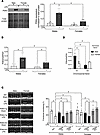 Figure 1
Association between PDK4 expression and cardiac performance in endotoxemia. In A–C, mice were given LPS challenge (5 mg/kg) or sham treatment and experiments were conducted 18 hours after treatment. (A) PDK4 levels in cardiac mitochondria of WT mice were examined by Western blot. Signals were quantified by densitometry, and results were normalized to total protein (n = 5). (B) PDK4 mRNA expression in cardiac tissue of WT mice was examined by qPCR. Results were normalized to GAPDH (n = 6–9). (C) The cardiac function of WT, PDK4-Tg, and PDK4-KO mice was evaluated by echocardiography. Values of fractional shortening were compared (n = 5–7). (D) PDK4 mRNA expression in cardiac tissue of FCG mice was examined by qPCR. Results were normalized to GAPDH (n = 4–8). The FCG mice have 4 genotypes, including genetic males (XY) with male gonads, genetic males (XY) with female gonads, genetic females (XX) with male gonads, and genetic females (XX) with female gonads. Data are presented as mean ± SEM and were analyzed by 2-way ANOVA. *P < 0.05.
In the same experimental setting, we assessed cardiac performance using echocardiography in mice 18 hours after challenge. Consistent with our previous findings (28, 32, 33), WT male mice exhibited compromised cardiac performance in response to the LPS challenge, as indicated by a significant decrease in fractional shortening (Figure 1C). However, female mice did not show any marked decline in cardiac function in response to the same LPS challenge, suggesting a relationship between PDK4 expression and cardiac function in response to acute inflammatory challenges.
To further determine whether PDK4 drives the sex-dependent cardiac outcomes during endotoxemia, we utilized 2 genetic mouse models: one with cardiac-specific PDK4 overexpression (PDK4-Tg) (34) and another with cardiac-specific PDK4 knockout (PDK4-KO) (35). Echocardiography assessment revealed that the LPS challenge impaired cardiac performance in both male and female PDK4-Tg mice, whereas PDK4 knockout protected cardiac function against the LPS challenge (Figure 1C). PDK4 overexpression and knockout were confirmed via Western blot analysis (Supplemental Figure 1C). Statistical analysis also revealed a marginal interaction (P = 0.053) between sex and PDK4 genotype under the LPS challenge, suggesting that the effects of PDK4 on cardiac function in response to LPS vary by sex. Taken together, these findings suggest that PDK4 may play a previously unrecognized role in mediating sex-specific cardiac performance in response to the acute inflammatory challenge induced by endotoxemia.
Lastly, we explored the mechanisms underlying the sex specificity of cardiac PDK4 expression using the Four Core Genotype (FCG) mouse model (36). This model uniquely differentiates the effects of sex chromosomes (XX versus XY) from those of gonadal sex (testes versus ovaries). In these mice, the Sry gene, which encodes the testis-determining factor, is translocated from the Y chromosome to an autosome. As a result, gonadal sex is no longer dictated by the presence of the Y chromosome. Thus, these FCG mice present four genotypes, including XX and XY gonadal males (XXM, XYM, respectively) and XX and XY gonadal females (XXF, XYF, respectively). We quantified PDK4 mRNA levels in the heart tissue of 17-month-old FCG mice. All mice underwent gonadectomy to eliminate any acute hormonal effects (Figure 1D). We found that XYM mice exhibited the highest PDK4 expression, suggesting that the Y chromosome and long-term exposure to gonadal hormones before gonadectomy may exert lasting organizational effects on gene expression and intrinsically regulate PDK4 expression in male hearts.
PDK4 drives sex-based differences in cardiac metabolism during endotoxemia. PDK4 plays a pivotal role in glucose and fatty acid metabolism by inhibiting the PDH complex in mitochondria (37, 38). As illustrated in Figure 2A, inhibition of PDH by PDK4 would decrease the conversion of pyruvate to acetyl-CoA, leading to an accumulation of pyruvate. Theoretically, this change in metabolism may cause a metabolic shift toward cytosolic glycolysis while increasing reliance on alternative fuel sources, such as fatty acids.
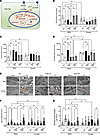 Figure 2
Sex-specific impact of PDK4 on cardiac metabolism. (A) Schematic illustration of PDK4’s proposed role in regulating glucose and fatty acid metabolism. The red arrows indicate metabolic shifts towards FAO in the mitochondria and overproduction of lactate in the cytoplasm due to PDH inhibition by PDK4. In B–G, WT, PDK4-Tg, and PDK4-KO mice were given LPS challenge (5 mg/kg) or sham treatment, and experiments were conducted 18 hours after treatment. (B) PDH activity and (C) lactate levels were measured in heart tissue lysates (n = 5–9 and n = 5–7, respectively). (D) FAO was assessed using FAOblue fluorescence in primary cardiomyocytes isolated from mice (n = 4–5 independent isolations per group). (E) Representative TEM images of cardiomyocytes with lipid droplets indicated by orange arrows. Images are representative of 3 independent isolations per group. Scale bar: 1 μm. (F) Lipid droplet area (n = 48–215 lipid droplets per group) and (G) number (n = 19–37 images per group) were quantified from TEM images using ImageJ software. Data in F and G are from 3 independent isolations per group. Data are presented as mean ± SEM and were analyzed using 2-way ANOVA (*P < 0.05) or Student’s t test (#P < 0.05).
In WT male mice, the LPS challenge significantly decreased PDH activity by 61%, and increased lactate production by 114% (Figure 2, B and C). These results indicate a direct relationship between reduced PDH activity, increased lactate levels, and PDK4 upregulation in male hearts induced by acute inflammation. PDK4 overexpression in male mice significantly reduced PDH activity by 41% and increased lactate levels by 160% compared with WT male mice in the sham condition (Figure 2, B and C). The LPS challenge in PDK4-Tg males further decreased PDH activity. Conversely, PDK4 knockout prevented both the LPS-induced reduction in PDH activity and the LPS-induced increase in lactate production in male mice (Figure 2, B and C). These findings suggest that endotoxemia impairs the heart’s ability to utilize glucose for ATP production through upregulating PDK4 expression in males. This decrease in mitochondrial glucose oxidation also causes a metabolic shift toward cytosolic glycolysis.
Interestingly, we observed different results in female mice under the same experimental conditions. Sham-treated WT female mice exhibited a 29% lower PDH activity compared with their male counterparts (Figure 2B), suggesting sex-specific differences in cardiac glucose utilization between healthy males and females. Following the LPS challenge, no substantial changes in PDH activity or lactate levels were observed in WT female hearts. Furthermore, neither PDK4 overexpression nor PDK4 knockout significantly affected PDH activity or lactate levels (Figure 2, B and C). Statistical analysis further revealed a significant interaction between sex and PDK4 genotype for both PDH activity and lactate levels (P < 0.0047 and P < 0.012, respectively), indicating that the effects of PDK4 on these metabolic parameters differ between sexes. This analysis supports that PDK4-mediated effects on cardiac glucose metabolism are sex specific. Therefore, although cardiac-specific PDK4 overexpression in females decreased cardiac function (Figure 1C), this effect is likely mediated by mechanisms involving PDK4 other than altering glucose metabolism.
To examine the role of PDK4 in cardiac fatty acid metabolism, we measured fatty acid oxidation (FAO) levels using an FAO-specific fluorescent indicator in primary adult cardiomyocytes. Validation of the experimental protocol is shown in Supplemental Figure 2. We compared FAO levels in cardiomyocytes isolated from WT, PDK4-Tg, and PDK4-KO mice subjected to either the LPS challenge or sham treatment. In WT males, the LPS challenge caused a significant 42% reduction in FAO (Figure 2D). This result is consistent with previous findings demonstrating that sepsis compromises FAO due to disrupted mitochondrial health and biogenesis (39–41). Compared with sham-treated WT males, sham-treated PDK4-Tg males exhibited a 58% increase in FAO (Figure 2D), supporting the notion that PDK4 promotes a shift in fuel preference from glucose metabolism to fatty acid utilization under normal physiological conditions. This result is consistent with the concept of the Randle cycle, in which a reciprocal relationship between glucose and fatty acid metabolism maintains metabolic flexibility (42). However, cardiomyocytes isolated from male PDK4-Tg mice challenged with LPS exhibited a more significant reduction in FAO levels, with a decrease of approximately 63% (Figure 2D), suggesting that PDK4 overexpression might render cardiomyocytes more vulnerable to impairments in mitochondrial metabolism under stress conditions. In contrast, FAO levels in cardiomyocytes from sham-treated PDK4-KO male mice were decreased compared with those in sham-treated WT males. This result is consistent with our PDH activity and lactate level findings (Figure 2, B and C) and suggests that blunting PDK4 signaling increases glucose metabolism and reduces the reliance on fatty acid metabolism. Furthermore, FAO in PDK4-KO males was unchanged in response to LPS challenge (Figure 2D), suggesting that PDK4 knockout confers resistance to the detrimental effects of LPS.
For the female phenotypes, cardiomyocytes from sham-treated WT female mice exhibited 17% higher FAO levels compared with cardiomyocytes isolated from sham-treated WT males (Figure 2D), showing sex-specific differences in fatty acid utilization under physiological conditions. Additionally, the LPS challenge in WT females had little impact on FAO levels, suggesting that mitochondrial function was largely unaffected in these cells. In contrast with the result observed in male mice, there was no difference in FAO levels between cardiomyocytes from sham-treated PDK4-Tg female mice and cardiomyocytes from sham-treated WT female mice. However, the LPS challenge in PDK4-Tg female mice caused a significant decrease in FAO levels (Figure 2D), similar to the reduction observed in LPS-treated PDK4-Tg males. These results suggest that PDK4 overexpression induces impairments in mitochondrial function, rendering them unable to sustain FAO in both male and female hearts under acute inflammatory conditions. Lastly, no LPS-associated changes in FAO were detected in cardiomyocytes from PDK4-KO female mice (Figure 2D). Notably, cardiomyocytes from female PDK4-KO hearts exhibited approximately double the FAO levels of those from male PDK4-KO hearts, further highlighting the sex-specific differences in cardiac metabolism between males and females. This sex-specific variation of FAO level across PDK4 genotypes was further supported by a significant interaction between sex and PDK4 (P = 0.045).
To further assess fatty acid metabolism, we performed quantitative analyses of lipid droplets in the myocardium. Using transmission electron microscopy (TEM), we visualized lipid droplets in primary cardiomyocytes isolated from male and female WT, PDK4-Tg, and PDK4-KO mice. Lipid droplet properties were then characterized by quantifying their population (number) and individual size (area). Previous studies have shown that systemic inflammation increases circulating free fatty acid levels, leading to a potential increase in fatty acid uptake by cardiomyocytes (43, 44). These fatty acids can subsequently be utilized by mitochondria for energy production, and, if not, stored as lipid droplets (45–47). Consistent with these findings, we observed that changes in lipid droplet properties depend on systemic influences. Notably, in vitro LPS treatment of isolated cardiomyocytes did not alter lipid droplet formation (Supplemental Figure 3). This initial analysis underscores the importance of the in vivo LPS challenge–associated systemic effects on lipid droplet dynamics and their physiological relevance in fatty acid uptake.
Therefore, the analysis of lipid droplets was performed in cardiomyocytes isolated from LPS-challenged or sham-treated mice; these data are given in Figure 2, E–G and Supplemental Figure 4. Cardiomyocytes from LPS-challenged WT male mice showed significant increases in both the size and number of lipid droplets compared with their sham-treated counterparts, consistent with our recent report (48). Interestingly, PDK4 overexpression abolished these LPS-induced changes in lipid droplet properties. In contrast, cardiomyocytes from LPS-treated PDK4-KO male mice showed a significant increase in lipid droplet size but a slight decrease in lipid droplet number. In cardiomyocytes from WT females, LPS challenge significantly increased lipid droplet size, with only a marginal effect on their number. Cardiomyocytes from LPS-challenged PDK4-Tg and PDK4-KO females showed similar increases in lipid droplet area and number compared to LPS-treated WT females. Collectively, these data suggest that lipid droplet formation may serve as an adaptive mechanism to support cardiomyocyte survival during the metabolic stress induced by acute inflammation, as accumulating free fatty acids in the cytoplasm causes lipotoxicity (44, 49). In males, particularly, this protective response appears to be suppressed by PDK4 overexpression but promoted by PDK4 knockout, highlighting PDK4 as a key regulator of fatty acid homeostasis and lipid droplet dynamics in cardiomyocytes during inflammatory challenges.
PDK4 upregulation disrupts mitochondrial structure during endotoxemia. The mitochondrial structure serves as a key indicator of both mitochondrial function and overall mitochondrial health. Using TEM, we analyzed parameters of mitochondrial structure in isolated primary cardiomyocytes from male and female WT, PDK4-Tg, and PDK4-KO mice with LPS challenge or sham treatment. Representative TEM images of cardiomyocytes from each group are shown in Figure 3A. The parameters measured include mitochondria size (area), mitochondria population (number), inner cristae density (percentage of the mitochondria occupied by cristae), and mitochondria cristae integrity (percentage of mitochondria with organized cristae), which are shown in Figure 3, B–E.
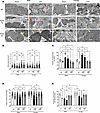 Figure 3
PDK4 impact on mitochondrial structure and morphology in cardiomyocytes. WT, PDK4-Tg, and PDK4-KO mice were given LPS challenge (5 mg/kg) or sham treatment, and cardiomyocytes were isolated 18 hours after treatment. (A) Representative TEM images of cardiomyocytes. Red arrows depict damaged mitochondria. Blue arrows depict mitochondrial fragmentation. Yellow arrows depict large mitochondria. Images are representative of 3 independent isolations per group. Scale bar: 1 μm. (B) Individual mitochondrial area in mm2 (n = 67–130 mitochondria per group), (C) number of mitochondria per 50 μm2 (n = 13–34 images per group), (D) percentage of cristae occupancy relative to total mitochondria area (n = 67–130 mitochondria per group), and (E) percentage of mitochondria with disorganized cristae relative to the number of mitochondria per 50 mm2 (n = 11–15 images per group) were quantified using Image J software based on TEM images. Data in B–E are from 3 independent isolations per group. Data are presented as mean ± SEM and were analyzed using 2-way ANOVA (*P < 0.05) or Student’s t test (#P < 0.05).
In cardiomyocytes isolated from both male and female WT mice, LPS challenge decreased mitochondria number without affecting mitochondrial area (Figure 3, B and C). This is consistent with previous findings showing that LPS decreases mitochondria mass in the myocardium due to structural damage in mitochondria and increased mitophagy (28). Importantly, the LPS challenge in males significantly decreased cristae occupancy by 14%, as well as the percentage of mitochondria with organized cristae by 31%. However, the LPS challenge did not significantly impact either of these parameters in females, demonstrating sex-specific differences in maintaining mitochondria structural integrity in the heart during acute inflammation. Interestingly, PDK4 overexpression induced a significant increase in mitochondria number, but a decrease in mitochondria area in cardiomyocytes isolated from both males and females, indicative of mitochondria fission. In Figure 3A, the smaller, fragmented mitochondria are indicated by the blue arrows. The LPS challenge decreased cristae occupancy and disrupted cristae organization in cardiomyocytes from PDK4-Tg mice, indicating damaged mitochondrial structure. However, cardiomyocytes from PDK4-KO mice exhibited the opposite phenotype, in which a reduced number of mitochondria and an increase in mitochondrial area were observed, indicative of mitochondrial fusion (Figure 3, B and C). Our observation suggests that PDK4 may play a critical role in regulating mitochondria fission-fusion dynamics in the heart during acute inflammation. This result is consistent with a recently published study demonstrating the noncanonical role of PDK4 in promoting mitochondrial fission, independent of its well-established function in metabolic regulation (50). Importantly, PDK4 knockout in males significantly increased cristae occupancy and ameliorated cristae disorganization in response to the LPS challenge (Figure 3, D and E), protecting the myocardial mitochondria against acute inflammation-induced pathological damage. Together, these results show that PDK4 upregulation disrupts mitochondrial structure and has additional regulatory roles in mitochondrial dynamics in the heart during endotoxemia.
PDK4 upregulation impairs mitochondria health and induces oxidative stress during endotoxemia. Since mitochondrial structure is closely linked to mitochondrial health, we examined how PDK4 influences mitochondrial membrane potential in primary cardiomyocytes isolated from male and female WT, PDK4-Tg, and PDK4-KO mice with the LPS challenge or sham treatment. Using JC-1, a fluorescent indicator of mitochondrial membrane potential, we observed that the LPS challenge in WT male mice resulted in a 71% reduction in mitochondrial membrane potential in cardiomyocytes. However, the LPS effect on the mitochondrial membrane potential from female cardiomyocytes was minimal (Figure 4A). Aligning with its pathological effects on mitochondrial structure (Figure 3), PDK4 overexpression exacerbated the LPS-induced decrease in mitochondrial membrane potential in both sexes. Conversely, PDK4 knockout significantly elevated mitochondrial membrane potential, providing resistance against the LPS challenge (Figure 4A). In the female PDK4-KO group, although an LPS-induced reduction in mitochondrial membrane potential was observed, the membrane potential remained comparable to that of WT females with sham treatment, suggesting that the mitochondria in this group could still maintain their functionality despite the LPS challenge.
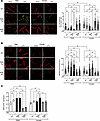 Figure 4
PDK4 impact on mitochondrial health and ROS production in the heart. WT, PDK4-Tg, and PDK4-KO mice were given LPS challenge (5 mg/kg) or sham treatment, and experiments were conducted 18 hours after treatment. (A) Mitochondrial membrane potential measured by of JC-1 fluorescence in isolated cardiomyocytes (n = 54–101 cardiomyocytes per group). (B) Mitochondrial superoxide production measured by MitoSOX Red fluorescence in isolated cardiomyocytes (n = 73–185 cardiomyocytes per group). Scale bar (A and B): 100 μm. Images and analyses are representative of 3 independent isolations per group. (C) MDA levels measured in heart tissue lysates (n = 5–6). Data are presented as mean ± SEM and were analyzed using 2-way ANOVA. *P < 0.05.
Additionally, we evaluated mitochondrial damage by measuring the production of reactive oxygen species (ROS). ROS production in isolated cardiomyocytes was assessed using MitoSOX Red, a fluorescent dye that specifically detects mitochondrial superoxide production in live cells. We observed that the LPS challenge caused a significant increase in superoxide levels in cardiomyocytes from male mice by 56%, but its impact on female mice was minimal (Figure 4B). This result is consistent with the current literature, which suggests that females have increased resistance to ROS production compared with males (51). In PDK4-Tg mice under sham conditions, PDK4 overexpression increased ROS production by 67% in males and 40% in females, and LPS challenge further augmented ROS levels in both sexes (Figure 4B). In contrast, PDK4 knockout suppressed ROS production under all conditions (Figure 4B).
Furthermore, by measuring methylenedioxyamphetamine (MDA) in tissue lysates, we evaluated oxidative stress in heart tissue from WT, PDK4-Tg, and PDK4-KO mice subjected to either the LPS challenge or sham treatment (Figure 4C). MDA is a harmful byproduct of lipid peroxidation by ROS, and these lipid radicals can cause membrane damage, loss of membrane integrity, and impaired cellular function (52, 53). Consistent with results obtained in isolated cardiomyocytes, the LPS challenge significantly increased MDA levels by 33% in male hearts but had little effect on MDA levels in female hearts. Cardiac-specific PDK4 overexpression in males significantly elevated lipid peroxidation by 50% in both sham-treated and LPS-challenged mice. Although the LPS challenge did not affect MDA levels in WT female hearts, PDK4 overexpression in female hearts triggered an LPS-induced increase in MDA by 37%. PDK4-KO significantly limited lipid peroxidation in the heart, especially in males. In addition, statistical analysis revealed a significant 3-way interaction among sex, PDK4 genotype, and LPS challenge (P = 0.0099), indicating that LPS-induced oxidative stress was affected by both sex and PDK4 expression. Taken together, these results suggest that PDK4 upregulation promoted cardiac dysfunction by impairing mitochondrial health and increasing oxidative damage in the myocardium during endotoxemia.
PDK4 upregulation disrupts mitophagy during endotoxemia. Recent studies have demonstrated that PDK4 upregulation disrupts autophagy (54, 55). Given our findings that PDK4 alters mitochondrial structure and function, we investigated its role in mitophagy, a subset of autophagy crucial for cellular repair. The generation of LC3II and an increased LC3II/LC3I ratio indicate the formation of autophagosomes and mitophagosomes during the initial phase of autophagy, whereas a decrease in p62 serves as a marker for downstream degradation through lysosomes, showing the late stage of autophagic flux (56, 57). To assess mitophagy, we used Western blotting to measure the conversion of LC3I to LC3II and p62 levels in crude mitochondrial fractions, in which mitochondria and their associated proteins were kept intact (Figure 5 and Supplemental Figure 5). Our results showed that in both male and female WT mice, the LPS challenge increased LC3II levels, as well as the LC3II/LC3I ratio (Figure 5A), while reducing p62 levels (Figure 5B), indicating an enhanced mitophagy response. Compared with the LPS-challenged WT mice, LPS-challenged PDK4-Tg male and female mice displayed reduced LC3II levels, reduced LC3II/LC3I ratio (Figure 5A), and increased p62 levels (Figure 5B), indicating disrupted mitophagy. Conversely, PDK4-KO mice showed a robust LPS-induced mitophagy response, as evidenced by the increased LC3II levels, increased LC3II/LC3I ratio (Figure 5A), and decreased p62 levels compared with the LPS-induced effects on WT mice (Figure 5B).
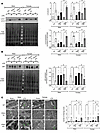 Figure 5
PDK4 impact on cardiac mitophagy. WT, PDK4-Tg, and PDK4-KO mice were given LPS challenge (5 mg/kg) or sham treatment,and experiments were performed 18 hours after treatment. (A) LC3II/LC3I and (B) p62 levels in crude mitochondrial fractions isolated from heart tissue were analyzed by Western blots. Densitometric quantification was performed with normalization to total protein (n = 4). (C) Representative TEM images of cardiomyocytes. Green arrows indicate mitophagy events. Scale bar: 1 μm. Images are representative of 3 independent isolations per group. The number of mitophagy events was quantified per 50 μm² (n = 12–35 images from 3 independent isolations per group). Data are presented as mean ± SEM and were analyzed using 2-way ANOVA. *P < 0.05.
To further evaluate mitophagy, we used TEM to quantify mitophagy events in cardiomyocytes isolated from WT, PDK4-Tg, and PDK4-KO mice with the sham treatment or the LPS challenge (Figure 5C). Consistent with our Western blotting analysis, we observed that the LPS challenge increased the number of mitophagy events in cells from both WT males and females. However, this response was attenuated in PDK4-Tg mice but significantly enhanced in PDK4-KO mice, regardless of sex (Figure 5C). Together, these results suggest that PDK4 upregulation contributes to cardiac dysfunction by disrupting mitophagy. Our observation is consistent with previous reports in the literature, which showed PDK4-mediated inhibition of autophagy in vascular smooth muscle cells (54) and breast cancer cells (55).
PDK4 upregulation mediates cardiac inflammation during endotoxemia. During sepsis, cardiac inflammation activates proinflammatory signaling pathways, resulting in immune cell recruitment to the site of inflammation and increased expression of proinflammatory cytokines, adhesion molecules, and chemokines (58). Therefore, we measured cytokine levels in heart tissue from WT, PDK4-Tg, and PDK4-KO mice with the LPS challenge or sham treatment (Figure 6, A–E). In WT males, the LPS challenge significantly increased levels of proinflammatory cytokines, including tumor necrosis factor-α (TNF-α), IL-1, IL-6, IL-17, and INF-γ. Notably, among these cytokines, IL-6 levels showed the most dramatic increase, with concentrations increasing significantly from 17 ng/mg lysate to 1,018 ng/mg lysate, an approximately 60-fold elevation. Overexpression of PDK4 further amplified the production of TNF-α, IL-1, and IL-6 following the LPS challenge, with IL-6 demonstrating the most significant increase, exceeding a 3-fold increase compared with WT males following the LPS challenge. Conversely, PDK4 knockout attenuated LPS-induced cytokine production.
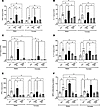 Figure 6
PDK4 impact on cardiac inflammation. WT, PDK4-Tg, and PDK4-KO mice were given LPS challenge (5 mg/kg) or sham treatment, and experiments were performed 18 hours after treatment. Levels of (A) TNF-α (n = 5–6), (B) IL-1 (n = 4-6), (C) IL-6 (n = 5), (D) IL-17 (n = 4-6), and (E) INF-γ (n = 4-6) were measured in cardiac tissue lysates by ELISA. Results were normalized by total protein. (F) MPO activity, a marker of neutrophil infiltration, was measured in cardiac tissue lysates (n = 5–6). Data are presented as mean ± SEM and were analyzed using 2-way ANOVA. *P < 0.05.
In WT females, the LPS challenge significantly increased the production of all the aforementioned proinflammatory cytokines, except for IL-6. Notably, overexpression of PDK4 in females increased LPS-induced IL-6 production by over 6-fold compared with WT females. Conversely, PDK4 knockout attenuated the LPS-induced increases in cytokines. These findings suggest that PDK4 upregulation drives the production of proinflammatory cytokines, particularly IL-6, which has been identified in clinical studies and animal models as a marker associated with poorer outcomes and increased mortality in sepsis (59–61).
To further evaluate how PDK4 impacts cardiac inflammation, we also measured myeloperoxidase (MPO) activity (Figure 6F). MPO is an enzyme released by neutrophils to produce hypochlorous acid, which is a potent antimicrobial agent involved in killing bacteria and other pathogens (62, 63). In addition to its important role in the immune system’s antimicrobial defense, MPO can also cause tissue damage and is often used as a marker of inflammation (63). In both WT males and females, the LPS challenge increased MPO activity in the heart, with males showing more than 50% higher levels compared with females. Overexpression of PDK4 exacerbated this LPS-induced increase in MPO activity, while PDK4 knockout mitigated this response in both sexes. In addition, statistical analysis detected significant interactions between sex and PDK4 genotype under both sham (P = 0.0378) and LPS challenge (P = 0.0123) conditions, indicating that the effect of PDK4 on MPO levels differs between male and female hearts. Taken together, these results suggest that upregulation of PDK4 signaling contributes to cardiac inflammation, potentially through pathways of IL-6 and neutrophil infiltration.
DCA) provides sex-specific cardiac protection during endotoxemia. Dichloroacetate DCA is a widely used pan-PDK inhibitor that blocks PDK-mediated suppression of PDH activity (64). To explore the therapeutic potential of DCA, we tested its effects in the endotoxemia model. The dose of DCA, 25 mg/kg, was chosen based on published studies (24, 65, 66). As shown in Figure 7A, DCA treatment one hour after the LPS challenge significantly improved cardiac performance in male mice, consistent with the reported cardioprotective effects of DCA in CLP sepsis (24) and myocardial infarction (66).
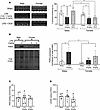 Figure 7
Effects of DCA on cardiac performance in endotoxemia. WT mice were given LPS challenge in doses as indicated. DCA, 25 mg/kg, was given one hour post-LPS challenge. Experiments were conducted 18 hours post-LPS challenge. (A) Cardiac function was assessed by echocardiography. Values of fractional shortening were compared (n = 5–9). (B) PDK4 levels in cardiac mitochondria were examined by western blot. Signals were quantified by densitometry and results were normalized to total protein (n = 4-5). (C) PDH activity and (D) lactate levels were measured in heart tissue lysates (n = 5–8 and n = 5–6, respectively). All data are presented as mean ± SEM and were analyzed by two-way ANOVA (*P < 0.05).
In contrast with males, the effects of DCA in female mice were significantly different. Since a 5 mg/kg dose of LPS induced cardiac dysfunction in male but not female mice (Figure 1), we gradually increased the LPS dose in females to evaluate their cardiac response. We found that 8 mg/kg LPS induced cardiac dysfunction in females comparable to that observed in males at 5 mg/kg LPS. However, DCA treatment failed to ameliorate cardiac dysfunction in LPS-challenged females (Figure 7A). Statistical analysis revealed a highly significant interaction between sex and treatment (sham, LPS, or LPS plus DCA) (P = 0.0009), indicating that the treatment effect on cardiac performance is sex specific. Although the higher LPS dose increased PDK4 levels in cardiac mitochondrial fractions from female mice, the upregulation remained lower than in LPS-treated males (Figure 7B and Supplemental Figure 6). Interestingly, despite this stronger LPS challenge, PDH activity and lactate levels in female cardiac tissue remained largely unaffected (Figure 7, C and D, respectively). Taken together, these findings suggest that DCA-mediated protection against endotoxemia-induced cardiac dysfunction is sex specific, and they further imply that, in females, cardiac dysfunction may involve mechanisms beyond impaired glucose metabolism regulated by PDK4–PDH signaling axis.


