
Research ArticleCell biologyDevelopmentImmunology
Open Access |  10.1172/jci.insight.187002
HMGB1 couples LEF1 to regulate B cell immunity
Qiuyue Chen,1,2 Ziyin Zhang,2 Nanshu Xiang,2 Li Luo,2 Xin Dai,2 Danqing Kang,2 Lu Yang,2 Yingzi Zhu,3 Jiang Chang,2 Yukai Jing,2 Na Li,1 Qianglin Chen,1 Panpan Jiang,2 Ju Liu,2 Yanmei Huang,2 Heather Miller,4 Xinyuan Zhou,5 Fang Zheng,6 Quan Gong,1 and Chaohong Liu2
1Clinical Molecular Immunology Center, Department of Immunology, School of Medicine, Yangtze University, Jingzhou, China.
2Department of Pathogen Biology, School of Basic Medicine, Tongji Medical College and State Key Laboratory for Diagnosis and Treatment of Severe Zoonotic Infectious Diseases, Huazhong University of Science and Technology, Wuhan, China.
3Department of Rheumatology and Immunology, Tongji Hospital, Tongji Medical College, Huazhong University of Science and Technology, Wuhan, China.
4Department of Intracellular Pathogens, National Institute of Allergy and Infectious Diseases, NIH, Bethesda, Maryland, USA.
5Institute of Immunology, Army Medical University, Chongqing, China.
6Department of Immunology, Tongji Medical College, Huazhong University of Science and Technology, Wuhan, China.
Address correspondence to: Chaohong Liu, Tongji Medical College, Huazhong University of Science and Technology, 13 Hangkong Road, Qiaokou District, Wuhan, Hubei Province, 430030, China. Phone: 86.27.8365.0550; Email: chaohongliu80@126.com. Or to: Quan Gong, Yangtze University, No. 1 Xueyuan Road, Jingzhou District, Jingzhou City, Hubei Province, 434023, China. Email: gongquan1998@163.com.
Authorship note: Qiuyue Chen, ZZ, and NX contributed equally to this work.
Find articles by Chen, Q. in: PubMed | Google Scholar
1Clinical Molecular Immunology Center, Department of Immunology, School of Medicine, Yangtze University, Jingzhou, China.
2Department of Pathogen Biology, School of Basic Medicine, Tongji Medical College and State Key Laboratory for Diagnosis and Treatment of Severe Zoonotic Infectious Diseases, Huazhong University of Science and Technology, Wuhan, China.
3Department of Rheumatology and Immunology, Tongji Hospital, Tongji Medical College, Huazhong University of Science and Technology, Wuhan, China.
4Department of Intracellular Pathogens, National Institute of Allergy and Infectious Diseases, NIH, Bethesda, Maryland, USA.
5Institute of Immunology, Army Medical University, Chongqing, China.
6Department of Immunology, Tongji Medical College, Huazhong University of Science and Technology, Wuhan, China.
Address correspondence to: Chaohong Liu, Tongji Medical College, Huazhong University of Science and Technology, 13 Hangkong Road, Qiaokou District, Wuhan, Hubei Province, 430030, China. Phone: 86.27.8365.0550; Email: chaohongliu80@126.com. Or to: Quan Gong, Yangtze University, No. 1 Xueyuan Road, Jingzhou District, Jingzhou City, Hubei Province, 434023, China. Email: gongquan1998@163.com.
Authorship note: Qiuyue Chen, ZZ, and NX contributed equally to this work.
Find articles by Zhang, Z. in: PubMed | Google Scholar
1Clinical Molecular Immunology Center, Department of Immunology, School of Medicine, Yangtze University, Jingzhou, China.
2Department of Pathogen Biology, School of Basic Medicine, Tongji Medical College and State Key Laboratory for Diagnosis and Treatment of Severe Zoonotic Infectious Diseases, Huazhong University of Science and Technology, Wuhan, China.
3Department of Rheumatology and Immunology, Tongji Hospital, Tongji Medical College, Huazhong University of Science and Technology, Wuhan, China.
4Department of Intracellular Pathogens, National Institute of Allergy and Infectious Diseases, NIH, Bethesda, Maryland, USA.
5Institute of Immunology, Army Medical University, Chongqing, China.
6Department of Immunology, Tongji Medical College, Huazhong University of Science and Technology, Wuhan, China.
Address correspondence to: Chaohong Liu, Tongji Medical College, Huazhong University of Science and Technology, 13 Hangkong Road, Qiaokou District, Wuhan, Hubei Province, 430030, China. Phone: 86.27.8365.0550; Email: chaohongliu80@126.com. Or to: Quan Gong, Yangtze University, No. 1 Xueyuan Road, Jingzhou District, Jingzhou City, Hubei Province, 434023, China. Email: gongquan1998@163.com.
Authorship note: Qiuyue Chen, ZZ, and NX contributed equally to this work.
Find articles by Xiang, N. in: PubMed | Google Scholar
1Clinical Molecular Immunology Center, Department of Immunology, School of Medicine, Yangtze University, Jingzhou, China.
2Department of Pathogen Biology, School of Basic Medicine, Tongji Medical College and State Key Laboratory for Diagnosis and Treatment of Severe Zoonotic Infectious Diseases, Huazhong University of Science and Technology, Wuhan, China.
3Department of Rheumatology and Immunology, Tongji Hospital, Tongji Medical College, Huazhong University of Science and Technology, Wuhan, China.
4Department of Intracellular Pathogens, National Institute of Allergy and Infectious Diseases, NIH, Bethesda, Maryland, USA.
5Institute of Immunology, Army Medical University, Chongqing, China.
6Department of Immunology, Tongji Medical College, Huazhong University of Science and Technology, Wuhan, China.
Address correspondence to: Chaohong Liu, Tongji Medical College, Huazhong University of Science and Technology, 13 Hangkong Road, Qiaokou District, Wuhan, Hubei Province, 430030, China. Phone: 86.27.8365.0550; Email: chaohongliu80@126.com. Or to: Quan Gong, Yangtze University, No. 1 Xueyuan Road, Jingzhou District, Jingzhou City, Hubei Province, 434023, China. Email: gongquan1998@163.com.
Authorship note: Qiuyue Chen, ZZ, and NX contributed equally to this work.
Find articles by Luo, L. in: PubMed | Google Scholar
1Clinical Molecular Immunology Center, Department of Immunology, School of Medicine, Yangtze University, Jingzhou, China.
2Department of Pathogen Biology, School of Basic Medicine, Tongji Medical College and State Key Laboratory for Diagnosis and Treatment of Severe Zoonotic Infectious Diseases, Huazhong University of Science and Technology, Wuhan, China.
3Department of Rheumatology and Immunology, Tongji Hospital, Tongji Medical College, Huazhong University of Science and Technology, Wuhan, China.
4Department of Intracellular Pathogens, National Institute of Allergy and Infectious Diseases, NIH, Bethesda, Maryland, USA.
5Institute of Immunology, Army Medical University, Chongqing, China.
6Department of Immunology, Tongji Medical College, Huazhong University of Science and Technology, Wuhan, China.
Address correspondence to: Chaohong Liu, Tongji Medical College, Huazhong University of Science and Technology, 13 Hangkong Road, Qiaokou District, Wuhan, Hubei Province, 430030, China. Phone: 86.27.8365.0550; Email: chaohongliu80@126.com. Or to: Quan Gong, Yangtze University, No. 1 Xueyuan Road, Jingzhou District, Jingzhou City, Hubei Province, 434023, China. Email: gongquan1998@163.com.
Authorship note: Qiuyue Chen, ZZ, and NX contributed equally to this work.
Find articles by Dai, X. in: PubMed | Google Scholar
1Clinical Molecular Immunology Center, Department of Immunology, School of Medicine, Yangtze University, Jingzhou, China.
2Department of Pathogen Biology, School of Basic Medicine, Tongji Medical College and State Key Laboratory for Diagnosis and Treatment of Severe Zoonotic Infectious Diseases, Huazhong University of Science and Technology, Wuhan, China.
3Department of Rheumatology and Immunology, Tongji Hospital, Tongji Medical College, Huazhong University of Science and Technology, Wuhan, China.
4Department of Intracellular Pathogens, National Institute of Allergy and Infectious Diseases, NIH, Bethesda, Maryland, USA.
5Institute of Immunology, Army Medical University, Chongqing, China.
6Department of Immunology, Tongji Medical College, Huazhong University of Science and Technology, Wuhan, China.
Address correspondence to: Chaohong Liu, Tongji Medical College, Huazhong University of Science and Technology, 13 Hangkong Road, Qiaokou District, Wuhan, Hubei Province, 430030, China. Phone: 86.27.8365.0550; Email: chaohongliu80@126.com. Or to: Quan Gong, Yangtze University, No. 1 Xueyuan Road, Jingzhou District, Jingzhou City, Hubei Province, 434023, China. Email: gongquan1998@163.com.
Authorship note: Qiuyue Chen, ZZ, and NX contributed equally to this work.
Find articles by Kang, D. in: PubMed | Google Scholar
1Clinical Molecular Immunology Center, Department of Immunology, School of Medicine, Yangtze University, Jingzhou, China.
2Department of Pathogen Biology, School of Basic Medicine, Tongji Medical College and State Key Laboratory for Diagnosis and Treatment of Severe Zoonotic Infectious Diseases, Huazhong University of Science and Technology, Wuhan, China.
3Department of Rheumatology and Immunology, Tongji Hospital, Tongji Medical College, Huazhong University of Science and Technology, Wuhan, China.
4Department of Intracellular Pathogens, National Institute of Allergy and Infectious Diseases, NIH, Bethesda, Maryland, USA.
5Institute of Immunology, Army Medical University, Chongqing, China.
6Department of Immunology, Tongji Medical College, Huazhong University of Science and Technology, Wuhan, China.
Address correspondence to: Chaohong Liu, Tongji Medical College, Huazhong University of Science and Technology, 13 Hangkong Road, Qiaokou District, Wuhan, Hubei Province, 430030, China. Phone: 86.27.8365.0550; Email: chaohongliu80@126.com. Or to: Quan Gong, Yangtze University, No. 1 Xueyuan Road, Jingzhou District, Jingzhou City, Hubei Province, 434023, China. Email: gongquan1998@163.com.
Authorship note: Qiuyue Chen, ZZ, and NX contributed equally to this work.
Find articles by Yang, L. in: PubMed | Google Scholar
1Clinical Molecular Immunology Center, Department of Immunology, School of Medicine, Yangtze University, Jingzhou, China.
2Department of Pathogen Biology, School of Basic Medicine, Tongji Medical College and State Key Laboratory for Diagnosis and Treatment of Severe Zoonotic Infectious Diseases, Huazhong University of Science and Technology, Wuhan, China.
3Department of Rheumatology and Immunology, Tongji Hospital, Tongji Medical College, Huazhong University of Science and Technology, Wuhan, China.
4Department of Intracellular Pathogens, National Institute of Allergy and Infectious Diseases, NIH, Bethesda, Maryland, USA.
5Institute of Immunology, Army Medical University, Chongqing, China.
6Department of Immunology, Tongji Medical College, Huazhong University of Science and Technology, Wuhan, China.
Address correspondence to: Chaohong Liu, Tongji Medical College, Huazhong University of Science and Technology, 13 Hangkong Road, Qiaokou District, Wuhan, Hubei Province, 430030, China. Phone: 86.27.8365.0550; Email: chaohongliu80@126.com. Or to: Quan Gong, Yangtze University, No. 1 Xueyuan Road, Jingzhou District, Jingzhou City, Hubei Province, 434023, China. Email: gongquan1998@163.com.
Authorship note: Qiuyue Chen, ZZ, and NX contributed equally to this work.
Find articles by Zhu, Y. in: PubMed | Google Scholar
1Clinical Molecular Immunology Center, Department of Immunology, School of Medicine, Yangtze University, Jingzhou, China.
2Department of Pathogen Biology, School of Basic Medicine, Tongji Medical College and State Key Laboratory for Diagnosis and Treatment of Severe Zoonotic Infectious Diseases, Huazhong University of Science and Technology, Wuhan, China.
3Department of Rheumatology and Immunology, Tongji Hospital, Tongji Medical College, Huazhong University of Science and Technology, Wuhan, China.
4Department of Intracellular Pathogens, National Institute of Allergy and Infectious Diseases, NIH, Bethesda, Maryland, USA.
5Institute of Immunology, Army Medical University, Chongqing, China.
6Department of Immunology, Tongji Medical College, Huazhong University of Science and Technology, Wuhan, China.
Address correspondence to: Chaohong Liu, Tongji Medical College, Huazhong University of Science and Technology, 13 Hangkong Road, Qiaokou District, Wuhan, Hubei Province, 430030, China. Phone: 86.27.8365.0550; Email: chaohongliu80@126.com. Or to: Quan Gong, Yangtze University, No. 1 Xueyuan Road, Jingzhou District, Jingzhou City, Hubei Province, 434023, China. Email: gongquan1998@163.com.
Authorship note: Qiuyue Chen, ZZ, and NX contributed equally to this work.
Find articles by Chang, J. in: PubMed | Google Scholar
1Clinical Molecular Immunology Center, Department of Immunology, School of Medicine, Yangtze University, Jingzhou, China.
2Department of Pathogen Biology, School of Basic Medicine, Tongji Medical College and State Key Laboratory for Diagnosis and Treatment of Severe Zoonotic Infectious Diseases, Huazhong University of Science and Technology, Wuhan, China.
3Department of Rheumatology and Immunology, Tongji Hospital, Tongji Medical College, Huazhong University of Science and Technology, Wuhan, China.
4Department of Intracellular Pathogens, National Institute of Allergy and Infectious Diseases, NIH, Bethesda, Maryland, USA.
5Institute of Immunology, Army Medical University, Chongqing, China.
6Department of Immunology, Tongji Medical College, Huazhong University of Science and Technology, Wuhan, China.
Address correspondence to: Chaohong Liu, Tongji Medical College, Huazhong University of Science and Technology, 13 Hangkong Road, Qiaokou District, Wuhan, Hubei Province, 430030, China. Phone: 86.27.8365.0550; Email: chaohongliu80@126.com. Or to: Quan Gong, Yangtze University, No. 1 Xueyuan Road, Jingzhou District, Jingzhou City, Hubei Province, 434023, China. Email: gongquan1998@163.com.
Authorship note: Qiuyue Chen, ZZ, and NX contributed equally to this work.
Find articles by Jing, Y. in: PubMed | Google Scholar
1Clinical Molecular Immunology Center, Department of Immunology, School of Medicine, Yangtze University, Jingzhou, China.
2Department of Pathogen Biology, School of Basic Medicine, Tongji Medical College and State Key Laboratory for Diagnosis and Treatment of Severe Zoonotic Infectious Diseases, Huazhong University of Science and Technology, Wuhan, China.
3Department of Rheumatology and Immunology, Tongji Hospital, Tongji Medical College, Huazhong University of Science and Technology, Wuhan, China.
4Department of Intracellular Pathogens, National Institute of Allergy and Infectious Diseases, NIH, Bethesda, Maryland, USA.
5Institute of Immunology, Army Medical University, Chongqing, China.
6Department of Immunology, Tongji Medical College, Huazhong University of Science and Technology, Wuhan, China.
Address correspondence to: Chaohong Liu, Tongji Medical College, Huazhong University of Science and Technology, 13 Hangkong Road, Qiaokou District, Wuhan, Hubei Province, 430030, China. Phone: 86.27.8365.0550; Email: chaohongliu80@126.com. Or to: Quan Gong, Yangtze University, No. 1 Xueyuan Road, Jingzhou District, Jingzhou City, Hubei Province, 434023, China. Email: gongquan1998@163.com.
Authorship note: Qiuyue Chen, ZZ, and NX contributed equally to this work.
Find articles by Li, N. in: PubMed | Google Scholar
1Clinical Molecular Immunology Center, Department of Immunology, School of Medicine, Yangtze University, Jingzhou, China.
2Department of Pathogen Biology, School of Basic Medicine, Tongji Medical College and State Key Laboratory for Diagnosis and Treatment of Severe Zoonotic Infectious Diseases, Huazhong University of Science and Technology, Wuhan, China.
3Department of Rheumatology and Immunology, Tongji Hospital, Tongji Medical College, Huazhong University of Science and Technology, Wuhan, China.
4Department of Intracellular Pathogens, National Institute of Allergy and Infectious Diseases, NIH, Bethesda, Maryland, USA.
5Institute of Immunology, Army Medical University, Chongqing, China.
6Department of Immunology, Tongji Medical College, Huazhong University of Science and Technology, Wuhan, China.
Address correspondence to: Chaohong Liu, Tongji Medical College, Huazhong University of Science and Technology, 13 Hangkong Road, Qiaokou District, Wuhan, Hubei Province, 430030, China. Phone: 86.27.8365.0550; Email: chaohongliu80@126.com. Or to: Quan Gong, Yangtze University, No. 1 Xueyuan Road, Jingzhou District, Jingzhou City, Hubei Province, 434023, China. Email: gongquan1998@163.com.
Authorship note: Qiuyue Chen, ZZ, and NX contributed equally to this work.
Find articles by Chen, Q. in: PubMed | Google Scholar
1Clinical Molecular Immunology Center, Department of Immunology, School of Medicine, Yangtze University, Jingzhou, China.
2Department of Pathogen Biology, School of Basic Medicine, Tongji Medical College and State Key Laboratory for Diagnosis and Treatment of Severe Zoonotic Infectious Diseases, Huazhong University of Science and Technology, Wuhan, China.
3Department of Rheumatology and Immunology, Tongji Hospital, Tongji Medical College, Huazhong University of Science and Technology, Wuhan, China.
4Department of Intracellular Pathogens, National Institute of Allergy and Infectious Diseases, NIH, Bethesda, Maryland, USA.
5Institute of Immunology, Army Medical University, Chongqing, China.
6Department of Immunology, Tongji Medical College, Huazhong University of Science and Technology, Wuhan, China.
Address correspondence to: Chaohong Liu, Tongji Medical College, Huazhong University of Science and Technology, 13 Hangkong Road, Qiaokou District, Wuhan, Hubei Province, 430030, China. Phone: 86.27.8365.0550; Email: chaohongliu80@126.com. Or to: Quan Gong, Yangtze University, No. 1 Xueyuan Road, Jingzhou District, Jingzhou City, Hubei Province, 434023, China. Email: gongquan1998@163.com.
Authorship note: Qiuyue Chen, ZZ, and NX contributed equally to this work.
Find articles by Jiang, P. in: PubMed | Google Scholar
1Clinical Molecular Immunology Center, Department of Immunology, School of Medicine, Yangtze University, Jingzhou, China.
2Department of Pathogen Biology, School of Basic Medicine, Tongji Medical College and State Key Laboratory for Diagnosis and Treatment of Severe Zoonotic Infectious Diseases, Huazhong University of Science and Technology, Wuhan, China.
3Department of Rheumatology and Immunology, Tongji Hospital, Tongji Medical College, Huazhong University of Science and Technology, Wuhan, China.
4Department of Intracellular Pathogens, National Institute of Allergy and Infectious Diseases, NIH, Bethesda, Maryland, USA.
5Institute of Immunology, Army Medical University, Chongqing, China.
6Department of Immunology, Tongji Medical College, Huazhong University of Science and Technology, Wuhan, China.
Address correspondence to: Chaohong Liu, Tongji Medical College, Huazhong University of Science and Technology, 13 Hangkong Road, Qiaokou District, Wuhan, Hubei Province, 430030, China. Phone: 86.27.8365.0550; Email: chaohongliu80@126.com. Or to: Quan Gong, Yangtze University, No. 1 Xueyuan Road, Jingzhou District, Jingzhou City, Hubei Province, 434023, China. Email: gongquan1998@163.com.
Authorship note: Qiuyue Chen, ZZ, and NX contributed equally to this work.
Find articles by Liu, J. in: PubMed | Google Scholar
1Clinical Molecular Immunology Center, Department of Immunology, School of Medicine, Yangtze University, Jingzhou, China.
2Department of Pathogen Biology, School of Basic Medicine, Tongji Medical College and State Key Laboratory for Diagnosis and Treatment of Severe Zoonotic Infectious Diseases, Huazhong University of Science and Technology, Wuhan, China.
3Department of Rheumatology and Immunology, Tongji Hospital, Tongji Medical College, Huazhong University of Science and Technology, Wuhan, China.
4Department of Intracellular Pathogens, National Institute of Allergy and Infectious Diseases, NIH, Bethesda, Maryland, USA.
5Institute of Immunology, Army Medical University, Chongqing, China.
6Department of Immunology, Tongji Medical College, Huazhong University of Science and Technology, Wuhan, China.
Address correspondence to: Chaohong Liu, Tongji Medical College, Huazhong University of Science and Technology, 13 Hangkong Road, Qiaokou District, Wuhan, Hubei Province, 430030, China. Phone: 86.27.8365.0550; Email: chaohongliu80@126.com. Or to: Quan Gong, Yangtze University, No. 1 Xueyuan Road, Jingzhou District, Jingzhou City, Hubei Province, 434023, China. Email: gongquan1998@163.com.
Authorship note: Qiuyue Chen, ZZ, and NX contributed equally to this work.
Find articles by Huang, Y. in: PubMed | Google Scholar
1Clinical Molecular Immunology Center, Department of Immunology, School of Medicine, Yangtze University, Jingzhou, China.
2Department of Pathogen Biology, School of Basic Medicine, Tongji Medical College and State Key Laboratory for Diagnosis and Treatment of Severe Zoonotic Infectious Diseases, Huazhong University of Science and Technology, Wuhan, China.
3Department of Rheumatology and Immunology, Tongji Hospital, Tongji Medical College, Huazhong University of Science and Technology, Wuhan, China.
4Department of Intracellular Pathogens, National Institute of Allergy and Infectious Diseases, NIH, Bethesda, Maryland, USA.
5Institute of Immunology, Army Medical University, Chongqing, China.
6Department of Immunology, Tongji Medical College, Huazhong University of Science and Technology, Wuhan, China.
Address correspondence to: Chaohong Liu, Tongji Medical College, Huazhong University of Science and Technology, 13 Hangkong Road, Qiaokou District, Wuhan, Hubei Province, 430030, China. Phone: 86.27.8365.0550; Email: chaohongliu80@126.com. Or to: Quan Gong, Yangtze University, No. 1 Xueyuan Road, Jingzhou District, Jingzhou City, Hubei Province, 434023, China. Email: gongquan1998@163.com.
Authorship note: Qiuyue Chen, ZZ, and NX contributed equally to this work.
Find articles by Miller, H. in: PubMed | Google Scholar
1Clinical Molecular Immunology Center, Department of Immunology, School of Medicine, Yangtze University, Jingzhou, China.
2Department of Pathogen Biology, School of Basic Medicine, Tongji Medical College and State Key Laboratory for Diagnosis and Treatment of Severe Zoonotic Infectious Diseases, Huazhong University of Science and Technology, Wuhan, China.
3Department of Rheumatology and Immunology, Tongji Hospital, Tongji Medical College, Huazhong University of Science and Technology, Wuhan, China.
4Department of Intracellular Pathogens, National Institute of Allergy and Infectious Diseases, NIH, Bethesda, Maryland, USA.
5Institute of Immunology, Army Medical University, Chongqing, China.
6Department of Immunology, Tongji Medical College, Huazhong University of Science and Technology, Wuhan, China.
Address correspondence to: Chaohong Liu, Tongji Medical College, Huazhong University of Science and Technology, 13 Hangkong Road, Qiaokou District, Wuhan, Hubei Province, 430030, China. Phone: 86.27.8365.0550; Email: chaohongliu80@126.com. Or to: Quan Gong, Yangtze University, No. 1 Xueyuan Road, Jingzhou District, Jingzhou City, Hubei Province, 434023, China. Email: gongquan1998@163.com.
Authorship note: Qiuyue Chen, ZZ, and NX contributed equally to this work.
Find articles by Zhou, X. in: PubMed | Google Scholar
1Clinical Molecular Immunology Center, Department of Immunology, School of Medicine, Yangtze University, Jingzhou, China.
2Department of Pathogen Biology, School of Basic Medicine, Tongji Medical College and State Key Laboratory for Diagnosis and Treatment of Severe Zoonotic Infectious Diseases, Huazhong University of Science and Technology, Wuhan, China.
3Department of Rheumatology and Immunology, Tongji Hospital, Tongji Medical College, Huazhong University of Science and Technology, Wuhan, China.
4Department of Intracellular Pathogens, National Institute of Allergy and Infectious Diseases, NIH, Bethesda, Maryland, USA.
5Institute of Immunology, Army Medical University, Chongqing, China.
6Department of Immunology, Tongji Medical College, Huazhong University of Science and Technology, Wuhan, China.
Address correspondence to: Chaohong Liu, Tongji Medical College, Huazhong University of Science and Technology, 13 Hangkong Road, Qiaokou District, Wuhan, Hubei Province, 430030, China. Phone: 86.27.8365.0550; Email: chaohongliu80@126.com. Or to: Quan Gong, Yangtze University, No. 1 Xueyuan Road, Jingzhou District, Jingzhou City, Hubei Province, 434023, China. Email: gongquan1998@163.com.
Authorship note: Qiuyue Chen, ZZ, and NX contributed equally to this work.
Find articles by Zheng, F. in: PubMed | Google Scholar
1Clinical Molecular Immunology Center, Department of Immunology, School of Medicine, Yangtze University, Jingzhou, China.
2Department of Pathogen Biology, School of Basic Medicine, Tongji Medical College and State Key Laboratory for Diagnosis and Treatment of Severe Zoonotic Infectious Diseases, Huazhong University of Science and Technology, Wuhan, China.
3Department of Rheumatology and Immunology, Tongji Hospital, Tongji Medical College, Huazhong University of Science and Technology, Wuhan, China.
4Department of Intracellular Pathogens, National Institute of Allergy and Infectious Diseases, NIH, Bethesda, Maryland, USA.
5Institute of Immunology, Army Medical University, Chongqing, China.
6Department of Immunology, Tongji Medical College, Huazhong University of Science and Technology, Wuhan, China.
Address correspondence to: Chaohong Liu, Tongji Medical College, Huazhong University of Science and Technology, 13 Hangkong Road, Qiaokou District, Wuhan, Hubei Province, 430030, China. Phone: 86.27.8365.0550; Email: chaohongliu80@126.com. Or to: Quan Gong, Yangtze University, No. 1 Xueyuan Road, Jingzhou District, Jingzhou City, Hubei Province, 434023, China. Email: gongquan1998@163.com.
Authorship note: Qiuyue Chen, ZZ, and NX contributed equally to this work.
Find articles by Gong, Q. in: PubMed | Google Scholar
1Clinical Molecular Immunology Center, Department of Immunology, School of Medicine, Yangtze University, Jingzhou, China.
2Department of Pathogen Biology, School of Basic Medicine, Tongji Medical College and State Key Laboratory for Diagnosis and Treatment of Severe Zoonotic Infectious Diseases, Huazhong University of Science and Technology, Wuhan, China.
3Department of Rheumatology and Immunology, Tongji Hospital, Tongji Medical College, Huazhong University of Science and Technology, Wuhan, China.
4Department of Intracellular Pathogens, National Institute of Allergy and Infectious Diseases, NIH, Bethesda, Maryland, USA.
5Institute of Immunology, Army Medical University, Chongqing, China.
6Department of Immunology, Tongji Medical College, Huazhong University of Science and Technology, Wuhan, China.
Address correspondence to: Chaohong Liu, Tongji Medical College, Huazhong University of Science and Technology, 13 Hangkong Road, Qiaokou District, Wuhan, Hubei Province, 430030, China. Phone: 86.27.8365.0550; Email: chaohongliu80@126.com. Or to: Quan Gong, Yangtze University, No. 1 Xueyuan Road, Jingzhou District, Jingzhou City, Hubei Province, 434023, China. Email: gongquan1998@163.com.
Authorship note: Qiuyue Chen, ZZ, and NX contributed equally to this work.
Find articles by Liu, C. in: PubMed | Google Scholar
Published September 23, 2025 - More info
JCI Insight. 2025;10(18):e187002. https://doi.org/10.1172/jci.insight.187002.
© 2025 Chen et al. This work is licensed under the Creative Commons Attribution 4.0 International License. To view a copy of this license, visit http://creativecommons.org/licenses/by/4.0/.
Received: September 27, 2024; Accepted: July 3, 2025


-
Results
HMGB1 is essential for differentiation of peripheral B cells and B1 cells, not for development of bone marrow B cells. The mRNA and protein levels of Hmgb1 were obviously decreased in Hmgb1-cKO mice, CD19Cre+/– Hmgb1fl/fl, confirming successful deletion of Hmgb1 (Supplemental Figure 1, A and B; supplemental material available online with this article; https://doi.org/10.1172/jci.insight.187002DS1). To determine whether Hmgb1 deficiency affects the development of bone marrow (BM) B cells, 6 BM B cell subsets (pre-pro, pro, early-pre, late-pre, immature, recirculating mature B cells) were analyzed by flow cytometry (gating, Supplemental Figure 6). No significant differences were observed in the proportions or numbers of these subsets between cKO and wild-type (WT; CD19Cre+/– Hmgb1fl/+) mice, as well as the expression of CD127 on the surface of BM B cells (Figure 1, A–E). Furthermore, the total proportion and number of B220+ BM B cells remained unchanged in cKO mice (Supplemental Figure 1C). In contrast with prior studies revealing the role of HMGB1 in V(D)J recombination (16–19), we found no discernible differences in VH or Vκ chain recombination efficiency between WT and cKO mice (Supplemental Figure 1D). To further investigate potential defects in BCR assembly, we analyzed surface expression of Igμ (heavy chain) and Igκ/Igλ (light chains) across B cell subsets via flow cytometry. Consistent with the normal BM B cell development observed in cKO mice (Figure 1, C and D), there was no difference in Ig chain expression (Supplemental Figure 1, E–G). These findings suggest that Hmgb1 deficiency has minimal impact on V(D)J recombination and BM B cell development in vivo.
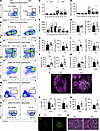 Figure 1
HMGB1 is essential for differentiation of peripheral B cells and B1 cells. (A and B) Flow cytometry analysis of bone marrow (BM) B cell subpopulations (pre-pro [Fr.A], pro [Fr.B], early-pre [Fr.C], late-pre [Fr.D], immature [Fr.E], and recirculating mature [Fr.F]) in WT and cKO mice. (C and D) Flow cytometry analysis for proportions and absolute numbers of total BM B cell subpopulations (n = 8). (E) Flow cytometry analysis of CD127 mean fluorescence intensity (MFI) in BM B cell subsets (n = 6). (F, J, and M) Flow cytometry analysis of splenic B cell subpopulations in WT and cKO mice. (G–I, K, and N) Flow cytometry analysis for proportions and absolute numbers of splenic B cell subsets (T1, T2, FO, MZ [n = 9]; GC [n = 8]). (L) Immunofluorescence staining for splenic MZ architecture (10× objective; scale bar = 50 μm). (O) Flow cytometry analysis of peritoneal B1a and B1b subsets. (P–Q) Flow cytometry analysis for proportions and numbers of peritoneal B1a/B1b cells (n = 5). (R) Immunofluorescence staining for renal glomeruli (60× objective; scale bar = 25 μm). (S) H&E staining for kidney sections (100× objective; scale bar = 20 μm). Shown are representative images of immunofluorescence and H&E staining from 1 of 3 independent experiments. Data are representative of 3 experiments. Multiple t tests (C–E) and 2-tailed unpaired Student’s t tests (G–I, K, N, P, and Q) were used for statistical analysis. Data shown as mean ± SEM. *P < 0.05, **P < 0.01.
In the spleen, the proportion and number of total B220+ B cells were comparable between WT and cKO mice (Supplemental Figure 1H). However, Hmgb1 deficiency resulted in an increased proportion of T2 B cells, while the absolute number of T2 cells remained unchanged compared to controls. No significant differences were observed in the frequency or numbers of follicular (FO) or transitional type 1 (T1) B cells (Figure 1, F–I). In contrast, both the proportion and number of MZ B cells were markedly elevated in cKO mice (Figure 1, J and K). Immunofluorescence analysis further corroborated this expansion, revealing a pronounced enlargement of MZ B cell populations in cKO mice (Figure 1L). Despite these changes, germinal center (GC) B cell levels remained normal in cKO mice (Figure 1, M and N). Given that HMGB1 enhances the chemotactic activity of CXCL12 (20), a chemokine critical for B cell migration and localization, we assessed whether HMGB1 deficiency alters B cell responsiveness to CXCL12. Splenic B cells from cKO mice showed no significant impairment in migration efficiency compared to WT cells (Supplemental Figure 1I), suggesting that the altered MZ distribution is independent of CXCL12-driven migratory capacity.
Notably, the proportion and number of peritoneal B1a cells were reduced in cKO mice, whereas B1b cells remained unchanged (Figure 1, O–Q). Similarly, no differences were observed in the proportion or number of CD19+ B1 cells between WT and cKO mice (Supplemental Figure 1J). Interestingly, glomerular IgG deposits and immune cell infiltration were evident in the kidneys of cKO mice, suggesting a pronounced autoimmune response (Figure 1, R and S). In contrast, no abnormalities were observed in the colon, lungs, or liver of these mice (Supplemental Figure 1K).
Together, these findings demonstrate that HMGB1 plays a critical role in the differentiation of MZ B and B1a cells but does not appear to influence the development of early B cells in the BM.
HMGB1 is involved in BCR activation and downregulates the proximal BCR signaling. B cell differentiation is primarily governed by B cell activation and BCR signaling. To assess whether HMGB1 is involved in BCR activation, we examined the spatiotemporal relationship between BCR and HMGB1 using confocal microscopy. Notably, this colocalization was markedly elevated at 5, 10, and 30 minutes poststimulation compared with the resting state (Figure 2, A and B), indicating that HMGB1 is highly spatially associated with the BCR signalosome and might regulate the BCR signaling activation. To preliminarily explore this, we performed bulk RNA-sequencing analysis on B cells sorted from WT and cKO mice. By analyzing the Kyoto Encyclopedia of Genes and Genomes (KEGG) pathways with differentially expressed genes identified from these cells, we observed enrichment of multiple signaling pathways, such as BCR, mTOR, NF-κB, Wnt, calcium, Hippo, and TLR signaling (Figure 2C). Among these pathways, HMGB1 has been previously implicated in mTOR, NF-κB, Wnt, calcium, Hippo, and TLR signaling pathways (12, 21–24), revealing that our transcriptional data are highly consistent with existing literature. Therefore, we hypothesized that HMGB1 may also play a role in BCR signaling. To address this, we first evaluated the phosphorylation status of CD19, an upstream regulator of BCR signaling. Surprisingly, both the expression of p-CD19 and colocalization between p-CD19 and BCR were significantly increased in cKO B cells after stimulation (Figure 2, D–F). To assess the overall BCR signaling activity, we examined the spatiotemporal relationship of p-Y proteins and the phosphorylation of BTK, a direct downstream effector of CD19. Both p-Y and p-BTK showed enhanced colocalization with BCR in cKO B cells (Figure 2, G–I). Since BTK activation is negatively regulated by SHIP1, a proximal inhibitor of BCR signaling, we then explored the impact of HMGB1 deficiency on SHIP1 activation. Colocalization between p-SHIP1 and BCR was significantly increased at 5, 10, and 30 minutes in cKO B cells (Figure 2, J and K). Immunoblotting further verified that the expression levels of p-Y, p-BTK, and p-SHIP1 were all elevated in cKO B cells (Figure 2L). Collectively, these results indicate that HMGB1 acts as a negative regulator of proximal BCR signaling.
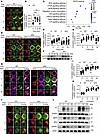 Figure 2
HMGB1 modulates BCR activation and proximal signaling. (A, D, G, and J) Confocal microscopy of HMGB1, phosphorylated CD19 (p-CD19), phosphorylated tyrosine (p-Y), p-BTK, and p-SHIP1 in splenic B cells stimulated with anti-BCR (60× objective; scale bar = 2.5 μm). (B, E, H, I, and K) Confocal microscopy for Pearson’s correlation coefficients between BCR and signaling molecules (analyzed with NIS-Elements AR 3.2). (C) KEGG pathway enrichment of differentially expressed genes in cKO B cells (bubble size: gene count; color: Q value). (F and L) Western blotting of p-CD19, p-Y, p-BTK, and p-SHIP1 in anti-BCR–stimulated B cells (β-actin/total protein served as loading controls). Representative confocal microscopy image for 3 independent experiments. Data are representative of 3 experiments. One-way ANOVA (B) and multiple t tests (E, H, I, and K) were used for statistical analysis. Data shown as mean ± SEM. *P < 0.05, **P < 0.01, ***P < 0.001.
HMGB1 has been shown to play a role in the PI3K/AKT signaling pathway in other cell types. Additionally, transcriptional data also suggested alterations in mTOR signaling in cKO B cells (Figure 2C). We next explored the impact of HMGB1 deficiency on the activation of these pathways in BCR signaling following anti-BCR stimulation. Immunoblotting revealed increased expressions of p-PI3K, p-AKT, p-FOXO1, p-mTOR, and p-S6 in cKO B cells (Figure 3A). These findings indicate that the HMGB1 deficiency in B cells results in the overactivated PI3K/AKT/mTOR signaling upon anti-BCR stimulation. Notably, treatment with rapamycin, an mTOR inhibitor, restored BCR signaling in cKO B cells, as evidenced by the recovery of p-PI3K, p-BTK, and p-SHIP1 levels (Figure 3B). This reveals mTOR exerts positive feedback on BCR signaling in cKO B cells.
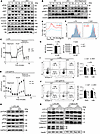 Figure 3
Hmgb1 deficiency enhances anti-BCR–stimulated PI3K/AKT/mTOR signaling while impairing the LPS-induced TLR signaling and cell apoptosis. (A) Western blotting of p-PI3K, p-AKT, p-FOXO1, p-mTOR, and p-S6 in anti-BCR–stimulated B cells. (B) Western blotting of p-PI3K, p-BTK, p-SHIP1, and p-S6 in anti-BCR–stimulated B cells following rapamycin pretreatment in vitro. (C and D) OCR of LPS- or anti-BCR–stimulated splenic B cells. (E) Flow cytometry analysis for calcium flux in anti-BCR-stimulated B cells. (F and G) Flow cytometry analysis for proliferation (CellTrace Violet [CTV] dilution) and FSC-A MFI of LPS- or CpG-stimulated B cells. (H) Western blotting of p-mTOR, p–NF-κB, p-P38, p-PI3K, and p-AKT in B cells stimulated by LPS for 24 hours. (I–K) Apoptosis (flow cytometry) and LC3 I/II, caspase-3, or p-JNK1/2 expression (Western blotting) in LPS- or anti-BCR–stimulated B cells. PI, propidium iodide. Data are representative of 3 experiments. Multiple t tests (C, D, I, and J) and 2-tailed unpaired Student’s t test (G) were used for statistical analysis. Data shown as mean ± SEM. *P < 0.05, **P < 0.01.
Given the close relationship between mTOR activity and cellular metabolism, we assessed the impact of Hmgb1 deficiency on B cell oxidative phosphorylation using real-time Seahorse assays. The maximum oxygen consumption rate (OCR) was markedly lower in cKO B cells compared with WT cells (Figure 3, C and D). As a functional readout of BCR signaling, we measured calcium flux in B cells following antigenic stimulation and observed an increase in cKO B cells (Figure 3E). We also compared the proliferative capacity of WT and cKO B cells in response to LPS or CpG stimulation. While proliferation was comparable between the 2 groups under both stimuli, cKO B cells were significantly smaller than WT cells following LPS stimulation (Figure 3, F and G), suggesting aberrant signal transduction in cKO B cells. To further investigate this, we analyzed the phosphorylation of key molecules involved in cell cycle progression, protein synthesis, and cellular growth after 24 hours of LPS stimulation. Western blot analysis revealed no obvious differences in p-mTOR, p-P65, or p-P38 (Figure 3H). Interestingly, phosphorylation of JNK1/2, PI3K, and AKT was substantially reduced in LPS-stimulated cKO B cells (Figure 3, H and K). These data suggest that Hmgb1-deficient B cells exhibit impaired responses to LPS stimulation, including reduced phosphorylation of PI3K, AKT, and JNK1/2, which may lead to diminished cellular growth. However, the weakened activation of these molecules did not impair proliferative capacity, implying compensatory mechanisms. To clarify this point, we assessed the apoptosis in WT and cKO B cells with LPS and anti-BCR stimulation, given prior reports linking HMGB1 to autophagy and apoptosis (25). Strikingly, the apoptosis of cKO B cells was significantly decreased (Figure 3, I and J). Corroborating this, we observed decreased expressions of LC3 (a marker of autophagic flux) and cleaved caspase-3 (an apoptosis executor) in cKO B cells (Figure 3K). Together, these results indicate that while LPS-stimulated cKO B cells exhibit reduced activation of p-PI3K, p-AKT, and p-JNK1/2, their proliferative capacity remains intact, likely due to a concurrent decrease in apoptosis.
Hmgb1 deficiency positively regulates the activation of NF-κB signaling. NF-κB, a signaling intermediate located distally in both BCR and TLR4 pathways, has been demonstrated to be hyperactive in other models of autoimmunity (26). Additionally, HMGB1 has been established as a key regulator of the NF-κB signaling pathway in non-B cells, a finding corroborated by our KEGG analysis. To validate this phenotype of Hmgb1-deficient B cells, we investigated the spatiotemporal relationship between p-P65 and HMGB1 or the BCR. In WT B cells stimulated with anti-BCR, the correlation coefficients between HMGB1 and p-P65, p-STAT5, or p-STAT1 peaked at 10 minutes and exhibited a slight decline by 30 minutes (Figure 4, A, B, E, F, I, and J). These patterns align with the dynamic natures of NF-κB and STAT signaling, which often exhibit transient activation followed by feedback-driven downregulation. This observation suggests that HMGB1 can function as a signaling transducer within BCR signalosomes to modulate downstream events. Notably, in activated cKO B cells, colocalization of p-P65 or p-STAT5 with the BCR was significantly enhanced, accompanied by markedly elevated MFI of p-P65 and p-STAT5 (Figure 4, C, D, G, and H). Consistent with this, immunoblotting demonstrated increased levels of p-IKKα/β, p-P65, and p-STAT5 in cKO B cells (Figure 4, M and N), collectively indicating that HMGB1 suppresses NF-κB and STAT5 signaling. In contrast, the colocalization of p-STAT1 with the BCR remained unaltered in cKO B cells (Figure 4K), while the MFI of p-STAT1 decreased after BCR stimulation (Figure 4L). Immunoblotting further verified reduced p-STAT1 levels in cKO B cells (Figure 4N), a trend opposing that observed for p-P65 and p-STAT5. Taken together, our findings suggest a unique regulatory mechanism whereby HMGB1 modulates STAT1 activation, distinct from its suppressive role in regulating other transcription factors downstream of BCR signaling, such as NF-κB and STAT5.
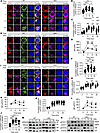 Figure 4
Hmgb1 deficiency enhances the activation of NF-κB and STAT5 while impairing the activation of STAT1. (A, E, and I) Confocal microscopy of p-P65, p-STAT5, p-STAT1, and HMGB1 in splenic B cells stimulated with anti-BCR (60× objective; scale bar = 2.5 μm). (B, C, F, G, J, and K) Confocal microscopy for Pearson’s correlation coefficients between BCR, HMGB1, and signaling molecules. (D, H, and L) Confocal microscopy for MFI of p-P65, p-STAT5, and p-STAT1. (M and N) Western blotting of p-IKKα/β, p-P65, p-STAT1, and p-STAT5 in splenic B cells stimulated with anti-BCR. Representative confocal microscopy image for 3 independent experiments. One-way ANOVA (B, F, and J) and multiple t tests (C, D, G, H, K, and L) were used for statistical analysis. Data shown as mean ± SEM. *P < 0.05, **P < 0.01, ***P < 0.001.
Hmgb1 deficiency enhances the accumulation of F-actin via the MST1/DOCK8/WASP axis. Besides the signaling pathways we addressed above, we also observed that cKO B cells developed an abnormal regulation of actin cytoskeleton based on our RNA-Seq data (Figure 2C). Actin dynamics plays a crucial role in BCR signaling, as actin reorganization is essential for the formation of the BCR signalosome, which is critical for B cell activation and downstream responses. Upon BCR engagement, actin polymerization and depolymerization are tightly regulated to facilitate BCR clustering, signal transduction, and cell spreading (27, 28). To demonstrate whether HMGB1 could modulate actin reorganization to facilitate BCR signaling, we examined the spatiotemporal relationship between BCR and p-WASP, a key actin nucleation factor, in WT and cKO B cells upon anti-BCR treatment. Hmgb1 deficiency enhanced the colocalization of p-WASP with BCR, and both the expression of p-WASP and F-actin showed higher MFI in cKO B cells, as measured by phos flow (Figure 5, A–D). Consistently, immunoblotting revealed the same increased level of p-WASP proteins in cKO B cells following anti-BCR stimulation (Figure 5E). p-Ezrin was also altered, with elevated levels at 0, 5, and 10 minutes but reduced levels at 30 minutes in cKO B cells (Figure 5E).
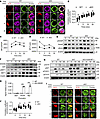 Figure 5
Hmgb1 deficiency promotes F-actin accumulation via the MST1/DOCK8/WASP axis. (A and I) Confocal microscopy of p-WASP, F-actin, and DOCK8 in splenic B cells stimulated with anti-BCR (60× objective; scale bar = 2.5 μm). Representative confocal microscopy image for 3 independent experiments. (B and J) Pearson’s coefficients between BCR and p-WASP or DOCK8 analyzed by confocal microscopy. (C and D) Phos flow analysis of p-WASP and F-actin MFI in anti-BCR–stimulated B cells. (E and F) Western blotting of p-WASP, WASP, p-Ezrin, WIP, DOCK8, p-MST1, and MST1 in anti-BCR–stimulated B cells. (G) Western blotting of p-CD19, p-AKT, p-FOXO1, DOCK8, and p-STAT5 in anti-BCR–stimulated B cells following XMU-MP-1 pretreatment in vitro. (H) ChIP-RT-PCR of HMGB1 binding to Mst1, Wip, and Dock8 promoters in splenic B cells. Data are representative of 3 experiments. Multiple t tests (B, H, and J) were used for statistical analysis. Data shown as mean ± SEM. *P < 0.05, **P < 0.01, ***P < 0.001.
To further explore the upstream regulators of WASP activation, we examined the expression of DOCK8 and WASP-interacting protein (WIP; a scaffolding protein that stabilizes WASP and promotes its activation in actin cytoskeleton signaling), as well as MST1, which influences DOCK8 activity, in WT and cKO B cells following anti-BCR stimulation. The levels of DOCK8, WIP, MST1, and p-MST1 were all elevated in cKO B cells (Figure 5F). To identify which actin regulator mediates feedback to BCR signaling, we used various inhibitors and found that specifically inhibiting MST1 with XMU-MP-1 rescued BCR signaling, as evidenced by restored levels of p-CD19, p-AKT, p-FOXO1, and p-STAT5 (Figure 5G). Given that HMGB1 is involved in chromatin remodeling and the regulation of gene transcription, we next assessed whether HMGB1 could regulate the transcription of Mst1, Dock8, and Wip by ChIP followed by real-time PCR (ChIP-RT-PCR) assay. HMGB1 strongly bound to the promoters of Wip and Dock8 but not Mst1 (Figure 5H). Furthermore, the spatiotemporal relationship between BCR and DOCK8 was disrupted in cKO B cells, as indicated by a significantly reduced correlation coefficient (Figure 5, I and J). These results suggest that HMGB1 negatively regulates actin reorganization through the MST1/DOCK8/WASP axis, with MST1 providing feedback to BCR signaling.
Hmgb1 deficiency enhances B cell spreading, BCR clustering, and BCR signalosome recruitment in response to membrane antigens. To investigate the impact of Hmgb1 deletion on early B cell activation events, we utilized liposome-based artificial membranes conjugated with membrane antigens (mAg) to mimic the dynamic phospholipid bilayer of cell membranes in vitro. The spreading of B cells was measured by the contact area, while BCR clustering was calculated by MFI of BCR in the contact area. Compared with WT, cKO B cells exhibited significantly increased contact area and enhanced BCR aggregation (Figure 6, A–C). Furthermore, accumulation of signalosome components, including p-Y, p-BTK, p-CD19, and p-SHIP1, within the contact area was markedly elevated in cKO B cells (Figure 6, D–I). Recruitment of p-WASP and F-actin to the contact area was also substantially enhanced in cKO B cells, with approximately 20 F-actin foci per cell compared with WT (Figure 6, J–M). This heightened F-actin formation correlated with increased cell spreading and pronounced F-actin polymerization at the leading edge of cKO B cells. Together, these results demonstrate that Hmgb1 deficiency amplifies early B cell activation and actin recruitment in response to mAg stimulation, aligning with the broader hyperactivation of BCR signaling observed in cKO B cells.
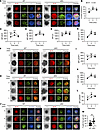 Figure 6
Hmgb1 deficiency enhances B cell spreading and BCR signalosome recruitment. (A, F, H, and J) Total internal reflection fluorescence microscopy (TIRFm) of p-BTK, p-Y, p-CD19, p-SHIP1, F-actin, and p-WASP in splenic B cells stimulated with anti-BCR (60× objective; scale bar = 2.5 μm). (B) Quantification of B cell contact area analyzed by TIRFm. (C–E, G, I, K, and L) TIRFm for MFI of BCR, p-BTK, p-Y, p-CD19, p-SHIP1, F-actin, and p-WASP in anti-BCR–stimulated B cells from 3 independent experiments. (M) F-actin foci in anti-BCR–stimulated B cells quantified by ImageJ (NIH). Data analyzed with NIS-Elements AR 3.2. Representative of 3 experiments. Multiple t tests (B–E, G, I, K, and L) and 2-tailed unpaired Student’s t tests (M) were used for statistical analysis. Data shown as mean ± SEM. *P < 0.05, **P < 0.01, ***P < 0.001.
HMGB1 is indispensable for T-independent and T-dependent humoral immune responses. Innate-like B cells, such as MZ and B1 B cells, serve as frontline defenders in humoral immunity, enabling rapid containment of T-independent (TI) pathogens and priming adaptive immune pathways for sustained protection. Having seen the significant changes of MZ and B1a B cell populations in cKO mice (Figure 1, K and P), we hypothesized impaired TI humoral immunity in these mice. To test this, WT and cKO mice were immunized with the TI antigen NP-Ficoll. Postimmunization, cKO mice exhibited significant expansion of T1 and MZ B cells alongside a reduction in FO B cells (Figure 7, A and B). Immunofluorescence analysis further revealed MZ enlargement in cKO spleens (Figure 7C). Strikingly, GC B cells, plasmablast cells (PBCs), memory B cells (MBCs), and antibody class-switching efficiency were all diminished in cKO mice, with plasma cells (PCs) showing a downward trend (Figure 7, D–G). Despite comparable total cell numbers across subsets (Supplemental Figure 2, A–F), cKO sera displayed reduced NP-specific IgG1 but normal IgM levels (Figure 7H), aligning with defective class-switching. Together, these findings demonstrate HMGB1 is critical for TI humoral responses.
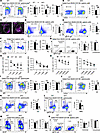 Figure 7
HMGB1 participates in both the T-independent and T-dependent immune response. (A, B, and D–G) Flow cytometry of splenic subsets in NP-Ficoll–immunized mice (T-independent [TI] response; n = 3). (I–N) Flow cytometry of splenic subsets after secondary NP-KLH immunization (T-dependent [TD] response; n = 4). (C) Immunofluorescence staining of splenic MZ (10× objective; scale bar = 50 μm). Shown are representative images of immunofluorescence from 1 of 3 independent experiments. (H and O) ELISA of NP-IgM and NP-IgG1 titers in TI- or TD-immunized mice. Two-tailed unpaired Student’s t tests (A, B, D–G, and I–N) and multiple t tests (H and O) were used for statistical analysis. Data shown as mean ± SEM. *P < 0.05, **P < 0.01, ***P < 0.001.
To assess HMGB1’s role in TD immunity, mice were immunized with NP-KLH. After primary immunization, cKO mice showed elevated MZ B cells (Supplemental Figure 3, A–H), reduced PBCs (Supplemental Figure 3, I and J), paradoxically increased PCs (Supplemental Figure 3K), and unchanged MBCs (Supplemental Figure 3, L and M). While NP-specific IgM was reduced, IgG1 remained unchanged (Supplemental Figure 3, N and O), suggesting compromised IgM-producing PC function. Upon secondary TD immunization, cKO mice mirrored TI response defects with declined FO, GC, and MBC frequencies yet expanded T1 and MZ B cells (Figure 7, I–L). Although PBCs, PCs, and class-switching metrics were unaffected, NP-specific IgM and IgG1 production were both impaired following the secondary immunization (Figure 7, M–O). There was only an obvious decrease of cell numbers in FO and GC B cells in cKO mice (Supplemental Figure 4, A–F). These deficits of humoral immune responses in cKO mice were independent of T cell help, evidenced by the comparable proportion of T follicular helper cells in WT and cKO mice (Supplemental Figure 4G).
Previous studies have implicated HMGB1 in regulating the expressions or functions of activation-induced cytidine deaminase (AID), CD40, and MHC-II (21, 29, 30), key players for the B cell differentiation and function in immune response. Therefore, we also detected expressions of these proteins in both groups of mice. While CD40 expression was normal in cKO B cells (Supplemental Figure 4H), MHC-II and AID levels were modestly elevated after secondary TD immunization (Supplemental Figure 4, I and J). Anti-BCR stimulation further revealed HMGB1 suppresses AID via BCR-dependent pathways (Supplemental Figure 4K). Given HMGB1’s known role in dampening NF-κB and MAPK signaling in B cells following anti-BCR stimulation (Figure 4, C and M, and Supplemental Figure 4K), critical for AID and MHC-II induction, we propose HMGB1 fine-tunes these pathways to prevent excessive activation. However, these molecular changes contribute minimal effects to impaired TD-immune responses in cKO mice.
Collectively, these results indicate that HMGB1 is necessary for effective humoral immune responses induced by both TD and TI antigens.
HMGB1 interacts with LEF1 to negatively regulate Cd21 expression, potentially suppressing B cell activation. To investigate the potential molecular mechanism by which HMGB1 regulates BCR signal transduction, we assessed expressions of key BCR coreceptors, CD21 and CD19, which lower the activation threshold of BCR. Strikingly, CD21 surface expression was significantly elevated in cKO mice across B220+, FO, and MZ B cell subsets, whereas CD19 levels remained unchanged (Figure 8, A–F). Besides, IgM expression increased in B220+ and FO B cells, while IgD decreased selectively in FO and MZ cells (Supplemental Figure 5, A–F). Quantitative PCR further verified upregulated Cd21 mRNA in cKO B cells (Figure 8G), suggesting transcriptional regulation of HMGB1.
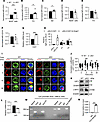 Figure 8
HMGB1 negatively regulates Cd21 expression to inhibit the B cell activation via binding to Lef1. (A–F) Flow cytometry of CD21 MFI in B220+ (n = 9), FO (n = 7), and MZ B cells (n = 9); CD19 (n = 4) MFI in B220+, FO, and MZ B cells. (G and L) Quantitative PCR of Cd21 and Lef1 mRNA levels in purified splenic B cells (n = 3). (H) Dual luciferase reporter analysis of Cd21 promoter activity in HEK293T cells cotransfected with or without Hmgb1. (I and J) Confocal correlation between BCR and LEF1 in splenic B cells stimulated with anti-BCR (60× objective; scale bar = 2.5 μm). Representative confocal microscopy image for 3 independent experiments. (K) Western blotting of LEF1 and c-MYC in splenic B cells stimulated with anti-BCR. (M and N) ChIP-RT-PCR of HMGB1 binding to Lef1 promoter in purified splenic B cells (n = 3). Data are representative of 3 experiments. Two-tailed unpaired Student’s t tests (A–G, L, and N) and multiple t tests (H and J) were used for statistical analysis. Data shown as mean ± SEM. *P < 0.05, **P < 0.01, ***P < 0.001.
To test whether HMGB1 directly suppresses Cd21 transcription, we conducted luciferase reporter assays in HEK293T cells. Cotransfection of pGL3 vectors containing the Cd21 promoter (P1/P2) with an Hmgb1 expression plasmid significantly reduced promoter activity compared with Cd21 promoter constructs alone (Figure 8H). These results indicate that HMGB1 negatively regulates the Cd21 promoter activity. While HMGB1 lacks intrinsic transcription factor activity, its DNA-binding capacity and nuclear localization suggest indirect transcriptional modulation.
Building on our prior discovery that LEF1 can repress Cd21 transcription (11), we observed reduced HMGB1-LEF1 colocalization in cKO B cells (Figure 8, I and J). Intriguingly, both mRNA and protein levels of LEF1 declined in cKO B cells, accompanied by increased expression of c-MYC, which is downstream of LEF1 (Figure 8, K and L). ChIP assays verified direct interaction between HMGB1 and Lef1 promoter (Figure 8, M and N), implying HMGB1 might regulate Cd21 promoter through LEF1. Together, these results suggest HMGB1 as a transcriptional coregulator that restrains Cd21 expression via LEF1, potentially fine-tuning BCR signaling thresholds.


