
Research ArticleImmunologyNephrology
Open Access |  10.1172/jci.insight.186892
Low-intensity pulsed ultrasound stimulation to treat renal fibrosis through inhibiting tubular IL-1R
Zhimin Huang,1 Jiaxin Dong,1 Ziqi Fu,1 Li Li,1 Simeng Liu,1 Lin Wu,1 Honglei Guo,1 Ao Bian,1 Kang Liu,1 Wei Sun,2 Changying Xing,1 Steven D Crowley,3 Jiafa Ren,1 Xiangqing Kong,2,4 and Huijuan Mao1
1Department of Nephrology and
2Department of Cardiology, Jiangsu Province Hospital and The First Affiliated Hospital with Nanjing Medical University, Nanjing, China.
3Division of Nephrology, Department of Medicine, Duke University Medical Center, Durham, North Carolina, USA.
4Collaborative Innovation Center for Cardiovascular Disease Translational Medicine, Nanjing Medical University, Nanjing, China.
Address correspondence to: Huijuan Mao or Jiafa Ren, Department of Nephrology, Jiangsu Province Hospital and The First Affiliated Hospital with Nanjing Medical University, No. 300 Guangzhou Road, Nanjing, 210029, China. Phone: 86.25.68306867; Email: maohuijuan72@njmu.edu.cn (HM); jfren@njmu.edu.cn (JR). Or to: Xiangqing Kong, Department of Cardiology, Jiangsu Province Hospital and The First Affiliated Hospital with Nanjing Medical University, No. 300 Guangzhou Road, Nanjing, 210029, China. Phone: 86.25.68303996; Email: Kongxq@njmu.edu.cn.
Authorship note: ZH, JD, and ZF have been designated as co–first authors. JR, XK, and HM have been designated as co–senior authors and contributed equally to this work.
Find articles by Huang, Z. in: PubMed | Google Scholar
1Department of Nephrology and
2Department of Cardiology, Jiangsu Province Hospital and The First Affiliated Hospital with Nanjing Medical University, Nanjing, China.
3Division of Nephrology, Department of Medicine, Duke University Medical Center, Durham, North Carolina, USA.
4Collaborative Innovation Center for Cardiovascular Disease Translational Medicine, Nanjing Medical University, Nanjing, China.
Address correspondence to: Huijuan Mao or Jiafa Ren, Department of Nephrology, Jiangsu Province Hospital and The First Affiliated Hospital with Nanjing Medical University, No. 300 Guangzhou Road, Nanjing, 210029, China. Phone: 86.25.68306867; Email: maohuijuan72@njmu.edu.cn (HM); jfren@njmu.edu.cn (JR). Or to: Xiangqing Kong, Department of Cardiology, Jiangsu Province Hospital and The First Affiliated Hospital with Nanjing Medical University, No. 300 Guangzhou Road, Nanjing, 210029, China. Phone: 86.25.68303996; Email: Kongxq@njmu.edu.cn.
Authorship note: ZH, JD, and ZF have been designated as co–first authors. JR, XK, and HM have been designated as co–senior authors and contributed equally to this work.
Find articles by Dong, J. in: PubMed | Google Scholar
1Department of Nephrology and
2Department of Cardiology, Jiangsu Province Hospital and The First Affiliated Hospital with Nanjing Medical University, Nanjing, China.
3Division of Nephrology, Department of Medicine, Duke University Medical Center, Durham, North Carolina, USA.
4Collaborative Innovation Center for Cardiovascular Disease Translational Medicine, Nanjing Medical University, Nanjing, China.
Address correspondence to: Huijuan Mao or Jiafa Ren, Department of Nephrology, Jiangsu Province Hospital and The First Affiliated Hospital with Nanjing Medical University, No. 300 Guangzhou Road, Nanjing, 210029, China. Phone: 86.25.68306867; Email: maohuijuan72@njmu.edu.cn (HM); jfren@njmu.edu.cn (JR). Or to: Xiangqing Kong, Department of Cardiology, Jiangsu Province Hospital and The First Affiliated Hospital with Nanjing Medical University, No. 300 Guangzhou Road, Nanjing, 210029, China. Phone: 86.25.68303996; Email: Kongxq@njmu.edu.cn.
Authorship note: ZH, JD, and ZF have been designated as co–first authors. JR, XK, and HM have been designated as co–senior authors and contributed equally to this work.
Find articles by Fu, Z. in: PubMed | Google Scholar
1Department of Nephrology and
2Department of Cardiology, Jiangsu Province Hospital and The First Affiliated Hospital with Nanjing Medical University, Nanjing, China.
3Division of Nephrology, Department of Medicine, Duke University Medical Center, Durham, North Carolina, USA.
4Collaborative Innovation Center for Cardiovascular Disease Translational Medicine, Nanjing Medical University, Nanjing, China.
Address correspondence to: Huijuan Mao or Jiafa Ren, Department of Nephrology, Jiangsu Province Hospital and The First Affiliated Hospital with Nanjing Medical University, No. 300 Guangzhou Road, Nanjing, 210029, China. Phone: 86.25.68306867; Email: maohuijuan72@njmu.edu.cn (HM); jfren@njmu.edu.cn (JR). Or to: Xiangqing Kong, Department of Cardiology, Jiangsu Province Hospital and The First Affiliated Hospital with Nanjing Medical University, No. 300 Guangzhou Road, Nanjing, 210029, China. Phone: 86.25.68303996; Email: Kongxq@njmu.edu.cn.
Authorship note: ZH, JD, and ZF have been designated as co–first authors. JR, XK, and HM have been designated as co–senior authors and contributed equally to this work.
Find articles by Li, L. in: PubMed | Google Scholar
1Department of Nephrology and
2Department of Cardiology, Jiangsu Province Hospital and The First Affiliated Hospital with Nanjing Medical University, Nanjing, China.
3Division of Nephrology, Department of Medicine, Duke University Medical Center, Durham, North Carolina, USA.
4Collaborative Innovation Center for Cardiovascular Disease Translational Medicine, Nanjing Medical University, Nanjing, China.
Address correspondence to: Huijuan Mao or Jiafa Ren, Department of Nephrology, Jiangsu Province Hospital and The First Affiliated Hospital with Nanjing Medical University, No. 300 Guangzhou Road, Nanjing, 210029, China. Phone: 86.25.68306867; Email: maohuijuan72@njmu.edu.cn (HM); jfren@njmu.edu.cn (JR). Or to: Xiangqing Kong, Department of Cardiology, Jiangsu Province Hospital and The First Affiliated Hospital with Nanjing Medical University, No. 300 Guangzhou Road, Nanjing, 210029, China. Phone: 86.25.68303996; Email: Kongxq@njmu.edu.cn.
Authorship note: ZH, JD, and ZF have been designated as co–first authors. JR, XK, and HM have been designated as co–senior authors and contributed equally to this work.
Find articles by Liu, S. in: PubMed | Google Scholar
1Department of Nephrology and
2Department of Cardiology, Jiangsu Province Hospital and The First Affiliated Hospital with Nanjing Medical University, Nanjing, China.
3Division of Nephrology, Department of Medicine, Duke University Medical Center, Durham, North Carolina, USA.
4Collaborative Innovation Center for Cardiovascular Disease Translational Medicine, Nanjing Medical University, Nanjing, China.
Address correspondence to: Huijuan Mao or Jiafa Ren, Department of Nephrology, Jiangsu Province Hospital and The First Affiliated Hospital with Nanjing Medical University, No. 300 Guangzhou Road, Nanjing, 210029, China. Phone: 86.25.68306867; Email: maohuijuan72@njmu.edu.cn (HM); jfren@njmu.edu.cn (JR). Or to: Xiangqing Kong, Department of Cardiology, Jiangsu Province Hospital and The First Affiliated Hospital with Nanjing Medical University, No. 300 Guangzhou Road, Nanjing, 210029, China. Phone: 86.25.68303996; Email: Kongxq@njmu.edu.cn.
Authorship note: ZH, JD, and ZF have been designated as co–first authors. JR, XK, and HM have been designated as co–senior authors and contributed equally to this work.
Find articles by Wu, L. in: PubMed | Google Scholar
1Department of Nephrology and
2Department of Cardiology, Jiangsu Province Hospital and The First Affiliated Hospital with Nanjing Medical University, Nanjing, China.
3Division of Nephrology, Department of Medicine, Duke University Medical Center, Durham, North Carolina, USA.
4Collaborative Innovation Center for Cardiovascular Disease Translational Medicine, Nanjing Medical University, Nanjing, China.
Address correspondence to: Huijuan Mao or Jiafa Ren, Department of Nephrology, Jiangsu Province Hospital and The First Affiliated Hospital with Nanjing Medical University, No. 300 Guangzhou Road, Nanjing, 210029, China. Phone: 86.25.68306867; Email: maohuijuan72@njmu.edu.cn (HM); jfren@njmu.edu.cn (JR). Or to: Xiangqing Kong, Department of Cardiology, Jiangsu Province Hospital and The First Affiliated Hospital with Nanjing Medical University, No. 300 Guangzhou Road, Nanjing, 210029, China. Phone: 86.25.68303996; Email: Kongxq@njmu.edu.cn.
Authorship note: ZH, JD, and ZF have been designated as co–first authors. JR, XK, and HM have been designated as co–senior authors and contributed equally to this work.
Find articles by Guo, H. in: PubMed | Google Scholar
1Department of Nephrology and
2Department of Cardiology, Jiangsu Province Hospital and The First Affiliated Hospital with Nanjing Medical University, Nanjing, China.
3Division of Nephrology, Department of Medicine, Duke University Medical Center, Durham, North Carolina, USA.
4Collaborative Innovation Center for Cardiovascular Disease Translational Medicine, Nanjing Medical University, Nanjing, China.
Address correspondence to: Huijuan Mao or Jiafa Ren, Department of Nephrology, Jiangsu Province Hospital and The First Affiliated Hospital with Nanjing Medical University, No. 300 Guangzhou Road, Nanjing, 210029, China. Phone: 86.25.68306867; Email: maohuijuan72@njmu.edu.cn (HM); jfren@njmu.edu.cn (JR). Or to: Xiangqing Kong, Department of Cardiology, Jiangsu Province Hospital and The First Affiliated Hospital with Nanjing Medical University, No. 300 Guangzhou Road, Nanjing, 210029, China. Phone: 86.25.68303996; Email: Kongxq@njmu.edu.cn.
Authorship note: ZH, JD, and ZF have been designated as co–first authors. JR, XK, and HM have been designated as co–senior authors and contributed equally to this work.
Find articles by Bian, A. in: PubMed | Google Scholar
1Department of Nephrology and
2Department of Cardiology, Jiangsu Province Hospital and The First Affiliated Hospital with Nanjing Medical University, Nanjing, China.
3Division of Nephrology, Department of Medicine, Duke University Medical Center, Durham, North Carolina, USA.
4Collaborative Innovation Center for Cardiovascular Disease Translational Medicine, Nanjing Medical University, Nanjing, China.
Address correspondence to: Huijuan Mao or Jiafa Ren, Department of Nephrology, Jiangsu Province Hospital and The First Affiliated Hospital with Nanjing Medical University, No. 300 Guangzhou Road, Nanjing, 210029, China. Phone: 86.25.68306867; Email: maohuijuan72@njmu.edu.cn (HM); jfren@njmu.edu.cn (JR). Or to: Xiangqing Kong, Department of Cardiology, Jiangsu Province Hospital and The First Affiliated Hospital with Nanjing Medical University, No. 300 Guangzhou Road, Nanjing, 210029, China. Phone: 86.25.68303996; Email: Kongxq@njmu.edu.cn.
Authorship note: ZH, JD, and ZF have been designated as co–first authors. JR, XK, and HM have been designated as co–senior authors and contributed equally to this work.
Find articles by Liu, K. in: PubMed | Google Scholar
1Department of Nephrology and
2Department of Cardiology, Jiangsu Province Hospital and The First Affiliated Hospital with Nanjing Medical University, Nanjing, China.
3Division of Nephrology, Department of Medicine, Duke University Medical Center, Durham, North Carolina, USA.
4Collaborative Innovation Center for Cardiovascular Disease Translational Medicine, Nanjing Medical University, Nanjing, China.
Address correspondence to: Huijuan Mao or Jiafa Ren, Department of Nephrology, Jiangsu Province Hospital and The First Affiliated Hospital with Nanjing Medical University, No. 300 Guangzhou Road, Nanjing, 210029, China. Phone: 86.25.68306867; Email: maohuijuan72@njmu.edu.cn (HM); jfren@njmu.edu.cn (JR). Or to: Xiangqing Kong, Department of Cardiology, Jiangsu Province Hospital and The First Affiliated Hospital with Nanjing Medical University, No. 300 Guangzhou Road, Nanjing, 210029, China. Phone: 86.25.68303996; Email: Kongxq@njmu.edu.cn.
Authorship note: ZH, JD, and ZF have been designated as co–first authors. JR, XK, and HM have been designated as co–senior authors and contributed equally to this work.
Find articles by Sun, W. in: PubMed | Google Scholar
1Department of Nephrology and
2Department of Cardiology, Jiangsu Province Hospital and The First Affiliated Hospital with Nanjing Medical University, Nanjing, China.
3Division of Nephrology, Department of Medicine, Duke University Medical Center, Durham, North Carolina, USA.
4Collaborative Innovation Center for Cardiovascular Disease Translational Medicine, Nanjing Medical University, Nanjing, China.
Address correspondence to: Huijuan Mao or Jiafa Ren, Department of Nephrology, Jiangsu Province Hospital and The First Affiliated Hospital with Nanjing Medical University, No. 300 Guangzhou Road, Nanjing, 210029, China. Phone: 86.25.68306867; Email: maohuijuan72@njmu.edu.cn (HM); jfren@njmu.edu.cn (JR). Or to: Xiangqing Kong, Department of Cardiology, Jiangsu Province Hospital and The First Affiliated Hospital with Nanjing Medical University, No. 300 Guangzhou Road, Nanjing, 210029, China. Phone: 86.25.68303996; Email: Kongxq@njmu.edu.cn.
Authorship note: ZH, JD, and ZF have been designated as co–first authors. JR, XK, and HM have been designated as co–senior authors and contributed equally to this work.
Find articles by Xing, C. in: PubMed | Google Scholar
1Department of Nephrology and
2Department of Cardiology, Jiangsu Province Hospital and The First Affiliated Hospital with Nanjing Medical University, Nanjing, China.
3Division of Nephrology, Department of Medicine, Duke University Medical Center, Durham, North Carolina, USA.
4Collaborative Innovation Center for Cardiovascular Disease Translational Medicine, Nanjing Medical University, Nanjing, China.
Address correspondence to: Huijuan Mao or Jiafa Ren, Department of Nephrology, Jiangsu Province Hospital and The First Affiliated Hospital with Nanjing Medical University, No. 300 Guangzhou Road, Nanjing, 210029, China. Phone: 86.25.68306867; Email: maohuijuan72@njmu.edu.cn (HM); jfren@njmu.edu.cn (JR). Or to: Xiangqing Kong, Department of Cardiology, Jiangsu Province Hospital and The First Affiliated Hospital with Nanjing Medical University, No. 300 Guangzhou Road, Nanjing, 210029, China. Phone: 86.25.68303996; Email: Kongxq@njmu.edu.cn.
Authorship note: ZH, JD, and ZF have been designated as co–first authors. JR, XK, and HM have been designated as co–senior authors and contributed equally to this work.
Find articles by Crowley, S. in: PubMed | Google Scholar
1Department of Nephrology and
2Department of Cardiology, Jiangsu Province Hospital and The First Affiliated Hospital with Nanjing Medical University, Nanjing, China.
3Division of Nephrology, Department of Medicine, Duke University Medical Center, Durham, North Carolina, USA.
4Collaborative Innovation Center for Cardiovascular Disease Translational Medicine, Nanjing Medical University, Nanjing, China.
Address correspondence to: Huijuan Mao or Jiafa Ren, Department of Nephrology, Jiangsu Province Hospital and The First Affiliated Hospital with Nanjing Medical University, No. 300 Guangzhou Road, Nanjing, 210029, China. Phone: 86.25.68306867; Email: maohuijuan72@njmu.edu.cn (HM); jfren@njmu.edu.cn (JR). Or to: Xiangqing Kong, Department of Cardiology, Jiangsu Province Hospital and The First Affiliated Hospital with Nanjing Medical University, No. 300 Guangzhou Road, Nanjing, 210029, China. Phone: 86.25.68303996; Email: Kongxq@njmu.edu.cn.
Authorship note: ZH, JD, and ZF have been designated as co–first authors. JR, XK, and HM have been designated as co–senior authors and contributed equally to this work.
Find articles by
Ren, J.
in:
PubMed
|
Google Scholar
|

1Department of Nephrology and
2Department of Cardiology, Jiangsu Province Hospital and The First Affiliated Hospital with Nanjing Medical University, Nanjing, China.
3Division of Nephrology, Department of Medicine, Duke University Medical Center, Durham, North Carolina, USA.
4Collaborative Innovation Center for Cardiovascular Disease Translational Medicine, Nanjing Medical University, Nanjing, China.
Address correspondence to: Huijuan Mao or Jiafa Ren, Department of Nephrology, Jiangsu Province Hospital and The First Affiliated Hospital with Nanjing Medical University, No. 300 Guangzhou Road, Nanjing, 210029, China. Phone: 86.25.68306867; Email: maohuijuan72@njmu.edu.cn (HM); jfren@njmu.edu.cn (JR). Or to: Xiangqing Kong, Department of Cardiology, Jiangsu Province Hospital and The First Affiliated Hospital with Nanjing Medical University, No. 300 Guangzhou Road, Nanjing, 210029, China. Phone: 86.25.68303996; Email: Kongxq@njmu.edu.cn.
Authorship note: ZH, JD, and ZF have been designated as co–first authors. JR, XK, and HM have been designated as co–senior authors and contributed equally to this work.
Find articles by Kong, X. in: PubMed | Google Scholar
1Department of Nephrology and
2Department of Cardiology, Jiangsu Province Hospital and The First Affiliated Hospital with Nanjing Medical University, Nanjing, China.
3Division of Nephrology, Department of Medicine, Duke University Medical Center, Durham, North Carolina, USA.
4Collaborative Innovation Center for Cardiovascular Disease Translational Medicine, Nanjing Medical University, Nanjing, China.
Address correspondence to: Huijuan Mao or Jiafa Ren, Department of Nephrology, Jiangsu Province Hospital and The First Affiliated Hospital with Nanjing Medical University, No. 300 Guangzhou Road, Nanjing, 210029, China. Phone: 86.25.68306867; Email: maohuijuan72@njmu.edu.cn (HM); jfren@njmu.edu.cn (JR). Or to: Xiangqing Kong, Department of Cardiology, Jiangsu Province Hospital and The First Affiliated Hospital with Nanjing Medical University, No. 300 Guangzhou Road, Nanjing, 210029, China. Phone: 86.25.68303996; Email: Kongxq@njmu.edu.cn.
Authorship note: ZH, JD, and ZF have been designated as co–first authors. JR, XK, and HM have been designated as co–senior authors and contributed equally to this work.
Find articles by Mao, H. in: PubMed | Google Scholar
Published July 29, 2025 - More info
JCI Insight. 2025;10(17):e186892. https://doi.org/10.1172/jci.insight.186892.
© 2025 Huang et al. This work is licensed under the Creative Commons Attribution 4.0 International License. To view a copy of this license, visit http://creativecommons.org/licenses/by/4.0/.
Received: September 16, 2024; Accepted: July 18, 2025


-
Results
Effect of LIPUS on mouse tubular epithelial cells and screening of effective LIPUS parameters in vitro. LIPUS is a therapeutic technology that utilizes pulsed acoustic waves to treat inflammatory conditions, such as acute kidney injury (AKI) and CKD (8, 9). For the treatment of kidney diseases, the maximum LIPUS intensity reported in the literature is 100 mW/cm² (8, 10, 11). In our study, LIPUS at an intensity of 102 mW/cm2 with 10% or 1% duty cycle provided a minimal thermal effect on mouse tubular epithelial cells (MTECs) (Figure 1A). Flow cytometry was applied to detect the apoptosis of MTECs stimulated by LIPUS with varying duty cycles (Figure 1B). The results showed that the apoptotic rate was comparable in MTECs treated by LIPUS with either 10% or 1% duty cycle (P > 0.05). To determine the optimal duty cycle, MTECs were treated with TGF-β1. Interestingly, both 10% and 1% duty cycles of LIPUS showed similar efficacy in partially reversing the TGF-β1–induced overexpression of the fibrotic marker α–smooth muscle actin (α-SMA) in MTECs (Figure 1D). Overall, 1% duty cycle was adopted in further studies.
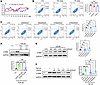 Figure 1
In vitro effect of LIPUS on MTECs and parameter selection for CKD treatment. (A) The thermal effect of LIPUS with different duty cycles on MTECs. (B and C) Flow cytometry of apoptosis of MTECs treated with LIPUS at varying duty cycles (B) and intensities (C) and quantification of apoptotic cells (Q2 + Q3). (n = 3). (D) Protein levels of α-SMA in MTECs induced with 15 ng/mL TGF-β1 (n = 6). (E) Protein levels of α-SMA in MTECs treated with LIPUS at varying intensities (n = 4). (F) Protein levels of α-SMA in MTECs treated with LIPUS at varying intensities stimulated by 15 ng/mL TGF-β1 (n = 5). Data are presented as mean ± SD and were analyzed using 1-way ANOVA with Tukey’s post hoc test. *P < 0.05, **P < 0.01, ***P < 0.001.
We later assessed the best performing intensity of LIPUS on MTECs. The apoptotic rates were similar in MTECs treated with LIPUS at intensities of 25, 102, and 315 mW/cm2. However, LIPUS at an intensity of 410 mW/cm2 resulted in a higher apoptotic rate and expression level of α-SMA compared with the untreated group (Figure 1, C and E). In addition, TGF-β1–induced overexpression of α-SMA was not reversed by 410 mW/cm2 LIPUS but partially by LIPUS at an intensity of 315 mW/cm2 (Figure 1F). Collectively, LIPUS at an intensity of less than 315 mW/cm2 is safe to MTECs.
Considering the LIPUS transducer was placed over the skin of the back on both kidneys, and podocytes play a fundamental role in the glomerular filtration barrier (12), the safety of LIPUS on podocytes was investigated. No significant differences in the apoptotic rate and expression level of podocin (podocyte marker) were detected between podocytes treated with LIPUS at varying intensities or not (Supplemental Figure 1; supplemental material available online with this article; https://doi.org/10.1172/jci.insight.186892DS1), suggesting the safety of LIPUS at less than 600 mW/cm2 for podocytes.
Overall, we consistently applied LIPUS at fixed parameters (315 mW/cm² intensity, 1% duty cycle) throughout all subsequent in vivo and in vitro experiments.
Frequency of LIPUS in vivo. Two weeks after renal ischemia/reperfusion (IR) induction in mice, increased serum creatinine (Cr, a blood biomarker of kidney function) and histological abnormalities in the kidney suggested the typical chronic unilateral kidney damage of CKD (13). Specifically, detached brush border, necrotic tubular epithelial cells, various tubular casts, massive tubulointerstitial mononuclear cell infiltration, and accumulated deposition of collagen in the mouse kidney were visualized by Periodic Acid–Schiff (PAS) and Masson’s trichrome staining. To investigate the in vivo therapeutic efficacy of LIPUS on CKD mice, a 14-day treatment regimen was performed using a 1 MHz transducer at an intensity of 315 mW/cm². LIPUS was administered to bilateral kidneys for 20 minutes per kidney daily or every other day, starting from the day after IR surgery (Figure 2A).
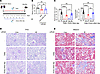 Figure 2
LIPUS parameter evaluation for IR-induced renal injury. (A) Study protocol. (B) Serum creatinine (Cr, a blood biomarker of kidney function) levels in IR-induced mice with LIPUS. (C) Tubular injury and tubulointerstitial fibrosis scores. (D and E) Representative microscopic images showing PAS staining (D) and Masson’s trichrome staining (E) of tubular injury and collagen deposition in renal tissue. Scale bar: 50 μm. Data presented as mean ± SD. Statistical analysis was performed using 1-way ANOVA followed by Tukey’s test. *P < 0.05, **P < 0.01, ****P < 0.0001. n = 6 in contralateral (Con) or IR-injured kidneys; n = 5 in Con or IR-injured kidneys with every-other-day LIPUS treatment; n = 5 in Con or IR-injured kidneys with daily LIPUS treatment.
Daily LIPUS improved the renal function compared with the diseased group (Figure 2B). Histologically, the tubular injury and renal fibrosis scores in CKD mice treated with daily LIPUS decreased significantly (Figure 2, C–E). However, serum Cr levels in CKD mice were not influenced by the frequency of LIPUS, which may be attributed to the preservation of the contralateral kidney (P > 0.05, Figure 2B). A mild histological renal injury, probably caused by circulating factors associated with renal injury, was observed in the contralateral kidney. In the following experiments, mice in the sham operation group were considered controls.
The safety of LIPUS was evaluated using both systemic and local tissue assessments. Hematological analysis demonstrated that blood parameters were preserved across all groups, with comparable hemoglobin concentrations, leukocyte counts, and platelet counts (Supplemental Figure 2A). Hepatic function markers, including alanine aminotransferase (ALT) and aspartate aminotransferase (AST), remained within normal ranges without intergroup differences (all P > 0.05) (Supplemental Figure 2B). Histological evaluation of transducer-contacted skin and hepatic parenchyma revealed normal tissue architecture, with no evidence of inflammatory infiltration, cellular necrosis, or other pathological changes in H&E-stained sections (Supplemental Figure 2C). These data at systemic and tissue levels verify the safety of our optimized LIPUS protocol.
Taken together, based on our findings, we determined that daily LIPUS would be used to treat CKD mice in vivo.
LIPUS improves renal function and ameliorates IR-induced renal inflammation and tubular injury. Fibronectin and α-SMA were significantly downregulated in renal tissue of LIPUS-treated CKD mice, compared with those not treated (Figure 3A). LIPUS drastically downregulated the mRNA levels of renal fibrosis markers, such as Tgfb1, Serpine1, Fn1, and Acta2 (Figure 3B). Immunofluorescence staining further supported the antifibrotic efficacy of LIPUS in suppressing the overexpressed α-SMA around renal tubular cells (Figure 3, C and D). Additionally, LIPUS significantly downregulated the mRNA levels of renal tubular injury markers, including Havcr1 and Lcn2, in renal tissue of CKD mice compared with those not treated (Figure 3E). Collectively, LIPUS effectively protected against renal fibrosis and tubular injury in CKD mice.
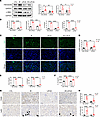 Figure 3
LIPUS protects from IR-induced renal injury. (A) Protein levels of fibronectin and α-SMA in IR-induced renal tissue of LIPUS-treated or untreated mice and the quantitative analyses. (B) The mRNA expressions of Tgfb1, Serpine1, Fn1, and Acta2. (C) Immunofluorescence staining of α-SMA (green) and DAPI/DNA (blue) in renal tissue. Scale bar: 50 μm. (D) Quantitative results of positive staining of α-SMA. (E) The mRNA expressions of Havcr1 and Lcn2 in renal tissue. (F) IL-1β level in renal tissue detected by ELISA. (G) Immunohistochemical staining of F4/80 and Ly6G in renal tissue. Scale bar: 50 μm. (H) Quantitative results of positive staining of F4/80 and Ly6G. Data information: Data are presented as mean ± SD. Statistical significance was determined by 2-way ANOVA followed by post hoc Šídák’s multiple comparisons test. *P < 0.05, **P < 0.01, ***P < 0.001, ****P < 0.0001. n = 5 in each group.
Inflammation is a critical pathogenic characteristic of renal fibrosis (14). The number of renal macrophages was much higher in CKD mice than in controls (Figure 3G) and remarkably reduced by 51.88% after LIPUS (Figure 3, G and H). Consistently, IR-induced tubulointerstitial neutrophil infiltration was dramatically abrogated by LIPUS (Figure 3, G and H). ELISA data revealed that the increase in IL-1β level in renal tissue of CKD mice was significantly reversed by LIPUS (Figure 3F).
To directly exclude the potential compensatory effects of the contralateral kidney on our data, we validated our results using experiments in which the contralateral kidneys were surgically removed 14 days after unilateral IR injury. At 24 hours after nephrectomy, serum Cr levels were significantly lower in the LIPUS-treated group (mean ± SD 28.09 ± 2.14 μmol/L), compared with the CKD group (41.86 ± 6.09 μmol/L, P < 0.01), demonstrating a 33% improvement in renal function that can be uniquely attributed to the protective effects of LIPUS on the injured kidney, independent of contralateral compensation (Supplemental Figure 3).
Together, LIPUS was an effective approach to treat renal fibrosis, tubular injury, and inflammatory response in CKD mice.
LIPUS downregulates IL-1R and its downstream genes. Increasing evidence has validated the role of IL-1β in kidney diseases. IL-1β and its activation induce proximal tubule cell atrophy and interstitial collagen deposition (15, 16). Through binding to the cell surface receptor IL-1R, IL-1β triggers the activation of pro-inflammatory signaling pathways within cells. IL-1R further activates the NF-κB and c-Myc transcription factors through myeloid differentiation primary response protein 88 (MyD88) (17, 18). Searching in the publicly available database of kidney interactive transcriptomics (http://humphreyslab.com/SingleCell/), we found Il1b was overexpressed in macrophages (Supplemental Figure 4A), and Il1b was significantly downregulated in LIPUS-treated renal tissue of CKD mice (Figure 3F). Additionally, the genes encoding Il1r1 in the damaged proximal tubules were activated in both IR-induced and unilateral ureteral obstruction–induced (UUO-induced) CKD models (Supplemental Figure 4B). Moreover, overexpressed IL-1R in renal tissue of CKD mice was significantly downregulated by LIPUS (Figure 4A).
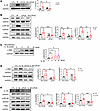 Figure 4
LIPUS downregulates IL-1R and its downstream genes. (A) Protein level of IL-1R in IR-induced renal tissue and its quantitative analysis. (n = 5 in each group.) (B) Protein levels of MyD88, p-NF-κB, and c-Myc in IR-induced renal tissue and their quantitative analyses (n = 5). (C) Protein level of α-SMA in MTECs induced by different IL-1β concentrations and the quantitative analysis (n = 6). (D) Protein levels of α-SMA and fibronectin in 10 pg/μL IL-1β–induced MTECs and the quantitative analyses (n = 4). (E) Protein levels of IL-1R, p-NF-κB, and c-Myc in 10 pg/μL IL-1β–induced MTECs and the quantitative analyses. (n = 5). Data information: Data are presented as mean ± SD. Statistical significance was determined by 1-way ANOVA with Tukey’s test (C) and 2-way ANOVA with Šídák’s multiple comparisons test (A, B, D, and E). *P < 0.05, **P < 0.01, ***P < 0.001.
The regulatory effect of LIPUS on IL-1R downstream proteins was then investigated. In vivo, LIPUS significantly downregulated IL-1R downstream proteins MyD88, phosphorylated (p-) NF-κB, and c-Myc, which were initially overexpressed in diseased renal tissue of CKD mice (Figure 4B). In vitro, IL-1β induction caused a remarkable overexpression of α-SMA in MTECs (Figure 4C). Surprisingly, LIPUS not only reduced IL-1β–induced partial tubular EMT but also reversed IL-1R overproduction within MTECs. Moreover, LIPUS silenced the IL-1β–induced NF-κB signaling pathway. Overexpression of c-Myc in IL-1β–induced MTECs was consistently suppressed by LIPUS (Figure 4, D and E). Collectively, LIPUS inhibited IL-1R and its downstream proteins in CKD.
LIPUS protects IR-injured mice stimulated by IL-1β and downregulates IL-1R. To further elucidate the role of IL-1R in the therapeutic efficacy of LIPUS on renal IR injury, IR-injured mice were exposed to IL-1β stimulation for 2 weeks, in the presence or absence of LIPUS. In the absence of LIPUS treatment, renal function was significantly worse in IR-injured mice stimulated by IL-1β than in those with LIPUS intervention (Figure 5, A and B). Consistently, the tubular injury and renal fibrosis scores were lower in LIPUS-treated CKD mice with IL-1β stimulation, compared with those in diseased renal tissue without LIPUS treatment (Figure 5C). Expression levels of fibrotic markers (fibronectin and α-SMA), IL-1R downstream proteins (IL-1R, p-NF-κB, and c-Myc), tubular injury markers (Havcr1 and Lcn2), and inflammatory factors (Ccl2, Tnf, and Il6) were also significantly decreased in IL-1β–stimulated renal tissue with LIPUS treatment in comparison with untreated diseased renal tissue (Figure 5, D–G).
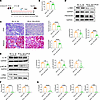 Figure 5
LIPUS ameliorates IL-1β–stimulated IR-induced renal injury. (A) Study protocol. (B) Serum Cr levels. (n = 4 in IL-1β-stimulated IR-induced renal injury group without treatment; IR+IL-1β. n = 5 in IL-1β–stimulated IR-induced renal injury group with LIPUS treatment; IR+IL-1β+LIPUS.) (C) Tubular injury and tubulointerstitial fibrosis scores and representative pathological visualizations. Scale bar: 50 μm. (n = 4–5.) (D) Protein levels of α-SMA and fibronectin in IL-1β–stimulated IR-induced renal injury with or without LIPUS treatment and the quantitative analyses (n = 4). (E) Protein levels of IL-1R, p-NF-κB, and c-Myc in IL-1β–stimulated IR-induced renal injury with or without LIPUS treatment, and the quantitative analyses (n = 4). (F) The mRNA expressions of Havcr1 and Lcn2 in IL-1β–stimulated IR-induced renal injury with or without LIPUS treatment (n = 3). (G) The mRNA expressions of Il1r1, Ccl2, Tnf, and Il6 in IL-1β–stimulated IR-induced renal injury with or without LIPUS treatment (n = 3). Data information: Data are presented as mean ± SD. Statistical analysis was performed using Student’s t test. *P < 0.05, **P < 0.01, ***P < 0.001, ****P < 0.0001.
The above results demonstrated that IL-IR might be essential for the efficacy of LIPUS on CKD mice stimulated by IL-1β. To unveil the molecular mechanisms underlying the involvement of IL-1R in LIPUS treatment of CKD, we searched the differentially expressed genes (DEGs) in the IR-induced renal tissue of mice with IL-1β stimulation between the LIPUS treatment group and the nontreatment group. Visualized in a heatmap, the principal component analysis (PCA) showed 3,570 DEGs, including 1,702 upregulated and 1,868 downregulated genes (Figure 6, A and B). Kyoto Encyclopedia of Genes and Genomes (KEGG) enrichment analysis identified the main biochemical metabolic pathways enriched in DEGs. Among them, the MAPK signaling pathway and fatty acid degradation, which are associated with IL-1R activation in renal tubules (19), were significantly enriched (Figure 6C). Notably, genes encoding the IL-1R pathway, fibrotic markers, tubular injury markers, regulator of partial EMT in renal tubules (e.g., Sox9, 0.15-fold downregulation, P = 0.018, Figure 6D) (6), and regulators of fatty acid metabolism (e.g., Apom, 3.06-fold upregulation, P = 3.53 × 10⁻⁸) were also differentially expressed (19). Together, the tubular IL-1R signaling pathway was predicted as the underlying mechanism explaining the therapeutic effect of LIPUS on CKD.
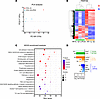 Figure 6
RNA sequencing of IL-1β–stimulated IR-induced renal tissue with or without LIPUS. (A) Two-dimensional PCA representation of kidney transcriptomes at day 14. (B) A heatmap visualizing DEGs between LIPUS-treated and untreated groups (n = 3). (C) KEGG enrichment analysis of DEGs. The top 20 significantly enriched pathways are listed. (D) Expression levels of IL-1R and its downstream genes, renal fibrosis markers, and tubular damage markers. Data information: *P value < 0.05, **P adjust value < 0.05. PCA, principal component analysis; DEGs, differentially expressed genes; KEGG, Kyoto Encyclopedia of Genes and Genomes.
LIPUS treats CKD by regulating the tubular IL-1R signaling pathway. To further verify the role of IL-1R in the therapeutic efficacy of LIPUS on renal fibrosis and tubular injury, we subjected mice to IL-1β stimulation and LIPUS (Figure 7A). Compared with levels in IL-1β–stimulated mice without LIPUS treatment, serum Cr levels were significantly lower in LIPUS-treated mice following IL-1β stimulation (Figure 7B). LIPUS partially reversed pathological injuries in IL-1β–stimulated mice, including tubular atrophy, cast formation, and interstitial matrix deposition (Figure 7C and Supplemental Figure 5). Moreover, levels of fibrotic markers (fibronectin and α-SMA), IL-1R and its downstream proteins (p-NF-κB and c-Myc), tubular injury markers (Havcr1 and Lcn2), and inflammatory factors (Ccl2, Tnf, and Il6) were inhibited by LIPUS treatment (Figure 7, D–G).
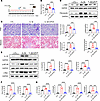 Figure 7
LIPUS protects from IL-1β–induced renal injury. (A) Study protocol. (B) Serum Cr levels (n = 8 in control group, n = 11 in IL-1β stimulation group, n = 10 in IL-1β-induced renal injury group with LIPUS treatment; IL-1β+LIPUS). (C) Tubular injury and tubulointerstitial fibrosis scores and representative pathological visualizations. Scale bar: 50 μm. (n = 5–8.) (D) Protein levels of α-SMA and fibronectin in renal tissues and the quantitative analyses (n = 8). (E) Protein levels of IL-1R, p-NF-κB, and c-Myc in renal tissues and the quantitative analyses (n = 8). (F) The mRNA expressions of Havcr1 and Lcn2 in renal tissues (n = 8). (G) The mRNA expressions of Il1r1, Ccl2, Tnf, and Il6 in renal tissues (n = 8). Data information: Data are presented as mean ± SD, with significance determined by 1-way ANOVA with Tukey’s post hoc test. **P < 0.01, ***P < 0.001, ****P < 0.0001.
Based on the above findings, we speculated that the role of LIPUS in inhibiting renal tubular injury and fibrosis was attributed to IL-1R. Regulatory effects of IL-1 on tubular epithelial cells are mediated through IL-1R (20). To evaluate the function of tubular IL-1R in suppressing renal fibrosis by IL-1, we prepared renal proximal tubule–specific Il1r1-knockout mice. Following IR injury, Pepck-Cre+ Il1r1fl/fl mice (with proximal tubule–specific deletion of Il1r1) with or without LIPUS presented significantly milder kidney atrophy, tubular injury, and tubulointerstitial fibrosis compared with male Pepck-Cre– Il1r1fl/fl littermates (controls). Serum Cr levels and histological changes were similar between Pepck-Cre+ Il1r1fl/fl mice with or without LIPUS (Figure 8, A–C). Additionally, expression levels of fibrotic markers (fibronectin and α-SMA), IL-1β downstream proteins (p-NF-κB and c-Myc), and tubular injury markers (Havcr1 and Lcn2) were significantly lower in Pepck-Cre+ Il1r1fl/fl mice with or without LIPUS than in the controls but comparable between the former 2 groups (Figure 8, D and E). Taken together, knockout of IL-1R in renal tubular proximal cells ameliorated renal fibrosis, and LIPUS might treat renal fibrosis by suppressing IL-1R activation.
 Figure 8
LIPUS treats CKD by regulating the tubular IL-1R signaling pathway. (A) Study protocol. (B) Serum Cr levels in Pepck-Cre+ Il1r1fl/fl (KO) mice. (n = 12 in WT-IR group of Pepck-Cre– Il1r1fl/fl mice, and n = 7 in other groups of Pepck-Cre+ Il1r1fl/fl mice.) (C) Tubular injury and tubulointerstitial fibrosis scores in Pepck-Cre+ Il1r1fl/fl mice and representative pathological visualizations. Scale bar: 50 μm. (n = 5–10.) (D) Protein levels of α-SMA, fibronectin, p-NF-κB, and c-Myc in renal tissues and the quantitative analyses (n = 5). (E) The mRNA expressions of Havcr1 and Lcn2 in renal tissues (n = 3). Data information: Data are presented as mean ± SD, with significance determined by 1-way ANOVA with Tukey’s post hoc test. **P < 0.01, ***P < 0.001, ****P < 0.0001.


