
Research ArticleCardiologyCell biology
Open Access |  10.1172/jci.insight.185524
Enrichment of mutant calmodulin protein in a murine model of a human calmodulinopathy
Wen-Chin Tsai,1,2 Chiu-Fen Yang,1,3 Shu-Yu Lin,3,4 Suh-Yuen Liang,5 Wei-Chung Tsai,6 Shuai Guo,2 Xiaochun Li,7 Susan Ofner,7 Kai-Chien Yang,8,9 Tzu-Ching Meng,3 Peng-Sheng Chen,10 and Michael Rubart2
1Department of Cardiology, Cardiovascular Research Center, Hualien Tzu Chi Hospital, Buddhist Tzu Chi Medical Foundation, Hualien, Taiwan.
2Department of Pediatrics, Riley Heart Research Center, Indiana University School of Medicine, Indianapolis, Indiana, USA.
3Institute of Biological Chemistry, Academia Sinica, Taipei, Taiwan.
4Academia Sinica Common Mass Spectrometry Facilities for Proteomics and Protein Modification Analysis, Taipei, Taiwan.
5Bioinformatics Core Institute of Biological Chemistry, Academia Sinica, Taipei, Taiwan.
6Division of Cardiology, Department of Medicine, Kaohsiung Medical University Hospital, Kaohsiung Medical University, Kaohsiung, Taiwan.
7Department of Biostatistics and Health Data Science, Indiana University School of Medicine, Indianapolis, Indiana, USA.
8Graduate Institute and Department of Pharmacology, National Taiwan University College of Medicine, Taipei, Taiwan.
9Institute of Biomedical Sciences, Academia Sinica, Taipei, Taiwan.
10Department of Cardiology, Smidt Heart Institute, Cedars-Sinai Medical Center, Los Angeles, California, USA.
Address correspondence to: Michael Rubart, Wells Center for Pediatric Research, Indiana University School of Medicine, R4 Building, 1044 West Walnut Street, Indianapolis, Indiana, 46202, USA. Phone: 317.407.1320; Email: mrubartv@iu.edu.
Find articles by Tsai, W. in: PubMed | Google Scholar
1Department of Cardiology, Cardiovascular Research Center, Hualien Tzu Chi Hospital, Buddhist Tzu Chi Medical Foundation, Hualien, Taiwan.
2Department of Pediatrics, Riley Heart Research Center, Indiana University School of Medicine, Indianapolis, Indiana, USA.
3Institute of Biological Chemistry, Academia Sinica, Taipei, Taiwan.
4Academia Sinica Common Mass Spectrometry Facilities for Proteomics and Protein Modification Analysis, Taipei, Taiwan.
5Bioinformatics Core Institute of Biological Chemistry, Academia Sinica, Taipei, Taiwan.
6Division of Cardiology, Department of Medicine, Kaohsiung Medical University Hospital, Kaohsiung Medical University, Kaohsiung, Taiwan.
7Department of Biostatistics and Health Data Science, Indiana University School of Medicine, Indianapolis, Indiana, USA.
8Graduate Institute and Department of Pharmacology, National Taiwan University College of Medicine, Taipei, Taiwan.
9Institute of Biomedical Sciences, Academia Sinica, Taipei, Taiwan.
10Department of Cardiology, Smidt Heart Institute, Cedars-Sinai Medical Center, Los Angeles, California, USA.
Address correspondence to: Michael Rubart, Wells Center for Pediatric Research, Indiana University School of Medicine, R4 Building, 1044 West Walnut Street, Indianapolis, Indiana, 46202, USA. Phone: 317.407.1320; Email: mrubartv@iu.edu.
Find articles by Yang, C. in: PubMed | Google Scholar
1Department of Cardiology, Cardiovascular Research Center, Hualien Tzu Chi Hospital, Buddhist Tzu Chi Medical Foundation, Hualien, Taiwan.
2Department of Pediatrics, Riley Heart Research Center, Indiana University School of Medicine, Indianapolis, Indiana, USA.
3Institute of Biological Chemistry, Academia Sinica, Taipei, Taiwan.
4Academia Sinica Common Mass Spectrometry Facilities for Proteomics and Protein Modification Analysis, Taipei, Taiwan.
5Bioinformatics Core Institute of Biological Chemistry, Academia Sinica, Taipei, Taiwan.
6Division of Cardiology, Department of Medicine, Kaohsiung Medical University Hospital, Kaohsiung Medical University, Kaohsiung, Taiwan.
7Department of Biostatistics and Health Data Science, Indiana University School of Medicine, Indianapolis, Indiana, USA.
8Graduate Institute and Department of Pharmacology, National Taiwan University College of Medicine, Taipei, Taiwan.
9Institute of Biomedical Sciences, Academia Sinica, Taipei, Taiwan.
10Department of Cardiology, Smidt Heart Institute, Cedars-Sinai Medical Center, Los Angeles, California, USA.
Address correspondence to: Michael Rubart, Wells Center for Pediatric Research, Indiana University School of Medicine, R4 Building, 1044 West Walnut Street, Indianapolis, Indiana, 46202, USA. Phone: 317.407.1320; Email: mrubartv@iu.edu.
Find articles by Lin, S. in: PubMed | Google Scholar
1Department of Cardiology, Cardiovascular Research Center, Hualien Tzu Chi Hospital, Buddhist Tzu Chi Medical Foundation, Hualien, Taiwan.
2Department of Pediatrics, Riley Heart Research Center, Indiana University School of Medicine, Indianapolis, Indiana, USA.
3Institute of Biological Chemistry, Academia Sinica, Taipei, Taiwan.
4Academia Sinica Common Mass Spectrometry Facilities for Proteomics and Protein Modification Analysis, Taipei, Taiwan.
5Bioinformatics Core Institute of Biological Chemistry, Academia Sinica, Taipei, Taiwan.
6Division of Cardiology, Department of Medicine, Kaohsiung Medical University Hospital, Kaohsiung Medical University, Kaohsiung, Taiwan.
7Department of Biostatistics and Health Data Science, Indiana University School of Medicine, Indianapolis, Indiana, USA.
8Graduate Institute and Department of Pharmacology, National Taiwan University College of Medicine, Taipei, Taiwan.
9Institute of Biomedical Sciences, Academia Sinica, Taipei, Taiwan.
10Department of Cardiology, Smidt Heart Institute, Cedars-Sinai Medical Center, Los Angeles, California, USA.
Address correspondence to: Michael Rubart, Wells Center for Pediatric Research, Indiana University School of Medicine, R4 Building, 1044 West Walnut Street, Indianapolis, Indiana, 46202, USA. Phone: 317.407.1320; Email: mrubartv@iu.edu.
Find articles by Liang, S. in: PubMed | Google Scholar
1Department of Cardiology, Cardiovascular Research Center, Hualien Tzu Chi Hospital, Buddhist Tzu Chi Medical Foundation, Hualien, Taiwan.
2Department of Pediatrics, Riley Heart Research Center, Indiana University School of Medicine, Indianapolis, Indiana, USA.
3Institute of Biological Chemistry, Academia Sinica, Taipei, Taiwan.
4Academia Sinica Common Mass Spectrometry Facilities for Proteomics and Protein Modification Analysis, Taipei, Taiwan.
5Bioinformatics Core Institute of Biological Chemistry, Academia Sinica, Taipei, Taiwan.
6Division of Cardiology, Department of Medicine, Kaohsiung Medical University Hospital, Kaohsiung Medical University, Kaohsiung, Taiwan.
7Department of Biostatistics and Health Data Science, Indiana University School of Medicine, Indianapolis, Indiana, USA.
8Graduate Institute and Department of Pharmacology, National Taiwan University College of Medicine, Taipei, Taiwan.
9Institute of Biomedical Sciences, Academia Sinica, Taipei, Taiwan.
10Department of Cardiology, Smidt Heart Institute, Cedars-Sinai Medical Center, Los Angeles, California, USA.
Address correspondence to: Michael Rubart, Wells Center for Pediatric Research, Indiana University School of Medicine, R4 Building, 1044 West Walnut Street, Indianapolis, Indiana, 46202, USA. Phone: 317.407.1320; Email: mrubartv@iu.edu.
Find articles by
Tsai, W.
in:
PubMed
|
Google Scholar
|

1Department of Cardiology, Cardiovascular Research Center, Hualien Tzu Chi Hospital, Buddhist Tzu Chi Medical Foundation, Hualien, Taiwan.
2Department of Pediatrics, Riley Heart Research Center, Indiana University School of Medicine, Indianapolis, Indiana, USA.
3Institute of Biological Chemistry, Academia Sinica, Taipei, Taiwan.
4Academia Sinica Common Mass Spectrometry Facilities for Proteomics and Protein Modification Analysis, Taipei, Taiwan.
5Bioinformatics Core Institute of Biological Chemistry, Academia Sinica, Taipei, Taiwan.
6Division of Cardiology, Department of Medicine, Kaohsiung Medical University Hospital, Kaohsiung Medical University, Kaohsiung, Taiwan.
7Department of Biostatistics and Health Data Science, Indiana University School of Medicine, Indianapolis, Indiana, USA.
8Graduate Institute and Department of Pharmacology, National Taiwan University College of Medicine, Taipei, Taiwan.
9Institute of Biomedical Sciences, Academia Sinica, Taipei, Taiwan.
10Department of Cardiology, Smidt Heart Institute, Cedars-Sinai Medical Center, Los Angeles, California, USA.
Address correspondence to: Michael Rubart, Wells Center for Pediatric Research, Indiana University School of Medicine, R4 Building, 1044 West Walnut Street, Indianapolis, Indiana, 46202, USA. Phone: 317.407.1320; Email: mrubartv@iu.edu.
Find articles by Guo, S. in: PubMed | Google Scholar
1Department of Cardiology, Cardiovascular Research Center, Hualien Tzu Chi Hospital, Buddhist Tzu Chi Medical Foundation, Hualien, Taiwan.
2Department of Pediatrics, Riley Heart Research Center, Indiana University School of Medicine, Indianapolis, Indiana, USA.
3Institute of Biological Chemistry, Academia Sinica, Taipei, Taiwan.
4Academia Sinica Common Mass Spectrometry Facilities for Proteomics and Protein Modification Analysis, Taipei, Taiwan.
5Bioinformatics Core Institute of Biological Chemistry, Academia Sinica, Taipei, Taiwan.
6Division of Cardiology, Department of Medicine, Kaohsiung Medical University Hospital, Kaohsiung Medical University, Kaohsiung, Taiwan.
7Department of Biostatistics and Health Data Science, Indiana University School of Medicine, Indianapolis, Indiana, USA.
8Graduate Institute and Department of Pharmacology, National Taiwan University College of Medicine, Taipei, Taiwan.
9Institute of Biomedical Sciences, Academia Sinica, Taipei, Taiwan.
10Department of Cardiology, Smidt Heart Institute, Cedars-Sinai Medical Center, Los Angeles, California, USA.
Address correspondence to: Michael Rubart, Wells Center for Pediatric Research, Indiana University School of Medicine, R4 Building, 1044 West Walnut Street, Indianapolis, Indiana, 46202, USA. Phone: 317.407.1320; Email: mrubartv@iu.edu.
Find articles by Li, X. in: PubMed | Google Scholar
1Department of Cardiology, Cardiovascular Research Center, Hualien Tzu Chi Hospital, Buddhist Tzu Chi Medical Foundation, Hualien, Taiwan.
2Department of Pediatrics, Riley Heart Research Center, Indiana University School of Medicine, Indianapolis, Indiana, USA.
3Institute of Biological Chemistry, Academia Sinica, Taipei, Taiwan.
4Academia Sinica Common Mass Spectrometry Facilities for Proteomics and Protein Modification Analysis, Taipei, Taiwan.
5Bioinformatics Core Institute of Biological Chemistry, Academia Sinica, Taipei, Taiwan.
6Division of Cardiology, Department of Medicine, Kaohsiung Medical University Hospital, Kaohsiung Medical University, Kaohsiung, Taiwan.
7Department of Biostatistics and Health Data Science, Indiana University School of Medicine, Indianapolis, Indiana, USA.
8Graduate Institute and Department of Pharmacology, National Taiwan University College of Medicine, Taipei, Taiwan.
9Institute of Biomedical Sciences, Academia Sinica, Taipei, Taiwan.
10Department of Cardiology, Smidt Heart Institute, Cedars-Sinai Medical Center, Los Angeles, California, USA.
Address correspondence to: Michael Rubart, Wells Center for Pediatric Research, Indiana University School of Medicine, R4 Building, 1044 West Walnut Street, Indianapolis, Indiana, 46202, USA. Phone: 317.407.1320; Email: mrubartv@iu.edu.
Find articles by Ofner, S. in: PubMed | Google Scholar
1Department of Cardiology, Cardiovascular Research Center, Hualien Tzu Chi Hospital, Buddhist Tzu Chi Medical Foundation, Hualien, Taiwan.
2Department of Pediatrics, Riley Heart Research Center, Indiana University School of Medicine, Indianapolis, Indiana, USA.
3Institute of Biological Chemistry, Academia Sinica, Taipei, Taiwan.
4Academia Sinica Common Mass Spectrometry Facilities for Proteomics and Protein Modification Analysis, Taipei, Taiwan.
5Bioinformatics Core Institute of Biological Chemistry, Academia Sinica, Taipei, Taiwan.
6Division of Cardiology, Department of Medicine, Kaohsiung Medical University Hospital, Kaohsiung Medical University, Kaohsiung, Taiwan.
7Department of Biostatistics and Health Data Science, Indiana University School of Medicine, Indianapolis, Indiana, USA.
8Graduate Institute and Department of Pharmacology, National Taiwan University College of Medicine, Taipei, Taiwan.
9Institute of Biomedical Sciences, Academia Sinica, Taipei, Taiwan.
10Department of Cardiology, Smidt Heart Institute, Cedars-Sinai Medical Center, Los Angeles, California, USA.
Address correspondence to: Michael Rubart, Wells Center for Pediatric Research, Indiana University School of Medicine, R4 Building, 1044 West Walnut Street, Indianapolis, Indiana, 46202, USA. Phone: 317.407.1320; Email: mrubartv@iu.edu.
Find articles by
Yang, K.
in:
PubMed
|
Google Scholar
|
1Department of Cardiology, Cardiovascular Research Center, Hualien Tzu Chi Hospital, Buddhist Tzu Chi Medical Foundation, Hualien, Taiwan.
2Department of Pediatrics, Riley Heart Research Center, Indiana University School of Medicine, Indianapolis, Indiana, USA.
3Institute of Biological Chemistry, Academia Sinica, Taipei, Taiwan.
4Academia Sinica Common Mass Spectrometry Facilities for Proteomics and Protein Modification Analysis, Taipei, Taiwan.
5Bioinformatics Core Institute of Biological Chemistry, Academia Sinica, Taipei, Taiwan.
6Division of Cardiology, Department of Medicine, Kaohsiung Medical University Hospital, Kaohsiung Medical University, Kaohsiung, Taiwan.
7Department of Biostatistics and Health Data Science, Indiana University School of Medicine, Indianapolis, Indiana, USA.
8Graduate Institute and Department of Pharmacology, National Taiwan University College of Medicine, Taipei, Taiwan.
9Institute of Biomedical Sciences, Academia Sinica, Taipei, Taiwan.
10Department of Cardiology, Smidt Heart Institute, Cedars-Sinai Medical Center, Los Angeles, California, USA.
Address correspondence to: Michael Rubart, Wells Center for Pediatric Research, Indiana University School of Medicine, R4 Building, 1044 West Walnut Street, Indianapolis, Indiana, 46202, USA. Phone: 317.407.1320; Email: mrubartv@iu.edu.
Find articles by Meng, T. in: PubMed | Google Scholar
1Department of Cardiology, Cardiovascular Research Center, Hualien Tzu Chi Hospital, Buddhist Tzu Chi Medical Foundation, Hualien, Taiwan.
2Department of Pediatrics, Riley Heart Research Center, Indiana University School of Medicine, Indianapolis, Indiana, USA.
3Institute of Biological Chemistry, Academia Sinica, Taipei, Taiwan.
4Academia Sinica Common Mass Spectrometry Facilities for Proteomics and Protein Modification Analysis, Taipei, Taiwan.
5Bioinformatics Core Institute of Biological Chemistry, Academia Sinica, Taipei, Taiwan.
6Division of Cardiology, Department of Medicine, Kaohsiung Medical University Hospital, Kaohsiung Medical University, Kaohsiung, Taiwan.
7Department of Biostatistics and Health Data Science, Indiana University School of Medicine, Indianapolis, Indiana, USA.
8Graduate Institute and Department of Pharmacology, National Taiwan University College of Medicine, Taipei, Taiwan.
9Institute of Biomedical Sciences, Academia Sinica, Taipei, Taiwan.
10Department of Cardiology, Smidt Heart Institute, Cedars-Sinai Medical Center, Los Angeles, California, USA.
Address correspondence to: Michael Rubart, Wells Center for Pediatric Research, Indiana University School of Medicine, R4 Building, 1044 West Walnut Street, Indianapolis, Indiana, 46202, USA. Phone: 317.407.1320; Email: mrubartv@iu.edu.
Find articles by
Chen, P.
in:
PubMed
|
Google Scholar
|
1Department of Cardiology, Cardiovascular Research Center, Hualien Tzu Chi Hospital, Buddhist Tzu Chi Medical Foundation, Hualien, Taiwan.
2Department of Pediatrics, Riley Heart Research Center, Indiana University School of Medicine, Indianapolis, Indiana, USA.
3Institute of Biological Chemistry, Academia Sinica, Taipei, Taiwan.
4Academia Sinica Common Mass Spectrometry Facilities for Proteomics and Protein Modification Analysis, Taipei, Taiwan.
5Bioinformatics Core Institute of Biological Chemistry, Academia Sinica, Taipei, Taiwan.
6Division of Cardiology, Department of Medicine, Kaohsiung Medical University Hospital, Kaohsiung Medical University, Kaohsiung, Taiwan.
7Department of Biostatistics and Health Data Science, Indiana University School of Medicine, Indianapolis, Indiana, USA.
8Graduate Institute and Department of Pharmacology, National Taiwan University College of Medicine, Taipei, Taiwan.
9Institute of Biomedical Sciences, Academia Sinica, Taipei, Taiwan.
10Department of Cardiology, Smidt Heart Institute, Cedars-Sinai Medical Center, Los Angeles, California, USA.
Address correspondence to: Michael Rubart, Wells Center for Pediatric Research, Indiana University School of Medicine, R4 Building, 1044 West Walnut Street, Indianapolis, Indiana, 46202, USA. Phone: 317.407.1320; Email: mrubartv@iu.edu.
Find articles by Rubart, M. in: PubMed | Google Scholar
Published July 24, 2025 - More info
JCI Insight. 2025;10(17):e185524. https://doi.org/10.1172/jci.insight.185524.
© 2025 Tsai et al. This work is licensed under the Creative Commons Attribution 4.0 International License. To view a copy of this license, visit http://creativecommons.org/licenses/by/4.0/.
Received: July 31, 2024; Accepted: July 18, 2025


-
Results
Mice heterozygous or homozygous for the p.N98S mutation in Calm1 (Calm1N98S/+ and Calm1N98S/N98S, respectively) and their wild-type littermates (Calm1+/+) were generated by intercrossing Calm1N98S/+ mice. Results of genotype analyses of P10 offspring are summarized in Figure 1A. Among a total of 1,465 pups (49.1% female), the observed frequencies of both Calm1N98S/+ and Calm1N98S/N98S offspring were significantly lower than those expected for a 1:2:1 ratio among Calm1+/+, Calm1N98S/+, and Calm1N98S/N98S genotypes, with only ~75% and ~29%, respectively, of the expected number of Calm1N98S/+ and Calm1N98S/N98S mice being alive. There were no significant differences in genotypic frequencies between male and female P10 mice (Figure 1A; P > 0.05 by Fisher’s exact test). The Calm1+/+/Calm1N98S/+/Calm1N98S/N98S genotypic ratio in embryos analyzed between E18 and E20 was found to be consistent with Mendelian inheritance (Supplemental Table 1; supplemental material available online with this article; https://doi.org/10.1172/jci.insight.185524DS1). The survival from P10 to P70 was significantly lower for Calm1N98S/N98S mice (91.4%) than for their Calm1N98S/+ (99.0%) or Calm1+/+ (99.7%) littermates (P < 0.0001 by Fisher’s exact test). These results suggest that the N98S variant resulted in late embryonic or early postnatal lethality, with the lethality being more pronounced in the homozygous versus heterozygous mutant mice, while long-term survival was impaired in homozygous mutant mice only. The survival of a portion of the homozygous mutant mice to adulthood opened the opportunity to assess gene dosage effects on phenotype.
 Figure 1
Genotype frequencies and Calm gene expression in adult offspring derived from Calm1N98S/+ intercrosses. (A) Genotypes of postnatal day 10 (P10) offspring derived from Calm1N98S/+ intercrosses. We used χ2 analysis for genotypic ratios. Observed genotypic proportions significantly deviate from those expected for Mendelian inheritance (P < 0.0001), irrespective of sex. (B) RNA-Seq was performed and the expression levels of the 3 Calm genes were quantitated in male hearts (left ventricles, LVs) from Calm1+/+, Calm1N98S/+, and Calm1N98S/N98S littermate mice. Data are displayed as scatter dot plots with the lines representing the medians from 3 biological replicates per genotype. A linear model of log(expression) as explained by genotype, Calm gene expression type, and the interaction of the two was used to compare mean Calm gene expression within each genotype (left) and among genotypes (right). *P ≤ 0.009 vs. Calm1, †P ≤ 0.003 vs. Calm2 in left panel; *P ≤ 0.043 vs. Calm1+/+, †P ≤ 0.02 vs. Calm1N98S/+ in right panel. FPKM, fragments per kilobase of transcript per million reads mapped. (C) RT-PCR–based estimates of absolute Calm gene transcript levels in atria and RV. Mean fold-changes in expression of each Calm gene in the atria and RV relative to their expression in LV were calculated by 2–ΔΔCT, where ΔΔCT = average(ΔCT,atria or RV,Calm) – average(ΔCT,LV,Calm), multiplied by the LV FPKM value for the corresponding Calm gene and genotype to obtain estimates of average absolute Calm transcript levels in atria and RV. Vertical bars denote error margins given by 2–ΔΔCT+SEM and 2–ΔΔCT–SEM.
Calmodulin gene expression. To assess the effect of hetero- and homozygosity for the Calm1N98S allele on Calm gene expression, we performed RNA sequencing (RNA-Seq) to quantify expression levels of Calm1, Calm2, and Calm3 transcripts in male hearts (left ventricles, LVs) of Calm1+/+, Calm1N98S/+, and Calm1N98S/N98S littermate mice at 2 to 4 months of age. In wild-type tissue, mean RNA-Seq mRNA levels (scaled as FPKM, i.e., fragments per kilobase of transcript per million reads mapped) for Calm2 were significantly higher compared with those for Calm1 or Calm3, and mean transcript levels for Calm3 were larger than those for Calm1 (Figure 1B). These measurements yield average expressions from Calm1, Calm2, and Calm3 in Calm1+/+ LV of 27%, 41%, and 32%, respectively, which are in agreement with previously reported bulk RNA-Seq data for adult human heart (LV) (11) and mouse heart (10). In LVs of mutant mice, Calm2 remained the most highly expressed Calm transcript, followed by Calm3 and Calm1, respectively (Figure 1B). Calm1N98S/+ mice are monoallelic for an A to G nucleotide substitution at position ch12:100206105 in exon 5 of Calm1 (Supplemental Figure 1). This nucleotide change was used as a tag to estimate the frequencies of RNA-Seq mRNA reads that originate from each the mutant and the wild-type Calm1 allele, by counting the number of mRNA-derived cDNA fragments containing the A or G nucleotide, respectively, at the ch12:100206105 position. The average count of nucleotide A–containing cDNA copies exceeded that of their nucleotide G–containing counterparts by 2.34-fold; i.e., the mutated allele is expressed at approximately 30% of the total Calm1 transcript levels, which in turn amounts to approximately 8% of the total Calm transcripts in Calm1N98S/+ hearts: 0.30 × FPKMCalm1 /(FPKMCalm1 + FPKMCalm2 + FPKMCalm3) = 0.30 × 34.8/(34.8 + 49 + 41.4) = 8.3%. In LVs of male Calm1+/+ and Calm1N98S/N98S littermates, 100% of cDNA reads harbored an A or G nucleotide, respectively, at the ch12:100206105 position, as expected. Thus, the mutated allele accounts for approximately 28% (34.2 /(34.2 + 53.2 + 35.7 = 27.8%) of total Calm transcripts in LV of Calm1N98S/N98S male mice, which is almost identical to the 27% average expression from Calm1 in Calm1+/+ LV.
Results of the comparisons of left ventricular transcript levels for each of the 3 Calm genes among the 3 genotypes are summarized in the right panel of Figure 1B. Heterozygosity and homozygosity for the Calm1N98S allele modestly, yet significantly, reduced Calm2 and Calm3 transcript levels, respectively, but had no significant effect on Calm1 transcript levels. Overall, these results indicate that the decreases in wild-type Calm1 mRNA levels seen in mutant LVs did not lead to a compensatory upregulation of Calm2 or Calm3 gene expression.
While we did not directly measure absolute transcript levels of Calm genes in atria or right ventricle (RV), we leveraged a combination of quantitative reverse transcription PCR (RT-PCR) and the threshold cycle (CT) relative quantification (2–ΔΔCT) method (12) to be able to estimate cardiac chamber-specific Calm gene expression profiles. We reasoned that the product of mean fold-changes in atrial or right ventricular Calm gene expression relative to LV of the same genotype (2–ΔΔCT) and the corresponding LV FPKM value (obtained by RNA-Seq), 2–ΔΔCT × FPKM, constitutes a good numerical proxy for absolute Calm gene transcript levels. RT-PCR–based estimates of FPKM values are listed in Supplemental Table 2. Figure 1C shows mean FPKM estimates for each Calm gene in atria and RV of wild-type and mutant mice. The results imply that mean mRNA levels for Calm2 are higher than those for Calm1 and Calm3 in both RV and atria of all 3 genotypes, in concordance with our findings in the LV (Figure 1B), while Calm1 and Calm3 transcript levels are similar in both atria and RV within each genotype. The results further predict that average expression ratios of Calm2 to Calm1 (~3.4) or Calm3 (~3.9) in the atria are larger than those in both RV (~2.3 and ~1.7) and LV (~1.5 and ~1.4). Overall, our numerical estimates suggest that Calm2 is the most highly expressed of all 3 Calm genes within wild-type and mutant hearts, while chamber-specific differences in the magnitude of Calm gene expression ratios exist.
CALM protein expression. Next, we sought to determine whether the mutated CALM causes changes in total CALM protein expression using Western blotting. Accordingly, lysates from LVs of adult Calm1+/+, Calm1N98S/+, and Calm1N98S/N98S male littermates were probed with an antibody recognizing the C-terminus of CALM. Representative results are shown in Figure 2A, revealing single CALM bands at the same expected molecular size in all 3 genotypes, indicating that the wild-type and mutant CALM protein have similar electrophoretic mobility. The normalized intensity of the CALM bands progressively increased from wild-type to Calm1N98S/+ to Calm1N98S/N98S mice (Figure 2B). This result suggested augmented affinity of the mutated CALM to the antibody or increased total CALM protein expression in mutant hearts. To distinguish between these 2 possibilities, we next sought to quantitate total CALM protein levels as well as the relative abundances of wild-type and mutant CALM using LC-MS/MS.
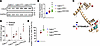 Figure 2
Assessment of total and mutant CALM protein expression. (A) Whole Western blot of lysates from LV of adult Calm1+/+, Calm1N98S/+, and Calm1N98S/N98S littermate mice probed with an antibody recognizing the C-terminal part of CALM (listed as binding within region aa 100). Values on the right are in kilodaltons. Samples were normalized to GAPDH protein expression. Densitometry with ImageJ (NIH) was used to calculate the intensity of the protein bands. (B) Normalized intensities of the CALM protein bands. Data are displayed as scatter dot plots with lines representing the median and interquartile ranges from 11 biological replicates per genotype. The Kruskal-Wallis test and the Wilcoxon rank sum test were used to compare normalized intensities among genotypes. *P ≤ 0.001 vs. Calm1+/+; †P = 0.018 vs. Calm1N98S/+. (C) 3D model of Ca2+-bound CALM (Protein Data Bank code 1exr) highlighting the position of the amino acid sequence within the C-terminal region bracketing position 98 (green color). Shown are the amino acid compositions of the N98- and S98-harboring peptides that were obtained by enzymatic cleavage of wild-type or mutated CALM, respectively. Red spheres denote Ca2+ ions bound to EF-hand Ca2+-chelating loops within the C- and N-terminal lobes of CALM. (D) Wild-type and mutant CALM protein levels (normalized to the total protein amount per sample). N = 4 per genotype. (E) Relative abundance of mutant over total CALM protein in LV of adult Calm1+/+, Calm1N98S/+, and Calm1N98S/N98S male littermate mice. Data are displayed as scatter dot plots with horizontal lines denoting the median and interquartile ranges from 4 mice each per genotype. The Kruskal-Wallis test and the Wilcoxon rank sum test were used to compare CALM protein levels among genotypes. (D and E): *P = 0.030 vs. Calm1+/+; †P = 0.030 vs. Calm1N98S/+.
We adapted a strategy for absolute quantification of wild-type and mutated CALM protein levels; left ventricular lysates from 4 adult mice per genotype were obtained for LC-MS/MS analysis. As shown in Figure 2C, profiling of enzymatically cleaved CALM peptides by LC-MS/MS verified that the asparagine-to-serine substitution at position 98 (N98S) was located between 2 cleavage sites. The synthetic peptide harboring a heavy leucine residue containing 1 15N and 6 13C isotopes produces a 7 Da mass shift of the peptides’ peaks in the mass spectrum (Supplemental Figure 2A). The isotope-labeled peptides were introduced into the samples as an internal standard, followed by the absolute quantification of wild-type and mutant peptides by LC-MS/MS (Supplemental Figure 2, B–D).
Median left ventricular levels of wild-type and mutant CALM protein progressively decreased and increased, respectively, from Calm1+/+ to Calm1N98S/+ to Calm1N98S/N98S male mice (Figure 2D). Increases in mutant protein levels more than outnumbered the decreases in wild-type levels, giving rise to elevations of total CALM levels in mutant hearts above those measured in Calm1+/+ hearts. In Calm1N98S/+ and Calm1N98S/N98S LVs, the median mutant CALM protein contents accounted for 61.8% (range: 59.9% to 66.1%) and 83.7% (range: 83.6% to 84.3%), respectively, of the total CALM protein content (Figure 2E), indicating that the p.N98S isoform was the predominant CALM isoform in mutants. Since Calm1N98S mRNA levels account for only ~8% and ~28% of the total Calm transcripts in Calm1N98S/+ and Calm1N98S/N98S LV, respectively, the pronounced imbalance in the abundance of CALM proteins expressed from mutant versus the wild-type allele is unlikely to result from differences in Calm1 transcript levels, invoking the existence of an alternative amplification mechanism underlying the mutant predominance.
Confocal fluorescence imaging of heart sections reacted with the same anti-CALM antibody that was used for Western blotting revealed a similar striated fluorescence pattern in left ventricular cardiomyocytes of all 3 genotypes (Figure 3A). The average longitudinal distance between striations was similar among the genotypes (Figure 3, B and C). The striated pattern is in agreement with that previously measured in isolated rodent and rabbit ventricular cardiomyocytes and is compatible with CALM enrichment along Z-lines (13, 14).
 Figure 3
Intracellular distribution of CALM. (A) Representative confocal images of anti-CALM immunofluorescence in cryosections (10 mm) of adult Calm1+/+, Calm1N98S/+, and Calm1N98S/N98S hearts. Scale bar, 5 mm. (B) Plots of fluorescence signal intensity as a function of longitudinal distance. Lines were manually drawn perpendicular to the high-intensity fluorescence bands (see dotted line in left panel in A). Intensity profiles were generated by averaging the fluorescence intensity values of each 50-pixel high column along the lines from left to right. F, fluorescence intensity; AU, arbitrary units. (C) Dot plots of longitudinal distance between striations. Horizontal lines denote medians and interquartile ranges. Calm1+/+: 11 cells, Calm1N98S/+: 8 cells, Calm1N98S/N98S: 8 cells. There were no statistically significant differences among the 3 genotypes (P > 0.05 by Kruskal-Wallis 1-way analysis of variance on ranks).
Median levels of wild-type and mutant CALM proteins were lower in right versus left ventricles of the same hearts (Supplemental Figure 3A and Figure 2D). The reciprocal changes in wild-type versus mutant CALM protein levels seen in LV were similarly observed in RV, with the mutant protein being the predominant isoform in mutant hearts.
Approximately one-fourth of Calm1N98S/+ mice died perinatally. LC-MS/MS–based analyses of lysates from male neonatal hearts revealed gradual decreases in wild-type CALM protein content from Calm1+/+ to Calm1N98S/+ to Calm1N98S/N98S neonatal mice (Supplemental Figure 3B), which were more than offset by concomitant rises in mutant CALM protein levels, resulting in total CALM protein levels exceeding those measured in Calm1+/+ neonatal hearts (Supplemental Figure 3B). Like in adult ventricles, the mutant CALM protein was found to be the most abundant isoform in neonatal Calm1N98S/N98S hearts (median 62.9%), whereas it accounted for 38.5% of the total CALM protein content in Calm1N98S/+ neonatal hearts (Supplemental Figure 3B), compared with 56.2% and 63.8% in adult RV and LV, respectively (Supplemental Figure 3A and Figure 2E).
One possible mechanism explaining the imbalance in the abundance of CALM proteins expressed from mutant versus wild-type allele is a dysregulation of CALM protein turnover. Accordingly, we next sought to assess CALM protein degradation.
Calm protein degradation. In order to compare degradation of wild-type and mutant CALM protein, nontransfected HEK293T cells and HEK293T cells transfected with a plasmid encoding HA-tagged wild-type or mutant CALM were cultured in the presence of cycloheximide to inhibit translation. After treating cells with cycloheximide for 6, 12, 24, or 36 hours, we analyzed cell lysates by Western blotting. In parallel, lysates were probed with an antibody recognizing the C-terminus of CALM or the HA-tag fused to the N-terminus of CALM. Representative blots are presented in Figure 4A. Blots of protein extracted from transfected cells and probed with the anti-CALM antibody revealed bands at 17 kDa corresponding to exogenous HA-tagged CALM as well as bands at a slightly lower molecular weight. The lower weight bands appeared at the same molecular weight as the bands detected in lysates of control and nontransfected cells that were probed with the anti-CALM antibody, indicating that they represent endogenous CALM protein. Analyses of lysates probed with the anti-HA antibody exhibited single bands at 17 kDa for transfected cells, reflecting exogenous HA-CALM chimers, while HA-CALM bands were absent in lysates of nontransfected cells. Plots of relative changes in normalized intensities of endogenous and HA-tagged CALM protein bands detected by the anti-CALM antibody as a function of cycloheximide exposure time (Figure 4B) revealed significantly larger decreases for wild-type versus mutant HA-CALM at the 24-hour and 36-hour time points. Changes in the intensity of endogenous CALM protein bands of nontransfected cell lysates tracked those in the intensity of HA Calm-WT bands, although the difference between HA Calm-N98S and endogenous CALM following 36-hour cycloheximide exposure was of borderline significance only (P = 0.07). Analyses of Western blots of cell lysates that were reacted with the anti-HA antibody (Figure 4B) validated differences between HA CALM-WT– and HA CALM-N98S–expressing cells for both magnitude and time course of band intensity changes seen with the anti-CALM antibody, with the sole exception of the 36-hour time point, which showed similar percentage degradation of both HA-tagged CALM isoforms. This finding contrasts with the 36-hour results obtained with the anti-CALM antibody, revealing significant differences between HA Calm-WT– and HA Calm-N98S-CALM–expressing cells. The reason for this apparent discrepancy is unclear. Since the use of either antibody yielded largely concordant results at all earlier time points examined, one can speculate that time-dependent modifications of mutant CALM protein lower its affinity to the anti-HA, but not anti-CALM, antibody, giving rise to falsely low HA CALM-N98S protein levels. Posttranslational modifications such as ubiquitination and phosphorylation may create steric hindrance that specifically blocks access to the HA-tagged epitope. During prolonged culture conditions, the mutant CALM protein may also undergo conformational changes that differentially affect epitope accessibility. Finally, selective proteolytic cleavage events may occur near the HA-tag region, generating truncated proteins that retain the C-terminal CALM epitope but lose the N-terminal HA-tag. These considerations notwithstanding, our results suggest decreased degradation of mutant N98S-CALM protein in the experimental conditions employed here, resulting in an extension of its lifespan. On the other hand, 24-hour treatment with lactacystin or MG-132 to repress proteasome-mediated protein breakdown led to significant increases of both HA Calm-WT and HA Calm-N98S expression in HEK293T cells (Figure 4, C and D). These changes were indistinguishable in magnitude and occurred irrespective of the type of inhibitor used. Overall, these results are compatible with the notion that excess mutant CALM protein accumulation in mutant hearts results, at least partially, from attenuated degradation.
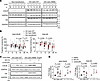 Figure 4
Quantification of CALM protein degradation. (A) Western blots of lysates from nontransfected HEK293T cells and HEK293T cells transfected with a vector encoding HA-tagged wild-type (HA CALM-WT) or mutant CALM (HA CALM-N98S). Cells were harvested before and after 6-hour, 12-hour, 24-hour, or 36-hour cycloheximide (CHX; 200 mg/mL) treatment. Control cells (labeled -) were harvested 36 hours after addition of the solvent (ethanol) only. Lysates were probed with an antibody recognizing the C-terminus of CALM or the HA-tag fused to the N-terminus of CALM. Samples were normalized to GAPDH protein expression. (B) Changes in normalized intensities of the endogenous CALM protein and HA-CALM protein bands expressed as percentages of their corresponding time 0 values and plotted as a function of CHX exposure time. Shown are dot plots with lines representing medians and interquartile ranges (N = 7–14 biological replicates per genotype). Each biological replicate is the average of 2 technical replicates. Numbers next to brackets denote P values by a repeated measures model with independent variables of plasmid, hour, and interaction of plasmid and hour. (C) Western blots of lysates from HEK293T cells transfected with HA CALM-WT, HA CALM-N98S, or control (labeled Empty) vectors. Lysates from cells following 24-hour exposure to MG132 (10 mmol/L) or lactacystin (10 mmol/L) were probed with the same anti-CALM or anti-HA antibodies as in A. Signal intensities were normalized to GAPDH protein expression. (D) Normalized intensities of HA-CALM protein bands expressed as fold-changes of normalized intensities in DMSO-treated cells. Lysates were probed with the anti-HA or anti-CALM antibody. Shown are dot plots with lines representing the median and interquartile ranges (N = 5 biological replicates per genotype per treatment). A linear model was used to compare mean CALM protein levels among treatment groups within the same genotype and treatment effects between genotypes.
Calm1N98S allele burden determines cardiac phenotype in mice. Mean body weight and mean heart weight/body weight ratios were significantly smaller and larger, respectively, in male Calm1N98S/N98S mice compared with both Calm1+/+ and Calm1N98S/+ mice, while heart weight/tibia length ratios showed no significant differences among genotypes (Supplemental Figure 4A). These results suggest that the larger heart weight–to–body weight ratio of homozygous mutant mice results from a lower body weight rather than from cardiac hypertrophy, in accordance with lack of echocardiographic evidence for myocardial hypertrophy (Supplemental Table 3). We did not detect increased fibrosis in mutant hearts (Supplemental Figure 4B). We performed echocardiography in 2D and M-mode to evaluate cardiac morphology and function. Representative M-mode images for each genotype are shown in Supplemental Figure 4C. Left ventricular systolic wall thickness, fractional shortening, and ejection fraction were found to be significantly decreased, while left ventricular end-systolic internal diameter and end-systolic volume were found to be significantly increased in Calm1N98S/N98S mice compared with both Calm1+/+ and Calm1N98S/+ mice (Supplemental Figure 4D and Supplemental Table 3). No differences in any echocardiographic parameter were seen between Calm1+/+ and Calm1N98S/+ littermates (Supplemental Table 3). The ability to exercise was significantly reduced in Calm1N98S/N98S versus both Calm1+/+ and Calm1N98S/+ mice but was retained in Calm1N98S/+ mice (Supplemental Figure 4E). These results indicate that homozygosity, but not heterozygosity, for the Calm1N98S allele causes cardiomyopathy with contractile dysfunction of the LV.
To determine the gene dosage effects on basal electrocardiographic parameters and arrhythmia events, we performed 24-hour telemetric ECG monitoring in ambulatory mice. Representative 0.5-second ECG excerpts for each genotype are shown in Figure 5A. Mean 24-hour RR, QRS, and QTC intervals gradually increased from Calm1+/+ to Calm1N98S/+ to Calm1N98S/N98S mice (Figure 5B and Supplemental Figure 5A), indicating that the extent of sinus bradycardia, intraventricular conduction deceleration, and ventricular repolarization delay seen in mutant mice aligned with the proportion of Calm1N98S alleles. Five out of 9 Calm1N98S/N98S mice but none of 10 Calm1+/+ or 9 Calm1N98S/+ mice developed at least one episode of bidirectional ventricular tachycardia (BVT) during 24 hours of continuous ECG recording (Figure 5, C and D). Major arrhythmia events in human carriers of CALM gene mutations are typically triggered by sympathetic stimulation (1). To examine whether arrhythmias can be induced by increasing sympathetic tone in our mutant mice, we recorded the heart rhythm in telemetered mice before and following a cage switch (15). While a cage switch significantly reduced average RR interval compared with baseline in all genotypes, RR interval differences between genotypes remained after the switch (Supplemental Figure 5B). The same maneuver significantly shortened QTC interval in Calm1+/+ mice but significantly prolonged it in mutant mice (Supplemental Figure 5B). Cage switch triggered episodes of BVT in 9/9 homozygous and 3/9 heterozygous mutant mice but in none of the wild-type littermates (Figure 5, E and F). Similarly, treadmill exercise significantly increased both the arrhythmia score and the prevalence of inducible BVT in Calm1N98S/N98S mice but had no significant effect on arrhythmia score or incidence in heterozygous mutant or wild-type mice (Supplemental Figure 5, C and D). Overall, these results suggest a strong correlation between arrhythmia severity and the proportion of Calm1N98S mutant alleles.
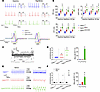 Figure 5
Dosage of Calm1N98S allele determines electrical phenotype in mice. (A) Left: Representative telemetered ECG traces recorded in ambulatory male mice. Right: Signal-averaged ECGs obtained by overlaying all consecutive cycles recorded within 5- to 10-second intervals, using QRS maximum or minimum for alignment. Lower rows show superimposed QRS complexes at expanded time scales. (B) Scatterplots of RR, QRS, and QTc intervals. Each dot represents the 12-hour (dark or light cycle) or 24-hour (all day) average in a single animal. Data are from 10 Calm1+/+, 9 Calm1N98S/+, and 9 Calm1N98S/N98S mice. All populations were normally distributed. Horizontal lines superimposed on dots depict mean and SEM. *P ≤ 0.0118 vs. Calm1+/+; †P ≤ 0.0144 vs. Calm1N98S/+. ECG measures were modeled by a repeated measures linear model with terms for genotype, time period, and the genotype by time period interaction. An unstructured covariance matrix was used. (C) Example of a spontaneous occurrence of a BVT in an ambulatory Calm1N98S/N98S mouse. (D) Ventricular arrhythmia scores in and percentage of ambulatory mice presenting with at least 1 episode of nonsustained (duration > 3 and < 15 s) or sustained (duration > 15 s) BVT within 24 hours of continuous ECG recording. *P ≤ 0.0325 vs. Calm1+/+; †P ≤ 0.0294 vs. Calm1N98S/+. P values by Fisher’s exact and χ2 tests. (E) Examples of stress-induced electrocardiographic responses in ambulatory mice. (F) Ventricular arrhythmia scores and percentage of ambulatory mice developing BVT within 1 hour following a cage switch. Data are from 8 Calm1+/+, 9 Calm1N98S/+, and 8 Calm1N98S/N98S mice. *P = 0.0002 vs. Calm1+/+; †P ≤ 0.016 vs. Calm1N98S/+; $P = 0.0078 vs. before cage switch. P values for comparisons of proportions after cage switch between genotypes by Fisher’s exact test. P values for change in proportions by the Sign test.
We next performed fluorescence (“optical”) voltage mapping of Langendorff-perfused mouse hearts to determine whether N98S Calm allele dosage-dependent QTC interval prolongations are mirrored by those in ventricular action potential duration (APD). All hearts were paced at a right atrial site at the same cycle length of 120 ms to avoid confounding effects of variable heart rates on ventricular repolarization duration. Typical optical action potentials and repolarization time isochron maps recorded from the anterior left ventricular epicardium of wild-type and mutant hearts at baseline and in the presence of the nonselective β-adrenergic receptor agonist isoproterenol are shown in Figure 6, A and B. The wild-type hearts had shorter epicardial APD at baseline and a blunted response to isoproterenol compared with the mutant hearts. Population data shown in Figure 6C demonstrate that APD30, APD50, and APD80 gradually increased from wild-type to heterozygous to homozygous hearts in the absence and presence of isoproterenol and that the magnitude of isoproterenol-induced APD prolongation was larger in Calm1N98S/N98S versus Calm1N98S/+ hearts. Isoproterenol had no significant effect on APD in wild-type hearts. These results suggest that (a) delays in ventricular repolarization underlie the long QT phenotype seen in mutant mice, (b) the extent of APD prolongation both at baseline and during isoproterenol correlates with the proportion of mutant alleles, and (c) N98S-CALM potentiates the APD response to β-adrenergic receptor stimulation.
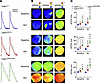 Figure 6
Magnitude of APD prolongation correlates with number of Calm1N98S alleles. (A) Superimposed representative optical action potentials recorded from anterior epicardium of LVs during atrial pacing at a cycle length of 120 ms before (solid lines) and during (dashed lines) isoproterenol (iso; 100 nM) treatment. (B) Exemplary maps of APD at 30%, 50%, and 80% repolarization (APD30, APD50, and APD80) in the absence and presence of isoproterenol. Colored scale bars are shown on the top of maps. (C) Dot plots showing APD30, APD50, and APD80. Horizontal lines superimposed on dots denote medians and interquartile ranges. *P ≤ 0.046 vs. Calm1+/+; †P ≤ 0.004 vs. Calm1N98S/+; $P ≤ 0.049 vs. before isoproterenol in the same genotype. P values by repeated measures linear model with independent terms for genotype, time period, and the genotype by time period interaction. An unstructured covariance matrix was used. The model assumptions of normality and homogeneity of variance of error terms were evaluated by residual plots. Since homogeneity of variance appeared to be violated, the data were transformed by a square root transformation.
Moreover, we analyzed epicardial conduction patterns and velocities to assess whether conduction defects in the ventricular myocardium contribute to Calm1N98S allele dosage-dependent QRS widening. Supplemental Figure 6A shows exemplary epicardial activation maps from the anterior surface of a Calm1+/+, Calm1N98S/+, and Calm1N98S/N98S heart during ventricular pacing at a cycle length of 120 ms, revealing an anisotropic conduction pattern in all 3 genotypes, enabling measurements of maximal and minimal conduction velocity (CVmax and CVmin, respectively). Supplemental Figure 6B shows mean CVmax and CVmin for all hearts tested. Both CVmax and CVmin were significantly reduced in homozygous mutant hearts compared with wild-type and heterozygous mutant hearts, whereas no statistical differences were found between Calm1+/+ and Calm1N98S/+ hearts. These findings suggest that impairment of impulse propagation within the ventricular myocardium contributes to QRS widening observed in Calm1N98S/N98S mice.
We and others have previously demonstrated that N98S-CALM attenuates Ca2+/CaM-dependent inactivation (CDI) of cardiac L-type current (6, 7). This attenuation adds Ca2+ entry during the plateau of the action potential, prolonging its duration as compared with cardiomyocytes expressing wild-type CALM. If reduced CDI underlies APD prolongation seen in mutant hearts (Figure 6), then one would expect an inverse relationship between the magnitude of CDI and the proportion of mutant Calm1 alleles. Accordingly, we next assessed CDI of whole-cell L-type Ca2+ currents by applying the patch-clamp technique to single left ventricular myocytes isolated from adult male wild-type and mutant hearts. Ca2+ currents exhibited progressively slower decays in response to a step depolarization to +10 mV as the number of mutant alleles increased (Figure 7A). To dissect the contributions of CDI and voltage-dependent inactivation (VDI) to the current decay, Ba2+, which binds only poorly to CALM, was used as the charge carrier to measure the extent of VDI within the same cell. CDI was evident as the excess inactivation of the Ca2+ trace (Figure 7A). Substitution of Ca2+ with Ba2+ abrogated differences in inactivation kinetics between genotypes, validating their Ca2+ dependence (Figure 7, A and B). Median values for f50, a measure of CDI, were decreased by 23.1% and 42.3% in Calm1N98S/+ and Calm1N98S/N98S ventricular myocytes, respectively, compared with Calm1+/+ cells (Figure 7C), indicating progressive attenuation of CDI from Calm1+/+ to Calm1N98S/+ to Calm1N98S/N98S cardiomyocytes. Incremental decreases in CDI were associated with progressive prolongation of both APD and QTC (Figures 5 and 6). These results support the notion that the mutant Calm1 allele dosage regulates the extent of CDI reduction and further suggest a role of impaired CDI in determining the severity of the long QT phenotype.
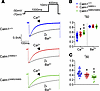 Figure 7
Progressive CDI decrement of cardiac ICa.L with increase in Calm1N98S allele number. (A) Exemplar traces of whole-cell L-type Ca2+ current (ICa.L) recorded in left ventricular cardiomyocytes in response to 400 ms step depolarizations to +10 mV. Traces were normalized to their respective peaks to facilitate comparison of decay kinetics. Pipette solution contained 5 mM ryanodine and 10 mM BAPTA to restrict Ca2+ elevations to those in the nanodomains of individual L-type channels (6). CDI is evident as the accelerated decay in Ca2+ current as compared with Ba2+ in all 3 genotypes. Ca2+ currents exhibit progressively slower decays from Calm1+/+ to Calm1N98S/+ to Calm1N98S/N98S cardiomyocytes, while decay kinetics of Ba2+ currents are almost indistinguishable among genotypes. (B and C) Scatter dot plots of the fraction of peak ICa.L remaining at 50 ms after the peak (r50) using Ca2+ versus Ba2+ as charge carriers (B) and dot plots of f50 = (r50,Ca – r50,Ba)/r50,Ba, a measure of CDI (C). Horizontal lines superimposed on dots represent the median and interquartile ranges; n = 21 cells from N = 4 mice (Calm1+/+); n = 16, N = 5 (Calm1N98S/+); n = 14, N = 4 (Calm1N98S/N98S); *P ≤ 0.001 vs. Calm1+/+; †P = 0.004 vs. Calm1N98S/+. P values from a repeated measures linear model with independent terms of genotype. A compound symmetric covariance matrix was used, which assumes equal correlation from repeated measurements of the same experimental unit.
Transcriptomic and proteomic profiling. Transcriptomic and proteomic analyses were performed on LV samples from the same group of Calm1+/+, Calm1N98S/+, and Calm1N98S/N98S male littermates (N = 3 per genotype) to examine molecular changes related to excitation-contraction coupling, adrenergic signaling, and contractility. RNA-Seq and LC-MS/MS analyses revealed no significant differences in expression levels of proteins and their corresponding mRNA for calcium-handling proteins, sarcomeric contractile proteins, or β-adrenergic signaling components (Supplemental Figure 7), suggesting that these canonical pathways remain largely unaffected at the transcriptional and translational levels.
An unbiased, label-free proteomic analysis using LC-MS/MS identified 1,787 proteins. Among these, 65 were significantly differentially expressed proteins (DEPs) each in Calm1+/+ versus Calm1N98S/+ or Calm1+/+ versus Calm1N98S/N98S hearts, based on an absolute log2FC > 0.5 and P < 0.05. Compared with Calm1+/+ hearts, Calm1N98S/+ hearts exhibited 39 upregulated and 26 downregulated DEPs, while Calm1N98S/N98S hearts showed 45 upregulated and 20 downregulated DEPs. Protein-protein interaction analysis using the STRING database (https://string-db.org) (16), combined with functional enrichment and k-means clustering, revealed distinct genotype-dependent biological effects. In Calm1N98S/+ hearts, DEPs were predominantly associated with mitochondrial translation and cellular component assembly, with key network clusters involving mitochondrial translation and type I hemidesmosome assembly — both essential for energy production and tissue integrity (Supplemental Figures 8 and 9). In contrast, Calm1N98S/N98S hearts showed enrichment in pathways related to muscle structure development, muscle cell differentiation, chromatin and nucleosome assembly, and muscle cell development, with major network clusters centered on the large ribosomal subunit and fascia adherens (Supplemental Figures 10 and 11). While the former plays a crucial role in protein synthesis and muscle function, the latter is a specialized cell-cell junction in cardiac muscle, essential for heart contraction. Thus, the heterozygosity and homozygosity of the Calm1N98S allele had distinct effects on biological processes by altering protein-protein interactions, ultimately contributing to the observed interactome changes. Heterozygosity for the Calm1N98S allele primarily disrupts cellular energy balance and tissue integrity, while homozygosity induces broader effects on muscle development, potentially contributing to reduced left ventricular systolic function and impaired exercise endurance observed in Calm1N98S/N98S mice. Therefore, while primary cardiac regulatory pathways remain unchanged, secondary proteomic alterations may significantly contribute to the functional deficits observed in mutant hearts.


