
Research ArticleCell biologyGastroenterology
Open Access |  10.1172/jci.insight.181032
Epithelial HO-1 regulates iron availability and promotes colonic tumorigenesis in a context-dependent manner
Rosemary C. Callahan,1,2 Jillian C. Curry,1,2 Geetha Bhagavatula,3 Alyse W. Staley,4 Rachel E.M. Schaefer,1,2 Faiz Minhajuddin,1 Liheng Zhou,1 Rane M. Neuhart,3 Shaikh M. Atif,5 David J. Orlicky,6 Ian M. Cartwright,1,2 Mark E. Gerich,1 Calen A. Steiner,1 Arianne L. Theiss,1,2 Caroline H.T. Hall,3 Sean P. Colgan,1,2 and Joseph C. Onyiah1,2
1Division of Gastroenterology and Hepatology, Department of Medicine, University of Colorado School of Medicine, Aurora, Colorado, USA.
2Rocky Mountain Regional Veterans Affairs Medical Center, Aurora, Colorado, USA.
3Division of Gastroenterology, Hepatology and Nutrition, Department of Pediatrics, Children’s Hospital Colorado; Mucosal Inflammation Program, Department of Medicine, University of Colorado School of Medicine, Aurora, Colorado, USA.
4University of Colorado Cancer Center Biostatistics Core, Aurora, Colorado, USA.
5Division of Allergy and Clinical Immunology, Department of Medicine, and
6Department of Pathology, University of Colorado School of Medicine, Aurora, Colorado, USA.
Address correspondence to: Joseph C. Onyiah, University of Colorado School of Medicine, Rocky Mountain Regional VA Medical Center, 12700 East 19th Ave. MS B-146, Aurora, Colorado 80045, USA. Phone: 303.724.8130; Email: joseph.onyiah@cuanschutz.edu.
Authorship note: RCC and JCC are co–first authors.
Find articles by Callahan, R. in: PubMed | Google Scholar
1Division of Gastroenterology and Hepatology, Department of Medicine, University of Colorado School of Medicine, Aurora, Colorado, USA.
2Rocky Mountain Regional Veterans Affairs Medical Center, Aurora, Colorado, USA.
3Division of Gastroenterology, Hepatology and Nutrition, Department of Pediatrics, Children’s Hospital Colorado; Mucosal Inflammation Program, Department of Medicine, University of Colorado School of Medicine, Aurora, Colorado, USA.
4University of Colorado Cancer Center Biostatistics Core, Aurora, Colorado, USA.
5Division of Allergy and Clinical Immunology, Department of Medicine, and
6Department of Pathology, University of Colorado School of Medicine, Aurora, Colorado, USA.
Address correspondence to: Joseph C. Onyiah, University of Colorado School of Medicine, Rocky Mountain Regional VA Medical Center, 12700 East 19th Ave. MS B-146, Aurora, Colorado 80045, USA. Phone: 303.724.8130; Email: joseph.onyiah@cuanschutz.edu.
Authorship note: RCC and JCC are co–first authors.
Find articles by Curry, J. in: PubMed | Google Scholar
1Division of Gastroenterology and Hepatology, Department of Medicine, University of Colorado School of Medicine, Aurora, Colorado, USA.
2Rocky Mountain Regional Veterans Affairs Medical Center, Aurora, Colorado, USA.
3Division of Gastroenterology, Hepatology and Nutrition, Department of Pediatrics, Children’s Hospital Colorado; Mucosal Inflammation Program, Department of Medicine, University of Colorado School of Medicine, Aurora, Colorado, USA.
4University of Colorado Cancer Center Biostatistics Core, Aurora, Colorado, USA.
5Division of Allergy and Clinical Immunology, Department of Medicine, and
6Department of Pathology, University of Colorado School of Medicine, Aurora, Colorado, USA.
Address correspondence to: Joseph C. Onyiah, University of Colorado School of Medicine, Rocky Mountain Regional VA Medical Center, 12700 East 19th Ave. MS B-146, Aurora, Colorado 80045, USA. Phone: 303.724.8130; Email: joseph.onyiah@cuanschutz.edu.
Authorship note: RCC and JCC are co–first authors.
Find articles by Bhagavatula, G. in: PubMed | Google Scholar
1Division of Gastroenterology and Hepatology, Department of Medicine, University of Colorado School of Medicine, Aurora, Colorado, USA.
2Rocky Mountain Regional Veterans Affairs Medical Center, Aurora, Colorado, USA.
3Division of Gastroenterology, Hepatology and Nutrition, Department of Pediatrics, Children’s Hospital Colorado; Mucosal Inflammation Program, Department of Medicine, University of Colorado School of Medicine, Aurora, Colorado, USA.
4University of Colorado Cancer Center Biostatistics Core, Aurora, Colorado, USA.
5Division of Allergy and Clinical Immunology, Department of Medicine, and
6Department of Pathology, University of Colorado School of Medicine, Aurora, Colorado, USA.
Address correspondence to: Joseph C. Onyiah, University of Colorado School of Medicine, Rocky Mountain Regional VA Medical Center, 12700 East 19th Ave. MS B-146, Aurora, Colorado 80045, USA. Phone: 303.724.8130; Email: joseph.onyiah@cuanschutz.edu.
Authorship note: RCC and JCC are co–first authors.
Find articles by
Staley, A.
in:
PubMed
|
Google Scholar
|

1Division of Gastroenterology and Hepatology, Department of Medicine, University of Colorado School of Medicine, Aurora, Colorado, USA.
2Rocky Mountain Regional Veterans Affairs Medical Center, Aurora, Colorado, USA.
3Division of Gastroenterology, Hepatology and Nutrition, Department of Pediatrics, Children’s Hospital Colorado; Mucosal Inflammation Program, Department of Medicine, University of Colorado School of Medicine, Aurora, Colorado, USA.
4University of Colorado Cancer Center Biostatistics Core, Aurora, Colorado, USA.
5Division of Allergy and Clinical Immunology, Department of Medicine, and
6Department of Pathology, University of Colorado School of Medicine, Aurora, Colorado, USA.
Address correspondence to: Joseph C. Onyiah, University of Colorado School of Medicine, Rocky Mountain Regional VA Medical Center, 12700 East 19th Ave. MS B-146, Aurora, Colorado 80045, USA. Phone: 303.724.8130; Email: joseph.onyiah@cuanschutz.edu.
Authorship note: RCC and JCC are co–first authors.
Find articles by Schaefer, R. in: PubMed | Google Scholar
1Division of Gastroenterology and Hepatology, Department of Medicine, University of Colorado School of Medicine, Aurora, Colorado, USA.
2Rocky Mountain Regional Veterans Affairs Medical Center, Aurora, Colorado, USA.
3Division of Gastroenterology, Hepatology and Nutrition, Department of Pediatrics, Children’s Hospital Colorado; Mucosal Inflammation Program, Department of Medicine, University of Colorado School of Medicine, Aurora, Colorado, USA.
4University of Colorado Cancer Center Biostatistics Core, Aurora, Colorado, USA.
5Division of Allergy and Clinical Immunology, Department of Medicine, and
6Department of Pathology, University of Colorado School of Medicine, Aurora, Colorado, USA.
Address correspondence to: Joseph C. Onyiah, University of Colorado School of Medicine, Rocky Mountain Regional VA Medical Center, 12700 East 19th Ave. MS B-146, Aurora, Colorado 80045, USA. Phone: 303.724.8130; Email: joseph.onyiah@cuanschutz.edu.
Authorship note: RCC and JCC are co–first authors.
Find articles by Minhajuddin, F. in: PubMed | Google Scholar
1Division of Gastroenterology and Hepatology, Department of Medicine, University of Colorado School of Medicine, Aurora, Colorado, USA.
2Rocky Mountain Regional Veterans Affairs Medical Center, Aurora, Colorado, USA.
3Division of Gastroenterology, Hepatology and Nutrition, Department of Pediatrics, Children’s Hospital Colorado; Mucosal Inflammation Program, Department of Medicine, University of Colorado School of Medicine, Aurora, Colorado, USA.
4University of Colorado Cancer Center Biostatistics Core, Aurora, Colorado, USA.
5Division of Allergy and Clinical Immunology, Department of Medicine, and
6Department of Pathology, University of Colorado School of Medicine, Aurora, Colorado, USA.
Address correspondence to: Joseph C. Onyiah, University of Colorado School of Medicine, Rocky Mountain Regional VA Medical Center, 12700 East 19th Ave. MS B-146, Aurora, Colorado 80045, USA. Phone: 303.724.8130; Email: joseph.onyiah@cuanschutz.edu.
Authorship note: RCC and JCC are co–first authors.
Find articles by Zhou, L. in: PubMed | Google Scholar
1Division of Gastroenterology and Hepatology, Department of Medicine, University of Colorado School of Medicine, Aurora, Colorado, USA.
2Rocky Mountain Regional Veterans Affairs Medical Center, Aurora, Colorado, USA.
3Division of Gastroenterology, Hepatology and Nutrition, Department of Pediatrics, Children’s Hospital Colorado; Mucosal Inflammation Program, Department of Medicine, University of Colorado School of Medicine, Aurora, Colorado, USA.
4University of Colorado Cancer Center Biostatistics Core, Aurora, Colorado, USA.
5Division of Allergy and Clinical Immunology, Department of Medicine, and
6Department of Pathology, University of Colorado School of Medicine, Aurora, Colorado, USA.
Address correspondence to: Joseph C. Onyiah, University of Colorado School of Medicine, Rocky Mountain Regional VA Medical Center, 12700 East 19th Ave. MS B-146, Aurora, Colorado 80045, USA. Phone: 303.724.8130; Email: joseph.onyiah@cuanschutz.edu.
Authorship note: RCC and JCC are co–first authors.
Find articles by Neuhart, R. in: PubMed | Google Scholar
1Division of Gastroenterology and Hepatology, Department of Medicine, University of Colorado School of Medicine, Aurora, Colorado, USA.
2Rocky Mountain Regional Veterans Affairs Medical Center, Aurora, Colorado, USA.
3Division of Gastroenterology, Hepatology and Nutrition, Department of Pediatrics, Children’s Hospital Colorado; Mucosal Inflammation Program, Department of Medicine, University of Colorado School of Medicine, Aurora, Colorado, USA.
4University of Colorado Cancer Center Biostatistics Core, Aurora, Colorado, USA.
5Division of Allergy and Clinical Immunology, Department of Medicine, and
6Department of Pathology, University of Colorado School of Medicine, Aurora, Colorado, USA.
Address correspondence to: Joseph C. Onyiah, University of Colorado School of Medicine, Rocky Mountain Regional VA Medical Center, 12700 East 19th Ave. MS B-146, Aurora, Colorado 80045, USA. Phone: 303.724.8130; Email: joseph.onyiah@cuanschutz.edu.
Authorship note: RCC and JCC are co–first authors.
Find articles by Atif, S. in: PubMed | Google Scholar
1Division of Gastroenterology and Hepatology, Department of Medicine, University of Colorado School of Medicine, Aurora, Colorado, USA.
2Rocky Mountain Regional Veterans Affairs Medical Center, Aurora, Colorado, USA.
3Division of Gastroenterology, Hepatology and Nutrition, Department of Pediatrics, Children’s Hospital Colorado; Mucosal Inflammation Program, Department of Medicine, University of Colorado School of Medicine, Aurora, Colorado, USA.
4University of Colorado Cancer Center Biostatistics Core, Aurora, Colorado, USA.
5Division of Allergy and Clinical Immunology, Department of Medicine, and
6Department of Pathology, University of Colorado School of Medicine, Aurora, Colorado, USA.
Address correspondence to: Joseph C. Onyiah, University of Colorado School of Medicine, Rocky Mountain Regional VA Medical Center, 12700 East 19th Ave. MS B-146, Aurora, Colorado 80045, USA. Phone: 303.724.8130; Email: joseph.onyiah@cuanschutz.edu.
Authorship note: RCC and JCC are co–first authors.
Find articles by Orlicky, D. in: PubMed | Google Scholar
1Division of Gastroenterology and Hepatology, Department of Medicine, University of Colorado School of Medicine, Aurora, Colorado, USA.
2Rocky Mountain Regional Veterans Affairs Medical Center, Aurora, Colorado, USA.
3Division of Gastroenterology, Hepatology and Nutrition, Department of Pediatrics, Children’s Hospital Colorado; Mucosal Inflammation Program, Department of Medicine, University of Colorado School of Medicine, Aurora, Colorado, USA.
4University of Colorado Cancer Center Biostatistics Core, Aurora, Colorado, USA.
5Division of Allergy and Clinical Immunology, Department of Medicine, and
6Department of Pathology, University of Colorado School of Medicine, Aurora, Colorado, USA.
Address correspondence to: Joseph C. Onyiah, University of Colorado School of Medicine, Rocky Mountain Regional VA Medical Center, 12700 East 19th Ave. MS B-146, Aurora, Colorado 80045, USA. Phone: 303.724.8130; Email: joseph.onyiah@cuanschutz.edu.
Authorship note: RCC and JCC are co–first authors.
Find articles by Cartwright, I. in: PubMed | Google Scholar
1Division of Gastroenterology and Hepatology, Department of Medicine, University of Colorado School of Medicine, Aurora, Colorado, USA.
2Rocky Mountain Regional Veterans Affairs Medical Center, Aurora, Colorado, USA.
3Division of Gastroenterology, Hepatology and Nutrition, Department of Pediatrics, Children’s Hospital Colorado; Mucosal Inflammation Program, Department of Medicine, University of Colorado School of Medicine, Aurora, Colorado, USA.
4University of Colorado Cancer Center Biostatistics Core, Aurora, Colorado, USA.
5Division of Allergy and Clinical Immunology, Department of Medicine, and
6Department of Pathology, University of Colorado School of Medicine, Aurora, Colorado, USA.
Address correspondence to: Joseph C. Onyiah, University of Colorado School of Medicine, Rocky Mountain Regional VA Medical Center, 12700 East 19th Ave. MS B-146, Aurora, Colorado 80045, USA. Phone: 303.724.8130; Email: joseph.onyiah@cuanschutz.edu.
Authorship note: RCC and JCC are co–first authors.
Find articles by Gerich, M. in: PubMed | Google Scholar
1Division of Gastroenterology and Hepatology, Department of Medicine, University of Colorado School of Medicine, Aurora, Colorado, USA.
2Rocky Mountain Regional Veterans Affairs Medical Center, Aurora, Colorado, USA.
3Division of Gastroenterology, Hepatology and Nutrition, Department of Pediatrics, Children’s Hospital Colorado; Mucosal Inflammation Program, Department of Medicine, University of Colorado School of Medicine, Aurora, Colorado, USA.
4University of Colorado Cancer Center Biostatistics Core, Aurora, Colorado, USA.
5Division of Allergy and Clinical Immunology, Department of Medicine, and
6Department of Pathology, University of Colorado School of Medicine, Aurora, Colorado, USA.
Address correspondence to: Joseph C. Onyiah, University of Colorado School of Medicine, Rocky Mountain Regional VA Medical Center, 12700 East 19th Ave. MS B-146, Aurora, Colorado 80045, USA. Phone: 303.724.8130; Email: joseph.onyiah@cuanschutz.edu.
Authorship note: RCC and JCC are co–first authors.
Find articles by Steiner, C. in: PubMed | Google Scholar
1Division of Gastroenterology and Hepatology, Department of Medicine, University of Colorado School of Medicine, Aurora, Colorado, USA.
2Rocky Mountain Regional Veterans Affairs Medical Center, Aurora, Colorado, USA.
3Division of Gastroenterology, Hepatology and Nutrition, Department of Pediatrics, Children’s Hospital Colorado; Mucosal Inflammation Program, Department of Medicine, University of Colorado School of Medicine, Aurora, Colorado, USA.
4University of Colorado Cancer Center Biostatistics Core, Aurora, Colorado, USA.
5Division of Allergy and Clinical Immunology, Department of Medicine, and
6Department of Pathology, University of Colorado School of Medicine, Aurora, Colorado, USA.
Address correspondence to: Joseph C. Onyiah, University of Colorado School of Medicine, Rocky Mountain Regional VA Medical Center, 12700 East 19th Ave. MS B-146, Aurora, Colorado 80045, USA. Phone: 303.724.8130; Email: joseph.onyiah@cuanschutz.edu.
Authorship note: RCC and JCC are co–first authors.
Find articles by Theiss, A. in: PubMed | Google Scholar
1Division of Gastroenterology and Hepatology, Department of Medicine, University of Colorado School of Medicine, Aurora, Colorado, USA.
2Rocky Mountain Regional Veterans Affairs Medical Center, Aurora, Colorado, USA.
3Division of Gastroenterology, Hepatology and Nutrition, Department of Pediatrics, Children’s Hospital Colorado; Mucosal Inflammation Program, Department of Medicine, University of Colorado School of Medicine, Aurora, Colorado, USA.
4University of Colorado Cancer Center Biostatistics Core, Aurora, Colorado, USA.
5Division of Allergy and Clinical Immunology, Department of Medicine, and
6Department of Pathology, University of Colorado School of Medicine, Aurora, Colorado, USA.
Address correspondence to: Joseph C. Onyiah, University of Colorado School of Medicine, Rocky Mountain Regional VA Medical Center, 12700 East 19th Ave. MS B-146, Aurora, Colorado 80045, USA. Phone: 303.724.8130; Email: joseph.onyiah@cuanschutz.edu.
Authorship note: RCC and JCC are co–first authors.
Find articles by Hall, C. in: PubMed | Google Scholar
1Division of Gastroenterology and Hepatology, Department of Medicine, University of Colorado School of Medicine, Aurora, Colorado, USA.
2Rocky Mountain Regional Veterans Affairs Medical Center, Aurora, Colorado, USA.
3Division of Gastroenterology, Hepatology and Nutrition, Department of Pediatrics, Children’s Hospital Colorado; Mucosal Inflammation Program, Department of Medicine, University of Colorado School of Medicine, Aurora, Colorado, USA.
4University of Colorado Cancer Center Biostatistics Core, Aurora, Colorado, USA.
5Division of Allergy and Clinical Immunology, Department of Medicine, and
6Department of Pathology, University of Colorado School of Medicine, Aurora, Colorado, USA.
Address correspondence to: Joseph C. Onyiah, University of Colorado School of Medicine, Rocky Mountain Regional VA Medical Center, 12700 East 19th Ave. MS B-146, Aurora, Colorado 80045, USA. Phone: 303.724.8130; Email: joseph.onyiah@cuanschutz.edu.
Authorship note: RCC and JCC are co–first authors.
Find articles by
Colgan, S.
in:
PubMed
|
Google Scholar
|
1Division of Gastroenterology and Hepatology, Department of Medicine, University of Colorado School of Medicine, Aurora, Colorado, USA.
2Rocky Mountain Regional Veterans Affairs Medical Center, Aurora, Colorado, USA.
3Division of Gastroenterology, Hepatology and Nutrition, Department of Pediatrics, Children’s Hospital Colorado; Mucosal Inflammation Program, Department of Medicine, University of Colorado School of Medicine, Aurora, Colorado, USA.
4University of Colorado Cancer Center Biostatistics Core, Aurora, Colorado, USA.
5Division of Allergy and Clinical Immunology, Department of Medicine, and
6Department of Pathology, University of Colorado School of Medicine, Aurora, Colorado, USA.
Address correspondence to: Joseph C. Onyiah, University of Colorado School of Medicine, Rocky Mountain Regional VA Medical Center, 12700 East 19th Ave. MS B-146, Aurora, Colorado 80045, USA. Phone: 303.724.8130; Email: joseph.onyiah@cuanschutz.edu.
Authorship note: RCC and JCC are co–first authors.
Find articles by Onyiah, J. in: PubMed | Google Scholar
Published December 18, 2025 - More info
JCI Insight. 2026;11(3):e181032. https://doi.org/10.1172/jci.insight.181032.
© 2026 Callahan et al. This work is licensed under the Creative Commons Attribution 4.0 International License. To view a copy of this license, visit http://creativecommons.org/licenses/by/4.0/.
Received: March 19, 2024; Accepted: December 16, 2025

-
Results
Loss of colonic epithelial HO-1 amplifies stress-linked transcriptional responses to heme. We examined mucosal bleeding as a feature of active colitis using the murine dextran sodium sulfate–induced (DSS-induced) colitis model. We observed a temporal increase in disease activity, fecal bleeding, and fecal heme content, which declined after DSS withdrawal (Figure 1, A–C) (23). Induction of the heme-inducible HO-1/CO pathway has been shown to be protective in murine colitis (24–26). Colonic Hmox1 mRNA and HO-1 in CD45–EPCAM+ IECs increased during the course of DSS injury, correlating with bleeding severity and fecal heme (Figure 1, D and E). To investigate colonic epithelial responses to heme we generated mice with IEC-specific deletion of Hmox1 expression (Hmox1ΔIEC or KO mice; Supplemental Figure 1, A and B; supplemental material available online with this article; https://doi.org/10.1172/jci.insight.181032DS1) and derived colonic epithelial stem cell organoids (colonoids) from control (Hmox1fl/fl) and KO animals (Supplemental Figure 1C). Colonic epithelial cells are relatively resistant to hemin-induced cytotoxicity, but, upon exposure to moderate amounts of heme, we found that loss of Hmox1 led to increased cell death in murine colonoids (Figure 1F), similar to a prior report using human colonic epithelial cell lines (8). RNA sequencing revealed distinct transcriptional responses to heme in KO versus control colonoids, with approximately 800 genes upregulated in KO and approximately 900 in controls (Figure 1, G–I). Kyoto Encyclopedia of Genes and Genomes (27) pathway analysis demonstrated enrichment of glutathione metabolism, ferroptosis-response, and several detoxification pathways in KO colonoids (Figure 1, J–L), consistent with increased activation of a broad stress response. Similar to glutathione metabolism, many of the upregulated ferroptosis-response genes are involved in the protective response against iron-induced oxidative damage, such as Fth1 and Ftl1, which store ferrous iron inert as ferritin, or Slc7a11 and Slc3a2 that together encode the cystine transporter that is key to maintaining antioxidative glutathione levels.
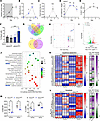 Figure 1
Influence of HO-1 on heme-linked stress responses in colonic epithelial cells. WT mice were given DSS 2.5% in their drinking water for 5 days with daily monitoring up to 2 days after DSS was removed (n = 3–9 per time point). (A) Disease activity index (DAI; weight, stool blood, and diarrhea). (B) Bleeding component of DAI. (C) Fecal heme quantification during DSS injury (n = 4–12 per group). (D) Whole colon mRNA expression of Hmox1 by RT-qPCR (n = 3–10 per group). (E) HO-1 detection by flow cytometry, as a percentage of total IECs (n = 3 per group). (F) Colonic epithelial organoids (colonoids) were derived from healthy Hmox1fl/fl and Hmox1ΔIEC epithelial stem cells. After exposure to hemin (200 μM) for 24 hours, colonoid cell death was assessed by flow cytometry (7-AAD). (G) Venn diagrams of differentially expressed gene (DEG) patterns in KO and control colonoids in response to hemin, as measured by RNA sequencing. (H) Principal component analysis 2D plot of colonoid groups. (I) Volcano plot of differentially expressed genes (up, increased expression in control colonoids; down, decreased expression in control colonoids; no, no change in expression). Values show the number of DEGs in each group. (J) KEGG enrichment analysis showing the top 20 significant upregulated pathways in the KO colonoids treated with hemin (Benjamini and Hochberg FDR correction). Blue arrows highlight key related pathways, examined in more detail in K and L. (K and L) Z-score of DEGs from RNA seq of control and KO colonoids. Log2 fold change of comparison between vehicle- and hemin-treated groups by cell type. (L) Bolded genes are typically protective against ferroptosis. (M) Colonoids were exposed to 100 μM hemin for 24 hours, and median fluorescence intensity (MFI) and the percentage 4-HNE+ cells were determined using flow cytometry. Data are shown as the mean ± SEM. *P < 0.05, **P < 0.01, and ***P < 0.001, by unpaired, Student’s t tests (M) or 1-way ANOVA for multiple comparisons (B–F) (e.g., compared with day 0 or normal colon).
qPCR analysis confirmed upregulation of antioxidant and ferroptosis-response genes in KO colonoids (Supplemental Figure 1D). Depletion of glutathione and inhibition of HO-1 triggers cell cycle arrest in epithelial cells (8, 28, 29). We performed cell cycle analysis and observed increased G0/G1 arrest in KO colonoids exposed to heme (Supplemental Figure 1E). These findings suggest that HO-1 protects colonic epithelial cells from acute heme-induced stress through heme catabolism; in its absence, persistent heme triggers a compensatory stress-adaptive transcriptional program and cell cycle arrest. To further assess iron-induced oxidative damage in response to heme, we performed flow cytometry for the lipid peroxidation byproduct 4-hydroxynonenal (4-HNE) in control and KO colonoids exposed to hemin. KO colonoids exhibited significantly reduced 4-HNE levels (median fluorescence intensity) and a reduced percentage of positive cells compared with controls (Figure 1M), suggesting that heme-iron released by HO-1 contributes to lipid peroxidation in colonic epithelial cells. These results reinforce the role of HO-1 in regulating oxidative stress responses and susceptibility to lipid damage. However, increased cell death in the KO colonoids points to nonoxidative injury, likely induced by ongoing heme stress.
HO-1 expression is induced alongside glutathione and ferroptosis response pathways in murine and human colonic tissue and organoids. Given the activation of glutathione metabolism and ferroptosis-response pathways in HO-1–deficient colonoids in response to heme (Figure 1), we examined whether similar stress responses are activated in colonic epithelial cells in response to induction of ferroptosis and inflammation. WT murine colonoids were exposed to erastin, a glutathione-depleting compound that induces oxidative stress and eventually ferroptosis by inhibiting the cystine/glutamate antiporter system XC– encoded by Slc7a11 and Slc3a2 (16). There was a significant upregulation of ferroptosis-response and glutathione metabolism genes, along with increased Hmox1 expression (Figure 2A). Similarly, human colonoids derived from biopsies from patients with UC exhibited higher baseline and erastin-induced expression of ferroptosis and glutathione metabolism genes compared with colonoids from healthy control biopsies (Figure 2, B and C). This includes HMOX1, suggesting that HO-1 is consistently upregulated in epithelial cells under proferroptotic conditions.
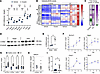 Figure 2
HO-1 is induced alongside genes associated with ferroptosis and antioxidant responses in murine and human colonic tissue and organoids. (A) Murine colonoid mRNA expression by RT-qPCR after exposure to vehicle or erastin (20 μM) for 24 hours. (B) Z-score of gene expression in healthy human vs. UC-derived colonoid by RT-qPCR after exposure to vehicle or erastin (20 μM) for 24 hours Genes associated with ferroptosis and antioxidant responses are shown in bold. (C) Log2 fold change reflects comparison between erastin- and vehicle-treated groups within each cell type only. (D and E) WT mice were given DSS 2.5% in their drinking water for 5 days, and colonic tissue was collected and analyzed by Western blot for ferroptosis marker 4-HNE compared with mice only given drinking water alone. Levels of 4-HNE were calculated relative to β-tubulin (n = 4). (F) Whole colon mRNA expression by RT-qPCR of tissue from WT mice that were given DSS 2.5% in their drinking water for 5 days followed by drinking water alone for 2 days after DSS was removed (n = 3–4 mice per time point). (G) Human colonic biopsy tissue mRNA expression by RT-qPCR (n = 4–6 control, 7–9 UC). (H) HMOX1 mRNA from human colonic biopsy tissue. (I) Human colonic biopsy tissue HO-1 assessed by ELISA of tissue homogenates relative to total protein. Data are shown as the mean ± SEM. *P < 0.05, **P < 0.01, and ****P < 0.0001 by unpaired Student’s t test (A, E and G–I) and multiple t test for 2 groups and ANOVA (F) for 3 or more groups with correction for multiple comparisons.
Lipid peroxidation has recently been identified as a feature of intestinal inflammation (17). We assessed the physiological relationship of HO-1 induction seen in DSS colitis (Figure 1) to markers of ROS-mediated lipid injury in vivo. During the course of DSS injury, we observed increased levels of 4-HNE (Figure 2, D and E), along with increased expression of well-reported marker genes, including Ptgs2, Slc7a11, and Chac1 (Figure 2F) (18). Gene expression in UC biopsy tissue showed similar trends, with increased ferroptosis responsive genes such as PTGS2 and SLC7A11 (Figure 2G). We examined a publicly available Gene Expression Omnibus data set (GSE38713) that reported transcriptional patterns in colon tissue from healthy individuals and from patients with UC (30). A similar elevation of ferroptosis-linked gene expression was seen, particularly in actively inflamed tissue from patients with UC, similar to changes seen at the peak of DSS injury on day 7 (Supplemental Figure 2). In our own tissue samples from healthy individuals and those with UC, we detected increased expression of HO-1 protein consistent with prior studies in patients with UC (31–33), while HMOX1 mRNA remained unchanged suggestive of posttranscriptional regulation (Figure 2, H and I). Together, these results demonstrate that HO-1 induction correlates with activation of glutathione metabolism pathways and intersects with the ferroptosis-response pathway in the context of experimental and disease-associated inflammation and oxidative stress.
HO-1 and ferroptosis markers are upregulated in colonic tumors and correlate with lipid peroxidation. Chronic colitis is a well-established risk factor for colorectal cancer, primarily due to persistent oxidative stress and cycles of epithelial injury and repair. Emerging evidence implicates lipid peroxidation in the pathogenesis of tumorigenesis (34). Developing tumors often exhibit enhanced resistance to oxidative stress, facilitated by upregulation of antioxidative pathways that support cancer stem cell survival and proliferation (35). Paradoxically, colorectal cancer cells also exhibit a heightened demand for iron to sustain metabolic activity and growth, despite the risk of iron-induced oxidative damage (20, 36).
To investigate the role of HO-1 in this context we employed the azoxymethane-DSS (AOM-DSS) model of CAC (Figure 3A), which models chronic epithelial injury leading to the development of colonic tumors (37). Using WT mice, we observed significantly increased expression of ferroptosis-response genes in the colon tumors, compared with adjacent uninvolved colon, including Hmox1, Ptgs2, and Slc7a11 (Figure 3B). These findings suggest that the tumor microenvironment (TME) is characterized by elevated oxidative stress and lipid peroxidation.
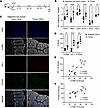 Figure 3
HO-1, lipid peroxidation, and ferroptosis response genes are upregulated in colonic tumors. (A) Schematic representation of the azoxymethane-DSS colitis-associated cancer model. (B) RT-qPCR analysis of tumors (pooled per animal, n = 7 – 11) and uninvolved colon (n = 9 – 14) from WT C57BL/6 mice in the AOM-DSS model. (C) Representative photomicrographs of immunofluorescence staining using paraffin-embedded mouse tumor and adjacent colon sections from an AOM-DSS colitis experiment (original magnification, ×20). (D) Histologic scores of proteins from individual tumor sections from 8 mice and adjacent colon sections from 6 mice. (E and F) Pearson correlations comparing the lipid peroxidation byproduct 4-HNE to either HO-1 or PTGS2. Data are shown as the mean ± SEM. *P < 0.05, **P < 0.01, ***P < 0.001, and ****P < 0.0001, by multiple unpaired Student’s t tests with correction for multiple comparisons (colon vs. tumor for each gene).
To validate these transcriptional changes at the protein level, we performed quantitative multiplexed immunofluorescence using the PhenoImager HT platform. We observed significantly increased levels of PTGS2, 4-HNE, and HO-1 in tumor sections compared with matched nontumor colon tissue (Figure 3, C and D). Notably, 4-HNE levels strongly correlated with detection of HO-1 and PTGS2, reinforcing the link between HO-1 induction and oxidative lipid damage within the TME (Figure 3, E and F). Collectively, these data support increased lipid peroxidation in the TME while the consistent and strong association with HO-1 suggests it could be a biomarker of oxidative stress activity in colitis-associated tumors and warrants further investigation of a potential mechanistic role.
Deletion of epithelial HO-1 reduces tumor burden and colitis-associated tumorigenesis. Given the consistent upregulation of HO-1 in colonic tumors and its association with oxidative stress, we next investigated whether epithelial HO-1 plays a functional role in colitis-associated tumorigenesis. Using the AOM-DSS model, we compared tumor development in our control Hmox1fl/fl mice and our Hmox1ΔIEC mice during the course of chronic colitis. We observed similar weight loss, bleeding scores and fecal heme content between the 2 groups (Figure 4A and Supplemental Figure 3). However, Hmox1ΔIEC mice developed significantly fewer colonic tumors compared with controls (Figure 4, B–D). Tumors in KO mice were predominantly located in the distal colon, consistent with known injury patterns in this model (Figure 4B and Supplemental Figure 4A) (23). Both adenomas and adenocarcinomas were observed (Figure 4C and Supplemental Figure 4B). Tumor burden, measured by total surface area and estimated volume, was significantly reduced in Hmox1ΔIEC mice, and large tumors (>3 mm) were less frequent (Figure 4, E and F, and Supplemental Figure 4, C and D). The number of colonic tumors was similarly decreased in both male and female Hmox1ΔIEC mice (Supplemental Figure 4E). Importantly, histologic injury scores during DSS colitis and at the endpoint were comparable between genotypes, indicating that reduced tumor burden was not due to differences in inflammation severity (Figure 4G and Supplemental Figure 3E).
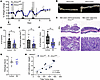 Figure 4
Epithelial HO-1 deletion reduces tumor burden in colitis-associated cancer. (A) Comparison of body weight changes over the course of the AOM-DSS colitis experiment in Hmox1fl/fl and Hmox1ΔIEC mice (n = 8–11 mice per group, pooled from 2 independent experiments). (B) Representative colons with demonstration of tumor formation at day 80 from both mouse strains. (C) Representative H&E staining of sections of colonic tumors from the AOM-DSS model (original magnification, ×40 [top]; ×200 [bottom]). (D) Visible tumor numbers in colon and cecum at day 80 upon gross examination. Combined data from 3 independent experiments. (E) Tumor burden and average size, as measured by 2D area of tumor involvement. (F) Number of tumors >3 mm in diameter visualized in colon and cecum at day 80 upon gross examination. (G) Colonic histopathologic injury score at day 80. (H) Pearson correlation of pooled whole tumor Hmox1 mRNA expression (qPCR) with tumor burden. Data are shown as the mean ± SEM. *P <.05, **P <.01, by unpaired, Student’s t test.
To further explore the relationship between HO-1 and tumorigenesis, we analyzed Hmox1 mRNA expression in colonic tissue and assessed its correlation with tumor burden across both control and KO mice. A strong positive correlation was observed between Hmox1 expression and total tumor area and volume, supporting the hypothesis that elevated HO-1 may be associated with enhanced tumor growth (Figure 4H). Notably, Hmox1 expression levels in KO mice were not uniformly the lowest, likely reflecting contributions from nonepithelial cell types such as immune or stromal cells, suggesting further complexity in cell type–specific roles for HO-1 in tumorigenesis.
Collectively, these results provide functional evidence that epithelial HO-1 influences tumor development in CAC. Given prior findings linking HO-1 to regulation of oxidative stress responses, we next examined the consequences of HO-1 deletion on oxidative damage within the TME.
Epithelial HO-1 regulates iron availability and tumor epithelial transcriptional adaptation to oxidative stress. To investigate the impact of epithelial HO-1 deletion on oxidative stress and its influence on tumor epithelial proliferation in our CAC model, we stained for 8-hydroxy-2′-deoxyguanosine (8-OHdG), which measures oxidative DNA damage, and Ki-67, a marker of proliferation, alongside DAPI and EPCAM. Tumors from KO mice exhibited significantly reduced 8-OHdG staining compared with controls (Figure 5, A and B). Interestingly, this reduction was also observed in adjacent nontumor colonic tissue (Figure 5C), suggesting that epithelial HO-1 contributes to oxidative DNA damage in chronically inflamed and neoplastic tissue. Ki-67 staining revealed a modest, nonsignificant reduction in the percentage of proliferating cells in KO tumors (Figure 5D). However, Ki-67 expression levels, as measured by H-score, were significantly lower in Hmox1ΔIEC tumors (Figure 5E), indicating reduced proliferative activity. These findings support a role for epithelial HO-1 in promoting tumor cell proliferation in CAC, possibly by regulating oxidative stress and damage to DNA.
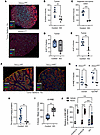 Figure 5
Epithelial HO-1 regulates oxidative damage, iron levels, and stress adaptation in the TME. (A) Representative photomicrographs of immunofluorescence staining for 8-hydroxy-2′-deoxyguanosine (8-OHdG) and Ki-67, using paraffin-embedded mouse colonic individual tumor sections from 4 control and 4 Hmox1ΔIEC mice undergoing AOM-DSS (original magnification, ×10). (B) Quantification of 8-OHdG staining intensity in tumor tissue. (C) 8-OHdG staining intensity in adjacent nontumor colonic tissue from control and KO mice. (D) Percentage of Ki-67+ cells based on immunofluorescence staining. (E) Ki-67 H-score analysis from tumor sections. (F) Representative photomicrographs of immunofluorescence staining for 4-HNE and EpCAM using colon tumor sections (original magnification, ×10). (G) Quantification of 4-HNE from tumor sections taken from control and KO mouse tumors. (H) Whole tumor iron concentration measured by colorimetric assay. (I) 4-HNE staining intensity normalized to mean tumor iron levels per genotype. (J) Tumoroids derived from pooled tumors from 2 Hmox1fl/fl mice (control A and B) and 1 Hmox1ΔIEC (KO) mice were exposed to hemin (100 μM) for 24 hours. Lipid peroxidation measured by flow cytometry for 4-HNE, with median fluorescence intensity (MFI) values normalized to the mean of each vehicle-treated group. Data are shown as the mean ± SEM. *P < 0.05, **P < 0.01, ***P < 0.001, and ****P < 0.0001 by unpaired, Student’s t tests (B-E, G-I) and ANOVA (J) with correction for multiple comparisons.
To explore the relationship between HO-1 deletion and lipid peroxidation, we quantified 4-HNE staining in tumor sections. Representative images and H-score analysis of whole tumors and EPCAM+ epithelial cells showed significantly reduced 4-HNE staining in tumors from Hmox1ΔIEC mice compared with controls (Figure 5, F and G). A previous study demonstrated that overexpression of HO-1 in a colorectal cancer cell line increases the labile iron pool and promotes lipid peroxidation (38). We therefore measured tumor iron content to determine whether loss of epithelial HO-1 influences lipid peroxidation via regulation of iron levels. We measured significantly decreased iron in tumors from Hmox1ΔIEC mice (Figure 5H), consistent with expectations that impaired heme catabolism can reduce labile iron levels and influence iron-dependent oxidative damage. Paradoxically, when tumor 4-HNE staining was normalized to average (mean) iron content by strain, KO tumors showed significantly higher 4-HNE per unit iron (Figure 5I), suggesting increased iron-independent oxidative lipid damage. This could reflect oxidative damage driven by uncatabolized heme, rather than free iron, consistent with known oxidative and nonoxidative mechanisms of heme toxicity (22, 39).
As colonic tumors grow, increased and often dysregulated vascularity can lead to microhemorrhages and cell death, resulting in elevated levels of heme, hemoglobin, and hemeproteins (40). To further validate the influence of epithelial HO-1 in regulating tumor epithelial responses to heme within the TME, as a proof of concept, we developed tumor epithelium cell-derived organoids (tumoroids) from 2 control (Hmox1fl/fl) mice and 1 KO (Hmox1ΔIEC) mouse. After exposure to hemin, control tumoroids demonstrated significantly elevated 4-HNE levels compared with vehicle-treated controls, consistent with HO-1–mediated iron release causing lipid peroxidation (Figure 5J). In contrast, KO tumoroids showed no increase in 4-HNE after exposure to hemin (Figure 5J), supporting a requirement for HO-1 in hemin-induced lipid peroxidation in tumor epithelial cells. These results reinforce the role of HO-1 in shaping epithelial oxidative stress responses in the TME.
Single-cell transcriptomic profiling reveals stress-adaptive epithelial responses. Given the potential for noncatabolized heme to induce cellular stress independent of iron, we further explored how loss of HO-1 influences epithelial cell stress responses within the TME by performing single-cell RNA sequencing (scRNA-seq). Pooled tumors from Hmox1fl/fl and Hmox1ΔIEC mice >2 mm in diameter were enzymatically dissociated, and live cells were sorted for sequencing using the 10X Genomics platform (Figure 6A). After quality control, library normalization, and dimensionality reduction, approximately 24,000 cells were coembedded in UMAP space (Figure 6B). Unsupervised clustering initially identified 18 distinct populations, which were annotated using a combination of canonical marker genes (e.g., T cells, CD3e; B cells, CD79a; tumor epithelial cells, Epcam; neutrophils, Cxcr2; monocyte/macrophages: Fcgr1; mast cells, Fcer1a) and guidance from prior scRNA-seq datasets from AOM-DSS and murine intestine (Figure 6C and Supplemental Figure 5) (41–43). Both genotypes exhibited similar cellular composition, including tumor epithelial cells and diverse leukocyte populations (Figure 6B).
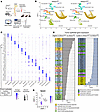 Figure 6
Loss of epithelial HO-1 induces a stress-adaptive transcriptional shift in tumor epithelial cells. (A) Overview for single-cell RNA sequencing workflow. Pooled tumors from control and KO mice were enzymatically dissociated and live cells were sorted for scRNA-seq using the 10X Genomics platform. (B) UMAP plot of approximately 24,000 quality-controlled cells from both genotypes, showing unsupervised clustering and manual annotation of major cell types. (C) Dot plot of top 3 marker genes per cluster used to validate annotations, ranked according to log2 fold change multiplied by difference in percentage expression compared with all other cells. (D) Feature plot of Epcam expression across the UMAP, highlighting the epithelial subcluster used for differential expression analysis. (E) Bar graphs of significantly upregulated and downregulated genes in Epcam+ epithelial cells from KO tumors, identified using the MAST hurdle model with Bonferroni-adjusted P < 0.05 and log2FC > 0.25. Genes are color-coded by functional annotation.
Analysis of the Epcam+ tumor epithelial cell cluster (Figure 6D) revealed distinct transcriptional programs between genotypes (Figure 6E). In KO epithelial cells, a reactive and stress-adaptive phenotype was observed, marked by oxidative stress responses, heightened inflammation, cell cycle regulation, and stress-induced programmed cell death. This profile is driven by a robust oxidative stress response, with increased expression of genes involved in ROS generation (Duox2, Duoxa2, Nos2) and redox buffering/detoxification (Txnrd1, Gsto1, Aldh1a3, Slc7a11, Prdx6, Oxr1, Dnajb9), consistent with efforts to mitigate oxidative damage and maintain cellular homeostasis. This transcriptional shift is consistent with an adaptive response to toxicity from uncatabolized heme and aligns with the stress-adaptive phenotype observed in vitro (22). In line with this, genes regulating cell cycle arrest and apoptosis (Cdkn1a, Ccnb1ip1, Gadd45b, Btg1, Pmaip1, Gsdmd, Dusp1) were elevated, reflecting a tightly controlled response to cellular stress. Elevated expression of genes involved in proinflammatory and immune responses (Saa1, Cxcl5, Ccl3, Il1a, Il1b, Ptgs2) was also observed. Genes associated with epithelial injury and repair (Dmbt1, Lypd8, Clca3b, Clca4b, Plat, Anxa1, Tnfaip2, Krt20, Krt23, Cldn4, Cdhr5) were also upregulated, suggesting active tissue repair/remodeling.
In contrast, control epithelial cells exhibited a transcriptional profile consistent with a more aggressive, proliferative, and invasive TME. These cells upregulated genes linked to iron metabolism and metastatic potential (Lcn2), epithelial remodeling and invasion (Tgfbi, Spp1, Agr2, Fn1, Vim), and general antioxidant defense (Prdx5, Msra, Hspd1). Elevated expression of proliferation markers such as Mki67, Hsp90aa1, Tuba1b and Hist1h4c aligns with increased Ki-67 staining, supporting a more proliferative tumor phenotype.


