
Research ArticleInflammationMetabolismVascular biology
Open Access |  10.1172/jci.insight.203211
Epithelial TMPRSS2 impairs glucose homeostasis in obese mice by regulating ghrelin–GLP-1 receptor signaling pathway
Dilraj Kaur,1 Sagarika Chakrabarty,2 Claudius Witzler,1 Hongjie Wang,1,3 Mengwen Wang,3 Romina Wolz,1 Petra Wilgenbus,1 Jens J.N. Posma,1 Sivaramakrishna Rachakonda,4 Federico Marini,1,5 Valeriya V. Zinina,6 Sabine Reyda,1 Rajinikanth Gogiraju,7 Claudine Graf,1 Fahumiya Samad,8 Katrin Schäfer,7,9 Christoph Reinhardt,1,9 Natalia Soshnikova,1,6 Wolfram Ruf,1,2,9 and Thati Madhusudhan1
1Center for Thrombosis and Hemostasis (CTH), Medical Centre of the Johannes Gutenberg University, Mainz, Germany.
2Department of Immunology and Microbiology, The Scripps Research Institute, La Jolla, California, USA.
3Department of Cardiology, Tongji Hospital, Tongji Medical College, Huazhong University of Science and Technology, Wuhan, Hubei, China.
4German Breast Group (GBG) Forschungs GmbH, Neu-Isenburg, Germany.
5Institute of Medical Biostatistics, Epidemiology and Informatics (IMBEI), Medical Centre of the Johannes Gutenberg University, Mainz, Germany.
6Institute of Molecular Medicine, Johannes Gutenberg University Medical Centre, Mainz, Germany.
7Department of Cardiology, Medical Centre of the Johannes Gutenberg University, Mainz, Germany.
8Department of Cell Biology, San Diego Biomedical Research Institute, San Diego, California, USA.
9German Center for Cardiovascular Research, Partner Site Rhein-Main, Mainz, Germany.
Address correspondence to: Wolfram Ruf or Thati Madhusudhan, Center for Thrombosis and Hemostasis (CTH), Medical Centre of the Johannes Gutenberg University, Langenbeckstrasse 1, 55131 Mainz, Germany. Phone: 49.172.3435904; Email: ruf@uni-mainz.de (WR); Email: m.thati@uni-mainz.de (TM).
Authorship note: WR and TM are co–senior authors.
Find articles by Kaur, D. in: PubMed | Google Scholar
1Center for Thrombosis and Hemostasis (CTH), Medical Centre of the Johannes Gutenberg University, Mainz, Germany.
2Department of Immunology and Microbiology, The Scripps Research Institute, La Jolla, California, USA.
3Department of Cardiology, Tongji Hospital, Tongji Medical College, Huazhong University of Science and Technology, Wuhan, Hubei, China.
4German Breast Group (GBG) Forschungs GmbH, Neu-Isenburg, Germany.
5Institute of Medical Biostatistics, Epidemiology and Informatics (IMBEI), Medical Centre of the Johannes Gutenberg University, Mainz, Germany.
6Institute of Molecular Medicine, Johannes Gutenberg University Medical Centre, Mainz, Germany.
7Department of Cardiology, Medical Centre of the Johannes Gutenberg University, Mainz, Germany.
8Department of Cell Biology, San Diego Biomedical Research Institute, San Diego, California, USA.
9German Center for Cardiovascular Research, Partner Site Rhein-Main, Mainz, Germany.
Address correspondence to: Wolfram Ruf or Thati Madhusudhan, Center for Thrombosis and Hemostasis (CTH), Medical Centre of the Johannes Gutenberg University, Langenbeckstrasse 1, 55131 Mainz, Germany. Phone: 49.172.3435904; Email: ruf@uni-mainz.de (WR); Email: m.thati@uni-mainz.de (TM).
Authorship note: WR and TM are co–senior authors.
Find articles by Chakrabarty, S. in: PubMed | Google Scholar
1Center for Thrombosis and Hemostasis (CTH), Medical Centre of the Johannes Gutenberg University, Mainz, Germany.
2Department of Immunology and Microbiology, The Scripps Research Institute, La Jolla, California, USA.
3Department of Cardiology, Tongji Hospital, Tongji Medical College, Huazhong University of Science and Technology, Wuhan, Hubei, China.
4German Breast Group (GBG) Forschungs GmbH, Neu-Isenburg, Germany.
5Institute of Medical Biostatistics, Epidemiology and Informatics (IMBEI), Medical Centre of the Johannes Gutenberg University, Mainz, Germany.
6Institute of Molecular Medicine, Johannes Gutenberg University Medical Centre, Mainz, Germany.
7Department of Cardiology, Medical Centre of the Johannes Gutenberg University, Mainz, Germany.
8Department of Cell Biology, San Diego Biomedical Research Institute, San Diego, California, USA.
9German Center for Cardiovascular Research, Partner Site Rhein-Main, Mainz, Germany.
Address correspondence to: Wolfram Ruf or Thati Madhusudhan, Center for Thrombosis and Hemostasis (CTH), Medical Centre of the Johannes Gutenberg University, Langenbeckstrasse 1, 55131 Mainz, Germany. Phone: 49.172.3435904; Email: ruf@uni-mainz.de (WR); Email: m.thati@uni-mainz.de (TM).
Authorship note: WR and TM are co–senior authors.
Find articles by Witzler, C. in: PubMed | Google Scholar
1Center for Thrombosis and Hemostasis (CTH), Medical Centre of the Johannes Gutenberg University, Mainz, Germany.
2Department of Immunology and Microbiology, The Scripps Research Institute, La Jolla, California, USA.
3Department of Cardiology, Tongji Hospital, Tongji Medical College, Huazhong University of Science and Technology, Wuhan, Hubei, China.
4German Breast Group (GBG) Forschungs GmbH, Neu-Isenburg, Germany.
5Institute of Medical Biostatistics, Epidemiology and Informatics (IMBEI), Medical Centre of the Johannes Gutenberg University, Mainz, Germany.
6Institute of Molecular Medicine, Johannes Gutenberg University Medical Centre, Mainz, Germany.
7Department of Cardiology, Medical Centre of the Johannes Gutenberg University, Mainz, Germany.
8Department of Cell Biology, San Diego Biomedical Research Institute, San Diego, California, USA.
9German Center for Cardiovascular Research, Partner Site Rhein-Main, Mainz, Germany.
Address correspondence to: Wolfram Ruf or Thati Madhusudhan, Center for Thrombosis and Hemostasis (CTH), Medical Centre of the Johannes Gutenberg University, Langenbeckstrasse 1, 55131 Mainz, Germany. Phone: 49.172.3435904; Email: ruf@uni-mainz.de (WR); Email: m.thati@uni-mainz.de (TM).
Authorship note: WR and TM are co–senior authors.
Find articles by Wang, H. in: PubMed | Google Scholar
1Center for Thrombosis and Hemostasis (CTH), Medical Centre of the Johannes Gutenberg University, Mainz, Germany.
2Department of Immunology and Microbiology, The Scripps Research Institute, La Jolla, California, USA.
3Department of Cardiology, Tongji Hospital, Tongji Medical College, Huazhong University of Science and Technology, Wuhan, Hubei, China.
4German Breast Group (GBG) Forschungs GmbH, Neu-Isenburg, Germany.
5Institute of Medical Biostatistics, Epidemiology and Informatics (IMBEI), Medical Centre of the Johannes Gutenberg University, Mainz, Germany.
6Institute of Molecular Medicine, Johannes Gutenberg University Medical Centre, Mainz, Germany.
7Department of Cardiology, Medical Centre of the Johannes Gutenberg University, Mainz, Germany.
8Department of Cell Biology, San Diego Biomedical Research Institute, San Diego, California, USA.
9German Center for Cardiovascular Research, Partner Site Rhein-Main, Mainz, Germany.
Address correspondence to: Wolfram Ruf or Thati Madhusudhan, Center for Thrombosis and Hemostasis (CTH), Medical Centre of the Johannes Gutenberg University, Langenbeckstrasse 1, 55131 Mainz, Germany. Phone: 49.172.3435904; Email: ruf@uni-mainz.de (WR); Email: m.thati@uni-mainz.de (TM).
Authorship note: WR and TM are co–senior authors.
Find articles by Wang, M. in: PubMed | Google Scholar
1Center for Thrombosis and Hemostasis (CTH), Medical Centre of the Johannes Gutenberg University, Mainz, Germany.
2Department of Immunology and Microbiology, The Scripps Research Institute, La Jolla, California, USA.
3Department of Cardiology, Tongji Hospital, Tongji Medical College, Huazhong University of Science and Technology, Wuhan, Hubei, China.
4German Breast Group (GBG) Forschungs GmbH, Neu-Isenburg, Germany.
5Institute of Medical Biostatistics, Epidemiology and Informatics (IMBEI), Medical Centre of the Johannes Gutenberg University, Mainz, Germany.
6Institute of Molecular Medicine, Johannes Gutenberg University Medical Centre, Mainz, Germany.
7Department of Cardiology, Medical Centre of the Johannes Gutenberg University, Mainz, Germany.
8Department of Cell Biology, San Diego Biomedical Research Institute, San Diego, California, USA.
9German Center for Cardiovascular Research, Partner Site Rhein-Main, Mainz, Germany.
Address correspondence to: Wolfram Ruf or Thati Madhusudhan, Center for Thrombosis and Hemostasis (CTH), Medical Centre of the Johannes Gutenberg University, Langenbeckstrasse 1, 55131 Mainz, Germany. Phone: 49.172.3435904; Email: ruf@uni-mainz.de (WR); Email: m.thati@uni-mainz.de (TM).
Authorship note: WR and TM are co–senior authors.
Find articles by Wolz, R. in: PubMed | Google Scholar
1Center for Thrombosis and Hemostasis (CTH), Medical Centre of the Johannes Gutenberg University, Mainz, Germany.
2Department of Immunology and Microbiology, The Scripps Research Institute, La Jolla, California, USA.
3Department of Cardiology, Tongji Hospital, Tongji Medical College, Huazhong University of Science and Technology, Wuhan, Hubei, China.
4German Breast Group (GBG) Forschungs GmbH, Neu-Isenburg, Germany.
5Institute of Medical Biostatistics, Epidemiology and Informatics (IMBEI), Medical Centre of the Johannes Gutenberg University, Mainz, Germany.
6Institute of Molecular Medicine, Johannes Gutenberg University Medical Centre, Mainz, Germany.
7Department of Cardiology, Medical Centre of the Johannes Gutenberg University, Mainz, Germany.
8Department of Cell Biology, San Diego Biomedical Research Institute, San Diego, California, USA.
9German Center for Cardiovascular Research, Partner Site Rhein-Main, Mainz, Germany.
Address correspondence to: Wolfram Ruf or Thati Madhusudhan, Center for Thrombosis and Hemostasis (CTH), Medical Centre of the Johannes Gutenberg University, Langenbeckstrasse 1, 55131 Mainz, Germany. Phone: 49.172.3435904; Email: ruf@uni-mainz.de (WR); Email: m.thati@uni-mainz.de (TM).
Authorship note: WR and TM are co–senior authors.
Find articles by Wilgenbus, P. in: PubMed | Google Scholar
1Center for Thrombosis and Hemostasis (CTH), Medical Centre of the Johannes Gutenberg University, Mainz, Germany.
2Department of Immunology and Microbiology, The Scripps Research Institute, La Jolla, California, USA.
3Department of Cardiology, Tongji Hospital, Tongji Medical College, Huazhong University of Science and Technology, Wuhan, Hubei, China.
4German Breast Group (GBG) Forschungs GmbH, Neu-Isenburg, Germany.
5Institute of Medical Biostatistics, Epidemiology and Informatics (IMBEI), Medical Centre of the Johannes Gutenberg University, Mainz, Germany.
6Institute of Molecular Medicine, Johannes Gutenberg University Medical Centre, Mainz, Germany.
7Department of Cardiology, Medical Centre of the Johannes Gutenberg University, Mainz, Germany.
8Department of Cell Biology, San Diego Biomedical Research Institute, San Diego, California, USA.
9German Center for Cardiovascular Research, Partner Site Rhein-Main, Mainz, Germany.
Address correspondence to: Wolfram Ruf or Thati Madhusudhan, Center for Thrombosis and Hemostasis (CTH), Medical Centre of the Johannes Gutenberg University, Langenbeckstrasse 1, 55131 Mainz, Germany. Phone: 49.172.3435904; Email: ruf@uni-mainz.de (WR); Email: m.thati@uni-mainz.de (TM).
Authorship note: WR and TM are co–senior authors.
Find articles by Posma, J. in: PubMed | Google Scholar
1Center for Thrombosis and Hemostasis (CTH), Medical Centre of the Johannes Gutenberg University, Mainz, Germany.
2Department of Immunology and Microbiology, The Scripps Research Institute, La Jolla, California, USA.
3Department of Cardiology, Tongji Hospital, Tongji Medical College, Huazhong University of Science and Technology, Wuhan, Hubei, China.
4German Breast Group (GBG) Forschungs GmbH, Neu-Isenburg, Germany.
5Institute of Medical Biostatistics, Epidemiology and Informatics (IMBEI), Medical Centre of the Johannes Gutenberg University, Mainz, Germany.
6Institute of Molecular Medicine, Johannes Gutenberg University Medical Centre, Mainz, Germany.
7Department of Cardiology, Medical Centre of the Johannes Gutenberg University, Mainz, Germany.
8Department of Cell Biology, San Diego Biomedical Research Institute, San Diego, California, USA.
9German Center for Cardiovascular Research, Partner Site Rhein-Main, Mainz, Germany.
Address correspondence to: Wolfram Ruf or Thati Madhusudhan, Center for Thrombosis and Hemostasis (CTH), Medical Centre of the Johannes Gutenberg University, Langenbeckstrasse 1, 55131 Mainz, Germany. Phone: 49.172.3435904; Email: ruf@uni-mainz.de (WR); Email: m.thati@uni-mainz.de (TM).
Authorship note: WR and TM are co–senior authors.
Find articles by Rachakonda, S. in: PubMed | Google Scholar
1Center for Thrombosis and Hemostasis (CTH), Medical Centre of the Johannes Gutenberg University, Mainz, Germany.
2Department of Immunology and Microbiology, The Scripps Research Institute, La Jolla, California, USA.
3Department of Cardiology, Tongji Hospital, Tongji Medical College, Huazhong University of Science and Technology, Wuhan, Hubei, China.
4German Breast Group (GBG) Forschungs GmbH, Neu-Isenburg, Germany.
5Institute of Medical Biostatistics, Epidemiology and Informatics (IMBEI), Medical Centre of the Johannes Gutenberg University, Mainz, Germany.
6Institute of Molecular Medicine, Johannes Gutenberg University Medical Centre, Mainz, Germany.
7Department of Cardiology, Medical Centre of the Johannes Gutenberg University, Mainz, Germany.
8Department of Cell Biology, San Diego Biomedical Research Institute, San Diego, California, USA.
9German Center for Cardiovascular Research, Partner Site Rhein-Main, Mainz, Germany.
Address correspondence to: Wolfram Ruf or Thati Madhusudhan, Center for Thrombosis and Hemostasis (CTH), Medical Centre of the Johannes Gutenberg University, Langenbeckstrasse 1, 55131 Mainz, Germany. Phone: 49.172.3435904; Email: ruf@uni-mainz.de (WR); Email: m.thati@uni-mainz.de (TM).
Authorship note: WR and TM are co–senior authors.
Find articles by
Marini, F.
in:
PubMed
|
Google Scholar
|

1Center for Thrombosis and Hemostasis (CTH), Medical Centre of the Johannes Gutenberg University, Mainz, Germany.
2Department of Immunology and Microbiology, The Scripps Research Institute, La Jolla, California, USA.
3Department of Cardiology, Tongji Hospital, Tongji Medical College, Huazhong University of Science and Technology, Wuhan, Hubei, China.
4German Breast Group (GBG) Forschungs GmbH, Neu-Isenburg, Germany.
5Institute of Medical Biostatistics, Epidemiology and Informatics (IMBEI), Medical Centre of the Johannes Gutenberg University, Mainz, Germany.
6Institute of Molecular Medicine, Johannes Gutenberg University Medical Centre, Mainz, Germany.
7Department of Cardiology, Medical Centre of the Johannes Gutenberg University, Mainz, Germany.
8Department of Cell Biology, San Diego Biomedical Research Institute, San Diego, California, USA.
9German Center for Cardiovascular Research, Partner Site Rhein-Main, Mainz, Germany.
Address correspondence to: Wolfram Ruf or Thati Madhusudhan, Center for Thrombosis and Hemostasis (CTH), Medical Centre of the Johannes Gutenberg University, Langenbeckstrasse 1, 55131 Mainz, Germany. Phone: 49.172.3435904; Email: ruf@uni-mainz.de (WR); Email: m.thati@uni-mainz.de (TM).
Authorship note: WR and TM are co–senior authors.
Find articles by Zinina, V. in: PubMed | Google Scholar
1Center for Thrombosis and Hemostasis (CTH), Medical Centre of the Johannes Gutenberg University, Mainz, Germany.
2Department of Immunology and Microbiology, The Scripps Research Institute, La Jolla, California, USA.
3Department of Cardiology, Tongji Hospital, Tongji Medical College, Huazhong University of Science and Technology, Wuhan, Hubei, China.
4German Breast Group (GBG) Forschungs GmbH, Neu-Isenburg, Germany.
5Institute of Medical Biostatistics, Epidemiology and Informatics (IMBEI), Medical Centre of the Johannes Gutenberg University, Mainz, Germany.
6Institute of Molecular Medicine, Johannes Gutenberg University Medical Centre, Mainz, Germany.
7Department of Cardiology, Medical Centre of the Johannes Gutenberg University, Mainz, Germany.
8Department of Cell Biology, San Diego Biomedical Research Institute, San Diego, California, USA.
9German Center for Cardiovascular Research, Partner Site Rhein-Main, Mainz, Germany.
Address correspondence to: Wolfram Ruf or Thati Madhusudhan, Center for Thrombosis and Hemostasis (CTH), Medical Centre of the Johannes Gutenberg University, Langenbeckstrasse 1, 55131 Mainz, Germany. Phone: 49.172.3435904; Email: ruf@uni-mainz.de (WR); Email: m.thati@uni-mainz.de (TM).
Authorship note: WR and TM are co–senior authors.
Find articles by Reyda, S. in: PubMed | Google Scholar
1Center for Thrombosis and Hemostasis (CTH), Medical Centre of the Johannes Gutenberg University, Mainz, Germany.
2Department of Immunology and Microbiology, The Scripps Research Institute, La Jolla, California, USA.
3Department of Cardiology, Tongji Hospital, Tongji Medical College, Huazhong University of Science and Technology, Wuhan, Hubei, China.
4German Breast Group (GBG) Forschungs GmbH, Neu-Isenburg, Germany.
5Institute of Medical Biostatistics, Epidemiology and Informatics (IMBEI), Medical Centre of the Johannes Gutenberg University, Mainz, Germany.
6Institute of Molecular Medicine, Johannes Gutenberg University Medical Centre, Mainz, Germany.
7Department of Cardiology, Medical Centre of the Johannes Gutenberg University, Mainz, Germany.
8Department of Cell Biology, San Diego Biomedical Research Institute, San Diego, California, USA.
9German Center for Cardiovascular Research, Partner Site Rhein-Main, Mainz, Germany.
Address correspondence to: Wolfram Ruf or Thati Madhusudhan, Center for Thrombosis and Hemostasis (CTH), Medical Centre of the Johannes Gutenberg University, Langenbeckstrasse 1, 55131 Mainz, Germany. Phone: 49.172.3435904; Email: ruf@uni-mainz.de (WR); Email: m.thati@uni-mainz.de (TM).
Authorship note: WR and TM are co–senior authors.
Find articles by Gogiraju, R. in: PubMed | Google Scholar
1Center for Thrombosis and Hemostasis (CTH), Medical Centre of the Johannes Gutenberg University, Mainz, Germany.
2Department of Immunology and Microbiology, The Scripps Research Institute, La Jolla, California, USA.
3Department of Cardiology, Tongji Hospital, Tongji Medical College, Huazhong University of Science and Technology, Wuhan, Hubei, China.
4German Breast Group (GBG) Forschungs GmbH, Neu-Isenburg, Germany.
5Institute of Medical Biostatistics, Epidemiology and Informatics (IMBEI), Medical Centre of the Johannes Gutenberg University, Mainz, Germany.
6Institute of Molecular Medicine, Johannes Gutenberg University Medical Centre, Mainz, Germany.
7Department of Cardiology, Medical Centre of the Johannes Gutenberg University, Mainz, Germany.
8Department of Cell Biology, San Diego Biomedical Research Institute, San Diego, California, USA.
9German Center for Cardiovascular Research, Partner Site Rhein-Main, Mainz, Germany.
Address correspondence to: Wolfram Ruf or Thati Madhusudhan, Center for Thrombosis and Hemostasis (CTH), Medical Centre of the Johannes Gutenberg University, Langenbeckstrasse 1, 55131 Mainz, Germany. Phone: 49.172.3435904; Email: ruf@uni-mainz.de (WR); Email: m.thati@uni-mainz.de (TM).
Authorship note: WR and TM are co–senior authors.
Find articles by Graf, C. in: PubMed | Google Scholar
1Center for Thrombosis and Hemostasis (CTH), Medical Centre of the Johannes Gutenberg University, Mainz, Germany.
2Department of Immunology and Microbiology, The Scripps Research Institute, La Jolla, California, USA.
3Department of Cardiology, Tongji Hospital, Tongji Medical College, Huazhong University of Science and Technology, Wuhan, Hubei, China.
4German Breast Group (GBG) Forschungs GmbH, Neu-Isenburg, Germany.
5Institute of Medical Biostatistics, Epidemiology and Informatics (IMBEI), Medical Centre of the Johannes Gutenberg University, Mainz, Germany.
6Institute of Molecular Medicine, Johannes Gutenberg University Medical Centre, Mainz, Germany.
7Department of Cardiology, Medical Centre of the Johannes Gutenberg University, Mainz, Germany.
8Department of Cell Biology, San Diego Biomedical Research Institute, San Diego, California, USA.
9German Center for Cardiovascular Research, Partner Site Rhein-Main, Mainz, Germany.
Address correspondence to: Wolfram Ruf or Thati Madhusudhan, Center for Thrombosis and Hemostasis (CTH), Medical Centre of the Johannes Gutenberg University, Langenbeckstrasse 1, 55131 Mainz, Germany. Phone: 49.172.3435904; Email: ruf@uni-mainz.de (WR); Email: m.thati@uni-mainz.de (TM).
Authorship note: WR and TM are co–senior authors.
Find articles by Samad, F. in: PubMed | Google Scholar
1Center for Thrombosis and Hemostasis (CTH), Medical Centre of the Johannes Gutenberg University, Mainz, Germany.
2Department of Immunology and Microbiology, The Scripps Research Institute, La Jolla, California, USA.
3Department of Cardiology, Tongji Hospital, Tongji Medical College, Huazhong University of Science and Technology, Wuhan, Hubei, China.
4German Breast Group (GBG) Forschungs GmbH, Neu-Isenburg, Germany.
5Institute of Medical Biostatistics, Epidemiology and Informatics (IMBEI), Medical Centre of the Johannes Gutenberg University, Mainz, Germany.
6Institute of Molecular Medicine, Johannes Gutenberg University Medical Centre, Mainz, Germany.
7Department of Cardiology, Medical Centre of the Johannes Gutenberg University, Mainz, Germany.
8Department of Cell Biology, San Diego Biomedical Research Institute, San Diego, California, USA.
9German Center for Cardiovascular Research, Partner Site Rhein-Main, Mainz, Germany.
Address correspondence to: Wolfram Ruf or Thati Madhusudhan, Center for Thrombosis and Hemostasis (CTH), Medical Centre of the Johannes Gutenberg University, Langenbeckstrasse 1, 55131 Mainz, Germany. Phone: 49.172.3435904; Email: ruf@uni-mainz.de (WR); Email: m.thati@uni-mainz.de (TM).
Authorship note: WR and TM are co–senior authors.
Find articles by
Schäfer, K.
in:
PubMed
|
Google Scholar
|
1Center for Thrombosis and Hemostasis (CTH), Medical Centre of the Johannes Gutenberg University, Mainz, Germany.
2Department of Immunology and Microbiology, The Scripps Research Institute, La Jolla, California, USA.
3Department of Cardiology, Tongji Hospital, Tongji Medical College, Huazhong University of Science and Technology, Wuhan, Hubei, China.
4German Breast Group (GBG) Forschungs GmbH, Neu-Isenburg, Germany.
5Institute of Medical Biostatistics, Epidemiology and Informatics (IMBEI), Medical Centre of the Johannes Gutenberg University, Mainz, Germany.
6Institute of Molecular Medicine, Johannes Gutenberg University Medical Centre, Mainz, Germany.
7Department of Cardiology, Medical Centre of the Johannes Gutenberg University, Mainz, Germany.
8Department of Cell Biology, San Diego Biomedical Research Institute, San Diego, California, USA.
9German Center for Cardiovascular Research, Partner Site Rhein-Main, Mainz, Germany.
Address correspondence to: Wolfram Ruf or Thati Madhusudhan, Center for Thrombosis and Hemostasis (CTH), Medical Centre of the Johannes Gutenberg University, Langenbeckstrasse 1, 55131 Mainz, Germany. Phone: 49.172.3435904; Email: ruf@uni-mainz.de (WR); Email: m.thati@uni-mainz.de (TM).
Authorship note: WR and TM are co–senior authors.
Find articles by Reinhardt, C. in: PubMed | Google Scholar
1Center for Thrombosis and Hemostasis (CTH), Medical Centre of the Johannes Gutenberg University, Mainz, Germany.
2Department of Immunology and Microbiology, The Scripps Research Institute, La Jolla, California, USA.
3Department of Cardiology, Tongji Hospital, Tongji Medical College, Huazhong University of Science and Technology, Wuhan, Hubei, China.
4German Breast Group (GBG) Forschungs GmbH, Neu-Isenburg, Germany.
5Institute of Medical Biostatistics, Epidemiology and Informatics (IMBEI), Medical Centre of the Johannes Gutenberg University, Mainz, Germany.
6Institute of Molecular Medicine, Johannes Gutenberg University Medical Centre, Mainz, Germany.
7Department of Cardiology, Medical Centre of the Johannes Gutenberg University, Mainz, Germany.
8Department of Cell Biology, San Diego Biomedical Research Institute, San Diego, California, USA.
9German Center for Cardiovascular Research, Partner Site Rhein-Main, Mainz, Germany.
Address correspondence to: Wolfram Ruf or Thati Madhusudhan, Center for Thrombosis and Hemostasis (CTH), Medical Centre of the Johannes Gutenberg University, Langenbeckstrasse 1, 55131 Mainz, Germany. Phone: 49.172.3435904; Email: ruf@uni-mainz.de (WR); Email: m.thati@uni-mainz.de (TM).
Authorship note: WR and TM are co–senior authors.
Find articles by Soshnikova, N. in: PubMed | Google Scholar
1Center for Thrombosis and Hemostasis (CTH), Medical Centre of the Johannes Gutenberg University, Mainz, Germany.
2Department of Immunology and Microbiology, The Scripps Research Institute, La Jolla, California, USA.
3Department of Cardiology, Tongji Hospital, Tongji Medical College, Huazhong University of Science and Technology, Wuhan, Hubei, China.
4German Breast Group (GBG) Forschungs GmbH, Neu-Isenburg, Germany.
5Institute of Medical Biostatistics, Epidemiology and Informatics (IMBEI), Medical Centre of the Johannes Gutenberg University, Mainz, Germany.
6Institute of Molecular Medicine, Johannes Gutenberg University Medical Centre, Mainz, Germany.
7Department of Cardiology, Medical Centre of the Johannes Gutenberg University, Mainz, Germany.
8Department of Cell Biology, San Diego Biomedical Research Institute, San Diego, California, USA.
9German Center for Cardiovascular Research, Partner Site Rhein-Main, Mainz, Germany.
Address correspondence to: Wolfram Ruf or Thati Madhusudhan, Center for Thrombosis and Hemostasis (CTH), Medical Centre of the Johannes Gutenberg University, Langenbeckstrasse 1, 55131 Mainz, Germany. Phone: 49.172.3435904; Email: ruf@uni-mainz.de (WR); Email: m.thati@uni-mainz.de (TM).
Authorship note: WR and TM are co–senior authors.
Find articles by
Ruf, W.
in:
PubMed
|
Google Scholar
|
1Center for Thrombosis and Hemostasis (CTH), Medical Centre of the Johannes Gutenberg University, Mainz, Germany.
2Department of Immunology and Microbiology, The Scripps Research Institute, La Jolla, California, USA.
3Department of Cardiology, Tongji Hospital, Tongji Medical College, Huazhong University of Science and Technology, Wuhan, Hubei, China.
4German Breast Group (GBG) Forschungs GmbH, Neu-Isenburg, Germany.
5Institute of Medical Biostatistics, Epidemiology and Informatics (IMBEI), Medical Centre of the Johannes Gutenberg University, Mainz, Germany.
6Institute of Molecular Medicine, Johannes Gutenberg University Medical Centre, Mainz, Germany.
7Department of Cardiology, Medical Centre of the Johannes Gutenberg University, Mainz, Germany.
8Department of Cell Biology, San Diego Biomedical Research Institute, San Diego, California, USA.
9German Center for Cardiovascular Research, Partner Site Rhein-Main, Mainz, Germany.
Address correspondence to: Wolfram Ruf or Thati Madhusudhan, Center for Thrombosis and Hemostasis (CTH), Medical Centre of the Johannes Gutenberg University, Langenbeckstrasse 1, 55131 Mainz, Germany. Phone: 49.172.3435904; Email: ruf@uni-mainz.de (WR); Email: m.thati@uni-mainz.de (TM).
Authorship note: WR and TM are co–senior authors.
Find articles by Madhusudhan, T. in: PubMed | Google Scholar
Published March 17, 2026 - More info
JCI Insight. 2026;11(9):e203211. https://doi.org/10.1172/jci.insight.203211.
© 2026 Kaur et al. This work is licensed under the Creative Commons Attribution 4.0 International License. To view a copy of this license, visit http://creativecommons.org/licenses/by/4.0/.
Received: December 4, 2025; Accepted: March 12, 2026

-
Results
PAR2 and activating proteases are coexpressed in enterocytes. PAR2 is activated by several soluble trypsin-like proteases and multiple transmembrane-anchored serine proteases (TMPRSSs) (33–35), but their roles in PAR2-mediated metabolic control are incompletely understood. To identify potential PAR2-activating proteases expressed in the gut, we performed single-cell RNA sequencing of intestinal crypt cells and identified subpopulations by distinct marker transcripts (Figure 1A and Supplemental Figure 1A; supplemental material available online with this article; https://doi.org/10.1172/jci.insight.203211DS1). Transcripts for the PAR2-activating proteases matriptase (St14) and TMPRSS2 (Tmprss2) were coexpressed by various enterocyte populations in lean mice. The majority of the enterocytes expressed both Tmprss2 and St14, and nearly 45% coexpressed F2rl1 encoding PAR2 (Figure 1, A and B). Additionally, within the enteroendocrine cells both F2rl1 and Tmprss2 were expressed in Gip-producing cells as well as in tryptophan hydroxylase 1–positive (Tph1-positive) enterochromaffin cells (Figure 1C). The PAR2-activating coagulation protease FXa (F10), known to be expressed in various extrahepatic cell types, had low mRNA expression in the intestinal crypt cells at our sequencing depth, but a survey of recently published single-cell gene expression data showed that F10 was expressed in proximal enterocytes, whereas Tmprss2 and F2rl1 predominantly colocalized in the early enterocytes (36). Immunohistochemical analysis of WT mouse small intestine sections provided corroborating evidence for our single-cell expression data and showed that PAR2 and TMPRSS2 colocalized in crypt regions and throughout the villi of the small intestine (Figure 1D).
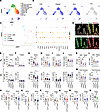 Figure 1
Protease-specific PAR2 signaling regulates postprandial incretin secretion. (A) Uniform manifold approximation and projection (UMAP) plot showing clustering of intestinal epithelial cell types isolated from the crypts of WT mice and analyzed by single-cell RNA sequencing. (B) Cell type–specific expression of F2rl1 and PAR2-activating proteases St14, Tmprss2, and F10. (C) Subclusters of enteroendocrine cells expressing gut hormones and proteases. (D) Immunofluorescence images showing colocalization of PAR2 and TMPRSS2 in the mouse small intestine. Original magnification ×40. (E and F) Plasma concentrations of GIP (E) and GLP-1 (F) in fasted PAR2-mutant mice. (G–J) Refeeding experiments with PAR2-mutant mice. Plasma GIP (G), GLP-1 (H), insulin (I), and blood glucose (J) levels in non-obese mice fasted overnight and refed for 1 hour. (K and L) Postprandial GIP (K) and GLP-1 (L) levels in mice treated for 2 weeks with broad-spectrum antibiotics. (M) Plasma concentrations of GIP and GLP-1 in mice fasted overnight followed by the administration of oral glucose (2 g/kg body weight) for 15 minutes. (N–R) Refeeding experiments in coagulation factor–deficient mice. (N and O) Postprandial GIP (N) and GLP-1 (O) levels in refed mice with intestinal epithelial cell–specific deletion of F10. (P) GIP and GLP-1 levels in refed mice with myeloid cell–specific deletion of F10. (Q) Postprandial GIP in macrophage F10-deficient mice. (R) GIP and GLP-1 levels in refed mice with myeloid cell–specific deletion of F7. (S) Postprandial GIP levels in refed PAR2K36E mice. Data represent mean ± SEM. (E–S) One-way ANOVA. *P < 0.05, **P < 0.01, ***P < 0.001. ISC, intestinal stem cells; ECC, enteroendocrine cells; NC, negative control.
PAR2-G37I mutation attenuates postprandial GIP in lean mice, independent of sex. Given the colocalization of PAR2 within the enteroendocrine populations, we hypothesized that protease-specific PAR2 signaling in the gut might modulate postprandial incretin secretion. To this end, we used mice with a point mutation in PAR2 at Gly37 to Ile (PAR2-G37I mice) that abrogated proteolytic activation by matriptase and coagulation FXa, but maintained sensitivity to other proteases, including trypsin (30, 31). Additionally, in mice with a point mutation of PAR2 at Arg38 to Glu (PAR2-R38E mice), PAR2 was rendered insensitive to activation at the canonical cleavage site by bacterial and endogenous trypsin-like proteases (21, 22, 30, 31).
To determine the homeostatic roles of protease-specific PAR2 signaling for gut hormone secretion, we measured baseline plasma concentrations of the incretins GIP and GLP-1 in lean mice under fasted conditions. When compared with PAR2-WT mice, fasted PAR2-G37I mice showed a trend toward reduced GIP secretion, whereas both male and female fasted PAR2-R38E mice showed significantly reduced GIP levels (Figure 1E) without alterations in GLP-1 levels (Figure 1F). To analyze postprandial incretin secretion, we fasted PAR2-mutant and WT mice overnight followed by refeeding of normal chow diet (NCD) for 1 hour, a reliable time point as determined by a pilot experiment in WT mice on both C57BL/6N and C57BL/6J backgrounds (Supplemental Figure 1B). Refed lean male and female PAR2-G37I mice displayed significantly reduced postprandial GIP levels (Figure 1G), whereas postprandial GLP-1 levels were not significantly different from those in PAR2-WT mice (Figure 1H). In contrast, lean male and female PAR2-R38E mice showed a significant reduction not only in postprandial GIP, but also in GLP-1 levels in the plasma (Figure 1, G and H), suggesting that additional proteases directly or indirectly participated in GLP-1 regulation specifically during food intake.
The altered homeostatic incretin levels in PAR2-G37I or PAR2-R38E versus WT mice were not caused by apparent changes in metabolism, as no significant differences in food and fluid intake, energy expenditure, respiratory exchange ratio, or locomotor activity were observed in indirect calorimetry (Supplemental Figure 2, A and B). Altered incretin levels were also not associated with significant differences in postprandial insulin and glucose levels measured at the same time (Figure 1, I and J). We reason that the residual GIP and GLP-1 levels are sufficient to maintain glucose homeostasis in a lean mouse.
The composition of gut microbiota influences the postprandial levels of gut hormones in healthy and diseased animals. Depletion of gut microbiota had no effect on the suppressed postprandial GIP levels in PAR2-G37I or PAR2-R38E mice when compared with PAR2-WT mice (Figure 1K). However, antibiotic treatment increased postprandial GLP-1 levels relative to colonized mice and abolished the differences seen in PAR2-R38E mice relative to PAR2-WT and PAR2-G37I mice (Figure 1L). The efficient depletion of gut microbiota after antibiotic treatment was confirmed by detection of bacterial 16S DNA (Supplemental Figure 1C). These data suggested that gut microbiota–mediated PAR2 activation, which is attenuated in PAR2-R38E mice (21, 22), contributed to the alteration in postprandial homeostatic GLP-1 levels.
Apart from food intake, oral glucose administration induces GIP and GLP-1 secretion dependently on the intestine-specific glucose transporters sodium glucose cotransporter-1 (SGLT1) and glucose transporter 2 (GLUT2) (37, 38). Unlike food intake, oral administration of a glucose bolus revealed no significant differences in GIP and GLP-1 levels in PAR2 mutants versus WT mice (Figure 1M), suggesting that food uptake induced specific proteolytic alterations that especially contributed to GIP release. Furthermore, gene expression analysis of intestinal epithelial cells (IECs) showed no significant differences in mRNA levels of Gip and Glp1 and the potential upstream transcription factor regulatory factor X6 (Rfx6) in duodenum, jejunum, ileum, and colon, while expression of pancreatic and duodenal homeobox 1 (Pdx1) was higher in jejunum of PAR2-R38E mice when compared with PAR2-G37I and WT mice (Supplemental Figure 2C). While the known technical difficulties of isolating high-quality intestinal RNA after refeeding prevented us from excluding a transcriptional regulation of Gip, GIP was clearly regulated at the protein level in fasted and refed mice by PAR2 signaling (39).
Postprandial gut hormones are regulated by DPP4 expressed by gut epithelial, endothelial, and immune cells (9), and systemic DPP4 has been implicated in FXa/PAR2-mediated adipose tissue inflammation (40). We therefore characterized the composition of immune cell types as possible modulators of GIP secretion by single-cell RNA sequencing of CD45+ cells isolated from the intestinal lamina propria. PAR2-G37I mice showed no apparent differences in the composition of immune cell types compared with PAR2-WT mice (Supplemental Figure 3, A–C). In addition, DPP4 was similarly expressed in monocytes (cluster 6) and macrophages (cluster 4) in PAR2-G37I versus PAR2-WT mice (Supplemental Figure 3D). We also directly measured postprandial DPP4 activity in peripheral blood mononuclear cells, small intestine (SI), and plasma (Supplemental Figure 3E). DPP4 activity did not differ between PAR2-G37I and PAR2-WT mice, indicating that differences in GIP levels observed in PAR2-G37I mice were not due to altered DPP4 expression in immune cells or DPP4 activity.
Epithelial and myeloid cell–derived FXa is dispensable for homeostatic GIP regulation. We next determined the role of intestinal FXa for postprandial GIP regulation by deleting FX with the VillinCre driver in IECs (Supplemental Figure 3F). Compared with WT littermate F10f/f mice, male and female F10f/f VillinCre mice showed unaltered postprandial GIP and GLP-1 levels (Figure 1, N and O), as well as IEC transcript levels of Gip and Glp1 and the upstream transcription factors Rfx6 and Pdx1 (Supplemental Figure 3G). Based on prior data implicating macrophage FXa as a PAR2 activator in obesity (40), we next addressed the role of myeloid cell–derived FXa for the regulation of GIP. Lean F10f/f LysMCre mice also showed no difference in postprandial GIP or GLP-1 levels relative to WT littermate F10f/f mice (Figure 1P). Expression of CX3CR1 marks tissue-resident macrophages, including in the intestine (41), but macrophage deletion of FX in F10f/f CX3CR1Cre mice also did not attenuate postprandial GIP levels (Figure 1Q). Experiments with mice that lack the FX activator FVII in myeloid cells (28) also did not show an effect on postprandial GIP and GLP-1 levels (Figure 1R). These data indicated that FX derived from IECs or macrophages had no role in the homeostatic regulation of postprandial GIP.
Given the expression of St14 (matriptase) in the intestinal crypt cells, we next determined the role of matriptase-PAR2 signaling for postprandial GIP regulation by using PAR2-K36E mutant mice. This mutant is resistant to cleavage by matriptase but sensitive to PAR2 activation by FXa-like proteases (31). Unlike FXa-resistant PAR2-G37I mice, lean PAR2-K36E mice showed no difference in postprandial GIP levels, excluding a role for the matriptase-PAR2 axis in GIP regulation (Figure 1S).
TMPRSS2 is the PAR2-activating protease in GIP regulation. While matriptase has been implicated in the regulation of IEC functions (20, 34), homeostatic roles of TMPRSS2 in the intestine are unknown. Membrane-bound TMPRSS2 zymogen undergoes autocleavage activation at the Arg255-Ile256 peptide bond, and the matured enzyme proteolytically activates membrane proteins of the host and invading pathogens (42). We next analyzed whether active TMPRSS2 is an integral component of nutrition-induced proteolytic cascades in the IECs that modulates postprandial GIP secretion. When compared with fasted WT mice, refeeding robustly induced activation of TMPRSS2 in the IECs isolated from mouse proximal small intestine (Figure 2A). We measured PAR2 cleavage by purified active TMPRSS2 in a cellular assay with amino-terminally FLAG-tagged PAR2 constructs transfected into CHO cells (43). PAR2-WT and PAR2-G37I were efficiently cleaved by trypsin. Indeed, TMPRSS2 also caused a loss of the surface FLAG tag in cells transfected with PAR2-WT, but, remarkably, not with PAR2-G37I (Figure 2B). These results demonstrated that TMPRSS2 cleaves PAR2 and that the PAR2-G37I mutant is resistant to proteolytic activation by TMPRSS2.
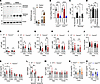 Figure 2
TMPRSS2 is the PAR2-activating protease regulating GIP. (A) Quantification of TMPRSS2 protein levels in the intestinal epithelial cells isolated from lean WT fasted and refed mice. Mean ± SEM; n ≥ 6 mice per group. (B) Quantification of PAR2 cleavage by TMPRSS2 and trypsin in a cell surface ELISA for FLAG-tagged PAR2. Residual PAR2 expression was determined after 60 minutes of incubation. (C and D) GIP levels measured in culture supernatants of GLUTag cells. (E and F) Plasma concentrations of GIP (E) and GLP-1 (F) in fasted Tmprss2–/– and WT mice. (G–J) Postprandial GIP (G), GLP-1 (H), insulin (I), and blood glucose (J) levels in mice fasted overnight and refed for 1 hour. (K) Plasma concentrations of ghrelin in overnight-fasted and 1 hour–refed lean male and female Tmprss2–/– and WT mice. (L) Ghrl mRNA levels in stomach and intestinal epithelial cells isolated from duodenum of Tmprss2–/– and WT mice. (M) Plasma concentrations of GLP-1 in fasted and 1-hour–refed mice. The ghrelin receptor antagonist d-Lys3 was administered intraperitoneally in a subset of mice before refeeding. (N–O) Plasma concentrations of ghrelin in fasted lean male and female PAR2-mutant and corresponding WT mice. Data represent mean ± SEM. (B) One-way ANOVA; (A and C–O) 2-tailed t test. *P < 0.05, **P < 0.01, ***P < 0.001, ****P < 0.0001.
We next performed a GIP secretion assay in an L cell model (GLUTag cells) (44), which, like other cancer-derived cell lines, also produces GIP (45). Treatment with the serine protease inhibitor camostat, which inhibits, among other proteases, TMPRSS2, reduced glucose-stimulated GIP secretion in GLUTag cells (34), whereas treatment with the FXa-specific inhibitor rivaroxaban showed no significant difference (Figure 2C). Congruently, treatment with recombinant TMPRSS2 induced GIP secretion, which was abrogated by pretreatment with either the PAR2 antagonist AZ8838 or the Gαq inhibitor FR900359 (Figure 2D). We next analyzed Tmprss2–/– mice for IEC transcript levels of Gip and Glp1, which showed no differences between male and female Tmprss2–/– and WT mice at baseline (Supplemental Figure 4, A and B). Thus, TMPRSS2 does not regulate Gip transcription in vivo.
However, Tmprss2–/– mice displayed reduced baseline plasma concentrations of GIP under fasted conditions (Figure 2E), but fasted GLP-1 levels were not significantly different from those in strain-matched WT mice (Figure 2F). In line with the PAR2-G37I phenotype, lean male and female Tmprss2–/– mice showed reduced postprandial GIP secretion when compared with WT mice (Figure 2G). However, unlike PAR2-G37I mice, male but not female Tmprss2–/– mice also showed enhanced postprandial plasma GLP-1 levels (Figure 2H). Despite differences in postprandial GLP-1 levels, both male and female Tmprss2–/– mice showed a trend toward higher postprandial blood insulin levels (Figure 2I) without apparent changes in postprandial blood glucose levels (Figure 2J). In response to food intake, GLP-1 is produced by L cells predominantly present in the distal part of the small intestine (46). Quantification of IECs double-positive for epithelial cell adhesion molecule (EpCAM) and GLP-1 by flow cytometry showed no differences between Tmprss2–/– and WT mice, indicating regulation of GLP-1 secretion (Supplemental Figure 4, C and D). Metabolic profiling provided no evidence for changes in locomotor activity, lower food intake or water intake, or changes in energy expenditure or respiratory exchange ratio (Supplemental Figure 4, E–I) between lean WT and Tmprss2–/– mice. In addition, glucose tolerance test (GTT) or oral glucose challenge showed no apparent differences between lean WT and Tmprss2–/– mice (Supplemental Figure 4, J and K). Thus, the similar postprandial reduction of GIP levels in male and female Tmprss2–/– and PAR2-G37I mice indicates that TMPRSS2-dependent PAR2 signaling regulates GIP secretion.
Ghrelin is required for increased GLP-1 production in male Tmprss2–/– mice. Increased postprandial GLP-1 levels observed predominantly in male Tmprss2–/– mice indicated an additional sex-specific mechanism unrelated to the activation of PAR2 by TMPRSS2. GLP-1 is in part regulated by the hunger hormone ghrelin (47). Ghrelin levels are induced during fasting but rapidly decline after feeding. Recent studies have shown that ghrelin receptor antagonism inhibits GLP-1 production induced by oral glucose challenge (47, 48). Ghrelin levels in fasted male Tmprss2–/– mice were elevated relative to male WT mice and reached the significantly higher ghrelin levels found in females (Figure 2K). As expected, refeeding induced a rapid decline in ghrelin to similar levels in female and male WT and Tmprss2–/– mice (Figure 2K). We found that both male and female Tmprss2–/– mice had increased ghrelin-encoding Ghrl mRNA levels in the stomach compared with WT mice (Figure 2L), indicating that post-transcriptional mechanisms primarily determine the significantly higher ghrelin levels in Tmprss2–/– mice.
To investigate the role of ghrelin for the regulation of postprandial GLP-1 by TMPRSS2, we inhibited ghrelin signaling with the ghrelin receptor antagonist [d-Lys3]-GHRP-6 (47) before refeeding. Compared with vehicle-treated mice, pretreatment with d-Lys3 abolished the increase in postprandial GLP-1 in male Tmprss2–/– mice but had no effect on GLP-1 levels in male WT mice (Figure 2M). In addition, no significant differences in postprandial GLP-1 levels were observed between saline-treated and d-Lys3–treated female Tmprss2–/– and WT mice (Figure 2M). Also, TMPRSS2-insensitive PAR2-G37I mice showed no increases in plasma ghrelin levels and thus did not phenocopy Tmprss2–/– mice (Figure 2N).
Surprisingly, PAR2-R38E mice showed reduced ghrelin levels in both sexes, indicating that an alternative protease, such as trypsin expressed by epithelial cells of the stomach (49), directly regulated ghrelin expression through PAR2 signaling (Figure 2O). Notably, the lower ghrelin levels in PAR2-R38E mice were also associated with reduced postprandial GLP-1 levels (Figure 1H), emphasizing the role of ghrelin for postprandial GLP-1 secretion. The increased ghrelin levels in Tmprss2–/– mice could therefore not simply be explained by a loss of PAR2 activation but might involve a negative regulatory role of TMPRSS2 on PAR2 signaling by an alternative protease controlling ghrelin expression. Thus, TMPRSS2 repression of ghrelin levels represents an important mechanism controlling GLP-1 production predominantly in male mice in the absence of obesity.
PAR2-G37I mice are protected from DIO independent of sex. Given the crucial role of protease-specific PAR2 signaling in regulation of postprandial GIP, we next conducted DIO studies in PAR2-G37I and PAR2-R38E mutant mice. PAR2-G37I and PAR2-R38E mice on a normal chow diet (NCD) showed no differences in body weight, fasting glucose, and insulin levels compared with WT mice (Supplemental Figure 5, A–C). However, PAR2-G37I male mice on a high-fat diet (HFD) for 14 weeks showed significantly reduced weight gain compared with WT mice (Figure 3A). In contrast, weight gain differences between male PAR2-R38E and WT mice were less pronounced (Figure 3A). DIO studies in female PAR2 mutant mice gave concordant results, and female PAR2-R38E mice showed only a tendency toward reduced weight gain (Figure 3B). Thus, the phenotypes of PAR2 mutant mice with differential protease sensitivity indicate a critical role for selective protease activation of PAR2 in regulating metabolism in DIO.
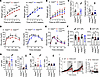 Figure 3
Protease-selective PAR2 activation promotes DIO. (A and B) Weight gain of PAR2-G37I, PAR2-R38E, and WT male (n = 19/16/13) (A) and female (n = 7/7/7) (B) mice on HFD. (C) Fasted plasma insulin levels in mice on a HFD for 14 weeks. (D–F) Glucose tolerance test (GTT) following intraperitoneal glucose injection in male PAR2-G37I and WT (n = 15/15) and PAR2-R38E and WT (n = 7/8) (D) or female PAR2-G37I, PAR2-R38E, and WT (n = 7/7/6) (E) and quantification of area under the curve for both male and female PAR2-G37I and PAR2-R38E versus WT mice (F). (G and H) Postprandial GIP (G) and GLP-1 (H) levels in PAR2-mutant mice on HFD for 10 weeks. Mice were fasted overnight and refed HFD for 1 hour before blood collection to determine postprandial hormone concentrations in plasma. (I) Food intake (kcal/h) in HFD-fed PAR2-G37I and WT mice. Data represent mean ± SEM. (A, B, D, and E) Longitudinal data were analyzed by 2-way ANOVA with time and genotype as covariables, Šidák’s multiple-comparison test. All others, 1-way ANOVA. *P < 0.05, **P < 0.01, ***P < 0.001.
The attenuated weight gain in both male and female PAR2-G37I mice, but not PAR2-R38E mice, was associated with significantly reduced hyperinsulinemia in fasted mice (Figure 3C). Accordingly, male PAR2-G37I mice showed improved glucose tolerance in a GTT, whereas male PAR2-R38E mice showed a partial, insignificant reduction in glucose levels (Figure 3, D and F). Significantly improved GTT was also observed in the female PAR2-G37I and PAR2-R38E mice (Figure 3, E and F), and the improved glucose control in female PAR2-R38E mice was associated with a trend toward lower fasting insulin levels (Figure 3C).
In line with only marginally attenuated DIO of male and female PAR2-R38E mice, postprandial gut hormone levels were not different from those in obese PAR2-WT mice (Figure 3, G and H). As in lean PAR2-G37I mice postprandial GIP levels (Figure 3G) but not GLP-1 levels (Figure 3H) were significantly reduced in obese PAR2-G37I mice of both sexes. These data are in agreement with previous reports that GIP antagonism or genetic deletion of GIPR ameliorates DIO (50). Attenuation of DIO in male PAR2-G37I mice was associated with no significant differences in food intake, water intake, locomotor activity, energy expenditure, and respiratory exchange ratio (Figure 3I and Supplemental Figure 5, D–G). These data in both male and female obese mice uncovered a critical role of protease-selective PAR2 activation in the regulation of DIO and postprandial GIP release in obesity.
Macrophage-autonomous FXa-PAR2 signaling suppresses adipose tissue inflammation. Obesity development in both rodents and humans is associated with accumulation of adipose tissue macrophages (ATMs), which propagate chronic local and systemic inflammatory responses and thereby contribute to insulin resistance (51). To delineate the protease-specific roles of FXa-PAR2 signaling in adipose tissue inflammation, we isolated the adipose tissue stromal vascular fraction (SVF) from obese PAR2-G37I and WT mice for immunophenotyping. DIO triggers the accumulation of ATMs into crown-like structures around dead adipocytes, and these ATMs typically express CD11c and other markers characteristic of classically activated macrophages (52). Attenuation of DIO in PAR2-G37I mice was associated with significantly reduced numbers of total CD11b+ and CD11b+CD11c+ ATMs within the SVF with a reciprocal increase in CD11b–CD11c– and unchanged CD11b–CD11c+ cells (Supplemental Figure 5H). The CD11b+CD11c+F4/80+ population showed reduced expression of CD206, indicating, surprisingly, a more proinflammatory phenotype in PAR2-G37I mice. No significant differences in CD8+ and CD4+ T cell and B220+ B cell numbers were observed between obese PAR2-G37I and WT mice (Supplemental Figure 5J). However, preadipocyte cells expressing Sca1+CD29+CD34+CD24+ showed a trend toward lower numbers in the SVF, which was associated with reduced muscle fat content in PAR2-G37I compared with WT mice (Supplemental Figure 5, K and L).
To better characterize the CD11b+CD11c+ ATMs, we sorted these cells for transcriptome profiling (Figure 4A). Gene set enrichment analysis of ATMs from obese PAR2-G37I mice indicated a pronounced proinflammatory phenotype, characterized by upregulated signatures associated with interferon response, KRAS signaling, allograft rejection, and IL-2–STAT5 signaling. In contrast, pathways typically linked to cellular protection, including MYC targets V1, protein secretion, DNA repair, oxidative phosphorylation, the unfolded protein response, MTORC1 signaling, and adipogenesis, were markedly downregulated (Figure 4B and Supplemental Figure 6A). Remarkably, this proinflammatory ATM polarization phenotype was also observed in PAR2-R38E when compared with PAR2-WT mice (Figure 4B and Supplemental Figure 6B). Next, we also analyzed the expression profile of SVF microvascular endothelial cells from PAR2-G37I and PAR2-R38E mice, which showed a concordant regulation of transcripts related to inflammatory activation in comparison with obese PAR2-WT mice (Figure 4C). Both mutants likewise exhibited a similar downregulation of genes (Supplemental Figure 7A). Collectively, these data indicated that the more pronounced weight loss phenotype of PAR2-G37I versus PAR2-R38E mice is not explained by differences in ATM or adipose tissue endothelial cell reprogramming.
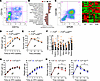 Figure 4
FXa-PAR2 signaling promotes adipose tissue inflammation but not obesity. (A) Flow cytometry analysis of ATMs isolated from mice 16 weeks on HFD. (B) Normalized enrichment score (NES) of differentially regulated pathways in FACS-isolated CD11b+CD11c+ ATMs. (C) Representative histogram showing flow cytometry analysis of sorted CD105+EPCR+ endothelial cells (left) and heatmap showing differentially regulated genes in endothelial cells (right) from PAR2-G37I, PAR2-R38E, and WT mice (n = 3/4/4). (D) Weight gain of F10f/f LysMCre and littermate control F10f/f mice on a HFD for 14 weeks (n = 8/10). (E) Glucose tolerance test after 14 weeks of HFD in F10f/f LysMCre and littermate control F10f/f mice (n = 13/14). (F) Gene expression analysis by quantitative PCR of bead-selected CD11c+ ATMs isolated from mice on HFD for 14 weeks; F10f/f LysMCre (n = 8) and littermate control F10f/f mice (n = 7). (G) Weight gain of male (n = 14/17) and female (n = 15/11) F10f/f VillinCre and littermate F10f/f control mice on a HFD for 14 weeks. (H) Intraperitoneal glucose tolerance test following intraperitoneal glucose in male (n = 8/9) and female (n = 9/6) F10f/f VillinCre and littermate F10f/f control mice on a HFD for 14 weeks. Data represent mean ± SEM. (D, E, G, and H) Two-way ANOVA with time and genotype as covariables, Šidák’s multiple-comparison test; (F) 2-tailed t test. *P < 0.05, **P < 0.01.
Interrogation of the ATM data revealed specific proinflammatory transcripts, including the interferon response genes Gbp3 and Mx2, CXCL chemokine family members (Cxcl19, Cxcl11, Cxcl10), and C-C motif chemokine ligand 5 (Ccl5), that were commonly upregulated in PAR2 mutants when compared with PAR2-WT mice (Supplemental Figure 7B). Thus, the loss of proteolytic activation of PAR2 incompletely phenocopied the previously demonstrated antiinflammatory phenotype of obese PAR2-knockout mice (23, 40). These divergent results may be explained by impaired Toll-like receptor 4 (TLR4) (25, 53) signaling due to disruption of PAR2 heterodimer formation in the complete PAR2 knockout, whereas selective abrogation of PAR2 cleavage is known to preserve proinflammatory responses but abolishes interferon responses downstream of TLR4 signaling in innate immune cells (54, 55).
PAR2 can also dampen inflammatory responses (56), and myeloid cell–synthesized FXa plays a pivotal role in PAR2-mediated immune suppression in the tumor microenvironment (30). The observed upregulation of inflammatory transcripts in ATMs of PAR2-G37I mice therefore indicated a loss of macrophage-specific FXa-PAR2 signaling. When compared with WT littermate F10f/f mice, F10f/f LysMCre mice showed an initial tendency of increased weight gain (Figure 4D) and were not protected from DIO-induced glucose intolerance (Figure 4E). In line with ATMs from obese PAR2-mutant mice, the gene expression analysis of CD11c-selected ATMs showed increased expression of markers of inflammation (Ccl5, Cxcl9, Cxcl10, and Gbp3) in obese F10f/f LysMCre compared with the littermate F10f/f mice (Figure 4F). Thus, the loss of FXa-dependent PAR2 signaling in PAR2-G37I mice and genetic deletion of FX in myeloid cells promoted a concordant macrophage inflammatory phenotype.
However, only PAR2-G37I but not F10f/f LysMCre mice were protected from obesity, supporting an obesity-promoting role of protease-selective PAR2 activation that is unrelated to ATMs. We therefore determined the role of intestinal FX for the regulation of obesity and conducted DIO studies in F10f/f VillinCre mice. As in F10f/f LysMCre mice, DIO studies in both male and female mice revealed no significant differences in HFD-induced weight gain (Figure 4G) or GTT (Figure 4H) between littermate F10f/f mice and F10f/f VillinCre mice. These data demonstrated that IEC-derived FX is also dispensable for the development of DIO.
TMPRSS2-regulated GLP-1 secretion dominates postprandial glucose control in obesity. We next evaluated the impact of the alternative intestinal PAR2 activator TMPRSS2 on DIO. In contrast to the marked protection from weight gain observed in PAR2-G37I mice, male Tmprss2–/– mice initially gained more weight than WT mice and later exhibited a trend toward reduced weight gain, which was also observed in female Tmprss2–/– mice throughout the HFD feeding (Figure 5A). These changes were associated with no significant differences in metabolic parameters between Tmprss2–/– and WT mice (Supplemental Figure 8, A–F). Despite a modest reduction in obesity, male and female Tmprss2–/– mice showed significantly lower fasting insulin levels (Figure 5B). Postprandial GIP production was elevated in male but unchanged in female Tmprss2–/– mice compared with WT (Figure 5C), possibly explaining the initial tendency toward increased weight gain in male Tmprss2–/– versus WT mice.
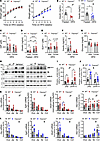 Figure 5
TMPRSS2 ablation improves glucose metabolism in DIO. (A and B) Weight gain (male, n = 22/24; female, n = 13/15) (A) and fasted plasma insulin concentrations (B) in male and female mice on a HFD for 14 weeks. (C) Postprandial GIP levels in mice fasted overnight and refed HFD for 1 hour at week 10. (D) Plasma concentrations of ghrelin in fasted male and female Tmprss2–/– and WT mice on a HFD for 14 weeks. (E–G) Postprandial GLP-1 (E), insulin (F), and glucose (G) levels in mice fasted overnight and refed HFD for 1 hour after HFD for 10 weeks. (H–J) Representative immunoblots (H) show levels of phosphorylated insulin receptor β (IRβ) and downstream p-ERK1/2 in jejunal IECs of obese male (I) and female (J) HFD-fed WT and Tmprss2–/– mice. (K and L) Gene expression analysis of IECs isolated from obese male (K) and female (L) Tmprss2–/– and WT mice. Data represent mean ± SEM. (D) Two-way ANOVA; (B, C, E–G, and I–L) 2-tailed t test; (A) 2-way ANOVA with time and genotype as covariables, Šidák’s multiple-comparison test. *P < 0.05, **P < 0.01, ***P < 0.001, ****P < 0.0001.
As observed under non-obese conditions, female mice exhibited higher fasting ghrelin levels than males when fed a HFD (Figure 5D). However, unlike in lean Tmprss2–/– mice, fasting ghrelin levels were not significantly different in HFD males and, rather, elevated in female Tmprss2–/– compared with WT mice (Figure 5D). In line with lean male mice, postprandial GLP-1 production was significantly increased in obese male Tmprss2–/– mice and showed a trend toward higher levels in female Tmprss2–/– mice compared with WT mice (Figure 5E). These changes were accompanied by increased postprandial insulin secretion (Figure 5F) and reduced glucose levels (Figure 5G) especially in male Tmprss2–/– compared with WT mice. Collectively, these data indicate that GLP-1 is non-redundantly regulated in both lean and obese Tmprss2–/– mice, which is in contrast to the primary effect of GIP suppression observed in PAR2-G37I mice.
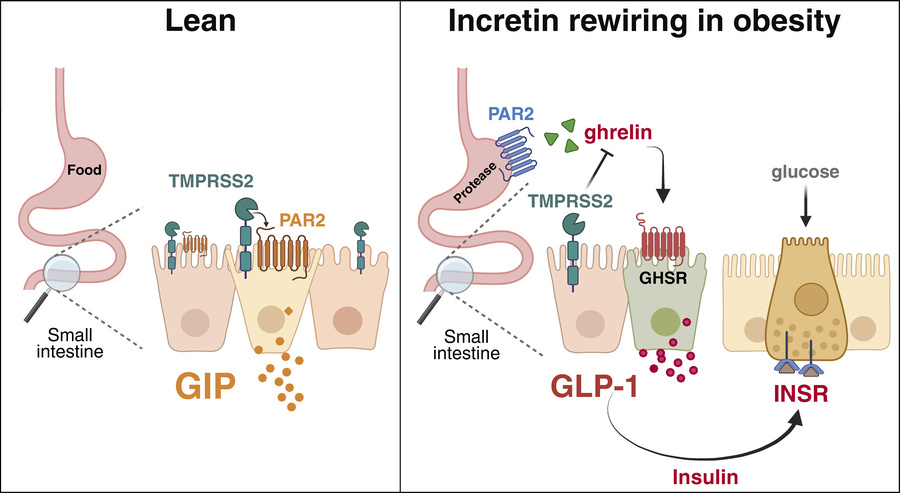
We next investigated whether altered insulin production in Tmprss2–/– mice led to enhanced local insulin signaling in the intestine. IECs isolated from the jejunum of HFD Tmprss2–/– mice showed increased phosphorylation of insulin receptor β (p-IRβ) and extracellular signal–regulated kinase (p-ERK1/2) compared with WT mice (Figure 5, H–J). Congruently, gene expression analysis of IECs relative to respective WT controls showed elevated glucose transporter 2 (Glut2) and glycolytic enzyme hexokinase 2 (Hk2) expression in the jejunum of the male Tmprss2–/– mice (Figure 5K), whereas female Tmprss2–/– mice showed increased Glut2 expression in the duodenum (Figure 5L). There was also a trend toward higher Gip expression in both sexes, which aligned with a recent report showing that insulin receptor signaling in IECs specifically regulates postprandial GIP but not GLP-1 (57). These findings suggest that the obesity-induced rewiring of intestinal incretin signaling in Tmprss2–/– mice indicates an important feedback loop, where obesity-associated hyperinsulinemia sustains postprandial GIP secretion.
Ghrelin–GLP-1 signaling improves glucose homeostasis in TMPRSS2 deficiency. To ascertain the obesity-specific role of TMPRSS2 in regulating postprandial glucose homeostasis, we employed an independent preclinical model of obesity (db/db mice) and performed a pharmacological intervention with a TMPRSS2 inhibitor. Mice homozygous for the spontaneous (Leprdb) mutation develop severe obesity starting at 3–4 weeks of age, accompanied by overnutrition-related complications including postprandial hyperglycemia, and eventually pancreatic β cell atrophy and hypoinsulinemia. We treated 10-week-old, obese db/db mice by daily oral administration of the TMPRSS2 inhibitor MM3122 (58). After 3 weeks of treatment, mice exhibited a modest though statistically insignificant reduction in total body weight compared with control mice treated with vehicle (saline) (Figure 6A). Treatment also improved fasting glucose levels (Figure 6B). Like Tmprss2–/– mice, MM3122-treated db/db mice showed elevated fasting ghrelin levels (Figure 6C) along with postprandial reductions in blood glucose and increases in insulin levels (Figure 6D). These findings support the role of TMPRSS2 as a regulator of ghrelin and provide initial evidence for its potential as a therapeutic target in this obesity-associated impairment of glucose homeostasis.
 Figure 6
TMPRSS2 suppresses endogenous GLP-1–mediated glucose homeostasis in DIO. (A) Body weights (n = 6/6/6) of male db/db mice treated with either the TMPRSS2 inhibitor MM3122 or vehicle (saline) as control. (B and C) Blood glucose levels (B) and plasma concentrations of ghrelin (C) measured in overnight-fasted db/db mice. (D) Blood glucose levels and plasma concentrations of insulin in db/db mice fasted overnight and refed for 1 hour. (E and F) Oral glucose challenge of fasted obese male (E) and female (F) Tmprss2–/– and WT mice with and without pretreatment with the GLP-1R antagonist exendin(9–39) for 15 minutes. Bar graphs show quantification of area under the curve for both males and females. (G) Plasma concentrations of GIP, GLP-1, insulin, and glucose 15 minutes after oral glucose administration to fasted mice on HFD for 14 weeks. (H) GIP, GLP-1, insulin, and glucose levels in mice treated with the ghrelin receptor antagonist d-Lys3 before glucose administration. Data represent mean ± SEM. (A–D, G, and H) Two-tailed t test; (E and F) 2-way ANOVA with time and genotype as covariables, Šidák’s multiple-comparison test; (E and F, bar graphs) 2-tailed t test. *P < 0.05, **P < 0.01, ***P < 0.001, ****P < 0.0001.
While the experiments above addressed postprandial glucose homeostasis in the context of food intake, we next investigated the mechanism following acute oral glucose administration. Oral glucose administration rapidly induces GLP-1 (47), and obese Tmprss2–/– mice showed a marked improvement in oral glucose metabolism in comparison with WT mice (Figure 6E). Importantly, blockade of GLP-1R with the antagonist exendin(9–39) (59, 60) prior to the oral glucose challenge completely abolished the improved oral glucose metabolism in male Tmprss2–/– and largely abolished the improvement in female Tmprss2–/– compared with WT mice (Figure 6, E and F). Measurements of incretin levels showed that oral glucose administration rapidly induced higher GLP-1 levels in Tmprss2–/– mice compared with WT mice (Figure 6G). Higher GLP-1 levels were associated with reduced blood glucose levels, whereas GIP and insulin levels remained unchanged in obese Tmprss2–/– versus WT mice (Figure 6G). Consistent with the role of ghrelin signaling in regulating postprandial GLP-1 in lean mice, administration of the ghrelin receptor antagonist d-Lys3 abolished both the increased GLP-1 levels and the reduction in blood glucose levels observed in obese male Tmprss2–/– mice following oral glucose challenge (Figure 6H). These data demonstrate that male Tmprss2–/– mice retain remarkable sensitivity to glucoregulatory ghrelin-dependent GLP-1 production during obesity. Taken together, our data uncovered a critical role of TMPRSS2 as an endogenous regulator of postprandial incretin levels and suggest that targeting TMPRSS2 may represent a potential interventional strategy to improve glucose homeostasis in existing obesity.


