
Research ArticleInfectious diseaseInflammation
Open Access |  10.1172/jci.insight.203056
Longitudinal clinical proteomics reveals pneumonia type–specific protein biomarkers and autoantibodies
Anna Semenova,1 Taylor A. Poor,2 Johannes B. Müller-Reif,3 Sai Rama Sridatta Prakki,1,4 Phillip Geyer,3,5 Martin Mück-Häusl,1 Rogan A. Grant,2 Luke Rasmussen,6 Lesca M. Holdt,7 Daniel Teupser,7 Matthias Mann,3 Ali Ö. Yildirim,8,9 Richard G. Wunderink,2 Alexander V. Misharin,2 Ben D. Singer,2 G.R. Scott Budinger,2 Theodore S. Kapellos,8,9 and Herbert B. Schiller1,9
1Research Unit for Precision Regenerative Medicine, Helmholtz Munich, Comprehensive Pneumology Center (CPC), Member of the German Center for Lung Research (DZL), Munich, Germany.
2Division of Pulmonary and Critical Care Medicine, Department of Medicine, Feinberg School of Medicine, Northwestern University, Chicago, Illinois, USA.
3Max Planck Institute of Biochemistry, Department of Proteomics and Signal Transduction, Martinsried, Germany.
4Institute of Computational Biology, Helmholtz Zentrum München, Munich, Germany.
5OmicEra Diagnostics GmbH, Planegg, Germany.
6Division of Health and Biomedical Informatics, Department of Preventive Medicine, Feinberg School of Medicine, Northwestern University, Chicago, Illinois, USA.
7Institute of Laboratory Medicine, University Hospital, LMU Munich, Munich, Germany.
8Institute of Lung Health and Immunity, Helmholtz Munich, CPC, Member of the DZL, Munich, Germany.
9Institute of Experimental Pneumology, LMU University Hospital, Ludwig-Maximilians University, Munich, Germany.
Address correspondence to: Herbert B. Schiller, Max-Lebsche-Platz 31, 81 377, Munich, Germany. Phone: 49.89.3187.1194; Email: herbert.schiller@helmholtz-munich.de.
Authorship note: TSK and HBS are co–senior authors.
Find articles by Semenova, A. in: PubMed | Google Scholar
1Research Unit for Precision Regenerative Medicine, Helmholtz Munich, Comprehensive Pneumology Center (CPC), Member of the German Center for Lung Research (DZL), Munich, Germany.
2Division of Pulmonary and Critical Care Medicine, Department of Medicine, Feinberg School of Medicine, Northwestern University, Chicago, Illinois, USA.
3Max Planck Institute of Biochemistry, Department of Proteomics and Signal Transduction, Martinsried, Germany.
4Institute of Computational Biology, Helmholtz Zentrum München, Munich, Germany.
5OmicEra Diagnostics GmbH, Planegg, Germany.
6Division of Health and Biomedical Informatics, Department of Preventive Medicine, Feinberg School of Medicine, Northwestern University, Chicago, Illinois, USA.
7Institute of Laboratory Medicine, University Hospital, LMU Munich, Munich, Germany.
8Institute of Lung Health and Immunity, Helmholtz Munich, CPC, Member of the DZL, Munich, Germany.
9Institute of Experimental Pneumology, LMU University Hospital, Ludwig-Maximilians University, Munich, Germany.
Address correspondence to: Herbert B. Schiller, Max-Lebsche-Platz 31, 81 377, Munich, Germany. Phone: 49.89.3187.1194; Email: herbert.schiller@helmholtz-munich.de.
Authorship note: TSK and HBS are co–senior authors.
Find articles by Poor, T. in: PubMed | Google Scholar
1Research Unit for Precision Regenerative Medicine, Helmholtz Munich, Comprehensive Pneumology Center (CPC), Member of the German Center for Lung Research (DZL), Munich, Germany.
2Division of Pulmonary and Critical Care Medicine, Department of Medicine, Feinberg School of Medicine, Northwestern University, Chicago, Illinois, USA.
3Max Planck Institute of Biochemistry, Department of Proteomics and Signal Transduction, Martinsried, Germany.
4Institute of Computational Biology, Helmholtz Zentrum München, Munich, Germany.
5OmicEra Diagnostics GmbH, Planegg, Germany.
6Division of Health and Biomedical Informatics, Department of Preventive Medicine, Feinberg School of Medicine, Northwestern University, Chicago, Illinois, USA.
7Institute of Laboratory Medicine, University Hospital, LMU Munich, Munich, Germany.
8Institute of Lung Health and Immunity, Helmholtz Munich, CPC, Member of the DZL, Munich, Germany.
9Institute of Experimental Pneumology, LMU University Hospital, Ludwig-Maximilians University, Munich, Germany.
Address correspondence to: Herbert B. Schiller, Max-Lebsche-Platz 31, 81 377, Munich, Germany. Phone: 49.89.3187.1194; Email: herbert.schiller@helmholtz-munich.de.
Authorship note: TSK and HBS are co–senior authors.
Find articles by Müller-Reif, J. in: PubMed | Google Scholar
1Research Unit for Precision Regenerative Medicine, Helmholtz Munich, Comprehensive Pneumology Center (CPC), Member of the German Center for Lung Research (DZL), Munich, Germany.
2Division of Pulmonary and Critical Care Medicine, Department of Medicine, Feinberg School of Medicine, Northwestern University, Chicago, Illinois, USA.
3Max Planck Institute of Biochemistry, Department of Proteomics and Signal Transduction, Martinsried, Germany.
4Institute of Computational Biology, Helmholtz Zentrum München, Munich, Germany.
5OmicEra Diagnostics GmbH, Planegg, Germany.
6Division of Health and Biomedical Informatics, Department of Preventive Medicine, Feinberg School of Medicine, Northwestern University, Chicago, Illinois, USA.
7Institute of Laboratory Medicine, University Hospital, LMU Munich, Munich, Germany.
8Institute of Lung Health and Immunity, Helmholtz Munich, CPC, Member of the DZL, Munich, Germany.
9Institute of Experimental Pneumology, LMU University Hospital, Ludwig-Maximilians University, Munich, Germany.
Address correspondence to: Herbert B. Schiller, Max-Lebsche-Platz 31, 81 377, Munich, Germany. Phone: 49.89.3187.1194; Email: herbert.schiller@helmholtz-munich.de.
Authorship note: TSK and HBS are co–senior authors.
Find articles by Prakki, S. in: PubMed | Google Scholar
1Research Unit for Precision Regenerative Medicine, Helmholtz Munich, Comprehensive Pneumology Center (CPC), Member of the German Center for Lung Research (DZL), Munich, Germany.
2Division of Pulmonary and Critical Care Medicine, Department of Medicine, Feinberg School of Medicine, Northwestern University, Chicago, Illinois, USA.
3Max Planck Institute of Biochemistry, Department of Proteomics and Signal Transduction, Martinsried, Germany.
4Institute of Computational Biology, Helmholtz Zentrum München, Munich, Germany.
5OmicEra Diagnostics GmbH, Planegg, Germany.
6Division of Health and Biomedical Informatics, Department of Preventive Medicine, Feinberg School of Medicine, Northwestern University, Chicago, Illinois, USA.
7Institute of Laboratory Medicine, University Hospital, LMU Munich, Munich, Germany.
8Institute of Lung Health and Immunity, Helmholtz Munich, CPC, Member of the DZL, Munich, Germany.
9Institute of Experimental Pneumology, LMU University Hospital, Ludwig-Maximilians University, Munich, Germany.
Address correspondence to: Herbert B. Schiller, Max-Lebsche-Platz 31, 81 377, Munich, Germany. Phone: 49.89.3187.1194; Email: herbert.schiller@helmholtz-munich.de.
Authorship note: TSK and HBS are co–senior authors.
Find articles by Geyer, P. in: PubMed | Google Scholar
1Research Unit for Precision Regenerative Medicine, Helmholtz Munich, Comprehensive Pneumology Center (CPC), Member of the German Center for Lung Research (DZL), Munich, Germany.
2Division of Pulmonary and Critical Care Medicine, Department of Medicine, Feinberg School of Medicine, Northwestern University, Chicago, Illinois, USA.
3Max Planck Institute of Biochemistry, Department of Proteomics and Signal Transduction, Martinsried, Germany.
4Institute of Computational Biology, Helmholtz Zentrum München, Munich, Germany.
5OmicEra Diagnostics GmbH, Planegg, Germany.
6Division of Health and Biomedical Informatics, Department of Preventive Medicine, Feinberg School of Medicine, Northwestern University, Chicago, Illinois, USA.
7Institute of Laboratory Medicine, University Hospital, LMU Munich, Munich, Germany.
8Institute of Lung Health and Immunity, Helmholtz Munich, CPC, Member of the DZL, Munich, Germany.
9Institute of Experimental Pneumology, LMU University Hospital, Ludwig-Maximilians University, Munich, Germany.
Address correspondence to: Herbert B. Schiller, Max-Lebsche-Platz 31, 81 377, Munich, Germany. Phone: 49.89.3187.1194; Email: herbert.schiller@helmholtz-munich.de.
Authorship note: TSK and HBS are co–senior authors.
Find articles by Mück-Häusl, M. in: PubMed | Google Scholar
1Research Unit for Precision Regenerative Medicine, Helmholtz Munich, Comprehensive Pneumology Center (CPC), Member of the German Center for Lung Research (DZL), Munich, Germany.
2Division of Pulmonary and Critical Care Medicine, Department of Medicine, Feinberg School of Medicine, Northwestern University, Chicago, Illinois, USA.
3Max Planck Institute of Biochemistry, Department of Proteomics and Signal Transduction, Martinsried, Germany.
4Institute of Computational Biology, Helmholtz Zentrum München, Munich, Germany.
5OmicEra Diagnostics GmbH, Planegg, Germany.
6Division of Health and Biomedical Informatics, Department of Preventive Medicine, Feinberg School of Medicine, Northwestern University, Chicago, Illinois, USA.
7Institute of Laboratory Medicine, University Hospital, LMU Munich, Munich, Germany.
8Institute of Lung Health and Immunity, Helmholtz Munich, CPC, Member of the DZL, Munich, Germany.
9Institute of Experimental Pneumology, LMU University Hospital, Ludwig-Maximilians University, Munich, Germany.
Address correspondence to: Herbert B. Schiller, Max-Lebsche-Platz 31, 81 377, Munich, Germany. Phone: 49.89.3187.1194; Email: herbert.schiller@helmholtz-munich.de.
Authorship note: TSK and HBS are co–senior authors.
Find articles by Grant, R. in: PubMed | Google Scholar
1Research Unit for Precision Regenerative Medicine, Helmholtz Munich, Comprehensive Pneumology Center (CPC), Member of the German Center for Lung Research (DZL), Munich, Germany.
2Division of Pulmonary and Critical Care Medicine, Department of Medicine, Feinberg School of Medicine, Northwestern University, Chicago, Illinois, USA.
3Max Planck Institute of Biochemistry, Department of Proteomics and Signal Transduction, Martinsried, Germany.
4Institute of Computational Biology, Helmholtz Zentrum München, Munich, Germany.
5OmicEra Diagnostics GmbH, Planegg, Germany.
6Division of Health and Biomedical Informatics, Department of Preventive Medicine, Feinberg School of Medicine, Northwestern University, Chicago, Illinois, USA.
7Institute of Laboratory Medicine, University Hospital, LMU Munich, Munich, Germany.
8Institute of Lung Health and Immunity, Helmholtz Munich, CPC, Member of the DZL, Munich, Germany.
9Institute of Experimental Pneumology, LMU University Hospital, Ludwig-Maximilians University, Munich, Germany.
Address correspondence to: Herbert B. Schiller, Max-Lebsche-Platz 31, 81 377, Munich, Germany. Phone: 49.89.3187.1194; Email: herbert.schiller@helmholtz-munich.de.
Authorship note: TSK and HBS are co–senior authors.
Find articles by Rasmussen, L. in: PubMed | Google Scholar
1Research Unit for Precision Regenerative Medicine, Helmholtz Munich, Comprehensive Pneumology Center (CPC), Member of the German Center for Lung Research (DZL), Munich, Germany.
2Division of Pulmonary and Critical Care Medicine, Department of Medicine, Feinberg School of Medicine, Northwestern University, Chicago, Illinois, USA.
3Max Planck Institute of Biochemistry, Department of Proteomics and Signal Transduction, Martinsried, Germany.
4Institute of Computational Biology, Helmholtz Zentrum München, Munich, Germany.
5OmicEra Diagnostics GmbH, Planegg, Germany.
6Division of Health and Biomedical Informatics, Department of Preventive Medicine, Feinberg School of Medicine, Northwestern University, Chicago, Illinois, USA.
7Institute of Laboratory Medicine, University Hospital, LMU Munich, Munich, Germany.
8Institute of Lung Health and Immunity, Helmholtz Munich, CPC, Member of the DZL, Munich, Germany.
9Institute of Experimental Pneumology, LMU University Hospital, Ludwig-Maximilians University, Munich, Germany.
Address correspondence to: Herbert B. Schiller, Max-Lebsche-Platz 31, 81 377, Munich, Germany. Phone: 49.89.3187.1194; Email: herbert.schiller@helmholtz-munich.de.
Authorship note: TSK and HBS are co–senior authors.
Find articles by Holdt, L. in: PubMed | Google Scholar
1Research Unit for Precision Regenerative Medicine, Helmholtz Munich, Comprehensive Pneumology Center (CPC), Member of the German Center for Lung Research (DZL), Munich, Germany.
2Division of Pulmonary and Critical Care Medicine, Department of Medicine, Feinberg School of Medicine, Northwestern University, Chicago, Illinois, USA.
3Max Planck Institute of Biochemistry, Department of Proteomics and Signal Transduction, Martinsried, Germany.
4Institute of Computational Biology, Helmholtz Zentrum München, Munich, Germany.
5OmicEra Diagnostics GmbH, Planegg, Germany.
6Division of Health and Biomedical Informatics, Department of Preventive Medicine, Feinberg School of Medicine, Northwestern University, Chicago, Illinois, USA.
7Institute of Laboratory Medicine, University Hospital, LMU Munich, Munich, Germany.
8Institute of Lung Health and Immunity, Helmholtz Munich, CPC, Member of the DZL, Munich, Germany.
9Institute of Experimental Pneumology, LMU University Hospital, Ludwig-Maximilians University, Munich, Germany.
Address correspondence to: Herbert B. Schiller, Max-Lebsche-Platz 31, 81 377, Munich, Germany. Phone: 49.89.3187.1194; Email: herbert.schiller@helmholtz-munich.de.
Authorship note: TSK and HBS are co–senior authors.
Find articles by Teupser, D. in: PubMed | Google Scholar
1Research Unit for Precision Regenerative Medicine, Helmholtz Munich, Comprehensive Pneumology Center (CPC), Member of the German Center for Lung Research (DZL), Munich, Germany.
2Division of Pulmonary and Critical Care Medicine, Department of Medicine, Feinberg School of Medicine, Northwestern University, Chicago, Illinois, USA.
3Max Planck Institute of Biochemistry, Department of Proteomics and Signal Transduction, Martinsried, Germany.
4Institute of Computational Biology, Helmholtz Zentrum München, Munich, Germany.
5OmicEra Diagnostics GmbH, Planegg, Germany.
6Division of Health and Biomedical Informatics, Department of Preventive Medicine, Feinberg School of Medicine, Northwestern University, Chicago, Illinois, USA.
7Institute of Laboratory Medicine, University Hospital, LMU Munich, Munich, Germany.
8Institute of Lung Health and Immunity, Helmholtz Munich, CPC, Member of the DZL, Munich, Germany.
9Institute of Experimental Pneumology, LMU University Hospital, Ludwig-Maximilians University, Munich, Germany.
Address correspondence to: Herbert B. Schiller, Max-Lebsche-Platz 31, 81 377, Munich, Germany. Phone: 49.89.3187.1194; Email: herbert.schiller@helmholtz-munich.de.
Authorship note: TSK and HBS are co–senior authors.
Find articles by
Mann, M.
in:
PubMed
|
Google Scholar
|

1Research Unit for Precision Regenerative Medicine, Helmholtz Munich, Comprehensive Pneumology Center (CPC), Member of the German Center for Lung Research (DZL), Munich, Germany.
2Division of Pulmonary and Critical Care Medicine, Department of Medicine, Feinberg School of Medicine, Northwestern University, Chicago, Illinois, USA.
3Max Planck Institute of Biochemistry, Department of Proteomics and Signal Transduction, Martinsried, Germany.
4Institute of Computational Biology, Helmholtz Zentrum München, Munich, Germany.
5OmicEra Diagnostics GmbH, Planegg, Germany.
6Division of Health and Biomedical Informatics, Department of Preventive Medicine, Feinberg School of Medicine, Northwestern University, Chicago, Illinois, USA.
7Institute of Laboratory Medicine, University Hospital, LMU Munich, Munich, Germany.
8Institute of Lung Health and Immunity, Helmholtz Munich, CPC, Member of the DZL, Munich, Germany.
9Institute of Experimental Pneumology, LMU University Hospital, Ludwig-Maximilians University, Munich, Germany.
Address correspondence to: Herbert B. Schiller, Max-Lebsche-Platz 31, 81 377, Munich, Germany. Phone: 49.89.3187.1194; Email: herbert.schiller@helmholtz-munich.de.
Authorship note: TSK and HBS are co–senior authors.
Find articles by Yildirim, A. in: PubMed | Google Scholar
1Research Unit for Precision Regenerative Medicine, Helmholtz Munich, Comprehensive Pneumology Center (CPC), Member of the German Center for Lung Research (DZL), Munich, Germany.
2Division of Pulmonary and Critical Care Medicine, Department of Medicine, Feinberg School of Medicine, Northwestern University, Chicago, Illinois, USA.
3Max Planck Institute of Biochemistry, Department of Proteomics and Signal Transduction, Martinsried, Germany.
4Institute of Computational Biology, Helmholtz Zentrum München, Munich, Germany.
5OmicEra Diagnostics GmbH, Planegg, Germany.
6Division of Health and Biomedical Informatics, Department of Preventive Medicine, Feinberg School of Medicine, Northwestern University, Chicago, Illinois, USA.
7Institute of Laboratory Medicine, University Hospital, LMU Munich, Munich, Germany.
8Institute of Lung Health and Immunity, Helmholtz Munich, CPC, Member of the DZL, Munich, Germany.
9Institute of Experimental Pneumology, LMU University Hospital, Ludwig-Maximilians University, Munich, Germany.
Address correspondence to: Herbert B. Schiller, Max-Lebsche-Platz 31, 81 377, Munich, Germany. Phone: 49.89.3187.1194; Email: herbert.schiller@helmholtz-munich.de.
Authorship note: TSK and HBS are co–senior authors.
Find articles by
Wunderink, R.
in:
PubMed
|
Google Scholar
|
1Research Unit for Precision Regenerative Medicine, Helmholtz Munich, Comprehensive Pneumology Center (CPC), Member of the German Center for Lung Research (DZL), Munich, Germany.
2Division of Pulmonary and Critical Care Medicine, Department of Medicine, Feinberg School of Medicine, Northwestern University, Chicago, Illinois, USA.
3Max Planck Institute of Biochemistry, Department of Proteomics and Signal Transduction, Martinsried, Germany.
4Institute of Computational Biology, Helmholtz Zentrum München, Munich, Germany.
5OmicEra Diagnostics GmbH, Planegg, Germany.
6Division of Health and Biomedical Informatics, Department of Preventive Medicine, Feinberg School of Medicine, Northwestern University, Chicago, Illinois, USA.
7Institute of Laboratory Medicine, University Hospital, LMU Munich, Munich, Germany.
8Institute of Lung Health and Immunity, Helmholtz Munich, CPC, Member of the DZL, Munich, Germany.
9Institute of Experimental Pneumology, LMU University Hospital, Ludwig-Maximilians University, Munich, Germany.
Address correspondence to: Herbert B. Schiller, Max-Lebsche-Platz 31, 81 377, Munich, Germany. Phone: 49.89.3187.1194; Email: herbert.schiller@helmholtz-munich.de.
Authorship note: TSK and HBS are co–senior authors.
Find articles by
Misharin, A.
in:
PubMed
|
Google Scholar
|
1Research Unit for Precision Regenerative Medicine, Helmholtz Munich, Comprehensive Pneumology Center (CPC), Member of the German Center for Lung Research (DZL), Munich, Germany.
2Division of Pulmonary and Critical Care Medicine, Department of Medicine, Feinberg School of Medicine, Northwestern University, Chicago, Illinois, USA.
3Max Planck Institute of Biochemistry, Department of Proteomics and Signal Transduction, Martinsried, Germany.
4Institute of Computational Biology, Helmholtz Zentrum München, Munich, Germany.
5OmicEra Diagnostics GmbH, Planegg, Germany.
6Division of Health and Biomedical Informatics, Department of Preventive Medicine, Feinberg School of Medicine, Northwestern University, Chicago, Illinois, USA.
7Institute of Laboratory Medicine, University Hospital, LMU Munich, Munich, Germany.
8Institute of Lung Health and Immunity, Helmholtz Munich, CPC, Member of the DZL, Munich, Germany.
9Institute of Experimental Pneumology, LMU University Hospital, Ludwig-Maximilians University, Munich, Germany.
Address correspondence to: Herbert B. Schiller, Max-Lebsche-Platz 31, 81 377, Munich, Germany. Phone: 49.89.3187.1194; Email: herbert.schiller@helmholtz-munich.de.
Authorship note: TSK and HBS are co–senior authors.
Find articles by Singer, B. in: PubMed | Google Scholar
1Research Unit for Precision Regenerative Medicine, Helmholtz Munich, Comprehensive Pneumology Center (CPC), Member of the German Center for Lung Research (DZL), Munich, Germany.
2Division of Pulmonary and Critical Care Medicine, Department of Medicine, Feinberg School of Medicine, Northwestern University, Chicago, Illinois, USA.
3Max Planck Institute of Biochemistry, Department of Proteomics and Signal Transduction, Martinsried, Germany.
4Institute of Computational Biology, Helmholtz Zentrum München, Munich, Germany.
5OmicEra Diagnostics GmbH, Planegg, Germany.
6Division of Health and Biomedical Informatics, Department of Preventive Medicine, Feinberg School of Medicine, Northwestern University, Chicago, Illinois, USA.
7Institute of Laboratory Medicine, University Hospital, LMU Munich, Munich, Germany.
8Institute of Lung Health and Immunity, Helmholtz Munich, CPC, Member of the DZL, Munich, Germany.
9Institute of Experimental Pneumology, LMU University Hospital, Ludwig-Maximilians University, Munich, Germany.
Address correspondence to: Herbert B. Schiller, Max-Lebsche-Platz 31, 81 377, Munich, Germany. Phone: 49.89.3187.1194; Email: herbert.schiller@helmholtz-munich.de.
Authorship note: TSK and HBS are co–senior authors.
Find articles by
Budinger, G.
in:
PubMed
|
Google Scholar
|
1Research Unit for Precision Regenerative Medicine, Helmholtz Munich, Comprehensive Pneumology Center (CPC), Member of the German Center for Lung Research (DZL), Munich, Germany.
2Division of Pulmonary and Critical Care Medicine, Department of Medicine, Feinberg School of Medicine, Northwestern University, Chicago, Illinois, USA.
3Max Planck Institute of Biochemistry, Department of Proteomics and Signal Transduction, Martinsried, Germany.
4Institute of Computational Biology, Helmholtz Zentrum München, Munich, Germany.
5OmicEra Diagnostics GmbH, Planegg, Germany.
6Division of Health and Biomedical Informatics, Department of Preventive Medicine, Feinberg School of Medicine, Northwestern University, Chicago, Illinois, USA.
7Institute of Laboratory Medicine, University Hospital, LMU Munich, Munich, Germany.
8Institute of Lung Health and Immunity, Helmholtz Munich, CPC, Member of the DZL, Munich, Germany.
9Institute of Experimental Pneumology, LMU University Hospital, Ludwig-Maximilians University, Munich, Germany.
Address correspondence to: Herbert B. Schiller, Max-Lebsche-Platz 31, 81 377, Munich, Germany. Phone: 49.89.3187.1194; Email: herbert.schiller@helmholtz-munich.de.
Authorship note: TSK and HBS are co–senior authors.
Find articles by Kapellos, T. in: PubMed | Google Scholar
1Research Unit for Precision Regenerative Medicine, Helmholtz Munich, Comprehensive Pneumology Center (CPC), Member of the German Center for Lung Research (DZL), Munich, Germany.
2Division of Pulmonary and Critical Care Medicine, Department of Medicine, Feinberg School of Medicine, Northwestern University, Chicago, Illinois, USA.
3Max Planck Institute of Biochemistry, Department of Proteomics and Signal Transduction, Martinsried, Germany.
4Institute of Computational Biology, Helmholtz Zentrum München, Munich, Germany.
5OmicEra Diagnostics GmbH, Planegg, Germany.
6Division of Health and Biomedical Informatics, Department of Preventive Medicine, Feinberg School of Medicine, Northwestern University, Chicago, Illinois, USA.
7Institute of Laboratory Medicine, University Hospital, LMU Munich, Munich, Germany.
8Institute of Lung Health and Immunity, Helmholtz Munich, CPC, Member of the DZL, Munich, Germany.
9Institute of Experimental Pneumology, LMU University Hospital, Ludwig-Maximilians University, Munich, Germany.
Address correspondence to: Herbert B. Schiller, Max-Lebsche-Platz 31, 81 377, Munich, Germany. Phone: 49.89.3187.1194; Email: herbert.schiller@helmholtz-munich.de.
Authorship note: TSK and HBS are co–senior authors.
Find articles by Schiller, H. in: PubMed | Google Scholar
Published June 8, 2026 - More info
JCI Insight. 2026;11(11):e203056. https://doi.org/10.1172/jci.insight.203056.
© 2026 Semenova et al. This work is licensed under the Creative Commons Attribution 4.0 International License. To view a copy of this license, visit http://creativecommons.org/licenses/by/4.0/.
Received: December 8, 2025; Accepted: March 31, 2026

-
Results
Mass spectrometry reveals pneumonia type–specific protein signatures in bronchoalveolar fluid. To identify pneumonia type–specific biomarkers, we sampled BALF and plasma from individuals enrolled in the Successful Clinical Response in Pneumonia Therapy (SCRIPT) study at Northwestern Memorial Hospital in Chicago (hereafter referred to as the “Chicago cohort”). The cohort encompassed control donors (n = 7) and patients requiring mechanical ventilation in the intensive care unit (ICU) who were diagnosed with pneumonia of bacterial (n = 6), influenza (n = 7), or COVID-19 (n = 13) origin (Supplemental Table 1; supplemental material available online with this article; https://doi.org/10.1172/jci.insight.203056DS1). Sample collection occurred at the earliest within 48 hours of intubation, and collection continued over the entire length of ICU stay, reaching a maximum of 5 time points per patient over up to 60 days after intubation (Figure 1, A and B). Pneumonias of different origins were substantially different in their clinical presentation and host immune responses, as exemplified by the significantly higher (P = 0.00011) positive end-expiratory pressure (PEEP) in COVID-19 and neutrophil relative frequencies (P = 0.02) in bacterial pneumonia. In contrast, the sequential organ failure assessment (SOFA) score was similar across groups, suggesting a comparable degree of tissue damage across pneumonia types (Figure 1C).
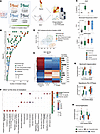 Figure 1
Pneumonia-specific signatures can be detected in BALF upon intubation in the intensive care unit. (A) Overview of study design. (B) Lollipop chart displaying patient numbers and the longitudinal resolution of sample collection per pneumonia type. (C) Box plots that compare clinical parameters and phenotypical observations across pneumonia types. Data are represented as mean ± SD, and variance was statistically assessed with the non-parametric Kruskal-Wallis test. (D) Principal component analysis of BALF proteomes at the time of intubation based on the 488 most variable proteins. The 20% most variable proteins were calculated by ranking the BALF proteome by decreasing variance across all pneumonia type specimens. (E) Hierarchical clustering of 12 BALF pneumonia-specific protein modules at day 0 of intubation as derived from coexpression network analysis. The color scale denotes the mean fold change of the proteins in each module. (F) Pathway analysis of selected BALF module proteins at intubation induction. The top 5 enriched Reactome terms for each module are displayed. Color code depicts the adjusted P value, and point size refers to the number of proteins detected per term. (G and H) Box plots displaying the longitudinal enrichment of neutrophil degranulation (G) and immunoglobulin (H) Reactome terms in BALF specimens across pneumonia types. Each dot represents the enrichment score for an individual patient. Data are represented as mean ± SD, and the variability between groups was statistically assessed with the nonparametric Kruskal-Wallis test. Proteins involved in the term are displayed on the right side of the plot.
We next sought to understand how the clinical groups are different on the molecular level. We applied mass spectrometry–based proteomics to BALF specimens from 32 patients, which quantified 985 ± 275 proteins. Principal component analysis (PCA) of the first time-point measurements showed that the proteome profiles of different pneumonia types are well separated already at baseline (Figure 1D and Supplemental Figure 1, A and B); bacterial pneumonia specimens were distinguished by PC1, whereas COVID-19 pneumonias were separated by PC2. The 488 most variable proteins were then used to construct a coexpression network analysis of the BALF proteomes to identify features that drive the heterogeneity in pneumonia types.
Proteins with similar expression patterns were grouped into modules and were visualized in a heatmap (Figure 1E). Hierarchical clustering identified 12 protein modules (6 bacterial pneumonia–specific, 3 COVID-19–specific, 3 influenza-specific), which we further interrogated using pathway analysis. Proteins belonging to the bacterial pneumonia–specific modules were enriched, among other biological processes, in neutrophil degranulation (module B2), signaling by Rho GTPases (module B4), and respiratory electron transport (module B3) (Figure 1F, Supplemental Figure 1C, and Supplemental Table 2). Consistent with these findings, the abundance of neutrophil degranulation proteins correlated positively (r = 0.74; P = 0.001) with BALF neutrophil frequencies in bacterial pneumonia (Supplemental Figure 1D). COVID-19–specific modules were enriched in the regulation of the complement cascade (module B8), platelet degranulation (module B8), p53 metabolic regulation (module B9), and immunoglobulins (modules B8, B9, B11) (Figure 1F, Supplemental Figure 1E, and Supplemental Table 3).
To determine how these proteomic signatures were regulated longitudinally, we also analyzed their enrichment at later time points (Figure 1, G and H, and Supplemental Figure 1, F and G). During the early interval (days 1–15), bacterial pneumonia was uniquely characterized by significant enrichment of neutrophil degranulation and Rho GTPase effector pathways, which lost statistical significance at later time points (Figure 1G). In contrast, the COVID-19 pneumonia cases showed a pronounced increase in immunoglobulin-related, complement, and platelet activation signatures that remained persistently elevated also at later time points compared with the other groups (Figure 1H and Supplemental Figure 1, F and G).
Taken together, we identified BALF protein signatures that distinguish between bacterial, viral, and COVID-19 pneumonia types. Patients with COVID-19 exhibited persistently increased levels of complement cascade proteins, platelet aggregation markers, and a specific set of immunoglobulins.
A COVID-19–specific set of antibodies locally enriched in the lung versus blood. The BALF proteome can be derived either by local production in the lung or by leakage of plasma factors into the lung due to acute injury and barrier defects. We made use of the fact that we collected matched BALF and plasma samples to analyze the relative enrichment of proteins in the lung versus the blood.
Using mass spectrometry, we quantified 374 ± 33 proteins in the plasma samples. The PCA of the baseline time point measurements revealed a clear separation of the COVID-19 proteomes by PC1 and PC2 (Figure 2A and Supplemental Figure 2, A and B). Similarly to BALF, coexpression network analysis of the plasma proteomes grouped the proteins in 7 modules (2 bacterial pneumonia–specific, 2 COVID-19–specific, 3 influenza-specific) (Figure 2B and Supplemental Table 4). Proteins belonging to the bacterial pneumonia–specific modules were enriched in the regulation of insulin-like growth factor transport and uptake (module S3) (Figure 2C). COVID-19–specific modules included immunoglobulins (module S2). Lastly, influenza-specific modules displayed strong immune responses related to complement cascades (module S5), platelet activation (module S6), and mRNA splicing (module S7) (Figure 2C, Supplemental Figure 2C, and Supplemental Table 5).
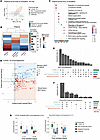 Figure 2
Integrative analysis of body fluid proteomes reveals lung-resident biomarkers. (A) Principal component analysis of plasma proteomes at the time of intubation induction based on the 140 most variable proteins. We calculated the 20% most variable proteins by ranking the plasma proteome by decreasing variance across all pneumonia type specimens. (B) Hierarchical clustering of 7 plasma pneumonia-specific protein modules at day 0 of intubation as derived from coexpression network analysis. The color scale denotes the mean fold change of the proteins in each module. (C) Pathway analysis of selected plasma module proteins at intubation induction. The top 5 enriched Reactome terms for each module are displayed. Color code depicts the adjusted P value, and point size refers to the number of proteins detected per term. (D) Scatter plot displaying immunoglobulin segment abundance in the BALF (x axis) and plasma (y axis) of patients with COVID-19 at the time point upon intubation. Dot size corresponds to the number of patients that express a detected protein. (E and F) Upset plot displaying the overlap of BALF and shared BALF/plasma immunoglobulin segments across pneumonia types. (G) Box plots displaying the longitudinal enrichment of COVID-19–specific BALF and shared BALF/plasma immunoglobulin signatures across pneumonia types. Each dot represents the enrichment score for an individual patient. Data are represented as mean ± SD and were statistically assessed with the nonparametric Kruskal-Wallis test. P < 0.05.
In both the BALF and plasma, we found COVID-19–specific enrichment of immunoglobulins. Since we measured both biofluids from matched donors, we were able to quantitatively compare the enrichment of proteins that were detected in both the BALF and the plasma (Figure 2D). Indeed, in the quadrant that represents proteins with high abundance in both compartments, we found a set of antibodies (V-segments) that were highly abundant in both BALF and plasma (highlighted in blue) (Figure 2D). In addition, several antibodies were quantitatively enriched in BALF and, hence, likely produced locally (highlighted in red). Interestingly, many locally produced V-segments were highly specific to COVID-19 (20%), influenza (12%), or bacterial pneumonia (8%) (Figure 2E), in contrast to the systemic V-segments, which were less specific to individual pneumonia — COVID-19 (14%), influenza (10%), bacterial pneumonia (4%) — types (Figure 2F and Supplemental Figure 2D). Longitudinal assessment of immunoglobulin profiles across pneumonia types confirmed the higher enrichment of COVID-19–specific BALF and shared BALF/plasma segments, evident at both time intervals and significantly pronounced at days 0–15 (Figure 2G).
In summary, our plasma proteomics analysis identified distinct molecular signatures across pneumonia types. In COVID-19, immunoglobulin segments were enriched in both BALF and circulation, exhibiting specificity and longitudinal persistence.
Clonal expansion of a specific set of plasma cells in severe COVID-19. We next verified the observed COVID-19–specific antibody V-segment bias in an independent multimodal scRNA-seq dataset of peripheral blood samples (24), encompassing healthy controls (n = 23), as well as patients representing asymptomatic (n = 9), mild (n = 23), moderate (n = 30), severe (n = 13), and critical (n = 15) stages of COVID-19 (Figure 3A) (24). We reclustered a total of 38,063 B cells and plasma cells (Supplemental Figure 3A), with B cells forming 6 distinct clusters upon consideration of both their transcriptomes (Supplemental Figure 3B) and surface proteomes (Supplemental Figure 3, C and D). Annotation of the resulting clusters using canonical marker genes (25) identified memory, immature, naive, and natural B1 cells, as well as dividing plasmablasts and IgA-high plasma cells (Figure 3B and Supplemental Table 6). Notably, we observed an increase in the IgG and IgA relative proportion in B/plasma cells from severe disease (Supplemental Figure 3E), which was reflected in the significant (P = 0.01) increase in the relative frequencies of IgA-high plasma cells (P = 6.6 × 10⁻⁶) and dividing plasmablasts across COVID-19 stages. In contrast, naive (P = 0.00011) and memory B cells (P = 6.2 × 10⁻⁵) displayed the opposite pattern (Supplemental Figure 3E).
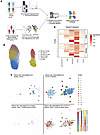 Figure 3
Peripheral B cell clonal dynamics are associated with COVID-19 severity. (A) Overview of bioinformatics workflow. (B) UMAP visualization of 38,063 peripheral blood B/plasma cells from 90 patients with COVID-19 and 23 healthy controls, colored by cluster identity. (C) UMAP projection of 8,599 plasma cells from 90 patients with COVID-19 and 23 healthy controls. Lower panels show clonal expansions of BALF-derived V-fragment lineages mapped to patients with COVID-19 vs controls. (D) Heatmap visualizing the relative abundance of B/plasma cell molecular states across stages of COVID-19 disease progression.
BCR-seq analysis revealed that the COVID-19–specific V-segment clonotypes identified in our proteomics dataset were predominantly expressed by plasma cells (Supplemental Figure 3F). To explore this further, we reclustered these cells into 14 transcriptomically distinct molecular states (Figure 3C and Supplemental Table 7). These plasma cell states were the main source of BALF-derived V-fragments, highlighting their potential role in shaping COVID-19–specific humoral responses. The abundance and clonality expression of plasma states 0–3 progressively increased with severity with advancing disease severity, while others (cluster 6–9) were enriched in moderate and severe cases (Figure 3D). Notably, these plasma cell states were also the main source of the COVID-19–specific BALF immunoglobulins, highlighting their potential role in shaping disease-relevant humoral responses (Figure 4A).
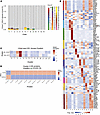 Figure 4
Distinct plasma cell states in patients with COVID-19 display autoimmune transcriptional signatures. (A) Bar plot showing clonal percentage of proteomics-identified V-segments per plasma cell state. (B) Heatmap of top differentially expressed genes for each plasma cell state. Color code denotes the scaled average expression across clusters. (C) Heatmap of top differentially expressed proteins for plasma cell state 3. Color code denotes the scaled average expression across clusters. (D) Heatmap of differentially expressed surface protein markers in plasma cell state 3 between healthy controls and COVID-19 donors.
Our findings prompted us to perform differential gene expression analysis to reveal how these states are different from each other (Figure 4B and Supplemental Table 7). As expected, light and heavy chain V-segments distinguished several plasma cell states. Plasma cell states 1 and 13 were characterized by the high expression of proliferation markers, whereas molecular state 3 represented activated plasma cells, defined by high expression of CD69 and CD83. This plasma cell state has previously been marked by the expression of genes implicated in autoimmune diseases (26, 27). For instance, NR4A2 and LTB drive the formation of ectopic lymphoid structures and pathological B cell responses in rheumatoid arthritis (27), while AFF3 is a susceptibility factor for RA and type I diabetes (28). Additionally, the surface proteins such as CD52 and CR1, which were upregulated in cluster 3, are also implicated in autoantibody production in B cell subsets from patients with rheumatoid arthritis and systemic lupus erythematosus (Figure 4C and Supplemental Table 8) (29, 30). Lastly, analysis of the plasma cell state 3 proteome showed an upregulation of markers, including CD38, ITGA2, ITGA2B, and SELP, suggesting enhanced interactions with the extracellular matrix and the vascular endothelium, as well as localized immune responses (Figure 4D and Supplemental Table 8).
Conclusively, we identified transcriptomically distinct plasma cell states that expand with COVID-19 severity and serve as the predominant source of the disease-specific antibody V-segments detected by proteomics. Notably, one of these states exhibited an activated, autoimmune-like transcriptional profile and featured genes implicated in ectopic lymphoid formation and autoantibody production.
A differential autoantigen capture assay reveals COVID-19–specific autoantibodies. Given the mounting evidence for autoantibodies in acute COVID-19, as well as PASC, and our observation that severe COVID-19 is associated with a specific V-segment bias, which could favor autoimmunity, we were interested in profiling autoreactive antibodies in our cohort. We recently developed a DAC assay (31), which is based on immunoprecipitation of natively extracted human lung proteins using patient antibodies captured from their plasma or serum (Figure 5A). Mass spectrometry quantifies the relative antibody-mediated enrichment of proteins in each patient compared with the average in a control population. Thus, we used the DAC assay to analyze antibody-mediated autoreactivities in the Chicago cohort alongside a second longitudinal cohort of patients with COVID-19 (hereafter referred to as the “Munich cohort”), which included mild cases (n = 7) and ICU-admitted patients with severe COVID-19 (n = 16) (Figure 5B and Supplemental Table 9). The Munich cohort also included 2 COVID-19 negative control groups, categorized as low inflammatory (n = 24) and high inflammatory (n = 23) based on the circulating levels of CRP, creatinine, and leukocytes (Supplemental Figure 4A). Importantly, BALF and shared BALF/plasma V-segments were significantly enriched over time in patients with severe COVID-19 compared with mild cases and the controls, substantiating the presence and persistence of pneumonia-specific immunoglobulins throughout disease progression (Supplemental Figure 4, B and C).
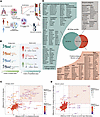 Figure 5
Comparative analysis of the putative autoantigen repertoire of 2 independent COVID-19 cohorts. (A) Flowchart of the DAC assay and benchmarking processes with anti–IL-6R antibody. (B) Schema of Chicago and Munich cohort demographics. (C) Scatter plot displaying fold changes of individual antigens in patients with COVID-19 (n = 13) of the Chicago cohort versus bacterial pneumonia patients (n = 6) on the x axis and influenza patients (n = 7) on the y axis at the first time point upon intubation. Dot size and color represent the number of patients with COVID-19 with a particular plasma autoantibody. Enriched putative autoantibodies in COVID-19 over bacterial pneumonia and influenza are depicted in the highlighted rectangle. (D) Scatter plot displaying fold changes of individual antigens in patients with severe COVID-19 (n = 16) of the Munich cohort versus high-inflammatory control patients (n = 23) on the x axis and low-inflammatory control patients (n = 24) on the y axis at the first point upon in hospitalization. Dot size and color represent the number of patients with COVID-19 with a particular plasma autoantibody. Enriched putative autoantibodies in COVID-19 over both controls are depicted in the highlighted rectangle. (E) Venn diagram demonstrating putative autoantibody repertoires of the Chicago and Munich cohorts grouped by molecular function. Displayed autoantigens are significantly enriched at least at 1 time point over at least 1 control group and in at least 3 patients with COVID-19.
In our previous study, the DAC assay reached almost 100% sensitivity and specificity against a clinical ELISA benchmark (31). To test these performance metrics in the present study, we made use of the fact that some patients were treated with the anti–IL-6R therapeutic monoclonal antibody Tocilizumab (32). We observed that IL-6R was significantly enriched over controls only in patients who received the therapeutic antibody (AUC = 0.89) (Figure 5A), demonstrating the high specificity of the immunoprecipitation. To identify putative COVID-19–specific autoantigens in severe disease, patients in the Chicago cohort and severe cases from the Munich cohort were screened, and the enriched antigens in each cohort at the first time point were further analyzed (Figure 5, C and D, and Supplemental Figure 4, D and E). In both cohorts, we found antigens significantly enriched over other pneumonia types (Figure 5C and Supplemental Figure 4D) or controls (Figure 5D and Supplemental Figure 4E) already upon hospitalization, with a prevalence ranging from 3 to 8 patients across all putative autoantigens.
Overall, we identified 95 putative autoantibodies in the Chicago cohort and 63 putative autoantibodies in the Munich cohort, ranging with functions from extracellular matrix proteins, keratins, lipoproteins, complement cascade members, nuclear antigens, enzymes, receptors, acute phase proteins, and signal transduction proteins (Figure 5E and Supplemental Table 10). Several of these antibodies have been associated with autoimmune disease. For example, phospholipid (PPL) autoantibodies were described in pulmonary fibrosis donors (33), anti-U1 snRNP (SNRPC) have been linked to mixed connective tissue disease and SLE (34), whereas anti-SP100 are associated with primary biliary cholangitis (35). Despite the substantial interindividual variance and significant differences between the Chicago and Munich cohorts, we also identified 19 hits (15 putative autoantigens, 4 immunoglobulins) that were shared between cohorts and significantly enriched in at least at 1 time point over at least 1 control group and in at least 3 patients with COVID-19 with severe disease (Figure 5E). Among the shared hits, autoantibodies against acute phase response proteins, complement, and anti-glutathione S-transferase omega-1 (GSTO1) have been described in autoimmune diseases, SLE, RA, and COVID-19, leading to excessive organ damage (36–38). Notably, the discovery of IFIT1 autoantibodies in our data supports previous work that has described autoantibodies interfering with IFN signaling in patients with severe COVID-19 (12, 39).
In conclusion, we detected antibodies with an affinity for native lung proteins in the plasma of patients with COVID-19 from 2 independent cohorts, suggesting the presence of multiple putative autoantigens in severe COVID-19. Many of these shared and cohort-specific antibodies encompass extracellular matrix proteins, immunoglobulins, complement cascade members, acute phase proteins, and others, highlighting both the diversity and clinical relevance of COVID-19–associated autoimmunity and underscoring the value of unbiased proteomics in revealing biomarkers for predicting disease severity.
COVID-19 patient clustering reveals temporal and severity-associated dynamics in autoantibody responses. Since the Chicago cohort encompassed severe COVID-19 samples, we set out to compare the longitudinal profiles in both the severe and mild cases of the Munich cohort. We first performed patient clustering based on all available clinical parameters. This revealed 2 patient groups; cluster 1 comprised individuals with severe disease manifestations, including acute respiratory distress syndrome (ARDS), immunosuppression, a higher incidence of kidney failure, and increased mortality, whereas cluster 2 included patients with milder symptoms (Figure 6A). These clinical differences were mirrored in the plasma levels of IL-6 and CRP, biomarkers of systemic inflammation (Supplemental Figure 5, A and B). To characterize temporal variations in autoantibody abundance, we subsequently grouped the observations into 3 time windows (days 0–11, 12–36, and 37–56) (Supplemental Figure 5C) and applied a mixed-effects linear model, with time and severity as fixed effects and patient ID as a random effect. The generated model identified 52 autoantigens with significant associations with 1 or both fixed effects (Figure 6B).
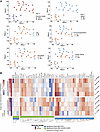 Figure 6
Longitudinal profiling of autoreactivities in mild and patients with severe COVID-19. (A) t-SNE of 27 patients with COVID-19 enrolled in the Ludwig-Maximilians-University Hospital (Munich cohort) based on available clinical parameters at the beginning of intubation. Two clusters (mild and severe) are shown. (B) Heatmap of mixed-effects model for time and COVID-19 severity. Only significant proteins (P < 0.05) are displayed, and shared proteins with the Chicago cohort are highlighted. Color code represents average expression in time intervals after hospitalization.
Among the identified autoantigens, 5 were significantly associated with both time and severity. In particular, antibodies against APOH, SELENOP, APOC3, and RBP4 were prevalent in patients with severe COVID-19, and their levels increased during hospitalization. Within the putative autoantibodies that were associated with disease severity, severe patients had elevated levels of anti-F13b, anti-B2M, anti-AGT, and anti-GPX3 antibodies compared with mild cases, whereas mild patients had higher levels of anti-TUBB1, anti-ALAD, anti-RAB15, anti-TRIM58, anti-CRYZ, anti-CD8B, anti-SAMM50, anti-PARVB, anti-CAD, ant-RSL1D1, and anti-EPRS1 antibodies (Figure 6B). Lastly, we detected putative autoantigens that were associated with hospitalization duration in both mild and severe patients. Notably, antigens that were correlated in both severity groups (SAA1, SAA2, LBP, FGL1) were related to acute inflammation and decreased over time. In contrast, those correlating in severe cases (IL-6R, CRP) showed both upward and downward trends over time (Figure 6B).
Taken together, we followed the dynamics of putative autoantibodies in the circulation of a longitudinal cohort of patients with COVID-19, and we described immunoglobulins that display temporal or severity-related abundance patterns.
Autoreactivities correlate with clinical parameters and severity in patients with COVID-19. We subsequently assessed the abundance of the identified autoreactivities related to key clinical features that included measures of lung function (PaO2/ FiO2 ratio [P/F ratio], plateau pressure, PEEP, SOFA score), inflammation, and antiviral immunity (CRP, ferritin, procalcitonin, IL-6, anti-N antibodies, anti-S antibodies), coagulation and thrombosis (D-dimer, fibrinogen, platelet counts), multiorgan injury (ALT, AST, LDH, troponin I, troponin T, creatinine, creatine kinase), disease severity and prognosis (maximum COVID stage, cumulative ICU days, intubation days, BMI, age), and leukocyte composition (neutrophil, macrophage, lymphocyte counts). In both cohorts, we identified a broad spectrum of associations between the putative autoantibodies and clinical parameters upon admission to the hospital. The assessment of associations between the shared autoantibodies in the Chicago and Munich cohorts and clinical parameters revealed a few putative associations with the number of days in intubation, coagulation, liver enzymes, antiviral inflammation, as well as blood leukocyte and platelet abundance (Figure 7, A and B).
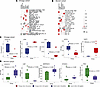 Figure 7
Blood putative autoantibodies are associated with clinical parameters in 2 independent severe COVID-19 cohorts. (A and B) Heatmaps presenting associations between the detection antibodies against shared putative antigens (n = 15) in the peripheral blood of (A) n = 13 patients with COVID-19 of the Chicago and (B) n = 16 patients with severe COVID-19 of the Munich cohort upon intubation on the x axis and selected clinical parameters on the y axis in the Chicago and Munich cohorts. The color denotes the output of the Wilcoxon test (P value). Dark gray color indicates detection in less than 3 patients or missing clinical data, preventing statistical comparison. (C and D) Box plots showing the significant associations between 19 putative shared autoantigens and clinical parameters in 2 cohorts: Chicago (C) and Munich (D). The x axis represents patients with COVID-19 categorized based on the presence (+) or absence (–) of detected autoantigens at the time of intubation. Statistical significance was assessed using the Wilcoxon test.
In both cohorts, we observed a broad range of associations between the putative autoantigens and clinical parameters at the time of hospital admission (Figure 7, A and B). Some of the most prominent shared patterns linked autoreactivities to prolonged intubation, coagulation abnormalities, elevated liver enzymes, antiviral responses, and altered blood cell counts. Within the shared autoantigens, several targets (IL-6R, TSKU, CPS1, FGL1, SVEP1, CFHR2, ST3GAL6, GSTO1, SERPINA10, COLEC10) demonstrated correlations, spanning respiratory compromise (PaO2/FiO2 ratio, plateau pressure, D-dimers), systemic inflammation (IL-6, CRP, procalcitonin), coagulation activation (fibrinogen, platelet counts), tissue injury (LDH, AST, creatinine, creatine kinase), clinical severity (maximum COVID-19 stage, BMI, intubation duration), antibody responses (anti-N, anti-S), and immune cell counts (leukocytes, monocytes, neutrophils, lymphocytes).
In addition, we detected cohort-specific patterns. In the Chicago cohort, autoreactivities were directed, among others, at lung structural proteins (KRT6A, KRT78, KRT84, KRT86), desmosomes (DST, PPL, DSC1), the actin cap (GSN, CALD1, ACTBL2, HCFC1), and meiotic synapses (HSPA2, SYNE2). These autoantibody profiles were associated with patient outcomes, encompassing respiratory function (P/F ratio, PEEP, plateau pressure), markers of inflammation and tissue injury (procalcitonin, LDH, creatine kinase, D-dimers), cell frequencies (lymphocyte, platelet, and total blood cell counts), and disease burden (intubation, duration of hospitalization, ICU stay, BMI, age) (Supplemental Figure 6A). In the Munich cohort, distinct autoreactivities targeting proteins, including ABCB9, RAB18, REG1B, NUP210, and ANGPTL6 were associated with changes in thrombocyte counts, ferritin and creatinine levels, the maximum COVID-19 stage, D-dimer and IL-6 levels, and antiviral antibody titers (Supplemental Figure 6B).
To test whether the presence of shared autoantibodies was associated with differences in clinical status, we compared the values of the aforementioned clinical parameters — including indicators of lung function, systemic inflammation, coagulation activity, and multiorgan injury — between patients positive and negative for the shared autoreactivities across both cohorts, and we performed the same for the cohort-specific autoreactivities (Figure 7, C and D, and Supplemental Figure 6, C and D). This analysis showed that antibody-positive patients often displayed more severe impairments in, and higher indices of, disease severity than antibody-negative patients, reinforcing the link between specific autoantibody profiles and the clinical manifestations of severe COVID-19.
To summarize, our analysis revealed clear associations between the levels of circulating autoantibodies and multiple clinical parameters in patients with COVID-19. Based on the biological functions of their target antigens, the detected autoantibodies may disrupt key molecular pathways, contributing to multiorgan injury and coagulopathy, commonly observed in severe cases. Moreover, their presence may prolong intubation and hospitalization requirements and increase susceptibility to secondary bacterial infections.


