
Research ArticleCell biologyGeneticsImmunology
Open Access |  10.1172/jci.insight.197359
IKAROS regulates human T cell phenotype at a thymic and postthymic level
Jennifer Stoddard,1 Hye Sun Kuehn,1 Ravichandra Tagirasa,1 Marita Bosticardo,2 Francesca Pala,2 Julie E. Niemela,1 Agustin A. Gil Silva,1 Kayla Amini,2 Eduardo Anaya,2 Mario Framil Seoane,3 Carolina Bouso,4 Dimana Dimitrova,5 Jennifer A. Kanakry,5 Laia Alsina,6 Matias Oleastro,4 Steven M. Holland,2 Thomas A. Fleisher,1 Richard L. Wasserman,7 Luigi D. Notarangelo,2 and Sergio D. Rosenzweig1
1Immunology Service, Department of Laboratory Medicine, Clinical Center, NIH, Bethesda, Maryland, USA.
2Laboratory of Clinical Immunology and Microbiology, National Institute of Allergy and Infectious Diseases, NIH, Bethesda, Maryland, USA.
3Immunology Department, Hospital Clínic, Barcelona, Spain.
4Department of Immunology and Rheumatology, Juan P. Garrahan National Pediatric Hospital, Buenos Aires, Argentina.
5Center for Immuno-Oncology, National Cancer Institute, NIH, Bethesda, Maryland, USA.
6Study Group for Immune Disfunction Diseases in Children, Institut de Recerca Sant Joan de Déu, Clinical Immunology and Primary Immunodeficiencies Unit, Pediatric Allergy and Clinical Immunology Department, Hospital Sant Joan de Déu, Barcelona, Spain.
7Department of Pediatrics, Medical City Children’s Hospital, Dallas, Texas, USA.
Address correspondence to: Hye Sun Kuehn or Sergio D. Rosenzweig, Immunology Service, Department of Laboratory Medicine, NIH Clinical Center, Building 10, Room 2C410, 10 Center Drive, MSC1508, Bethesda, Maryland, 20892, USA. Phone: 301.496.4879; Email: hyesun.kuehn@nih.gov (HSK); srosenzweig@cc.nih.gov (SDR).
Authorship note: JS, HSK, and RT contributed equally to this work.
Find articles by Stoddard, J. in: PubMed | Google Scholar
1Immunology Service, Department of Laboratory Medicine, Clinical Center, NIH, Bethesda, Maryland, USA.
2Laboratory of Clinical Immunology and Microbiology, National Institute of Allergy and Infectious Diseases, NIH, Bethesda, Maryland, USA.
3Immunology Department, Hospital Clínic, Barcelona, Spain.
4Department of Immunology and Rheumatology, Juan P. Garrahan National Pediatric Hospital, Buenos Aires, Argentina.
5Center for Immuno-Oncology, National Cancer Institute, NIH, Bethesda, Maryland, USA.
6Study Group for Immune Disfunction Diseases in Children, Institut de Recerca Sant Joan de Déu, Clinical Immunology and Primary Immunodeficiencies Unit, Pediatric Allergy and Clinical Immunology Department, Hospital Sant Joan de Déu, Barcelona, Spain.
7Department of Pediatrics, Medical City Children’s Hospital, Dallas, Texas, USA.
Address correspondence to: Hye Sun Kuehn or Sergio D. Rosenzweig, Immunology Service, Department of Laboratory Medicine, NIH Clinical Center, Building 10, Room 2C410, 10 Center Drive, MSC1508, Bethesda, Maryland, 20892, USA. Phone: 301.496.4879; Email: hyesun.kuehn@nih.gov (HSK); srosenzweig@cc.nih.gov (SDR).
Authorship note: JS, HSK, and RT contributed equally to this work.
Find articles by
Kuehn, H.
in:
PubMed
|
Google Scholar
|

1Immunology Service, Department of Laboratory Medicine, Clinical Center, NIH, Bethesda, Maryland, USA.
2Laboratory of Clinical Immunology and Microbiology, National Institute of Allergy and Infectious Diseases, NIH, Bethesda, Maryland, USA.
3Immunology Department, Hospital Clínic, Barcelona, Spain.
4Department of Immunology and Rheumatology, Juan P. Garrahan National Pediatric Hospital, Buenos Aires, Argentina.
5Center for Immuno-Oncology, National Cancer Institute, NIH, Bethesda, Maryland, USA.
6Study Group for Immune Disfunction Diseases in Children, Institut de Recerca Sant Joan de Déu, Clinical Immunology and Primary Immunodeficiencies Unit, Pediatric Allergy and Clinical Immunology Department, Hospital Sant Joan de Déu, Barcelona, Spain.
7Department of Pediatrics, Medical City Children’s Hospital, Dallas, Texas, USA.
Address correspondence to: Hye Sun Kuehn or Sergio D. Rosenzweig, Immunology Service, Department of Laboratory Medicine, NIH Clinical Center, Building 10, Room 2C410, 10 Center Drive, MSC1508, Bethesda, Maryland, 20892, USA. Phone: 301.496.4879; Email: hyesun.kuehn@nih.gov (HSK); srosenzweig@cc.nih.gov (SDR).
Authorship note: JS, HSK, and RT contributed equally to this work.
Find articles by Tagirasa, R. in: PubMed | Google Scholar
1Immunology Service, Department of Laboratory Medicine, Clinical Center, NIH, Bethesda, Maryland, USA.
2Laboratory of Clinical Immunology and Microbiology, National Institute of Allergy and Infectious Diseases, NIH, Bethesda, Maryland, USA.
3Immunology Department, Hospital Clínic, Barcelona, Spain.
4Department of Immunology and Rheumatology, Juan P. Garrahan National Pediatric Hospital, Buenos Aires, Argentina.
5Center for Immuno-Oncology, National Cancer Institute, NIH, Bethesda, Maryland, USA.
6Study Group for Immune Disfunction Diseases in Children, Institut de Recerca Sant Joan de Déu, Clinical Immunology and Primary Immunodeficiencies Unit, Pediatric Allergy and Clinical Immunology Department, Hospital Sant Joan de Déu, Barcelona, Spain.
7Department of Pediatrics, Medical City Children’s Hospital, Dallas, Texas, USA.
Address correspondence to: Hye Sun Kuehn or Sergio D. Rosenzweig, Immunology Service, Department of Laboratory Medicine, NIH Clinical Center, Building 10, Room 2C410, 10 Center Drive, MSC1508, Bethesda, Maryland, 20892, USA. Phone: 301.496.4879; Email: hyesun.kuehn@nih.gov (HSK); srosenzweig@cc.nih.gov (SDR).
Authorship note: JS, HSK, and RT contributed equally to this work.
Find articles by Bosticardo, M. in: PubMed | Google Scholar
1Immunology Service, Department of Laboratory Medicine, Clinical Center, NIH, Bethesda, Maryland, USA.
2Laboratory of Clinical Immunology and Microbiology, National Institute of Allergy and Infectious Diseases, NIH, Bethesda, Maryland, USA.
3Immunology Department, Hospital Clínic, Barcelona, Spain.
4Department of Immunology and Rheumatology, Juan P. Garrahan National Pediatric Hospital, Buenos Aires, Argentina.
5Center for Immuno-Oncology, National Cancer Institute, NIH, Bethesda, Maryland, USA.
6Study Group for Immune Disfunction Diseases in Children, Institut de Recerca Sant Joan de Déu, Clinical Immunology and Primary Immunodeficiencies Unit, Pediatric Allergy and Clinical Immunology Department, Hospital Sant Joan de Déu, Barcelona, Spain.
7Department of Pediatrics, Medical City Children’s Hospital, Dallas, Texas, USA.
Address correspondence to: Hye Sun Kuehn or Sergio D. Rosenzweig, Immunology Service, Department of Laboratory Medicine, NIH Clinical Center, Building 10, Room 2C410, 10 Center Drive, MSC1508, Bethesda, Maryland, 20892, USA. Phone: 301.496.4879; Email: hyesun.kuehn@nih.gov (HSK); srosenzweig@cc.nih.gov (SDR).
Authorship note: JS, HSK, and RT contributed equally to this work.
Find articles by Pala, F. in: PubMed | Google Scholar
1Immunology Service, Department of Laboratory Medicine, Clinical Center, NIH, Bethesda, Maryland, USA.
2Laboratory of Clinical Immunology and Microbiology, National Institute of Allergy and Infectious Diseases, NIH, Bethesda, Maryland, USA.
3Immunology Department, Hospital Clínic, Barcelona, Spain.
4Department of Immunology and Rheumatology, Juan P. Garrahan National Pediatric Hospital, Buenos Aires, Argentina.
5Center for Immuno-Oncology, National Cancer Institute, NIH, Bethesda, Maryland, USA.
6Study Group for Immune Disfunction Diseases in Children, Institut de Recerca Sant Joan de Déu, Clinical Immunology and Primary Immunodeficiencies Unit, Pediatric Allergy and Clinical Immunology Department, Hospital Sant Joan de Déu, Barcelona, Spain.
7Department of Pediatrics, Medical City Children’s Hospital, Dallas, Texas, USA.
Address correspondence to: Hye Sun Kuehn or Sergio D. Rosenzweig, Immunology Service, Department of Laboratory Medicine, NIH Clinical Center, Building 10, Room 2C410, 10 Center Drive, MSC1508, Bethesda, Maryland, 20892, USA. Phone: 301.496.4879; Email: hyesun.kuehn@nih.gov (HSK); srosenzweig@cc.nih.gov (SDR).
Authorship note: JS, HSK, and RT contributed equally to this work.
Find articles by Niemela, J. in: PubMed | Google Scholar
1Immunology Service, Department of Laboratory Medicine, Clinical Center, NIH, Bethesda, Maryland, USA.
2Laboratory of Clinical Immunology and Microbiology, National Institute of Allergy and Infectious Diseases, NIH, Bethesda, Maryland, USA.
3Immunology Department, Hospital Clínic, Barcelona, Spain.
4Department of Immunology and Rheumatology, Juan P. Garrahan National Pediatric Hospital, Buenos Aires, Argentina.
5Center for Immuno-Oncology, National Cancer Institute, NIH, Bethesda, Maryland, USA.
6Study Group for Immune Disfunction Diseases in Children, Institut de Recerca Sant Joan de Déu, Clinical Immunology and Primary Immunodeficiencies Unit, Pediatric Allergy and Clinical Immunology Department, Hospital Sant Joan de Déu, Barcelona, Spain.
7Department of Pediatrics, Medical City Children’s Hospital, Dallas, Texas, USA.
Address correspondence to: Hye Sun Kuehn or Sergio D. Rosenzweig, Immunology Service, Department of Laboratory Medicine, NIH Clinical Center, Building 10, Room 2C410, 10 Center Drive, MSC1508, Bethesda, Maryland, 20892, USA. Phone: 301.496.4879; Email: hyesun.kuehn@nih.gov (HSK); srosenzweig@cc.nih.gov (SDR).
Authorship note: JS, HSK, and RT contributed equally to this work.
Find articles by Gil Silva, A. in: PubMed | Google Scholar
1Immunology Service, Department of Laboratory Medicine, Clinical Center, NIH, Bethesda, Maryland, USA.
2Laboratory of Clinical Immunology and Microbiology, National Institute of Allergy and Infectious Diseases, NIH, Bethesda, Maryland, USA.
3Immunology Department, Hospital Clínic, Barcelona, Spain.
4Department of Immunology and Rheumatology, Juan P. Garrahan National Pediatric Hospital, Buenos Aires, Argentina.
5Center for Immuno-Oncology, National Cancer Institute, NIH, Bethesda, Maryland, USA.
6Study Group for Immune Disfunction Diseases in Children, Institut de Recerca Sant Joan de Déu, Clinical Immunology and Primary Immunodeficiencies Unit, Pediatric Allergy and Clinical Immunology Department, Hospital Sant Joan de Déu, Barcelona, Spain.
7Department of Pediatrics, Medical City Children’s Hospital, Dallas, Texas, USA.
Address correspondence to: Hye Sun Kuehn or Sergio D. Rosenzweig, Immunology Service, Department of Laboratory Medicine, NIH Clinical Center, Building 10, Room 2C410, 10 Center Drive, MSC1508, Bethesda, Maryland, 20892, USA. Phone: 301.496.4879; Email: hyesun.kuehn@nih.gov (HSK); srosenzweig@cc.nih.gov (SDR).
Authorship note: JS, HSK, and RT contributed equally to this work.
Find articles by Amini, K. in: PubMed | Google Scholar
1Immunology Service, Department of Laboratory Medicine, Clinical Center, NIH, Bethesda, Maryland, USA.
2Laboratory of Clinical Immunology and Microbiology, National Institute of Allergy and Infectious Diseases, NIH, Bethesda, Maryland, USA.
3Immunology Department, Hospital Clínic, Barcelona, Spain.
4Department of Immunology and Rheumatology, Juan P. Garrahan National Pediatric Hospital, Buenos Aires, Argentina.
5Center for Immuno-Oncology, National Cancer Institute, NIH, Bethesda, Maryland, USA.
6Study Group for Immune Disfunction Diseases in Children, Institut de Recerca Sant Joan de Déu, Clinical Immunology and Primary Immunodeficiencies Unit, Pediatric Allergy and Clinical Immunology Department, Hospital Sant Joan de Déu, Barcelona, Spain.
7Department of Pediatrics, Medical City Children’s Hospital, Dallas, Texas, USA.
Address correspondence to: Hye Sun Kuehn or Sergio D. Rosenzweig, Immunology Service, Department of Laboratory Medicine, NIH Clinical Center, Building 10, Room 2C410, 10 Center Drive, MSC1508, Bethesda, Maryland, 20892, USA. Phone: 301.496.4879; Email: hyesun.kuehn@nih.gov (HSK); srosenzweig@cc.nih.gov (SDR).
Authorship note: JS, HSK, and RT contributed equally to this work.
Find articles by Anaya, E. in: PubMed | Google Scholar
1Immunology Service, Department of Laboratory Medicine, Clinical Center, NIH, Bethesda, Maryland, USA.
2Laboratory of Clinical Immunology and Microbiology, National Institute of Allergy and Infectious Diseases, NIH, Bethesda, Maryland, USA.
3Immunology Department, Hospital Clínic, Barcelona, Spain.
4Department of Immunology and Rheumatology, Juan P. Garrahan National Pediatric Hospital, Buenos Aires, Argentina.
5Center for Immuno-Oncology, National Cancer Institute, NIH, Bethesda, Maryland, USA.
6Study Group for Immune Disfunction Diseases in Children, Institut de Recerca Sant Joan de Déu, Clinical Immunology and Primary Immunodeficiencies Unit, Pediatric Allergy and Clinical Immunology Department, Hospital Sant Joan de Déu, Barcelona, Spain.
7Department of Pediatrics, Medical City Children’s Hospital, Dallas, Texas, USA.
Address correspondence to: Hye Sun Kuehn or Sergio D. Rosenzweig, Immunology Service, Department of Laboratory Medicine, NIH Clinical Center, Building 10, Room 2C410, 10 Center Drive, MSC1508, Bethesda, Maryland, 20892, USA. Phone: 301.496.4879; Email: hyesun.kuehn@nih.gov (HSK); srosenzweig@cc.nih.gov (SDR).
Authorship note: JS, HSK, and RT contributed equally to this work.
Find articles by Framil Seoane, M. in: PubMed | Google Scholar
1Immunology Service, Department of Laboratory Medicine, Clinical Center, NIH, Bethesda, Maryland, USA.
2Laboratory of Clinical Immunology and Microbiology, National Institute of Allergy and Infectious Diseases, NIH, Bethesda, Maryland, USA.
3Immunology Department, Hospital Clínic, Barcelona, Spain.
4Department of Immunology and Rheumatology, Juan P. Garrahan National Pediatric Hospital, Buenos Aires, Argentina.
5Center for Immuno-Oncology, National Cancer Institute, NIH, Bethesda, Maryland, USA.
6Study Group for Immune Disfunction Diseases in Children, Institut de Recerca Sant Joan de Déu, Clinical Immunology and Primary Immunodeficiencies Unit, Pediatric Allergy and Clinical Immunology Department, Hospital Sant Joan de Déu, Barcelona, Spain.
7Department of Pediatrics, Medical City Children’s Hospital, Dallas, Texas, USA.
Address correspondence to: Hye Sun Kuehn or Sergio D. Rosenzweig, Immunology Service, Department of Laboratory Medicine, NIH Clinical Center, Building 10, Room 2C410, 10 Center Drive, MSC1508, Bethesda, Maryland, 20892, USA. Phone: 301.496.4879; Email: hyesun.kuehn@nih.gov (HSK); srosenzweig@cc.nih.gov (SDR).
Authorship note: JS, HSK, and RT contributed equally to this work.
Find articles by Bouso, C. in: PubMed | Google Scholar
1Immunology Service, Department of Laboratory Medicine, Clinical Center, NIH, Bethesda, Maryland, USA.
2Laboratory of Clinical Immunology and Microbiology, National Institute of Allergy and Infectious Diseases, NIH, Bethesda, Maryland, USA.
3Immunology Department, Hospital Clínic, Barcelona, Spain.
4Department of Immunology and Rheumatology, Juan P. Garrahan National Pediatric Hospital, Buenos Aires, Argentina.
5Center for Immuno-Oncology, National Cancer Institute, NIH, Bethesda, Maryland, USA.
6Study Group for Immune Disfunction Diseases in Children, Institut de Recerca Sant Joan de Déu, Clinical Immunology and Primary Immunodeficiencies Unit, Pediatric Allergy and Clinical Immunology Department, Hospital Sant Joan de Déu, Barcelona, Spain.
7Department of Pediatrics, Medical City Children’s Hospital, Dallas, Texas, USA.
Address correspondence to: Hye Sun Kuehn or Sergio D. Rosenzweig, Immunology Service, Department of Laboratory Medicine, NIH Clinical Center, Building 10, Room 2C410, 10 Center Drive, MSC1508, Bethesda, Maryland, 20892, USA. Phone: 301.496.4879; Email: hyesun.kuehn@nih.gov (HSK); srosenzweig@cc.nih.gov (SDR).
Authorship note: JS, HSK, and RT contributed equally to this work.
Find articles by Dimitrova, D. in: PubMed | Google Scholar
1Immunology Service, Department of Laboratory Medicine, Clinical Center, NIH, Bethesda, Maryland, USA.
2Laboratory of Clinical Immunology and Microbiology, National Institute of Allergy and Infectious Diseases, NIH, Bethesda, Maryland, USA.
3Immunology Department, Hospital Clínic, Barcelona, Spain.
4Department of Immunology and Rheumatology, Juan P. Garrahan National Pediatric Hospital, Buenos Aires, Argentina.
5Center for Immuno-Oncology, National Cancer Institute, NIH, Bethesda, Maryland, USA.
6Study Group for Immune Disfunction Diseases in Children, Institut de Recerca Sant Joan de Déu, Clinical Immunology and Primary Immunodeficiencies Unit, Pediatric Allergy and Clinical Immunology Department, Hospital Sant Joan de Déu, Barcelona, Spain.
7Department of Pediatrics, Medical City Children’s Hospital, Dallas, Texas, USA.
Address correspondence to: Hye Sun Kuehn or Sergio D. Rosenzweig, Immunology Service, Department of Laboratory Medicine, NIH Clinical Center, Building 10, Room 2C410, 10 Center Drive, MSC1508, Bethesda, Maryland, 20892, USA. Phone: 301.496.4879; Email: hyesun.kuehn@nih.gov (HSK); srosenzweig@cc.nih.gov (SDR).
Authorship note: JS, HSK, and RT contributed equally to this work.
Find articles by Kanakry, J. in: PubMed | Google Scholar
1Immunology Service, Department of Laboratory Medicine, Clinical Center, NIH, Bethesda, Maryland, USA.
2Laboratory of Clinical Immunology and Microbiology, National Institute of Allergy and Infectious Diseases, NIH, Bethesda, Maryland, USA.
3Immunology Department, Hospital Clínic, Barcelona, Spain.
4Department of Immunology and Rheumatology, Juan P. Garrahan National Pediatric Hospital, Buenos Aires, Argentina.
5Center for Immuno-Oncology, National Cancer Institute, NIH, Bethesda, Maryland, USA.
6Study Group for Immune Disfunction Diseases in Children, Institut de Recerca Sant Joan de Déu, Clinical Immunology and Primary Immunodeficiencies Unit, Pediatric Allergy and Clinical Immunology Department, Hospital Sant Joan de Déu, Barcelona, Spain.
7Department of Pediatrics, Medical City Children’s Hospital, Dallas, Texas, USA.
Address correspondence to: Hye Sun Kuehn or Sergio D. Rosenzweig, Immunology Service, Department of Laboratory Medicine, NIH Clinical Center, Building 10, Room 2C410, 10 Center Drive, MSC1508, Bethesda, Maryland, 20892, USA. Phone: 301.496.4879; Email: hyesun.kuehn@nih.gov (HSK); srosenzweig@cc.nih.gov (SDR).
Authorship note: JS, HSK, and RT contributed equally to this work.
Find articles by
Alsina, L.
in:
PubMed
|
Google Scholar
|
1Immunology Service, Department of Laboratory Medicine, Clinical Center, NIH, Bethesda, Maryland, USA.
2Laboratory of Clinical Immunology and Microbiology, National Institute of Allergy and Infectious Diseases, NIH, Bethesda, Maryland, USA.
3Immunology Department, Hospital Clínic, Barcelona, Spain.
4Department of Immunology and Rheumatology, Juan P. Garrahan National Pediatric Hospital, Buenos Aires, Argentina.
5Center for Immuno-Oncology, National Cancer Institute, NIH, Bethesda, Maryland, USA.
6Study Group for Immune Disfunction Diseases in Children, Institut de Recerca Sant Joan de Déu, Clinical Immunology and Primary Immunodeficiencies Unit, Pediatric Allergy and Clinical Immunology Department, Hospital Sant Joan de Déu, Barcelona, Spain.
7Department of Pediatrics, Medical City Children’s Hospital, Dallas, Texas, USA.
Address correspondence to: Hye Sun Kuehn or Sergio D. Rosenzweig, Immunology Service, Department of Laboratory Medicine, NIH Clinical Center, Building 10, Room 2C410, 10 Center Drive, MSC1508, Bethesda, Maryland, 20892, USA. Phone: 301.496.4879; Email: hyesun.kuehn@nih.gov (HSK); srosenzweig@cc.nih.gov (SDR).
Authorship note: JS, HSK, and RT contributed equally to this work.
Find articles by Oleastro, M. in: PubMed | Google Scholar
1Immunology Service, Department of Laboratory Medicine, Clinical Center, NIH, Bethesda, Maryland, USA.
2Laboratory of Clinical Immunology and Microbiology, National Institute of Allergy and Infectious Diseases, NIH, Bethesda, Maryland, USA.
3Immunology Department, Hospital Clínic, Barcelona, Spain.
4Department of Immunology and Rheumatology, Juan P. Garrahan National Pediatric Hospital, Buenos Aires, Argentina.
5Center for Immuno-Oncology, National Cancer Institute, NIH, Bethesda, Maryland, USA.
6Study Group for Immune Disfunction Diseases in Children, Institut de Recerca Sant Joan de Déu, Clinical Immunology and Primary Immunodeficiencies Unit, Pediatric Allergy and Clinical Immunology Department, Hospital Sant Joan de Déu, Barcelona, Spain.
7Department of Pediatrics, Medical City Children’s Hospital, Dallas, Texas, USA.
Address correspondence to: Hye Sun Kuehn or Sergio D. Rosenzweig, Immunology Service, Department of Laboratory Medicine, NIH Clinical Center, Building 10, Room 2C410, 10 Center Drive, MSC1508, Bethesda, Maryland, 20892, USA. Phone: 301.496.4879; Email: hyesun.kuehn@nih.gov (HSK); srosenzweig@cc.nih.gov (SDR).
Authorship note: JS, HSK, and RT contributed equally to this work.
Find articles by Holland, S. in: PubMed | Google Scholar
1Immunology Service, Department of Laboratory Medicine, Clinical Center, NIH, Bethesda, Maryland, USA.
2Laboratory of Clinical Immunology and Microbiology, National Institute of Allergy and Infectious Diseases, NIH, Bethesda, Maryland, USA.
3Immunology Department, Hospital Clínic, Barcelona, Spain.
4Department of Immunology and Rheumatology, Juan P. Garrahan National Pediatric Hospital, Buenos Aires, Argentina.
5Center for Immuno-Oncology, National Cancer Institute, NIH, Bethesda, Maryland, USA.
6Study Group for Immune Disfunction Diseases in Children, Institut de Recerca Sant Joan de Déu, Clinical Immunology and Primary Immunodeficiencies Unit, Pediatric Allergy and Clinical Immunology Department, Hospital Sant Joan de Déu, Barcelona, Spain.
7Department of Pediatrics, Medical City Children’s Hospital, Dallas, Texas, USA.
Address correspondence to: Hye Sun Kuehn or Sergio D. Rosenzweig, Immunology Service, Department of Laboratory Medicine, NIH Clinical Center, Building 10, Room 2C410, 10 Center Drive, MSC1508, Bethesda, Maryland, 20892, USA. Phone: 301.496.4879; Email: hyesun.kuehn@nih.gov (HSK); srosenzweig@cc.nih.gov (SDR).
Authorship note: JS, HSK, and RT contributed equally to this work.
Find articles by Fleisher, T. in: PubMed | Google Scholar
1Immunology Service, Department of Laboratory Medicine, Clinical Center, NIH, Bethesda, Maryland, USA.
2Laboratory of Clinical Immunology and Microbiology, National Institute of Allergy and Infectious Diseases, NIH, Bethesda, Maryland, USA.
3Immunology Department, Hospital Clínic, Barcelona, Spain.
4Department of Immunology and Rheumatology, Juan P. Garrahan National Pediatric Hospital, Buenos Aires, Argentina.
5Center for Immuno-Oncology, National Cancer Institute, NIH, Bethesda, Maryland, USA.
6Study Group for Immune Disfunction Diseases in Children, Institut de Recerca Sant Joan de Déu, Clinical Immunology and Primary Immunodeficiencies Unit, Pediatric Allergy and Clinical Immunology Department, Hospital Sant Joan de Déu, Barcelona, Spain.
7Department of Pediatrics, Medical City Children’s Hospital, Dallas, Texas, USA.
Address correspondence to: Hye Sun Kuehn or Sergio D. Rosenzweig, Immunology Service, Department of Laboratory Medicine, NIH Clinical Center, Building 10, Room 2C410, 10 Center Drive, MSC1508, Bethesda, Maryland, 20892, USA. Phone: 301.496.4879; Email: hyesun.kuehn@nih.gov (HSK); srosenzweig@cc.nih.gov (SDR).
Authorship note: JS, HSK, and RT contributed equally to this work.
Find articles by Wasserman, R. in: PubMed | Google Scholar
1Immunology Service, Department of Laboratory Medicine, Clinical Center, NIH, Bethesda, Maryland, USA.
2Laboratory of Clinical Immunology and Microbiology, National Institute of Allergy and Infectious Diseases, NIH, Bethesda, Maryland, USA.
3Immunology Department, Hospital Clínic, Barcelona, Spain.
4Department of Immunology and Rheumatology, Juan P. Garrahan National Pediatric Hospital, Buenos Aires, Argentina.
5Center for Immuno-Oncology, National Cancer Institute, NIH, Bethesda, Maryland, USA.
6Study Group for Immune Disfunction Diseases in Children, Institut de Recerca Sant Joan de Déu, Clinical Immunology and Primary Immunodeficiencies Unit, Pediatric Allergy and Clinical Immunology Department, Hospital Sant Joan de Déu, Barcelona, Spain.
7Department of Pediatrics, Medical City Children’s Hospital, Dallas, Texas, USA.
Address correspondence to: Hye Sun Kuehn or Sergio D. Rosenzweig, Immunology Service, Department of Laboratory Medicine, NIH Clinical Center, Building 10, Room 2C410, 10 Center Drive, MSC1508, Bethesda, Maryland, 20892, USA. Phone: 301.496.4879; Email: hyesun.kuehn@nih.gov (HSK); srosenzweig@cc.nih.gov (SDR).
Authorship note: JS, HSK, and RT contributed equally to this work.
Find articles by
Notarangelo, L.
in:
PubMed
|
Google Scholar
|
1Immunology Service, Department of Laboratory Medicine, Clinical Center, NIH, Bethesda, Maryland, USA.
2Laboratory of Clinical Immunology and Microbiology, National Institute of Allergy and Infectious Diseases, NIH, Bethesda, Maryland, USA.
3Immunology Department, Hospital Clínic, Barcelona, Spain.
4Department of Immunology and Rheumatology, Juan P. Garrahan National Pediatric Hospital, Buenos Aires, Argentina.
5Center for Immuno-Oncology, National Cancer Institute, NIH, Bethesda, Maryland, USA.
6Study Group for Immune Disfunction Diseases in Children, Institut de Recerca Sant Joan de Déu, Clinical Immunology and Primary Immunodeficiencies Unit, Pediatric Allergy and Clinical Immunology Department, Hospital Sant Joan de Déu, Barcelona, Spain.
7Department of Pediatrics, Medical City Children’s Hospital, Dallas, Texas, USA.
Address correspondence to: Hye Sun Kuehn or Sergio D. Rosenzweig, Immunology Service, Department of Laboratory Medicine, NIH Clinical Center, Building 10, Room 2C410, 10 Center Drive, MSC1508, Bethesda, Maryland, 20892, USA. Phone: 301.496.4879; Email: hyesun.kuehn@nih.gov (HSK); srosenzweig@cc.nih.gov (SDR).
Authorship note: JS, HSK, and RT contributed equally to this work.
Find articles by
Rosenzweig, S.
in:
PubMed
|
Google Scholar
|
Published December 22, 2025 - More info
JCI Insight. 2025;10(24):e197359. https://doi.org/10.1172/jci.insight.197359.
© 2025 Stoddard et al. This work is licensed under the Creative Commons Attribution 4.0 International License. To view a copy of this license, visit http://creativecommons.org/licenses/by/4.0/.
Received: June 27, 2025; Accepted: November 4, 2025

-
Results
T cell immunophenotype in patients with IKAROS-associated diseases. As the number of patients with IKAROS-associated diseases continues to grow, distinctive T cell immunophenotypic patterns are becoming readily identifiable in patients carrying DN, HI, DD, and GOF mutations (6, 9–13). In a primary T cell immunophenotyping analysis, we included previously published cases (6, 9–13) (represented by full circles in Figure 1) as well as new patients and mutations tested for this work (represented by yellow rectangles, diamonds, and triangles) (Supplemental Figure 1 and Supplemental Table 1; supplemental material available online with this article; https://doi.org/10.1172/jci.insight.197359DS1). When absolute and percentual CD4+ T cell subsets were analyzed (i.e., naive, central memory [CM], effector memory [EM], and EM reexpressing RA [TEMRA] cells) and compared across IKAROS allelic variants and individuals acting as healthy controls (HCs), a distinctive pattern became evident. DN and GOF patients displayed increased naive and TEMRA/decreased CM cells, while patients with HI and DD allelic variants presented the opposite picture, with increased CM/decreased naive and TEMRA cells (Figure 1A and Supplemental Figure 2). Analysis of CD8+ T cells followed a similar, although less pronounced, trend as CD4+ T cells both at absolute and percentual values (Figure 1B).
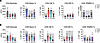 Figure 1
Naive and memory T cell phenotypes in patients with IKZF1 mutations. (A) Naive CD4+ T (CD45 RA+CD62L+), central memory (CM; CD45RA–CD62L+), effector memory (EM; CD45RA–CD62L–), and TEMRA (CD45RA+CD62L–) cells are shown. Each dot represents a different individual. DN (total n = 6): IKZF1N159S (n = 5) (6), IKZF1N159T (n = 1) (6); HI (total n = 9): IKZF1N159K (n = 3), IKZF1H167R (n = 3) (9), IKZF1R162L (n = 2) (9), IKZF1R184Q (n = 1) (9); DD (total n = 15) IKZF1Y503* (n = 4) (13), IKZF1R213* (n = 2) (11), IKZF1S427* (n = 1) (11), IKZF1C467R (n = 6) (11), IKZF1R502L (n = 2) (11); and GOF (total n = 10): IKZF1R183H (n = 5) (10), IKZF1R183C (n = 3) (10), IKZF1T398M (n = 2) (12) (A-B) CD4+ T cell (A) and CD8+ T cell (B) data are shown. Naive (CD45 RA+CD62L+), central memory. Black circles indicate values from previously reported patients, and yellow symbols represent newly identified, previously unpublished patients included in this study. Shaded area in graphs represent healthy control normal ranges (n = 40, 95% CI) from pediatric (DN) and adult (HI, DD, GOF) populations. Data are represented as mean ± SD.
Among the newly tested patients/variants for this work, we investigated a family of 3 individuals, including a father and his 2 children, carrying what we believe to be a previously unreported variant, N159K, and presenting with a common variable immunodeficiency–like (CVID-like) phenotype. IKAROS functional assays, including immunofluorescence and EMSA, indicated that the N159K variant is a loss-of-function (LOF) mutation, as it completely fails DNA binding. Furthermore, cotransfection studies showed no DN effect on pericentromeric targeting, demonstrating that the mutant behaved in a HI manner. (Supplemental Figure 3). It is noteworthy that missense variants at position 159 (N159S or N159K) were associated with strikingly different mechanisms of action as well as immune and clinical phenotypes. Patients heterozygous for the N159S variant resulting in a DN effect presented with combined immunodeficiency (CID), whereas patients heterozygous for the N159K variant acting through HI presented with CVID. These findings underscore the tight genotype/phenotype correlation between specific mutations, even when impacting the same amino acid, that can result in different T cell, B cell, myeloid, and clinical phenotypes (6, 9).
IKAROS controls CD45RA and CD45RO expression and regulates HNRNPLL. We investigated whether IKAROS expression influences the CD45RA-expressing naive and CD45RO-expressing memory T cell phenotype using lenalidomide (Len). In patients with multiple myeloma, and through mechanisms yet to be elucidated, Len has been shown to enhance antigen-specific T cell activation and promote CD45RA downregulation, thereby facilitating the transition from naive to memory/effector phenotypes (14). Len is a thalidomide analog that targets the cereblon (CRBN) E3 ubiquitin ligase complex, modifies its substrate specificity, and promotes IKAROS and AIOLOS proteasomal degradation (15). Treatment with Len at concentrations of 0.1, 1, and 5 μM effectively reduced IKAROS expression in CD4+ naive T cells stimulated with CD3/CD28-coated beads, and minimally — but not significantly — affected naive CD4+ T cell proliferation (Figure 2A and Supplemental Figure 4A). In HC CD4+ naive T cells, Len treatment markedly decreased CD45RA+CD45RO–- and increased CD45RA–CD45RO+-expressing cells (Figure 2, B and C). These findings suggest that reduced IKAROS expression promotes a CD45RA–/CD45RO+ memory-like phenotype, mirroring the pattern observed in patients with HI or DD allelic variants. Western blot analysis further confirmed a reduced CD45RA and increased CD45RO total protein expression on CD4+ naive T cells following activation for 7 days in the presence of Len (Figure 2D). Len-mediated IKAROS degradation in activated CD4+ T cells was also associated with upregulation of HNRNPLL protein expression; this effect seemed specific, as minimal changes were detected in HNRNPL, an HNRNPLL paralog (Figure 2D). Although less dramatic than CD45RA, CD45 isoforms RB and RC followed the same trend of decreased expression upon Len treatment (Supplemental Figure 4B). Further in silico investigation into the role of IKAROS in regulating HNRNPLL transcription by the UCSC Genome Browser revealed the presence of 2 antisense regulatory regions with IKAROS canonical binding sites (GGGAA) upstream of the HNRNPLL transcription start site (Figure 2E) (16). When IKAROS-dependent HNRNPLL transcriptional activity was biologically tested using a luciferase system, the results confirmed that WT IKAROS negatively regulated HNRNPLL transcription. IKAROS LOF variants acting through DN, HI, or DD mechanisms exhibited significantly reduced suppression of HNRNPLL transcriptional activity when compared with WT IKAROS; on the other hand, GOF variants showed a trend of enhanced suppression activity when compared with the WT control, although this was not statistically significant (Figure 2E). Interestingly, despite the stark contrast in mechanisms of diseases and T cell phenotypes between N159S (high naive/low memory) and N159K (high memory/low naive), both mutations failed to suppress luciferase activity, suggesting that other factors beyond HNRNPLL may be involved in their T cell immunophenotypes. As previously shown, patients carrying IKAROS DN variants (N159S/T) showed impaired T cell responses, including reduced IL-2–induced STAT5 phosphorylation and anti-CD3–induced T cell proliferation, despite preserved baseline surface expression of IL-2Rα/CD25, IL-2Rβ/CD122, and IL-2Rγ/CD132 (6). When IL-2– and IL-7–induced pSTAT5 phosphorylation was tested in DN N159S and HI N159K patient cells, IL-2 signaling was impaired only in DN N159S cells, while IL-7 signaling was preserved in both allelic variants (Supplemental Figure 4C). Consistent with the findings of the study cited above (6), TCR-induced T cell proliferation was impaired in cells from the N159S patient, but not in cells from the N159K patient (Supplemental Figure 4C). These results indicate that the cytokine signaling defect was selective/allelic variant dependent, and the impaired function of the IL-2 pathway is likely linked to the T cell activation, expansion, and differentiation defects observed in DN N159S cells. These results also suggest that, not only IKAROS dysfunction and HNRNPLL, but also the integrity of T cell cytokine response likely affects T cell activation, leading to defective naive/memory cell formation and Th differentiation.
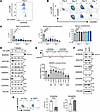 Figure 2
The effect of IKAROS on CD45RA, CD45RO, and HNRNPLL expression. (A–D) Healthy control naive CD4+ T cells were cultured with Dynabeads human T cell activator CD3/CD28 for 7 days in the presence or absence of lenalidomide (0.1, 1, and 5 μM). (A) Intracellular IKAROS expression, (B) CD45RA and CD45RO expression, (C) percentage of naive (CD45RA+CD45RO–), double-positive (CD45RA+CD45RO+), and memory (CD45RA–CD45RO+) cells, and (D) immunoblotting data are shown. Data are representative of 3 independent experiments. (E) The ReMap ChIP-seq track in the UCSC Genome Browser (https://genome.ucsc.edu; Human ReMap Atlas of Regulatory Regions; fourth release, 2022)] revealed 2 antisense regulatory regions with IKAROS canonical binding sites (GGGAA) upstream of the HNRNPLL transcription start site (top). HEK293T cells were cotransfected with HNRNPLL promoter and indicated IKAROS expression plasmids. Empty vector (EV), is represented by the backbone pcDNA3-HA plasmid lacking IKAROS gene sequence information. Gaussia luciferase activity was normalized to secreted alkaline phosphatase. Relative luciferase activity is shown after normalization to EV (bottom). The dotted line indicates the average value for the WT. (F and G) Healthy control naive CD4+ T cells were transduced with lentiviral particles containing GFP control or IKZF1 shRNA. Three days after infection, GFP+ cells were sorted and stimulated with anti-CD3– and CD28–coated beads for 7 days. (F) Immunoblot analysis and (G) mean fluorescence intensity (MFI) of CD45RA and CD45RO by flow cytometric analysis are shown. For the immunoblot analysis, the numbers below the blots represent densitometry analysis normalized to vinculin. Data represent the mean ± SD from at least 3 independent experiments. Significance was determined using ordinary 1-way ANOVA (Dunnett’s multiple comparisons test), comparing each group to the Len-untreated control (C) or WT (E), and 2-tailed Student’s t test (G). *P < 0.05, **P < 0.01, ***P < 0.001, ****P < 0.0001.
As Len promotes both IKAROS and AIOLOS degradation, we selectively silenced IKAROS using small hairpin RNA (shRNA) to assess its independent effect on HNRNPLL-regulated CD45RA and CD45RO expression. HC CD4+ naive T cells were transduced with lentiviral particles containing IKZF1 shRNA, and efficiently transduced cells were sorted and cultured with IL-2 and anti-CD3/CD28–coated beads for 7 days before final evaluation. Western blot analysis confirmed that IKAROS silencing (~80%) was accompanied by an increase on HNRNPLL and CD45RO expression, whereas CD45RA levels decreased. No remarkable effects were observed on AIOLOS or HNRNPL expression, underscoring the specificity of IKAROS silencing and its downstream effects (Figure 2F). The effects of IKAROS silencing in HC CD4+ naive peripheral T cells were confirmed by flow cytometry, which showed reduced surface CD45RA median fluorescence intensity (MFI) and increased CD45RO MFI (Figure 2G).
These results show that the two in vitro models of reduced IKAROS expression, i.e., by Len-induced degradation and transcriptional inhibition by shRNA, resulted in increased HNRNPLL expression, along with reduced CD45RA and increased CD45RO cell surface and total protein expression. It is noteworthy that while Len induced IKAROS and AIOLOS degradation, the shRNA experiment specifically and exclusively targeted IKAROS. As the shRNA results did not differ from those of the Len experiments, this indicates that IKAROS has a direct and leading role in controlling HNRNPLL and, in turn, CD45RA/RO expression and naive/memory peripheral T cell phenotypes.
In a sequential model, these findings suggest that IKAROS binds to the HNRNPLL promoter and regulates its transcription and protein levels. Then, HNRNPLL, by itself or more likely in combination with other intrinsic cellular factors, determines different naive/memory T cell ratios in patients with IKAROS-associated diseases. This effect, as described in the section above and in Figure 1 and Supplemental Figure 2, was more evident in CD4+ T cells than in CD8+ T cells, also suggesting different lineage sensitivities to the IKAROS-HNRNPLL axis and CD45RA/RO regulation.
IKAROS contributes to T cell cytokine production and Th commitment regulation. Patients with IKAROS-associated diseases predominantly present with distinctive T cell cytokine production patterns and Th phenotypes. IKAROS DN mutation carriers have a strongly skewed Th0 phenotype (T cells with limited IL-2 but virtually absent IL-4 or IFN-γ production); and IKAROS GOF mutation carriers present with a Th2 high/Th1 low–skewed phenotype. IKAROS patients with HI or DD defects have less biased cytokine production and Th commitment phenotypes (3, 6, 10).
To explore the effect of IKAROS on cytokine production and Th commitment, purified HC CD4+ naive peripheral T cells were cultured in Th1- or Th2-specific differentiation conditions for 12 days in the absence or presence of Len, an IKAROS immunomodulator. Following phorbol 12-myriate 13-acetate (PMA) and ionomycin stimulation, IFN-γ and IL-4 were measured by flow cytometric intracellular staining; in addition, IFN-γ, IL-4, IL-5, IL-13, and IL-10 were quantified in culture supernatants by Luminex. As shown in Figure 2B, Len-mediated IKAROS degradation resulted in a reduced CD45RA and augmented CD45RO expression in Th-uncommitted environments. Remarkably, opposite trends were detected for Th1- and Th2-specific cytokines, where Th1-associated IFN-γ was increased by approximately 20% and Th2-associated IL-4 was decreased by approximately 85% in a Len-mediated dose-dependent manner (Figure 3, A and B). Cytokine concentrations in the supernatants further confirmed the increased Th1 (IFN-γ) and decreased Th2 (IL-4, IL-5 and IL-13) cytokine secretion, as well as decreased Treg-associated IL-10, in a Len-mediated dose-dependent manner (Figure 3C).
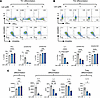 Figure 3
Degradation of IKAROS enhances Th1 differentiation but suppresses Th2 differentiation. (A and B) Naive CD4+ T cells from healthy controls were cultured with plate-bound anti-CD3 and soluble anti-CD28 for 8 days along with differentiating cytokines (IL-12, IL-2, and anti–IL-4 antibody for Th1 cells and IL-4, IL-2, and anti–IFN-γ antibody for Th2 cells) in the presence or absence of lenalidomide (1–5 μM). Cells were rested for 4 days without anti-CD3/CD28 stimulation but with differentiating cytokines and lenalidomide. Cells were then stimulated with PMA, ionomycin, and brefeldin A for 5–6 hours, stained with CD45RA and CD45RO and intracellular IFN-γ and IL-4, and analyzed by flow cytometry. (C) Cells were stimulated as in A and B but without brefeldin A for 24 hours. TGF-β, IL-2, anti–IFN-γ, and anti–IL-4 were used for Treg differentiation. Measurement of secreted cytokines by Luminex from the supernatants of Th1 cells (IFN-γ), Th2 cells (IL-4, IL-5, and IL-13), and Tregs (IL-10). Data represent the mean ± SD from at least 3 independent experiments. Significance was determined using ordinary 1-way ANOVA (Tukey’s multiple comparisons test). *P < 0.05, **P < 0.01, ***P < 0.001, ****P < 0.0001.
These results suggest that IKAROS influences T cell cytokine production and secretion, as well as Th cell commitment, with a more pronounced effect over Th2 cells than Th1 cells. We further examined T-bet and GATA3, the key transcription factors for Th1 and Th2 differentiation, under both Th1 and Th2 differentiation conditions. Naive CD4+ T cells from individuals acting as healthy controls under Th1 differentiation conditions did not show any relevant Len effect on T-bet or GATA3 expression; on the other hand, naive CD4 T+ cells under Th2 differentiation conditions showed an increased trend on T-bet expression but no effect on GATA3 (Supplemental Figure 5). Previous studies have shown that IKAROS directly occupies the tbx21 promoter, with strong binding under Th2-polarizing conditions but not under Th1-polarizing conditions. Loss of IKAROS activity disrupts this repression and allows T-bet expression during Th2 differentiation (17). While our data are consistent with these findings, increased T-bet expression by itself is unlikely to explain the reduction in Th2 differentiation; further studies will be needed to identify other contributing mechanisms. Moreover, IKAROS is unlikely to be the sole regulator of T cell cytokine production, secretion, and Th cell commitment, as while IKAROS GOF patients exhibit a Th2-biased immunophenotype, IKAROS modulation by Len did not fully recapitulate the Th cytokine profile observed in IKAROS DN patients (3, 6, 10).
IKZF1 DN and HI variants are associated with abnormal T cell development in the ATO system. To further characterize the role of IKAROS in early T cell development, we differentiated CD34+ hematopoietic and stem progenitor cells into T cells in the ATO system from 2 patients carrying different missense IKAROS allelic variants affecting the same codon (N159S and N159K) but exerting different effects (DN and HI, respectively). To this purpose, CD34+ cells were isolated from PBMCs of patients and individuals acting as healthy controls, aggregated with MS5-hDLL4 stromal cells, followed by culture in RB27-, IL-7–, and FLT3L-containing medium for 5 weeks before evaluation. Progression of T cell development was assessed by flow cytometry, by staining for CD4 and CD8 expression (Figure 4A), to define CD4–CD8– double-negative, immature CD4+ (CD4+CD8–), and CD4+CD8+ double-positive T cells. CD45RA and CD45RO expression was analyzed at each developmental stage in patients and individuals acting as healthy controls (Figure 4A). Previous studies have demonstrated that progression of T cell development in the thymus from double-negative to double-positive cells is marked by transitioning from CD45RA to CD45RO expression (18, 19). HC CD34+ cells were able to differentiate in the ATO system from CD4–CD8– double-negative to immature CD4+ and finally to CD4+CD8+ double-positive T cells (Figure 4, A and B). This differentiation was also accompanied by a progressive shift from CD45RA to CD45RO expression (Figure 4, A–E). By contrast, cells carrying the DN N159S mutant showed a predominant block at the CD4–CD8– double-negative cell stage, and the vast majority of them retained high levels of CD45RA expression (Figure 4, A–E). In comparison, the HI N159K mutant allowed differentiation to immature CD4+ cells and, to a minor extent, to the CD4+ CD8+ double-positive stage. Consistent with this, the N159K developing T cells showed intermediate levels of CD45RA and CD45RO expression (Figure 4, A–E). The observation that developing T cells carrying the N159S mutant are predominantly CD45RA+ recapitulated the peripheral blood T cell phenotype for this allelic variant but contrasted with the expectation that this DN IKAROS mutant should unleash HNRNPLL activity, ultimately promoting CD45RO expression. To investigate a possible reason for this discrepancy, we interrogated a publicly available resource of gene transcription in the human thymus and observed that HNRNPLL was more abundantly expressed starting at double-positive stage of T cell development (Figure 4, F and G) (20). These data strongly suggest that IKAROS regulates early stages of T cell development through mechanism(s) independent of HNRNPLL, and therefore, the peripheral blood T cell phenotypes in IKAROS-associated diseases can have thymic as well as postthymic contributions. In fact, while HNRNPLL expression was reduced in N159K CD45RA+/RO–, as well as in N159K and N159S CD45RA–/RO+ patient cells, none of those differences were statistically significant when compared with the healthy controls (Figure 4H), also pointing at HNRNPLL-independent mechanisms of CD45RA/CD45RO expression regulation.
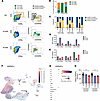 Figure 4
Mutations in IKZF1 lead to altered T cell development in the thymus. (A) Representative flow cytometry analysis of T cell differentiation in a healthy donor (HC), a IKZF1 DN patient (N159S), and a IKZF1 HI patient (N159K) after 6 weeks of culture in the ATO system (n = 1). Cells were gated on live/dead–CD45+CD56– cells and stained for CD4, CD8a, CD45RA, and CD45RO. The left column shows the progression of T cell differentiation from CD4–CD8– double-negative (CD4–CD8–, green box), to immature CD4+ (CD4+CD8–, turquoise box) to CD4+CD8+ double-positive (CD4+CD8+, orange box) cells in the ATO system. The right column shows CD45RA and CD45RO expression in the same 3 subsets. (B) Bar graph showing the frequency of CD4–CD8–, CD4+CD8–, and CD4+CD8+ cells in ATOs of the HC and patients. (C) Bar graph showing the frequency of CD45RA+CD45RO– (brown gate), CD45RAintCD45ROint (yellow gate), and CD45RA–CD45RO+ (blue gate) cells among CD4–CD8–, CD4+CD8–, and CD4+CD8+ cells in ATOs of the HC and patients. (D and E) Bar graphs showing the mean fluorescence intensity (MFI) of CD45RA (D) and CD45RO (E) expression in CD4–CD8–, CD4+CD8–, and CD4+CD8+ cells from the ATOs of the HC and patients. (F and G) UMAP (F) and dot plot (G) showing the expression level of HNRNPLL in the different cell subsets of the human thymus atlas. The data was obtained from the collection of single-cell datasets available on the UCSC Cell Browser (https://fetal-thymus.cells.ucsc.edu) (33) (H) HNRNPLL MFI values in CD4 cells were normalized to the average of corresponding HC subset (set to 100%), and relative protein expression is displayed. Data are from 3 experiments; N159K patient points reflect the average of 2–3 replicates. Mutation N159S was studied in patient A.I.1; mutation N159K was studied in patients B.I.1 (diamond), B.II.1 (square) and B.II.2 (triangle). Gray boxes represent HC values from 12 individuals. Significance was determined using ordinary 1-way ANOVA (Dunnett’s multiple comparisons test).
Based on our results, we provide evidence in support of IKAROS-dependent effects on T cells both during early development (through the ATO studies) and in the periphery (as shown by Len, shRNA, and HNRNPLL studies). It is noteworthy that these IKAROS-dependent effects on T cells are IKAROS allelic variant dependent and a contributory part of a broader and previously established set of factors regulating T cell development, phenotype, and function (3, 6, 10).


