
Research ArticleImmunologyInfectious diseaseInflammation
Open Access |  10.1172/jci.insight.197224
HDAC1 modulates sepsis-induced immunosuppression by driving the exhaustion of CD8+ T cells
Liu Di,1,2,3 Jiang-bo Fan,1 Rui Wang,1 You Li,4 Wan-da Bi,1 Si-yuan Huang,1 Heng-hai Nie,1 Xi-feng Feng,1 Hua-cai Zhang,1 Juan Du,1 Xiao-fei Huang,5 An-yong Yu,5 Zhe Xu,6 Fei Xia,6 Jian-xin Jiang,1 Shuang-shuang Dai,3 Xiang Xu,2 Zhen Wang,4 and Ling Zeng1
1Department of Trauma Medical Center, and
2Department of Stem Cell & Regenerative Medicine, State Key Laboratory of Trauma and Chemical Poisoning, Daping Hospital, Army Medical University, Chongqing, China.
3Department of Biochemistry and Molecular Biology, School of Basic Medicine, Army Medical University, Chongqing, China.
4Department of Intensive Care Unit, Daping Hospital, State Key Laboratory of Trauma and Chemical Poisoning, Army Medical University, Chongqing, China.
5Department of Emergency, Affiliated Hospital of Zunyi Medical University, Zunyi, China.
6Department of Emergency, the Affiliated Hospital of Guizhou Medical University, Guizhou Medical University, Guiyang, China.
Address correspondence to: Ling Zeng, Department of Trauma Medical Center, State Key Laboratory of Trauma and Chemical Poisoning, Daping Hospital, Army Medical University, Chongqing 400042, China, Email: zengling_1025@tmmu.edu.cn. Or to: Zhen Wang, Department of Intensive Care Unit, Daping Hospital, State Key Laboratory of Trauma and Chemical Poisoning, Army Medical University, Chongqing 400042, China, Email: dpicuwz@tmmu.edu.cn. Or to: Xiang Xu, Department of Stem Cell & Regenerative Medicine, State Key Laboratory of Trauma and Chemical Poisoning, Daping Hospital, Army Medical University, Chongqing 400042, China, Email: xiangxu@tmmu.edu.cn.
Find articles by Di, L. in: PubMed | Google Scholar
1Department of Trauma Medical Center, and
2Department of Stem Cell & Regenerative Medicine, State Key Laboratory of Trauma and Chemical Poisoning, Daping Hospital, Army Medical University, Chongqing, China.
3Department of Biochemistry and Molecular Biology, School of Basic Medicine, Army Medical University, Chongqing, China.
4Department of Intensive Care Unit, Daping Hospital, State Key Laboratory of Trauma and Chemical Poisoning, Army Medical University, Chongqing, China.
5Department of Emergency, Affiliated Hospital of Zunyi Medical University, Zunyi, China.
6Department of Emergency, the Affiliated Hospital of Guizhou Medical University, Guizhou Medical University, Guiyang, China.
Address correspondence to: Ling Zeng, Department of Trauma Medical Center, State Key Laboratory of Trauma and Chemical Poisoning, Daping Hospital, Army Medical University, Chongqing 400042, China, Email: zengling_1025@tmmu.edu.cn. Or to: Zhen Wang, Department of Intensive Care Unit, Daping Hospital, State Key Laboratory of Trauma and Chemical Poisoning, Army Medical University, Chongqing 400042, China, Email: dpicuwz@tmmu.edu.cn. Or to: Xiang Xu, Department of Stem Cell & Regenerative Medicine, State Key Laboratory of Trauma and Chemical Poisoning, Daping Hospital, Army Medical University, Chongqing 400042, China, Email: xiangxu@tmmu.edu.cn.
Find articles by Fan, J. in: PubMed | Google Scholar
1Department of Trauma Medical Center, and
2Department of Stem Cell & Regenerative Medicine, State Key Laboratory of Trauma and Chemical Poisoning, Daping Hospital, Army Medical University, Chongqing, China.
3Department of Biochemistry and Molecular Biology, School of Basic Medicine, Army Medical University, Chongqing, China.
4Department of Intensive Care Unit, Daping Hospital, State Key Laboratory of Trauma and Chemical Poisoning, Army Medical University, Chongqing, China.
5Department of Emergency, Affiliated Hospital of Zunyi Medical University, Zunyi, China.
6Department of Emergency, the Affiliated Hospital of Guizhou Medical University, Guizhou Medical University, Guiyang, China.
Address correspondence to: Ling Zeng, Department of Trauma Medical Center, State Key Laboratory of Trauma and Chemical Poisoning, Daping Hospital, Army Medical University, Chongqing 400042, China, Email: zengling_1025@tmmu.edu.cn. Or to: Zhen Wang, Department of Intensive Care Unit, Daping Hospital, State Key Laboratory of Trauma and Chemical Poisoning, Army Medical University, Chongqing 400042, China, Email: dpicuwz@tmmu.edu.cn. Or to: Xiang Xu, Department of Stem Cell & Regenerative Medicine, State Key Laboratory of Trauma and Chemical Poisoning, Daping Hospital, Army Medical University, Chongqing 400042, China, Email: xiangxu@tmmu.edu.cn.
Find articles by Wang, R. in: PubMed | Google Scholar
1Department of Trauma Medical Center, and
2Department of Stem Cell & Regenerative Medicine, State Key Laboratory of Trauma and Chemical Poisoning, Daping Hospital, Army Medical University, Chongqing, China.
3Department of Biochemistry and Molecular Biology, School of Basic Medicine, Army Medical University, Chongqing, China.
4Department of Intensive Care Unit, Daping Hospital, State Key Laboratory of Trauma and Chemical Poisoning, Army Medical University, Chongqing, China.
5Department of Emergency, Affiliated Hospital of Zunyi Medical University, Zunyi, China.
6Department of Emergency, the Affiliated Hospital of Guizhou Medical University, Guizhou Medical University, Guiyang, China.
Address correspondence to: Ling Zeng, Department of Trauma Medical Center, State Key Laboratory of Trauma and Chemical Poisoning, Daping Hospital, Army Medical University, Chongqing 400042, China, Email: zengling_1025@tmmu.edu.cn. Or to: Zhen Wang, Department of Intensive Care Unit, Daping Hospital, State Key Laboratory of Trauma and Chemical Poisoning, Army Medical University, Chongqing 400042, China, Email: dpicuwz@tmmu.edu.cn. Or to: Xiang Xu, Department of Stem Cell & Regenerative Medicine, State Key Laboratory of Trauma and Chemical Poisoning, Daping Hospital, Army Medical University, Chongqing 400042, China, Email: xiangxu@tmmu.edu.cn.
Find articles by Li, Y. in: PubMed | Google Scholar
1Department of Trauma Medical Center, and
2Department of Stem Cell & Regenerative Medicine, State Key Laboratory of Trauma and Chemical Poisoning, Daping Hospital, Army Medical University, Chongqing, China.
3Department of Biochemistry and Molecular Biology, School of Basic Medicine, Army Medical University, Chongqing, China.
4Department of Intensive Care Unit, Daping Hospital, State Key Laboratory of Trauma and Chemical Poisoning, Army Medical University, Chongqing, China.
5Department of Emergency, Affiliated Hospital of Zunyi Medical University, Zunyi, China.
6Department of Emergency, the Affiliated Hospital of Guizhou Medical University, Guizhou Medical University, Guiyang, China.
Address correspondence to: Ling Zeng, Department of Trauma Medical Center, State Key Laboratory of Trauma and Chemical Poisoning, Daping Hospital, Army Medical University, Chongqing 400042, China, Email: zengling_1025@tmmu.edu.cn. Or to: Zhen Wang, Department of Intensive Care Unit, Daping Hospital, State Key Laboratory of Trauma and Chemical Poisoning, Army Medical University, Chongqing 400042, China, Email: dpicuwz@tmmu.edu.cn. Or to: Xiang Xu, Department of Stem Cell & Regenerative Medicine, State Key Laboratory of Trauma and Chemical Poisoning, Daping Hospital, Army Medical University, Chongqing 400042, China, Email: xiangxu@tmmu.edu.cn.
Find articles by Bi, W. in: PubMed | Google Scholar
1Department of Trauma Medical Center, and
2Department of Stem Cell & Regenerative Medicine, State Key Laboratory of Trauma and Chemical Poisoning, Daping Hospital, Army Medical University, Chongqing, China.
3Department of Biochemistry and Molecular Biology, School of Basic Medicine, Army Medical University, Chongqing, China.
4Department of Intensive Care Unit, Daping Hospital, State Key Laboratory of Trauma and Chemical Poisoning, Army Medical University, Chongqing, China.
5Department of Emergency, Affiliated Hospital of Zunyi Medical University, Zunyi, China.
6Department of Emergency, the Affiliated Hospital of Guizhou Medical University, Guizhou Medical University, Guiyang, China.
Address correspondence to: Ling Zeng, Department of Trauma Medical Center, State Key Laboratory of Trauma and Chemical Poisoning, Daping Hospital, Army Medical University, Chongqing 400042, China, Email: zengling_1025@tmmu.edu.cn. Or to: Zhen Wang, Department of Intensive Care Unit, Daping Hospital, State Key Laboratory of Trauma and Chemical Poisoning, Army Medical University, Chongqing 400042, China, Email: dpicuwz@tmmu.edu.cn. Or to: Xiang Xu, Department of Stem Cell & Regenerative Medicine, State Key Laboratory of Trauma and Chemical Poisoning, Daping Hospital, Army Medical University, Chongqing 400042, China, Email: xiangxu@tmmu.edu.cn.
Find articles by Huang, S. in: PubMed | Google Scholar
1Department of Trauma Medical Center, and
2Department of Stem Cell & Regenerative Medicine, State Key Laboratory of Trauma and Chemical Poisoning, Daping Hospital, Army Medical University, Chongqing, China.
3Department of Biochemistry and Molecular Biology, School of Basic Medicine, Army Medical University, Chongqing, China.
4Department of Intensive Care Unit, Daping Hospital, State Key Laboratory of Trauma and Chemical Poisoning, Army Medical University, Chongqing, China.
5Department of Emergency, Affiliated Hospital of Zunyi Medical University, Zunyi, China.
6Department of Emergency, the Affiliated Hospital of Guizhou Medical University, Guizhou Medical University, Guiyang, China.
Address correspondence to: Ling Zeng, Department of Trauma Medical Center, State Key Laboratory of Trauma and Chemical Poisoning, Daping Hospital, Army Medical University, Chongqing 400042, China, Email: zengling_1025@tmmu.edu.cn. Or to: Zhen Wang, Department of Intensive Care Unit, Daping Hospital, State Key Laboratory of Trauma and Chemical Poisoning, Army Medical University, Chongqing 400042, China, Email: dpicuwz@tmmu.edu.cn. Or to: Xiang Xu, Department of Stem Cell & Regenerative Medicine, State Key Laboratory of Trauma and Chemical Poisoning, Daping Hospital, Army Medical University, Chongqing 400042, China, Email: xiangxu@tmmu.edu.cn.
Find articles by Nie, H. in: PubMed | Google Scholar
1Department of Trauma Medical Center, and
2Department of Stem Cell & Regenerative Medicine, State Key Laboratory of Trauma and Chemical Poisoning, Daping Hospital, Army Medical University, Chongqing, China.
3Department of Biochemistry and Molecular Biology, School of Basic Medicine, Army Medical University, Chongqing, China.
4Department of Intensive Care Unit, Daping Hospital, State Key Laboratory of Trauma and Chemical Poisoning, Army Medical University, Chongqing, China.
5Department of Emergency, Affiliated Hospital of Zunyi Medical University, Zunyi, China.
6Department of Emergency, the Affiliated Hospital of Guizhou Medical University, Guizhou Medical University, Guiyang, China.
Address correspondence to: Ling Zeng, Department of Trauma Medical Center, State Key Laboratory of Trauma and Chemical Poisoning, Daping Hospital, Army Medical University, Chongqing 400042, China, Email: zengling_1025@tmmu.edu.cn. Or to: Zhen Wang, Department of Intensive Care Unit, Daping Hospital, State Key Laboratory of Trauma and Chemical Poisoning, Army Medical University, Chongqing 400042, China, Email: dpicuwz@tmmu.edu.cn. Or to: Xiang Xu, Department of Stem Cell & Regenerative Medicine, State Key Laboratory of Trauma and Chemical Poisoning, Daping Hospital, Army Medical University, Chongqing 400042, China, Email: xiangxu@tmmu.edu.cn.
Find articles by Feng, X. in: PubMed | Google Scholar
1Department of Trauma Medical Center, and
2Department of Stem Cell & Regenerative Medicine, State Key Laboratory of Trauma and Chemical Poisoning, Daping Hospital, Army Medical University, Chongqing, China.
3Department of Biochemistry and Molecular Biology, School of Basic Medicine, Army Medical University, Chongqing, China.
4Department of Intensive Care Unit, Daping Hospital, State Key Laboratory of Trauma and Chemical Poisoning, Army Medical University, Chongqing, China.
5Department of Emergency, Affiliated Hospital of Zunyi Medical University, Zunyi, China.
6Department of Emergency, the Affiliated Hospital of Guizhou Medical University, Guizhou Medical University, Guiyang, China.
Address correspondence to: Ling Zeng, Department of Trauma Medical Center, State Key Laboratory of Trauma and Chemical Poisoning, Daping Hospital, Army Medical University, Chongqing 400042, China, Email: zengling_1025@tmmu.edu.cn. Or to: Zhen Wang, Department of Intensive Care Unit, Daping Hospital, State Key Laboratory of Trauma and Chemical Poisoning, Army Medical University, Chongqing 400042, China, Email: dpicuwz@tmmu.edu.cn. Or to: Xiang Xu, Department of Stem Cell & Regenerative Medicine, State Key Laboratory of Trauma and Chemical Poisoning, Daping Hospital, Army Medical University, Chongqing 400042, China, Email: xiangxu@tmmu.edu.cn.
Find articles by Zhang, H. in: PubMed | Google Scholar
1Department of Trauma Medical Center, and
2Department of Stem Cell & Regenerative Medicine, State Key Laboratory of Trauma and Chemical Poisoning, Daping Hospital, Army Medical University, Chongqing, China.
3Department of Biochemistry and Molecular Biology, School of Basic Medicine, Army Medical University, Chongqing, China.
4Department of Intensive Care Unit, Daping Hospital, State Key Laboratory of Trauma and Chemical Poisoning, Army Medical University, Chongqing, China.
5Department of Emergency, Affiliated Hospital of Zunyi Medical University, Zunyi, China.
6Department of Emergency, the Affiliated Hospital of Guizhou Medical University, Guizhou Medical University, Guiyang, China.
Address correspondence to: Ling Zeng, Department of Trauma Medical Center, State Key Laboratory of Trauma and Chemical Poisoning, Daping Hospital, Army Medical University, Chongqing 400042, China, Email: zengling_1025@tmmu.edu.cn. Or to: Zhen Wang, Department of Intensive Care Unit, Daping Hospital, State Key Laboratory of Trauma and Chemical Poisoning, Army Medical University, Chongqing 400042, China, Email: dpicuwz@tmmu.edu.cn. Or to: Xiang Xu, Department of Stem Cell & Regenerative Medicine, State Key Laboratory of Trauma and Chemical Poisoning, Daping Hospital, Army Medical University, Chongqing 400042, China, Email: xiangxu@tmmu.edu.cn.
Find articles by Du, J. in: PubMed | Google Scholar
1Department of Trauma Medical Center, and
2Department of Stem Cell & Regenerative Medicine, State Key Laboratory of Trauma and Chemical Poisoning, Daping Hospital, Army Medical University, Chongqing, China.
3Department of Biochemistry and Molecular Biology, School of Basic Medicine, Army Medical University, Chongqing, China.
4Department of Intensive Care Unit, Daping Hospital, State Key Laboratory of Trauma and Chemical Poisoning, Army Medical University, Chongqing, China.
5Department of Emergency, Affiliated Hospital of Zunyi Medical University, Zunyi, China.
6Department of Emergency, the Affiliated Hospital of Guizhou Medical University, Guizhou Medical University, Guiyang, China.
Address correspondence to: Ling Zeng, Department of Trauma Medical Center, State Key Laboratory of Trauma and Chemical Poisoning, Daping Hospital, Army Medical University, Chongqing 400042, China, Email: zengling_1025@tmmu.edu.cn. Or to: Zhen Wang, Department of Intensive Care Unit, Daping Hospital, State Key Laboratory of Trauma and Chemical Poisoning, Army Medical University, Chongqing 400042, China, Email: dpicuwz@tmmu.edu.cn. Or to: Xiang Xu, Department of Stem Cell & Regenerative Medicine, State Key Laboratory of Trauma and Chemical Poisoning, Daping Hospital, Army Medical University, Chongqing 400042, China, Email: xiangxu@tmmu.edu.cn.
Find articles by Huang, X. in: PubMed | Google Scholar
1Department of Trauma Medical Center, and
2Department of Stem Cell & Regenerative Medicine, State Key Laboratory of Trauma and Chemical Poisoning, Daping Hospital, Army Medical University, Chongqing, China.
3Department of Biochemistry and Molecular Biology, School of Basic Medicine, Army Medical University, Chongqing, China.
4Department of Intensive Care Unit, Daping Hospital, State Key Laboratory of Trauma and Chemical Poisoning, Army Medical University, Chongqing, China.
5Department of Emergency, Affiliated Hospital of Zunyi Medical University, Zunyi, China.
6Department of Emergency, the Affiliated Hospital of Guizhou Medical University, Guizhou Medical University, Guiyang, China.
Address correspondence to: Ling Zeng, Department of Trauma Medical Center, State Key Laboratory of Trauma and Chemical Poisoning, Daping Hospital, Army Medical University, Chongqing 400042, China, Email: zengling_1025@tmmu.edu.cn. Or to: Zhen Wang, Department of Intensive Care Unit, Daping Hospital, State Key Laboratory of Trauma and Chemical Poisoning, Army Medical University, Chongqing 400042, China, Email: dpicuwz@tmmu.edu.cn. Or to: Xiang Xu, Department of Stem Cell & Regenerative Medicine, State Key Laboratory of Trauma and Chemical Poisoning, Daping Hospital, Army Medical University, Chongqing 400042, China, Email: xiangxu@tmmu.edu.cn.
Find articles by Yu, A. in: PubMed | Google Scholar
1Department of Trauma Medical Center, and
2Department of Stem Cell & Regenerative Medicine, State Key Laboratory of Trauma and Chemical Poisoning, Daping Hospital, Army Medical University, Chongqing, China.
3Department of Biochemistry and Molecular Biology, School of Basic Medicine, Army Medical University, Chongqing, China.
4Department of Intensive Care Unit, Daping Hospital, State Key Laboratory of Trauma and Chemical Poisoning, Army Medical University, Chongqing, China.
5Department of Emergency, Affiliated Hospital of Zunyi Medical University, Zunyi, China.
6Department of Emergency, the Affiliated Hospital of Guizhou Medical University, Guizhou Medical University, Guiyang, China.
Address correspondence to: Ling Zeng, Department of Trauma Medical Center, State Key Laboratory of Trauma and Chemical Poisoning, Daping Hospital, Army Medical University, Chongqing 400042, China, Email: zengling_1025@tmmu.edu.cn. Or to: Zhen Wang, Department of Intensive Care Unit, Daping Hospital, State Key Laboratory of Trauma and Chemical Poisoning, Army Medical University, Chongqing 400042, China, Email: dpicuwz@tmmu.edu.cn. Or to: Xiang Xu, Department of Stem Cell & Regenerative Medicine, State Key Laboratory of Trauma and Chemical Poisoning, Daping Hospital, Army Medical University, Chongqing 400042, China, Email: xiangxu@tmmu.edu.cn.
Find articles by Xu, Z. in: PubMed | Google Scholar
1Department of Trauma Medical Center, and
2Department of Stem Cell & Regenerative Medicine, State Key Laboratory of Trauma and Chemical Poisoning, Daping Hospital, Army Medical University, Chongqing, China.
3Department of Biochemistry and Molecular Biology, School of Basic Medicine, Army Medical University, Chongqing, China.
4Department of Intensive Care Unit, Daping Hospital, State Key Laboratory of Trauma and Chemical Poisoning, Army Medical University, Chongqing, China.
5Department of Emergency, Affiliated Hospital of Zunyi Medical University, Zunyi, China.
6Department of Emergency, the Affiliated Hospital of Guizhou Medical University, Guizhou Medical University, Guiyang, China.
Address correspondence to: Ling Zeng, Department of Trauma Medical Center, State Key Laboratory of Trauma and Chemical Poisoning, Daping Hospital, Army Medical University, Chongqing 400042, China, Email: zengling_1025@tmmu.edu.cn. Or to: Zhen Wang, Department of Intensive Care Unit, Daping Hospital, State Key Laboratory of Trauma and Chemical Poisoning, Army Medical University, Chongqing 400042, China, Email: dpicuwz@tmmu.edu.cn. Or to: Xiang Xu, Department of Stem Cell & Regenerative Medicine, State Key Laboratory of Trauma and Chemical Poisoning, Daping Hospital, Army Medical University, Chongqing 400042, China, Email: xiangxu@tmmu.edu.cn.
Find articles by Xia, F. in: PubMed | Google Scholar
1Department of Trauma Medical Center, and
2Department of Stem Cell & Regenerative Medicine, State Key Laboratory of Trauma and Chemical Poisoning, Daping Hospital, Army Medical University, Chongqing, China.
3Department of Biochemistry and Molecular Biology, School of Basic Medicine, Army Medical University, Chongqing, China.
4Department of Intensive Care Unit, Daping Hospital, State Key Laboratory of Trauma and Chemical Poisoning, Army Medical University, Chongqing, China.
5Department of Emergency, Affiliated Hospital of Zunyi Medical University, Zunyi, China.
6Department of Emergency, the Affiliated Hospital of Guizhou Medical University, Guizhou Medical University, Guiyang, China.
Address correspondence to: Ling Zeng, Department of Trauma Medical Center, State Key Laboratory of Trauma and Chemical Poisoning, Daping Hospital, Army Medical University, Chongqing 400042, China, Email: zengling_1025@tmmu.edu.cn. Or to: Zhen Wang, Department of Intensive Care Unit, Daping Hospital, State Key Laboratory of Trauma and Chemical Poisoning, Army Medical University, Chongqing 400042, China, Email: dpicuwz@tmmu.edu.cn. Or to: Xiang Xu, Department of Stem Cell & Regenerative Medicine, State Key Laboratory of Trauma and Chemical Poisoning, Daping Hospital, Army Medical University, Chongqing 400042, China, Email: xiangxu@tmmu.edu.cn.
Find articles by Jiang, J. in: PubMed | Google Scholar
1Department of Trauma Medical Center, and
2Department of Stem Cell & Regenerative Medicine, State Key Laboratory of Trauma and Chemical Poisoning, Daping Hospital, Army Medical University, Chongqing, China.
3Department of Biochemistry and Molecular Biology, School of Basic Medicine, Army Medical University, Chongqing, China.
4Department of Intensive Care Unit, Daping Hospital, State Key Laboratory of Trauma and Chemical Poisoning, Army Medical University, Chongqing, China.
5Department of Emergency, Affiliated Hospital of Zunyi Medical University, Zunyi, China.
6Department of Emergency, the Affiliated Hospital of Guizhou Medical University, Guizhou Medical University, Guiyang, China.
Address correspondence to: Ling Zeng, Department of Trauma Medical Center, State Key Laboratory of Trauma and Chemical Poisoning, Daping Hospital, Army Medical University, Chongqing 400042, China, Email: zengling_1025@tmmu.edu.cn. Or to: Zhen Wang, Department of Intensive Care Unit, Daping Hospital, State Key Laboratory of Trauma and Chemical Poisoning, Army Medical University, Chongqing 400042, China, Email: dpicuwz@tmmu.edu.cn. Or to: Xiang Xu, Department of Stem Cell & Regenerative Medicine, State Key Laboratory of Trauma and Chemical Poisoning, Daping Hospital, Army Medical University, Chongqing 400042, China, Email: xiangxu@tmmu.edu.cn.
Find articles by Dai, S. in: PubMed | Google Scholar
1Department of Trauma Medical Center, and
2Department of Stem Cell & Regenerative Medicine, State Key Laboratory of Trauma and Chemical Poisoning, Daping Hospital, Army Medical University, Chongqing, China.
3Department of Biochemistry and Molecular Biology, School of Basic Medicine, Army Medical University, Chongqing, China.
4Department of Intensive Care Unit, Daping Hospital, State Key Laboratory of Trauma and Chemical Poisoning, Army Medical University, Chongqing, China.
5Department of Emergency, Affiliated Hospital of Zunyi Medical University, Zunyi, China.
6Department of Emergency, the Affiliated Hospital of Guizhou Medical University, Guizhou Medical University, Guiyang, China.
Address correspondence to: Ling Zeng, Department of Trauma Medical Center, State Key Laboratory of Trauma and Chemical Poisoning, Daping Hospital, Army Medical University, Chongqing 400042, China, Email: zengling_1025@tmmu.edu.cn. Or to: Zhen Wang, Department of Intensive Care Unit, Daping Hospital, State Key Laboratory of Trauma and Chemical Poisoning, Army Medical University, Chongqing 400042, China, Email: dpicuwz@tmmu.edu.cn. Or to: Xiang Xu, Department of Stem Cell & Regenerative Medicine, State Key Laboratory of Trauma and Chemical Poisoning, Daping Hospital, Army Medical University, Chongqing 400042, China, Email: xiangxu@tmmu.edu.cn.
Find articles by Xu, X. in: PubMed | Google Scholar
1Department of Trauma Medical Center, and
2Department of Stem Cell & Regenerative Medicine, State Key Laboratory of Trauma and Chemical Poisoning, Daping Hospital, Army Medical University, Chongqing, China.
3Department of Biochemistry and Molecular Biology, School of Basic Medicine, Army Medical University, Chongqing, China.
4Department of Intensive Care Unit, Daping Hospital, State Key Laboratory of Trauma and Chemical Poisoning, Army Medical University, Chongqing, China.
5Department of Emergency, Affiliated Hospital of Zunyi Medical University, Zunyi, China.
6Department of Emergency, the Affiliated Hospital of Guizhou Medical University, Guizhou Medical University, Guiyang, China.
Address correspondence to: Ling Zeng, Department of Trauma Medical Center, State Key Laboratory of Trauma and Chemical Poisoning, Daping Hospital, Army Medical University, Chongqing 400042, China, Email: zengling_1025@tmmu.edu.cn. Or to: Zhen Wang, Department of Intensive Care Unit, Daping Hospital, State Key Laboratory of Trauma and Chemical Poisoning, Army Medical University, Chongqing 400042, China, Email: dpicuwz@tmmu.edu.cn. Or to: Xiang Xu, Department of Stem Cell & Regenerative Medicine, State Key Laboratory of Trauma and Chemical Poisoning, Daping Hospital, Army Medical University, Chongqing 400042, China, Email: xiangxu@tmmu.edu.cn.
Find articles by Wang, Z. in: PubMed | Google Scholar
1Department of Trauma Medical Center, and
2Department of Stem Cell & Regenerative Medicine, State Key Laboratory of Trauma and Chemical Poisoning, Daping Hospital, Army Medical University, Chongqing, China.
3Department of Biochemistry and Molecular Biology, School of Basic Medicine, Army Medical University, Chongqing, China.
4Department of Intensive Care Unit, Daping Hospital, State Key Laboratory of Trauma and Chemical Poisoning, Army Medical University, Chongqing, China.
5Department of Emergency, Affiliated Hospital of Zunyi Medical University, Zunyi, China.
6Department of Emergency, the Affiliated Hospital of Guizhou Medical University, Guizhou Medical University, Guiyang, China.
Address correspondence to: Ling Zeng, Department of Trauma Medical Center, State Key Laboratory of Trauma and Chemical Poisoning, Daping Hospital, Army Medical University, Chongqing 400042, China, Email: zengling_1025@tmmu.edu.cn. Or to: Zhen Wang, Department of Intensive Care Unit, Daping Hospital, State Key Laboratory of Trauma and Chemical Poisoning, Army Medical University, Chongqing 400042, China, Email: dpicuwz@tmmu.edu.cn. Or to: Xiang Xu, Department of Stem Cell & Regenerative Medicine, State Key Laboratory of Trauma and Chemical Poisoning, Daping Hospital, Army Medical University, Chongqing 400042, China, Email: xiangxu@tmmu.edu.cn.
Find articles by Zeng, L. in: PubMed | Google Scholar
Published February 23, 2026 - More info
JCI Insight. 2026;11(4):e197224. https://doi.org/10.1172/jci.insight.197224.
© 2026 Di Liu et al. This work is licensed under the Creative Commons Attribution 4.0 International License. To view a copy of this license, visit http://creativecommons.org/licenses/by/4.0/.
Received: August 26, 2025; Accepted: December 23, 2025


-
Results
The percentage of peripheral blood lymphocytes, particularly the proportion of CD8+ T cells, serves as a key biomarker for the progression of sepsis. We conducted a retrospective analysis to assess the prognostic value of the peripheral blood lymphocyte percentage in patients with sepsis with concomitant pneumonia admitted for more than 7 days using the Medical Information Mart for Intensive Care IV (MIMIC-IV database) (20). We specifically focused on pneumonia-related sepsis because pulmonary infection represents the leading source of sepsis and is strongly associated with profound immune dysregulation and susceptibility to secondary infections. Restricting the cohort to this subgroup minimized heterogeneity due to different infection sites and enhanced biological relevance for subsequent lung-focused mechanistic studies. After excluding patients with cancer or autoimmune diseases, a total of 2,467 patients were included in the analysis (Figure 1A). The exposure variable was defined as the first peripheral blood lymphocyte percentage measured within 24 hours after ICU admission. The median lymphocyte percentage was 9.00% (IQR 5.30–14.00). Baseline characteristics stratified by the median value are shown in Table 1. Patients with lymphocyte percentages below the median were older (65.58 ± 16.77 vs. 61.95 ± 17.31 years, P < 0.001), had higher Sequential Organ Failure Assessment (SOFA) scores (7.41 ± 3.94 vs. 6.55 ± 3.76, P < 0.001), and experienced longer ICU stays (10.06 ± 9.64 vs. 9.14 ± 9.26 days, P = 0.016) compared with those above the median. Most notably, the lower lymphocyte percentage group exhibited substantially greater ICU mortality (31.47% vs. 15.64%, P < 0.001), whereas the sex distribution was not significantly different between the groups (P = 0.656) (Table 1). Consistent with these differences, Kaplan-Meier survival curves stratified by the prespecified median cutoff (9.00%) showed significantly lower survival in the low-lymphocyte group throughout the follow-up period, with early and persistent separation of the curves (log-rank P < 0.0001; Figure 1C). The restricted cubic spline regression adjusted for age, sex, and SOFA score revealed an L-shaped association between lymphocyte percentage and 28-day mortality; beyond 9.05%, the incremental mortality risk was substantially attenuated (Figure 1B). This nonlinear relationship underscores the clinical utility of monitoring the lymphocyte percentage as an early warning threshold for patient prognosis. Predictive performance analysis showed that lymphocyte percentage alone yielded an AUC of 0.647, comparable to SOFA (AUC = 0.652) and superior to age (AUC = 0.625). Importantly, combining lymphocyte percentage with SOFA significantly improved prediction (AUC = 0.738, P < 0.001) (Figure 1D).
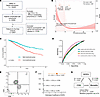 Figure 1
Associations between lymphocyte counts and the CD4/CD8 ratio and prognosis of patients with sepsis. (A) Flowchart showing selection of patients from MIMIC-IV database: 18,220 sepsis admissions were initially identified; after excluding patients without pneumonia (n = 11,624) and those with cancer or autoimmune diseases (n = 4,129), 2,467 patients were included in the final analysis. (B) Restricted cubic spline (RCS) for relationships between initial lymphocyte percentage after admission and 28-day ICU mortality in MIMIC-IV cohort. Solid red line is estimated ORs with 95% CI (red area); vertical dashed line is L-shaped cutoff (9.05%); solid pink curves are fraction of population with different lymphocyte percentages. P < 0.001 for overall association and nonlinearity. (C) Kaplan-Meier survival curves comparing 28-day survival between patients with sepsis with low versus high lymphocyte percentage, stratified by median value at ICU admission. Log-rank test was used to assess differences between groups (P < 0.0001). (D) ROC curves comparing predictive performance of initial lymphocyte percentage (AUC = 0.6469), SOFA score (AUC = 0.6521), and age (AUC = 0.6254) for 28-day mortality in patients with sepsis. AUC with 95% CIs is indicated. AUC comparisons were performed using DeLong’s test. (E) Representative flow cytometry contour plot showing CD4+ and CD8+ T cell subsets gated on live CD3+ lymphocytes from peripheral blood of patients with sepsis. Quadrants indicate proportions of CD4+ (upper left), CD8+ (lower right), double-negative (lower left), and double-positive (upper right) T cell populations. (F) Multivariate linear regression analysis assessing factors associated with SOFA score. Variables included CD4/CD8 ratio, CD8+ T cell proportion, CD4+ T cell proportion, and age. β coefficients with 95% CIs and P values are shown. (G) Mediation analysis illustrating indirect effect of CD8+ T cell proportion on 28-day mortality through SOFA score. Total, direct, and indirect effects (β coefficients) with corresponding P values shown. Indirect effect significance assessed using Bayesian approach (1,000 iterations).
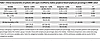 Table 1
Clinical characteristics of patients with sepsis stratified by median peripheral blood lymphocyte percentage in MIMIC cohort
To further investigate the relationships between T lymphocyte subsets and disease severity, prospective T cell data were collected from 140 patients with sepsis admitted to the ICU for more than 7 days (Supplemental Table 1; supplemental material available online with this article; https://doi.org/10.1172/jci.insight.197224DS1). Multivariable linear regression analysis revealed that the CD4+/CD8+ T cell ratio measured by flow cytometry (Figure 1E) in peripheral blood was positively associated with the SOFA score (β = 4.88, P < 0.001), whereas neither CD4+ T cell percentage, CD8+ T cell percentage, nor age exhibited significant associations after covariate adjustment (all P > 0.26) (Figure 1F). To delineate the role of T cell subsets in sepsis progression, Bayesian causal mediation analysis was performed with CD8 percentage as the exposure, SOFA score as the mediator, and ICU mortality as the outcome. CD8+ T cell percentage was significantly associated with lower SOFA scores (β = –0.310; P < 0.001), and the indirect effect of CD8+ T cell percentage on mortality via SOFA was statistically significant (β = –0.014; 95% CI: –0.024 to –0.003; P < 0.001), accounting for 82.317% of the total effect, whereas the direct effect was nonsignificant (Figure 1G and Supplemental Table 2). These findings indicate that CD8+ T cell depletion may influence clinical outcomes primarily through its contribution to organ failure severity. In contrast, mediation analysis using CD4+ T cell percentage as the exposure did not reveal significant indirect or direct effects on mortality (indirect effect β = 0.001, P = 0.306; mediation proportion 37.304%; Supplemental Table 3), suggesting that CD4+ T cell dynamics play a limited role in determining outcomes through the SOFA score. These findings underscore the prognostic relevance of CD8+ T cell dynamics in sepsis and highlight the SOFA score as a mechanistic link between immune dysregulation and clinical outcomes.
Single-cell sequencing analysis revealed a significant decrease in CD8+ T cells and an increase in the proportion of exhausted CD8+ T cells in the lungs of septic mice. Lung infections, particularly severe pneumonia, are the most common causes of sepsis, often leading to acute lung injury and acute respiratory distress syndrome. The lungs are highly susceptible to sepsis-induced damage, and respiratory failure is among the most severe complications of sepsis. Additionally, sepsis triggered by extrapulmonary factors, such as pancreatitis, systemic infections, trauma, and burns, can also result in pulmonary damage (21, 22). To explore the mechanisms of immune cell dysfunction in the context of sepsis, we established a sepsis murine cecal ligation and puncture (CLP) model and a second-hit model of sepsis. The second-hit model of sepsis more accurately reflects susceptibility to secondary infections and the immunosuppressive state (6). We then performed scRNA-Seq to comprehensively profile lung immune cells. The lungs of healthy control mice at day 1 and day 7 after CLP were analyzed. A total of 132,094 cells were selected for further analysis after quality control, which generated, on average, approximately 20,967 mapped reads and 2,268 genes per cell (Figure 2A). As expected, unbiased clustering analysis revealed multiple clusters of pulmonary immune cells, which included macrophages (Ms4a6c/4a/6d and Ctss), neutrophils (S100a8/a9 and Retnlg), NK cells (Nkg7 and Klrb1c/k1c), T cells (Cd3e/d/g, Itk and Camk4), and B cells (Igkc and Cd79a/b) (Figure 2, B and C, and Supplemental Figure 1). Compared with those in healthy controls, CLP induced significant changes in the immune cell composition, and the proportions of T lymphocytes in the lungs decreased during the development of CLP-induced sepsis (Figure 2, C and D). We further assessed T cell states and subsets. The exhaustion scores of all the T cells revealed that the highest level of exhaustion was observed at 7 days after CLP (Figure 2, E and F). This temporal pattern suggests a progressive increase in T cell exhaustion as sepsis progresses. Furthermore, by projecting T cell subtypes onto a reference dataset of murine T cells (23), we identified a significant decrease in the proportion of CD8+ T cells at 7 days after CLP. Concurrently, there was a marked increase in the proportion of exhausted CD8+ T cells (Figure 2, G and H). These observations indicate that both a reduction in CD8+ T cell abundance and a marked increase in their functional exhaustion may critically impair immunity and subsequently contribute to organ dysfunction during sepsis.
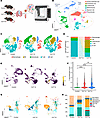 Figure 2
Single-cell atlas of pulmonary immune cells during sepsis progression. (A) Schematic diagram showing scRNA-Seq pipeline of murine pulmonary immune cells during sepsis progression. (B) UMAP plot of scRNA-Seq data from lung tissue. (C) UMAP plots of pulmonary immune cells from healthy or CLP mice at different time points after CLP, annotated by cell type. Each time point includes data from either 3 mice (1 day or 7 days) or 2 mice (healthy controls). (D) Stacked bar chart showing the percentages of different immune cell types at various time points. (E) Feature plots illustrating the distribution of T cell exhaustion gene signature scores in T cells in the healthy control, CLP-1d, and CLP-7d groups. The Mann-Whitney U test was employed to calculate signature scores. The color intensity corresponds to the magnitude of the signature score, with yellow dots representing higher exhaustion scores. (F) Violin plot displaying the exhaustion scores of T cells across different groups (**P < 0.01, ****P < 0.0001; Kruskal-Wallis test followed by Dunn’s multiple-comparison test). (G) UMAP plots illustrating the temporal changes in T cell subtypes using Project TIL for detailed T cell subtype classification. (H) Stacked bar chart depicting the percentages of different T cell subtypes in the indicated groups. CD8 Tex, CD8 exhausted T cells.
Adoptive transfer of CD8+ T cells reduces septic mortality by preserving organ function. Owing to the wide use of multiple organ support therapy, such as continuous blood purification and extracorporeal membrane oxygenation in the intensive care unit (ICU), most patients with sepsis can survive until the initiation of an adaptive immune response but succumb to secondary infections after discharge (24). The CLP model of sepsis is a first-hit mouse model, with most animals dying during the proinflammatory response phase. The second-hit model of sepsis better reflects susceptibility to secondary infection and delayed immunosuppression (25). T lymphocytes play crucial roles in sepsis-induced immunosuppression. In our previous study, we elucidated that the exhaustion of CD4+ T cells mediated by TIM3 is closely related to sepsis mortality (6). Here, we analyzed the number of CD4+ T cells and CD8+ T cells in the peripheral blood of septic second-hit model mice, which can better reflect the late-onset immunosuppression of CLP-induced sepsis model mice (Figure 3A). The results revealed that in the second-hit model mice, there was no significant change in the number of CD4+ T cells in the peripheral blood, whereas the proportions of both CD8+ T cells and lymphocytes in the peripheral blood significantly decreased in both the CLP model and the second-hit model mice (Figure 3, B and C). We examined the effect of adoptive transfer or antibody-mediated depletion of CD4+ T cells and CD8+ T cells on the survival rate of sepsis model mice (depletion efficiency confirmed in Supplemental Figure 3). The results revealed that CD4+ T cell transfer did not reduce the mortality rate, whereas CD8+ T cell transfer significantly reduced the mortality rate (P = 0.0223, Figure 3D and Supplemental Figure 2A). CD8+ T cell transfer also reduced the severity of septic lung damage in second-hit mice. The alveolar septum thickening, alveolar congestion, leukocyte infiltration, and edema observed in the lungs of second-hit CD8+ T cell recipient mice via H&E staining were significantly alleviated (P = 0.0011 for the lung pathology score, Figure 3E Supplemental Figure 2C). Enzyme levels in the heart, liver, and kidney also revealed the protective effect of CD8+ T cell transfer during sepsis-induced immunosuppression. The levels of metabolic indicators in the heart (creatine kinase, CK; lactate dehydrogenase, LDH), liver (aspartate transaminase, AST; alanine transaminase, ALT), and kidney (blood urea nitrogen, BUN) in the CD8+ T cell adoptive group were significantly lower than those in the control group (P = 0.0475 for ALT, P = 0.0137 for AST, P = 0.0089 for CK, P = 0.0329 for LDH, and P = 0.0268 for BUN; Figure 3F). Taken together, these results suggest that the proportion of CD8+ T cells in peripheral blood significantly decreases during septic immunosuppression and that the adoptive transfer of CD8+ T cells decreases the sepsis mortality rate by preserving organ function.
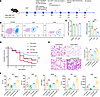 Figure 3
Adoptive transfer of CD8+ T cells reduces the sepsis mortality rate by preserving organ function. (A) Schematic of the animal experimental procedure. Mice were subjected to CLP followed by intranasal challenge with Streptococcus pneumoniae (Sp) as the second hit (2-hit). (B) Representative flow cytometry plots of CD8+ T cells from the peripheral blood of control, CLP-induced sepsis model, and 2-hit model mice. (C) Comparison of CD4+ and CD8+ T cell proportions in the peripheral blood of healthy control, CLP-induced sepsis model, and 2-hit model mice. (D) Kaplan-Meier survival analysis of septic mice following 2-hit model and/or therapeutic administration of CD8+ T cells (5 × 10⁵ per mouse) or 0.9% saline (n = 63 for saline, n = 37 for CD8+ T cell administration, n = 32 for anti-CD8 antibody administration, n = 24 for isotype antibody administration). (E) Representative H&E-stained lung sections and corresponding histological injury scores (n = 5, original magnification, ×200; scale bar: 100 μm). (F) Serum enzyme activity in the liver, kidney, and heart of 2-hit mice from the CD8+ T cell transfer group, IgG control group, and anti-CD8 group. Data are presented as mean ± SD. Statistical significance was determined using 1-way ANOVA followed by Tukey’s post hoc test (C, E, and F) or log-rank test (D). *P < 0.05, **P < 0.01, ***P < 0.001.
The expression of HDAC1 on CD8+ T cells is increased in patients with sepsis. Immunosuppression often occurs 7 to 10 days after the onset of sepsis (1, 7). We collected peripheral blood from 20 healthy volunteers and 20 patients with sepsis 14 days after sepsis diagnosis (the clinical characteristics of the patients with sepsis are shown in Supplemental Table 1). RNA-Seq was used to analyze the gene expression of CD8+ T cells. Comparative analysis revealed a significant increase in the proportion of exhausted CD8+ T cells in patients with sepsis, accompanied by the upregulation of numerous genes involved in epigenetic modifications and immunosuppression, as quantified using established exhaustion marker expression profiles (Figure 4, A–C). To identify key regulatory molecules, we conducted STRING protein interaction network analysis on the top 100 differentially expressed genes. By integrating the CytoNCA and cytoHubba algorithms, we identified histone deacetylase 1 (HDAC1) as a critical hub gene that was significantly upregulated (6.07-fold increase, P < 0.0001), with an enrichment score of 65 and the highest betweenness centrality value (Figure 4D). Gene Ontology (GO) pathway analysis revealed that the differentially expressed genes were significantly associated with pathways related to histone modification, chromatin structure, transcription factor regulation, and negative regulation of immune responses (Figure 4B).
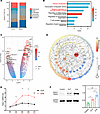 Figure 4
The expression of HDAC1 in CD8+ T cells from patients with sepsis-induced immunosuppression. (A) Proportions of different functional CD8+ T cell subsets in healthy volunteers and patients with sepsis estimated using the TCellSI package based on RNA-Seq data. (B) Gene Ontology (GO) enrichment analysis of differentially expressed genes in CD8+ T cells from patients with sepsis versus healthy volunteers. (C) Volcano plot depicting differentially expressed genes in CD8+ T cells from patients with sepsis compared with those from healthy volunteers. (D) Protein-protein interaction network analysis of differentially expressed genes using the STRING database. (E) Quantitative PCR analysis of Hdac1 mRNA levels in the spleens of CLP mice and 2-hit model mice at different time points. (F) Western blot analysis of HDAC1 protein expression in the spleen. E and F are presented as mean ± SD. One-way ANOVA. *P < 0.05, **P < 0.01, ***P < 0.001.
HDAC1, a class I histone deacetylase, has emerged as a key regulator in various biological processes. By mediating histone deacetylation, HDAC1 induces chromatin compaction, thereby silencing gene transcription. In sepsis, HDAC1 may modulate immune responses by regulating the expression of inflammatory genes, potentially exacerbating immunosuppression. Therefore, we further investigated the role of HDAC1 in sepsis. Therefore, we measured the transcript level of HDAC1 in CD8+ T cells from septic mice. The results revealed that the expression of the HDAC1 gene increased with the progression of sepsis-induced immunosuppression (Figure 4E). We also observed the protein expression of HDAC1. The Western blot results revealed that HDAC1 expression significantly increased after CLP and second-hit in CD8+ T cells (P = 0.047 and P = 0.024, Figure 4F).
To verify the specificity of HDAC1, we comprehensively assessed the expression of other HDAC family members (HDAC1–11). In human bulk RNA-Seq data, while both HDAC1 and HDAC2 were upregulated in septic CD8+ T cells, other isoforms (HDAC3–9) were downregulated (Supplemental Figure 4A). However, distinct dynamics were observed in the murine model. Single-cell analysis revealed that Hdac1 expression progressively increased with disease progression, whereas Hdac2, Hdac4, Hdac7, and Hdac8 expression levels decreased, and other isoforms remained barely detectable in T cells (Supplemental Figure 4B). Validatory qPCR further confirmed that Hdac1 was the sole family member significantly upregulated in the severe second-hit group compared with the CLP group (Supplemental Figure 4C). These findings identify HDAC1 as the dominant epigenetic regulator specifically associated with the progression of sepsis-induced T cell exhaustion, justifying our further investigation into its role in sepsis-induced immunosuppression.
Pharmacological inhibition of HDAC1 reduces the mortality rate of sepsis model mice by inhibiting CD8+ T cell exhaustion. As cytotoxic T lymphocytes, CD8+ T cells are crucial for regulating immune responses and the development of inflammation. However, little information is available concerning the role of HDAC1 in CD8+ T cells. Therefore, an HDAC1 inhibitor (mocetinostat) was used to block the expression and activity of HDAC1 in CD8+ T cells. During acute infection, once pathogens are cleared or inflammation subsides, effector CD8+ T cells further differentiate into memory T cells (26). During chronic infection, persistent antigen exposure and sustained inflammatory signaling drive effector T cells into an exhausted state (Tex) (27). The expression of various inhibitory molecules of Tex continues to increase (such as PD-1, 2B4, and TIM3), and key transcription factors (T-bet, Eomes, Blimp-1, and NFAT/AP-1) undergo functional and metabolic alterations. These changes ultimately result in the loss of T cell function and induce cell death, thereby altering the immune status of sepsis and contributing to adverse outcomes (6). Therefore, we investigated the impact of pharmacological inhibition of HDAC1 on the mortality rate of sepsis model mice and the expression of inhibitory costimulatory molecules on CD8+ T cells (Figure 5A). We initially investigated whether mocetinostat affects the number of CD8+ T cells in the peripheral blood of septic mice. Mocetinostat treatment significantly increased the number of CD8+ T cells in the peripheral blood in the sepsis immunosuppression second-hit model mice (Figure 5B) and improved survival during the observation period (P = 0.0325, Figure 5C). We next assessed whether HDAC1 inhibition affected the expression of exhaustion-related inhibitory receptors. At the mRNA level, septic mice exhibited markedly increased expression of Hdac1, Pdcd1 (encoding PD-1), and Cd244 (encoding 2B4), which was significantly reduced by mocetinostat treatment (P < 0.001, Figure 5D). The protein levels of inhibitory costimulatory molecules analyzed by FACS was consistent with their transcript levels (P = 0.0003 for PD-1, P = 0.0006 for TIM3, and P = 0.0002 for 2B4; Figure 5, E–H). We speculated that HDAC1-mediated histone deacetylation may be closely related to CD8+ T cell exhaustion in sepsis-induced immunosuppression. Further correlation analysis revealed that the expression of HDAC1 was significantly positively correlated with the expression of PD-1, TIM3, and 2B4 (Spearman’s R = 0.533, P = 0.002; R = 0.952, P = 0.001; and R = 0.487, P = 0.005, respectively; Figure 5I).
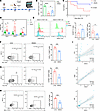 Figure 5
HDAC1 inhibition alleviates CD8+ T cell exhaustion and increases the survival rate of mice. (A) Schematic timeline of the experimental design. The mice underwent CLP (day 0) followed by intranasal administration of Streptococcus pneumoniae as a second hit (day 3). HDAC inhibitors (HDACis) were i.p. administered after the second hit, and the analyses were performed on day 7. (B) Quantification of CD8+ T cell counts in the peripheral blood of healthy, 2-hit model, and HDACi-treated mice. (C) Kaplan-Meier survival analysis of 2-hit model mice treated with HDACis (n = 25 per group, P = 0.0325). (D) Relative mRNA expression levels of Hdac1, Cd244, and Pdcd1 in splenic CD8+ T cells from CLP-induced sepsis model, 2-hit model, and HDACi-treated mice. (E) Representative flow cytometry histograms showing CD8 and HDAC1 expression in T cells. The quantification of the percentages of CD8+ T cells and HDAC1+ CD8+ T cells is shown. (F–H) Flow cytometry plots and quantification of the exhaustion markers PD-1 (F), TIM3 (G), and 2B4 (H) on CD8+ T cells from 2-hit model and HDACi-treated mice. (I) Correlation analysis between HDAC1 expression and the exhaustion markers PD-1, TIM3, and 2B4 on CD8+ T cells. Spearman’s correlation coefficients (R) and P values are shown. Data are presented as mean ± SEM. Statistical significance was determined by 1-way ANOVA with Tukey’s multiple-comparison test (B and D), unpaired 2-tailed Student’s t-test (E–H), log-rank test (C), or Spearman’s correlation (I). *P < 0.05, **P < 0.01, ***P < 0.001, ****P < 0.0001.
To precisely delineate the stage of exhaustion associated with HDAC1 expression, we first analyzed its distribution across CD8+ T cell subsets at the single-cell level. Feature plots and violin plots confirmed that Hdac1 expression was significantly upregulated in the exhausted CD8+ T cell (CD8_Tex) cluster compared with naive and effector memory phenotypes (Supplemental Figure 5, A–C). Building on this observation, we performed a global correlation analysis using raw gene expression counts. As shown in Supplemental Figure 5D, Hdac1 exhibited a general positive association with exhaustion markers (Pdcd1, Havcr2, and Cd244) across the CD8+ T cell population. To mitigate technical dropout effects and resolve these relationships across distinct disease states, we subsequently applied MAGIC imputation. This refined analysis revealed robust, group-consistent positive correlations between Hdac1 and Havcr2 (encoding TIM3) across all experimental groups (Supplemental Figure 5, E–G). Notably, Hdac1 exhibited a stronger and steeper positive correlation with the canonical terminal exhaustion marker Havcr2 compared with Pdcd1. This distinction likely stems from the broader expression of PD-1 on effector T cells, whereas TIM3 is restricted to terminally differentiated subsets (28). These single-cell data corroborate our bulk findings, suggesting that HDAC1 upregulation is specifically linked to the transition toward a terminally exhausted phenotype. Collectively, these results indicate that pharmacological inhibition of HDAC1 might reduce sepsis mortality by preventing CD8+ T cell exhaustion.
Pharmacological inhibition of HDAC1 maintains the activity of CD8+ T cells. T cell activation is a critical process of the immune response. Over the course of an immune response, T cells may be chronically stimulated, with some proportion becoming exhausted. We applied an in vitro model mimicking CD8+ T cell stimulation. T cells were stimulated with recombinant human IL-2 (rhIL-2) and anti-human CD3/CD28 antibodies continuously for 2 weeks (29). This experiment was designed to mimic the physiological activation of T cells. CD3, a component of the T cell receptor complex, delivers the primary activation signal. Moreover, CD28 provides the essential costimulatory signal needed for complete T cell activation. The addition of rhIL-2 further promoted T cell proliferation and survival, replicating the cytokine environment present during sustained immune responses. Therefore, CD8+ T cells initially undergo activation and proliferation. However, sustained or prolonged stimulation can lead to exhaustion. Under normal culture conditions, the activity of CD8+ T cells gradually decreased over the course of 14 days in vitro (Figure 6, A–C). Granzyme B (GZMB), a cytotoxic protease secreted by CD8+ T cells, is an important protease in the immune defense of CD8+ T cells. During the exhaustion process of CD8+ T cells, the secretion of GZMB by CD8+ T cells gradually decreased, whereas the expression of the inhibitory molecule PD-1 gradually increased (Figure 6, D–G). To observe the effects of mocetinostat treatment on the activity and exhaustion of CD8+ T cells in vitro, the cells were analyzed by flow cytometry at day 14 (Figure 7A). The proportion of live cells in the mocetinostat treatment group was greater than that in the control group (P = 0.005; Figure 7B). The secretion of GZMB by CD8+ T cells increased, whereas the expression of the inhibitory molecule PD-1 decreased in the mocetinostat treatment group (P = 0.0126 and P = 0.0308; Figure 7, C–E). Taken together, these data demonstrate that mocetinostat maintains the activity of CD8+ T cells and reduces the expression of negative costimulatory molecules in vitro.
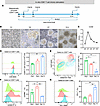 Figure 6
Chronic stimulation induces phenotypic and functional exhaustion in CD8+ T cells in vitro. (A) Schematic timeline of the in vitro chronic stimulation model. CD8+ T cells were stimulated with anti-CD3/CD28 antibodies and rhIL-2 for 14 days. Flow cytometry analyses were performed on days 1, 3, 7, and 14. (B) Representative bright-field microscopy images of CD8+ T cells on days 1, 3, 7, and 14, showing progressive morphological changes and clustering over time. Scale bar: 100 μm. (C) CCK-8 assay showing the viability (OD450) of CD8+ T cells at different time points. (D) Flow cytometry histograms and quantification of the CD8+ T cell count. (E) Flow cytometry plots showing live/dead staining (DAPI/Annexin Y585) of CD8+ T cells. The quantification of live cell percentages is shown (n = 3). (F) Flow cytometry histograms and quantification of GZMB expression in CD8+ T cells. (G) Flow cytometry histograms and quantification of PD-1 expression in CD8+ T cells. Data are presented as mean ± SEM. Statistical significance was determined using 1-way ANOVA. *P < 0.05; ***P < 0.001. HC, healthy control; HDACi, histone deacetylase inhibitor.
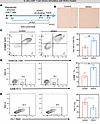 Figure 7
HDAC inhibitors maintain the activity of CD8+ T cells. (A) Schematic representation of the experimental timeline for in vitro CD8+ T cell chronic stimulation. CD8+ T cells were stimulated with an anti-CD3/CD28 mAb and rhIL-2 for 14 days. CD8+ T cells were treated with an HDACi (0.15 μM) on day 13, followed by flow cytometry analysis on day 14. (B) Representative bright-field microscopy images of cultured CD8+ T cells. Scale bar: 100 μm. (C) Flow cytometry plots showing live/dead cell staining (Zombie N450/Annexin Y585) of CD8+ T cells. The quantification of live cell percentages is shown. (D) Flow cytometry plots showing GZMB expression in CD8+ T cells. (E) Flow cytometry plots showing PD-1 expression in CD8+ T cells. The data are presented as mean ± SEM. *P < 0.05; **P < 0.01; ***P < 0.001. All flow cytometry analyses were gated on CD8+ T cells.
HDAC1 regulates CD8+ T cell exhaustion through modulation of the AP-1/NFAT signaling axis. To elucidate the molecular mechanisms underlying HDAC1-mediated CD8+ T cell exhaustion in sepsis, we examined the transcriptional networks regulating T cell activation and exhaustion. During physiological T cell activation, MHC-antigen complexes engage the T cell receptor, initiating signaling cascades that activate AP-1, a heterodimeric transcription complex comprising JUN and FOS proteins. AP-1 typically forms a functional complex with dephosphorylated NFAT to drive the transcription of costimulatory genes. Conversely, in the absence of AP-1, NFAT independently increases the expression of inhibitory costimulatory molecules (30). To investigate this mechanism in sepsis, we performed single-cell transcriptome sequencing combined with SCENIC transcription factor analysis. Our results revealed that the regulon activities (AUC scores) of key AP-1 components, Fos and Jun, exhibited a progressive decline throughout the course of sepsis and were virtually abolished in the exhausted subset compared with naive and effector memory cells, and these factors were predicted to be direct targets of Hdac1 (Figure 8, A–C). Conversely, the regulon activity of Hdac1 was sustained in these cells and accompanied by elevated activity of Nfatc2 (encoding NFAT1) (Figure 8, D and E). This specific expression pattern, characterized by the retention of HDAC1 and NFAT1 activity alongside a marked reduction in AP-1 signaling, provides in vivo single-cell evidence supporting a model where HDAC1 disrupts the AP-1/NFAT transcriptional balance. Further validation in our animal models confirmed that the expression of Jun and Fos, components of the AP-1 complex, was markedly decreased in CD8+ T cells from second-hit model septic mice. Importantly, treatment with an HDAC1 inhibitor restored their expression to near-normal levels (Figure 8, F and G). These findings suggest that during sepsis, HDAC1 may promote CD8+ T cell exhaustion by downregulating AP-1 expression, thereby disrupting the AP-1/NFAT balance. This imbalance appears to favor NFAT-mediated induction of inhibitory genes, including PD-1 and other exhaustion markers.
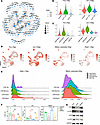 Figure 8
HDAC1 regulates CD8+ T cell exhaustion through the modulation of AP-1/NFAT. (A) Transcription factor regulatory network predicted, using gene regulatory network (GRN) analysis of RNA-Seq data from septic mice compared with those from healthy controls, highlighting the interactions between HDAC1, AP-1 components, and NFAT1. Node size represents degree centrality; edge thickness indicates the interaction confidence score. (B) Violin plots showing the regulon activities (AUC scores) of AP-1 family members (Fos, Jun) in CD8+ T cells across healthy controls and septic mice at different time points (CLP day 1, CLP day 7). (C) Violin plots quantifying AP-1 regulon activities across distinct CD8+ T cell subsets. (D) Feature plots displaying the regulon activities (AUC scores) of Hdac1 and Nfatc2, as well as AP-1 family members (Fos, Jun) on the UMAP projection. (E) Ridge plots showing the density distribution of Hdac1 and Nfatc2 regulon activity scores across CD8+ T cell subsets. (F) Relative mRNA expression levels of Fos, Jun, and Nfatc2 in splenic CD8+ T cells from control, CLP, and 2-hit model mice analyzed by qPCR. (G) Representative Western blot showing the protein levels of FOS, JUN, phosphorylated FOS (p-FOS), and phosphorylated JUN (p-JUN), with GAPDH used as a loading control across the experimental groups. Data are presented as mean ± SD. Statistical significance was determined by Wilcoxon test (B and C) or 1-way ANOVA followed by Tukey’s post hoc test (F). *P < 0.05, **P < 0.01, ***P < 0.001, ****P < 0.0001.
Recent studies have expanded our understanding of HDAC functions beyond their classical role in transcriptional repression. For example, HDAC3, another class I HDAC family member, also has transcriptional activity and plays dual roles in LPS-induced inflammatory responses (31). Therefore, we investigated whether HDAC1 has transcriptional activation independent of its histone deacetylase activity to upregulate inhibitory immune checkpoint molecules that induce CD8+ T cell exhaustion. Fluorescence resonance energy transfer (FRET) analysis was used for direct molecular interaction analysis between HDAC1 and NFAT1. Compared with CD8+ T cells from healthy controls, those from patients with sepsis exhibited significantly greater FRET efficiency between HDAC1 and NFAT1 (P < 0.001; Figure 9A), indicating increased NFAT1 and HDAC proximity and potential protein-protein interactions during sepsis. This observation suggests that in addition to its canonical histone deacetylase function, HDAC1 may directly interact with transcription factors to modulate gene expression. Furthermore, immunofluorescence experiments confirmed that treatment with HDACis significantly reduced NFAT1 nuclear translocation in exhausted CD8+ T cells (Figure 9B), providing additional evidence for the role of HDAC1 in regulating NFAT1 nuclear localization and subsequent transcriptional activity.
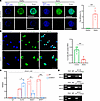 Figure 9
HDAC1 interacts with NFAT1 to promote its nuclear localization and transcriptional regulation of Pdcd1. (A) Fluorescence resonance energy transfer (FRET) analysis of the HDAC1-NFAT1 interaction in CD8+ T cells from healthy volunteers and patients with sepsis. Representative images showing donor (NFAT1-AF405) and acceptor (HDAC1-AF488) samples before and after photobleaching. Quantification of FRET efficiency. Scale bars: 10 μm. (B) Immunofluorescence images showing the nuclear localization of NFAT1 in CD8+ T cells from the control or HDACi-treated groups. Quantification revealed a significant reduction in nuclear NFAT1 localization following HDACi treatment. Scale bar: 20 μm. (C) ChIP–qPCR analysis showing the percentages of HDAC1, acetylated histone H3 (Ac-H3), and NFAT1 bound to the PDCD1 promoter in WT and HDAC1 siRNA-transfected Jurkat cells. ChIP with IgG served as a negative control. (D) Agarose gel electrophoresis visualization of ChIP–qPCR products showing that HDAC1, Ac-H3, and NFAT1 bind to the PDCD1 promoter in WT and HDAC1 siRNA-transfected cells. Input DNA and IgG immunoprecipitates served as positive and negative controls, respectively. Data are presented as mean ± SEM. Statistical significance was determined using 1-way ANOVA followed by Tukey’s post hoc test. *P < 0.05, **P < 0.01, ***P < 0.001.
To further clarify the mechanism by which HDAC1 regulates PDCD1 (encoding PD-1) expression via NFAT1, we performed ChIP assays on the PDCD1 promoter region. We first established an in vitro model using PMA/ionomycin-stimulated Jurkat T cells, which demonstrated significant increases in CD8 expression and exhaustion markers after stimulation (Supplemental Figure 6, A–C). We generated HDAC1-knockdown Jurkat T cells using 3 specific siRNAs and achieved 85% to 95% HDAC1 knockdown, as confirmed using Western blot (Figure S6D) and flow cytometry analyses (Supplemental Figure 6E). ChIP-qPCR analysis revealed significant HDAC1 occupancy at the PDCD1 promoter in WT cells compared with HDAC1-knockdown cells (5.1% vs. 1.5% input, P = 0.0028). Consistent with the canonical function of HDAC1, acetylated histone H3 levels at the PDCD1 promoter were significantly lower in WT cells than in HDAC1-knockdown cells (2.8% vs. 4.5% input, P = 0.0275). Importantly, NFAT1 occupancy at the PDCD1 promoter was robust in the WT cells (5.5% input) but virtually undetectable in the knockdown cells (P = 0.0002), and visualization of the ChIP-qPCR products by agarose gel electrophoresis further confirmed these findings (Figure 9, C and D). These findings demonstrate that HDAC1 and NFAT1 co-occupy the PD-1 promoter, supporting a direct regulatory role for HDAC1 in facilitating NFAT1-mediated PD-1 transcription during T cell exhaustion. Collectively, our data reveal a dual role of HDAC1 in driving CD8+ T cell exhaustion: it downregulates AP-1 components (Jun and Fos), promotes the transcription of inhibitory costimulatory molecules, and facilitates NFAT1 nuclear translocation to promote the transcription of inhibitory costimulatory molecules.


