
Research ArticleBone biologyCell biology
Open Access |  10.1172/jci.insight.196343
Distinct mural cells and fibroblasts drive fibrochondrogenesis in retrodiscal tissue following temporomandibular joint disc displacement
Wenlin Yuan,1 Yilin Chen,1 Ruojin Yan,2,3,4,5,6 Wei Liu,1 Chenyu Wang,1 Ying Wang,1 Qiaoli Dai,1 Wen Li,1 Mengqi Zhu,1 Xiao Chen,3,5,7 and Jiejun Shi1
1Stomatology Hospital, School of Stomatology, Zhejiang University School of Medicine, Zhejiang Provincial Clinical Research Center for Oral Diseases, Key Laboratory of Oral Biomedical Research of Zhejiang Province, Cancer Center of Zhejiang University, Engineering Research Center of Oral Biomaterials and Devices of Zhejiang Province, Hangzhou, China.
2Dr. Li Dak Sum & Yip Yio Chin Center for Stem Cells and Regenerative Medicine and Department of Orthopedic Surgery of Sir Run Shaw Hospital, Zhejiang University School of Medicine, Hangzhou, China.
3Liangzhu Laboratory, Zhejiang University, Hangzhou, China.
4Key Laboratory of Tissue Engineering and Regenerative Medicine of Zhejiang Province, and
5Department of Sports Medicine, Zhejiang University School of Medicine, Hangzhou, China.
6China Orthopedic Regenerative Medicine Group (CORMed), Hangzhou, China.
7Department of Sports Medicine & Orthopedic Surgery, The Second Affiliated Hospital, and Dr. Li Dak Sum & Yip Yio Chin Center for Stem Cells and Regenerative Medicine, Zhejiang University School of Medicine, Hangzhou, China.
Address correspondence to: Jiejun Shi, Affiliated Hospital of Stomatology, School of Medicine, Zhejiang University, No. 166 Qiutao North Road, Hangzhou, China. Phone: 86.571.87216723; Email: sjiejun@zju.edu.cn. Or to: Xiao Chen, 1 Department of Sports Medicine & Orthopedic Surgery, The Second Affiliated Hospital, and Dr. Li Dak Sum & Yip Yio Chin Center for Stem Cells and Regenerative Medicine, 2 Liangzhu Laboratory, Zhejiang University School of Medicine, No. 866 Yuhangtang Road, Hangzhou, China. Phone: 86.571.88208442; Email: chenxiao-610@zju.edu.cn.
Authorship note: WY, YC, and RY contributed equally to this work as co-first authors.
Find articles by Yuan, W. in: PubMed | Google Scholar
1Stomatology Hospital, School of Stomatology, Zhejiang University School of Medicine, Zhejiang Provincial Clinical Research Center for Oral Diseases, Key Laboratory of Oral Biomedical Research of Zhejiang Province, Cancer Center of Zhejiang University, Engineering Research Center of Oral Biomaterials and Devices of Zhejiang Province, Hangzhou, China.
2Dr. Li Dak Sum & Yip Yio Chin Center for Stem Cells and Regenerative Medicine and Department of Orthopedic Surgery of Sir Run Shaw Hospital, Zhejiang University School of Medicine, Hangzhou, China.
3Liangzhu Laboratory, Zhejiang University, Hangzhou, China.
4Key Laboratory of Tissue Engineering and Regenerative Medicine of Zhejiang Province, and
5Department of Sports Medicine, Zhejiang University School of Medicine, Hangzhou, China.
6China Orthopedic Regenerative Medicine Group (CORMed), Hangzhou, China.
7Department of Sports Medicine & Orthopedic Surgery, The Second Affiliated Hospital, and Dr. Li Dak Sum & Yip Yio Chin Center for Stem Cells and Regenerative Medicine, Zhejiang University School of Medicine, Hangzhou, China.
Address correspondence to: Jiejun Shi, Affiliated Hospital of Stomatology, School of Medicine, Zhejiang University, No. 166 Qiutao North Road, Hangzhou, China. Phone: 86.571.87216723; Email: sjiejun@zju.edu.cn. Or to: Xiao Chen, 1 Department of Sports Medicine & Orthopedic Surgery, The Second Affiliated Hospital, and Dr. Li Dak Sum & Yip Yio Chin Center for Stem Cells and Regenerative Medicine, 2 Liangzhu Laboratory, Zhejiang University School of Medicine, No. 866 Yuhangtang Road, Hangzhou, China. Phone: 86.571.88208442; Email: chenxiao-610@zju.edu.cn.
Authorship note: WY, YC, and RY contributed equally to this work as co-first authors.
Find articles by Chen, Y. in: PubMed | Google Scholar
1Stomatology Hospital, School of Stomatology, Zhejiang University School of Medicine, Zhejiang Provincial Clinical Research Center for Oral Diseases, Key Laboratory of Oral Biomedical Research of Zhejiang Province, Cancer Center of Zhejiang University, Engineering Research Center of Oral Biomaterials and Devices of Zhejiang Province, Hangzhou, China.
2Dr. Li Dak Sum & Yip Yio Chin Center for Stem Cells and Regenerative Medicine and Department of Orthopedic Surgery of Sir Run Shaw Hospital, Zhejiang University School of Medicine, Hangzhou, China.
3Liangzhu Laboratory, Zhejiang University, Hangzhou, China.
4Key Laboratory of Tissue Engineering and Regenerative Medicine of Zhejiang Province, and
5Department of Sports Medicine, Zhejiang University School of Medicine, Hangzhou, China.
6China Orthopedic Regenerative Medicine Group (CORMed), Hangzhou, China.
7Department of Sports Medicine & Orthopedic Surgery, The Second Affiliated Hospital, and Dr. Li Dak Sum & Yip Yio Chin Center for Stem Cells and Regenerative Medicine, Zhejiang University School of Medicine, Hangzhou, China.
Address correspondence to: Jiejun Shi, Affiliated Hospital of Stomatology, School of Medicine, Zhejiang University, No. 166 Qiutao North Road, Hangzhou, China. Phone: 86.571.87216723; Email: sjiejun@zju.edu.cn. Or to: Xiao Chen, 1 Department of Sports Medicine & Orthopedic Surgery, The Second Affiliated Hospital, and Dr. Li Dak Sum & Yip Yio Chin Center for Stem Cells and Regenerative Medicine, 2 Liangzhu Laboratory, Zhejiang University School of Medicine, No. 866 Yuhangtang Road, Hangzhou, China. Phone: 86.571.88208442; Email: chenxiao-610@zju.edu.cn.
Authorship note: WY, YC, and RY contributed equally to this work as co-first authors.
Find articles by Yan, R. in: PubMed | Google Scholar
1Stomatology Hospital, School of Stomatology, Zhejiang University School of Medicine, Zhejiang Provincial Clinical Research Center for Oral Diseases, Key Laboratory of Oral Biomedical Research of Zhejiang Province, Cancer Center of Zhejiang University, Engineering Research Center of Oral Biomaterials and Devices of Zhejiang Province, Hangzhou, China.
2Dr. Li Dak Sum & Yip Yio Chin Center for Stem Cells and Regenerative Medicine and Department of Orthopedic Surgery of Sir Run Shaw Hospital, Zhejiang University School of Medicine, Hangzhou, China.
3Liangzhu Laboratory, Zhejiang University, Hangzhou, China.
4Key Laboratory of Tissue Engineering and Regenerative Medicine of Zhejiang Province, and
5Department of Sports Medicine, Zhejiang University School of Medicine, Hangzhou, China.
6China Orthopedic Regenerative Medicine Group (CORMed), Hangzhou, China.
7Department of Sports Medicine & Orthopedic Surgery, The Second Affiliated Hospital, and Dr. Li Dak Sum & Yip Yio Chin Center for Stem Cells and Regenerative Medicine, Zhejiang University School of Medicine, Hangzhou, China.
Address correspondence to: Jiejun Shi, Affiliated Hospital of Stomatology, School of Medicine, Zhejiang University, No. 166 Qiutao North Road, Hangzhou, China. Phone: 86.571.87216723; Email: sjiejun@zju.edu.cn. Or to: Xiao Chen, 1 Department of Sports Medicine & Orthopedic Surgery, The Second Affiliated Hospital, and Dr. Li Dak Sum & Yip Yio Chin Center for Stem Cells and Regenerative Medicine, 2 Liangzhu Laboratory, Zhejiang University School of Medicine, No. 866 Yuhangtang Road, Hangzhou, China. Phone: 86.571.88208442; Email: chenxiao-610@zju.edu.cn.
Authorship note: WY, YC, and RY contributed equally to this work as co-first authors.
Find articles by Liu, W. in: PubMed | Google Scholar
1Stomatology Hospital, School of Stomatology, Zhejiang University School of Medicine, Zhejiang Provincial Clinical Research Center for Oral Diseases, Key Laboratory of Oral Biomedical Research of Zhejiang Province, Cancer Center of Zhejiang University, Engineering Research Center of Oral Biomaterials and Devices of Zhejiang Province, Hangzhou, China.
2Dr. Li Dak Sum & Yip Yio Chin Center for Stem Cells and Regenerative Medicine and Department of Orthopedic Surgery of Sir Run Shaw Hospital, Zhejiang University School of Medicine, Hangzhou, China.
3Liangzhu Laboratory, Zhejiang University, Hangzhou, China.
4Key Laboratory of Tissue Engineering and Regenerative Medicine of Zhejiang Province, and
5Department of Sports Medicine, Zhejiang University School of Medicine, Hangzhou, China.
6China Orthopedic Regenerative Medicine Group (CORMed), Hangzhou, China.
7Department of Sports Medicine & Orthopedic Surgery, The Second Affiliated Hospital, and Dr. Li Dak Sum & Yip Yio Chin Center for Stem Cells and Regenerative Medicine, Zhejiang University School of Medicine, Hangzhou, China.
Address correspondence to: Jiejun Shi, Affiliated Hospital of Stomatology, School of Medicine, Zhejiang University, No. 166 Qiutao North Road, Hangzhou, China. Phone: 86.571.87216723; Email: sjiejun@zju.edu.cn. Or to: Xiao Chen, 1 Department of Sports Medicine & Orthopedic Surgery, The Second Affiliated Hospital, and Dr. Li Dak Sum & Yip Yio Chin Center for Stem Cells and Regenerative Medicine, 2 Liangzhu Laboratory, Zhejiang University School of Medicine, No. 866 Yuhangtang Road, Hangzhou, China. Phone: 86.571.88208442; Email: chenxiao-610@zju.edu.cn.
Authorship note: WY, YC, and RY contributed equally to this work as co-first authors.
Find articles by Wang, C. in: PubMed | Google Scholar
1Stomatology Hospital, School of Stomatology, Zhejiang University School of Medicine, Zhejiang Provincial Clinical Research Center for Oral Diseases, Key Laboratory of Oral Biomedical Research of Zhejiang Province, Cancer Center of Zhejiang University, Engineering Research Center of Oral Biomaterials and Devices of Zhejiang Province, Hangzhou, China.
2Dr. Li Dak Sum & Yip Yio Chin Center for Stem Cells and Regenerative Medicine and Department of Orthopedic Surgery of Sir Run Shaw Hospital, Zhejiang University School of Medicine, Hangzhou, China.
3Liangzhu Laboratory, Zhejiang University, Hangzhou, China.
4Key Laboratory of Tissue Engineering and Regenerative Medicine of Zhejiang Province, and
5Department of Sports Medicine, Zhejiang University School of Medicine, Hangzhou, China.
6China Orthopedic Regenerative Medicine Group (CORMed), Hangzhou, China.
7Department of Sports Medicine & Orthopedic Surgery, The Second Affiliated Hospital, and Dr. Li Dak Sum & Yip Yio Chin Center for Stem Cells and Regenerative Medicine, Zhejiang University School of Medicine, Hangzhou, China.
Address correspondence to: Jiejun Shi, Affiliated Hospital of Stomatology, School of Medicine, Zhejiang University, No. 166 Qiutao North Road, Hangzhou, China. Phone: 86.571.87216723; Email: sjiejun@zju.edu.cn. Or to: Xiao Chen, 1 Department of Sports Medicine & Orthopedic Surgery, The Second Affiliated Hospital, and Dr. Li Dak Sum & Yip Yio Chin Center for Stem Cells and Regenerative Medicine, 2 Liangzhu Laboratory, Zhejiang University School of Medicine, No. 866 Yuhangtang Road, Hangzhou, China. Phone: 86.571.88208442; Email: chenxiao-610@zju.edu.cn.
Authorship note: WY, YC, and RY contributed equally to this work as co-first authors.
Find articles by Wang, Y. in: PubMed | Google Scholar
1Stomatology Hospital, School of Stomatology, Zhejiang University School of Medicine, Zhejiang Provincial Clinical Research Center for Oral Diseases, Key Laboratory of Oral Biomedical Research of Zhejiang Province, Cancer Center of Zhejiang University, Engineering Research Center of Oral Biomaterials and Devices of Zhejiang Province, Hangzhou, China.
2Dr. Li Dak Sum & Yip Yio Chin Center for Stem Cells and Regenerative Medicine and Department of Orthopedic Surgery of Sir Run Shaw Hospital, Zhejiang University School of Medicine, Hangzhou, China.
3Liangzhu Laboratory, Zhejiang University, Hangzhou, China.
4Key Laboratory of Tissue Engineering and Regenerative Medicine of Zhejiang Province, and
5Department of Sports Medicine, Zhejiang University School of Medicine, Hangzhou, China.
6China Orthopedic Regenerative Medicine Group (CORMed), Hangzhou, China.
7Department of Sports Medicine & Orthopedic Surgery, The Second Affiliated Hospital, and Dr. Li Dak Sum & Yip Yio Chin Center for Stem Cells and Regenerative Medicine, Zhejiang University School of Medicine, Hangzhou, China.
Address correspondence to: Jiejun Shi, Affiliated Hospital of Stomatology, School of Medicine, Zhejiang University, No. 166 Qiutao North Road, Hangzhou, China. Phone: 86.571.87216723; Email: sjiejun@zju.edu.cn. Or to: Xiao Chen, 1 Department of Sports Medicine & Orthopedic Surgery, The Second Affiliated Hospital, and Dr. Li Dak Sum & Yip Yio Chin Center for Stem Cells and Regenerative Medicine, 2 Liangzhu Laboratory, Zhejiang University School of Medicine, No. 866 Yuhangtang Road, Hangzhou, China. Phone: 86.571.88208442; Email: chenxiao-610@zju.edu.cn.
Authorship note: WY, YC, and RY contributed equally to this work as co-first authors.
Find articles by Dai, Q. in: PubMed | Google Scholar
1Stomatology Hospital, School of Stomatology, Zhejiang University School of Medicine, Zhejiang Provincial Clinical Research Center for Oral Diseases, Key Laboratory of Oral Biomedical Research of Zhejiang Province, Cancer Center of Zhejiang University, Engineering Research Center of Oral Biomaterials and Devices of Zhejiang Province, Hangzhou, China.
2Dr. Li Dak Sum & Yip Yio Chin Center for Stem Cells and Regenerative Medicine and Department of Orthopedic Surgery of Sir Run Shaw Hospital, Zhejiang University School of Medicine, Hangzhou, China.
3Liangzhu Laboratory, Zhejiang University, Hangzhou, China.
4Key Laboratory of Tissue Engineering and Regenerative Medicine of Zhejiang Province, and
5Department of Sports Medicine, Zhejiang University School of Medicine, Hangzhou, China.
6China Orthopedic Regenerative Medicine Group (CORMed), Hangzhou, China.
7Department of Sports Medicine & Orthopedic Surgery, The Second Affiliated Hospital, and Dr. Li Dak Sum & Yip Yio Chin Center for Stem Cells and Regenerative Medicine, Zhejiang University School of Medicine, Hangzhou, China.
Address correspondence to: Jiejun Shi, Affiliated Hospital of Stomatology, School of Medicine, Zhejiang University, No. 166 Qiutao North Road, Hangzhou, China. Phone: 86.571.87216723; Email: sjiejun@zju.edu.cn. Or to: Xiao Chen, 1 Department of Sports Medicine & Orthopedic Surgery, The Second Affiliated Hospital, and Dr. Li Dak Sum & Yip Yio Chin Center for Stem Cells and Regenerative Medicine, 2 Liangzhu Laboratory, Zhejiang University School of Medicine, No. 866 Yuhangtang Road, Hangzhou, China. Phone: 86.571.88208442; Email: chenxiao-610@zju.edu.cn.
Authorship note: WY, YC, and RY contributed equally to this work as co-first authors.
Find articles by Li, W. in: PubMed | Google Scholar
1Stomatology Hospital, School of Stomatology, Zhejiang University School of Medicine, Zhejiang Provincial Clinical Research Center for Oral Diseases, Key Laboratory of Oral Biomedical Research of Zhejiang Province, Cancer Center of Zhejiang University, Engineering Research Center of Oral Biomaterials and Devices of Zhejiang Province, Hangzhou, China.
2Dr. Li Dak Sum & Yip Yio Chin Center for Stem Cells and Regenerative Medicine and Department of Orthopedic Surgery of Sir Run Shaw Hospital, Zhejiang University School of Medicine, Hangzhou, China.
3Liangzhu Laboratory, Zhejiang University, Hangzhou, China.
4Key Laboratory of Tissue Engineering and Regenerative Medicine of Zhejiang Province, and
5Department of Sports Medicine, Zhejiang University School of Medicine, Hangzhou, China.
6China Orthopedic Regenerative Medicine Group (CORMed), Hangzhou, China.
7Department of Sports Medicine & Orthopedic Surgery, The Second Affiliated Hospital, and Dr. Li Dak Sum & Yip Yio Chin Center for Stem Cells and Regenerative Medicine, Zhejiang University School of Medicine, Hangzhou, China.
Address correspondence to: Jiejun Shi, Affiliated Hospital of Stomatology, School of Medicine, Zhejiang University, No. 166 Qiutao North Road, Hangzhou, China. Phone: 86.571.87216723; Email: sjiejun@zju.edu.cn. Or to: Xiao Chen, 1 Department of Sports Medicine & Orthopedic Surgery, The Second Affiliated Hospital, and Dr. Li Dak Sum & Yip Yio Chin Center for Stem Cells and Regenerative Medicine, 2 Liangzhu Laboratory, Zhejiang University School of Medicine, No. 866 Yuhangtang Road, Hangzhou, China. Phone: 86.571.88208442; Email: chenxiao-610@zju.edu.cn.
Authorship note: WY, YC, and RY contributed equally to this work as co-first authors.
Find articles by Zhu, M. in: PubMed | Google Scholar
1Stomatology Hospital, School of Stomatology, Zhejiang University School of Medicine, Zhejiang Provincial Clinical Research Center for Oral Diseases, Key Laboratory of Oral Biomedical Research of Zhejiang Province, Cancer Center of Zhejiang University, Engineering Research Center of Oral Biomaterials and Devices of Zhejiang Province, Hangzhou, China.
2Dr. Li Dak Sum & Yip Yio Chin Center for Stem Cells and Regenerative Medicine and Department of Orthopedic Surgery of Sir Run Shaw Hospital, Zhejiang University School of Medicine, Hangzhou, China.
3Liangzhu Laboratory, Zhejiang University, Hangzhou, China.
4Key Laboratory of Tissue Engineering and Regenerative Medicine of Zhejiang Province, and
5Department of Sports Medicine, Zhejiang University School of Medicine, Hangzhou, China.
6China Orthopedic Regenerative Medicine Group (CORMed), Hangzhou, China.
7Department of Sports Medicine & Orthopedic Surgery, The Second Affiliated Hospital, and Dr. Li Dak Sum & Yip Yio Chin Center for Stem Cells and Regenerative Medicine, Zhejiang University School of Medicine, Hangzhou, China.
Address correspondence to: Jiejun Shi, Affiliated Hospital of Stomatology, School of Medicine, Zhejiang University, No. 166 Qiutao North Road, Hangzhou, China. Phone: 86.571.87216723; Email: sjiejun@zju.edu.cn. Or to: Xiao Chen, 1 Department of Sports Medicine & Orthopedic Surgery, The Second Affiliated Hospital, and Dr. Li Dak Sum & Yip Yio Chin Center for Stem Cells and Regenerative Medicine, 2 Liangzhu Laboratory, Zhejiang University School of Medicine, No. 866 Yuhangtang Road, Hangzhou, China. Phone: 86.571.88208442; Email: chenxiao-610@zju.edu.cn.
Authorship note: WY, YC, and RY contributed equally to this work as co-first authors.
Find articles by Chen, X. in: PubMed | Google Scholar
1Stomatology Hospital, School of Stomatology, Zhejiang University School of Medicine, Zhejiang Provincial Clinical Research Center for Oral Diseases, Key Laboratory of Oral Biomedical Research of Zhejiang Province, Cancer Center of Zhejiang University, Engineering Research Center of Oral Biomaterials and Devices of Zhejiang Province, Hangzhou, China.
2Dr. Li Dak Sum & Yip Yio Chin Center for Stem Cells and Regenerative Medicine and Department of Orthopedic Surgery of Sir Run Shaw Hospital, Zhejiang University School of Medicine, Hangzhou, China.
3Liangzhu Laboratory, Zhejiang University, Hangzhou, China.
4Key Laboratory of Tissue Engineering and Regenerative Medicine of Zhejiang Province, and
5Department of Sports Medicine, Zhejiang University School of Medicine, Hangzhou, China.
6China Orthopedic Regenerative Medicine Group (CORMed), Hangzhou, China.
7Department of Sports Medicine & Orthopedic Surgery, The Second Affiliated Hospital, and Dr. Li Dak Sum & Yip Yio Chin Center for Stem Cells and Regenerative Medicine, Zhejiang University School of Medicine, Hangzhou, China.
Address correspondence to: Jiejun Shi, Affiliated Hospital of Stomatology, School of Medicine, Zhejiang University, No. 166 Qiutao North Road, Hangzhou, China. Phone: 86.571.87216723; Email: sjiejun@zju.edu.cn. Or to: Xiao Chen, 1 Department of Sports Medicine & Orthopedic Surgery, The Second Affiliated Hospital, and Dr. Li Dak Sum & Yip Yio Chin Center for Stem Cells and Regenerative Medicine, 2 Liangzhu Laboratory, Zhejiang University School of Medicine, No. 866 Yuhangtang Road, Hangzhou, China. Phone: 86.571.88208442; Email: chenxiao-610@zju.edu.cn.
Authorship note: WY, YC, and RY contributed equally to this work as co-first authors.
Find articles by Shi, J. in: PubMed | Google Scholar
Published February 10, 2026 - More info
JCI Insight. 2026;11(13):e196343. https://doi.org/10.1172/jci.insight.196343.
© 2026 Yuan et al. This work is licensed under the Creative Commons Attribution 4.0 International License. To view a copy of this license, visit http://creativecommons.org/licenses/by/4.0/.
Received: June 5, 2025; Accepted: January 28, 2026


-
Results
ScRNA-Seq resolves cell heterogeneity in porcine discs and RTs. To understand the composition and molecular profiles of cells in different regions and pathological states, we profiled cells from the sham operation and UADD models using scRNA-Seq. TMJ samples with sham operation were collected as the sham group. In the UADD model, TMJ samples from the ADD induction side (ADD group) and the contralateral side (CADD group) were collected. The overall workflow of the sample dissociation and scRNA-Seq is shown in Figure 1A. An unsupervised clustering algorithm partitioned the cells into 7 separated clusters (Supplemental Figure 1C; supplemental material available online with this article; https://doi.org/10.1172/jci.insight.196343DS1), which were classified into 5 principal cell types: endothelial cells (ECs), fibroblasts (FBs), mural cells (MCs), immune cells (ICs), and cells in the cell cycle (Figure 1, B and C). Markers used to annotate each cell cluster are presented in Figure 1E (17, 18). The top 5 differentially expressed genes (DEGs) in each cluster are shown in Figure 1F.
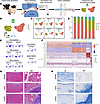 Figure 1
The cellular landscape and histological features of porcine TMJ discs and RTs from the sham, ADD, and CADD groups. (A) A schematic workflow illustrating the generation of the UADD pig model and subsequent dissection of pig TMJ discs and RTs for single-cell transcriptomic analysis. (B) Dimension reduction presentation of combined single-cell transcriptome data from TMJ discs and RTs of all groups. Each dot represents a single-cell and is labeled with corresponding cell categories and colored according to its cell-type identity. Five cell clusters are visualized by a uniform manifold approximation and projection (UMAP) plot: endothelial cells (ECs); fibroblasts (FBs); immune cells (ICs); mural cells (MCs); cells in cell cycle (Cycle). (C) Dimension reduction presentation of single-cell transcriptome data of TMJ discs (Ds) and retrodiscal tissues (RTs) from sham, ADD, and CADD groups via UMAP, displayed separately by tissue origins and groups. (D) Bar graph shows the fraction of cell clusters by tissue origins and groups. (E) Expression patterns of selected markers projected on the UMAP plot. (F) Heatmap revealing the top 5 differentially expressed genes (DEGs) of each cell cluster. Representative H&E staining (G) and Alcian blue staining (H) of the TMJ discs and RTs from the sham, ADD, and CADD groups. Scale bars: 100 μm.
The distribution and proportion of cell clusters according to their origin were also evaluated. Stacked bar plots show the proportion of the main cell types in disc and RT (Figure 1D). Among major cell types, FBs and ECs comprised the vast majority of cells. Unlike rodents, whose TMJ discs are mostly composed of FBs, porcine discs contain a substantial vascular component. This is consistent with findings of recent studies that the TMJ disc of higher-order species is in fact vascularized and exhibits higher angiogenic gene expression compared with knee meniscus (14, 17).
Adaptive remodeling occurs in RTs after ADD induction. To define histological changes after ADD induction, we applied H&E staining and Alcian blue staining. The disc from the sham group was characterized by anterior-posterior fiber alignment in the intermediate zone, with spindle-shaped FBs and round-shaped chondrocyte-like cells distributed in the dense connective tissue. However, the RT from the sham group exhibited relatively loose and irregular connective tissue, with interspersed adipose tissue (Figure 1G). Furthermore, Alcian blue staining was observed in discs, with the intermediate zone showing the strongest intensity. In contrast, the RT had almost no Alcian blue staining (Figure 1H). Different GAG contents in disc and RT closely correlate with the mechanical demands they are subjected to (19). After ADD induction, small fissures were found among collagen fibers, with slightly reduced GAG content in the disc from ADD and CADD groups. These indicated weaken mechanical properties of the TMJ disc in both the ADD and contralateral sides. In RT from the ADD and CADD groups, parts of the loose connective tissue and adipose tissue were replaced by dense connective tissue and accompanied by FB proliferation. Concurrently, we found cartilaginous masses emerged in the RT by Alcian blue staining (Figure 1, G and H). Importantly, the condyle underneath did not exhibit overt degenerative changes after ADD induction (Supplemental Figure 2). Overall, these results revealed adaptive remodeling of the RT on both ADD and CADD sides, with fibrosis and chondrogenesis as the main manifestations.
We further investigated transcriptional changes in the disc and RT after ADD induction and captured changes in the cell proportion of the main cell types. Compared with the sham group, discs from the ADD and CADD groups showed minor changes in the main cell proportions, whereas RTs revealed remarkable changes, typically characterized by an increase in FBs (Figure 1D). These findings suggest that the RT is highly adaptive and sensitive to mechanical stress. Fibroblast proliferation in the RT likely facilitates load bearing during joint movement.
Identification of responsive FB subtypes participating in adaptive remodeling of the RT. Given that FBs are known to play central roles in ECM homeostasis and remodeling (20), we further investigated their composition in detail. Unsupervised clustering divided FBs into 6 subclusters (FB1–FB6) (Figure 2, A–C). The DEGs (Figure 2D) and Gene Ontology (GO) enrichment analysis (Figure 2E) of each FB subcluster were utilized to define their identities. FB1 represented the predominant FB population in both disc and RT, but its proportion in the disc decreased markedly after ADD. FB1 preferentially expressed PTN, supporting FB proliferation and function (21). FB2 was distinguished by signature genes related to cholesterol metabolism (APOE) and ECM integrity (EFEMP1) (22, 23). GO analysis further revealed that FB2 was enriched in functions related to cell differentiation, wound healing, and response to FB growth factor. In the sham group, FB2 proportions were similar in both disc and RT. In contrast, FB2 showed a substantial increase in the RT of ADD and CADD groups, indicating it is highly responsive and may play an active role in tissue remodeling. FB3 expressed COMP and FMOD, genes involved in collagen biosynthesis, ECM assembly, and cartilage composition (24, 25). FB4 displayed high expression of PRSS35 and ENSSSCG00000029449 (proteoglycan 4, PRG4), suggesting a role in cellular homeostasis under stress environment and lubrication (26, 27). Genes such as CD74 and PECAM1 were expressed by FB5, indicating its function in regulating cell migration and angiogenesis. FB6 accounted for a minor fraction of FBs and was associated with epithelial junctions and muscle development (Figure 2, D and E).
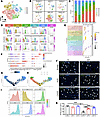 Figure 2
Characterization of FB subtypes participating in adaptive remodeling of the RT. (A) Dimension reduction presentation of combined single-cell transcriptome data of FB cluster from TMJ discs and RTs of all groups. Six subclusters of FBs are identified and visualized by a t-distributed stochastic neighbor embedding (t-SNE) plot. (B) Dimension reduction presentation of single-cell transcriptome data of FB cluster in sham, ADD, and CADD groups from TMJ discs and RTs via t-SNE, displayed separately by tissue origins and groups. (C) Bar graph shows the fraction of FB subclusters by tissue origins and groups. (D) Violin plots show the expression of differentially expressed genes (DEGs) in different FB subclusters. Expression values are normalized. (E) Dot plot of Gene Ontology (GO) Biological Process enrichment analysis of DEGs in different FB subclusters. (F) Expression of extracellular matrix (ECM) markers in different FB clusters. Monocle analysis shows the trajectory order of FBs colored by pseudo-time value (G) and cell type (H). (I) Density distribution of FB subclusters along pseudo-time. (J) Representative images of TMJ discs and RTs subjected to immunofluorescence staining for APOE in different groups and quantification (K); 3 random fields were selected from each of the 2 pig samples for measurement. Statistical significance was determined by 1-way ANOVA. Data represent mean ± SD. *P < 0.05, ***P < 0.001. Green, APOE; blue, DAPI; white arrowhead, cells expressing APOE. Scale bars: 100 μm.
To better understand the function of porcine TMJ FBs, we compared their transcriptomic profiles with murine TMJ disc FBs at different postnatal stages (17). Correlation analysis demonstrated that porcine FB1 and FB2 were most similar to murine FB1 (FBs associated with fibrillogenesis and fibrillary homeostasis), whereas porcine FB3 resembled murine FB6 (chondrogenesis-related FBs). However, correlation coefficients were generally low (approximately 0.2), highlighting substantial interspecies heterogeneity (Supplemental Figure 3).
TMJ tissues undergo continuous ECM remodeling processes to maintain microenvironment homeostasis. Given the central role of FBs in ECM organization, we investigated ECM expression patterns across FB subtypes. The dot plot shows dynamic ECM gene expression among FB clusters (Figure 2F). The main constitutive collagen genes COL1A1 and COL1A2 were highly expressed in FB3 and moderately expressed in FB1. A small proportion of FB3 also expressed fibrocartilage-associated genes ACAN, CHAD, and COMP, suggesting FB3 as a key subcluster contributing to ECM composition. In contrast, the remaining FB subclusters primarily modulated ECM formation and assembly. FB2 expressed non-fibrillar collagen gene COL4A2, which functions in connective tissue anchoring and basal lamina formation (28). FB4 regulated collagen fibrillogenesis and ECM assembly by LUM and FN1 expression (29). Meanwhile, FB5 and FB6 were enriched for secreted factors including EGFL7, S100A4, SFRP1, and BMP7, supporting roles in angiogenesis and myotendinous junction development (30, 31).
We further used pseudo-time trajectory analysis to predict differentiation states of FB clusters. FB2 has optimal development potential (Supplemental Figure 4), and FB2s serve as progenitor cells that differentiate in 2 directions, ECM-producing FBs (FB1, FB3) and modulatory FBs (FB4–6) (Figure 2, G–I). Studies have shown that EGF-like fibulin ECM protein 1 (EFEMP1) plays a role in maintaining the immature status of cells in the cartilage superficial zone, and apolipoprotein E (APOE) is a marker of chondrocytes in the resting zone of the growth plate (23, 32). These findings show that FB2 is highly responsive during adaptive remodeling. Additionally, results from immunofluorescence staining were consistent with our bioinformatic analyses. APOE-positive cells significantly increased and presented higher proliferative properties within the RT from ADD and CADD groups compared with the sham group (Figure 2, J and K, and Supplemental Figure 5).
Additionally, we analyzed gene expression changes between the experimental (ADD+CADD) RT group and sham RT group. Compared with the sham group, FBs from experimental group showed alteration in genes related to ECM organization and turnover (COL3A1, WISP2, COMP, FMOD, and CST3) (33, 34). Concurrently, genes associated with FB proliferation and apoptosis (BTG2 and IFI6) were also differentially expressed (Supplemental Figure 6A) (35, 36).
Specifically, FBs from the CADD RT group were characterized by ECM remodeling–related genes (COL3A1, COL11A1, and FMOD), indicating enhanced ECM synthesis and reorganization. Fibroblasts from the ADD RT group exhibited a stress-activated profile (CCL2, CCL19, and SOD2) (37), suggesting injury-induced inflammation and compensatory repair processes. In contrast, FBs from the sham RT group predominantly expressed genes involved in maintaining ECM homeostasis and progenitor cell recruitment (CXCL12, CST3, and COMP) (Supplemental Figure 6B) (34, 38). Collectively, these findings support a transcriptional shift toward an activated ECM remodeling–related FB phenotype following ADD.
A specific ECM-related MC subcluster emerges in RT after ADD induction. MCs are essential components of blood vessels, which attach to the surface of vascular ECs and maintain vasculature stability (39). Some studies have also suggested their pivotal roles in fibrosis (40). Among four MC subclusters, MC1, MC3, and MC4 displayed high expression of ACTA2, CNN1, and MYH11, indicating a smooth muscle cell (SMC) identity; MC2 was identified as a pericyte by its high expression of HIGD1B, RGS5, and NUDUFA4L2 (Figure 3, A and B and Supplemental Figure 7, A and B). We further defined MC1 as a typical SMC due to its high expression of MYH11 and ACTA2. MC3 was named as an immune-related SMC with its expression of CD74, and MC4 was considered to be an ECM-related SMC owing to its specific expression of DCN, COL1A1, and COL1A2 and its biological association with ECM organization (Figure 3, D and E). Interestingly, MC4 was nearly absent in the RT from the sham group but increased in the ADD and CADD groups (Figure 3C). Pseudo-time trajectory analysis revealed that MC4 originated from the pericyte (MC2), and subsequently differentiated into a typical SMC (MC1) and immune-related SMC (MC3) (Supplemental Figure 7, C and D). The absence of MC4 in RT from the sham group and presence of MC4 in RT from ADD and CADD groups were further confirmed using immunofluorescence staining (Figure 3F).
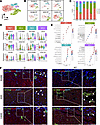 Figure 3
Identification of a specific ECM-related MC subcluster in the RT after ADD induction. (A) Dimension reduction presentation of combined single-cell transcriptome data of mural cell (MC) cluster from TMJ disc and RTs of all groups. Four subclusters of MCs were identified and visualized by a t-distributed stochastic neighbor embedding (t-SNE) plot. (B) Dimension reduction presentation of single-cell transcriptome data of MC cluster in sham, ADD, and CADD groups from TMJ disc and RTs via t-SNE, displayed separately by tissue origins and groups. (C) Bar graph shows the fraction of MC subtypes by tissue origins and groups. (D) Violin plots show the expression of differentially expressed genes (DEGs) in different MC subclusters. Expression values are normalized. (E) Dot plot of Gene Ontology (GO) Biological Process enrichment analysis of DEGs in different MC subclusters. (F) Representative images of TMJ discs and RTs subjected to immunofluorescence staining for ACTA2 and DCN in different groups; 3 random fields were selected from each of the 2 pig samples. Green, ACTA2; red, DCN; blue, DAPI; white arrowhead, cells coexpressing ACTA2 and DCN. Scale bars: 50 μm.
We further evaluated subtle transcriptional changes in other cell clusters after the onset of ADD. Four EC subclusters were identified as vein ECs, developmental ECs, artery ECs, and lymphatic ECs (Supplemental Figure 8A). The developmental ECs with high angiogenesis potential decreased in RT of the ADD and CADD groups, suggesting inhibited angiogenesis during tissue remodeling (Supplemental Figure 8B) (41). With regard to immune cells, they were more abundant and diverse in the RT than the disc, indicating that the RT may be more immunologically active. The percentages of macrophages and neutrophils increased in RT after ADD (Supplemental Figure 8, C and D).
Putative signaling network for the intercellular crosstalk regulating adaptive remodeling of the RT. To probe differences in cell-cell communication between the sham RT and ADD RT groups, as well as between the sham RT and CADD RT groups, we employed comparative CellChat. A total of 13 cell clusters, including ECs, immune cells, cells in the cell cycle, and subclusters of FBs and MCs were combined for analysis. Network centrality analysis was performed by computing the outgoing and incoming interaction strengths of each cell subpopulation to assess their likelihood as signaling sources and targets, respectively. In the sham RT group, interactions between FB subclusters (mainly FB1 and FB3) and other cells were most intense. In contrast, the newly emerged MC4 subcluster showed drastically increased interactions with other cells after ADD (Supplemental Figure 9B). We further compared the information flow, defined by the sum of communication probability among all pairs of cell groups in the inferred network (Supplemental Figure 9C). Pathways including MK, PERIOSTIN, FGF, BMP, TWEAK, SPP1, IL6, and MIF were exclusively active in both the ADD RT and CADD RT groups, indicating enhanced cell proliferation, migration, and differentiation (42–47). Other pathways such as GAS, PDGF, and VISFATIN revealed decreased information flow after ADD induction, which are known to be associated with FB inhibition, vascular development, and inflammatory responses (48–50).
Next, we investigated the candidate pathways underlying the changes in cellular compositions and tissue features after ADD induction. The newly emerging MC4 cluster exhibited extensive potential for both self- and reciprocal interactions in the ADD RT and CADD RT groups, such as TGF-β, FGF, and BMP pathways (Figure 4, A–D). We speculated that MC4 may be an important regulator of tissue remodeling. Active FB-MC4 interactions were also found, particularly enriched in FGF and BMP signaling (Figure 4, E and F). In the ADD RT group, FGF signaling exhibited intensive exchanges between FBs and MCs, whereas BMP signaling was mainly sent by MC4 and received by FB subclusters. In the CADD RT group, MC4 presented as the only sender of FGF signaling, and all FB subclusters were considered as receivers. Notably, interaction between FB2 and MC4 via FGF signaling was particularly intense. BMP signaling was sent by MC1 and MC4, while received mainly by MC4, FB2, and FB3 (Figure 4, E and F). Specifically, the receptor-ligand signaling communication probabilities from MC4 to FBs showed that FGF2-FGFR1 and BMP5-BMPRA1+BMPR2 are the major contributors in FGF signaling and BMP signaling, respectively (Supplemental Figure 10). Immunofluorescence staining demonstrated markedly increased expression of FGF2 and BMP5 in MCs within the RT of the ADD and CADD groups (Supplemental Figures 11 and 12), supporting the predicted signaling activity in vivo.
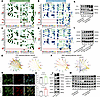 Figure 4
FGF and BMP signaling pathways are involved in adaptive remodeling of the RT. Heatmap of outgoing signaling pathways in different cell clusters in sham and ADD RT groups (A) and sham and CADD RT groups (C). Heatmap of incoming signaling pathways in different cell clusters in sham and ADD RT groups (B) and sham and CADD RT groups (D). The inferred FGF signaling pathway (E) and BMP5 signaling pathway (F) networks in ADD and CADD RT groups. Edge width represents the communication probability between cell types. (G) Immunofluorescence staining for ACTA2 and COL1A1 in mural cells (MCs) and quantification (H and I) (n = 6). Statistical significance was determined by Student’s t test. Data represent mean ± SD. *P < 0.05, ***P < 0.001. Green, ACTA2; red, COL1A1; blue, DAPI. Scale bars: 50 μm. (J) Evaluation of FB and SMC marker levels in MCs. (K) Evaluation of fibrogenic protein levels in FBs treated with different MC supernatants. (L) Evaluation of chondrogenic protein levels in FBs treated with different MC supernatants under chondrogenic induction. (M) Evaluation of SMAD1/5/9 and ERK1/2 cascade activation in FBs treated with different MC supernatants. For representative Western blot, 3 replicates were conducted.
In vitro functional experiments showed that TGF-β treatment markedly induced transformation of MCs into MC4, as indicated by enhanced expression of FB (FN1, COL1A1, and DCN) and SMC (ACTA2) markers (Figure 4, G–J). Consistently, TGF-β–induced transition of MCs toward the MC4 phenotype resulted in elevated FGF2 and BMP5 levels (Figure 4J). In addition, conditioned medium from MC4 enhanced ECM deposition and chondrogenic marker expression in FBs (Figure 4, K and L). Consistent with our in vitro findings, FGF2 and BMP5 treatment exhibited synergistic effects on enhancing ECM synthesis and chondrogenic differentiation of FBs (Supplemental Figure 13).
To reveal the underlying mechanism, we evaluated changes of classical pathways activated by FGF2 and BMP5, including the ERK1/2 and SMAD1/5/9 cascades. We observed the activation of the ERK1/2 pathway as early as 6 hours after stimulation, followed by the activation of the SMAD1/5/9 cascade about 24 hours after stimulation (Figure 4M). These results indicate that MC4 induces sequential activation of distinct pathways to orchestrate the phenotypic transition of FBs. The early activation of ERK1/2 signaling likely drives FB proliferation and ECM deposition, initiating RT remodeling. As remodeling progresses, the SMAD1/5/9 signaling become progressively enhanced, promoting ECM reorganization and inducing fibrocartilage formation.
Selection of candidate compounds enhancing remodeling capability of FBs. To identify drugs that enhance FB remodeling, we focused on predicted drug responses associated with feature genes from FB subsets. We combined top-ranked genes from a pathway-aware multilayered hierarchical network (P-NET) and Seurat with the medicine database (ConnectivityMap and DGIdb) to look for candidate compounds. The screening workflow is shown in the schematic diagram (Supplemental Figure 14).
Molecular profiles of FBs by comparing the sham RT and ADD RT and the sham RT and CADD RT groups were fed into P-NET, which maps genes onto a hierarchical network of weighted nodes (51). We visualized the top 10 most important nodes using Sanky diagrams to reveal the interaction between different features, genes, pathways, and biological processes and to study the paths of impact from the input to the outcome (Supplemental Figure 15, A and B). Highly ranked genes in both ADD and CADD groups included CST3, FGL2, and B2M. CST3 encodes cystatin C, a cysteine protease inhibitor that promotes matrix deposition and is overexpressed in cardiac, lung, and liver fibrosis (34, 52). Fibrinogen-like protein 2 (FGL2) regulates the polarization of macrophages (53) and is enriched in patients with ADD without osteoarthritis compared with patients with osteoarthritis (54). B2M encodes β2-microglobulin, a serum protein with antibacterial activity (55). After ADD induction, processes relating to metabolism of proteins, gene expression, metabolism of RNA, and the cell cycle supported adaptive remodeling as a condition with large systemic effects on metabolic, immune, and cellular homeostasis. In FBs from the CADD RT group, COL1A1, COL1A2, and COL3A1 ranked in the top 10 and were associated with collagen formation and ECM organization, consistent with histological observations that CADD RT exhibited superior tissue remodeling compared with ADD RT.
Five candidate compounds were identified after scoring with the gene expression feature data from the medicine database (Supplemental Table 2). According to their mechanism of action, potential targets, and score ranking, 3 molecules (batimastat, sunitinib, and zaprinast) were selected for in vitro testing. Batimastat is a broad-spectrum peptide inhibitor of MMPs, which exerts therapeutic effects in heart failure and pulmonary fibrosis by MMP inhibition (56, 57). Sunitinib is a tyrosine kinase inhibitor targeting VEGF and PDGFR receptors. It shows notable efficiency in advanced renal cell carcinoma and intolerant gastrointestinal stromal tumor treatment (58) but may induce side effects such as cardiac fibrosis (59). Zaprinast is a phosphodiesterase 5 (PDE5) inhibitor and G protein–coupled receptor 35 (GPR35) agonist, targeting inflammation and pain reduction (60, 61). However, reports on its activity in the regulation of ECM remodeling are currently lacking.
Cytotoxicity of the selected compounds was assessed using CCK-8 assays. Batimastat (1–100 nM) and zaprinast (0.1–100 μM) possessed good biocompatibility to porcine FBs, whereas sunitinib exhibited significant cytotoxicity even at 1 nM (Supplemental Figure 15, C–E). We further determined the optimal drug concentration by assessing the expression of target genes (Supplemental Figure 15, F–H). In the following experiments, 10 nM batimastat, 1 nM sunitinib, and 1 μM zaprinast were used.
We investigated the effect of these compounds on ECM synthesis and chondrogenesis in FBs. Western blot and qRT-PCR analyses revealed that sunitinib and zaprinast markedly increased ECM gene expression, whereas batimastat had minimal effect (Figure 5, A and B). Under chondrogenic induction, FBs treated with zaprinast showed the highest expression of chondrogenic differentiation markers compared with batimastat and sunitinib (Figure 5, C and D). As shown by immunofluorescence staining, zaprinast significantly increased the expression of COL1A1 and APOE in FBs (Figure 5, E–H). Notably, elevated APOE expression indicates enhanced remodeling capacity in FBs, a characteristic feature of the FB2 phenotype. Alcian blue staining and immunofluorescence staining (SOX9, ACAN, COL2A1) of pellet culture under chondrogenic differentiation further confirmed its effects on chondrogenesis (Figure 5, I–M). Mechanistically, zaprinast promoted fibrocartilage differentiation of FBs through activating the ERK1/2 and SMAD1/5/9 pathways, the canonical downstream pathways of FGF2 and BMP5 (Figure 5, N and O). In summary, zaprinast appeared to have optimal effects in enhancing ECM synthesis and chondrogenic differentiation of FBs.
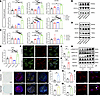 Figure 5
Zaprinast exhibits most prominent profibrotic and chondrogenic effects on FBs by ERK1/2 and SMAD1/5/9 cascade activation. Evaluation of fibrogenic gene expression (A) and protein levels (B) treated with batimastat, sunitinib, and zaprinast. Evaluation of chondrogenic gene expression (C) and protein levels (D) treated with batimastat, sunitinib, and zaprinast under chondrogenic induction. (E) Gene expression of APOE treated with batimastat, sunitinib, and zaprinast. Fold-changes were normalized with GAPDH (n = 3–4). Statistical significance was determined by 1-way ANOVA. Data represent mean ± SD. *P < 0.05, **P < 0.01, ***P < 0.001. For representative Western blot, 3 replicates were conducted. (F) Immunofluorescence staining for APOE and COL1A1 in FBs and quantification (G and H) (n = 5). Statistical significance was determined by Student’s t test. Data represent mean ± SD. *P < 0.05, **P < 0.01. Green, APOE; red, COL1A1; blue, DAPI. Scale bars: 50 μm. (I) Alcian blue staining and immunofluorescence staining (ACAN, COL2A1, and SOX9) of pellet culture and quantification (J–M) (n = 3). Statistical significance was determined by Student’s t test. Data represent mean ± SD. *P < 0.05, **P < 0.01. Red, ACAN; yellow, COL2A1; green, SOX9; blue, DAPI. Scale bars: 100 μm. (N) Evaluation of ERK1/2 and SMAD1/5/9 cascade activation in FBs treated with zaprinast. For representative Western blot, 3 replicates were conducted. (O) Immunofluorescence staining displays nuclear localization of SMAD4 in FBs treated with zaprinast (white arrowhead). Red, SMAD4; blue, DAPI. For representative immunofluorescence staining of SMAD4, 3 replicates were conducted. Scale bars: 50 μm.
Zaprinast alleviates disc and RT deformation and mitigates condyle damage in vivo. We investigated whether zaprinast could promote adaptive remodeling of the RT and maintain condyle integrity after ADD in vivo. Zaprinast was i.p. administered before and after ADD induction (Figure 6A). In the Sham+Vehicle group, the disc remained thin and well-oriented. Five weeks after ADD induction, the ADD+Vehicle group exhibited alterations including thickening and anterior displacement of the disc, disorganized collagen architecture in the posterior band and RT, and inflammatory cell infiltration. These pathological changes were partially alleviated by zaprinast treatment, which exhibited improved orientation and organization of collagen fibers (Figure 6, C and D). During the observation period, no perforations or tears were observed in the disc or RT in any group. We did not observe fibrocartilage formation in the rat model, likely reflecting species-specific differences in masticatory patterns and TMJ anatomy.
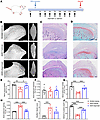 Figure 6
Zaprinast alleviates deformation of the disc and RT and damage of the condyle in vivo. (A) Timeline of ADD induction and zaprinast administration in a rat model. (B) Representative 3D reconstruction images of condyle from Sham+Vehicle, ADD+Vehicle, and ADD+zaprinast groups. Scale bars: 1 mm. (C) H&E staining showing alteration in configuration of disc and RT. Scale bars: 200 μm. (D) Safranin O and fast green staining showing changes in proteoglycan content. Scale bars: 200 μm. (E–H) Quantitative analysis of condyle profiles (n = 6). (I) Mankin score evaluation (n = 6). (J) Quantitative analysis of the proportion of safranin O–positive areas (n = 6). Statistical significance was determined by 1-way ANOVA or Kruskal-Wallis test. Data represent mean ± SD. *P < 0.05, **P < 0.01, ***P < 0.001.
We further assessed changes in condylar cartilage and subchondral bone. H&E staining revealed hyperplasia of the superficial fibrous layer and irregularities of the cartilage in the ADD+Vehicle group compared with the Sham+Vehicle group. Consistently, safranin O and fast green staining demonstrated substantial loss of cartilage matrix in the ADD+Vehicle group. Micro-CT analysis revealed condylar flattening (Figure 6B), reduced bone volume fraction, decreased trabecular number, and increased trabecular spacing (Figure 6, E–H). Zaprinast treatment mitigated degenerative changes in cartilage morphology (Figure 6I), increased cartilage matrix content (Figure 6J), and partially restored subchondral bone morphology (Figure 6, E–H).
In summary, these findings indicate that zaprinast partially restores the ordered structure of the disc and RT and concurrently attenuates cartilage matrix loss and subchondral bone resorption after ADD induction.


