
Research ArticleImmunologyReproductive biology
Open Access |  10.1172/jci.insight.195801
Distinct transcriptional and epigenomic programs define Hofbauer cells in term placenta
Benjámin R. Baráth,1,2,3 Dóra Bojcsuk,1 Krisztian Bene,1,3 Noemí Caballero-Sánchez,1,2 Tímea Cseh,1 João CR. de Freitas,3 Petros Tzerpos,1 Marta Toth,4 Zhonghua Tang,5 Seth Guller,5 Zoárd Tibor Krasznai,6 Patrícia Neuperger,7 Gabor J. Szebeni,7,8 Gergely Nagy,1 Tamás Deli,6 and Laszlo Nagy1,3,9
1Department of Biochemistry and Molecular Biology, Faculty of Medicine, and
2Doctoral School of Molecular Cell and Immune Biology, University of Debrecen, Debrecen, Hungary.
3Institute for Fundamental Biomedical Research, Johns Hopkins All Children’s Hospital, St. Petersburg, Florida, USA.
4Department of Immunology, Faculty of Medicine, University of Debrecen, Debrecen, Hungary.
5Department of Obstetrics, Gynecology and Reproductive Sciences, Yale School of Medicine, New Haven, Connecticut, USA.
6Department of Obstetrics and Gynecology, Faculty of Medicine, University of Debrecen, Debrecen, Hungary.
7Laboratory of Functional Genomics, Core Facility, HUN-REN Biological Research Centre, Szeged, Hungary.
8Department of Internal Medicine, Hematology Centre, Faculty of Medicine, University of Szeged, Szeged, Hungary.
9Departments of Medicine; Pediatrics; Physiology, Pharmacology and Therapeutics; and Biomedical Engineering, Johns Hopkins University School of Medicine, Baltimore, Maryland, USA.
Address correspondence to: Laszlo Nagy, Johns Hopkins All Children’s Hospital, 600 Fifth Street South, St. Petersburg, Florida, 33701, USA. Phone: 727.767.8928; Email: lnagy@jhmi.edu.
Authorship note: BRB and DB contributed equally to this work as co–first authors.
Find articles by Baráth, B. in: PubMed | Google Scholar
1Department of Biochemistry and Molecular Biology, Faculty of Medicine, and
2Doctoral School of Molecular Cell and Immune Biology, University of Debrecen, Debrecen, Hungary.
3Institute for Fundamental Biomedical Research, Johns Hopkins All Children’s Hospital, St. Petersburg, Florida, USA.
4Department of Immunology, Faculty of Medicine, University of Debrecen, Debrecen, Hungary.
5Department of Obstetrics, Gynecology and Reproductive Sciences, Yale School of Medicine, New Haven, Connecticut, USA.
6Department of Obstetrics and Gynecology, Faculty of Medicine, University of Debrecen, Debrecen, Hungary.
7Laboratory of Functional Genomics, Core Facility, HUN-REN Biological Research Centre, Szeged, Hungary.
8Department of Internal Medicine, Hematology Centre, Faculty of Medicine, University of Szeged, Szeged, Hungary.
9Departments of Medicine; Pediatrics; Physiology, Pharmacology and Therapeutics; and Biomedical Engineering, Johns Hopkins University School of Medicine, Baltimore, Maryland, USA.
Address correspondence to: Laszlo Nagy, Johns Hopkins All Children’s Hospital, 600 Fifth Street South, St. Petersburg, Florida, 33701, USA. Phone: 727.767.8928; Email: lnagy@jhmi.edu.
Authorship note: BRB and DB contributed equally to this work as co–first authors.
Find articles by
Bojcsuk, D.
in:
PubMed
|
Google Scholar
|

1Department of Biochemistry and Molecular Biology, Faculty of Medicine, and
2Doctoral School of Molecular Cell and Immune Biology, University of Debrecen, Debrecen, Hungary.
3Institute for Fundamental Biomedical Research, Johns Hopkins All Children’s Hospital, St. Petersburg, Florida, USA.
4Department of Immunology, Faculty of Medicine, University of Debrecen, Debrecen, Hungary.
5Department of Obstetrics, Gynecology and Reproductive Sciences, Yale School of Medicine, New Haven, Connecticut, USA.
6Department of Obstetrics and Gynecology, Faculty of Medicine, University of Debrecen, Debrecen, Hungary.
7Laboratory of Functional Genomics, Core Facility, HUN-REN Biological Research Centre, Szeged, Hungary.
8Department of Internal Medicine, Hematology Centre, Faculty of Medicine, University of Szeged, Szeged, Hungary.
9Departments of Medicine; Pediatrics; Physiology, Pharmacology and Therapeutics; and Biomedical Engineering, Johns Hopkins University School of Medicine, Baltimore, Maryland, USA.
Address correspondence to: Laszlo Nagy, Johns Hopkins All Children’s Hospital, 600 Fifth Street South, St. Petersburg, Florida, 33701, USA. Phone: 727.767.8928; Email: lnagy@jhmi.edu.
Authorship note: BRB and DB contributed equally to this work as co–first authors.
Find articles by
Bene, K.
in:
PubMed
|
Google Scholar
|
1Department of Biochemistry and Molecular Biology, Faculty of Medicine, and
2Doctoral School of Molecular Cell and Immune Biology, University of Debrecen, Debrecen, Hungary.
3Institute for Fundamental Biomedical Research, Johns Hopkins All Children’s Hospital, St. Petersburg, Florida, USA.
4Department of Immunology, Faculty of Medicine, University of Debrecen, Debrecen, Hungary.
5Department of Obstetrics, Gynecology and Reproductive Sciences, Yale School of Medicine, New Haven, Connecticut, USA.
6Department of Obstetrics and Gynecology, Faculty of Medicine, University of Debrecen, Debrecen, Hungary.
7Laboratory of Functional Genomics, Core Facility, HUN-REN Biological Research Centre, Szeged, Hungary.
8Department of Internal Medicine, Hematology Centre, Faculty of Medicine, University of Szeged, Szeged, Hungary.
9Departments of Medicine; Pediatrics; Physiology, Pharmacology and Therapeutics; and Biomedical Engineering, Johns Hopkins University School of Medicine, Baltimore, Maryland, USA.
Address correspondence to: Laszlo Nagy, Johns Hopkins All Children’s Hospital, 600 Fifth Street South, St. Petersburg, Florida, 33701, USA. Phone: 727.767.8928; Email: lnagy@jhmi.edu.
Authorship note: BRB and DB contributed equally to this work as co–first authors.
Find articles by Caballero-Sánchez, N. in: PubMed | Google Scholar
1Department of Biochemistry and Molecular Biology, Faculty of Medicine, and
2Doctoral School of Molecular Cell and Immune Biology, University of Debrecen, Debrecen, Hungary.
3Institute for Fundamental Biomedical Research, Johns Hopkins All Children’s Hospital, St. Petersburg, Florida, USA.
4Department of Immunology, Faculty of Medicine, University of Debrecen, Debrecen, Hungary.
5Department of Obstetrics, Gynecology and Reproductive Sciences, Yale School of Medicine, New Haven, Connecticut, USA.
6Department of Obstetrics and Gynecology, Faculty of Medicine, University of Debrecen, Debrecen, Hungary.
7Laboratory of Functional Genomics, Core Facility, HUN-REN Biological Research Centre, Szeged, Hungary.
8Department of Internal Medicine, Hematology Centre, Faculty of Medicine, University of Szeged, Szeged, Hungary.
9Departments of Medicine; Pediatrics; Physiology, Pharmacology and Therapeutics; and Biomedical Engineering, Johns Hopkins University School of Medicine, Baltimore, Maryland, USA.
Address correspondence to: Laszlo Nagy, Johns Hopkins All Children’s Hospital, 600 Fifth Street South, St. Petersburg, Florida, 33701, USA. Phone: 727.767.8928; Email: lnagy@jhmi.edu.
Authorship note: BRB and DB contributed equally to this work as co–first authors.
Find articles by Cseh, T. in: PubMed | Google Scholar
1Department of Biochemistry and Molecular Biology, Faculty of Medicine, and
2Doctoral School of Molecular Cell and Immune Biology, University of Debrecen, Debrecen, Hungary.
3Institute for Fundamental Biomedical Research, Johns Hopkins All Children’s Hospital, St. Petersburg, Florida, USA.
4Department of Immunology, Faculty of Medicine, University of Debrecen, Debrecen, Hungary.
5Department of Obstetrics, Gynecology and Reproductive Sciences, Yale School of Medicine, New Haven, Connecticut, USA.
6Department of Obstetrics and Gynecology, Faculty of Medicine, University of Debrecen, Debrecen, Hungary.
7Laboratory of Functional Genomics, Core Facility, HUN-REN Biological Research Centre, Szeged, Hungary.
8Department of Internal Medicine, Hematology Centre, Faculty of Medicine, University of Szeged, Szeged, Hungary.
9Departments of Medicine; Pediatrics; Physiology, Pharmacology and Therapeutics; and Biomedical Engineering, Johns Hopkins University School of Medicine, Baltimore, Maryland, USA.
Address correspondence to: Laszlo Nagy, Johns Hopkins All Children’s Hospital, 600 Fifth Street South, St. Petersburg, Florida, 33701, USA. Phone: 727.767.8928; Email: lnagy@jhmi.edu.
Authorship note: BRB and DB contributed equally to this work as co–first authors.
Find articles by de Freitas, J. in: PubMed | Google Scholar
1Department of Biochemistry and Molecular Biology, Faculty of Medicine, and
2Doctoral School of Molecular Cell and Immune Biology, University of Debrecen, Debrecen, Hungary.
3Institute for Fundamental Biomedical Research, Johns Hopkins All Children’s Hospital, St. Petersburg, Florida, USA.
4Department of Immunology, Faculty of Medicine, University of Debrecen, Debrecen, Hungary.
5Department of Obstetrics, Gynecology and Reproductive Sciences, Yale School of Medicine, New Haven, Connecticut, USA.
6Department of Obstetrics and Gynecology, Faculty of Medicine, University of Debrecen, Debrecen, Hungary.
7Laboratory of Functional Genomics, Core Facility, HUN-REN Biological Research Centre, Szeged, Hungary.
8Department of Internal Medicine, Hematology Centre, Faculty of Medicine, University of Szeged, Szeged, Hungary.
9Departments of Medicine; Pediatrics; Physiology, Pharmacology and Therapeutics; and Biomedical Engineering, Johns Hopkins University School of Medicine, Baltimore, Maryland, USA.
Address correspondence to: Laszlo Nagy, Johns Hopkins All Children’s Hospital, 600 Fifth Street South, St. Petersburg, Florida, 33701, USA. Phone: 727.767.8928; Email: lnagy@jhmi.edu.
Authorship note: BRB and DB contributed equally to this work as co–first authors.
Find articles by Tzerpos, P. in: PubMed | Google Scholar
1Department of Biochemistry and Molecular Biology, Faculty of Medicine, and
2Doctoral School of Molecular Cell and Immune Biology, University of Debrecen, Debrecen, Hungary.
3Institute for Fundamental Biomedical Research, Johns Hopkins All Children’s Hospital, St. Petersburg, Florida, USA.
4Department of Immunology, Faculty of Medicine, University of Debrecen, Debrecen, Hungary.
5Department of Obstetrics, Gynecology and Reproductive Sciences, Yale School of Medicine, New Haven, Connecticut, USA.
6Department of Obstetrics and Gynecology, Faculty of Medicine, University of Debrecen, Debrecen, Hungary.
7Laboratory of Functional Genomics, Core Facility, HUN-REN Biological Research Centre, Szeged, Hungary.
8Department of Internal Medicine, Hematology Centre, Faculty of Medicine, University of Szeged, Szeged, Hungary.
9Departments of Medicine; Pediatrics; Physiology, Pharmacology and Therapeutics; and Biomedical Engineering, Johns Hopkins University School of Medicine, Baltimore, Maryland, USA.
Address correspondence to: Laszlo Nagy, Johns Hopkins All Children’s Hospital, 600 Fifth Street South, St. Petersburg, Florida, 33701, USA. Phone: 727.767.8928; Email: lnagy@jhmi.edu.
Authorship note: BRB and DB contributed equally to this work as co–first authors.
Find articles by Toth, M. in: PubMed | Google Scholar
1Department of Biochemistry and Molecular Biology, Faculty of Medicine, and
2Doctoral School of Molecular Cell and Immune Biology, University of Debrecen, Debrecen, Hungary.
3Institute for Fundamental Biomedical Research, Johns Hopkins All Children’s Hospital, St. Petersburg, Florida, USA.
4Department of Immunology, Faculty of Medicine, University of Debrecen, Debrecen, Hungary.
5Department of Obstetrics, Gynecology and Reproductive Sciences, Yale School of Medicine, New Haven, Connecticut, USA.
6Department of Obstetrics and Gynecology, Faculty of Medicine, University of Debrecen, Debrecen, Hungary.
7Laboratory of Functional Genomics, Core Facility, HUN-REN Biological Research Centre, Szeged, Hungary.
8Department of Internal Medicine, Hematology Centre, Faculty of Medicine, University of Szeged, Szeged, Hungary.
9Departments of Medicine; Pediatrics; Physiology, Pharmacology and Therapeutics; and Biomedical Engineering, Johns Hopkins University School of Medicine, Baltimore, Maryland, USA.
Address correspondence to: Laszlo Nagy, Johns Hopkins All Children’s Hospital, 600 Fifth Street South, St. Petersburg, Florida, 33701, USA. Phone: 727.767.8928; Email: lnagy@jhmi.edu.
Authorship note: BRB and DB contributed equally to this work as co–first authors.
Find articles by Tang, Z. in: PubMed | Google Scholar
1Department of Biochemistry and Molecular Biology, Faculty of Medicine, and
2Doctoral School of Molecular Cell and Immune Biology, University of Debrecen, Debrecen, Hungary.
3Institute for Fundamental Biomedical Research, Johns Hopkins All Children’s Hospital, St. Petersburg, Florida, USA.
4Department of Immunology, Faculty of Medicine, University of Debrecen, Debrecen, Hungary.
5Department of Obstetrics, Gynecology and Reproductive Sciences, Yale School of Medicine, New Haven, Connecticut, USA.
6Department of Obstetrics and Gynecology, Faculty of Medicine, University of Debrecen, Debrecen, Hungary.
7Laboratory of Functional Genomics, Core Facility, HUN-REN Biological Research Centre, Szeged, Hungary.
8Department of Internal Medicine, Hematology Centre, Faculty of Medicine, University of Szeged, Szeged, Hungary.
9Departments of Medicine; Pediatrics; Physiology, Pharmacology and Therapeutics; and Biomedical Engineering, Johns Hopkins University School of Medicine, Baltimore, Maryland, USA.
Address correspondence to: Laszlo Nagy, Johns Hopkins All Children’s Hospital, 600 Fifth Street South, St. Petersburg, Florida, 33701, USA. Phone: 727.767.8928; Email: lnagy@jhmi.edu.
Authorship note: BRB and DB contributed equally to this work as co–first authors.
Find articles by Guller, S. in: PubMed | Google Scholar
1Department of Biochemistry and Molecular Biology, Faculty of Medicine, and
2Doctoral School of Molecular Cell and Immune Biology, University of Debrecen, Debrecen, Hungary.
3Institute for Fundamental Biomedical Research, Johns Hopkins All Children’s Hospital, St. Petersburg, Florida, USA.
4Department of Immunology, Faculty of Medicine, University of Debrecen, Debrecen, Hungary.
5Department of Obstetrics, Gynecology and Reproductive Sciences, Yale School of Medicine, New Haven, Connecticut, USA.
6Department of Obstetrics and Gynecology, Faculty of Medicine, University of Debrecen, Debrecen, Hungary.
7Laboratory of Functional Genomics, Core Facility, HUN-REN Biological Research Centre, Szeged, Hungary.
8Department of Internal Medicine, Hematology Centre, Faculty of Medicine, University of Szeged, Szeged, Hungary.
9Departments of Medicine; Pediatrics; Physiology, Pharmacology and Therapeutics; and Biomedical Engineering, Johns Hopkins University School of Medicine, Baltimore, Maryland, USA.
Address correspondence to: Laszlo Nagy, Johns Hopkins All Children’s Hospital, 600 Fifth Street South, St. Petersburg, Florida, 33701, USA. Phone: 727.767.8928; Email: lnagy@jhmi.edu.
Authorship note: BRB and DB contributed equally to this work as co–first authors.
Find articles by Krasznai, Z. in: PubMed | Google Scholar
1Department of Biochemistry and Molecular Biology, Faculty of Medicine, and
2Doctoral School of Molecular Cell and Immune Biology, University of Debrecen, Debrecen, Hungary.
3Institute for Fundamental Biomedical Research, Johns Hopkins All Children’s Hospital, St. Petersburg, Florida, USA.
4Department of Immunology, Faculty of Medicine, University of Debrecen, Debrecen, Hungary.
5Department of Obstetrics, Gynecology and Reproductive Sciences, Yale School of Medicine, New Haven, Connecticut, USA.
6Department of Obstetrics and Gynecology, Faculty of Medicine, University of Debrecen, Debrecen, Hungary.
7Laboratory of Functional Genomics, Core Facility, HUN-REN Biological Research Centre, Szeged, Hungary.
8Department of Internal Medicine, Hematology Centre, Faculty of Medicine, University of Szeged, Szeged, Hungary.
9Departments of Medicine; Pediatrics; Physiology, Pharmacology and Therapeutics; and Biomedical Engineering, Johns Hopkins University School of Medicine, Baltimore, Maryland, USA.
Address correspondence to: Laszlo Nagy, Johns Hopkins All Children’s Hospital, 600 Fifth Street South, St. Petersburg, Florida, 33701, USA. Phone: 727.767.8928; Email: lnagy@jhmi.edu.
Authorship note: BRB and DB contributed equally to this work as co–first authors.
Find articles by Neuperger, P. in: PubMed | Google Scholar
1Department of Biochemistry and Molecular Biology, Faculty of Medicine, and
2Doctoral School of Molecular Cell and Immune Biology, University of Debrecen, Debrecen, Hungary.
3Institute for Fundamental Biomedical Research, Johns Hopkins All Children’s Hospital, St. Petersburg, Florida, USA.
4Department of Immunology, Faculty of Medicine, University of Debrecen, Debrecen, Hungary.
5Department of Obstetrics, Gynecology and Reproductive Sciences, Yale School of Medicine, New Haven, Connecticut, USA.
6Department of Obstetrics and Gynecology, Faculty of Medicine, University of Debrecen, Debrecen, Hungary.
7Laboratory of Functional Genomics, Core Facility, HUN-REN Biological Research Centre, Szeged, Hungary.
8Department of Internal Medicine, Hematology Centre, Faculty of Medicine, University of Szeged, Szeged, Hungary.
9Departments of Medicine; Pediatrics; Physiology, Pharmacology and Therapeutics; and Biomedical Engineering, Johns Hopkins University School of Medicine, Baltimore, Maryland, USA.
Address correspondence to: Laszlo Nagy, Johns Hopkins All Children’s Hospital, 600 Fifth Street South, St. Petersburg, Florida, 33701, USA. Phone: 727.767.8928; Email: lnagy@jhmi.edu.
Authorship note: BRB and DB contributed equally to this work as co–first authors.
Find articles by Szebeni, G. in: PubMed | Google Scholar
1Department of Biochemistry and Molecular Biology, Faculty of Medicine, and
2Doctoral School of Molecular Cell and Immune Biology, University of Debrecen, Debrecen, Hungary.
3Institute for Fundamental Biomedical Research, Johns Hopkins All Children’s Hospital, St. Petersburg, Florida, USA.
4Department of Immunology, Faculty of Medicine, University of Debrecen, Debrecen, Hungary.
5Department of Obstetrics, Gynecology and Reproductive Sciences, Yale School of Medicine, New Haven, Connecticut, USA.
6Department of Obstetrics and Gynecology, Faculty of Medicine, University of Debrecen, Debrecen, Hungary.
7Laboratory of Functional Genomics, Core Facility, HUN-REN Biological Research Centre, Szeged, Hungary.
8Department of Internal Medicine, Hematology Centre, Faculty of Medicine, University of Szeged, Szeged, Hungary.
9Departments of Medicine; Pediatrics; Physiology, Pharmacology and Therapeutics; and Biomedical Engineering, Johns Hopkins University School of Medicine, Baltimore, Maryland, USA.
Address correspondence to: Laszlo Nagy, Johns Hopkins All Children’s Hospital, 600 Fifth Street South, St. Petersburg, Florida, 33701, USA. Phone: 727.767.8928; Email: lnagy@jhmi.edu.
Authorship note: BRB and DB contributed equally to this work as co–first authors.
Find articles by Nagy, G. in: PubMed | Google Scholar
1Department of Biochemistry and Molecular Biology, Faculty of Medicine, and
2Doctoral School of Molecular Cell and Immune Biology, University of Debrecen, Debrecen, Hungary.
3Institute for Fundamental Biomedical Research, Johns Hopkins All Children’s Hospital, St. Petersburg, Florida, USA.
4Department of Immunology, Faculty of Medicine, University of Debrecen, Debrecen, Hungary.
5Department of Obstetrics, Gynecology and Reproductive Sciences, Yale School of Medicine, New Haven, Connecticut, USA.
6Department of Obstetrics and Gynecology, Faculty of Medicine, University of Debrecen, Debrecen, Hungary.
7Laboratory of Functional Genomics, Core Facility, HUN-REN Biological Research Centre, Szeged, Hungary.
8Department of Internal Medicine, Hematology Centre, Faculty of Medicine, University of Szeged, Szeged, Hungary.
9Departments of Medicine; Pediatrics; Physiology, Pharmacology and Therapeutics; and Biomedical Engineering, Johns Hopkins University School of Medicine, Baltimore, Maryland, USA.
Address correspondence to: Laszlo Nagy, Johns Hopkins All Children’s Hospital, 600 Fifth Street South, St. Petersburg, Florida, 33701, USA. Phone: 727.767.8928; Email: lnagy@jhmi.edu.
Authorship note: BRB and DB contributed equally to this work as co–first authors.
Find articles by Deli, T. in: PubMed | Google Scholar
1Department of Biochemistry and Molecular Biology, Faculty of Medicine, and
2Doctoral School of Molecular Cell and Immune Biology, University of Debrecen, Debrecen, Hungary.
3Institute for Fundamental Biomedical Research, Johns Hopkins All Children’s Hospital, St. Petersburg, Florida, USA.
4Department of Immunology, Faculty of Medicine, University of Debrecen, Debrecen, Hungary.
5Department of Obstetrics, Gynecology and Reproductive Sciences, Yale School of Medicine, New Haven, Connecticut, USA.
6Department of Obstetrics and Gynecology, Faculty of Medicine, University of Debrecen, Debrecen, Hungary.
7Laboratory of Functional Genomics, Core Facility, HUN-REN Biological Research Centre, Szeged, Hungary.
8Department of Internal Medicine, Hematology Centre, Faculty of Medicine, University of Szeged, Szeged, Hungary.
9Departments of Medicine; Pediatrics; Physiology, Pharmacology and Therapeutics; and Biomedical Engineering, Johns Hopkins University School of Medicine, Baltimore, Maryland, USA.
Address correspondence to: Laszlo Nagy, Johns Hopkins All Children’s Hospital, 600 Fifth Street South, St. Petersburg, Florida, 33701, USA. Phone: 727.767.8928; Email: lnagy@jhmi.edu.
Authorship note: BRB and DB contributed equally to this work as co–first authors.
Find articles by
Nagy, L.
in:
PubMed
|
Google Scholar
|
Published December 23, 2025 - More info
JCI Insight. 2026;11(3):e195801. https://doi.org/10.1172/jci.insight.195801.
© 2025 Baráth et al. This work is licensed under the Creative Commons Attribution 4.0 International License. To view a copy of this license, visit http://creativecommons.org/licenses/by/4.0/.


-
Results
Purification and phenotypic characterization of term HBCs. Five eligible term placentas were collected, each within 20 minutes of elective cesarean section performed without labor at the University of Debrecen, Department of Obstetrics and Gynecology (Table 1). HBCs were isolated using negative selection for CD10 and EGFR, and then sorted based on CD163 expression as described previously (Table 2) (7). Prior to CD163 sorting, 70%–80% of the cells showed typical pleomorphic macrophage morphology with characteristic granular, vacuolar, and foamy cytoplasm. In the remaining 20%–30%, we detected large contaminating cells (data not shown; Figure 1A). The contamination was reduced upon sorting down to approximately 10% (Figure 1B and Supplemental Figure 1B; supplemental material available online with this article; https://doi.org/10.1172/jci.insight.195801DS1). Our gating strategy used for FACS is depicted in Supplemental Figure 1. Our single-cell RNA-seq supported the macrophage identity of our isolates (Supplemental Figure 2). Considering the possibility of contamination with maternal decidua macrophages, we benefited from the presence of male newborns (n = 3), which allowed us to estimate the percentage of impurity by tracking the extent of female material through sex-specific genes. Analyzing X-linked gene expression (i.e., X inactive specific transcript [XIST] expression), we estimated the potential contamination to be between 2% and 9% (Supplemental Table 1). The purity of the isolation was further supported by the principal component analysis plot comparing our isolates with maternal decidual and placental macrophages of first and third trimesters (Supplemental Figure 3) (13, 16). The high-yield isolation of HBCs allowed us to ask questions regarding the molecular characteristics, such as global gene expression, of this distinct cell type.
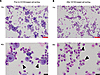 Figure 1
Enrichment of HBCs by CD163-based cell sorting. Cytospin microscopic pictures showing HBC isolates (A) before and (B) after CD163-based sorting. Arrowheads point at HBCs. Red scale bars: 100 μm. Black scale bars: 20 μm.
HBCs have a distinct gene expression landscape compared with other fetal and adult macrophages. Next, we focused on the gene expression (bulk RNA-seq) profile of isolated HBCs and compared them with 15 fetal and adult monocyte and macrophage subpopulations: adult Kupffer cells (KCs) (17), monocyte-derived macrophages (MDMs) (18), alveolar macrophages (AMs) (19), adult microglia (aMG) (20), fetal microglia (fMG) (21), fetal liver macrophages (fLMs) (21), mononuclear and multinucleated osteoclasts (22), osteoclast precursors (23), spleen macrophages (24), intestinal macrophages (25), and skin macrophages (26), as well as spleen monocytes (24), blood monocytes (24), and cord blood monocytes (CBMos) (27).
Multidimensional scaling of RNA-seq data revealed that all samples of HBC populations clustered together rather tightly, and they appeared to be distinct from other healthy fetal and adult macrophage populations (Supplemental Figure 4A). For further, more in-depth analysis, we only kept those cell types that had a fetal counterpart (CBMo, aMG, fMG, KC, and fLM, as well as those whose transcriptional regulation we later examined together with that of the HBCs (AM and MDM; Figure 2A). These comparisons showed that the HBC populations from our donors were similar to each other, with little patient-to-patient variability as far as their global gene expression was concerned, and that HBCs’ gene expression profile was distinct, as they were clustered far from other fetal and adult macrophage populations. Moreover, HBCs displayed a distinct gene expression profile, clustering far from other fetal and adult macrophage populations. The low intersample variability is also illustrated by the correlation plot with Pearson’s correlation values in Supplemental Figure 4B and the sample-to-sample distance heatmap in Supplemental Figure 4C. This raises, at least formally, the question of whether these cells meet the criteria for being bona fide macrophages.
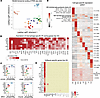 Figure 2
Comparative transcriptomic profiling of HBCs. (A) The multidimensional scaling plot represents the Euclidean distances between the gene expression patterns of the 8 cell types indicated and also between their replicates. (B) The heatmap shows the average normalized gene expression of the top 30 macrophage-specific transcription factor–coding genes and the CSF1R gene in the 8 cell types. (C) Scatterplots showing normalized gene expression values (FPKM) for HBC marker genes, including CD163, CD68, MRC1, and FOLR2 across 8 cell types. Points represent individual replicates; horizontal bars indicate the mean, and error bars represent SD. (D) The row-normalized, clustered heatmap represents the cell subtype–specific (P ≤ 0.05; fold difference ≥ 2) average of the normalized gene expression patterns and the non-DEGs between them. DEGs, differentially expressed genes. (E) The heatmap represents the average normalized expression of the top 20 HBC-specific marker genes. The corresponding FPKM scale is shown at the lower left corner of the heatmap. KC, Kupffer cell; MDM, monocyte-derived macrophage; AM, alveolar macrophage; aMG, adult microglia; fMG, fetal microglia; fLM, fetal liver macrophage; MoOC, mononuclear osteoclast; MuOC, multinucleated osteoclast; OCP, osteoclast precursor; SpM, spleen macrophage; IM, intestinal macrophage; SkM, skin macrophage; SMo, spleen monocyte; BMo, blood monocyte; CBMo, cord blood monocyte.
To support the claim that the isolated cells were indeed macrophages, we used a list of macrophage-specific transcription factors and plotted the average expression of the top 30 genes encoding these factors (Figure 2B) (28). HBCs showed high levels of expression genes encoding these factors (i.e., transcription factor PU.1 [PU.1], Y-box binding protein 1 [YBX1], certain basic helix-loop-helix (bHLH) proteins such as hypoxia-inducible factor 1 subunit alpha [HIF1A], inhibitor of DNA binding 2 [ID2], and upstream transcription factor 2 [USF2], as well as activating transcription factor 3 [ATF3] and 4 [ATF4] and IFN regulatory factor 8 [IRF8]); in addition, the essential macrophage marker colony-stimulating factor 1 receptor [CSF1R] was expressed at a high level in HBCs, further establishing that the isolated cells were indeed macrophages. This comparison also showed key differences in the relative expression of these genes when HBCs were compared with other fetal and adult macrophage subpopulations. For example, HBCs expressed CCAAT/enhancer-binding protein delta (CEBPD) as opposed to CEBPA, which is highly enriched in microglia, and CEBPB, which is expressed primarily in AMs, KCs, and MDMs. Figure 2C highlights the high expression of genes that are considered as HBC marker genes within the context of the fetal-maternal interface (29).
Distinct gene expression pathways are enriched in HBCs. Since gene expression analysis verified the purity and identity of the isolated cells as fetal macrophages, we considered the different biological processes regulated by transcription in HBCs. We systematically compared the bulk RNA-seq profiles obtained from HBCs, CBMos, aMG, fMG, AMs, MDMs, KCs, and fLMs and identified 20 gene clusters representing 13,866 differentially expressed genes (DEGs; Figure 2D). Additionally, we found 8,423 genes expressed at similar levels (no significant statistical difference between the groups) in all these cell types (Figure 2D). Clusters C1–C5 contained genes enriched in HBCs, with cluster 1 (C1) being primarily HBC dominant, while clusters 2–5 (C2, C3, C4, C5) also showed considerable expression in other cell types. CD36, HIF1A, selenoprotein P (SEPP1), CSF1R, complement C1q A chain and C chain (C1QA and C1QC, respectively), V-set and Ig domain containing 4 (VSIG4), phospholipid transfer protein (PLTP), and the HBC marker folate receptor beta (FOLR2) are all genes that were highly expressed in HBCs and found in C1. Highly expressed genes in C2–C5 included CCL4, CCL3, CXCL8, CD163, CD14, IL1B, and fibronectin 1 (FN1). Among the genes showing absolute HBC specificity were H19 imprinted maternally expressed transcript (H19), delta-like noncanonical Notch ligand 1 (DLK1), tachykinin precursor 1 and 3 (TAC1 and TAC3), IGF2, isthmin 2 (ISM2), chorionic somatomammotropin hormone 1 and 2 (CSH1 and CSH2), apolipoprotein L domain containing 1 (APOLD1), IGF binding protein 1 (IGFBP1), and pappalysin 2 (PAPPA2; Figure 2E). In addition, the 1,518 genes of C1 were enriched in pathways related to tissue and embryo morphogenesis, heart and skeletal muscle development, epithelial cell proliferation, and VEGFA-VEGFR2 signaling controlling angiogenesis (Supplemental Figure 4D). In order to compare tissue macrophage functions in a more systematic and potentially functional manner, we took curated gene sets representing key macrophage sensing and effector functions, such as cellular fitness, extracellular milieu, metabolism, nuclear receptors (NRs), the detection of and response to microorganisms as outlined by Lazarov et al. (30) (Figure 3A), and compared the expression of these key gene sets along with genes responsible for angiogenesis (derived from the PANTHER Pathways dataset). As shown in Figure 3A, HBCs were distinct in having higher expression levels of angiogenetic, extracellular milieu, cellular fitness, and NR signaling genes. Example genes for these functions are depicted in Figure 3B and Supplemental Figures 5 and 6. There was a lower expression of genes associated with the response to microbes and metabolism. Despite the low ranking of metabolism, genes playing a role in lipid metabolism and transport were highly represented in C1 and C2 (e.g., CD36, PLTP, and acyl-CoA synthetase long chain family member 1 [ACSL1]). NR signaling and lipid metabolism regulation were functionally linked: NR4A genes, PPARs, retinoid X receptor alpha (RXRA), and glucocorticoid receptor (GR) were enriched in HBCs (Figure 3, B and C). Given the prior in vitro demonstration of HBC dexamethasone (DEX) responsiveness by Tang et al. (31), we investigated GR-associated gene sets in this cell type, finding that the majority of DEX-responsive genes with nearby GR binding sites showed higher expression in HBCs compared with the other examined cell types (Figure 3D) (32). Importantly, the expression of the NR PPAR-regulated scavenger and the fatty acid receptor CD36 was particularly high in HBCs, suggesting a key role for this latter molecule (Figure 2D and Figure 3E). Finally, given the low ranking of the antimicrobial function in Figure 3A, we assessed whether HBCs represent a cell type already committed to one of the prototypic macrophage polarization paradigms (M1 or M2). Examining a set of selected polarization markers (33–36), we found that HBCs showed a mixed polarization phenotype with high expression levels of genes of certain M1 (CCL4; CCL3, IL-1B) and M2 markers (CD163, mannose receptor C-type 1 [MRC1], CD36); concurrently, prototypic marker genes had low expression (CD80 and transglutaminase 2 [TGM2]) (Figure 3F). Collectively, these findings suggest that HBCs actively shape, sense, and interact with their surroundings; are particularly responsive to lipid-soluble molecules; express high levels of CD36; and likely play a major role in regulating angiogenesis. Next, we were interested to find out how chromatin-level regulation supports this transcriptional and likely functional diversity in HBCs.
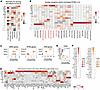 Figure 3
Transcriptional profiling of nuclear receptor expression and functional specificity in the included macrophage populations. (A) The heatmap represents the significance of the genes (in rank order) of the 6 highlighted sensing and effector functions in the 16 cell types. Genes with an expression higher than 0.5 FPKM (after normalization) in any cell type were considered. (B) The row-normalized heatmap depicts the gene expression of the nuclear receptor superfamily members in the 16 cell types. (C) Scatterplots showing normalized gene expression values (FPKM) for NR4A, PPAR, and RXR family members in sequenced HBC samples. Points represent individual replicates, with horizontal bars indicating the mean and error bars representing SD. (D) The row-normalized heatmap depicts the expression of DEX-responsive genes with nearby GR binding sites, which were previously described (32). (E) Scatterplot showing normalized gene expression values (FPKM) of CD36. Points represent individual replicates, with horizontal bars indicating the mean and error bars representing SD. (F) Bubble plot shows the expression levels (FPKM) of M1 macrophage marker genes (red, left panel) and M2 macrophage marker genes (orange, right panel) in HBCs. The size of each bubble corresponds to the expression value (FPKM) as indicated in the scale legends. Larger bubbles represent higher transcript abundance. KC, Kupffer cell; MDM, monocyte-derived macrophage; AM, alveolar macrophage; aMG, adult microglia; fMG, fetal microglia; fLM, fetal liver macrophage; MoOC, mononuclear osteoclast; MuOC, multinucleated osteoclast; OCP, osteoclast precursor; SpM, spleen macrophage; IM, intestinal macrophage; SkM, skin macrophage; SMo, spleen monocyte; BMo, blood monocyte; CBMo, cord blood monocyte.
HBCs have a distinct chromatin openness profile and have a cell type–specific set of promoters and enhancers. Next, we decided to carry out ATAC-seq experiments to determine the chromatin accessibility in HBC isolates and compare those with published data on human AMs from the lung (19) and MDMs (18), representing a cell type typically responding to inflammatory stimuli. The correlation heatmap shows uniformly high sample-sample similarity among HBC samples and strong correlations across patients, indicating high data consistency and reproducibility (Supplemental Figure 7A).
As shown in Figure 4A (C7), 27,743 genomic regions demonstrated similar chromatin accessibility between HBCs, MDMs, and AMs. However, we were able to detect 25,708 genomic regions that showed significant differences (P ≤ 0.05; FC ≥ 1.5) in chromatin accessibility (Figure 4A). These regions could be grouped into 6 clusters: 3 of them were cell type specific (C1–C3), and the other 3 were characteristic of 2 cell types each (C4–C6). To uncover the DNA-binding motifs at these distinctly open genomic regions, we carried out de novo motif enrichment analyses separately for the TSS-proximal (promoter) and TSS-distal (enhancer) genomic regions (Figure 4, B and C).
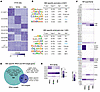 Figure 4
Chromatin accessibility and enrichment of transcription factor motifs delineate HBC-specific regulatory programs. (A) The row-normalized, clustered heatmap represents the coverage values of those differentially accessible chromatin regions (P ≤ 0.05; fold difference ≥ 2) specific for the HBCs, MDMs, or AMs, or their combinations (C1–C6). It also depicts the non-differentially accessible chromatin regions (C7). (B) The de novo motif hits of the HBC-specific TSS-proximal (promoter) (n = 647) and (C) the top 1,000 TSS-distal (enhancer) regions. Logos of the significantly enriched motifs are presented along with the P value rank; Bg%, background percentage. (D) The proportional Venn diagram represents the overlap between the NR4A and RFX target genes that display significantly higher expression and where NR4A and RFX motifs are located within more accessible chromatin regions in HBCs. The heatmaps represent (E) the average normalized gene expression of the members of the RFX and (F) the nuclear receptor (super)families in the HBCs, MDMs, or AMs. The row-normalized heatmap represents the coverage values.
TSS-proximal regions of C1 (n = 647), which were distinct to HBCs, were enriched in certain motifs, such as the motifs of the TPA-response element binding motif (TRE; 22.26%), cAMP response element binding motif (CRE; 4.93%), E26 transformation-specific (ETS; 15.42%) family motif, and CCAAT-boxes (7.79%) (Figure 4B). However, GC-boxes, which were enriched in AM- and MDM-specific TSS-proximal regions (C2 and C3), were generally absent in HBCs. Interestingly, the regulatory factor X binding motif (RFX) was present at 7.63% of peaks in HBCs and enriched in the common regions between HBCs and AMs (C4, 9.12%) (Figure 4B and Supplemental Figure 7B).
The significantly more open TSS-distal regions of all 3 macrophage subtypes were enriched for myeloid-specific motifs, such as PU.1, TRE, CRE, or runt-related transcription factor (RUNX) binding motif. Early growth response (EGR; 24.03%) motifs and the motifs of certain bHLH proteins, such as activating enhancer-binding protein 4 (AP-4; 20.34%), appeared to be specific for MDMs, whereas AM could be characterized by the presence of the already-described CEBP (33.81%). HBCs have shown distinct enrichments for NRs such as NR4A (e.g., NUR77 [13.79%]; Figure 4C and Supplemental Figure 7C) and a sequence motif containing a potential MAF binding site (MARE half site; 10.19%), which only differs from the FOX motif by a single nucleotide (37–39).
Combining the bulk RNA-seq and ATAC-seq data allowed us to associate the enriched motifs with their potential regulator transcription factor(s) using gene expression data. Figure 4D depicts NR4A and RFX target genes that display significantly higher expression (RNA-seq C1) and where NR4A and RFX motifs are located within more accessible chromatin regions in HBCs (ATAC-seq C1). Integrative Genomics Viewer genome browser views of representative NR4A and RFX target genes are presented in Supplemental Figure 8. As shown in Figure 4E, several members of the RFX transcription factor family are expressed in HBCs, such as RFX1, RFX2, and RFX5, of which the latter has the highest expression level. As Figure 3B depicts and Figure 4F further outlines, numerous NRs show high expression in HBCs, out of which NR4A family members are definitely worth highlighting, given that their binding motif also shows enrichment (Figure 4C). Both Figure 3B and Figure 4F underscore the high expression of GR. Furthermore, by using a dataset representing GR target genes, we recognized that the GR is likely to be active due to the high induction levels of many glucocorticoid target genes (Figure 3D) (32). These data, combined with the gene sets presented in Figure 3, A and B, and Figure 4F, strongly suggest that HBCs have active metabolic signaling involving NRs and lipids. Interestingly, by overlapping the HBC-specific opened TSS-proximal (promoter) regions and the HBC-specific genes from C1 of Figure 2D, only a small subset of opened promoters could be associated with HBC-specific gene expression (Figure 5A). We identified 91 promoters, resulting in a 28.12% enrichment of the SREBP-like motif. Based on gene expression data, SREBP1 will most likely bind this motif in HBCs (Figure 5B). Since the enriched motif contains the sequence “TCA,” to rule out the possibility that an incomplete or distorted TRE motif was enriched, we mapped the TRE motif and found no significant presence in the 91 promoter regions (Figure 5C). Promoters with an SREBP-like sequence are found in genes such as SLC25A4, as well as PCHD18, PCDH12, FOXA1, and S1PR1 (Figure 5D). These results further underscore the role of HBCs in lipid and fatty acid metabolism; however, this is likely a subset and not a complete set of gene-regulatory region pairs due to the statistical approach.
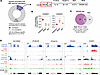 Figure 5
SREBP-like motif enrichment and target gene activity in HBCs. (A) SREBP-like motif enriched in promoters of genes that are upregulated and have more increased promoter accessibility in HBCs. (B) Gene expression of the SREBP1 and SREBP2 genes in HBCs, MDMs, and AMs. (C) Number of mapped SREBP-like and TRE motifs in open promoters of 91 HBC-specific genes. Selected genes with SREBP-like motifs are highlighted. (D) The genome browser view of RNA-seq and ATAC-seq coverages of HBC, MDM, and AM cells on the SLC25A4, PCDH18, PCDH12, FOXA1, and S1PR1 loci. The coverage files of the replicates are overlayed, and the interval scales are highlighted in all cases.
HBCs exhibit synergistic transcriptional activation upon exposure to IL-4 and rosiglitazone. These findings prompted us to examine the in vitro programmability of HBCs using an established signaling paradigm as a proof of concept. Given that CD36 is a key lipid mediator and scavenger receptor with likely functions regarding lipid handling, we decided to test whether its expression can be modulated using the well-established model of IL-4–induced and ligand-activated PPARγ (Figure 6) (40). Therefore, we set up in vitro cultures and treated cells with IL-4 and/or rosiglitazone (Figure 6A). We present a representative experiment of biological replicates from HBCs isolated from a single placenta (Figure 6B). Treating cells with these ligands resulted in synergistic gene expression of CD36, angiopoietin-like 4 (ANGPTL4), and IL-1 receptor antagonist (IL1RN), providing proof-of-concept data for the programmability of HBCs. Similar results were obtained from other placentas (Supplemental Figure 9).
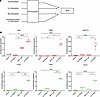 Figure 6
Synergistic effects of rosiglitazone and IL-4 on gene expression in in vitro stimulation assays. (A) Experimental outline of the in vitro induction studies. (B) Normalized mRNA expression levels after in vitro rosiglitazone and IL-4 induction, measured using PCR. Canonical PPARγ target genes are in red, and IL-4–induced genes are in green. Blue lines represent the medians of individual values. Pairwise comparisons were made using Kruskal-Wallis tests followed by Dunn’s post hoc tests. The figure depicts replicates from the cells of the same placenta (placenta number 5); 1 dot represents 1 parallel measurement. Canonical PPARγ target genes are indicated in red, canonical IL-4–induced genes are indicated in green. Statistical significance is indicated as follows: *P < 0.05, **P < 0.01, ***P < 0.001, ****P < 0.0001. Supplemental Figure 9 depicts the PCR data of 4 placentas.
Single-cell CyTOF profiling maps myeloid phenotypes and maturation states in HBCs. Finally, we performed CyTOF to complement the gene expression data with qualitative and quantitative single-cell protein expression data and to examine the potential degree of single-cell heterogeneity in our HBC isolates.
Manual gating was used to determine the percentage of HBCs positive for the investigated 14 markers within the living singlets (Figure 7A). The gating strategy is shown in Supplemental Figure 10. In general, HBCs displayed a phenotype similar to immature myeloid cells, characterized by the percentage of CD45+ (including low/dim/bright) cells falling between 67% and 83% (mean: 75.9%, SD: 8.9%). The percentage of HBCs positive for other myeloid markers are as follows: CD11b, mean: 13.7%, SD: 10.7%; CD11c, mean: 14.5%, SD: 13.2%; CD14, mean: 23.8%, SD: 9.2%; CD16, mean: 8.9%, SD: 8.3%; HLA-DR, mean: 65.5%, SD: 15.7% (Figure 7A). We found that 81.7% (SD: 9.9%) of HBCs showed positivity for the CD36 fatty acid translocase.
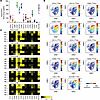 Figure 7
Single-cell heterogeneity of HBCs revealed by multidimensional immunophenotyping using CyTOF. (A) The percentage of HBCs (n = 5) for the expression of the investigated 14 markers in relation to the living singlets. (B) The visualization of stochastic neighbor embedding (viSNE) analysis of HBCs — 8,500 cells per sample were viSNE-plotted in Cytobank within the living singlets according to the following parameters: iterations: 1,000, perplexity: 30, and theta: 0.5. Blue corresponds to low expression; red corresponds to high expression. (C) Comparative heatmap (table’s minimum setting in Cytobank) of mass cytometry data (arcsinh-transformed median intensity values; shown on the color scale) regarding marker expression intensity values of the FlowSOM metaclusters.
T-distributed stochastic neighbor embedding (t-SNE) analysis deconvoluted the immune landscape of HBCs (Figure 7B). The visualization of t-SNE analysis demonstrated the distribution of single cells in a 14-dimensional mathematical space (n = 14, the number of markers under investigation). Plots showing hotspots of CD45 and HLA-DR bright and CD11b, CD11c, CD14, and CD16 myeloid lineage marker molecules represent HBCs with a mature phenotype. However, there were cells showing an uncommitted or immature phenotype within the population that were negative for the investigated markers (blue spots, Figure 7B). The single-cell heterogeneity of HBCs was revealed by unsupervised FlowSOM (self-organizing maps for visualization and interpretation of cytometry data) analysis of CyTOF data (41). FlowSOM generated 5 metaclusters (MCs) representing differential expression patterns of these functional markers, highlighting HBC heterogeneity.
We identified 7 out of 14 markers differentiating the 5 FlowSOM MCs, of which MC1 (CD11b+/CD45+/CD11c+/CD14lo/CD16–/CD33+/HLA-DR+) and MC4 (CD11blo/CD45+/CD11c+/CD14lo/CD16–/CD33–/HLA-DR+) represented mature cells, MC3 (CD11b–/CD45lo/CD11c–/CD14–/CD16–/CD33–/HLA-DR–) and MC5 (CD11b–/CD45–/CD11c–/CD14–/CD16–/CD33–/HLA-DR–) represented immature cells, and MC2 was a transitional cluster (CD11b–/CD45+/CD11c–/CD14lo/CD16–/CD33–/HLA-DR+) (Figure 7C). Regarding the HLA-DR expression patterns, our findings are in line with the findings of Yoshida et al. (42).
Thus, based on the CyTOF immunophenotyping, we found that HBCs with relatively low expression of myeloid markers represent a mixture of a mature and immature pool of cells. The plasticity of HBCs with the possible transition among the states identified by CyTOF remains a question and needs further study.


