
Research ArticleCell biologyHepatology
Open Access |  10.1172/jci.insight.193172
Macrophages expressing macrophage receptor with collagen structure attenuate liver fibrosis through a tissue restoration phenotype
Sofia Jerez,1 Shawna A. Cooper,1,2,3 Usman Yaqoob,1 Maleeha F. Kalaiger,1 Abid A. Anwar,1,4 Mandy Wong,1 Bushra Arif,1 Luke C. Doskey,1 Maria Hernandez-Tejero,1 William A. Sherman,5 Ruben De Boeck,1 Ying Li,6 Moira B. Hilscher,1 Enis Kostallari,1,3 Nidhi Jalan-Sakrikar,1,3 Sheng Cao,1 and Vijay H. Shah1,3
1Division of Gastroenterology and Hepatology,
2Graduate School of Biomedical Sciences, Mayo Clinic College of Medicine and Science,
3Department of Biochemistry and Molecular Biology,
4Graduate Research Education Program, and
5Department of Quantitative Health Sciences, Mayo Clinic, Rochester, Minnesota, USA.
6Department of Quantitative Health Sciences, Mayo Clinic, Jacksonville, Florida, USA.
Address correspondence to: Vijay H. Shah or Sheng Cao, Division of Gastroenterology and Hepatology, Mayo Clinic, 200 First St. SW, Rochester, Minnesota 55905, USA. Phone: 507.255.6028; Email: shah.vijay@mayo.edu (VHS). Phone: 507.293.2385; Email: cao.sheng@mayo.edu (SC).
Authorship note: SJ and SAC are co–first authors and contributed equally to this work. SC and VHS are co–corresponding authors.
Find articles by Jerez, S. in: PubMed | Google Scholar
1Division of Gastroenterology and Hepatology,
2Graduate School of Biomedical Sciences, Mayo Clinic College of Medicine and Science,
3Department of Biochemistry and Molecular Biology,
4Graduate Research Education Program, and
5Department of Quantitative Health Sciences, Mayo Clinic, Rochester, Minnesota, USA.
6Department of Quantitative Health Sciences, Mayo Clinic, Jacksonville, Florida, USA.
Address correspondence to: Vijay H. Shah or Sheng Cao, Division of Gastroenterology and Hepatology, Mayo Clinic, 200 First St. SW, Rochester, Minnesota 55905, USA. Phone: 507.255.6028; Email: shah.vijay@mayo.edu (VHS). Phone: 507.293.2385; Email: cao.sheng@mayo.edu (SC).
Authorship note: SJ and SAC are co–first authors and contributed equally to this work. SC and VHS are co–corresponding authors.
Find articles by
Cooper, S.
in:
PubMed
|
Google Scholar
|

1Division of Gastroenterology and Hepatology,
2Graduate School of Biomedical Sciences, Mayo Clinic College of Medicine and Science,
3Department of Biochemistry and Molecular Biology,
4Graduate Research Education Program, and
5Department of Quantitative Health Sciences, Mayo Clinic, Rochester, Minnesota, USA.
6Department of Quantitative Health Sciences, Mayo Clinic, Jacksonville, Florida, USA.
Address correspondence to: Vijay H. Shah or Sheng Cao, Division of Gastroenterology and Hepatology, Mayo Clinic, 200 First St. SW, Rochester, Minnesota 55905, USA. Phone: 507.255.6028; Email: shah.vijay@mayo.edu (VHS). Phone: 507.293.2385; Email: cao.sheng@mayo.edu (SC).
Authorship note: SJ and SAC are co–first authors and contributed equally to this work. SC and VHS are co–corresponding authors.
Find articles by
Yaqoob, U.
in:
PubMed
|
Google Scholar
|
1Division of Gastroenterology and Hepatology,
2Graduate School of Biomedical Sciences, Mayo Clinic College of Medicine and Science,
3Department of Biochemistry and Molecular Biology,
4Graduate Research Education Program, and
5Department of Quantitative Health Sciences, Mayo Clinic, Rochester, Minnesota, USA.
6Department of Quantitative Health Sciences, Mayo Clinic, Jacksonville, Florida, USA.
Address correspondence to: Vijay H. Shah or Sheng Cao, Division of Gastroenterology and Hepatology, Mayo Clinic, 200 First St. SW, Rochester, Minnesota 55905, USA. Phone: 507.255.6028; Email: shah.vijay@mayo.edu (VHS). Phone: 507.293.2385; Email: cao.sheng@mayo.edu (SC).
Authorship note: SJ and SAC are co–first authors and contributed equally to this work. SC and VHS are co–corresponding authors.
Find articles by Kalaiger, M. in: PubMed | Google Scholar
1Division of Gastroenterology and Hepatology,
2Graduate School of Biomedical Sciences, Mayo Clinic College of Medicine and Science,
3Department of Biochemistry and Molecular Biology,
4Graduate Research Education Program, and
5Department of Quantitative Health Sciences, Mayo Clinic, Rochester, Minnesota, USA.
6Department of Quantitative Health Sciences, Mayo Clinic, Jacksonville, Florida, USA.
Address correspondence to: Vijay H. Shah or Sheng Cao, Division of Gastroenterology and Hepatology, Mayo Clinic, 200 First St. SW, Rochester, Minnesota 55905, USA. Phone: 507.255.6028; Email: shah.vijay@mayo.edu (VHS). Phone: 507.293.2385; Email: cao.sheng@mayo.edu (SC).
Authorship note: SJ and SAC are co–first authors and contributed equally to this work. SC and VHS are co–corresponding authors.
Find articles by
Anwar, A.
in:
PubMed
|
Google Scholar
|
1Division of Gastroenterology and Hepatology,
2Graduate School of Biomedical Sciences, Mayo Clinic College of Medicine and Science,
3Department of Biochemistry and Molecular Biology,
4Graduate Research Education Program, and
5Department of Quantitative Health Sciences, Mayo Clinic, Rochester, Minnesota, USA.
6Department of Quantitative Health Sciences, Mayo Clinic, Jacksonville, Florida, USA.
Address correspondence to: Vijay H. Shah or Sheng Cao, Division of Gastroenterology and Hepatology, Mayo Clinic, 200 First St. SW, Rochester, Minnesota 55905, USA. Phone: 507.255.6028; Email: shah.vijay@mayo.edu (VHS). Phone: 507.293.2385; Email: cao.sheng@mayo.edu (SC).
Authorship note: SJ and SAC are co–first authors and contributed equally to this work. SC and VHS are co–corresponding authors.
Find articles by Wong, M. in: PubMed | Google Scholar
1Division of Gastroenterology and Hepatology,
2Graduate School of Biomedical Sciences, Mayo Clinic College of Medicine and Science,
3Department of Biochemistry and Molecular Biology,
4Graduate Research Education Program, and
5Department of Quantitative Health Sciences, Mayo Clinic, Rochester, Minnesota, USA.
6Department of Quantitative Health Sciences, Mayo Clinic, Jacksonville, Florida, USA.
Address correspondence to: Vijay H. Shah or Sheng Cao, Division of Gastroenterology and Hepatology, Mayo Clinic, 200 First St. SW, Rochester, Minnesota 55905, USA. Phone: 507.255.6028; Email: shah.vijay@mayo.edu (VHS). Phone: 507.293.2385; Email: cao.sheng@mayo.edu (SC).
Authorship note: SJ and SAC are co–first authors and contributed equally to this work. SC and VHS are co–corresponding authors.
Find articles by Arif, B. in: PubMed | Google Scholar
1Division of Gastroenterology and Hepatology,
2Graduate School of Biomedical Sciences, Mayo Clinic College of Medicine and Science,
3Department of Biochemistry and Molecular Biology,
4Graduate Research Education Program, and
5Department of Quantitative Health Sciences, Mayo Clinic, Rochester, Minnesota, USA.
6Department of Quantitative Health Sciences, Mayo Clinic, Jacksonville, Florida, USA.
Address correspondence to: Vijay H. Shah or Sheng Cao, Division of Gastroenterology and Hepatology, Mayo Clinic, 200 First St. SW, Rochester, Minnesota 55905, USA. Phone: 507.255.6028; Email: shah.vijay@mayo.edu (VHS). Phone: 507.293.2385; Email: cao.sheng@mayo.edu (SC).
Authorship note: SJ and SAC are co–first authors and contributed equally to this work. SC and VHS are co–corresponding authors.
Find articles by Doskey, L. in: PubMed | Google Scholar
1Division of Gastroenterology and Hepatology,
2Graduate School of Biomedical Sciences, Mayo Clinic College of Medicine and Science,
3Department of Biochemistry and Molecular Biology,
4Graduate Research Education Program, and
5Department of Quantitative Health Sciences, Mayo Clinic, Rochester, Minnesota, USA.
6Department of Quantitative Health Sciences, Mayo Clinic, Jacksonville, Florida, USA.
Address correspondence to: Vijay H. Shah or Sheng Cao, Division of Gastroenterology and Hepatology, Mayo Clinic, 200 First St. SW, Rochester, Minnesota 55905, USA. Phone: 507.255.6028; Email: shah.vijay@mayo.edu (VHS). Phone: 507.293.2385; Email: cao.sheng@mayo.edu (SC).
Authorship note: SJ and SAC are co–first authors and contributed equally to this work. SC and VHS are co–corresponding authors.
Find articles by
Hernandez-Tejero, M.
in:
PubMed
|
Google Scholar
|
1Division of Gastroenterology and Hepatology,
2Graduate School of Biomedical Sciences, Mayo Clinic College of Medicine and Science,
3Department of Biochemistry and Molecular Biology,
4Graduate Research Education Program, and
5Department of Quantitative Health Sciences, Mayo Clinic, Rochester, Minnesota, USA.
6Department of Quantitative Health Sciences, Mayo Clinic, Jacksonville, Florida, USA.
Address correspondence to: Vijay H. Shah or Sheng Cao, Division of Gastroenterology and Hepatology, Mayo Clinic, 200 First St. SW, Rochester, Minnesota 55905, USA. Phone: 507.255.6028; Email: shah.vijay@mayo.edu (VHS). Phone: 507.293.2385; Email: cao.sheng@mayo.edu (SC).
Authorship note: SJ and SAC are co–first authors and contributed equally to this work. SC and VHS are co–corresponding authors.
Find articles by Sherman, W. in: PubMed | Google Scholar
1Division of Gastroenterology and Hepatology,
2Graduate School of Biomedical Sciences, Mayo Clinic College of Medicine and Science,
3Department of Biochemistry and Molecular Biology,
4Graduate Research Education Program, and
5Department of Quantitative Health Sciences, Mayo Clinic, Rochester, Minnesota, USA.
6Department of Quantitative Health Sciences, Mayo Clinic, Jacksonville, Florida, USA.
Address correspondence to: Vijay H. Shah or Sheng Cao, Division of Gastroenterology and Hepatology, Mayo Clinic, 200 First St. SW, Rochester, Minnesota 55905, USA. Phone: 507.255.6028; Email: shah.vijay@mayo.edu (VHS). Phone: 507.293.2385; Email: cao.sheng@mayo.edu (SC).
Authorship note: SJ and SAC are co–first authors and contributed equally to this work. SC and VHS are co–corresponding authors.
Find articles by De Boeck, R. in: PubMed | Google Scholar
1Division of Gastroenterology and Hepatology,
2Graduate School of Biomedical Sciences, Mayo Clinic College of Medicine and Science,
3Department of Biochemistry and Molecular Biology,
4Graduate Research Education Program, and
5Department of Quantitative Health Sciences, Mayo Clinic, Rochester, Minnesota, USA.
6Department of Quantitative Health Sciences, Mayo Clinic, Jacksonville, Florida, USA.
Address correspondence to: Vijay H. Shah or Sheng Cao, Division of Gastroenterology and Hepatology, Mayo Clinic, 200 First St. SW, Rochester, Minnesota 55905, USA. Phone: 507.255.6028; Email: shah.vijay@mayo.edu (VHS). Phone: 507.293.2385; Email: cao.sheng@mayo.edu (SC).
Authorship note: SJ and SAC are co–first authors and contributed equally to this work. SC and VHS are co–corresponding authors.
Find articles by Li, Y. in: PubMed | Google Scholar
1Division of Gastroenterology and Hepatology,
2Graduate School of Biomedical Sciences, Mayo Clinic College of Medicine and Science,
3Department of Biochemistry and Molecular Biology,
4Graduate Research Education Program, and
5Department of Quantitative Health Sciences, Mayo Clinic, Rochester, Minnesota, USA.
6Department of Quantitative Health Sciences, Mayo Clinic, Jacksonville, Florida, USA.
Address correspondence to: Vijay H. Shah or Sheng Cao, Division of Gastroenterology and Hepatology, Mayo Clinic, 200 First St. SW, Rochester, Minnesota 55905, USA. Phone: 507.255.6028; Email: shah.vijay@mayo.edu (VHS). Phone: 507.293.2385; Email: cao.sheng@mayo.edu (SC).
Authorship note: SJ and SAC are co–first authors and contributed equally to this work. SC and VHS are co–corresponding authors.
Find articles by Hilscher, M. in: PubMed | Google Scholar
1Division of Gastroenterology and Hepatology,
2Graduate School of Biomedical Sciences, Mayo Clinic College of Medicine and Science,
3Department of Biochemistry and Molecular Biology,
4Graduate Research Education Program, and
5Department of Quantitative Health Sciences, Mayo Clinic, Rochester, Minnesota, USA.
6Department of Quantitative Health Sciences, Mayo Clinic, Jacksonville, Florida, USA.
Address correspondence to: Vijay H. Shah or Sheng Cao, Division of Gastroenterology and Hepatology, Mayo Clinic, 200 First St. SW, Rochester, Minnesota 55905, USA. Phone: 507.255.6028; Email: shah.vijay@mayo.edu (VHS). Phone: 507.293.2385; Email: cao.sheng@mayo.edu (SC).
Authorship note: SJ and SAC are co–first authors and contributed equally to this work. SC and VHS are co–corresponding authors.
Find articles by
Kostallari, E.
in:
PubMed
|
Google Scholar
|
1Division of Gastroenterology and Hepatology,
2Graduate School of Biomedical Sciences, Mayo Clinic College of Medicine and Science,
3Department of Biochemistry and Molecular Biology,
4Graduate Research Education Program, and
5Department of Quantitative Health Sciences, Mayo Clinic, Rochester, Minnesota, USA.
6Department of Quantitative Health Sciences, Mayo Clinic, Jacksonville, Florida, USA.
Address correspondence to: Vijay H. Shah or Sheng Cao, Division of Gastroenterology and Hepatology, Mayo Clinic, 200 First St. SW, Rochester, Minnesota 55905, USA. Phone: 507.255.6028; Email: shah.vijay@mayo.edu (VHS). Phone: 507.293.2385; Email: cao.sheng@mayo.edu (SC).
Authorship note: SJ and SAC are co–first authors and contributed equally to this work. SC and VHS are co–corresponding authors.
Find articles by
Jalan-Sakrikar, N.
in:
PubMed
|
Google Scholar
|
1Division of Gastroenterology and Hepatology,
2Graduate School of Biomedical Sciences, Mayo Clinic College of Medicine and Science,
3Department of Biochemistry and Molecular Biology,
4Graduate Research Education Program, and
5Department of Quantitative Health Sciences, Mayo Clinic, Rochester, Minnesota, USA.
6Department of Quantitative Health Sciences, Mayo Clinic, Jacksonville, Florida, USA.
Address correspondence to: Vijay H. Shah or Sheng Cao, Division of Gastroenterology and Hepatology, Mayo Clinic, 200 First St. SW, Rochester, Minnesota 55905, USA. Phone: 507.255.6028; Email: shah.vijay@mayo.edu (VHS). Phone: 507.293.2385; Email: cao.sheng@mayo.edu (SC).
Authorship note: SJ and SAC are co–first authors and contributed equally to this work. SC and VHS are co–corresponding authors.
Find articles by
Cao, S.
in:
PubMed
|
Google Scholar
|
1Division of Gastroenterology and Hepatology,
2Graduate School of Biomedical Sciences, Mayo Clinic College of Medicine and Science,
3Department of Biochemistry and Molecular Biology,
4Graduate Research Education Program, and
5Department of Quantitative Health Sciences, Mayo Clinic, Rochester, Minnesota, USA.
6Department of Quantitative Health Sciences, Mayo Clinic, Jacksonville, Florida, USA.
Address correspondence to: Vijay H. Shah or Sheng Cao, Division of Gastroenterology and Hepatology, Mayo Clinic, 200 First St. SW, Rochester, Minnesota 55905, USA. Phone: 507.255.6028; Email: shah.vijay@mayo.edu (VHS). Phone: 507.293.2385; Email: cao.sheng@mayo.edu (SC).
Authorship note: SJ and SAC are co–first authors and contributed equally to this work. SC and VHS are co–corresponding authors.
Find articles by Shah, V. in: PubMed | Google Scholar
Published March 23, 2026 - More info
JCI Insight. 2026;11(6):e193172. https://doi.org/10.1172/jci.insight.193172.
© 2026 Jerez et al. This work is licensed under the Creative Commons Attribution 4.0 International License. To view a copy of this license, visit http://creativecommons.org/licenses/by/4.0/.
Received: March 7, 2025; Accepted: February 6, 2026


-
Results
Chronic liver fibrosis induces transcriptomic changes in macrophage subpopulations. To assess the effect of chronic fibrosis on the macrophage population and transcriptomic diversity, single-cell RNA-seq (scRNA-seq) was performed on intrahepatic leukocytes isolated from 8 mice given olive oil (control) or CCl4 (chronic fibrosis). Bioinformatic quality control focused on recovering high-quality, singlet nonparenchymal cells rather than hepatocytes. This yielded 139,159 cells from the olive oil group and 107,366 from the CCl4 group across 21 clusters at 0.1 resolution (Figure 1, A–C). Cluster identity was determined by canonical cell-type conserved genes (Figure 1B).
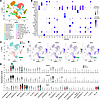 Figure 1
scRNA-seq identifies 2 predominant macrophage populations after CCl4-induced fibrosis. (A) Unsupervised clustering yielded 21 major clusters at 0.1 resolution, which were identified to cell type according to expression of the established cell marker genes shown in the dot plot in B. Each dot represents a single cell. One clean macrophage cluster was used for downstream analysis (with green arrow). (B) Dot plot of established cell marker genes to identify the cell type of each cluster shown in A. (C) UMAP plot highlights the sample distribution between liver cells isolated from mice after olive oil or CCl4 administration. (D) Feature plots depicting expression of macrophage marker genes in clusters 1 and 3 (green arrow): general markers Cd68 and Adgre1 (F4/80 coding gene); Kupffer cell marker Clec4f, and infiltrating macrophage marker Itgam (CD11B coding gene). (E) Violin plots of differential gene expression showing expression of macrophage identity genes in the correct clusters. Adgre1 indicates adhesion G protein-coupled receptor E1.
Multiple myeloid clusters were identified, but macrophage marker genes, such as the F4/80-coding gene Adgre1, Clec4f, and Itgam, identified 2 potential macrophage clusters: cluster 1 (Olive Oil: 16,641, CCl4: 11,017), and cluster 3 (Olive Oil: 2,874, CCl4: 12,557) (Figure 1B). Macrophage subpopulations were annotated by using conserved genes, with cluster 1 determined to be primarily composed of Kupffer cells expressing Adgre1 and Clec4f (Figure 1, D and E) with a minority of infiltrating monocyte-derived macrophages, which were identified by the expression of the myeloid cell marker CD11B-coding gene Itgam (Figure 1, D and E) also present. Cluster 3 was positive for Adgre1 and Itgam, but also for genes suggesting a mixture of nonmacrophage myeloid cell types and endothelial cells.
The data show that, at this resolution, we can identify the 2 predominant macrophage populations in olive oil and CCl4 groups, resident Kupffer cells and infiltrating monocyte-derived macrophages.
Marco expression in macrophages is enhanced during chronic liver fibrosis. To understand the transcriptional profiles of each of the macrophage subpopulations during CCl4-induced liver fibrosis, differential gene expression analysis was conducted. For each of the identified transcriptomic clusters, differentially expressed genes in the livers of the olive oil group versus CCl4 group were identified by using a cutoff value of log2FC change greater than 0.5 and an adjusted P value less than 0.05. In cluster 1, the most highly upregulated genes included Gpnmb, Cd63, and Marco. Marco was one of the highly upregulated genes in the CCl4 group, with a log2 fold change of 2.2 and an adjusted P value of 1 × 10–113 (Figure 2A). Marco is known to be expressed on tissue-resident macrophages in the lung and liver (5, 27); concordantly, in our study, Marco was expressed in the Kupffer cell cluster 1, as shown by violin and feature plots of gene expression (Figure 2, C and D, and Supplemental Figure 1; supplemental material available online with this article; https://doi.org/10.1172/jci.insight.193172DS1). Despite low levels of expression in the olive oil group, in the livers of CCl4-induced fibrotic mice, the proportion of macrophages expressing Marco doubled to over 30% (Figure 2E and Supplemental Figure 2), indicating that its expression is upregulated in response to chronic fibrosis.
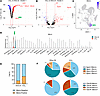 Figure 2
Expression of Marco is upregulated in a specific macrophage subpopulation in CCl4-induced chronic fibrosis. (A) Volcano plot of differential gene expression between macrophages in cluster 1 for liver cells isolated from mice after olive oil or CCl4 administration. Downregulated genes are shown in blue, upregulated genes in red, and unchanged genes in black. Arrow shows Marco as one of the genes with the greatest upregulated expression in this cluster. (B) Volcano plot of differential gene expression between macrophages in cluster 3 for liver cells isolated from mice after olive oil or CCl4 administration. Downregulated genes are shown in blue, upregulated genes in red, and unchanged genes in black. This cluster failed to show a clear enrichment for proinflammatory macrophages and appeared to be somewhat mixed, so it was not utilized for downstream analysis. (C) Feature plot of Marco expression restricted to the macrophage cluster as shown in Figure 1, A and E. (D) Violin plot of Marco differential expression in cluster 1 liver cells isolated from mice after olive oil or CCl4 administration. Note that Marco expression is restricted to cluster 1. (E) Bioinformatic subsetting and sorting of Marco+ cells demonstrates that the proportion of Marco+ cells nearly doubled with CCl4-induced fibrosis. (F) Bioinformatic subsetting and sorting for coexpression of Marco and the Kupffer cell marker Clec4f versus infiltrating macrophage marker Itgam demonstrates that Marco+ cells are almost exclusively Clec4f+ (Kupffer cells) in the healthy olive oil condition but expand to include an Itgam+Marco+ population with CCl4-induced fibrosis. Differential gene expression was calculated on scTransform v2 normalized data with FindMarkers using the Wilcoxon rank sum test and reported as average log2 fold change and Benjamini-Hochberg–adjusted P values.
To better understand the phenotypes and origins of liver macrophages expressing Marco, we focused on cluster 1 to avoid the potential for bias from cluster 3. Cluster 3 was highly unbalanced for cell counts between olive oil and CCl4 and presented with a heterogeneous population of NPC fraction. Within cluster 1, refined subpopulations of cells were obtained for determining their cellular origin, differential gene expression, and downstream analysis. During CCl4-induced fibrosis, there was an increase of the infiltrating Itgam+ and Clec4f– macrophages in the liver, and in addition to the resident Clec4f+Marco+ cells; Itgam+Marco+ and Clec4f–Marco+ macrophage populations emerge (Figure 2F), suggesting that Marco expression is also increased on smaller populations of infiltrating macrophages during liver fibrosis. To further refine this population, the cells were triple-sorted for Clec4f, Itgam, and Marco to attempt to identify infiltrating myeloid cells that adopt the Kupffer cell phenotype (moKC) versus embryonic-derived Kupffer cells (Supplemental Figure 2). Indeed, the proportion of cells positive for Clec4f+ and negative for Itgam– and Marco– decreased from 60% in the Olive Oil group to 13% in the CCl4. This was coupled with an increase in Clec4f+Itgam–Marco+ (likely embryonic-derived KCs) from 10% in Olive Oil to 19% in CCl4 as well as an increase in the triple-positive group Clec4f+Itgam+Marco+ (likely moKC) from 4% to 11%. This suggests that increases in injury-induced Marco expression are occurring in heterogeneous populations of Kupffer cells.
Next, differential gene expression analysis and IPA (Qiagen) were conducted on Marco+ versus Marco– macrophages from the olive oil group and CCl4 group (Supplemental Figure 3, A and B, and Supplemental Figure 4) and between Marco+ macrophages from olive oil versus CCl4 (Supplemental Figure 3C). These analyses showed that phagosome formation (phagocytosis) pathway genes increased in Marco+ macrophages compared with Marco– macrophages from the olive oil group control and CCl4-induced fibrosis livers. However, phagocytosis pathway genes were decreased in Marco+ macrophages in CCl4-induced fibrosis livers compared with Marco+ macrophages from olive oil. These results suggest that the Marco+ macrophages could be more functional in their ability to participate in ECM remodeling and fibrosis prevention than Marco– macrophages, but that after CCl4-induced fibrosis, this capability is attenuated in Marco+ macrophages.
Pseudotime analysis indicates that Marco+ macrophages originate from Kupffer cells and infiltrating macrophages in CCl4 fibrosis. To better understand the origin and gene programs associated with Marco expression, we reprocessed the CCl4 dataset for pseudotime trajectory analysis with the Monocle 3 package. Pseudotime trajectory analysis compares the similarity and incremental changes in gene expression between cells in a cluster, as well as the trajectory of the gain or loss of specific genes. This is important for showing the phenotypic plasticity of macrophages in response to injury. The phenotypic plasticity of resident (Node 1, Clec4f+) versus infiltrating (Node 2, Itgam+) macrophage populations was analyzed with a starting node in each population and convergence/divergence of specific subpopulations (Figure 3A). Feature plots highlight the distribution of Clec4f-expressing Kupffer cells versus Itgam-expressing infiltrating macrophages and the induction and distribution of Marco versus damage-associated Trem2 (28, 29) expression along monocle3_pseudotime in (Figure 3B). Indeed, without sorting or supervised analysis, spatial autocorrelation analysis (i.e., Moran’s I values) quantitatively showed that Marco was one of the most strongly and significantly induced genes across pseudotime and highlighted that Marco+ cells emerged from the resident Kupffer cells, infiltrating macrophage subpopulations, and the convergence of the “Kupfferized” infiltrating cell-derived Kupffer cells (Table 1). Because other notable functional genes, including pathogen receptors and matrix metalloproteinases (MMPs), were apparent in the spatial autocorrelation analysis, the full list and magnitude of Moran’s test statistic values (not differential gene expression fold changes) were then subjected to IPA to identify the associated gene programs/pathways that were induced across pseudotime (Figure 3C and Table 1). Many pathways were associated with immune cell activation, but those associated with cell-cell interaction and phagocytosis were also significantly increased. Thus, pseudotime analysis allowed us to examine macrophage plasticity in the scope of CCl4 administration, demonstrating that Marco+ macrophages do not exclusively arise from Clec4f+Itgam– embryonic-derived Kupffer cells, but a small population also arises from infiltrating macrophages and infiltrating macrophage–derived Kupfferized cells, and they capture induction of important functional pathways. Our data support the fact that not all Marco+ macrophages are equivalent. The background cell of origin and microenvironment-related polarization program may strongly influence the overall phenotype of specific Marco+ macrophage populations and highlights the importance of understanding macrophage heterogeneity. Marco expression increased apparent phagocytic capacity at baseline, and CCl4 administration increased the Marco+ cell population. Despite this, fibrosis still developed and was associated with downregulation of phagocytosis pathways in Marco+ macrophages from the CCl4 group compared with olive oil. This compelled us to characterize the properties of specific subpopulations of Marco+ macrophages.
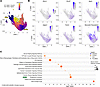 Figure 3
Pseudotime analysis of macrophage phenotypic plasticity in chronic CCl4-induced fibrosis. (A) Trajectory analysis of the CCl4 macrophage population with Monocle 3 software (63), with a starting node rooted in the Clec4f+ macrophage population and Itgam+ population (primarily Kupffer cells and infiltrating macrophages, respectively) and colored by pseudotime to show the changes in gene expression/phenotypic plasticity. (B) Feature plots of Marco versus informative genes to show the distribution of subpopulations with respect to pseudotime and origins of Marco induction with CCl4-induced fibrosis. (C) IPA using the magnitude of Moran’s test statistic (Table 1), not differential gene expression, for significantly induced genes along the pseudotime trajectory to identify associated pathways. Pathway analysis statistics were calculated by IPA using a right-tailed Fisher’s exact test to calculate P value.
To further analyze the phenotype and origin of MARCO+ macrophages induced during liver fibrosis, we did mass cytometry (CyTOF) using a panel of antibodies (see Supplemental Methods) focused on macrophage markers. The results obtained show a shift in immune cell populations when comparing olive oil versus CCl4-induced fibrosis (Supplemental Figure 5A). The analysis returned 28 cell clusters, with the majority of them corresponding to macrophages (Supplemental Figure 5, B and C). MARCO expression levels can be observed in areas corresponding to cluster 19, which correspond to Kupffer cells identified by the expression of CLEC4f (Supplemental Figure 5D), but not exclusively, as higher MARCO levels can be observed scattered across other clusters (2, 7, 8, 18, 19, 23). Next, we subset MARCOhi cells, and analyzed the expression of infiltration markers CD11b and CX3CR1. We found that a population of MARCOhi cells, double positive for these 2 protein markers (cluster 7 and 8), is induced with fibrosis, which provides protein-level validation of the transcriptomic results, showing infiltrating MARCO+ macrophages (and MARCO+ infiltrating macrophage–derived Kupffer cells) in the liver (Supplemental Figure 5E).
Going forward, we did not always specifically attempt to discriminate between Kupffer cell subtypes and non-Kupffer cell macrophages due to assay limitations. Both populations increased Marco in response to injury, and the data further indicate that the majority of the infiltrating Marco+ cells had adopted the Kupffer cell phenotype Itgam+Clec4f+. Since Kupffer cells are macrophages, but not all macrophages are Kupffer cells, the term macrophage is used for all of these populations unless otherwise specified for a specific subset.
MARCO expression is enhanced in areas with low collagen deposition in chronic liver fibrosis. The homogeneous, sinusoidal distribution of macrophages observed in healthy liver tissue was perturbed with chronic fibrotic injury in CCl4 mice, as well as human cirrhotic liver. Specifically, macrophages increased overall and appeared to concentrate in areas of fibrosis (Supplemental Figure 6). However, the behavior of specific macrophage populations, especially Marco+ macrophages was unknown. To understand the spatial distribution of Marco+ macrophages during liver fibrosis, we first analyzed our previously described spatial transcriptomics dataset (Gene Expression Omnibus [GEO], GSE259363) (30). Based on collagen type I expression, the liver was subset into fibrotic versus nonfibrotic zones (30). Marco was expressed primarily in the nonfibrotic zones with low collagen expression (Figure 4A). This finding was confirmed via IHC and immunofluorescence staining of MARCO+ macrophages in mouse and human liver tissue sections (Figure 4, B and C). MARCO+ cells were localized primarily to nonfibrotic areas of the liver from CCl4 group mice, indicating the macrophages localized to the fibrotic septa were MARCO–. Indeed, the fibrotic septa contained primarily MARCO–CLEC4F+ macrophages, with minimal numbers of double-positive macrophages in this region (Figure 4B). This spatial distribution pattern was also evident with MARCO–CD68+ macrophages in human cirrhotic tissue samples (Figure 4C). Taken together, these results suggest that MARCO+ macrophages are increased and tend to accumulate in the nonfibrotic areas in the liver during chronic fibrosis.
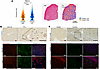 Figure 4
MARCO+ macrophages are increased in chronic liver fibrosis but localize to nonfibrotic regions. (A) 10X Visium CCl4 mouse liver sample demonstrating the colocalization of lighter fibrotic regions visible with H&E staining versus the designated collagen high and low “spots” used for differential expression of Marco with violin plot relative to collagen type I in CCl4-induced fibrotic mouse liver. Collagen high represents fibrotic zones, collagen low represents nonfibrotic zones. Log2FC = 1.2; ****P < 0.0001 in A. (B) Representative images of CLEC4F macrophage marker and MARCO immunostaining as well as collagen type I and MARCO immunostaining in liver tissue sections of mice after chronic administration of olive oil or CCl4. The homogeneous distribution of macrophages in the olive oil group differs from the chronic fibrosis group by an increased macrophage population that segregates by MARCO+ cells that specifically do not colocalize with fibrotic collagen versus MARCO– populations that have a distribution similar to the collagen staining. (C) Representative images of CD68 macrophage marker and MARCO immunostaining by IHC as well as immunofluorescence to show that the same distribution of MARCO+ macrophages compared with regions of fibrosis is seen in liver tissue sections from patients with and without cirrhosis as in the olive oil versus CCl4 fibrotic mouse model. IHC scale bar: 50 μm; IF scale bar: 275 μm. Each image is representative of 3 patient-derived or animal-derived samples.
The aforementioned results led to the question of whether the MARCO+ macrophages have reduced migratory capacity toward the areas of fibrosis. To answer this question, Marco was transfected into RAW 264.7 mouse macrophage cells, which do not endogenously express Marco. We then analyzed migration in response to CXCL9, which is a key chemokine regulating the redistribution of macrophages in the liver (31). Marco overexpression significantly reduced migration at baseline and chemotaxis in response to CXCL9 stimulation (Supplemental Figure 7A). Phalloidin staining uncovered cytoskeletal remodeling, also potentially affecting migration capacity (Supplemental Figure 7B). Concordant with the migration results, we found that MARCO+ macrophages also express lower levels of Cxcr3, the receptor for CXCL9, compared with MARCO– macrophages by qPCR (Supplemental Figure 7C). Thus, our results demonstrate that macrophage populations are not only increased in response to fibrotic injury overall but are spatially segregated based on MARCO expression, with regions of fibrosis/increased collagen I expression associated with MARCO– cells and MARCO+ concentrated in the uninjured parenchyma. Furthermore, the specific localization of MARCO+ macrophages in nonfibrotic areas can be explained by a reduction in functional pathways associated with migration as evidenced by lack of response to CXCL9-induced chemotaxis, and low Cxcr3 expression.
MARCO+ macrophages have antiinflammatory, antifibrotic, and prophagocytic characteristics. Since migration capacity alone is not sufficient to explain the phenotype of MARCO+ macrophages, we analyzed other functional characteristics using transcriptomics. The availability (Supplemental Figure 8A) and tolerance to manipulation of Raw264.7 cells and BMDM are substantially better than tissue-resident macrophages, and the BMDM potentially translate more readily to future therapeutic applications (32). Therefore, we used MARCO+ BMDM or Marco-overexpressing Raw264.7 for in vitro validation of the previous in silico analysis as well as additional transcriptomic studies. BMDMs were obtained by isolating mouse bone marrow hematopoietic progenitors and differentiating them with macrophage CSF treatment for 7 days. Marco is expressed at exceptionally low levels in WT BMDMs; therefore, we induced Marco expression by treating BMDMs with LPS using PBS as a vehicle (33). Only 2% of the vehicle-group F4/80+ population of BMDMs were positive for MARCO; however, LPS stimulus increased the percentage of MARCO+ cells in this population to 25% (Figure 5A). We then sorted F4/80+MARCO– and F4/80+MARCO+ subpopulations with FACS and confirmed Marco mRNA and MARCO protein levels in each subpopulation with immunoblot and qPCR analysis, respectively (Supplemental Figure 8, B and C). Upstream regulator analysis of endogenous Marco+ macrophages further demonstrate the physiologic relevance of LPS induction of Marco (Supplemental Figure 9).
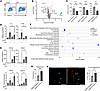 Figure 5
LPS induces a MARCO+ population in BMDMs with antiinflammatory characteristics. (A) Flow cytometric analysis of F4/80 and MARCO double-positive BMDMs before (left panel) and after (right panel) treatment with LPS. (B) Gene expression analysis of immune-related genes in BMDMs stimulated with LPS. Volcano plot shows differentially expressed genes, upregulated (red) or downregulated (blue), in MARCO+ versus MARCO– BMDMs. (C) Expression of cytokine receptors Ccr2, Ccr5, and Ccr7 (in MARCO– and MARCO+ BMDMs). (D) Expression of proinflammatory cytokines Tnf and Ccl5 in MARCO– and MARCO-overexpressing Raw 264.7 macrophages with and without LPS stimulation. (E) Expression of matrix metalloproteinases (MMPs) Mmp2, Mmp3, Mmp9, and Mmp12 in MARCO– and MARCO-overexpressing Raw 264.7 macrophages with and without LPS stimulation. (F) IPA of the nCounter fibrosis panel in MARCO+ BMDMs shows increased antiinflammatory IL-10 signaling and decreased inflammatory pathways. (G) Phagocytic capacity assay of MARCO– and MARCO+ BMDMs, measured by internalization of fluorescent latex beads. (H) In vivo phagocytosis assay in CCl4 mice using GFP-labeled E.coli (arrowheads) and MARCO and GFP costaining, demonstrating increased phagocytic capacity in MARCO+ versus MARCO– macrophages as seen in vitro in panel. Each image is representative of 3 mouse samples. (G). Scale bar: 50 μm. ***P < 0.001; **P < 0.01; *P < 0.05. IPA (Qiagen) P values were calculated via a right-tailed Fisher’s exact test. nCounter results were analyzed using nSolver software with significance determined by heteroscedastic t test (Welch’s). All other results were analyzed using 2-way ANOVA and Tukey’s comparisons test. Each experiment was conducted at least 3 times.
To assess the proinflammatory potential of MARCO– and MARCO+ macrophages, we performed gene expression analysis of the sorted BMDM subpopulations with the NanoString nCounter, Fibrosis, and Immunology panels. The global differential gene expression from the total NanoString nCounter array immunology probe set for MARCO+ versus MARCO– BMDMs is shown in a volcano plot (Figure 5B). From immunology panel, we found that expression levels of the migration-related genes Ccr2, Ccr5, and Ccr7 were lower in MARCO+ BMDMs than in MARCO– BMDMs (Figure 5C). We also analyzed sorted BMDMs after MARCO induction with nCounter fibrosis panel. MARCO+ BMDMs showed lower expression of the proinflammatory mediator and higher levels of several MMPs (n = 2, data not shown). We validated these results using Raw 264.7 macrophage cell line where we found that over expression of MARCO is associated with lower levels of Tumor necrosis factor (Tnf) and Chemokine C-C motif ligand 5 (Ccl5) at basal conditions and after inflammatory stimulation with LPS (Figure 5D). We also detected higher levels of the collagen-degrading MMPs Mmp2, Mmp3, Mmp9, and Mmp12 (Figure 5E). IPA of the transcription profiles from BMDM (Figure 5F) showed IL-10 signaling and similar upregulated pathways in MARCO+ compared with MARCO– BMDMs, which is associated with an antiinflammatory phenotype.
Finally, to validate the tissue macrophage IPA results and confirm a potentially fundamental property of tissue restorative macrophages, we examined the phagocytic activity of MARCO+ versus MARCO– BMDMs in vitro by measuring the uptake of fluorophore-labeled opsonized latex particles. Phagocytic activity was significantly higher in MARCO+ BMDMs than in MARCO– BMDMs (FC = 1.72, P < 0.05) (Figure 5G). We further validated this finding by measuring phagocytosis in vivo using GFP-labeled E. coli injected into the portal vein of CCl4 group mouse livers. Costaining of MARCO, F4/80, and GFP revealed approximately 40% of MARCO– cells were GFP+ while a significantly larger population of MARCO+ macrophages phagocytosed the GFP+ E. coli (Figure 5H). These results indicate a less inflammatory and highly phagocytic phenotype in MARCO+ BMDMs and intrahepatic macrophages, indicating possible antifibrotic or prorestorative characteristics.
These results are also notable for the differences between the MARCO+ BMDMs and the endogenous Marco+ macrophage from the CCl4 injury model. Indeed, Marco+ macrophages were shown to have differences in phagosome formation by IPA when comparing Marco+ macrophages in the healthy olive oil control versus the CCl4 chronic fibrosis model (Supplemental Figure 3). This suggests that the microenvironment in which the Marco+ macrophages are derived could affect their function, such that the BMDMs may be more efficacious than endogenous macrophages in attenuating chronic fibrosis.
Adoptive transfer of MARCO+ macrophages attenuates fibrosis in vivo. Based on the reparative properties of Marco+ macrophages observed in vitro, we hypothesized that MARCO+ macrophages may improve liver fibrosis in vivo. To test this hypothesis, we conducted an allogeneic adoptive transfer experiment in which sorted MARCO+ and MARCO– BMDM subpopulations (Figure 5A) were adoptively transferred into recipient mice during the CCl4 administration protocol (Figure 6A). To confirm the homing of exogenous macrophages to the liver, we used healthy mice with and without cell transfer to detect the presence of MARCO+ cells in the liver. Basal numbers of MARCO+ macrophages are exceptionally low in healthy livers (Figure 2F, Supplemental Figure 2, and Supplemental Figure 8A), so we could be confident that the increase in MARCO+ cells detected after adoptive transfer was due to the MARCO+ BMDMs and not endogenous cells. As a control, we also transferred MARCO– BMDMs to a second group of control mice and observed no increase in MARCO staining compared with healthy liver. Thus, the BMDMs did not alter their MARCO expression during the transfer experiment. The number of total macrophages showed minor variation among the 3 conditions, as shown by staining F4/80 (Figure 6B). This finding was further confirmed by immunoblot analysis on whole livers. Notably, livers of mice from the olive oil group had higher levels of MARCO protein after transfer of MARCO+ BMDMs than saline or MARCO– BMDM recipients. Still, they had lower MARCO protein levels than recipient mice with CCl4 (Figure 6C). These findings confirm that the exogenous MARCO+ BMDMs accumulated in the livers of recipient mice, and the accumulation was increased during CCl4-induced fibrosis. To further confirm that the increased accumulation of MARCO+ cells was due to exogenous MARCO+ macrophages integrating into the liver, we performed flow cytometry analysis utilizing fluorescent LPS-stimulated BMDMs isolated from tandem dimer Tomato–expressing (tdTomato-expressing) mice (tdT-BMDMs). Mice from olive oil or CCl4 groups were injected with tdT-BMDMs at weeks 3 and 5 of the CCl4 administration protocol, as described in Figure 6A. Flow cytometric analysis of isolated intrahepatic leukocytes showed tdTomato fluorescence in a cell population from tdTomato-BMDM recipient mice but not from the saline mice (Figure 6D). The tdTomato+ population increased from 1.52% in mice from the olive oil group to 26.8% in mice from the CCl4 group, indicating that the transferred BMDMs specifically homed to the injured liver (Figure 6D). Next, we investigated the effect of exogenous transferred MARCO+ macrophages on liver fibrosis. Picrosirius red staining revealed a significant decrease in collagen deposition in liver sections from recipients of MARCO+ BMDMs compared with saline or MARCO– BMDM recipients, indicating that the CCl4-induced fibrotic phenotype was attenuated after adoptive cell transfer of MARCO+ BMDMs (P < 0.05) (Figure 6E). To confirm the effect of exogenous MARCO+ BMDMs in reducing the fibrosis in the CCl4 model, we used clodronate to deplete endogenous macrophages before the cell transfer of BMDM, which also express GFP for tracking of transferred cells. With this model, we validated our results, as we showed a reduction of collagen deposition in mice that received MARCO+ BMDMs compared with those that received MARCO– BMDMs using picrosirius red staining and hydroxyproline level quantification (Supplemental Figure 10, A–C).
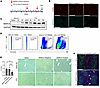 Figure 6
Adoptive transfer of MARCO+ BMDMs reduces fibrosis in vivo. (A) Schematic showing adoptive transfer protocol and CCl4 administration. Mice received 2 tail vein injections of 1 × 10⁶ MARCO+, MARCO– BMDMs, or saline at 3 and 5 weeks of olive oil/CCl4 administration protocol. (B) Immunofluorescence staining of F4/80 and MARCO in liver tissue sections to confirm the presence of transferred MARCO+ BMDMs. Olive oil–administered controls were used to prevent interference from CCl4-induced endogenous MARCO+ macrophage staining. Scale bar: 275 μm (C) Representative immunoblots of MARCO and GAPDH (loading control) proteins in liver tissue lysates after olive oil or CCl4, with (M-, Marco–; M+, MARCO+) or without (Saline) macrophage adoptive transfer. (D) Analysis by flow cytometry of isolated liver macrophages from mice after receiving adoptive transfer of BMDMs that constitutively express tandem dimer Tomato fluorescent protein (tdT) or WT BMDM. (E) Picrosirius/fast green staining of collagen (i.e., fibrosis) in liver tissue sections from mice that received adoptive cell transfer. Quantification of picrosirius staining in CCl4-induced fibrotic livers is shown in the bar graph. Scale bar: 100 μm. (F) Representative immunofluorescence image of collagen type I and MARCO staining in fibrotic liver tissue sections from mice that received adoptive cell transfer. Scale bar: 100 μm. *P < 0.05. Statistical analysis was done using 2-way ANOVA and Tukey’s comparisons test. The cell transfer experiment was conducted on at least 6 animals per group.
Our staining and spatial transcriptomics data show that endogenous Marco+ macrophages predominantly reside in the nonfibrotic areas of the liver after CCl4-induced fibrosis. Thus, we assessed potential changes in the spatial distribution of MARCO+ macrophages after transfer of MARCO+ BMDMs. In the livers of CCl4 group mice, MARCO staining was colocalized with collagen type I staining (Figure 6F), showing that the transferred MARCO+ BMDMs localized to the fibrotic zones of the injured liver. These observations demonstrate that MARCO+ BMDMs can successfully home to the injured liver following adoptive transfer and reduce collagen deposition and fibrosis.
Adoptive transfer of MARCO+ macrophages downregulates ECM genes from hepatic stellate cells. We used spatial transcriptomics to gain potential mechanistic insight into how MARCO+ macrophages reduce liver fibrosis in vivo. We analyzed the effect of MARCO+ macrophages on hepatic stellate cells (HSCs), the primary matrix-producing cells and key drivers of fibrosis, in fibrotic mouse livers after chronic CCl4 administration. The NanoString GeoMx Digital Spatial Profiler platform was used to obtain the transcription profile of HSCs colocalized with MARCO+ versus MARCO– macrophages, in samples from mice that received CCl4+Saline compared with samples from mice that received CCl4+MARCO+ BMDMs. The goal was to determine if the MARCO+ BMDMs affected the fibrogenic capacity of the HSCs. To analyze the tissue, we labeled HSC using an anti-Desmin antibody (34), and macrophages were labeled using anti-IBA1 (panmacrophage marker) (35) and anti-MARCO. We selected regions of interest (ROIs) enriched in MARCO+ macrophages. These ROIs were subdivided into segments corresponding to HSCs, MARCO+ macrophages, and MARCO– macrophages (Figure 7A), and each segment was individually sequenced, giving the transcription profile for the particular cell type (Supplemental Figure 11A). There was also a fourth segment denominated “Other,” which corresponded to everything else in the ROIs that was not HSC or Macrophage. The segment “Other” was used mainly as a segmentation control. As expected, MARCO+ segments within MARCOhi ROI show the highest levels of Marco transcript compared with MARCOLo ROI. Detection of Marco transcript was minimal across the DESMIN and “Other” segments, indicating that the segmentation and collection of high-quality transcriptomic libraries was satisfactory (Figure 7B).
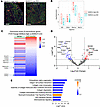 Figure 7
Adoptive transfer of Marco+ macrophages in vivo induces phenotypic changes in HSCs. (A) Regions of interest (ROI) for GeoMx DSP were selected based on IBA1+ and MARCO+ immunofluorescence staining. MARCOHi ROIs are MARCO+IBA1+ (yellow), and MARCOLo ROIs are MARCO–IBA1+ (red). Scale bar: 125 μm. (B) Marco transcript levels across all of the segments and ROIs for quality control. (C) Heatmap shows Extracellular gene expression fold change for HSC in Marcohi versus Marcolo ROIs. The first column shows CCl4-treated mice that did not receive cell transfer, and the second column shows CCl4-treated mice that received cell transfer. Rows were not clustered for this 2 column comparison, and the color gradient indicates the magnitude of fold change for MarcoHi versus Marcolo across all analyzed genes. Extracellular genes highlighted in the saline group are reduced in Marcohi ROI with cell transfer. Extracellular gene list obtained from Gene Ontology consortium (www.geneontology.org). (D) Volcano plot of differentially expressed genes for DESMIN+ segments from MARCOHi compared with MARCOLo ROI after treatment with MARCO+ BMDMs. (E) IPA showing reductions in ECM-related pathways in DESMIN+ segments after MARCO+ BMDM cell transfer treatment. Scale bar: 125 μm. P values were calculated by IPA using a right-tailed Fisher’s exact test.
We then analyzed the transcriptomic profile of HSCs from MARCOhi and MARCOlo ROIs between the CCl4+Saline and CCl4+MARCO+ BMDMs groups. Again, the primary objective was to determine the effect of adoptive transfer of MARCO+ BMDMs on fibrosis. However, the secondary objective was to address the differences noted between the endogenous (injury-induced) tissue MARCO+ macrophages present in the CCl4 group (Figure 2 and Supplemental Figure 3) and the transferred MARCO+ BMDMs (Figures 5 and 6), which had been previously complicated by the fact that the cells were originally assessed using different transcriptomic platforms (10x scRNA-seq versus Nanostring NCounter). Specifically, the MARCOHi ROIs from the CCl4+Saline mouse liver sample correspond to the endogenous (injury-induced) MARCO+ macrophages characterized in Figure 2, while the MARCOHi ROIs from the CCl4+MARCO+ BMDMs sample correspond to a mixture of endogenous, as well as the BMDMs characterized in Figures 5 and 6. To visualize the transcriptomic effect of endogenous versus transferred MARCO+ macrophages during the development of fibrosis, we used a list of extracellular genes from the Gene Ontology Consortium to compare changes in HSC gene expression with the most important changes evident after MARCO+ BMDM adoptive cell transfer that include downregulation of several collagens and other ECM-component genes. (Figure 7C). To optimize the detection and analysis of HSC-specific genes, we subset the NanoString GeoMx dataset to 760 genes according to the strategy described in Supplemental Figure 11B. We started with the HSC conserved gene list from our previously published scRNA-seq dataset (36) and removed ambient/contaminant genes by selecting conserved genes expressed in more than 30% of cells in the HSC cluster and in fewer than 15% of non-HSCs. (Supplemental Figure 11B). Differential gene expression analysis of HSCs from DESMIN+MARCOHi versus DESMIN+MARCOLo segments indicated that there was a downregulation of ECM-related genes, including structural (collagens) and modulatory (Dcn, Ecm1) genes, after administration of MARCO+ BMDMs in CCl4-induced fibrosis (Figure 7D). This significant downregulation was not observed in the CCl4+Saline group livers, which only contained the endogenous (injury-induced) MARCO+ macrophages and did not receive any additional MARCO+ BMDMs (Supplemental Figure 11C). IPA of the differential gene expression shown in Figure 7D demonstrated that the most significant downregulated HSC pathways affected by MARCO+ macrophage adoptive cell transfer correspond to ECM organization, collagen degradation, biosynthesis, polymerization, and fibril assembly (Figure 7E). The significant downregulation of ECM genes was not observed when comparing HSC in MARCOhi versus MARCOlo areas without adoptive transfer of macrophages (Supplemental Figure 11D). These results indicate that MARCO+ BMDM adoptive transfer reduces fibrosis by directly downregulating ECM pathways in HSC.


