
Research ArticleAgingEndocrinology
Open Access |  10.1172/jci.insight.192827
Palmitate impairs autophagic degradation via oxidative stress/perilysosomal Ca2+ overload/mTORC1 activation pathway in pancreatic β cells
Ha Thu Nguyen,1,2,3 Luong Dai Ly,1,2 Thuy Thi Thanh Ngo,1,2,3 Soo Kyung Lee,1,2,3 Carlos Noriega Polo,1,2,3 Subo Lee,1,2,3 Taesic Lee,4 Seung-Kuy Cha,1,2,3 Xaviera Riani Yasasilka,5 Kae Won Cho,5 Myung-Shik Lee,5 Andreas Wiederkehr,6 Claes B. Wollheim,7,8 and Kyu-Sang Park1,2,3
1Department of Physiology,
2Mitohormesis Research Center,
3Department of Global Medical Science, and
4Department of Family Medicine, Yonsei University Wonju College of Medicine, Wonju, South Korea.
5Soonchunhyang Institute of Medi-bio Science, Soonchunhyang University, Cheonan, South Korea.
6Ecole Polytechnique Fédérale de Lausanne, Lausanne, Switzerland.
7Department of Cell Physiology and Metabolism, University of Geneva, Geneva, Switzerland.
8Department of Clinical Sciences, Lund University, Malmö, Sweden.
Address correspondence to: Claes B. Wollheim, Department of Cell Physiology and Metabolism, University Medical Center 1, rue Michel-Servet, CH-1211 Geneva 4, Switzerland. Phone: 41.79.689.4755; Email: Claes.Wollheim@unige.ch. Or to: Kyu-Sang Park, Department of Physiology, Mitohormesis Research Center, Yonsei University Wonju College of Medicine, Wonju, 26426, South Korea. Phone: 82.33.741.0294; Email: qsang@yonsei.ac.kr.
Find articles by Nguyen, H. in: PubMed | Google Scholar
1Department of Physiology,
2Mitohormesis Research Center,
3Department of Global Medical Science, and
4Department of Family Medicine, Yonsei University Wonju College of Medicine, Wonju, South Korea.
5Soonchunhyang Institute of Medi-bio Science, Soonchunhyang University, Cheonan, South Korea.
6Ecole Polytechnique Fédérale de Lausanne, Lausanne, Switzerland.
7Department of Cell Physiology and Metabolism, University of Geneva, Geneva, Switzerland.
8Department of Clinical Sciences, Lund University, Malmö, Sweden.
Address correspondence to: Claes B. Wollheim, Department of Cell Physiology and Metabolism, University Medical Center 1, rue Michel-Servet, CH-1211 Geneva 4, Switzerland. Phone: 41.79.689.4755; Email: Claes.Wollheim@unige.ch. Or to: Kyu-Sang Park, Department of Physiology, Mitohormesis Research Center, Yonsei University Wonju College of Medicine, Wonju, 26426, South Korea. Phone: 82.33.741.0294; Email: qsang@yonsei.ac.kr.
Find articles by Ly, L. in: PubMed | Google Scholar
1Department of Physiology,
2Mitohormesis Research Center,
3Department of Global Medical Science, and
4Department of Family Medicine, Yonsei University Wonju College of Medicine, Wonju, South Korea.
5Soonchunhyang Institute of Medi-bio Science, Soonchunhyang University, Cheonan, South Korea.
6Ecole Polytechnique Fédérale de Lausanne, Lausanne, Switzerland.
7Department of Cell Physiology and Metabolism, University of Geneva, Geneva, Switzerland.
8Department of Clinical Sciences, Lund University, Malmö, Sweden.
Address correspondence to: Claes B. Wollheim, Department of Cell Physiology and Metabolism, University Medical Center 1, rue Michel-Servet, CH-1211 Geneva 4, Switzerland. Phone: 41.79.689.4755; Email: Claes.Wollheim@unige.ch. Or to: Kyu-Sang Park, Department of Physiology, Mitohormesis Research Center, Yonsei University Wonju College of Medicine, Wonju, 26426, South Korea. Phone: 82.33.741.0294; Email: qsang@yonsei.ac.kr.
Find articles by Ngo, T. in: PubMed | Google Scholar
1Department of Physiology,
2Mitohormesis Research Center,
3Department of Global Medical Science, and
4Department of Family Medicine, Yonsei University Wonju College of Medicine, Wonju, South Korea.
5Soonchunhyang Institute of Medi-bio Science, Soonchunhyang University, Cheonan, South Korea.
6Ecole Polytechnique Fédérale de Lausanne, Lausanne, Switzerland.
7Department of Cell Physiology and Metabolism, University of Geneva, Geneva, Switzerland.
8Department of Clinical Sciences, Lund University, Malmö, Sweden.
Address correspondence to: Claes B. Wollheim, Department of Cell Physiology and Metabolism, University Medical Center 1, rue Michel-Servet, CH-1211 Geneva 4, Switzerland. Phone: 41.79.689.4755; Email: Claes.Wollheim@unige.ch. Or to: Kyu-Sang Park, Department of Physiology, Mitohormesis Research Center, Yonsei University Wonju College of Medicine, Wonju, 26426, South Korea. Phone: 82.33.741.0294; Email: qsang@yonsei.ac.kr.
Find articles by Lee, S. in: PubMed | Google Scholar
1Department of Physiology,
2Mitohormesis Research Center,
3Department of Global Medical Science, and
4Department of Family Medicine, Yonsei University Wonju College of Medicine, Wonju, South Korea.
5Soonchunhyang Institute of Medi-bio Science, Soonchunhyang University, Cheonan, South Korea.
6Ecole Polytechnique Fédérale de Lausanne, Lausanne, Switzerland.
7Department of Cell Physiology and Metabolism, University of Geneva, Geneva, Switzerland.
8Department of Clinical Sciences, Lund University, Malmö, Sweden.
Address correspondence to: Claes B. Wollheim, Department of Cell Physiology and Metabolism, University Medical Center 1, rue Michel-Servet, CH-1211 Geneva 4, Switzerland. Phone: 41.79.689.4755; Email: Claes.Wollheim@unige.ch. Or to: Kyu-Sang Park, Department of Physiology, Mitohormesis Research Center, Yonsei University Wonju College of Medicine, Wonju, 26426, South Korea. Phone: 82.33.741.0294; Email: qsang@yonsei.ac.kr.
Find articles by Noriega Polo, C. in: PubMed | Google Scholar
1Department of Physiology,
2Mitohormesis Research Center,
3Department of Global Medical Science, and
4Department of Family Medicine, Yonsei University Wonju College of Medicine, Wonju, South Korea.
5Soonchunhyang Institute of Medi-bio Science, Soonchunhyang University, Cheonan, South Korea.
6Ecole Polytechnique Fédérale de Lausanne, Lausanne, Switzerland.
7Department of Cell Physiology and Metabolism, University of Geneva, Geneva, Switzerland.
8Department of Clinical Sciences, Lund University, Malmö, Sweden.
Address correspondence to: Claes B. Wollheim, Department of Cell Physiology and Metabolism, University Medical Center 1, rue Michel-Servet, CH-1211 Geneva 4, Switzerland. Phone: 41.79.689.4755; Email: Claes.Wollheim@unige.ch. Or to: Kyu-Sang Park, Department of Physiology, Mitohormesis Research Center, Yonsei University Wonju College of Medicine, Wonju, 26426, South Korea. Phone: 82.33.741.0294; Email: qsang@yonsei.ac.kr.
Find articles by Lee, S. in: PubMed | Google Scholar
1Department of Physiology,
2Mitohormesis Research Center,
3Department of Global Medical Science, and
4Department of Family Medicine, Yonsei University Wonju College of Medicine, Wonju, South Korea.
5Soonchunhyang Institute of Medi-bio Science, Soonchunhyang University, Cheonan, South Korea.
6Ecole Polytechnique Fédérale de Lausanne, Lausanne, Switzerland.
7Department of Cell Physiology and Metabolism, University of Geneva, Geneva, Switzerland.
8Department of Clinical Sciences, Lund University, Malmö, Sweden.
Address correspondence to: Claes B. Wollheim, Department of Cell Physiology and Metabolism, University Medical Center 1, rue Michel-Servet, CH-1211 Geneva 4, Switzerland. Phone: 41.79.689.4755; Email: Claes.Wollheim@unige.ch. Or to: Kyu-Sang Park, Department of Physiology, Mitohormesis Research Center, Yonsei University Wonju College of Medicine, Wonju, 26426, South Korea. Phone: 82.33.741.0294; Email: qsang@yonsei.ac.kr.
Find articles by Lee, T. in: PubMed | Google Scholar
1Department of Physiology,
2Mitohormesis Research Center,
3Department of Global Medical Science, and
4Department of Family Medicine, Yonsei University Wonju College of Medicine, Wonju, South Korea.
5Soonchunhyang Institute of Medi-bio Science, Soonchunhyang University, Cheonan, South Korea.
6Ecole Polytechnique Fédérale de Lausanne, Lausanne, Switzerland.
7Department of Cell Physiology and Metabolism, University of Geneva, Geneva, Switzerland.
8Department of Clinical Sciences, Lund University, Malmö, Sweden.
Address correspondence to: Claes B. Wollheim, Department of Cell Physiology and Metabolism, University Medical Center 1, rue Michel-Servet, CH-1211 Geneva 4, Switzerland. Phone: 41.79.689.4755; Email: Claes.Wollheim@unige.ch. Or to: Kyu-Sang Park, Department of Physiology, Mitohormesis Research Center, Yonsei University Wonju College of Medicine, Wonju, 26426, South Korea. Phone: 82.33.741.0294; Email: qsang@yonsei.ac.kr.
Find articles by Cha, S. in: PubMed | Google Scholar
1Department of Physiology,
2Mitohormesis Research Center,
3Department of Global Medical Science, and
4Department of Family Medicine, Yonsei University Wonju College of Medicine, Wonju, South Korea.
5Soonchunhyang Institute of Medi-bio Science, Soonchunhyang University, Cheonan, South Korea.
6Ecole Polytechnique Fédérale de Lausanne, Lausanne, Switzerland.
7Department of Cell Physiology and Metabolism, University of Geneva, Geneva, Switzerland.
8Department of Clinical Sciences, Lund University, Malmö, Sweden.
Address correspondence to: Claes B. Wollheim, Department of Cell Physiology and Metabolism, University Medical Center 1, rue Michel-Servet, CH-1211 Geneva 4, Switzerland. Phone: 41.79.689.4755; Email: Claes.Wollheim@unige.ch. Or to: Kyu-Sang Park, Department of Physiology, Mitohormesis Research Center, Yonsei University Wonju College of Medicine, Wonju, 26426, South Korea. Phone: 82.33.741.0294; Email: qsang@yonsei.ac.kr.
Find articles by Yasasilka, X. in: PubMed | Google Scholar
1Department of Physiology,
2Mitohormesis Research Center,
3Department of Global Medical Science, and
4Department of Family Medicine, Yonsei University Wonju College of Medicine, Wonju, South Korea.
5Soonchunhyang Institute of Medi-bio Science, Soonchunhyang University, Cheonan, South Korea.
6Ecole Polytechnique Fédérale de Lausanne, Lausanne, Switzerland.
7Department of Cell Physiology and Metabolism, University of Geneva, Geneva, Switzerland.
8Department of Clinical Sciences, Lund University, Malmö, Sweden.
Address correspondence to: Claes B. Wollheim, Department of Cell Physiology and Metabolism, University Medical Center 1, rue Michel-Servet, CH-1211 Geneva 4, Switzerland. Phone: 41.79.689.4755; Email: Claes.Wollheim@unige.ch. Or to: Kyu-Sang Park, Department of Physiology, Mitohormesis Research Center, Yonsei University Wonju College of Medicine, Wonju, 26426, South Korea. Phone: 82.33.741.0294; Email: qsang@yonsei.ac.kr.
Find articles by
Cho, K.
in:
PubMed
|
Google Scholar
|

1Department of Physiology,
2Mitohormesis Research Center,
3Department of Global Medical Science, and
4Department of Family Medicine, Yonsei University Wonju College of Medicine, Wonju, South Korea.
5Soonchunhyang Institute of Medi-bio Science, Soonchunhyang University, Cheonan, South Korea.
6Ecole Polytechnique Fédérale de Lausanne, Lausanne, Switzerland.
7Department of Cell Physiology and Metabolism, University of Geneva, Geneva, Switzerland.
8Department of Clinical Sciences, Lund University, Malmö, Sweden.
Address correspondence to: Claes B. Wollheim, Department of Cell Physiology and Metabolism, University Medical Center 1, rue Michel-Servet, CH-1211 Geneva 4, Switzerland. Phone: 41.79.689.4755; Email: Claes.Wollheim@unige.ch. Or to: Kyu-Sang Park, Department of Physiology, Mitohormesis Research Center, Yonsei University Wonju College of Medicine, Wonju, 26426, South Korea. Phone: 82.33.741.0294; Email: qsang@yonsei.ac.kr.
Find articles by Lee, M. in: PubMed | Google Scholar
1Department of Physiology,
2Mitohormesis Research Center,
3Department of Global Medical Science, and
4Department of Family Medicine, Yonsei University Wonju College of Medicine, Wonju, South Korea.
5Soonchunhyang Institute of Medi-bio Science, Soonchunhyang University, Cheonan, South Korea.
6Ecole Polytechnique Fédérale de Lausanne, Lausanne, Switzerland.
7Department of Cell Physiology and Metabolism, University of Geneva, Geneva, Switzerland.
8Department of Clinical Sciences, Lund University, Malmö, Sweden.
Address correspondence to: Claes B. Wollheim, Department of Cell Physiology and Metabolism, University Medical Center 1, rue Michel-Servet, CH-1211 Geneva 4, Switzerland. Phone: 41.79.689.4755; Email: Claes.Wollheim@unige.ch. Or to: Kyu-Sang Park, Department of Physiology, Mitohormesis Research Center, Yonsei University Wonju College of Medicine, Wonju, 26426, South Korea. Phone: 82.33.741.0294; Email: qsang@yonsei.ac.kr.
Find articles by Wiederkehr, A. in: PubMed | Google Scholar
1Department of Physiology,
2Mitohormesis Research Center,
3Department of Global Medical Science, and
4Department of Family Medicine, Yonsei University Wonju College of Medicine, Wonju, South Korea.
5Soonchunhyang Institute of Medi-bio Science, Soonchunhyang University, Cheonan, South Korea.
6Ecole Polytechnique Fédérale de Lausanne, Lausanne, Switzerland.
7Department of Cell Physiology and Metabolism, University of Geneva, Geneva, Switzerland.
8Department of Clinical Sciences, Lund University, Malmö, Sweden.
Address correspondence to: Claes B. Wollheim, Department of Cell Physiology and Metabolism, University Medical Center 1, rue Michel-Servet, CH-1211 Geneva 4, Switzerland. Phone: 41.79.689.4755; Email: Claes.Wollheim@unige.ch. Or to: Kyu-Sang Park, Department of Physiology, Mitohormesis Research Center, Yonsei University Wonju College of Medicine, Wonju, 26426, South Korea. Phone: 82.33.741.0294; Email: qsang@yonsei.ac.kr.
Find articles by Wollheim, C. in: PubMed | Google Scholar
1Department of Physiology,
2Mitohormesis Research Center,
3Department of Global Medical Science, and
4Department of Family Medicine, Yonsei University Wonju College of Medicine, Wonju, South Korea.
5Soonchunhyang Institute of Medi-bio Science, Soonchunhyang University, Cheonan, South Korea.
6Ecole Polytechnique Fédérale de Lausanne, Lausanne, Switzerland.
7Department of Cell Physiology and Metabolism, University of Geneva, Geneva, Switzerland.
8Department of Clinical Sciences, Lund University, Malmö, Sweden.
Address correspondence to: Claes B. Wollheim, Department of Cell Physiology and Metabolism, University Medical Center 1, rue Michel-Servet, CH-1211 Geneva 4, Switzerland. Phone: 41.79.689.4755; Email: Claes.Wollheim@unige.ch. Or to: Kyu-Sang Park, Department of Physiology, Mitohormesis Research Center, Yonsei University Wonju College of Medicine, Wonju, 26426, South Korea. Phone: 82.33.741.0294; Email: qsang@yonsei.ac.kr.
Find articles by
Park, K.
in:
PubMed
|
Google Scholar
|
Published November 11, 2025 - More info
JCI Insight. 2025;10(24):e192827. https://doi.org/10.1172/jci.insight.192827.
© 2025 Nguyen et al. This work is licensed under the Creative Commons Attribution 4.0 International License. To view a copy of this license, visit http://creativecommons.org/licenses/by/4.0/.
Received: February 25, 2025; Accepted: November 6, 2025


-
Results
Palmitate inhibits autophagic flux and causes accumulation of autophagosome in pancreatic islets. To investigate the impact of saturated fatty acids on autophagic activity in pancreatic β cells, we conducted experiments using isolated mouse islets or MIN6 insulinoma cells treated with palmitate (350 μM). The treatment of islets with palmitate resulted in ER stress, evidenced by dilated ER cisternae, the accumulation of autophagic vesicles, and reduced number of insulin granules, as visualized using transmission electron microscopy (Figure 1A). This accumulation indicated a disruption of autophagy by lipotoxicity in islets. To confirm the defect in autophagy, we examined levels of the autophagic markers LC3 and p62 and the autophagic flux using MIN6 cells stably expressing LC3-RFP-GFP. The protein amounts of LC3-II and p62 were found to be elevated (Figure 1B), and the ratio of yellow to red puncta was increased, indicating defective autophagic flux (Figure 1C).
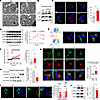 Figure 1
Palmitate induces autophagy defects mediated by mTORC1 activation at lysosomal membranes. (A) Representative pictures of electron microscopy showing that exposure to palmitate (PA; 350 μM for 24 hours) causes accumulation of undigested autophagosomes, dilated ER lumen, and reduced number of insulin granules in mouse pancreatic β cells. (B) LC3-II and p62 accumulation by PA in pancreatic islets. (C) Elevated yellow puncta induced by PA in LC3-GFP-RFP–expressing MIN6 cells. (D) Time kinetics of p70S6K and AMPK phosphorylations by PA. (E) Lysosomal localization of TORCAR, an indicator of mTORC1 activity. (F) TORCAR FRET ratio indicating mTORC1 activity at lysosomes in response to PA. (G) Colocalization of phosphorylated (activated) mTOR with LAMP1, a lysosome marker. (H and I) Decreased nuclear translocation and increased cytosolic localization of TFEB by PA. (J) Reduced LAMP2 by PA in MIN6 cells. Scale bar: 1 μm (C, E, G, I). Data are presented as means ± SEM (C, D, G–J) or SD (F), and n is the number of independent experiments except those in H, which is the number of analyzed cells from at least 3 independent experiments. Statistical significance was determined using unpaired 2-tailed Student’s t test (C and F–J). *P < 0.05; **P < 0.01; ****P < 0.0001.
Since both mTOR and AMPK are known to be master regulators of autophagy, we assessed the activities of mTORC1 and AMPK during palmitate incubation. We observed that palmitate stimulated both AMPK and mTORC1 activity albeit with different kinetics; AMPK phosphorylation was transient, returning to basal within 24 hours, whereas mTORC1 activation was sustained even after 2 days of exposure to lipotoxic conditions (Figure 1D). The continued mTORC1 activation could be responsible for the observed inhibition of autophagy induced by palmitate (2). To monitor the kinetics of mTORC1 activation, we utilized the TORCAR biosensor, a fluorescence resonance energy transfer–based (FRET-based) reporter that detects phosphorylation of 4E-binding protein 1 (4EBP1) (20). TORCAR fluorescence completely colocalized with lysosomal-associated membrane protein 1 (LAMP1), a lysosomal membrane protein (Figure 1E), and palmitate increased reverse FRET ratio of TORCAR, reflecting mTORC1 activity (Figure 1F).
Previous studies have indicated that the activation of mTORC1 occurs when it is recruited to the lysosomal surface in response to an abundance of amino acids (21). Here, we observed that palmitate increased colocalization of activated (phosphorylated) mTORC1 with LAMP1, which suggests activation of mTORC1 on the lysosomal membrane (Figure 1G). Activation of mTORC1 negatively regulates autophagy through various mechanisms, including the inhibition of lysosomal biogenesis by phosphorylating the transcription factor TFEB (22). This phosphorylation leads to the retention of TFEB in the cytosol and hinders its translocation into the nucleus (23). To test whether palmitate inhibits the translocation of TFEB into the nucleus, MIN6 cells were treated with palmitate and examined for the localization of TFEB in cytosolic and nuclear fractions. As shown in Figure 1H, TFEB in the nuclear fraction was significantly reduced by palmitate incubation. Consistent with these findings, transiently expressed TFEB-GFP was retained in the cytosol of palmitate-treated MIN6 cells (Figure 1I). To demonstrate the beneficial role of TFEB against lipotoxicity, MIN6 cells were infected with adenoviruses encoding either wild-type TFEB or an empty vector control. Overexpression of TFEB upregulated LAMP1, restored p62 clearance, and prevented caspase-3 activation in palmitate-treated MIN6 cells (Supplemental Figure 1; supplemental material available online with this article; https://doi.org/10.1172/jci.insight.192827DS1). These findings indicate that palmitate inhibits TFEB activation. As a result, lysosomal biogenesis is impaired as also demonstrated by the reduced expression of the lysosomal marker LAMP2 (Figure 1J).
Palmitate inhibits TRPML1-mediated lysosomal Ca2+ release. Transient Ca2+ increases in the perilysosomal microdomain play a crucial role in the fusion between autophagosomes and lysosomes, a critical step for the degradation of the autophagosome (24). Saturated fatty acids, such as palmitate, induce oxidative stress and disrupt organellar Ca2+ homeostasis (19), which may impair the autophagic process because of perilysosomal Ca2+ disturbances. To investigate this hypothesis, we analyzed the transcriptional levels of TRPML channels, the primary mediators of Ca2+ release from the lysosomal lumen. TRPML1 was the predominant channel expressed in both mouse pancreatic islets (Figure 2A) and MIN6 cells (Figure 2B). To examine the clinical relevance of TRPML1 expression in human islets, we conducted a meta-analysis comparing TRPML1 transcript levels in pancreatic islets from controls and patients with T2D. As shown in the forest plot and heatmap, TRPML1 expression was significantly lower in diabetic islets, similar to the pattern observed for TRPML3, but not for TRPML2 (Figure 2C).
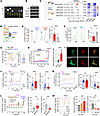 Figure 2
Palmitate elevates perilysosomal Ca2+ level and inhibits TRPML1-mediated lysosomal Ca2+ release. (A and B) Expression profile of TRPML channels in mouse pancreatic islets (A) and MIN6 cells (B). (C) Lower expression of TRPML1 in pancreatic islets from patients with type 2 diabetes compared with controls in separate public datasets (black square) and their meta-analyzed fold-change between control and diabetes (red diamond) calculated by Inverse-Variance Weighted method. Heatmaps of TRPMLs show the z values (top) calculated by meta-analysis and t values from each dataset by DESeq2 analysis. (D) GCaMP3-TRPML1 fluorescent probe detecting perilysosomal Ca2+ level. (E and F) MLSA1 (10 μM), a TRPML agonist, and GPN (100 μM), a lysosomotrope, elevated perilysosomal (GCaMP3-TRPML1) and cytosolic (Fura-2) Ca2+ levels in MIN6 cells. (G) MLSA1 decreased ER Ca2+ content measured by G-CEPIA1er, suggesting ER Ca2+ release. (H) Cytosolic Ca2+ rose upon extracellular Ca2+ supplementation in MLSA1-treated group, indicating store-operated Ca2+ entry. (I) Fluorescence imaging of MIN6 cells expressing GCaMP3-TRPML1 treated with BSA or PA. Scale bar: 1 μm (I). (J and K) PA elevated the basal level but abolished MLSA1 response of perilysosomal (J) or cytosolic (K) Ca2+ in MIN6 cells. (L and M) The oxidants, menadione (100 μM) (L) or H2O2 (M), like PA, elevated the baseline Ca2+ and abolished the MLSA1 response. [Ca2+]max implies cells in normal Ca2+ Krebs–Ringer bicarbonate buffer (KRBB) with ionomycin. Data are presented as means ± SD, and (n) is the number of analyzed cells from more than 3 independent experiments, except those in L and M (from 2–3 independent experiments). Statistical significance was determined using unpaired 2-tailed Student’s t test (E, F, H, J, and L) or 1-way ANOVA with post hoc Tukey multiple-comparison test (M). **P < 0.01; ***P < 0.001; ****P < 0.0001.
To study Ca2+ signaling via TRPML1, we used 3 molecular probes: Fura-2 to investigate cytosolic Ca2+, G-CEPIA1er to analyze ER Ca2+, and GCaMP3-TRPML1 fusion protein to measure perilysosomal Ca2+ levels (Figure 2D). Two specific drugs, MLSA1 (a TRPML1 agonist) and Gly-Phe β-naphthylamide (GPN, a lysosomotropic agent), were utilized to examine lysosomal Ca2+ signaling. In cells transfected with GCaMP3-TRPML1, MLSA1 (10 μM) elicited a robust Ca2+ signal compared with a lesser increase induced by GPN (100 μM) (Figure 2E). Using Fura-2 to measure changes in cytosolic Ca2+, it was observed that MLSA1 induced a smaller increase in total cellular Ca2+ level compared with the GPN-induced rise (Figure 2F). Furthermore, previous studies have suggested a close interaction between the ER and lysosomal Ca2+, which may be required for replenishing lysosomal Ca2+ content from the ER (25, 26). We found that MLSA1-mediated lysosomal Ca2+ release decreased the ER Ca2+ pool (~15%), suggesting lysosomal Ca2+-induced ER Ca2+ release (Figure 2G). In response to depletion of the ER Ca2+ pool, store-operated Ca2+ entry (SOCE) was observed in MLSA1-treated cells. This substantiates the link between ER Ca2+ release and TRPML1-mediated lysosomal Ca2+ transient (Figure 2H). To explore whether this perilysosomal Ca2+ signaling occurs in other cell types, we measured fluorescence changes in human embryonic kidney (HEK) cells stably expressing GCaMP3-TRPML1. Similar to MIN6 cells, MLSA1 induced Ca2+ transients in HEK cells, followed by SOCE only in the MLSA1-treated group (Supplemental Figure 2).
To test our hypothesis regarding the effect of palmitate on lysosomal Ca2+ signaling, MIN6 cells expressing GCaMP3-TRPML1 were incubated with palmitate or BSA for 24 hours. Using fluorescence microscopy, we observed that palmitate-treated cells exhibited a significant increase in the GCaMP3 fluorescence signal, indicating elevated Ca2+ levels in the perilysosomal regions (Figure 2I). Importantly, MIN6 cells incubated with palmitate showed a diminished Ca2+ response to MLSA1, suggesting inhibition of Ca2+ release via TRPML1 channels (Figure 2J). Furthermore, palmitate-exposed cells displayed an elevated basal cytosolic Ca2+ and an attenuated MLSA1-induced Ca2+ response (Figure 2K). It has been reported that ROS triggers TRPML1 channel opening (18). To compare the impact of palmitate on lysosomal Ca2+ regulation with that of ROS, MIN6 cells expressing GCaMP3-TRPML1 were exposed to the oxidizing agents, menadione (100 μM) or H2O2 (100 and 300 μM), and perilysosomal Ca2+ levels were recorded. Both menadione (Figure 2L) and H2O2 (Figure 2M) prominently elevated the basal fluorescence intensity, indicating an increase in perilysosomal Ca2+ levels. As a consequence, the Ca2+ response upon MLSA1 treatment was abrogated. These alterations in lysosomal Ca2+ signaling induced by ROS were similar to those caused by palmitate, suggesting that palmitate-induced oxidative stress may contribute to the pathologic dysregulation of lysosome and autophagic defects.
mTORC1 activation prevents TRPML1-mediated lysosomal Ca2+ release and autophagic flux. As shown in Figure 1, palmitate activated mTORC1 located at the lysosomal membrane, interfering with nuclear TFEB translocation and lysosomal biogenesis. To understand the molecular mechanisms of mTORC1-mediated autophagy defects, we utilized MHY1485, an mTORC1 activator. As expected, MHY1485 (10 μM) induced phosphorylation of S6K, accumulation of the autophagic marker p62, and increased cleaved caspase-3 in a time-dependent manner (Figure 3A). Additionally, the mTORC1 activity reporter TORCAR detected a marked increase in mTOR activity upon MHY1485 treatment (Figure 3B). Intriguingly, MHY1485 incubation for 12 hours almost completely suppressed the MLSA1-induced perilysosomal Ca2+ response (Figure 3C), consistent with palmitate-suppressed TRPML1 activity (Figure 2J). Furthermore, when mouse islets were cultured with MHY1485, we observed enlarged ER lumen and the accumulation of autophagic vesicles (Figure 3D), similar to the phenotype of palmitate-treated islets (Figure 1A). Excessive mTORC1 activation by MHY1485 also led to mitochondrial membrane depolarization in MIN6 cells (Figure 3E). Coincubation of palmitate with MHY1485 resulted in aggravated lipotoxicity in MIN6 cells, highlighting the detrimental consequences of mTORC1 activation in lipotoxicity (Figure 3F).
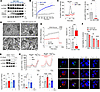 Figure 3
Inhibiting mTORC1 abolishes palmitate-induced TRPML1 suppression and autophagy defects. (A and B) mTORC1 activator, MHY1485 (10 μM), augmented mTORC1 signaling and increased p62 and cleaved caspase-3. (C) Pharmacologic activation using MYH1485 inhibited MLSA1-triggered lysosomal Ca2+ release in MIN6 cells. (D and E) mTOR activator caused accumulation of undigested autophagosomes and depolarized mitochondrial membrane potential, leading to impaired glucose responses measured by JC1 fluorescence. (F) The mTOR activator, MYH1485, aggravated PA-induced cell death measured by using MTT assay. (G and H) Torin-1 (100 nM), an mTORC1 inhibitor, reduced basal perilysosomal Ca2+ level but recovered MLSA1-triggered lysosomal Ca2+ release. (I) Torin-1 recovered PA-increased yellow/red puncta in LC3-GFP-RFP–expressing cells. Scale bar: 1 μm (I). Data are presented as means ± SD (B, C, and H) or SEM (E and F), and n is the number of analyzed wells or cells from more than 3 independent experiments. Statistical significance was determined using unpaired 2-tailed Student’s t test (C, E, and F) or 1-way ANOVA with post hoc Tukey multiple-comparison test (H and I). *P < 0.05; **P < 0.01; ***P < 0.001; ****P < 0.0001.
To investigate the putative therapeutic value, we employed the specific mTORC1 inhibitor, Torin-1 (100 nM), which completely abolished S6K phosphorylation (Figure 3G). Torin-1 restored perilysosomal Ca2+ signaling blunted by palmitate (Figure 3H). Additionally, using LC3-RFP-GFP, we observed that the inhibition of mTORC1 recovered autophagic flux in palmitate-treated cells (Figure 3I). Collectively, these findings provide evidence for the negative influence of mTORC1 activation induced by palmitate incubation on TRPML1 activity and its implications in autophagy and lipotoxicity.
Scavenging mitochondrial ROS relieves palmitate-induced autophagic defects. In the previous section, we presented the association between oxidative stress and elevated perilysosomal Ca2+ levels, as well as the impaired response to MLSA1 (Figure 2, L and M). To examine the potential impact of increased ROS on mTORC1 activation, we applied oxidative stress by exposing MIN6 cells to menadione (100 μM) and assessed mTORC1 activation. Menadione strongly activated mTORC1 as demonstrated by phosphorylation of S6K (Figure 4A). Menadione also increased the reverse FRET ratio of TORCAR (Figure 4B). To study the role of mitochondrial ROS in palmitate-induced oxidative stress, we incubated dispersed mouse islet cells with mitoTEMPO (100 nM), a mitochondrial superoxide scavenger. The application of mitoTEMPO substantially reduced both cytosolic and mitochondrial ROS levels, as measured by DCF and mitoSox, respectively (Figure 4, C and D). Western blot analysis further revealed that mitoTEMPO blunted palmitate-induced S6K phosphorylation, LC3-II and p62 accumulation, as well as caspase activation (Figure 4E). Importantly, scavenging mitochondrial superoxide with mitoTEMPO prevented palmitate-induced perilysosomal Ca2+ dysregulation. mitoTEMPO lowered basal Ca2+ levels and recovered MLSA1-induced perilysosomal Ca2+ rises (Figure 4F). Furthermore, mitoTEMPO promoted TFEB translocation to the nucleus, rescuing TFEB from palmitate-induced retention in the cytosol (Figure 4H). As a consequence of the normalization of lysosomal Ca2+ signaling, autophagic flux was restored, as measured using LC3-GFP-RFP processing (Figure 4G). These findings provide evidence that mitochondrial oxidative stress caused by palmitate induces mTORC1-mediated perilysosomal Ca2+ dysregulation and autophagic defects.
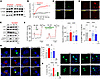 Figure 4
Scavenging mitochondrial superoxide prevents palmitate-induced TRPML1 inhibition and autophagy defects. (A and B) Menadione, an oxidant, activated mTORC1 signaling. (C and D) Reduction of cytosolic (DCF) and mitochondrial (mitoSox) ROS by the mitochondrial superoxide scavenger, mitoTEMPO (mTP, 100 nM). (E) MitoTEMPO alleviated PA-increased LC3-II, p62, activated mTOR, and cleaved caspase-3. (F) MitoTEMPO prevented perilysosomal Ca2+ elevation and restored the MLSA1 response attenuated by PA. (G) MitoTEMPO restored PA-induced defective autophagic degradation measured in LC3-GFP-RFP–expressing MIN6 cells. (H) MitoTEMPO counteracted PA-induced cytosolic retention of TFEB. Scale bar: 1 μm (C, D, G, H). Data are presented as means ± SEM (G and H) or SDs (B and F). n is the number of independent experiments (G and H) or analyzed cells (B and F) from more than 3 independent experiments. Statistical significance was determined using 1-way ANOVA with post hoc Tukey multiple-comparison test (F–H). **P < 0.01; ***P < 0.001; ****P < 0.0001.
Preventing Ca2+ overload alleviates palmitate-induced mTORC1 activation and autophagic blockage. We have shown above that oxidative stress elicits strong mTORC1 activation (Figure 3, A and B), which leads to detrimental consequences on lysosomal Ca2+ signaling and autophagic flux. However, the molecular connection between oxidative stress and mTORC1 activation remains unclear. Notably, it has been reported that amino acid–induced mTORC1 activation at the lysosomal membrane is dependent on Ca2+/calmodulin (CaM) (27). To understand the pathogenic role of cellular Ca2+ dysregulation by palmitate, MIN6 cells were subjected to different conditions, including nominally Ca2+-free medium and intracellular Ca2+ chelation with BAPTA-AM (10 μM). To further investigate the downstream signaling, we also used W7 (10 μM) and KN62 (20 μM) to inhibit CaM and CaM kinase II (CaMKII), respectively. All conditions with lowered cytosolic Ca2+ level or CaM/CaMKII inhibition abolished palmitate-induced mTORC1 activation, indicating the key role of Ca2+ and CaM in the activation of mTORC1 during lipotoxicity (Figure 5, A–C).
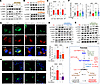 Figure 5
Reducing Ca2+ influx attenuates palmitate-induced mTORC1 activation and autophagy defects. (A) Intracellular Ca2+ chelation using BAPTA-AM inhibited PA-induced p70S6K and AMPK activation. (B) Inhibitors of calmodulin (W7, 10 μM) and CaMKII (KN-62, 20 μM) prevented PA-activated p70S6K. (C) PA-induced mTORC1 activation was abrogated by extracellular Ca2+-free medium, BAPTA-AM (10 μM), or W7 measured in TORCAR-expressing MIN6 cells. (D and E) PA-induced activation of p70S6K and AMPK was abolished by nimodipine (D, 10 μM), a VGCC inhibitor, or diazoxide (E, 200 μM), an ATP-sensitive K+ channel opener. (F) PA effects on perilysosomal Ca2+ level and MLSA1 responses were prevented by a voltage-gated Ca2+ channel (VGCC) inhibitor, verapamil (10 μM). (G) Nimodipine restored nuclear localization of TFEB. (H) PA-induced defective autophagic degradation was reestablished by nimodipine, measured in LC3-GFP-RFP–expressing cells. Scale bar: 1 μm (G, H). (I) Hypothetical mechanisms of autophagic defects in PA-induced β cell lipotoxicity. Data are presented as means ± SEM (G and H) or SDs (C and F). n is the number of independent experiments (G and H) or analyzed cells (C and F) from more than 3 independent experiments. Statistical significance was determined using unpaired 2-tailed Student’s t test (C) or 1-way ANOVA with post hoc Tukey multiple-comparison test (F–H). *P < 0.05; ***P < 0.001; ****P < 0.0001.
During β cell metabolic activation, ATP-sensitive K+ (KATP) channels close, causing plasma membrane depolarization. As a consequence, voltage-gated Ca2+ channels (VGCCs) open and act as the primary Ca2+ influx mechanism triggering insulin secretion. To evaluate the impact of extracellular Ca2+ influx on palmitate-induced mTORC1 activation and autophagy suppression, MIN6 cells were incubated with either the VGCC blockers, verapamil (10 μM) and nimodipine (10 μM), or the KATP channel opener, diazoxide (200 μM). Diazoxide induces strong hyperpolarization and prevents opening of VGCCs in insulin-secreting β cells. Not only VGCC blockade but also KATP channel opening abrogated palmitate-induced mTORC1 activation and p62 accumulation, further verifying the critical role of VGCCs in palmitate-induced Ca2+ overload (Figure 5, D and E). Verapamil recovered perilysosomal Ca2+ homeostasis, reduced basal Ca2+ level, and restored the Ca2+ response to MLSA1 (Figure 5F). This is consistent with our previous report about verapamil-induced suppression of oxidative stress and lipotoxicity (28). Moreover, inhibition of VGCC-mediated Ca2+ influx preserved autophagic flux under palmitate toxicity in MIN6 cells (Figure 5G) and restored the nuclear localization of TFEB (Figure 5H). Based on our findings, a molecular mechanism is proposed in which palmitate-induced cytosolic Ca2+ overload requires extracellular Ca2+ influx via VGCCs, which in turn activates mTORC1 through the involvement of CaM/CaMKII. mTORC1 activation suppresses TRPML1 activity and decreases TFEB translocation into the nucleus, ultimately contributing to the blockage of autophagy during lipotoxicity (Figure 5I).
Activating the SERCA relieves palmitate-induced Ca2+ overload and rescues autophagic activity. ER Ca2+ depletion is a primary mechanism responsible for inducing ER stress and cytosolic Ca2+ overload in lipotoxicity. Multiple mechanisms contribute to the depletion of ER Ca2+ stores, and one of them is impaired smooth endo/sarcoplasmic Ca2+ ATPase (SERCA) activity (19). To probe for SERCA implication, we utilized CDN1163 (10 μM), a SERCA pump activator, to investigate whether enhancing ER Ca2+ uptake through the SERCA pump could rescue autophagic impairment and cell death. To follow ER Ca2+ depletion, we monitored cytosolic Ca2+ increases triggered by SERCA pump inhibition using cyclopiazonic acid (20 μM). The incubation of cells with palmitate significantly diminished the content of ER Ca2+, while cotreatment with CDN1163 restored the ER Ca2+ pool depleted by palmitate (Supplemental Figure 3), which is consistent with our previous report (29). Furthermore, along with alleviating of ER stress, this SERCA activator reduced cytosolic and mitochondrial ROS generation caused by palmitate (Figure 6, A and B). Palmitate-induced elevation of basal perilysosomal Ca2+ levels and inhibition of MLSA1 responses were alleviated by cotreatment with CDN1163 (Figure 6C). Moreover, CDN1163 recovered palmitate-induced suppression of basal and maximal mitochondrial respiration, suggesting improvement of mitochondrial functions by activating ER Ca2+ uptake (Figure 6D). CDN1163 alleviated mTORC1 activation and p62 as well as LC3-II accumulation induced by palmitate (Figure 6E). Likewise, CDN1163 facilitated the translocation of TFEB into the nucleus and restored autophagic flux (Figure 6, F and G). Consequently, CDN1163 inhibited cell death induced by palmitate in MIN6 cells (Figure 6H). Furthermore, CDN1163 attenuated palmitate-induced lipid peroxidation associated with ferroptosis, indicating its potential role in the cell death pathway of lipotoxicity (Supplemental Figure 4). By augmenting the activity of the SERCA pump, the uptake of Ca2+ into the ER lumen can restore ER Ca2+ levels and recover perilysosomal Ca2+ overload induced by palmitate. These actions could exert a beneficial effect on autophagic turnover by relieving cytosolic Ca2+ overload and ROS generation, which in turn mitigates mTORC1-mediated TRPML1 suppression in β cells (Figure 6I).
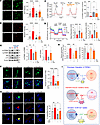 Figure 6
Activating ER Ca2+ uptake recovers perilysosomal Ca2+ homeostasis and autophagy activity. (A and B) CDN1163 (10 μM) abrogated PA-induced cytosolic (DCF; A) and mitochondrial (mitoSOX; B) ROS generation. (C) CDN1163 prevented PA effects on perilysosomal Ca2+ level and MLSA1 responses. (D) CDN1163 recovered basal and FCCP-induced maximal oxygen consumption. FCCP, carbonyl cyanide p-trifluoromethoxyphenylhydrazone; OCR, oxygen consumption rate. (E) CDN1163 attenuated p70S6K activation and p62 accumulation. (F) CDN1163 prevented the inhibition of nuclear localization of TFEB by PA. (G) PA-induced defective autophagic degradation was recovered by CDN1163, measured in LC3-GFP-RFP–expressing cells. (H) CDN1163 decreased PA cytotoxicity, measured by cell viability (MTT) and apoptotic (cell death detection) assays in MIN6 cells. (I) Schematic hypothesis of palmitate-induced TRPML1 suppression and its recovery by activating ER Ca2+ uptake. Scale bars: 1 μm. Data are presented as means ± SEM (C–H) or SDs (A and B). n is the number of independent experiments (C–H) or analyzed cells (A and B) from more than 3 independent experiments. Statistical significance was determined using 1-way ANOVA with post hoc Tukey multiple-comparison test (A–H). *P < 0.05; **P < 0.01; ***P < 0.001; ****P < 0.0001.


