
Research ArticleCell biologyPulmonology
Open Access |  10.1172/jci.insight.189156
Identification of Ephrin type-B receptor 4 as a critical mediator of tissue fibrosis
Brian Wu,1,2,3 Starlee S. Lively,1,2 Shabana Vohra,1 Noah Fine,1,2 Chiara Pastrello,1,2 Anca Maglaviceanu,1,2,3 Osvaldo Espin-Garcia,1,2,4,5,6 Evan Pollock-Tahiri,1,2 Sayaka Nakamura,1,2 Paramvir Kaur,1,2 Keemo Delos Santos,1 Jason S. Rockel,1,2 Pratibha Potla,1,2 Himanshi Gupta,1,2 Poulami Datta,1,2 Laura Tang,1,2,3 Jacob Kwon,1 Akihiro Nakamura,1,2,7 Matthew B. Buechler,1,8 Rajiv Gandhi,1,2,9 Jiangping Wu,10 Boris Hinz,11,12 Igor Jurisica,1,2,12,13,14 and Mohit Kapoor1,2,3,9
1Schroeder Arthritis Institute and
2Krembil Research Institute, University Health Network, Toronto, Ontario, Canada.
3Department of Laboratory Medicine and Pathobiology, University of Toronto, Toronto, Ontario, Canada.
4Department of Epidemiology and Biostatistics, Western University, London, Ontario, Canada.
5Department of Biostatistics, University Health Network, Toronto, Ontario, Canada.
6Dalla Lana School of Public Health and Department of Statistical Sciences, University of Toronto, Toronto, Ontario, Canada.
7Department of Medicine, Division of Rheumatology, Queen’s University, Kingston, Ontario, Canada.
8Department of Immunology and
9Department of Surgery, University of Toronto, Toronto, Ontario, Canada.
10Department of Medicine, University of Montreal Hospital Research Centre (CRCHUM), Montreal, Québec, Canada.
11Keenan Research Institute for Biomedical Science of the St. Michael’s Hospital, Toronto, Ontario, Canada.
12Faculty of Dentistry and
13Departments of Medical Biophysics and Computer Science, University of Toronto, Toronto, Ontario, Canada.
14Institute of Neuroimmunology, Slovak Academy of Sciences, Bratislava, Slovakia.
Address correspondence to: Mohit Kapoor, Schroeder Arthritis Institute, 60 Leonard Avenue, Toronto, Ontario, Canada, M5T0S8. Email: Mohit.kapoor@uhnresearch.ca.
Find articles by Wu, B. in: PubMed | Google Scholar
1Schroeder Arthritis Institute and
2Krembil Research Institute, University Health Network, Toronto, Ontario, Canada.
3Department of Laboratory Medicine and Pathobiology, University of Toronto, Toronto, Ontario, Canada.
4Department of Epidemiology and Biostatistics, Western University, London, Ontario, Canada.
5Department of Biostatistics, University Health Network, Toronto, Ontario, Canada.
6Dalla Lana School of Public Health and Department of Statistical Sciences, University of Toronto, Toronto, Ontario, Canada.
7Department of Medicine, Division of Rheumatology, Queen’s University, Kingston, Ontario, Canada.
8Department of Immunology and
9Department of Surgery, University of Toronto, Toronto, Ontario, Canada.
10Department of Medicine, University of Montreal Hospital Research Centre (CRCHUM), Montreal, Québec, Canada.
11Keenan Research Institute for Biomedical Science of the St. Michael’s Hospital, Toronto, Ontario, Canada.
12Faculty of Dentistry and
13Departments of Medical Biophysics and Computer Science, University of Toronto, Toronto, Ontario, Canada.
14Institute of Neuroimmunology, Slovak Academy of Sciences, Bratislava, Slovakia.
Address correspondence to: Mohit Kapoor, Schroeder Arthritis Institute, 60 Leonard Avenue, Toronto, Ontario, Canada, M5T0S8. Email: Mohit.kapoor@uhnresearch.ca.
Find articles by Lively, S. in: PubMed | Google Scholar
1Schroeder Arthritis Institute and
2Krembil Research Institute, University Health Network, Toronto, Ontario, Canada.
3Department of Laboratory Medicine and Pathobiology, University of Toronto, Toronto, Ontario, Canada.
4Department of Epidemiology and Biostatistics, Western University, London, Ontario, Canada.
5Department of Biostatistics, University Health Network, Toronto, Ontario, Canada.
6Dalla Lana School of Public Health and Department of Statistical Sciences, University of Toronto, Toronto, Ontario, Canada.
7Department of Medicine, Division of Rheumatology, Queen’s University, Kingston, Ontario, Canada.
8Department of Immunology and
9Department of Surgery, University of Toronto, Toronto, Ontario, Canada.
10Department of Medicine, University of Montreal Hospital Research Centre (CRCHUM), Montreal, Québec, Canada.
11Keenan Research Institute for Biomedical Science of the St. Michael’s Hospital, Toronto, Ontario, Canada.
12Faculty of Dentistry and
13Departments of Medical Biophysics and Computer Science, University of Toronto, Toronto, Ontario, Canada.
14Institute of Neuroimmunology, Slovak Academy of Sciences, Bratislava, Slovakia.
Address correspondence to: Mohit Kapoor, Schroeder Arthritis Institute, 60 Leonard Avenue, Toronto, Ontario, Canada, M5T0S8. Email: Mohit.kapoor@uhnresearch.ca.
Find articles by Vohra, S. in: PubMed | Google Scholar
1Schroeder Arthritis Institute and
2Krembil Research Institute, University Health Network, Toronto, Ontario, Canada.
3Department of Laboratory Medicine and Pathobiology, University of Toronto, Toronto, Ontario, Canada.
4Department of Epidemiology and Biostatistics, Western University, London, Ontario, Canada.
5Department of Biostatistics, University Health Network, Toronto, Ontario, Canada.
6Dalla Lana School of Public Health and Department of Statistical Sciences, University of Toronto, Toronto, Ontario, Canada.
7Department of Medicine, Division of Rheumatology, Queen’s University, Kingston, Ontario, Canada.
8Department of Immunology and
9Department of Surgery, University of Toronto, Toronto, Ontario, Canada.
10Department of Medicine, University of Montreal Hospital Research Centre (CRCHUM), Montreal, Québec, Canada.
11Keenan Research Institute for Biomedical Science of the St. Michael’s Hospital, Toronto, Ontario, Canada.
12Faculty of Dentistry and
13Departments of Medical Biophysics and Computer Science, University of Toronto, Toronto, Ontario, Canada.
14Institute of Neuroimmunology, Slovak Academy of Sciences, Bratislava, Slovakia.
Address correspondence to: Mohit Kapoor, Schroeder Arthritis Institute, 60 Leonard Avenue, Toronto, Ontario, Canada, M5T0S8. Email: Mohit.kapoor@uhnresearch.ca.
Find articles by
Fine, N.
in:
PubMed
|
Google Scholar
|

1Schroeder Arthritis Institute and
2Krembil Research Institute, University Health Network, Toronto, Ontario, Canada.
3Department of Laboratory Medicine and Pathobiology, University of Toronto, Toronto, Ontario, Canada.
4Department of Epidemiology and Biostatistics, Western University, London, Ontario, Canada.
5Department of Biostatistics, University Health Network, Toronto, Ontario, Canada.
6Dalla Lana School of Public Health and Department of Statistical Sciences, University of Toronto, Toronto, Ontario, Canada.
7Department of Medicine, Division of Rheumatology, Queen’s University, Kingston, Ontario, Canada.
8Department of Immunology and
9Department of Surgery, University of Toronto, Toronto, Ontario, Canada.
10Department of Medicine, University of Montreal Hospital Research Centre (CRCHUM), Montreal, Québec, Canada.
11Keenan Research Institute for Biomedical Science of the St. Michael’s Hospital, Toronto, Ontario, Canada.
12Faculty of Dentistry and
13Departments of Medical Biophysics and Computer Science, University of Toronto, Toronto, Ontario, Canada.
14Institute of Neuroimmunology, Slovak Academy of Sciences, Bratislava, Slovakia.
Address correspondence to: Mohit Kapoor, Schroeder Arthritis Institute, 60 Leonard Avenue, Toronto, Ontario, Canada, M5T0S8. Email: Mohit.kapoor@uhnresearch.ca.
Find articles by
Pastrello, C.
in:
PubMed
|
Google Scholar
|
1Schroeder Arthritis Institute and
2Krembil Research Institute, University Health Network, Toronto, Ontario, Canada.
3Department of Laboratory Medicine and Pathobiology, University of Toronto, Toronto, Ontario, Canada.
4Department of Epidemiology and Biostatistics, Western University, London, Ontario, Canada.
5Department of Biostatistics, University Health Network, Toronto, Ontario, Canada.
6Dalla Lana School of Public Health and Department of Statistical Sciences, University of Toronto, Toronto, Ontario, Canada.
7Department of Medicine, Division of Rheumatology, Queen’s University, Kingston, Ontario, Canada.
8Department of Immunology and
9Department of Surgery, University of Toronto, Toronto, Ontario, Canada.
10Department of Medicine, University of Montreal Hospital Research Centre (CRCHUM), Montreal, Québec, Canada.
11Keenan Research Institute for Biomedical Science of the St. Michael’s Hospital, Toronto, Ontario, Canada.
12Faculty of Dentistry and
13Departments of Medical Biophysics and Computer Science, University of Toronto, Toronto, Ontario, Canada.
14Institute of Neuroimmunology, Slovak Academy of Sciences, Bratislava, Slovakia.
Address correspondence to: Mohit Kapoor, Schroeder Arthritis Institute, 60 Leonard Avenue, Toronto, Ontario, Canada, M5T0S8. Email: Mohit.kapoor@uhnresearch.ca.
Find articles by Maglaviceanu, A. in: PubMed | Google Scholar
1Schroeder Arthritis Institute and
2Krembil Research Institute, University Health Network, Toronto, Ontario, Canada.
3Department of Laboratory Medicine and Pathobiology, University of Toronto, Toronto, Ontario, Canada.
4Department of Epidemiology and Biostatistics, Western University, London, Ontario, Canada.
5Department of Biostatistics, University Health Network, Toronto, Ontario, Canada.
6Dalla Lana School of Public Health and Department of Statistical Sciences, University of Toronto, Toronto, Ontario, Canada.
7Department of Medicine, Division of Rheumatology, Queen’s University, Kingston, Ontario, Canada.
8Department of Immunology and
9Department of Surgery, University of Toronto, Toronto, Ontario, Canada.
10Department of Medicine, University of Montreal Hospital Research Centre (CRCHUM), Montreal, Québec, Canada.
11Keenan Research Institute for Biomedical Science of the St. Michael’s Hospital, Toronto, Ontario, Canada.
12Faculty of Dentistry and
13Departments of Medical Biophysics and Computer Science, University of Toronto, Toronto, Ontario, Canada.
14Institute of Neuroimmunology, Slovak Academy of Sciences, Bratislava, Slovakia.
Address correspondence to: Mohit Kapoor, Schroeder Arthritis Institute, 60 Leonard Avenue, Toronto, Ontario, Canada, M5T0S8. Email: Mohit.kapoor@uhnresearch.ca.
Find articles by Espin-Garcia, O. in: PubMed | Google Scholar
1Schroeder Arthritis Institute and
2Krembil Research Institute, University Health Network, Toronto, Ontario, Canada.
3Department of Laboratory Medicine and Pathobiology, University of Toronto, Toronto, Ontario, Canada.
4Department of Epidemiology and Biostatistics, Western University, London, Ontario, Canada.
5Department of Biostatistics, University Health Network, Toronto, Ontario, Canada.
6Dalla Lana School of Public Health and Department of Statistical Sciences, University of Toronto, Toronto, Ontario, Canada.
7Department of Medicine, Division of Rheumatology, Queen’s University, Kingston, Ontario, Canada.
8Department of Immunology and
9Department of Surgery, University of Toronto, Toronto, Ontario, Canada.
10Department of Medicine, University of Montreal Hospital Research Centre (CRCHUM), Montreal, Québec, Canada.
11Keenan Research Institute for Biomedical Science of the St. Michael’s Hospital, Toronto, Ontario, Canada.
12Faculty of Dentistry and
13Departments of Medical Biophysics and Computer Science, University of Toronto, Toronto, Ontario, Canada.
14Institute of Neuroimmunology, Slovak Academy of Sciences, Bratislava, Slovakia.
Address correspondence to: Mohit Kapoor, Schroeder Arthritis Institute, 60 Leonard Avenue, Toronto, Ontario, Canada, M5T0S8. Email: Mohit.kapoor@uhnresearch.ca.
Find articles by Pollock-Tahiri, E. in: PubMed | Google Scholar
1Schroeder Arthritis Institute and
2Krembil Research Institute, University Health Network, Toronto, Ontario, Canada.
3Department of Laboratory Medicine and Pathobiology, University of Toronto, Toronto, Ontario, Canada.
4Department of Epidemiology and Biostatistics, Western University, London, Ontario, Canada.
5Department of Biostatistics, University Health Network, Toronto, Ontario, Canada.
6Dalla Lana School of Public Health and Department of Statistical Sciences, University of Toronto, Toronto, Ontario, Canada.
7Department of Medicine, Division of Rheumatology, Queen’s University, Kingston, Ontario, Canada.
8Department of Immunology and
9Department of Surgery, University of Toronto, Toronto, Ontario, Canada.
10Department of Medicine, University of Montreal Hospital Research Centre (CRCHUM), Montreal, Québec, Canada.
11Keenan Research Institute for Biomedical Science of the St. Michael’s Hospital, Toronto, Ontario, Canada.
12Faculty of Dentistry and
13Departments of Medical Biophysics and Computer Science, University of Toronto, Toronto, Ontario, Canada.
14Institute of Neuroimmunology, Slovak Academy of Sciences, Bratislava, Slovakia.
Address correspondence to: Mohit Kapoor, Schroeder Arthritis Institute, 60 Leonard Avenue, Toronto, Ontario, Canada, M5T0S8. Email: Mohit.kapoor@uhnresearch.ca.
Find articles by Nakamura, S. in: PubMed | Google Scholar
1Schroeder Arthritis Institute and
2Krembil Research Institute, University Health Network, Toronto, Ontario, Canada.
3Department of Laboratory Medicine and Pathobiology, University of Toronto, Toronto, Ontario, Canada.
4Department of Epidemiology and Biostatistics, Western University, London, Ontario, Canada.
5Department of Biostatistics, University Health Network, Toronto, Ontario, Canada.
6Dalla Lana School of Public Health and Department of Statistical Sciences, University of Toronto, Toronto, Ontario, Canada.
7Department of Medicine, Division of Rheumatology, Queen’s University, Kingston, Ontario, Canada.
8Department of Immunology and
9Department of Surgery, University of Toronto, Toronto, Ontario, Canada.
10Department of Medicine, University of Montreal Hospital Research Centre (CRCHUM), Montreal, Québec, Canada.
11Keenan Research Institute for Biomedical Science of the St. Michael’s Hospital, Toronto, Ontario, Canada.
12Faculty of Dentistry and
13Departments of Medical Biophysics and Computer Science, University of Toronto, Toronto, Ontario, Canada.
14Institute of Neuroimmunology, Slovak Academy of Sciences, Bratislava, Slovakia.
Address correspondence to: Mohit Kapoor, Schroeder Arthritis Institute, 60 Leonard Avenue, Toronto, Ontario, Canada, M5T0S8. Email: Mohit.kapoor@uhnresearch.ca.
Find articles by Kaur, P. in: PubMed | Google Scholar
1Schroeder Arthritis Institute and
2Krembil Research Institute, University Health Network, Toronto, Ontario, Canada.
3Department of Laboratory Medicine and Pathobiology, University of Toronto, Toronto, Ontario, Canada.
4Department of Epidemiology and Biostatistics, Western University, London, Ontario, Canada.
5Department of Biostatistics, University Health Network, Toronto, Ontario, Canada.
6Dalla Lana School of Public Health and Department of Statistical Sciences, University of Toronto, Toronto, Ontario, Canada.
7Department of Medicine, Division of Rheumatology, Queen’s University, Kingston, Ontario, Canada.
8Department of Immunology and
9Department of Surgery, University of Toronto, Toronto, Ontario, Canada.
10Department of Medicine, University of Montreal Hospital Research Centre (CRCHUM), Montreal, Québec, Canada.
11Keenan Research Institute for Biomedical Science of the St. Michael’s Hospital, Toronto, Ontario, Canada.
12Faculty of Dentistry and
13Departments of Medical Biophysics and Computer Science, University of Toronto, Toronto, Ontario, Canada.
14Institute of Neuroimmunology, Slovak Academy of Sciences, Bratislava, Slovakia.
Address correspondence to: Mohit Kapoor, Schroeder Arthritis Institute, 60 Leonard Avenue, Toronto, Ontario, Canada, M5T0S8. Email: Mohit.kapoor@uhnresearch.ca.
Find articles by Delos Santos, K. in: PubMed | Google Scholar
1Schroeder Arthritis Institute and
2Krembil Research Institute, University Health Network, Toronto, Ontario, Canada.
3Department of Laboratory Medicine and Pathobiology, University of Toronto, Toronto, Ontario, Canada.
4Department of Epidemiology and Biostatistics, Western University, London, Ontario, Canada.
5Department of Biostatistics, University Health Network, Toronto, Ontario, Canada.
6Dalla Lana School of Public Health and Department of Statistical Sciences, University of Toronto, Toronto, Ontario, Canada.
7Department of Medicine, Division of Rheumatology, Queen’s University, Kingston, Ontario, Canada.
8Department of Immunology and
9Department of Surgery, University of Toronto, Toronto, Ontario, Canada.
10Department of Medicine, University of Montreal Hospital Research Centre (CRCHUM), Montreal, Québec, Canada.
11Keenan Research Institute for Biomedical Science of the St. Michael’s Hospital, Toronto, Ontario, Canada.
12Faculty of Dentistry and
13Departments of Medical Biophysics and Computer Science, University of Toronto, Toronto, Ontario, Canada.
14Institute of Neuroimmunology, Slovak Academy of Sciences, Bratislava, Slovakia.
Address correspondence to: Mohit Kapoor, Schroeder Arthritis Institute, 60 Leonard Avenue, Toronto, Ontario, Canada, M5T0S8. Email: Mohit.kapoor@uhnresearch.ca.
Find articles by Rockel, J. in: PubMed | Google Scholar
1Schroeder Arthritis Institute and
2Krembil Research Institute, University Health Network, Toronto, Ontario, Canada.
3Department of Laboratory Medicine and Pathobiology, University of Toronto, Toronto, Ontario, Canada.
4Department of Epidemiology and Biostatistics, Western University, London, Ontario, Canada.
5Department of Biostatistics, University Health Network, Toronto, Ontario, Canada.
6Dalla Lana School of Public Health and Department of Statistical Sciences, University of Toronto, Toronto, Ontario, Canada.
7Department of Medicine, Division of Rheumatology, Queen’s University, Kingston, Ontario, Canada.
8Department of Immunology and
9Department of Surgery, University of Toronto, Toronto, Ontario, Canada.
10Department of Medicine, University of Montreal Hospital Research Centre (CRCHUM), Montreal, Québec, Canada.
11Keenan Research Institute for Biomedical Science of the St. Michael’s Hospital, Toronto, Ontario, Canada.
12Faculty of Dentistry and
13Departments of Medical Biophysics and Computer Science, University of Toronto, Toronto, Ontario, Canada.
14Institute of Neuroimmunology, Slovak Academy of Sciences, Bratislava, Slovakia.
Address correspondence to: Mohit Kapoor, Schroeder Arthritis Institute, 60 Leonard Avenue, Toronto, Ontario, Canada, M5T0S8. Email: Mohit.kapoor@uhnresearch.ca.
Find articles by Potla, P. in: PubMed | Google Scholar
1Schroeder Arthritis Institute and
2Krembil Research Institute, University Health Network, Toronto, Ontario, Canada.
3Department of Laboratory Medicine and Pathobiology, University of Toronto, Toronto, Ontario, Canada.
4Department of Epidemiology and Biostatistics, Western University, London, Ontario, Canada.
5Department of Biostatistics, University Health Network, Toronto, Ontario, Canada.
6Dalla Lana School of Public Health and Department of Statistical Sciences, University of Toronto, Toronto, Ontario, Canada.
7Department of Medicine, Division of Rheumatology, Queen’s University, Kingston, Ontario, Canada.
8Department of Immunology and
9Department of Surgery, University of Toronto, Toronto, Ontario, Canada.
10Department of Medicine, University of Montreal Hospital Research Centre (CRCHUM), Montreal, Québec, Canada.
11Keenan Research Institute for Biomedical Science of the St. Michael’s Hospital, Toronto, Ontario, Canada.
12Faculty of Dentistry and
13Departments of Medical Biophysics and Computer Science, University of Toronto, Toronto, Ontario, Canada.
14Institute of Neuroimmunology, Slovak Academy of Sciences, Bratislava, Slovakia.
Address correspondence to: Mohit Kapoor, Schroeder Arthritis Institute, 60 Leonard Avenue, Toronto, Ontario, Canada, M5T0S8. Email: Mohit.kapoor@uhnresearch.ca.
Find articles by Gupta, H. in: PubMed | Google Scholar
1Schroeder Arthritis Institute and
2Krembil Research Institute, University Health Network, Toronto, Ontario, Canada.
3Department of Laboratory Medicine and Pathobiology, University of Toronto, Toronto, Ontario, Canada.
4Department of Epidemiology and Biostatistics, Western University, London, Ontario, Canada.
5Department of Biostatistics, University Health Network, Toronto, Ontario, Canada.
6Dalla Lana School of Public Health and Department of Statistical Sciences, University of Toronto, Toronto, Ontario, Canada.
7Department of Medicine, Division of Rheumatology, Queen’s University, Kingston, Ontario, Canada.
8Department of Immunology and
9Department of Surgery, University of Toronto, Toronto, Ontario, Canada.
10Department of Medicine, University of Montreal Hospital Research Centre (CRCHUM), Montreal, Québec, Canada.
11Keenan Research Institute for Biomedical Science of the St. Michael’s Hospital, Toronto, Ontario, Canada.
12Faculty of Dentistry and
13Departments of Medical Biophysics and Computer Science, University of Toronto, Toronto, Ontario, Canada.
14Institute of Neuroimmunology, Slovak Academy of Sciences, Bratislava, Slovakia.
Address correspondence to: Mohit Kapoor, Schroeder Arthritis Institute, 60 Leonard Avenue, Toronto, Ontario, Canada, M5T0S8. Email: Mohit.kapoor@uhnresearch.ca.
Find articles by Datta, P. in: PubMed | Google Scholar
1Schroeder Arthritis Institute and
2Krembil Research Institute, University Health Network, Toronto, Ontario, Canada.
3Department of Laboratory Medicine and Pathobiology, University of Toronto, Toronto, Ontario, Canada.
4Department of Epidemiology and Biostatistics, Western University, London, Ontario, Canada.
5Department of Biostatistics, University Health Network, Toronto, Ontario, Canada.
6Dalla Lana School of Public Health and Department of Statistical Sciences, University of Toronto, Toronto, Ontario, Canada.
7Department of Medicine, Division of Rheumatology, Queen’s University, Kingston, Ontario, Canada.
8Department of Immunology and
9Department of Surgery, University of Toronto, Toronto, Ontario, Canada.
10Department of Medicine, University of Montreal Hospital Research Centre (CRCHUM), Montreal, Québec, Canada.
11Keenan Research Institute for Biomedical Science of the St. Michael’s Hospital, Toronto, Ontario, Canada.
12Faculty of Dentistry and
13Departments of Medical Biophysics and Computer Science, University of Toronto, Toronto, Ontario, Canada.
14Institute of Neuroimmunology, Slovak Academy of Sciences, Bratislava, Slovakia.
Address correspondence to: Mohit Kapoor, Schroeder Arthritis Institute, 60 Leonard Avenue, Toronto, Ontario, Canada, M5T0S8. Email: Mohit.kapoor@uhnresearch.ca.
Find articles by Tang, L. in: PubMed | Google Scholar
1Schroeder Arthritis Institute and
2Krembil Research Institute, University Health Network, Toronto, Ontario, Canada.
3Department of Laboratory Medicine and Pathobiology, University of Toronto, Toronto, Ontario, Canada.
4Department of Epidemiology and Biostatistics, Western University, London, Ontario, Canada.
5Department of Biostatistics, University Health Network, Toronto, Ontario, Canada.
6Dalla Lana School of Public Health and Department of Statistical Sciences, University of Toronto, Toronto, Ontario, Canada.
7Department of Medicine, Division of Rheumatology, Queen’s University, Kingston, Ontario, Canada.
8Department of Immunology and
9Department of Surgery, University of Toronto, Toronto, Ontario, Canada.
10Department of Medicine, University of Montreal Hospital Research Centre (CRCHUM), Montreal, Québec, Canada.
11Keenan Research Institute for Biomedical Science of the St. Michael’s Hospital, Toronto, Ontario, Canada.
12Faculty of Dentistry and
13Departments of Medical Biophysics and Computer Science, University of Toronto, Toronto, Ontario, Canada.
14Institute of Neuroimmunology, Slovak Academy of Sciences, Bratislava, Slovakia.
Address correspondence to: Mohit Kapoor, Schroeder Arthritis Institute, 60 Leonard Avenue, Toronto, Ontario, Canada, M5T0S8. Email: Mohit.kapoor@uhnresearch.ca.
Find articles by Kwon, J. in: PubMed | Google Scholar
1Schroeder Arthritis Institute and
2Krembil Research Institute, University Health Network, Toronto, Ontario, Canada.
3Department of Laboratory Medicine and Pathobiology, University of Toronto, Toronto, Ontario, Canada.
4Department of Epidemiology and Biostatistics, Western University, London, Ontario, Canada.
5Department of Biostatistics, University Health Network, Toronto, Ontario, Canada.
6Dalla Lana School of Public Health and Department of Statistical Sciences, University of Toronto, Toronto, Ontario, Canada.
7Department of Medicine, Division of Rheumatology, Queen’s University, Kingston, Ontario, Canada.
8Department of Immunology and
9Department of Surgery, University of Toronto, Toronto, Ontario, Canada.
10Department of Medicine, University of Montreal Hospital Research Centre (CRCHUM), Montreal, Québec, Canada.
11Keenan Research Institute for Biomedical Science of the St. Michael’s Hospital, Toronto, Ontario, Canada.
12Faculty of Dentistry and
13Departments of Medical Biophysics and Computer Science, University of Toronto, Toronto, Ontario, Canada.
14Institute of Neuroimmunology, Slovak Academy of Sciences, Bratislava, Slovakia.
Address correspondence to: Mohit Kapoor, Schroeder Arthritis Institute, 60 Leonard Avenue, Toronto, Ontario, Canada, M5T0S8. Email: Mohit.kapoor@uhnresearch.ca.
Find articles by
Nakamura, A.
in:
PubMed
|
Google Scholar
|
1Schroeder Arthritis Institute and
2Krembil Research Institute, University Health Network, Toronto, Ontario, Canada.
3Department of Laboratory Medicine and Pathobiology, University of Toronto, Toronto, Ontario, Canada.
4Department of Epidemiology and Biostatistics, Western University, London, Ontario, Canada.
5Department of Biostatistics, University Health Network, Toronto, Ontario, Canada.
6Dalla Lana School of Public Health and Department of Statistical Sciences, University of Toronto, Toronto, Ontario, Canada.
7Department of Medicine, Division of Rheumatology, Queen’s University, Kingston, Ontario, Canada.
8Department of Immunology and
9Department of Surgery, University of Toronto, Toronto, Ontario, Canada.
10Department of Medicine, University of Montreal Hospital Research Centre (CRCHUM), Montreal, Québec, Canada.
11Keenan Research Institute for Biomedical Science of the St. Michael’s Hospital, Toronto, Ontario, Canada.
12Faculty of Dentistry and
13Departments of Medical Biophysics and Computer Science, University of Toronto, Toronto, Ontario, Canada.
14Institute of Neuroimmunology, Slovak Academy of Sciences, Bratislava, Slovakia.
Address correspondence to: Mohit Kapoor, Schroeder Arthritis Institute, 60 Leonard Avenue, Toronto, Ontario, Canada, M5T0S8. Email: Mohit.kapoor@uhnresearch.ca.
Find articles by Buechler, M. in: PubMed | Google Scholar
1Schroeder Arthritis Institute and
2Krembil Research Institute, University Health Network, Toronto, Ontario, Canada.
3Department of Laboratory Medicine and Pathobiology, University of Toronto, Toronto, Ontario, Canada.
4Department of Epidemiology and Biostatistics, Western University, London, Ontario, Canada.
5Department of Biostatistics, University Health Network, Toronto, Ontario, Canada.
6Dalla Lana School of Public Health and Department of Statistical Sciences, University of Toronto, Toronto, Ontario, Canada.
7Department of Medicine, Division of Rheumatology, Queen’s University, Kingston, Ontario, Canada.
8Department of Immunology and
9Department of Surgery, University of Toronto, Toronto, Ontario, Canada.
10Department of Medicine, University of Montreal Hospital Research Centre (CRCHUM), Montreal, Québec, Canada.
11Keenan Research Institute for Biomedical Science of the St. Michael’s Hospital, Toronto, Ontario, Canada.
12Faculty of Dentistry and
13Departments of Medical Biophysics and Computer Science, University of Toronto, Toronto, Ontario, Canada.
14Institute of Neuroimmunology, Slovak Academy of Sciences, Bratislava, Slovakia.
Address correspondence to: Mohit Kapoor, Schroeder Arthritis Institute, 60 Leonard Avenue, Toronto, Ontario, Canada, M5T0S8. Email: Mohit.kapoor@uhnresearch.ca.
Find articles by Gandhi, R. in: PubMed | Google Scholar
1Schroeder Arthritis Institute and
2Krembil Research Institute, University Health Network, Toronto, Ontario, Canada.
3Department of Laboratory Medicine and Pathobiology, University of Toronto, Toronto, Ontario, Canada.
4Department of Epidemiology and Biostatistics, Western University, London, Ontario, Canada.
5Department of Biostatistics, University Health Network, Toronto, Ontario, Canada.
6Dalla Lana School of Public Health and Department of Statistical Sciences, University of Toronto, Toronto, Ontario, Canada.
7Department of Medicine, Division of Rheumatology, Queen’s University, Kingston, Ontario, Canada.
8Department of Immunology and
9Department of Surgery, University of Toronto, Toronto, Ontario, Canada.
10Department of Medicine, University of Montreal Hospital Research Centre (CRCHUM), Montreal, Québec, Canada.
11Keenan Research Institute for Biomedical Science of the St. Michael’s Hospital, Toronto, Ontario, Canada.
12Faculty of Dentistry and
13Departments of Medical Biophysics and Computer Science, University of Toronto, Toronto, Ontario, Canada.
14Institute of Neuroimmunology, Slovak Academy of Sciences, Bratislava, Slovakia.
Address correspondence to: Mohit Kapoor, Schroeder Arthritis Institute, 60 Leonard Avenue, Toronto, Ontario, Canada, M5T0S8. Email: Mohit.kapoor@uhnresearch.ca.
Find articles by Wu, J. in: PubMed | Google Scholar
1Schroeder Arthritis Institute and
2Krembil Research Institute, University Health Network, Toronto, Ontario, Canada.
3Department of Laboratory Medicine and Pathobiology, University of Toronto, Toronto, Ontario, Canada.
4Department of Epidemiology and Biostatistics, Western University, London, Ontario, Canada.
5Department of Biostatistics, University Health Network, Toronto, Ontario, Canada.
6Dalla Lana School of Public Health and Department of Statistical Sciences, University of Toronto, Toronto, Ontario, Canada.
7Department of Medicine, Division of Rheumatology, Queen’s University, Kingston, Ontario, Canada.
8Department of Immunology and
9Department of Surgery, University of Toronto, Toronto, Ontario, Canada.
10Department of Medicine, University of Montreal Hospital Research Centre (CRCHUM), Montreal, Québec, Canada.
11Keenan Research Institute for Biomedical Science of the St. Michael’s Hospital, Toronto, Ontario, Canada.
12Faculty of Dentistry and
13Departments of Medical Biophysics and Computer Science, University of Toronto, Toronto, Ontario, Canada.
14Institute of Neuroimmunology, Slovak Academy of Sciences, Bratislava, Slovakia.
Address correspondence to: Mohit Kapoor, Schroeder Arthritis Institute, 60 Leonard Avenue, Toronto, Ontario, Canada, M5T0S8. Email: Mohit.kapoor@uhnresearch.ca.
Find articles by Hinz, B. in: PubMed | Google Scholar
1Schroeder Arthritis Institute and
2Krembil Research Institute, University Health Network, Toronto, Ontario, Canada.
3Department of Laboratory Medicine and Pathobiology, University of Toronto, Toronto, Ontario, Canada.
4Department of Epidemiology and Biostatistics, Western University, London, Ontario, Canada.
5Department of Biostatistics, University Health Network, Toronto, Ontario, Canada.
6Dalla Lana School of Public Health and Department of Statistical Sciences, University of Toronto, Toronto, Ontario, Canada.
7Department of Medicine, Division of Rheumatology, Queen’s University, Kingston, Ontario, Canada.
8Department of Immunology and
9Department of Surgery, University of Toronto, Toronto, Ontario, Canada.
10Department of Medicine, University of Montreal Hospital Research Centre (CRCHUM), Montreal, Québec, Canada.
11Keenan Research Institute for Biomedical Science of the St. Michael’s Hospital, Toronto, Ontario, Canada.
12Faculty of Dentistry and
13Departments of Medical Biophysics and Computer Science, University of Toronto, Toronto, Ontario, Canada.
14Institute of Neuroimmunology, Slovak Academy of Sciences, Bratislava, Slovakia.
Address correspondence to: Mohit Kapoor, Schroeder Arthritis Institute, 60 Leonard Avenue, Toronto, Ontario, Canada, M5T0S8. Email: Mohit.kapoor@uhnresearch.ca.
Find articles by
Jurisica, I.
in:
PubMed
|
Google Scholar
|
1Schroeder Arthritis Institute and
2Krembil Research Institute, University Health Network, Toronto, Ontario, Canada.
3Department of Laboratory Medicine and Pathobiology, University of Toronto, Toronto, Ontario, Canada.
4Department of Epidemiology and Biostatistics, Western University, London, Ontario, Canada.
5Department of Biostatistics, University Health Network, Toronto, Ontario, Canada.
6Dalla Lana School of Public Health and Department of Statistical Sciences, University of Toronto, Toronto, Ontario, Canada.
7Department of Medicine, Division of Rheumatology, Queen’s University, Kingston, Ontario, Canada.
8Department of Immunology and
9Department of Surgery, University of Toronto, Toronto, Ontario, Canada.
10Department of Medicine, University of Montreal Hospital Research Centre (CRCHUM), Montreal, Québec, Canada.
11Keenan Research Institute for Biomedical Science of the St. Michael’s Hospital, Toronto, Ontario, Canada.
12Faculty of Dentistry and
13Departments of Medical Biophysics and Computer Science, University of Toronto, Toronto, Ontario, Canada.
14Institute of Neuroimmunology, Slovak Academy of Sciences, Bratislava, Slovakia.
Address correspondence to: Mohit Kapoor, Schroeder Arthritis Institute, 60 Leonard Avenue, Toronto, Ontario, Canada, M5T0S8. Email: Mohit.kapoor@uhnresearch.ca.
Find articles by
Kapoor, M.
in:
PubMed
|
Google Scholar
|
Published December 22, 2025 - More info
JCI Insight. 2025;10(24):e189156. https://doi.org/10.1172/jci.insight.189156.
© 2025 Wu et al. This work is licensed under the Creative Commons Attribution 4.0 International License. To view a copy of this license, visit http://creativecommons.org/licenses/by/4.0/.
Received: November 15, 2024; Accepted: October 30, 2025

-
Introduction
Pathological overactivation of tissue repair facilitates fibrosis, causing irreversible tissue damage that can lead to organ failure and patient mortality (1). Pulmonary fibrosis (PF) is characterized by excessive extracellular matrix (ECM) deposition that severely impairs oxygen exchange and deteriorates health. Idiopathic PF (IPF) and systemic sclerosis–related interstitial lung disease (SSc-ILD) are 2 diseases where PF is a primary pathology causing patient mortality (2). Advancements in PF research have led to the approval of growth factor receptor inhibitors nintedanib and pirfenidone for the treatment of IPF, along with the subsequent repurposing of nintedanib for the treatment of progressing fibrotic ILDs (3–5). Both nintedanib and pirfenidone inhibit multiple receptors in epidermal and connective tissue cells (fibroblasts), which has accelerated the investigation of epithelial and connective tissue in fibrogenesis (3–5). Despite significant therapeutic advancements, current interventions neither halt nor reverse PF. Deciphering disease mechanisms underlying fibrosis will help uncover novel therapeutic avenues to improve patient outcomes.
Erythropoietin-producing hepatocellular receptor interacting protein (Ephrin) and Eph receptors are unique protein families that undergo bidirectional signaling, where ligand-receptor interactions initiate downstream signaling from both the receptor (forward signaling) and ligand (reverse signaling) (6). The Ephrin-B2 ligand and EphB4 receptor signaling axis mediates angiogenesis and vasculogenesis in prenatal development by regulating cell migration via actin cytoskeletal remodeling pathways (6). Further evidence suggests that Ephrin-B2 may play a key role in pulmonary, cardiac, skin, and hepatic fibrosis (7–9). Release of the soluble Ephrin-B2 active ectodomain into lung tissue, modulated by a disintegrin and metalloproteinase domain-containing protein 10 (ADAM10), was shown to promote fibrosis (7). Furthermore, siRNA targeting of EphB4 abrogates soluble Ephrin-B2–mediated fibrotic responses in pulmonary fibroblasts in vitro (7). While EphB4 was proposed as a target of Ephrin-B2–mediated profibrotic responses in vitro, to the best of our knowledge, the exact role of EphB4 signaling in PF is yet to be investigated.
To study the role of EphB4 receptor in PF, we used a preclinical PF mouse model, total RNA-Seq and snRNA-Seq, NanoString, previously published single cell data, integrative computational biology analysis, and functional assays using primary mouse and human lung fibroblasts (Figure 1). We generated mice with conditional deletion of Ephb4 in Col1a2-expressing cells, including fibroblasts, to show that Ephb4 deletion reduced the severity of bleomycin-induced PF. This protective antifibrotic phenotype was replicated using the pharmacological EphB4 inhibitor NVP-BHG712. High-throughput RNA-Seq of lung fibroblasts derived from bleomycin-treated mice showed that Ephb4 deletion induced downregulation of key genes associated with ECM regulation, protein trafficking, and endoplasmic reticulum (ER) cargo concentration. NanoString analysis on mouse lung fibroblasts treated with EphB4 inhibitor also indicated a reduction in the expression of key ECM, protein trafficking, and ER cargo genes. snRNA-Seq identified 4 fibroblast subclusters in the lungs of bleomycin-treated mice. Elastin (ELN) expression was higher in identified fibroblast subclusters 1 and 2, and ELN expression was reduced with EphB4 inhibition under bleomycin condition. Total RNA-Seq identified ELN as the most differentially expressed ECM gene in primary human lung fibroblasts isolated from patients with IPF, which also exhibited significant downregulation in response to EphB4 inhibition. Integrated computational analysis of mouse and human fibroblast total RNA-Seq data identified ELN as a crucial EphB4 signaling target. TGF-β1–induced ELN expression was reduced by inhibition or silencing of EphB4 in human IPF fibroblasts. Similarly, ELN was reduced in bleomycin-treated mouse lungs following pharmacological inhibition or genetic Ephb4 deletion. This study suggests what we believe to be a novel mechanism by which EphB4 signaling contributes to PF.
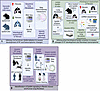 Figure 1
Methodological approaches used to assess the role of EphB4 in pulmonary fibrosis. A schematic representation of the methods and experimental approach used in this study.
-
Results
Genetic deletion of Ephb4 in Col1a2-expressing cells to generate Ephb4 conditional knockout mice. As part of the pathology of PF, fibroblasts are responsible for the deposition of excessive ECM components, like type I collagen. To examine whether Ephb4 expression in Col1a2-expressing cells (such as fibroblasts) contributes to PF development, floxed Ephb4 (Ephb4tm1.1Jwu) mice were crossed with B6.Cg-Tg(Col1a2-Cre/ERT,-ALPP)7Cpd mice to generate Ephb4f/f;Col1a2-CreERT mice (detailed pedigree for the generation of the mouse line is included in Supplemental Figure 1; supplemental material available online with this article; https://doi.org/10.1172/jci.insight.189156DS1). Col1a2-driven expression of Cre in mice has been used in previous studies to ablate specific genes in fibroblasts (7, 10, 11). PCR genotyping was performed to confirm the presence of Col1a2-CreERT in mice exhibiting homozygosity of the floxed Ephb4 sites (500 bp) compared with the WT Ephb4 gene (400 bp) (Figure 2A). At 4–5 weeks of age, Ephb4f/f;Col1a2-CreERT mice were treated with 4-hydroxytamoxifen (1 mg/day for 5 days) to induce Ephb4 gene deletion in Col1a2-expressing cells, including fibroblasts, or with corn oil (vehicle). Sustained knockdown of Ephb4 expression was confirmed at both mRNA and protein levels in primary lung fibroblasts isolated 7 days after the final 4-hydroxytamoxifen administration (Figure 2B). No significant reduction in the expression of EphB4 was observed in other cell types examined, such as macrophages and endothelial cells (Supplemental Figure 2, A and B). Additionally, cell culturing of primary lung fibroblasts to passage 1 (P1) yielded high purity of fibroblast populations (Supplemental Figure 2, C and D). Thus, Ephb4 conditional KO (CKO) mice permit 4-hydroxytamoxifen–inducible deletion of Ephb4 in Col1a2-expressing cells (herein referred to as Ephb4-CKO mice), including fibroblasts, compared with control mice treated with corn oil (Ephb4 control mice).
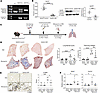 Figure 2
Ephb4 CKO mice exhibit a protective phenotype against the development of pulmonary fibrosis. Ephb4f/f mice were crossed with Col1a2-CreERT mice to generate a line with conditional Col1a2-driven deletion of Ephb4 (Ephb4 CKO). (A) Genotyping was performed to confirm the presence of homozygous floxed Ephb4 alleles and Cre. (B) Mice treated with 4-hydroxytamoxifen to induce the CKO were sacrificed and primary lung fibroblasts were cultured to first passage. RNA was collected and Ephb4 was quantified by qPCR (n = 6–7). Protein lysates were collected from cell cultures and EphB4 protein was quantified by Western blotting (n = 5). (C) A mouse model for inducing fibrosis in Ephb4-CKO mice was performed using intratracheal bleomycin challenge or PBS (control) following 4-hydroxytamoxifen-induced deletion. (D) Mouse lungs were collected at end point (9 weeks of age) and stained using Gomori’s One Step collagen stain (blue). Representative histology images from 2 separate animals/group are shown. Fibrosis was quantified either by modified Ashcroft scoring or with ImageJ total lung collagen content quantification (n = 8 mice/group). (E) αSMA immunostaining was performed in lung tissue sections to assess fibrotic activity in Ephb4-CKO and control mice with and without bleomycin challenge (n = 5). Semiquantitative scoring (scores 0–3) of the staining intensity was assigned to each mouse lung. Scale bar: 400 µM; original magnification, x 10. (F) Primary lung fibroblasts were isolated from Ephb4 Col1a2-CreERT mice treated with 4-hydroxytamoxifen or corn oil and then bleomycin. RNA was isolated from fibroblasts, and qPCR was performed to detect Col1a1 and Acta2 (n = 4). For qPCR (B and F), 2–ΔCT values were used to represent relative expression of the gene of interest normalized to Gapdh. For all graphs, data are expressed as mean ± SD where differences (*P < 0.05; **P < 0.01; ***P < 0.001; ****P < 0.0001) were identified using either 2-tailed Student’s t test (B) or 2-way ANOVA with Tukey’s post hoc tests (D–F).
Ephb4-CKO mice are protected against the development of PF. Ephb4-CKO and Ephb4 control mice were subjected to intratracheal instillation of bleomycin to induce PF, with PBS used as a corresponding bleomycin control (Figure 2C). Mouse lungs were collected 14 days later to assess collagen content using Gomori’s One Step Trichrome blue collagen stain. As shown in Figure 2D, collagen content was comparable in both Ephb4-CKO and Ephb4 control lungs treated with PBS. After bleomycin challenge, Ephb4-expressing control mice showed a striking increase in collagen staining, indicating development of PF. Interestingly, this effect was not readily observed in Ephb4-CKO mice treated with bleomycin. Instead, deletion of Ephb4 resulted in a marked decrease in PF severity and reduced the number of lobes exhibiting fibrosis, as determined by Ashcroft scoring and collagen staining quantification (Figure 2D and Supplemental Table 1) (12). Next, IHC staining of αSMA (gene name Acta2), a marker of activated fibroblasts associated with fibrosis (13), was examined. As expected, PBS control treatment yielded minimal αSMA staining in mouse lungs of Ephb4-CKO and control mice. Bleomycin treatment induced strong αSMA staining in Ephb4 control mice with substantially weaker staining in Ephb4-CKO mice (Figure 2E). Furthermore, periostin staining was also reduced in the lungs of Ephb4-CKO compared with control mice, indicating a protective phenotype in mouse lungs with Ephb4 ablation (Supplemental Figure 3A). Intriguingly, the antifibrotic phenomenon of Ephb4 deletion in lung fibroblasts after bleomycin challenge was maintained in vitro. Primary lung fibroblasts derived from bleomycin-treated Ephb4-CKO mice also exhibited reduced αSMA Acta2 and type I collagen (Col1a1) gene expression compared with bleomycin-treated EphB4 control mice (Figure 2F). Taken together, it appears that Ephb4 in lung fibroblasts plays an important role in PF development.
We next wanted to determine if Ephb4 CKO had a similarly altered response of fibroblasts in another form of fibrosis. To this aim, we examined a skin fibrosis model. We first confirmed knockdown of Ephb4 expression at both mRNA and protein levels in skin fibroblasts from Ephb4-CKO and Ephb4 control mice (Supplemental Figure 4A). After Ephb4 knockdown, mice received daily s.c. bleomycin injections (0.5 U/mL) for 21 days (Supplemental Figure 4B). Skin samples were then collected 22 days after Ephb4 knockdown and subjected to histological Gomori’s trichrome staining. No differences were observed in fibrosis severity and dermal thickening (Supplemental Figure 4C). Thus, the antifibrotic effect of Ephb4 CKO observed in PF was not observed in the bleomycin-induced model of skin fibrosis, suggesting that the effects of Ephb4 ablation in fibroblasts may depend on the type of tissue/organ and the tissue microenvironment.
Total RNA-Seq identifies downregulation of ECM, ER cargo concentration, and protein trafficking–related transcriptome in lung fibroblasts from Ephb4-CKO mice. To elucidate the effects of Ephb4 ablation on the lung fibroblast transcriptome in the context of PF, total RNA-Seq was performed on lung fibroblasts isolated from Ephb4 CKO (or Ephb4 control mice) 2 weeks after bleomycin (or PBS) challenge (Figure 3A). First, the effects of bleomycin on lung fibroblast transcriptome were examined by comparing Ephb4 control mice (bleomycin versus PBS) 2 weeks after bleomycin treatment. A total of 257 differentially expressed genes (DEGs; false discovery rate [FDR] q < 0.05) were identified (155 upregulated and 102 downregulated) in bleomycin-treated Ephb4 control mice compared with PBS-treated Ephb4 control mice. No DEGs were identified in lung fibroblasts from Ephb4 control and Ephb4-CKO mice after PBS treatment. We next examined the effect of Ephb4 ablation on bleomycin-induced gene expression in lung fibroblasts. When Ephb4-CKO and Ephb4 control mice challenged with bleomycin were compared, 317 DEGs were identified (103 upregulated and 214 downregulated) in lung fibroblasts from bleomycin-challenged Ephb4-CKO mice (Figure 3, B and C), suggesting that the effects of Ephb4 ablation in lung fibroblasts are unique to fibrotic conditions. The list of top DEGs identified can be found in Supplemental Table 2 and the full sequencing dataset can be accessed online on the GEO data repository (GSE205612).
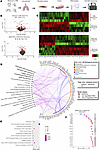 Figure 3
Ephb4-CKO fibrotic mouse lung fibroblasts exhibit unique transcriptomic profiles. (A) Ephb4f/f;Col1a2-CreERT mice were treated with 4-hydroxytamoxifen (1 mg/day for 5 days) or corn oil control at 4 weeks of age and were then intratracheally instilled with PBS or bleomycin (1.2 U/kg) at 6 weeks of age. Mice were sacrificed 14 days after bleomycin or PBS challenge, and lung fibroblasts were isolated and cultured (n = 4 mice per group). Fibroblasts were enriched with a single passage followed by RNA extraction for total RNA-Seq. (B) Pairwise comparisons were made between bleomycin and PBS-treated Ephb4 control mice, or between Ephb4-CKO and control mice under bleomycin condition (n = 4 mice/group). Differentially expressed genes (DEGs) were determined using an FDR cutoff of q < 0.05 (red). In the bleomycin versus PBS comparison, 257 DEGs were identified in fibroblasts, including 155 upregulated and 102 downregulated DEGs. In the Ephb4-CKO versus control comparison, 317 DEGs were identified in fibroblasts, including 103 upregulated and 214 downregulated DEGs. (C) DEGs from both comparisons were visualized using heatmaps. (D) Lists of both upregulated and downregulated DEGs in the RNA-Seq dataset of Ephb4 CKO (n = 4) versus Ephb4 control mice (n = 4) treated with bleomycin were analyzed separately using pathDIP to identify subsets of genes enriched for unique pathways in the Reactome database. Gene-pathway associations were visualized in NAViGaTOR v.3.0.16. (E) Unique gene-pathway enrichments from the downregulated gene list visualized by dot plot, with significance determined using the Benjamini and Hochberg method (with cutoff of q < 0.01). (F) The expression of downregulated DEGs associated with ECM organization, protein transport, and ER cargo concentration visualized by Wideplot.
Next, we used pathDIP (14) to identify pathways enriched in the up- and downregulated DEG lists of Ephb4 CKO lung fibroblasts relative to their Ephb4 control counterparts under bleomycin challenge (Supplemental Table 3). A subset of 31 upregulated DEGs were uniquely enriched for 8 pathways, and a subset of 57 downregulated DEGs were uniquely enriched for 11 pathways. Upregulated DEGs were uniquely enriched for pathways associated with phospholipid and lipid metabolism, cytokine signaling, and IL signaling. Among the downregulated genes, 11 were associated with ECM organization, 7 with protein trafficking, 4 with ER cargo concentration, and 12 with class I–mediated antigen processing and presentation. Gene set enrichment analysis (GSEA) using both Reactome and Gene Ontology Biological Process databases showed that downregulated genes were also mainly enriched for ECM and collagen organization pathways, while upregulated genes showed enrichment for innate immune response and cytokine signaling (Supplemental Table 4). The unique enriched gene-pathway associations identified using pathDIP (14) were visualized in an interaction map using NAViGaTOR (15) (Figure 3D).
The list of gene-pathway associations was used to identify cellular processes that Ephb4 might regulate under fibrotic conditions. Unique DEGs downregulated in lung fibroblasts from Ephb4-CKO mice challenged with bleomycin were associated with ECM-relevant processes, including collagen formation and crosslinking, elastic fiber formation, fibronectin matrix formation, or ECM organization as well as genes related to protein trafficking and ER cargo concentration–related processes (Figure 3E). Interestingly, of the 11 downregulated DEGs associated with ECM organization identified, many have been documented as prominent profibrotic mediators, including: prolyl 4-hydroxylase beta polypeptide (P4bh), integrin b1 (Itgb1), integrin a5 (Itga5), peroxidasin (Pxdn), lysl oxidase like 2 (Loxl2), lysl oxidase (Lox), type XI collagen (Col11a1), tolloid like 1 (Tll1), and Eln (16–21). Among the ECM, ER cargo and protein trafficking genes, 20 of 22 exhibited a > 1.5-fold change in gene expression in bleomycin-challenged Ephb4 CKO animals compared with bleomycin-challenged Ephb4 control mice, with Eln having the greatest mean fold change (Figure 3F).
Overall, total RNA-Seq showed that, under fibrotic stimulation (bleomycin treatment), fibroblasts from Ephb4-CKO mice compared with Ephb4 control mice exhibit reduced expression of genes related to fibrosis, ECM organization, ECM remodeling, ER cargo concentration, and protein trafficking.
Pharmacological EphB4 inhibition reduces mouse lung fibroblast expression of genes related to ECM organization, ER cargo concentration, and protein trafficking. We next examined whether pharmacological inhibition of EphB4 elicited comparable changes in gene expression (as observed in total RNA-Seq) in primary mouse lung fibroblasts. WT primary lung fibroblasts were isolated from C57BL/6J mice and stimulated with TGF-β1 (or PBS as control) in combination with the EphB4 small molecule inhibitor NVP-BHG712 (or vehicle) (Figure 4A). NVP-BHG712 has previously been shown to decrease EphB4 activity and phosphorylation in vitro and in vivo, including in mouse lung tissue (22). We first confirmed that NVP-BHG712 effectively inhibits phosphorylation of EphB4 in human lung fibroblasts at 250 nM (Supplemental Figure 5) and used this concentration for subsequent experiments. A NanoString CodeSet of 47 gene targets was designed using our previously identified downregulated DEGs involved in ECM organization, protein trafficking, ER cargo concentration, MHC Class I presentation, and posttranslational protein modification (remaining genes were excluded, including those related to translation). TGF-β1 significantly increased the expression of 25 of the 47 selected genes, with EphB4 inhibition significantly reducing the expression of 19 of 25 of these genes (Supplemental Table 5). Notably, EphB4 inhibition downregulated many genes associated with cellular processes involved in ECM organization (9 of 11), ER cargo concentration (3 of 4), and protein trafficking (6 of 7) (Figure 4B and Supplemental Figure 6). Thus, pharmacological inhibition of EphB4 in mouse lung fibroblasts recapitulated reduced expression of most genes identified in our in vivo Ephb4-CKO mouse lung fibrosis model.
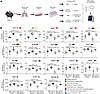 Figure 4
NVP-BHG712 downregulates TGF-β1–induced expression of genes related to ECM organization, protein trafficking, and ER cargo concentration regulation. (A) Lungs were isolated from WT mice, and fibroblasts were cultured. Fibroblasts were then simultaneously treated with the profibrotic cytokine TGF-β (20 ng/mL; or PBS as control) and the EphB4 inhibitor NVP-BHG712 (250 nM; or DMSO as inhibitor control) for 24 hours (n = 9). RNA was isolated and NanoString was performed on a 47 gene CodeSet to examine the expression of downregulated DEGs identified by RNA-Seq in bleomycin-challenged Ephb4-CKO lung fibroblasts. (B) Transcript levels of a subset of the CodeSet of genes that were significantly upregulated with TGF-β1 treatment and downregulated with NVP-BHG712 treatment and were associated with ECM organization, protein trafficking, and ER cargo concentration regulation (remaining genes can be found in Supplemental Figure 6). Gene expression was normalized to housekeeping genes Rplp0 and Acad9 and displayed as log2 transformed gene expression (mean ± SD). Wilcoxon signed rank test with FDR q ≤ 0.05 was used to identify significant changes in gene expression. Legend colors indicate the gene-associated pathDIP-identified pathways. *q < 0.05.
NVP-BHG712 attenuates bleomycin-induced PF in mice. Since NVP-BHG712 attenuated the expression of key genes involved in ECM organization, ER cargo concentration, and protein trafficking in cultured mouse lung fibroblasts, we next tested its antifibrotic potential in vivo using the bleomycin lung fibrosis mouse model. Seven-week-old WT C57BL/6J mice were intratracheally challenged with bleomycin or PBS (control) and, 5 days later, received NVP-BHG712 (10 μg/kg daily, p.o.) or vehicle (control; N-methyl-2-pyrrolidone plus polyethylene glycol 300 at ratio of 1:9) for 5 days. Lungs were harvested for Gomori’s blue collagen stain histological assessment 14 days after the start of the bleomycin challenge (Figure 5A). As observed in Ephb4-CKO mice, WT mice treated with NVP-BHG712 also exhibited reduced severity in the degree of bleomycin-induced lung fibrosis (Figure 5B). Ashcroft lung fibrosis score of affected areas showed reduced fibrosis severity in NVP-BHG712–treated mice, with a mean ± SD disease severity score of 2.48 ± 0.55 compared with 4.05 ± 0.61 in bleomycin challenged, vehicle-treated lungs (Figure 5C). Histomorphometric analysis of lung section images indicated that lung collagen content in NVP-BHG712 treated lungs decreased from 49.7% ± 8.8% to 37.81% ± 6.8% (mean ± SD) per NVP-BHG712–treated animal (Figure 5C). Notably, there was no significant change in Ashcroft scoring or lung collagen quantification in NVP-BHG712–treated mice compared with vehicle-treated mice in the PBS-challenged groups. αSMA and periostin staining was also markedly reduced in NVP-BHG712–treated lungs compared with vehicle-treated controls after bleomycin challenge, with no difference found between PBS-treated controls (Figure 5D and Supplemental Figure 3B). Collectively, these results show that EphB4 pharmacological inhibition in mice confers protection in bleomycin-induced lung fibrosis, similar to the genetic deletion in Ephb4-CKO mice.
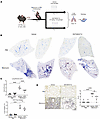 Figure 5
Pharmacological inhibition of EphB4 protects against development of PF in mice. (A) Bleomycin sulphate (1.2 U/kg) or PBS (control) was intratracheally administered to WT C57BL/6J mice. Five days later, mice were given either NVP-BHG712 (10 μg/kg; p.o.) or vehicle (control) daily for 5 days (n = 6/group). Lungs were harvested 14 days after bleomycin challenge, and histology was performed. (B) To assess fibrosis, collagen fibers in mouse lungs were stained via Gomori’s One Step Trichrome (blue). Representative histology images from 2 separate animals/group are shown. (C) Images of mouse lung sections (n = 5 animals/group; 5 lobes/animal) were graded for severity of fibrosis using the Ashcroft scoring system (top graph). Images of lung sections underwent color deconvolution in Fiji V. 2.9.0 to isolate the blue channel as a representative of total lung collagen. Total lung collagen was normalized to total lung tissue and expressed as percent total lung collagen. Graphical representations indicate averages of 5 lobes per animal (bottom graph). (D) αSMA immunohistochemistry performed on mouse lung sections (n = 5 animals/group). Semiquantitative scores were assigned scores from 0–3 based on degree of staining. Original magnification, x 10). For all graphs, data are expressed as mean ± SD and analyzed by 2-way ANOVA followed by Tukey’s post hoc tests for multiple comparisons. *P < 0.05; **P < 0.01; ****P < 0.0001.
Transcriptomic differences in fibroblast subclusters using snRNA-Seq of mouse lungs treated with NVP-BHG712 in the bleomycin model. Since NVP-BHG712 treatment resulted in reduced PF severity in vivo and reduced expression of ECM genes in mouse lung fibroblasts in vitro, we next conducted snRNA-Seq and bioinformatic analyses on bleomycin or PBS instilled mouse lungs treated with NVP-BHG712 or vehicle to identify lung fibroblast subsets and interrogate the differences in the ECM transcriptome of these fibroblast subsets in response to EphB4 inhibition. A total of 12 mouse lungs (n = 3 PBS + vehicle, n = 3 PBS + NVP-BHG712, n = 3 bleomycin + vehicle and n = 3 bleomycin + NVP-BHG712) were subjected to snRNA-Seq. In total, 49,163 nuclei were sequenced and, after filtering, 39,611 nuclei were analyzed. Multiple cell types, including fibroblasts, macrophages, endothelial cells, type I alveolar cells, and type II alveolar cells, were identified based on canonical cell markers (Figure 6, A and B). We next subclustered fibroblasts across all 12 samples, identifying 4 fibroblast subclusters (Figure 6C), which were present in all treatment conditions (Supplemental Figure 7A). A list of genes (q < 0.05 and log2FC > 0.5) associated with each fibroblast subcluster can be found in Supplemental Table 6. Interestingly, the cellular proportion of fibroblast subcluster 2 increased with the treatment of bleomycin, whereas the proportion of subcluster 0 fibroblasts was decreased with bleomycin treatment. These changes in fibroblast subcluster proportions were ameliorated with NVP-BHG712 treatment. To better understand the cellular annotations of the 4 identified fibroblast subclusters in our dataset, we mapped our data to the markers identified in the previously published single cell studies (23, 24). Using the markers identified in these studies, we mapped the key transcriptomic profiles to our 4 fibroblast subclusters. Our analysis suggests that fibroblast subcluster 0 overlaps with the transcriptomic profiles associated with alveolar fibroblasts, subcluster 1 with adventitial fibroblasts, subcluster 2 with fibrotic fibroblasts, and subcluster 3 with peribronchial fibroblasts (Figure 6D). Furthermore, several genes previously reported to be associated with activated fibroblasts (25) mapped to fibroblast subcluster 2 in our dataset (Supplemental Figure 7B).
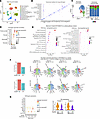 Figure 6
snRNA-Seq profiling of mouse lungs. (A) UMAP projection of distinct cell populations identified in mouse lung tissue. (B) Dot plot showing expression of canonical markers used to annotate the identified cell clusters. The identity of each cell cluster was assigned by matching the cluster expression profile with established cell-specific marker genes. Dot color represents average expression, and dot size represents the fraction of expressing cells. (C) UMAP projection of fibroblast subclusters from all treatment groups and the proportion of cells that contributed to each cluster by treatment group (veh, vehicle; Inh, NVP-BHG712). (D) Dot plot showing the expression of marker genes used to annotate the fibroblast subclusters (23–25). (E) Pathway analysis of upregulated and downregulated genes in bleomycin mice treated with NVP-BHG712 compared with vehicle. (F) Bar plots show total number of interactions and strength of interactions in fibroblasts in collagen signaling pathways in bleomycin mice treated with NVP-BHG712 (Inh) compared with vehicle; left panel). Circle plots showing cell-cell communication between fibroblast subclusters associated with collagen signaling in bleomycin mice treated with vehicle or NVP-BHG712. The plot shows interaction between ligands from sender and receptors from receiver. Each plot has fibroblast subcluster 0, 1, 2, and 3 as receiver and ligands from all other subclusters as senders. (G) Differential expression of 11 ECM genes in bleomycin-treated groups in all 4 fibroblast subclusters in NVP-BHG712 compared with vehicle (left panel). Violin plots showing the expression of Eln in fibroblast subclusters 1 and 2 (right panel).
Next, we performed pathway enrichment analysis using pathDIP (14) on up-and downregulated genes in response to EphB4 inhibition under bleomycin condition. Results show that both up- and downregulated genes were enriched with multiple pathways (Figure 6E). Notably, downregulated genes were associated with ECM-associated pathways, consistent to our previous findings in this study.
CellChat (26) was next used to investigate the signaling strength and interactions between fibroblast subclusters in NVP-BHG712 compared with vehicle-treated groups under bleomycin condition. CellChat analysis identified multiple ligand-receptor interactions across distinct fibroblast subclusters (Supplemental Figure 8A). Interestingly, collagen-based interactions exhibited one of the highest interaction strengths (Supplemental Figure 8, A and B). While investigating collagen-based interactions specifically in NVP-BHG712 versus vehicle-treated groups under bleomycin condition, the total strength and number of interactions were reduced in response to EphB4 inhibition (Figure 6F)
We then evaluated the expression of all identified downregulated ECM-related genes in each fibroblast subcluster in response to NVP-BHG712 treatment under bleomycin condition. Interestingly, ELN expression was identified in all fibroblast subclusters, with subcluster 1 and 2 showing the highest expression. In response to NVP-BHG712 treatment, the expression of ELN was reduced (Figure 6G).
Overall, our data have identified ECM transcriptomic changes associated with distinct fibroblast subsets in response to NVP-BHG712 treatment during fibrosis.
Identifying ELN as an EphB4 signaling partner using tanscriptomic differences in control donor versus IPF human lung fibroblasts treated with NVP-BHG712. To investigate the relevance of EphB4 inhibition in human fibroblasts, we treated primary human lung fibroblasts from control donors (HLF) and patients with IPF (Supplemental Table 7) with NVP-BHG712 or vehicle for 24 hours and subjected each sample to total RNA-Seq (total 16 samples; n = 4/group; Figure 7A). When IPF and HLF fibroblasts were compared under vehicle conditions, 3,108 DEGs (1,569 downregulated and 1,539 upregulated) were identified in the IPF group (Figure 7B). It is notable that the expression of COL1A1 was significantly increased, and ELN was determined as the most upregulated ECM gene.
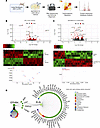 Figure 7
ELN is a key signaling partner of EphB4 in human IPF. (A) Schematic detailing total RNA-Seq pipeline of human lung fibroblasts (HLF) from control donors or patients with IPF subjected to NVP-BHG712 (250 nM) or vehicle (n = 4/group). (B) Differentially expressed genes (DEGs) comparing IPF to HLF fibroblasts using an FDR q < 0.05 (red). Heatmap depicting 3,108 DEGs (1,569 downregulated and 1,539 upregulated) identified in IPF versus HLF fibroblasts. Dot plot showing expression of top ECM genes in IPF versus HLF fibroblasts per donor. (C) DEGs comparing IPF fibroblasts treated with NVP-BHG712 or vehicle (red). Heatmap depicting 85 DEGs (61 downregulated and 24 upregulated) identified in response to EphB4 inhibition of human IPF fibroblasts. Dot plot showing expression of ELN comparing NVP-BHG712 versus vehicle treatment in IPF fibroblasts per donor. (D) EphB4 was queried with ELN, as identified across human and mouse RNA-Seq, using the Integrated Interaction Database to find direct human PPIs and visualized using NAViGaTOR.
Next, the transcriptomic differences elicited by EphB4 inhibition were determined by comparing IPF fibroblasts treated with NVP-BHG712 compared with corresponding vehicle controls. In total, 85 DEGs (24 upregulated and 61 downregulated) were identified (Figure 7C; a list of the top 50 DEGs is provided in Supplemental Table 8). Notably, expression of ELN was significantly downregulated by NVP-BHG712 inhibition in IPF fibroblasts.
To identify common signaling partners involved in EphB4 signaling in mouse and human fibroblasts during lung fibrosis, the DEG list from human IPF RNA-Seq analysis was compared with the DEG list from Ephb4-CKO mouse RNA-Seq. Four common gene targets were identified that included 2 upregulated genes (low density lipoprotein receptor [LDLR] and transmembrane protein 38b [TMEM38B]), and 2 downregulated genes (ELN and glycyl-TRNA synthetase 1 [GARS1]) (Supplemental Table 9). In our analysis using pathDIP database, LDLR and TMEM38B did not associate with any pathways, ELN associated with ECM organization and elastin synthesis pathways, and GARS1 associated with protein translation. Among these 4 genes, ELN stood out as a prime target for investigating EphB4 signaling since ELN was consistently downregulated with Ephb4 CKO (total RNA-Seq) and pharmacological EphB4 targeting in both mouse (snRNA-Seq and NanoString) and human IPF fibroblasts (total RNA-Seq).
To further elucidate a potential relationship between EphB4 signaling and ELN, we queried physical protein-protein interactions (PPIs) between the 2 entities in the Integrated Interaction Database (Figure 7D and Supplemental Table 10) (27). We identified 4 proteins that can physically interact with EphB4 and ELN, including amyloid precursor protein (APP), fibronectin (FN1), perlecan (HSPG2), and TGF-β1. It is notable that a key profibrotic cytokine, namely TGF-β1, linked EphB4 to ELN (13). Indeed, GO analysis also indicated that ELN, among 16 other DEGs from the human IPF total RNA-Seq data, was enriched for TGF-β1 regulation of ECM (Supplemental Figure 9), and the downregulated genes in our sequencing analysis were enriched for ECM-related pathways (Supplemental Table 11). Overall, PPI analysis coupled with our sequencing data suggests that ELN may be a crucial signaling partner involved in EphB4 signaling during lung fibrosis.
Inhibition of EphB4 mitigates fibrotic upregulation of ELN in lung fibroblasts and fibrotic lung tissue. To further investigate the regulatory relationship between EphB4 and ELN, and their potential link to TGF-β1 signaling, lung fibroblasts from patients with IPF were subjected to TGF-β1 stimulation followed by EphB4 inhibition using NVP-BHG712 or EPHB4 siRNA treatment. As shown in Figure 8, A and B, TGF-β1 stimulation markedly increased the expression of ELN in lung fibroblasts, while subsequent treatment with NVP-BHG712 or EPHB4 siRNA moderately or significantly attenuated-induced ELN expression, respectively. Stress fiber formation induced by TGF-β1, as indicated by rhodamine-phalloidin staining, and αSMA staining was also reduced by NVP-BHG712 (Supplemental Figure 10).
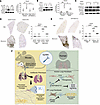 Figure 8
EphB4 signaling in PF. (A and B) Human IPF lung fibroblasts were treated with TGF-β1 or PBS for 24 hours. Cells (total 16 samples; n = 4 patients/group) were then treated with either NVP-BHG712 (250 nM) (A) or Ephb4 siRNA (B), or their respective controls, for an additional 24 hours. Protein lysates were collected, and Western blotting was performed to detect ELN protein levels. ImageJ densitometry was performed and normalized to GAPDH (mean ± SD). *P < 0.05; **P < 0.01, as determined by paired 2-way ANOVA followed by Tukey’s post hoc test adjusted for multiple comparisons. (C) Western blotting of siRNA treated IPF cells to detect P-SMAD 2/3 and total SMAD 2/3 (n = 4/group). (D and E) Verhoeff Van Gieson staining was performed on lung sections from mice with Ephb4 conditional knockout or respective control mice to visualize ELN (n = 5/group) following bleomycin or PBS instillation (D), or mice with bleomycin or PBS instillation treated with EphB4 inhibitor NVP-BHG712 (10 mg/kg) or vehicle (n = 5/group) (E). ELN staining was semiquantitatively scored (scores 0–3). ****P < 0.0001 as determined by 2-way ANOVA followed by Tukey’s post hoc tests adjusted for multiple comparisons. (F) Schematic depicting the role of EphB4 signaling in PF.
As a key regulatory cytokine for fibrogenesis, TGF-β1 typically relies on canonical signaling associated with phosphorylation of the transcription factors SMAD2/3. To assess whether SMAD2/3 activity affects the regulatory effect of EphB4 on ELN expression, human lung fibroblasts were treated with TGF-β1 or control for 24 hours, before being treated with EPHB4 siRNA or control for an additional 24 hours (Figure 8C). As predicted, TGF-β1 treatment increased phosphorylation of SMAD2/3 in human lung fibroblasts; however, silencing of EPHB4 did not decrease phosphorylation levels of SMAD2/3, suggesting that EphB4 likely does not modify fibrotic pathways through canonical TGF-β1 signaling.
To assess the link between EphB4 and ELN in vivo, ELN staining, assessed using Verhoeff Van Gieson ELN stain, was examined in the lungs of bleomycin-challenged Ephb4-CKO and Ephb4 control mice (Figure 8D) and NVP-BHG712–treated mice (Figure 8E). Both Ephb4-CKO and NVP-BHG712 mouse lung tissue showed qualitative decreases in ELN protein after bleomycin challenge, with no changes observed in PBS controls. Thus, our data suggest that EphB4 expression is crucial for ELN expression in the context of fibrosis in both mouse tissue and human lung fibroblasts. Overall, our data support a mechanism involving EphB4-ELN signaling in lung fibrosis.


