
Research ArticleHepatologyMetabolism
Open Access |  10.1172/jci.insight.187083
Ceramide(d18:1/18:1)-NDUFA6 interaction inactivates respiratory complex I to attenuate oxidative-stress-driven pathogenesis in liver ischemia/reperfusion injury
Kai Wang,1 Leyi Liao,1 Hanbiao Liang,1 Pengxiang Huang,1,2 Qingping Li,1 Baoxiong Zhuang,3 Chen Xie,1 Xiangyue Mo,1 Xuesong Deng,4 Jieyuan Li,5 Yang Lei,1 Minghui Zeng,6 Cungui Mao,7 Ruijuan Xu,7 Cuiting Liu,8 Xianqiu Wu,1 Jie Zhou,1 Biao Wang,1 Yiyi Li,9 and Chuanjiang Li1
1Division of Hepatobiliopancreatic Surgery, Department of General Surgery, Nanfang Hospital, Southern Medical University, Guangzhou, Guangdong, China.
2Department of Hepatobiliary Surgery, Shenzhen Third People’s Hospital, Southern University of Science and Technology, Shenzhen, Guangdong, China.
3Department of General Surgery, Guangdong Provincial Key Laboratory of Precision Medicine for Gastrointestinal Tumor, Nanfang Hospital, Southern Medical University, Guangzhou, Guangdong, China.
4Department of Hepatobiliary Surgery, the First Affiliated Hospital of Shenzhen University, Health Science Center, Shenzhen Second People’s Hospital, Shenzhen, Guangdong, China.
5Department of Hepatobiliary Surgery, The First People’s Hospital of Foshan, Foshan, Guangdong, China.
6Institute of Scientific Research, Southern Medical University, Guangzhou, China.
7Department of Medicine and Cancer Center, The State University of New York at Stony Brook, Stony Brook, New York, USA.
8Central Laboratory, and
9Department of Radiation Oncology, Nanfang Hospital, Southern Medical University, Guangzhou, Guangdong, China.
Address correspondence to: Biao Wang, Division of Hepatobiliopancreatic Surgery, Department of General Surgery, Nanfang Hospital, Southern Medical University, 1838 North Guangzhou Avenue, Guangzhou 510515, Guangdong, China. Phone: 86.020.62787180; Email: biaowang1@smu.edu.cn. Or to: Yiyi Li, Department of Radiation Oncology, Nanfang Hospital, Southern Medical University, 1838 North Guangzhou Avenue, Guangzhou 510515, Guangdong, China. Phone: 020.61642136; Email: liyiyi56@smu.edu.cn. Or to: Chuanjiang Li, Division of Hepatobiliopancreatic Surgery, Department of General Surgery, Nanfang Hospital, Southern Medical University, 1838 North Guangzhou Avenue, Guangzhou 510515, Guangdong, China. Phone: 86.020.62787180; Email: licj@smu.edu.cn.
Authorship note: KW, LL, HL, and PH are co–first authors. BW, Y Li, and CL are co–corresponding authors.
Find articles by Wang, K. in: PubMed | Google Scholar
1Division of Hepatobiliopancreatic Surgery, Department of General Surgery, Nanfang Hospital, Southern Medical University, Guangzhou, Guangdong, China.
2Department of Hepatobiliary Surgery, Shenzhen Third People’s Hospital, Southern University of Science and Technology, Shenzhen, Guangdong, China.
3Department of General Surgery, Guangdong Provincial Key Laboratory of Precision Medicine for Gastrointestinal Tumor, Nanfang Hospital, Southern Medical University, Guangzhou, Guangdong, China.
4Department of Hepatobiliary Surgery, the First Affiliated Hospital of Shenzhen University, Health Science Center, Shenzhen Second People’s Hospital, Shenzhen, Guangdong, China.
5Department of Hepatobiliary Surgery, The First People’s Hospital of Foshan, Foshan, Guangdong, China.
6Institute of Scientific Research, Southern Medical University, Guangzhou, China.
7Department of Medicine and Cancer Center, The State University of New York at Stony Brook, Stony Brook, New York, USA.
8Central Laboratory, and
9Department of Radiation Oncology, Nanfang Hospital, Southern Medical University, Guangzhou, Guangdong, China.
Address correspondence to: Biao Wang, Division of Hepatobiliopancreatic Surgery, Department of General Surgery, Nanfang Hospital, Southern Medical University, 1838 North Guangzhou Avenue, Guangzhou 510515, Guangdong, China. Phone: 86.020.62787180; Email: biaowang1@smu.edu.cn. Or to: Yiyi Li, Department of Radiation Oncology, Nanfang Hospital, Southern Medical University, 1838 North Guangzhou Avenue, Guangzhou 510515, Guangdong, China. Phone: 020.61642136; Email: liyiyi56@smu.edu.cn. Or to: Chuanjiang Li, Division of Hepatobiliopancreatic Surgery, Department of General Surgery, Nanfang Hospital, Southern Medical University, 1838 North Guangzhou Avenue, Guangzhou 510515, Guangdong, China. Phone: 86.020.62787180; Email: licj@smu.edu.cn.
Authorship note: KW, LL, HL, and PH are co–first authors. BW, Y Li, and CL are co–corresponding authors.
Find articles by Liao, L. in: PubMed | Google Scholar
1Division of Hepatobiliopancreatic Surgery, Department of General Surgery, Nanfang Hospital, Southern Medical University, Guangzhou, Guangdong, China.
2Department of Hepatobiliary Surgery, Shenzhen Third People’s Hospital, Southern University of Science and Technology, Shenzhen, Guangdong, China.
3Department of General Surgery, Guangdong Provincial Key Laboratory of Precision Medicine for Gastrointestinal Tumor, Nanfang Hospital, Southern Medical University, Guangzhou, Guangdong, China.
4Department of Hepatobiliary Surgery, the First Affiliated Hospital of Shenzhen University, Health Science Center, Shenzhen Second People’s Hospital, Shenzhen, Guangdong, China.
5Department of Hepatobiliary Surgery, The First People’s Hospital of Foshan, Foshan, Guangdong, China.
6Institute of Scientific Research, Southern Medical University, Guangzhou, China.
7Department of Medicine and Cancer Center, The State University of New York at Stony Brook, Stony Brook, New York, USA.
8Central Laboratory, and
9Department of Radiation Oncology, Nanfang Hospital, Southern Medical University, Guangzhou, Guangdong, China.
Address correspondence to: Biao Wang, Division of Hepatobiliopancreatic Surgery, Department of General Surgery, Nanfang Hospital, Southern Medical University, 1838 North Guangzhou Avenue, Guangzhou 510515, Guangdong, China. Phone: 86.020.62787180; Email: biaowang1@smu.edu.cn. Or to: Yiyi Li, Department of Radiation Oncology, Nanfang Hospital, Southern Medical University, 1838 North Guangzhou Avenue, Guangzhou 510515, Guangdong, China. Phone: 020.61642136; Email: liyiyi56@smu.edu.cn. Or to: Chuanjiang Li, Division of Hepatobiliopancreatic Surgery, Department of General Surgery, Nanfang Hospital, Southern Medical University, 1838 North Guangzhou Avenue, Guangzhou 510515, Guangdong, China. Phone: 86.020.62787180; Email: licj@smu.edu.cn.
Authorship note: KW, LL, HL, and PH are co–first authors. BW, Y Li, and CL are co–corresponding authors.
Find articles by Liang, H. in: PubMed | Google Scholar
1Division of Hepatobiliopancreatic Surgery, Department of General Surgery, Nanfang Hospital, Southern Medical University, Guangzhou, Guangdong, China.
2Department of Hepatobiliary Surgery, Shenzhen Third People’s Hospital, Southern University of Science and Technology, Shenzhen, Guangdong, China.
3Department of General Surgery, Guangdong Provincial Key Laboratory of Precision Medicine for Gastrointestinal Tumor, Nanfang Hospital, Southern Medical University, Guangzhou, Guangdong, China.
4Department of Hepatobiliary Surgery, the First Affiliated Hospital of Shenzhen University, Health Science Center, Shenzhen Second People’s Hospital, Shenzhen, Guangdong, China.
5Department of Hepatobiliary Surgery, The First People’s Hospital of Foshan, Foshan, Guangdong, China.
6Institute of Scientific Research, Southern Medical University, Guangzhou, China.
7Department of Medicine and Cancer Center, The State University of New York at Stony Brook, Stony Brook, New York, USA.
8Central Laboratory, and
9Department of Radiation Oncology, Nanfang Hospital, Southern Medical University, Guangzhou, Guangdong, China.
Address correspondence to: Biao Wang, Division of Hepatobiliopancreatic Surgery, Department of General Surgery, Nanfang Hospital, Southern Medical University, 1838 North Guangzhou Avenue, Guangzhou 510515, Guangdong, China. Phone: 86.020.62787180; Email: biaowang1@smu.edu.cn. Or to: Yiyi Li, Department of Radiation Oncology, Nanfang Hospital, Southern Medical University, 1838 North Guangzhou Avenue, Guangzhou 510515, Guangdong, China. Phone: 020.61642136; Email: liyiyi56@smu.edu.cn. Or to: Chuanjiang Li, Division of Hepatobiliopancreatic Surgery, Department of General Surgery, Nanfang Hospital, Southern Medical University, 1838 North Guangzhou Avenue, Guangzhou 510515, Guangdong, China. Phone: 86.020.62787180; Email: licj@smu.edu.cn.
Authorship note: KW, LL, HL, and PH are co–first authors. BW, Y Li, and CL are co–corresponding authors.
Find articles by Huang, P. in: PubMed | Google Scholar
1Division of Hepatobiliopancreatic Surgery, Department of General Surgery, Nanfang Hospital, Southern Medical University, Guangzhou, Guangdong, China.
2Department of Hepatobiliary Surgery, Shenzhen Third People’s Hospital, Southern University of Science and Technology, Shenzhen, Guangdong, China.
3Department of General Surgery, Guangdong Provincial Key Laboratory of Precision Medicine for Gastrointestinal Tumor, Nanfang Hospital, Southern Medical University, Guangzhou, Guangdong, China.
4Department of Hepatobiliary Surgery, the First Affiliated Hospital of Shenzhen University, Health Science Center, Shenzhen Second People’s Hospital, Shenzhen, Guangdong, China.
5Department of Hepatobiliary Surgery, The First People’s Hospital of Foshan, Foshan, Guangdong, China.
6Institute of Scientific Research, Southern Medical University, Guangzhou, China.
7Department of Medicine and Cancer Center, The State University of New York at Stony Brook, Stony Brook, New York, USA.
8Central Laboratory, and
9Department of Radiation Oncology, Nanfang Hospital, Southern Medical University, Guangzhou, Guangdong, China.
Address correspondence to: Biao Wang, Division of Hepatobiliopancreatic Surgery, Department of General Surgery, Nanfang Hospital, Southern Medical University, 1838 North Guangzhou Avenue, Guangzhou 510515, Guangdong, China. Phone: 86.020.62787180; Email: biaowang1@smu.edu.cn. Or to: Yiyi Li, Department of Radiation Oncology, Nanfang Hospital, Southern Medical University, 1838 North Guangzhou Avenue, Guangzhou 510515, Guangdong, China. Phone: 020.61642136; Email: liyiyi56@smu.edu.cn. Or to: Chuanjiang Li, Division of Hepatobiliopancreatic Surgery, Department of General Surgery, Nanfang Hospital, Southern Medical University, 1838 North Guangzhou Avenue, Guangzhou 510515, Guangdong, China. Phone: 86.020.62787180; Email: licj@smu.edu.cn.
Authorship note: KW, LL, HL, and PH are co–first authors. BW, Y Li, and CL are co–corresponding authors.
Find articles by Li, Q. in: PubMed | Google Scholar
1Division of Hepatobiliopancreatic Surgery, Department of General Surgery, Nanfang Hospital, Southern Medical University, Guangzhou, Guangdong, China.
2Department of Hepatobiliary Surgery, Shenzhen Third People’s Hospital, Southern University of Science and Technology, Shenzhen, Guangdong, China.
3Department of General Surgery, Guangdong Provincial Key Laboratory of Precision Medicine for Gastrointestinal Tumor, Nanfang Hospital, Southern Medical University, Guangzhou, Guangdong, China.
4Department of Hepatobiliary Surgery, the First Affiliated Hospital of Shenzhen University, Health Science Center, Shenzhen Second People’s Hospital, Shenzhen, Guangdong, China.
5Department of Hepatobiliary Surgery, The First People’s Hospital of Foshan, Foshan, Guangdong, China.
6Institute of Scientific Research, Southern Medical University, Guangzhou, China.
7Department of Medicine and Cancer Center, The State University of New York at Stony Brook, Stony Brook, New York, USA.
8Central Laboratory, and
9Department of Radiation Oncology, Nanfang Hospital, Southern Medical University, Guangzhou, Guangdong, China.
Address correspondence to: Biao Wang, Division of Hepatobiliopancreatic Surgery, Department of General Surgery, Nanfang Hospital, Southern Medical University, 1838 North Guangzhou Avenue, Guangzhou 510515, Guangdong, China. Phone: 86.020.62787180; Email: biaowang1@smu.edu.cn. Or to: Yiyi Li, Department of Radiation Oncology, Nanfang Hospital, Southern Medical University, 1838 North Guangzhou Avenue, Guangzhou 510515, Guangdong, China. Phone: 020.61642136; Email: liyiyi56@smu.edu.cn. Or to: Chuanjiang Li, Division of Hepatobiliopancreatic Surgery, Department of General Surgery, Nanfang Hospital, Southern Medical University, 1838 North Guangzhou Avenue, Guangzhou 510515, Guangdong, China. Phone: 86.020.62787180; Email: licj@smu.edu.cn.
Authorship note: KW, LL, HL, and PH are co–first authors. BW, Y Li, and CL are co–corresponding authors.
Find articles by Zhuang, B. in: PubMed | Google Scholar
1Division of Hepatobiliopancreatic Surgery, Department of General Surgery, Nanfang Hospital, Southern Medical University, Guangzhou, Guangdong, China.
2Department of Hepatobiliary Surgery, Shenzhen Third People’s Hospital, Southern University of Science and Technology, Shenzhen, Guangdong, China.
3Department of General Surgery, Guangdong Provincial Key Laboratory of Precision Medicine for Gastrointestinal Tumor, Nanfang Hospital, Southern Medical University, Guangzhou, Guangdong, China.
4Department of Hepatobiliary Surgery, the First Affiliated Hospital of Shenzhen University, Health Science Center, Shenzhen Second People’s Hospital, Shenzhen, Guangdong, China.
5Department of Hepatobiliary Surgery, The First People’s Hospital of Foshan, Foshan, Guangdong, China.
6Institute of Scientific Research, Southern Medical University, Guangzhou, China.
7Department of Medicine and Cancer Center, The State University of New York at Stony Brook, Stony Brook, New York, USA.
8Central Laboratory, and
9Department of Radiation Oncology, Nanfang Hospital, Southern Medical University, Guangzhou, Guangdong, China.
Address correspondence to: Biao Wang, Division of Hepatobiliopancreatic Surgery, Department of General Surgery, Nanfang Hospital, Southern Medical University, 1838 North Guangzhou Avenue, Guangzhou 510515, Guangdong, China. Phone: 86.020.62787180; Email: biaowang1@smu.edu.cn. Or to: Yiyi Li, Department of Radiation Oncology, Nanfang Hospital, Southern Medical University, 1838 North Guangzhou Avenue, Guangzhou 510515, Guangdong, China. Phone: 020.61642136; Email: liyiyi56@smu.edu.cn. Or to: Chuanjiang Li, Division of Hepatobiliopancreatic Surgery, Department of General Surgery, Nanfang Hospital, Southern Medical University, 1838 North Guangzhou Avenue, Guangzhou 510515, Guangdong, China. Phone: 86.020.62787180; Email: licj@smu.edu.cn.
Authorship note: KW, LL, HL, and PH are co–first authors. BW, Y Li, and CL are co–corresponding authors.
Find articles by Xie, C. in: PubMed | Google Scholar
1Division of Hepatobiliopancreatic Surgery, Department of General Surgery, Nanfang Hospital, Southern Medical University, Guangzhou, Guangdong, China.
2Department of Hepatobiliary Surgery, Shenzhen Third People’s Hospital, Southern University of Science and Technology, Shenzhen, Guangdong, China.
3Department of General Surgery, Guangdong Provincial Key Laboratory of Precision Medicine for Gastrointestinal Tumor, Nanfang Hospital, Southern Medical University, Guangzhou, Guangdong, China.
4Department of Hepatobiliary Surgery, the First Affiliated Hospital of Shenzhen University, Health Science Center, Shenzhen Second People’s Hospital, Shenzhen, Guangdong, China.
5Department of Hepatobiliary Surgery, The First People’s Hospital of Foshan, Foshan, Guangdong, China.
6Institute of Scientific Research, Southern Medical University, Guangzhou, China.
7Department of Medicine and Cancer Center, The State University of New York at Stony Brook, Stony Brook, New York, USA.
8Central Laboratory, and
9Department of Radiation Oncology, Nanfang Hospital, Southern Medical University, Guangzhou, Guangdong, China.
Address correspondence to: Biao Wang, Division of Hepatobiliopancreatic Surgery, Department of General Surgery, Nanfang Hospital, Southern Medical University, 1838 North Guangzhou Avenue, Guangzhou 510515, Guangdong, China. Phone: 86.020.62787180; Email: biaowang1@smu.edu.cn. Or to: Yiyi Li, Department of Radiation Oncology, Nanfang Hospital, Southern Medical University, 1838 North Guangzhou Avenue, Guangzhou 510515, Guangdong, China. Phone: 020.61642136; Email: liyiyi56@smu.edu.cn. Or to: Chuanjiang Li, Division of Hepatobiliopancreatic Surgery, Department of General Surgery, Nanfang Hospital, Southern Medical University, 1838 North Guangzhou Avenue, Guangzhou 510515, Guangdong, China. Phone: 86.020.62787180; Email: licj@smu.edu.cn.
Authorship note: KW, LL, HL, and PH are co–first authors. BW, Y Li, and CL are co–corresponding authors.
Find articles by Mo, X. in: PubMed | Google Scholar
1Division of Hepatobiliopancreatic Surgery, Department of General Surgery, Nanfang Hospital, Southern Medical University, Guangzhou, Guangdong, China.
2Department of Hepatobiliary Surgery, Shenzhen Third People’s Hospital, Southern University of Science and Technology, Shenzhen, Guangdong, China.
3Department of General Surgery, Guangdong Provincial Key Laboratory of Precision Medicine for Gastrointestinal Tumor, Nanfang Hospital, Southern Medical University, Guangzhou, Guangdong, China.
4Department of Hepatobiliary Surgery, the First Affiliated Hospital of Shenzhen University, Health Science Center, Shenzhen Second People’s Hospital, Shenzhen, Guangdong, China.
5Department of Hepatobiliary Surgery, The First People’s Hospital of Foshan, Foshan, Guangdong, China.
6Institute of Scientific Research, Southern Medical University, Guangzhou, China.
7Department of Medicine and Cancer Center, The State University of New York at Stony Brook, Stony Brook, New York, USA.
8Central Laboratory, and
9Department of Radiation Oncology, Nanfang Hospital, Southern Medical University, Guangzhou, Guangdong, China.
Address correspondence to: Biao Wang, Division of Hepatobiliopancreatic Surgery, Department of General Surgery, Nanfang Hospital, Southern Medical University, 1838 North Guangzhou Avenue, Guangzhou 510515, Guangdong, China. Phone: 86.020.62787180; Email: biaowang1@smu.edu.cn. Or to: Yiyi Li, Department of Radiation Oncology, Nanfang Hospital, Southern Medical University, 1838 North Guangzhou Avenue, Guangzhou 510515, Guangdong, China. Phone: 020.61642136; Email: liyiyi56@smu.edu.cn. Or to: Chuanjiang Li, Division of Hepatobiliopancreatic Surgery, Department of General Surgery, Nanfang Hospital, Southern Medical University, 1838 North Guangzhou Avenue, Guangzhou 510515, Guangdong, China. Phone: 86.020.62787180; Email: licj@smu.edu.cn.
Authorship note: KW, LL, HL, and PH are co–first authors. BW, Y Li, and CL are co–corresponding authors.
Find articles by Deng, X. in: PubMed | Google Scholar
1Division of Hepatobiliopancreatic Surgery, Department of General Surgery, Nanfang Hospital, Southern Medical University, Guangzhou, Guangdong, China.
2Department of Hepatobiliary Surgery, Shenzhen Third People’s Hospital, Southern University of Science and Technology, Shenzhen, Guangdong, China.
3Department of General Surgery, Guangdong Provincial Key Laboratory of Precision Medicine for Gastrointestinal Tumor, Nanfang Hospital, Southern Medical University, Guangzhou, Guangdong, China.
4Department of Hepatobiliary Surgery, the First Affiliated Hospital of Shenzhen University, Health Science Center, Shenzhen Second People’s Hospital, Shenzhen, Guangdong, China.
5Department of Hepatobiliary Surgery, The First People’s Hospital of Foshan, Foshan, Guangdong, China.
6Institute of Scientific Research, Southern Medical University, Guangzhou, China.
7Department of Medicine and Cancer Center, The State University of New York at Stony Brook, Stony Brook, New York, USA.
8Central Laboratory, and
9Department of Radiation Oncology, Nanfang Hospital, Southern Medical University, Guangzhou, Guangdong, China.
Address correspondence to: Biao Wang, Division of Hepatobiliopancreatic Surgery, Department of General Surgery, Nanfang Hospital, Southern Medical University, 1838 North Guangzhou Avenue, Guangzhou 510515, Guangdong, China. Phone: 86.020.62787180; Email: biaowang1@smu.edu.cn. Or to: Yiyi Li, Department of Radiation Oncology, Nanfang Hospital, Southern Medical University, 1838 North Guangzhou Avenue, Guangzhou 510515, Guangdong, China. Phone: 020.61642136; Email: liyiyi56@smu.edu.cn. Or to: Chuanjiang Li, Division of Hepatobiliopancreatic Surgery, Department of General Surgery, Nanfang Hospital, Southern Medical University, 1838 North Guangzhou Avenue, Guangzhou 510515, Guangdong, China. Phone: 86.020.62787180; Email: licj@smu.edu.cn.
Authorship note: KW, LL, HL, and PH are co–first authors. BW, Y Li, and CL are co–corresponding authors.
Find articles by Li, J. in: PubMed | Google Scholar
1Division of Hepatobiliopancreatic Surgery, Department of General Surgery, Nanfang Hospital, Southern Medical University, Guangzhou, Guangdong, China.
2Department of Hepatobiliary Surgery, Shenzhen Third People’s Hospital, Southern University of Science and Technology, Shenzhen, Guangdong, China.
3Department of General Surgery, Guangdong Provincial Key Laboratory of Precision Medicine for Gastrointestinal Tumor, Nanfang Hospital, Southern Medical University, Guangzhou, Guangdong, China.
4Department of Hepatobiliary Surgery, the First Affiliated Hospital of Shenzhen University, Health Science Center, Shenzhen Second People’s Hospital, Shenzhen, Guangdong, China.
5Department of Hepatobiliary Surgery, The First People’s Hospital of Foshan, Foshan, Guangdong, China.
6Institute of Scientific Research, Southern Medical University, Guangzhou, China.
7Department of Medicine and Cancer Center, The State University of New York at Stony Brook, Stony Brook, New York, USA.
8Central Laboratory, and
9Department of Radiation Oncology, Nanfang Hospital, Southern Medical University, Guangzhou, Guangdong, China.
Address correspondence to: Biao Wang, Division of Hepatobiliopancreatic Surgery, Department of General Surgery, Nanfang Hospital, Southern Medical University, 1838 North Guangzhou Avenue, Guangzhou 510515, Guangdong, China. Phone: 86.020.62787180; Email: biaowang1@smu.edu.cn. Or to: Yiyi Li, Department of Radiation Oncology, Nanfang Hospital, Southern Medical University, 1838 North Guangzhou Avenue, Guangzhou 510515, Guangdong, China. Phone: 020.61642136; Email: liyiyi56@smu.edu.cn. Or to: Chuanjiang Li, Division of Hepatobiliopancreatic Surgery, Department of General Surgery, Nanfang Hospital, Southern Medical University, 1838 North Guangzhou Avenue, Guangzhou 510515, Guangdong, China. Phone: 86.020.62787180; Email: licj@smu.edu.cn.
Authorship note: KW, LL, HL, and PH are co–first authors. BW, Y Li, and CL are co–corresponding authors.
Find articles by Lei, Y. in: PubMed | Google Scholar
1Division of Hepatobiliopancreatic Surgery, Department of General Surgery, Nanfang Hospital, Southern Medical University, Guangzhou, Guangdong, China.
2Department of Hepatobiliary Surgery, Shenzhen Third People’s Hospital, Southern University of Science and Technology, Shenzhen, Guangdong, China.
3Department of General Surgery, Guangdong Provincial Key Laboratory of Precision Medicine for Gastrointestinal Tumor, Nanfang Hospital, Southern Medical University, Guangzhou, Guangdong, China.
4Department of Hepatobiliary Surgery, the First Affiliated Hospital of Shenzhen University, Health Science Center, Shenzhen Second People’s Hospital, Shenzhen, Guangdong, China.
5Department of Hepatobiliary Surgery, The First People’s Hospital of Foshan, Foshan, Guangdong, China.
6Institute of Scientific Research, Southern Medical University, Guangzhou, China.
7Department of Medicine and Cancer Center, The State University of New York at Stony Brook, Stony Brook, New York, USA.
8Central Laboratory, and
9Department of Radiation Oncology, Nanfang Hospital, Southern Medical University, Guangzhou, Guangdong, China.
Address correspondence to: Biao Wang, Division of Hepatobiliopancreatic Surgery, Department of General Surgery, Nanfang Hospital, Southern Medical University, 1838 North Guangzhou Avenue, Guangzhou 510515, Guangdong, China. Phone: 86.020.62787180; Email: biaowang1@smu.edu.cn. Or to: Yiyi Li, Department of Radiation Oncology, Nanfang Hospital, Southern Medical University, 1838 North Guangzhou Avenue, Guangzhou 510515, Guangdong, China. Phone: 020.61642136; Email: liyiyi56@smu.edu.cn. Or to: Chuanjiang Li, Division of Hepatobiliopancreatic Surgery, Department of General Surgery, Nanfang Hospital, Southern Medical University, 1838 North Guangzhou Avenue, Guangzhou 510515, Guangdong, China. Phone: 86.020.62787180; Email: licj@smu.edu.cn.
Authorship note: KW, LL, HL, and PH are co–first authors. BW, Y Li, and CL are co–corresponding authors.
Find articles by Zeng, M. in: PubMed | Google Scholar
1Division of Hepatobiliopancreatic Surgery, Department of General Surgery, Nanfang Hospital, Southern Medical University, Guangzhou, Guangdong, China.
2Department of Hepatobiliary Surgery, Shenzhen Third People’s Hospital, Southern University of Science and Technology, Shenzhen, Guangdong, China.
3Department of General Surgery, Guangdong Provincial Key Laboratory of Precision Medicine for Gastrointestinal Tumor, Nanfang Hospital, Southern Medical University, Guangzhou, Guangdong, China.
4Department of Hepatobiliary Surgery, the First Affiliated Hospital of Shenzhen University, Health Science Center, Shenzhen Second People’s Hospital, Shenzhen, Guangdong, China.
5Department of Hepatobiliary Surgery, The First People’s Hospital of Foshan, Foshan, Guangdong, China.
6Institute of Scientific Research, Southern Medical University, Guangzhou, China.
7Department of Medicine and Cancer Center, The State University of New York at Stony Brook, Stony Brook, New York, USA.
8Central Laboratory, and
9Department of Radiation Oncology, Nanfang Hospital, Southern Medical University, Guangzhou, Guangdong, China.
Address correspondence to: Biao Wang, Division of Hepatobiliopancreatic Surgery, Department of General Surgery, Nanfang Hospital, Southern Medical University, 1838 North Guangzhou Avenue, Guangzhou 510515, Guangdong, China. Phone: 86.020.62787180; Email: biaowang1@smu.edu.cn. Or to: Yiyi Li, Department of Radiation Oncology, Nanfang Hospital, Southern Medical University, 1838 North Guangzhou Avenue, Guangzhou 510515, Guangdong, China. Phone: 020.61642136; Email: liyiyi56@smu.edu.cn. Or to: Chuanjiang Li, Division of Hepatobiliopancreatic Surgery, Department of General Surgery, Nanfang Hospital, Southern Medical University, 1838 North Guangzhou Avenue, Guangzhou 510515, Guangdong, China. Phone: 86.020.62787180; Email: licj@smu.edu.cn.
Authorship note: KW, LL, HL, and PH are co–first authors. BW, Y Li, and CL are co–corresponding authors.
Find articles by Mao, C. in: PubMed | Google Scholar
1Division of Hepatobiliopancreatic Surgery, Department of General Surgery, Nanfang Hospital, Southern Medical University, Guangzhou, Guangdong, China.
2Department of Hepatobiliary Surgery, Shenzhen Third People’s Hospital, Southern University of Science and Technology, Shenzhen, Guangdong, China.
3Department of General Surgery, Guangdong Provincial Key Laboratory of Precision Medicine for Gastrointestinal Tumor, Nanfang Hospital, Southern Medical University, Guangzhou, Guangdong, China.
4Department of Hepatobiliary Surgery, the First Affiliated Hospital of Shenzhen University, Health Science Center, Shenzhen Second People’s Hospital, Shenzhen, Guangdong, China.
5Department of Hepatobiliary Surgery, The First People’s Hospital of Foshan, Foshan, Guangdong, China.
6Institute of Scientific Research, Southern Medical University, Guangzhou, China.
7Department of Medicine and Cancer Center, The State University of New York at Stony Brook, Stony Brook, New York, USA.
8Central Laboratory, and
9Department of Radiation Oncology, Nanfang Hospital, Southern Medical University, Guangzhou, Guangdong, China.
Address correspondence to: Biao Wang, Division of Hepatobiliopancreatic Surgery, Department of General Surgery, Nanfang Hospital, Southern Medical University, 1838 North Guangzhou Avenue, Guangzhou 510515, Guangdong, China. Phone: 86.020.62787180; Email: biaowang1@smu.edu.cn. Or to: Yiyi Li, Department of Radiation Oncology, Nanfang Hospital, Southern Medical University, 1838 North Guangzhou Avenue, Guangzhou 510515, Guangdong, China. Phone: 020.61642136; Email: liyiyi56@smu.edu.cn. Or to: Chuanjiang Li, Division of Hepatobiliopancreatic Surgery, Department of General Surgery, Nanfang Hospital, Southern Medical University, 1838 North Guangzhou Avenue, Guangzhou 510515, Guangdong, China. Phone: 86.020.62787180; Email: licj@smu.edu.cn.
Authorship note: KW, LL, HL, and PH are co–first authors. BW, Y Li, and CL are co–corresponding authors.
Find articles by Xu, R. in: PubMed | Google Scholar
1Division of Hepatobiliopancreatic Surgery, Department of General Surgery, Nanfang Hospital, Southern Medical University, Guangzhou, Guangdong, China.
2Department of Hepatobiliary Surgery, Shenzhen Third People’s Hospital, Southern University of Science and Technology, Shenzhen, Guangdong, China.
3Department of General Surgery, Guangdong Provincial Key Laboratory of Precision Medicine for Gastrointestinal Tumor, Nanfang Hospital, Southern Medical University, Guangzhou, Guangdong, China.
4Department of Hepatobiliary Surgery, the First Affiliated Hospital of Shenzhen University, Health Science Center, Shenzhen Second People’s Hospital, Shenzhen, Guangdong, China.
5Department of Hepatobiliary Surgery, The First People’s Hospital of Foshan, Foshan, Guangdong, China.
6Institute of Scientific Research, Southern Medical University, Guangzhou, China.
7Department of Medicine and Cancer Center, The State University of New York at Stony Brook, Stony Brook, New York, USA.
8Central Laboratory, and
9Department of Radiation Oncology, Nanfang Hospital, Southern Medical University, Guangzhou, Guangdong, China.
Address correspondence to: Biao Wang, Division of Hepatobiliopancreatic Surgery, Department of General Surgery, Nanfang Hospital, Southern Medical University, 1838 North Guangzhou Avenue, Guangzhou 510515, Guangdong, China. Phone: 86.020.62787180; Email: biaowang1@smu.edu.cn. Or to: Yiyi Li, Department of Radiation Oncology, Nanfang Hospital, Southern Medical University, 1838 North Guangzhou Avenue, Guangzhou 510515, Guangdong, China. Phone: 020.61642136; Email: liyiyi56@smu.edu.cn. Or to: Chuanjiang Li, Division of Hepatobiliopancreatic Surgery, Department of General Surgery, Nanfang Hospital, Southern Medical University, 1838 North Guangzhou Avenue, Guangzhou 510515, Guangdong, China. Phone: 86.020.62787180; Email: licj@smu.edu.cn.
Authorship note: KW, LL, HL, and PH are co–first authors. BW, Y Li, and CL are co–corresponding authors.
Find articles by Liu, C. in: PubMed | Google Scholar
1Division of Hepatobiliopancreatic Surgery, Department of General Surgery, Nanfang Hospital, Southern Medical University, Guangzhou, Guangdong, China.
2Department of Hepatobiliary Surgery, Shenzhen Third People’s Hospital, Southern University of Science and Technology, Shenzhen, Guangdong, China.
3Department of General Surgery, Guangdong Provincial Key Laboratory of Precision Medicine for Gastrointestinal Tumor, Nanfang Hospital, Southern Medical University, Guangzhou, Guangdong, China.
4Department of Hepatobiliary Surgery, the First Affiliated Hospital of Shenzhen University, Health Science Center, Shenzhen Second People’s Hospital, Shenzhen, Guangdong, China.
5Department of Hepatobiliary Surgery, The First People’s Hospital of Foshan, Foshan, Guangdong, China.
6Institute of Scientific Research, Southern Medical University, Guangzhou, China.
7Department of Medicine and Cancer Center, The State University of New York at Stony Brook, Stony Brook, New York, USA.
8Central Laboratory, and
9Department of Radiation Oncology, Nanfang Hospital, Southern Medical University, Guangzhou, Guangdong, China.
Address correspondence to: Biao Wang, Division of Hepatobiliopancreatic Surgery, Department of General Surgery, Nanfang Hospital, Southern Medical University, 1838 North Guangzhou Avenue, Guangzhou 510515, Guangdong, China. Phone: 86.020.62787180; Email: biaowang1@smu.edu.cn. Or to: Yiyi Li, Department of Radiation Oncology, Nanfang Hospital, Southern Medical University, 1838 North Guangzhou Avenue, Guangzhou 510515, Guangdong, China. Phone: 020.61642136; Email: liyiyi56@smu.edu.cn. Or to: Chuanjiang Li, Division of Hepatobiliopancreatic Surgery, Department of General Surgery, Nanfang Hospital, Southern Medical University, 1838 North Guangzhou Avenue, Guangzhou 510515, Guangdong, China. Phone: 86.020.62787180; Email: licj@smu.edu.cn.
Authorship note: KW, LL, HL, and PH are co–first authors. BW, Y Li, and CL are co–corresponding authors.
Find articles by Wu, X. in: PubMed | Google Scholar
1Division of Hepatobiliopancreatic Surgery, Department of General Surgery, Nanfang Hospital, Southern Medical University, Guangzhou, Guangdong, China.
2Department of Hepatobiliary Surgery, Shenzhen Third People’s Hospital, Southern University of Science and Technology, Shenzhen, Guangdong, China.
3Department of General Surgery, Guangdong Provincial Key Laboratory of Precision Medicine for Gastrointestinal Tumor, Nanfang Hospital, Southern Medical University, Guangzhou, Guangdong, China.
4Department of Hepatobiliary Surgery, the First Affiliated Hospital of Shenzhen University, Health Science Center, Shenzhen Second People’s Hospital, Shenzhen, Guangdong, China.
5Department of Hepatobiliary Surgery, The First People’s Hospital of Foshan, Foshan, Guangdong, China.
6Institute of Scientific Research, Southern Medical University, Guangzhou, China.
7Department of Medicine and Cancer Center, The State University of New York at Stony Brook, Stony Brook, New York, USA.
8Central Laboratory, and
9Department of Radiation Oncology, Nanfang Hospital, Southern Medical University, Guangzhou, Guangdong, China.
Address correspondence to: Biao Wang, Division of Hepatobiliopancreatic Surgery, Department of General Surgery, Nanfang Hospital, Southern Medical University, 1838 North Guangzhou Avenue, Guangzhou 510515, Guangdong, China. Phone: 86.020.62787180; Email: biaowang1@smu.edu.cn. Or to: Yiyi Li, Department of Radiation Oncology, Nanfang Hospital, Southern Medical University, 1838 North Guangzhou Avenue, Guangzhou 510515, Guangdong, China. Phone: 020.61642136; Email: liyiyi56@smu.edu.cn. Or to: Chuanjiang Li, Division of Hepatobiliopancreatic Surgery, Department of General Surgery, Nanfang Hospital, Southern Medical University, 1838 North Guangzhou Avenue, Guangzhou 510515, Guangdong, China. Phone: 86.020.62787180; Email: licj@smu.edu.cn.
Authorship note: KW, LL, HL, and PH are co–first authors. BW, Y Li, and CL are co–corresponding authors.
Find articles by Zhou, J. in: PubMed | Google Scholar
1Division of Hepatobiliopancreatic Surgery, Department of General Surgery, Nanfang Hospital, Southern Medical University, Guangzhou, Guangdong, China.
2Department of Hepatobiliary Surgery, Shenzhen Third People’s Hospital, Southern University of Science and Technology, Shenzhen, Guangdong, China.
3Department of General Surgery, Guangdong Provincial Key Laboratory of Precision Medicine for Gastrointestinal Tumor, Nanfang Hospital, Southern Medical University, Guangzhou, Guangdong, China.
4Department of Hepatobiliary Surgery, the First Affiliated Hospital of Shenzhen University, Health Science Center, Shenzhen Second People’s Hospital, Shenzhen, Guangdong, China.
5Department of Hepatobiliary Surgery, The First People’s Hospital of Foshan, Foshan, Guangdong, China.
6Institute of Scientific Research, Southern Medical University, Guangzhou, China.
7Department of Medicine and Cancer Center, The State University of New York at Stony Brook, Stony Brook, New York, USA.
8Central Laboratory, and
9Department of Radiation Oncology, Nanfang Hospital, Southern Medical University, Guangzhou, Guangdong, China.
Address correspondence to: Biao Wang, Division of Hepatobiliopancreatic Surgery, Department of General Surgery, Nanfang Hospital, Southern Medical University, 1838 North Guangzhou Avenue, Guangzhou 510515, Guangdong, China. Phone: 86.020.62787180; Email: biaowang1@smu.edu.cn. Or to: Yiyi Li, Department of Radiation Oncology, Nanfang Hospital, Southern Medical University, 1838 North Guangzhou Avenue, Guangzhou 510515, Guangdong, China. Phone: 020.61642136; Email: liyiyi56@smu.edu.cn. Or to: Chuanjiang Li, Division of Hepatobiliopancreatic Surgery, Department of General Surgery, Nanfang Hospital, Southern Medical University, 1838 North Guangzhou Avenue, Guangzhou 510515, Guangdong, China. Phone: 86.020.62787180; Email: licj@smu.edu.cn.
Authorship note: KW, LL, HL, and PH are co–first authors. BW, Y Li, and CL are co–corresponding authors.
Find articles by Wang, B. in: PubMed | Google Scholar
1Division of Hepatobiliopancreatic Surgery, Department of General Surgery, Nanfang Hospital, Southern Medical University, Guangzhou, Guangdong, China.
2Department of Hepatobiliary Surgery, Shenzhen Third People’s Hospital, Southern University of Science and Technology, Shenzhen, Guangdong, China.
3Department of General Surgery, Guangdong Provincial Key Laboratory of Precision Medicine for Gastrointestinal Tumor, Nanfang Hospital, Southern Medical University, Guangzhou, Guangdong, China.
4Department of Hepatobiliary Surgery, the First Affiliated Hospital of Shenzhen University, Health Science Center, Shenzhen Second People’s Hospital, Shenzhen, Guangdong, China.
5Department of Hepatobiliary Surgery, The First People’s Hospital of Foshan, Foshan, Guangdong, China.
6Institute of Scientific Research, Southern Medical University, Guangzhou, China.
7Department of Medicine and Cancer Center, The State University of New York at Stony Brook, Stony Brook, New York, USA.
8Central Laboratory, and
9Department of Radiation Oncology, Nanfang Hospital, Southern Medical University, Guangzhou, Guangdong, China.
Address correspondence to: Biao Wang, Division of Hepatobiliopancreatic Surgery, Department of General Surgery, Nanfang Hospital, Southern Medical University, 1838 North Guangzhou Avenue, Guangzhou 510515, Guangdong, China. Phone: 86.020.62787180; Email: biaowang1@smu.edu.cn. Or to: Yiyi Li, Department of Radiation Oncology, Nanfang Hospital, Southern Medical University, 1838 North Guangzhou Avenue, Guangzhou 510515, Guangdong, China. Phone: 020.61642136; Email: liyiyi56@smu.edu.cn. Or to: Chuanjiang Li, Division of Hepatobiliopancreatic Surgery, Department of General Surgery, Nanfang Hospital, Southern Medical University, 1838 North Guangzhou Avenue, Guangzhou 510515, Guangdong, China. Phone: 86.020.62787180; Email: licj@smu.edu.cn.
Authorship note: KW, LL, HL, and PH are co–first authors. BW, Y Li, and CL are co–corresponding authors.
Find articles by Li, Y. in: PubMed | Google Scholar
1Division of Hepatobiliopancreatic Surgery, Department of General Surgery, Nanfang Hospital, Southern Medical University, Guangzhou, Guangdong, China.
2Department of Hepatobiliary Surgery, Shenzhen Third People’s Hospital, Southern University of Science and Technology, Shenzhen, Guangdong, China.
3Department of General Surgery, Guangdong Provincial Key Laboratory of Precision Medicine for Gastrointestinal Tumor, Nanfang Hospital, Southern Medical University, Guangzhou, Guangdong, China.
4Department of Hepatobiliary Surgery, the First Affiliated Hospital of Shenzhen University, Health Science Center, Shenzhen Second People’s Hospital, Shenzhen, Guangdong, China.
5Department of Hepatobiliary Surgery, The First People’s Hospital of Foshan, Foshan, Guangdong, China.
6Institute of Scientific Research, Southern Medical University, Guangzhou, China.
7Department of Medicine and Cancer Center, The State University of New York at Stony Brook, Stony Brook, New York, USA.
8Central Laboratory, and
9Department of Radiation Oncology, Nanfang Hospital, Southern Medical University, Guangzhou, Guangdong, China.
Address correspondence to: Biao Wang, Division of Hepatobiliopancreatic Surgery, Department of General Surgery, Nanfang Hospital, Southern Medical University, 1838 North Guangzhou Avenue, Guangzhou 510515, Guangdong, China. Phone: 86.020.62787180; Email: biaowang1@smu.edu.cn. Or to: Yiyi Li, Department of Radiation Oncology, Nanfang Hospital, Southern Medical University, 1838 North Guangzhou Avenue, Guangzhou 510515, Guangdong, China. Phone: 020.61642136; Email: liyiyi56@smu.edu.cn. Or to: Chuanjiang Li, Division of Hepatobiliopancreatic Surgery, Department of General Surgery, Nanfang Hospital, Southern Medical University, 1838 North Guangzhou Avenue, Guangzhou 510515, Guangdong, China. Phone: 86.020.62787180; Email: licj@smu.edu.cn.
Authorship note: KW, LL, HL, and PH are co–first authors. BW, Y Li, and CL are co–corresponding authors.
Find articles by Li, C. in: PubMed | Google Scholar
Published April 17, 2025 - More info
JCI Insight. 2025;10(10):e187083. https://doi.org/10.1172/jci.insight.187083.
© 2025 Wang et al. This work is licensed under the Creative Commons Attribution 4.0 International License. To view a copy of this license, visit http://creativecommons.org/licenses/by/4.0/.
Received: September 13, 2024; Accepted: April 9, 2025

-
Results
I/R upregulates ACER3-catalyzed ULCC hydrolysis in human and mouse liver. To explore the link between liver I/R injury and CER dysregulation, we measured CERs and their metabolites in normal liver tissues obtained from patients who underwent partial hepatectomy with or without the Pringle maneuver (PM). The PM was performed intermittently using a Foley tube for bleeding control (26), which resulted in liver I/R injury as an adverse effect (Figure 1A). We included 22 patients without PM (non-I/R group) and 17 patients with PM-induced liver injury (I/R group) (Supplemental Table 1; supplemental material available online with this article; https://doi.org/10.1172/jci.insight.187083DS1). Serum transaminase levels, including alanine transaminase (ALT) and aspartate transaminase (AST), were significantly higher in the I/R group than in the non-I/R group after operation (Figure 1, B and C), indicating hepatocyte damage after the PM. CER measurement revealed significant decreases in hepatic ULCCs in the I/R group, including CER(d18:1/18:1) and CER(d18:1/20:1) (Figure 1, D and E). However, no significant differences were observed in other detected CER species, SPH, or S1P levels in liver tissues (Supplemental Figure 1, A–L). These findings suggest that intermittent I/R procedures result in decreased ULCC levels in the human liver. ACER3 specifically catalyzes the degradation of ULCCs (24, 25). In line with the decreased hepatic ULCCs by I/R, we found that the mRNA and protein levels of ACER3 were significantly increased in liver tissues in the I/R group (Figure 1, F–H). In situ hybridization (ISH) revealed that ACER3 mRNA levels were significantly increased in hepatocytes in the I/R group (Figure 1I). To further investigate the role of ACER3 and ULCCs in liver I/R injury, we established a mouse model of warm liver I/R injury, involving 1 hour of ischemia followed by 6 and 24 hours of reperfusion (Figure 1J). I/R significantly increased both mRNA and protein levels of Acer3 in mouse liver tissues (Figure 1, K–M). Notably, Acer3/Acer3 expression in mouse livers was significantly upregulated at 6 hours of reperfusion, followed by a downward trend at 24 hours (Figure 1, K–M). Similarly, enzymatic activities of Acer3 in mouse liver were also upregulated after I/R (Figure 1P). ISH also revealed that Acer3 mRNA levels were significantly increased in hepatocytes in the mouse liver following I/R injury (Figure 1, N and O). Consistently, measurement of Acer3 protein levels in hepatocytes isolated from the mouse liver demonstrated that I/R significantly increased Acer3 protein in mouse hepatocytes (Figure 1, Q and R). These findings demonstrated that I/R induces ULCC reduction and upregulates ACER3 in human and mouse livers, suggesting a role for overactive ACER3-catalyzed ULCC hydrolysis in liver I/R injury.
 Figure 1
I/R activates ACER3-catalyzed ULCC hydrolysis in human and mouse liver. (A) PM performed using a Foley tube to control bleeding during hepatectomy. (B–I) Evaluation of liver function and ACER3-related metabolism in patients who underwent hepatectomy (n = 22 in the non-I/R group, and 17 in the I/R group). Serum ALT (B) and AST (C) levels in patients measured prior to operation and on postoperative days. Hepatic levels of CER(d18:1/18:1) (D) and CER(d18:1/20:1) (E) in human liver tissues. Relative mRNA levels (F) and protein levels (G) of ACER3, and quantification of ACER3 protein levels (H) in human liver tissues. (I) Representative images of ISH for ACER3 and quantification of ACER3-positive spots in human liver sections. (J) Representative images of mouse liver subjected to 1 hour of ischemia followed by reperfusion. (K–R) Evaluation of Acer3-related expression in mice subjected to IRI (n = 5). Relative protein levels (K) of Acer3, quantification of Acer3 protein levels (L), and Acer3 mRNA levels (M) in mouse liver tissues. Representative images of ISH for Acer3 (N) and quantification of Acer3-positive spots (O) in mouse liver sections. (P) Acer3 activity in mouse liver measured by the production of SPH from hydrolysis of CER(d18:1/18:1). Relative protein levels (Q) and quantification of Acer3 (R) in hepatocytes isolated from the mouse liver. Scale bars: 20 μm (I) and 50 μm (N). Data in B–F, H, I, L, M, O, P, and R are expressed as mean ± SD. Statistical significance was determined using 2-tailed Student’s t test (B–F, H, and I) or 1-way ANOVA followed by Tukey’s test for multiple comparisons (L–M, O, P, and R). *P < 0.05; **P < 0.01; ***P < 0.001. #P < 0.05, ##P < 0.01, ###P < 0.001 for comparisons between the postoperative and preoperative levels of ALT and AST (B and C).
Global and hepatocyte-specific Acer3 ablation increases CER(d18:1/18:1) to attenuate liver I/R injury. To elucidate the role of ACER3 and ULCCs in liver I/R injury, we investigated the impacts of Acer3 knockout (KO) on experimental liver I/R injury in mice. In the mouse model of hepatic I/R injury, the 6-hour time point was chosen to examine early molecular mechanisms characterized by pronounced inflammation and transaminase leakage, while the 24-hour time point reflects a later phase with ongoing damage and the initiation of recovery processes (27–29). Accordingly, our data showed that serum transaminase levels and inflammatory responses markedly increased at 6 hours of reperfusion and declined by 24 hours, whereas liver necrosis progressively expanded at 24 hours (Figure 2, A–I). Interestingly, Acer3–/– male mice exhibited significantly lower serum transaminase levels and reduced liver necrosis compared with their wild-type littermates (Acer3+/+ mice) after experimental liver I/R injury (Figure 2, A–D). Additionally, Acer3–/– male mice showed decreased inflammatory responses, evidenced by lower cytokine expression and reduced neutrophil infiltration (Figure 2, E–I). Similarly, Acer3–/– female mice exhibited alleviative I/R-induced liver injury (Supplemental Figure 2, A–I). These findings suggest that Acer3 ablation attenuated liver I/R injury in mice regardless of sex. Since we observed upregulation of ACER3/Acer3 in hepatocytes following I/R injury, we investigated the impact of hepatocyte-specific Acer3 ablation in liver I/R injury. Hepatocyte-specific Acer3-KO (Acer3ΔHep) mice were established with the Cre-loxP system by deleting exons 3 and 4 of the Acer3 gene (Supplemental Figure 3, A and B). In these mice, the I/R-induced upregulation of Acer3 expression was markedly reduced (Supplemental Figure 3C). Similar to observations in global Acer3-KO mice, hepatocyte-specific Acer3 deficiency significantly protected against hepatic I/R injury, as evidenced by reduced liver dysfunction, necrosis, and inflammation (Supplemental Figure 3, D–L). These findings emphasize the pathogenic role of hepatic ACER3 in liver I/R injury and demonstrate the sustained protective effects of targeting ACER3 in the progression of liver I/R injury.
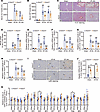 Figure 2
Acer3 ablation attenuates liver I/R injury and increases hepatic CER(d18:1/18:1) in male mice. (A and B) Serum ALT (A) and AST (B) levels in Acer3+/+ and Acer3–/– male mice after sham operation and at 6 hours and 24 hours after I/R (n = 6). (C and D) Representative H&E staining of liver sections, with circled areas indicating necrotic foci (C), and quantification of necrotic area (D) in Acer3+/+ and Acer3–/– male mice after sham operation and at 6 hours and 24 hours after I/R (n = 6). (E–I) Relative mRNA levels of proinflammatory cytokines Il-6 (E) and Tnf-α (F) and neutrophil markers Ly6g (G) and Mpo (H) in liver tissues from Acer3+/+ and Acer3–/– male mice after sham operation and at 6 hours and 24 hours after I/R. Representative Ly6G staining of liver sections, with black arrows indicating inflammatory infiltration after sham operation and at 6 hours and 24 hours after I/R (I) (n = 6). (J and K) CER(d18:1/18:1) levels (J) and relative levels of CERs and CER metabolites (K) in the liver tissues from Acer3+/+ and Acer3–/– male mice after sham operation and 6 hours after I/R (n = 6). Scale bars: 100 μm. Data in A, B, D–H, J, and K are expressed as mean ± SD. Statistical significance was determined using 1-way ANOVA followed by Tukey’s test for multiple comparisons. *P < 0.05; **P < 0.01; ***P < 0.001. ###P < 0.001 for comparisons between sham and I/R (A, B, and D–H).
CER measurements showed that I/R significantly decreased hepatic CER(d18:1/18:1) while increasing CER(d18:1/24:0) and total CER levels in mice (Figure 2, J and K, and Supplemental Figure 4, A–L). In addition to Acer3, I/R upregulated mRNA and protein levels of CER biosynthetic enzymes, including ceramide synthases (e.g., Cers2) and sphingomyelinase (e.g., Smpd3) (Supplemental Figure 4, M–R), indicating that I/R promoted CER production in the mouse liver. ACER3 is known to specifically catalyze the hydrolysis of ULCCs, particularly CER(d18:1/18:1) (24, 30). Accordingly, CER measurements revealed that Acer3 ablation specifically increased CER(d18:1/18:1) and prevented the I/R-induced decrease in CER(d18:1/18:1) (Figure 2, J and K, and Supplemental Figure 4, A–L). Given that Acer3 ablation prevented the I/R-induced decrease in CER(d18:1/18:1) and attenuated liver I/R injury, we examined whether CER(d18:1/18:1) treatment attenuates liver I/R injury in C57BL/6J wild-type mice (Figure 3A). CER(d18:1/18:1) treatment significantly increased the levels of CER(d18:1/18:1) in the liver after I/R (Figure 3, B and C). Similar to Acer3 ablation, CER(d18:1/18:1) treatment alleviated liver I/R injury, demonstrated by lower serum transaminases, reduced necrotic areas, and suppressed inflammation, as shown by lower cytokine expression and reduced neutrophil infiltration at both 6- and 24-hour reperfusion time points (Figure 3, D–L). These results demonstrated that Acer3 ablation increases CER(d18:1/18:1) to attenuate liver I/R injury, suggesting that Acer3-catalyzed CER(d18:1/18:1) hydrolysis plays a pathogenic role in liver I/R injury.
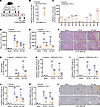 Figure 3
CER(d18:1/18:1) treatment attenuates liver I/R injury. (A) Schematic of the experimental design for CER(d18:1/18:1) treatment in male mice subjected to I/R injury. C57BL/6J wild-type mice were intraperitoneally treated with CER(d18:1/18:1) (5 mg/kg BW, once per day) before and after I/R injury. (B and C) CER(d18:1/18:1) levels (B) and other CER levels (C) in the vehicle- and CER(d18:1/18:1)-treated mice after sham operation and at 6 hours after I/R (n = 3). (D and E) Serum ALT (D) and AST (E) levels in the vehicle- and CER(d18:1/18:1)-treated mice after sham operation and at 6 hours and 24 hours after I/R (n = 6). (F and G) Representative H&E staining of liver sections, with circled areas indicating necrotic foci (F), and quantification of necrotic area (G) in the vehicle- and CER(d18:1/18:1)-treated mice after sham operation and at 6 hours and 24 hours after I/R (n = 6). (H–L) Relative mRNA levels of proinflammatory cytokines Il-6 (H) and Tnf-α (I) and neutrophil markers Ly6g (J) and Mpo (K) in liver tissues from vehicle- and CER(d18:1/18:1)-treated mice after sham operation and at 6 hours and 24 hours after I/R. (L) Representative Ly6G staining of liver sections, with black arrows indicating inflammatory infiltration after sham operation and at 6 hours and 24 hours after I/R (n = 5). Scale bars: 100 μm. Data in B–E and G–K are expressed as mean ± SD. Statistical significance was determined using 2-tailed Student’s t test (B and C) or 1-way ANOVA followed by Tukey’s test for multiple comparisons (D–E and G–K). *P < 0.05; **P < 0.01; ***P < 0.001. #P < 0.05, ###P < 0.001 for comparisons between sham and I/R (D, E, and G–K).
CER(d18:1/18:1) interacts with RC-I subunit Ndufa6 in MT in the liver with I/R injury. To dissect the molecular mechanism by which CER(d18:1/18:1) alleviates liver I/R injury, we performed surface plasmon resonance (SPR) with 3D carbene chips, proteomics, and in silico protein-lipid docking to identify proteins interacting with CER(d18:1/18:1) in the liver with I/R injury (Figure 4A) (31, 32). CER(d18:1/18:1) was immobilized on the 3D carbene chip to capture binding proteins extracted from the livers of Acer3–/– mice with I/R injury. SPR detected significant signals reflecting the interactions between captured proteins and the immobilized CER(d18:1/18:1) (Figure 4B). The captured proteins were then identified by proteomics (Supplemental Table 3), and docking analysis revealed that Ndufa6 had the highest predicted binding affinity for CER(d18:1/18:1) (Figure 4C). NDUFA6 features a hydrophobic crevice between its helices that interacts with acyl chains (9, 33). To further validate the interaction of CER(d18:1/18:1)-NDUFA6, we modeled the CER(d18:1/18:1)-NDUFA6 complex virtually. The model revealed similar structures and strong binding affinities for the CER(d18:1/18:1)-NDUFA6 interaction in both mice (Supplemental Figure 5, A and B) and humans (Figure 4, D and E), showing that the fatty acyl chain or the SPH backbone of CER(d18:1/18:1) inserted into the hydrophobic crevice of NDUFA6 (Figure 4F and Supplemental Figure 5C), interacting with NDUFA6 through carbon-hydrogen bonds, van der Waals, and alkyl interactions (Figure 4E and Supplemental Figure 5, B and D). Next, we precipitated the FLAG-tagged NDUFA6 overexpressed in HepG2 cells treated with CER(d18:1/18:1) in a detergent-free manner and measured CER levels in the precipitated NDUFA6 protein. CER(d18:1/18:1) treatment increased CER(d18:1/18:1) levels in HepG2 cells without affecting the protein levels of NDUFA6 (Figure 4, G–I). CER(d18:1/18:1) and CER(d18:1/22:1) were detected in precipitated NDUFA6, with CER(d18:1/18:1) significantly increasing upon treatment with CER(d18:1/18:1) (Figure 4, J and K). By in silico analysis of affinities between NDUFA6 and other CERs, we found that unsaturated CERs had higher predicted affinities for NDUFA6 than saturated CERs, with ULCCs in particular exhibiting the highest affinities (Supplemental Figure 5E). Functional protein association network analysis using the STRING online tool (https://cn.string-db.org/) revealed that proteins Atp5j, Cox6c, and Uqcrfs1, captured alongside Ndufa6 on the CER(d18:1/18:1)-immobilized chip, are functionally associated and involved in oxidative phosphorylation and electron transport chain pathways (Supplemental Figure 5, F and G), suggesting the CER(d18:1/18:1)-NDUFA6 interaction potentially regulates these pathways to affect liver I/R injury.
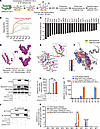 Figure 4
CER(d18:1/18:1) interacts with RC-I subunit NDUFA6. (A) Schematic of the experimental workflow for identifying CER(d18:1/18:1)-binding proteins using 3D carbene chip SPR, proteomics, and protein-lipid docking analysis with AutoDock Vina (see Supplemental Methods). (B) SPR analysis showing the binding response of CER(d18:1/18:1)-binding proteins in positive protein samples, inactive protein control, and chip control. (C) Predicted binding energy of CER(d18:1/18:1) with captured proteins, highlighting the highest binding affinity for Ndufa6. (D–F) Model of the CER(d18:1/18:1)–human NDUFA6 complex (D), interaction details (E), and hydrophobicity analysis (F). vdW, van der Waals; es, electrostatic. (G) Immunoblot analysis showing the overexpression of FLAG-tagged NDUFA6 in HepG2 cells treated with CER(d18:1/18:1). (H and I) Levels of CER(d18:1/18:1) (H) and other CER species in HepG2 cells overexpressing NDUFA6-FLAG (I). (J and K) Immunoprecipitation of FLAG-tagged NDUFA6 in HepG2 cells (J) and levels of CER(d18:1/18:1) in immunoprecipitated NDUFA6 protein from HepG2 cells (K). Images in G–K represent the results of 3 independent experiments. Data in H, I, and K are expressed as mean ± SD. Statistical significance was determined using 1-way ANOVA followed by Tukey’s test for multiple comparisons. ***P < 0.001.
Acer3 ablation increases mitochondrial CER(d18:1/18:1) to inhibit RC-I activity in I/R-injured liver. NDUFA6 is a critical subunit of RC-I in MT (9, 33). ACER3 is a Golgi and ER protein (24). MT-associated ER membranes (MAMs) are known to transfer lipids between the ER and MT (23, 34). To confirm that ACER3 is capable of regulating the CER(d18:1/18:1)-NDUFA6 interaction in MT, we first determined whether ACER3 likely regulates the CER(d18:1/18:1) levels in MT via lipid transfer from the ER through MAMs (Figure 5A). Isolation and purification of these fractions from mouse liver were confirmed by immunoblotting of corresponding markers (Figure 5B). Notably, we observed that Acer3 protein was expressed in the ER and MAM fractions (Figure 5B). CER measurement demonstrated that I/R significantly increased the levels of total CER, SPH, and/or S1P in the ER and MAMs (Figure 5, C–E), while decreasing total CER levels in the MT of the mouse liver (Supplemental Figure 6). I/R also decreased the levels of CER(d18:1/18:1) in the liver ER, MAMs, and MT in Acer3+/+ mice (Figure 5, C–E). In contrast, Acer3 ablation specifically increased CER(d18:1/18:1) levels in the ER and MT under basal conditions and I/R conditions (Supplemental Figure 6, A–D). Interestingly, Acer3 ablation increased most CER species and SPH in MAMs under normal and I/R conditions (Supplemental Figure 6, E and F). Intraperitoneal administration of CER(d18:1/18:1) also increased CER(d18:1/18:1) levels in MT without significantly affecting other CER species, SPH, or S1P (Figure 5F and Supplemental Figure 6, G and H). These findings suggested that ACER3 catalyzes the degradation of CER(d18:1/18:1) within both the ER and MAMs, thereby regulating its levels in these compartments. This modulation of CER(d18:1/18:1) content in the ER and MAMs may, in turn, influence CER(d18:1/18:1) transport from the ER to MT via the MAMs.
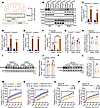 Figure 5
Acer3 ablation and CER(d18:1/18:1) treatment inhibit RC-I activity in the liver with I/R injury. (A) Schematic of the experimental design showing the location of Acer3 and CER measurement in ER, MAM, and MT fractions in liver tissues. (B) Immunoblot analysis confirming the isolation and purification of ER, MAM, and MT fractions using specific MAM marker FACL4, ER marker CALR, nuclear marker PCNA, and MT markers VDAC and CYC. The protein levels of Acer3 were measured in these fractions. (C–E) CER(d18:1/18:1) levels in the ER (C), MT (D), and MAMs (E) from liver tissues of Acer3+/+ and Acer3–/– mice after sham operation and at 6 hours after I/R (n = 3). (F) CER(d18:1/18:1) levels in MT from mice treated with vehicle or CER(d18:1/18:1) after sham operation and at 6 hours after I/R (n = 3). (G–L) Ndufa6 expression in liver tissues from Acer3+/+ and Acer3–/– mice and vehicle- and CER(d18:1/18:1)-treated mice after sham operation and at 6 hours after I/R (n = 5). (G and H) Relative mRNA levels of Ndufa6 in liver tissues. (I and K) Immunoblot analysis of Ndufa6 protein levels and (J and L) quantification of Ndufa6 protein levels in liver tissues. (M–P) RC-I activity in liver tissues from Acer3+/+ and Acer3–/– mice (M) and vehicle- and CER(d18:1/18:1)-treated mice (N) after sham operation and at 6 hours after I/R (n = 4). RC-I activity in mouse (O) and human MT (P) treated with different concentrations of CER(d18:1/18:1) (n = 3). Images in B represent the results of 3 independent experiments. Data in C–H, J, L, and M–P are expressed as mean ± SD. Statistical significance was determined using 2-tailed Student’s t test (L) or 1-way ANOVA followed by Tukey’s test for multiple comparisons (C–H, J and M–P). *P < 0.05; ***P < 0.001.
To further explore the consequence of this interaction, we assessed whether Acer3 ablation or CER(d18:1/18:1) administration affects Ndufa6 expression in I/R-injured liver. We found no changes in mRNA and protein levels of Ndufa6 following Acer3 ablation or CER(d18:1/18:1) administration (Figure 5, G–L). Given that Ndufa6 is a subunit of RC-I that is essential for maintaining the activity of RC-I (9, 33), we examined the impact of Acer3 ablation and CER(d18:1/18:1) administration on RC-I activity. Both Acer3 ablation and CER(d18:1/18:1) administration significantly suppressed RC-I activity in the normal and I/R-injured livers (Figure 5, M and N). Furthermore, CER(d18:1/18:1) treatment directly suppressed RC-I activity in MT isolated from mouse liver and HepG2 cells (Figure 5, O and P). These findings demonstrated that ACER3 regulates RC-I activity by controlling CER(d18:1/18:1) levels, which interact with NDUFA6 in RC-I.
Acer3 ablation increases CER(d18:1/18:1) to reduce oxidative stress by promoting CER(d18:1/18:1)-Ndufa6 interaction in I/R-injured liver I/R. RC-I critically regulates oxidative stress through ROS production (5). Since Acer3 ablation increased CER(d18:1/18:1) and inhibited RC-I activity, we investigated its impact on oxidative stress in I/R-injured liver at the 6-hour perfusion time point. Utilizing dihydroethidium (DHE), MitoSOX, and hydrogen peroxide to measure ROS, we found that Acer3 ablation significantly reduced I/R-induced ROS production in the mouse liver (Figure 6, A–D). Similarly, ROS production was decreased in the liver of CER(d18:1/18:1)-treated mice following I/R injury (Figure 6, E–H). Moreover, transmission electron microscopy (TEM) examination demonstrated that Acer3 ablation and CER(d18:1/18:1) treatment attenuated the I/R-induced mitochondrial swelling and MT damage in mouse liver (Figure 6, I–L). These findings confirmed that Acer3 ablation increases CER(d18:1/18:1) to prevent ROS production and MT damage in I/R-injured liver.
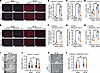 Figure 6
Acer3 ablation and CER(d18:1/18:1) treatment reduce ROS production and alleviate MT damage in liver I/R injury. (A) Representative images of DHE and MitoSOX staining in liver sections from Acer3+/+ and Acer3–/– mice after sham operation and 6 hours after I/R (n = 5). (B and C) Quantification of DHE staining density (B) and MitoSOX staining density (C) in liver sections from Acer3+/+ and Acer3–/– mice after sham operation and at 6 hours after I/R (n = 5). (D) Levels of H2O2 in liver tissues from Acer3+/+ and Acer3–/– mice after sham operation and at 6 hours after I/R (n = 5). (E) Representative images of DHE and MitoSOX staining in liver sections from the vehicle- and CER(d18:1/18:1)-treated mice after sham operation and at 6 hours after I/R (n = 5). Scale bars: 50 μm (A and E). (F and G) Quantification of DHE staining density (F) and MitoSOX staining density (G) in liver sections from the vehicle- and CER(d18:1/18:1)-treated mice after sham operation and at 6 hours after I/R (n = 5). (H) Levels of H2O2 in liver tissues from the vehicle- and CER(d18:1/18:1)-treated mice after sham operation and at 6 hours after I/R (n = 5). (I–L) Representative TEM images and quantification of mitochondrial size in liver tissues from Acer3+/+ and Acer3–/– mice (I and J) and vehicle- and CER(d18:1/18:1)-treated mice (K and L) after sham operation and at 6 hours after I/R (n = 5). Original magnification, ×15,000 (I and K). Data in B–D, F–H, J, and L are expressed as mean ± SD. Statistical significance was determined using 1-way ANOVA followed by Tukey’s test for multiple comparisons. *P < 0.05; **P < 0.01; ***P < 0.001.
To define the role of NDUFA6 in mediating the protective effects of CER(d18:1/18:1) against I/R-induced liver injury, we knocked down Ndufa6 (Figure 7, A–E) and tested whether Ndufa6 knockdown impaired the protective effects of Acer3 ablation and CER(d18:1/18:1) treatment against liver I/R injury. Ndufa6 knockdown significantly exaggerated liver I/R injury in Acer3–/– and CER(d18:1/18:1)-treated mice, indicated by higher serum transaminase levels, larger liver necrotic areas, and aggravated liver inflammatory response with higher inflammatory cytokine expression and increased neutrophil infiltration in Ndufa6-knockdown mice compared with the control mice after I/R (Figure 7, F–O). Next, we investigated the impacts of Ndufa6 knockdown on ROS production. Detection of ROS content revealed that Ndufa6 knockdown significantly increased ROS production in the liver after hepatic I/R (Figure 7, P–V), confirming that Ndufa6 knockdown reduced the protective effects of Acer3 ablation and CER(d18:1/18:1) treatment on suppressing the I/R-induced ROS production. These data indicated that Ndufa6 is essential for Acer3 ablation and CER(d18:1/18:1) to protect the liver against liver I/R injury through suppressing oxidative-stress-driven pathogenesis.
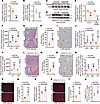 Figure 7
Ndufa6 knockdown impairs the protective functions of Acer3 ablation and CER(d18:1/18:1) treatment against liver I/R injury. (A–E) Ndufa6 expression in liver tissues from shCON- and shNdufa6-AAV–transfected Acer3–/– mice and CER(d18:1/18:1)-treated mice after sham operation and at 24 hours after I/R (n = 5). (A and B) Relative mRNA levels and immunoblot analysis of Ndufa6. (C and D) Immunoblot analysis of Ndufa6 protein levels and (E) quantification of Ndufa6 protein levels. (F–J) Pathological evaluation in shCON- and shNdufa6-AAV–transfected Acer3–/– mice after sham operation and at 24 hours after I/R (n = 5). (F) The levels of serum transaminases. Representative H&E staining of liver sections, with circled areas indicating necrotic foci (G), and quantification of necrotic area (H). Representative Ly6G staining, with black arrows indicating inflammatory infiltration (I) and relative mRNA levels of inflammatory markers (Ly6g, Mpo, and Il-6) (J). (K–O) Pathological evaluation in shCON- and shNdufa6-AAV–transfected C57BL/6J wild-type mice with CER(d18:1/18:1) treatment after sham operation and at 24 hours after I/R (n = 5). (K) The levels of serum transaminases. Representative H&E staining of liver sections, with circled areas indicating necrotic foci (L), and quantification of necrotic area (M). Representative Ly6G staining with black arrows indicating inflammatory infiltration (N), and relative mRNA levels of inflammatory markers (Ly6g, Mpo, and Il-6) (O). (P–V) ROS evaluation in liver tissues from shCON- and shNdufa6-AAV-transfected Acer3–/– mice and CER(d18:1/18:1)-treated mice after sham operation and at 6 hours after I/R. Representative DHE staining (P and T), quantification of DHE staining density (R and U), and the levels of H2O2 (S and V). Scale bars: 100 μm (G, I, L, and N) and 50 μm (P and S). Data in A, B, E, F, H, J, K, M, O, R, S, U, and V are expressed as mean ± SD. Statistical significance was determined using 2-tailed Student’s t test. *P < 0.05, **P < 0.01, ***P < 0.001.


