
Research ArticleHematologyOncology
Open Access |  10.1172/jci.insight.184280
SF3B1 mutation accelerates the development of CLL via activation of the mTOR pathway
Bo Zhang,1,2 Prajish Iyer,1 Meiling Jin,1 Elisa Ten Hacken,3 Zachary J. Cartun,3 Kevyn L. Hart,1 Mike Fernandez,1 Kristen Stevenson,4 Laura Rassenti,5 Emanuela M. Ghia,5 Thomas J. Kipps,5 Donna Neuberg,4 Ruben Carrasco,3 Wing C. Chan,6,7 Joo Y. Song,6,7 Yu Hu,2 Catherine J. Wu,3 and Lili Wang1,7
1Department of Systems Biology, Beckman Research Institute, City of Hope Comprehensive Cancer Center, Monrovia, California, USA.
2Institute of Hematology, Union Hospital, Tongji Medical College, Huazhong University of Science and Technology, Wuhan, China.
3Department of Medical Oncology and
4Department of Data Science, Dana-Farber Cancer Institute, Boston, Massachusetts, USA.
5Moores Cancer Center, University of California San Diego Health, La Jolla, California, USA.
6Department of Hematology & Hematopoietic Cell Transplantation and
7Toni Stephenson Lymphoma Center, Beckman Research Institute, City of Hope Comprehensive Cancer Center, Duarte, California, USA.
Address correspondence to: Lili Wang, 1218 S. 5th Ave., Monrovia, California 91016, USA. Phone: 626.218.8016; Email: lilwang@coh.org.
Authorship note: BZ, PI, MJ, and ETH contributed equally to this work.
Find articles by Zhang, B. in: PubMed | Google Scholar
1Department of Systems Biology, Beckman Research Institute, City of Hope Comprehensive Cancer Center, Monrovia, California, USA.
2Institute of Hematology, Union Hospital, Tongji Medical College, Huazhong University of Science and Technology, Wuhan, China.
3Department of Medical Oncology and
4Department of Data Science, Dana-Farber Cancer Institute, Boston, Massachusetts, USA.
5Moores Cancer Center, University of California San Diego Health, La Jolla, California, USA.
6Department of Hematology & Hematopoietic Cell Transplantation and
7Toni Stephenson Lymphoma Center, Beckman Research Institute, City of Hope Comprehensive Cancer Center, Duarte, California, USA.
Address correspondence to: Lili Wang, 1218 S. 5th Ave., Monrovia, California 91016, USA. Phone: 626.218.8016; Email: lilwang@coh.org.
Authorship note: BZ, PI, MJ, and ETH contributed equally to this work.
Find articles by Iyer, P. in: PubMed | Google Scholar
1Department of Systems Biology, Beckman Research Institute, City of Hope Comprehensive Cancer Center, Monrovia, California, USA.
2Institute of Hematology, Union Hospital, Tongji Medical College, Huazhong University of Science and Technology, Wuhan, China.
3Department of Medical Oncology and
4Department of Data Science, Dana-Farber Cancer Institute, Boston, Massachusetts, USA.
5Moores Cancer Center, University of California San Diego Health, La Jolla, California, USA.
6Department of Hematology & Hematopoietic Cell Transplantation and
7Toni Stephenson Lymphoma Center, Beckman Research Institute, City of Hope Comprehensive Cancer Center, Duarte, California, USA.
Address correspondence to: Lili Wang, 1218 S. 5th Ave., Monrovia, California 91016, USA. Phone: 626.218.8016; Email: lilwang@coh.org.
Authorship note: BZ, PI, MJ, and ETH contributed equally to this work.
Find articles by Jin, M. in: PubMed | Google Scholar
1Department of Systems Biology, Beckman Research Institute, City of Hope Comprehensive Cancer Center, Monrovia, California, USA.
2Institute of Hematology, Union Hospital, Tongji Medical College, Huazhong University of Science and Technology, Wuhan, China.
3Department of Medical Oncology and
4Department of Data Science, Dana-Farber Cancer Institute, Boston, Massachusetts, USA.
5Moores Cancer Center, University of California San Diego Health, La Jolla, California, USA.
6Department of Hematology & Hematopoietic Cell Transplantation and
7Toni Stephenson Lymphoma Center, Beckman Research Institute, City of Hope Comprehensive Cancer Center, Duarte, California, USA.
Address correspondence to: Lili Wang, 1218 S. 5th Ave., Monrovia, California 91016, USA. Phone: 626.218.8016; Email: lilwang@coh.org.
Authorship note: BZ, PI, MJ, and ETH contributed equally to this work.
Find articles by Hacken, E. in: PubMed | Google Scholar
1Department of Systems Biology, Beckman Research Institute, City of Hope Comprehensive Cancer Center, Monrovia, California, USA.
2Institute of Hematology, Union Hospital, Tongji Medical College, Huazhong University of Science and Technology, Wuhan, China.
3Department of Medical Oncology and
4Department of Data Science, Dana-Farber Cancer Institute, Boston, Massachusetts, USA.
5Moores Cancer Center, University of California San Diego Health, La Jolla, California, USA.
6Department of Hematology & Hematopoietic Cell Transplantation and
7Toni Stephenson Lymphoma Center, Beckman Research Institute, City of Hope Comprehensive Cancer Center, Duarte, California, USA.
Address correspondence to: Lili Wang, 1218 S. 5th Ave., Monrovia, California 91016, USA. Phone: 626.218.8016; Email: lilwang@coh.org.
Authorship note: BZ, PI, MJ, and ETH contributed equally to this work.
Find articles by Cartun, Z. in: PubMed | Google Scholar
1Department of Systems Biology, Beckman Research Institute, City of Hope Comprehensive Cancer Center, Monrovia, California, USA.
2Institute of Hematology, Union Hospital, Tongji Medical College, Huazhong University of Science and Technology, Wuhan, China.
3Department of Medical Oncology and
4Department of Data Science, Dana-Farber Cancer Institute, Boston, Massachusetts, USA.
5Moores Cancer Center, University of California San Diego Health, La Jolla, California, USA.
6Department of Hematology & Hematopoietic Cell Transplantation and
7Toni Stephenson Lymphoma Center, Beckman Research Institute, City of Hope Comprehensive Cancer Center, Duarte, California, USA.
Address correspondence to: Lili Wang, 1218 S. 5th Ave., Monrovia, California 91016, USA. Phone: 626.218.8016; Email: lilwang@coh.org.
Authorship note: BZ, PI, MJ, and ETH contributed equally to this work.
Find articles by Hart, K. in: PubMed | Google Scholar
1Department of Systems Biology, Beckman Research Institute, City of Hope Comprehensive Cancer Center, Monrovia, California, USA.
2Institute of Hematology, Union Hospital, Tongji Medical College, Huazhong University of Science and Technology, Wuhan, China.
3Department of Medical Oncology and
4Department of Data Science, Dana-Farber Cancer Institute, Boston, Massachusetts, USA.
5Moores Cancer Center, University of California San Diego Health, La Jolla, California, USA.
6Department of Hematology & Hematopoietic Cell Transplantation and
7Toni Stephenson Lymphoma Center, Beckman Research Institute, City of Hope Comprehensive Cancer Center, Duarte, California, USA.
Address correspondence to: Lili Wang, 1218 S. 5th Ave., Monrovia, California 91016, USA. Phone: 626.218.8016; Email: lilwang@coh.org.
Authorship note: BZ, PI, MJ, and ETH contributed equally to this work.
Find articles by
Fernandez, M.
in:
PubMed
|
Google Scholar
|

1Department of Systems Biology, Beckman Research Institute, City of Hope Comprehensive Cancer Center, Monrovia, California, USA.
2Institute of Hematology, Union Hospital, Tongji Medical College, Huazhong University of Science and Technology, Wuhan, China.
3Department of Medical Oncology and
4Department of Data Science, Dana-Farber Cancer Institute, Boston, Massachusetts, USA.
5Moores Cancer Center, University of California San Diego Health, La Jolla, California, USA.
6Department of Hematology & Hematopoietic Cell Transplantation and
7Toni Stephenson Lymphoma Center, Beckman Research Institute, City of Hope Comprehensive Cancer Center, Duarte, California, USA.
Address correspondence to: Lili Wang, 1218 S. 5th Ave., Monrovia, California 91016, USA. Phone: 626.218.8016; Email: lilwang@coh.org.
Authorship note: BZ, PI, MJ, and ETH contributed equally to this work.
Find articles by Stevenson, K. in: PubMed | Google Scholar
1Department of Systems Biology, Beckman Research Institute, City of Hope Comprehensive Cancer Center, Monrovia, California, USA.
2Institute of Hematology, Union Hospital, Tongji Medical College, Huazhong University of Science and Technology, Wuhan, China.
3Department of Medical Oncology and
4Department of Data Science, Dana-Farber Cancer Institute, Boston, Massachusetts, USA.
5Moores Cancer Center, University of California San Diego Health, La Jolla, California, USA.
6Department of Hematology & Hematopoietic Cell Transplantation and
7Toni Stephenson Lymphoma Center, Beckman Research Institute, City of Hope Comprehensive Cancer Center, Duarte, California, USA.
Address correspondence to: Lili Wang, 1218 S. 5th Ave., Monrovia, California 91016, USA. Phone: 626.218.8016; Email: lilwang@coh.org.
Authorship note: BZ, PI, MJ, and ETH contributed equally to this work.
Find articles by Rassenti, L. in: PubMed | Google Scholar
1Department of Systems Biology, Beckman Research Institute, City of Hope Comprehensive Cancer Center, Monrovia, California, USA.
2Institute of Hematology, Union Hospital, Tongji Medical College, Huazhong University of Science and Technology, Wuhan, China.
3Department of Medical Oncology and
4Department of Data Science, Dana-Farber Cancer Institute, Boston, Massachusetts, USA.
5Moores Cancer Center, University of California San Diego Health, La Jolla, California, USA.
6Department of Hematology & Hematopoietic Cell Transplantation and
7Toni Stephenson Lymphoma Center, Beckman Research Institute, City of Hope Comprehensive Cancer Center, Duarte, California, USA.
Address correspondence to: Lili Wang, 1218 S. 5th Ave., Monrovia, California 91016, USA. Phone: 626.218.8016; Email: lilwang@coh.org.
Authorship note: BZ, PI, MJ, and ETH contributed equally to this work.
Find articles by
Ghia, E.
in:
PubMed
|
Google Scholar
|
1Department of Systems Biology, Beckman Research Institute, City of Hope Comprehensive Cancer Center, Monrovia, California, USA.
2Institute of Hematology, Union Hospital, Tongji Medical College, Huazhong University of Science and Technology, Wuhan, China.
3Department of Medical Oncology and
4Department of Data Science, Dana-Farber Cancer Institute, Boston, Massachusetts, USA.
5Moores Cancer Center, University of California San Diego Health, La Jolla, California, USA.
6Department of Hematology & Hematopoietic Cell Transplantation and
7Toni Stephenson Lymphoma Center, Beckman Research Institute, City of Hope Comprehensive Cancer Center, Duarte, California, USA.
Address correspondence to: Lili Wang, 1218 S. 5th Ave., Monrovia, California 91016, USA. Phone: 626.218.8016; Email: lilwang@coh.org.
Authorship note: BZ, PI, MJ, and ETH contributed equally to this work.
Find articles by Kipps, T. in: PubMed | Google Scholar
1Department of Systems Biology, Beckman Research Institute, City of Hope Comprehensive Cancer Center, Monrovia, California, USA.
2Institute of Hematology, Union Hospital, Tongji Medical College, Huazhong University of Science and Technology, Wuhan, China.
3Department of Medical Oncology and
4Department of Data Science, Dana-Farber Cancer Institute, Boston, Massachusetts, USA.
5Moores Cancer Center, University of California San Diego Health, La Jolla, California, USA.
6Department of Hematology & Hematopoietic Cell Transplantation and
7Toni Stephenson Lymphoma Center, Beckman Research Institute, City of Hope Comprehensive Cancer Center, Duarte, California, USA.
Address correspondence to: Lili Wang, 1218 S. 5th Ave., Monrovia, California 91016, USA. Phone: 626.218.8016; Email: lilwang@coh.org.
Authorship note: BZ, PI, MJ, and ETH contributed equally to this work.
Find articles by
Neuberg, D.
in:
PubMed
|
Google Scholar
|
1Department of Systems Biology, Beckman Research Institute, City of Hope Comprehensive Cancer Center, Monrovia, California, USA.
2Institute of Hematology, Union Hospital, Tongji Medical College, Huazhong University of Science and Technology, Wuhan, China.
3Department of Medical Oncology and
4Department of Data Science, Dana-Farber Cancer Institute, Boston, Massachusetts, USA.
5Moores Cancer Center, University of California San Diego Health, La Jolla, California, USA.
6Department of Hematology & Hematopoietic Cell Transplantation and
7Toni Stephenson Lymphoma Center, Beckman Research Institute, City of Hope Comprehensive Cancer Center, Duarte, California, USA.
Address correspondence to: Lili Wang, 1218 S. 5th Ave., Monrovia, California 91016, USA. Phone: 626.218.8016; Email: lilwang@coh.org.
Authorship note: BZ, PI, MJ, and ETH contributed equally to this work.
Find articles by Carrasco, R. in: PubMed | Google Scholar
1Department of Systems Biology, Beckman Research Institute, City of Hope Comprehensive Cancer Center, Monrovia, California, USA.
2Institute of Hematology, Union Hospital, Tongji Medical College, Huazhong University of Science and Technology, Wuhan, China.
3Department of Medical Oncology and
4Department of Data Science, Dana-Farber Cancer Institute, Boston, Massachusetts, USA.
5Moores Cancer Center, University of California San Diego Health, La Jolla, California, USA.
6Department of Hematology & Hematopoietic Cell Transplantation and
7Toni Stephenson Lymphoma Center, Beckman Research Institute, City of Hope Comprehensive Cancer Center, Duarte, California, USA.
Address correspondence to: Lili Wang, 1218 S. 5th Ave., Monrovia, California 91016, USA. Phone: 626.218.8016; Email: lilwang@coh.org.
Authorship note: BZ, PI, MJ, and ETH contributed equally to this work.
Find articles by Chan, W. in: PubMed | Google Scholar
1Department of Systems Biology, Beckman Research Institute, City of Hope Comprehensive Cancer Center, Monrovia, California, USA.
2Institute of Hematology, Union Hospital, Tongji Medical College, Huazhong University of Science and Technology, Wuhan, China.
3Department of Medical Oncology and
4Department of Data Science, Dana-Farber Cancer Institute, Boston, Massachusetts, USA.
5Moores Cancer Center, University of California San Diego Health, La Jolla, California, USA.
6Department of Hematology & Hematopoietic Cell Transplantation and
7Toni Stephenson Lymphoma Center, Beckman Research Institute, City of Hope Comprehensive Cancer Center, Duarte, California, USA.
Address correspondence to: Lili Wang, 1218 S. 5th Ave., Monrovia, California 91016, USA. Phone: 626.218.8016; Email: lilwang@coh.org.
Authorship note: BZ, PI, MJ, and ETH contributed equally to this work.
Find articles by Song, J. in: PubMed | Google Scholar
1Department of Systems Biology, Beckman Research Institute, City of Hope Comprehensive Cancer Center, Monrovia, California, USA.
2Institute of Hematology, Union Hospital, Tongji Medical College, Huazhong University of Science and Technology, Wuhan, China.
3Department of Medical Oncology and
4Department of Data Science, Dana-Farber Cancer Institute, Boston, Massachusetts, USA.
5Moores Cancer Center, University of California San Diego Health, La Jolla, California, USA.
6Department of Hematology & Hematopoietic Cell Transplantation and
7Toni Stephenson Lymphoma Center, Beckman Research Institute, City of Hope Comprehensive Cancer Center, Duarte, California, USA.
Address correspondence to: Lili Wang, 1218 S. 5th Ave., Monrovia, California 91016, USA. Phone: 626.218.8016; Email: lilwang@coh.org.
Authorship note: BZ, PI, MJ, and ETH contributed equally to this work.
Find articles by Hu, Y. in: PubMed | Google Scholar
1Department of Systems Biology, Beckman Research Institute, City of Hope Comprehensive Cancer Center, Monrovia, California, USA.
2Institute of Hematology, Union Hospital, Tongji Medical College, Huazhong University of Science and Technology, Wuhan, China.
3Department of Medical Oncology and
4Department of Data Science, Dana-Farber Cancer Institute, Boston, Massachusetts, USA.
5Moores Cancer Center, University of California San Diego Health, La Jolla, California, USA.
6Department of Hematology & Hematopoietic Cell Transplantation and
7Toni Stephenson Lymphoma Center, Beckman Research Institute, City of Hope Comprehensive Cancer Center, Duarte, California, USA.
Address correspondence to: Lili Wang, 1218 S. 5th Ave., Monrovia, California 91016, USA. Phone: 626.218.8016; Email: lilwang@coh.org.
Authorship note: BZ, PI, MJ, and ETH contributed equally to this work.
Find articles by Wu, C. in: PubMed | Google Scholar
1Department of Systems Biology, Beckman Research Institute, City of Hope Comprehensive Cancer Center, Monrovia, California, USA.
2Institute of Hematology, Union Hospital, Tongji Medical College, Huazhong University of Science and Technology, Wuhan, China.
3Department of Medical Oncology and
4Department of Data Science, Dana-Farber Cancer Institute, Boston, Massachusetts, USA.
5Moores Cancer Center, University of California San Diego Health, La Jolla, California, USA.
6Department of Hematology & Hematopoietic Cell Transplantation and
7Toni Stephenson Lymphoma Center, Beckman Research Institute, City of Hope Comprehensive Cancer Center, Duarte, California, USA.
Address correspondence to: Lili Wang, 1218 S. 5th Ave., Monrovia, California 91016, USA. Phone: 626.218.8016; Email: lilwang@coh.org.
Authorship note: BZ, PI, MJ, and ETH contributed equally to this work.
Find articles by Wang, L. in: PubMed | Google Scholar
Published July 22, 2025 - More info
JCI Insight. 2025;10(17):e184280. https://doi.org/10.1172/jci.insight.184280.
© 2025 Zhang et al. This work is licensed under the Creative Commons Attribution 4.0 International License. To view a copy of this license, visit http://creativecommons.org/licenses/by/4.0/.
Received: July 2, 2024; Accepted: July 16, 2025

-
Results
Coexpression of Sf3b1-K700E with del(13q) in B cells accelerates the onset of CLL in vivo. A recent comprehensive survey of CLL genomics data from more than 1,000 patients (https://cllmap.org/) confirmed SF3B1 as one of the most recurrently mutated genes in CLL (184 of 1,009, 18.2%) (23). Remarkably, 51% of SF3B1 mutations co-occurred with del(13q), one of the most common chromosomal abnormalities in CLL (23). SF3B1 mutations were associated with a significantly shorter time to first therapy, independent of del(13q) status: SF3B1 mut/del(13q) versus SF3B1 wt/no del, P < 0.0001; SF3B1 mut/del(13q) versus SF3B1 wt/del(13q), P < 0.0001; SF3B1 mut/del(13q) versus SF3B1 mut/no del(13q), P = 0.89 (Figure 1A). However, the co-occurrence of SF3B1 mutation and del(13q) was associated with significantly inferior overall survival compared with patients with SF3B1 mutation alone, del(13q) alone, or null for both lesions: SF3B1 mut/del(13q) versus SF3B1 wt/no del, P = 0.0002; SF3B1 mut/del(13q) versus SF3B1 wt/del(13q), P = 0.0002; SF3B1 mut/del(13q) versus SF3B1 mut/no del(13q), P = 0.032 (Figure 1A). These findings suggest that co-occurring SF3B1 mutation with del(13q) defines a more aggressive CLL subtype with poor survival.
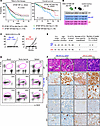 Figure 1
Coexpression of Sf3b1-K700E and del(13q) in murine B cells leads to aggressive CLL. (A) SF3B1 mutations and del(13q) are associated with shorter time to therapy and inferior overall survival in CLL. Log-rank test, P < 0.001. MT, mutant; WT, wild-type. (B) Mouse crossing strategy and genotype used in the current study. (C) The change curve of CLL-like cell (B220+CD5+) percentage within the lymphocyte population from peripheral blood cells from Mdr MT and DM mouse groups. X axis time units are 12, 15, 18, and 24 months. Y axis units are %B220+CD5+ cells. (D) Flow cytometry data identified B220+CD5+ cells in blood, spleen, and bone marrow derived from WT, Mdr mutant CLL, and DM mutant CLL mice (E) Summary of Mdr MT and DM cohort and engraftment in NSG mice. Table showing (left to right): time to CLL onset (months), age at sacrifice (months), percentage of circulating B220+CD5+ cells at sacrifice, number of donor mice used for transplantation, and time to first detection of circulating B220+CD5+ cells in NSG recipients (weeks). Detection in recipients was defined as >5% B220+CD5+ cells in PB by flow cytometry. (F) Immunohistochemical staining of PAX5, CD5, MYC, and Ki67 along with H&E on sections of spleen derived from Mdr MT CLL and DM CLL. Black scale bars on 40× and 100× indicate 20 mm and 10 mm, respectively.
To determine the impact of SF3B1 mutations in CLL with del(13q), we leveraged 2 murine models that allow conditional deletion of a minimal deleted region of chromosome 13q (Mdr) (22) or expression of Sf3b1-K700E (21) in B cells. A double-mutant (DM) mouse line was generated by crossing mice with an allele of Sf3b1-K700E and mice with a floxed (fl/fl) allele of Mdr. Then, we established a cohort of mice with B cell–specific Mdr deletion with (DM Mdr-Sf3b1 MT) or without (Mdr MT) heterozygous Sf3b1-K700E by breeding the offspring with Cd19-Cre/Cre mice. For comparison, mice with Cd19-Cre/+ were included as WT controls (Figure 1B).
Mdr MT mice have been reported to exhibit low-penetrance CLL (22). To investigate whether the coexpression of Sf3b1 mutation accelerates CLL in Mdr MT mice, we monitored the onset of CLL in 3 mouse cohorts, namely mice having B cell–specific homozygous or heterozygous deletion of Mdr with (DM, n = 25) or without (Mdr MT, n = 27) heterozygous Sf3b1-K700E, or lacking 2 lesions (WT, n = 30). We examined the appearance of typical B220+CD5+ CLL-like cells in the peripheral blood cells using flow cytometry every 3 months starting from 6 months of age up to 24 months. From 16 months onward, circulating CLL-like cells were found in 6 DM (24%) and 2 Mdr MT (7%) mice, with the circulating CLL burdens ranging between 20% and 60%, while no such cells were present in any WT mice (Figure 1C). Enlargement of multiple mesenteric lymph nodes was observed in 2 DM CLL mice but no Mdr MT CLL mice (Supplemental Figure 1A; supplemental material available online with this article; https://doi.org/10.1172/jci.insight.184280DS1).
Flow cytometry analysis and immunohistochemistry (IHC) verified the infiltration of B220+CD5+ CLL-like cells in the spleen, bone marrow, and liver (Figure 1D and Supplemental Figure 1B). CLL-like cells derived from DM or Mdr MT mice were further engrafted into NOD/SCID-γ (NSG) mice to determine their transplantability (Figure 1E and Supplemental Figure 1C). Mice with DM CLL cell engraftment developed a CLL-like disease within 3–4 weeks, as assessed by flow cytometry and IHC. In contrast, mice with Mdr MT CLL cell engraftment developed a CLL-like disease over a longer period (Figure 1E). DM CLL cells displayed more hyperproliferative markers, Ki67, and MYC compared with Mdr MT CLL cells (Figure 1F). Taken together, these results verify that coexpression of Sf3b1-K700E and Mdr deletion increases the penetrance of and leads to faster transplantable and aggressive CLL in vivo.
Coexpression of Sf3b1-K700E and Mdr deletion impacts cell development and growth in normal B cells. To assess the impact of Sf3b1 mutation with Mdr deletion on B cell biology, we evaluated cell growth, development, and proliferation in young (12-week-old) mice without CLL (Figure 2). Consistent with our observations from Sf3b1-K700E mice, the coexpression of Sf3b1-K700E and Mdr deletion significantly reduced spleen weight and the total number of splenocytes and splenic B cells compared with WT mice (Figure 2A and Supplemental Figure 2A). Notably, Mdr deletion alone also resulted in a subtle but consistent reduction in the number of splenic B cells without major changes in the weight of the spleen and the total number of splenocytes (Figure 2A). Among different subtypes of B cells in the spleen, DM increased the percentage of marginal zone B cells (P < 0.01, Figure 2B and Supplemental Figure 2B). In contrast, Mdr deletion alone decreased this subpopulation (Figure 2B), suggesting a potent role of Sf3b1-K700E in driving the development of marginal zone B cells, corroborating our previous results from Sf3b1-mutant mice (21). In both DM and Mdr-deleted mice, no differences were observed in other subpopulations of splenic B cells or early B cell development in bone marrow mononuclear cells and peritoneal mononuclear cells (Figure 2B and Supplemental Figure 2C).
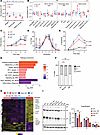 Figure 2
Coexpression of Sf3b1-K700E with Mdr deletion affects B cell development and growth. (A) Spleen weight, total number of splenocytes, and splenic B cells in WT, Mdr MT, and DM mice at the age of 12 weeks are shown. The fold changes in Mdr MT and DM mice are plotted relative to WT mice. Each dot represents 1 mouse. The center lines indicate the average. * indicates P < 0.01, Student t test. (B) Subsets of B cells from bone marrow and spleen in WT, Mdr MT, and DM mice at the age of 12 weeks are shown. The fold changes in Mdr MT and DM mice are plotted relative to WT mice. Each dot represents 1 mouse. Center lines indicate the average. * indicates P < 0.01, Student t test. (C–F) The proliferation curve (C), cell division (D), apoptosis (E), and cell cycle (F) of B cells were derived from WT, Mdr MT, and DM mice after stimulation with IL-4 and LPS in vitro. Data are presented as average ± SD and derived from 5 mice in each group except cell cycle from 3 mice in each group. Cell division and cell cycle are analyzed after stimulation for 3 days and 24 hours, respectively. *P < 0.01, 1-way ANOVA. (G) Heatmap shows differential gene expression between murine splenic normal B cells with DM and other genetic lesions, including Sf3b1-K700E or Mdr deletion (Log2FC ≥ 1, FDR < 0.05). (H) Gene set enrichment analysis (GSEA) of differentially expressed genes between DM cells and other cells from G. Significance cutoff is set as FDR < 0.1. NES, normalized enrichment score. (I) DM cells have reduced expression of electron transport complex II, III, IV expression in splenic normal B cells. * and ** indicate P < 0.01 and P < 0.001, respectively, Student t test.
We further evaluated B cell growth and apoptosis in response to LPS and IL-4 stimulation ex vivo. Mdr deletion alone did not impact cell growth but resulted in a significantly higher fraction of cells undergoing apoptosis than WT or DM cells (Figure 2, C and D). DM significantly inhibited cell growth by reducing cell division and increasing apoptosis (Figure 2, D and E), similar to our observations in Sf3b1-K700E mice (21). Consistent with a previous report (22), deletion of Mdr led to increased cycling cells (Figure 2F). In contrast, coexpression of Sf3b1-K700E and Mdr deletion did not impact the cell cycle (Figure 2F). Taken together, expression of Sf3b1-K700E mutation and Mdr deletion led to an intrinsic defect in B cells, affecting cell proliferation and apoptosis, suggesting Sf3b1-K700E mutation is vital in altering B cell function.
RNA-sequencing analysis reveals enrichment of oxidative phosphorylation, MYC target genes, and mTOR pathway activation in DM normal B cells. To elucidate the mechanism of how Sf3b1 mutation synergistically works with Mdr deletion to impact B cell function, we performed RNA sequencing on RNA isolated from normal splenic B cells of mice with or without Sf3b1 and/or Mdr lesions. Differential gene expression analysis of splenic B cells from DM mice (n = 3) compared with other genotypes (WT, Mdr MT, Sf3b1 MT, n = 3 for each genotype) identified 835 dysregulated genes, of which 658 were significantly upregulated (Figure 2G and Supplemental Table 1). These genes were highly enriched for critical upregulated cellular pathways, including oxidative phosphorylation (OXPHOS), mRNA splicing, MYC targets, and mTOR pathway, and had downregulation of TNF-α signaling and inflammatory response (Figure 2H). Consistent with an enriched OXPHOS process, we verified that electron transport chain protein II, III, and IV expression in DM cells was significantly downregulated compared with WT cells (Figure 2I). These results indicate that expression of Sf3b1-K700E mutation together with Mdr deletion generates distinct changes in the molecular and cellular circuitry of B cells compared with the presence of a single lesion.
Integrated transcriptomic and proteomic analysis reveals activation of mTOR complex 1 and MYC pathways in DM CLL cells. To determine the transcriptome-wide changes associated with leukemogenesis in DM cells, we conducted differential gene expression analysis by comparing DM CLL cells with DM normal B cells (n = 3, each group). CLL cells displayed 1,059 dysregulated genes with 457 upregulated, including the well-known CLL marker gene Cd5 (Supplemental Figure 3A and Supplemental Table 2). To further investigate the contribution of Sf3b1 mutation and Mdr deletion to the oncogenesis, we also compared the gene expression of DM CLL and Mdr MT CLL against normal splenic B cells from different genetic groups (Figure 3, A and B). CLL cells with either Mdr deletion or DM both upregulated known CLL-associated genes, such as Cd5, Lef1, and Zap70 (Figure 3A). To pinpoint the cellular processes driving the aggressiveness of CLL in DM mice, we performed GSEA using significantly differentially expressed genes derived from the following comparisons: Mdr MT B cells versus WT B cells, DM B cells versus Mdr MT B cells, Mdr MT CLL versus Mdr MT B cells, DM CLL versus DM B cells, and DM CLL versus Mdr MT CLL cells. GSEA suggested that Mdr deletion in normal B cells downregulated mTOR complex 1 (mTORC1) and inflammatory response pathways. Still, DM could override these pathways, indicating a potential synergistic role of Sf3b1 mutation and Mdr lesion (Figure 3B). Consistent with previous reports (22), Mdr MT CLL cells displayed an upregulation of MYC and E2F targets compared with Mdr MT normal B cells. DM CLL cells displayed an upregulation of multiple CLL-associated pathways, including cell cycle associated (cell cycle, E2F targets, mitotic spindle, G2M checkpoint), mTORC1 signaling, and MYC target genes (Figure 3B). When comparing DM CLL cells and Mdr MT CLL cells, almost all the cellular pathways were highly enriched except the RNA metabolism pathway (Figure 3B and Supplemental Figure 3B), highlighting that Sf3b1-K700E and Mdr deletion synergistically contribute to the progression of CLL via the regulation of mTORC1 signaling, MYC activation, and cell cycle.
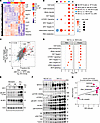 Figure 3
Integrative transcriptome and proteomics analyses identify enrichment of the mTOR pathway and MYC targets in DM CLL cells. (A) Heatmap shows significantly differentially expressed genes between CLL cells with DM or Mdr deletion and normal B cells with different genetic lesions, including Sf3b1-K700E, Mdr deletion, and DM. (B) GSEA from differentially expressed genes from different comparisons, including Mdr MT B cells versus WT B cells, DM B cells versus Mdr MT B cells, Mdr MT CLL cells versus Mdr MT B cells, DM CLL cells versus DM B cells, DM CLL cells versus Mdr MT CLL cells. Significance cutoff is set as FDR < 0.1. (C) Correlative plot of differentially expressed genes and proteins between DM CLL cells and DM normal B cells derived from RNA-Seq and proteomics data. DM CLL versus DM normal B cell fold changes are log2-transformed with positive and negative values indicating upregulation and downregulation, respectively. Color-coded genes are significantly differentially expressed genes at both mRNA and protein levels. (D) GSEA based on differential RNA and protein analysis for genes enriched for upregulated and downregulated pathways at both mRNA and protein levels. The dashed line indicates significance according to the FDR < 0.1. (E) Western blot of mTORC1 pathway components and MYC expression in DM CLL cells, DM and WT normal B cells. (F) Validation of isoform 5 of nuclear factor of activated T cells C1 (NFATC1) using Mdr MT CLL cells and DM CLL cells by immunoblotting. Western blot of mTORC1 pathway components, downstream targets, AKT pathway, and MYC expression in Mdr MT CLL cells and DM CLL cells. (G) Correlation plot of pathways enriched at the protein levels between human and mouse CLL with DM versus normal B cells.
To directly query the processes involved in the leukemogenesis at the protein level, we performed an integrative transcriptomic and proteomic analysis using splenic B cells derived from DM mice with and without CLL. Differential expression analysis revealed a strong concordance between protein and mRNA levels, with a correlation coefficient of r = 0.5265 (Figure 3C). CLL-related genes, including Cd5, Zap70, and Cdk9, were significantly upregulated at the mRNA and protein levels. Similar to our observation in Sf3b1/Atm CLL cells (21), DM CLL cells also exhibited downregulation of B cell receptor (BCR) signaling (Figure 3D). Additionally, genes involved in MYC, cell cycle checkpoints, and mTORC1 pathways were consistently upregulated and enriched at both mRNA and protein levels (Figure 3D and Supplemental Figure 3C). Notably, we validated MYC upregulation and mTORC1 pathway activation via immunoblotting in the DM CLL cells (Figure 3E). Furthermore, we verified that DM CLL cells had a stronger impact on MYC expression and mTORC1 pathway activation compared with Mdr MT CLL cells, as demonstrated by increased levels of MYC protein and phosphorylated (p-) mTORC1 and its direct and indirect targets, including p-4E-BP1 T37/46, p-S6-S235/236, and p-Akt-T308 (Figure 3F), corroborating with gene expression–based pathway enrichment (Figure 3B). Importantly, mTORC1 signaling and MYC target genes were also highly enriched in human CLL cells harboring these 2 genetic lesions (23) (Figure 3G), reinforcing the notion that these pathways are central to driving the aggressiveness of CLL.
Nuclear factor of activated T cells 1 alternative isoform leads to mTOR and MYC pathway activation. Mutated SF3B1 drives alternative RNA splicing and mediates the development of multiple types of tumors (11). To define the role of Sf3b1-K700E in the activation of mTORC1 and MYC pathways, we first identified splice variants associated with DM CLL cells as well as Sf3b1-K700E B cells through RNA splicing analysis using the rMATS pipeline (24) (Figure 4, A and B, and Supplemental Figure 3D). In total, 1,029 and 376 spliced genes were identified to be associated with DM CLL and Sf3b1 mutation, respectively; 117 spliced genes overlapped between the 2 groups (Supplemental Table 3), with 7 genes having direct interaction with MYC and mTORC1 protein based on the STRING database (Nfatc1, Atf2, Hdac6, Pbrm1, Ptprc, Tbl1xr1, Hdac10) (Figure 4C). We selected Nfatc1 to explore further its role in the activation of the mTOR pathway and contribution to CLL progression, as alternative splicing of Nfatc1 displayed the highest consistent splicing changes based on P value and absolute percentage spliced-in value among all of these splice variants (Figure 4B). Of note, splice variants associated with DM CLL cells and Sf3b1 mutation all resulted in BCR signaling enrichment containing the Nfatc1 gene (Supplemental Figure 4C).
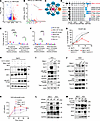 Figure 4
Splice variant of Nfatc1 activates the mTOR pathway and MYC expression. (A) Volcano plot shows percentage of spliced-in (ΔPSI) versus log10 (FDR P value) of all splicing changes identified by rMATS between CLL and normal B cells with DM. Events with the absolute percentage of spliced-in (|ΔPSI|) > 10% and FDR < 0.05 were considered significant and color-coded. (B) RNA splice variants derived from A were plotted out as 5 different splicing types, and statistical significance was measured by the |ΔPSI| multiplied by the negative log (FDR). Nfatc1 is one of the most consistent changed splice variants and is indicated with an arrow. (C) Direct interactors with mTOR and MYC were identified from overlapped genes from panel A based on the STRING database. (D) Isoforms of Nfatc1 genes. Primers for the quantitative PCR (qPCR) were indicated with arrows. TAD-N, N-terminal transactivation domain (aa 1–108); NHR, NFAT homology region (aa 108–426); DBD, DNA-binding domain (aa 426–696); TAD-C, C-terminal transactivation domain (aa 696–939). (E and F) Nfatc1 short isoform 5 is highly expressed in DM CLL cells measured by 2 different reverse transcription PCR assays. *P < 0.05, ***P < 0.001, ****P < 0.001; 2-way ANOVA, Šídák corrected. Data presented as SD. (G) Nfatc1 isoform 5 overexpression promotes IL-3 independence in Ba/F3 cells with MYC overexpression. Dead cells were measured over 27 days with a flow cytometry–based assay upon a staggered IL-3 withdrawal. (H) Overexpression of Nfatc1 isoform 5 leads to mTOR pathway activation and upregulation of MYC in Ba/F3 cells. (I and J) Overexpression of Nfatc1 isoform 5 results in the activation of the mTOR pathway measured by phosphorylation of mTORC1, 4E-BP1, while overexpression of isoform 2 leads to the activation of AKT pathway and phosphorylation of S6 in human CLL HG3 cell line. (K) Overexpression of Nfatc1 isoform 5 promotes more cell growth than isoform 2 in HG3 cells. *P < 0.05, **P < 0.01, 1-way ANOVA. Cell proliferation is measured by CCK-8 assay based on colorimetric absorbance at 450 nm over 3 days of culture. (L and M) SF3B1 mutation promotes the expression of NFATC1 isoform 5 and mTOR pathway upregulation in CLL cell lines HG3 and MEC1. Isogenic CLL cell lines with SF3B1-K700E are evaluated for NFATC1 expression, MYC and mTOR pathway activation by immunoblot.
NFATC1 is a transcription factor that plays important roles in many cellular processes, including oncogenesis (25–29). This gene produces 8 isoforms — 4 long and 4 short — by using 2 different promoters, 2 poly-A sites, and alternative splicing of exons 8 and 9 (25) (Figure 4D). In murine DM CLL cells, RNA-Seq data revealed an alternative splicing event involving exon 8 and 9, resulting in reduced expression of long isoforms (including exon 9) and increased expression of short isoforms (lacking exon 9) (Supplemental Figure 3E). Using isoform-specific qPCR assays, we identified isoform 5 as the predominant isoform expressed in DM CLL cells (Figure 4, E and F). Expression of total Nfatc1 was assessed using primers spanning exons 7 and 8, while long isoform expression was measured using primers targeting the exon 8–9 junction. While total Nfatc1 expression levels appeared comparable between Mdr MT and DM CLL cells, the short isoform lacking exon 9 was more prevalent in DM CLL cells (Figure 4E). In addition, exon 1a was preferentially utilized in DM CLL cells (Figure 4F). Protein-level validation confirmed the expression of the 78 kDa short isoform 5 in DM CLL cells (Figure 3F). Collectively, these findings demonstrate that Nfatc1 isoform 5 is preferentially expressed in DM CLL cells, whereas isoform 2 predominates in Mdr MT CLL cells.
Different isoforms of NFATC1 have been previously explored for their oncogenic roles (28, 30, 31). Particularly, isoforms lacking the C-terminal TAD have been reported to promote proliferation and oncogenic activity due to the absence of the TAD’s pro-apoptotic function and the activation of MYC pathway via epigenetically transcriptional regulation (30–33). To explore the oncogenic potential of isoform 5, we overexpressed this isoform in Ba/F3 and Ba/F3 MYC cells. Of note, Ba/F3 is a murine pro–B cell line commonly used for oncogene screening because of its dependency on IL-3, while Ba/F3 MYC cells are utilized for screening weak oncogenes (34). Isoform 5 expression led to MYC upregulation, activation of the mTOR pathway, and enhanced cell growth (Figure 4, G and H). Remarkably, this isoform conferred IL-3 independence in Ba/F3 MYC cells, consistent with its previously reported role in B cells (Figure 4G).
To further evaluate isoform-specific effects, we overexpressed isoform 5 and full-length Nfatc1 (isoform 2, as a control) in the human CLL HG3 cell line (Figure 4I). As expected, isoform 5 was associated with the mTOR pathway, evidenced by increased phosphorylation of mTORC1 and 4E-BP1. In contrast, isoform 2 inhibited the activation of these proteins but induced activation of the AKT pathway and S6 protein (Figure 4J), suggesting that the 2 isoforms engage distinct signaling cascades. Consistent with these findings, both isoforms promoted cell growth, with isoform 5 exerting a more pronounced effect (Figure 4K). Taken together, our results suggested that alternative RNA splicing of Nfatc1, driven by Sf3b1 mutation, contributes to the aggressiveness of CLL through isoform-specific activation of mTOR signaling.
Murine DM CLL cells recapitulate human CLL cells with SF3B1 mutation and del(13q). Given our murine DM CLL cells displayed the activation of the mTOR pathway and MYC upregulation, we further investigated these findings in human CLL. We examined RNA-Seq and proteomics data from publicly available datasets (24, 35, 36). Differential gene expression between CLL cells with and without SF3B1 mutation/del(13q) indicated the upregulation of the MYC target pathway and downregulation of the inflammatory pathway (Supplemental Figure 4A), consistent with the role of these 2 lesions in the murine model. Proteomics data further revealed the significant enrichment of MYC targets, metabolism of RNA, and OXPHOS, along with a positive tendency for the mTOR pathway (Supplemental Figure 4B).
Next, we examined RNA splicing events associated with SF3B1 mutation/del(13q). Comparison of CLL cells with SF3B1 mutation/del(13q) to CLL cells either with del(13q) or SF3B1 mutations revealed enrichment for mTORC1 pathway and BCR signaling associated with SF3B1 mutation but not del(13q) (Supplemental Figure 4C). Alternative RNA splicing of NFATC1 was one of the splice variants detected in human CLLs with SF3B1 mutation when compared with CLL without SF3B1 mutation, in the presence or absence of del(13q), based on RNA-sequencing data (Supplemental Table 4). Of note, with our newly established SF3B1-mutant isogenic CLL cell lines (37), we confirmed that expression of SF3B1 mutation generates upregulated NFATC1 isoform 5 expression and increased MYC and the activation of the mTOR pathway by the detection of p-4E-BP1 and mTORC1 (Figure 4, L and M). Taken together, our results verified that murine DM CLL cells recapitulate human CLL cells with SF3B1 mutation and del(13q).
Targeting the mTORC1 pathway and RNA splicing is beneficial to DM CLL in vitro and in vivo. Given that SF3B1 mutation and del(13q) activate the mTORC1 pathway through RNA splicing, we hypothesized that DM CLL cells are sensitive to either RNA splicing inhibitor or mTORC1 inhibitor treatment. As a proof of concept, we selected the targeted pathway inhibitors H3B-8800 and temsirolimus (Tem) to target RNA splicing and the mTORC1 pathway, respectively. We exposed murine DM B (n = 3) DM CLL (n = 2), as well as Mdr MT CLL (n = 2) cells to either Tem or H3B-8800 or in combination for 24 hours and then measured the cell viability by CellTiter-Glo assay. Compared with normal B cells, Mdr MT CLL and DM CLL cells responded to Tem, H3B-8800, and their combination (Figure 5, A–C). Mdr MT CLL cells were more sensitive to Tem treatment (IC50: 0.0001055 μM) compared with DM CLL cells (IC50: 2.148 μM), possibly due to these cells relying more on cap-dependent translation, which is inhibited by Tem, leading to reduced protein synthesis even in the absence of high mTORC1 activity (Figure 5A). Conversely, DM CLL cells were more sensitive to the splicing inhibitor H3B-8800 (IC50: 0.00346 μM) compared with Mdr MT CLL cells (IC50: 0.05331 μM) (Figure 5B), consistent with the known role of H3B-8800 in targeting SF3B1 mutations. Furthermore, a more pronounced combinatorial effect was found in DM CLL cells when H3B-8800 was combined with Tem, consistent with a potential synergistic interaction based on the Chou-Talalay combination index (38), where a combination index (CI) < 1 indicates synergy and CI = 1 indicates an additive effect (Mdr MT CLL versus DM CLL: 1.96 × 10⁻⁴ versus 3.56 × 10⁻⁶) (Figure 5C). Taken together, our results implicated that RNA alternative splicing and mTORC1 activation might interact with each other to drive DM CLL progression.
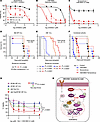 Figure 5
Targeting RNA splicing and the mTORC1 pathway has therapeutic effects in DM CLL cells. (A–C) Cell viability of Mdr MT CLL, DM CLL, and DM normal B cells treated with either H3B-8800 or temsirolimus or in combination over 24 hours. (D–F) Survival curve of Mdr MT CLL mice, with DM CLL mice treated with either single-drug H3B-8800 (4 mg/kg, 5 days, oral gavage) or temsirolimus (15 mg/kg, 5 days, intraperitoneal injection) or in combination. Gray shaded area indicates treatment time. CLL mice were established by engrafting Mdr MT CLL or DM CLL cells into NSG mice. Treatment started with detectable 3%–5% circulating CLL based on flow cytometry. (G) Cell viability of human CLL cells with or without SF3B1 mutation, in the presence or absence of del(13q) after 24 hours of treatment with increasing concentrations of temsirolimus (0.1 nM to 10 μM) combined with 0.1 mM H3B-8800. Black dotted line indicates the dosage used for statistical calculation. Two-way ANOVA with Tukey’s test was used to compare del(13q) with SF3B1 mutation with other groups. (H) Schematic summary of the mechanism of DM CLL development.
We then tested the effects of these drugs in vivo. For the in vivo drug efficacy test, Mdr MT and DM CLL cells were engrafted into NSG mice, and different drug treatments were started when the CLL cell percentage in the lymphocyte population reached 3%–5%. In Mdr MT CLL mice, treatment with Tem (15 mg/kg, i.p., 5 days) or H3B-8800 (4 mg/kg, oral gavage, 5 days) alone did not affect survival, but the combined treatment did improve survival (P = 0.0088, log-rank test) (Figure 5D). In DM CLL mice, both single and combined treatments significantly impacted overall survival (n = 9–11, each group, all comparisons P < 0.01, log-rank test) (Figure 5E). Notably, the synergistic effect in DM CLL mice was more pronounced, with a median overall survival of 27 days compared with 9 days in the control group (3-fold increase). In contrast, in Mdr MT CLL mice, the median overall survival for combined treatment was 63 days, compared with 61 days in the control group (1.05-fold increase) (Figure 5F). Consistently, we also observed a reduction in spleen size and CLL cell percentage in the lymphocyte population within peripheral blood, splenocytes, and bone marrow cells in the combined drug treatment group after 5 days of exposure to the treatment in DM CLL mice (Supplemental Figure 5, A–C). As expected, H3B-8800 and Tem single-drug treatment could reduce the expression level of 4E-BP1 and p-4E-BP1 T37/46 in the splenic cells in each group (Supplemental Figure 5D). In contrast, we detected only a slight reduction of spleen weight in Mdr MT CLL mice (Supplemental Figure 5E). These in vivo data strongly support that targeting RNA splicing and mTOR pathways significantly improves overall survival in DM CLL mice.
To determine whether H3B-8800 and Tem combination treatment could be translated to human CLL, we exposed CLL patient samples with both del(13q) and SF3B1 mutations (n = 3) or without these 2 lesions (n = 3) or with del(13q) alone (n = 3), or with SF3B1 mutations alone (n = 3) to a series of concentrations of Tem (0.1 nM to 10 μM) combined with H3B-8800 (0.1 mM) in vitro for 24 hours. We then examined the cell viability with an ATPase-based CellTiter-Glo assay. DM CLL cells were more sensitive to this combination treatment than all the other 3 groups (P < 0.001, 2-way ANOVA) (Figure 5G), corroborating our observation in murine CLL cells, highlighting that RNA splicing and mTOR pathways are essential for DM CLL cells.


