
Go to The Journal of Clinical Investigation
  • About
  • Editors
  • Consulting Editors
  • For authors
  • Publication ethics
  • Publication alerts by email
  • Transfers
  • Advertising
  • Job board
  • Contact
  • Physician-Scientist Development
  • Current issue
  • Past issues
  • By specialty
    • COVID-19
    • Cardiology
    • Immunology
    • Metabolism
    • Nephrology
    • Oncology
    • Pulmonology
    • All ...
  • Videos
  • Collections
    • In-Press Preview
    • Resource and Technical Advances
    • Clinical Research and Public Health
    • Research Letters
    • Editorials
    • Perspectives
    • Physician-Scientist Development
    • Reviews
    • Top read articles

  • Current issue
  • Past issues
  • Specialties
  • In-Press Preview
  • Resource and Technical Advances
  • Clinical Research and Public Health
  • Research Letters
  • Editorials
  • Perspectives
  • Physician-Scientist Development
  • Reviews
  • Top read articles
  • About
  • Editors
  • Consulting Editors
  • For authors
  • Publication ethics
  • Publication alerts by email
  • Transfers
  • Advertising
  • Job board
  • Contact
Top
  • View PDF
  • Download citation information
  • Send a comment
  • Terms of use
  • Standard abbreviations
  • Need help? Email the journal
  • Top
  • Abstract
  • Introduction
  • Results
  • Discussion
  • Methods
  • Author contributions
  • Conflict of interest
  • Funding support
  • Supplemental material
  • Acknowledgments
  • Footnotes
  • References
  • Version history
  • Article usage
  • Citations to this article
Advertisement

Research ArticleGeneticsMuscle biology Open Access | 10.1172/jci.insight.204423

DNM2 lipid binding drives centronuclear myopathy and represents a potential therapeutic target

Raquel Gómez-Oca, Xènia Massana-Muñoz, David Reiss, Juliana De Carvalho Neves, Nadege Diedhiou, Roberto Silva-Rojas, Belinda S. Cowling, Marie Goret, and Jocelyn Laporte

Institute of Genetics and Molecular and Cellular Biology (IGBMC), INSERM U1258, CNRS UMR7104, University of Strasbourg, Illkirch, France.

Address correspondence to: Jocelyn Laporte, IGBMC, 1 rue Laurent Fries, 67404 Illkirch, France. Phone: 33388653412; Email: jocelyn@igbmc.fr.

Authorship note: RGO, XMM, and DR contributed equally to this work.

Find articles by Gómez-Oca, R. in: PubMed | Google Scholar

Institute of Genetics and Molecular and Cellular Biology (IGBMC), INSERM U1258, CNRS UMR7104, University of Strasbourg, Illkirch, France.

Address correspondence to: Jocelyn Laporte, IGBMC, 1 rue Laurent Fries, 67404 Illkirch, France. Phone: 33388653412; Email: jocelyn@igbmc.fr.

Authorship note: RGO, XMM, and DR contributed equally to this work.

Find articles by Massana-Muñoz, X. in: PubMed | Google Scholar |

Institute of Genetics and Molecular and Cellular Biology (IGBMC), INSERM U1258, CNRS UMR7104, University of Strasbourg, Illkirch, France.

Address correspondence to: Jocelyn Laporte, IGBMC, 1 rue Laurent Fries, 67404 Illkirch, France. Phone: 33388653412; Email: jocelyn@igbmc.fr.

Authorship note: RGO, XMM, and DR contributed equally to this work.

Find articles by Reiss, D. in: PubMed | Google Scholar

Institute of Genetics and Molecular and Cellular Biology (IGBMC), INSERM U1258, CNRS UMR7104, University of Strasbourg, Illkirch, France.

Address correspondence to: Jocelyn Laporte, IGBMC, 1 rue Laurent Fries, 67404 Illkirch, France. Phone: 33388653412; Email: jocelyn@igbmc.fr.

Authorship note: RGO, XMM, and DR contributed equally to this work.

Find articles by De Carvalho Neves, J. in: PubMed | Google Scholar

Institute of Genetics and Molecular and Cellular Biology (IGBMC), INSERM U1258, CNRS UMR7104, University of Strasbourg, Illkirch, France.

Address correspondence to: Jocelyn Laporte, IGBMC, 1 rue Laurent Fries, 67404 Illkirch, France. Phone: 33388653412; Email: jocelyn@igbmc.fr.

Authorship note: RGO, XMM, and DR contributed equally to this work.

Find articles by Diedhiou, N. in: PubMed | Google Scholar

Institute of Genetics and Molecular and Cellular Biology (IGBMC), INSERM U1258, CNRS UMR7104, University of Strasbourg, Illkirch, France.

Address correspondence to: Jocelyn Laporte, IGBMC, 1 rue Laurent Fries, 67404 Illkirch, France. Phone: 33388653412; Email: jocelyn@igbmc.fr.

Authorship note: RGO, XMM, and DR contributed equally to this work.

Find articles by Silva-Rojas, R. in: PubMed | Google Scholar |

Institute of Genetics and Molecular and Cellular Biology (IGBMC), INSERM U1258, CNRS UMR7104, University of Strasbourg, Illkirch, France.

Address correspondence to: Jocelyn Laporte, IGBMC, 1 rue Laurent Fries, 67404 Illkirch, France. Phone: 33388653412; Email: jocelyn@igbmc.fr.

Authorship note: RGO, XMM, and DR contributed equally to this work.

Find articles by Cowling, B. in: PubMed | Google Scholar

Institute of Genetics and Molecular and Cellular Biology (IGBMC), INSERM U1258, CNRS UMR7104, University of Strasbourg, Illkirch, France.

Address correspondence to: Jocelyn Laporte, IGBMC, 1 rue Laurent Fries, 67404 Illkirch, France. Phone: 33388653412; Email: jocelyn@igbmc.fr.

Authorship note: RGO, XMM, and DR contributed equally to this work.

Find articles by Goret, M. in: PubMed | Google Scholar

Institute of Genetics and Molecular and Cellular Biology (IGBMC), INSERM U1258, CNRS UMR7104, University of Strasbourg, Illkirch, France.

Address correspondence to: Jocelyn Laporte, IGBMC, 1 rue Laurent Fries, 67404 Illkirch, France. Phone: 33388653412; Email: jocelyn@igbmc.fr.

Authorship note: RGO, XMM, and DR contributed equally to this work.

Find articles by Laporte, J. in: PubMed | Google Scholar |

Authorship note: RGO, XMM, and DR contributed equally to this work.

Published May 8, 2026 - More info

Published in Volume 11, Issue 9 on May 8, 2026
JCI Insight. 2026;11(9):e204423. https://doi.org/10.1172/jci.insight.204423.
© 2026 Gómez-Oca et al. This work is licensed under the Creative Commons Attribution 4.0 International License. To view a copy of this license, visit http://creativecommons.org/licenses/by/4.0/.
Published May 8, 2026 - Version history
Received: January 8, 2026; Accepted: March 16, 2026
View PDF
Abstract

Centronuclear myopathies (CNMs) are rare congenital disorders characterized by muscle weakness, fiber hypotrophy, and organelle mislocalization. Most cases arise from mutations in MTM1 or DNM2, encoding myotubularin and dynamin-2, respectively. DNM2 is a GTPase that binds lipids, oligomerizes around membranes, and mediates fission. We previously showed that DNM2 levels are elevated in MTM1-CNM patients and Mtm1–/y mice, and that normalizing DNM2 rescues disease phenotypes. However, the specific DNM2 functions driving pathology remain unclear. Here, we expressed AAV-delivered WT and DNM2 mutants in WT and Mtm1–/y mouse muscles to disrupt specific DNM2 molecular functions. In WT mice, overexpression of WT DNM2 and most mutants induced CNM-like phenotypes, including reduced force, fiber hypotrophy, and centralized nuclei, consistent with gain-of-function mechanisms. The lipid-binding-defective mutant K562E did not induce disease-like phenotype. In Mtm1–/y mice, K562E mutant markedly improved muscle force, mass, and fiber size, while others failed to rescue. Therefore, we generated Mtm1–/y Dnm2K562E/+ mice, which showed full rescue of survival, motor function, and muscle force, with improved muscle mass, fiber size, and organelle positioning despite persistently elevated DNM2 levels. This study reveals that DNM2 lipid binding, not protein abundance or GTPase activity, drives pathology, and represents the most rational therapeutic target for DNM2 therapy in MTM1-CNM.

Introduction

The dynamin protein family of large GTPases regulates a wide range of essential cellular processes, including membrane trafficking, cytoskeletal remodeling, mitochondrial dynamics, and cytokinesis (1). Mutations in several members of this family cause human diseases that affect distinct tissues (2). The classical dynamins include dynamin-1, which is predominantly expressed in the brain; dynamin-3, expressed in the brain and testis; and dynamin-2 (DNM2), which is ubiquitously expressed (3). These mechanoenzymes share a conserved modular architecture consisting of 4 key domains. The GTPase domain functions as a regulatory switch, cycling between GTP- and GDP-bound states. The stalk domain, composed of the middle and GTPase effector regions, mediates oligomerization and provides a structural link between membranes and the GTPase domain. The pleckstrin homology (PH) domain binds membrane phosphoinositides, while the C-terminal proline-rich domain (PRD) interacts with several SH3-containing proteins to localize and regulate dynamins at specific cellular locations (4).

Biochemical and biophysical studies have revealed a sequential mechanism of dynamin-mediated membrane fission. Dynamin dimerizes via the middle domain, followed by tetramerization. Binding of the PH domain to membranes relieves autoinhibition between the PH and middle domains, permitting higher-order oligomerization into helices around membrane tubules. GTP loading promotes dimerization of the GTPase domains across adjacent helical turns. Subsequent GTP hydrolysis induces conformational changes that constrict the helix and drive membrane fission (5–7). Both lipid and GTP binding enhances dynamin oligomerization and GTPase activity.

Mutational analyses of individual domains have been instrumental in dissecting this mechanism (Supplemental Figure 1A; supplemental material available online with this article; https://doi.org/10.1172/jci.insight.204423DS1). In the GTPase domain, K44A is a classical dominant-negative mutation that strongly reduces GTP affinity, partially inhibiting GTPase and fission activity (8). Structurally, K44A forms more constricted helicoidal assemblies compared with WT (9), and when expressed in cells, it blocks clathrin-mediated endocytosis, lipid droplet breakdown, lamellipodia formation, and actin cytoskeleton remodeling (10–13). Similarly, although K142A retains near-normal GTP hydrolysis, it inhibits the subsequent conformational change, leading to a blockage of endocytic pathways (14). In the middle domain, R399A prevents high-order oligomerization, remaining mostly dimeric. This results in approximately 50% reduced lipid binding and a 90% decrease in GTPase activity, likely due to impaired propagation of conformational changes across oligomers (15). Interestingly, R399A can normalize hyperactive GTPase activity when combined with other pathogenic DNM2 mutations (16). R465W, another middle domain mutation, conversely promotes excessive oligomerization and GTPase activity (17, 18). In the PH domain, K562E reduces lipid binding and abrogates lipid-induced GTPase activity (19). Deletion of the PRD (ΔPRD) prevents binding to SH3 domain–containing proteins such as amphiphysin-2 (BIN1) or cortactin, altering DNM2 localization and function (20). Although ΔPRD forms helicoidal structures around membrane tubules similarly to WT DNM2 (21), it fails to rescue mitochondrial fission in DNM2-knockdown cells (22) or clathrin-mediated endocytosis (23) in dynamin-triple-knockout cells.

Dominant heterozygous mutations in DNM2 may cause two distinct tissue-specific disorders: centronuclear myopathy (CNM) and Charcot-Marie-Tooth neuropathy (CMT) (24–27). CNM is characterized by muscle weakness and atrophy, muscle fiber hypotrophy, abnormally centralized nuclei, altered oxidative activity linked to mitochondria misposition, sarcomere disorganization, and abnormal triad structure (28, 29). In contrast, CMT presents with motor and sensory neuropathy, characterized by progressive muscle weakness and atrophy, axonal degeneration, and myelin defects (30). The most common CNM mutation, R465W, behaves as a gain-of-function mutant, enhancing oligomerization and GTPase activity. By contrast, the CMT-associated K562E mutation results in decreased lipid binding and GTPase activity (16).

DNM2 overexpression in WT mouse muscle induces a CNM-like phenotype (31). Moreover, high DNM2 protein levels were also found in muscle lysates from patients with X-linked CNM (XLCNM; also called myotubular myopathy; OMIM 310400). XLCNM is the most severe and common form of CNM, caused by loss-of-function mutations in the lipid phosphatase myotubularin (MTM1) (32). Subsequent studies showed that decreasing the expression of DNM2 in both the Mtm1-knockout mouse (Mtm1–/y) and the Dnm2 R465W knockin mouse (Dnm2R465W/+) rescued their motor and histopathological phenotypes (32–35).

While increased DNM2 levels and activity have been implicated in CNM pathogenesis, it has not been resolved whether lipid binding, GTPase activity, oligomerization, or protein abundance represents the principal pathogenic driver in vivo. In this study, we systematically disrupted distinct DNM2 functional domains to determine which activity drives CNM pathology and thus represents the most relevant target for modulation of the CNM pathology linked to MTM1 defect. As proof of concept, we injected adeno-associated viruses (AAVs) carrying DNM2 variants (WT, K44A, K142A, R399A, R465W, K562E, ΔPRD, and the double mutant K44A+R465W [KARW]; Figure 1) into skeletal muscle of WT and Mtm1–/y mice. We assessed muscle force and mass and fiber morphology and histology, as well as membrane protein localization and myofiber ultrastructure, and correlated them with molecular investigations. All variants caused weakness in WT muscles and, except for the lipid-binding-deficient K562E mutant, induced CNM-like histopathology. In Mtm1–/y mice, most variants either failed to rescue disease features or worsened nuclear mislocalization, while K562E mutant improved muscle force, mass, and fiber size. The double-mutant Mtm1–/y Dnm2K562E/+ mice showed full rescue of lifespan, muscle force, histopathology, and ultrastructural integrity, despite persistently elevated DNM2 levels. Our results indicate that CNM is primarily driven by increased DNM2 levels, independently of GTPase activity, with lipid binding driving the histopathology. Disruption of DNM2 GTPase function, oligomerization, or effector interactions fails to mitigate Mtm1-CNM, whereas selective impairment of lipid binding fully rescues the phenotype. Our findings establish DNM2 lipid binding as the principal pathogenic activity driving CNM phenotypes in vivo and suggest that selective modulation of this function represents a rational avenue for future therapeutic development.
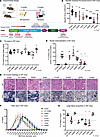
Expression of DNM2 variants in WT muscle induces weakness and differentiallFigure 1

Expression of DNM2 variants in WT muscle induces weakness and differentially recapitulates CNM histopathology. (A) Experimental design. Intramuscular AAV delivery of distinct DNM2 variants targeting specific DNM2 domains to disrupt a single DNM2 function. DNM2 R465W and K562E are found in CNM and CMT patients, respectively; KARW K44A, K142A, R399A, and ΔPRD are proof-of-concept mutations. KARW is a combination of the CNM mutation R465W (gain-of-function) with K44A expected to cause GTPase deficiency (loss-of-function). IM, intramuscular; PH, pleckstrin homology; GED, GTPase effector domain; PRD, proline-rich domain. Created in BioRender (Goret M, 2026, https://BioRender.com/lbiksfm). (B) Maximal specific force developed by tibialis anterior (TA) muscles at 150 Hz 2 weeks after AAV-DNM2 injection upon stimulation of the sciatic nerve (4 ≤ n ≤ 15). (C) TA mass normalized to body mass at 5 weeks (4 ≤ n ≤ 16). (D) Percentage of myofibers with mislocalized nuclei (4 ≤ n ≤ 5). (E) Transversal sections of TA muscles stained with hematoxylin and eosin (H&E) or succinate dehydrogenase (SDH). Arrows indicate necklace fibers. Scale bars: 50 μm. (F) TA fiber size distribution (minimum Feret diameter [MinFeret], 4 ≤ n ≤ 5). (G) Proportion of large fibers (MinFeret > 30 μm) in transversal TA sections (4 ≤ n ≤ 5). Each dot represents a mouse. Values are represented as mean ± SD; *P < 0.05, **P < 0.01, ***P < 0.001, ****P < 0.0001. (B) Ordinary 1-way ANOVA. (D) Brown-Forsythe ANOVA. (C and G) Kruskal-Wallis test.
Results

Expression of DNM2 variants in WT muscle induces weakness and differentially recapitulates CNM histopathology. To identify the contribution of DNM2 activities in healthy muscle and the main molecular dysfunction(s) underlying CNM, we created AAV expressing DNM2 WT or DNM2 with mutations disrupting distinct steps of the dynamin functional cycle. We also combined the K44A and R465W mutants (KARW construct) in an attempt to balance the gain-of-function effect of the R465W CNM mutation by decreasing the GTP binding. The AAV constructs were injected at a dose of 1.5 × 10⁹ viral genomes in tibialis anterior (TA) muscle in 3-week-old WT mice, and analyses were performed 2 weeks after injection (Figure 1A). DNM2 mutations used are described in Figure 1A and Supplemental Figure 1A. We focused on male mice and injection at 3 weeks to be able to compare with subsequent experiments performed in the X-linked Mtm1-CNM mice dying by adulthood.

Overexpression of the different DNM2 variants in WT muscles was confirmed by Western blot, showing levels about 5–10 times the level of endogenous DNM2 (Supplemental Figure 1B). The overexpression level was similar among the different constructs. All DNM2 variants caused decrease in the specific maximal force of the injected muscle compared with injection of an empty AAV; the stronger effect was seen with the ΔPRD mutant (Figure 1B). Overexpression of WT DNM2 protein also decreased muscle force. There was no significant muscle atrophy (Figure 1C).

To investigate which DNM2 function is linked to the typical CNM histopathology, TA muscle sections were stained with hematoxylin and eosin (H&E; for general histological aspect) and succinate dehydrogenase (SDH; indicative of the oxidative activity of mitochondria). Overexpression of WT DNM2 induced typical CNM hallmarks with marked centralization and internalization of nuclei, central accumulation of oxidative activity, and a tendency toward smaller fibers, as we previously reported (31, 36) (Figure 1, D–G, Supplemental Figure 1C, and Supplemental Figures 2 and 3). Similar phenotypes were observed in patients and in mouse models with knockin of CNM mutations (37, 38). These data confirm that increased function of DNM2 causes CNM and that CNM mutations have a gain-of-function effect. Unexpectedly, mutations responsible for the inhibition of the GTPase activity (K44A) or GTP-induced conformational change (K142A) still correlated with CNM-like histology, similarly to overexpression of WT DNM2. Moreover, inhibition of the GTPase activity in the context of a gain-of-function CNM mutant (KARW double mutant) did not prevent the establishment of the CNM phenotypes. Deletion of the PRD (ΔPRD) also resulted in a CNM-like histology, with hypotrophic fibers with internal nuclei and necklace fibers (Figure 1E, arrows), i.e., sub-sarcolemmal basophilic rings composed of mitochondria, which are typically observed in patients with late-onset MTM1- and DNM2-related CNM (39–41). Blocking dynamin at the dimeric state (R399A) did not induce fiber hypotrophy but correlated with a slight increase in mislocalized nuclei and a strong decrease in oxidative activity. Conversely, overexpression of the lipid-binding-defective K562E CMT mutant did not cause histological abnormalities or fiber hypotrophy, confirming previous results (36).

Overall, the CNM phenotype due to DNM2 gain of function, i.e., overexpression of WT-DNM2, is recapitulated despite the lack of GTP-dependent activation of dynamin. However, lipid binding appears to be essential in the pathological process, as the K562E mutant did not induce a CNM-like histology.

Expression of DNM2 variants in WT muscle impairs myofiber ultrastructure and intracellular protein dynamics. Dynamins play key roles in membrane trafficking, remodeling, and protein homeostasis (42). We hypothesized that the CNM-like phenotypes induced by overexpression of WT DNM2 or certain mutants result from defects in these cellular processes.

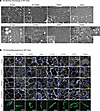
To test this, myofiber organization was examined by electron microscopy. While muscles injected with empty AAV or K562E maintained normal sarcomere organization, expression of WT DNM2 or the other mutants caused disorganized sarcomeres with, in some cases, Z-line misalignment (Figure 2A). Notably, enlarged vacuoles were observed with K44A, K142A, and KARW expression (black arrows). Consistent with histological findings and reduced oxidative activity, the R399A mutant produced a particularly severe phenotype, including abnormal mitochondria with disrupted cristae (white arrowheads) and glycogen accumulation (white arrows). Triads, critical for excitation-contraction coupling, were normally localized on both sides of the Z-line in muscles expressing WT, K562E, R399A, or ΔPRD, although T tubules seemed dilated in comparison with empty controls (Figure 2A, bottom left). In contrast, triads were rare and often malformed in GTPase-related mutants (K44A, K142A, KARW). We conclude that expression of all DNM2 proteins impacted on membrane remodeling at the triad.
Expression of DNM2 variants in WT muscle impairs myofiber ultrastructure anFigure 2

Expression of DNM2 variants in WT muscle impairs myofiber ultrastructure and intracellular protein dynamics. (A) Electron microscopy images of longitudinal TA sections, injected with DNM2 constructs, showing overall sarcomere organization. Black arrows indicate enlarged vacuoles, white arrowheads indicate mitochondria with disrupted cristae, and white arrows indicate glycogen accumulation. Scale bars: 2 μm. Zoomed views of triads in bottom-left corners (×8 relative to main image). (B) Immunolabeling of DNM2, dysferlin, desmin, and β1-integrin in transversal TA sections, and α-bungarotoxin staining of neuromuscular junctions (NMJs) in longitudinal TA sections. Scale bars: 20 μm.

To further assess whether distinct DNM2 functions influence membrane trafficking in muscle, we first examined the localization of β1-integrin, a key focal adhesion protein that undergoes dynamin-dependent endocytosis (43) and is known to accumulate in both Mtm1–/y and Dnm2-CNM models (44, 45). In muscles injected with DNM2 variants, β1-integrin displayed increased cytosolic staining, frequently forming central accumulations or necklace-like patterns. This phenotype was observed across all mutants, although K562E-expressing muscles displayed only small and less frequent accumulations (Figure 2B). We next analyzed dysferlin, a protein involved in membrane remodeling and repair that is mislocalized in CNM (37). Cytosolic accumulations of dysferlin were observed in most conditions, with the exception of K562E. To evaluate whether DNM2 activity impacts protein homeostasis, we assessed desmin, an intermediate filament protein found aggregated in Mtm1- and Dnm2-CNM mouse models and patients (45–48). Desmin localization was altered with expression of DNM2 WT and all mutants except K562E, with central aggregation in most of the cases, suggesting degradation defects. These immunofluorescence analyses were performed at high magnification to visualize subcellular distribution patterns and therefore provide qualitative assessment of protein mislocalization. We then investigated neuromuscular junctions (NMJs), essential interfaces for transmitting signals from motor neurons to muscle fibers. Using fluorescently labeled α-bungarotoxin, we examined NMJ morphology in transduced muscles (Figure 2B and Supplemental Figure 1, D and E). Muscles expressing WT DNM2 or the K142A mutant displayed a tendency toward elongated (reduced circularity) and fragmented NMJs compared with WT-empty controls. K44A-expressing muscles showed a modest increase in fragmentation, whereas K562E, KARW, ΔPRD, and R399A mutants exhibited only small, non-significant changes in NMJ morphology. Given the limited sampling and inherent variability of NMJ morphology, these observations should be interpreted cautiously. We hypothesize that mislocalization of intracellular organelles and proteins arises both from impaired DNM2 functions and from abnormal DNM2 distribution itself. In AAV-empty and K562E-expressing muscles, DNM2 showed a normal sarcolemmal distribution. In contrast, most other mutants and WT DNM2 also accumulated centrally in addition to the sarcolemmal localization, coinciding with nuclei centralization. The R399A mutant displayed an abnormal diffuse cytosolic distribution consistent with marked intracellular disorganization. Because the injected DNM2 variants were untagged so as not to interfere with their activity, exogenous and endogenous protein cannot be distinguished. Nonetheless, the selective mislocalization observed in mutant-injected muscles indicates involvement of the exogenously expressed proteins, although contribution from endogenous DNM2 cannot be excluded.

These results suggest that overexpression of WT DNM2 and all DNM2 variants, except K562E, disrupts DNM2 protein distribution and impairs membrane trafficking, remodeling, and protein homeostasis, likely affecting organelle positioning, fiber morphology, and ultrastructure and ultimately altering muscle force.

Overexpression of the lipid-binding-defective DNM2 K562E mutant improves TA muscle force and atrophy in Mtm1–/y mice. Building on our previous results highlighting the role of DNM2 functions in the CNM pathology, we next asked which specific DNM2 property could be targeted to rescue muscle phenotypes in the Mtm1–/y mouse, a faithful model of severe X-linked CNM (XLCNM). These mice develop progressive myopathy from 2–3 weeks of age, characterized by reduced muscle force, atrophy, and typical CNM histology, and generally die around 7–8 weeks (49).

We exogenously expressed WT and the previous DNM2 mutants in the TA of 3-week-old Mtm1–/y mice and assessed muscle function and structure 2 weeks later (Figure 1A). Overexpression of DNM2 proteins was confirmed by Western blot, reaching approximately 5–10 times the endogenous level found in AAV-empty–injected muscles (Supplemental Figure 1F).

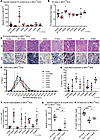
Expression of WT DNM2 did not improve muscle force nor mass and tended to slightly worsen these phenotypes (Figure 3, A and B). In contrast, the lipid-binding-defective K562E mutant significantly improved both specific muscle force and muscle mass, whereas all other mutants had no effect. To assess whether functional improvements were accompanied by histological and morphological rescue, we performed H&E and SDH staining and quantified fiber size and nuclear positioning (Figure 3C). Expression of K562E markedly increased fiber size and improved histological findings, while the R399A oligomerization mutant enhanced fiber size but worsened nuclear mislocalization (Figure 3, D–F, Supplemental Figure 1G, and Supplemental Figures 4 and 5). Conversely, the ΔPRD did not increase fiber size and did not worsen nucleus mislocalization. The other mutants did not ameliorate the histopathology of Mtm1–/y mice. Nuclear mislocalization was even exacerbated with WT and K44A injections.
Overexpression of the lipid-binding-defective DNM2 K562E mutant improves TAFigure 3

Overexpression of the lipid-binding-defective DNM2 K562E mutant improves TA muscle force and atrophy in Mtm1–/y mice. (A) Maximal specific force developed by Mtm1–/y TA muscles at 150 Hz 2 weeks after AAV-DNM2 injection upon stimulation of the sciatic nerve (3 ≤ n ≤ 13). (B) TA mass normalized to body mass at 5 weeks (4 ≤ n ≤ 12). (C) Transversal sections of Mtm1–/y TA muscles expressing DNM2 mutants, stained with H&E and SDH. White arrows: necklace fibers. Scale bars: 50 μm. (D) Distribution of TA fibers based on their MinFeret diameter (3 ≤ n ≤ 6). (E) Proportion of large fibers (MinFeret > 30 μm) in Mtm1–/y transduced TA sections (3 ≤ n ≤ 6). (F) Percentage of myofibers with mislocalized nuclei (3 ≤ n ≤ 5). (G) Maximal specific force developed by Mtm1–/y TA muscles at 150 Hz with or without DNM2 K562E expression compared with WT controls (6 ≤ n ≤ 15). (H) TA mass normalized to body mass in the same groups (6 ≤ n ≤ 16). Each dot represents 1 mouse. Values are shown as mean ± SD; *P < 0.05, **P < 0.01, ****P < 0.0001. (A, F, and H) Ordinary 1-way ANOVA. (G) Brown-Forsythe ANOVA. (B and E) Kruskal-Wallis test.

The lipid-binding-defective DNM2 K562E mutant was the only one that improved muscle force, mass, fiber size, and overall histopathological appearance in Mtm1–/y mice. The rescue was partial after 2 weeks of treatment, as muscle force and mass reached intermediate levels between untreated Mtm1–/y mice and healthy controls (Figure 3, G and H).

Overexpression of the lipid-binding-defective DNM2 K562E mutant improves ultrastructure and intracellular protein dynamics in Mtm1–/y mice. As we previously found that membrane and protein homeostasis are key pathways altered in the CNM disease, we investigated whether improvement of these pathways is the basis of the amelioration in muscle force and histology. In the Mtm1–/y mouse, myofiber disorganization, abnormal triad shape and localization, desmin aggregation, and β1-integrin intracellular retention were previously described (44, 47, 49, 50).

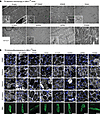
Ultrastructural analysis revealed that K562E and ΔPRD partially restored general myofiber architecture in comparison with AAV-empty controls (Figure 4A). Some residual defects remained: K562E showed occasional dilated T tubules, while ΔPRD exhibited minor Z-line misalignment. All other mutants displayed persistent abnormalities: WT DNM2 caused general disorganization; K44A, K142A, and KARW showed Z-line misalignment; and R399A had enlarged inter-sarcomeric spaces. T tubules were slightly enlarged in all conditions, while no triads were recognized in K142A.
Overexpression of the lipid-binding-defective DNM2 K562E mutant improves ulFigure 4

Overexpression of the lipid-binding-defective DNM2 K562E mutant improves ultrastructure and intracellular protein dynamics in Mtm1–/y mice. (A) Electron microscopy images of longitudinal Mtm1–/y TA sections, injected with DNM2 constructs, showing overall sarcomere organization. Scale bars: 2 μm (1 μm for R399A). Zoomed views of triads in bottom corners (×8 relative to main image). (B) Immunolabeling of DNM2, dysferlin, desmin, and β1-integrin in transversal TA sections, and α-bungarotoxin staining of NMJs in longitudinal TA sections. Scale bars: 20 μm.

Analysis of intracellular organization and protein localization revealed that desmin, β1-integrin, and dysferlin accumulations persisted with most injected mutants, whereas fibers expressing K562E were the least affected, displaying markedly fewer intracellular accumulations than empty controls (Figure 4B).

Taken together, the positive effect of the lipid-binding-defective mutant K562E on Mtm1–/y muscle force, atrophy, and histopathology correlated with improvement in ultrastructure, membrane trafficking, and protein homeostasis.

Overall, in WT mice, all DNM2 variants except K562E induced muscle weakness and CNM-like phenotypes, whereas in Mtm1–/y mice, the lipid-binding-defective K562E mutant exerted a beneficial effect, while exogenous expression of the other loss-of-function mutants was ineffective or deleterious (Table 1 and Supplemental Figure 6).
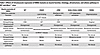
Table 1

Effects of intramuscular expression of DNM2 mutants on muscle function, histology, ultrastructure, and cellular pathways in WT and Mtm1–/y mice

Systemic expression of the CMT neuropathy mutant K562 restores muscle function and ameliorates structural and histopathological defects in Mtm1–/y Dnm2K562E/+ mice. While AAV-mediated expression allows rapid testing of DNM2 variants, it results in non-physiological overexpression that may confound phenotypic interpretation. To evaluate the effects of disrupting DNM2 lipid binding at physiological expression levels, we crossed Mtm1–/y XLCNM mice with Dnm2K562E/+ CMT knockin mice to obtain Mtm1–/y Dnm2K562E/+ double mutants. Dnm2K562E/+ mice are a CMT model that expresses mutant lipid-binding-defective DNM2 systemically under its endogenous promoter and develop a primary myopathy characterized by mild muscle atrophy and fiber hypotrophy. Notably, mice expressing DNM2 K562E mutant and lacking the second Dnm2 allele in Schwann cells (Dnm2K562E/SC–) develop a severe demyelinating neuropathy (51). We compared Mtm1–/y Dnm2K562E/+ double mutants with Mtm1–/y mice to assess rescue, and with WT mice for potential normalization, at 8 weeks of age (Figure 5A). A subset of double mutants was maintained for lifespan analysis, which revealed a complete rescue compared with Mtm1–/y mice (Figure 5B), with the oldest animal reaching at least 80 weeks of age. In addition, body mass was normalized (Figure 5C), as were motor functions, including hanging test, actimetry, and gait analyses (Figure 5, D–H).
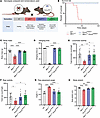
Systemic expression of the DNM2 mutant K562 restores whole-body motor perfoFigure 5

Systemic expression of the DNM2 mutant K562 restores whole-body motor performance in Mtm1–/y Dnm2K562E/+ mice. (A) Mouse cohorts used for systemic proof of concept (males only). Created in BioRender (Goret M, 2026, https://BioRender.com/jqvfspw). (B) Survival curve of the 4 groups analyzed from birth to 100 days (8 ≤ n ≤ 10). (C) Body mass at 8 weeks (8 ≤ n ≤ 16). (D) Hanging test performance at 8 weeks; maximum hanging time = 60 seconds (8 ≤ n ≤ 16). (E) Total locomotor activity during the night; one count corresponds to one detected back-and-forth movement event in the cage (3 ≤ n ≤ 15). (F) Total rearing activity during the night (3 ≤ n ≤ 15). (G) Angle of the hind feet relative to the body axis during treadmill walking (4 ≤ n ≤ 10). (H) Body stretch (nose-to-tail base length) measured during treadmill walking at 8 weeks (4 ≤ n ≤ 9). Each dot represents 1 mouse. Values are shown as mean ± SD; *P < 0.05, **P < 0.01, ***P < 0.001, ****P < 0.0001. (C, E, G, and H) Ordinary 1-way ANOVA. (D and F) Kruskal-Wallis test.

Muscle force was strongly rescued: force-frequency curves demonstrated full correction of TA weakness in double mutants following both sciatic nerve and direct muscle stimulation (Figure 6, A and B). TA maximal specific force was also fully normalized with both types of stimulation (Figure 6, C and D). Fatigue analysis showed that Mtm1–/y muscles produced almost no force during repetitive stimulations. This defect was corrected in double mutants (Figure 6E).
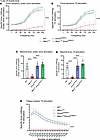
Systemic expression of the DNM2 mutant K562 restores in situ muscle force iFigure 6

Systemic expression of the DNM2 mutant K562 restores in situ muscle force in Mtm1–/y Dnm2K562E/+ mice. (A and B) TA specific force–frequency curve after stimulation of the sciatic nerve (4 ≤ n ≤ 11) (A) or the TA (B) at incremental frequencies (1–150 Hz) at 8 weeks, normalized to TA mass (4 ≤ n ≤ 11). (C and D) Maximal specific force developed by the TA after stimulation of the sciatic nerve (4 ≤ n ≤ 11) (C) or the TA itself (D) at 150 Hz, normalized to TA mass (4 ≤ n ≤ 11). (E) TA muscle fatigue over 80 consecutive TA stimulations at 40 Hz, normalized to TA mass (4 ≤ n ≤ 10). Each dot represents 1 mouse. Values are shown as mean ± SD; ****P < 0.0001. (A, B, and E) Two-way ANOVA. (C and D) Ordinary 1-way ANOVA.

TA muscle mass was reduced in both Mtm1–/y CNM and, to a lesser extent, Dnm2K562E/+ CMT mice compared with WT, with partial rescue observed in the double mutants compared with the CNM model (Figure 7A). A similar pattern was seen for fiber size: both models showed fiber hypotrophy, more pronounced in the CNM model, and the double mutants displayed partial rescue relative to CNM but no improvement compared with CMT (Figure 7, B and C). Histological analyses further revealed that organelle mispositioning was markedly improved in Mtm1–/y Dnm2K562E/+ mice compared with Mtm1–/y mice, as shown by H&E and SDH staining and corresponding quantifications (Figure 7, D–F).
Systemic expression of the CMT neuropathy mutant K562 improves muscle atropFigure 7

Systemic expression of the CMT neuropathy mutant K562 improves muscle atrophy and CNM histopathology in Mtm1–/y Dnm2K562E/+ mice. (A) TA mass normalized to body mass at 8 weeks (6 ≤ n ≤ 14). (B) Distribution of TA fibers based on their MinFeret diameter (5 ≤ n ≤ 8). (C) Proportion of small fibers (MinFeret < 35 μm) in TA sections (5 ≤ n ≤ 8). (D) TA transversal sections stained with H&E and SDH. White arrows indicate mislocalization. Scale bars: 50 μm. (E) Percentage of myofibers with mislocalized nuclei (5 ≤ n ≤ 7). (F) Percentage of myofibers with abnormal SDH oxidative activity (5 ≤ n ≤ 8). Each dot represents 1 mouse. Values are shown as mean ± SD; *P < 0.05, **P < 0.01, ***P < 0.001, ****P < 0.0001. (A) One-way ANOVA. (E) Brown-Forsythe ANOVA. (C and F) Kruskal-Wallis test.

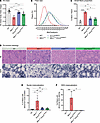
To assess the molecular and structural mechanism of the rescue, transversal sections of TA muscle were analyzed by immunofluorescence. Abnormal desmin accumulations were detected in both single-mutant models, consistent with previous reports (45, 47, 52), and were fully normalized in the double mutants (Figure 8, A and B). Similarly, β1-integrin accumulations observed in Mtm1–/y fibers were largely ameliorated in the double mutants, although the change was not statistically significant (Figure 8, A and C).
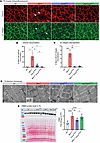
Systemic expression of the CMT neuropathy mutant K562 improves muscle organFigure 8

Systemic expression of the CMT neuropathy mutant K562 improves muscle organization in Mtm1–/y Dnm2K562E/+ mice. (A) Immunolabeling of desmin (top) and β1-integrin (bottom) in transversal TA sections. Arrows indicate fibers with abnormal central accumulation of the staining. Scale bars: 50 μm. (B and C) Proportion of fibers with abnormal localization of desmin (4 ≤ n ≤ 7) (B) and β1-integrin (C) in TA sections at 8 weeks (3 ≤ n ≤ 8). (D) Electron microscopy images of longitudinal TA sections. Scale bars: 1 μm. Zoomed views of triads in bottom-left corners (×8 relative to main image). (E) Representative Western blot and quantification of DNM2 protein in TA (6 ≤ n ≤ 8). Each dot represents 1 mouse. Values are shown as mean ± SD; *P < 0.05, **P < 0.01, ***P < 0.001, ****P < 0.0001. (B) Brown-Forsythe ANOVA. (C) Kruskal-Wallis test. (E) Ordinary 1-way ANOVA.

Ultrastructural analysis revealed that Mtm1–/y fibers were severely disorganized, with centrally located nuclei, dilated sarcoplasmic reticulum (SR), and abnormal triads and T tubules, while mitochondria appeared small but structurally intact (Figure 8D). SR dilatation and disorganized triads/T tubules were observed in Dnm2K562E/+ fibers, though mitochondria remained normal. In the Mtm1–/y background, K562E expression partially improved these defects but did not restore to WT-like structure: SR dilatation and triad/T tubule abnormalities persisted, and some fibers showed mitochondrial degeneration.

Since DNM2 levels are elevated in Mtm1–/y muscle and normalization of DNM2 levels has been linked to phenotype rescue (32, 33), we quantified protein levels by Western blot. DNM2 was approximately 2-fold higher in Mtm1–/y mice and 1.4-fold higher in Dnm2K562E/+ mice compared with WT (Figure 8E). In double mutants, DNM2 remained elevated (~1.9-fold vs. WT), indicating that phenotypic rescue occurred independently of DNM2 level normalization.

In conclusion, these results demonstrate that sustained genetic inhibition of DNM2 lipid binding is sufficient to rescue the majority of phenotypes in the severe Mtm1–/y CNM model and significantly prolong lifespan, whereas the reciprocal rescue of the Dnm2K562E/+ phenotype by MTM1 loss does not occur (Supplemental Figure 7). In contrast, crossing Mtm1–/y mice with mice expressing hyperactive DNM2 mutants (S619L or R465W) exacerbated the disease, with few or no pups surviving after birth (Supplemental Figure 8).
Discussion

In this study, we dissected the contribution of distinct DNM2 functions to muscle pathology by expressing a panel of DNM2 variants in WT and Mtm1–/y muscles. Our findings reveal that lipid binding emerges as the critical determinant of both disease pathology and therapeutic rescue. Furthermore, genetic inhibition of lipid binding from embryogenesis in Mtm1–/y rescued most phenotypes.

Role of DNM2 functions in CNM pathology. Exogenous expression of WT DNM2 or loss-of-function mutants in WT muscle generally induced CNM-like phenotypes, likely reflecting the deleterious effects of increased DNM2 levels. Previous studies showed that increasing WT DNM2 level through transgenesis or AAV transduction induced CNM-like phenotypes as well (31, 53). Here we observed that injecting loss-of-function DNM2 mutants disrupted DNM2 distribution and impaired membrane trafficking, remodeling, and protein homeostasis, likely affecting organelle positioning, fiber morphology, and ultrastructure and ultimately altering muscle force. Notably, the distinct mutants produced different phenotypic profiles.

Nuclear mislocalization, a hallmark of CNM, was induced strongly in WT muscle by WT, K44A, K142A, and KARW (>30% fibers) and to a lesser extent by ΔPRD and R399A (<15% fibers) (Figure 1D). In Mtm1–/y muscle, where nuclei are already mislocalized, most mutants, except K562E (defective in lipid binding; refs. 15, 19) and ΔPRD (lacking protein-protein interactions), further exacerbated nuclear positioning defects (Figure 3F). In agreement, the Dnm2K562E/+ mouse model does not display a CNM histological phenotype nor nucleus misposition in muscle. K562E overexpression following injection of WT muscle did not cause CNM histopathology or muscle atrophy (36). In line with these observations, we hypothesize that nuclear mislocalization requires lipid binding but not GTPase activity. Transposed to CNM mouse models and patients, these data suggest that DNM2 mutations cause CNM by increasing DNM2 level or lipid binding. Indeed, DNM2 level is increased in the Dnm2S619L/+ and Dnm2R369W/+ mouse models (38, 48). More generally, our data suggest that lack of MTM1 function, as found in MTM1-CNM patients and the Mtm1–/y mouse, would also cause CNM through increasing DNM2 level or lipid binding. We previously reported a significant increase in DNM2 protein level in both MTM1-CNM patient muscles and the Mtm1–/y mouse (32); however, the link between MTM1 activity and DNM2 lipid binding remains unclear.

GTPase activity, on the other hand, seems crucial for membrane trafficking but less related to the CNM pathomechanism. Mutants impairing this function, including KARW, K44A, and K142A, and pharmacological inhibition or DNM2 depletion, led to defects in endosome maturation and autophagosome homeostasis in cultured cells (12, 54). The fact that these mutants induced a CNM-like phenotype when overexpressed in WT mice supports that an increase in GTPase activity is not the main cause of CNM.

Despite its low effect on nuclei mislocalization, ΔPRD caused the largest reductions in muscle force and TA mass, indicating that centralized nuclei alone are not the primary determinant of contractile dysfunction, consistent with prior observations in DNM2 overexpression models (55). All DNM2 functions, however, appear necessary to maintain triad structure, as defects were observed here across mutants affecting lipid binding, oligomerization, protein interactions, or GTPase activity.

The R399A mutant, which stabilizes DNM2 in a dimeric cytosolic state, induced profound intracellular disorganization and a strong decrease in oxidative activity linked to mitochondria without major effects on nuclear positioning. Importantly, these induced phenotypes are different from CNM hallmarks.

Lipid binding of DNM2 as a key therapeutic target. It has previously been shown that reducing DNM2 protein level has a therapeutic effect in several Mtm1- or Dnm2-CNM mouse models (32, 34, 35, 56). Here we wanted to explore how targeting specific DNM2 protein functions could improve CNM-related phenotypes.

In Mtm1–/y muscles, only the expression of the lipid-binding-defective K562E mutant consistently improved muscle force and mass, histology, sarcomere organization, and protein localization. Other mutants failed to rescue or even aggravated pathology, likely because most other mutants have a WT lipid-binding property and because DNM2 overexpression itself is deleterious. By contrast, overexpression of K562E produced minimal defects in WT muscle, suggesting a therapeutic candidate in the CNM context. This contrasts with the muscle phenotype reported in DnmK562E/+ mice (51), likely reflecting differences between acute overexpression in adult muscle and endogenous expression from embryogenesis. The therapeutic relevance of lipid binding was further demonstrated using Mtm1–/y Dnm2K562E/+ mice, which showed normalized lifespan, motor function, and muscle morphology. This supports that decreasing DNM2 lipid binding during embryogenesis and in the long term is not detrimental in a CNM context. Notably, these improvements occurred despite persistently elevated DNM2 protein levels, indicating that selective inhibition of lipid binding, rather than global protein reduction, is sufficient for phenotypic correction. This aligns with a prior report showing that K562E mutation alleviates CNM phenotype in a DNM2-related mouse model (45). Mechanistically, we hypothesize that reducing DNM2-lipid interactions may restore membrane trafficking and protein homeostasis, thereby mitigating disease progression.

Taken together, our findings highlight lipid binding as the key driver of CNM pathology and provide a proof of concept that selective reduction of this activity is sufficient to ameliorate X-linked CNM disease manifestations in vivo. Modulating other DNM2 functions appears to be either insufficient or deleterious, emphasizing the need for strategies that selectively inhibit DNM2-lipid interactions. Future approaches could include small molecules targeting the PH domain or allosteric modulators that limit membrane association while preserving other DNM2 functions.

Methods

Sex as a biological variable. Only male mice were used. Myotubular myopathy is an X-linked recessive disease (MTM1 mutations) that primarily affects males.

Materials. pAAV plasmids containing full-length human DNM2 cDNA (NCBI Reference Sequence NM_001005360.2) were generated as previously described (31) and the different mutations introduced by primer-directed PCR mutagenesis. All constructs were verified by Sanger sequencing.

The following primary commercial antibodies were used: anti-dysferlin (Abcam; ab15108), anti-desmin (Abcam; ab152000), and anti–β1-integrin (Chemicon; MAB1997). Mouse anti–β-actin and rabbit anti-DNM2 antibodies (R2680, R2865) (31) were made on-site at the antibody facility at the IGBMC. Alexa-conjugated secondary antibodies were purchased from Invitrogen. Secondary antibodies against mouse and rabbit IgG, conjugated with horseradish peroxidase, were purchased from Jackson ImmunoResearch Laboratories. Hoechst nuclear stain was from Sigma-Aldrich. To detect neuromuscular junctions (NMJs), α-Bungarotoxin CF488A Conjugate (Interchim; 00005) was used.

The following products were purchased: ECL chemiluminescent reaction kit (Thermo Fisher Scientific; 34577), FluorSave reagent (Merck; 345789), DC Protein Assay (Bio-Rad; 5000111), and Marker Reducing Buffer (Thermo Fisher Scientific; 39000).

Production and purification of AAV. Recombinant adeno-associated virus (AAV2/1) was generated as described before (31, 36). Briefly, AAVs were generated by triple transfection of HEK293T cell line with pAAV2 containing DNM2 insert under the control of the CMV promoter and flanked by serotype 2 inverted terminal repeats, pHelper coding the adenovirus helper functions, and pXR1 containing rep and cap genes of AAV serotype 1. AAV vectors were harvested from cell lysate 48 hours after transfection lysate and purified by iodixanol gradient ultracentrifugation (OptiPrep) followed by dialysis and concentration against Dulbecco’s phosphate-buffered saline (DPBS) using centrifugal filters (Amicon Ultra-15 Centrifugal Filter Devices 100K, Millipore). Viral titers were quantified by qPCR using the LightCycler480 SYBR Green I Master mix (Roche) and primers targeting CMV enhancer sequence. Titers are expressed as viral genomes per milliliter (vg/mL).

Animals. Mtm1–/y (129/SvPAS) mice were previously generated and characterized (33, 49). Mtm1–/y Dnm2K562E/+ mice were obtained by breeding of female heterozygous Mtm1+/– mice with male heterozygous Dnm2K562E/+ mice (C57BL/6J, previously generated and characterized; refs. 45, 51). Male Mtm1+/y Dnm2K562E/+ (Dnm2K562E/+) and Mtm1+/y Dnm2+/+ (WT) littermates were used as controls because myotubular myopathy is an X-linked recessive disease that predominantly affects males. The number of animals used for each experiment is reported in Supplemental Table 1.

Finger biopsies were used for genotyping. The floxed Dnm2 allele was identified using the forward GCCATCTTCAACACAGAGCAGAGGTG and reverse TACACTGTCTGCACTGTCGAGCCCTG primers for the K562E mutation. Forward AGCACATGGGAGGTTGAG and reverse GGCTTTAACCAAGGATTCACA primers were used for Mtm1 genotyping.

Animals were housed in cages with access to food ad libitum and in a temperature-controlled room (19°C–22°C) with a 12-hour light/12-hour dark cycle. Mice were euthanized by cervical dislocation and humanely sacrificed when required according to national and European legislation on animal experimentation.

Mouse phenotyping. Behavioral tests were conducted at 8 weeks of age, in the same order for all animals, by a single experimenter blinded to genotype and injection. The hanging test measured latency to fall from an inverted grid (maximum 60 seconds); 3 trials were performed per animal, and the 2 best were averaged. Gait analysis was performed on a motorized treadmill equipped with a camera, at a constant speed (8 cm/s). Body stretch (nose to tail base when hind paw was in contact with the surface) and paw placement angle (angle between body axis and paw center when in contact with the surface) were quantified. Three measures were averaged for body stretch and 6 for paw angle (3 per side). The actimetry test measured spontaneous locomotor activity in mice using a closed cage equipped with infrared light beams. It tracked the number of rears and locomotor activity, recorded during the night from 7 pm to 7 am, after a period of acclimatization from 11 am to 7 pm. Activity counts were averaged over the night.

AAV transduction of tibialis anterior muscle. AAV2/1 was injected in the tibialis anterior (TA) of 3-week-old male WT and Mtm1–/y 129/SvPAS mice, as previously described (36). Mice were anesthetized by intraperitoneal injection of a ketamine (20 mg/mL) and xylazine (0.4%) solution at 5 μL/g body mass. Fifteen microliters of 1 × 10¹¹ vg/mL AAV2/1 encoding either WT DNM2, DNM2 mutants, or empty AAV vector (control) were injected randomly into the left or right TA muscles; injections were not paired within individual animals. Mice were sacrificed 2 weeks after injection.

In situ muscle force measurement. The contractile properties of the TA muscle were measured in response to either sciatic nerve or direct muscle stimulation using the in situ Whole Animal System 1305A (Aurora Scientific). Mice were anesthetized with intraperitoneal injections of medetomidine/fentanyl mix (2/0.28 mg/kg), diazepam (8 mg/kg), and fentanyl (0.28 mg/kg). The distal TA tendon was partially excised and attached to an isometric transducer (Aurora Scientific). The sciatic nerve was exposed through a small thigh incision. Isometric tetanic force was first recorded following sciatic nerve stimulation (150 Hz, 0.5 seconds), followed by a force-frequency analysis (1–150 Hz). The same protocol was repeated with direct muscle stimulation. Fatigue was assessed using 80 consecutive tetanic stimulations (40 Hz, 1 second on/3 seconds off), and tetanic force was averaged every 5 contractions. Fatigue was expressed as the percentage drop in force from the first 5 to the last 5 contractions.

Specific force was calculated either by division of maximal force by muscle cross-sectional area (mN/mm2), derived from wet muscle mass, optimal muscle length, and muscle density (1.06 mg/mm3); or by division of maximal force by muscle mass (mN/mg).

Protein extraction and Western blot. TA muscles were lysed in RIPA buffer supplemented with 1 mM PMSF, 1 mM DTT, and cOmplete Mini EDTA-free protease inhibitor cocktail (Roche; 11836170001) using a Precellys tissue homogenizer (Bertin Technologies). Protein concentrations were determined with the DC Protein Assay. Samples were denatured at 95°C for 5 minutes in 5× Lane Marker Reducing Buffer (Thermo Fisher Scientific; 39000). Then 10 μg of protein was loaded and separated in 8% or 10% SDS-PAGE gel and transferred on nitrocellulose membrane using a Trans-Blot Turbo Transfer System (Bio-Rad). Membranes were stained with Ponceau S, then blocked for 1 hour in Tris-buffered saline containing 5% nonfat dry milk and 0.1% Tween 20 before an incubation overnight with primary antibody DNM2 2865 (1:500–1:1,000; homemade anti-proline rich domain), DNM2 2680 (1:200; homemade anti–pleckstrin homology/GTPase effector domain), or β-actin (1:1,000; homemade) diluted in blocking buffer containing 5% milk. Membranes were subsequently incubated for 1 hour at room temperature with anti-mouse or anti-rabbit secondary antibodies coupled with horseradish peroxidase (1:5,000–1:10,000; Jackson ImmunoResearch Laboratories). Nitrocellulose membranes were visualized in an Amersham Imager 600 (GE Healthcare Life Sciences) using an ECL chemiluminescent reaction kit (Pierce). Band intensity was determined by densitometry using ImageJ (NIH). All original, uncropped Western blot images used for quantification, including those not shown in the figures and their corresponding loading controls, are available in the supplementary material.

Histology. TA muscles were snap-frozen in liquid nitrogen–cooled isopentane and stored at –80°C. Eight-micrometer transversal cryosections were prepared and stained for hematoxylin and eosin (H&E) and succinate dehydrogenase (SDH) histology analysis. Images of the entire muscle sections were acquired with a Hamamatsu NanoZoomer 2HT slide scanner. Myofiber segmentation was performed in H&E sections using the Cellpose algorithm (57). The minimum Feret diameter (MinFeret) was calculated using Fiji image analysis software (58), and the number of fibers with mislocalized (centralized or internalized) nuclei was manually counted using the Fiji Cell Counter plug-in.

Electron microscopy. Transmission electron microscopy (TEM) was carried out on pieces of TA muscles fixed in 2.5% paraformaldehyde and 2.5% glutaraldehyde (Electron Microscopy Sciences) in 0.1 M cacodylate buffer (pH 7.4). Muscles were fixed in 1% osmium tetroxide (OsO4) in H2O at 4°C. Then samples were dehydrated with increasing concentrations of ethanol, and embedded with a graded series of epoxy resin. Samples were finally polymerized at 60°C for 48 hours. Ultrathin sections of 70 nm were obtained and stained with uranyl acetate and lead citrate. They were observed by Philips CM12 TEM electron microscope (Philips, FEI Electron Optics, Eindhoven, Netherlands) operated at 80 kV and equipped with an Orius 1000 CCD camera (Gatan).

Immunostaining of muscle sections. Isopentane-frozen muscles were sectioned transversally (8 μm) and fixed with 4% paraformaldehyde before immunostaining. Sections were permeabilized with 0.5% PBS–Triton X-100 and blocked with 5% BSA in PBS. Primary antibodies (see Materials) were diluted in 1% BSA as follows: DNM2 R2865 (1:100), dysferlin (1:50), desmin (1:100), and β1-integrin (1:50). Alexa Fluor 488–, 555–, 594–, or 647–conjugated secondary antibodies (anti-rabbit or anti-rat) were used at 1:250 in 1% BSA. For longitudinal immunostaining, hind limbs were fixed in 4% paraformaldehyde for 24 hours. The TA muscle was then dissected, cryoprotected in 30% sucrose, and stored at –20°C before sectioning (8 μm). NMJs were labeled with α-Bungarotoxin CF488A Conjugate (1:1,000). Images for AAV-injected muscles were acquired using a Leica SP8-UV confocal microscope (Leica Microsystems), and Z-projections are shown. Images from genetic crosses were acquired using a Hamamatsu NanoZoomer 2HT slide scanner. NMJ fragmentation and circularity were quantified using Fiji. For circularity, a value of 1 indicates a perfect circle, and values approaching 0 indicate increasingly elongated structures.

Statistics. All statistical analyses and graph generation were performed using GraphPad Prism. Normality was assessed using the Shapiro-Wilk test. For normally distributed data with equal variances, 1-way ANOVA followed by uncorrected Fisher’s least significant difference test was used for pairwise comparisons. When variances were unequal, Brown-Forsythe and Welch’s ANOVA was performed, followed by 2-tailed Welch’s t tests. For non-normally distributed data, the Kruskal-Wallis test was used, followed by uncorrected Dunn’s test. For DNM2-mutant injections, only statistically significant differences relative to the empty control group are shown. For genetic crosses, all pairwise comparisons were performed, and only statistically significant differences are displayed. P values less than 0.05 were considered significant. Graphs display individual data points with mean ± SD. A detailed summary of the statistical tests and group sizes is provided in Supplemental Table 1.

Study approval. All animal procedures were conducted in compliance with French and European regulations and were approved by the Com’Eth IGBMC–Institut Clinique de la Souris institutional ethics committee (Illkirch, France) under authorization numbers APAFIS 5640-2016061019332648, 21789-2019082616218526, 22713-2019103108289018, and 33431-2021101219473414.

Data availability. All source data supporting the findings of this study are provided in the Supporting Data Values file.

Author contributions

JL designed the study. BSC and JL supervised the study and secured funding. RGO, XMM, and DR performed in vivo phenotyping, muscle force measurements, histology, immunofluorescence, and molecular analyses. RGO and XMM contributed to injections, electron microscopy acquisition, and project management. DR carried out genetic crosses. JDCN carried out injections and histology quantification. ND performed immunofluorescence. RSR conducted muscle force measurements. RGO and XMM wrote the initial draft, and MG prepared figures and wrote the final manuscript together with JL.

Conflict of interest

JL and BSC patented DNM2 inhibition for the treatment of centronuclear myopathy (WO2015055859A1).

Funding support
  • Interdisciplinary Thematic Institute (ITI) IMCBio, as part of the ITI 2021–2028 program of the University of Strasbourg, CNRS, and INSERM.
  • IdEx Unistra (grant ANR-10-IDEX-0002), the SFRI-STRATUS project (ANR-20-SFRI-0012), and EUR IMCBio (ANR-17-EURE-0023) under the framework of the France 2030 Program.
  • Agence National de la Recherche (Dynather, ANR-18-CE17-0006-02).
  • Cifre (ANRT, 2017/1270, to RGO).
  • IGBMC International PhD Program (to XMM).
  • Fondation Recherche Médicale fellowship (PLP20170939073 to RSR).
Supplemental material

View Supplemental data

View Unedited blot and gel images

View Supplemental table 1

View Supporting data values

Acknowledgments

The authors thank Ueli Suter and Jorge A. Pereira (Department of Biology, Institute of Molecular Health Sciences, Swiss Federal Institute of Technology, ETH Zurich, Zurich, Switzerland), and the Mouse Clinical Institute (Institut Clinique de la Souris, Illkirch) for providing the Dnm2K562E/+ mice. We thank Christine Kretz for assistance with mouse genotyping, Coralie Borne for protein extraction, and Suzie Buono for plasmid cloning. We acknowledge the support of the scientific platforms at the Institut de Génétique et de Biologie Moléculaire et Cellulaire (IGBMC), in particular Nadia Messaddeq for electron microscopy image acquisition, Pascale Koebel for AAV production, and the histology platform for tissue staining. We also acknowledge the IGBMC Imaging Center, a member of the national infrastructure France-BioImaging supported by the French National Research Agency (ANR-10-INBS-04).

Address correspondence to: Jocelyn Laporte, IGBMC, 1 rue Laurent Fries, 67404 Illkirch, France. Phone: 33388653412; Email: jocelyn@igbmc.fr.

Footnotes

Copyright: © 2026, Gomez-Oca et al. This is an open access article published under the terms of the Creative Commons Attribution 4.0 International License.

Reference information: JCI Insight. 2026;11(9):e204423.https://doi.org/10.1172/jci.insight.204423.

References
  1. Praefcke GJK, McMahon HT. The dynamin superfamily: universal membrane tubulation and fission molecules? Nat Rev Mol Cell Biol. 2004;5(2):133–147.
    View this article via: CrossRef PubMed Google Scholar
  2. Heymann JAW, Hinshaw JE. Dynamins at a glance. J Cell Sci. 2009;122(pt 19):3427–3431.
    View this article via: CrossRef PubMed Google Scholar
  3. Cao H, et al. Differential distribution of dynamin isoforms in mammalian cells. Mol Biol Cell. 1998;9(9):2595–2609.
    View this article via: CrossRef PubMed Google Scholar
  4. Ferguson SM, De Camilli P. Dynamin, a membrane-remodelling GTPase. Nat Rev Mol Cell Biol. 2012;13(2):75–88.
    View this article via: CrossRef PubMed Google Scholar
  5. Srinivasan S, et al. Identification and function of conformational dynamics in the multidomain GTPase dynamin. EMBO J. 2016;35(4):443–457.
    View this article via: CrossRef PubMed Google Scholar
  6. Antonny B, et al. Membrane fission by dynamin: what we know and what we need to know. EMBO J. 2016;35(21):2270–2284.
    View this article via: CrossRef PubMed Google Scholar
  7. Faelber K, et al. Structural insights into dynamin-mediated membrane fission. Structure. 2012;20(10):1621–1628.
    View this article via: CrossRef PubMed Google Scholar
  8. Damke H, et al. Induction of mutant dynamin specifically blocks endocytic coated vesicle formation. J Cell Biol. 1994;127(4):915–934.
    View this article via: CrossRef PubMed Google Scholar
  9. Sundborger AC, et al. A dynamin mutant defines a superconstricted prefission state. Cell Rep. 2014;8(3):734–742.
    View this article via: CrossRef PubMed Google Scholar
  10. Gu C, et al. Direct dynamin-actin interactions regulate the actin cytoskeleton. EMBO J. 2010;29(21):3593–3606.
    View this article via: CrossRef PubMed Google Scholar
  11. Damke H, et al. Dynamin GTPase domain mutants block endocytic vesicle formation at morphologically distinct stages. Mol Biol Cell. 2001;12(9):2578–2589.
    View this article via: CrossRef PubMed Google Scholar
  12. Schulze RJ, et al. Lipid droplet breakdown requires dynamin 2 for vesiculation of autolysosomal tubules in hepatocytes. J Cell Biol. 2013;203(2):315–326.
    View this article via: CrossRef PubMed Google Scholar
  13. Schlunck G, et al. Modulation of Rac localization and function by dynamin. Mol Biol Cell. 2004;15(1):256–267.
    View this article via: CrossRef PubMed Google Scholar
  14. Marks B, et al. GTPase activity of dynamin and resulting conformation change are essential for endocytosis. Nature. 2001;410(6825):231–235.
    View this article via: CrossRef PubMed Google Scholar
  15. Ramachandran R, et al. The dynamin middle domain is critical for tetramerization and higher-order self-assembly. EMBO J. 2007;26(2):559–566.
    View this article via: CrossRef PubMed Google Scholar
  16. Chin YH, et al. Dynamin-2 mutations associated with centronuclear myopathy are hypermorphic and lead to T-tubule fragmentation. Hum Mol Genet. 2015;24(19):5542–5554.
    View this article via: CrossRef PubMed Google Scholar
  17. Wang L, et al. Dynamin 2 mutants linked to centronuclear myopathies form abnormally stable polymers. J Biol Chem. 2010;285(30):22753–22757.
    View this article via: CrossRef PubMed Google Scholar
  18. Hinostroza F, et al. Dynamin-2 R465W mutation induces long range perturbation in highly ordered oligomeric structures. Sci Rep. 2020;10(1):18151.
    View this article via: CrossRef PubMed Google Scholar
  19. Kenniston JA, Lemmon MA. Dynamin GTPase regulation is altered by PH domain mutations found in centronuclear myopathy patients. EMBO J. 2010;29(18):3054–3067.
    View this article via: CrossRef PubMed Google Scholar
  20. McNiven MA, et al. Regulated interactions between dynamin and the actin-binding protein cortactin modulate cell shape. J Cell Biol. 2000;151(1):187–198.
    View this article via: CrossRef PubMed Google Scholar
  21. Zhang P, Hinshaw JE. Three-dimensional reconstruction of dynamin in the constricted state. Nat Cell Biol. 2001;3(10):922–926.
    View this article via: CrossRef PubMed Google Scholar
  22. Lee JE, et al. Multiple dynamin family members collaborate to drive mitochondrial division. Nature. 2016;540(7631):139–143.
    View this article via: CrossRef PubMed Google Scholar
  23. Rosendale M, et al. Functional recruitment of dynamin requires multimeric interactions for efficient endocytosis. Nat Commun. 2019;10(1):4462.
    View this article via: CrossRef PubMed Google Scholar
  24. Bitoun M, et al. Mutations in dynamin 2 cause dominant centronuclear myopathy. Nat Genet. 2005;37(11):1207–1209.
    View this article via: CrossRef PubMed Google Scholar
  25. Züchner S, et al. Mutations in the pleckstrin homology domain of dynamin 2 cause dominant intermediate Charcot-Marie-Tooth disease. Nat Genet. 2005;37(3):289–294.
    View this article via: CrossRef PubMed Google Scholar
  26. Zhao M, et al. Dynamin 2 (DNM2) as cause of, and modifier for, human neuromuscular disease. Neurotherapeutics. 2018;15(4):966–975.
    View this article via: CrossRef PubMed Google Scholar
  27. Böhm J, et al. Mutation spectrum in the large GTPase dynamin 2, and genotype-phenotype correlation in autosomal dominant centronuclear myopathy. Hum Mutat. 2012;33(6):949–959.
    View this article via: CrossRef PubMed Google Scholar
  28. Romero NB. Centronuclear myopathies: a widening concept. Neuromuscul Disord. 2010;20(4):223–228.
    View this article via: CrossRef PubMed Google Scholar
  29. Romero NB, Bitoun M. Centronuclear myopathies. Semin Pediatr Neurol. 2011;18(4):250–256.
    View this article via: CrossRef PubMed Google Scholar
  30. Claeys KG, et al. Phenotypic spectrum of dynamin 2 mutations in Charcot-Marie-Tooth neuropathy. Brain. 2009;132(pt 7):1741–1752.
    View this article via: CrossRef PubMed Google Scholar
  31. Cowling BS, et al. Increased expression of wild-type or a centronuclear myopathy mutant of dynamin 2 in skeletal muscle of adult mice leads to structural defects and muscle weakness. Am J Pathol. 2011;178(5):2224–2235.
    View this article via: CrossRef PubMed Google Scholar
  32. Cowling BS, et al. Reducing dynamin 2 expression rescues X-linked centronuclear myopathy. J Clin Invest. 2014;124(3):1350–1363.
    View this article via: JCI CrossRef PubMed Google Scholar
  33. Tasfaout H, et al. Antisense oligonucleotide-mediated Dnm2 knockdown prevents and reverts myotubular myopathy in mice. Nat Commun. 2017;8(1):15661.
    View this article via: CrossRef PubMed Google Scholar
  34. Tasfaout H, et al. Single intramuscular injection of AAV-shRNA reduces DNM2 and prevents myotubular myopathy in mice. Mol Ther. 2018;26(4):1082–1092.
    View this article via: CrossRef PubMed Google Scholar
  35. Buono S, et al. Reducing dynamin 2 (DNM2) rescues DNM2-related dominant centronuclear myopathy. Proc Natl Acad Sci U S A. 2018;115(43):11066–11071.
    View this article via: CrossRef PubMed Google Scholar
  36. Muñoz XM, et al. Different in vivo impact of dynamin 2 mutations implicated in Charcot-Marie-Tooth neuropathy or centronuclear myopathy. Hum Mol Genet. 2019;28(24):4067–4077.
    View this article via: PubMed CrossRef Google Scholar
  37. Durieux A-C, et al. A centronuclear myopathy-dynamin 2 mutation impairs skeletal muscle structure and function in mice. Hum Mol Genet. 2010;19(24):4820–4836.
    View this article via: CrossRef PubMed Google Scholar
  38. Muñoz XM, et al. Physiological impact and disease reversion for the severe form of centronuclear myopathy linked to dynamin. JCI Insight. 2020;5(18):e137899.
    View this article via: JCI Insight CrossRef PubMed Google Scholar
  39. Casar-Borota O, et al. A novel dynamin-2 gene mutation associated with a late-onset centronuclear myopathy with necklace fibres. Neuromuscul Disord. 2015;25(4):345–348.
    View this article via: CrossRef PubMed Google Scholar
  40. Romero NB, et al. Sporadic centronuclear myopathy with muscle pseudohypertrophy, neutropenia, and necklace fibres due to a DNM2 mutation. Neuromuscul Disord. 2011;21(2):148.
    View this article via: CrossRef PubMed Google Scholar
  41. Bevilacqua JA, et al. “Necklace” fibers, a new histological marker of late-onset MTM1-related centronuclear myopathy. Acta Neuropathol. 2009;117(3):283–291.
    View this article via: CrossRef PubMed Google Scholar
  42. Puri C, et al. A DNM2 centronuclear myopathy mutation reveals a link between recycling endosome scission and autophagy. Dev Cell. 2020;53(2):154–168.
    View this article via: CrossRef PubMed Google Scholar
  43. Moreno-Layseca P, et al. Integrin trafficking in cells and tissues. Nat Cell Biol. 2019;21(2):122–132.
    View this article via: CrossRef PubMed Google Scholar
  44. Lionello VM, et al. Amphiphysin 2 modulation rescues myotubular myopathy and prevents focal adhesion defects in mice. Sci Transl Med. 2019;11(484):eaav1866.
    View this article via: CrossRef PubMed Google Scholar
  45. Goret M, et al. Combining dynamin 2 myopathy and neuropathy mutations rescues both phenotypes. Nat Commun. 2025;16(1):4667.
    View this article via: CrossRef PubMed Google Scholar
  46. Franck A, et al. Clathrin plaques and associated actin anchor intermediate filaments in skeletal muscle. Mol Biol Cell. 2019;30(5):579–590.
    View this article via: CrossRef PubMed Google Scholar
  47. Hnia K, et al. Myotubularin controls desmin intermediate filament architecture and mitochondrial dynamics in human and mouse skeletal muscle. J Clin Invest. 2011;121(1):70–85.
    View this article via: JCI CrossRef PubMed Google Scholar
  48. De Carvalho Neves J, et al. DNM2 levels normalization improves muscle phenotypes of a novel mouse model for moderate centronuclear myopathy. Mol Ther Nucleic Acids. 2023;33:321–334.
    View this article via: CrossRef PubMed Google Scholar
  49. Buj-Bello A, et al. The lipid phosphatase myotubularin is essential for skeletal muscle maintenance but not for myogenesis in mice. Proc Natl Acad Sci U S A. 2002;99(23):15060–15065.
    View this article via: CrossRef PubMed Google Scholar
  50. Al-Qusairi L, et al. T-tubule disorganization and defective excitation-contraction coupling in muscle fibers lacking myotubularin lipid phosphatase. Proc Natl Acad Sci U S A. 2009;106(44):18763–18768.
    View this article via: CrossRef PubMed Google Scholar
  51. Pereira JA, et al. Mice carrying an analogous heterozygous dynamin 2 K562E mutation that causes neuropathy in humans develop predominant characteristics of a primary myopathy. Hum Mol Genet. 2020;29(8):1253–1273.
    View this article via: CrossRef PubMed Google Scholar
  52. Goret M, et al. BIN1 reduction ameliorates DNM2-related Charcot-Marie-Tooth neuropathy. Proc Natl Acad Sci U S A. 2025;122(10):e2419244122.
    View this article via: CrossRef PubMed Google Scholar
  53. Liu N, et al. Mice lacking microRNA 133a develop dynamin 2–dependent centronuclear myopathy. J Clin Invest. 2011;121(8):3258–3268.
    View this article via: JCI CrossRef PubMed Google Scholar
  54. Tinelli E, et al. Muscle-specific function of the centronuclear myopathy and Charcot-Marie-Tooth neuropathy-associated dynamin 2 is required for proper lipid metabolism, mitochondria, muscle fibers, neuromuscular junctions and peripheral nerves. Hum Mol Genet. 2013;22(21):4417–4429.
    View this article via: CrossRef PubMed Google Scholar
  55. Ross JA, et al. rAAV-related therapy fully rescues myonuclear and myofilament function in X-linked myotubular myopathy. Acta Neuropathol Commun. 2020;8(1):167.
    View this article via: CrossRef PubMed Google Scholar
  56. Moschovaki-Filippidou F, et al. Exon skipping peptide-conjugated morpholinos downregulate dynamin 2 to rescue centronuclear myopathy. Brain. 2025;148(12):4495–4507.
    View this article via: CrossRef PubMed Google Scholar
  57. Stringer C, et al. Cellpose: a generalist algorithm for cellular segmentation. Nat Methods. 2021;18(1):100–106.
    View this article via: CrossRef PubMed Google Scholar
  58. Schindelin J, et al. Fiji: an open-source platform for biological-image analysis. Nat Methods. 2012;9(7):676–682.
    View this article via: CrossRef PubMed Google Scholar
Version history
  • Version 1 (May 8, 2026): Electronic publication

Article tools

  • View PDF
  • Download citation information
  • Send a comment
  • Terms of use
  • Standard abbreviations
  • Need help? Email the journal

Metrics

  • Article usage
  • Citations to this article

Go to

  • Top
  • Abstract
  • Introduction
  • Results
  • Discussion
  • Methods
  • Author contributions
  • Conflict of interest
  • Funding support
  • Supplemental material
  • Acknowledgments
  • Footnotes
  • References
  • Version history
Advertisement
Advertisement

Copyright © 2026 American Society for Clinical Investigation
ISSN 2379-3708

Sign up for email alerts