
Research ArticleCell biologyGastroenterology
Open Access |  10.1172/jci.insight.202461
Tissue-layer-resolved proteome landscape of Crohn’s disease strictures highlights potential drivers of fibrosis progression
Johannes Alfredsson,1 Carina Sihlbom Wallem,2 Maja Östling,3,4 Hanna de la Croix,5,6 Elinor Bexe-Lindskog,6,7 and Mary Jo Wick1
1Department of Microbiology and Immunology, Institute of Biomedicine, and
2Proteomics Core Facility, Sahlgrenska Academy, University of Gothenburg, Gothenburg, Sweden.
3Department of Clinical Pathology, Sahlgrenska University Hospital, Gothenburg, Sweden.
4Forensic Medicine Department, Swedish National Board of Forensic Medicine, Gothenburg, Sweden.
5Department of Surgery, IBD-SURG-Inflammatory Bowel Disease Surgical Research Group, Institute of Clinical Sciences, Sahlgrenska Academy, University of Gothenburg, Sweden.
6Department of Surgery, Sahlgrenska University Hospital, Region Västra Götaland, Gothenburg, Sweden.
7Department of Surgery, Institute of Clinical Sciences, Sahlgrenska Academy, University of Gothenburg, Gothenburg, Sweden.
Address correspondence to: Mary Jo Wick, Department of Microbiology and Immunology, Institute for Biomedicine, Sahlgrenska Academy, University of Gothenburg, Box 435, 405 30 Gothenburg, Sweden. Phone: 46766186325; Email: mary-jo.wick@immuno.gu.se.
Find articles by Alfredsson, J. in: PubMed | Google Scholar
1Department of Microbiology and Immunology, Institute of Biomedicine, and
2Proteomics Core Facility, Sahlgrenska Academy, University of Gothenburg, Gothenburg, Sweden.
3Department of Clinical Pathology, Sahlgrenska University Hospital, Gothenburg, Sweden.
4Forensic Medicine Department, Swedish National Board of Forensic Medicine, Gothenburg, Sweden.
5Department of Surgery, IBD-SURG-Inflammatory Bowel Disease Surgical Research Group, Institute of Clinical Sciences, Sahlgrenska Academy, University of Gothenburg, Sweden.
6Department of Surgery, Sahlgrenska University Hospital, Region Västra Götaland, Gothenburg, Sweden.
7Department of Surgery, Institute of Clinical Sciences, Sahlgrenska Academy, University of Gothenburg, Gothenburg, Sweden.
Address correspondence to: Mary Jo Wick, Department of Microbiology and Immunology, Institute for Biomedicine, Sahlgrenska Academy, University of Gothenburg, Box 435, 405 30 Gothenburg, Sweden. Phone: 46766186325; Email: mary-jo.wick@immuno.gu.se.
Find articles by Sihlbom Wallem, C. in: PubMed | Google Scholar
1Department of Microbiology and Immunology, Institute of Biomedicine, and
2Proteomics Core Facility, Sahlgrenska Academy, University of Gothenburg, Gothenburg, Sweden.
3Department of Clinical Pathology, Sahlgrenska University Hospital, Gothenburg, Sweden.
4Forensic Medicine Department, Swedish National Board of Forensic Medicine, Gothenburg, Sweden.
5Department of Surgery, IBD-SURG-Inflammatory Bowel Disease Surgical Research Group, Institute of Clinical Sciences, Sahlgrenska Academy, University of Gothenburg, Sweden.
6Department of Surgery, Sahlgrenska University Hospital, Region Västra Götaland, Gothenburg, Sweden.
7Department of Surgery, Institute of Clinical Sciences, Sahlgrenska Academy, University of Gothenburg, Gothenburg, Sweden.
Address correspondence to: Mary Jo Wick, Department of Microbiology and Immunology, Institute for Biomedicine, Sahlgrenska Academy, University of Gothenburg, Box 435, 405 30 Gothenburg, Sweden. Phone: 46766186325; Email: mary-jo.wick@immuno.gu.se.
Find articles by Östling, M. in: PubMed | Google Scholar
1Department of Microbiology and Immunology, Institute of Biomedicine, and
2Proteomics Core Facility, Sahlgrenska Academy, University of Gothenburg, Gothenburg, Sweden.
3Department of Clinical Pathology, Sahlgrenska University Hospital, Gothenburg, Sweden.
4Forensic Medicine Department, Swedish National Board of Forensic Medicine, Gothenburg, Sweden.
5Department of Surgery, IBD-SURG-Inflammatory Bowel Disease Surgical Research Group, Institute of Clinical Sciences, Sahlgrenska Academy, University of Gothenburg, Sweden.
6Department of Surgery, Sahlgrenska University Hospital, Region Västra Götaland, Gothenburg, Sweden.
7Department of Surgery, Institute of Clinical Sciences, Sahlgrenska Academy, University of Gothenburg, Gothenburg, Sweden.
Address correspondence to: Mary Jo Wick, Department of Microbiology and Immunology, Institute for Biomedicine, Sahlgrenska Academy, University of Gothenburg, Box 435, 405 30 Gothenburg, Sweden. Phone: 46766186325; Email: mary-jo.wick@immuno.gu.se.
Find articles by de la Croix, H. in: PubMed | Google Scholar
1Department of Microbiology and Immunology, Institute of Biomedicine, and
2Proteomics Core Facility, Sahlgrenska Academy, University of Gothenburg, Gothenburg, Sweden.
3Department of Clinical Pathology, Sahlgrenska University Hospital, Gothenburg, Sweden.
4Forensic Medicine Department, Swedish National Board of Forensic Medicine, Gothenburg, Sweden.
5Department of Surgery, IBD-SURG-Inflammatory Bowel Disease Surgical Research Group, Institute of Clinical Sciences, Sahlgrenska Academy, University of Gothenburg, Sweden.
6Department of Surgery, Sahlgrenska University Hospital, Region Västra Götaland, Gothenburg, Sweden.
7Department of Surgery, Institute of Clinical Sciences, Sahlgrenska Academy, University of Gothenburg, Gothenburg, Sweden.
Address correspondence to: Mary Jo Wick, Department of Microbiology and Immunology, Institute for Biomedicine, Sahlgrenska Academy, University of Gothenburg, Box 435, 405 30 Gothenburg, Sweden. Phone: 46766186325; Email: mary-jo.wick@immuno.gu.se.
Find articles by Bexe-Lindskog, E. in: PubMed | Google Scholar
1Department of Microbiology and Immunology, Institute of Biomedicine, and
2Proteomics Core Facility, Sahlgrenska Academy, University of Gothenburg, Gothenburg, Sweden.
3Department of Clinical Pathology, Sahlgrenska University Hospital, Gothenburg, Sweden.
4Forensic Medicine Department, Swedish National Board of Forensic Medicine, Gothenburg, Sweden.
5Department of Surgery, IBD-SURG-Inflammatory Bowel Disease Surgical Research Group, Institute of Clinical Sciences, Sahlgrenska Academy, University of Gothenburg, Sweden.
6Department of Surgery, Sahlgrenska University Hospital, Region Västra Götaland, Gothenburg, Sweden.
7Department of Surgery, Institute of Clinical Sciences, Sahlgrenska Academy, University of Gothenburg, Gothenburg, Sweden.
Address correspondence to: Mary Jo Wick, Department of Microbiology and Immunology, Institute for Biomedicine, Sahlgrenska Academy, University of Gothenburg, Box 435, 405 30 Gothenburg, Sweden. Phone: 46766186325; Email: mary-jo.wick@immuno.gu.se.
Find articles by Wick, M. in: PubMed | Google Scholar
Published February 10, 2026 - More info
JCI Insight. 2026;11(6):e202461. https://doi.org/10.1172/jci.insight.202461.
© 2026 Alfredsson et al. This work is licensed under the Creative Commons Attribution 4.0 International License. To view a copy of this license, visit http://creativecommons.org/licenses/by/4.0/.
Received: December 2, 2025; Accepted: January 29, 2026


-
Results
MS of LMD intestinal wall reveals layer-specific proteome deviations in STR tissue. The SM and MP undergo marked pathological changes in CD-related intestinal strictures, yet proteomic profiling of these layers in STR tissue has not been reported. To address this, we used LMD to isolate 44 mm2 of net tissue coverage of the SM and MP layers from STR and control tissues (Figure 1, A and B, Supplemental Figure 1, A–C, and Supplemental Methods; supplemental material available online with this article; https://doi.org/10.1172/jci.insight.202461DS1) followed by tandem mass tag labeling and MS (TMT-MS) (Figure 1C). In total, 3,350 proteins were quantified in the SM layer and 2,612 in the MP layer (Supplemental Figure 2A). Across both tissue layers, a total of 3,724 unique proteins were identified and quantified, with the majority (60%) detected in both layers (Supplemental Figure 2B).
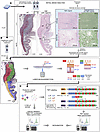 Figure 1
Overview of the workflow. The figure illustrates the workflow from FFPE block preparation through (A) initial imaging analysis, (B) laser microdissection (LMD) of submucosa (SM) and muscularis propria (MP) tissue layers, and (C) layer-wise mass spectrometry (MS) analysis. (A) Reference slides from each FFPE block were stained and scanned for initial image analysis. Given the “dense” versus “loose” tissue density in STR and NSTR samples (right), we developed an image-based method to identify one SM and one MP region from each sample to standardize tissue content of 44 mm2 across the cohort. Preliminary region outlines were drawn, and the net foreground tissue coverage was estimated using image analysis. Region sizes were then iteratively adjusted until reanalysis showed tissue coverage of 44 mm2 was obtained (see Supplemental Methods). The percentages inside the detected tissue overlays to the right indicate the foreground-to-background area ratio (“density”) detected in the tissue scan that was subsequently adjusted for by our standardization. (B) After standardized regions were identified, LMD slides were prepared from additional serial sections, scanned for use in creating an LMD guide, and stored until LMD. The standardized regions were redrawn onto these prescanned LMD slide images in the analysis software and used as visual guides during subsequent LMD. At the LMD microscope, the outlines of the standardized 44 mm2 tissue regions were laser microdissected to extract SM and MP layers for proteomic analysis. As illustrated in the schematic, the final sample cohort comprised SM and MP dissected from both STR and NSTR regions of 12 patients with CD and 8 CTRL individuals, yielding a total of 32 samples per layer. (C) The 64 LMD samples were prepared and analyzed using TMT-labeled MS. The number of samples exceeded the unique barcodes (TMT labels) available and were thus analyzed as 2 separate sets of 16 samples per layer (SM1 and SM2; MP1 and MP2; see Supplemental Methods 6 and 7). For internal validation, one-tenth of the volume of each sample was set aside before TMT labeling and used for label-free proteomics using TIMS-TOF-MS. The results from the 2 MS methodologies were integrated for robust downstream analysis at the combined level. MT, Masson’s trichrome.
Principle component analysis (PCA) of the TMT-MS data revealed a clear separation of STR from control samples along PC1 (Supplemental Figure 2, C and D), suggesting distinct, stricture-associated proteomic profiles in both layers. Furthermore, differential expression (DE) analysis within each tissue layer showed both the highest number and the largest magnitude of DE proteins in the STR versus control (STRvCTRL) comparison in the SM layer (Supplemental Figure 2E), consistent with the PCA (Supplemental Figure 2C). The MP layer had fewer DE proteins compared with the SM (Supplemental Figure 2, E and F). To strengthen and validate the TMT-MS data, an aliquot (one-tenth of the volume) of each sample was removed prior to TMT labeling for parallel analysis using label-free trapped ion mobility spectrometry with time-of-flight mass spectrometry (TIMS-TOF-MS) technology (Figure 1C). TIMS-TOF-MS demonstrated consistency with the global trends observed in the TMT-MS data and identified proteins not found with TMT-MS (Supplemental Results 1 and Supplemental Figure 2, G–L). Overall, the data obtained using 2 parallel MS technologies revealed proteome differences between STR and CTRL tissues within both layers, with layer-specific variations in the magnitude of these differences.
Proteome changes in STR SM reflect a transition from homeostasis to tissue remodeling, inflammation, and smooth muscle changes. To gain insight into processes in the SM driving the separation of STR from CTRL tissue, we analyzed the correlation between PC axes and cell markers (Figure 2, A–C, and Supplemental Methods). This revealed a dichotomous distribution along PC1, forming distinct clusters at the extremes (Figure 2B). Immune markers related to tissue residency and scavenging functions were negatively correlated to PC1, indicating a relative reduction in STR SM (Figure 2B, left, green ellipse). Neuronal tissue and blood vessel markers (Figure 2B, pink), endothelial cells (khaki), and red blood cell proteins (Supplemental Table 2) behaved similarly. In contrast, we noted strong positive correlations between PC1 and immune markers associated with proinflammatory processes such as phagocytosis, antigen presentation, and cell recruitment (Figure 2B, right, green ellipse). Smooth muscle cell (SMC) markers were positioned almost exclusively on the PC3 positive side, with several canonical markers among the top protein correlates (Figure 2B, top, and Supplemental Figure 3A).
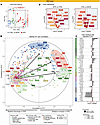 Figure 2
Changes in markers for immune function, steady-state structures, and tissue remodeling characterize the SM of STR tissue. (A) PCA plot (PC1 vs. PC3) with axis PC score box-and-whisker plots (top and right) for batch-corrected SM TMT data with complete observations. The percentage in the axis titles indicates the proportion of variance explained by each PC. Samples are color coded by tissue type, and STR and NSTR samples from the same individual are connected by lines. Axis box-and-whisker plots show the median (center line), IQR (box), whiskers extending to the smallest and largest values within 1.5 times the IQR, and outliers plotted as individual points. (B) Plot visualizing Pearson’s correlation coefficients between markers and PC1/PC3. Markers are color coded by assigned categories indicated below the plot with differentially expressed (DE) proteins indicated by triangles. Marker clusters and representative proteins discussed in the text are highlighted with ellipses and labels, respectively. (C and D) DE analysis results for markers from STRvCTRL and STRvNSTR comparisons within the SM layer. DE was tested using linear mixed-effects models with model-based contrasts of estimated marginal means (EMM), with degrees of freedom estimated using the Kenward-Roger method; P values were adjusted for multiple testing using the Benjamini-Hochberg method to control the false discovery rate (FDR). The coloring and labeling of individual proteins in C and D is consistent with B. (C) Bar plots showing DE results for the cell markers labeled in B, arranged by cell type annotation and colors according to the bottom of B. (D) Volcano plots of core matrisome proteins.
Several core matrisome proteins, many of which play structural or hemostatic roles (Supplemental Tables 2 and 3), negatively correlated to PC1 (Figure 2B, left, circled in orange). This included fibrillar collagens, proteoglycans, and ECM glycoproteins (Figure 2D). Conversely, a subset exhibited positive correlations with PC1 and/or PC3 (Figure 2B, right, orange ellipse), colocalized with several other fibroblast markers and demonstrated high DE in STR tissue. Pathway-level correlation further identified ECM interactions, endothelial-mesenchymal transition, and contraction as pathways highly correlated to PC3 (Supplemental Figure 3B). Overall, markers representative of the 3 hallmarks of STR tissue — inflammation, fibrosis/ECM remodeling, and muscle expansion — opposed a homeostatic protein signature and trended in the STR direction, suggesting that the 2D separation between CTRL and STR tissue in the SM layer reflects a transition from homeostatic to profibrotic states. This was further strengthened by enrichment analysis aligning with a shift from homeostasis to anabolic and inflammatory activities in STR SM (Supplemental Results 2 and Supplemental Figure 3, C–E).
STR MP is characterized by reduced SMC markers and cellular respiration and increased immune and ECM proteins. We next analyzed correlations between the PC axes and cell markers in the MP layer (Figure 3, A and B). First, SMC markers were distinctly positioned on the negative side of PC1, indicating a relative decrease in STR MP, including several but not all canonical SMC proteins (Figure 3B, left, dark blue markers, and Supplemental Table 4). In stark contrast, most non-SMC markers trended in the positive direction, suggesting a relative increase in STR MP (Figure 3B). This was especially evident for immune cell markers, including the top PC1-associated MHC-II protein CD74 (Supplemental Figure 4A), as well as proteins related to granules and antibodies, endothelial markers involved in angiogenesis, and fibroblast markers (Figure 3, B and C, and Supplemental Table 4). Similarly, among matrisome proteins, several ECM glycoproteins and nonfibrillar collagens positively correlated to PC1 (Figure 3, B and D). These findings suggest that STR MP is characterized by a relative reduction in SMC proteins with expansion of the non-SMC compartment, particularly immune and ECM markers; reduced cellular respiration and metabolism also accompany the increased immune activity in STR MP (Supplemental Results 3 and Supplemental Figure 4).
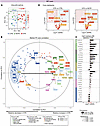 Figure 3
Changes in markers for SMCs, immune cells, and ECM components characterize the MP of STR tissue. (A) PCA plot (PC1 vs. PC3) with axis PC score box-and-whisker plots (top and right) for batch-corrected MP TMT data with complete observations. The percentage in the axis titles indicates the proportion of variance explained by each PC. Samples are color coded by tissue type, and STR and NSTR samples from the same individual are connected by lines. Axis box-and-whisker plots show the median (center line), IQR (box), whiskers extending to the smallest and largest values within 1.5 times the IQR, and outliers plotted as individual points. (B) Plot visualizing Pearson’s correlation coefficients between markers and PC1/PC3. Markers are color coded by assigned categories indicated below the plot with differentially expressed (DE) proteins indicated by triangles. Marker clusters and representative proteins discussed in the text are highlighted with ellipses and labels, respectively. (C and D) DE analysis results for markers from STRvCTRL and STRvNSTR comparisons within the MP layer. DE was tested using linear mixed-effects models with model-based contrasts of estimated marginal means (EMM), with degrees of freedom estimated using the Kenward-Roger method; P values were adjusted for multiple testing using the Benjamini-Hochberg method to control the false discovery rate (FDR). The coloring and labeling of individual proteins in C and D is consistent with B. (C) Bar plots showing DE results for the cell markers labeled in B, arranged by cell type annotation and colors according to the bottom of B. (D) Volcano plots of core matrisome proteins.
Immune-, ER-, and ECM-associated proteins are predominantly increased in STR SM. To enhance analysis robustness, we leveraged our data from parallel TMT-MS and TIMS-TOF-MS and used integrated DE results at the combined level (Supplemental Methods) for comparisons from here forward. In addition, as the initial PCA (Figure 2A) and a refined PCA with NSTR tissue subdivided into tissue adjacent to (Adj) or more distal from (Dist) the stricture (Supplemental Figure 5, Supplemental Figure 1D, and Supplemental Methods) showed progressive trends along PC1, analysis using integrated data was complemented by STRvAdj and STRvDist comparisons (Supplemental Results 4 and Supplemental Figures 6 and 7). Assessment of the 479 DE proteins relatively increased in STR SM at the combined level (Supplemental Figure 6 and Supplemental Figure 8A) showed the STRvCTRL magnitude of change (expressed as weighted estimate [WE], log2 scale; Supplemental Methods) generally exhibited higher WEs than STRvNSTR (Figure 4A), although values were well correlated across most proteins. Functional grouping of proteins above the upper quartile of WEs revealed 3 prominent functional domains as key themes among the highest DE proteins: ER, immunity, and ECM (Figure 4B), with a considerable amount of these proteins being secreted or adhesion proteins (Supplemental Table 5). Ranking the DE SM proteins (Supplemental Methods) identified the top 30 (Figure 4, C and D) which, including the very top 5, were distributed across the 3 major functional clusters identified (Figure 4B). ER-associated proteins were prominent among the top 30 (Figure 4, B–D) and displayed distinctly higher WEs than, for instance, ribosomal proteins. High WEs were particularly notable for a subset of ER proteins in the top 5: MZB1, HERPUD1, TXNDC5, and PRDX4 (Figure 4, B–D). These have chaperone-like activity or are involved in stress adaptation (Supplemental Table 6).
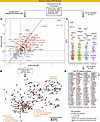 Figure 4
Differential protein expression in the SM reveals prominent increases in immunity-, ER-, and ECM-associated proteins in STR tissue. Combined-level DE proteins in the SM layer included 479 proteins with relative increases in STR tissue. The analysis followed a funnel-like approach starting with all DE proteins (A) (Supplemental Figure 8A), and then identifying themes among DE proteins with the highest fold changes (B) and finally identifying top-ranked proteins (C and D). (A) Scatter plots visualizing weighted estimate (WE, log2 scale) in the STRvCTRL versus STRvNSTR comparisons. The 2 inner horizontal and vertical dotted lines mark the percentiles (“p”) for each respective comparison’s WE, used for thresholding and color coding. The diagonal line (y = x) represents equal WEs in both comparisons. (B) STRING protein-protein interaction network of the top 25% of DE proteins with the highest deviation (WE) from STRvCTRL or STRvNSTR. Edges represent interaction scores of ≥0.4. Functional themes/keywords have been annotated to summarize the primary characteristics of these highly DE proteins. Nodes are colored according to A. In A and B, the top 30 proteins are labeled; those discussed more specifically are in bold. Proteins outside the top 30 but discussed in the text are in italics. (C and D) In parallel, a ranking score was calculated and used to identify top-ranked proteins. (C) Ranking score dot plots for DE proteins in each comparison, with the top 30 ranked proteins in larger dot size and the top 5 labeled. In C, note that the scoring incorporates directionality; proteins with stronger positive changes receive more positive scores. (D) The top 30 DE proteins in ranked order, with the top 5 shown in larger font, providing details about DE comparisons (symbol size, shape) and relation to thresholds in A (color).
Among immune-related DE proteins in STR SM (Figure 4, B–D), top proteins included the transcription factor STAT1, phagocytosis-related proteins, and key proteins of leukocyte migration and recruitment (Figure 4, B–D, and Supplemental Table 6). Strikingly, IL-16, a matrisome-associated cytokine, was among the top DE proteins in STR SM, along with the leukocyte adhesion proteins ICAM3 and ADGRE5.
The next major group of DE proteins in STR SM were ECM proteins and included the glycoproteins TNC, CTHRC1, and LTBP1. These are directly or indirectly involved in tissue regeneration and fibrosis progression (Figure 4B and Supplemental Table 6) and formed a top subset of highly DE, nonstructural ECM proteins characterized by receptor-binding activity. Indeed, a notable portion of the top-ranked DE proteins were identified as secreted or adhesion proteins mediating ECM-cell or cell-cell interactions (Supplemental Table 5). Interestingly, ITGA8, which binds TNC and other ECM proteins, was the only nonleukocyte integrin receptor significantly increased at the combined level. ITGA8 was outside the top 30 but within the top 25% of WEs and was the most DE integrin in STR SM. Correlation analysis (Supplemental Results 5 and Supplemental Figure 9, A–C) revealed some top-ranked DE proteins were characterized by strong correlation with ECM proteins (Supplemental Figure 9, C and G, and Supplemental Table 7), including GUCY1A1, a marker of specific fibroblast subsets in various organs (26) (Supplemental Table 6), CNN2, and BASP1. This analysis also highlighted clustering of top DE immune and ER proteins, including IL-16, MZB1, and TXNDC5 and the ECM glycoprotein CTHRC1. Overall, proteins associated with 3 functional categories — immune response, ER, and ECM — showed the most pronounced increases among the 479 proteins increased in STR SM.
DE proteins decreased in STR SM are associated with vascular structures and lipid metabolism. Prominent themes among the 566 DE proteins with a relative decrease in STR SM (Supplemental Figure 6 and Supplemental Figure 8B), particularly among those with the most negative estimates (Figure 5A, non-gray dots), include blood and plasma proteins, ECM constituents, and metabolism (Figure 5B). Erythrocyte proteins formed a large, dense cluster of top 30 DE proteins decreased in SM (Figure 5, B–D, and Supplemental Table 8). Other top blood- or vasculature-related reduced DE proteins included the key platelet integrin ITGA2B and the lymphatic endothelium receptor LYVE1 (Figure 5, B–D, and Supplemental Table 8). Proteins associated with endothelial hemostasis, detoxification processes, and lipid or leukotriene metabolism were also among the top 30 decreased proteins (Supplemental Table 8). The relative reduction in proteins associated with vasculature or homeostatic structural elements in STR SM is consistent with PCA (Figure 2) and enrichment analysis (Supplemental Results 2, and Supplemental Figure 3, C and D). Together, the data indicate structural remodeling of STR SM, with vascular remodeling as a dominant feature.
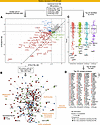 Figure 5
DE proteins associated with vascular structures and lipid metabolism show a marked decrease in the STR SM. The analysis followed a funnel-like approach starting with all DE proteins (A) (Supplemental Figure 8B), and then identifying themes among DE proteins with the highest fold changes (B) and finally identifying top-ranked proteins (C and D). (A) Scatter plots visualizing weighted estimate (WE, log2 scale) in the STRvCTRL versus STRvNSTR comparisons. The 2 inner horizontal and vertical dotted lines mark the percentiles (“p”) for each respective comparison’s WE, used for thresholding and color coding. The diagonal line (y = x) represents equal WEs in both comparisons. (B) STRING protein-protein interaction network of the top 25% of DE proteins with the highest deviation (WE) from STRvCTRL or STRvNSTR. Edges represent interaction scores of ≥0.4. Functional themes/keywords have been annotated to summarize the primary characteristics of these highly DE proteins. Nodes are colored according to A. In A and B, the top 30 proteins are labeled; those discussed more specifically are in bold. Proteins outside the top 30 but discussed in the text are in italics. (C and D) In parallel, a ranking score was calculated and used to identify top-ranked proteins. (C) Ranking score dot plots for DE proteins in each comparison, with the top 30 ranked proteins in larger dot size and the top 5 labeled. Note that the scoring incorporates directionality; proteins with stronger negative changes receive more negative scores. (D) The top 30 negative DE proteins in ranked order, with the top 5 shown in larger font, providing details about DE comparisons (symbol size, shape) and relation to thresholds in A (color).
Changes in immune processes and protein handling characterize proteins relatively increased in STR MP. Features related to immunity, actin cytoskeleton, ER, and ECM characterized the subset of the 267 DE proteins (Supplemental Figure 7 and Supplemental Figure 8C) with the largest deviations from control tissues (Figure 6, A and B, and Supplemental Table 10) in STR MP. In particular, DE proteins associated with immune function were strongly represented among the top increased proteins in STR MP (Figure 6, C and D). These include proteins related to B cells and antibodies, granulocyte granules, antigen presentation, phagocytosis, and leukocyte migration (Figure 6B and Supplemental Table 10). Among granule proteins (Figure 6, A and B, and Supplemental Table 10), the secreted mast cell protein CPA3 was among the very top DE in several comparisons (Figure 6, C and D). Notably, the fold change in MZB1, which is associated with B cells and has ER chaperone function, was exceptionally high in both STR MP and SM (Figure 4A and Figure 6A). Similar to MZB1, another ER protein with chaperone function, TXNDC5, was also among the very top DE proteins in STR SM (Figure 4, C and D).
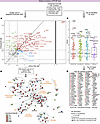 Figure 6
Proteins associated with immune processes, ECM, and protein handling display relative increases in STR MP. The analysis followed a funnel-like approach starting with all DE proteins (A) (Supplemental Figure 8C), and then identifying themes among DE proteins with the highest fold changes (B) and finally identifying top-ranked proteins (C and D). (A) Scatter plots visualizing weighted estimate (WE, log2 scale) in the STRvCTRL versus STRvNSTR comparisons. The 2 inner horizontal and vertical dotted lines mark the percentiles (“p”) for each respective comparison’s WE, used for thresholding and color coding. The diagonal line (y = x) represents equal WEs in both comparisons. Note that there is a break in the x axis marked with a gray vertical bar so that proteins with a very large WE can be visualized. (B) STRING protein-protein interaction network of the top 33% of DE proteins with the highest deviation (WE) from STRvCTRL or STRvNSTR. Edges represent interaction scores of ≥0.4. Functional themes/keywords have been annotated to summarize the primary characteristics of these highly DE proteins. Nodes are colored according to A. In A and B, the top 30 proteins are labeled; those discussed more specifically are in bold. (C and D) In parallel, a ranking score was calculated and used to identify top-ranked proteins. (C) Ranking score dot plots for DE proteins in each comparison, with the top 30 ranked proteins in larger dot size and the top 5 labeled. In C, note that the scoring incorporates directionality; proteins with stronger positive changes receive more positive scores. (D) The top 30 DE proteins in ranked order, with the top 5 shown in larger font, providing details about DE comparisons (symbol size, shape) and relation to thresholds in A (color).
Among ECM proteins, the matricellular glycoprotein POSTN, involved in ECM remodeling and signaling dynamics, stood out. Notably, POSTN was the only protein among the top 5 in all group comparisons (Figure 6, B–D, and Supplemental Table 10). The triad of POSTN, MZB1, and granule proteins constituted the very top DE proteins increased in STR MP (Supplemental Table 5). Extended analysis also highlighted correlation between POSTN, mast cell granules, and key intracellular proteins (Supplemental Results 6 and Supplemental Figure 9, D–G). Adhesion proteins were also highly DE and were mainly related to leukocyte or neuronal adhesion, with LSAMP being the most notable (Figure 6, C and D, and Supplemental Tables 10 and 11). To summarize, immune-related proteins were prominent among those showing the greatest relative increase in STR MP. Notably, many of these are secreted and include granule proteins derived from mast cells and eosinophils, as well as the matricellular glycoprotein POSTN.
Proteins associated with redox balance, lipid metabolism, and muscle function are decreased in STR MP. Assessing the 267 DE proteins relatively reduced in STR MP (Supplemental Figure 7 and Supplemental Figure 8D) revealed that mitochondrial, metabolic, and SMC proteins were among those with the most negative WE (Figure 7A, non-gray, and Figure 7B) and among the top 30 DE proteins (Figure 7, C and D), consistent with the complete network (Supplemental Figure 8D). We identified subsets of these protein categories with markedly greater fold decreases than the other DE proteins (Figure 7A and Supplemental Table 12). For example, the top mitochondrial proteins decreased in STR MP included key proteins involved in ketone metabolism and maintenance of redox balance and respiratory chain function in mitochondria (Supplemental Table 12). Proteins related to lipid transport and fatty acid β-oxidation (Figure 7B and Supplemental Table 12) were another group of highly decreased proteins. Notably, the lipid transporters FABP6 and FABP1 displayed by far the largest decreases among all relatively decreased proteins in STR MP (Figure 7A, lower left). This is similar to the SM layer (Figure 5A). Lastly, a group of muscle-associated proteins (Figure 7B and Supplemental Table 12) showed substantially greater fold decreases compared with other DE proteins, particularly compared with structural SMC proteins. Among these, DMPK and ACTN2, which play key regulatory roles in muscle cells, were among the most highly decreased proteins in STR MP (Figure 7, C and D, and Supplemental Table 12). Taken together, the results show that cellular respiration and metabolic pathways constituted the majority of DE proteins reduced in STR MP, with key proteins in oxidative stress protection, lipid handling, and muscle cell function among those with the most prominent reductions.
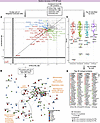 Figure 7
DE analysis reveals proteins associated with redox balance, lipid metabolism, and muscle function are reduced in STR MP. The analysis followed a funnel-like approach starting with all DE proteins (A) (Supplemental Figure 8D), and then identifying themes among DE proteins with the highest fold changes (B) and finally identifying top-ranked proteins (C and D). (A) Scatter plots visualizing weighted estimate (WE, log2 scale) in the STRvCTRL versus STRvNSTR comparisons. The 2 inner horizontal and vertical dotted lines mark the percentiles (“p”) for each respective comparison’s WE, used for thresholding and color coding. The diagonal line (y = x) represents equal WEs in both comparisons. Note that there are breaks in the x and y axes marked with a gray horizontal and vertical bar, respectively, so proteins with a very large WE can be visualized. (B) STRING protein-protein interaction network of the top 33% of DE proteins with the highest deviation (WE) from STRvCTRL or STRvNSTR. Edges represent interaction scores of ≥0.4. Functional themes/keywords have been annotated to summarize the primary characteristics of these highly DE proteins. Nodes are colored according to A. In A and B, the top 30 proteins are labeled; those discussed more specifically are in bold. (C and D) In parallel, a ranking score was calculated and used to identify top-ranked proteins. (C) Ranking score dot plots for DE proteins in each comparison, with the top 30 ranked proteins in larger dot size and the top 5 labeled. In C, note that the scoring incorporates directionality; proteins with stronger negative changes receive more negative scores. (D) The top 30 negative DE proteins in ranked order, with the top 5 shown in larger font, providing details about DE comparisons (symbol size, shape) and relation to thresholds in A (color).
Interlayer analysis highlights shared and distinct proteome changes in SM and MP. Having identified interrelated DE proteins (Supplemental Results 5 and 6), indicating related processes occurring within each layer, we extended the separate analyses of the SM and MP to explore shared proteomic signatures across layers in STR tissue. DE proteins from each layer were thus cross-tabulated by their direction of change, enabling identification of proteins with concordant positive or negative trends, opposing trends, or layer-predominant changes (Figure 8, A and B). Based on the functional categories of the proteins with shared DE across layers (Supplemental Results 7 and Supplemental Figure 10), particularly concordantly increased proteins involved in immunity and mRNA, nucleus, and protein handling processes (Supplemental Figure 10A), we focused on the union of top 30 DE proteins in each layer and direction and assessed their expression across layers (Figure 8, C and D).
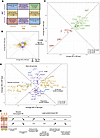 Figure 8
Interlayer analysis of top-ranked DE proteins in the SM and MP layers reveals shared and layer-dominant features. (A and B) DE proteins in the SM and MP layers were categorized as concordant, discordant, or layer-predominant DE (A). The scatter plot (B) illustrates the magnitude of change in SM versus MP for all 1,359 DE proteins, using average weighted estimates (WE, log2 scale) from the STRvCTRL and STRvNSTR comparisons as proxies for the relative change in each layer. For proteins not quantified in 1 layer, the average WE was set to zero. Dots are color coded according to A. (C and D) Further assessment focused on the 228 proteins in the union of the top 30 DE proteins of each layer and direction (“Top 30”). (C) Three proteins (MZB1, FABP1, FABP6) fall outside the displayed axis range in B. Note that Top 30 within each layer and DE direction denotes proteins ranked among the Top 30 in any of the 4 comparisons; as rankings differ in the 4 comparisons, the Top 30 contains more than 30 proteins (see SM, Figure 4D and Figure 5D; MP, Figure 6D and Figure 7D). The scatter plots show the magnitude of change in SM versus MP as in B but limited to the Top 30 proteins mapped to the concordant (C) or the layer-predominant/discordant category (D). Dots are color coded according to A. Symbols indicate in which layer they were Top 30 (squares, SM; diamonds, MP; circles, both layers). In C, concordantly expressed proteins within the Top 30 of both layers are labeled. In D, selected top proteins discussed in Figures 4–7 are labeled. In C and D, proteins discussed in the text are in bold. In D, ellipses refer to protein categories discussed in the text. (E) A summary of the protein categories showing shared concordant or layer-predominant DE.
Among the top 30 DE proteins within the concordant categories, 16 DE proteins ranked among the highest in both layers (Figure 8C and Supplemental Table 13), suggesting prominent expression shared across the layers. Concordantly increased proteins included ER chaperones (MZB1 and TXNDC5), which had the largest WEs in both layers (Supplemental Figure 10, A and B), immune proteins (STAT1, CORO1A, and LSP1), muscle contraction/relaxation (PTGDS), and angiogenesis-related proteins (TYMP) (Figure 8C, green). In contrast, the lipid transporters FABP1 and FABP6 were strongly concordantly decreased (Figure 8C, red).
The remaining top 30 proteins displayed layer-predominant DE (Figure 8D, MP in purple and SM in yellow) or displayed direction of the DE that was exclusive to one layer (Figure 8D, blue). Proteins with such layer-predominant DE included increased ECM-associated proteins and reduced vascular structural proteins in STR SM. In contrast, they included increased ECM and mast cell granules accompanied by decreased regulatory muscle proteins in STR MP (Figure 8, D–F). The findings highlight both shared and distinct proteome changes in SM and MP, emphasizing the importance of layer-resolved analysis.
Progressive trends of DE proteins in STR SM suggest a continuum of profibrotic tissue remodeling as proximity to the stricture increases. We hypothesized that strictures likely develop along a continuum in the ileum, rather than being demarcated by a sharp border between NSTR and STR tissue. As such, NSTR tissue would progressively shift, in a gradient fashion, toward an STR phenotype as proximity to the stricture increased. As mentioned above, refined PCA of STR SM with paired NSTR subdivided into Adj and Dist, which differ in proximity to the stricture (Supplemental Figure 1, D and E), revealed progressive increase in PC1 scores from CTRL→Dist→Adj→STR (Supplemental Figure 5, box plot x axis), consistent with a gradual transition toward STR. In addition, increases in PC3 scores in SM were observed in Adj relative to CTRL and Dist (Supplemental Figure 5, box plot y axis).
Building on these observations, we identified DE proteins with expression profiles consistent with a CTRL-to-STR progression (Supplemental Methods). Scaling the relative expression in Dist and Adj within the CTRL–STR range enabled visualization of DE proteins sharing similar trends (Figure 9, A and B, Figure 10, A and B, and Supplemental Figure 11, A, B, E, and F). DE proteins elevated in STR tissue linked to ECM (Supplemental Figure 9, C and G, and Supplemental Tables 6 and 7) were prominently enriched in patterns showing progressive increases from CTRL to STR in SM (Figure 9, A–D, orange; boxes 11 and 15 in B). Several ER proteins had a similar trend (Figure 9, A–D, violet; boxes 10 and 14 in B). As expected, a protein’s relative position within the CTRL–STR range correlated with the number of sequential comparisons in which it was DE (Supplemental Figure 11, A and B). Eight proteins were significantly increased in both CTRL-to-Adj and Adj-to-STR comparisons (Supplemental Figure 11, A and B, violet), including top-ranked ER (TXNDC5 and MZB1), ECM (TNC and CTHRC1), and myofibroblast-associated (GUCY1A1) proteins discussed earlier. Consistent with PC3 results (Supplemental Figure 3, A and B, and Supplemental Figure 5), proteins involved in actin dynamics, focal adhesion, and SMC function showed similar expression in Adj and STR (Figure 9A, red within pink ellipse). Interestingly, a subset of ECM-correlated proteins (HOPX, ITGA8, and THBS2; Supplemental Table 9) mirrored this pattern, suggesting an association with muscle (pink dots within pink ellipse).
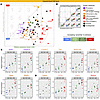 Figure 9
ER-, ECM-, and muscle-associated proteins are characterized by progressively increased expression with proximity to STR tissue. The figure shows subsets of combined-level DE proteins in the SM layer that progressively increase (70 proteins; A–D) with proximity to the stricture (Supplemental Methods 10, Trend analysis). (A) Scatter plots showing the expression level in Dist (y axis) and Adj (x axis) relative to the CTRL–STR range (CTRL = 0; STR = 1; dashed square). Due to this scaling, any dot (protein) in the coordinate system will correspond to a unique trend: CTRL = 0, Dist = y, Adj = x, STR = 1. The dashed square is divided into 16 numbered boxes to facilitate reference of each protein to the corresponding box in B to approximate a protein’s expression pattern based on its coordinates. The proteins (dots) are colored by category as in B. Dot size reflects the –log10(merged P value) from the AdjvCTRL comparison and serves as an indicator of the separation of Adj from CTRL. Ellipses highlight proteins with notable progressive DE patterns, including top-ranked ER proteins (violet), ECM-associated proteins (brown), and a separate group of ECM- and muscle-associated proteins (pink ellipse). (C and D) Dot plots of normalized abundance (log2 scale), adjusted for TMT set, from SM TMT-MS data across refined tissue types for selected labeled proteins in A. Horizontal bars mark the mean. Protein names are colored according to protein category in A and B. Dot color corresponds to the proximity key below the plots. Corresponding plots from the TIMS-TOF-MS data are shown in Supplemental Figure 11 as validation. See Supplemental Figure 11 for details.
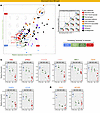 Figure 10
Proteins linked to functional and structural homeostasis display progressively decreased expression with proximity to STR tissue. (A) Scatter plot showing the expression level in Dist (y axis) and Adj (x axis) relative to the CTRL–STR range (CTRL = 0; STR = –1; dashed square). Due to this scaling, any dot (protein) in the coordinate system will correspond to a unique trend: CTRL = 0, Dist = y, Adj = x, STR = –1. The proteins (dots) are colored by category as in B. (B) The dashed square is divided into 16 numbered boxes to facilitate reference of each protein to the corresponding box to approximate a protein’s expression pattern based on its coordinates. Dot size reflects the –log10(merged P value) from the AdjvCTRL comparison and serves as an indicator of the separation of Adj from CTRL. Ellipses highlight proteins with notable progressive DE patterns discussed in the text. The circle in the upper right corner highlights 2 proteins with reported antifibrotic activity, which are also displayed in D. (C and D) Dot plots of normalized abundance (log2 scale), adjusted for TMT set, from SM TMT-MS data across refined tissue types for selected labeled proteins in A. Horizontal bars mark the mean. Protein names are colored according to protein category in A and B. Dot color corresponds to the proximity key below the plots. Corresponding plots from the TIMS-TOF-MS data are shown in Supplemental Figure 11 as validation. See Supplemental Figure 11 for details.
We also addressed DE proteins decreased in STR SM. In contrast with the above findings, many ECM components, macrophage proteins, and top DE proteins associated with vasculature (erythrocytes, platelets, lymph endothelial), lipids, and antioxidant defense showed progressive decreasing trends from CTRL to STR (Figure 10, A–D). A few proteins (Figure 10A, upper right circle), notably 2 with reported antifibrotic function (CILP and MFGE8), display similarly low relative levels as in STR (Figure 10D). Together, the observed trends indicate a progressive profibrotic remodeling as proximity to STR tissue increases, with relative enrichment of smooth muscle and other contractile cells, such as myofibroblasts, in tissue adjacent to the stricture.


