
Research ArticleImmunologyNeuroscience
Open Access |  10.1172/jci.insight.201781
Mast cell–expressed Mrgprb2/MRGPRX2 mediates gout pain and inflammation via a neuroimmune axis
Lin Yang,1,2 Chengxi Liu,1,2,3 Jin Xiao,1,2 Yu Song,1,2 Huan Chen,4 Dan Li,1,2 Cong Zou,1,2 Tao Hong,5 Yinglan Liu,5 Dake Qi,6 Nathachit Limjunyawong,7 Wenjie Liu,1,2,3 and Lintao Qu1,2
1Anesthesiology and Pain Research Institute, Second Affiliated Hospital,
2Hengyang Medical School,
3Department of Anesthesiology, Second Affiliated Hospital,
4Department of Anesthesiology, First Affiliated Hospital, and
5Department of Endocrinology, Second Affiliated Hospital, University of South China, Hengyang, Hunan, China.
6College of Pharmacy, Rady Faculty of Health Sciences, University of Manitoba, Winnipeg, Manitoba, Canada.
7Center of Research Excellence in Allergy and Immunology, Research Department, Faculty of Medicine Siriraj Hospital, Mahidol University, Bangkok, Thailand.
Address correspondence to: Lintao Qu, Anesthesiology and Pain Research Institute, 211 Talent Building, Second Affiliated Hospital, University of South China, Hengyang 421001, Hunan, China. Email: lintaoqu@usc.edu.cn.
Authorship note: LY, CL, JX, and YS contributed equally to this work.
Find articles by Yang, L. in: PubMed | Google Scholar
1Anesthesiology and Pain Research Institute, Second Affiliated Hospital,
2Hengyang Medical School,
3Department of Anesthesiology, Second Affiliated Hospital,
4Department of Anesthesiology, First Affiliated Hospital, and
5Department of Endocrinology, Second Affiliated Hospital, University of South China, Hengyang, Hunan, China.
6College of Pharmacy, Rady Faculty of Health Sciences, University of Manitoba, Winnipeg, Manitoba, Canada.
7Center of Research Excellence in Allergy and Immunology, Research Department, Faculty of Medicine Siriraj Hospital, Mahidol University, Bangkok, Thailand.
Address correspondence to: Lintao Qu, Anesthesiology and Pain Research Institute, 211 Talent Building, Second Affiliated Hospital, University of South China, Hengyang 421001, Hunan, China. Email: lintaoqu@usc.edu.cn.
Authorship note: LY, CL, JX, and YS contributed equally to this work.
Find articles by Liu, C. in: PubMed | Google Scholar
1Anesthesiology and Pain Research Institute, Second Affiliated Hospital,
2Hengyang Medical School,
3Department of Anesthesiology, Second Affiliated Hospital,
4Department of Anesthesiology, First Affiliated Hospital, and
5Department of Endocrinology, Second Affiliated Hospital, University of South China, Hengyang, Hunan, China.
6College of Pharmacy, Rady Faculty of Health Sciences, University of Manitoba, Winnipeg, Manitoba, Canada.
7Center of Research Excellence in Allergy and Immunology, Research Department, Faculty of Medicine Siriraj Hospital, Mahidol University, Bangkok, Thailand.
Address correspondence to: Lintao Qu, Anesthesiology and Pain Research Institute, 211 Talent Building, Second Affiliated Hospital, University of South China, Hengyang 421001, Hunan, China. Email: lintaoqu@usc.edu.cn.
Authorship note: LY, CL, JX, and YS contributed equally to this work.
Find articles by Xiao, J. in: PubMed | Google Scholar
1Anesthesiology and Pain Research Institute, Second Affiliated Hospital,
2Hengyang Medical School,
3Department of Anesthesiology, Second Affiliated Hospital,
4Department of Anesthesiology, First Affiliated Hospital, and
5Department of Endocrinology, Second Affiliated Hospital, University of South China, Hengyang, Hunan, China.
6College of Pharmacy, Rady Faculty of Health Sciences, University of Manitoba, Winnipeg, Manitoba, Canada.
7Center of Research Excellence in Allergy and Immunology, Research Department, Faculty of Medicine Siriraj Hospital, Mahidol University, Bangkok, Thailand.
Address correspondence to: Lintao Qu, Anesthesiology and Pain Research Institute, 211 Talent Building, Second Affiliated Hospital, University of South China, Hengyang 421001, Hunan, China. Email: lintaoqu@usc.edu.cn.
Authorship note: LY, CL, JX, and YS contributed equally to this work.
Find articles by Song, Y. in: PubMed | Google Scholar
1Anesthesiology and Pain Research Institute, Second Affiliated Hospital,
2Hengyang Medical School,
3Department of Anesthesiology, Second Affiliated Hospital,
4Department of Anesthesiology, First Affiliated Hospital, and
5Department of Endocrinology, Second Affiliated Hospital, University of South China, Hengyang, Hunan, China.
6College of Pharmacy, Rady Faculty of Health Sciences, University of Manitoba, Winnipeg, Manitoba, Canada.
7Center of Research Excellence in Allergy and Immunology, Research Department, Faculty of Medicine Siriraj Hospital, Mahidol University, Bangkok, Thailand.
Address correspondence to: Lintao Qu, Anesthesiology and Pain Research Institute, 211 Talent Building, Second Affiliated Hospital, University of South China, Hengyang 421001, Hunan, China. Email: lintaoqu@usc.edu.cn.
Authorship note: LY, CL, JX, and YS contributed equally to this work.
Find articles by Chen, H. in: PubMed | Google Scholar
1Anesthesiology and Pain Research Institute, Second Affiliated Hospital,
2Hengyang Medical School,
3Department of Anesthesiology, Second Affiliated Hospital,
4Department of Anesthesiology, First Affiliated Hospital, and
5Department of Endocrinology, Second Affiliated Hospital, University of South China, Hengyang, Hunan, China.
6College of Pharmacy, Rady Faculty of Health Sciences, University of Manitoba, Winnipeg, Manitoba, Canada.
7Center of Research Excellence in Allergy and Immunology, Research Department, Faculty of Medicine Siriraj Hospital, Mahidol University, Bangkok, Thailand.
Address correspondence to: Lintao Qu, Anesthesiology and Pain Research Institute, 211 Talent Building, Second Affiliated Hospital, University of South China, Hengyang 421001, Hunan, China. Email: lintaoqu@usc.edu.cn.
Authorship note: LY, CL, JX, and YS contributed equally to this work.
Find articles by Li, D. in: PubMed | Google Scholar
1Anesthesiology and Pain Research Institute, Second Affiliated Hospital,
2Hengyang Medical School,
3Department of Anesthesiology, Second Affiliated Hospital,
4Department of Anesthesiology, First Affiliated Hospital, and
5Department of Endocrinology, Second Affiliated Hospital, University of South China, Hengyang, Hunan, China.
6College of Pharmacy, Rady Faculty of Health Sciences, University of Manitoba, Winnipeg, Manitoba, Canada.
7Center of Research Excellence in Allergy and Immunology, Research Department, Faculty of Medicine Siriraj Hospital, Mahidol University, Bangkok, Thailand.
Address correspondence to: Lintao Qu, Anesthesiology and Pain Research Institute, 211 Talent Building, Second Affiliated Hospital, University of South China, Hengyang 421001, Hunan, China. Email: lintaoqu@usc.edu.cn.
Authorship note: LY, CL, JX, and YS contributed equally to this work.
Find articles by Zou, C. in: PubMed | Google Scholar
1Anesthesiology and Pain Research Institute, Second Affiliated Hospital,
2Hengyang Medical School,
3Department of Anesthesiology, Second Affiliated Hospital,
4Department of Anesthesiology, First Affiliated Hospital, and
5Department of Endocrinology, Second Affiliated Hospital, University of South China, Hengyang, Hunan, China.
6College of Pharmacy, Rady Faculty of Health Sciences, University of Manitoba, Winnipeg, Manitoba, Canada.
7Center of Research Excellence in Allergy and Immunology, Research Department, Faculty of Medicine Siriraj Hospital, Mahidol University, Bangkok, Thailand.
Address correspondence to: Lintao Qu, Anesthesiology and Pain Research Institute, 211 Talent Building, Second Affiliated Hospital, University of South China, Hengyang 421001, Hunan, China. Email: lintaoqu@usc.edu.cn.
Authorship note: LY, CL, JX, and YS contributed equally to this work.
Find articles by Hong, T. in: PubMed | Google Scholar
1Anesthesiology and Pain Research Institute, Second Affiliated Hospital,
2Hengyang Medical School,
3Department of Anesthesiology, Second Affiliated Hospital,
4Department of Anesthesiology, First Affiliated Hospital, and
5Department of Endocrinology, Second Affiliated Hospital, University of South China, Hengyang, Hunan, China.
6College of Pharmacy, Rady Faculty of Health Sciences, University of Manitoba, Winnipeg, Manitoba, Canada.
7Center of Research Excellence in Allergy and Immunology, Research Department, Faculty of Medicine Siriraj Hospital, Mahidol University, Bangkok, Thailand.
Address correspondence to: Lintao Qu, Anesthesiology and Pain Research Institute, 211 Talent Building, Second Affiliated Hospital, University of South China, Hengyang 421001, Hunan, China. Email: lintaoqu@usc.edu.cn.
Authorship note: LY, CL, JX, and YS contributed equally to this work.
Find articles by Liu, Y. in: PubMed | Google Scholar
1Anesthesiology and Pain Research Institute, Second Affiliated Hospital,
2Hengyang Medical School,
3Department of Anesthesiology, Second Affiliated Hospital,
4Department of Anesthesiology, First Affiliated Hospital, and
5Department of Endocrinology, Second Affiliated Hospital, University of South China, Hengyang, Hunan, China.
6College of Pharmacy, Rady Faculty of Health Sciences, University of Manitoba, Winnipeg, Manitoba, Canada.
7Center of Research Excellence in Allergy and Immunology, Research Department, Faculty of Medicine Siriraj Hospital, Mahidol University, Bangkok, Thailand.
Address correspondence to: Lintao Qu, Anesthesiology and Pain Research Institute, 211 Talent Building, Second Affiliated Hospital, University of South China, Hengyang 421001, Hunan, China. Email: lintaoqu@usc.edu.cn.
Authorship note: LY, CL, JX, and YS contributed equally to this work.
Find articles by Qi, D. in: PubMed | Google Scholar
1Anesthesiology and Pain Research Institute, Second Affiliated Hospital,
2Hengyang Medical School,
3Department of Anesthesiology, Second Affiliated Hospital,
4Department of Anesthesiology, First Affiliated Hospital, and
5Department of Endocrinology, Second Affiliated Hospital, University of South China, Hengyang, Hunan, China.
6College of Pharmacy, Rady Faculty of Health Sciences, University of Manitoba, Winnipeg, Manitoba, Canada.
7Center of Research Excellence in Allergy and Immunology, Research Department, Faculty of Medicine Siriraj Hospital, Mahidol University, Bangkok, Thailand.
Address correspondence to: Lintao Qu, Anesthesiology and Pain Research Institute, 211 Talent Building, Second Affiliated Hospital, University of South China, Hengyang 421001, Hunan, China. Email: lintaoqu@usc.edu.cn.
Authorship note: LY, CL, JX, and YS contributed equally to this work.
Find articles by
Limjunyawong, N.
in:
PubMed
|
Google Scholar
|

1Anesthesiology and Pain Research Institute, Second Affiliated Hospital,
2Hengyang Medical School,
3Department of Anesthesiology, Second Affiliated Hospital,
4Department of Anesthesiology, First Affiliated Hospital, and
5Department of Endocrinology, Second Affiliated Hospital, University of South China, Hengyang, Hunan, China.
6College of Pharmacy, Rady Faculty of Health Sciences, University of Manitoba, Winnipeg, Manitoba, Canada.
7Center of Research Excellence in Allergy and Immunology, Research Department, Faculty of Medicine Siriraj Hospital, Mahidol University, Bangkok, Thailand.
Address correspondence to: Lintao Qu, Anesthesiology and Pain Research Institute, 211 Talent Building, Second Affiliated Hospital, University of South China, Hengyang 421001, Hunan, China. Email: lintaoqu@usc.edu.cn.
Authorship note: LY, CL, JX, and YS contributed equally to this work.
Find articles by Liu, W. in: PubMed | Google Scholar
1Anesthesiology and Pain Research Institute, Second Affiliated Hospital,
2Hengyang Medical School,
3Department of Anesthesiology, Second Affiliated Hospital,
4Department of Anesthesiology, First Affiliated Hospital, and
5Department of Endocrinology, Second Affiliated Hospital, University of South China, Hengyang, Hunan, China.
6College of Pharmacy, Rady Faculty of Health Sciences, University of Manitoba, Winnipeg, Manitoba, Canada.
7Center of Research Excellence in Allergy and Immunology, Research Department, Faculty of Medicine Siriraj Hospital, Mahidol University, Bangkok, Thailand.
Address correspondence to: Lintao Qu, Anesthesiology and Pain Research Institute, 211 Talent Building, Second Affiliated Hospital, University of South China, Hengyang 421001, Hunan, China. Email: lintaoqu@usc.edu.cn.
Authorship note: LY, CL, JX, and YS contributed equally to this work.
Find articles by Qu, L. in: PubMed | Google Scholar
Published January 23, 2026 - More info
JCI Insight. 2026;11(2):e201781. https://doi.org/10.1172/jci.insight.201781.
© 2026 Yang et al. This work is licensed under the Creative Commons Attribution 4.0 International License. To view a copy of this license, visit http://creativecommons.org/licenses/by/4.0/.
Received: October 28, 2025; Accepted: December 5, 2025


-
Results
Mrgprb2-expressing synovial MCs are activated during GA. We first sought to investigate whether Mrgprb2 is present in mouse synovial MCs. Since there are no commercially available anti-Mrgprb2 antibodies specific for reliable IHC staining in mouse tissues, we utilized Mrgprb2Cre;tdTomato (tdt) mice, which express tdt fluorescent protein specifically in cells expressing Mrgprb2 (Figure 1A) (12, 15). We detected tdt+ cells in the synovium of Mrgprb2Cre+ mice but not in that of Mrgprb2Cre– controls (Figure 1, B and C). Furthermore, using the pan-MC marker avidin, we observed tdt signals in all avidin-stained cells in mouse synovium, confirming that almost all synovial MCs express Mrgprb2 (Figure 1, B and C). Given that MCs were observed in close proximity to peripheral nerve endings in the skin (15), we next asked whether this unique anatomical feature is also present in the synovium. Similar to previous observations in the skin, a portion of Mrgpb2-expressing MCs were near PGP9.5-labeled nerve fibers in mouse synovium, which provides an anatomical basis for synovial MC-neuron communications (Figure 1D).
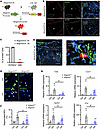 Figure 1
Mrgprb2 is expressed in synovial MCs and is activated following GA. (A) Strategy for the generation of Mrgprb2Cre;tdt reporter mice. tdt, tdTomato. Figure created in BioRender (Qu L, 2026, https://BioRender.com/jh5fc7d). (B) IHC images of knee sections showing tdt+ cells (red; stained with mCherry) in the synovium of Mrgprb2Cre+ mice but not Mrgprb2Cre– mice. All tdt+ cells in mouse synovium were also stained with avidin (green), a pan marker for MCs. S, synovium. Scale bars: 100 μm. (C) Summary of the colocalization of tdt+ cells and avidin-stained MCs. n = 4 mice per group; ***P < 0.001 vs. Mrgprb2Cre+;tdt mice; unpaired 2-tailed Student’s t test. (D) Immunostaining showing the spatial distribution of tdt+ labeled MCs (red) and joint nerve fiber stained with PGP9.5 (green). Arrows indicate MCs that are in close proximity to joint nerve fibers. S, synovium. Scale bars: 100 μm. (E) Representative images of knee joint sections stained with avidin in control (Ctrl) and GA groups of each genotype. Arrows show degranulated MCs. Scale bar: 50 μm. (F) Percentage of degranulated MCs in the synovium of Mrgprb2+/+ and Mrgprb2–/– mice on day 1 after GA. n = 6–7 mice per group; **P < 0.01, ***P < 0.001 vs. Ctrl; #P < 0.05 vs. Mrgprb2+/+ mice; 2-way ANOVA for repeated measures followed by Bonferroni’s post hoc test. (G) Quantitative PCR assay showing inflammation-related gene expression, including Tnfa, Cxcl1, Sphk1, and Il1b on day 1 after PBS (Ctrl) and MSU challenge (GA). n = 4–7 mice per group; *P < 0.05, **P < 0.01, ***P < 0.001 vs. Ctrl; #P < 0.05 vs. Mrgprb2+/+ mice; 2-way ANOVA (repeated measures) with Bonferroni’s post hoc test.
To assess whether Mrgprb2 is capable of modulating the activity of synovial MCs, we monitored small vesicle release near MCs as a marker of degranulation. We observed that synovial MCs of both Mrgprb2+/+ and Mrgprb2–/– mice exhibited very low activation and showed no significant differences in degranulation between genotypes in the control group (Figure 1, E and F). Deleting Mrgprb2 significantly decreased the proportion of degranulated MCs in the synovium in comparison with Mrgprb2+/+ mice on day 1 following GA (Figure 1, E and F). We additionally assessed the mRNA expression of various proinflammatory mediators potentially released by MCs in the synovium as a biomarker of MC activity in the setting of GA. Among all the genes tested, GA resulted in a significant upregulation of Tnfa, Cxcl1, Sphk1, and Il1b in the synovium of Mrgprb2+/+ mice on day 1 after GA (Figure 1G). However, such effects were diminished in Mrgprb2–/– mice (Figure 1G). Taken together, genetic deletion of Mrgprb2 thus results in reduced synovial MC degranulation and diminished cytokine production, indicating that Mrgprb2 functions as a critical receptor for synovial MC activation during GA.
Genetic deletion of Mrgprb2 attenuates joint pain and inflammation in acute gout model. To evaluate whether Mrgprb2 contributes to GA pain, we compared pain-like behaviors between Mrgprb2+/+ and Mrgprb2–/– mice in a mouse GA model elicited by injection of MSU into hind ankle joints. On day 1 after MSU injection, both Mrgprb2+/+ and Mrgprb2–/– mice developed primary mechanical hyperalgesia compared with baseline (Figure 2A). However, such effects were significantly diminished in Mrgprb2–/– animals compared with wild-type (WT) controls. Similarly, Mrgprb2–/– mice exhibited less secondary mechanical and thermal hyperalgesia in the hind paw, and joint swelling over the course of acute gout, compared with the WT group (Figure 2, B–D). Both pain hypersensitivity and joint inflammation peaked at approximately day 1 after injection of MSU into mice and returned to baseline at day 5. Yet we did not observe any sex differences in analgesic effects of Mrgprb2 deletion under the condition of GA (Supplemental Figure 1; supplemental material available online with this article; https://doi.org/10.1172/jci.insight.201781DS1). Next, we asked whether our findings are generalized to other inflammatory arthritis models. CFA-induced arthritis is known as another animal model of inflammatory arthritis (25, 26). As expected, similar findings were observed in a CFA-induced inflammatory arthritis model, in which both mechanical and thermal hyperalgesia was attenuated in Mrgprb2–/– mice (Supplemental Figure 2).
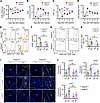 Figure 2
Deleting Mrgprb2 alleviates GA pain and joint inflammation. (A–D) Mechanical threshold in the hind ankle (A), paw withdrawal frequency (PWF) in response to 0.04g force in the hind paw (B), paw withdrawal latency (PWL) to radiant heat in the hind paw (C), and ankle joint diameter (D) in Mrgprb2+/+ (n = 10) and Mrgprb2–/– (n = 11) mice over the time course of GA. *P < 0.05, **P < 0.01, ***P < 0.001 vs. Mrgprb2+/+; 2-way ANOVA (repeated measures) followed by Bonferroni’s correction. (E–H) Flow cytometry analysis of CD45+ (E), CD11b+, and Ly6G+ cells (G) in the synovium of Mrgprb2+/+ and Mrgprb2–/– mice 1 day after vehicle control (Ctrl) and MSU (GA) challenge. Summary of the percentage of CD45+ cells (F) and CD45+CD11b+Ly6G+ neutrophils (H). n = 7–10 mice per group; *P < 0.05, **P < 0.01, ***P < 0.001 vs. Ctrl; #P < 0.05 vs. Mrgprb2+/+; repeated 2-way ANOVA followed by Bonferroni’s post hoc test. (I) Immunofluorescence images of knee joint tissues from Mrgprb2+/+ and Mrgprb2–/– mice 1 day after vehicle and MSU challenge, stained for CD45, CD68, and Ly6G. S, synovium. Scale bar: 100 μm. (J) Data analysis revealed a remarkable increase in all tested immune cell markers in the synovium following GA. Such effects were diminished in Mrgprb2–/– mice. n = 6 mice per group; **P < 0.01, ***P < 0.001 vs. Ctrl; #P < 0.05, ##P < 0.01 vs. Mrgprb2+/+; 2-way ANOVA (repeated measures) followed by Bonferroni’s post hoc test.
Considering MCs as a crucial driver of inflammation in the setting of acute gout (6), we further determined whether the apparent analgesic effects of Mrgprb2 deletion were due to a possible attenuation of joint inflammation. Neutrophil infiltration into joints is a key feature of acute GA and is of importance to the pathogenesis of joint inflammation and GA pain (27, 28). Given that MCs are critical for the recruitment of neutrophils in other injuries, we mainly focus on neutrophil infiltration during GA. Flow cytometry assay revealed that the leukocyte population (labeled with CD45) was significantly increased in the synovium of both Mrgprb2+/+ and Mrgprb2–/– mice on day 1 following gout arthritis, but the extent of an increase with CD45+ cells in Mrgprb2–/– mice was much less than in WT animals (Figure 2, E and F). Furthermore, we observed a similar immune cell recruitment pattern in neutrophils (Ly6G+CD11b+) (Figure 2, G and H). In addition, joint IHC analysis showed that all assayed immune cell markers (CD45, Ly6G, CD68) were increased on day 1 after GA induction (Figure 2, I and J). However, the observed synovial immune cell infiltration was much less in Mrgprb2–/– mice (Figure 2, I and J). Notably, both flow cytometry assay and joint IHC staining did not detect any deficits in MC, neutrophil, and monocyte populations in naive Mrgprb2–/– mice as reported previously (Figure 2, E–H, and Supplemental Figure 3) (15). These results highlight a key role of Mrgprb2 in arthritis pain and joint inflammation during GA.
Acute pharmacological inhibition of Mrgprb2 reverses GA pain and joint inflammation. To avoid potential confounding effects of genetic deletion of Mrgprb2, we examined whether pharmacological inhibition of Mrgprb2 could alleviate GA pain and joint inflammation. Osthole, an important natural coumarin present in the fruits of the Cnidium monnieri, is a known Mrgprb2/MRGPRX2 blocker (29). We administered osthole or vehicle i.p. into WT mice once daily on days 0 and 1 after acute gout induction. Both mechanical and thermal hyperalgesia was evaluated within 2 hours after each injection (Figure 3A). In GA mice with established joint pain hypersensitivity, systemic administration of osthole rapidly alleviated mechanical hyperalgesia in the inflamed ankle, and both mechanical and thermal hyperalgesia in the ipsilateral hind paw (Figure 3, B–E). In addition, mice treated with osthole exhibited less joint swelling than those subjected to vehicle controls (Figure 3E). Next, we asked whether the analgesic effects of osthole are secondary to a decrease of immune cell infiltration into the synovium. Systemic administration of osthole significantly decreased the expression of CD45, Ly6G, and CD68 in the synovium of GA mice, compared with vehicle (Figure 3, F–I). These data further point to a critical role of Mrgprb2 in the development of GA pain and joint inflammation.
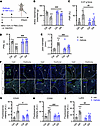 Figure 3
Pharmacological inhibition of Mrgprb2 reverses GA pain and joint inflammation. (A) Experimental schematic showing once-daily i.p. injection with osthole (3 mg, 20 μL) or vehicle (Veh) (1% DMSO; 20 μL) on days 0 and 1 in mice challenged with PBS (Ctrl) or MSU (GA). Pain-related behaviors were measured 1 hour after injection. Figure created in BioRender (Qu L, 2026, https://BioRender.com/0i7869s). (B–E) The effect of repeated daily i.p. injection of osthole or vehicle on mechanical threshold in the ankle (B), paw withdrawal frequency (PWF) responding to 0.07g force (C), paw withdrawal latency (PWL) (D), and ankle diameter (E) in GA model mice. n = 7 mice per group; *P < 0.05, **P < 0.01, ***P < 0.001 vs. Ctrl; ##P < 0.01, ###P < 0.001 vs. Veh; repeated 2-way ANOVA with Bonferroni’s post hoc test. (F) Images of knee joints taken 1 hour after the second i.p. injection with vehicle or osthole and stained with CD45, CD68, or Ly6G. S, synovium. Scale bar: 100 μm. (G–I) Quantification showed that osthole significantly reduced the infiltration of CD45+ (G), CD68+ (H), and Ly6G+ (I) cells into the inflamed synovium of GA mice. n = 6 mice per group; ***P < 0.001 vs. Ctrl; #P < 0.05, ##P < 0.01, ###P < 0.001 vs. Veh; 2-way ANOVA (repeated measures) with Bonferroni’s post hoc test.
Genetic deletion of Mrgprb2 reduces hyperexcitability of joint sensory neurons following acute gout. Sensitization of joint nociceptors represents an important neuronal mechanism of arthritis pain (30). We next evaluated whether Mrgprb2 is involved in peripheral sensitization of joint nociceptors in the GA model. Neuronal activation was measured in the superficial layer of the dorsal horn of the spinal cord where nociceptive primary afferents normally terminate via the induction of c-Fos expression (31, 32). On day 1 after GA induction, the percentage of c-Fos+ cells in the superficial layer of the dorsal horn of the spinal cord was significantly increased in Mrgprb2+/+ mice with GA, compared with control animals (Figure 4, A and B). However, such effects were diminished in Mrgprb2–/– mice (Figure 4, A and B). To further assess whether Mrgprb2 contributes to hyperexcitability of joint nociceptors in the context of acute gout, we performed patch clamp recordings on dissociated DiI-labeled joint-innervating dorsal root ganglion (DRG) neurons of both Mrgprb2+/+ and Mrgprb2–/– mice following GA. On day 1 after gout induction, joint sensory neurons recorded from WT animals exhibited depolarized resting membrane potential, lower rheobase, the larger mean number of action potentials evoked by twice rheobase, and increased input resistance compared with control animals (Figure 4, C–G). However, no such effects were observed in joint nociceptors from Mrgprb2–/– mice. There were no significant changes with membrane capacitance for either genotype following GA (Figure 4H). These data suggest that Mrgprb2 contributes to hyperexcitability of joint nociceptors following GA.
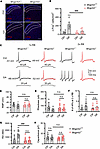 Figure 4
Mrgprb2 contributes to hyperexcitability of joint nociceptors following GA. (A) Immunostaining showing c-Fos expression in the spinal cord of Mrgprb2+/+ and Mrgprb2–/– mice 1 day after vehicle control (Ctrl) and MSU (GA) challenge. Scale bar: 100 μm. (B) Quantification revealed an increase in c-Fos+ cells in the spinal cord dorsal horn layer I–II of Mrgprb2+/+ GA model mice. No such effects were observed in Mrgprb2–/– mice with GA. n = 6 mice per group; ***P < 0.001 vs. Ctrl; ###P < 0.001 vs. Mrgprb2+/+; 2-way ANOVA (repeated measures) followed by Bonferroni’s correction. (C) Representative traces of action potentials (APs) evoked by rheobase (RB) and twice (2×) RB in DiI-labeled joint nociceptors from Mrgprb2+/+ and Mrgprb2–/– mice 1 day after vehicle control (Ctrl) and MSU (GA) challenge. (D–H) Joint nociceptors of Mrgprb2+/+ mice displayed a more depolarized resting membrane potential (RMP; D), lower mean rheobase (E), larger number of APs at twice rheobase (F), and increased input resistance (Rin; G) on day 1 after GA induction. Genetic deletion of Mrgprb2 prevented these changes. No significant difference in cell capacitance was observed between groups (H). n = 14–17 neurons; *P < 0.05, **P < 0.01 vs. Ctrl; ###P < 0.001vs. Mrgprb2+/+; 2-way ANOVA (repeated measures) followed by Bonferroni’s correction.
Activation of Mrgprb2 expressed by synovial MCs drives acute joint hypernociception and inflammation in naive mice. Compound 48/80 (C48/80) represents a classical MC agonist and canonical basic secretagogue through Mrgprb2 (12). Next, we sought to explore a potential role of Mrgprb2-expressing synovial MCs in joint pain hypersensitivity in vivo using C48/80 as an agonist (Figure 5A). Injection of C48/80 to the right ankle cavity lowered mechanical threshold in the hind ankle and increased frequency of hind paw withdrawal in response to mechanical stimulation in both Mrgprb2+/+ and Mrgprb2–/– mice (Figure 5, B and C). However, such effects were diminished in Mrgprb2–/– mice. In addition, Mrgprb2–/– mice exhibited less secondary thermal hyperalgesia and less joint swelling evoked by C48/80 than WT controls (Figure 5, D and E). To further evaluate the contribution of Mrgprb2 to acute joint hypernociception, we genetically ablated MCs by mating Mrgprb2Cre mice with DTA mice (Figure 5F). IHC assay confirmed a loss of synovial MCs in Mrgprb2Cre+;DTA mice but not in Mrgprb2Cre– littermates (Figure 5, G and H). No significant differences in basal mechanical and thermal sensitivity at the hind ankle or hind paw skin were observed between genotypes (Figure 5, I–L). However, C48/80-evoked nocifensive behaviors and joint swelling were alleviated in Mrgprb2Cre+ mice compared with Mrgprb2Cre– littermates (Figure 5, I–L). These results suggest that Mrgrpb2 activation of synovial MCs is sufficient to trigger articular hypernociception. To further determine whether C48/80 can activate human MCs through MRGPRX2, we compared the effects of C48/80 on the degranulation of WT LAD2 cells, a human MC line, and LAD2 cells in which MRGPRX2 was genetically deleted (MRGPRX2-KO-LAD2). The loss of MRGPRX2 expression in LAD2 cells was confirmed by flow cytometry (Figure 5, M and N). Application of C48/80 elicited the release of β-hexosaminidase from WT LAD2 cells but not MRGPRX2-KO-LAD2 cells (Figure 5O). Notably, deleting MRGPRX2 did not impair complement 3a–induced (C3a-induced) MC degranulation in LAD2 cells (Figure 5O).
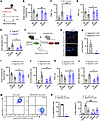 Figure 5
Activation of synovial Mrgprb2 by C48/80 evokes behavioral signs of joint hypernociception. (A) Schematic illustration of intra-articular (i.a.) administration protocol of C48/80 (1.5 μg, 10 μL). Pain-related behaviors were assessed within 2 hours after injection. Figure created in BioRender (Qu L, 2026, https://BioRender.com/snnmb6q). (B–E) Changes of mechanical threshold in the ankle (B), paw withdrawal frequency (PWF) responding to 0.07g force in the hind paw (C), paw withdrawal latency (PWL) to radiant heat in the hind paw (D), and joint diameter (E) following i.a. injection of C48/80 in Mrgprb2+/+ (n = 10) and Mrgprb2–/– (n = 9) mice. *P < 0.05 vs. baseline (BL); #P < 0.05, ##P < 0.01 vs. Mrgprb2+/+; 2-way ANOVA (repeated measures) followed by Bonferroni’s correction. (F) Generation of Mrgprb2Cre DTA mouse line. Figure created in BioRender (Qu L, 2026, https://BioRender.com/t0h8dej). (G) Representative IHC images of knee joint sections stained for c-Kit (green) in Mrgprb2Cre+;DTA and Cre– littermates. Red arrows show c-Kit+ cells. S, synovium. Scale bar: 200 μm. (H) Quantification showed a loss of MCs in the synovium of Mrgprb2Cre+;DTA mice but not Cre– littermate controls. n = 4 mice per group; **P < 0.01 vs. Mrgprb2Cre+;DTA; unpaired 2-tailed Student’s t test. (I–L) Mrgprb2Cre+;DTA mice exhibited higher mechanical threshold in the ankle (I), lower PWF in response to 0.07g force (J), longer PWL in the hind paw (K), and smaller ankle diameter (L) following i.a. injection of C48/80 compared with Cre– littermates. *P < 0.05 vs. BL; #P < 0.05 vs. Mrgprb2Cre– DTA; 2-way ANOVA (repeated measures) followed by Bonferroni’s correction. (M) Representative flow cytometric profiles of MRGPRX2 expression (CD45+c-Kit+MRGPRX2+) in WT and MRGPRX2-knockout LAD2 (MRGPRX2-KO-LAD2) cells. (N) Quantification showed loss of MRGPRX2 expression in MRGPRX2-KO-LAD2 cells compared with WT controls. n = 6 biological repeats per group; *P < 0.001 vs. WT; unpaired 2-tailed Student’s t test. (O) C48/80- and C3a-induced β-hexosaminidase (β-hex) release in WT and MRGPRX2-KO-LAD2 cells. n = 8 biological repeats per group; ***P < 0.001 vs. Veh; ###P < 0.001 vs. WT-LAD2 cells; 2-way ANOVA (repeated measures) followed by Bonferroni’s correction.
C48/80 was shown to act directly on neurons besides MCs (33). To circumvent this confounding effect, we used designer receptor exclusively activated by designer drugs (DREADD) strategy to chemogenetically activate Mrgprb2-lineage MCs. This was achieved by mating of Mrgprb2Cre mice with a Cre-dependent Rosa26-LSL-hM3Dq mouse line (Mrgprb2Cre;hM3Dq) in which hM3Dq, a GPCR, was specifically expressed in Mrgprb2-lineage MCs (Figure 6A). Thus, this specific population of MCs can be activated through hM3Dq by the synthetic ligand clozapine N-oxide (CNO), a compound that cannot activate endogenous GPCRs (Figure 6A) (34, 35). Anatomical confirmation of the resulting expression of hM3Dq in synovial MCs of Mrgprb2Cre+ mice but not Mrgprb2Cre– littermates was achieved by staining of the synovium with anti-HA (for hM3Dq) and avidin (for MCs) (Figure 6, B and C). To determine whether CNO is sufficient to activate MCs, we compared the effects of CNO on degranulation of peritoneal-derived mast cells (PDMCs) obtained from Mrgprb2Cre;hM3Dq mice and Cre– littermates. Application of CNO induced the release of β-hexosaminidase in PDMCs from Mrgprb2Cre+ mice but not from Mrgprb2Cre– littermates (Figure 6D). Yet C48/80-induced MC degranulation was not impaired in either genotype (Figure 6D). Local injection of CNO into the right hind ankle of mice induced robust primary mechanical hyperalgesia in the ankle, secondary mechanical and thermal hyperalgesia in the hind paws, and joint swelling within 2 hours in Mrgprb2Cre+;hM3Dq mice (Figure 6, E–I). Yet no such effects were observed in Mrgprb2Cre– littermates (Figure 6, E–I). Collectively, these results suggest that Mrgprb2 activation of synovial MCs is sufficient to drive acute joint pain hypersensitivity and inflammation in the naive state.
 Figure 6
Chemogenetic activation of synovial Mrgprb2-expressing MCs drives joint pain hypersensitivity. (A) Schematic of the Mrgprb2Cre;hM3Dq mouse line generated by mating of Mrgprb2Cre mice with a Rosa26-LSL-hM3Dq mouse line. Figure created in BioRender (Qu L, 2026, https://BioRender.com/cdliw1r). (B) Immunofluorescence images of knee joint sections showed the expression of hM3Dq (stained with anti-HA tag; red) in synovial MCs (stained with avidin; green) of Mrgprb2Cre+ mice but not Cre– littermates. S, synovium. Scale bar: 200 μm. (C) Quantitative analysis of percentage overlap. n = 4 mice per group; *P < 0.05 vs. hM3Dq; unpaired 2-tailed Student’s t test. (D) CNO- and C48/80-induced β-hexosaminidase (β-hex) release from PDMCs isolated from Mrgprb2Cre;hM3Dq mice (n = 7) and Cre– littermates (n = 6). *P < 0.05 vs. Veh (saline); #P < 0.05 vs. hM3Dq; 2-way ANOVA (repeated measures) followed by Bonferroni’s correction. (E) Intra-articular administration protocol of CNO (20 μg, 10 μL) and vehicle (Veh; saline, 10 μL). Pain-like behaviors were evaluated within 2 hours after injection. Figure created in BioRender (Qu L, 2026, https://BioRender.com/dyysb9x). (F–I) Mrgprb2Cre;hM3Dq mice treated with CNO exhibited lower mechanical threshold in the ankle (F), higher paw withdrawal frequency (PWF) responding to 0.07g force (G), prolonged paw withdrawal latency (PWL) to radiant heat in the hind paw (H), and reduced ankle diameter (I) compared with Cre– littermates with CNO treatment. n = 8–10 mice per group; **P < 0.01, ***P < 0.001 vs. Veh; ###P < 0.001 vs. hM3Dq; 2-way ANOVA (repeated measures) followed by Bonferroni’s correction.
Mrgprb2 activation of synovial MCs activates peripheral terminals of joint sensory neurons in naive mice. To visualize whether synovial MC activation via Mrgprb2 directly activates peripheral terminals of joint nociceptors, we carried out in vivo calcium imaging on cell bodies of joint-innervating DRG neurons of Pirt-Cre-GCamp6 mice, which express the fluorescent Ca2+ indicator GCAMP6 in primary sensory neurons (Figure 7A) (36). Injection of C48/80 but not vehicle (PBS) into the right hind ankle joint induced Ca2+ responses in a subpopulation of DiI-labeled joint sensory neurons with 5 minutes (Figure 7, B and C). The majority of C48/80-responding neurons were of small diameter (Figure 7D). Furthermore, neurons responding to C48/80 were also responsive to mechanical stimulation when the ankle was pressed with blunt forceps (Figure 7, B and C). However, the percentage of C48/80-responsive neurons was decreased in Pirt-Cre-GCamp6 mice crossed onto Mrgprb2–/– mice (Figure 7, B and C). These data indicate that activation of synovial MCs via Mrgprb2 is able to activate peripheral terminals of joint sensory neurons in vivo.
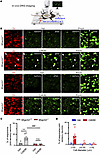 Figure 7
Activation of synovial Mrgprb2 by C48/80 activates peripheral terminals of joint sensory neurons in vivo. (A) Schematic of in vivo DRG imaging in anesthetized mice. Figure created in BioRender (Qu L, 2026, https://BioRender.com/tvek5ah). (B) Left column: Representative DiI fluorescence (red) in cell bodies of L4 DRG in Pirt-Cre-GCamp6 mice that were retrogradely labeled with ankle joint injection of DiI into either Mrgprb2+/+ or Mrgprb2–/– mice (2 mg/mL, 10 μL). Right columns: GCamp6 signals (green) in the same view fields before and after stimulation of the receptive field of joint nociceptors with the indicated stimuli. Arrows point to joint nociceptors in Mrgprb2+/+ mice with increased GCamp6 fluorescence when the ankle was pressed with forceps, and 5 minutes after C48/80 (1.5 μg, 10 μL) was injected into the ankle joint, but not after vehicle (Veh; PBS; 10 μL) was injected. By contrast, no increase in GCamp6 fluorescence in joint sensory neurons from Mrgprb2–/– mice was observed after C48/80 injection. Scale bar: 100 μm. (C) Quantitative analysis of Ca2+ responses to vehicle and C48/80 in joint sensory neurons of WT mice (Veh: n = 8 mice; C48/80: n = 7 mice) and Mrgprb2–/– mice (Veh: n = 6 mice; C48/80: n = 6 mice). ***P < 0.001 vs. Veh; ###P < 0.001 vs. Mrgprb2+/+; 2-way ANOVA (repeated measures) followed by Bonferroni’s correction. (D) Size frequency distribution of joint sensory neurons of WT mice responding to vehicle (PBS; n = 8 mice) and C48/80 (n = 7 mice). ***P < 0.001 vs. Veh; unpaired 2-tailed Student’s t test.
Neuropeptide SP serves as a key endogenous ligand to promote Mrgprb2/MRGPRX2 activation in GA. After establishing that Mrgprb2 and MRGPRX2 are critical MC receptors activated in the context of GA, we determined which ligand(s) could regulate their activity. One potential candidate was SP, a common neuropeptide released from primary sensory fibers upon noxious stimuli and a known activator of Mrgprb2/MRGPRX2 (15, 16). The elevated SP level was observed in synovial fluid and synovial tissues in patients with GA (37).
We performed quantitative PCR to assay for alterations in Tac1 mRNA expression in mouse synovium on day 1 after GA when mice developed severe pain and inflammation. GA caused an upregulation of Tac1 mRNA expression in mouse synovium 1 day after GA (Figure 8A). Also, ELISA revealed that SP protein levels were elevated in the synovium but not in the serum of gout model mice (Figure 8, B and C), indicating that SP is released locally. We next explored whether SP contributes to GA pain and joint inflammation by neutralizing SP in the joint cavity. To address this possibility, SP-neutralizing antibody or isotype control was injected into the ankle joints of WT mice once daily before and 1 day after GA (Figure 8D). Local administration of anti-SP antibody but not isotype control significantly alleviated primary mechanical hyperalgesia in the ankle, both secondary mechanical and thermal hyperalgesia in the hind ipsilateral hind paw, and joint swelling within 2 hours (Figure 8, E–H). Joint IHC analysis showed that neutralizing peripheral SP significantly decreased the infiltration of neutrophils (Ly6G) and macrophages (CD68) into the synovium of GA model mice compared with isotype control (Figure 8, I and J). These data indicate that local neutralization of SP in the joint of GA model mice alleviates pain hypersensitivity likely through a mechanism that depends on inflammation.
 Figure 8
Neutralizing SP attenuates joint pain and inflammation in gout model mice. (A) Quantitative RT-PCR tests of Tac1 mRNA expression in DRGs of control (Ctrl) and GA model mice. n = 5 mice per group; **P < 0.01 vs. Ctrl; unpaired 2-tailed Student’s t test. (B and C) SP ELISA test in ankle joint tissue (B) and serum (C) of control (Ctrl) and GA model mice. n = 6 mice per group; **P < 0.01 vs. Ctrl; unpaired 2-tailed Student’s t test. (D) Experimental schematic indicating the knee (for histology) or ankle joint (for behavioral testing) injected with anti-SP (15 μg, 10 μL) or vehicle (Veh; isotype control IgG; 15 μg, 10 μL). Figure created in BioRender (Qu L, 2026, https://BioRender.com/fyi3u5l). (E–H) Effects of SP-neutralizing antibody (n = 8 mice) or isotype control (Veh; n = 7 mice) on mechanical threshold in the ankle (E), paw withdrawal frequency (PWF) (F), paw withdraw latency (PWL) (G), and ankle diameter (H) in GA model mice. *P < 0.05, ***P < 0.001 vs. baseline (BL); ###P < 0.001 vs. Veh; 2-way ANOVA (repeated measures) with Bonferroni’s post hoc test. (I) Representative knee joint sections stained for CD68 or Ly6G. S, synovium. Scale bars: 100 μm. (J) Quantification showed that local neutralization of SP significantly reduced fluorescence intensity of Ly6G and CD68 staining in the synovium of GA mice compared with isotype control. n = 5 mice per group; *P < 0.05 vs. Veh; unpaired 2-tailed Student’s t test.
Next, we sought to explore the cellular mechanisms whereby SP per se contributes to joint pain and inflammation. To assess whether SP activates human MCs via MRGPRX2, we performed Ca2+ imaging on WT LAD2 and MRGPRX2-KO-LAD2 cells. SP evoked robust Ca2+ responses in WT LAD2 cells but not MRGPRX2-KO-LAD2 cells (Figure 9A). However, C3a-induced Ca2+ responses were not impaired in MRGPRX2-KO-LAD2 cells (Figure 9A). In addition, SP triggered the release of β-hexosaminidase from WT LAD2 cells but not MRGPRX2-KO-LAD2 cells (Figure 9B). Similarly, SP failed to induce degranulation of PDMCs from Mrgprb2–/– mice compared with WT controls (Figure 9C). Considering MSU deposition as a major cause of GA, we tested whether MSU can activate MCs directly. Unfortunately, MSU had no significant effects on degranulation of WT LAD2 cells (Supplemental Figure 4). Next, we asked whether SP drives articular hypernociception via Mrgprb2 in vivo (Figure 9D). Injection of SP but not vehicle into right ankle joints of naive mice caused primary mechanical hyperalgesia in the ankle, secondary mechanical and thermal hyperalgesia in the hind paw, and joint swelling (Figure 9, E–I). However, such effects were diminished in Mrgprb2–/– littermates.
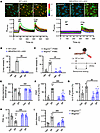 Figure 9
Activation of synovial Mrgprb2/MRGPRX2 by SP elicits pain hypersensitivity in naive mice. (A) Representative Ca2+ imaging (top) and time-lapse traces of changes in R340/380 (bottom) evoked by SP (1 μM) and C3a (50 nM) in WT (left) and MRGPRX2-KO (right) LAD2 cells (MRGPRX2-KO-LAD2). Scale bar: 50 μm. (B) β-Hexosaminidase (β-hex) release in WT and MRGPRX2-KO-LAD2 cells induced by SP (3 μM) and vehicle (Veh; PBS). n = 6 experiments per group; **P < 0.01 vs. Veh; ##P < 0.01 vs. WT-LAD2; 2-way ANOVA followed by Bonferroni’s correction. (C) β-Hexosaminidase (β-hex) release in PDMCs from Mrgprb2+/+ (n = 6) and Mrgprb2–/– (n = 6) mice elicited by SP (100 μM) and vehicle (Veh; PBS). **P < 0.01 vs. Veh; ##P < 0.01 vs. Mrgprb2+/+; 2-way repeated-measures ANOVA with Bonferroni’s correction. (D) Intra-articular administration protocol of SP (100 μM, 10 μL) or vehicle (Veh; PBS; 10 μL). Behavioral measurements were performed within 2 hours after injection. Figure created in BioRender (Qu L, 2026, https://BioRender.com/snnmb6q). (E–I) Mrgprb2–/– mice exhibited higher mechanical threshold in the ankle (E), lower paw withdrawal frequency (PWF) responding to 0.04g (F) and 0.16g force (G), prolonged paw withdrawal latency (PWL) to radiant heat (H), and less joint swelling (I) following i.a. injection of SP compared with Mrgprb2+/+ control littermates. n = 9 mice per group; *P < 0.05, **P < 0.01, ***P < 0.001 vs. Veh; ##P < 0.01, ###P < 0.001 vs. Mrgprb2+/+ controls; 2-way ANOVA (repeated measures) followed by Bonferroni’s post hoc test.
To further translate the above mouse results to humans, we confirmed the action of SP in humanized mice that express human MRGPRX2 in mouse MCs lacking Mrgprb2 (MRGPRX2-KI). This mouse line was generated using the CRISPR/Cas9 editing approach as described previously (Figure 10A) (18). Flow cytometry assay confirmed the expression of MRGPRX2 in PDMCs of Mrgprb2Cre–positive mice but not Mrgprb2Cre– controls (Figure 10, B and C). Furthermore, SP induced degranulation of cultured PDMCs in Mrgprb2Cre–positive mice but not Mrgprb2Cre– mice, indicating that MRGPRX2 expressed on MCs is functional in humanized mice (Figure 10D). In addition, injection of SP, but not vehicle, evoked primary mechanical hyperalgesia in the ankle, secondary mechanical and thermal hyperalgesia in the hind paw, and joint swelling in MRGPRX2-KI mice (Figure 10, E–I). However, no such effects were observed in WT littermates (Figure 10, E–I). Thus, these translational data suggest that SP directly acts on the human ortholog MRGPRX2 to trigger joint pain and inflammation via the activation of synovial MCs.
 Figure 10
SP triggers behavioral signs of joint pain through human MRGPRX2 in humanized mice. (A) Generation of the MRGPRX2-KI transgenic mouse line. Figure created in BioRender (Qu L, 2026, https://BioRender.com/2xwxwpq). (B) Representative flow cytometric profile of Mrgprb2Cre– (WT) and MRGPRX2-KI PDMCs. PDMCs were identified as live CD45+c-Kit+ cells. (C) Flow cytometry assay confirmed the expression of MRGPRX2 in PDMCs isolated from MRGPRX2-KI mice but not Mrgprb2Cre– (WT) littermates. n = 9 mice per group; *P < 0.05 vs. WT; unpaired 2-tailed Student’s t test. (D) β-Hexosaminidase (β-hex) release in PDMCs from Mrgprb2Cre– (WT) and MRGPRX2-KI mice induced by SP (20 μM) and vehicle (Veh; PBS). n = 6–8 mice per group; **P < 0.01 vs. Veh; ##P < 0.01 vs. WT; 2-way ANOVA (repeated measures) followed by Bonferroni’s correction. (E) Experimental schematic showing i.a. administration protocol of SP (100 μM, 10 μL) or vehicle (Veh; PBS; 10 μL) as well as the time for behavioral testing after injection. Figure created in BioRender (Qu L, 2026, https://BioRender.com/rs679e9). (F–I) Comparisons of mechanical threshold in the ankle (F), paw withdrawal frequency (PWF) responding to 0.07g force (G), paw withdrawal latency (PWL) to radiant heat in the hind paw (H), and joint diameter (I) following i.a. injection of SP or vehicle between Mrgprb2Cre– (WT) and MRGPRX2-KI mice. n = 8–9 mice per group; **P < 0.01, ***P < 0.001 vs. WT; 2-way ANOVA (repeated measures) followed by Bonferroni’s correction.


