
Research ArticleCell biologyMuscle biology
Open Access |  10.1172/jci.insight.200396
Fiber-type vulnerability and proteostasis reprogramming in skeletal muscle during pancreatic cancer cachexia
Bowen Xu,1,2 Aniket S. Joshi,1,3 Meiricris Tomaz da Silva,1,3 Silin Liu,1,3 and Ashok Kumar1,2,3
1Institute of Muscle Biology and Cachexia, University of Houston College of Pharmacy, Houston, Texas, USA.
2Department of Biomedical engineering, Cullen College of Engineering, University of Houston, Houston, Texas, USA.
3Department of Pharmacological and Pharmaceutical Sciences, University of Houston College of Pharmacy, Houston, Texas, USA.
Address correspondence to: Ashok Kumar, Institute of Muscle Biology and Cachexia, Department of Pharmacological and Pharmaceutical Sciences, Health Building 2, Room 5012, College of Pharmacy, University of Houston, Houston, Texas, 77204, USA. Phone: 713.743.3376; Email: akumar43@central.uh.edu.
Authorship note: BX, ASJ, and MTDS contributed equally to this work and have been designated as co–first authors.
Find articles by Xu, B. in: PubMed | Google Scholar
1Institute of Muscle Biology and Cachexia, University of Houston College of Pharmacy, Houston, Texas, USA.
2Department of Biomedical engineering, Cullen College of Engineering, University of Houston, Houston, Texas, USA.
3Department of Pharmacological and Pharmaceutical Sciences, University of Houston College of Pharmacy, Houston, Texas, USA.
Address correspondence to: Ashok Kumar, Institute of Muscle Biology and Cachexia, Department of Pharmacological and Pharmaceutical Sciences, Health Building 2, Room 5012, College of Pharmacy, University of Houston, Houston, Texas, 77204, USA. Phone: 713.743.3376; Email: akumar43@central.uh.edu.
Authorship note: BX, ASJ, and MTDS contributed equally to this work and have been designated as co–first authors.
Find articles by
Joshi, A.
in:
PubMed
|
Google Scholar
|

1Institute of Muscle Biology and Cachexia, University of Houston College of Pharmacy, Houston, Texas, USA.
2Department of Biomedical engineering, Cullen College of Engineering, University of Houston, Houston, Texas, USA.
3Department of Pharmacological and Pharmaceutical Sciences, University of Houston College of Pharmacy, Houston, Texas, USA.
Address correspondence to: Ashok Kumar, Institute of Muscle Biology and Cachexia, Department of Pharmacological and Pharmaceutical Sciences, Health Building 2, Room 5012, College of Pharmacy, University of Houston, Houston, Texas, 77204, USA. Phone: 713.743.3376; Email: akumar43@central.uh.edu.
Authorship note: BX, ASJ, and MTDS contributed equally to this work and have been designated as co–first authors.
Find articles by Tomaz da Silva, M. in: PubMed | Google Scholar
1Institute of Muscle Biology and Cachexia, University of Houston College of Pharmacy, Houston, Texas, USA.
2Department of Biomedical engineering, Cullen College of Engineering, University of Houston, Houston, Texas, USA.
3Department of Pharmacological and Pharmaceutical Sciences, University of Houston College of Pharmacy, Houston, Texas, USA.
Address correspondence to: Ashok Kumar, Institute of Muscle Biology and Cachexia, Department of Pharmacological and Pharmaceutical Sciences, Health Building 2, Room 5012, College of Pharmacy, University of Houston, Houston, Texas, 77204, USA. Phone: 713.743.3376; Email: akumar43@central.uh.edu.
Authorship note: BX, ASJ, and MTDS contributed equally to this work and have been designated as co–first authors.
Find articles by Liu, S. in: PubMed | Google Scholar
1Institute of Muscle Biology and Cachexia, University of Houston College of Pharmacy, Houston, Texas, USA.
2Department of Biomedical engineering, Cullen College of Engineering, University of Houston, Houston, Texas, USA.
3Department of Pharmacological and Pharmaceutical Sciences, University of Houston College of Pharmacy, Houston, Texas, USA.
Address correspondence to: Ashok Kumar, Institute of Muscle Biology and Cachexia, Department of Pharmacological and Pharmaceutical Sciences, Health Building 2, Room 5012, College of Pharmacy, University of Houston, Houston, Texas, 77204, USA. Phone: 713.743.3376; Email: akumar43@central.uh.edu.
Authorship note: BX, ASJ, and MTDS contributed equally to this work and have been designated as co–first authors.
Find articles by
Kumar, A.
in:
PubMed
|
Google Scholar
|
Published January 27, 2026 - More info
JCI Insight. 2026;11(6):e200396. https://doi.org/10.1172/jci.insight.200396.
© 2026 Xu et al. This work is licensed under the Creative Commons Attribution 4.0 International License. To view a copy of this license, visit http://creativecommons.org/licenses/by/4.0/.
Received: September 18, 2025; Accepted: January 22, 2026


-
Results
Single-nucleus RNA-seq reveals cellular heterogeneity in skeletal muscle during pancreatic cancer cachexia. To define transcriptional alterations in skeletal muscle during pancreatic cancer–induced cachexia, we used an orthotopic KPC mouse model (20). Briefly, 2 × 10⁵ KPC cells were injected into the pancreatic tail of 12-week-old WT mice, while control mice received PBS. Twenty-one days after injection, mice were assessed for body weight and grip strength, followed by collection of hindlimb muscles for histological, biochemical, and transcriptomic analyses (Figure 1A). Compared with controls, KPC tumor–bearing mice exhibited significant reductions in absolute and tumor-free body weight (Figure 1, B and C), as well as decreased 4-paw grip strength normalized by tumor-free body weight (Figure 1D). Histological analysis of tibialis anterior (TA) muscle revealed a significant reduction in average myofiber cross-sectional area (CSA), consistent with muscle atrophy (Figure 1, E and F).
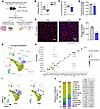 Figure 1
Cellular diversity in skeletal muscle from control and KPC tumor–bearing mice. (A) Schematic representation of experimental design. Twelve-week-old male C57BL/6 were injected with KPC cells or PBS into the pancreas. On day 21, hindlimb muscles of the mice were isolated and processed for morphometric, biochemical, and snRNA-Seq analyses. (B and C) Changes in absolute body (BW) weight (B), and tumor-free BW (C) in control and KPC tumor–bearing mice. (D) Four-paw grip strength normalized by tumor-free BW of control and KPC tumor–bearing mice. (E) Representative anti-laminin– and DAPI-stained TA muscle transverse sections. Scale bar: 50 μm. (F) Quantification of average myofiber cross-sectional area (CSA) in TA muscle of control and KPC tumor–bearing mice. n = 5 per group. All data are presented as mean ± SEM. *P ≤ 0.05, significantly different from control mice injected with PBS alone analyzed by unpaired Student’s t test. (G) UMAP plot representing manually annotated clusters for cell type identity. (H) Expression of representative marker genes define major cell types in dot plot. (I) Split-UMAP illustrating transcriptomic clustering of muscle-derived nuclei of control and KPC tumor–bearing mice. (J) Proportion of different nuclei population in GA muscle of control and KPC tumor–bearing mice.
We next performed single-nucleus RNA-seq (snRNA-seq) on pooled gastrocnemius (GA) muscle from 5 control and 5 KPC tumor–bearing mice. After quality control, 8,953 nuclei from control, and 9,794 nuclei from KPC samples were retained for analysis. Unsupervised clustering of the integrated dataset identified 21 clusters, which were annotated into 13 distinct cell types based on established marker genes (11, 19, 23), including myonuclear subtypes, muscle stem cells, endothelial cells, fibroblasts, immune cells, and other resident populations (Figure 1, G and H, and Supplemental Figure 1A; supplemental material available online with this article; https://doi.org/10.1172/jci.insight.200396DS1). Notably, 2 nuclear clusters (clusters 2 and 14), hereafter termed Cachectic-1 and Cachectic-2, were detected exclusively in KPC tumor–bearing mice (Figure 1I). These clusters were characterized by strong enrichment of the muscle-specific E3 ubiquitin ligases Fbxo32 (MAFbx) and Trim63 (MuRF1) and were therefore annotated as “cachectic” myonuclei (Figure 1, G and H, and Supplemental Figure 1A). Similar multicluster patterns were observed for Type IIb myonuclei, fibroblasts, and endothelial cells, indicating heterogeneity within these populations. Comparative pathway analysis revealed that Cachectic-1 and Cachectic-2 clusters shared activation of KEAP1/NFE2L2 signaling and catabolic and proteolytic pathways, while also exhibiting distinct features: Cachectic-1 was enriched for ER protein processing and TOR signaling, whereas Cachectic-2 was associated with nutrient sensing and glycogen metabolism (Supplemental Figure 1B). Further analysis of Type IIb myonuclei uncovered functional diversity across 4 subclusters, with enrichment for OXPHOS, cytoskeletal organization, proteolysis/ER stress, or hormone-mediated signaling (Supplemental Figure 1C). Although Type IIb fibers are classically glycolytic, a subset of Type IIb myonuclei displayed elevated OXPHOS gene expression, consistent with emerging evidence for metabolically distinct Type IIb subtypes (24). Finally, analysis of cell type proportions revealed that cachectic myonuclei constituted ~24% of total nuclei in KPC samples and were absent in controls, resulting in an apparent reduction in the relative abundance of most other cell types, except myotendinous and NMJ-associated nuclei (Figure 1J). Collectively, these data demonstrate pronounced cellular and transcriptional heterogeneity in skeletal muscle during pancreatic cancer cachexia, including the emergence of distinct cachectic myonuclear populations.
Pancreatic cancer induces a robust atrophy program in skeletal muscle. To define the transcriptional features of the cachectic cluster in KPC tumor–bearing mice, we performed differential gene expression analysis comparing cachectic myonuclei with all myonuclei from control mice (Type I, Type IIa, Type IIb, Type IIx, MTJ, NMJ, and MuSC), thereby enriching for muscle-specific responses to tumor growth. Using a threshold of |log2FC| > 0.58 and P < 0.05, we identified 4,360 differentially expressed genes (DEGs), including 1,811 upregulated and 2,549 downregulated genes (Supplemental Figure 2A). Pathway enrichment analysis revealed strong upregulation of genes associated with the KEAP1/NFE2L2 (NRF2) pathway, protein catabolism, autophagy, mitophagy, and endoplasmic reticulum (ER) stress responses in cachectic myonuclei relative to controls (Figure 2A). The KEAP1/NRF2 pathway is a well-established protective mechanism activated by oxidative stress in skeletal muscle during cancer cachexia, and muscle-specific loss of NRF2 has been shown to exacerbate wasting (25). Consistent with enhanced proteolysis, gene set scoring analysis demonstrated elevation of UPS and autophagy pathway scores in cachectic and Type IIb myonuclear clusters, with more moderate increases in Type IIa and IIx clusters and modest changes in Type I clusters, indicating fiber-type–specific activation of atrophy pathways (Figure 2B and Supplemental Figure 2, B and C). These findings were supported by bulk RNA-seq analysis, which showed significant upregulation of multiple UPS- and autophagy/mitophagy-related genes in skeletal muscle from KPC tumor–bearing mice (26). Notably, several established atrophy-associated genes, including Fbxo32, Trim63, Eda2r, Il6ra, and Ddit4, were among the top 50 upregulated genes in cachectic myonuclei and were similarly enriched at the tissue level, as illustrated in the bulk RNA-seq heatmap (Figure 2, C and D). Validation by qPCR confirmed significant increases in Sik1, Arrdc3, Sesn1, Retreg1, Fbxo32, and Trim63 mRNA levels in skeletal muscle of KPC tumor–bearing mice compared with control mice (Figure 2E). At the protein level, Western blot analysis revealed increased abundance of ubiquitin-conjugated proteins, MAFbx, MuRF1, and LC3B-II, but not Beclin1, in TA muscle from KPC tumor–bearing mice (Figure 2F and Supplemental Figure 2D). Together, these transcriptomic and biochemical analyses demonstrate that KPC tumor growth activates a coordinated skeletal muscle atrophy program characterized by robust induction of UPS- and autophagy-mediated proteolysis in cachectic myonuclei.
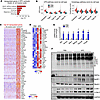 Figure 2
Upregulation of proteolytic systems in cachectic myofibers. (A) Enrichment analysis of upregulated genes in cachectic myonuclei highlighting significantly enriched pathways related to protein degradation. (B) Violin plots showing module scores for the ubiquitin-proteasome system (UPS) and autophagy across different myonuclear clusters from GA muscle of control and KPC tumor–bearing mice. Scores were calculated using Seurat’s scoring function to quantify pathway activity. Each violin represents the distribution of pathway scores within a fiber type. (C) Heatmap displaying the expression of the top 50 upregulated genes in cachectic nuclei compared with all the myonuclei in control mice. (D) Heatmap showing the expression of representative top 50 upregulated genes from Bulk RNA-seq at tissue level. (E) Independent qPCR analysis of the upregulated top-ranked representative genes in GA muscle of control and KPC tumor–bearing mice. (F) Immunoblots of the levels of total ubiquitinated proteins, MAFbx, MuRF1, Beclin1, LC3B-I/II, and unrelated protein GAPDH in TA muscle of control and KPC tumor bearing mice. n = 4 for PBS group and n = 5 in KPC tumor group. All data are presented as mean ± SEM. *P ≤ 0.05, values significantly different from PBS-injected control mice analyzed by unpaired Student’s t test.
KPC tumor growth suppresses mitochondrial metabolism, angiogenesis, and structural maintenance programs in skeletal muscle. We next analyzed the downregulated genes in cachectic nuclear cluster of KPC tumor–bearing mice. Pathway enrichment analysis showed that genes involved in aerobic respiration, muscle cytoskeletal organization, actin filament–based processes, circulatory system development, and tube morphogenesis were significantly downregulated in cachectic myonuclei compared with all myonuclei from control mice (Figure 3A). Consistently, analysis of the top 50 downregulated genes revealed repression of multiple genes essential for muscle structure and contraction, including Myl1, Myh4, Myh1, Tpm1, Mylk4, Mylpf, and Itgb6, in cachectic myonuclei (Figure 3B). Gene set scoring further demonstrated a significant reduction in OXPHOS-related gene expression across cachectic and other myonuclear clusters, independent of muscle fiber type, in KPC tumor–bearing mice. Angiogenesis scores were also reduced in cachectic and most other myonuclear clusters, with the exception of the Type I myonuclear cluster (Figure 3C and Supplemental Figure 3, A and B). Analysis of bulk RNA-seq data from GA muscle corroborated these findings, showing coordinated downregulation of OXPHOS- and angiogenesis-related genes in KPC tumor–bearing mice compared with controls (Figure 3D). These transcriptional changes were validated by performing biochemical or histological analysis. Western blotting revealed a significant reduction in myosin heavy chain (MyHC) as well as mitochondrial respiratory chain complexes I, III, and IV in skeletal muscle from KPC tumor–bearing mice (Figure 3, E and F, and Supplemental Figure 3, C and D). In parallel, immunostaining of soleus muscle sections demonstrated a significant decrease in CD31+ vascular density, indicating impaired angiogenesis (Figure 3, G and H). Collectively, these results indicate that pancreatic cancer–associated cachexia is characterized by broad repression of mitochondrial oxidative capacity, vascularization, and myofiber structural and contractile programs in skeletal muscle.
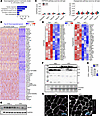 Figure 3
Downregulation of oxidative phosphorylation and angiogenesis pathway in cachectic myofibers. (A) Enrichment analysis of downregulated genes in cachectic myonuclei highlighting significantly enriched pathways. (B) Heatmap displaying the expression of the top 50 downregulated genes in cachectic nuclei compared with all the myonuclei of control mice. (C) Violin plots showing module scores for the OXPHOS and angiogenesis processes across different myonuclear clusters from GA muscle of control and KPC tumor–bearing mice. Each violin represents the distribution of pathway scores within a fiber type. (D) Heatmap showing the expression of representative genes related to OXPHOS and Angiogenesis from bulk RNA-seq analysis of GA muscle of control and KPC tumor–bearing mice. (E and F) Immunoblots showing protein levels of MyHC (E), and OXPHOS (F) complexes I–V in skeletal muscle of control and KPC tumor–bearing mice. (G and H) Representative photomicrographs (G) and quantification of CD31+ cells (H) per unit area after immunostaining for CD31 (pink) and Laminin (white) protein in soleus muscle from control and KPC tumor–bearing mice. Scale bar: 50 μm. n = 3–4 per group. All data are presented as mean ± SEM. *P ≤ 0.05, values significantly different from control mice analyzed by unpaired Student’s t test.
KPC tumor growth induces fiber-type reprograming in skeletal muscle. Skeletal muscle fibers are heterogeneous in their expression of MyHC isoforms, which define distinct contractile and metabolic properties and allow classification into Type I, IIa, IIx, and IIb fibers (27). Although prior studies have reported variable effects of cancer cachexia on fiber-type composition, including shifts toward more glycolytic phenotypes (28–30), the effect of pancreatic cancer–induced cachexia remains incompletely defined. To determine whether KPC tumor growth alters fiber-type composition and associated transcriptional programs, we first analyzed the distribution of Type I, IIa, IIx, and IIb myonuclei in our snRNA-seq dataset. To avoid bias arising from the emergence of cachectic-specific clusters, these nuclei were excluded prior to analysis. This analysis revealed a relative increase in Type IIx and Type IIb myonuclei in KPC tumor–bearing mice compared with controls (Figure 4A). Consistent with these findings, IHC analysis of TA muscle demonstrated a significant reduction in Type IIa fibers accompanied by a corresponding increase in Type IIx and IIb fibers in KPC tumor–bearing mice (Figure 4, B and C). We next assessed fiber-type–specific vulnerability to cachexia using the machine learning-based Augur approach. This analysis ranked Type IIb myonuclei as the most transcriptionally perturbed in response to tumor growth, followed by Type IIx and IIa, whereas Type I myonuclei were least affected (Figure 4D). Together, these results indicate that KPC tumor growth drives a fiber-type transition from Type IIa toward more glycolytic Type IIx/IIb phenotypes and that Type IIb myofibers exhibit the greatest susceptibility to KPC tumor–induced atrophy.
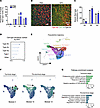 Figure 4
KPC tumor growth causes fiber-type remodeling in skeletal muscle. (A) Proportion of muscle fiber-type nuclei in snRNA-seq dataset. (B) Representative cross-sections of TA muscle from control and KPC tumor–bearing mice after immunostaining for myosin heavy chain (MyHC) isoforms to distinguish fiber types: Type IIa fibers (red), Type IIb fibers (green), and Type IIx fibers (black). Scale bar: 100 μm. (C) Quantification of fiber-type composition in TA muscle of control and KPC tumor–bearing mice. n = 4 per group. Data are presented as mean ± SEM. *P ≤ 0.05, values significantly different from control mice analyzed by unpaired Student’s t test. (D) Augur-based analysis of perturbation sensitivity of different fiber-type in skeletal muscle of control and KPC tumor–bearing mice. (E) Pseudotime trajectory and annotation of myonuclei subpopulations by UMAP. (F) UMAP visualization of module-specific gene expression across myonuclear clusters. (G) Enrichment analysis of the pathways associated with the preterminal/terminal stage gene modules.
To further define the transcriptional dynamics underlying the transition of myonuclei toward a cachectic state, we performed trajectory analysis to model myonuclear state transitions along a pseudotime axis representing cachexia progression. The inferred trajectory originated from both Type IIa and Type IIb myonuclear clusters and converged on the terminal cachectic cluster. In contrast, Type I myonuclei showed no trajectory connection to the cachectic state, reinforcing the notion that Type I myofibers are relatively resistant to wasting during pancreatic cancer cachexia (Figure 4E).
Because skeletal muscle from KPC tumor–bearing mice likely contains myofibers at multiple stages of atrophy, we next sought to identify shared and stage-specific transcriptional programs by defining coregulated gene expression modules across myonuclear clusters. Using Louvain community detection, we identified 41 coregulated gene modules (Supplemental Figure 4). Several modules displayed cachexia-associated activity patterns consistent with either “preterminal” (transitional) or “terminal” (fully cachectic) states (Figure 4F). Notably, Module 3 was selectively enriched in cachectic myonuclei and represented a terminal-stage program characterized by activation of canonical atrophy pathways, including proteasome-mediated protein degradation, KEAP1/NFE2L2 signaling, ER stress responses, mitophagy, and negative regulation of mTOR signaling (Figure 4, F and G). In contrast, Modules 10 and 12 peaked at a preterminal divergence point along the trajectory and were enriched for genes involved in proteasomal protein catabolism, mRNA metabolism, ribosome rescue, protein stability, and regulation of TORC1 signaling, suggesting distinct transcriptional programs that preceded overt cachexia (Figure 4, F and G). Together, these analyses delineate a progressive, fiber-type–dependent transcriptional trajectory from healthy to cachectic myonuclei during pancreatic cancer cachexia.
We next examined fiber-type–specific transcriptional responses to KPC tumor growth by analyzing differential gene expression within individual myonuclear populations from control and tumor-bearing mice. Pathway enrichment analysis revealed several commonly upregulated pathways across all 4 myonuclear types, including proteolysis, regulation of catabolic processes, autophagy/mitophagy, fatty acid oxidation and PPAR signaling, oxidative stress responses, insulin resistance, and canonical NF-κB signaling (Figure 5A). In addition to these shared responses, distinct fiber-type–specific regulatory programs were evident. AMPK signaling was upregulated in Type I, IIa, and IIx myonuclei but downregulated in Type IIb myonuclei, whereas KEAP1/NFE2L2 signaling was selectively induced in Type IIa, IIx, and IIb clusters but not in Type I myonuclei. Notably, genes encoding translation factors and components of translational initiation were significantly elevated in Type IIb myonuclei relative to other fiber types. Consistent with this heightened remodeling, mTOR signaling, K11-linked ubiquitination, and ubiquitin E3 ligase pathways were significantly enriched exclusively in Type IIb myonuclei (Figure 5A). Analysis of downregulated pathways revealed that aerobic respiration and muscle contraction programs were broadly suppressed across all fiber types. In contrast, pathways related to mitochondrial biogenesis, glycolysis/gluconeogenesis, and EGFR1 signaling were selectively downregulated in all Type II myonuclear clusters but remained largely unchanged in Type I myonuclei (Figure 5A).
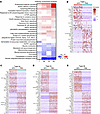 Figure 5
Transcriptome analysis of different myofiber types in control and KPC tumor–bearing mice. (A) Heatmap showing the pathway enrichment analysis for the DEGs across individual myofiber nuclear cluster. (B–E) The heatmap illustrates the expression of the top 20 upregulated and top 20 downregulated genes in the nuclear cluster of Type I (B), Type IIa (C), Type IIx (D), and Type IIb (E) myofibers.
The top 20 upregulated and downregulated genes within each fiber type highlighted both shared and fiber-type–specific gene regulation (Figure 5, B–E). Among these, Tnfrsf12a (Fn14), the receptor for the catabolic cytokine TWEAK, was prominently upregulated in Type IIa and Type IIb myonuclei, consistent with its established role in cancer cachexia–induced muscle wasting (31, 32). Similarly, Eda2r, another mediator of muscle atrophy (33), was highly enriched in Type IIb myonuclei. Importantly, the canonical atrogenes Fbxo32 (MAFbx) and Trim63 (MuRF1) were among the top 20 upregulated genes specifically in Type IIb myonuclei, reinforcing the heightened vulnerability of this fiber type to pancreatic cancer–associated wasting. Additional genes, including Mt1 and Mt2, were strongly induced in Type IIa, IIx, and IIb clusters; however, their functional roles in cachexia remain unknown (Figure 5, B–E). Together, these findings demonstrate that KPC tumor growth drives fiber-type–specific transcriptional reprogramming, with Type IIb myofibers exhibiting the most pronounced activation of catabolic and remodeling pathways during pancreatic cancer cachexia.
Transcriptional programs governing protein synthesis are altered in myofibers during pancreatic cancer cachexia. Because transcription factors (TFs) act as master regulators of gene expression, we next examined how TF activity is altered in skeletal muscle during pancreatic cancer cachexia. To define transcriptional regulatory programs associated with cachexia, we computationally inferred TF activity and gene regulatory networks from our snRNA-seq dataset. DEGs in myonuclear clusters were first analyzed for overrepresented TF-binding motifs. These data were then integrated with gene expression using the Single-Cell rEgulatory Network Inference and Clustering (SCENIC) framework to infer TF regulons and quantify regulon activity at single-nucleus resolution using AUCell. This analysis identified multiple TFs whose activity was significantly altered in response to KPC tumor growth. A heatmap of the 15 most strongly affected TFs revealed both increased and decreased regulon activity across myonuclear clusters, with pronounced changes in cachectic myonuclei (Figure 6A). To determine the functional relevance of these TFs, we performed pathway enrichment and network-based clustering on their target genes. This revealed several interconnected functional modules, notably including processes related to regulation of target of rapamycin complex 1 (TORC1) signaling (highlighted in red) and a broader network of translation- and ribosome-associated pathways (highlighted in blue) (Figure 6B).
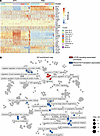 Figure 6
Transcriptional rewiring in cachectic muscle of KPC tumor–bearing mice. (A) Heatmap of regulon activity inferred by SCENIC across myonuclei. (B) Gene ontology (GO) enrichment network of high-confidence TF targets, with core mTOR signaling terms annotated in red and translation/ribosome-related terms in blue.
To prioritize TFs most relevant to cachexia-associated remodeling, we applied 3 selection criteria: (a) increased regulon activity inferred by SCENIC/AUCell, (b) elevated TF expression in cachectic myonuclei, and (c) significant overlap between TF regulons and genes upregulated in cachectic clusters. Candidate TFs were further filtered based on their association with TORC1- and translation-related processes. This approach identified TFs with distinct activity patterns, including factors whose activity was largely restricted to cachectic myonuclei (e.g., Foxo1, Clock, Elk4) and others showing broader induction across myonuclear populations (e.g., Zbtb20, Tead1), suggesting a hierarchical organization of transcriptional control (Supplemental Figure 5).
An alluvial diagram illustrates the relationships between prioritized TFs (Tfdp2, Mllt10, Mecp2, Zbtb20, Tead1, Zbtb11, Elk4, Clock, Myf6, Arnt, Arntl, Foxo1, Zfhx3, Zfp639, and Mnt) and their associated Gene Ontology terms, with ribbon width reflecting the extent of target gene overlap (Figure 7A). Notably, multiple TFs converged on key biological processes, including ribosome biogenesis, translational initiation, and regulation of posttranslational protein modification. Because TORC1 is a central regulator of protein synthesis and ribosome biogenesis, these findings identify TORC1-centered transcriptional networks as a critical hub governing muscle proteostasis during pancreatic cancer–associated cachexia.
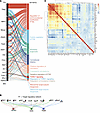 Figure 7
Identification of mTORC1 as a target of transcriptional network in cachectic muscle. (A) Alluvial diagram linking TFs to enriched GO terms. Ribbon width reflects the number of shared target genes. (B) Convergence of enriched TFs regulatory network at key nodes/target genes. (C) Correlation matrix of regulon activity scores among deregulated TFs in cachectic myofibers of KPC tumor–bearing mice.
We next sought to determine whether TFs associated with TORC1-related processes converge on a common set of downstream target genes. This analysis revealed that multiple distinct TFs converged on 3 shared targets, Arrdc3, Eif4h, and Vegfd (Figure 7B). Notably, Arrdc3 and Vegfd were among the top 50 upregulated genes in cachectic myonuclei compared with myonuclei from control mice (Figure 2C). In addition, eIF4H is a known functional partner of eIF4A within the eIF4F complex and enhances its helicase activity, thereby promoting translational initiation and protein synthesis, linking these convergent targets directly to translational control (14).
To further define the structure of the transcriptional regulatory network, we examined pairwise cooperativity among the prioritized TFs to assess coordinated or divergent regulatory relationships. This analysis identified discrete TF cooperative modules within cachectic myofibers. For example, Tead1, Foxo1, Tfdp2, Zbtb20, Mllt10, Mecp2, and Arnt formed a tightly correlated cluster, consistent with shared or convergent regulatory programs. In contrast, other TFs exhibited weak or negative correlations, suggesting divergent transcriptional regulation or potential functional antagonism (Figure 7C). Together, these snRNA-seq–based analyses uncovered previously unrecognized transcriptional coregulatory networks and shared downstream targets that converge on mTOR/TORC1-related processes, highlighting a central role for coordinated transcriptional control of protein synthesis and proteostasis in skeletal muscle during pancreatic cancer cachexia.
Increased translational initiation and ribosome biogenesis in skeletal muscle of KPC tumor–bearing mice. Skeletal muscle loss during cancer cachexia occurs when protein degradation exceeds protein synthesis (1, 6). Our inferred TF activity analyses indicated that mTORC1 signaling and protein translation pathways are altered in cachectic myonuclei from KPC tumor–bearing mice (Figures 6 and 7). Consistent with this, gene set enrichment analysis (GSEA) of the snRNA-seq dataset revealed significant upregulation of genes whose products are involved in translational initiation and ribosome biogenesis in cachectic myonuclei compared with all myonuclei from control mice (Figure 8A). Similarly, analysis of both snRNA-seq and bulk RNA-seq datasets demonstrated coordinated induction of gene expression of multiple molecules involved in translation initiation and ribosome biogenesis in skeletal muscle of KPC tumor–bearing mice relative to controls (Figure 8B). Independent qPCR analysis confirmed significantly increased mRNA levels of ribosome biogenesis markers, including 18S rRNA, TIF1A, PAF53, Polr1b, UBF, Rpl5, Rpl11, Rps3, and Rps6, in skeletal muscle from KPC tumor–bearing mice compared with controls (Supplemental Figure 6A). To directly assess protein synthesis, we performed surface sensing of translation (SUnSET) assays. Puromycin incorporation was significantly elevated in skeletal muscle of KPC tumor–bearing mice at days 14 and 18 following KPC cell implantation, indicating increased rates of protein synthesis (Figure 8C and Supplemental Figure 6B).
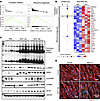 Figure 8
Increased ribosome biogenesis and translation initiation in skeletal muscle of tumor-bearing mice. (A) Gene set enrichment analysis of translation initiation and ribosome biogenesis processes in cachectic myonuclear clusters compared with all other nuclei of control mice. (B) Dot plots from the snRNA-seq dataset demonstrating the proportion of nuclei expressing translation initiation and ribosome biogenesis genes (left) and heatmap showing corresponding expression in bulk RNA-seq dataset (right). (C) Immunoblots showing levels of indicated proteins in TA muscle of control and KPC tumor–bearing mice after 14 and 18 days of inoculation of KPC cells in pancreas. (D) Representative photomicrographs of myotube cultures treated with vehicle alone or BMH-21 and incubated with or without KPC cells conditioned medium (KPC-CM).
Consistent with enhanced translational initiation, Western blot analyses revealed increased levels of total and phosphorylated 4EBP1, as well as phosphorylated p70S6K, in skeletal muscle from KPC tumor–bearing mice. Moreover, protein levels of eIF4H, one of the convergent transcriptional targets identified in cachectic myonuclei (Figure 7B), were also significantly elevated (Figure 8C and Supplemental Figure 6B). Together, these findings demonstrate that, despite ongoing muscle wasting, skeletal muscle in KPC tumor–bearing mice exhibits increased ribosome biogenesis and translational initiation, suggesting a compensatory or maladaptive activation of protein synthesis pathways during pancreatic cancer–associated cachexia.
We recently reported that KPC cell conditioned media (KPC-CM) induces atrophy in cultured mouse primary myotubes (31). To investigate the functional significance of increased ribosome biogenesis in cachectic muscle, we tested the effect of BMH-21, a small-molecule inhibitor of RNA polymerase I that targets the rate-limiting step of ribosome biogenesis (34), on cultured myotube diameter in control and KPC-CM-treated cultures. Primary mouse myoblasts were differentiated for 48 hours, pretreated with vehicle alone or 250 nM BMH-21 for 2 hours, and then incubated in exhausted differentiation medium (control) or KPC-CM, with or without BMH-21, for an additional 24 hours. Cultures were fixed and immunostained for MyHC, and myotube diameter was measured. Results showed that BMH-21 treatment alone significantly reduced average diameter of cultured myotubes, and this effect was further exacerbated in the presence of KPC-CM (Figure 8D and Supplemental Figure 6C). These results indicate that translational initiation and ribosome biogenesis are upregulated in skeletal muscle during pancreatic cancer cachexia, likely representing an adaptive mechanism that mitigates the severity of muscle wasting.
Targeted inhibition of TORC1 signaling exacerbates muscle wasting during pancreatic cancer cachexia. Since we observed an increase in mTORC1 signaling and translation initiation, we next sought to investigate the effect of inhibition of mTOCR1 on the regulation of muscle mass in response to KPC tumor growth. The regulatory-associated protein of mammalian target of rapamycin (Raptor) binds to mTOR and is essential for mTORC1 activity. Previous studies have shown that muscle-specific deletion of Raptor (Rptor) leads to a drastic reduction in the protein levels and activity of mTORC1 without affecting muscle mass and function under normal physiological conditions (35, 36). Using inducible muscle-specific Rptor-KO mice, we determined whether the inhibition of mTORC1 signaling affects skeletal muscle mass during pancreatic cancer cachexia. Briefly, floxed Rptor (henceforth, Rptorfl/fl) mice were crossed with HSA-MCM mice to generate Rptorfl/fl;HSA-MCM (henceforth, RptormKO) and littermate Rptorfl/fl mice. Twelve-week-old RptormKO mice were treated by i.p. injection of tamoxifen for 4 consecutive days to induce the deletion of Raptor. Littermate Rptorfl/fl mice were also treated with tamoxifen and served as controls. After 2 days of last tamoxifen injection, the mice were injected with PBS alone or 2 × 10⁵ KPC cells into the tail of pancreas and the mice were analyzed on day 21 after inoculation with KPC cells.
There was a significant reduction in the wire hanging time and 4-paw grip strength normalized by tumor-free body weight in KPC tumor–bearing Rptorfl/fl and RptormKO mice compared with corresponding control mice. Although statistical significance was not achieved, there was a trend toward reduced average hanging time and 4-paw grip strength in KPC tumor–bearing RptormKO compared with KPC tumor–bearing Rptorfl/fl mice (Figure 9, A and B). There was a significant reduction in the wet weight of TA, quadriceps (QUAD), soleus, and GA muscle of both Rptorfl/fl and RptormKO mice in response to KPC tumor growth (Figure 9C and Supplemental Figure 7A). Interestingly, tumor-induced loss in the wet weight of QUAD and GA muscle was significantly higher in RptormKO mice compared with Rptorfl/fl mice (Figure 9D and Supplemental Figure 7B). In contrast, there was no significant difference in tumor wet weight between Rptorfl/fl and RptormKO mice (Supplemental Figure 7C).
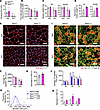 Figure 9
Deletion of Raptor exacerbates muscle loss in response to KPC tumor growth. (A–C) Wire hanging time (A), 4-paw grip strength (B), wet muscle weight of tibialis anterior (TA) and quadriceps (QUAD) (C) muscle of control and KPC tumor–bearing Rptorfl/fl and Rptormko mice. (D) Tumor-induced decrease in wet weight of TA and QUAD muscle in Rptorfl/fl and RptormKO mice. (E) Representative images of TA muscle cross-sections after anti-dystrophin and DAPI staining. Scale bar: 50 μm. (F–H) Myofiber cross-sectional area (CSA) (F), decrease in average myofiber CSA (G), and myofiber CSA frequency distribution (H) in TA muscle of control and KPC tumor–bearing Rptorfl/fl and RptormKO mice. (I) Representative photomicrographs of TA muscle cross-sections after immunostaining for MyHC isoforms. Scale bar: 50 μm. (J and K) Myofiber CSA (J), and tumor-induced decrease (K) in average myofiber CSA in individual muscle type in TA muscle of Rptorfl/fl and RptormKO mice. n = 3–5 per group. Data are presented as mean ± SEM. *P ≤ 0.05, versus corresponding control mice, #P ≤ 0.05, versus KPC-tumor bearing Rptorfl/fl mice (unpaired Student’s t test or 2-way ANOVA and Tukey’s multiple-comparison test).
Next, transverse sections of TA muscle were prepared and analyzed by performing H&E staining or immunostaining for dystrophin (Figure 9E and Supplemental Figure 7D), followed by morphometric analysis. The average myofiber CSA was significantly reduced in KPC tumor–bearing Rptorfl/fl and RptormKO mice compared with controls. Notably, myofiber CSA was further reduced in KPC tumor–bearing RptormKO mice relative to their Rptorfl/fl counterparts (Figure 9, F and G). Consistent with these findings, frequency distribution analysis revealed a shift toward smaller myofibers in RptormKO mice compared with Rptorfl/fl mice in response to KPC tumor growth (Figure 9H).
Since Type IIb myofibers are particularly susceptible to cachexia (Figure 4D) and since mTOR signaling genes are selectively upregulated in Type IIb myonuclei (Figure 5A), we next examined fiber-type–specific effects of Raptor deletion. Immunostaining for MyHC isoforms demonstrated that all myofiber types (IIa, IIb, and IIx) exhibited reduced CSA in KPC tumor–bearing Rptorfl/fl and RptormKO mice compared with controls (Figure 9, I and J). Importantly, Type IIb myofibers showed the greatest reduction in CSA in RptormKO mice relative to Rptorfl/fl mice (Figure 9K), indicating a fiber-type–dependent vulnerability. Efficient deletion of Rptor was confirmed by the reduction in Raptor protein levels in skeletal muscle from RptormKO mice compared with Rptorfl/fl mice. Correspondingly, levels of both total mTOR and phosphorylated mTOR were reduced in RptormKO mice, irrespective of tumor burden. In addition, a modest increase in ubiquitin-conjugated proteins was observed in skeletal muscle from KPC tumor–bearing RptormKO mice compared with Rptorfl/fl mice (Supplemental Figure 7E). Collectively, these findings suggest that targeted inhibition of mTORC1 exacerbates skeletal muscle wasting during pancreatic cancer–associated cachexia.
Remodeling of inferred intercellular signaling in skeletal muscle in response to KPC tumor growth. While our previous analyses focused on myofiber-intrinsic transcriptional changes during pancreatic cancer cachexia, nonmyogenic cells in the muscle microenvironment also contribute to muscle wasting. Analysis of nonmyogenic nuclei transcriptome revealed upregulation of genes associated with KEAP1/NFE2L2 signaling, protein catabolism, autophagy, apoptosis, and noncanonical NF-κB pathways, alongside downregulation of genes involved in muscle structure, ECM organization, cytoskeleton, energy metabolism, tube morphogenesis, and blood circulation in MTJ, NMJ, SMC, fibroblast, and endothelial nuclei of KPC tumor–bearing mice (Supplemental Figure 8). These findings indicate that cachexia broadly remodels the transcriptional landscape of nonmyogenic cells as well.
Next, we investigated the intercellular signaling interactions between nuclear clusters identified in snRNA-seq dataset. For this analysis, we applied CellChat with population weighting to map ligand-receptor–mediated intercellular signaling. Results show that KPC tumor growth induced extensive alterations in both the number and strength of interactions across different muscle and nonmuscle cell types in skeletal muscle (Figure 10A). Further analysis showed that the nuclei in KPC tumor–bearing mice exclusively acquired information flow from various molecules, such as EDA, EDN, PLAU, Nectin, CSPG4, IGFBP, NPR2, TWEAK, ADGRA, WNT, CNTN, CD34, and CD39, which was absent in the nuclear clusters of control mice (Figure 10B and Supplemental Figure 9). In contrast, nuclear clusters of KPC tumor–bearing mice lost information flow from cholesterol, THBS, AGRN, GRN, VCAM, LIFR, SPP1, LAIR1, SEMA5, NPNT, OSTN, VISTA, CD48, CD80, and HH, which were present in the control nuclear clusters (Figure 10B and Supplemental Figure 9). We next investigated how these molecules are affected in different nuclei populations of control versus KPC tumor–bearing mice. This analysis showed that there were significant alterations in signaling from different molecules (e.g., IGF1, Visfatin, MSTN) between nuclear clusters of different cell types in control and KPC tumor–bearing mice (Figure 10B and Supplemental Figure 10A). Moreover, CD39 signaling was present in EC and smooth muscle nuclei, whereas CD34 was present in only EC of tumor-bearing mice. CNTN and Wnt were present in almost all types of nuclei of tumor-bearing mice, but not in control mice. TWEAK, a potent muscle wasting cytokine (31, 32), was present in cachectic, MTJ, smooth muscle, and Type IIa and Type IIb nuclear clusters (Supplemental Figure 10B and Supplemental Figure 11A). We also found that strength of information flow from several other molecules implicated in muscle wasting, such as EDA, Prostaglandin, CD46, NGL, Notch, Testosterone, CCL, MSTN, Visfatin, fibronectin, ANGPT, TGF-β, FLRT, BMP, and FGF, was considerably increased in cachectic nuclei of KPC tumor–bearing mice, even though some of these signals were present in Type II myofibers of both control and tumor-bearing mice (Supplemental Figure 11A). We performed further analyses to identify the ligand/receptor enrichment in our snRNA-seq dataset. In control muscle, enrichment was dominated by Col4a3, Mpz, Lama2, Tnxb, and Col4a1, consistent with a structural extracellular matrix (ECM) and NMJ supportive environment. In contrast, KPC muscle shifted toward Fn1, Col4a1, Col4a2, and Vegfa reflecting ECM remodeling and altered vascular-endocrine communication (Supplemental Figure 11B). Together, these integrated metrics demonstrate reprogramming of intercellular signaling in a directional and pathway-specific manner, supporting catabolic alterations such as ECM remodeling, inflammation, and neuromuscular degeneration, in skeletal muscle during pancreatic cancer cachexia.
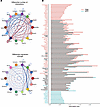 Figure 10
Alterations in inferred intercellular communications in skeletal muscle of KPC tumor–bearing mice. (A) Circle plots showing differential number of cellular interactions and strength of interactions between different nuclear clusters of control and KPC tumor–bearing mice. (B) Overall information flow comparison of multiple pathways in nuclei of control and KPC tumor–bearing mice.


