
Research ArticleClinical ResearchImmunologyReproductive biology
Open Access |  10.1172/jci.insight.199606
Maternal opioid use and hepatitis C infection disrupt the placental immune landscape and structure
Heather E. True,1 Brianna M. Doratt,1 Sheridan B. Wagner,1 Delphine C. Malherbe,1 Nathan R. Shelman,2 Mahdi Eskandarian Boroujeni,1 Cynthia Cockerham,3 John M. O’Brien,3 and Ilhem Messaoudi1
1Department of Microbiology, Immunology, and Molecular Genetics, College of Medicine,
2Department of Pathology, College of Medicine, and
3Department of Obstetrics & Gynecology, College of Medicine, University of Kentucky, Lexington, Kentucky, USA.
Address correspondence to: Ilhem Messaoudi, Department of Microbiology, Immunology, and Molecular Genetics, College of Medicine, University of Kentucky, 800 Rose St. MS405, Lexington, Kentucky, 40506, USA. Phone: 859.562.0484; Email: ilhem.messaoudi@uky.edu.
Find articles by
True, H.
in:
PubMed
|
Google Scholar
|

1Department of Microbiology, Immunology, and Molecular Genetics, College of Medicine,
2Department of Pathology, College of Medicine, and
3Department of Obstetrics & Gynecology, College of Medicine, University of Kentucky, Lexington, Kentucky, USA.
Address correspondence to: Ilhem Messaoudi, Department of Microbiology, Immunology, and Molecular Genetics, College of Medicine, University of Kentucky, 800 Rose St. MS405, Lexington, Kentucky, 40506, USA. Phone: 859.562.0484; Email: ilhem.messaoudi@uky.edu.
Find articles by Doratt, B. in: PubMed | Google Scholar
1Department of Microbiology, Immunology, and Molecular Genetics, College of Medicine,
2Department of Pathology, College of Medicine, and
3Department of Obstetrics & Gynecology, College of Medicine, University of Kentucky, Lexington, Kentucky, USA.
Address correspondence to: Ilhem Messaoudi, Department of Microbiology, Immunology, and Molecular Genetics, College of Medicine, University of Kentucky, 800 Rose St. MS405, Lexington, Kentucky, 40506, USA. Phone: 859.562.0484; Email: ilhem.messaoudi@uky.edu.
Find articles by Wagner, S. in: PubMed | Google Scholar
1Department of Microbiology, Immunology, and Molecular Genetics, College of Medicine,
2Department of Pathology, College of Medicine, and
3Department of Obstetrics & Gynecology, College of Medicine, University of Kentucky, Lexington, Kentucky, USA.
Address correspondence to: Ilhem Messaoudi, Department of Microbiology, Immunology, and Molecular Genetics, College of Medicine, University of Kentucky, 800 Rose St. MS405, Lexington, Kentucky, 40506, USA. Phone: 859.562.0484; Email: ilhem.messaoudi@uky.edu.
Find articles by Malherbe, D. in: PubMed | Google Scholar
1Department of Microbiology, Immunology, and Molecular Genetics, College of Medicine,
2Department of Pathology, College of Medicine, and
3Department of Obstetrics & Gynecology, College of Medicine, University of Kentucky, Lexington, Kentucky, USA.
Address correspondence to: Ilhem Messaoudi, Department of Microbiology, Immunology, and Molecular Genetics, College of Medicine, University of Kentucky, 800 Rose St. MS405, Lexington, Kentucky, 40506, USA. Phone: 859.562.0484; Email: ilhem.messaoudi@uky.edu.
Find articles by Shelman, N. in: PubMed | Google Scholar
1Department of Microbiology, Immunology, and Molecular Genetics, College of Medicine,
2Department of Pathology, College of Medicine, and
3Department of Obstetrics & Gynecology, College of Medicine, University of Kentucky, Lexington, Kentucky, USA.
Address correspondence to: Ilhem Messaoudi, Department of Microbiology, Immunology, and Molecular Genetics, College of Medicine, University of Kentucky, 800 Rose St. MS405, Lexington, Kentucky, 40506, USA. Phone: 859.562.0484; Email: ilhem.messaoudi@uky.edu.
Find articles by Eskandarian Boroujeni, M. in: PubMed | Google Scholar
1Department of Microbiology, Immunology, and Molecular Genetics, College of Medicine,
2Department of Pathology, College of Medicine, and
3Department of Obstetrics & Gynecology, College of Medicine, University of Kentucky, Lexington, Kentucky, USA.
Address correspondence to: Ilhem Messaoudi, Department of Microbiology, Immunology, and Molecular Genetics, College of Medicine, University of Kentucky, 800 Rose St. MS405, Lexington, Kentucky, 40506, USA. Phone: 859.562.0484; Email: ilhem.messaoudi@uky.edu.
Find articles by Cockerham, C. in: PubMed | Google Scholar
1Department of Microbiology, Immunology, and Molecular Genetics, College of Medicine,
2Department of Pathology, College of Medicine, and
3Department of Obstetrics & Gynecology, College of Medicine, University of Kentucky, Lexington, Kentucky, USA.
Address correspondence to: Ilhem Messaoudi, Department of Microbiology, Immunology, and Molecular Genetics, College of Medicine, University of Kentucky, 800 Rose St. MS405, Lexington, Kentucky, 40506, USA. Phone: 859.562.0484; Email: ilhem.messaoudi@uky.edu.
Find articles by O’Brien, J. in: PubMed | Google Scholar
1Department of Microbiology, Immunology, and Molecular Genetics, College of Medicine,
2Department of Pathology, College of Medicine, and
3Department of Obstetrics & Gynecology, College of Medicine, University of Kentucky, Lexington, Kentucky, USA.
Address correspondence to: Ilhem Messaoudi, Department of Microbiology, Immunology, and Molecular Genetics, College of Medicine, University of Kentucky, 800 Rose St. MS405, Lexington, Kentucky, 40506, USA. Phone: 859.562.0484; Email: ilhem.messaoudi@uky.edu.
Find articles by
Messaoudi, I.
in:
PubMed
|
Google Scholar
|
Published March 17, 2026 - More info
JCI Insight. 2026;11(9):e199606. https://doi.org/10.1172/jci.insight.199606.
© 2026 True et al. This work is licensed under the Creative Commons Attribution 4.0 International License. To view a copy of this license, visit http://creativecommons.org/licenses/by/4.0/.
Received: August 27, 2025; Accepted: March 13, 2026

-
Results
Maternal opioid use and HCV infection were associated with adverse maternal-fetal outcomes. Decidua and chorionic villous tissues were isolated from placentas of full-term pregnancies (>37 weeks) of participants with and without OUD (Figure 1A). All participants in the OUD group were screened per the Diagnostic and Statistical Manual of Mental Disorders, fifth edition (DSM-V) criteria for severe OUD, as defined by meeting 4 or more criteria at enrollment (Table 1). All participants in the OUD group reported a history of illicit opioid use (heroin, fentanyl, and/or nonprescribed opiates, buprenorphine, and methadone products), with 39.5% of participants using more than one opioid (Figure 1B). Additionally, participants with OUD were stabilized on medication-assisted treatments (opioid agonist therapies; buprenorphine or methadone) at the time of delivery. We then stratified participants based on their HCV status at the time of delivery, determined by HCV IgG levels and viral loads (Table 1). Of the total 96 participants with OUD screened for HCV, 50 participants were positive for anti-HCV IgG, indicating history of infection, and 21 had a viral load detected by RT-PCR, indicating active HCV infection at delivery (Table 1). Polysubstance use was noted in the OUD groups, with rates of alcohol and illicit benzodiazepines highest in the group without HCV infection (OUD_HCV–) (Table 1). Maternal age, prepregnancy BMI, gestational age, and mode of delivery were comparable (Table 1). Additionally, induction of labor was more frequent in both OUD groups, whereas gestational hypertension and preeclampsia were not different by group (Table 1). The control group also had more non-White participants than both OUD groups (Table 1).
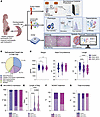 Figure 1
Maternal OUD±HCV leads to adverse maternal-fetal outcomes. (A) Experimental design. (B) Pie chart depicting self-reported substance use at enrollment during the previous 1 year. “Multiple” indicates the use of 2 or more of the listed opioid substances. (C) Violin plots of the indicated newborn measurement. One-way ANOVA with Tukey’s HSD test. (D) Stacked bar plot depicting the frequency of NICU/neonatal abstinence care unit (NACU) admission in newborns; χ2 test. (E) Violin plot of NICU/NACU length of stay. One-way ANOVA with Tukey’s HSD test. (F and G) Stacked bar plots showing the frequency of (F) newborns who received NOWS treatment and (G) newborns presenting with fetal anomalies; χ2 test. Control n = 48; OUD_HCV– n = 50; OUD_HCV+ n = 46. *P < 0.05; ****P < 0.0001.
Maternal OUD exerts acute and long-term adverse outcomes for newborns, including growth restriction, developmental delays, and increased likelihood of chronic diseases (4). In line with these observations, OUD was associated with smaller weight and length in newborns (Figure 1C and Table 1), who were more likely to be admitted to a neonatal intensive care unit (NICU) (Figure 1D) for a protracted length of time (Figure 1E). These findings were exacerbated by maternal HCV infection (Figure 1, D and E), as was the need for pharmacological treatment (morphine) for neonatal opioid withdrawal syndrome (NOWS) (Figure 1F and Table 1). Finally, fetal anomalies (birth defects) were more abundant in newborns of participants with OUD (Figure 1G and Table 1). These findings highlight a substantial impact of maternal OUD on fetal outcomes that is further exacerbated by HCV infection.
Altered inflammatory milieu and immune profiles of the decidua basalis with maternal OUD±HCV. The placenta undergoes dynamic changes throughout gestation to support fetal growth while maintaining fetal tolerance (32, 33). These changes are tightly regulated by immune mediators and growth factors (33). Measurements of immune mediators and angiogenesis factors in decidua tissue homogenate revealed a significant increase in proinflammatory cytokines (TNF-α, IL-6RA, IL-1Ra, IL-18, IL-2), chemokines (IP-10, MIP-1β, CXCL9, IL-8), and EGF with OUD (Figure 2A). However, levels of TH2 cytokine IL-5 and angiogenesis factors (FLT-1/4) were reduced compared with the control group (Figure 2A). We then carried out a sparse partial least squares differential analysis (sPLSDA) to identify factors that separate the 3 groups (Figure 2, B and C). Factors including IL-4, PECAM1, and IL-22 delineated the OUD_HCV– group; those that differentiated the OUD_HCV+ group included TNF-β and VEGFR2 (Figure 2C). These data indicate that maternal OUD is associated with increased decidual inflammation that is amplified by HCV coinfection.
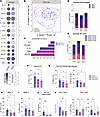 Figure 2
Decidual immune cell phenotype and function are altered by maternal OUD±HCV. (A) Bubble plot of protein concentration in decidua tissue homogenate supernatant. Size of the bubble represents log10 (pg/mL) and color represents P value. Arrows indicate direction of change in concentrations (increase or decrease) compared with controls. Unpaired Welch’s t tests (2-tailed) for each analyte. (B) sPLSDA plot of protein concentration in decidua tissue homogenate. (C) Bar plot of markers delineating groups along sPLSDA component 2. (D and E) Stacked bar plots of subset frequencies for (D) HLA-DRhi decidual macrophages and (E) NK cells. Each subset was assessed using a 1-way ANOVA with Tukey’s HSD test. (F–K) Responses to stimulations displayed after subtraction of the baseline, assessed using 1-way ANOVA with Tukey’s HSD test. (F–I) Bar plots of percentage of cells responding to bacterial TLR ligand stimulation from (F) total CD14+ cells, (G) total HLA-DRhi macrophages, (H) dMac_3, and (I) dMac_2 cells. (J) Bar plot of the percentage of NK cells expressing CD107a in response to PMAi stimulation. (K) Bar plot of percentage response of CD4+ (left) and CD8+ (right) T cells to PMAi stimulation. Symbols in black denote comparisons to control; blue symbols denote significance between OUD_HCV– and OUD_HCV+ groups. For Luminex data: control n = 30; OUD_HCV– n = 26; OUD_HCV+ n = 31. For flow cytometry data: control n = 15; OUD_HCV– n = 14; OUD_HCV+ n = 10. #P < 0.1, *P < 0.05, **/++P < 0.01.
It is well established that biomarkers of placental dysfunction can be detected in maternal circulation (34). Therefore, we measured levels of placental development markers in maternal plasma. We detected lower levels of PDGF-AA, FGF1, angiopoetin-1, ANGPTL-4/6, and FLT-1 with maternal OUD (Supplemental Figure 1A; supplemental material available online with this article; https://doi.org/10.1172/jci.insight.199606DS1). Decreased levels of these markers in maternal plasma generally reflect impaired placental vascular development and reduced fetal nutrient and oxygen supply (35). Furthermore, we detected elevated levels of PAPP-A, PECAM-1, FLT-4, MMP-8, and GM-CSF in maternal plasma in the OUD group versus the control group (Supplemental Figure 1A). High levels of these markers have been associated with placental dysfunction and hypertensive disorders in pregnancy (36) and are in line with increased rates of gestational hypertension in both OUD cohorts (Table 1). Further sPLSDA delineating the OUD_HCV+ group included tenascin C, EGF, FGF-1, IL-6RA, and PDGF-AA; those that differentiated the OUD_HCV– group included c-kit, angiopoietin-1, FLK, and MMP8 (Supplemental Figure 1C). Finally, PECAM1, MMP9, HGF, FLT4, ANGPTL3/4/6, and FLT1 levels segregated the control from the OUD groups (Supplemental Figure 1C). Altogether, these observations highlight that maternal OUD leads to a proinflammatory milieu and elevated placental repair signaling.
We next assessed the decidual immune cell compartment using flow cytometry (Supplemental Figure 1D). Although no significant differences in the abundance of total monocytes, DCs, NK cells, or T cells were observed (Supplemental Figure 1E), there were significant shifts in the frequency of HLA-DRhi decidual macrophage and NK cell subsets with maternal OUD±HCV (Figure 2, D and E). Specifically, the frequency of dMac_3 macrophages (FOLR2hiS100A8/9loCD9–), which are mature decidual macrophages important for tissue remodeling and clearance of cell debris in late pregnancy (19), was reduced with maternal OUD (Figure 2D). Furthermore, we report a decrease in cytolytic CD56hiCD16hi NK cells, recently described as critical for regulating immune responses and supporting placentation in healthy pregnancies (37), in OUD_HCV+ participants (Figure 2E).
To evaluate differences in the functional capacity, we measured responses to ex vivo stimulation (Figure 1A). Decreased responses to bacterial ligands by total decidual macrophages was noted with maternal OUD and HCV infection (Figure 2F), driven by dampened responses generated by HLA-DRhi macrophages (Figure 2G), namely dMac_3 and dMac_2 subsets (Figure 2, H and I). Additionally, degranulation by decidual (dNK) cells in response to stimulation by PMA/ionomycin (PMAi) was decreased with maternal OUD (Figure 2J). Finally, although no differences were observed in the abundance of decidual CD4+ or CD8+ T cells (Supplemental Figure 1E), T cell responses to polyclonal stimulation by PMAi were also decreased with maternal OUD (Figure 2K). Altogether, these findings indicate that maternal OUD±HCV alters the abundance and function of immune cells in the decidua.
Altered inflammatory milieu and immune profiles of chorionic villous (fetal) placental tissues with maternal OUD±HCV. Next, we compared differences in inflammatory and angiogenesis factors in villous tissue homogenate (Supplemental Figure 3A). Levels of IL-12p70 and IL-7 were increased, and those of IL-6 and IL-8 were decreased with maternal OUD (Supplemental Figure 3A). Changes in levels of these cytokines have been associated with preeclampsia and preterm birth (38, 39). We next carried out an sPLSDA to extract factors that distinguish between all groups (Supplemental Figure 3, B and C). Notable markers that delineated the OUD_HCV+ group included TNF-β, IFN-γ, GM-CSF, IFNα-2, and eotaxin, whereas IL-17A, IL-12p70, IL-7, IL-13, and IL-4 delineated the OUD_HCV– group (Supplemental Figure 1B). However, IL-10, TNF-α, EGF, and IL-1α levels segregated the control group from the OUD groups (Supplemental Figure 1B). These findings highlight that maternal OUD±HCV shifts the placental milieu toward a hyperinflammatory state.
We then used flow cytometry to characterize the immune landscape of the chorionic villous (Figure 1A and Supplemental Figure 3D). No differences were found in the abundance of HBCs with maternal OUD regardless of HCV status (Supplemental Figure 3E). The frequency of PAMM1A cells increased in the OUD_HCV+ group compared with controls and the OUD_HCV– group, whereas that of PAMM2 cells decreased (Supplemental Figure 3E). A modest decline in PAMM1B cell abundance in the OUD_HCV+ relative to the OUD_HCV– group was seen (Supplemental Figure 3E). No differences were observed in the phagocytosis potential (Supplemental Figure 3F and Supplemental Figure 2D) or cytokine response of chorionic villous macrophages after stimulation with bacterial TLR ligands (Supplemental Figure 3G). These data suggest that maternal OUD and HCV infection have a more profound impact on the inflammatory milieu and immune cell landscape of the decidua relative to villous tissues.
Maternal OUD rewires the transcriptional profiles of placental macrophages toward immune tolerant and tissue repair phenotypes. Using single-cell RNA-Seq (scRNA-Seq), we profiled the transcriptome of CD45+ FACS-isolated placental leukocytes from decidua and chorionic villous tissues and integrated these datasets to construct a comprehensive transcriptional profile of the total placental immune landscape (Figure 1A). We identified 17 immune cell clusters encompassing previously defined populations from term decidua (19) and chorionic villous (40) (Figure 3, A and B, and Supplemental Table 1). Specifically, we identified T cells (CD3+IL7R+CD8A+); 4 populations of dNK cells (dNK1: NKG7+, dNK2: NKG7+GZMBhiXCL1+CD160+, dNK3: NKG7+GZMBloCD160+, and dNK proliferating: NKG7+MK67+); and 3 B cell populations (B cell naive: MS4A1+, B cell memory: MS4A1+ CD27+, and B cell inflammatory: MS4A1+CD69+HLA-DRA+) (Figure 3, A and B). Among innate immune cells, we delineated 2 DC populations, plasmacytoid and myeloid (pDC: CD38+GZMB+, mDC: CD1C+CD38+CD68+); 3 CD14+HLA-DRhi decidual macrophage populations (dMac_1: FCN1+, dMac_2: CD9+TREM2+, dMac_3: FOLR2+TREM2+), as well as PAMM (PAMM1B: HLA-DRA+S100A9+FCN1+SELL+, PAMM1A: HLA-DRA+CD9+CXCL9+, PAMM2: HLA-DRA+FOLR2+) and HBC (HLA-DRAloFOLR2+NFKBIZ–) subsets (Figure 3, A and B). We saw a marginal decrease in mDC and PAMM2 cells in the OUD_HCV– compared with the control group, whereas frequencies of PAMM1B cells were expanded (Figure 3C). These shifts were modulated by maternal HCV infection (Figure 3C).
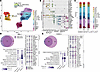 Figure 3
Maternal OUD±HCV rewires the transcriptional profiles of placental macrophages. (A) UMAP of placental immune cell (73,256 cells). (B) Violin plots of cluster marker genes. (C) Stacked bar graph of cluster frequencies. Control 15,069 cells; OUD_HCV– 26,381 cells; OUD_HCV+ 31,806 cells. Each cluster was assessed using 1-way ANOVA with Tukey’s HSD test. (D and E) Left: Venn diagram of DEG overlap from OUD_HCV– versus control (purple) and OUD_HCV+ versus control (pink) comparisons. Middle: bubble plot of select GO terms from DEG enrichments using Metascape default settings. Size represents gene number and color represents log10 (q value). Right: violin plots of representative DEGs for (D) dMac_1 and (E) PAMM1A clusters. For scRNA-Seq, n = 3/group. #P < 0.1, *P < 0.05, **P <0.01, **/++P < 0.01.
We next identified differentially expressed genes (DEGs) and performed functional enrichment to uncover the impact of maternal OUD±HCV on the transcriptional profiles of placental immune cells. Given the shifts in placental macrophage frequency, phenotype, and functional responses with maternal OUD±HCV, we focused our DEG analysis on the 6 macrophage clusters, which also demonstrated the highest number of DEGs. Large overlaps in DEGs were observed between both OUD groups within dMac clusters. Within dMac_1 and dMac_2, genes mapping to processes critical for host defense, inflammation, and stress responses were upregulated compared with controls (Figure 3D and Supplemental Figure 4A). Genes involved in antimicrobial defense (MX1, IFIH1, ISG15, TLR2), oxidative stress response (FOXO3, RBPJ, HIF1A, PPARD, SRC), and cytokine signaling (RELB, IL6R, TGFBR1/2, MAPK1/8) were downregulated in the OUD groups compared with the control group (Figure 3D and Supplemental Figure 4A). Genes linked to leukocyte migration (RAB10, PTK2B, VAV3, ITGAV) and phagocytosis (HAVCR2, FCN1) were upregulated in both dMac_1 and dMac_2 clusters (Figure 3D and Supplemental Figure 4A), while genes linked to placental development (LGMN, PSPC1, ATG5) were upregulated in the dMac_1 cluster only (Figure 3D). However, genes associated with immune effector functions (FCER1G, CD81, TNF, PDGFB) were downregulated in both OUD groups (Figure 3D and Supplemental Figure 4A). Notably, genes important for regulating macrophage activation (CREBBP, STAT2, CSNK1A1) were only upregulated in the OUD_HCV– group, indicating that OUD alone uniquely perturbs key activation checkpoints. OUD±HCV reprograms dMac_1 and dMac_2 subsets toward an IFN-stimulated, pathogen-responsive state (Figure 3D and Supplemental Figure 4A).
Within the dMac_3 cluster, genes related to tissue remodeling and development (MAP3K5, PIK3AP1, RAF1), apoptosis and endocytosis (TRAF3, RIPK2, DAPK1, AP3B1), host defense (IFIH1, IFIT3, IFI6, TLR2, TLR1, NLRP3), and inflammatory signaling (TNFAIP3, IL6R, SYK, IFNGR2, FNIP2, PPARD, FOXO3) were upregulated with OUD regardless of HCV status (Supplemental Figure 4B). Upregulated DEGs unique to the OUD_HCV– group mapped to cytokine signaling and production (IRAK2, STAT1, JAK2) (Supplemental Figure 4B). However, DEGs unique to the OUD_HCV+ group were enriched for regulation of acute inflammatory responses (TBK1, IRAK3, FHIT) (Supplemental Figure 4B). These transcriptional signatures were consistent with enhanced placental remodeling and heightened inflammatory signaling in OUD-exposed pregnancies, but HCV infection skewed dMac_3 toward tolerance.
There was a strong overlap in shared DEGs by both OUD groups in the PAMM1B cluster (Supplemental Figure 3C), whereas most of the DEGs identified in the PAMM1A and PAMM2 clusters were unique to OUD_HCV+ (Figure 3E and Supplemental Figure 4D). In the PAMM1A subset, DEGs upregulated in both OUD groups mapped to response to hypoxia (HIF1A, INHBA, ENG), antiviral defense (IFIH1, MX1, OAS2, TRIM22), regulation of defense responses (LYN, SYK, TNF), cell migration (ARL8B, RAB1A/8B), and phagocytosis (ATG5/7, RAB10) (Figure 3E). Downregulated genes enriched to antigen processing and presentation (HLA-DRB1, HLA-DPB1, RPSA) and angiogenesis (VEGFB, PDGFB) (Figure 3E). DEGs upregulated in the PAMM1A cluster with HCV coexposure mapped to response to toxic substances (SETD2, PACSIN2) and regulation of trophoblast cell migration (FLT1) (Figure 3E). These findings indicate that, despite blunted responses to ex vivo stimulation, PAMM1A cells were transcriptionally primed for defense responses, consistent with an immune tolerant phenotype (Figure 2, F and G). Moreover, HCV coinfection skewed PAMM1A cells toward enhanced responses to toxic stimuli and dysregulation of trophoblast migration.
Analysis of the PAMM1B cluster showed that DEGs shared across both OUD groups were important for tissue repair and placental development (THBS1, MYH9, ADAM17, PECAM1), differentiation and migration (BCL6, NOTCH2, DOCK2, ITGB1, ITGAV), regulation of inflammation (NFKB1, PTGS2, REL), as well as responses to hormones (EP300, FOXP1, SP3) and viruses (IFI16, STAT3, IL6ST) (Supplemental Figure 4C). With OUD alone, the PAMM1B cluster demonstrated altered expression of genes linked to macrophage activation (AOAH and LYN upregulated; ANXA1 and GSTP1 downregulated). HCV coinfection was associated with reduced expression of genes involved in cellular responses to toxic substances (S100A8/12, GNAS) (Supplemental Figure 4C). Overall, OUD was associated with rewiring of PAMM1B toward enhanced tissue repair, impaired macrophage activation, and suppressed antiviral responses.
Finally, DEGs upregulated with OUD in the PAMM2 subset mapped to responses to xenobiotic stimuli (NFE2L2, ABCA1, TOP1), whereas genes associated with tissue homeostasis, immune effector functions, and cell signaling were downregulated (Supplemental Figure 4D). Notably, genes linked to regeneration (GSN, PYCARD, SPP1), phagocytosis and exocytosis (CTSB, FCER1G, CD74, SYNGR2, CORO1A), regulation of Wnt signaling (JUN, JUNB, CYBA), immune effector process (FCGR3A, SPI1, ITGB2), and macrophage activation (CD81, C5AR1) were all decreased (Supplemental Figure 4D). Several upregulated DEGs unique to the HCV-exposed group within the PAMM2 cluster mapped to regulation of smooth muscle cell proliferation (BMPR2, KMT2E, PPP3CA), placental development and barrier function (RUNX1, ARL8B, DOCK4, VAV3), TLR signaling (TLR1, NFKB1, FOXP1), and responses to ischemia (RAP1A/B, LYN, USP47) and morphine (SYK, PRDM1) (Supplemental Figure 4D). Together, these data suggest that barrier integrity and tissue homeostasis functions of PAMM2 may be compromised with OUD and HCV exposure.
Vascular malperfusion and inflammation are abundant in placenta with maternal OUD±HCV exposure. Disruptions in placental structure have been shown to directly affect placental immunity (41). Therefore, we reviewed histopathological findings of decidua and surrounding chorionic villous tissues from control and OUD±HCV groups (Figure 1A). Healthy, noninflamed maternal decidua was evident in control samples (Figure 4, A and B, arrows) and adjacent chorionic villous tissues exhibiting appropriate maturation and vascularity for gestation (Figure 4B, box and arrows). An increase in pathological findings was associated with OUD±HCV (Figure 4A), which was driven by fetal vascular malperfusion (FVM), including accelerated villous maturation and chorangiosis (Figure 4C). Other notable findings included features of deciduitis/villitis (Figure 4D, arrows) and maternal vascular malperfusion (MVM), including decidual arteriopathy of the basal plate and sites of increased perivillous fibrin (Figure 4E, arrows). Overall, these findings suggest a detrimental impact on placental development with OUD±HCV, notably placental hypoperfusion and hypoxia in the OUD_HCV+ group.
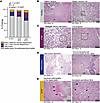 Figure 4
Maternal OUD±HCV is associated with inflammation and fetal/maternal vascular malperfusion. (A) Stacked bar graph of pathological finding frequency, assessed using a χ2 test. (B–E) Representative H&E staining of (B) healthy, nonpathological tissues, (C) features of FVM, (D) inflammatory pathologies, and (E) features of MVM identified in placental tissues from pregnancies with OUD±HCV. Control n = 48; OUD_HCV– n = 50; OUD_HCV+ n = 46. Scale bars: 100 μm. GA, gestational age.
Disruption of the spatially resolved transcriptional landscape of placental cells with maternal OUD. Given the impact of maternal OUD±HCV on placental structure and the transcriptional profiles of placental immune cells, we assessed gene expression changes in the context of placental architecture by Visium spatial transcriptomics (n = 2 control, n = 1 OUD_HCV–, n = 1 OUD_HCV+) (Figure 1A and Supplemental Figure 5, A and B). Uniform manifold approximation and projection (UMAP) revealed 11 subpopulations (Figure 5A, Supplemental Figure 5B, and Supplemental Table 2). Clusters were annotated using the EnrichR cell type database (Supplemental Figure 5C). We identified immune cells (leukocyte, myeloid, macrophage, and lymphoid); trophoblasts (cytotrophoblasts [CTBs], syncytiotrophoblasts [STBs], a combined STB/extravillous trophoblast [EVT] subset, and mature and immature EVT subsets), and structural cells (smooth muscle, endothelial) (Supplemental Figure 6C). Cluster frequencies were comparable between control and OUD groups, aside from a trending decrease in CTB abundance in the OUD groups (Figure 5B), a hallmark of placental dysfunction and stunted fetal growth (42).
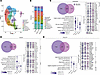 Figure 5
Maternal OUD±HCV alters the placental transcriptional profile on a spatial resolution. (A) UMAP of clusters from placental tissue isolated from control and OUD samples (36,009 spots). (B) Stacked bar graph of cluster frequencies (control 18,526 spots; OUD_HCV– 9,837 spots; OUD_HCV+ 7,643 spots). Each cluster was assessed using 1-way ANOVA with Tukey’s HSD test. (C–E) Left: Venn diagram of DEG overlap from OUD_HCV– versus control (purple) and OUD_HCV+ versus control (pink) comparisons. Middle: bubble plot of select GO terms from DEG enrichments using Metascape default settings. Size represents gene number and color represents log10 (q value). Right: violin plots of representative DEGs for (C) leukocyte, (D) myeloid, and (E) STB_EVT clusters. Control n = 2; OUD_HCV– n = 1; OUD_HCV+ n = 1. *P < 0.05.
Similar to the scRNA-Seq analyses, DEGs were identified from the Visium dataset and subjected to functional enrichment. The greatest number of DEGs was observed in the OUD_HCV– group. DEGs within the leukocyte cluster mapped to shared biological processes regardless of maternal HCV status (Figure 5C). Genes important for immune effector functions, including antigen receptor–mediated signaling (ITGAM/X/B2, HCST, CD40, CD37), leukocyte differentiation (BCL6, AIF1), cytokine signaling (EDN1, GPER1), and antiviral responses (ΜΧ1, IFI27, GBP1) were upregulated in both OUD groups relative to the control (Figure 5C). Moreover, genes important for placental development (CRH, MMP2, ADM), endocytosis (ITGB4/6), and response to external stimuli (TP53), which were downregulated with OUD exposure alone, became upregulated with combined OUD and HCV exposure (Figure 5C). Additionally, genes linked to leukocyte activation (C3, CCL5, CCR1) were uniquely upregulated in the OUD_HCV– group (Figure 5C). These findings suggest that maternal OUD alone is associated with heightened activation, antigen receptor signaling, and antiviral programs, whereas concomitant HCV infection shifts leukocyte function toward placental remodeling and stress response.
Within the myeloid cell cluster, shared upregulated DEGs in both OUD groups mapped to responses to toxic substances (APOE, CHUK, MAP2K1) and reduced expression of genes critical for placental homeostasis (Figure 5D). Specifically, genes associated with responses to hypoxia and wounding (HIF1A, SOD1, ADM, S100A8/9), myeloid cell differentiation (VAV3, CEBPG), and placental and labyrinthine layer development (DLX3, EGFR, WNT5A, PGF, GATA2) were all downregulated (Figure 5D). DEGs upregulated only in the OUD_HCV– group also mapped to antiviral responses (JUN, JUNB, FOS); downregulated DEGs mapped to immune system development (PIK3CA/R1, SLAMF1) and regulation of macrophage migration (CX3CL1, SEMA7A, IL1RL1) (Figure 5D). These observations suggest a shift toward immune activation and away from tissue remodeling and placental maintenance.
Given that disrupted trophoblast function is associated with pregnancy complications, we next assessed DEGs within trophoblast clusters. CTBs serve as a progenitor population that continuously differentiate to replenish specialized trophoblast lineages at the syncytial surface within the extravillous space. Across both OUD groups, CTBs showed increased expression of genes involved in immune effector regulation (SOCS3, IL6, JUN) and hormone secretion (NHBA, ADRA2A) relative to controls (Supplemental Figure 5D). However, genes that mapped to positive regulation of cell motility and apoptosis (ACTA2, MAPK14, AQP1, FAS, PAWR), leukocyte differentiation (S100A8, LYZ), placental development (GCM1, PLAC1), and responses to hypoxia/wounding (HIF1A, PTEN, S100A11) were downregulated (Supplemental Figure 5D). Distinct transcriptional changes were identified between the OUD_HCV– and OUD_HCV+ groups. In OUD_HCV– CTBs, the expression of genes important for viral responses (DDX3X, TLR2, MIF), immune and vascular development (BMI1, EZH2, ARG2, FLT4, PDGFRA), and regulation of cellular senescence (CDK1, ARHGAP5) was reduced (Supplemental Figure 5D). However, in OUD_HCV+ CTBs, there was a selective upregulation of cytokine regulatory genes (IL6, EDN1) (Supplemental Figure 5D). These findings indicate that OUD skews CTBs toward a more immunoregulatory phenotype, potentially limiting placental growth and repair capacity.
STBs play important roles in host defense in late pregnancy. Regardless of maternal HCV status, genes associated with wound healing (MAP3K20, MAPK1, GABPA) and responses to oxidative stress or toxic substances (SOD1, BAX, TP53, PRKRA, RRP7A, MFN2) were downregulated with OUD (Supplemental Figure 6A). Additionally, DEGs mapping to embryonic organ development (BMP7, GCM1, PDGFRA) and TGF-β signaling (SOCS3, SOX18, NPHP3) were upregulated in the OUD_HCV– group but downregulated with HCV coinfection (Supplemental Figure 6A). Additional DEGs downregulated with maternal OUD mapped to blastocyst development (TFAP2C, HLX, NBN) (Supplemental Figure 6A). On the other hand, genes associated with inflammatory responses (TLR3, TXK, LYN, IGHA1), macrophage activation (BCL2, TWIST1, FOLR1), and immune effector processes (JUNB, ADM, BCAR1) were downregulated with OUD_HCV+ (Supplemental Figure 6A). These findings suggest that OUD±HCV disrupts the role of STBs in maintaining immune tolerance at the maternal-fetal interface in late pregnancy.
We identified a combined STB/EVT cluster with transcriptional signatures mapping to homeostasis and immunoregulation (Figure 5E). Upregulated DEGs mapped to negative regulation of immune processes (BCL2, VCAM1, CD44) and downregulated DEGs to inflammatory responses and effector functions (NFKB1, S100A9, PTGS2) as well as angiogenesis (KDR, EFNB2) (Figure 5E). However, many genes important for placental integrity and blastocyst development were distinctly upregulated in OUD alone (INHBA, FOXF1, PLAC1, TEK, HES1, VASH1, IL33, IGF1, ADM) (Figure 5E). Finally, the expression of genes associated with antiviral mechanisms were altered with OUD and HCV infection (MX1 upregulated; ISG20 downregulated). These observations suggest that STB/EVT cells are skewed toward more regulatory processes, possibly to aid in maintaining placental structure with OUD exposure.
Previous studies have characterized the differentiation of EVTs from proliferative immature progenitors to mature invasive cells that play critical roles in placental development (43, 44). In line with these studies, our analysis identified 2 EVT clusters delineated as immature and mature. Although no DEGs were identified in the EVT_immature cluster, DEGs upregulated among the EVT_mature subset with maternal OUD, regardless of HCV status, mapped to immune signaling (TYROBP, CD40, ITGAM) and positive regulation of immune effector processes (FCGR3A, ITGB2) (Supplemental Figure 6B). However, downregulated genes in OUD mapped to circulatory system processes (KDR, HBA2, CDH5) and responses to toxic substances (FASN, AREG, DDB1) (Supplemental Figure 6B). Additionally, genes that were upregulated in OUD alone, but downregulated with HCV infection, mapped to inflammatory and antiviral responses (STAT1, IFI27, MX1, IFI44L) (Supplemental Figure 6B). Finally, upregulated DEGs unique to OUD mapped to positive regulation of immune responses (PRF1, NKG7, CXCL10); genes associated with placental development (GCM1, PLAC1, PECAM1) were downregulated (Supplemental Figure 6B). These findings indicate that mature EVTs are poised toward heightened inflammatory signaling with reduced abilities for vascular remodeling and adaptation to low oxygen.
Placental structural cells support healthy placental development and influence trophoblast and immune cell function. Downregulated DEGs in the smooth muscle cluster that were shared by both OUD groups mapped to TGF-β signaling (TGFB3), angiogenesis (LT4, ADM), responses to toxic substances and hypoxia (GDF15, PRDX6, SOD1, HMOX2, UCP2), inflammatory responses (S100A9, CD55, FAS, BMP7), and regulation of smooth muscle cell proliferation (PLAT, ITGB3) (Supplemental Figure 6C). Upregulated DEGs unique to the OUD_HCV– group mapped to cellular response to environmental stimulus (FOS, HSPA1A); unique downregulated DEGs mapped to placental development (GCM1, PDGFD), viral processes (JAK2, CHUK, REST, ID2), response to corticosteroids (GADD45A, FOXO3, SRF, USP14), and regulation of trophoblast and smooth muscle cell migration (FN1, ITGAV, APOLD1, FBN2, ADIPOR2). These findings suggest that smooth muscle cells with OUD exposure are poised toward dampened responses to external stimuli and regulatory signaling.
DEGs upregulated in the endothelial cell cluster that were shared among both OUD groups mapped to blood vessel development (VEGFC, BMP4, EPHA2) and cell adhesion (VCAM1, CHN1); genes mapping to responses to hormones and inflammation (S100A8/9, PRDX2, ΚLF9) were downregulated (Supplemental Figure 6D). Additionally, OUD alone was associated with decreased expression of genes linked to immune activation (GBP1, ITGB3, LYZ), apoptosis (FAS, DAPK1, BIRC2), and responses to hypoxia and viruses (DDX3X, IFNGR1, JAK2, GDF15, HSPB1) (Supplemental Figure 6D). These findings suggest that OUD promotes vessel wall remodeling, akin to atherosclerosis (45).
Maternal OUD disrupts cell communication networks in the term placenta. Given that many signaling pathways were dysregulated with maternal OUD±HCV, we employed CellChat to infer changes in cell-to-cell communication from the Visium spatial transcriptomics data (46). Overall communication patterns across the 11 placental cell populations revealed increased total ligand-receptor interactions and interaction strength in the OUD_HCV+ group, reflecting increased activation and cell recruitment (Figure 6A). We next compared the number and strength of outgoing and incoming signals of each subpopulation in control, OUD_HCV–, and OUD_HCV+ groups (Figure 6, B and C). The lymphoid cluster showed the strongest outgoing and incoming signaling with maternal OUD regardless of HCV status (Figure 6, B and C). Additionally, signaling toward trophoblast subsets was reduced, particularly in the OUD_HCV– group (Figure 6, B and C). Moreover, EVT_immature signaling was only measurable in the OUD_HCV+ group (Figure 6, B and C), as this subset was not detected in the OUD_HCV– group (Figure 5B). Therefore, maternal OUD augments placental lymphoid cellular communication while dampening inputs to trophoblast subsets.
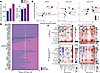 Figure 6
Maternal OUD±HCV affects communication networks in the placenta. (A) Bar plot of inferred interaction count (left) and strength (right). (B) Scatterplot of outgoing (x axis) and incoming (y axis) interaction strength for each cluster. Size indicates inferred interaction count. (C) Differential heatmap of interaction count (top) and strength (bottom) for OUD_HCV– versus control (left) and OUD_HCV+ versus control (right). Top and side bar plots represent sum of interaction for the column and row, respectively. (D) Bar plot of relative information flow for indicated signaling pathways.
To further delineate placental signaling pathways disrupted by maternal OUD±HCV, we compared information flow across control, OUD_HCV–, and OUD_HCV+ groups (Figure 6D). CX3C and RBP4 signaling was prominent in the control group but depleted with OUD (Figure 6D). CX3C, or fractalkine, has been shown to orchestrate placental leukocyte trafficking and activation, whereas RBP4 has been described as an important mediator of trophoblast function (47, 48). Overall CX3C signaling was mediated by myeloid and CTB clusters in the control group but was either depleted in the OUD_HCV– group or shifted to leukocytes in the OUD_HCV+ group (Supplemental Figure 7, A and B). The RBP4 signaling axis was predicted to originate from lymphoid cells across groups, and it was strongest in the control group and depleted in both OUD groups (Supplemental Figure 7, A and C).
Additionally, we identified 12 signaling pathways unique to the OUD_HCV– group (Figure 6D) important for cell trafficking (MADCAM [MAdCAM-1], TAC), lymphocyte activation and survival (BAFF, APRIL, CD40, CD30 [TNFSF8]), checkpoint signaling (SIRP, SLURP), vascular tone (GALANIN, KLK), and antiviral defenses (IFN-I, IFN-II) (Figure 6D). Overall signaling along these pathways was generally predicted to involve macrophage and lymphoid clusters (Supplemental Figure 7A). Notably, SIRP, CD40, and GALANIN signaling all originated from the lymphoid cluster targeting either all other cell subsets (SIRP, CD40) or macrophages (GALANIN) (Supplemental Figure 7A). Multiple signaling pathways originated from the macrophage subset, including CD30, MADCAM, SLURP, KLK, and IFN-I/II and targeted all other subsets (Supplemental Figure 7A). Finally, TAC signaling originated from immune and trophoblast subsets and was directed toward macrophages, whereas BAFF and APRIL signaling originated from all clusters and targeted the lymphoid cluster (Supplemental Figure 7A).
With HCV coexposure, 6 signaling pathways were identified, including neuropeptides that modulate trophoblast behavior and inflammation, neuromedin U (NMU), SLITRK, neuronal growth factor 1 (NEGR), and somatostatin, as well as adhesion molecules that regulate placental leukocyte trafficking E-selectin (SELE) and L1CAM (Figure 6D). The source of both NMU and NEGR signaling was macrophages and was received by CTBs or smooth muscle cells, respectively (Supplemental Figure 7A). Additionally, signaling along the SLITRK and SELE pathways primarily originated from myeloid cells and targeted all other cell types (Supplemental Figure 7A). Interestingly, the source of somatostatin and L1CAM signaling was lymphoid and EVT subsets and targeted either smooth muscle or all other clusters, respectively (Supplemental Figure 7A). Additionally, the EVT_immature cluster only identified in the OUD_HCV+ group was shown to be a hub for PTH, SLITRK, L1CAM, and EPGN signaling (Supplemental Figure 7A). PTH and EPGN signaling involving immature EVTs is thought to promote cell-cycle progression and motility while delaying terminal EVT differentiation (49, 50). These signaling patterns suggest that trophoblast-immune cell crosstalk is heightened with maternal HCV exposure, possibly to mediate immune tolerance and favor placental integrity.


