
Research ArticleHepatologyImmunologyVirology
Open Access |  10.1172/jci.insight.198097
Anti–PD-L1–IFN-α–adjuvanted HBsAg vaccine overcomes HBV immune tolerance through targeting both DCs and macrophages
Chao-Yang Meng,1 Yong Liang,2,3 Longxin Xu,1,4 Hongjia Li,1,4 Jingya Guo,1 Hairong Xu,1 Fan Wang,1,5 Yang-Xin Fu,2,3 and Hua Peng1,5,6
1State Key Laboratory of Biomacromolecules, Institute of Biophysics, Chinese Academy of Sciences, Beijing, China.
2Center for Cancer Biology, School of Basic Medical Sciences, Tsinghua University, Beijing, China.
3State Key Laboratory of Molecular Oncology, Tsinghua University, Beijing, China.
4University of Chinese Academy of Sciences, Beijing, China.
5Guangzhou National Laboratory, Guangzhou International Bio-Island, Guangzhou, Guangdong, China.
6State Key Laboratory of Respiratory Disease, National Clinical Research Center for Respiratory Disease, Guangzhou Institute of Respiratory Health, the First Affiliated Hospital of Guangzhou Medical University, Guangzhou, Guangdong, China.
Address correspondence to: Yang-Xin Fu, School of Basic Medical Sciences, Tsinghua University, Haidian District, Beijing 100084, China. Phone: 010.62791143; Email: yangxinfu@tsinghua.edu.cn. Or to: Hua Peng, Guangzhou National Laboratory, 9 Xingdao Huan North Road, Guangzhou International Biological Island, Guangzhou 510005, China. Phone: 020.62689039; Email: peng_hua@gzlab.ac.cn.
Authorship note: CYM, YL, and LX contributed equally to this work.
Find articles by Meng, C. in: PubMed | Google Scholar
1State Key Laboratory of Biomacromolecules, Institute of Biophysics, Chinese Academy of Sciences, Beijing, China.
2Center for Cancer Biology, School of Basic Medical Sciences, Tsinghua University, Beijing, China.
3State Key Laboratory of Molecular Oncology, Tsinghua University, Beijing, China.
4University of Chinese Academy of Sciences, Beijing, China.
5Guangzhou National Laboratory, Guangzhou International Bio-Island, Guangzhou, Guangdong, China.
6State Key Laboratory of Respiratory Disease, National Clinical Research Center for Respiratory Disease, Guangzhou Institute of Respiratory Health, the First Affiliated Hospital of Guangzhou Medical University, Guangzhou, Guangdong, China.
Address correspondence to: Yang-Xin Fu, School of Basic Medical Sciences, Tsinghua University, Haidian District, Beijing 100084, China. Phone: 010.62791143; Email: yangxinfu@tsinghua.edu.cn. Or to: Hua Peng, Guangzhou National Laboratory, 9 Xingdao Huan North Road, Guangzhou International Biological Island, Guangzhou 510005, China. Phone: 020.62689039; Email: peng_hua@gzlab.ac.cn.
Authorship note: CYM, YL, and LX contributed equally to this work.
Find articles by Liang, Y. in: PubMed | Google Scholar
1State Key Laboratory of Biomacromolecules, Institute of Biophysics, Chinese Academy of Sciences, Beijing, China.
2Center for Cancer Biology, School of Basic Medical Sciences, Tsinghua University, Beijing, China.
3State Key Laboratory of Molecular Oncology, Tsinghua University, Beijing, China.
4University of Chinese Academy of Sciences, Beijing, China.
5Guangzhou National Laboratory, Guangzhou International Bio-Island, Guangzhou, Guangdong, China.
6State Key Laboratory of Respiratory Disease, National Clinical Research Center for Respiratory Disease, Guangzhou Institute of Respiratory Health, the First Affiliated Hospital of Guangzhou Medical University, Guangzhou, Guangdong, China.
Address correspondence to: Yang-Xin Fu, School of Basic Medical Sciences, Tsinghua University, Haidian District, Beijing 100084, China. Phone: 010.62791143; Email: yangxinfu@tsinghua.edu.cn. Or to: Hua Peng, Guangzhou National Laboratory, 9 Xingdao Huan North Road, Guangzhou International Biological Island, Guangzhou 510005, China. Phone: 020.62689039; Email: peng_hua@gzlab.ac.cn.
Authorship note: CYM, YL, and LX contributed equally to this work.
Find articles by Xu, L. in: PubMed | Google Scholar
1State Key Laboratory of Biomacromolecules, Institute of Biophysics, Chinese Academy of Sciences, Beijing, China.
2Center for Cancer Biology, School of Basic Medical Sciences, Tsinghua University, Beijing, China.
3State Key Laboratory of Molecular Oncology, Tsinghua University, Beijing, China.
4University of Chinese Academy of Sciences, Beijing, China.
5Guangzhou National Laboratory, Guangzhou International Bio-Island, Guangzhou, Guangdong, China.
6State Key Laboratory of Respiratory Disease, National Clinical Research Center for Respiratory Disease, Guangzhou Institute of Respiratory Health, the First Affiliated Hospital of Guangzhou Medical University, Guangzhou, Guangdong, China.
Address correspondence to: Yang-Xin Fu, School of Basic Medical Sciences, Tsinghua University, Haidian District, Beijing 100084, China. Phone: 010.62791143; Email: yangxinfu@tsinghua.edu.cn. Or to: Hua Peng, Guangzhou National Laboratory, 9 Xingdao Huan North Road, Guangzhou International Biological Island, Guangzhou 510005, China. Phone: 020.62689039; Email: peng_hua@gzlab.ac.cn.
Authorship note: CYM, YL, and LX contributed equally to this work.
Find articles by Li, H. in: PubMed | Google Scholar
1State Key Laboratory of Biomacromolecules, Institute of Biophysics, Chinese Academy of Sciences, Beijing, China.
2Center for Cancer Biology, School of Basic Medical Sciences, Tsinghua University, Beijing, China.
3State Key Laboratory of Molecular Oncology, Tsinghua University, Beijing, China.
4University of Chinese Academy of Sciences, Beijing, China.
5Guangzhou National Laboratory, Guangzhou International Bio-Island, Guangzhou, Guangdong, China.
6State Key Laboratory of Respiratory Disease, National Clinical Research Center for Respiratory Disease, Guangzhou Institute of Respiratory Health, the First Affiliated Hospital of Guangzhou Medical University, Guangzhou, Guangdong, China.
Address correspondence to: Yang-Xin Fu, School of Basic Medical Sciences, Tsinghua University, Haidian District, Beijing 100084, China. Phone: 010.62791143; Email: yangxinfu@tsinghua.edu.cn. Or to: Hua Peng, Guangzhou National Laboratory, 9 Xingdao Huan North Road, Guangzhou International Biological Island, Guangzhou 510005, China. Phone: 020.62689039; Email: peng_hua@gzlab.ac.cn.
Authorship note: CYM, YL, and LX contributed equally to this work.
Find articles by
Guo, J.
in:
PubMed
|
Google Scholar
|

1State Key Laboratory of Biomacromolecules, Institute of Biophysics, Chinese Academy of Sciences, Beijing, China.
2Center for Cancer Biology, School of Basic Medical Sciences, Tsinghua University, Beijing, China.
3State Key Laboratory of Molecular Oncology, Tsinghua University, Beijing, China.
4University of Chinese Academy of Sciences, Beijing, China.
5Guangzhou National Laboratory, Guangzhou International Bio-Island, Guangzhou, Guangdong, China.
6State Key Laboratory of Respiratory Disease, National Clinical Research Center for Respiratory Disease, Guangzhou Institute of Respiratory Health, the First Affiliated Hospital of Guangzhou Medical University, Guangzhou, Guangdong, China.
Address correspondence to: Yang-Xin Fu, School of Basic Medical Sciences, Tsinghua University, Haidian District, Beijing 100084, China. Phone: 010.62791143; Email: yangxinfu@tsinghua.edu.cn. Or to: Hua Peng, Guangzhou National Laboratory, 9 Xingdao Huan North Road, Guangzhou International Biological Island, Guangzhou 510005, China. Phone: 020.62689039; Email: peng_hua@gzlab.ac.cn.
Authorship note: CYM, YL, and LX contributed equally to this work.
Find articles by Xu, H. in: PubMed | Google Scholar
1State Key Laboratory of Biomacromolecules, Institute of Biophysics, Chinese Academy of Sciences, Beijing, China.
2Center for Cancer Biology, School of Basic Medical Sciences, Tsinghua University, Beijing, China.
3State Key Laboratory of Molecular Oncology, Tsinghua University, Beijing, China.
4University of Chinese Academy of Sciences, Beijing, China.
5Guangzhou National Laboratory, Guangzhou International Bio-Island, Guangzhou, Guangdong, China.
6State Key Laboratory of Respiratory Disease, National Clinical Research Center for Respiratory Disease, Guangzhou Institute of Respiratory Health, the First Affiliated Hospital of Guangzhou Medical University, Guangzhou, Guangdong, China.
Address correspondence to: Yang-Xin Fu, School of Basic Medical Sciences, Tsinghua University, Haidian District, Beijing 100084, China. Phone: 010.62791143; Email: yangxinfu@tsinghua.edu.cn. Or to: Hua Peng, Guangzhou National Laboratory, 9 Xingdao Huan North Road, Guangzhou International Biological Island, Guangzhou 510005, China. Phone: 020.62689039; Email: peng_hua@gzlab.ac.cn.
Authorship note: CYM, YL, and LX contributed equally to this work.
Find articles by Wang, F. in: PubMed | Google Scholar
1State Key Laboratory of Biomacromolecules, Institute of Biophysics, Chinese Academy of Sciences, Beijing, China.
2Center for Cancer Biology, School of Basic Medical Sciences, Tsinghua University, Beijing, China.
3State Key Laboratory of Molecular Oncology, Tsinghua University, Beijing, China.
4University of Chinese Academy of Sciences, Beijing, China.
5Guangzhou National Laboratory, Guangzhou International Bio-Island, Guangzhou, Guangdong, China.
6State Key Laboratory of Respiratory Disease, National Clinical Research Center for Respiratory Disease, Guangzhou Institute of Respiratory Health, the First Affiliated Hospital of Guangzhou Medical University, Guangzhou, Guangdong, China.
Address correspondence to: Yang-Xin Fu, School of Basic Medical Sciences, Tsinghua University, Haidian District, Beijing 100084, China. Phone: 010.62791143; Email: yangxinfu@tsinghua.edu.cn. Or to: Hua Peng, Guangzhou National Laboratory, 9 Xingdao Huan North Road, Guangzhou International Biological Island, Guangzhou 510005, China. Phone: 020.62689039; Email: peng_hua@gzlab.ac.cn.
Authorship note: CYM, YL, and LX contributed equally to this work.
Find articles by
Fu, Y.
in:
PubMed
|
Google Scholar
|
1State Key Laboratory of Biomacromolecules, Institute of Biophysics, Chinese Academy of Sciences, Beijing, China.
2Center for Cancer Biology, School of Basic Medical Sciences, Tsinghua University, Beijing, China.
3State Key Laboratory of Molecular Oncology, Tsinghua University, Beijing, China.
4University of Chinese Academy of Sciences, Beijing, China.
5Guangzhou National Laboratory, Guangzhou International Bio-Island, Guangzhou, Guangdong, China.
6State Key Laboratory of Respiratory Disease, National Clinical Research Center for Respiratory Disease, Guangzhou Institute of Respiratory Health, the First Affiliated Hospital of Guangzhou Medical University, Guangzhou, Guangdong, China.
Address correspondence to: Yang-Xin Fu, School of Basic Medical Sciences, Tsinghua University, Haidian District, Beijing 100084, China. Phone: 010.62791143; Email: yangxinfu@tsinghua.edu.cn. Or to: Hua Peng, Guangzhou National Laboratory, 9 Xingdao Huan North Road, Guangzhou International Biological Island, Guangzhou 510005, China. Phone: 020.62689039; Email: peng_hua@gzlab.ac.cn.
Authorship note: CYM, YL, and LX contributed equally to this work.
Find articles by Peng, H. in: PubMed | Google Scholar
Published December 8, 2025 - More info
JCI Insight. 2025;10(23):e198097. https://doi.org/10.1172/jci.insight.198097.
© 2025 Meng et al. This work is licensed under the Creative Commons Attribution 4.0 International License. To view a copy of this license, visit http://creativecommons.org/licenses/by/4.0/.
Received: July 18, 2025; Accepted: October 21, 2025


-
Results
High PD-L1 expression on APCs in LNs facilitates aPD-L1–IFN-α binding. PD-L1 is known to be upregulated on hepatocytes, peripheral myeloid DCs, and intrahepatic DCs in patients with CHB and/or HBV carrier mice (16, 24, 25). In addition to DCs in the liver and peripheral blood, we investigated whether HBV persistence could also induce PD-L1 expression on DCs within the LNs. We examined PD-L1 levels on immune cells in the LNs of HBV carrier mice by flow cytometry. Compared with naive mice, HBV carrier mice had significantly elevated PD-L1 expression on mDCs (CD11c+MHCIIhi) and macrophages (CD11b+CD169–F4/80+) within the LNs (Figure 1, A and B, and gating strategy shown in Supplemental Figure 1, A and B; supplemental material available online with this article; https://doi.org/10.1172/jci.insight.198097DS1). We then profiled PD-L1 expression across various cell types within LNs from HBV carrier mice. PD-L1 expression on DCs (identified as CD11chiMHCII+ for rDCs and CD11c+MHCIIhi for mDCs) and macrophages (characterized as CD11b+CD169+F4/80– for SSMs, CD11b+CD169–F4/80+ for MCMs, and CD11b+CD169+F4/80+ for MSMs) was higher than that on other cells within the LNs of HBV carrier mice (Figure 1C and Supplemental Figure 1, A and B). While PD-L1 expression on these APCs in HBV carriers could contribute to immune evasion, we wonder whether such high expression might become a target for delivering IFN-α to enhance immune responses.
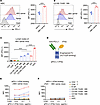 Figure 1
aPD-L1–IFN-α preferentially targets DCs and macrophages. (A and B) Inguinal LNs of naive or HBV carrier mice (n = 5/group) were collected. PD-L1 levels on mDCs (A) and CD169–F4/80+ MΦ (B) were assessed by flow cytometry. A representative graph is shown on the left, and the MFI is shown on the right. (C) The single cells from inguinal LNs of HBV carrier mice (n = 5/group) were collected, and the expression of PD-L1 was analyzed by flow cytometry. PD-L1 expression levels on CD4+ T cells (CD3+CD4+), CD8+ T cells (CD3+CD8+), B cells (B220+), macrophages (CD169+F4/80–, CD169–F4/80+, CD169+F4/80+), rDCs (CD11chiMHCII+), and mDCs (CD11c+MHCIIhi) are shown. (D) Schematic representation of the aPD-L1–IFN-α heterodimeric fusion protein adjuvant with LALA-PG mutants in the fragment crystallizable (Fc) domain. (E and F) The single cells from inguinal LNs of HBV carrier mice (n = 4) (E) or Pdl1–/– HBV carrier mice (n = 4) (F) were collected and incubated with aPD-L1–IFN-α (human IgG1 Fc) at the indicated concentrations, followed by incubation with fluorescently labeled antibodies and anti–human IgG Fc (PE-Cy7 label) in vitro. The MFI of PE-Cy7 was detected by flow cytometry. Data are shown as the mean ± SEM and are representative of at least 2 independent experiments. An unpaired 2-tailed Student’s t test was applied in A and B. One-way ANOVA followed by Tukey’s test was applied in C. ****P < 0.0001. Conc., concentrations; MΦ, macrophage; MFI, mean fluorescence intensity.
To take advantage of the high expression of PD-L1 on APCs in LNs, we employed a fusion protein adjuvant that delivers IFN-α to LN APCs by utilizing a heterodimeric format of a high-affinity aPD-L1 antibody fused to a low-affinity monomeric IFN-α (24), and we optimized the heterodimeric fusion protein to eliminate FcγR binding (termed aPD-L1–IFN-α) and to avoid FcγR-mediated effector functions such as antibody-dependent cell-mediated cytotoxicity (ADCC) (Figure 1D). In contrast to the Fc-mutated aPD-L1–IFN-α, the previous fusion protein aPD-L1–IFN-α (WT Fc) resulted in a significantly reduced number of DCs in the dLNs following s.c. administration (Supplemental Figure 1C), suggesting that the Fc-mediated ADCC effect may have led to the depletion of a portion of DCs. High-performance liquid chromatography (HPLC) analysis revealed a single peak, indicating a uniform protein composition of aPD-L1–IFN-α (Supplemental Figure 1D). Additionally, SDS-PAGE confirmed that the purified fusion protein was the expected size and purity (Supplemental Figure 1E).
To address which cells are preferentially targeted by this heterodimeric protein, we assessed the binding affinity of aPD-L1–IFN-α to various immune cells from LNs. Consistent with their top levels of PD-L1 expression, DCs and macrophages demonstrated the highest binding of aPD-L1–IFN-α compared with other immune cells (Figure 1E). Notably, aPD-L1–IFN-α exhibited stronger binding to CD103+ mDCs and CD11b+ mDCs compared with CD8α+ rDCs and CD11b+ rDCs (Supplemental Figure 2, A and B). Using Pdl1–/– mice, we explored whether this fusion protein targets DCs and macrophages depending on PD-L1 expression. Indeed, aPD-L1–IFN-α did not bind to these immune cells in the absence of PD-L1 (Figure 1F and Supplemental Figure 2, C–G), confirming that the fusion protein primarily targets DCs and macrophages via the PD-L1 molecule, and monomeric IFN-α fails to bind effectively due to its low affinity. This preferential binding to PD-L1hi cells over PD-L1lo IFNAR+ cells in LNs underscores the targeted nature of aPD-L1–IFN-α. Taken together, our results demonstrate that PD-L1 is highly expressed on DCs and macrophages in the LNs of HBV carrier mice, facilitating the targeted delivery of aPD-L1–IFN-α to these APCs.
aPD-L1–IFN-α enhances antigen uptake and presentation by APCs in dLNs. Initially, we evaluated the effects of several fusion proteins on the activation of DCs in vitro. DC2.4 cells were treated with either aPD-L1, IFN-α–Fc, a combination of aPD-L1 and IFN-α–Fc, or aPD-L1–IFN-α. Notably, aPD-L1–IFN-α treatment led to a significant upregulation of MHC I, CD80, and CD86 on DC2.4 cells, compared with the other treatments (Supplemental Figure 3, A–C). These results suggest that aPD-L1 antibodies profoundly facilitate the binding of IFN-α to DCs, thereby enhancing its bioactivity on PD-L1-positive cells, likely through aPD-L1-mediated cis-delivery.
We then investigated the effects of aPD-L1–IFN-α on antigen uptake and activation of APCs in dLNs. HBV carrier mice were administered fluorescently labeled HBsAg (HBsAg-FITC) with or without the fusion protein (Figure 2A). Flow cytometry revealed that aPD-L1–IFN-α significantly enhanced the uptake of HBsAg-FITC by CD103+ mDCs, CD11b+ mDCs, and macrophages compared with HBsAg-FITC alone (Figure 2, B–E, and Supplemental Figure 4A). However, the uptake by CD8α+ rDCs and CD11b+ rDCs showed no significant difference between the 2 groups (Supplemental Figure 4, B and C). To assess APC activation, we measured the expression of costimulatory molecules CD80 and CD86 on DCs and macrophages in the dLNs via flow cytometry (Figure 2F). Notably, aPD-L1–IFN-α significantly increased the expression of these costimulatory markers on CD103+ mDCs and CD11b+ mDCs (Figure 2, G and H, and Supplemental Figure 4, D and E). Importantly, aPD-L1–IFN-α also effectively upregulated the expression of CD80 and CD86 across macrophage subsets, including SSMs, MSMs, and MCMs (Figure 2, I and J, and Supplemental Figure 4, F–I). These data indicate that aPD-L1–IFN-α acts as a targeted adjuvant, potently enhancing the activation of mDCs and macrophages in the dLNs.
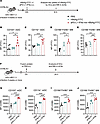 Figure 2
aPD-L1–IFN-α enhances the antigen uptake and maturation of APCs in dLNs. (A–E) Schematic diagram of s.c. injection of HBsAg-FITC (1 μg/mouse) mix or without aPD-L1–IFN-α (2 μg/mouse) into HBV carrier mice. Six hours after injection, the uptake of HBsAg-FITC by DCs and macrophages in inguinal dLNs was analyzed using flow cytometry (A). The uptake of HBsAg-FTIC by CD103+ mDCs (B), CD11b+ mDCs (C), CD169+F4/80+ MΦ (D), and CD169–F4/80+ MΦ (E) is shown (n = 5/group). (F–J) Schematic diagram of a single-dose s.c. injection of IFN-α–Fc (0.78 μg/mouse) or aPD-L1–IFN-α (2 μg/mouse) (determined by equimolar of IFN-α subunit) into HBV carrier mice. After 24 hours, the expression of costimulatory molecules on DCs and macrophages in inguinal dLNs was analyzed by flow cytometry (F). The expression of CD86 on CD103+ mDCs (G), CD11b+ mDCs (H), CD169+F4/80+ MΦ (I), and CD169–F4/80+ MΦ (J) is shown (n = 5/group). Data are shown as the mean ± SEM and are representative of at least 2 independent experiments. One-way ANOVA followed by Tukey’s test was applied in B–E and G–J. *P < 0.05; **P < 0.01; ***P < 0.001; ****P < 0.0001. FITC, fluorescein isothiocyanate; MΦ, macrophage; MFI, mean fluorescence intensity.
aPD-L1–IFN-α promotes the efficacy of anti-HBV immunity. To evaluate the efficacy and safety of aPD-L1–IFN-α as an adjuvant in therapeutic vaccine against CHB, we administered aPD-L1–IFN-α mixed with rHBsAg, referred to as the coformulated immunization (coimmunization), via s.c. injection into HBV carrier mice, using aPD-L1, IFN-α–Fc, and aPD-L1 plus IFN-α–Fc mixture as control adjuvants (Supplemental Figure 5A). These fusion proteins alone were unable to induce anti-HBsAg production and reduce HBsAg levels in serum (Supplemental Figure 5, B and C). However, the mixture of aPD-L1–IFN-α with rHBsAg overcame HBV-induced immune tolerance, resulting in a robust anti-HBsAg antibody response and a reduction of serum HBsAg levels. This effect was not observed with the mixture of aPD-L1, IFN-α–Fc, or their combination with rHBsAg (Supplemental Figure 5, D and E), indicating that aPD-L1–IFN-α had superior adjuvant efficacy compared with the nontargeting IFN-α–Fc. Importantly, this coimmunization did not lead to elevated levels of alanine aminotransferase (ALT) or aspartate aminotransferase (AST), nor did it cause weight loss (Supplemental Figure 5, F–I). These results suggest that targeted delivery of IFN-α to APCs in the dLNs via aPD-L1 is the key for breaking HBV-induced immune tolerance, and the aPD-L1–IFN-α–based rHBsAg vaccine is safe for CHB therapy.
We further assessed the therapeutic efficacy and immune responses induced by the coimmunization in HBV-tolerant mice (Figure 3A). Compared with other groups, mice receiving the coimmunization exhibited a significantly stronger anti-HBsAg antibody response, along with a continuous decrease in serum HBsAg levels and undetectable HBV-DNA in 3 of 5 mice (Figure 3, B–D), suggesting potential for a functional cure (defined as serological negativity for HBsAg and HBV-DNA). Additionally, the coimmunization elicited robust HBsAg-specific B cell responses (Figure 3E). Notably, splenocytes from HBV-tolerant mice treated with the coimmunization showed significant numbers of IFN-γ spots upon ex vivo stimulation with the HBsAg antigen (subtype ayw) (Figure 3F). Furthermore, there was a strong induction of HBsAg-specific IFN-γ producing CD8+ T cells following ex vivo stimulation with ENV190, an HBsAg-specific CD8 peptide (Figure 3G). Crucially, real-time PCR analysis showed a significant reduction in HBV-RNA and HBV DNA loads in the liver of the coimmunization group (Figure 3, H–J). These results demonstrate that aPD-L1–IFN-α effectively enhances HBsAg-specific immune responses and reduces HBV levels when coadministered with rHBsAg, highlighting its potential as an effective adjuvant for CHB therapy.
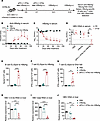 Figure 3
The coimmunization achieves a functional cure in HBV-tolerant mice. (A) Time schedule for aPD-L1–IFN-α mixed with rHBsAg as a therapeutic vaccine to treat HBV carrier mice. aPD-L1–IFN-α (2 μg/mouse) was mixed with rHBsAg (1 μg/mouse) (denoted as aPD-L1–IFN-α mix rHBsAg, coimmunization) and injected s.c. into HBV carrier mice. A second immunization with the same mixture was given 7 days after the initial immunization, followed by booster immunizations with rHBsAg alone at 3 and 5 weeks after initial immunization. The control group received rHBsAg (1 μg/mouse) s.c. injection into HBV carrier mice on days 0, 7, 21, and 35. (B and C) Serum levels of ayw subtype–specific anti-HBsAg IgG (B) and HBsAg (C) (n = 5/group) were examined by ELISA. (D) Serum levels of HBV-DNA (n = 5/group) were determined by qPCR. The detection limits in C and D are indicated by dashed lines. (E–G) A total of 1 × 10⁶ splenocytes from each mouse (n = 5/group) were collected on day 132. Specific B cell (E) and T cell (F) responses to HBsAg (subtype ayw) were tested by B cell and T cell ELISpot assays, respectively. ENV190-specific CD8+ T cell responses were tested by a T cell ELISpot assay (G). (H–J) Levels of HBV intermediate products, including HBV 3.5-kb RNA (H), HBV total RNA (I), and HBV DNA (J) in the liver, were measured with real-time PCR at the end of the experiment (n = 5/group). Data are shown as the mean + SEM (B and C) or mean ± SEM (D–J) and are representative of at least 2 independent experiments. An unpaired 2-tailed Student’s t test was applied in D–G. One-way ANOVA followed by Tukey’s test was applied in B and H–J. **P < 0.01; ***P < 0.001; ****P < 0.0001. OD, optical density; s.c., s.c.
aPD-L1–IFN-α breaks immune tolerance to rHBsAg via DC and macrophage coordination. We then evaluated the role of DCs in overcoming HBV-induced immune tolerance using HBV carrier CD11c-DTR (diphtheria toxin [DT] receptor) bone marrow chimeric mice. DT significantly reduced the DC level in vivo (Supplemental Figure 6, A and B). Following DT treatment, the coimmunization failed to elicit anti-HBsAg IgG antibodies and to reduce serum HBsAg levels effectively, and HBsAg-specific B cell responses were also markedly diminished (Figure 4, A–C), highlighting the critical role of DCs in antibody responses. Similar results were found in CD11c-DTR bone marrow chimeric mice (non-HBV carrier), where DC depletion resulted in a lower titer of IgG response (Figure 4D). In contrast, levels of IgM antibodies, which are primarily produced by early-activated B cells in a T cell–independent manner (26), remained unaffected (Figure 4E), indicating that DCs are not essential for early B cell activation during the coimmunization. Next, we evaluated the effect of aPD-L1–IFN-α on the function of CD103+ mDCs (cDC1s), which are crucial for antigen cross-presentation (27). Encouragingly, aPD-L1–IFN-α significantly enhanced the antigen cross-presentation capability of CD103+ mDCs (Supplemental Figure 7, A–C). In Batf3–/– HBV carrier mice, which lack CD103+ mDCs, the coimmunization resulted in reduced HBsAg-specific IFN-γ producing CD8+ T cells and had a limited effect on HBV-RNA and HBV DNA levels in the liver (Supplemental Figure 7, D–I). In addition, the coimmunization failed to clear HBsAg in the serum (Supplemental Figure 7J). These findings underscore the importance of CD103+ mDCs in mediating CD8+ T cell responses, which are pivotal for HBV elimination.
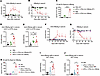 Figure 4
aPD-L1–IFN-α breaks immune tolerance to rHBsAg vaccine through coordinating DCs and macrophages. (A–C) HBV carrier CD11c-DTR bone marrow chimeric mice were generated and treated as described in Figure 3A. For DC depletion, DT (4 ng/g body weight) was administered i.p. every 2 days starting 24 hours before immunization. Serum levels of ayw subtype–specific anti-HBsAg IgG (A) and HBsAg (B) (n = 4–5/group) were determined by ELISA. The detection limit in B is indicated by a dashed line. A total of 1 × 10⁶ splenocytes from each mouse (n = 4–5/group) were collected on day 126. Specific B cell responses to HBsAg (subtype ayw) were tested by a B cell ELISpot assay (C). (D and E) CD11c-DTR bone marrow chimeric mice (n = 5/group) were immunized s.c. with the mixture of aPD-L1–IFN-α (2 μg/mouse) and rHBsAg (1 μg/mouse) on days 0 and 14. For DC depletion, DT (4 ng/g body weight) was administered i.p. every 2 days starting 24 hours before immunization. HBsAg-specific IgG (D) and IgM (E) responses were measured on day 21 and day 10 after the first immunization, respectively. (F–H) HBV carrier mice were treated as described in Figure 3A. For macrophage depletion in inguinal LNs, CLL (40 μL/mouse) was injected s.c. every 3 days, starting 7–10 days before the first immunization. Serum levels of ayw subtype–specific anti-HBsAg IgG (F) and HBsAg (G) (n = 3/group) were determined using ELISA. The detection limit in G is indicated by a dashed line. A total of 1 × 10⁶ splenocytes from each mouse (n = 3/group) were collected on day 113. Specific B cell responses to HBsAg (subtype ayw) were assessed by a B cell ELISpot assay (H). (I and J) WT C57BL/6J mice (n = 5–6/group) were immunized s.c. with the mixture of aPD-L1–IFN-α (2 μg/mouse) and rHBsAg (1 μg/mouse) on days 0 and 14. For macrophage depletion in inguinal LNs, CLL (40 μL/mouse) was injected s.c. every 3 days, starting 7–10 days before the first immunization. HBsAg-specific IgM (I) and IgG (J) responses were measured on day 10 and day 21 after the first immunization, respectively. Data are shown as the mean + SEM (A, B, F, and G) or mean ± SEM (C–E and H–J) and are representative of at least 2 independent experiments. An unpaired 2-tailed Student’s t test was applied in C, D, and H–J. One-way ANOVA followed by Tukey’s test was applied in E. *P < 0.05; **P < 0.01; ****P < 0.0001. MΦ, macrophage; OD, optical density.
We further investigated the role of macrophages during the coimmunization. HBV carrier mice were treated with clodronate liposomes (CLL), which significantly reduced macrophage levels in LNs (Supplemental Figure 8, A–D). CLL treatment substantially impaired the coimmunization-induced anti-HBsAg IgG antibodies, serum HBsAg reduction, and HBsAg-specific B cell responses (Figure 4, F–H). Interestingly, CLL treatment also significantly reduced the anti-HBsAg IgM levels on day 10 after the first immunization, further decreasing anti-HBsAg IgG levels on day 21 in CLL-treated mice (Figure 4, I and J). These results indicate that macrophages are vital for early B cell activation and subsequent IgG responses. Collectively, these data suggest that both DCs and macrophages are essential for overcoming HBV-induced immune tolerance by coimmunization, coordinating to induce necessary humoral immune responses for neutralizing serum HBV.
We finally examined the effect of aPD-L1–IFN-α on germinal center (GC) formation, which is pivotal for potent antibody responses, and the affinity maturation of GC B cells depends on T follicular helper (Tfh) cells (28). Impressively, the coimmunization significantly increased the percentages and numbers of Tfh cells (CD4+CXCR5+PD1+) (Supplemental Figure 9, A, C, and D) and GC B cells (B220+FAS+GL7+) (Supplemental Figure 9, B, E, and F) in the dLNs of HBV carrier mice compared with rHBsAg alone. Thus, aPD-L1–IFN-α can serve as an effective adjuvant-delivery platform, enhancing Tfh and GC B cell responses in the dLNs when coformulated with the rHBsAg vaccine.
aPD-L1–IFN-α specifically activates PD-L1-expressing APCs via cis-binding. The cis-delivery of low-affinity cytokines to T cells has been shown to be highly potent in activating T cells (29–31). To investigate whether aPD-L1 can directly target APCs via cis-binding, we compared the activation levels of WT and PD-L1–KO APCs treated with aPD-L1–IFN-α. In HBV carrier mice, aPD-L1–IFN-α treatment significantly increased the costimulatory molecule CD80 expression on WT APCs, indicating enhanced activation. Conversely, in Pdl1–/– HBV carrier mice, aPD-L1–IFN-α failed to upregulate CD80 on PD-L1–KO APCs (Figure 5, A–D). These data suggest that aPD-L1–mediated binding successfully restored the bioactivity of IFN-α specifically on PD-L1hi APCs. These findings confirm that aPD-L1–IFN-α preferentially activates PD-L1hi APCs through a cis-binding mechanism.
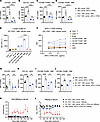 Figure 5
aPD-L1–IFN-α overcomes immune tolerance by aPD-L1-mediated cis-targeting. (A–D) HBV carrier mice or Pdl1–/– HBV carrier mice (n = 5/group) were injected s.c. with a single dose of aPD-L1–IFN-α (2 μg/mouse) or PBS. After 24 hours, the expression of CD80 on DCs and macrophages in inguinal dLNs was analyzed by flow cytometry. The expression of CD80 on CD103+ mDCs (A), CD11b+ mDCs (B), CD169+F4/80+ MΦ (C), and CD169–F4/80+ MΦ (D) is shown. (E and F) Inguinal LNs of DC Pdl1–/– HBV carrier mice (n = 6) were collected and analyzed by flow cytometry. PD-L1 expression levels on CD4+ T cells, CD8+ T cells, B cells, macrophages, rDCs, and mDCs are shown (E). Single cells from inguinal LNs of DC Pdl1–/– HBV carrier mice (n = 3) were collected and incubated with aPD-L1–IFN-α (human IgG1 Fc) at the indicated concentrations, followed by incubation with fluorescently labeled antibodies and anti–human IgG Fc (PE-Cy7 label) in vitro. The MFI of PE-Cy7 was detected by flow cytometry (F). (G–J) HBV carrier mice or DC Pdl1–/– HBV carrier mice (n = 5/group) were injected s.c. with a single dose of aPD-L1–IFN-α (2 μg/mouse) or PBS. After 24 hours, the expression of CD80 on DCs and macrophages in inguinal dLNs was analyzed by flow cytometry. The expression of CD80 on CD103+ mDCs (G), CD11b+ mDCs (H), CD169+F4/80+ MΦ (I) and CD169–F4/80+ MΦ (J) is shown. (K and L) HBV carrier mice or DC Pdl1–/– HBV carrier mice (n = 3/group) were treated as described in Figure 3A. Serum levels of ayw subtype–specific anti-HBsAg IgG (K) and HBsAg (L) were determined by ELISA. The detection limit in L is indicated by a dashed line. Data are shown as the mean ± SEM (A–J) or mean + SEM (K and L) and are representative of at least 2 independent experiments. One-way ANOVA followed by Tukey’s test was applied in A–E and G–J) **P < 0.01; ***P < 0.001; ****P < 0.0001. Conc., concentrations; MΦ, macrophage; MFI, mean fluorescence intensity; OD, optical density.
We further investigated the specific role of PD-L1 on DCs using DC-conditional PD-L1–KO (DC Pdl1–/–) HBV carrier mice. In these mice, aPD-L1–IFN-α did not bind to DCs but could bind to macrophages (Figure 5, E and F). Consequently, aPD-L1–IFN-α failed to activate DCs but was able to activate macrophages in the dLNs of DC Pdl1–/– HBV carrier mice, as shown by CD80 expression levels (Figure 5, G–J). This suggests that PD-L1 on DCs is crucial for the cis-targeting by aPD-L1–IFN-α. To delineate the importance of PD-L1 on DCs in breaking HBV-induced immune tolerance, DC Pdl1–/– HBV carrier mice were treated with a mixture of aPD-L1–IFN-α and rHBsAg. The coimmunization did not achieve a functional cure in these mice (Figure 5, K and L), underscoring the essential role of PD-L1 on DCs for the efficacy of aPD-L1–IFN-α targeted adjuvant function.
aPD-L1–IFN-α’s immunoadjuvant function depends on IFNAR signaling in DCs and macrophages. The role of IFN-α in the aPD-L1–IFN-α was investigated using Ifnar1–/– HBV carrier mice. Remarkably, in these mice, aPD-L1–IFN-α was unable to enhance CD80 expression on mDCs and macrophages in the dLNs (Supplemental Figure 10, A–D). Additionally, the coimmunization was ineffective in generating anti-HBsAg antibodies and reducing serum HBsAg levels (Supplemental Figure 10, E and F), with a significant decline in HBsAg-specific T cell responses in Ifnar1–/– HBV carrier mice (Supplemental Figure 10G). These data demonstrate that aPD-L1–IFN-α modulates immune responses through the IFNAR signaling pathway.
To further determine the role of IFNAR1 on DCs, we generated DC-conditional IFNAR1-KO (DC Ifnar1–/–) mice by crossing Ifnar1fl/fl mice with Zbtb46cre mice. In these mice, aPD-L1–IFN-α could not upregulate costimulatory molecules on DCs but did so on macrophages (Figure 6, A–D). Treating DC Ifnar1–/– HBV carrier mice with aPD-L1–IFN-α and rHBsAg did not achieve a functional cure (Figure 6, E and F). Similarly, to explore the function of IFNAR1 on macrophages, we generated macrophage-conditional IFNAR1-KO (macrophage Ifnar1–/–) mice by crossing Ifnar1fl/fl mice with Lyz2cre mice. In these mice, aPD-L1–IFN-α failed to upregulate costimulatory molecules on macrophages but succeeded on DCs (Figure 6, G–J). The coimmunization in macrophage Ifnar1–/– HBV carrier mice also did not achieve a functional cure (Figure 6, K and L). Thus, these results collectively indicate that aPD-L1–IFN-α exerts its immune activation effects through the IFNAR signaling pathway in both DCs and macrophages.
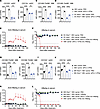 Figure 6
aPD-L1–IFN-α exerts immunoadjuvant activity through the IFNAR signaling pathway in DCs and macrophages. (A–D) HBV carrier mice or DC Ifnar1–/– HBV carrier mice (n = 5/group) were injected s.c. with a single dose of aPD-L1–IFN-α (2 μg/mouse) or PBS. After 24 hours, the expression of CD80 on DCs and macrophages in inguinal dLNs was analyzed by flow cytometry. The expression of CD80 on CD103+ mDCs (A), CD11b+ mDCs (B), CD169+F4/80+ MΦ (C), and CD169–F4/80+ MΦ (D) is shown. (E and F) HBV carrier mice or DC Ifnar1–/– HBV carrier mice (n = 3/group) were treated as described in Figure 3A. Serum levels of ayw subtype–specific anti-HBsAg IgG (E) and HBsAg (F) were determined by ELISA. The detection limit in F is indicated by a dashed line. (G–J) HBV carrier mice or macrophage Ifnar1–/– HBV carrier mice (n = 5/group) were injected s.c. with a single dose of aPD-L1–IFN-α (2 μg/mouse) or PBS. After 24 hours, the expression of CD80 on DCs and macrophages in inguinal dLNs was analyzed by flow cytometry. The expression of CD80 on CD169+F4/80+ MΦ (G), CD169–F4/80+ MΦ (H), CD103+ mDCs (I), and CD11b+ mDCs (J) is shown. (K and L) HBV carrier mice or macrophage Ifnar1–/– HBV carrier mice (n = 3/group) were treated as described in Figure 3A. Serum levels of ayw subtype–specific anti-HBsAg IgG (K) and HBsAg (L) were determined by ELISA. The detection limit in L is indicated by a dashed line. E, F, K, and L represent the same batch of experiments. Data are shown as the mean ± SEM (A–D and G–J) or mean + SEM (E, F, K, and L) and are representative of at least 2 independent experiments. One-way ANOVA followed by Tukey’s test was applied in A–D and G–J. **P < 0.01; ****P < 0.0001. MΦ, macrophage; MFI, mean fluorescence intensity; NS, not significant; OD, optical density.


