
Research ArticleImmunology
Open Access |  10.1172/jci.insight.198074
Spatial transcriptomics reveals immune-stromal crosstalk within the synovium of patients with juvenile idiopathic arthritis
Jun Inamo,1,2,3 Roselyn Fierkens,4 Michael R. Clay,5 Anna Helena Jonsson,2 Clara Lin,4 Kari Hayes,6 Nathan Rogers,7,8 Heather Leach,7,8 and Kentaro Yomogida4
1Department of Biomedical Informatics, Center for Health Artificial Intelligence, and
2Division of Rheumatology, University of Colorado School of Medicine, Aurora, Colorado, USA.
3Division of Rheumatology, Department of Internal Medicine, Keio University School of Medicine, Shinjuku-ku, Tokyo, Japan.
4Division of Rheumatology, Department of Pediatrics,
5Department of Pathology,
6Department of Radiology, and
7Department of Pediatrics, University of Colorado School of Medicine, Aurora, Colorado, USA.
8Colorado Child Health Research Institute, Children’s Hospital Colorado, Aurora, Colorado, USA.
Address correspondence to: Jun Inamo, Keio University School of Medicine, 35 Shinanomachi Shinjuku-ku, Tokyo 160-8582 Japan. Phone: 81.3.5363.3767; Email: juninamo@keio.jp. Or to: Kentaro Yomogida, Barbara Davis Center, 1775 Aurora Ct., Aurora, Colorado 80045, USA. Phone: 720.777.1234; Email: kentaro.yomogida@cuanschutz.edu.
Authorship note: JI and KY are co–corresponding authors.
Find articles by Inamo, J. in: PubMed | Google Scholar
1Department of Biomedical Informatics, Center for Health Artificial Intelligence, and
2Division of Rheumatology, University of Colorado School of Medicine, Aurora, Colorado, USA.
3Division of Rheumatology, Department of Internal Medicine, Keio University School of Medicine, Shinjuku-ku, Tokyo, Japan.
4Division of Rheumatology, Department of Pediatrics,
5Department of Pathology,
6Department of Radiology, and
7Department of Pediatrics, University of Colorado School of Medicine, Aurora, Colorado, USA.
8Colorado Child Health Research Institute, Children’s Hospital Colorado, Aurora, Colorado, USA.
Address correspondence to: Jun Inamo, Keio University School of Medicine, 35 Shinanomachi Shinjuku-ku, Tokyo 160-8582 Japan. Phone: 81.3.5363.3767; Email: juninamo@keio.jp. Or to: Kentaro Yomogida, Barbara Davis Center, 1775 Aurora Ct., Aurora, Colorado 80045, USA. Phone: 720.777.1234; Email: kentaro.yomogida@cuanschutz.edu.
Authorship note: JI and KY are co–corresponding authors.
Find articles by Fierkens, R. in: PubMed | Google Scholar
1Department of Biomedical Informatics, Center for Health Artificial Intelligence, and
2Division of Rheumatology, University of Colorado School of Medicine, Aurora, Colorado, USA.
3Division of Rheumatology, Department of Internal Medicine, Keio University School of Medicine, Shinjuku-ku, Tokyo, Japan.
4Division of Rheumatology, Department of Pediatrics,
5Department of Pathology,
6Department of Radiology, and
7Department of Pediatrics, University of Colorado School of Medicine, Aurora, Colorado, USA.
8Colorado Child Health Research Institute, Children’s Hospital Colorado, Aurora, Colorado, USA.
Address correspondence to: Jun Inamo, Keio University School of Medicine, 35 Shinanomachi Shinjuku-ku, Tokyo 160-8582 Japan. Phone: 81.3.5363.3767; Email: juninamo@keio.jp. Or to: Kentaro Yomogida, Barbara Davis Center, 1775 Aurora Ct., Aurora, Colorado 80045, USA. Phone: 720.777.1234; Email: kentaro.yomogida@cuanschutz.edu.
Authorship note: JI and KY are co–corresponding authors.
Find articles by Clay, M. in: PubMed | Google Scholar
1Department of Biomedical Informatics, Center for Health Artificial Intelligence, and
2Division of Rheumatology, University of Colorado School of Medicine, Aurora, Colorado, USA.
3Division of Rheumatology, Department of Internal Medicine, Keio University School of Medicine, Shinjuku-ku, Tokyo, Japan.
4Division of Rheumatology, Department of Pediatrics,
5Department of Pathology,
6Department of Radiology, and
7Department of Pediatrics, University of Colorado School of Medicine, Aurora, Colorado, USA.
8Colorado Child Health Research Institute, Children’s Hospital Colorado, Aurora, Colorado, USA.
Address correspondence to: Jun Inamo, Keio University School of Medicine, 35 Shinanomachi Shinjuku-ku, Tokyo 160-8582 Japan. Phone: 81.3.5363.3767; Email: juninamo@keio.jp. Or to: Kentaro Yomogida, Barbara Davis Center, 1775 Aurora Ct., Aurora, Colorado 80045, USA. Phone: 720.777.1234; Email: kentaro.yomogida@cuanschutz.edu.
Authorship note: JI and KY are co–corresponding authors.
Find articles by Jonsson, A. in: PubMed | Google Scholar
1Department of Biomedical Informatics, Center for Health Artificial Intelligence, and
2Division of Rheumatology, University of Colorado School of Medicine, Aurora, Colorado, USA.
3Division of Rheumatology, Department of Internal Medicine, Keio University School of Medicine, Shinjuku-ku, Tokyo, Japan.
4Division of Rheumatology, Department of Pediatrics,
5Department of Pathology,
6Department of Radiology, and
7Department of Pediatrics, University of Colorado School of Medicine, Aurora, Colorado, USA.
8Colorado Child Health Research Institute, Children’s Hospital Colorado, Aurora, Colorado, USA.
Address correspondence to: Jun Inamo, Keio University School of Medicine, 35 Shinanomachi Shinjuku-ku, Tokyo 160-8582 Japan. Phone: 81.3.5363.3767; Email: juninamo@keio.jp. Or to: Kentaro Yomogida, Barbara Davis Center, 1775 Aurora Ct., Aurora, Colorado 80045, USA. Phone: 720.777.1234; Email: kentaro.yomogida@cuanschutz.edu.
Authorship note: JI and KY are co–corresponding authors.
Find articles by Lin, C. in: PubMed | Google Scholar
1Department of Biomedical Informatics, Center for Health Artificial Intelligence, and
2Division of Rheumatology, University of Colorado School of Medicine, Aurora, Colorado, USA.
3Division of Rheumatology, Department of Internal Medicine, Keio University School of Medicine, Shinjuku-ku, Tokyo, Japan.
4Division of Rheumatology, Department of Pediatrics,
5Department of Pathology,
6Department of Radiology, and
7Department of Pediatrics, University of Colorado School of Medicine, Aurora, Colorado, USA.
8Colorado Child Health Research Institute, Children’s Hospital Colorado, Aurora, Colorado, USA.
Address correspondence to: Jun Inamo, Keio University School of Medicine, 35 Shinanomachi Shinjuku-ku, Tokyo 160-8582 Japan. Phone: 81.3.5363.3767; Email: juninamo@keio.jp. Or to: Kentaro Yomogida, Barbara Davis Center, 1775 Aurora Ct., Aurora, Colorado 80045, USA. Phone: 720.777.1234; Email: kentaro.yomogida@cuanschutz.edu.
Authorship note: JI and KY are co–corresponding authors.
Find articles by Hayes, K. in: PubMed | Google Scholar
1Department of Biomedical Informatics, Center for Health Artificial Intelligence, and
2Division of Rheumatology, University of Colorado School of Medicine, Aurora, Colorado, USA.
3Division of Rheumatology, Department of Internal Medicine, Keio University School of Medicine, Shinjuku-ku, Tokyo, Japan.
4Division of Rheumatology, Department of Pediatrics,
5Department of Pathology,
6Department of Radiology, and
7Department of Pediatrics, University of Colorado School of Medicine, Aurora, Colorado, USA.
8Colorado Child Health Research Institute, Children’s Hospital Colorado, Aurora, Colorado, USA.
Address correspondence to: Jun Inamo, Keio University School of Medicine, 35 Shinanomachi Shinjuku-ku, Tokyo 160-8582 Japan. Phone: 81.3.5363.3767; Email: juninamo@keio.jp. Or to: Kentaro Yomogida, Barbara Davis Center, 1775 Aurora Ct., Aurora, Colorado 80045, USA. Phone: 720.777.1234; Email: kentaro.yomogida@cuanschutz.edu.
Authorship note: JI and KY are co–corresponding authors.
Find articles by Rogers, N. in: PubMed | Google Scholar
1Department of Biomedical Informatics, Center for Health Artificial Intelligence, and
2Division of Rheumatology, University of Colorado School of Medicine, Aurora, Colorado, USA.
3Division of Rheumatology, Department of Internal Medicine, Keio University School of Medicine, Shinjuku-ku, Tokyo, Japan.
4Division of Rheumatology, Department of Pediatrics,
5Department of Pathology,
6Department of Radiology, and
7Department of Pediatrics, University of Colorado School of Medicine, Aurora, Colorado, USA.
8Colorado Child Health Research Institute, Children’s Hospital Colorado, Aurora, Colorado, USA.
Address correspondence to: Jun Inamo, Keio University School of Medicine, 35 Shinanomachi Shinjuku-ku, Tokyo 160-8582 Japan. Phone: 81.3.5363.3767; Email: juninamo@keio.jp. Or to: Kentaro Yomogida, Barbara Davis Center, 1775 Aurora Ct., Aurora, Colorado 80045, USA. Phone: 720.777.1234; Email: kentaro.yomogida@cuanschutz.edu.
Authorship note: JI and KY are co–corresponding authors.
Find articles by Leach, H. in: PubMed | Google Scholar
1Department of Biomedical Informatics, Center for Health Artificial Intelligence, and
2Division of Rheumatology, University of Colorado School of Medicine, Aurora, Colorado, USA.
3Division of Rheumatology, Department of Internal Medicine, Keio University School of Medicine, Shinjuku-ku, Tokyo, Japan.
4Division of Rheumatology, Department of Pediatrics,
5Department of Pathology,
6Department of Radiology, and
7Department of Pediatrics, University of Colorado School of Medicine, Aurora, Colorado, USA.
8Colorado Child Health Research Institute, Children’s Hospital Colorado, Aurora, Colorado, USA.
Address correspondence to: Jun Inamo, Keio University School of Medicine, 35 Shinanomachi Shinjuku-ku, Tokyo 160-8582 Japan. Phone: 81.3.5363.3767; Email: juninamo@keio.jp. Or to: Kentaro Yomogida, Barbara Davis Center, 1775 Aurora Ct., Aurora, Colorado 80045, USA. Phone: 720.777.1234; Email: kentaro.yomogida@cuanschutz.edu.
Authorship note: JI and KY are co–corresponding authors.
Find articles by Yomogida, K. in: PubMed | Google Scholar
Published November 21, 2025 - More info
JCI Insight. 2026;11(1):e198074. https://doi.org/10.1172/jci.insight.198074.
© 2026 Inamo et al. This work is licensed under the Creative Commons Attribution 4.0 International License. To view a copy of this license, visit http://creativecommons.org/licenses/by/4.0/.


-
Results
High-resolution spatial profiling uncovers cellular architecture in JIA synovium. To explore the cellular diversity and spatial organization within the inflamed synovium of patients with JIA, we employed advanced spatial transcriptomic profiling on synovial biopsy samples from 9 patients with oligo/poly JIA, defined by International League of Associations for Rheumatology (ILAR) classification (3) (Supplemental Table 1; supplemental material available online with this article; https://doi.org/10.1172/jci.insight.198074DS1). All oligoarticular patients with JIA were classified as a persistent subtype at the time of biopsy. We collected synovial biopsies from treatment-naive patients (n = 3) and from patients who had received various treatments, including intraarticular steroid injections, methotrexate, leflunomide, and anti-TNF inhibitors (n = 6). All patients were negative for RF. Six patients have normal C-reactive protein (CRP) levels, a finding consistent with previous reports indicating that 50%–70% of patients with oligo/poly JIA exhibit normal CRP (9, 10). At the time of biopsy, all of our JIA samples exhibited active synovitis, as diagnosed by board-certified pediatric rheumatologists and supported by elevated Krenn inflammatory infiltrate scores (Supplemental Table 1).
Utilizing the 10X Xenium Prime 5K platform, we generated high-resolution spatial transcriptomic data capable of identifying discrete cell populations and characterizing their spatial interactions and niche formations within the tissue microenvironment (Figure 1A and Supplemental Figures 1 and 2). After preprocessing and batch correction steps (Supplemental Figure 1, A–C), we performed unsupervised clustering of the spatial transcriptomic data and, based on manual annotation using canonical markers, delineated 4 major cellular compartments: T cell–innate lymphoid cells (ILCs), B/plasma cells, myeloid cells, and tissue-associated stromal cells, which included diverse subsets of fibroblasts and endothelial cells (Figure 1, B–G). Marker genes for each subcluster are listed in Supplemental Table 2, and spatial visualization of annotated cell clusters on histological sections are provided in Supplemental Data 1–9 in an interactive format.
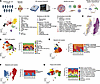 Figure 1
Spatial transcriptomic profiling of synovial tissue in patients with JIA. (A) Synovial biopsy samples were collected from 9 patients diagnosed with JIA. Subcellular resolution spatial transcriptomic data were acquired from FFPE biopsy samples using the 10X Xenium Prime 5K platform. Cell types within synovial tissues were identified, and spatial neighborhoods were characterized based on spatial proximity analysis. (B) Identified major immune and tissue-associated cellular compartments in synovium, including T cells, B cells, myeloid cells, and stromal tissue cells (endothelial and fibroblast subsets). Within each broad cell type, fine-scale cell subpopulations were annotated. (C) Representative example of the FFPE histological slide of synovial biopsy sample and spatial mapping of identified cell clusters. Colors are corresponding with panel B. Scale bar: 500 μm. (D–G) Identified fine-scaled cell clusters on UMAP (left) and composition across samples (right) for T cells (D), myeloid cells (E), B/plasma cells (F), and stromal tissue cells (G).
T cell–ILC subpopulations included fine-scaled T cell subsets as well as ILCs (Supplemental Figure 1D). The CD8+ T cell population encompasses CCR7+TCF7+ naive CD8+ T cells, along with granzyme B+ (GZMB+) and granzyme K+ (GZMK+) CD8+ T cells, which have been previously characterized in the synovium of patients with RA (11). We also identified a distinct CD8+ T cell population, tissue-resident memory T cells (TRM), marked by expression of ZNF683, which encodes HOBIT (12). IFN stimulated CD8+ memory T cells were enriched with IFN-stimulated genes such as IFIT1 and IFIT3. CD4+ T cells consisted of CCR7+TCF7+ naive CD4+ T cells, FOXP3+ Tregs (13), and an IFNG+TBX21+ population designated as type 1 helper T cell (Th1). We also identified CD4+ T cells expressing CXCL13 and IL21, corresponding to peripheral T cells and follicular T cells (TPH/TFH) (14). We further detected TRDC+ γδ T cells and innate-like T cells expressing ZBTB16 (encoding PLZF) and NK receptor KLRB1, with transcriptional profile resembling invariant NK T cells (iNKT cells) (15) and mucosal associated innate T (MAIT) cells (16). Innate subpopulations, NK cells, and ILCs were also identified. ILCs were characterized by NCAM1 and CD3E negativity and enrichment for IL5 and IL17A, suggesting the presence of ILC2 and ILC3 subset (17).
B cell–plasma cells comprised MS4A1+ (encoding CD20) B cells, CD38+ plasma cells, and MKI67+ plasmablast populations (Supplemental Figure 1E).
Myeloid cells encompassed diverse macrophage populations, DCs, plasmacytoid DCs (pDC), and mast cells (Supplemental Figure 1F). The macrophage clusters comprised several distinct clusters: MERTK+ macrophages, characterized by the enrichment of scavenger receptor CD163 and MRC1 (encoding CD206) and MERTK (18); TREM2+ macrophages, defined by high expression of TREM2 as well as tissue-remodeling chemokines such as MMP9 (19); proinflammatory macrophages expressing mediators such as CXCL9, CXCL10, and IL1B; and CCR2, a chemokine receptor indicative of infiltrating monocyte-derived macrophages (20–22). We also identified a subset of stressed macrophages marked by high expression of endoplasmic reticulum stress-related genes (HYOU1, PDIA4, DDIT3) (23). The DC cluster included CLEC9A+XCR1+THBD+ DC1 and CD1C+CLEC10A+ DC2 (24). Additionally, 1 DC cluster was characterized with LAMP3+, CCR7+, and immunomodulatory molecules such as CD274 (encoding PD-L1), corresponding to recently described mature DCs enriched in regulatory molecules (mregDCs) (25).
Stromal tissue–associated cell types included lining and sublining fibroblasts as well as endothelial cells (Supplemental Figure 1G). Fibroblasts were classified into PRG4+ lining, THY1+ sublining fibroblasts and a mixture of NOTCH3+ sublining fibroblast and MCAM+ (encoding CD146) mural cells. Lining fibroblasts were further divided based on the expression of DKK3, which could play role in repair pathways (26), into DKK3lo and DKK3hiPRG4+ subsets and intermediate populations, which exhibited gene expression patterns between lining-sublining fibroblasts (27, 28), including RSPO3+, which could modulate Wnt/β-catenin signaling and have crucial effects on angiogenesis (29, 30). Sublining fibroblasts were further categorized based on the expression of CXCL12, CD34, DKK3, and POSTN. Endothelial cells were classified into PROX1+FLT4+ lymphatic and blood vascular vessels, the latter were further divided into LIFR+SELE+ venules and NOTCH4+ arteriolar endothelial cells.
To investigate the cellular sources of cytokines and receptors relevant to synovial inflammation, we examined the expression of genes from a curated cytokine signaling gene set (31) (Supplemental Figure 1H). Most cytokines and receptors showed dominant expression within specific cell populations; for instance, fibroblasts and B cells predominated among cells with detectable IL6, whereas IL18 expression was primarily restricted to macrophages and DCs.
To quantitatively characterize morphological differences across cell types, we computed cell area and circularity (Supplemental Figure 2C). Stromal cells such as fibroblasts and endothelial subsets exhibited larger and more variable cell areas compared with immune cells, whereas lymphocyte populations demonstrated higher circularity, consistent with their small, rounded morphology.
Disease-linked stromal cell population. Quantitative assessment across individual biopsy samples revealed variability in cellular composition, with significant interpatient heterogeneity observed in the proportions of immune and stromal cells (Figure 1, D–G, and Supplemental Figure 2D). Correlating this heterogeneity with clinical inflammatory state using covarying neighborhood analysis (32), we found that patients with higher inflammation state defined by serum CRP levels exhibited enrichment of sublining/intermediate fibroblast and endothelial cell (venules and arteriolar endothelium) populations relative to total synovial cells, indicating a potential critical role for these cells in potentiating inflammation in JIA synovium (Figure 2, A and B), as sublining fibroblasts are known as a resource of inflammatory molecules in RA-synovium (28, 33). Conversely, some key immune populations, such as CD8+ T cells and proinflammatory macrophages, appeared relatively depleted in this analysis. This observation likely reflects a proportional shift rather than a decrease in absolute cell numbers; in a highly inflamed synovium, the substantial expansion of the stromal and endothelial framework can diminish the relative proportion of even an expanded immune cell compartment.
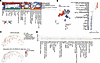 Figure 2
Links between synovial cell states and clinical phenotypes in JIA. (A) Heatmap of covarying neighborhood analysis (CNA) associations of specific cell states with each clinical variable. All testing was adjusted for age and sex. Colors represent the percentage of cell neighborhoods from each cell state with positive phenotype correlations from white to red (expanded) or blue (depleted). Clinical variables associated globally (permutation P < 0.05) are annotated by asterisk. (B) CNA for CRP association with cell states. Cells in UMAP are colored for expansion (red) or depletion (blue). (C) Representative region, with cells colored by broad cell types (top) and the significance of the association (−log10[P value]) with JIA derived from gsMap analysis (bottom). (D) Violin plot showing the distribution of disease associations for each spatial spot across annotated synovial cell type, ordered from left to right by decreasing median association value.
To investigate the spatial genetic relevance of cell populations within the synovium, we applied gsMap (34), a recently developed statistical framework that integrates spatial transcriptomic data with GWAS through stratified linkage disequilibrium (LD) score regression (sLDSC). This approach enables the mapping of disease heritability enrichment onto specific spatially resolved cell populations based on GWAS summary statistics of JIA (35). Notably, stromal populations — not only intermediate/sublining fibroblasts and vascular endothelial subsets, but also lining fibroblast and T cell subsets — exhibited significant enrichment of JIA-associated genetic signals (Figure 2, C and D). This suggests that these spatially localized niches — in particular, stromal cells — may contribute to not only inflammatory activity but also disease susceptibility via genetically driven mechanisms.
Together, these results offer a detailed characterization of the spatially resolved cellular landscape of JIA synovium and their association with clinical indicators and disease susceptibility.
Spatially resolved niches reveal distinct immune-stromal compositions and gene programs. To identify tissue microenvironments with distinct immune and stromal compositions, we defined spatial “niches” based on local cooccurrence patterns of cell clusters within the synovium. A spatial “niche” was defined here for each cell by examining the composition of its 30 nearest spatial neighbors, summarizing the local abundance of each cell type. Cells with similar neighborhood compositions were grouped using k-means clustering to delineate discrete spatial niches. Each niche was then annotated by its relative enrichment in major cell lineages, resulting in 4 biologically interpretable niche classes: T+B/plasma cell niche, Myeloid+Stromal cell niche, Myeloid+T cell niche, and Stromal niche (Figure 3, A and B, and Supplemental Figure 3, A and B). Analysis of these niche classes revealed the substantial heterogeneity of the synovial microenvironment across patients (Figure 3A). Even within a major class, functional diversity was observed. For example, the Myeloid+Stromal cell niche contained functionally diverse subniches: some, like Niche 10 in patient JIA3, were enriched in macrophages and corresponded with high systemic inflammation, while others were dominated by PRG4+ lining fibroblasts and exhibited a less inflammatory profile (e.g., Niche 22). This intraniche and interpatient heterogeneity highlights a granular spatial organization where specialized microenvironments can differ between individuals, even those with similar clinical classifications such as elevated CRP (e.g., JIA2 vs. JIA3).
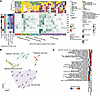 Figure 3
Characterization of spatial niches in JIA synovium. (A) The central heatmap displays the percentage area of 30 spatial niches (columns) for each patient (rows). Patient samples are annotated by clinical features on the left. The bar plots above illustrate the proportional composition of cell clusters for each corresponding niche. Spatial niches are grouped by the major annotated niche clusters shown at the bottom. (B) UMAP embedding of niches based on their immune-stromal cell composition. Each dot represents a niche and is colored by an annotated niche cluster. (C) Heatmap showing normalized gene set enrichment scores for related pathways across the 4 annotated niche classes.
To investigate the functional states of these niches, we performed pathway enrichment analysis comparing niche clusters. This analysis revealed class-dominant pathway signatures, including IFN-α/γ signaling in Myeloid+T cell–enriched niches, inflammatory and phagocytosis-related signatures in Myeloid+Stromal–rich niches, T and B cell receptor signaling in B+T cell–enriched niches, and angiogenesis-related pathways in stromal niches (Figure 3C). In addition, several other signaling cascades known to be implicated in JIA pathogenesis were selectively enriched across spatial niches. For instance, the IL-6/JAK/STAT3 pathways — critical in T cell differentiation (36) and chronic inflammation (37) — as well as complement components, were elevated in Myeloid+Stromal cell niches. The activation of the classical complement pathway and its association with markers of disease activity, such as elevated levels of complement-bound circulating immune complexes, have been well documented in JIA (38). Meanwhile, TGF-β and WNT signaling pathways, implicated in fibroblast activation and tissue fibrosis (39, 40), and fibroblast-mediated inflammation and treatment-refractory in RA (41, 42), were more pronounced in stromal niches.
Histological mapping of niches and individual cell clusters demonstrated their anatomical relevance. For instance, stromal niches exhibited localized enrichment of the angiogenesis pathway, as visualized by spatial gene set scores (Figure 4, A–D). Another histological section also showed enrichment of IFN-γ signaling in Myeloid-T cell and Myeloid+Stromal–rich niches (Figure 4, E–H).
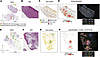 Figure 4
Spatial niches and associated pathway activities. (A–D) Representative images of association between niche clusters and ANGIOGENESIS pathway. Spatial mapping of annotated niches (A) from a representative synovial tissue section and H&E staining (B). (C) Spatial distribution of cell clusters in the zoom-in of the section in A. (D) Left, spatial enrichment score of the ANGIOGENESIS pathway. Right, Corresponding DAPI and expression of representative genes of the pathway. (E–H) Representative images of association between niche clusters and IFN-γ response pathway. Spatial mapping of annotated niches (E) from a representative synovial tissue section and H&E staining (F). (G) Spatial distribution of cell clusters in the zoom-in of the section in E. (H) Left, spatial enrichment score of the IFN-γ response pathway. Right, Corresponding DAPI and expression of representative genes of the pathway. Scale bars: 1 mm (A and E).
These findings highlight the spatial heterogeneity of the synovial immune microenvironment in JIA and demonstrate that spatial niches are associated with distinct cell type compositions and molecular programs.
Spatial neighborhood enrichment analysis reveals NOTCH3-mediated interactions between endothelial cells and sublining fibroblasts in JIA synovium analogous to RA. Since tissue-microenvironment shapes both the cell identity and localization, we aimed to characterize the cell-cell interaction in each niche based on spatial proximity. To achieve this, we developed a custom pipeline to statistically test the spatial proximity between these cell types (Figure 5A). We tested the performance of the pipeline using simulation data, assuming proximity pattern as concentric circle and layer, and found that it could efficiently identify pairs of cell types that were close to each other within 30 μm (Figure 5, B and C). To validate our spatial neighborhood analysis pipeline, we further utilized publicly available spatial transcriptomic data of human breast cancer and mouse brain (Supplemental Figure 4, A–D). Spatial neighborhood analysis revealed significant enrichment in proximity such as between cancer-associated fibroblasts (CAFs), cytotoxic T cells, astrocytes, and oligodendrocytes, underscoring their spatial interplay in the tissue architecture as described in the published study (43, 44). The human breast cancer and mouse brain datasets comprised 8,273 and 17,215 cells, respectively, and the analysis, using 4 parallel threads, was completed in 7.6 seconds and 31.7 seconds, respectively, demonstrating the computational efficiency of the pipeline.
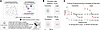 Figure 5
Spatial neighborhood enrichment analysis framework. (A) Schematic description of the spatial neighborhood enrichment analysis pipeline. The procedure includes identifying nearest neighbors, quantifying neighborhood cell type composition, performing permutation tests by shuffling cell type labels, and calculating enrichment z scores. (B) Examples of 2 simulation patterns (concentric circles and layered arrangement) utilized to evaluate the performance of the spatial neighborhood enrichment method. (C) Results from the simulation experiments. The x axis represents prespecified actual proximity distances, and the y axis shows calculated spatial enrichment z scores. The red line indicates z scores for cell types that were designed to be spatially close, whereas the gray line represents randomly distributed cell types. The gray dashed line indicates the multiple testing-adjusted significance threshold for z scores.
We applied this spatial neighborhood enrichment analysis pipeline to our JIA synovium spatial transcriptomic data and identified significant spatial proximities such as those between endothelial cells and sublining fibroblasts (Figure 6A). Given previous findings that endothelial cells and fibroblasts interact via NOTCH3 signaling in RA synovium (8), we further investigated whether a similar interaction exists in JIA. Indeed, we observed that THY1+ sublining fibroblasts were enriched in proximity to endothelial cells and simultaneously exhibited elevated NOTCH3 expression (Figure 6, B and C). Consistently, endothelial cells highly expressed the NOTCH3 ligands, such as DLL1/4 and JAG1 (Figure 6D). Representative regions highlighting the spatial niche established by these interacting cell populations demonstrated the colocalization and reciprocal signaling between endothelial cells and sublining fibroblasts (Figure 6, E and F, and Supplemental Figure 4, E and F). This observation suggests an organized microanatomical structure within the synovial tissue, reinforcing the notion that endothelial-fibroblast interactions mediated through NOTCH3 signaling might contribute to the formation and maintenance of inflammatory niches in JIA synovium.
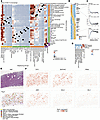 Figure 6
Spatial neighborhood enrichment analysis framework characterizes niche of sublining fibroblasts and endothelial cells in JIA synovium. (A) Spatial neighborhood enrichment using our data from samples of JIA synovium. Statistical significance is indicated as *Padj < 0.1 and **Padj < 0.05. The highlighted gray square indicates the niche of sublining fibroblasts and endothelial cells. P values were adjusted by the Benjamini-Hochberg method. (B) Characterization of the identified niche of sublining fibroblasts and endothelial cells. The heatmap displays the relationship between distances to nearest endothelial cells (purple bar above) and fibroblast gene expression. Rows represent fibroblast-associated genes, and columns represent individual cells. Fibroblast marker genes are labeled. (C) Line plots depicting binned distance to nearest endothelial cells (x axis) and normalized gene expression (y axis) of representative fibroblast genes. Statistical significance was assessed using Spearman correlation coefficients and P values. (D) Heatmap of gene expressions related to NOTCH signaling pathway components across different cell types. (E) Representative spatial coordinates of an identified niche of sublining fibroblasts and endothelial cells, matching pathological images. Cells are colored according to their cluster assignments. (F) Spatial expression patterns of fibroblast-related and NOTCH signaling-related genes within the identified niche location. Scale bar: 100 μm.
Spatial crosstalk with T cells and vasculature orchestrates macrophage polarization. Given the established importance of macrophages in the pathogenesis of inflammatory arthritis, we aimed to explore how macrophage gene expression is altered in relation to their spatial proximity to other cell types within the synovial tissues. Since monocytes enter through vasculature and differentiate to synovial macrophages (45–47), we first examined how gene expressions in macrophages correlated with their distance to endothelial cells (Figure 7A). Antiinflammatory or tissue-repairing markers such as MRC1, CSF1R, and MERTK, which were known to be expressed on healthy synovial tissue macrophages (48) and increased in synovium of patients with RA with remission states (18), showed higher expression in macrophages proximal to vasculature, whereas expression of proinflammatory-associated genes, including IL1RN, NFKB2, and JAK2, increased with distance from the nearest endothelial cell. We also noted that TREM2, a gene traditionally associated with tissue-repairing macrophage programs (49), exhibited a distinct spatial pattern compared with other antiinflammatory markers, as TREM2 expression increased with distance from endothelial cells. CD14 expression decreased while CD68 expression concurrently increased with distance from endothelial cells, suggesting that circulating monocytes progressively differentiate into macrophages after entry through the endothelium as they adapt to the synovial microenvironment (45–47).
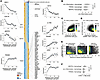 Figure 7
Spatial distribution of distinct macrophage states in JIA synovium. (A) Scaled gene expression of selected macrophage markers plotted as a function of distance from the nearest endothelial cell. Center heatmap shows scaled expression of macrophage-related genes in individual cells ordered by proximity to endothelial cells (0–300 μm), with representative genes annotated. (B) Violin plots showing the distribution of proinflammatory module scores across macrophage subtypes. P values were determined by the Wilcoxon rank-sum test. (C and D) Correlation between proinflammatory module scores of individual macrophage cells (each point) (y axis) and distance to the endothelial cells (C) or GZMB+ CD8 T cells (D) (x axis). Color-filled contours represent 2-dimensional kernel density estimates. Spearman’s correlation coefficient and P values are shown. (E) Density plots depict the distances of individual macrophage cells (each point) to the nearest endothelial cells (x axis) and GZMB+ CD8 T cells (y axis) by macrophage subtypes. Color-filled contours represent 2-dimensional kernel density estimates. (F) Violin plots showing the distribution of LYVE-1+ macrophage module scores across macrophage subtypes. P values were determined by the Wilcoxon rank-sum test.
Next, we aimed to characterize the microenvironmental cues that induce inflammatory gene expression in macrophages. As expected from our definitions of cell type clusters, proinflammatory macrophages exhibited the highest proinflammatory module scores (50, 51) (Figure 7B). We observed a positive correlation between proinflammatory polarization and distance from endothelial cells (R = 0.35, P < 0.001) (Figure 7C). Since we found that proinflammatory macrophages are colocalized with GZMB+CD8+ T cells (Figure 6A), we asked whether inflammatory gene expression in macrophages is induced when they are in close proximity to CD8+ T cells. Indeed, proinflammatory scores in macrophages gradually decreased along with distance from GZMB+ CD8+ T cells (R = −0.20, P < 0.001) (Figure 7D), and a similar trend was observed for GZMK+CD8+ T cells (R = −0.11, P < 0.001) (Supplemental Figure 5A). While the strength of these spatial correlations is modest, their statistical significance is suggestive of this pathogenic interaction. Importantly, 2-dimensional density contour plots revealed distinct spatial patterns across macrophage subsets (Figure 7E); proinflammatory macrophages were located closer to GZMB+ CD8+ T cells than endothelial cells.
In contrast, MERTK+ macrophages showed a strong spatial association with endothelial cells. To further investigate the potential identity of MERTK+ macrophages, we examined their similarity to LYVE-1+ perivascular macrophages, which have been previously described as collagen-remodeling cells positioned near blood vessels in steady-state tissues. As LYVE-1 itself was not included in our Xenium probe panel, we inferred LYVE-1+–like phenotype by computing gene module scores across macrophage clusters using a gene signature associated with LYVE-1+ macrophages (18). The analysis revealed that MERTK+ macrophages exhibited the highest LYVE-1+ macrophage score among the identified subsets (Figure 7F). This result supports the notion that MERTK+ macrophages in JIA synovium represent a transcriptionally related population to homeostatic LYVE-1+ perivascular macrophages, potentially involved in vascular support and extracellular matrix turnover.
Given the reciprocal interactions of macrophages and fibroblasts (52), we examined their spatial relationships with lining fibroblasts. We observed that while several macrophage subsets were located in proximity to lining fibroblasts, this was also clearly apparent for TREM2+ macrophages (<50 μm) (Supplemental Figure 5B). To further characterize TREM2+ macrophage populations, we computed a module score using the CX3CR1+ lining macrophage gene signature previously defined in a murine model of joint inflammation (53). We observed significantly higher CX3CR1+ lining macrophage scores in TREM2+ macrophages, compared with other macrophage subsets (Supplemental Figure 5C). These results suggest that TREM2+ macrophages in our dataset may represent a human equivalent of CX3CR1+ barrier-forming macrophages, supporting their putative role in maintaining tissue homeostasis and limiting inflammatory responses at the synovial interface (53, 54).
Colocalization score schema highlights crosstalk between T cells and macrophage. Although our spatial neighborhood enrichment analysis effectively captured cell type interactions, it did not resolve individual cell-level proximities. To overcome this limitation and enable identification of direct cellular interactions at single-spot resolution, we developed a colocalization score framework designed to precisely capture interactions between specific cell populations within spatial transcriptomics data (Figure 8A). We implemented this new scoring method, leveraging spatial coordinates to assign higher scores to cells that coexist closely within the spatial neighborhood. Using simulated and public spatial transcriptomics data, we confirmed the robustness of this approach, demonstrating that our colocalization score accurately identified known pairs of spatially proximal cells under various controlled scenarios (Figure 8B and Supplemental Figure 5, D and E).
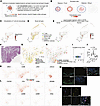 Figure 8
Colocalization score framework pinpoints interactions of T cells and macrophage. (A) Schematic illustrating spatial colocalization scoring between anchor cells and target cells within a 10 μm radius. (B) Representative spatial maps of high- and low-colocalization scores between anchor and target cells across tissue sections by simulated patterns. (C) Spatial heatmap of colocalization scores between T cells and macrophages. (D) Spatial map of broad cell type annotation including T cells, myeloid cells, B/plasma cells, and tissue cells. (E) Spatial ligand–receptor analysis results for CXCL9-CXCR3, which exhibited the strongest correlation with macrophage–T cell colocalization scores. (F–H) Zoom-in of the highlighted gray square region in C–E showing identified niche of T cells, macrophages, and endothelial cells. H&E staining image (F) and spatial mapping colored according to their cluster assignments (G and H). (I) Representative flow cytometry plot showing intracellular IFN-γ expression. (J) Quantification of the frequencies of CD4+ T cells, CD8+ T cells, NK cells, and γδ T cells among IFN-γ+ cells from the synovial fluid of oligo/poly patients with JIA (n = 4). Each line connects measurements from the same individual across different cell types. P values were determined by Friedman’s test. (K and L) Spatial expression of representative marker genes for macrophages (K) and T cells (L). Color scale indicates normalized expression levels. (M) Representative immunofluorescence image showing the localization of CD68+MERTK+ macrophages (white arrows) and CD68+TREM2+ macrophages (red arrows) in the synovial tissue. Nuclei were counterstained with DAPI (blue). (N) Representative immunofluorescence image demonstrating physical colocalization of CD8+ T cells (red arrows) and IL-1β+CD68+ proinflammatory macrophages (white arrow) within inflammatory niches of the synovium. Nuclei were counterstained with DAPI (blue). Images are representative of n = 5 independent samples. Scale bars: 100 μm (G); 20 μm (M and N).
Subsequently, we utilized the colocalization score to investigate ligand-receptor signaling interactions between macrophages and T cells by integrating ligand-receptor pair predictions from the COMMOT pipeline (55) (Supplemental Figure 5F). The distribution of correlation P values showed ligand-receptor interaction signals that were spatially covaried with macrophage–T cell colocalization scores (Supplemental Figure 5G). CXCL9/CXCR3 ligand-receptor pair exhibited the highest correlation with the macrophage–T cell colocalization scores, implicating this chemokine signaling axis as a potential critical mediator facilitating spatially organized crosstalk between these immune cells within JIA synovium (Figure 8, C–E, and Supplemental Figure 5, H–J).
We next focused on the niches composed primarily of macrophages, endothelial cells and T cells (Figure 8, F–H, and Supplemental Figure 5K). While both MERTK+ and TREM2+ macrophages were distributed across the lining and sublining layers, these subsets exhibited partially distinct spatial patterns; MERTK+ macrophages showed local enrichment around endothelial cells, whereas TREM2+ macrophages were broadly present in both lining and sublining areas. This distribution of TREM2+ macrophages is consistent with findings in RA, where they are observed in both compartments in the active disease state (18). On the other hand, proinflammatory macrophages were colocalized with T cells. Within the Myeloid+T cell niche, GZMB+CD8+ T cells exhibited the high expression of IFNG transcripts, which drives macrophage polarization toward a proinflammatory phenotype (Supplemental Figure 5L). We further quantified IFN-γ production by lymphocyte subsets in synovial fluid samples from oligo/poly patients with JIA, and we confirmed that CD8+ T cells are the predominant source of IFN-γ (Figure 8, I and J). Spatial transcriptomic mapping demonstrated enriched expression of macrophage-related inflammatory genes precisely at these niches (Figure 8, K and L, and Supplemental Figure 5M). Immunofluorescence staining of active JIA synovial samples confirmed that MERTK+ macrophages exhibited focal accumulation within the sublining layer, likely around endothelial cells, whereas TREM2+ macrophages dispersed in both lining and sublining layers (Figure 8M). Additionally, physical colocalization of CD8+ T cells with proinflammatory macrophages (Figure 8N) was observed in JIA synovial tissue, providing orthogonal validation of these inflammatory niches in situ.
Taken together, these findings underscore the spatial diversity of macrophage subsets in JIA synovium and suggest a dynamic phenotypical change in shaping the inflammatory macrophage phenotype via macrophage–T cell interactions, particularly through chemokine and cytokine signaling.
Spatial identification and cellular characterization of TLS in JIA synovium using T and B cell colocalization scores. Given the established roles of TLS in chronic inflammatory conditions (56–59), we investigated their presence and cellular composition within JIA synovium. First, we applied the colocalization score framework to specifically assess interactions between T cells and B/plasma cells in order to detect potential TLS regions. These computationally identified regions matched with validated TLS regions by independent histopathological analysis performed by a blinded pathologist and T+B/plasma-rich regions by spatial mapping of broad cell types (Figure 9, A–C).
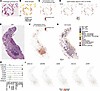 Figure 9
Identification and characterization of tertiary lymphoid structures (TLS) using T and B cell colocalization scores. (A) H&E staining images of synovial tissue, illustrating representative TLS as identified by a blinded pathologist. (B) Spatial distribution of T and B cells. Scale bar: 1 mm. The highlighted gray square indicates the TLS-enriched region. (C) Colocalization scores for T and B/plasma cells. (D) Spatial CXCL13-CXCR5 interaction signals. (E) H&E staining image of zoomed-in of the area with the highest TLS density highlighted in B. (F and G) Same region as in E, colored by T and B/plasma cell colocalization score (F) and fine-scale cell cluster assignments (G). (H) Violin plots showing the expression levels of key TLS-related genes across different cell clusters identified within the TLS. (I) Spatial expression patterns of TLS-associated genes. Scale bars: 1 mm (B); 100 μm (G).
To assess the molecular mechanisms underlying TLS formation, we examined ligand-receptor signaling between T cells and B cells within identified TLS. The chemokine signaling axis CXCL13/CXCR5 showed significant enrichment in these TLS regions, suggesting a shared mechanism of TLS formation and maintenance with other chronic diseases (Figure 9D).
Histological image (Figure 9E), spatial visualization of TLS colocalization scores (Figure 9F and Supplemental Figure 6), and distribution of cell clusters confirmed the enrichment of Tph/Tfh cells within TLS-dense regions (Figure 9G). These clusters coexpressed high levels of key TLS-related genes including CXCL13, CXCR5, ICOS, and CCR7 (Figure 9, H and I). Notably, we also identified mregDCs as a likely source of CCL19, the ligand for CCR7, pointing to a potential cellular axis contributing to the establishment of TLS-associated chemotactic gradients in JIA. The elevated expression of CD40 and CD80 in mregDCs may facilitate the priming of naive T cells.
To further characterize the spatial organization of cell types within TLS, we quantified the distance from each cell to its nearest B cell across identified TLS regions and calculated the distribution of cell types across distance. This analysis revealed that several immune cell populations, particularly T cells as expected, including Tph/Tfh cells as the most enriched cell types, proxy for B cells (Figure 10A). These spatial features highlight the coordinated positioning of TLS-associated immune and stromal populations, supporting their roles in TLS formation and maintenance, likely through CXCL13/CXCR5 (T+B) and CCL19-mediated signaling from mregDCs (Figure 10B). We summarized the percentage of each cell cluster within 10 μm of B cells and compared the rate of spatial decay with distance (Figure 10, C and D). Tph/Tfh cells and mregDCs showed high enrichment and steepest decay, indicating strong localization near B cells. Together, these findings demonstrate the utility of the colocalization score in identifying TLS in JIA synovium and provide insights into the complex cellular interactions and signaling pathways driving TLS formation and maintenance.
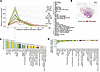 Figure 10
Composition of cell states in TLS. (A) Line plot showing the proportion of each immune cell cluster (y axis, percentage of total cells within each cluster) relative to its binned distance to the nearest B cell within identified TLS regions (x axis, log-scaled). Each line represents a distinct immune cluster, with colors corresponding to the cluster identities. Points denote the proportion per 5 μm distance bin, and annotations on the right indicate the top clusters based on peak proximity to B cells. (B) Representative TLS region showing colocalization of Tph/Tfh cells, B cells, and mregDCs. (C) Bar plot showing the percentage of each immune or stromal cell cluster located within 10 μm of a TLS B cell. Percentages are displayed above each bar. (D) Estimated decay rates of cell cluster proximity to TLS B cells, expressed as the slope of the proportion of cells per μm distance. Negative values indicate stronger spatial enrichment close to TLS B cells with rapid decline at increasing distances. Data are shown as 95% CI from linear regression fits.
Integrated comparison of JIA and RA synovial tissue reveals potential disease-specific cellular niches. To compare the cellular architecture of JIA and RA synovium, we integrated our spatial transcriptomic data with publicly available RA synovial scRNA-Seq data (28) (Methods). RA-derived cell clusters were transferred to JIA cells in the shared latent space (Figure 11A). The transferred cell type labels showed high concordance with our annotations for major immune and stromal compartments in JIA synovium, including T cells/ILCs, B/plasma cells, myeloid cells, and stromal tissue cells (Figure 11B), with detailed results for each lineage shown in Supplemental Figure 7.
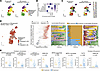 Figure 11
Comparative analysis of JIA and RA synovium using integrated spatial-transcriptomic and scRNA-Seq data. (A) Cell type level label transfer results, where RA synovium scRNA-Seq was used as the reference and JIA synovium Xenium data as the query. RA-derived annotations were transferred to individual JIA cells using a k-nearest neighbors (kNN) approach in the integrated latent space. (B) Match rate between transferred RA-synovium cell types and our original JIA-synovium-based annotations. Matrix shows percentage overlap between each transferred and original broad cell type. (C) Cell clustering in the integrated latent space. UMAP visualizations of both JIA (Xenium) and RA (scRNA-Seq) cells are colored by newly defined shared clusters. (D) CNA identifies integrated-space clusters that are expanded or depleted in JIA synovium relative to RA synovium. Sex and disease duration were adjusted for, while age was excluded from covariates due to its collinearity with disease status, reflecting the distinct age of onset between RA and JIA. Left: Spatial visualization of cells colored by neighborhood correlation (red, expanded in JIA; blue, depleted). Middle: Violin plots showing distribution of neighborhood correlations for each integrated cluster. Only clusters with cells either of positive or negative correlation > 80% are shown. Right: Bar plots showing cell-type composition of each cluster in RA (left) and JIA (right) synovium. For each cluster, the most abundant original cell type (from either RA or JIA) is annotated with text in each bar. Center bar plot showing relative proportion of cells derived from JIA versus RA within each cluster (orange, JIA; blue, RA). (E) Box plots showing the lineage-normalized proportion of cell clusters across individual samples, stratified by condition (JIA versus RA synovium). P values were calculated using Wilcoxon rank-sum tests. Box plots showing the median, interquartile range, and 1.5× interquartile range (IQR) whiskers.
Unsupervised clustering in the integrated latent space yielded 42 shared cell clusters encompassing cells from both JIA and RA samples (Figure 11C). To identify disease-relevant cell states, we applied a CNA approach. This approach identified clusters with significantly different neighborhood compositions between the 2 conditions; for instance, integrated-clusters 10 was expanded in JIA, while integrated-clusters 21 was depleted (Figure 11D).
To mitigate potential technical artifacts arising from differences in tissue dissociation sensitivity between spatial transcriptomics and scRNA-Seq (60), we performed lineage-normalized comparisons between JIA and RA by calculating the relative abundance of key subsets within major immune lineages, with focus on cell populations, which were dominant in skewed integrated cell clusters toward JIA or RA (Figure 11E). Specifically, NOTCH3+ sublining fibroblasts (matched with mural cells in the RA-cluster), CXCL12+ sublining fibroblast cells, and GZMK+CD8+ T cells were enriched in JIA, whereas clusters enriched in RA included GZMB+CD8+ T cells. Although it did not show statistical significance, Tph/Tfh cells showed a trend toward enrichment in RA (P = 0.089). Collectively, these findings demonstrate the power of integrated spatial single-cell analysis to reveal potential cellular distinctions between JIA and RA pathogenesis.


