
Research ArticleEndocrinologyMetabolismVascular biology
Open Access |  10.1172/jci.insight.197827
Angiopoietin-like 3 monomers are abundant in human plasma but are unable to inhibit endothelial lipase
Sydney G. Walker,1 Yan Q. Chen,2 Kelli L. Sylvers-Davie,1 Alex Dou,1 Eugene Y. Zhen,2 Yuewei Qian,2 Yi Wen,2 Mariam Ehsani,2 Sydney Smith,2 Rakshya Thapa,1,3 Maxwell J. Mercer,1 Lucy Langmack,1 Bharat Raj Bhattarai,1,3 Michael Ploug,4,5 Robert J. Konrad,2 and Brandon S.J. Davies1
1Department of Biochemistry and Molecular Biology, Fraternal Order of Eagles Diabetes Research Center, and Obesity Research and Education Initiative, University of Iowa, Iowa City, Iowa, USA.
2Lilly Research Laboratories, Eli Lilly and Company, Indianapolis, Indiana, USA.
3Department of Chemistry, Waldorf University, Forest City, Iowa, USA.
4Finsen Laboratory, Copenhagen University Hospital-Rigshospitalet, Copenhagen N, Denmark.
5Finsen Laboratory, Biotech Research and Innovation Centre, University of Copenhagen, Copenhagen N, Denmark.
Address correspondence to: Brandon S.J. Davies, Department of Biochemistry and Molecular Biology, University of Iowa, 169 Newton Rd., PBDB 3326, Iowa City, Iowa 52242, USA. Phone: 319.335.3225; Email: brandon-davies@uiowa.edu.
Find articles by Walker, S. in: PubMed | Google Scholar
1Department of Biochemistry and Molecular Biology, Fraternal Order of Eagles Diabetes Research Center, and Obesity Research and Education Initiative, University of Iowa, Iowa City, Iowa, USA.
2Lilly Research Laboratories, Eli Lilly and Company, Indianapolis, Indiana, USA.
3Department of Chemistry, Waldorf University, Forest City, Iowa, USA.
4Finsen Laboratory, Copenhagen University Hospital-Rigshospitalet, Copenhagen N, Denmark.
5Finsen Laboratory, Biotech Research and Innovation Centre, University of Copenhagen, Copenhagen N, Denmark.
Address correspondence to: Brandon S.J. Davies, Department of Biochemistry and Molecular Biology, University of Iowa, 169 Newton Rd., PBDB 3326, Iowa City, Iowa 52242, USA. Phone: 319.335.3225; Email: brandon-davies@uiowa.edu.
Find articles by
Chen, Y.
in:
PubMed
|
Google Scholar
|

1Department of Biochemistry and Molecular Biology, Fraternal Order of Eagles Diabetes Research Center, and Obesity Research and Education Initiative, University of Iowa, Iowa City, Iowa, USA.
2Lilly Research Laboratories, Eli Lilly and Company, Indianapolis, Indiana, USA.
3Department of Chemistry, Waldorf University, Forest City, Iowa, USA.
4Finsen Laboratory, Copenhagen University Hospital-Rigshospitalet, Copenhagen N, Denmark.
5Finsen Laboratory, Biotech Research and Innovation Centre, University of Copenhagen, Copenhagen N, Denmark.
Address correspondence to: Brandon S.J. Davies, Department of Biochemistry and Molecular Biology, University of Iowa, 169 Newton Rd., PBDB 3326, Iowa City, Iowa 52242, USA. Phone: 319.335.3225; Email: brandon-davies@uiowa.edu.
Find articles by Sylvers-Davie, K. in: PubMed | Google Scholar
1Department of Biochemistry and Molecular Biology, Fraternal Order of Eagles Diabetes Research Center, and Obesity Research and Education Initiative, University of Iowa, Iowa City, Iowa, USA.
2Lilly Research Laboratories, Eli Lilly and Company, Indianapolis, Indiana, USA.
3Department of Chemistry, Waldorf University, Forest City, Iowa, USA.
4Finsen Laboratory, Copenhagen University Hospital-Rigshospitalet, Copenhagen N, Denmark.
5Finsen Laboratory, Biotech Research and Innovation Centre, University of Copenhagen, Copenhagen N, Denmark.
Address correspondence to: Brandon S.J. Davies, Department of Biochemistry and Molecular Biology, University of Iowa, 169 Newton Rd., PBDB 3326, Iowa City, Iowa 52242, USA. Phone: 319.335.3225; Email: brandon-davies@uiowa.edu.
Find articles by Dou, A. in: PubMed | Google Scholar
1Department of Biochemistry and Molecular Biology, Fraternal Order of Eagles Diabetes Research Center, and Obesity Research and Education Initiative, University of Iowa, Iowa City, Iowa, USA.
2Lilly Research Laboratories, Eli Lilly and Company, Indianapolis, Indiana, USA.
3Department of Chemistry, Waldorf University, Forest City, Iowa, USA.
4Finsen Laboratory, Copenhagen University Hospital-Rigshospitalet, Copenhagen N, Denmark.
5Finsen Laboratory, Biotech Research and Innovation Centre, University of Copenhagen, Copenhagen N, Denmark.
Address correspondence to: Brandon S.J. Davies, Department of Biochemistry and Molecular Biology, University of Iowa, 169 Newton Rd., PBDB 3326, Iowa City, Iowa 52242, USA. Phone: 319.335.3225; Email: brandon-davies@uiowa.edu.
Find articles by
Zhen, E.
in:
PubMed
|
Google Scholar
|
1Department of Biochemistry and Molecular Biology, Fraternal Order of Eagles Diabetes Research Center, and Obesity Research and Education Initiative, University of Iowa, Iowa City, Iowa, USA.
2Lilly Research Laboratories, Eli Lilly and Company, Indianapolis, Indiana, USA.
3Department of Chemistry, Waldorf University, Forest City, Iowa, USA.
4Finsen Laboratory, Copenhagen University Hospital-Rigshospitalet, Copenhagen N, Denmark.
5Finsen Laboratory, Biotech Research and Innovation Centre, University of Copenhagen, Copenhagen N, Denmark.
Address correspondence to: Brandon S.J. Davies, Department of Biochemistry and Molecular Biology, University of Iowa, 169 Newton Rd., PBDB 3326, Iowa City, Iowa 52242, USA. Phone: 319.335.3225; Email: brandon-davies@uiowa.edu.
Find articles by Qian, Y. in: PubMed | Google Scholar
1Department of Biochemistry and Molecular Biology, Fraternal Order of Eagles Diabetes Research Center, and Obesity Research and Education Initiative, University of Iowa, Iowa City, Iowa, USA.
2Lilly Research Laboratories, Eli Lilly and Company, Indianapolis, Indiana, USA.
3Department of Chemistry, Waldorf University, Forest City, Iowa, USA.
4Finsen Laboratory, Copenhagen University Hospital-Rigshospitalet, Copenhagen N, Denmark.
5Finsen Laboratory, Biotech Research and Innovation Centre, University of Copenhagen, Copenhagen N, Denmark.
Address correspondence to: Brandon S.J. Davies, Department of Biochemistry and Molecular Biology, University of Iowa, 169 Newton Rd., PBDB 3326, Iowa City, Iowa 52242, USA. Phone: 319.335.3225; Email: brandon-davies@uiowa.edu.
Find articles by Wen, Y. in: PubMed | Google Scholar
1Department of Biochemistry and Molecular Biology, Fraternal Order of Eagles Diabetes Research Center, and Obesity Research and Education Initiative, University of Iowa, Iowa City, Iowa, USA.
2Lilly Research Laboratories, Eli Lilly and Company, Indianapolis, Indiana, USA.
3Department of Chemistry, Waldorf University, Forest City, Iowa, USA.
4Finsen Laboratory, Copenhagen University Hospital-Rigshospitalet, Copenhagen N, Denmark.
5Finsen Laboratory, Biotech Research and Innovation Centre, University of Copenhagen, Copenhagen N, Denmark.
Address correspondence to: Brandon S.J. Davies, Department of Biochemistry and Molecular Biology, University of Iowa, 169 Newton Rd., PBDB 3326, Iowa City, Iowa 52242, USA. Phone: 319.335.3225; Email: brandon-davies@uiowa.edu.
Find articles by Ehsani, M. in: PubMed | Google Scholar
1Department of Biochemistry and Molecular Biology, Fraternal Order of Eagles Diabetes Research Center, and Obesity Research and Education Initiative, University of Iowa, Iowa City, Iowa, USA.
2Lilly Research Laboratories, Eli Lilly and Company, Indianapolis, Indiana, USA.
3Department of Chemistry, Waldorf University, Forest City, Iowa, USA.
4Finsen Laboratory, Copenhagen University Hospital-Rigshospitalet, Copenhagen N, Denmark.
5Finsen Laboratory, Biotech Research and Innovation Centre, University of Copenhagen, Copenhagen N, Denmark.
Address correspondence to: Brandon S.J. Davies, Department of Biochemistry and Molecular Biology, University of Iowa, 169 Newton Rd., PBDB 3326, Iowa City, Iowa 52242, USA. Phone: 319.335.3225; Email: brandon-davies@uiowa.edu.
Find articles by Smith, S. in: PubMed | Google Scholar
1Department of Biochemistry and Molecular Biology, Fraternal Order of Eagles Diabetes Research Center, and Obesity Research and Education Initiative, University of Iowa, Iowa City, Iowa, USA.
2Lilly Research Laboratories, Eli Lilly and Company, Indianapolis, Indiana, USA.
3Department of Chemistry, Waldorf University, Forest City, Iowa, USA.
4Finsen Laboratory, Copenhagen University Hospital-Rigshospitalet, Copenhagen N, Denmark.
5Finsen Laboratory, Biotech Research and Innovation Centre, University of Copenhagen, Copenhagen N, Denmark.
Address correspondence to: Brandon S.J. Davies, Department of Biochemistry and Molecular Biology, University of Iowa, 169 Newton Rd., PBDB 3326, Iowa City, Iowa 52242, USA. Phone: 319.335.3225; Email: brandon-davies@uiowa.edu.
Find articles by Thapa, R. in: PubMed | Google Scholar
1Department of Biochemistry and Molecular Biology, Fraternal Order of Eagles Diabetes Research Center, and Obesity Research and Education Initiative, University of Iowa, Iowa City, Iowa, USA.
2Lilly Research Laboratories, Eli Lilly and Company, Indianapolis, Indiana, USA.
3Department of Chemistry, Waldorf University, Forest City, Iowa, USA.
4Finsen Laboratory, Copenhagen University Hospital-Rigshospitalet, Copenhagen N, Denmark.
5Finsen Laboratory, Biotech Research and Innovation Centre, University of Copenhagen, Copenhagen N, Denmark.
Address correspondence to: Brandon S.J. Davies, Department of Biochemistry and Molecular Biology, University of Iowa, 169 Newton Rd., PBDB 3326, Iowa City, Iowa 52242, USA. Phone: 319.335.3225; Email: brandon-davies@uiowa.edu.
Find articles by Mercer, M. in: PubMed | Google Scholar
1Department of Biochemistry and Molecular Biology, Fraternal Order of Eagles Diabetes Research Center, and Obesity Research and Education Initiative, University of Iowa, Iowa City, Iowa, USA.
2Lilly Research Laboratories, Eli Lilly and Company, Indianapolis, Indiana, USA.
3Department of Chemistry, Waldorf University, Forest City, Iowa, USA.
4Finsen Laboratory, Copenhagen University Hospital-Rigshospitalet, Copenhagen N, Denmark.
5Finsen Laboratory, Biotech Research and Innovation Centre, University of Copenhagen, Copenhagen N, Denmark.
Address correspondence to: Brandon S.J. Davies, Department of Biochemistry and Molecular Biology, University of Iowa, 169 Newton Rd., PBDB 3326, Iowa City, Iowa 52242, USA. Phone: 319.335.3225; Email: brandon-davies@uiowa.edu.
Find articles by Langmack, L. in: PubMed | Google Scholar
1Department of Biochemistry and Molecular Biology, Fraternal Order of Eagles Diabetes Research Center, and Obesity Research and Education Initiative, University of Iowa, Iowa City, Iowa, USA.
2Lilly Research Laboratories, Eli Lilly and Company, Indianapolis, Indiana, USA.
3Department of Chemistry, Waldorf University, Forest City, Iowa, USA.
4Finsen Laboratory, Copenhagen University Hospital-Rigshospitalet, Copenhagen N, Denmark.
5Finsen Laboratory, Biotech Research and Innovation Centre, University of Copenhagen, Copenhagen N, Denmark.
Address correspondence to: Brandon S.J. Davies, Department of Biochemistry and Molecular Biology, University of Iowa, 169 Newton Rd., PBDB 3326, Iowa City, Iowa 52242, USA. Phone: 319.335.3225; Email: brandon-davies@uiowa.edu.
Find articles by Bhattarai, B. in: PubMed | Google Scholar
1Department of Biochemistry and Molecular Biology, Fraternal Order of Eagles Diabetes Research Center, and Obesity Research and Education Initiative, University of Iowa, Iowa City, Iowa, USA.
2Lilly Research Laboratories, Eli Lilly and Company, Indianapolis, Indiana, USA.
3Department of Chemistry, Waldorf University, Forest City, Iowa, USA.
4Finsen Laboratory, Copenhagen University Hospital-Rigshospitalet, Copenhagen N, Denmark.
5Finsen Laboratory, Biotech Research and Innovation Centre, University of Copenhagen, Copenhagen N, Denmark.
Address correspondence to: Brandon S.J. Davies, Department of Biochemistry and Molecular Biology, University of Iowa, 169 Newton Rd., PBDB 3326, Iowa City, Iowa 52242, USA. Phone: 319.335.3225; Email: brandon-davies@uiowa.edu.
Find articles by
Ploug, M.
in:
PubMed
|
Google Scholar
|
1Department of Biochemistry and Molecular Biology, Fraternal Order of Eagles Diabetes Research Center, and Obesity Research and Education Initiative, University of Iowa, Iowa City, Iowa, USA.
2Lilly Research Laboratories, Eli Lilly and Company, Indianapolis, Indiana, USA.
3Department of Chemistry, Waldorf University, Forest City, Iowa, USA.
4Finsen Laboratory, Copenhagen University Hospital-Rigshospitalet, Copenhagen N, Denmark.
5Finsen Laboratory, Biotech Research and Innovation Centre, University of Copenhagen, Copenhagen N, Denmark.
Address correspondence to: Brandon S.J. Davies, Department of Biochemistry and Molecular Biology, University of Iowa, 169 Newton Rd., PBDB 3326, Iowa City, Iowa 52242, USA. Phone: 319.335.3225; Email: brandon-davies@uiowa.edu.
Find articles by Konrad, R. in: PubMed | Google Scholar
1Department of Biochemistry and Molecular Biology, Fraternal Order of Eagles Diabetes Research Center, and Obesity Research and Education Initiative, University of Iowa, Iowa City, Iowa, USA.
2Lilly Research Laboratories, Eli Lilly and Company, Indianapolis, Indiana, USA.
3Department of Chemistry, Waldorf University, Forest City, Iowa, USA.
4Finsen Laboratory, Copenhagen University Hospital-Rigshospitalet, Copenhagen N, Denmark.
5Finsen Laboratory, Biotech Research and Innovation Centre, University of Copenhagen, Copenhagen N, Denmark.
Address correspondence to: Brandon S.J. Davies, Department of Biochemistry and Molecular Biology, University of Iowa, 169 Newton Rd., PBDB 3326, Iowa City, Iowa 52242, USA. Phone: 319.335.3225; Email: brandon-davies@uiowa.edu.
Find articles by Davies, B. in: PubMed | Google Scholar
Published October 28, 2025 - More info
JCI Insight. 2025;10(23):e197827. https://doi.org/10.1172/jci.insight.197827.
© 2025 Walker et al. This work is licensed under the Creative Commons Attribution 4.0 International License. To view a copy of this license, visit http://creativecommons.org/licenses/by/4.0/.
Received: July 11, 2025; Accepted: October 21, 2025

-
Results
Mutant ANGPTL3 expression. To identify the residues of ANGPTL3 important for EL inhibition, we performed alanine-scanning mutagenesis of the coiled-coil region of ANGPTL3. Non-alanine residues were mutated in pairs across the N-terminal region of mouse ANGPTL3 from the end of the signal peptide to the cleavage site (residues 17–221), resulting in 99 mutant constructs. Following transfection into HEK293T cells, collection of conditioned media, SDS-PAGE gel electrophoresis, and immunoblotting, we found that the majority of the ANGPTL3 mutants were expressed and secreted at levels comparable to that of wild-type (Supplemental Figure 1; supplemental material available online with this article; https://doi.org/10.1172/jci.insight.197827DS1). Notably, 3 of the ANGPTL3 mutants (M39A-L40A, L120A-N121A, and S166A-F167A) produced no secreted protein after transfection. RT-qPCR analysis indicated that each of these mutant constructs produced mRNA (Supplemental Figure 2, A and B); however, no protein was detected in either the conditioned media or the cell lysate (Supplemental Figure 2C).
ANGPTL3 cleavage and glycosylation sites. Immunoblotting of the conditioned media of the remaining 96 mutants revealed distinct protein properties. Both full-length and cleaved ANGPTL3 were present in wild-type ANGPTL3 and all double-alanine mutants (Supplemental Figure 1) except S220A-R221A, which was resistant to cleavage (Figure 1A). This result aligns well with previous findings showing that ANGPTL3 is cleaved between the N-terminal coiled-coil domain and the C-terminal fibrinogen-like domain at residues 221–225 by proprotein convertases (27, 32–34). ANGPTL3 mutant S220A-R221A removes the protease recognition site and thus was resistant to cleavage.
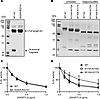 Figure 1
Identification of cleavage-resistant and glycosylation-resistant ANGPTL3 mutations. (A) Western blot of conditioned media from cells expressing wild-type ANGPTL3 (WT A3) or ANGPTL3 S220A-R221A. (B) Conditioned media from cells expressing WT or the indicated mutant ANGPTL3 were treated with deglycosylation enzymes. The treated and untreated media were analyzed by Western blotting using an antibody against ANGPTL3. (C and D) The phospholipase activity of EL after incubation with the indicated concentrations of mutant and WT ANGPTL3 for 30 minutes at 37°C was measured using a fluorescence-based phospholipase assay. Data points represent the mean ± SD of 3 independent experiments performed in duplicate. For each graph, the activity was normalized to the control treated with EL and 0 μg/mL ANGPTL3. The experiments shown in panels C and D were run simultaneously and thus used the same WT control.
Although ANGPTL3 mutants K114A-N115A and M116A-S117A were secreted efficiently, the faster electrophoretic migration of both full-length and cleavage fragments with SDS-PAGE suggested that these mutants might have impaired glycosylation (Figure 1B; left side of gel). ANGPTL3 contains an O-linked glycosylation site at Thr226 that has been previously identified as an endogenous regulator of cleavage (35). In N-linked glycosylation, glycans attach to the asparagine amine group at the consensus sequence Asn-X-Ser/Thr, where X represents any amino acid except proline (36). Four N-linked glycosylation motifs are present in the primary sequence of ANGPTL3 at positions 115–117 (115Asn-Met-Ser117), 232–234 (232Asn-Glu-Thr234), 296–298 (296Asn-Glu-Thr298), and 357–359 (357Asn-Tyr-Thr359). As ANGPTL3 mutants K114A-N115A and M116A-S117A would both eliminate the glycosylation motif at position 115–117 (115Asn-Met-Ser117), our data strongly suggest that this site is normally utilized. Indeed, when wild-type and mutant proteins were exposed to enzymatic deglycosylation, the resulting fragments now showed similar electrophoretic mobility, confirming that the initial differences in electrophoretic mobility were due to differences in glycosylation (Figure 1B). It should be noted that enzymatic deglycosylation shifted the electrophoretic mobility of full-length protein for both wild-type and mutant constructs (although the shift was larger for wild-type), confirming that ANGPTL3 is glycosylated at multiple sites (Figure 1B). However, deglycosylation did not shift the N-terminal cleavage fragment of the mutant ANGPTL3 proteins, only the wild-type. This demonstrates that glycosylation at Asn115 is the sole glycosylation site utilized in the coiled-coil domain of the protein.
We next determined whether prevention of cleavage or glycosylation of the N-terminal domain affected the ability of ANGPTL3 to inhibit EL. A previous study proposed that cleavage of ANGPTL3 is necessary for its ability to inhibit EL (34). However, we later showed that preventing cleavage of ANGPTL3 in vitro had no effect on its ability to inhibit EL (21). Our present findings are consistent with the idea that cleavage of ANGPTL3 is not required for EL inhibition, as the cleavage-resistant ANGPTL3 (S220A-R221A) inhibited EL similarly to wild-type ANGPTL3 (Figure 1C). Our data also suggest that N-linked glycosylation of the coiled-coil domain of ANGPTL3 is not necessary for EL inhibition, as our ANGPTL3 variant K114A-N115A inhibited EL with the same potency as wild-type ANGPTL3 (Figure 1D). The reason ANGPTL3 M116A-S117A was partially defective in EL inhibition (Figure 1D) remains unexplored, but given the normal inhibitory potency of the K114A-N115A mutant, it is probably not driven by impaired glycosylation.
Inhibition of EL by mutant ANGPTL3. ANGPTL3 is a potent inhibitor of EL, and the main goal of this study was to identify the residues important for this inhibition. Each of the double-alanine ANGPTL3 mutants were tested for their ability to inhibit EL using a fluorescence-based phospholipase A1 assay (Supplemental Table 1 and Supplemental Figure 3). We found the alanine mutations in ANGPTL3 grouped into 3 general classes: mutations that abolished EL inhibition (Figure 2A), mutations that decreased but did not abolish EL inhibition (Figure 2B), and mutations that had no effect on inhibition (Figure 2C). Previous studies have identified that ANGPTL3 contains a highly conserved motif in amino acids 32–55 termed the SE1 region (29, 30). This motif, which is shared with ANGPTL4 and ANGPTL8, is necessary for lipase inhibition and was shown to interact directly with LPL (29, 30, 37). Consistent with this previous finding, most of the mutations in this region resulted in defective EL inhibition (Supplemental Table 1 and Supplemental Figure 3). However, our data suggest that the actual region necessary for lipase inhibition is shifted slightly from the traditional SE1 motif. We found that mutations in amino acids 32–35, the first 4 amino acids of the SE1 motif, had no effect on EL inhibition (Figure 3A), whereas many of the residues in amino acids 56–65, the amino acids C-terminal of the SE1 motif, appeared to be critical for efficient inhibition (Figure 3B). Interestingly, we also found that many residues interspersed throughout the N-terminal coiled-coil domain seemed to be critical for EL inhibition (Figure 3C, Supplemental Table 1, and Supplemental Figure 3). Importantly, for most of the mutants defective in EL inhibition that were outside the SE1 motif, at least one of the mutated residues contained an aliphatic hydrophobic side chain, such as leucine, isoleucine, or valine.
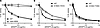 Figure 2
Representative levels of EL inhibition by different ANGPTL3 mutants. Increasing concentrations of wild-type ANGPTL3 (WT) and ANGPTL3 I68A-N69A (A), E160A-V161A (B), or S104A-T105A (C) were incubated with EL for 30 minutes at 37°C. The phospholipase activity of EL was measured using a fluorescence-based phospholipase assay. Points and lines represent the data from a single replicate. For each graph, the activity was normalized to the control treated with EL and 0 μg/mL ANGPTL3.
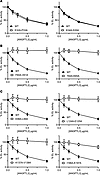 Figure 3
Identification of regions and residues critical for EL inhibition. Phospholipase activity of EL after incubation with the indicated concentrations of wild-type ANGPTL3 (WT) or ANGPTL3 with mutations in the first 4 amino acids of the SE1 motif (A), in the region downstream of the SE1 motif (B), or in aliphatic hydrophobic residues in the coiled-coil region (C). EL and ANGPTL3 were incubated for 30 minutes at 37°C and then phospholipase activity was measured using a fluorescence-based assay. Data points represent the mean ± SD of 3 independent experiments performed in duplicate. For each graph, the activity was normalized to the control treated with EL and 0 μg/mL ANGPTL3. All experiments in panel B were performed simultaneously and thus used the same WT control. All experiments in panel C were performed simultaneously and thus used the same WT control.
ANGPTL3 oligomerization. We hypothesized that mutations outside of the SE1 motif that affected EL inhibition disrupted ANGPTL3 oligomerization. To test this hypothesis, we first verified the oligomeric state of wild-type ANGPTL3. Previous work reported that ANGPTL3 primarily forms trimers and hexamers as shown by SEC followed by multi-angle light scattering (31) or mass photometry (28). To validate this finding, we utilized blue NativePAGE, a technique that can separate native protein complexes by size and does not require purified proteins (38), followed by immunoblotting for ANGPTL3. We observed a band corresponding to an apparent mass of approximately 190 kDa, which was consistent with the formation of full-length ANGPTL3 homotrimers. We also observed additional bands with slightly faster electrophoretic mobility, which were consistent with homotrimers where 1 or 2 of the C-terminal domains had been cleaved off, and a faster-migrating band consistent with monomers (Figure 4A). To confirm that these additional species were cleavage products, the cleavage-resistant mutant S220A-R221A was analyzed by blue NativePAGE. With this mutant, the intermediate bands were no longer detected, leaving only the major band at approximately 190 kDa and a minor band at approximately 60 kDa, corresponding to a homotrimer and a monomer, respectively (Figure 4A). To ensure that the observed trimeric state of ANGPTL3 was not an artifact of recombinant ANGPTL3 overexpression, we also performed blue NativePAGE on the ANGPTL3 endogenously expressed from human liver–derived Huh7 cells. Here we also observed a dominant band that was consistent with an ANGPTL3 trimer (Figure 4B).
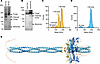 Figure 4
Wild-type ANGPTL3 forms a homotrimer. (A) Blue NativePAGE and immunoblotting of recombinant wild-type (WT A3) or cleavage-resistant (CR) ANGPTL3 conditioned media detected with an antibody against ANGPTL3. (B) Blue NativePAGE and immunoblotting of endogenous secreted ANGPTL3 from Huh7 cells or recombinant ANGPTL3 (recomb A3) conditioned media detected with an antibody against ANGPTL3. (C and D) Mass photometry of WT (C) or cleavage-resistant (D) ANGPTL3 after purification using affinity chromatography. Peaks represent the estimated molecular weight of subpopulations within the sample. (E) AlphaFold 3 prediction of the mouse ANGPTL3 homotrimer. Colors indicate predicted local distance difference test (pLDDT) values. Dark blue = very high (pLDDT > 90), light blue = confident (90 > pLDDT > 70), yellow = low (70 > pLDDT > 50), and orange = very low (pLDDT < 50).
We further validated these findings using purified ANGPTL3 and mass photometry. Wild-type and cleavage-resistant ANGPTL3 were purified from conditioned media using affinity chromatography. Mass photometry, a light-scattering technique that measures the mass of single molecules in solution, was used to assess the oligomeric state of the purified proteins. Consistent with our blue NativePAGE results, most of the purified wild-type ANGPTL3 (58%) was present as a homotrimer at approximately 185 kDa, with additional peaks that were consistent with cleaved homotrimers (~105 kDa and ~145 kDa) and monomers (~65 kDa) (Figure 4C). When the cleavage-resistant ANGPTL3 mutant (S220A-R221A) was analyzed by mass photometry, only a major peak consistent with a homotrimer and a minor peak consistent with a monomer were observed (Figure 4D). Although the structure of the C-terminal fibrinogen-like domain of ANGPTL3 has been previously solved using x-ray crystallography (39), the structure of the full-length ANGPTL3 has not been solved. Given that all our data were consistent with a homotrimer, we used AlphaFold 3 (40) to predict the structure of the ANGPTL3 trimer (Figure 4E). In the predicted structure, the N-terminal domain of ANGPTL3 formed 2 homotrimeric coiled coils separated by an unstructured region. Another unstructured region linked the N-terminal domain and C-terminal fibrinogen-like domain.
The observation that ANGPTL3 forms a trimer coupled with our previous finding that ANGPTL3 and ANGPTL8 form heterotrimers (28) provided an opportunity to reconcile previous discrepancies related to the inhibition of EL by ANGPTL3/8 complexes. Previous studies have reported both that ANGPTL3 and ANGPTL3/8 inhibit EL to a similar degree (21, 41) and that ANGPTL3/8 complexes inhibit EL more potently than ANGPTL3 alone (42). Importantly, the latter study calculated ANGPTL3 and ANGPTL3/8 molarities based on the assumption that ANGPTL3 acted as a monomer and that ANGPTL3/8 complexes consisted of 3 ANGPTL3 molecules and 1 ANGPTL8 molecule (42). When the experiment was repeated, recalculating ANGPTL3 and ANGPTL3/8 molarities based on the finding that both are trimers, ANGPTL3 and ANGPTL3/8 complexes inhibited EL to a similar degree, eliminating the discrepancy between the findings of different groups (Supplemental Figure 4).
As stated above, for most of the mutants outside the SE1 motif that were defective in EL inhibition, at least one of the mutated residues contained an aliphatic hydrophobic side chain (leucine, isoleucine, or valine). Not surprisingly, when we examined the location of these hydrophobic residues on our AlphaFold-predicted structure, they were located at the interface of the 3 monomers inside the coiled coil (Figure 5A), suggesting that mutation of these residues might disrupt trimer formation. To test our hypothesis, we analyzed wild-type and mutant proteins by blue NativePAGE. We found that most of the mutations within the SE1 motif, although defective in EL inhibition, were not defective in oligomerization (Supplemental Table 1 and Supplemental Figure 5). In contrast, we found that nearly all mutations outside of the SE1 motif that were defective in EL inhibition did not form trimers but presented primarily as a single monomeric band (~60 kDa) after blue NativePAGE (Figure 5B, Supplemental Table 1, and Supplemental Figure 5). To further validate the oligomeric state observed by blue NativePAGE gels, the ANGPTL3 mutant L124A-E125A was purified and analyzed by mass photometry. Two major peaks were observed at 40 kDa and at 60 kDa, corresponding to a C-terminal cleavage product and a monomer, respectively (Figure 5B). The approximately 190 kDa homotrimer peak we had observed with wild-type and cleavage-resistant ANGPTL3 (Figure 4, C and D) had mostly disappeared (Figure 5C), strongly suggesting that this mutant formed very few homotrimers.
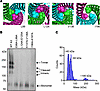 Figure 5
Mutations to aliphatic hydrophobic residues prevent the formation of stable homotrimers. (A) AlphaFold 3 prediction of the mouse ANGPTL3 homotrimer showing the indicated residue as spheres at the interface of the 3 ANGPTL3 chains. (B) Blue NativePAGE and immunoblotting of wild-type (WT A3) or mutant ANGPTL3 conditioned media detected with an antibody against ANGPTL3. (C) Mass photometry of ANGPTL3 mutant L124A-E125A after purification using affinity chromatography. Peaks represent the estimated molecular weight of subpopulations within the sample.
To further validate that it was the mutation of small hydrophobic residues such as leucine, isoleucine, and valine that led to disruption of oligomerization, we chose 4 double mutants that were defective in oligomerization and EL inhibition (E98A-L99A, L124A-E125A, K137A-V138A, and I196A-K197A) and generated the 8 corresponding single mutants. The ability of each of these mutants to oligomerize and inhibit EL was assessed. We found that in each of the paired single mutations, the protein in which the leucine, isoleucine, or valine was mutated lost EL inhibitory function, whereas mutating the neighboring residue did not have any effect on ANGPTL3 function (Figure 6A). Likewise, mutating the leucine, isoleucine, or valine to an alanine disrupted the ability of ANGPTL3 to form homotrimers, but mutating the neighboring residue did not (Figure 6B). These data strongly suggest that these aliphatic hydrophobic side chains are necessary for ANGPTL3 oligomerization. Moreover, across the N-terminal domain, mutants that strongly disrupted trimer formation also strongly impaired EL inhibition (Supplemental Table 1), indicating that trimer formation is necessary for EL inhibition.
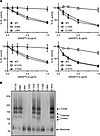 Figure 6
Aliphatic hydrophobic residues are essential for EL inhibition and ANGPTL3 homotrimerization. (A) The phospholipase activity of EL after incubation with the indicated concentrations of mutant and wild-type (WT) ANGPTL3 for 30 minutes at 37°C was measured using a fluorescence-based phospholipase assay. Data points represent the mean ± SD of 3 independent experiments performed in duplicate. For each graph, the activity was normalized to the control treated with EL and 0 μg/mL ANGPTL3. The experiments shown in the 2 left-hand graphs were performed simultaneously and thus use the same WT control. (B) Blue NativePAGE followed by immunoblotting of WT or mutant ANGPTL3 conditioned media with an antibody against ANGPTL3.
Although the focus of this study was the inhibition of EL by ANGPTL3, we also asked whether oligomerization was important for the ability of ANGPTL3 to inhibit LPL. Previous studies have found that ANGPTL3 can inhibit LPL, but that ANGPTL3/8 complexes are much more potent LPL inhibitors (11, 18–20, 43). We tested whether ANGPTL3 D70A-I71A, a mutant that was defective in trimerization and EL inhibition, would also be defective in LPL inhibition. Although, as expected, wild-type ANGPTL3 was not a strong inhibitor of LPL, we found that ANGPTL3 D70A-I71A was even less inhibitory (Supplemental Figure 6A). Moreover, when we expressed this mutant with ANGPTL8, we found that complex formation was compromised (Supplemental Figure 6B) and that there was very little inhibition of LPL by the mutant complex compared with that observed for the wild-type complex (Supplemental Figure 6C).
ANGPTL3 monomers in human serum. Given that ANGPTL3 monomers are unable to inhibit EL and that we observed monomers even in our wild-type ANGPTL3–conditioned media, we analyzed the prevalence of monomeric ANGPTL3 in human serum. To do so, pooled human serum was subjected to SEC fractionation. Each fraction was then analyzed by 3 different immunoassays. The first detected only ANGPTL3/8 complexes (20), the second detected only ANGPTL3 trimers, and the final immunoassay detected all ANGPTL3 present in the sample (20). ANGPTL3 trimers were detected in a single, early eluting peak (Figure 7A; black line). ANGPTL3/8 complexes were also detected in a single peak, although as expected, these complexes eluted slightly later than the ANGPTL3 trimers (Figure 7A; cyan line). In contrast, total ANGPTL3 was detected in at least 3 large peaks: one that corresponded to the elution of ANGPTL3 trimers and ANGPTL3/8 complexes, a second, larger overlapping peak that eluted later, and a third peak that eluted much later (Figure 7A; pink line). To further investigate the characteristics of the 3 ANGPTL3 peaks, we depleted serum of ANGPTL3/8 complexes using an ANGPTL8-specific antibody and then subjected the depleted serum to SEC and immunoassays (Figure 7B). We then pooled the 2 fractions with the highest levels of ANGPTL3 for each peak, immunoprecipitated ANGPTL3, and then performed Western blotting using antibodies against both the N-terminal domain and the C-terminal domain of ANGPTL3. Both the first (fractions 23/24) and second (fractions 30/31) ANGPTL3 peaks had mostly full-length ANGPTL3 as indicated by full-size bands when blotted for either the N-terminal or C-terminal domain (Figure 7, C and D). In contrast, the fractions for the third peak (fractions 58/59) had very little signal when blotted with the N-terminal domain antibody (Figure 7C), but a strong signal when blotted with an antibody against the C-terminal region (Figure 7D), indicating that the third peak represented the cleaved, C-terminal domain of ANGPTL3.
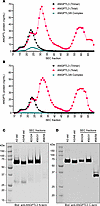 Figure 7
Subpopulations of ANGPTL3 in normal human serum. (A) Pooled human serum was fractionated by SEC, and total ANGPTL3, trimeric ANGPTL3, or ANGPTL3/8 complexes in the individual fractions were measured using dedicated immunoassays. (B) ANGPTL3/8 in pooled human serum was depleted using an anti-ANGPTL8 antibody (IBA363). The depleted serum was then fractionated by SEC and total ANGPTL3, ANGPTL3 trimers, and ANGPTL3/8 complex levels for each fraction were measured using dedicated immunoassays. (C and D) Western blot analysis of ANGPTL3 in different serum SEC fractions. Neighboring SEC peak fractions from the 3 major peaks in B (peak 1: 23 and 24, peak 2: 30 and 31, peak 3: 58 and 59) were pooled. After immunoprecipitating ANGPTL3, Western blotting was performed using antibodies against the N-terminus (C) or C-terminus (D) of ANGPTL3.
The fact that the second peak contained mostly full-length ANGPTL3 that could not be detected by the trimeric ANGPTL3 immunoassay suggested that the fractions within the second peak contained monomeric ANGPTL3. Indeed, blue NativePAGE of immunoprecipitated ANGPTL3 from the pooled fractions from the second peak confirmed the presence of monomeric ANGPTL3 (Figure 8A). For further confirmation, we repeated SEC on the pooled plasma, this time spiking in either recombinant wild-type human ANGPTL3 or human ANGPTL3 with an L124A mutation, which disrupts trimer formation (data shown in Figure 6B). As before, without recombinant ANGPTL3, we observed a single peak when measuring trimeric ANGPTL3 and 3 peaks when measuring total ANGPTL3 (Figure 8B). When human serum was spiked with wild-type trimeric ANGPTL3, we observed a large increase in the ANGPTL3 trimer peak and in the corresponding total ANGPTL3 peak, but little change in the second ANGPTL3 peak (Figure 8C), confirming that the first peak represented trimeric ANGPTL3. Spiking in the L124A mutant ANGPTL3 resulted in little change in the trimeric peak but greatly increased the second peak (Figure 8D), indicating that the second peak represents monomeric ANGPTL3. Together, these data strongly suggest that not only does human plasma contain monomeric ANGPTL3, but that it is the most abundant species and is present at much higher levels than trimeric ANGPTL3.
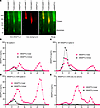 Figure 8
Large amounts of ANGPTL3 monomers are present in human serum. (A) Neighboring SEC peak fractions from the first 2 major peaks were pooled and immunoprecipitated for ANGPTL3. ANGPTL3 was then subjected to blue NativePAGE and immunoblotting with an ANGPTL3 antibody. Recombinant human ANGPTL3 (rhANGPTL3) conditioned media served as a control. Red coloring shows the position of non-specific fluorescence from the Coomassie G-250 dye. (B–E) SEC fractionation of pooled human serum that was run without recombinant protein (B) or was spiked with recombinant wild-type (WT) human ANGPTL3 (C) or human ANGPTL3 L124A (D). Human ANGPTL3 L124A was also run without serum (E). Total ANGPTL3 and trimeric ANGPTL3 in the individual fractions were measured using dedicated immunoassays.
The origin of monomeric ANGPTL3 in human plasma is not clear. In all our cellular experiments, including those from human liver–derived cells, wild-type ANGPTL3 was predominantly secreted as a trimer (data shown in Figure 4, A and B, Supplemental Figure 5, Figure 5B, and Figure 6B). These data, while not definitive, suggest that the monomeric ANGPTL3 we observed in plasma was secreted as a trimer, but eventually disassociated into monomers. The large number of monomers in circulation also suggest that ANGPTL3 monomers are either unable or are prevented from re-forming trimers. Interestingly, SEC fractionation suggests that there is an abundant serum protein that binds monomeric ANGPTL3. As described above, when we spiked in monomeric L124A mutant ANGPTL3, we saw a large increase in the second ANGPTL3 peak (Figure 8D). However, this second peak eluted sooner (i.e., had a greater apparent molecular weight) than expected for a molecule one-third the size of the trimeric peak. In fact, when we performed SEC on the recombinant L124A mutant ANGPTL3 by itself (rather than spiking it into the serum), we found that it eluted later than it does when spiked into serum (Figure 8E). This strongly suggests that an abundant protein in serum binds to monomeric ANGPTL3, causing it to elute earlier. The identity of this protein, and whether it causes trimer association or simply binds monomers after trimers dissociate is not yet known.
The finding that most ANGPTL3 in circulation was monomeric was surprising. To validate this finding and to understand how consistent this finding was across individuals and under different feeding states, we measured total ANGPTL3, trimeric ANGPTL3, and ANGPTL3/8 complexes in healthy individuals (n = 10) after an overnight fast, and 1 and 2 hours after a mixed meal. Consistent with our pooled plasma results, total ANGPTL3 levels were much higher than trimeric ANGPTL3 or ANGPTL3/8 levels in all individuals and at all time points (Figure 9A). As expected, given that ANGPTL8 is a feeding-induced protein (44–47), ANGPTL3/8 complex concentrations increased with refeeding (Figure 9B). Interestingly, trimeric ANGPTL3 levels decreased slightly with refeeding (Figure 9C), suggesting that the increase in ANGPTL3/8 heterotrimers might reduce ANGPTL3 trimer levels.
 Figure 9
Levels of monomeric and trimeric ANGPTL3 in human serum under different feeding states. (A) Total ANGPTL3, trimeric ANGPTL3, and ANGPTL3/8 complex levels as measured by immunoassays in healthy human plasma donors (n = 10) after an overnight fast and 1 and 2 hours after a mixed meal. Bars represent mean ± SD. (B and C) Concentrations of ANGPTL3/8 complexes (B) and trimeric ANGPTL3 (C) graphed by individual. P values were calculated by 1-way repeated-measures ANOVA followed by Tukey’s multiple-comparison test.

-
Discussion
In this study, we performed site-directed mutagenesis of the N-terminal region of ANGPTL3, identifying residues and motifs important for EL inhibition and ANGPTL3 oligomerization (Figure 10A). We confirmed the proprotein convertase cleavage site of ANGPTL3 and show that the predicted glycosylation site in the coiled-coil domain was indeed glycosylated. We also confirmed that an intact SE1 motif in ANGPTL3 is necessary for EL inhibition, but we also showed that the region critical for lipase inhibition extends further downstream than the previously defined region. We found that wild-type ANGPTL3 forms a homotrimer, that aliphatic hydrophobic side chains along the length of the N-terminal region are critical for ANGPTL3 homotrimerization, and that disruption of ANGPTL3 oligomers abolishes EL inhibition. Surprisingly, we also observed that monomeric ANGPTL3 is abundant in human plasma, with levels far exceeding those of trimeric ANGPTL3.
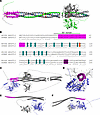 Figure 10
Structure-function models of ANGPTL3. (A) Predicted structure of ANGPTL3 showing the lipase interaction domain (magenta), the single glycosylation site in the N-terminal domain (orange), the aliphatic residues necessary for trimer formation, and the cleavage site (purple). The location of mutants that did not express are shown in red and 1 of the 3 ANGPTL3 chains is shown in green. (B) Alignment of the N-terminal domains of mouse and human ANGPTL3 using ClustalOmega (62). The lipase interaction domain, glycosylation site, critical trimer residues, and cleavage recognition site are colored as in A. The classical SE1 motif is also shown. (C and D) AlphaFold 3 prediction of the ANGPTL3 homotrimer (gray with the lipase interaction domain in magenta) interacting with EL (slate blue). (E and F) AlphaFold 3 predictions of an ANGPTL3 monomer interacting with EL.
The N-terminal domain of ANGPTL3 is necessary and sufficient for its inhibition of EL and LPL (10, 27). The N-terminus contains a conserved region termed the SE1 motif (amino acids 32–55), which is critical for binding and inhibiting LPL (29). Previous studies have also shown that certain mutations within this motif abolish EL inhibition (21). Consistent with these findings, most of the mutations we tested in the SE1 motif were defective in EL inhibition. Interestingly, we found mutations in the first 4 amino acids of the SE1 motif (amino acids 32–35) did not affect EL inhibition. However, several mutations downstream of the SE1 motif (amino acids 56–65) greatly reduced the ability of ANGPTL3 to inhibit EL activity. In fact, prior to the characterization of the SE1 domain, Shimamura et al. found that this adjacent region, a putative heparin binding domain, was critical for EL and LPL inhibition (10). Together, these data suggest that the lipase binding and inhibition motif of ANGPTL3 stretches from amino acids 36 to 65, a region completely conserved between mouse and human ANGPTL3 (Figure 10, A and B). Indeed, when the ANGPTL3 trimer was modeled together with EL using AlphaFold, we found that this region is predicted to interact directly with EL (Figure 10, C and D). Although only a prediction, it is important to point out the modeled interaction between the ANGPTL3 trimer and EL shows the SE1 motif nestling into the catalytic cleft of the lipase (Figure 10D), closely resembling the predicted interaction of ANGPTL3/8 heterotrimers with LPL (28). Conversely, when ANGPTL3 monomers were modeled with EL, we did not observe consistent interactions between the SE1 domain of ANGPTL3 and the catalytic cleft of EL (Figure 10, E and F).
ANGPTL3 contains a protease cleavage site at amino acids 221–225 and can be cleaved at this site by the proprotein convertases furin and PACE4 (27, 32–34). The cleavage of ANGPTL3 is also regulated by N-acetylgalactosaminyltransferase 2 (GALNT2), which enzymatically adds O-linked glycans near the cleavage site (Thr226), thus altering the proprotein convertase recognition site (35). The importance of ANGPTL3 cleavage is not entirely clear. Our studies and previous studies found that preventing cleavage, by generating cleavage-resistant forms of ANGPTL3, did not decrease the inhibitory effects of ANGPTL3 in vitro (18, 21, 27). However, a cleavage-resistant form of ANGPTL3 appeared to have impaired inhibitory function in vivo (27), suggesting that the cleavage of the fibrinogen-like domain may improve the circulation or endocrine function of ANGPTL3.
In the original study that identified ANGPTL3, the authors used computational analysis to predict that most (amino acids 19–206) of the N-terminal half of ANGPTL3 forms a coiled-coil structure that likely assembles as a trimer (48). Over 20 years later, Gunn et al. used multi-angle light scattering to show that a refolded protein expressed in E. coli and only encompassing the N-terminal domain of ANGPTL3 formed homotrimers and homohexamers (31). Recently, mass photometry showed that full-length ANGPTL3 expressed in Drosophila S2 cells also adopts a trimeric state (28). Our data strongly support the conclusion that ANGPTL3 forms a homotrimer. Protein structure prediction by AlphaFold further suggested that most of the N-terminal region has a coiled-coil structure, consistent with the original prediction. We found that mutation in any one of several aliphatic hydrophobic residues (mostly leucines) throughout the N-terminal region disrupted trimer formation, supporting the idea that the N-terminal region of ANGPTL3 is a leucine zipper–like structure stabilized by hydrophobic interactions.
Mutations in aliphatic residues of leucine zippers can alter the oligomeric state and function of the protein (49, 50). Based on our oligomerization and inhibition studies, both appear to be true for ANGPTL3. Any mutation that disrupted trimer formation also impaired inhibition, and mutations that formed little to no trimers had almost no ability to inhibit EL, strongly supporting the idea that monomeric ANGPTL3 is inactive. Given this correlation, we were surprised to find that in human plasma, monomeric ANGPTL3 was much more abundant than trimeric ANGPTL3, suggesting that most circulating ANGPTL3 is unable to inhibit EL. The implications of this finding are important. Several studies have shown that ANGPTL3/8 complexes are much more effective inhibitors of LPL than ANGPTL3 alone (17, 18). However, previous studies also determined that circulating human ANGPTL3 levels are 10- to 500-fold higher than ANGPTL8 levels (22–26). If all ANGPTL3 protein was inhibition-competent, the higher abundance of ANGPTL3 would compensate for the greater specific activity of ANGPTL3/8 complexes. Our data reveal a large population of monomeric ANGPTL3 in human plasma that is not expected to inhibit lipases. Thus, while our data indicate that ANGPTL3 trimers are more abundant than ANGPTL3/8 complexes, the ratio of ANGPTL3 homotrimers to ANGPTL3/8 heterotrimers is considerably smaller than the ratio of total ANGPTL3 to ANGPTL3/8.
As only ANGPTL3 trimers inhibit EL, the level of trimers versus monomers is likely metabolically important. It will be important to determine how this ratio changes across metabolic and pathological conditions and between individuals. Several previous studies have examined the association of circulating ANGPTL3 levels with various aspects of cardiovascular disease (15, 22, 51–53). However, none of these studies differentiated between monomeric and trimeric ANGPTL3. Our initial data, using immunoassays specific for total and for oligomeric ANGPTL3, suggest that the ratio of total to trimeric ANGPTL3 is relatively stable across healthy individuals and feeding states. However, the levels of these 2 subpopulations have not been measured in pathological conditions.
The origin of ANGPTL3 monomers in plasma remains unclear. These monomers could be derived from homotrimers that have dissociated, but it is also formally possible that some ANGPTL3 could be secreted directly as monomers. Although secreted recombinant and endogenous wild-type ANGPTL3 was primarily trimeric (data shown in Figure 4, A and B, Supplemental Figure 5, Figure 5B, and Figure 6B), it is important to note that the monomeric mutants were efficiently expressed and secreted from cells, suggesting that secretion of ANGPTL3 monomers may be possible. However, it is also possible that the monomeric mutant proteins formed unstable homotrimers intracellularly and then rapidly dissociated after secretion. If circulating monomeric ANGPTL3 originates from dissociated ANGPTL3 trimers, it will be important to identify proteins or other factors that promote the dissociation of trimers or prevent monomers from re-forming trimers, and determine how these factors are regulated. Our SEC data suggest that there is a plasma protein that can efficiently bind monomeric ANGPTL3. Further studies investigating the identity of this protein and its role in regulating ANGPTL3 function are warranted.
Whether circulating monomeric ANGPTL3 has any physiological function remains unclear, but its high abundance in plasma suggests that it may. Although monomeric ANGPTL3 might still affect EL or lipoproteins in some way, it is also possible that monomeric ANGPTL3 has functions unrelated to lipid metabolism. A previous study reported that ANGPTL3 can induce angiogenesis by binding integrins and activating FAK, MAPK, and Akt signaling pathways (54). There are also reports that ANGPTL3 can influence tumor cell progression and metastasis (55, 56). Further investigation will be required to elucidate the function of ANGPTL3 monomers and their relation, if any, to lipoprotein metabolism.
This study is not without limitations, and many unanswered questions remain. One limitation is that none of our monomeric ANGPTL3 mutants were introduced into an animal model. Thus, while our in vitro data overwhelmingly support the idea that monomeric ANGPTL3 is unable to inhibit EL, the situation in vivo has not been directly tested. As discussed above, our study only analyzed pooled human serum and a small number of deidentified individuals. How accurately our data represent the general populace and the degree of individual variation in monomeric ANGPTL3 is unknown. In our mutagenesis studies, we primarily determined the impact of mutating ANGPTL3 residues on EL inhibition and oligomerization. We expect that mutations in the lipase inhibitory region will also reduce LPL inhibition and that the aliphatic residues necessary for ANGPTL3 homotrimerization are also essential for the formation of ANGPTL3/8 heterotrimers, but this concept has not yet been fully tested. We found that ANGPTL3 D70A-I71A, a mutant defective for ANGPTL3 homotrimerization, was also defective for LPL inhibition and heterotrimerization with ANGPTL8. However, it is possible that not all mutations that affect EL inhibition and homotrimerization will affect LPL inhibition and heterotrimerization with ANGPTL8. It is also important to note that while most of the double mutants that disrupted trimerization mutated at least one aliphatic residue, there were a few (e.g., E142A-E143A) where this was not the case. Why these residues are important for trimer formation is not clear.
In summary, our results provide important structural insights into the formation of ANGPTL3 homotrimers and their role in EL inhibition. As therapeutic strategies targeting ANGPTL3 to treat dyslipidemia emerge, it is essential to understand how ANGPTL3 structure relates to function. Although monomeric ANGPTL3 is the most abundant form in human serum, only ANGPTL3 homotrimers can regulate HDL-C by inhibiting EL. In the future it will be critical to understand the function of the large population of monomeric ANGPTL3 present in the circulation.


