
Research ArticleGastroenterologyImmunology
Open Access |  10.1172/jci.insight.197126
Epithelial SLPI expression in severe inflammatory bowel disease relates to high IL-17 and neutrophil programming
Sandrine Nugteren,1 Beatriz Calado,1 Ytje Simons-Oosterhuis,1 Daniëlle H. Hulleman-van Haaften,1 Willem K. Smits,1 Renz C.W. Klomberg,2 Bastiaan Tuk,1 Mohammed Charrout,3 Dicky J. Lindenbergh-Kortleve,1 Michail Doukas,4 Mathijs A. Sanders,5 Gregory van Beek,5 Johanna C. Escher,2 Lissy de Ridder,2 Maria Fernanda Pascutti,1 and Janneke N. Samsom1
1Laboratory of Pediatrics, Division Gastroenterology and Nutrition, Erasmus University Medical Center, Rotterdam, Netherlands.
2Department of Pediatric Gastroenterology, Sophia Children’s Hospital–Erasmus University Medical Center, Rotterdam, Netherlands.
3Delft Bioinformatics Lab, Delft University of Technology, Delft, Netherlands.
4Department of Pathology, Erasmus University Medical Center, Rotterdam, Netherlands.
5Department of Hematology, Erasmus MC Cancer Institute, Erasmus University Medical Center, Rotterdam, Netherlands.
Address correspondence to: Janneke N. Samsom, Erasmus University Medical Center–Sophia Children’s Hospital, Laboratory of Pediatrics, Division Gastroenterology and Nutrition, Room Ee1567A, PO Box 2040, 3000 CA Rotterdam, Netherlands. Phone: 31.10.704.3444; Email: j.samsom@erasmusmc.nl.
Authorship note: SN and BC contributed equally to this work.
Find articles by Nugteren, S. in: PubMed | Google Scholar
1Laboratory of Pediatrics, Division Gastroenterology and Nutrition, Erasmus University Medical Center, Rotterdam, Netherlands.
2Department of Pediatric Gastroenterology, Sophia Children’s Hospital–Erasmus University Medical Center, Rotterdam, Netherlands.
3Delft Bioinformatics Lab, Delft University of Technology, Delft, Netherlands.
4Department of Pathology, Erasmus University Medical Center, Rotterdam, Netherlands.
5Department of Hematology, Erasmus MC Cancer Institute, Erasmus University Medical Center, Rotterdam, Netherlands.
Address correspondence to: Janneke N. Samsom, Erasmus University Medical Center–Sophia Children’s Hospital, Laboratory of Pediatrics, Division Gastroenterology and Nutrition, Room Ee1567A, PO Box 2040, 3000 CA Rotterdam, Netherlands. Phone: 31.10.704.3444; Email: j.samsom@erasmusmc.nl.
Authorship note: SN and BC contributed equally to this work.
Find articles by Calado, B. in: PubMed | Google Scholar
1Laboratory of Pediatrics, Division Gastroenterology and Nutrition, Erasmus University Medical Center, Rotterdam, Netherlands.
2Department of Pediatric Gastroenterology, Sophia Children’s Hospital–Erasmus University Medical Center, Rotterdam, Netherlands.
3Delft Bioinformatics Lab, Delft University of Technology, Delft, Netherlands.
4Department of Pathology, Erasmus University Medical Center, Rotterdam, Netherlands.
5Department of Hematology, Erasmus MC Cancer Institute, Erasmus University Medical Center, Rotterdam, Netherlands.
Address correspondence to: Janneke N. Samsom, Erasmus University Medical Center–Sophia Children’s Hospital, Laboratory of Pediatrics, Division Gastroenterology and Nutrition, Room Ee1567A, PO Box 2040, 3000 CA Rotterdam, Netherlands. Phone: 31.10.704.3444; Email: j.samsom@erasmusmc.nl.
Authorship note: SN and BC contributed equally to this work.
Find articles by Simons-Oosterhuis, Y. in: PubMed | Google Scholar
1Laboratory of Pediatrics, Division Gastroenterology and Nutrition, Erasmus University Medical Center, Rotterdam, Netherlands.
2Department of Pediatric Gastroenterology, Sophia Children’s Hospital–Erasmus University Medical Center, Rotterdam, Netherlands.
3Delft Bioinformatics Lab, Delft University of Technology, Delft, Netherlands.
4Department of Pathology, Erasmus University Medical Center, Rotterdam, Netherlands.
5Department of Hematology, Erasmus MC Cancer Institute, Erasmus University Medical Center, Rotterdam, Netherlands.
Address correspondence to: Janneke N. Samsom, Erasmus University Medical Center–Sophia Children’s Hospital, Laboratory of Pediatrics, Division Gastroenterology and Nutrition, Room Ee1567A, PO Box 2040, 3000 CA Rotterdam, Netherlands. Phone: 31.10.704.3444; Email: j.samsom@erasmusmc.nl.
Authorship note: SN and BC contributed equally to this work.
Find articles by Hulleman-van Haaften, D. in: PubMed | Google Scholar
1Laboratory of Pediatrics, Division Gastroenterology and Nutrition, Erasmus University Medical Center, Rotterdam, Netherlands.
2Department of Pediatric Gastroenterology, Sophia Children’s Hospital–Erasmus University Medical Center, Rotterdam, Netherlands.
3Delft Bioinformatics Lab, Delft University of Technology, Delft, Netherlands.
4Department of Pathology, Erasmus University Medical Center, Rotterdam, Netherlands.
5Department of Hematology, Erasmus MC Cancer Institute, Erasmus University Medical Center, Rotterdam, Netherlands.
Address correspondence to: Janneke N. Samsom, Erasmus University Medical Center–Sophia Children’s Hospital, Laboratory of Pediatrics, Division Gastroenterology and Nutrition, Room Ee1567A, PO Box 2040, 3000 CA Rotterdam, Netherlands. Phone: 31.10.704.3444; Email: j.samsom@erasmusmc.nl.
Authorship note: SN and BC contributed equally to this work.
Find articles by Smits, W. in: PubMed | Google Scholar
1Laboratory of Pediatrics, Division Gastroenterology and Nutrition, Erasmus University Medical Center, Rotterdam, Netherlands.
2Department of Pediatric Gastroenterology, Sophia Children’s Hospital–Erasmus University Medical Center, Rotterdam, Netherlands.
3Delft Bioinformatics Lab, Delft University of Technology, Delft, Netherlands.
4Department of Pathology, Erasmus University Medical Center, Rotterdam, Netherlands.
5Department of Hematology, Erasmus MC Cancer Institute, Erasmus University Medical Center, Rotterdam, Netherlands.
Address correspondence to: Janneke N. Samsom, Erasmus University Medical Center–Sophia Children’s Hospital, Laboratory of Pediatrics, Division Gastroenterology and Nutrition, Room Ee1567A, PO Box 2040, 3000 CA Rotterdam, Netherlands. Phone: 31.10.704.3444; Email: j.samsom@erasmusmc.nl.
Authorship note: SN and BC contributed equally to this work.
Find articles by Klomberg, R. in: PubMed | Google Scholar
1Laboratory of Pediatrics, Division Gastroenterology and Nutrition, Erasmus University Medical Center, Rotterdam, Netherlands.
2Department of Pediatric Gastroenterology, Sophia Children’s Hospital–Erasmus University Medical Center, Rotterdam, Netherlands.
3Delft Bioinformatics Lab, Delft University of Technology, Delft, Netherlands.
4Department of Pathology, Erasmus University Medical Center, Rotterdam, Netherlands.
5Department of Hematology, Erasmus MC Cancer Institute, Erasmus University Medical Center, Rotterdam, Netherlands.
Address correspondence to: Janneke N. Samsom, Erasmus University Medical Center–Sophia Children’s Hospital, Laboratory of Pediatrics, Division Gastroenterology and Nutrition, Room Ee1567A, PO Box 2040, 3000 CA Rotterdam, Netherlands. Phone: 31.10.704.3444; Email: j.samsom@erasmusmc.nl.
Authorship note: SN and BC contributed equally to this work.
Find articles by Tuk, B. in: PubMed | Google Scholar
1Laboratory of Pediatrics, Division Gastroenterology and Nutrition, Erasmus University Medical Center, Rotterdam, Netherlands.
2Department of Pediatric Gastroenterology, Sophia Children’s Hospital–Erasmus University Medical Center, Rotterdam, Netherlands.
3Delft Bioinformatics Lab, Delft University of Technology, Delft, Netherlands.
4Department of Pathology, Erasmus University Medical Center, Rotterdam, Netherlands.
5Department of Hematology, Erasmus MC Cancer Institute, Erasmus University Medical Center, Rotterdam, Netherlands.
Address correspondence to: Janneke N. Samsom, Erasmus University Medical Center–Sophia Children’s Hospital, Laboratory of Pediatrics, Division Gastroenterology and Nutrition, Room Ee1567A, PO Box 2040, 3000 CA Rotterdam, Netherlands. Phone: 31.10.704.3444; Email: j.samsom@erasmusmc.nl.
Authorship note: SN and BC contributed equally to this work.
Find articles by Charrout, M. in: PubMed | Google Scholar
1Laboratory of Pediatrics, Division Gastroenterology and Nutrition, Erasmus University Medical Center, Rotterdam, Netherlands.
2Department of Pediatric Gastroenterology, Sophia Children’s Hospital–Erasmus University Medical Center, Rotterdam, Netherlands.
3Delft Bioinformatics Lab, Delft University of Technology, Delft, Netherlands.
4Department of Pathology, Erasmus University Medical Center, Rotterdam, Netherlands.
5Department of Hematology, Erasmus MC Cancer Institute, Erasmus University Medical Center, Rotterdam, Netherlands.
Address correspondence to: Janneke N. Samsom, Erasmus University Medical Center–Sophia Children’s Hospital, Laboratory of Pediatrics, Division Gastroenterology and Nutrition, Room Ee1567A, PO Box 2040, 3000 CA Rotterdam, Netherlands. Phone: 31.10.704.3444; Email: j.samsom@erasmusmc.nl.
Authorship note: SN and BC contributed equally to this work.
Find articles by Lindenbergh-Kortleve, D. in: PubMed | Google Scholar
1Laboratory of Pediatrics, Division Gastroenterology and Nutrition, Erasmus University Medical Center, Rotterdam, Netherlands.
2Department of Pediatric Gastroenterology, Sophia Children’s Hospital–Erasmus University Medical Center, Rotterdam, Netherlands.
3Delft Bioinformatics Lab, Delft University of Technology, Delft, Netherlands.
4Department of Pathology, Erasmus University Medical Center, Rotterdam, Netherlands.
5Department of Hematology, Erasmus MC Cancer Institute, Erasmus University Medical Center, Rotterdam, Netherlands.
Address correspondence to: Janneke N. Samsom, Erasmus University Medical Center–Sophia Children’s Hospital, Laboratory of Pediatrics, Division Gastroenterology and Nutrition, Room Ee1567A, PO Box 2040, 3000 CA Rotterdam, Netherlands. Phone: 31.10.704.3444; Email: j.samsom@erasmusmc.nl.
Authorship note: SN and BC contributed equally to this work.
Find articles by Doukas, M. in: PubMed | Google Scholar
1Laboratory of Pediatrics, Division Gastroenterology and Nutrition, Erasmus University Medical Center, Rotterdam, Netherlands.
2Department of Pediatric Gastroenterology, Sophia Children’s Hospital–Erasmus University Medical Center, Rotterdam, Netherlands.
3Delft Bioinformatics Lab, Delft University of Technology, Delft, Netherlands.
4Department of Pathology, Erasmus University Medical Center, Rotterdam, Netherlands.
5Department of Hematology, Erasmus MC Cancer Institute, Erasmus University Medical Center, Rotterdam, Netherlands.
Address correspondence to: Janneke N. Samsom, Erasmus University Medical Center–Sophia Children’s Hospital, Laboratory of Pediatrics, Division Gastroenterology and Nutrition, Room Ee1567A, PO Box 2040, 3000 CA Rotterdam, Netherlands. Phone: 31.10.704.3444; Email: j.samsom@erasmusmc.nl.
Authorship note: SN and BC contributed equally to this work.
Find articles by Sanders, M. in: PubMed | Google Scholar
1Laboratory of Pediatrics, Division Gastroenterology and Nutrition, Erasmus University Medical Center, Rotterdam, Netherlands.
2Department of Pediatric Gastroenterology, Sophia Children’s Hospital–Erasmus University Medical Center, Rotterdam, Netherlands.
3Delft Bioinformatics Lab, Delft University of Technology, Delft, Netherlands.
4Department of Pathology, Erasmus University Medical Center, Rotterdam, Netherlands.
5Department of Hematology, Erasmus MC Cancer Institute, Erasmus University Medical Center, Rotterdam, Netherlands.
Address correspondence to: Janneke N. Samsom, Erasmus University Medical Center–Sophia Children’s Hospital, Laboratory of Pediatrics, Division Gastroenterology and Nutrition, Room Ee1567A, PO Box 2040, 3000 CA Rotterdam, Netherlands. Phone: 31.10.704.3444; Email: j.samsom@erasmusmc.nl.
Authorship note: SN and BC contributed equally to this work.
Find articles by van Beek, G. in: PubMed | Google Scholar
1Laboratory of Pediatrics, Division Gastroenterology and Nutrition, Erasmus University Medical Center, Rotterdam, Netherlands.
2Department of Pediatric Gastroenterology, Sophia Children’s Hospital–Erasmus University Medical Center, Rotterdam, Netherlands.
3Delft Bioinformatics Lab, Delft University of Technology, Delft, Netherlands.
4Department of Pathology, Erasmus University Medical Center, Rotterdam, Netherlands.
5Department of Hematology, Erasmus MC Cancer Institute, Erasmus University Medical Center, Rotterdam, Netherlands.
Address correspondence to: Janneke N. Samsom, Erasmus University Medical Center–Sophia Children’s Hospital, Laboratory of Pediatrics, Division Gastroenterology and Nutrition, Room Ee1567A, PO Box 2040, 3000 CA Rotterdam, Netherlands. Phone: 31.10.704.3444; Email: j.samsom@erasmusmc.nl.
Authorship note: SN and BC contributed equally to this work.
Find articles by Escher, J. in: PubMed | Google Scholar
1Laboratory of Pediatrics, Division Gastroenterology and Nutrition, Erasmus University Medical Center, Rotterdam, Netherlands.
2Department of Pediatric Gastroenterology, Sophia Children’s Hospital–Erasmus University Medical Center, Rotterdam, Netherlands.
3Delft Bioinformatics Lab, Delft University of Technology, Delft, Netherlands.
4Department of Pathology, Erasmus University Medical Center, Rotterdam, Netherlands.
5Department of Hematology, Erasmus MC Cancer Institute, Erasmus University Medical Center, Rotterdam, Netherlands.
Address correspondence to: Janneke N. Samsom, Erasmus University Medical Center–Sophia Children’s Hospital, Laboratory of Pediatrics, Division Gastroenterology and Nutrition, Room Ee1567A, PO Box 2040, 3000 CA Rotterdam, Netherlands. Phone: 31.10.704.3444; Email: j.samsom@erasmusmc.nl.
Authorship note: SN and BC contributed equally to this work.
Find articles by de Ridder, L. in: PubMed | Google Scholar
1Laboratory of Pediatrics, Division Gastroenterology and Nutrition, Erasmus University Medical Center, Rotterdam, Netherlands.
2Department of Pediatric Gastroenterology, Sophia Children’s Hospital–Erasmus University Medical Center, Rotterdam, Netherlands.
3Delft Bioinformatics Lab, Delft University of Technology, Delft, Netherlands.
4Department of Pathology, Erasmus University Medical Center, Rotterdam, Netherlands.
5Department of Hematology, Erasmus MC Cancer Institute, Erasmus University Medical Center, Rotterdam, Netherlands.
Address correspondence to: Janneke N. Samsom, Erasmus University Medical Center–Sophia Children’s Hospital, Laboratory of Pediatrics, Division Gastroenterology and Nutrition, Room Ee1567A, PO Box 2040, 3000 CA Rotterdam, Netherlands. Phone: 31.10.704.3444; Email: j.samsom@erasmusmc.nl.
Authorship note: SN and BC contributed equally to this work.
Find articles by Pascutti, M. in: PubMed | Google Scholar
1Laboratory of Pediatrics, Division Gastroenterology and Nutrition, Erasmus University Medical Center, Rotterdam, Netherlands.
2Department of Pediatric Gastroenterology, Sophia Children’s Hospital–Erasmus University Medical Center, Rotterdam, Netherlands.
3Delft Bioinformatics Lab, Delft University of Technology, Delft, Netherlands.
4Department of Pathology, Erasmus University Medical Center, Rotterdam, Netherlands.
5Department of Hematology, Erasmus MC Cancer Institute, Erasmus University Medical Center, Rotterdam, Netherlands.
Address correspondence to: Janneke N. Samsom, Erasmus University Medical Center–Sophia Children’s Hospital, Laboratory of Pediatrics, Division Gastroenterology and Nutrition, Room Ee1567A, PO Box 2040, 3000 CA Rotterdam, Netherlands. Phone: 31.10.704.3444; Email: j.samsom@erasmusmc.nl.
Authorship note: SN and BC contributed equally to this work.
Find articles by Samsom, J. in: PubMed | Google Scholar
Published March 10, 2026 - More info
JCI Insight. 2026;11(8):e197126. https://doi.org/10.1172/jci.insight.197126.
© 2026 Nugteren et al. This work is licensed under the Creative Commons Attribution 4.0 International License. To view a copy of this license, visit http://creativecommons.org/licenses/by/4.0/.
Received: June 23, 2025; Accepted: February 27, 2026

-
Results
SLPI expression is upregulated in the colonic epithelium in two experimental murine models of colitis. Epithelial SLPI expression is regulated by microbial interactions and is more prominent in colon than small intestine (13, 24, 25). Therefore, we questioned whether increased contact between epithelial cells and microorganisms, as occurs in IBD, upregulates epithelial SLPI expression. First, we assessed colonic SLPI expression in Muc2-deficient (Muc2–/–) mice. Muc2, the main secretory mucin expressed by the human and murine colonic epithelium, is an important component of the intestinal mucus layer (26, 27). In Muc2–/– mice, bacteria are in close contact with the epithelium and enter deep into crypts (28), which results in spontaneous colitis (29). We observed significantly higher Slpi mRNA expression in the distal colon of 4- and 8-week-old Muc2–/– mice compared with wild-type littermates (Figure 1A). In addition, epithelial cells in the distal colon of 2-, 4-, and 8-week-old Muc2–/– mice exhibited more intense SLPI protein expression in comparison with wild-type (Figure 1B). SLPI was most abundant in large cells scattered throughout the epithelium (Figure 1B), in agreement with reports demonstrating that SLPI is produced by intestinal goblet-type epithelial cells (15).
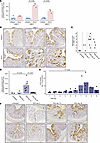 Figure 1
SLPI expression is upregulated in the distal colon of Muc2–/– mice, and in the distal colon of wild-type mice during DSS-induced colitis. (A) Slpi mRNA expression was measured in the distal colonic tissue of Muc2-deficient (Muc2–/–) mice and wild-type littermates at 2, 4, and 8 weeks old. Bars represent the mean relative expression levels for multiple mice; P values were calculated using Wilcoxon’s rank sum test (A, D, and E). (B) SLPI protein expression was detected by immunohistochemistry (IHC) in the distal colonic tissue of Muc2–/– mice and wild-type littermates at 2, 4, and 8 weeks old. Representative images were acquired at ×20 magnification. (C–F) Wild-type mice received 2% DSS in the drinking water for 5 subsequent days in 2 independent experiments. (C) Histological damage and inflammation were scored on a scale from 0 to 6 on H&E-stained sections of the distal colon. (D) Slpi mRNA expression was measured in the distal colon of untreated mice and at day 5, day 10, and day 36 of DSS treatment. (E) SLPI protein excretion was measured in fecal samples collected on day 1 until day 10 of DSS treatment. Shown are SLPI protein levels relative to total protein levels for mice from which fecal samples were available on that day. Bars represent the mean relative SLPI protein levels for multiple mice. (F) SLPI protein expression was detected by IHC in the distal colon of untreated mice and at day 5, day 10, and day 36 of DSS treatment. Representative H&E and SLPI-immunostained images of the distal colon of 2 mice per condition; original magnification, ×10.
To further investigate the relationship between SLPI, microbiota, and colitis, we assessed epithelial SLPI expression during dextran sodium sulfate–induced (DSS-induced) colitis, which occurs as a result of compromised barrier integrity leading to exposure to luminal antigens (30). Induction of DSS colitis in wild-type mice resulted in tissue damage and inflammation in the distal colon, with high histological disease scores on day 10 of DSS treatment (Figure 1C). DSS significantly increased Slpi mRNA expression in the distal colon of wild-type mice at day 10 (vs. untreated mice); Slpi expression returned to baseline levels at day 36 (Figure 1D). In addition, we detected a transient increase in SLPI protein concentrations in fecal samples (Figure 1E). Microscopically, we observed numerous SLPI-positive epithelial cells in the distal colon at days 10 and 36 in DSS-treated wild-type mice, whereas we only detected a few SLPI-positive cells in the distal colon at day 5 and in untreated mice (Figure 1F). The finding that SLPI expression remains high in tissues at day 36, when tissue healing has taken place, is intriguing as SLPI has been reported to have wound healing properties (31). SLPI-positive epithelial cells were mainly large goblet-type cells. Thus, SLPI expression increased in both the colonic tissue and feces at the peak of colitis, possibly in response to increased microbial contact.
SLPI expression is increased in the colonic epithelium of therapy-naive pediatric patients with IBD. Next, we investigated whether intestinal epithelial SLPI expression is increased during human intestinal inflammation using microarray data for SLPI mRNA expression in intestinal biopsies from 2 adult IBD cohorts from the Gene Expression Omnibus (GEO) public genomic repository.
The Arijs 2009 cohort collected ileal and colonic biopsies from controls (healthy adults) and macroscopically inflamed mucosa from adult patients with IBD refractory to corticosteroids and/or immunosuppression (32). SLPI mRNA expression was significantly higher in colonic biopsies than ileal biopsies (Wilcoxon’s rank sum test, P < 0.01; Figure 2A). In addition, SLPI was significantly higher in ileal biopsies from patients with CD versus controls (Figure 2A). In colonic biopsies, SLPI tended to be higher in patients with CD or UC compared with controls, although these differences were non-significant (Figure 2A).
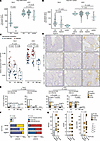 Figure 2
SLPI expression is increased in colonic epithelium of therapy-naive pediatric patients with CD or UC compared with IBD-negative controls. (A and B) SLPI RNA expression values from microarray data for intestinal biopsies from adult patients with CD or UC and controls. Data are derived from GSE16879 (Arijs 2009 cohort) (A) and GSE75214 (Arijs 2017 cohort) (B). Horizontal bars represent medians. Wilcoxon’s rank sum test. (C) SLPI mRNA expression measured by qPCR in macroscopically non-inflamed and macroscopically inflamed intestinal biopsies from pediatric CD (n = 21), UC (n = 19), and IBD-negative controls (IBD-neg, n = 9). Each data point represents one biopsy. Box plots display medians and first and third quartiles. Wilcoxon’s rank sum test. (D and E) SLPI protein expression detected by IHC in macroscopically non-inflamed and macroscopically inflamed intestinal biopsies from pediatric CD (n = 41), UC (n = 22), and IBD-negative controls (n = 15). (D) Representative images were acquired at ×20 magnification. (E) Intensity of intestinal epithelial SLPI staining scored semiquantitatively. Distribution of maximum SLPI scores and percentage of patients with each SLPI IHC score per group are shown. Fisher’s exact test. (F and G) Clinical characteristics per SLPI IHC score group using the SLPI IHC score for the colonic biopsy with the highest modified GHAS per patient. (F) Percentages of patients with CD (n = 40) versus UC (n = 22) and percentages of patients with no or mild clinical disease activity (n = 25) versus patients with moderate to severe clinical disease activity (n = 37). Pearson’s χ2 test. (G) SES-CD score in CD patients with a complete endoscopy (n = 31); UCEIS score in all UC patients (n = 22); and “total UCEIS” (the sum of the UCEIS of each colonic segment) in UC patients with a complete endoscopy (n = 21). The size of the circles represents the number of patients. Kruskal-Wallis rank sum test. For additional statistical comparisons, see Supplemental Table 2.
The Arijs 2017 cohort included ileal and colonic biopsies from controls (healthy adults) and endoscopically assessed adults with active (UC = Mayo endoscopic subscore ≥ 2; CD = presence of ulcers) or inactive IBD (33). SLPI was also higher in colonic biopsies than ileal biopsies in this cohort (Wilcoxon’s rank sum test, P < 0.01; Figure 2B). In addition, SLPI was higher in ileal biopsies from patients with active CD compared with controls and patients with inactive CD (Figure 2B). In colonic biopsies from patients with active CD or active UC, SLPI was also higher than controls (Figure 2B). SLPI was not different between colonic biopsies from patients with active and inactive UC as defined by endoscopy (Wilcoxon’s rank sum test, P = 0.73; Figure 2B). Collectively, these data indicate that SLPI mRNA expression is increased in the intestine of adult patients with IBD and may be associated with macroscopic disease activity.
The Arijs 2009 and Arijs 2017 cohorts were not therapy naive; thus, therapy could confound these results. Therefore, we assessed SLPI mRNA expression in ileal and colonic biopsies from therapy-naive pediatric patients with CD or UC and IBD-negative controls from our longitudinal pediatric IBD cohort. Overall, in both patients and IBD-negative controls, SLPI was higher in colonic biopsies than ileal biopsies (Wilcoxon’s rank sum test, P < 0.01). SLPI was also higher in biopsies from macroscopically inflamed regions than macroscopically non-inflamed regions (Wilcoxon’s rank sum test: ileum, P < 0.01; colon, P < 0.01; Figure 2C). SLPI was higher in both ileal and colonic biopsies from patients with CD (Figure 2C) and colonic biopsies from patients with UC versus IBD-negative controls (Figure 2C). SLPI was not significantly higher in ileal biopsies from patients with UC versus IBD-negative controls (Figure 2C), as most ileal UC biopsies were from macroscopically non-inflamed tissues. There was no significant difference in SLPI expression in inflamed colonic biopsies between CD and UC (Figure 2C). These data demonstrate that SLPI mRNA expression is increased in both the ileum and colon in untreated pediatric IBD and indicate that SLPI expression is associated with macroscopic inflammation.
To further explore whether histological detection of SLPI using immunohistochemistry could differentiate heterogeneous intestinal immune processes at diagnosis, we analyzed SLPI protein expression in the well-characterized Paediatric Inflammatory Bowel Diseases Network for Safety, Efficacy, Treatment and Quality improvement of care (PIBD-SETQuality) inception cohort, for which biological material is available for all patients included in Rotterdam (34, 35). First, we performed immunohistochemistry on ileal and colonic biopsies from therapy-naive pediatric IBD patients and IBD-negative controls using two different antibodies: a monoclonal antibody raised against human SLPI purified from sputum (Figure 2D) and a polyclonal antibody raised against Escherichia coli–derived recombinant human SLPI (Supplemental Figure 2A; supplemental material available online with this article; https://doi.org/10.1172/jci.insight.197126DS1). Detection of SLPI using the monoclonal antibody was significantly associated with detection of SLPI using the polyclonal antibody in both ileal and colonic biopsies from patients with IBD and IBD-negative controls (Fisher’s exact test: ileum, n = 76, P < 0.01; colon, n = 114, P < 0.01; Supplemental Figure 2B).
Regardless of the antibody used, we mainly detected SLPI in intestinal epithelial cells (Figure 2D and Supplemental Figure 2A). Consistent with our observations in mice, SLPI was most abundant in large goblet-like cells in the colon (Figure 2D and Supplemental Figure 2A). We compared SLPI protein expression between patients with IBD and IBD-negative controls using the maximum SLPI score for macroscopically inflamed and macroscopically non-inflamed ileum and colon (Figure 2E and Supplemental Figure 2C). SLPI protein expression was higher in colonic biopsies from macroscopically inflamed regions than in colonic biopsies from macroscopically non-inflamed regions (Fisher’s exact test, P < 0.01; Figure 2E and Supplemental Figure 2C). Importantly, SLPI was higher in colonic biopsies from macroscopically inflamed colon from patients with CD or UC compared with the IBD-negative controls (Fisher’s exact test, P = 0.01; Figure 2E and Supplemental Figure 2C). Moreover, therapy-naive patients with increased colonic SLPI expression had higher lipopolysaccharide-binding protein (LBP) concentrations in plasma, suggestive of increased barrier breach and intestinal permeability (Supplemental Figure 3). As the monoclonal antibody resulted in less background staining (Figure 2D and Supplemental Figure 2A), hereafter, we focus on the monoclonal antibody results.
To test whether colonic epithelial SLPI expression is related to clinical disease activity, we classified the patients based on the SLPI immunohistochemistry score for their most affected colonic biopsy, i.e., the highest modified Global Histological Disease Activity Score (GHAS).
Patients with UC had significantly higher SLPI scores than patients with CD (Pearson’s χ2 test, P = 0.04; Figure 2F and Supplemental Table 3). In 2 patients with UC, SLPI was not detected in the selected “most affected colonic biopsy” (Figure 2F); one of these patients had ulcerative proctitis without macroscopic inflammation in the colon. The second patient appeared to have mild disease; thus a macroscopically non-inflamed colon biopsy was selected based on the highest GHAS score (which was 3/12). Interestingly, significantly more IBD patients with high SLPI scores had moderate to severe clinical disease activity than no or mild clinical disease activity, indicating that high colonic epithelial SLPI protein expression is associated with more active clinical disease at diagnosis (Pearson’s χ2 test, P = 0.01; Figure 2F and Supplemental Table 3). Patients with CD with high SLPI scores more frequently had more severe endoscopic disease based on the Simple Endoscopic Score for Crohn’s Disease (SES-CD) (Figure 2G and Supplemental Table 3). As expected, patients with CD with high colonic SLPI scores more frequently had colonic or ileocolonic disease than ileal disease (Supplemental Table 3). In UC, we also observed trends between high SLPI scores and endoscopic disease based on the UC Endoscopic Index of Severity (UCEIS) or total UCEIS for each colonic segment, although these trends were non-significant (Figure 2G and Supplemental Table 3).
Next, we assessed whether high SLPI scores were related to the patient’s disease course. At weeks 2, 12, 24, and 52, approximately 50% of the patients with high colonic SLPI expression had a moderate clinical improvement (>37.5 decrease in weighted Pediatric CD Activity Index [wPCDAI] for CD or ≥30 decrease in Pediatric UC Activity Index [PUCAI] for UC) in comparison with their clinical score at diagnosis. This clinical improvement was lower at weeks 4, 12, and 24 in the group with low SLPI scores but became equal at week 52 (Supplemental Figure 4A). This clinical improvement may in part relate to the fact that, before treatment, patients with high SLPI scores tend to have higher clinical disease activity and therefore more chance to undergo improvement upon induction therapy. In contrast, fecal calprotectin remission (Fcal < 300 μg/g) followed a different course. While initially at 4 and 12 weeks there was similar Fcal remission between the groups, the proportion of patients with Fcal remission at weeks 24 and 52 was higher in the group of patients with low SLPI scores than in those with high scores (Supplemental Figure 4B). Together, these data may suggest that high intestinal SLPI at diagnosis does relate to a lower chance to reach Fcal remission at 1 year after diagnosis. However, as these patients were enrolled in a real-world data cohort with different kinds of induction and maintenance treatments, further data collection is needed to firmly establish such a relationship.
In conclusion, SLPI protein and mRNA expression is increased in the colonic epithelium of patients with CD or UC compared with non-IBD controls. Moreover, high colonic epithelial SLPI protein expression is associated with more severe clinical disease activity and macroscopic inflammation in both CD and UC.
Colonic epithelial SLPI expression is associated with histological disease activity and infiltration of neutrophils. As epithelial SLPI expression was mainly increased in macroscopically inflamed regions of the colon in IBD, we next investigated which immune processes underlie this association. Microscopic disease activity (i.e., modified GHAS) was significantly associated with high SLPI scores in colonic biopsies from patients with CD or UC and IBD-negative controls (Kruskal-Wallis rank sum test, P < 0.01; Figure 3A). To assess whether microscopic disease activity is related to neutrophil infiltration, we assessed the relationship between SLPI and the activity GHAS, which reflects the presence of neutrophils in the lamina propria and epithelium, epithelial damage, and erosions or ulcers. Microscopic disease activity (activity GHAS) was significantly associated with high SLPI scores in colonic biopsies (Kruskal-Wallis rank sum test, P < 0.01; Figure 3A). The activity GHAS subscore “epithelial damage” positively related to SLPI expression (2-sided Fisher’s exact test, P < 0.01). Only a few biopsies showed erosion or ulcers (10/114). Of these, 8/10 showed weak/strong SLPI expression in the remaining epithelial cells versus 62/104 (60%) of the biopsies without erosion or ulcers (difference not statistically significant). To determine the relationship with neutrophil infiltration, we performed immunohistochemistry for calprotectin (S100A8/S100A9 heterodimer) on colonic biopsies from patients with CD or UC and IBD-negative patients.
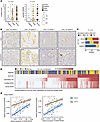 Figure 3
Colonic epithelial SLPI expression is associated with histological disease activity and with infiltration by calprotectin-positive cells. (A) H&E-stained sections of colonic biopsies from pediatric patients with CD (n = 41) or UC (n = 22) and IBD-negative (IBD-neg) controls (n = 15) were scored using the modified Global Histological Disease Activity Score (modified GHAS), including the subscore “activity GHAS.” GHAS scores are shown for the 3 categories of SLPI IHC scores. Kruskal-Wallis rank sum test. The size of the circles represents the number of biopsies (total n = 114 biopsies). (B and C) Calprotectin IHC in colonic biopsies from patients with CD or UC and IBD-negative controls. (B) Representative images of calprotectin IHC and SLPI IHC for colonic biopsies from 2 patients with CD and 2 patients with UC. Images were acquired at ×20 magnification. (C) The number of calprotectin-positive cells was counted per mm2 (maximum, 200) and grouped into 3 categories. Percentages of calprotectin scores per colonic SLPI IHC score (total n = 114 biopsies) are shown. Fisher’s exact test. For additional statistical comparisons, see Supplemental Table 2. (D) Heatmap of relationship between the different histological scores described above for all colonic biopsies (n = 114) from patients with CD (n = 40) or UC (n = 22) and IBD-negative controls (n = 15). Biopsies were ranked by SLPI IHC score, then by number of calprotectin-positive cells per mm2 (maximum, 200 “calprotectin IHC”), and then by modified GHAS. For each score, data are normalized to the minimum and maximum within that score. (E) SLPI, S100A8, and S100A9 mRNA expression measured by qPCR in ileal and colonic biopsies from patients with CD (n = 21) or UC (n = 19) and IBD-negative controls (n = 9). Each data point represents one biopsy. Spearman’s rank correlation coefficient.
Fecal calprotectin concentrations reflect the presence of neutrophils in the intestine and predict disease relapse in IBD (36). We observed clusters of calprotectin-positive cells in a subset of colonic biopsies (Figure 3B). The number of calprotectin-positive cells was significantly associated with the SLPI score (Fisher’s exact test, P < 0.01; Figure 3C). To visualize the relationships between SLPI expression detected by immunohistochemistry, the diagnosis, the number of calprotectin-positive cells, and microscopic disease activity, we generated a heatmap of the histological data from all colonic biopsies (Figure 3D). High colonic epithelial SLPI protein expression was associated with high numbers of calprotectin-positive cells and microscopically active disease.
To further assess the relationship between SLPI and calprotectin, we also measured SLPI, S100A8, and S100A9 mRNA in ileal and colonic biopsies from patients with CD or UC and IBD-negative controls from the longitudinal IBD cohort. SLPI mRNA significantly correlated with S100A8 and S100A9 expression in both ileal biopsies and colonic biopsies (Figure 3E). Together, these data further demonstrate that colonic epithelial SLPI expression is associated with neutrophil infiltration.
RNA sequencing reveals enrichment for immune activation and neutrophil and T cell infiltration pathways in the colon of patients with high colonic epithelial SLPI expression. Neutrophils are a heterogeneous cell population with highly varied immune activity; thus, we investigated whether neutrophils that colocalize with high epithelial SLPI expression exhibit particular immune profiles, and examined the cellular networks these cells may cooperate with. We conducted RNA sequencing of paired biopsies from the same patients for whom we performed SLPI immunohistochemistry. One ileal and one colonic biopsy corresponding to the location of the microscopically most affected ileal and colonic region were included for each patient (Figure 4A). Considering the statistical requirement of defining 2 groups for the differential expression analysis, we categorized patients into SLPI-high (SLPIhigh; weak/strong IHC) and SLPI-low (SLPIlow; negative IHC) epithelial protein expression groups according to the SLPI immunohistochemistry scores for their most affected colonic and ileal biopsies (Figure 4A).
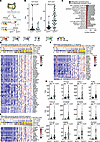 Figure 4
RNA sequencing reveals enrichment of immune activation and neutrophil and T cell infiltration pathways in paired colonic biopsies from patients with high SLPI IHC scores. (A) Two adjacent (paired) biopsies were collected from multiple ileal and colonic regions during endoscopy for therapy-naive patients with CD or UC and IBD-negative (IBD-neg) controls. One paired biopsy was used for histological analysis, and RNA sequencing was performed on the paired biopsy from the most affected ileal and colonic region per patient. The modified GHAS was used to define the most affected ileal and colonic region per patient. SLPI IHC scores of the most affected biopsy were used to classify patients as SLPIlow (negative IHC) or SLPIhigh (weak/strong IHC). RNA sequencing was performed on the paired biopsy from the most affected ileal and colonic region per patient. (B–F) Intestinal gene expression of SLPIhigh and SLPIlow groups; differentially expressed genes (DEGs) were defined as having an FDR-adjusted P value ≤ 0.05 and log2FC > 1 or < –1. (B) Transcripts per kilobase million (TPM) values for SLPI RNA in ileal and colonic biopsies from SLPIlow and SLPIhigh groups. (C) Top 15 of the 26 upregulated hallmark pathways from gene set enrichment analysis. (D–F) Z-scored TPM values for DEGs in colonic biopsies from patients in the SLPIhigh versus the SLPIlow group. Genes are ranked according to significance (lowest adjusted P value on top). Above the heatmaps, TPM values for EPCAM (as a measure of an epithelial signal) and CD45 (a hematopoietic cell signal), the dichotomized SLPI IHC score (SLPIhigh, SLPIlow), the modified GHAS score from the paired biopsy, and the diagnosis are shown. (D) The 51 upregulated genes of 200 in the gene set “hallmark TNFA signaling via NFKB” pathway (M5890) (69, 70). (E) The upregulated gene set for the “neutrophil signature” contains known neutrophil-associated genes selected by us. (F) The upregulated gene set for the “IL-17 signature” was compiled using multiple pathways (see Supplemental Methods). (G) TPM values of representative DEGs (upregulated, adjusted P value ≤ 0.05 and log2FC > 1) in colonic biopsies from the SLPIhigh versus the SLPIlow group.
Based on ileal SLPI protein expression, only 7 patients were categorized into the SLPIhigh group versus 36 into the SLPIlow group (Figure 4B). As anticipated, SLPI mRNA expression was not different between the SLPIhigh and SLPIlow groups, because only a small proportion of the ileal biopsies exhibited increased SLPI mRNA expression (Figure 4B). In contrast, in colonic biopsies, SLPI mRNA expression was significantly higher in the SLPIhigh group compared with the SLPIlow group (based on colonic SLPI protein expression; Figure 4B). In the colon, 559 genes were differentially expressed between the SLPIhigh and SLPIlow groups (487 upregulated, 72 downregulated); in the ileum, only 5 genes were differentially expressed between these groups (all upregulated; Wald test with Benjamini-Hochberg correction: log2 fold change [log2FC] < –1 or > 1 and adjusted P value < 0.05). These data demonstrate that histological detection of SLPI protein expression in colon discriminates 2 groups of IBD patients with distinct gene expression profiles in the most affected colonic region. Therefore, we focused on colonic SLPI expression in our subsequent analyses. In support of the observation that SLPI is mainly expressed by goblet cells, expression of mucin genes was higher in colonic biopsies from the SLPIhigh group than in those from the SLPIlow group (Supplemental Figure 5).
To identify which pathways are associated with high colonic SLPI expression, we performed gene set enrichment analysis (GSEA) of the expression profiles from SLPIhigh and SLPIlow colonic biopsies. Significant enrichment of 26/50 hallmark pathways was observed in SLPIhigh patients. The top 15 upregulated pathways were associated with multiple immune processes including TNF-α signaling via NF-κB, the epithelial-mesenchymal transition, and interferon-γ (IFN-γ) responses (Figure 4, C–F). The most highly upregulated genes in the “TNF-α signaling via NF-κB” hallmark pathway were the neutrophil-attracting chemokines CXCL1, CXCL3, and CXCL6, the inflammatory cytokine IL1B, the pattern recognition receptor Toll-like receptor 2 (TLR2), and the prostaglandin synthesis gene cyclooxygenase-2 (PTGS2) (Figure 4, D and G). In keeping with the strong neutrophil infiltration observed on histology, biopsies from SLPIhigh patients exhibited a signature of not only neutrophil infiltration, but also functional activation — as indicated by enrichment of OSM (involved in stromal cell activation), matrix metalloproteinase 9 (MMP9; involved in collagen degradation), the antimicrobial proteins calprotectin (S100A8/S100A9 heterodimer) and lipocalin-2 (LCN2), and neutrophil cytosolic factor 2 (NCF2; encodes a subunit of the NADPH complex required for microbial killing) (Figure 4, E and G). These findings were supported by upregulation of multiple genes in the GSEA-curated “neutrophil degranulation pathway” (37) in the SLPIhigh group (Supplemental Figure 6A).
In addition to neutrophil activation pathways, colonic biopsies from the SLPIhigh group versus the SLPIlow group were enriched in IL-17 signaling (Figure 4, F and G). Key upregulated genes included the chemokine CCL20, which attracts CCR6-expressing Th17 and ex-Th17 cells to the inflamed intestine (38); CXCL8, a hallmark neutrophil-recruiting chemokine induced by IL-17 signaling; and epithelial antimicrobial dual oxidase 2 (DUOX2) (Figure 4, F and G). Elevated ileal DUOX2 expression has been associated with expansion of proteobacteria in both CD and UC, which may possibly be related to microbial shifts in the SLPIhigh subgroup (39).
Most strikingly, an overall signature of genes previously associated with resistance to therapy was detected in the SLPIhigh group (10, 11). Thus, we analyzed whether previously described expression modules related to resistance to therapy were enriched in SLPIhigh patients (10, 11). Indeed, most genes from the OSM-associated module (10), which differentiates patients with primary non-responsiveness to anti-TNF therapy, were upregulated in colonic biopsies from our therapy-naive SLPIhigh IBD patients (Supplemental Figure 6B). Intriguingly, caspase-1 (CASP1), the factor required for activation of IL-1B — and likely an important driver of inflammation in this module — was highly upregulated in SLPIhigh patients (Figure 4G).
Moreover, a previously described neutrophil module associated with non-response to therapy (11) was upregulated in colonic biopsies from the SLPIhigh group (Supplemental Figure 6C). To further strengthen our claim that epithelial SLPI protein expression is a biologically relevant parameter relating to underlying immune disease, we performed unbiased hierarchical clustering of patients using differentially expressed genes identified by comparison of colonic biopsies of CD versus IBD-negative and UC versus IBD-negative patients. Subsequent Ward’s hierarchical clustering on the basis of these differential transcriptional profiles in colonic biopsies, indeed, clustered CD and UC patients into groups with high or low SLPI protein expression on immunohistochemistry (Supplemental Figure 7).
Overall, these results indicate that colonic epithelial SLPI expression is associated with strong immune activation, characterized by neutrophil activation and IL-17 signaling in IBD. In addition, genes associated with non-response to therapy were enriched in the colon of IBD patients with high epithelial SLPI expression.
IL-17A production is increased in the colon and peripheral blood of patients with high colonic epithelial SLPI expression. As we observed enrichment of IL-17 signaling pathways in colonic biopsies from patients with high epithelial SLPI protein expression (SLPIhigh), we questioned whether Th17 lymphocytes were increased in these biopsies. First, we estimated the number of mononuclear cells in the lamina propria of colonic biopsies from patients with CD or UC and IBD-negative controls. The number of mononuclear cells in the lamina propria was higher in SLPIhigh colonic biopsies (Fisher’s exact test, P < 0.01; Figure 5, A and B). As these mononuclear cells could be monocytes, macrophages, or lymphocytes, we performed immunohistochemistry to detect IL-17–expressing lymphocytes. IL-17–positive cells were increased in a subset of biopsies, especially in SLPIhigh biopsies with high numbers of calprotectin-positive cells (Figure 5, A and C). The number of IL-17–positive cells was significantly associated with colonic epithelial SLPI protein expression (Fisher’s exact test, P < 0.01; Figure 5C).
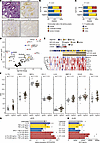 Figure 5
Colonic epithelial SLPI protein expression is associated with IL-17–positive cells in the tissue and IL-17A production in peripheral blood. (A) H&E staining and IHC for SLPI, calprotectin, and IL-17 on colonic biopsies from patients with CD (n = 41) or UC (n = 22) and IBD-negative (IBD-neg) controls (n = 15). Representative images acquired at ×20 magnification. (B) The GHAS parameter “infiltration by mononuclear cells in the lamina propria” scored on H&E-stained sections for the 3 categories of SLPI IHC scores (total n = 114 biopsies). Fisher’s exact test. (C) The number of IL-17–positive cells in the lamina propria was classified into 3 categories and plotted for the 3 categories of SLPI IHC scores (total n = 114 biopsies). Fisher’s exact test. For additional statistical comparisons, see Supplemental Table 2. (D–F) SLPI IHC scores were used to classify patients as SLPIlow (negative IHC, n = 25) or SLPIhigh (weak/strong IHC, n = 45). Protein concentrations in plasma were compared between the 2 groups (2-tailed independent t test; Benjamini-Hochberg correction). (D) Differentially abundant proteins (log2FC < –0.5 or > 0.5, adjusted P value < 0.05) between the SLPIhigh and SLPIlow groups are shown in red. (E) Z scores of the normalized protein expression (NPX) values of increased proteins in IBD; zero represents the NPX of non-IBD control. Ward’s clustering criterion (67, 68). (F) NPX values for differentially abundant proteins (log2FC < –0.5 or > 0.5, adjusted P value < 0.05) in the SLPIhigh compared with the SLPIlow group. (G and H) TR146 buccal epithelial cells were cultured and serum-starved for 4–24 hours (G) or 24 hours (H) and subsequently stimulated with IL-1β, TNF-α, IFN-γ, or IL-17A or unstimulated for 16 hours. (G) Relative expression of SLPI mRNA compared between unstimulated and stimulated cells measured by qPCR. (H) Concentrations of SLPI protein in the supernatant measured by ELISA. (G and H) Bars represent the mean of multiple culture wells. Wilcoxon’s rank sum test.
To further explore the association between colonic epithelial SLPI protein expression and immune activation, we measured protein concentrations in plasma from patients with CD or UC and IBD-negative controls. Strikingly, the plasma concentrations of the Th17-associated cytokines IL-17A, CCL20, and IL-24 were significantly elevated in the SLPIhigh group versus the SLPIlow group (Figure 5, D–F), indicating that high colonic SLPI expression is associated with a Th17-like immune protein profile in plasma. IL-24 is produced by Th17 lymphocytes in response to IL-17A, via autocrine negative feedback (40). Notably, IFN-γ plasma protein concentrations were also significantly increased in the SLPIhigh group, but at a lower fold change compared with IL-17A, suggesting a stronger association between epithelial SLPI expression and a Th17 response (Figure 5, D–F). These data indicate that high colonic epithelial SLPI expression is associated with elevated Th17 in the peripheral blood in IBD.
As IL-17A enhances SLPI expression in human lung epithelial cells (41), we questioned whether IL-17A upregulates SLPI in the intestinal epithelium. Previously, we have demonstrated that modulation of SLPI expression can best be modeled in the buccal epithelial cell line TR146, while the colonic epithelial cell line Caco-2 is more heterogeneous and varies in its capacity to express SLPI (13). We stimulated TR146 human buccal epithelial cells with IL-17A and other cytokines to induce SLPI in these cells (13). As expected, IFN-γ significantly downregulated SLPI (Figure 5G). Interestingly, IL-17A significantly upregulated SLPI mRNA (Figure 5G) and SLPI protein in the supernatant (Figure 5H), which suggests that colonic epithelial SLPI protein expression in IBD may in part occur as a result of elevated levels of IL-17A. As IL-17A also promotes tissue recruitment of neutrophils (42), our data suggest that IL-17A enhances both epithelial SLPI expression and accumulation of neutrophils in the colon in IBD.
Circulating neutrophils from SLPIhigh and SLPIlow patients have intrinsically different transcriptomes. Since the colonic epithelial SLPIhigh immunotype was associated with strong immune activation and systemic IL-17A–related immune protein profiles, we questioned whether circulating neutrophils are differentially programmed in SLPIhigh and SLPIlow patients before migrating into the tissue. We performed bulk RNA sequencing of freshly isolated peripheral blood neutrophils at diagnosis. The total concentrations of neutrophils were not significantly different between the patient groups, excluding large changes in granulopoiesis (Figure 6A).
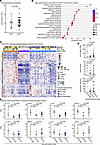 Figure 6
Circulating neutrophils from SLPIhigh and SLPIlow patients have intrinsically different transcriptomes. (A) Granulocyte concentrations in peripheral blood from SLPIhigh versus SLPIlow patients (based on SLPI IHC scores). Bars represent the mean; 2-tailed Student’s t test. (B) Gene set enrichment analysis performed on the neutrophil transcriptome from SLPIhigh versus SLPIlow patients and significant (adjusted P value < 0.05) gene sets from the curated C2, C5, and hallmark collections. The size of the circles represents the total number of genes in the gene set. (C) Heatmap of z-scored TPM values for all 188 DEGs in circulating neutrophils from SLPIhigh patients compared with SLPIlow patients. Hierarchical clustering of patients on the basis of z-scored TPM values for DEGs in neutrophils with Ward linkage (48, 49). Three neutrophil transcriptome patient clusters were identified: SLPI-high, SLPI-low, and SLPI-intermediate. (D) SLPI mRNA expression, activity GHAS, and number of calprotectin-positive cells in the paired colonic biopsies of patients categorized based on the neutrophil transcriptional clusters identified in the heatmap (C); bars represent the mean. Wilcoxon’s rank sum test. (E) Plasma protein concentration (normalized protein expression [NPX]) values across unbiased patient clusters identified by neutrophil transcriptome in the heatmap (C). (E) Bars represent the mean. Wilcoxon’s rank sum test.
Analysis of the neutrophil transcriptomes identified 188 differentially expressed genes (DEGs) between SLPIhigh and SLPIlow patients. GSEA revealed that neutrophils from SLPIhigh patients were significantly enriched in multiple functional pathways, including neutrophil granule formation, phagocytosis, oxidative phosphorylation, and interferon signaling (Figure 6B). Hierarchical clustering on the basis of all DEGs in neutrophils yielded 3 distinct patient clusters. Strikingly, despite the fact that we clustered based on mRNA expression in circulating neutrophils, this clustering differentiated patients with different degrees of SLPI mRNA and protein expression in their most affected colonic biopsy. Therefore, we named these neutrophil clusters SLPI-high, SLPI-intermediate, and SLPI-low (Figure 6, C and D, and Supplemental Figure 8), and the key transcriptional features driving the definition of these clusters are listed in Supplemental Table 4. These patient clusters based on neutrophil expression patterns were associated with differences in histological disease severity and neutrophil infiltration in the paired colonic biopsies (Figure 6D). This demonstrates that patients with high intestinal SLPI expression (Supplemental Figure 8) and associated intestinal disease exhibit altered molecular programming of immune function in circulating neutrophils. In line with this systemic alteration, circulating inflammatory protein concentrations differed significantly between the 3 neutrophil transcription–based patient clusters (Figure 6E). Both the SLPI-intermediate and -high clusters had higher plasma CXCL9, IL-24, and IFN-γ concentrations compared with the SLPI-low cluster (Figure 6E).
Crucially, clustering on the basis of the neutrophil transcriptome also identified patients with increased plasma IL-17A and IL-17C, particularly in the SLPI-high cluster (Figure 6E).
Overall, these results demonstrate that high epithelial SLPI expression and concomitant extensive neutrophil infiltration, IL-17A production, and histological damage collectively identify a subgroup of patients with IBD that exhibit altered molecular programming of circulating neutrophils.


